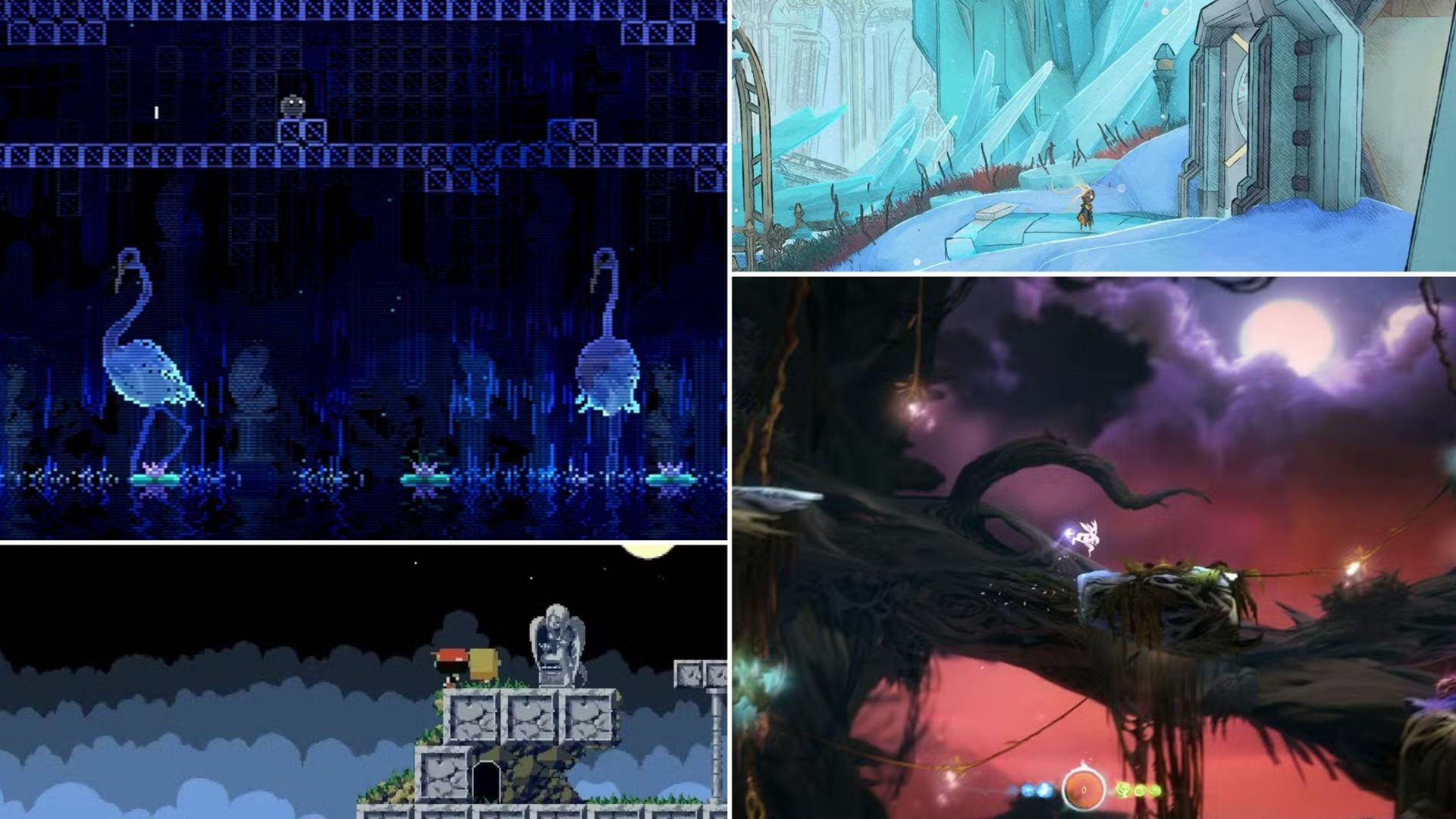
I especially love video games that truly push boundaries, because the term ‘revolutionary’ isn’t used casually in the gaming world.
It’s common for people to debate which games are the greatest, and opinions often differ. However, when truly innovative products come along – the ones that change everything – there’s usually more agreement about their impact.
It’s not perfect, but it definitely gives you a better idea of what to anticipate, and that anticipation is for a game that offers a fresh perspective on its genre – even if it’s just a slight shift in how you think about it.
I judge video games by how fresh and innovative they are within their genre. That’s why I’ve put together this list of the ten most groundbreaking Metroidvania games that every fan should play.
10. Darksiders 3
An Unusual Perspective
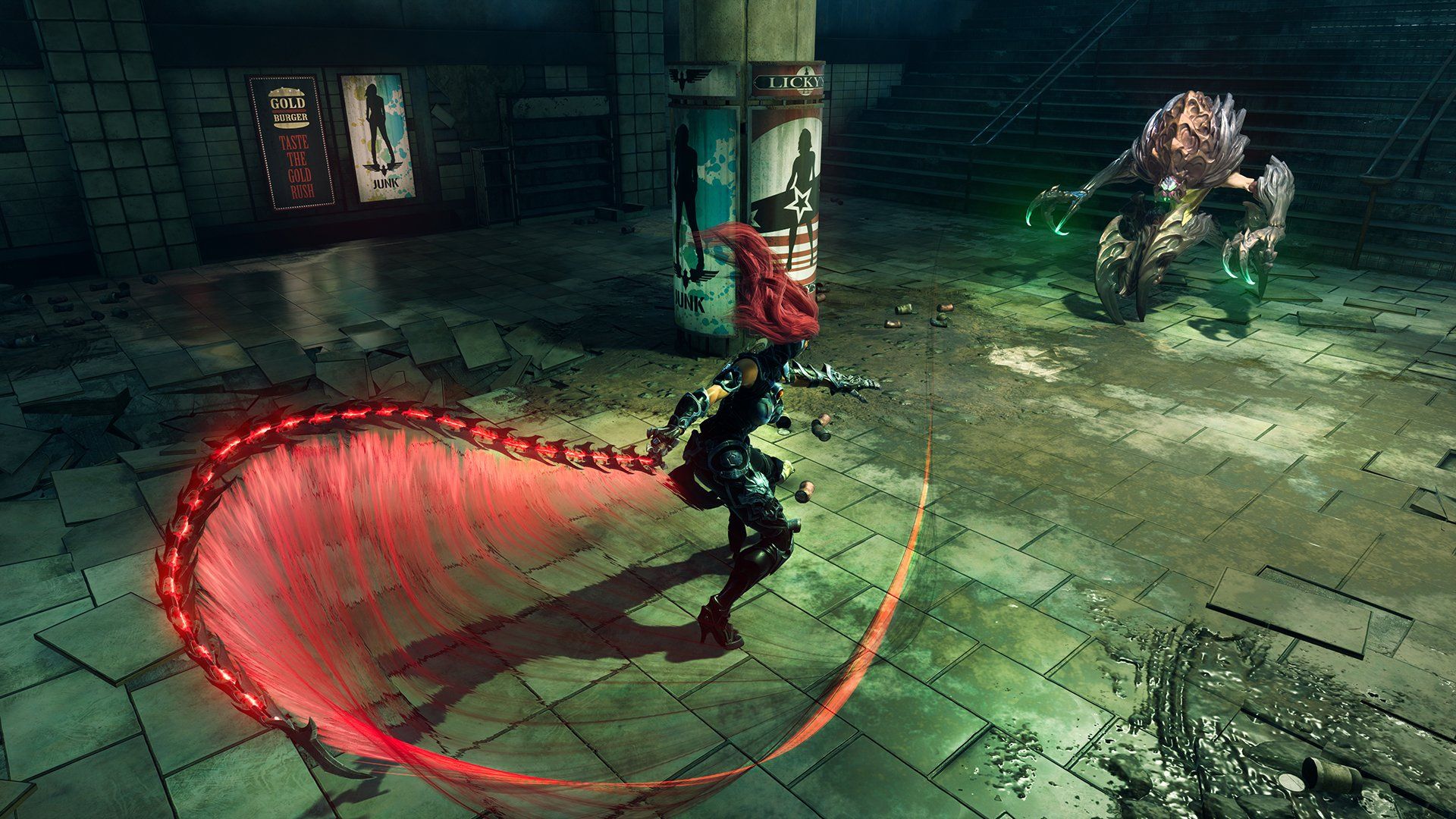
You might cringe a little thinking about Darksiders 3 being mentioned, and for good reason. It’s rarely talked about as a Metroidvania-style game, and many fans consider it the least impressive game in the Darksiders series.
This game is a prime example of the genre, but with a unique twist – it’s in 3D. It also brilliantly blends fast-paced action with the challenging gameplay of Soulslike games, proving my point: even large-scale, well-funded projects can deliver a great experience in this style.
Metroidvania-style games are mostly made by independent developers, which is great to see. However, Darksiders III demonstrates that you can achieve the same interconnected world, challenging gameplay, and focus on discovery even with a larger budget and in a 3D environment.
Is calling it revolutionary going too far? I can see why someone might think so. However, it’s rare to see such a substantial investment in this type of content these days—it might be the only one. When you combine that with the fact that it’s genuinely good, that’s enough to impress me.
9. Dead Cells
Fusing Genres
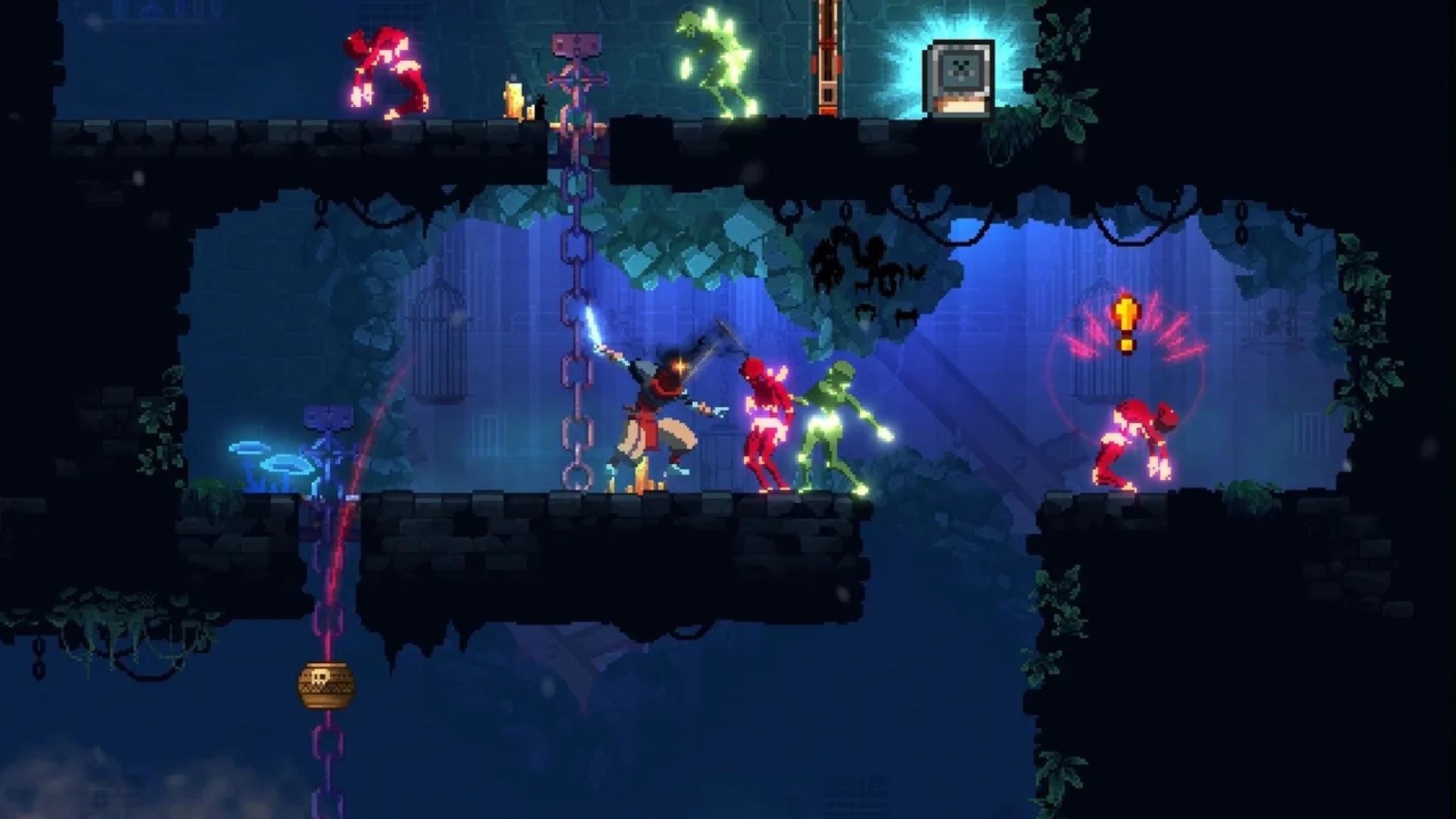
While many games experimented with blending genres, Dead Cells really made the “Metroidvania” style of game design – focusing on interconnected maps and ability-gated progression – widely popular, even though it wasn’t the first to try it.
Often considered the original ‘roguevania,’ this fantastic indie game expertly blends the challenging, replayable elements of ‘roguelikes’ with the exploration and progression of ‘Metroidvanias.’ The result is an incredibly engaging system that keeps players hooked for hundreds of hours.
Both roguelikes and Metroidvanias naturally lend themselves to replayability and freedom in how players approach the game. Combining the two makes a lot of sense, but it wasn’t until Dead Cells that people really saw how powerful that combination could be.
This game focuses on discovering skills that let you reach new areas, but with a unique challenge: levels are linear paths you can’t go back on.
You have to keep progressing through the game until you finish the loop. This highlights the core principle: you can only move forward, never back.
8. MIO: Memories in Orbit
Incomparable Dimensions
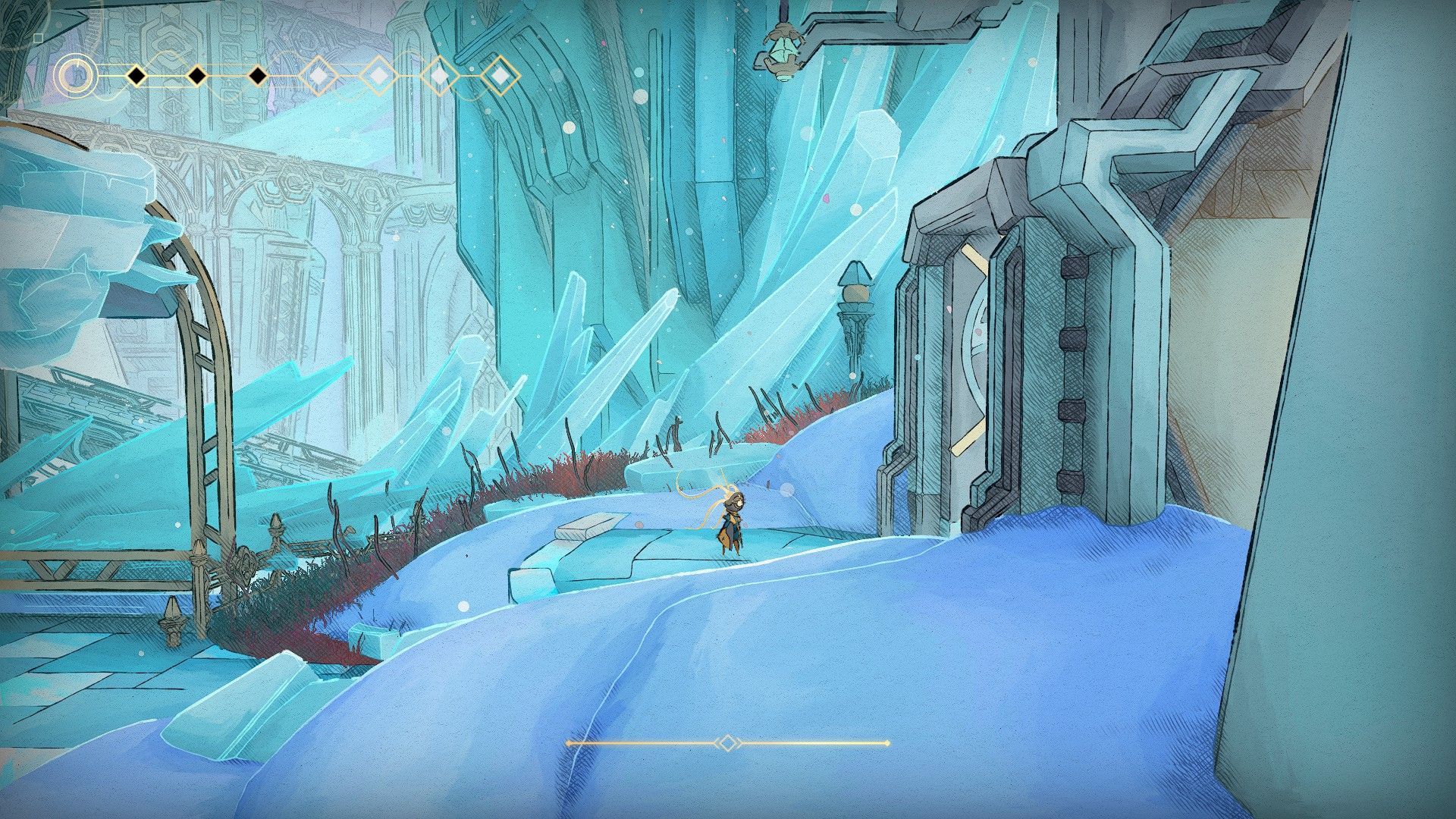
Most games like this are flat and predictable, so anything different immediately grabs my attention. But MIO: Memories in Orbit isn’t just different – it’s truly special, and I think it has the potential to become one of the greatest games of its kind ever made.
The game’s unique 2.5D visuals create a powerful sense of scale and depth. This makes the environments feel incredibly vast, and emphasizes how small you are in comparison – whether you’re navigating tight pipes or squeezing past delicate chandeliers. It’s an unusual but impressive effect.
As a player, I’m really struck by how the game feels. Everything around me is built to a normal size, but the world itself? It’s huge! This creates this amazing feeling of being small and insignificant, but in a good way – like I’m a tiny part of something massive and incredible that I get to explore. It’s truly awe-inspiring!
With stunning art design, MIO: Memories in Orbit truly stands out as a new high point for Metroidvania games. I’ve never felt such a strong sense of scale and vastness in any other game of this type.
7. Ori and the Blind Forest
Explore and Escape
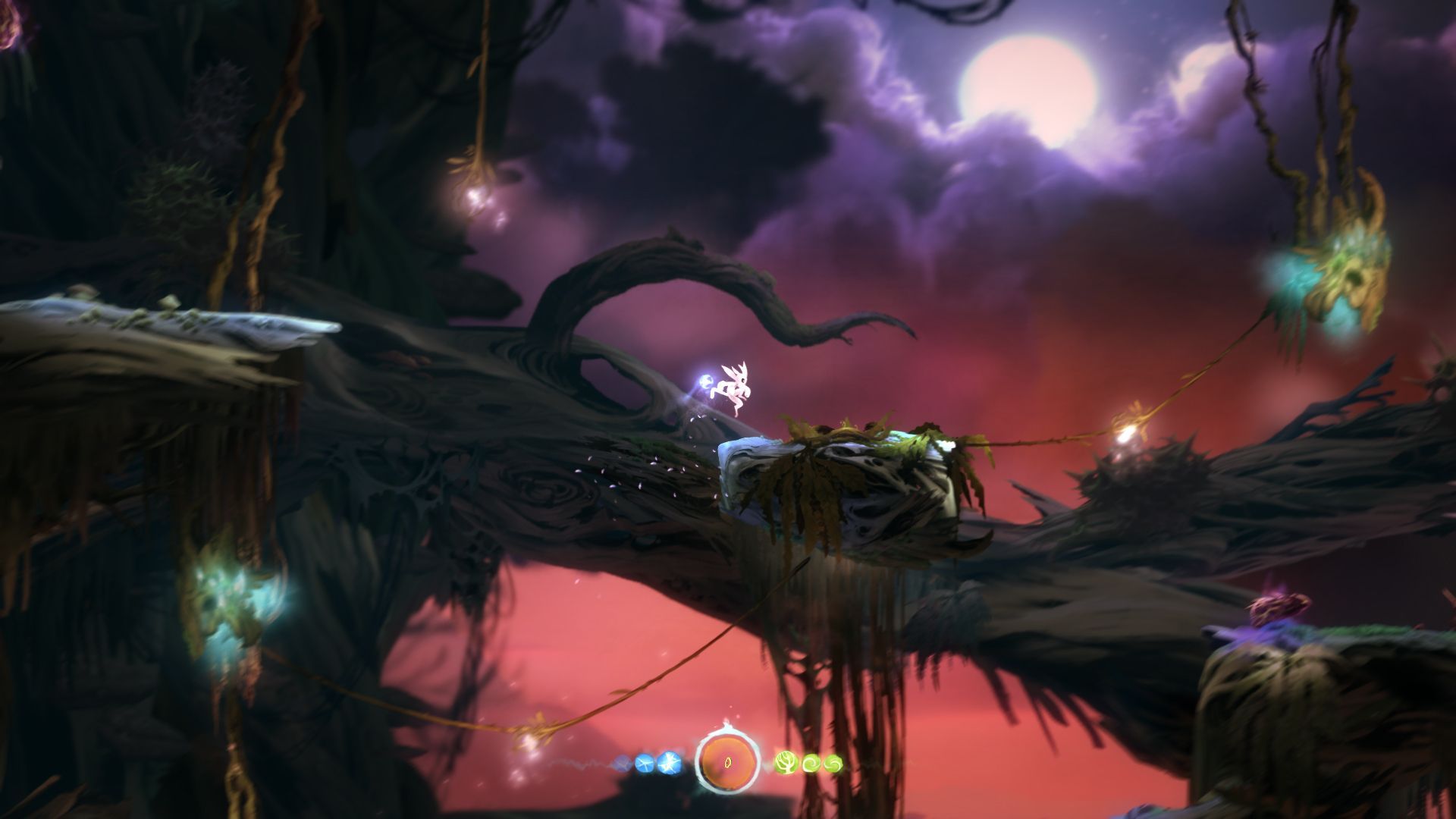
Most video games let you feel powerful, letting you play as everything from a god defeating rivals to a survivor in a harsh world. But Ori and the Blind Forest offers something beyond that simple power fantasy.
Unlike most stories where characters gain power to conquer, this one focuses on building strength to protect a home. This creates a surprisingly peaceful feel, especially in a genre usually filled with violence and overwhelming force.
Unlike many games, this one focuses on avoiding conflict. Instead of fighting bosses with complicated attacks or powering up to deal more damage, you progress by skillfully navigating platforming challenges while escaping natural disasters – you don’t directly battle them.
Even though the game keeps you on the edge of your seat with high-stakes moments, Ori and the Blind Forest does things differently than most games in its genre. This unique approach made it special, and while it was a great game on its own, the series really reached its full potential with the next installment.
6. Animal Well
Not Everything is About Fighting
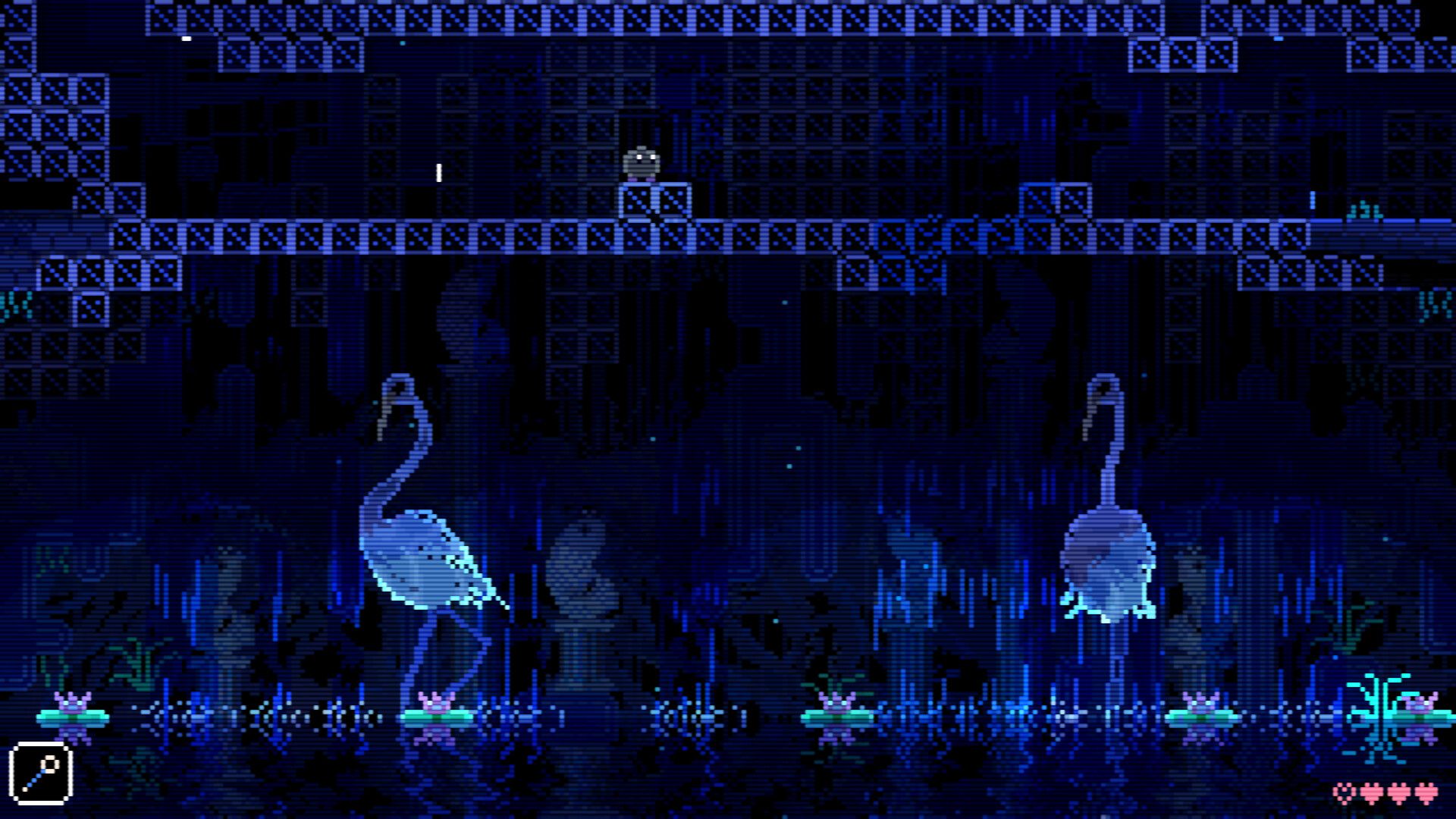
While Ori and the Blind Forest includes combat, Animal Well is different. It stands out by completely avoiding violence and instead focusing on clever puzzles, and it does so remarkably well.
Okay, so this game is really different. It doesn’t focus on leveling up me, the player character, or fighting enemies. Instead, it’s all about learning how the world works. The more I figure out the rules of this place – how things connect and what makes it tick – the more I’m able to progress. It’s like my understanding of the environment is my power-up, which is a really cool idea. They call it ‘Metroidbrainia’ – basically, knowledge is power!
Beyond simply needing tools to explore its expansive world, Animal Well places you in the role of a character who is just beginning to understand their surroundings. You’ll need to explore and experiment to figure out how everything functions, what actions are possible, and the reasons behind them.
Even putting aside how incredibly inventive the game’s item-based powers are, the core idea behind it feels groundbreaking. It’s truly revolutionary to build a Metroidvania around puzzles – a genre that usually goes against the typical focus of these games – and make that the central experience.
5. Prince of Persia: The Lost Crown
Specific Innovations
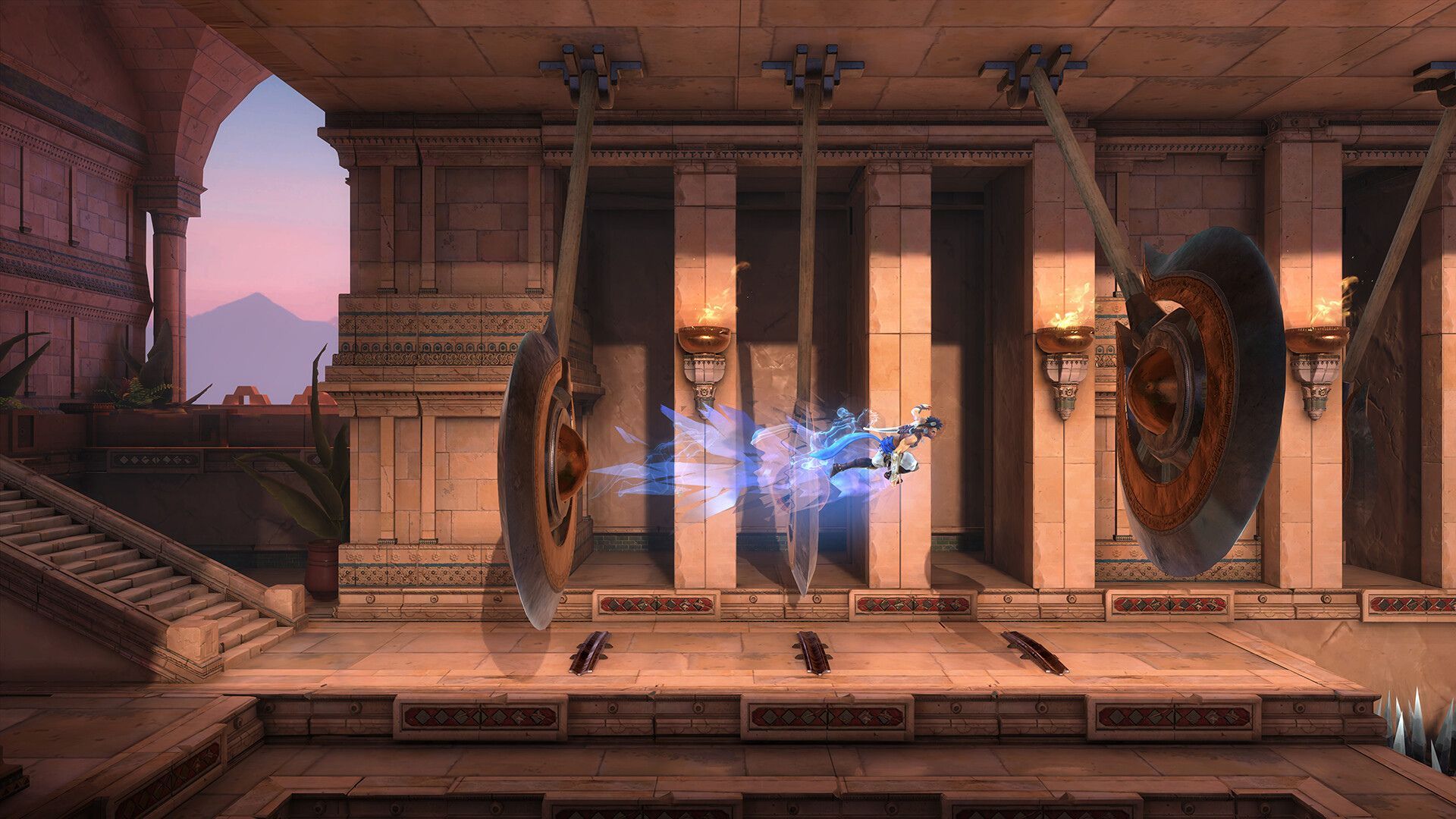
It’s getting harder to truly innovate within familiar game genres, but Ubisoft has done so with Prince of Persia: The Lost Crown, largely thanks to its fantastic photo mode and the inherent adaptability of the Prince of Persia series.
Adding pictures from the game itself to help players understand where they are is a big improvement. It makes the game easier to use because players won’t need to rely on separate apps or tools to figure things out – the game can handle it all.
Furthermore, I’m confident that The Lost Crown will be seen as a pioneering example of a major game developer successfully using a distinct, independent game style to revitalize a well-known franchise. This installment has clearly achieved that goal, earning strong praise from critics and positive reactions from players, though sales haven’t quite matched that level of success.
Taking everything into account, and recognizing that this is a truly excellent Metroidvania that perfectly embodies all the hallmarks of the genre, time will ultimately establish this game as one of the best and most comprehensive Metroidvanias ever created.
4. Cave Story
An Indie Icon
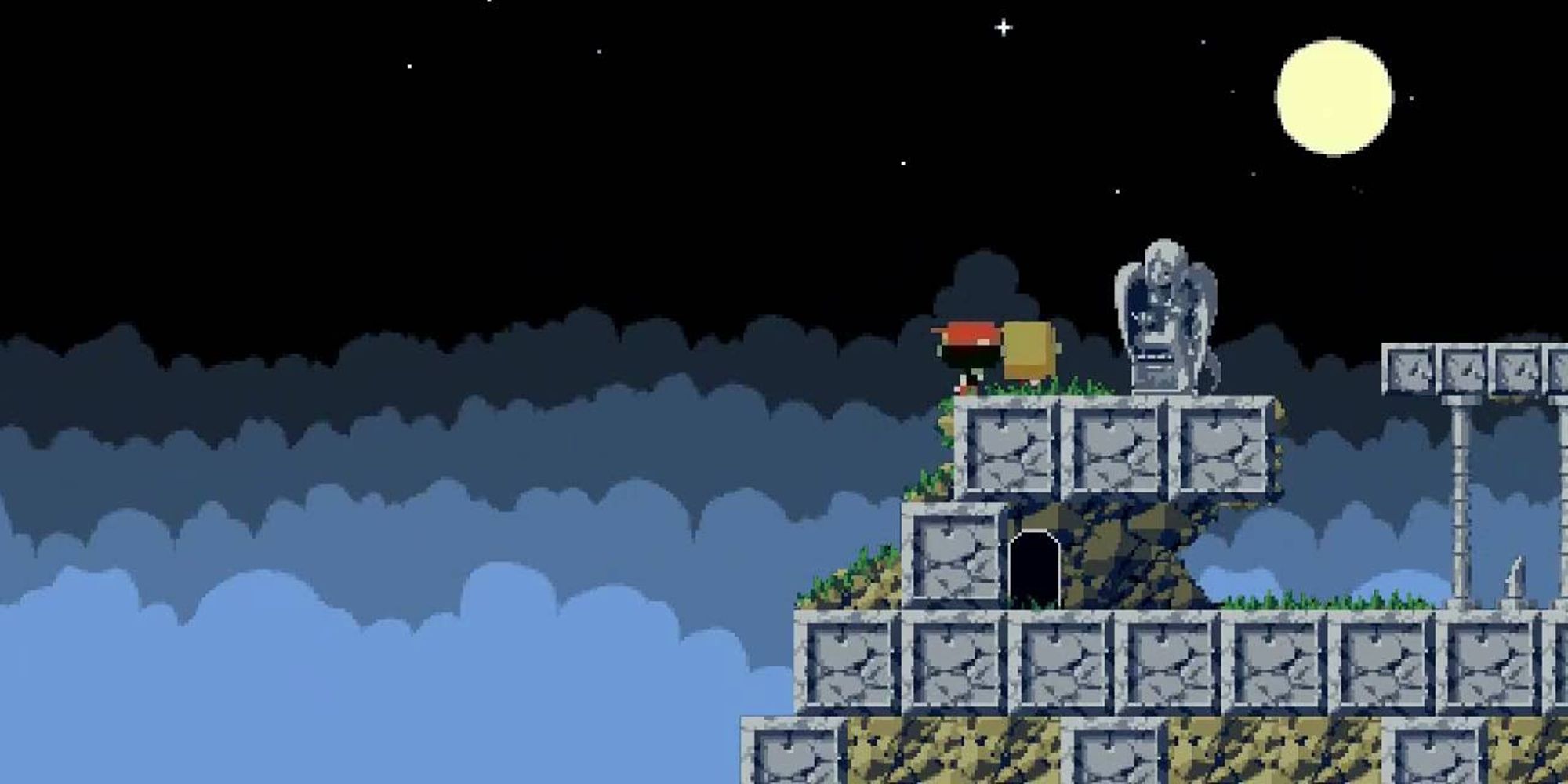
Long before the popular combination of Castlevaniastyle gameplay with Metroidstyle exploration, and even before the rise of indie games, Daisuke Amaya was a pioneer. He revolutionized gaming with titles like Ikachan, but he’s best known for Cave Story.
This game came out before indie game development was common, and even before the ‘Metroidvania’ style of games became well-known. Because of this, it’s clear how groundbreaking it was without needing much explanation.
If you enjoy games with sprawling, 2D worlds focused on discovery, branching storylines where your choices matter, and a story told through small details, you might recognize this game’s style. It pioneered these features over 20 years ago, building on the ideas of the genre’s earliest classics.
While Cave Story didn’t become widely popular at the time, its later games did. I believe it’s a hugely important title in gaming history, especially because it was a key influence in establishing the idea of independent game development – it was truly ahead of its time.
3. Hollow Knight
The Prodigal Son
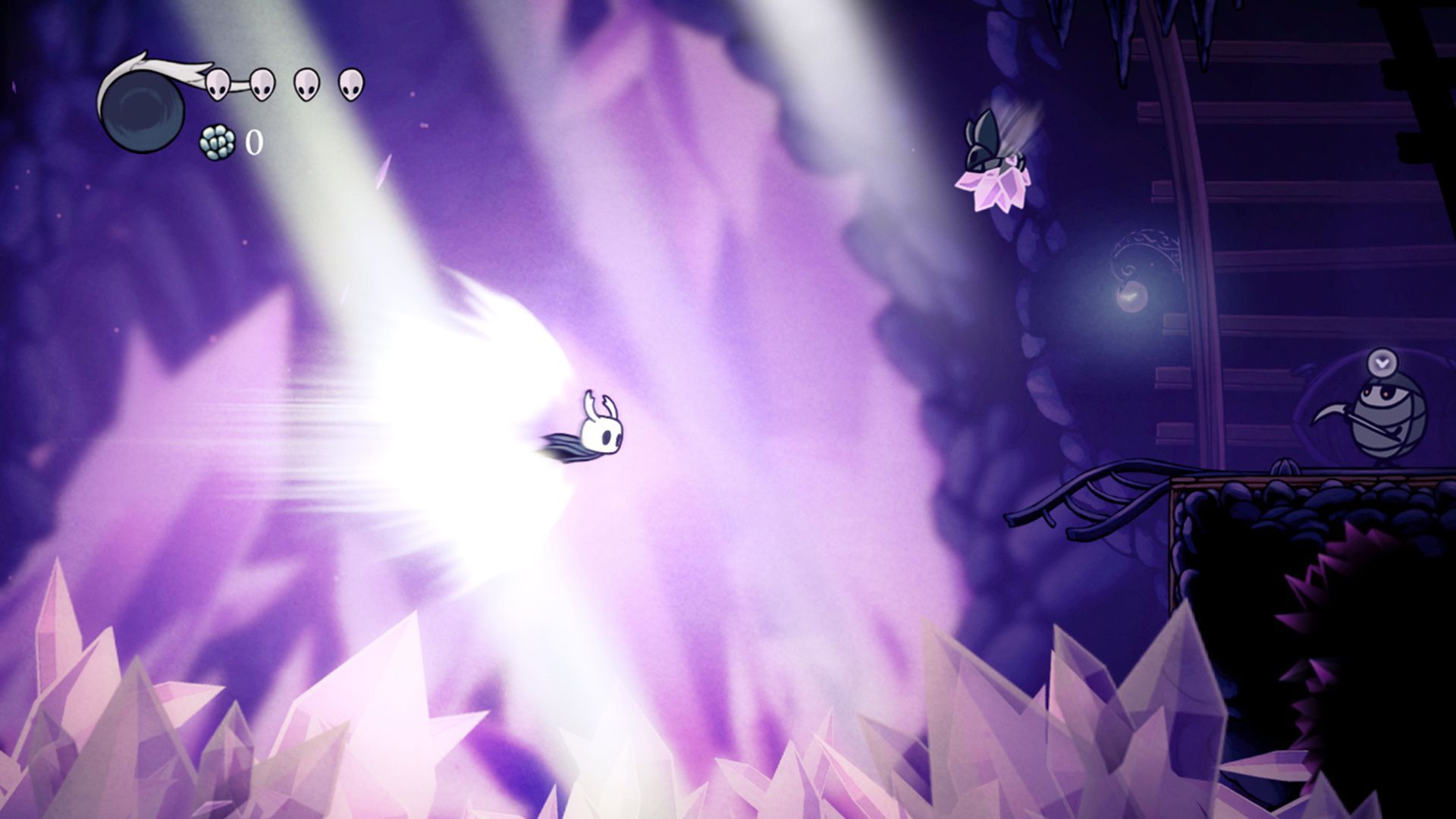
Since the success of games like Dark Souls, Hollow Knight is the clearest example of how FromSoftware’s design philosophy has impacted the gaming world. It’s a Metroidvania game deeply inspired by both classic titles in that genre and the work of Hidetaka Miyazaki.
Team Cherry’s debut game set a new standard for its genre. It popularized challenging combat, character customization and healing at specific locations, losing resources when defeated, and a wealth of hidden content comparable to the main game itself.
Ever since 2017, almost every Metroidvania game feels influenced by Hollow Knight. It really set the standard for the genre, and its impact can be seen in how these games handle exploration, connecting areas, requiring you to revisit places, enemy attacks, storytelling, and even the overall look and feel.
I’m genuinely happy with how well-received Hollow Knight has been, because I consider it a true masterpiece. The industry’s reaction to the game speaks volumes about its impact and innovative qualities – it’s a truly essential title that changed the game.
2. Castlevania: Symphony of the Night
The Father of All
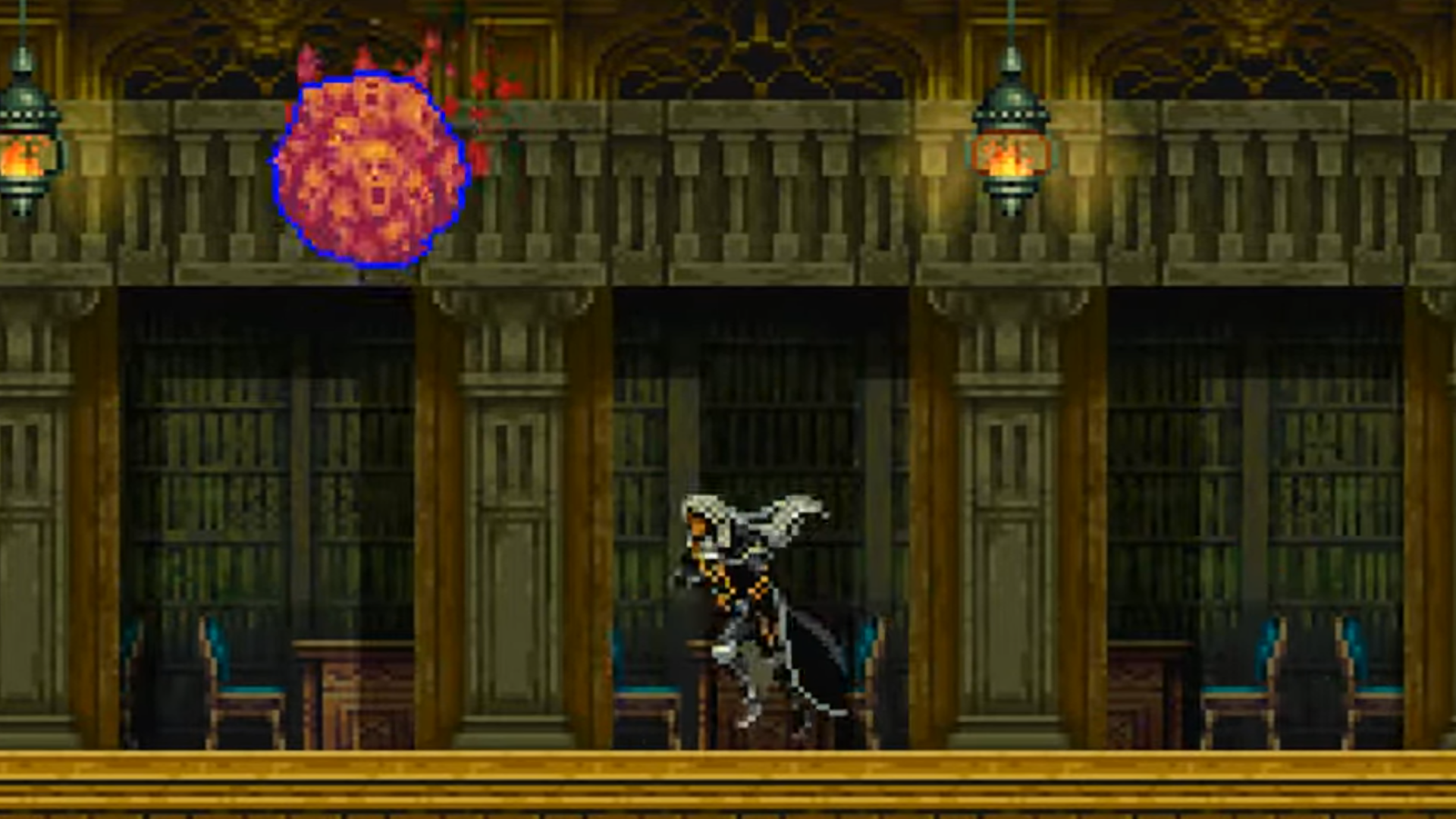
Let’s finish up this list by looking at the two core reasons this genre became popular. While it’s hard to say which came first, I’m giving Castlevania: Symphony of the Night the second-place spot – it definitely deserves recognition.
It’s weird, honestly. Sometimes when I replay a game from way back like one from 1997, it feels like nothing’s really changed in the genre at all! But the thing is, this game was seriously ahead of its time. It makes a lot of newer games feel…well, a little shallow, like they missed the point of what made this one so special.
Creating a whole universe within a single location, complete with RPG elements like character stats and gear that change how you play, and an environment that evolves as you advance the story – that’s impressive today. But consider how groundbreaking that was nearly 30 years ago.
The game’s soundtrack and art style are incredible, and it still plays really well today. It’s a truly timeless experience that would still be popular if it came out now, even in 2026. I’m hoping players who love games like Hollow Knight will check out Castlevania: Symphony of the Night and give it a try.
1. Super Metroid
The Mother of the Lineage
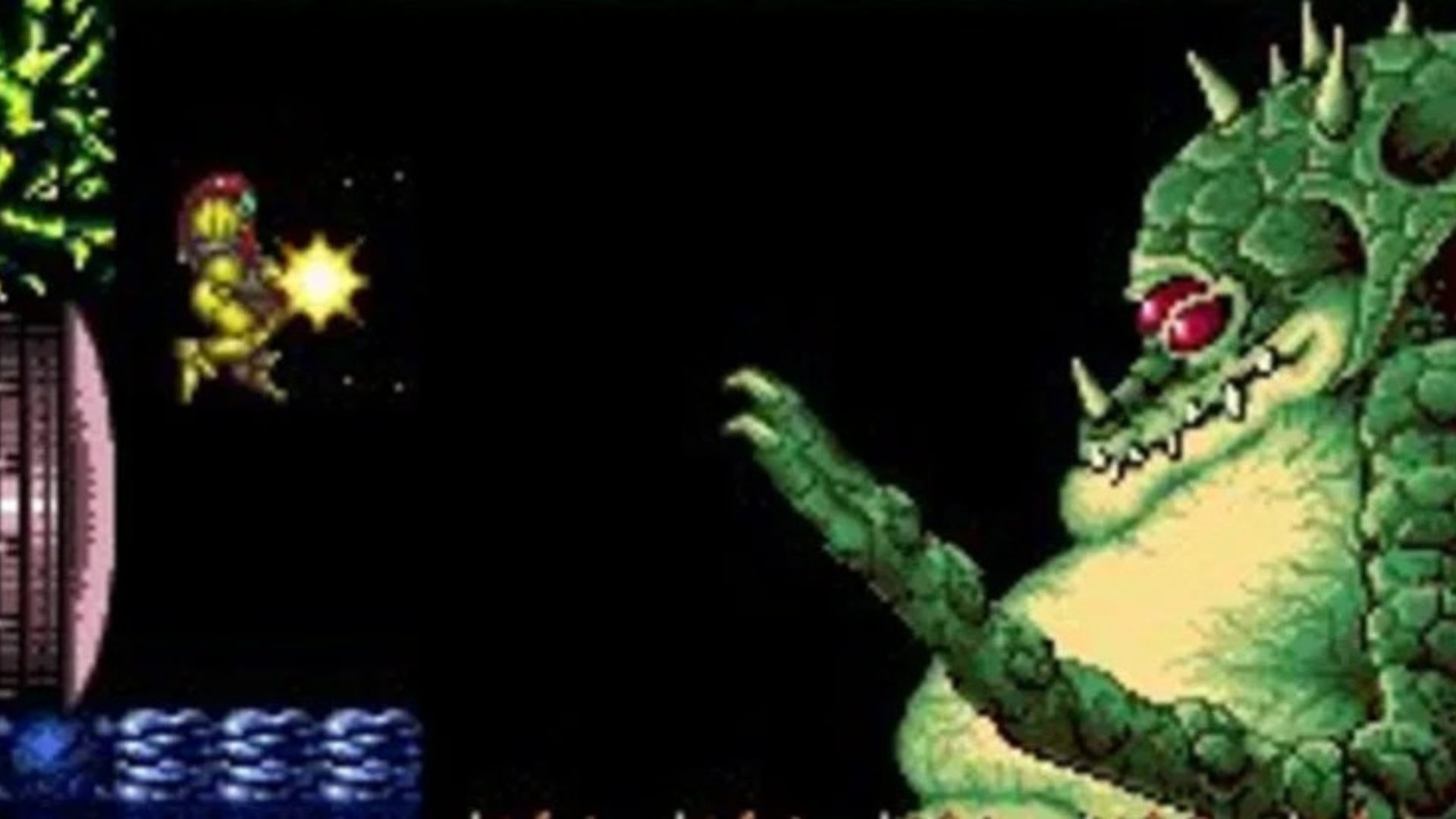
Beyond being the greatest Metroidvania ever made, Super Metroid is widely considered the gold standard for 2D action-adventure games. It perfected the formula just before the genre naturally transitioned into 3D.
Defining a Metroidvania often means pointing to what made Super Metroid special: a world that’s all connected, gaining new abilities to unlock areas, a simple but effective story, tight controls, a helpful map, and detailed graphics.
It might not seem remarkable now to see all these features, but they’ve become standard because this game proved they could be successful. It showed that moving beyond simple, straightforward gameplay could create a better, more engaging experience.
The joy of finding secrets, the excitement of those ‘aha!’ moments, and the way the game’s world draws you in all come together to create a truly special experience – one that feels hard to match even after thirty years. For fans of Metroidvania games, Super Metroid and Symphony of the Night are essential; they’re the foundation for everything that’s come since, and you can’t truly appreciate the genre without playing them.
Read More
- All Skyblazer Armor Locations in Crimson Desert
- One Piece Chapter 1180 Release Date And Where To Read
- All Shadow Armor Locations in Crimson Desert
- How to Get the Sunset Reed Armor Set and Hollow Visage Sword in Crimson Desert
- Cassius Morten Armor Set Locations in Crimson Desert
- Grime 2 Map Unlock Guide: Find Seals & Fast Travel
- New Avatar: The Last Airbender Movie Leaked Online
- Euphoria Season 3 Release Date, Episode 1 Time, & Weekly Schedule
- Amber Alert Secrets & CDs In Crime Scene Cleaner Act 2
- All Golden Greed Armor Locations in Crimson Desert
2026-02-10 16:42