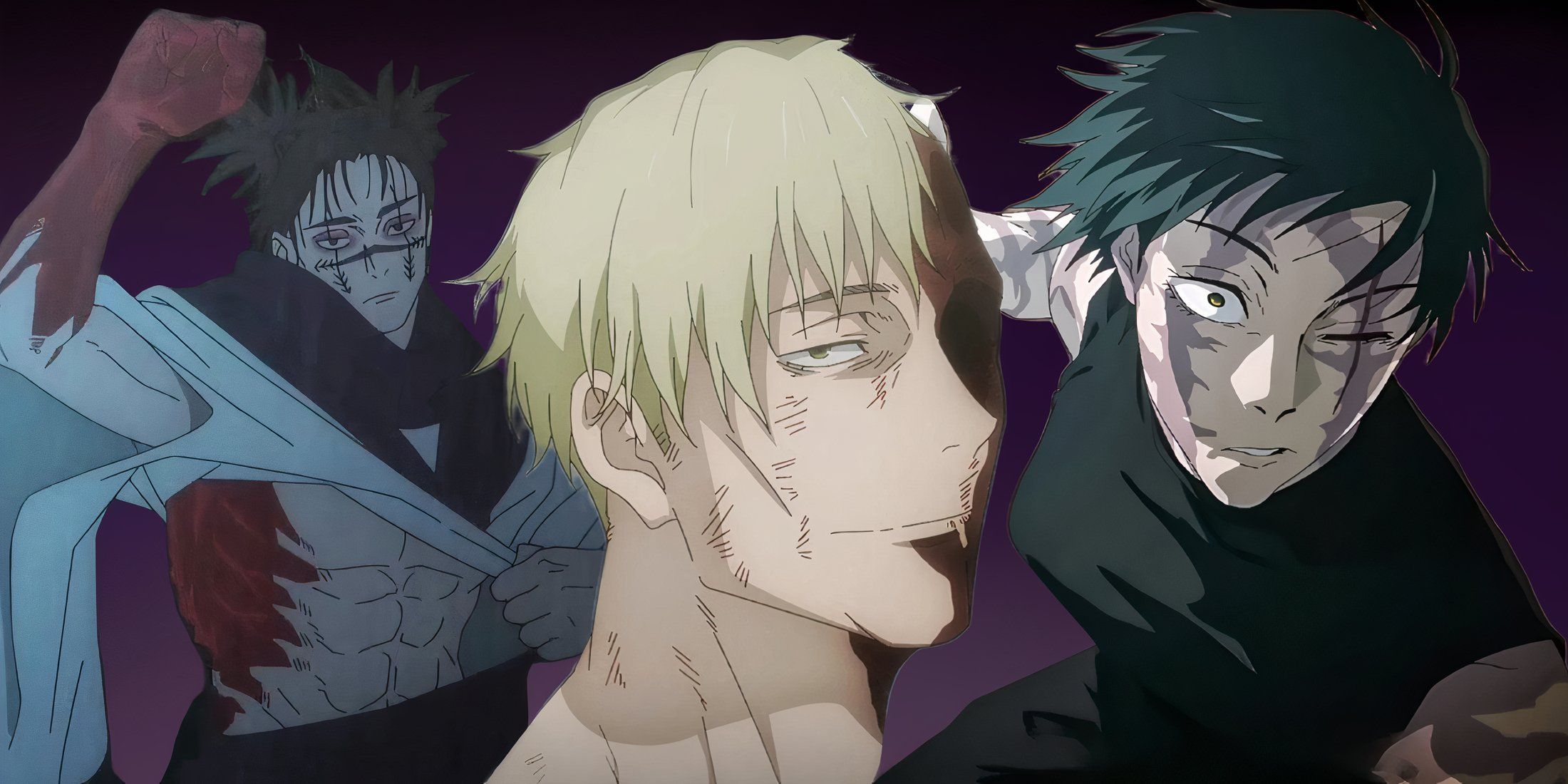
Turning a manga into an anime isn’t simply about adding color and motion; it’s about reinterpreting the story. Manga relies on impactful images, a reader-controlled pace, and allows the audience to imagine the sounds and movement. Anime, however, defines those details – the force of a blow, the volume of an explosion, even the length of a quiet moment – effectively shaping the entire experience. When MAPPA adapted Jujutsu Kaisen, they didn’t just translate the manga, they enhanced it, bringing their full creative power to the animation.
Gege Akutami’s manga is full of powerful feelings and energy, and the anime adaptation takes that even further. The anime finds big impact in small moments – a short conversation can trigger a city-wide crisis, a quick memory can resolve a character’s arc, and complex details are shown visually. It’s like the manga provided a basic outline, and the studio, MAPPA, built a massive, impressive structure on top of it. These seven scenes prove that the anime didn’t just recreate Jujutsu Kaisen; it elevated the source material.
Sukuna vs. Jogo — The Divine Flame of Shibuya
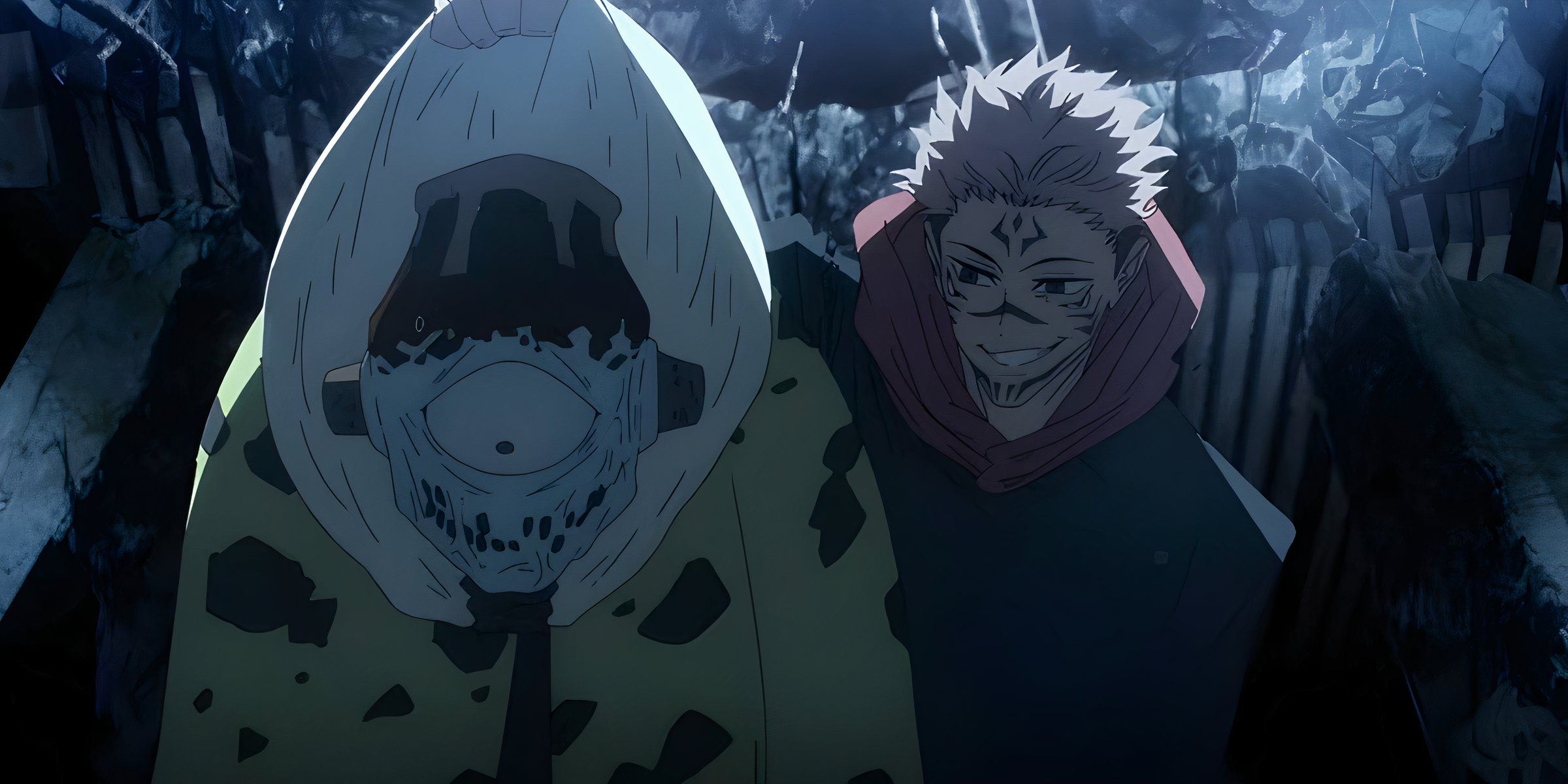
The fight between Sukuna and Jogo is relatively short in the manga, spanning only a few chapters. However, the anime expands this battle significantly, showcasing a much wider scale of destruction and emphasizing the vast difference in their power. In the anime, Jogo unleashes fiery attacks across Shibuya, while Sukuna easily dodges everything, slices through the flames, and dominates Jogo physically. The anime also dramatically increases the scale of Jogo’s ‘Maximum: Meteor’ attack, with buildings melting and the environment succumbing to intense heat, making Sukuna’s power even more intimidating.
Sukuna’s most powerful attack, the Divine Flame, isn’t a simple blast of fire – it’s a clash of fiery forces. The animation, sound, and sheer destruction create a spectacle reminiscent of a nuclear explosion. Afterward, Sukuna acknowledges Jogo’s power, urging him to hold his head high. This moment unexpectedly turns Jogo’s defeat into a poignant and strangely moving farewell, making it more than just another villain’s demise.
Yuji & Nobara vs. The Death Paintings Duo
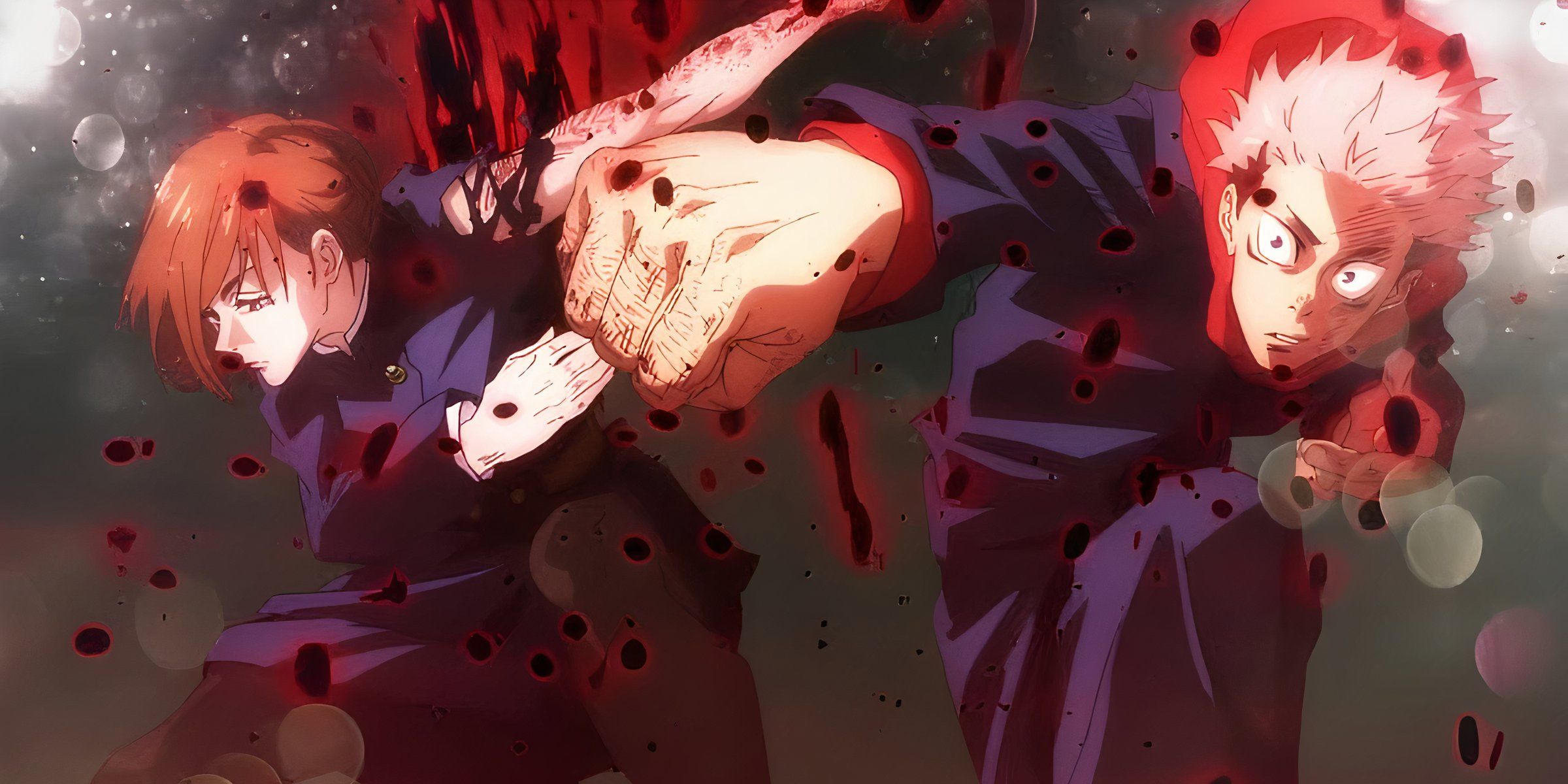
The fight between Eso and Kechizu is a highlight of the manga, and the anime adaptation elevates it into a stunning choreographed battle. The anime expands the fight with more fluid action, tighter teamwork, and dynamic camera angles. Techniques like Resonance and Maximum: Wing King are vividly colored and animated, making the battle easier to follow and far more impactful than in the original manga panels.
One of the most memorable additions to the anime is the scene of Yuji carrying Nobara as they race through the forest, really emphasizing his speed and strength. The timing of the coordinated Black Flash attack is perfect, with the environment and sound effects working together to highlight the teamwork. The anime strongly conveys that Yuji and Nobara are completely in sync and confident in their victory.
Nanami Kento’s Tragic Goodbye
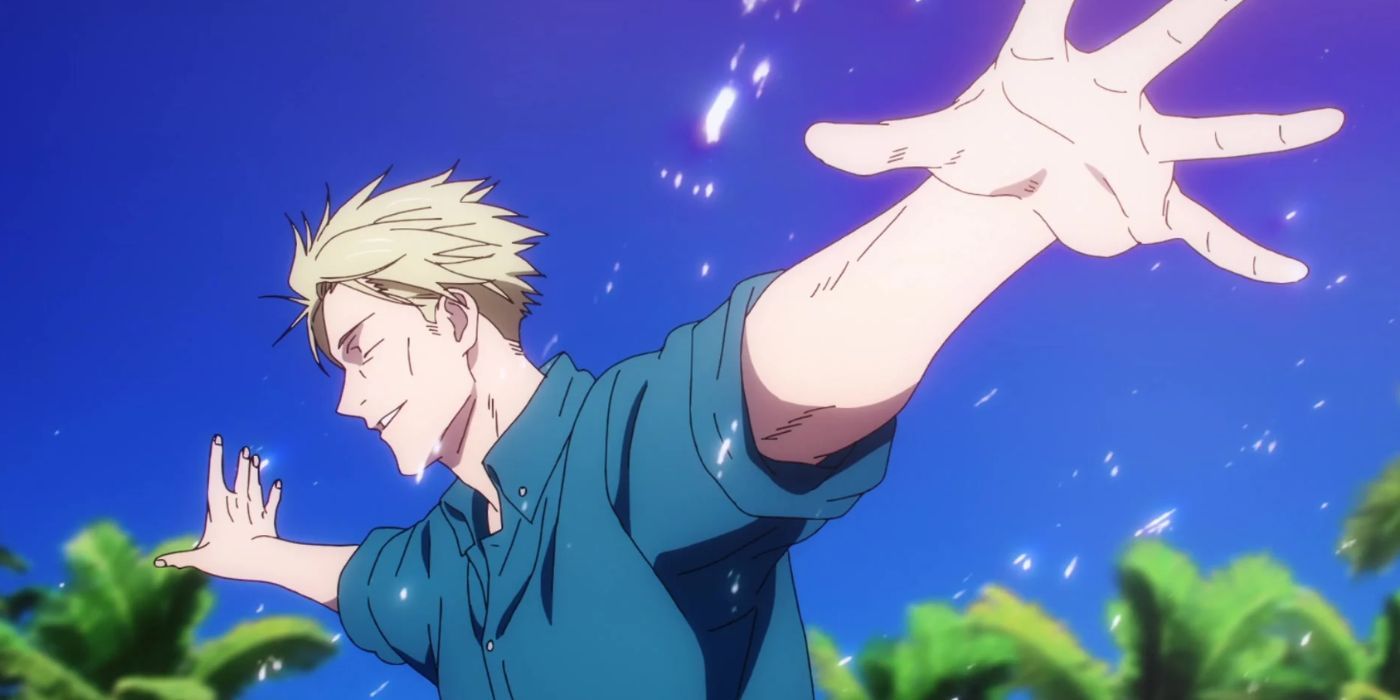
Nanami’s death is deeply sad in both the anime and manga versions of the story. The anime adds an extra layer of emotion by connecting his dream of retiring to a peaceful life in Malaysia with his final moments in Shibuya. Throughout the story, he often talks about wanting a quiet beach life, and the anime beautifully shows this vision as he faces his last battle against mutated humans.
The anime handles the shift between reality and dream sequences with more subtlety and symbolism than the manga, creating a calm feeling right before Mahito’s attack. Nanami’s farewell is delivered with excellent voice acting and timing, making his goodbye to Yuji feel more meaningful – like he’s passing on a duty. The anime takes a tragic death and turns it into a quiet, emotionally resonant goodbye.
Who’s That Character?  Identify the silhouettes before time runs out.
Results
High Score: 0 —
Toji Fushiguro vs. Dagon: The Slasher Villain In Paradise
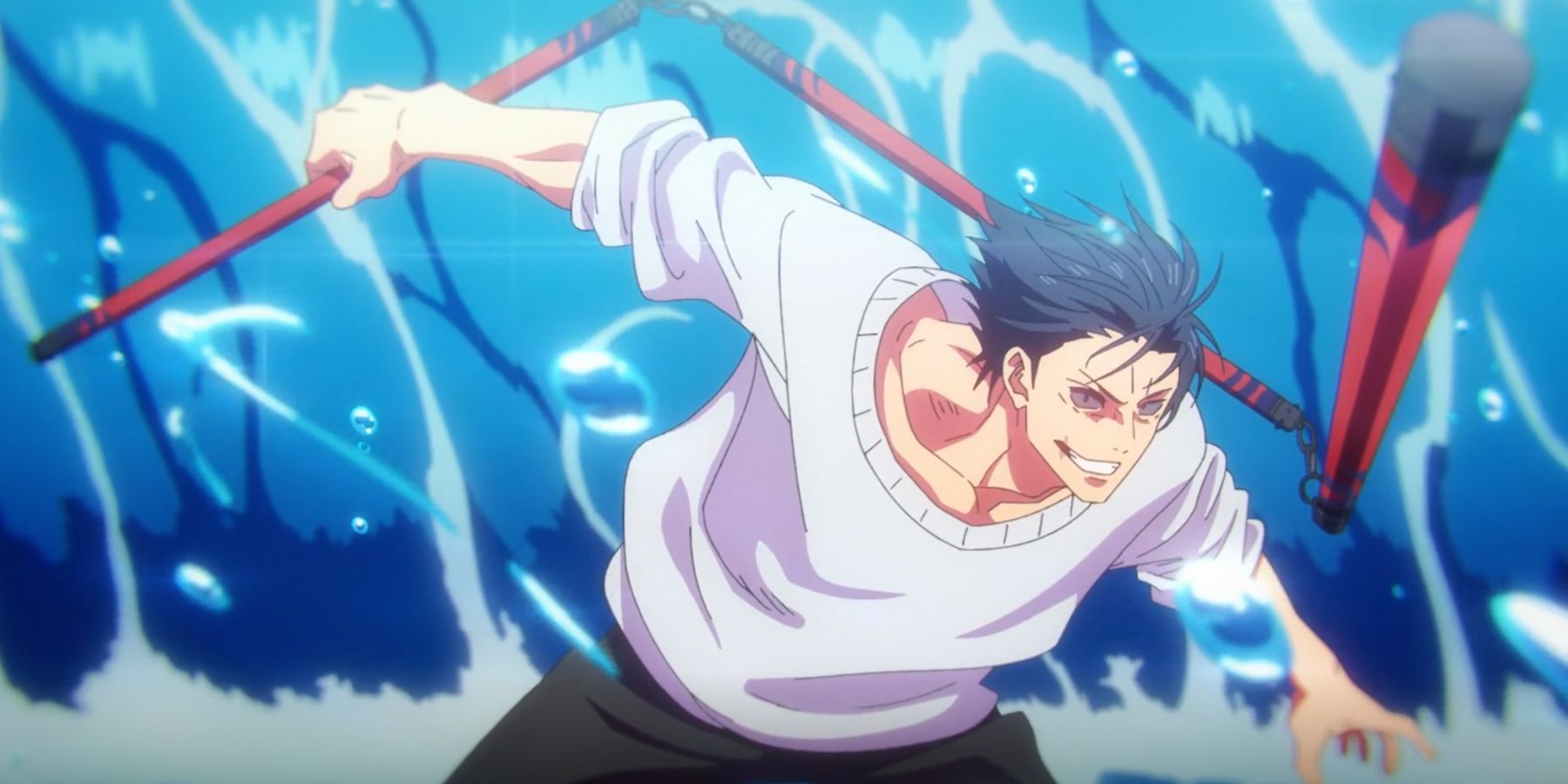
In the manga, Toji’s entrance into Dagon’s domain was a memorable, striking scene. The anime adaptation transformed it into a more intense, horror-style sequence. The manga subtly showcased Toji’s incredible speed by simply showing him appear behind his opponents. The anime, however, emphasized the mechanics of his movement with dramatic effects. He effortlessly destroyed Dagon’s numerous shikigami, like a blender pulverizing fruit. The anime’s impactful sound design, combined with the fact that Toji has no cursed energy, made him seem like a bizarre anomaly – a being specifically designed to ruin Dagon’s plans.
Toji’s fight on the beach, where he sharpened his staff using the staff itself while pulling Dagon along, showed just how skilled and cunning he was in battle. The anime perfectly highlighted the power of his unique ability – every move looked both powerful and completely natural. While others fight with magical powers, Toji fights like a street brawler. This took a great scene from the manga and explained why the Zen’in clan was so afraid of a man who didn’t have any cursed energy.
Choso vs. Yuji: The Bathroom Brawl Of The Year
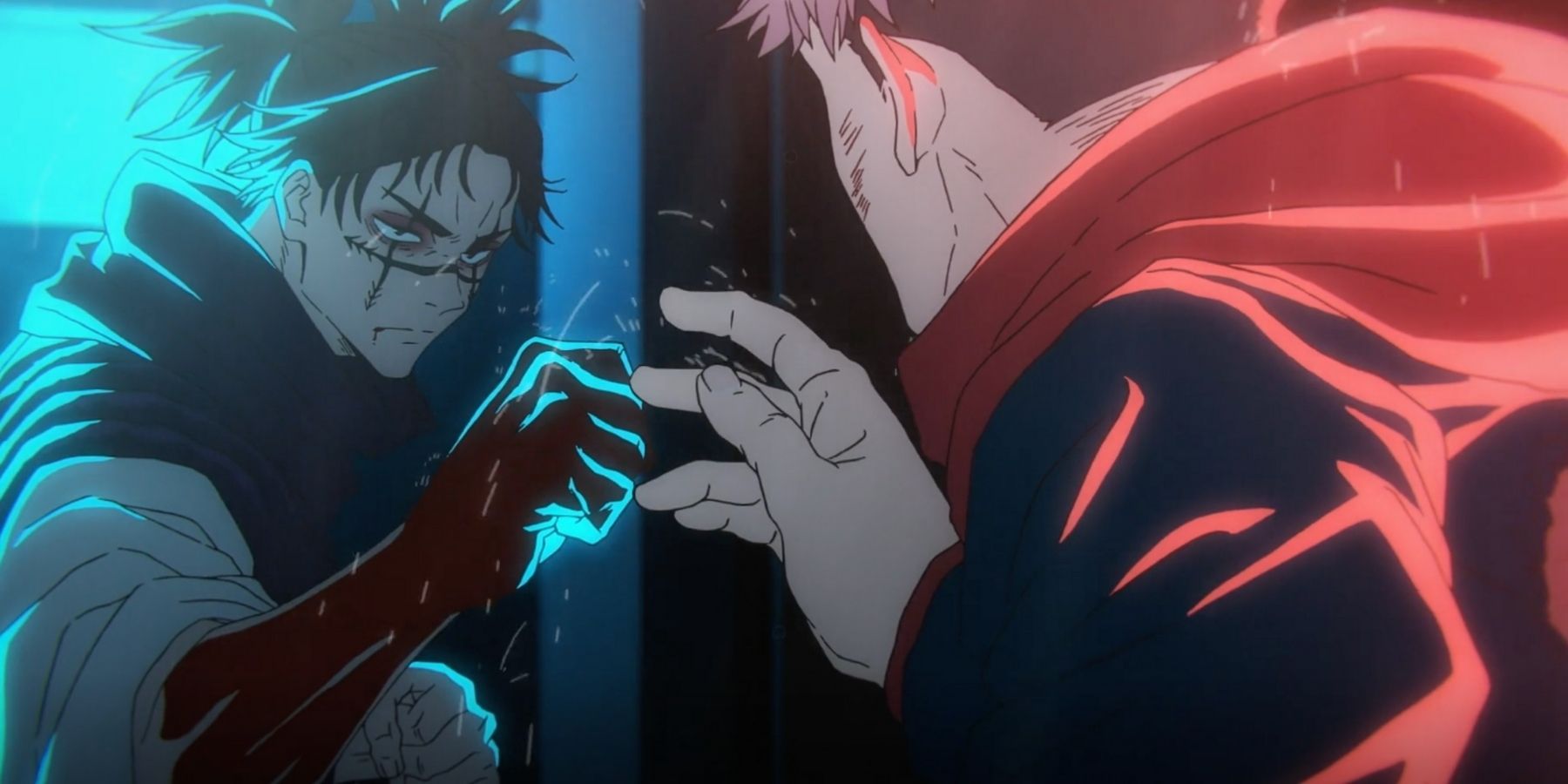
This isn’t just a battle; it’s a clear demonstration of why MAPPA deserves every award. The manga’s bathroom fight was a tight, tactical exchange, but the anime transformed it into a dynamic, action-packed sequence reminiscent of John Wick. Introducing the ‘Blood Vision’ – seeing the world through Choso’s red-tinted perspective – brilliantly illustrated how he precisely aims his attacks. The fight felt intensely realistic, especially with water from broken pipes mixing with their movements.
The dance-like movements in the fight were clear and made sense, rather than just looking impressive. Fans especially loved a scene showing Choso’s physique that was created just for the anime! During the battle, Yuji cleverly used the tight space to his advantage, and Choso’s attacks looked incredibly sharp and visually striking. The animation stayed consistently high-quality, similar to his fight with Kenjaku. While the manga only hinted at a fight, the anime turned it into one of the best action sequences in the series, enhanced by a fantastic soundtrack.
Culling Games Rules
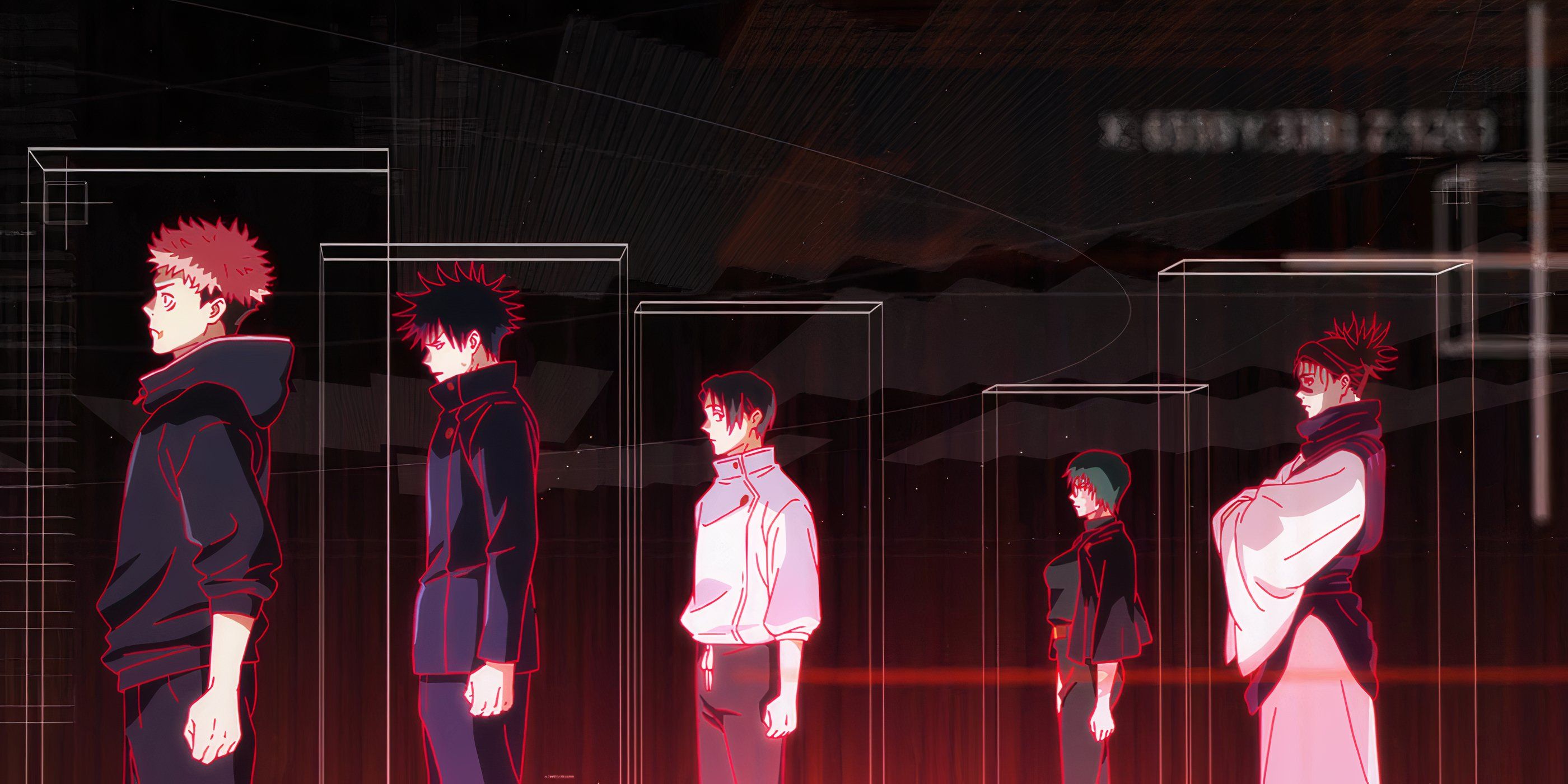
Many readers struggled to understand Kenjaku’s plans when Chapter 146 came out. The anime cleverly solved this problem by presenting the Culling Game with a futuristic, holographic makeover. Instead of a confusing “wall of text,” the rules are now shown through visual aids like the Kogane, using clear diagrams and smooth on-screen graphics. This makes the points system and the rule about technique removal feel like part of a well-designed strategy game, rather than leaving viewers wondering what’s happening. Surprisingly, simplifying the explanation with visuals actually makes the story feel even more intelligent.
The anime kept the intense Execution Arc engaging by cleverly revealing information through in-world digital simulations, avoiding long, boring explanations. This made the Culling Game feel like a real, immersive, and unsettling experience, while still being technically well-done. Fans appreciated the addition of Kogane, a character who was both irritating and helpful, and the rules of the game, which were surprisingly logical. The anime proved that even something as simple as a set of rules can be compelling when presented with a strong sci-fi approach.
Zen’in Clan’s Massacre by Maki Zen’in
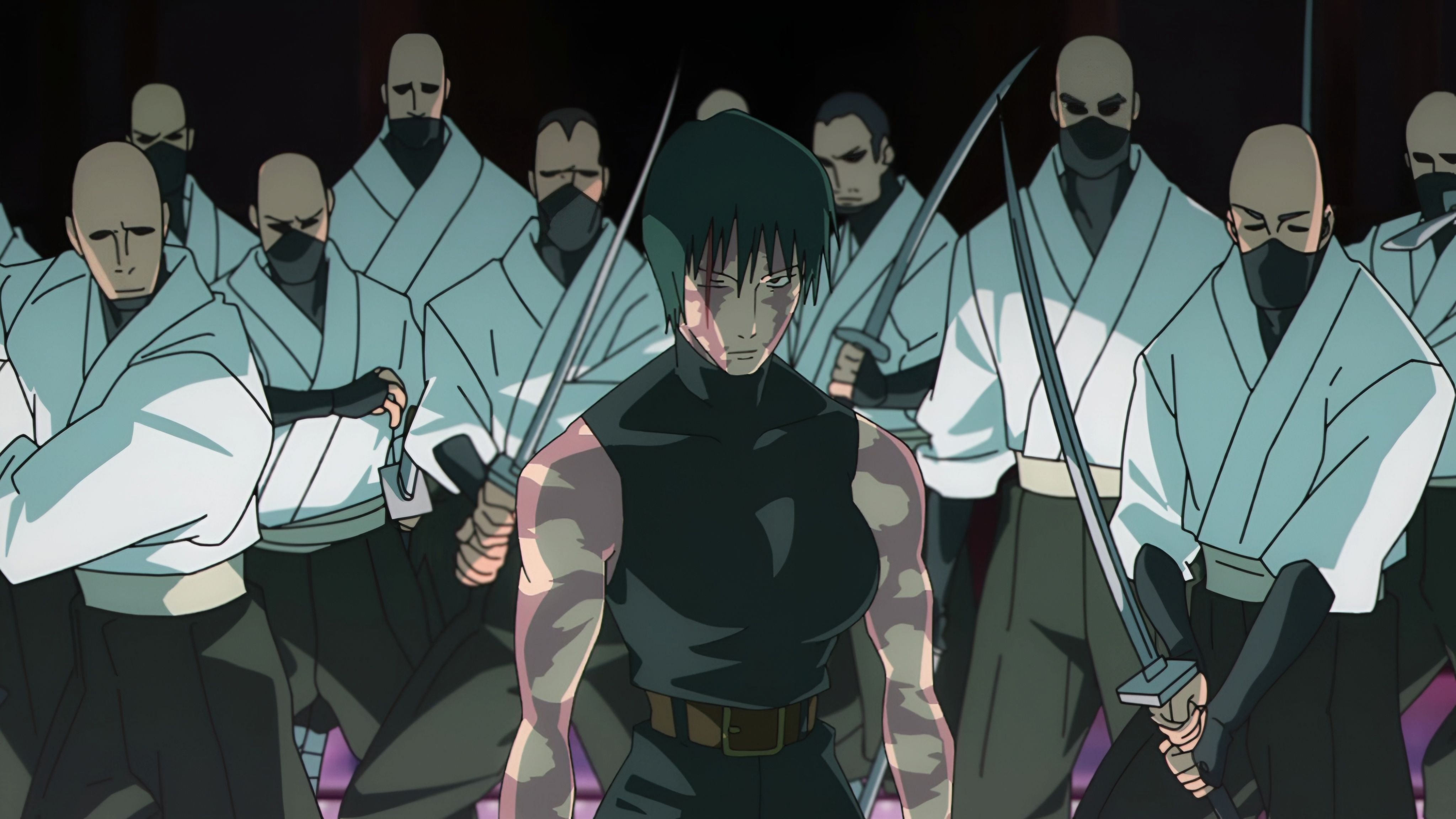
The ‘Perfect Preparation’ arc was well-liked by fans, but the anime adaptation truly elevated it. The scene where Maki raided the Zen’in compound was particularly striking, filmed with a cinematic style emphasizing shadows, quiet moments, and the sharp sounds of swordplay. Watching her defeat the Zen’in clan members and confront leaders like Ogi and Jinichi was a powerful experience. When Jinichi unleashed his massive fist attack, it visually dwarfed Maki, making her seem like an overwhelming force of nature capable of leveling mountains.
The peak of the anime’s adaptation was the climactic battle against Naoya Zenin. The animation beautifully captured his Projection Sorcery, showcasing his incredible speed as effectively as it was portrayed in the manga. Seeing Maki, fully powered up and moving with the same effortless skill as Toji during his fight with Gojo, was breathtaking. With a single, decisive strike, she overcame Naoya’s immense speed. This wasn’t just a faithful recreation of the manga’s fight; it elevated the entire arc, marking the birth of a new, powerful figure and, for the Zenin clan, a self-inflicted downfall that went beyond losing a single member.
Read More
- All Skyblazer Armor Locations in Crimson Desert
- One Piece Chapter 1180 Release Date And Where To Read
- New Avatar: The Last Airbender Movie Leaked Online
- All Shadow Armor Locations in Crimson Desert
- How to Get the Sunset Reed Armor Set and Hollow Visage Sword in Crimson Desert
- Cassius Morten Armor Set Locations in Crimson Desert
- Red Dead Redemption 3 Lead Protagonists Who Would Fulfill Every Gamer’s Wish List
- Grime 2 Map Unlock Guide: Find Seals & Fast Travel
- Euphoria Season 3 Release Date, Episode 1 Time, & Weekly Schedule
- USD RUB PREDICTION
2026-02-11 17:37