Role-playing games have come a long way, evolving from simple 2D games to modern blockbusters like Baldur’s Gate 3, which look and play very differently from the classics. But even with all these changes, many older open-world RPGs remain popular and continue to appeal to both longtime fans and newcomers.
Before popular games like Skyrim and New Vegas, many other fantastic RPGs offered immersive worlds to explore. These games came from established series and also launched some beloved franchises. Whether you prefer fantasy, science fiction, or a blend of both, the RPG genre boasts numerous classics that let players experience the roots of this major gaming category and still enjoy themselves today.
 Find all 10 pairs Results
The Elder Scrolls 3: Morrowind
A Standout Even Today
Details:
- Uncompromising role-playing freedom
- Deep faction systems
Morrowind is a legendary open-world RPG, and it’s still incredibly ambitious today. The game takes place in the unique world of Vvardenfell and differs from many others by not holding your hand. Instead of quest markers, it encourages you to explore, read clues, and truly observe your surroundings, even if they seem unfamiliar.
The game features complex but adaptable systems, offering players complete freedom to build the character and playstyle they desire without being restricted to a single path. This focus on player choice also applies to interactions with characters and quests, which are open-ended and allow players to truly shape their own story and experience as they explore the world.
Gothic
Harsh World With Hard-Earned Respect
Details:
- Reactive NPC routines
- Reputation-based progress
Gothic puts you in the harsh environment of a prison colony, where simply being a good fighter isn’t enough to survive – you also need to understand the people around you. The game world feels realistic because characters have routines, groups are constantly vying for control, and even weak enemies can be deadly. While the beginning can be challenging, overcoming those obstacles makes every achievement feel truly rewarding.
The game’s realistic mechanics and slower speed make each success feel meaningful, while failures still carry a strong impact. It demands dedication from players, but rewards them with a compelling open world full of challenges and satisfying progress.
Fallout 2
Reactive Post-Apocalyptic Action
Details:
- Branching quest resolutions
- Huge dialogue trees
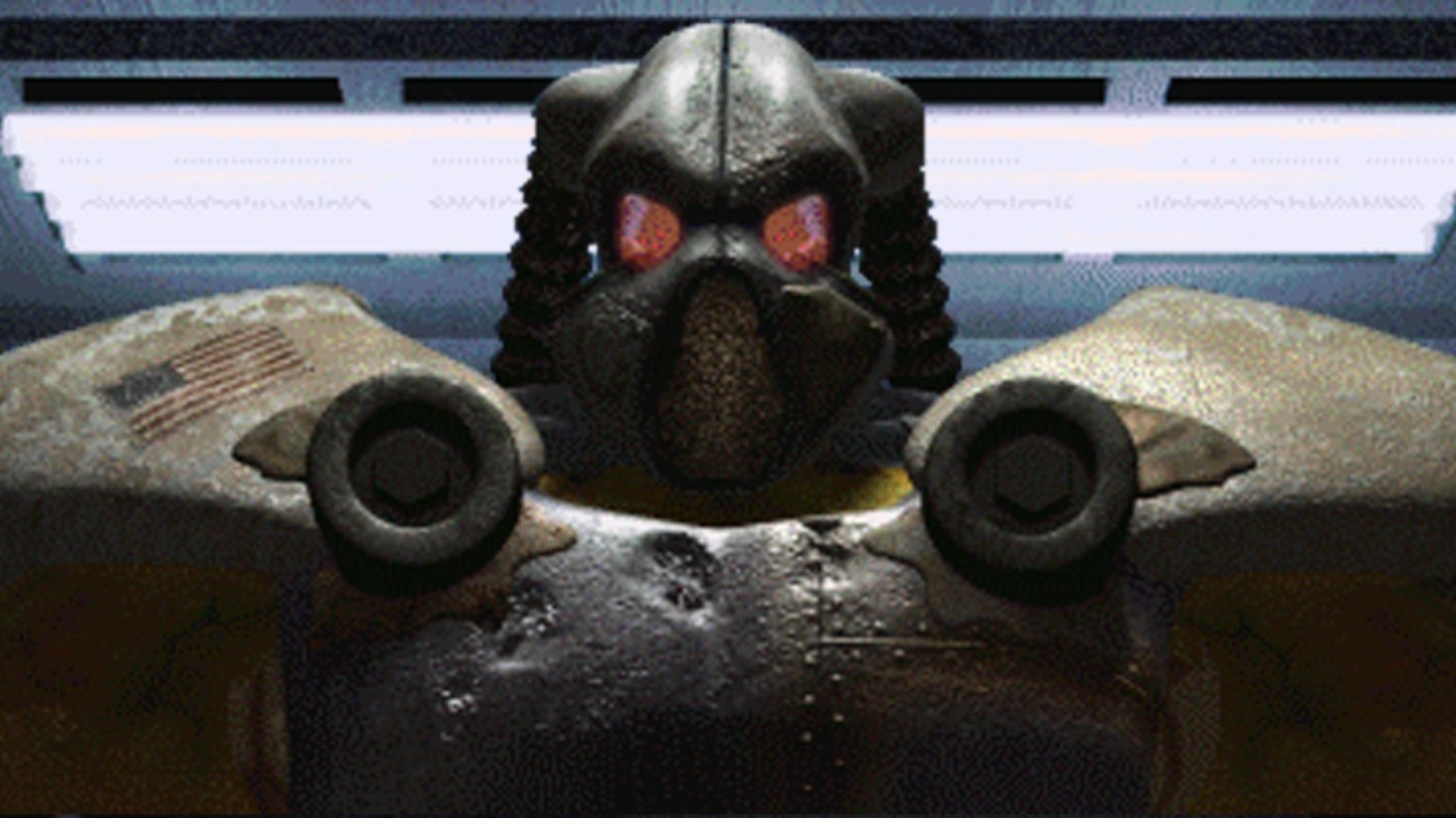
Fallout 2 builds on the first game’s world, creating a vast and open environment where your choices really matter. It streamlines the gameplay, getting rid of clunky features and replacing them with smoother, more user-friendly systems. The towns you encounter feel unique and present difficult moral choices, and your actions have a noticeable impact on them. Plus, the game offers a lot of funny and engaging dialogue, capturing the spirit that fans love about the Fallout series.
While the gameplay might show its age a bit, the story still reacts to your choices in a remarkably dynamic way, even compared to today’s games. It truly stands out among classic RPGs because your alliances, skills, and every decision you make have a significant impact, leading to a wide range of different endings and experiences.
Ultima 7: The Black Gate
Living World Simulation
Details:
- Fully interactive environments
- Real-time world systems
Ultima 7 was groundbreaking because of its incredibly interactive world. Almost anything you could see could be used or changed, and conversations felt natural, not like choosing from a list of options. The world of Britannia felt like a real, living society – not just a setting – thanks to characters who had their own daily lives and ensured there was always someone new to encounter.
The game’s focus on realistic gameplay rather than flashy visuals has helped it stay popular for decades, especially with dedicated fans. It’s considered a highlight of its series, a standout title within the role-playing genre, and a great way to experience the charm of classic RPGs.
Arcanum: Of Steamworks And Magick Obscura
Technology And Magic Collide
Details:
- Paths for both worlds
- Skill-based quest solutions
As a huge fan, I can tell you that Arcanum is just… unique. It throws fantasy and the Industrial Revolution together in a way I hadn’t seen before, and it’s amazing. What’s really cool is you can choose to focus on magic or technology, and the game actually reacts to that choice. The way people talk to you changes, and it unlocks different abilities – it makes every playthrough feel totally different!
While the game’s systems can be complex and a bit difficult to manage, it offers incredible freedom, allowing players to shape their own unique story instead of following a predetermined path. It’s a shining example of excellent narrative design, proving that strong writing and a captivating world are enough to keep a game engaging and popular for years.
Wizardry 8
A Tactical Twist On RPG Exploration
Details:
- Complex class builds
- Tactical combat approach
Wizardry 8 is considered the high point of classic, party-based role-playing games, coming before the genre focused more on impressive visuals. Players build and control an entire group of adventurers, exploring large, interconnected areas with challenging dungeons, wandering monsters, and different factions. The game truly opens up to those who take their time and plan carefully.
The game truly shines in its battles. Instead of just relying on powerful attacks, success depends on smart positioning and carefully planned character builds. You can create incredibly unique characters with diverse skills and specializations. Plus, your choices in conversations and which groups you side with affect how the story unfolds. It’s a fantastic game for players who enjoy complex systems and strategic combat.
The Elder Scrolls 4: Oblivion
More Than Just A Stepping Stone To Skyrim
Details:
- Memorable guild arcs
- Experimental character AI
The Elder Scrolls 4: Oblivion successfully balanced complex RPG elements with a user-friendly experience, appealing to both dedicated fans and new players. It features a wide variety of engaging systems and mechanics, but it’s best known for its incredibly well-crafted faction questlines. Some of these, like the one for The Dark Brotherhood, are still considered among the best side quests in gaming today.
Radiant AI was groundbreaking for its time, striving to make the characters in cities feel more realistic and lively than in any previous game, and it succeeded remarkably well. While the updated version is now more popular, the original game remains a compelling experience, offering the same rich story and engaging gameplay it always did.
Divine Divinity
Classic ARPG Depth
Details:
- Strong quest density
- Flexible class builds
Though often eclipsed by Larian’s more recent games, Divine Divinity truly stands out for its combination of exciting action-RPG battles and a surprisingly complex story. The game’s world, Rivellon, feels carefully designed, and its side quests aren’t simple tasks – they often have multiple ways to be completed and lead to unforeseen results.
Paying close attention to the world is really rewarding, with hidden spots and interactive details tucked away in both towns and the wilderness, encouraging players to thoroughly explore each area. While the conversations aren’t overly dramatic, they offer impactful choices and varied reactions. Despite looking a bit old-fashioned, this RPG is surprisingly adaptable and shares a lot of design ideas with Larian Studios’ more recent, popular games.
Sacred
Large-Scale Role-Playing From The Early Days
Details:
- Huge continuous world
- Varied class options
When it first came out, Sacred was notable for its huge, connected fantasy world – a departure from many role-playing games of the time that were broken up into separate areas. The game features a large map with varied landscapes, plenty of optional quests, challenging hidden bosses, and rewarding dungeons, making exploration feel like a true adventure rather than just moving between isolated spots.
With diverse character types and extensive skill options, the game lets players create truly unique characters, whether they prefer magic, combat, or riding into battle. The rewarding loot system keeps players coming back for more, constantly trying out new strategies and builds even after finishing the main story. This level of depth was rare in RPGs from the early 2000s, and it still appeals to players who want a massive, action-packed game they can really lose themselves in.
Might And Magic 7: For Blood And Honor
Old-School Dungeon Adventures
Details:
- Alignment-based endings
- Party focus in combat and exploration
Might and Magic 7 brings back the feel of old-school computer role-playing games. You can explore vast, open areas and challenging dungeons with a group of adventurers, and careful planning is key to success. The game lets you travel freely between towns and the wilderness, completing quests in any order you choose. Plus, you can switch between fast-paced, real-time battles and more strategic, turn-based combat, giving you plenty of options for how to play.
The game is known for its impactful choices. Around the middle of the story, players decide between a Light or Dark path, and this decision significantly changes the quests they receive, the skills they learn, and ultimately, the game’s ending. This makes choices feel truly important, and combined with everything else, it remains one of the most rewarding open-world RPG experiences available.
Read More
- Quantum Agents: Scaling Reinforcement Learning with Distributed Quantum Computing
- Boruto: Two Blue Vortex Chapter 33 Preview — The Final Battle Vs Mamushi Begins
- All Skyblazer Armor Locations in Crimson Desert
- Every Melee and Ranged Weapon in Windrose
- How to Get the Sunset Reed Armor Set and Hollow Visage Sword in Crimson Desert
- One Piece Chapter 1180 Release Date And Where To Read
- New Avatar: The Last Airbender Movie Leaked Online
- USD RUB PREDICTION
- All Shadow Armor Locations in Crimson Desert
- Zhuang Fangyi Build In Arknights Endfield
2026-02-18 08:40