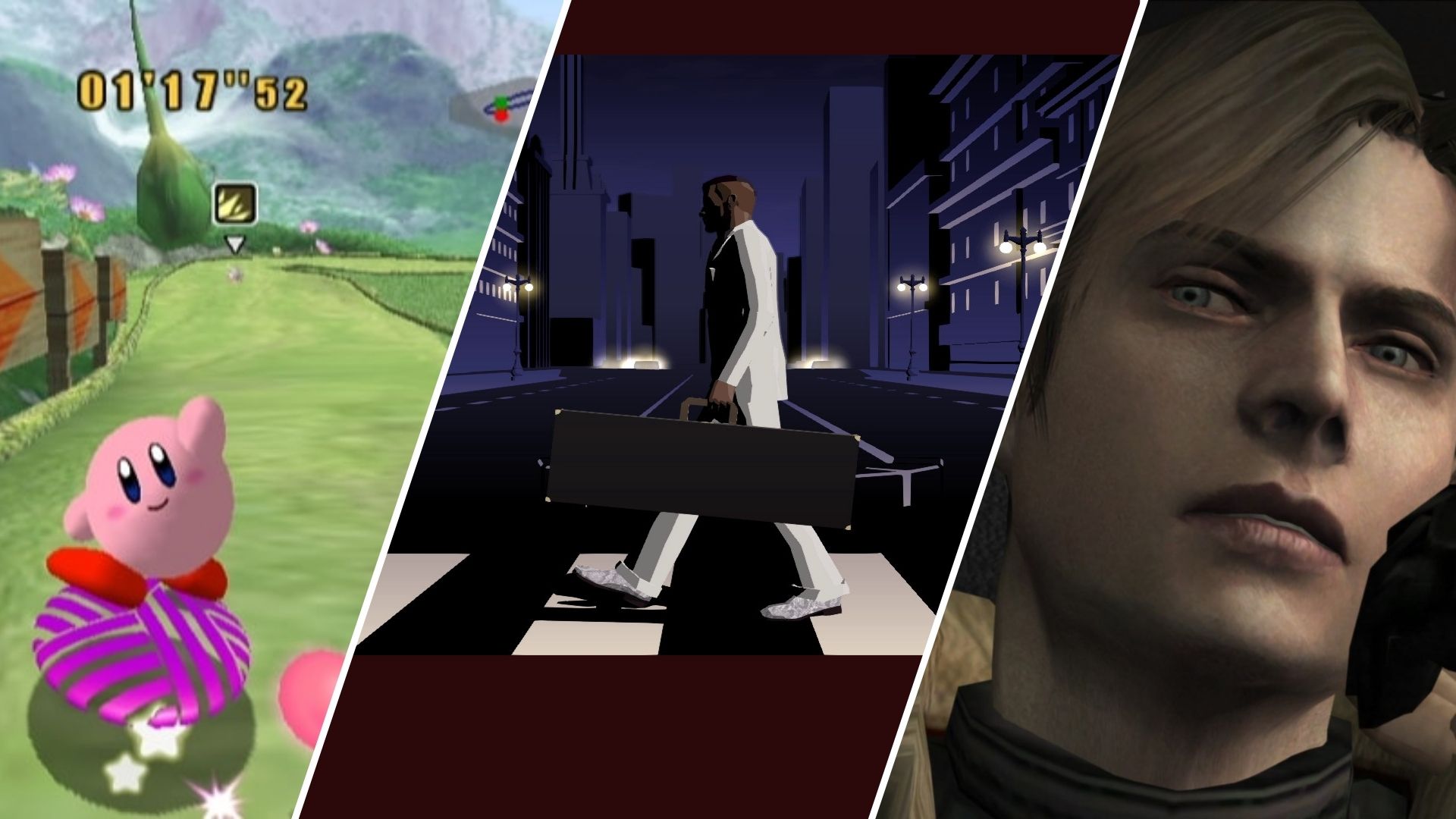
The Nintendo GameCube is an incredibly underrated system.
The GameCube often gets overlooked, especially when compared to the incredibly popular PlayStation 2 and the rise of Xbox and Xbox Live. However, despite this, the GameCube still had a fantastic library of games, and many of them have had a lasting impact on the gaming world.
Many of us fondly remember the GameCube, especially now that its games are available on Nintendo Switch Online and titles like Fire Emblem: Path of Radiance are easier to find. But looking back, it’s clear the GameCube released a lot of games that were truly influential in shaping the gaming landscape we know today.
10. Metroid Prime
Still One of the Best
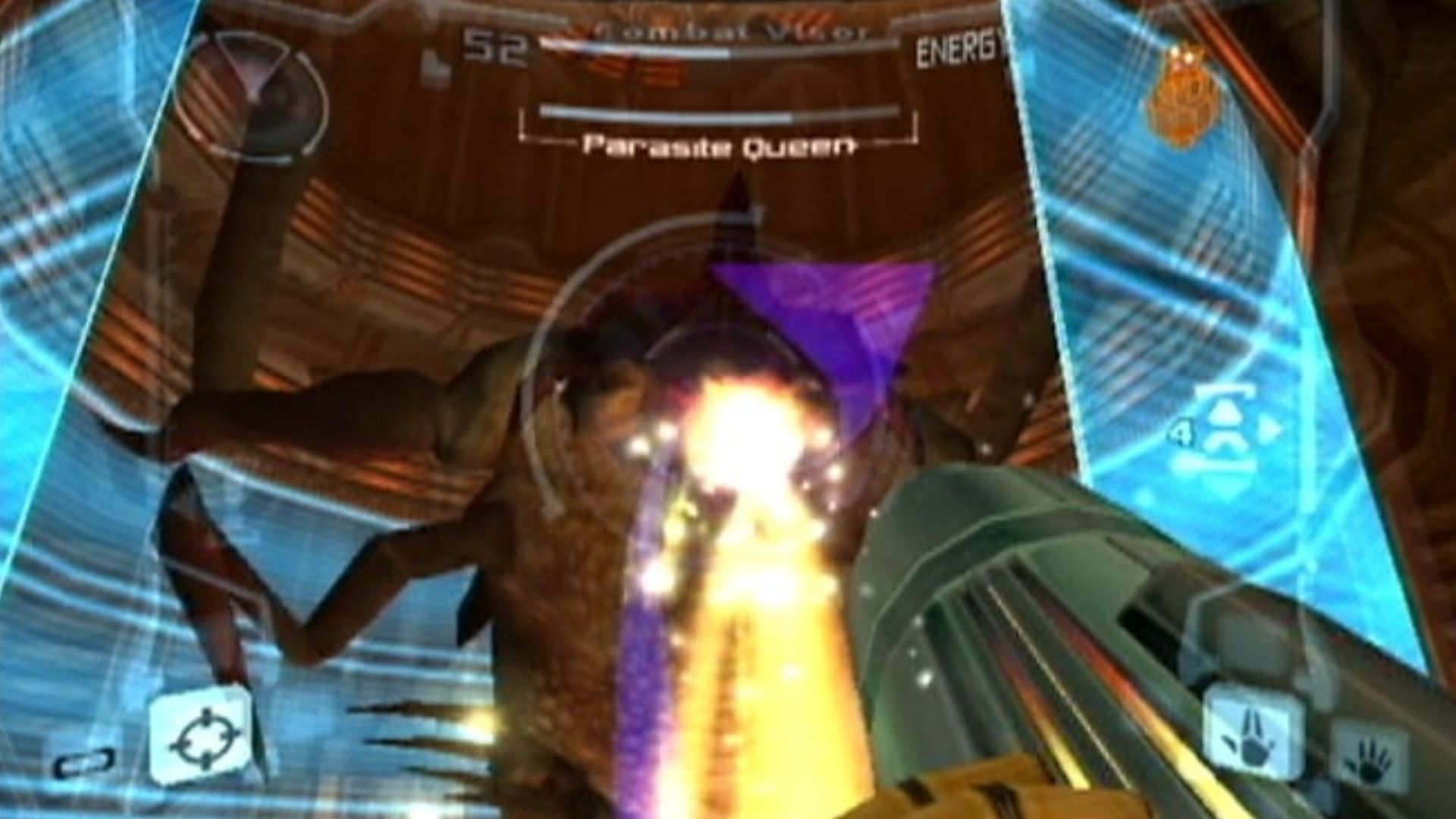
To be upfront, Metroid Prime is ranked lower on this list simply because its influence on today’s games seems clear to me. However, despite the Metroid series consistently not selling very well – even a good game like Metroid Prime 4 didn’t change that – it still feels surprisingly overlooked.
Honestly, I’m a little puzzled by the current Metroidvania craze. I keep hearing people talk about it, but I don’t totally get why Metroid itself doesn’t get more credit. Seriously, look at Metroid Prime – so much of how games tell stories, how levels are designed, and even the art style still influences games today. It really set the standard, and I think people underestimate that.
You should definitely play Metroid Prime Remastered. It’s essentially the same fantastic game it was two decades ago, and it still holds up better than most new releases.
9. Pikmin
Real-Time Strategy Done Well on a Console
When the Nintendo GameCube first came out, a major challenge was what people thought of it. Looking back now, we realize it had some fantastic launch titles, like Super Smash Bros. Melee and Rogue Leader.
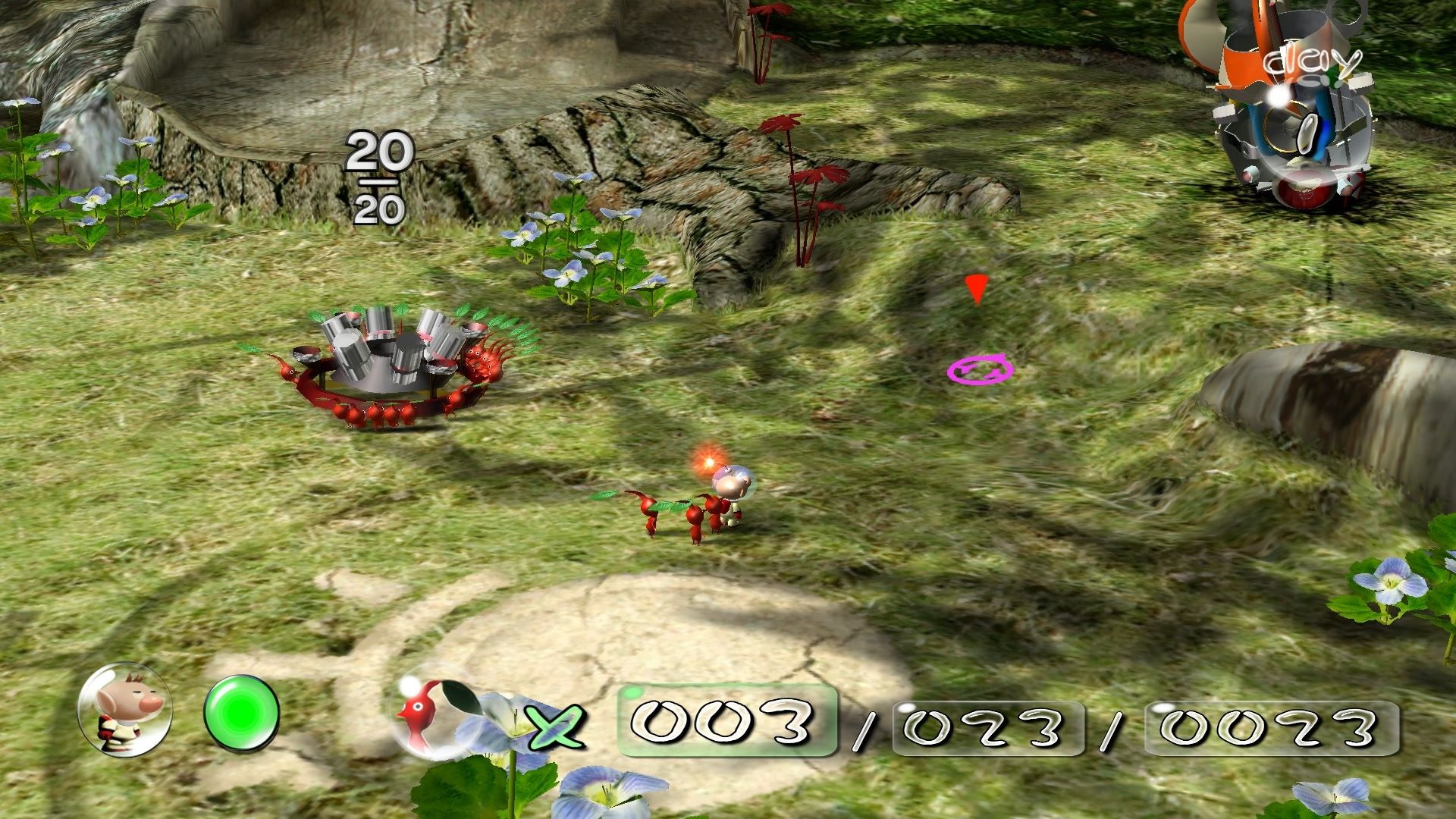
When the GameCube launched, there wasn’t a typical Mario game available—only Luigi’s Mansion. But don’t worry, Shigeru Miyamoto had a completely new game ready to go, inspired by his own garden! While that might not sound immediately exciting, Pikmin is actually a fantastic real-time strategy game, and it plays especially well on consoles.
Honestly, my biggest gripe with the game is that it felt a little rushed. You’re always aware there’s a time limit, and it kind of stresses you out. Later games in the series fixed that, giving you more breathing room, but this one was still a huge step forward for real-time strategy on consoles. It really showed what was possible!
8. Kirby Air Ride
The Cult Classic That’s Finally Getting Its Due
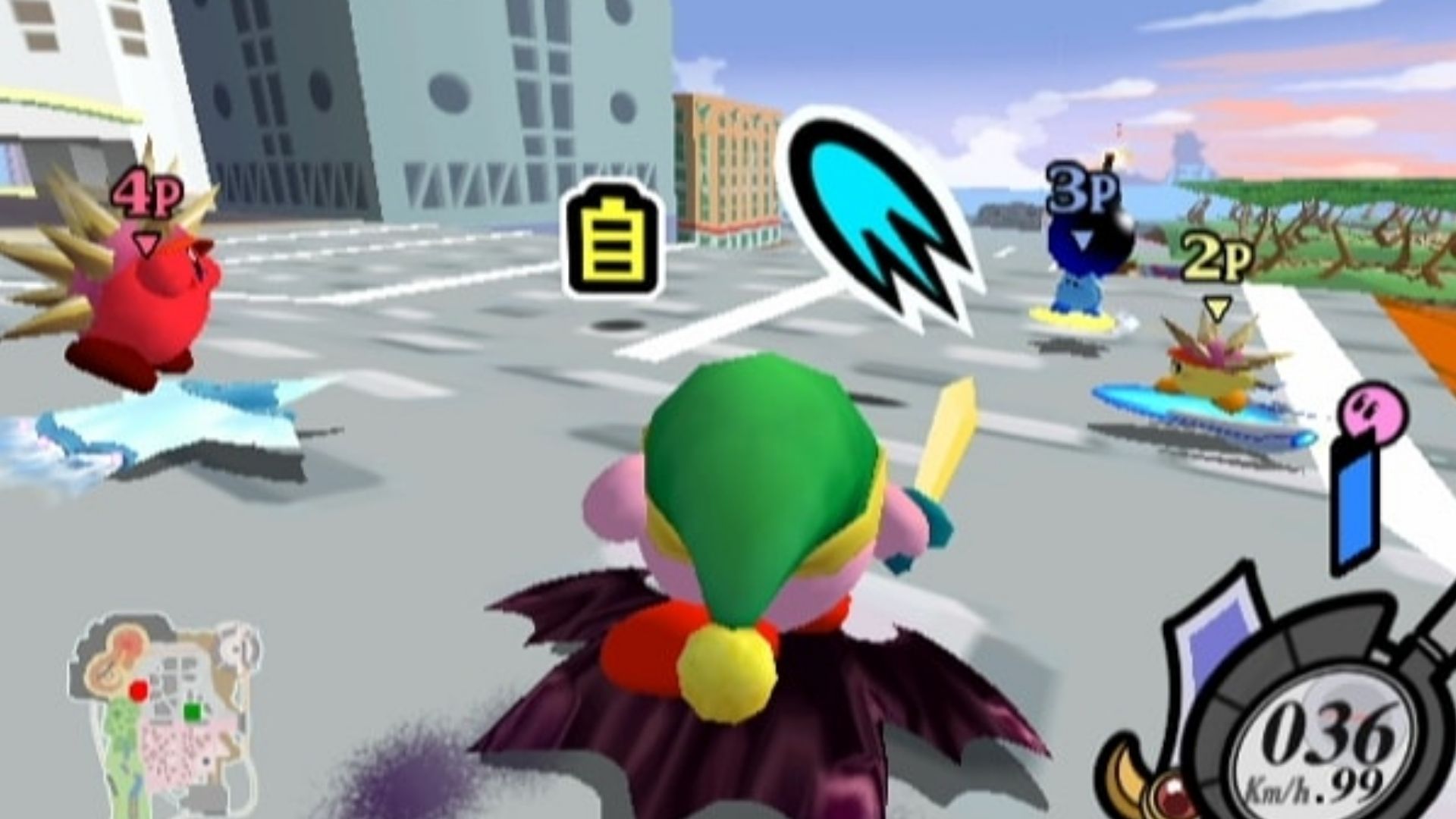
I really enjoy this game, but I have to admit the standard racing in Air Ride mode isn’t very enjoyable. It doesn’t measure up to the racing in Kirby Air Riders. However, I’m including Kirby Air Ride on this list because of its fantastic City Trial mode.
Before popular games like Warzone and Fortnite, there was City Trial. It was a fast-paced game where you’d quickly customize a car and then compete in a single, winner-takes-all challenge. It was wonderfully chaotic and a lot of fun – one of my favorite gaming experiences from the 2000s.
After the series made a comeback last year, it was clear City Trial would remain popular with gamers. The original mode has all the key elements of a great Battle Royale, combined with the fun and unpredictable nature of multiplayer party games. This unique blend helped pave the way for many of today’s popular games, establishing Kirby Air Ride as an influential title.
7. Harvest Moon: A Wonderful Life
Down on the Farm
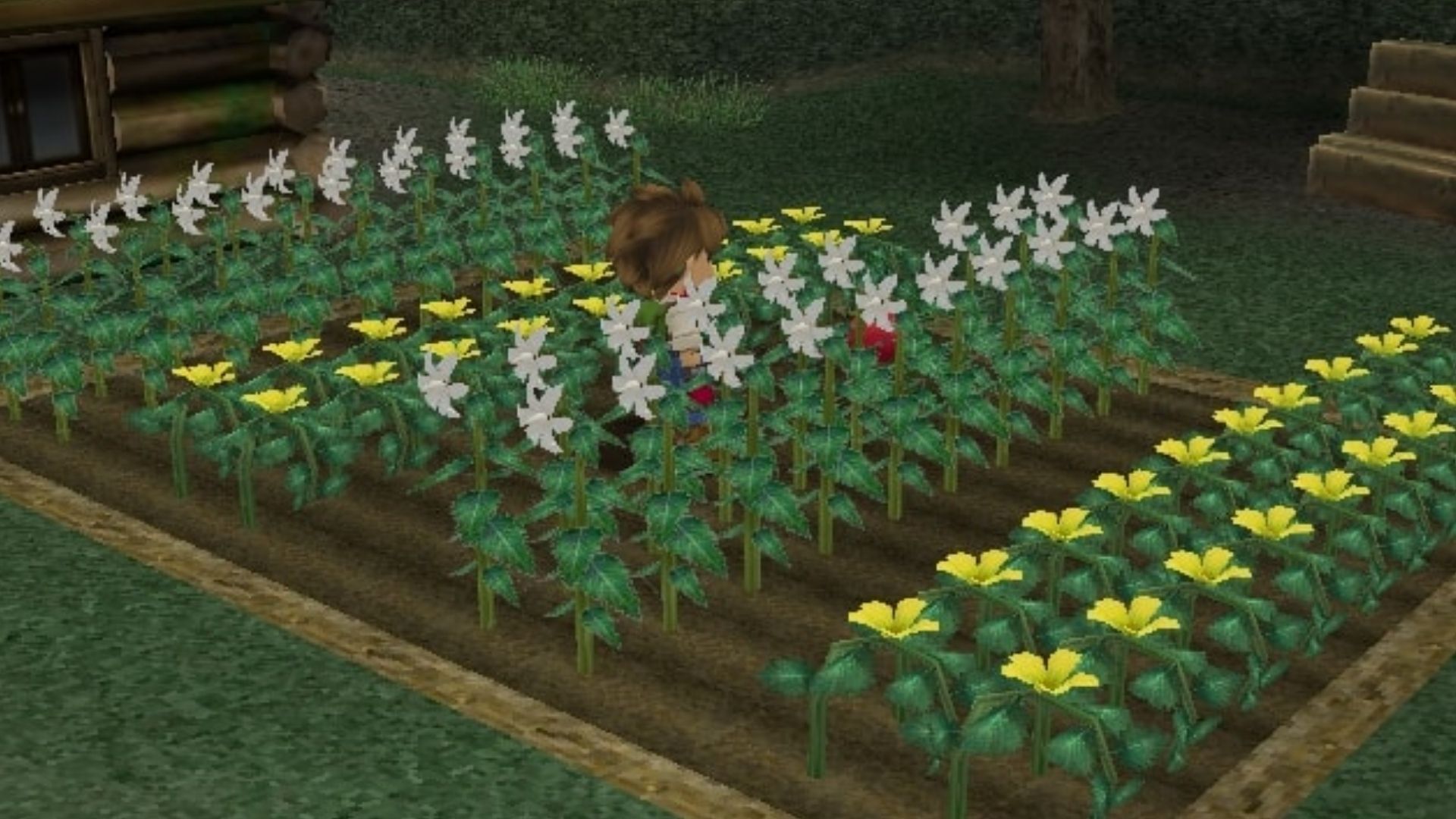
Cozy games are all the rage these days, particularly following the success of Stardew Valley.
Nintendo has a history with relaxing, life-simulation games, as seen with the popular Animal Crossing series. While the original Animal Crossing on GameCube was groundbreaking, it wasn’t fully realized until it came to the Nintendo DS. But another cozy game on the GameCube, Harvest Moon: It’s A Wonderful Life, was also a big success and continues to influence game design today.
The game might feel a bit dated now, but it was incredibly influential and helped shape the cozy game genre we enjoy today. Many millennials discovered their love for these relaxing games by playing this one.
6. Mario Kart: Double Dash
Double the Pleasure, Double the Fun
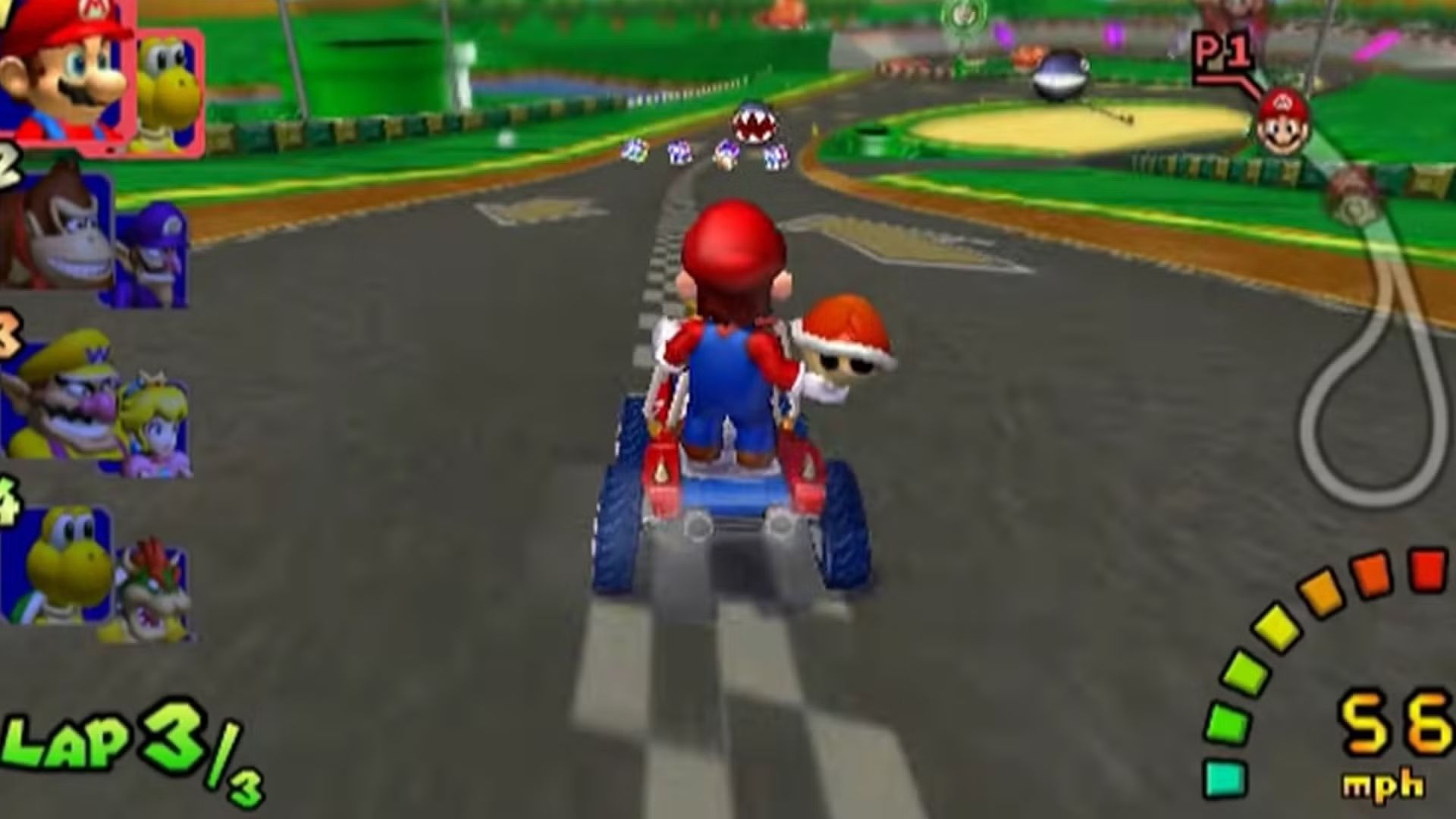
As a huge Mario Kart 8 fan, one thing I really had a love-hate relationship with was being able to hold two items at the same time. It definitely made the races way more chaotic, which could be fun, but it also added a surprising amount of strategy. Before, if I was worried about getting hit by a red shell, I’d often just hold onto an item as a shield and that was it. But with two item slots, I could keep something defensive and still have an offensive item ready to go – it really changed how I played!
You might assume Mario Kart 8 first allowed two people to drive the same kart, but that’s not quite right. Mario Kart: Double Dash actually did this first, letting two players team up in each vehicle.
Double Dash really improved on the track design we saw in the original Mario Kart 64. While Mario Kart 64 had some memorable courses, Double Dash took things to a new level and showed what kart racing could become.
5. Tales of Symphonia
A Mainstream JRPG
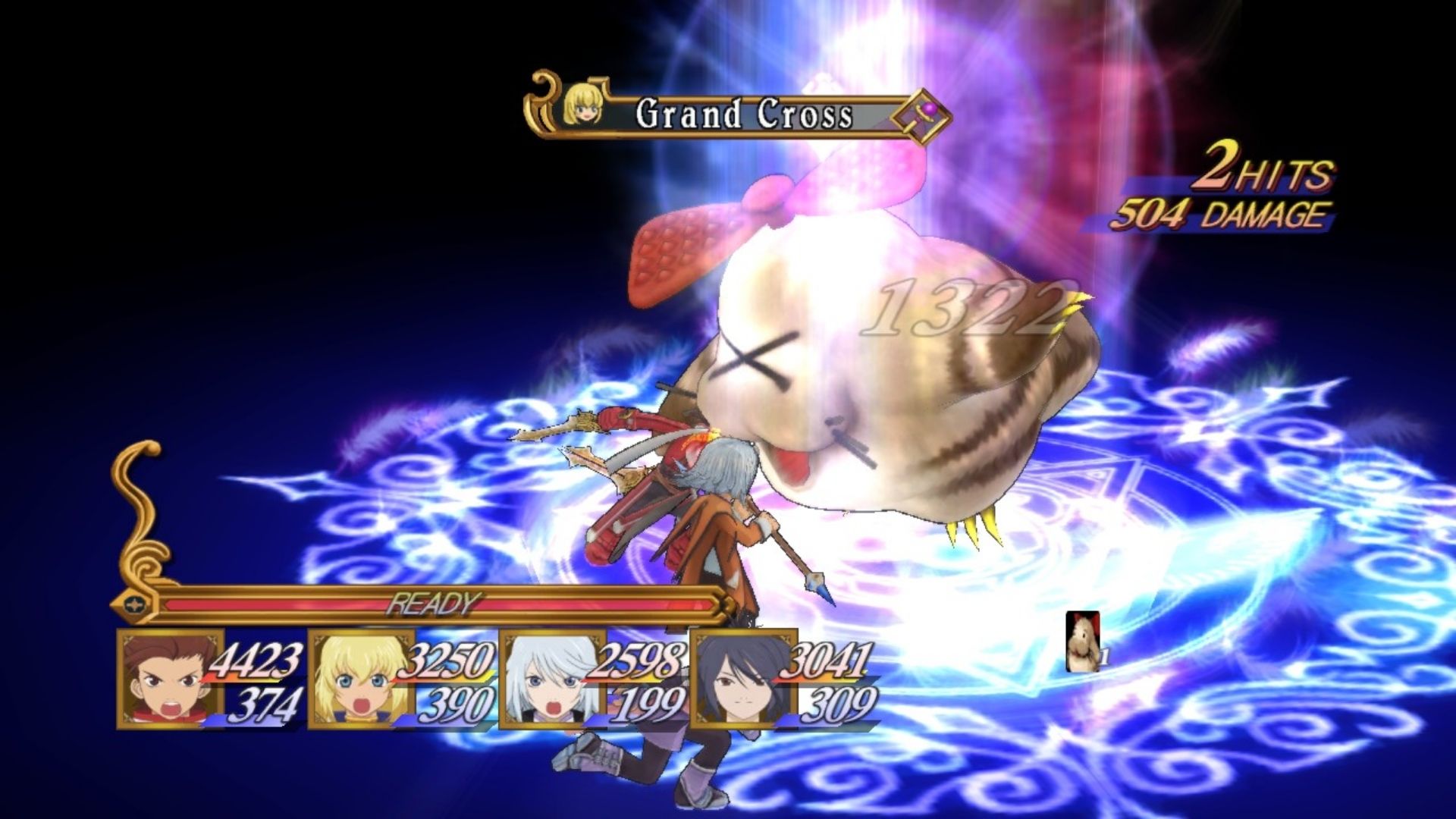
Overall, the story is effective and serves its purpose. It handles important and current issues well, although the plot feels overly complicated at times. However, these twists aren’t the main reason people love Tales of Symphonia.
The Tales series was already popular by 2003, but Symphonia was the game that really perfected the formula. Its combat system, with real-time battles involving a whole party, feels surprisingly modern. The action is quick, exciting, and very satisfying, particularly when you build a team that works well together.
Beyond its other strengths, Tales of Symphonia boasts an incredibly talented voice cast – often considered one of the best in gaming history. Actors like Jennifer Hale, Cam Clarke, Tara Strong, and Scott Menville didn’t just make the game feel more realistic; they helped attract new players and turned many of them into dedicated fans of Japanese role-playing games.
4. The Legend of Zelda: The Wind Waker
Sailing for Adventure on the Deep Blue Sea
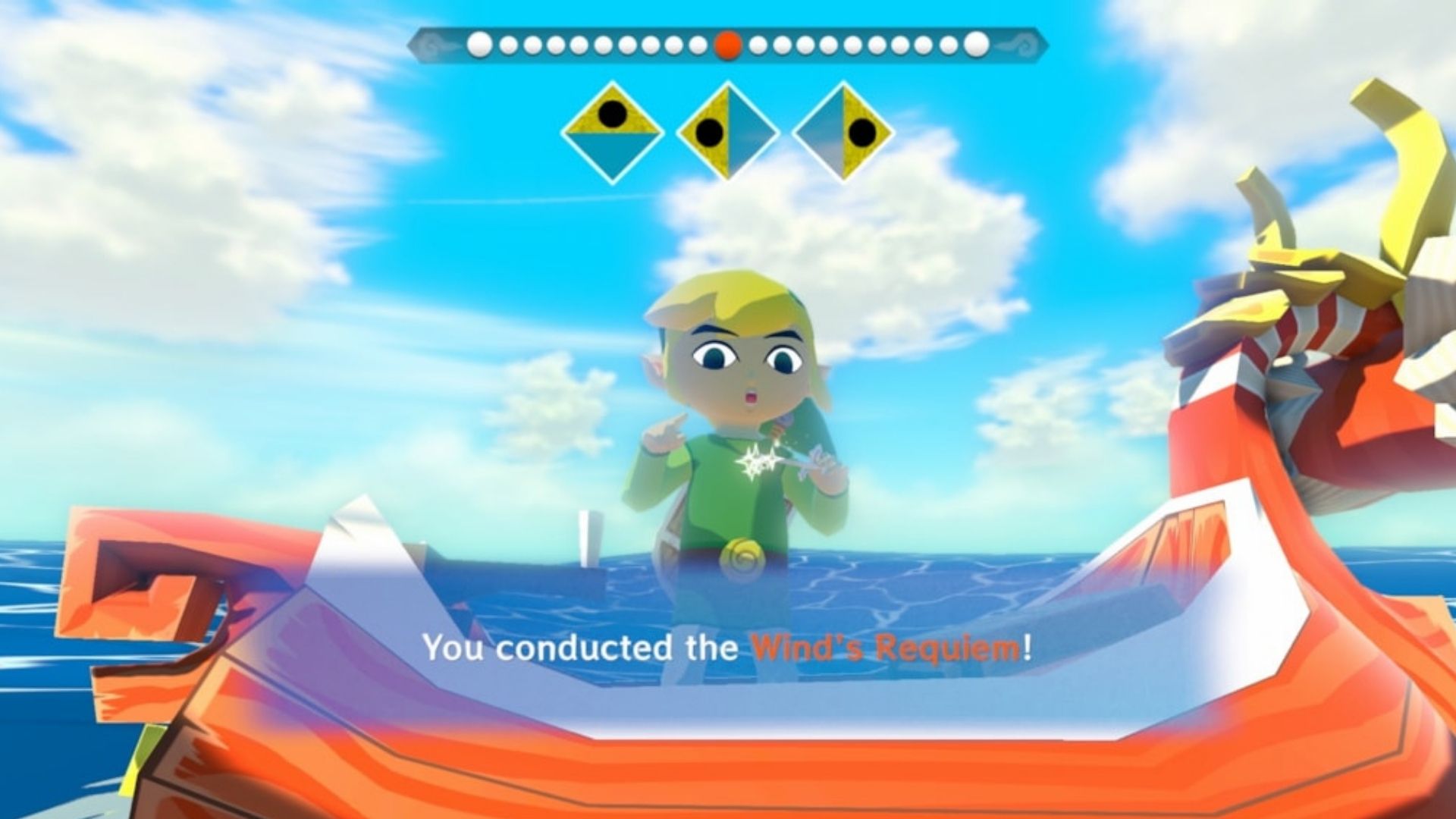
It’s March 2003, and Grand Theft Auto III came out a few months ago. Open-world games weren’t just promising; they were already defining the gaming landscape. Nintendo missed out on having those PS2-era GTA titles on the GameCube, but they had their own strong open-world series: The Legend of Zelda.
The Legend of Zelda: The Wind Waker isn’t just a bigger open-world Zelda game; it’s a remarkable feat of visual storytelling. While the cartoonish, cel-shaded graphics initially surprised some players, they actually fit the game’s story and themes perfectly. This art style is incredibly effective at conveying emotion, especially through the silent main character, and it powerfully enhances the game’s most impactful moments.
Lots of fans really wanted Wind Waker HD to come to the Nintendo Switch, and for good reason – it’s a beautiful game that would have looked amazing in high definition. For now, we’ll have to enjoy the original GameCube version through Nintendo Switch Online.
3. Killer7
Hurts, Doesn’t It?
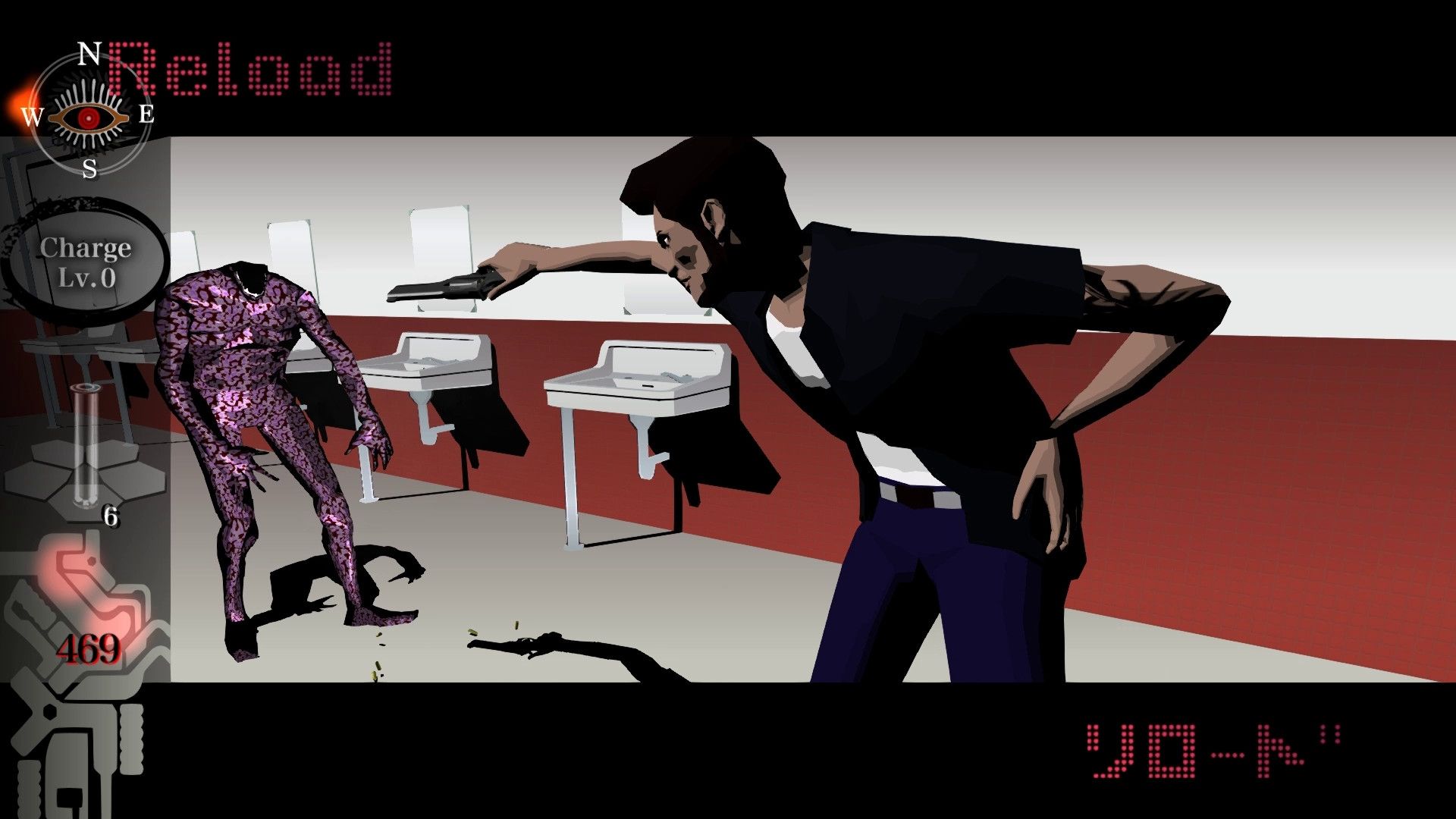
In 2005, Goichi Suda – known then as Suda51 – wasn’t widely recognized. While he might not be a familiar name to everyone even now, Suda has gained much more recognition, as shown by the excitement around his newest game, Romeo is a Dead Man.
Subscribe to the newsletter for deeper GameCube lore
Suda51 is known for creating unusual and thought-provoking games that challenge what video games can be. This reputation started with Killer7, a wildly creative game often described as a bizarre and surreal experience – like a psychedelic trip through a carnival.
The game isn’t groundbreaking in terms of gameplay – it’s a fairly standard on-rails shooter. However, that’s not the point. What makes this special is its one-of-a-kind story, distinctive art, and wildly over-the-top presentation – all hallmarks of Goichi Suda and Grasshopper Games. It’s an experience you won’t find anywhere else.
2. Resident Evil 4
Survival Horror Redefined
Nintendo’s 2004 E3 press conference was a huge success, largely thanks to Reggie Fils-Aime’s memorable debut. He immediately established that Nintendo’s focus would be on creating high-quality games, a message that resonated with fans and cemented his place in video game history.
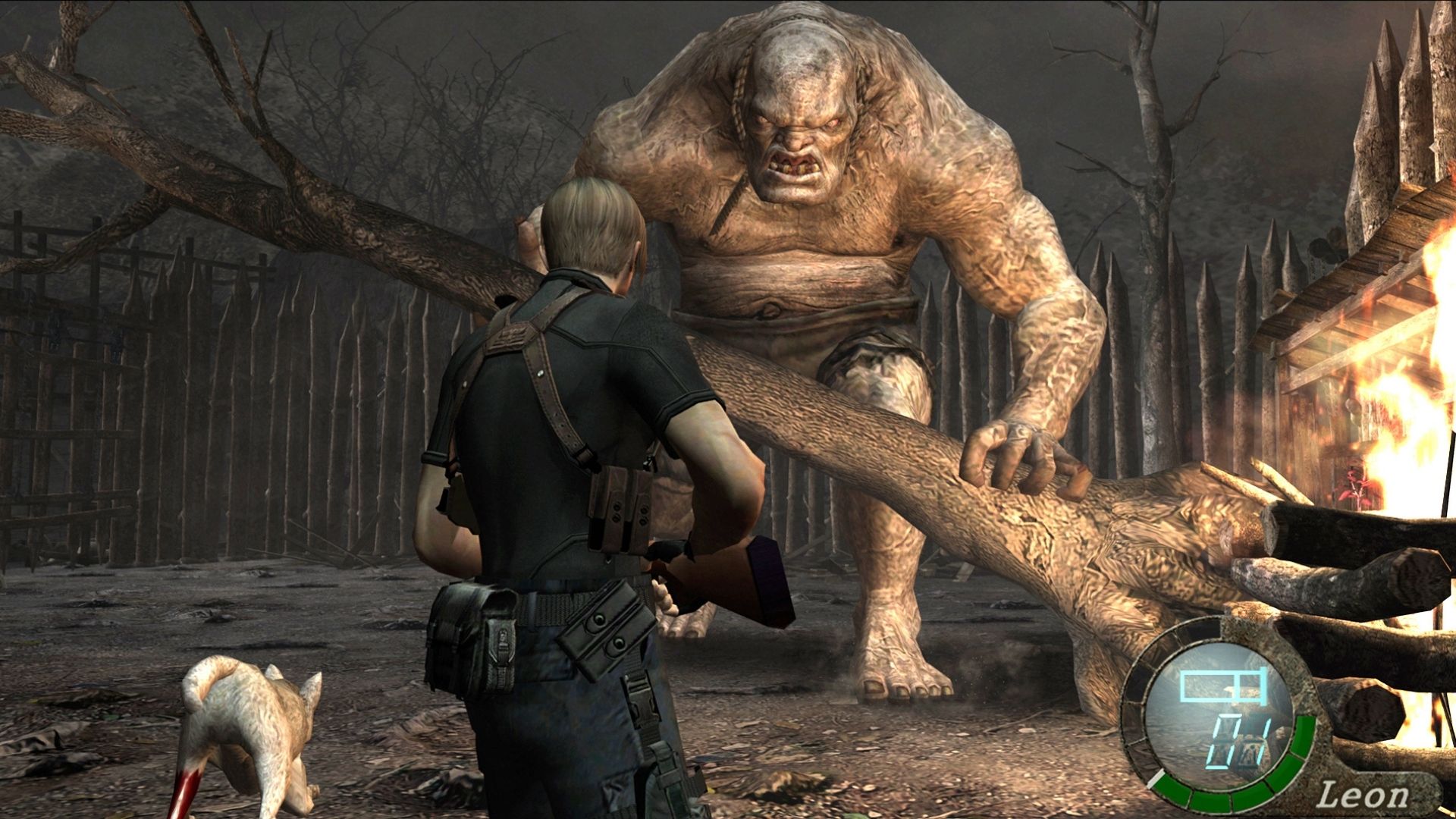
Everyone talks about that classic “one last thing for Nintendo GameCube” moment before they showed off Twilight Princess, and it was amazing. But honestly, something else from that same show has really stayed with me: the trailer for Resident Evil 4. The way it ended, with Luis Sera saying “It’s game time,” just gave me chills. And he was right – it was game time! It felt like a huge deal then, and still does now.
The Resident Evil series had become predictable, relying on old-fashioned gameplay in an attempt to stay true to its ‘survival horror’ roots. But Resident Evil 4 completely changed the game, introducing smoother, more modern controls for Leon S. Kennedy. While it felt more like an action game than previous entries, it made up for this with a relentless onslaught of terrifying enemies that kept players constantly engaged. It was exactly what the series needed to revitalize itself, and its influence can still be felt in games today.
1. Super Smash Bros. Melee
Final Destination, No Items
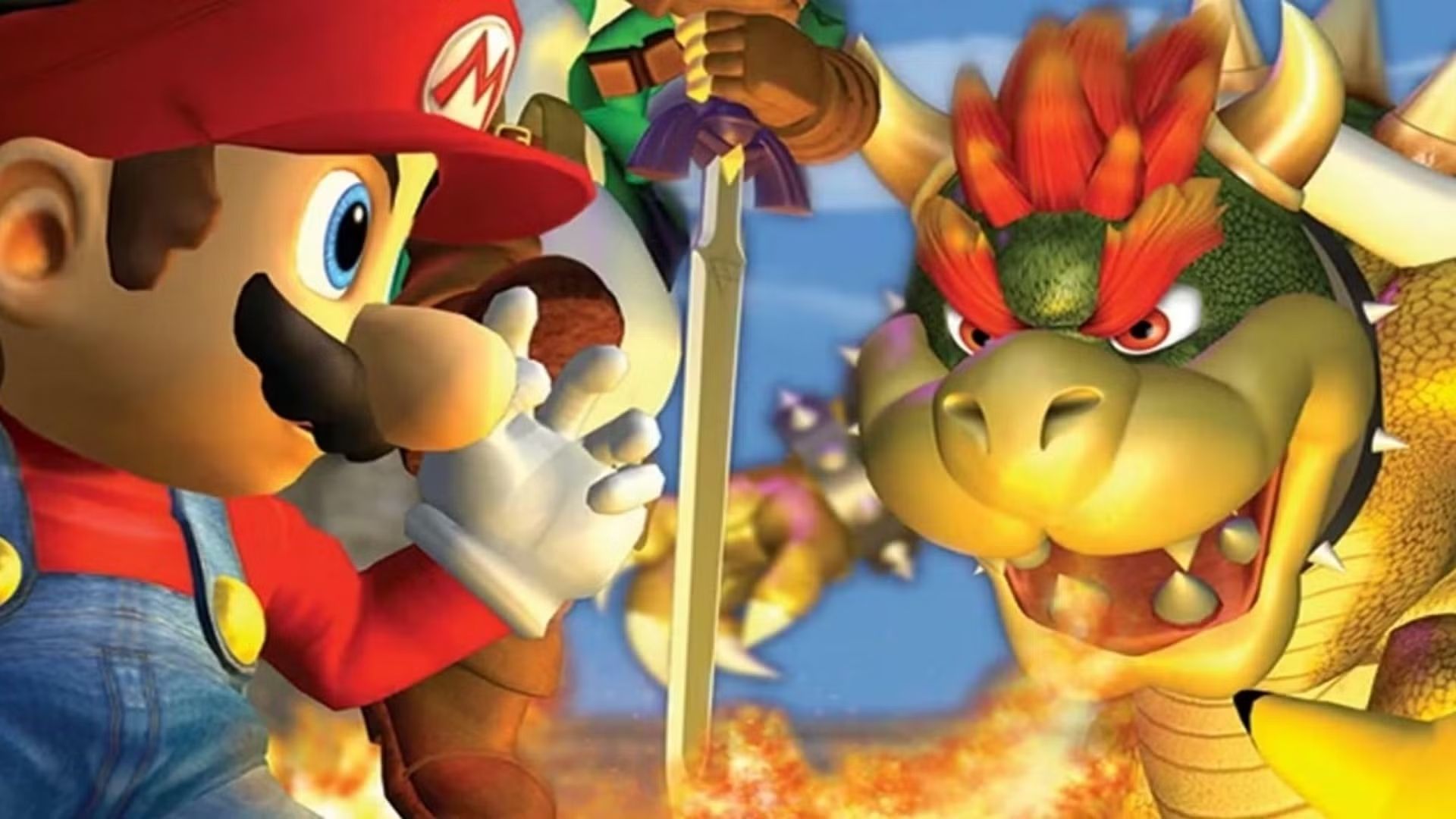
Super Smash Bros. has become a massive gaming phenomenon, far beyond just being a popular Nintendo series. The huge success of Super Smash Bros. Ultimate, especially with its inclusion of characters from other game companies, really brought players together. Hopefully, we’ll get to experience that same excitement again with a new Smash Bros. game on the next Nintendo console, the Switch 2.
The Smash Bros. series didn’t start as the huge hit it is today. The first game on the Nintendo 64 was enjoyable, but didn’t have much depth. It wasn’t until Super Smash Bros. Melee came out on the GameCube that the series really took off and became a major part of popular culture.
There wasn’t one clear reason for its success, but the game greatly benefited from a larger roster of beloved characters, even though it wasn’t as extensive as today’s versions. The stages were well-designed, offering a great mix of classic fighting game arenas and more outlandish environments. Most importantly, the gameplay is still the best in the series – a benchmark not just for this franchise, but for all party fighting games. It’s no surprise so many similar games have tried to copy it over the years, but none have managed to surpass it.
Read More
- Quantum Agents: Scaling Reinforcement Learning with Distributed Quantum Computing
- All Skyblazer Armor Locations in Crimson Desert
- Every Melee and Ranged Weapon in Windrose
- Boruto: Two Blue Vortex Chapter 33 Preview — The Final Battle Vs Mamushi Begins
- How to Get the Sunset Reed Armor Set and Hollow Visage Sword in Crimson Desert
- Zhuang Fangyi Build In Arknights Endfield
- Windrose Glorious Hunters Quest Guide (Broken Musket)
- Best Dual-Wield Swords Build in Crimson Desert
- Top 10 Must-Watch Isekai Anime on Crunchyroll Revealed!
- One Piece Chapter 1180 Release Date And Where To Read
2026-02-19 16:41