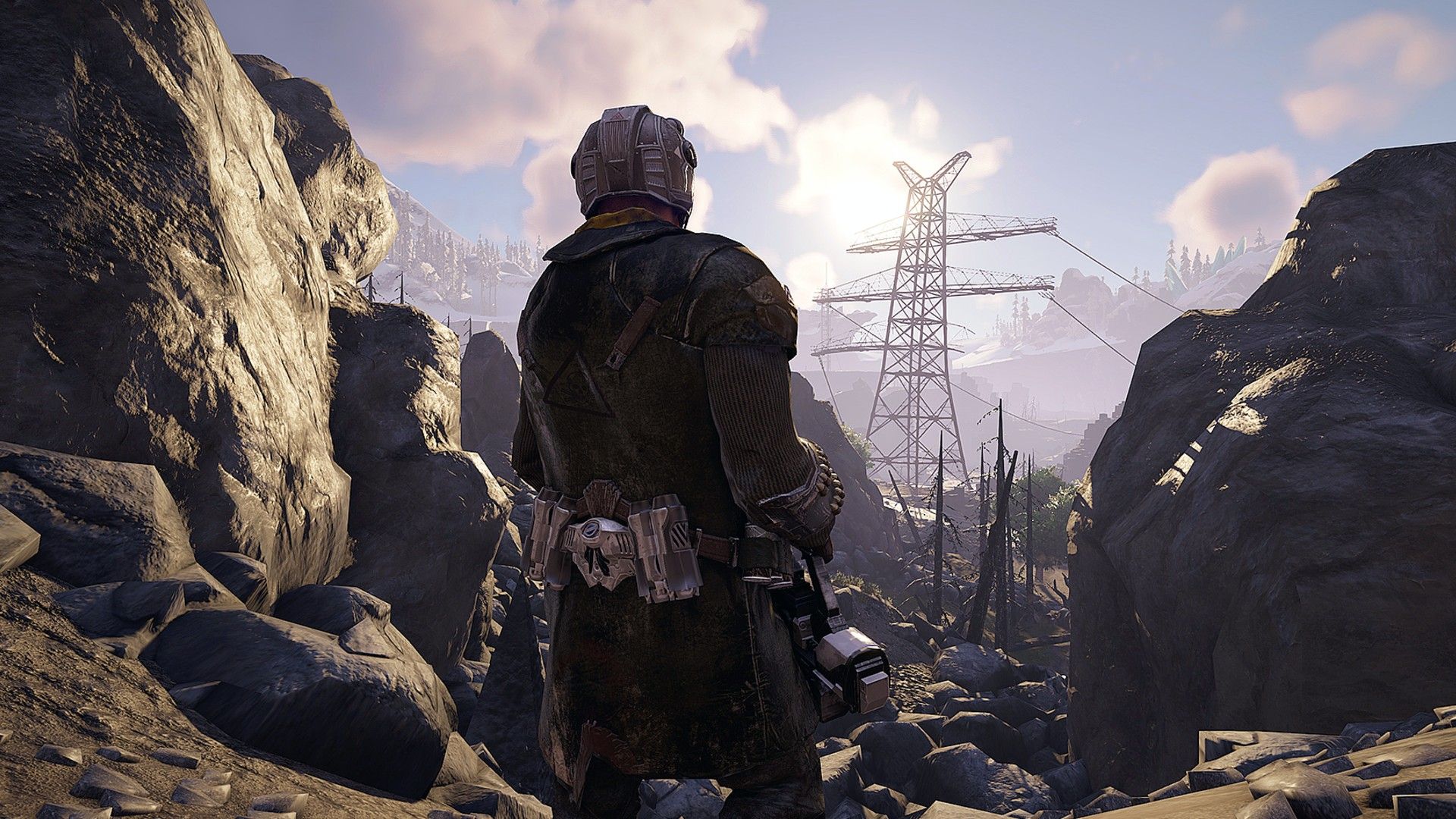
It’s typical for open-world games to give players lots of rewards as they explore, particularly because these games let you go wherever you want. After just a few hours of play, players often find themselves with so much loot – weapons, armor, gold, and treasures – that in-game money becomes meaningless. This is made worse by shops that mostly sell common items, acting as bottomless sources to buy all the unwanted gear players collect.
Many open-world games let you explore freely without much pressure, but others take a different approach – they make money a constant concern. These games feature tough economies where earning cash is difficult and there are plenty of ways to spend it, forcing players to carefully consider how to invest and constantly seek out extra work just to make ends meet. Here are a few examples of open-world games that realistically simulate financial struggles.
Red Dead Redemption 2
The Pursuit Of Money Is Reflected Throughout The Entire Story
The story of Red Dead Redemption 2 largely focuses on the characters’ constant need for money – a point emphasized by the frequently repeated line, “We need money!” from Dutch van der Linde. Making money in the game’s Wild West setting is challenging, and this struggle is central to the outlaws’ desire for a better life. While players can accumulate wealth, there are many ways to spend it beyond supporting the gang and upgrading camp features.
Keeping Arthur Morgan equipped with new horses, saddles, and weapons is expensive. If you want to collect every item and customization option, you’ll need to spend a lot of time completing tasks like hunting, fishing, searching for treasure, and looting enemies. Just like in real life, everything costs money in Red Dead Redemption 2 – from basic necessities like food, drinks, and a shave, to travel costs and ammunition. It’s also important to manage your wanted level, as bounties don’t disappear easily, and clearing your name can be very expensive.
S.T.A.L.K.E.R. 2: Heart Of Chornobyl
Prepare To Stay Broke
In STALKER 2: Heart of Chornobyl, you’ll constantly be managing your money in a vast, open world. As Skif, you venture into the Zone hoping to earn enough for a better life, but quickly discover a tough economic reality. Even valuable artifacts and completing difficult missions won’t always cover the cost of upgrading your equipment and keeping it maintained. Plus, limited inventory space forces you to carefully choose what you loot, prioritizing only the most essential items.
In STALKER 2: Heart of Chornobyl, your weapons and armor wear down with every use, and repairs can quickly become very expensive. While good gear can protect you from dangers like anomalies and explosions, it will also take damage. Getting powerful weapons, attachments, and equipment takes time, and high-quality ammunition is hard to find and costly. For a significant portion of the game, players will need to make tough choices about what to carry and whether the risk of traveling overloaded is worth the reward.
Assassin’s Creed Valhalla
Even The Viking Warchief Won’t Be Able To Upgrade Everything
Earlier Assassin’s Creed games didn’t make managing money very challenging. Players mostly used it for basic items and occasional upgrades. AC Odyssey increased the importance of money, particularly as you leveled up, because improving your gear and ship, the Adrestia, cost a lot. But Assassin’s Creed Valhalla takes it a step further – players will consistently feel like they’re short on funds throughout the entire game.
Even though you play as a powerful Viking leader in Valhalla who forms alliances and conquers lands, you’ll find yourself constantly short on funds. Most of your earnings will go towards building up your settlement, throwing feasts, and improving your gear. Quest rewards aren’t substantial enough to keep up with the increasing costs of upgrading weapons, armor, and runes. The Wrath of the Druids DLC offers some ways to earn passive income through trade, but it’s still not enough to solve the money problem. Ultimately, it’s best to accept that you won’t be able to fully upgrade all of your equipment in Assassin’s Creed Valhalla.
 Find all 10 pairs Results
Elden Ring
Currency Used Both As Money And XP
Unlike many games, FromSoftware titles like Elden Ring don’t use traditional money. Instead, they use a unique resource – Souls or Runes – that functions as both currency and experience points. This makes Runes incredibly valuable because every one you collect helps you level up and become more powerful. Because of this dual purpose, it’s rare for Runes to be truly useless in Elden Ring, except perhaps for very high-level players who have already reached level 100 and found easy ways to collect them quickly.
As a huge Elden Ring fan, I’ve learned it’s always worth buying everything from those special merchants, teachers, and scholars you find. Their stuff is usually one-of-a-kind, and you don’t want to miss out! Luckily, there are consumable items that give you Runes – you can use them or sell them to make trading easier. Now, like with all Souls games, if you die, you lose all the Runes you’re carrying. You can get them back, but only if you rush back to where you fell before they vanish forever. Honestly, losing a bunch of Runes is just part of the Elden Ring experience, so I try not to get too upset when it happens!
Mad Max
Somehow, There’s Never Enough Scrap In The Wastelands
In the game Mad Max, society has collapsed, leaving behind a desolate wasteland where scrap metal is the main form of currency needed to advance. You might think scrap would be plentiful, considering the ruined world is filled with nothing but metal wreckage. However, it’s surprisingly difficult to find enough to get by.
Scrap is essential in Mad Max for improving everything – Max’s armor, weapons (both melee and ranged), and vehicles like the Magnum Opus. Upgrades are incredibly useful, unlocking new combat skills and helping you survive, so you’ll constantly be searching for more scrap. It’s not easy to come by, though. Even thoroughly exploring the world, searching bodies, and defeating enemies won’t be enough. That’s why it’s key to watch for trucks carrying scrap between settlements and then intercept them to get more for yourself.
ELEX
Finite Economy, Constant Needs, And Sparse Rewards
Like classic Piranha Bytes RPGs such as Gothic, Elex features a realistic economy. Items aren’t endlessly repeatable, and rewards are limited. You won’t find a constant need to gather resources, and money is scarce. For much of the game, players will struggle to find Elexit shards—the currency of the world of Magalan—which can only be obtained by mining with specific equipment. This reflects the core design of Elex: almost everything requires significant effort to acquire.
From the start, Elex throws players into a difficult world. You begin as a nobody, and everything is expensive. Getting good equipment and abilities takes a lot of effort. Exploring doesn’t offer much immediate reward, and upgrades quickly eat into your resources. The in-game shops won’t readily help you improve either. You’re largely left to scavenge and build a reputation with one of the factions to make progress. While challenging, this old-school RPG system – where everything must be earned – has a certain appeal.
Kingdom Come: Deliverance 2
Realistic Medieval Economy With Plenty Of Daily Needs
Kingdom Come: Deliverance 2 feels even more realistic than Red Dead Redemption 2, especially when it comes to its tough, believable medieval world and the constant need to manage everyday life. Don’t expect to easily find riches – you won’t discover chests overflowing with gold or powerful weapons lying around. Even regular enemies won’t carry much money, and stealing is risky and usually not worth the trouble. Unless you’re completing important quests with good rewards – and those are relatively rare – you’ll have to work hard to earn a living.
In Kingdom Come: Deliverance 2, you’ll constantly need to take care of basic survival – Henry needs food, water, and a place to sleep, and his equipment and horse require regular upkeep. Earning money through small side quests isn’t very lucrative, and big purchases are rare because items are expensive and merchants don’t offer good prices for your goods. To make a consistent income, you’ll likely need to craft items through skills like smithing or alchemy, but even then, merchants have limited funds, so selling everything you make isn’t always possible.
Read More
- Quantum Agents: Scaling Reinforcement Learning with Distributed Quantum Computing
- All Skyblazer Armor Locations in Crimson Desert
- Every Melee and Ranged Weapon in Windrose
- How to Get the Sunset Reed Armor Set and Hollow Visage Sword in Crimson Desert
- Zhuang Fangyi Build In Arknights Endfield
- Jojo’s Bizarre Adventure Ties Frieren As MyAnimeList’s New #1 Anime
- Windrose Glorious Hunters Quest Guide (Broken Musket)
- Top 10 Must-Watch Isekai Anime on Crunchyroll Revealed!
- Black Sun Shield Location In Crimson Desert (Buried Treasure Quest)
- Grime 2 Map Unlock Guide: Find Seals & Fast Travel
2026-02-19 22:10