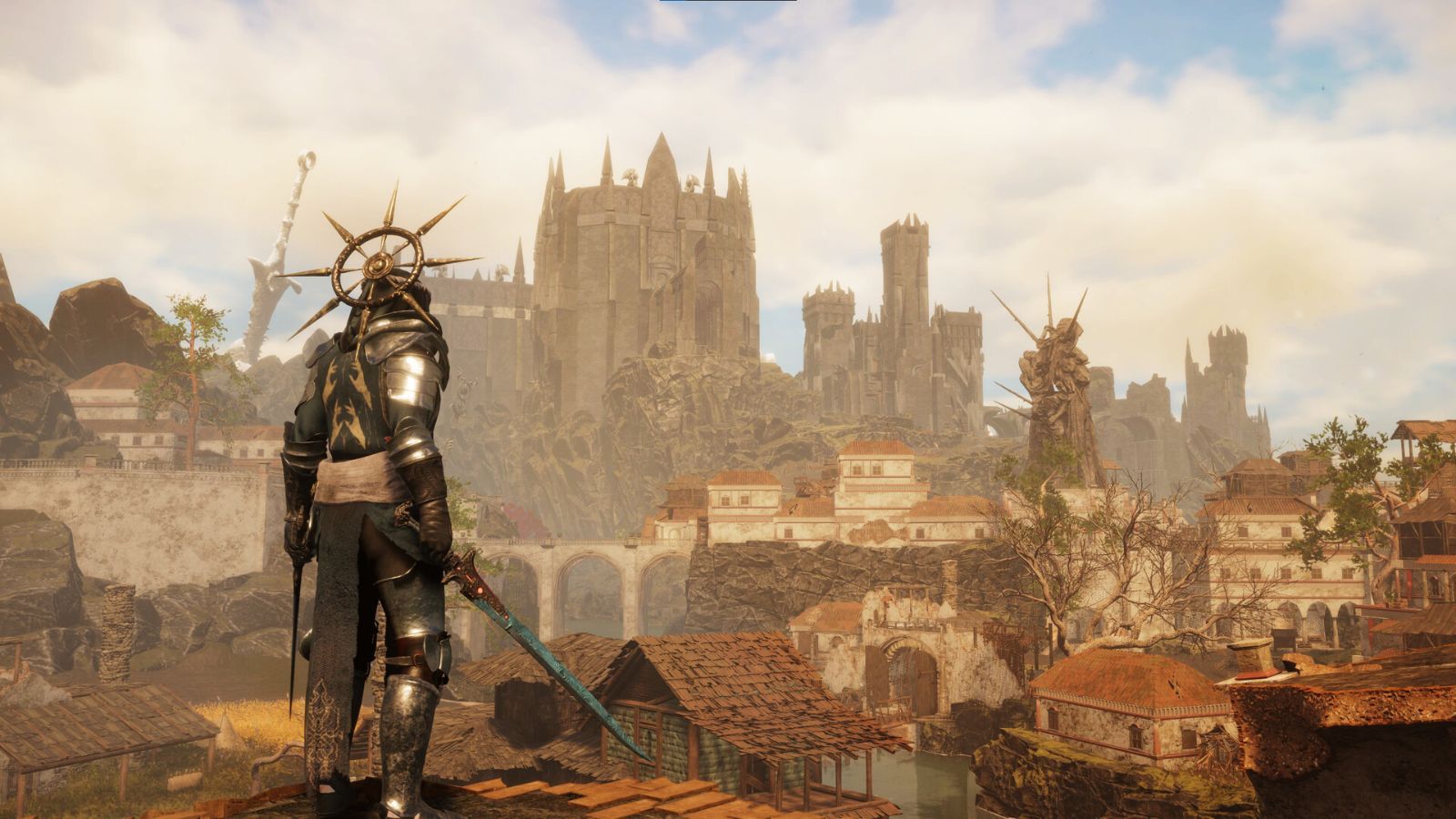
Fantasy games have been a part of gaming since the very beginning, evolving from basic, pixelated adventures into incredibly detailed and immersive experiences. Many popular fantasy games put you in a first-person perspective, allowing you to feel completely connected to the story as you explore worlds, battle enemies, and uncover hidden secrets.
Most games guide players with a general storyline or path, but they usually don’t rush you. You can take your time exploring every corner of the map, or race to the end – the choice is yours! These games don’t tell you how to play; they let you discover your own approach and enjoy the experience in a way that feels natural to you.
 Rearrange the covers into the correct US release order.
Your Order
Results
— —
Avowed
Slow Down To Enjoy The Story
- Flexible build options.
- Region-based open environments.
Avowed takes place in Eora, the world of Pillars of Eternity, but offers a fresh experience with a new story. The game features large, explorable areas and a narrative that feels meaningful without being overly restrictive, letting players uncover compelling stories through exploration and side quests.
Combat allows for diverse character builds, whether you prefer a mix of magic and weapons or focusing on ranged attacks. Players can take their time perfecting their character before tackling big challenges. The game generally moves at a relaxed speed, which helps you feel more involved in the world instead of rushing from one fight to the next.
The Elder Scrolls 5: Skyrim
The Classic Player-Driven RPG
- A vast world full of optional questlines
- Progress is dictated by the player.
The Elder Scrolls 5: Skyrim is still a prime example of a fantasy game that truly lets players lead the way. Set in the snowy region of Tamriel, it offers everything from battling dragons and navigating a civil war to learning magic and simply exploring the beautiful landscape – and it never restricts what players can do.
You don’t need to rush the main story. The game encourages exploring side quests through guild stories and dungeons, which naturally help you advance. Plus, you have complete freedom to develop your character however you like – you can specialize in a single skill for hours, or easily switch things up and try different approaches whenever you feel like it.
Arx Fatalis
An Immersive Dungeon Crawling Experience
- Interesting manual spell-casting mechanic.
- Set in an interconnected subterranean world.
Arx Fatalis creates a richly detailed underground fantasy world where exploration feels meaningful and discoveries are truly earned. The game’s connected caves demand you pay close attention to your surroundings, and its unique rune system – where you actually draw spells to cast them – makes playing feel incredibly immersive and different from most other fantasy games.
Players have several ways to complete quests – they can use stealth, talk their way through situations, or rely on magic, and all are equally effective. The game world is relatively small, but encourages exploration and doesn’t force players to follow a single path, letting them make choices until the very end.
Dread Delusion
Surreal And Haunting
- Retro-inspired aesthetic.
- Exploration is encouraged over constant combat.
Dread Delusion creates a dreamlike fantasy world with a retro look that still feels fresh. Its floating islands and unusual cultures encourage players to explore and think, and the story unfolds slowly as you discover pieces of it through your own curiosity.
While fighting exists, it’s not the main focus, letting the world and its story shine. Players who enjoy combat are still welcome to engage, and interesting story choices let you impact the various groups within the game. This encourages exploration and rewards players who thoroughly search the map for secrets.
Lunacid
Classic Visuals, Modern Feel
- Metroidvania-esque level design.
- Diverging build paths allow for inspired customization.
Lunacid blends the classic feel of old-school dungeon crawlers with modern conveniences, creating a rewarding experience even with its retro graphics. The game focuses on discovering secrets, finding hidden routes, and steadily improving your character. Its cleverly designed levels support this, gradually unveiling new areas at a comfortable pace.
The game offers players a lot of flexibility in how they develop their characters, letting them choose between magic, close combat, and other styles. These choices will unfold organically as they play, meaning you don’t need to min-max or overthink your build – you can simply focus on enjoying the experience.
Tainted Grail: The Fall Of Avalon
The Next Big Name In The Genre
- Grimdark Arthurian myth.
- Open-ended quest structure.
Tainted Grail: The Fall of Avalon offers a fresh, dark take on the Arthurian legends, presented in a realistic and challenging first-person style. The game features a vast, decaying world that you can explore however you choose, with no pressure to rush – allowing for a truly personal adventure.
In Tainted Grail, your character grows stronger through both skill upgrades and becoming proficient with different equipment, which keeps you invested in the game’s systems over time. You’re free to specialize in a particular playstyle without sacrificing other options. Ultimately, Tainted Grail is a fantastic modern RPG that successfully combines classic elements with fresh ideas and a contemporary feel.
Tiny Tina’s Wonderlands
Trading The Sci-Fi Wasteland For A Magical World
- Multi-class character system.
- Extensive side dungeons.
Tiny Tina’s Wonderlands blends a fantasy world with the signature humor and unpredictable stories of the Borderlands series. The game gives players a lot of freedom – you can explore optional side quests or focus on finishing the main story and reaching the final content quickly, whatever you prefer.
Like previous games in the series, finding cool items is still a key part of the experience. It lets you try out different strategies without being locked into a single playstyle. The game strikes a great balance between challenging fights and peaceful exploration, and how much of that exploration you do is up to you. There are plenty of optional areas and funny side quests to discover.
Verho – Curse Of Faces
Atmospheric And Deeply Nostalgic
- Intimate world design
- Gameplay focused on exploration
Verho – Curse of Faces offers a focused fantasy adventure that emphasizes exploration and a strong sense of atmosphere. Playing from a first-person view makes the world feel incredibly immersive, and the carefully designed environments are packed with secrets and stories to discover.
Exploring the game feels almost like a rhythm – you can move quickly or slow down to find every hidden detail. If you’re looking for a nostalgic experience, Verho perfectly recreates the feeling of classic fantasy games in almost every aspect.
Wizardry 8
Strategy Beyond Belief
- Deep class and race combinations.
- Deep tactical turn-based combat.
Wizardry 8 offers a unique take on party-based role-playing games by presenting the action from a first-person viewpoint, immersing you directly into the game. It emphasizes careful strategy over quick reactions, allowing – and even encouraging – players to take their time, often spending several minutes planning their next move without feeling pressured.
The game really shines with its detailed character creation and how well your party members work together, letting you create and execute long-term strategies. Conversations and interactions with different groups aren’t about rushing you forward; they’re designed to make the world feel more real and let you shape your own story at your own pace, so you always feel like you’re in charge.
King’s Field 4
Long Before The Wave Of Souls
- Methodical combat pacing
- Areas are tightly woven together.
King’s Field 4 is a prime example of early, thoughtful fantasy exploration in gaming, a time when developers were still figuring out what worked best. It’s a slow-paced game with tough battles that require players to be patient and strategic. The complex levels encourage careful planning and exploration, elements that would later become hallmarks of popular games like the Dark Souls series.
By offering little direct instruction, the game encourages players to truly explore and discover things on their own. This makes each discovery feel more meaningful, because players aren’t simply following a set path. Instead, they’re navigating a mysterious world, searching for answers and a way to escape, and their journey feels uniquely personal.
Read More
- All Skyblazer Armor Locations in Crimson Desert
- Robinhood’s $75M OpenAI Bet: Retail Access or Legal Minefield?
- How to Get the Sunset Reed Armor Set and Hollow Visage Sword in Crimson Desert
- How to Catch All Itzaland Bugs in Infinity Nikki
- Speedsters Sandbox Roblox Codes
- Top 10 Must-Watch Isekai Anime on Crunchyroll Revealed!
- Invincible: 10 Strongest Viltrumites in Season 4, Ranked
- Re:Zero Season 4 Episode 3 Release Date & Where to Watch
- Who Can You Romance In GreedFall 2: The Dying World?
- 9 Highest-Rated Anime on MAL (As of 2026)
2026-02-21 12:36