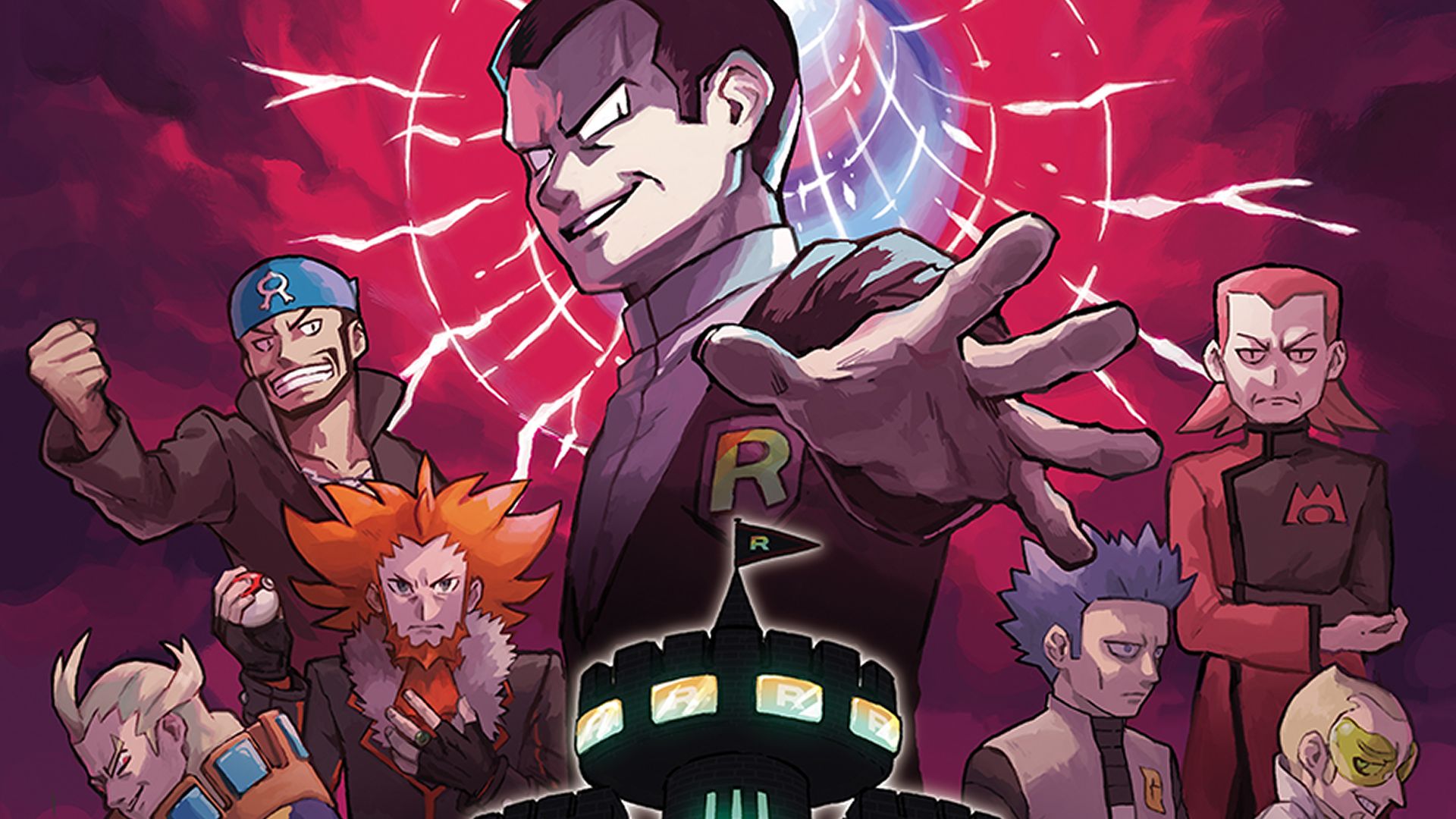
A running joke among dedicated Pokémon fans is that children always end up saving the day. These young heroes consistently take on huge responsibilities – risking their lives for research, calming powerful beings, and accomplishing incredible feats – all before they even finish school. This raises the question: what are the adults doing? The usual explanation is that grown-ups are handling other issues behind the scenes, and the protagonist’s journey is special because they’re just a kid succeeding against the odds. However, after nine generations of Pokémon games, this pattern of capable adults standing by feels less like a coincidence and more like a predictable formula.
It’s already concerning that adults rely on teenagers to defeat world-ending threats in the Pokemon universe. But looking closer, a strange pattern emerges: a surprising number of Pokemon villains – at least four, and possibly five if you count Scarlet and Violet – are actually parents. Unsurprisingly, these parents’ evil schemes have deeply affected their children. This setup of parent versus child creates compelling stories and reinforces the idea that kids are the heroes in Pokemon, often because the adults are ineffective or even part of the problem.
SPOILERS for Pokemon Generations 3, 5, 7, and 9 as well as the Pokemon Adventures manga ahead!
Johto and the Secret of Giovanni and Silver
The idea of Giovanni, the leader of Team Rocket, having a child first appeared in the Pokémon games with Silver, a rival character in the Johto region. While this connection wasn’t fully revealed until a special Celebi event in Pokémon HeartGold and SoulSilver, a scientist character in the earlier FireRed and LeafGreen games first suggested it. The scientist initially thought the player character was Giovanni’s child, then mentioned that Giovanni’s child had red hair. Because this detail was also established in the Pokémon Adventures manga, fans quickly began to speculate that Silver was this mysterious child.
Who’s That Character?  Identify the silhouettes before time runs out.
Results
High Score: 0 —
Looking back, Silver’s background really adds up. He begins the story as a troublemaker, even stealing Pokémon. Interestingly, despite being a thief, he clearly despises Team Rocket. Knowing that Giovanni abandoned him as a child – as shown in the Celebi event – explains why he turned to crime to get by. Fortunately, Silver becomes more compassionate throughout the story, developing bonds with his Pokémon and the player, but his dislike for Team Rocket stays strong, which is understandable given his past.
The connection between Silver and his father is a key part of who he is, but the original games don’t explore that relationship much. It took ten years for the games to even confirm they were family. This was probably because the Game Boy version of the game didn’t have the space to include a detailed story about it.
It’s not surprising that Giovanni doesn’t seem to care about his son, given his personality. However, the fact that Silver’s backstory is only subtly revealed – with a brief optional scene offering confirmation – actually makes him a more compelling character. Instead of being told why he’s the way he is, players are left to figure it out themselves, which adds depth and complexity. This mystery makes Silver a much more interesting and well-rounded character than if his motivations were simply explained directly to the player.
Paldea, the Professors, and Arven’s Estrangement
Although Giovanni never directly hurt Silver, his lack of attention deeply affected the boy and continues to impact him. Silver isn’t alone in experiencing this; Arven, from Pokemon Scarlet and Pokemon Violet, also has a difficult relationship with his parent – Professor Sada or Professor Turo. This relationship deteriorates throughout the games. While it’s up for debate whether Sada and Turo are truly villains, their poor decisions are undeniably the driving force behind Arven’s story and the game’s ultimate events.
Sada and Turo were so focused on building a time machine that they left their son, Arven, to grow up alone at the Poco Path lighthouse lab. They went to Area Zero with Koraidon or Miraidon to continue their research. By the time the game starts, Arven hasn’t seen his parent in years. When he and the player finally investigate Area Zero, hoping for answers, he discovers his mother or father passed away long ago.
The professors Sada and Turo seem to have cared for Arven, but their dedication to research led them to make a dangerous mistake by introducing Paradox Pokémon to the Paldea region, almost causing an environmental disaster. This is a stark contrast to Giovanni, who didn’t appear to care for his son at all. While the professors likely loved Arven, they lacked the awareness to understand he should have been their main focus. Regardless of their reasons, Arven clearly needs some emotional support.
Living a Lie with N and Ghetsis in Unova
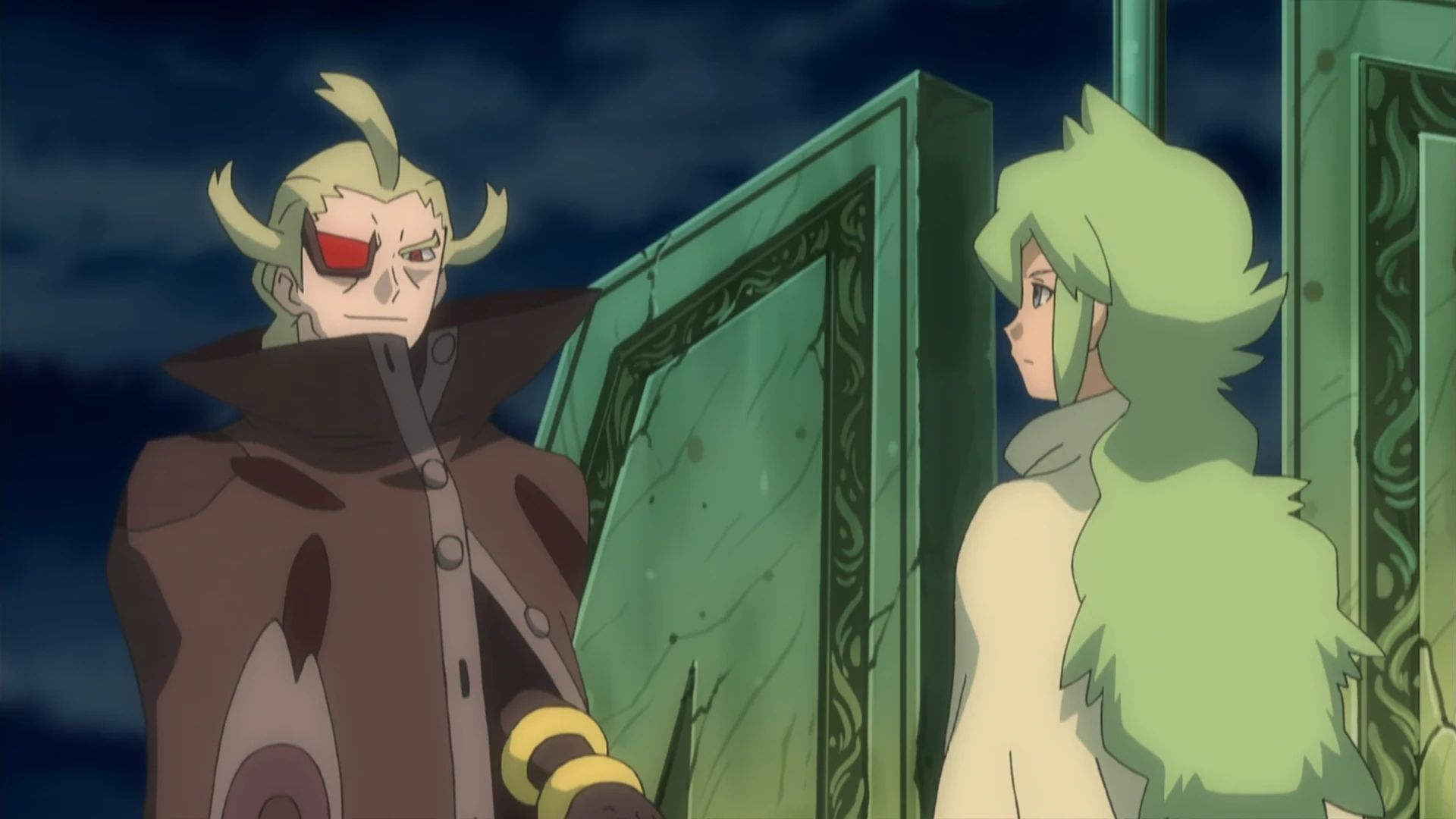 Image via OLM
 Unlike Giovanni, Sada, and Turo, who weren’t very involved with their children, Ghetsis and Lusamine from Generations 5 and 7 were heavily involved in raising theirs—though not always in a healthy way. N, Lillie, and Gladion were overcontrolled by their parents, which led N to develop unrealistic beliefs and Lillie and Gladion to eventually run away from home.
Ghetsis, a character from the Pokemon Black, White, Black 2, and White 2 games, intentionally manipulated N, an orphaned boy he adopted. Ghetsis presented himself as someone who shared N’s desire to free Pokemon, but this was a deception. He isolated N from others and exposed him to mistreated Pokemon, leading N to believe that all Pokemon training was cruel. Ghetsis carefully crafted this narrative to exploit N’s beliefs. Secretly, Ghetsis planned to seize power once N convinced everyone to release their Pokemon, knowing that if he were the only one with Pokemon, he would be unstoppable.
So, I finally beat N, and then things got really weird. Ghetsis, his ‘dad,’ just dropped the act and showed his true face. Turns out, he never actually cared about N – he was just using him the whole time. It was a total shock, honestly, to see how much he actually disliked his own adopted son.
Sometimes, people can be incredibly foolish. When you consider everything, it seems like you’re just a misguided and flawed individual whose only interest is Pokémon.
Even after all of Ghetsis’s schemes in Black and White, and their sequels, N truly wants to help the man he sees as a father. Even as Ghetsis falls apart after losing in Black 2 and White 2, N still refers to him as “father.” The innocence Ghetsis fostered in N ultimately protected N, and ironically led to Ghetsis’s defeat, but it wasn’t enough to repair their broken bond.
Lusamine, Lillie, Gladion, and Forgiveness in Alola
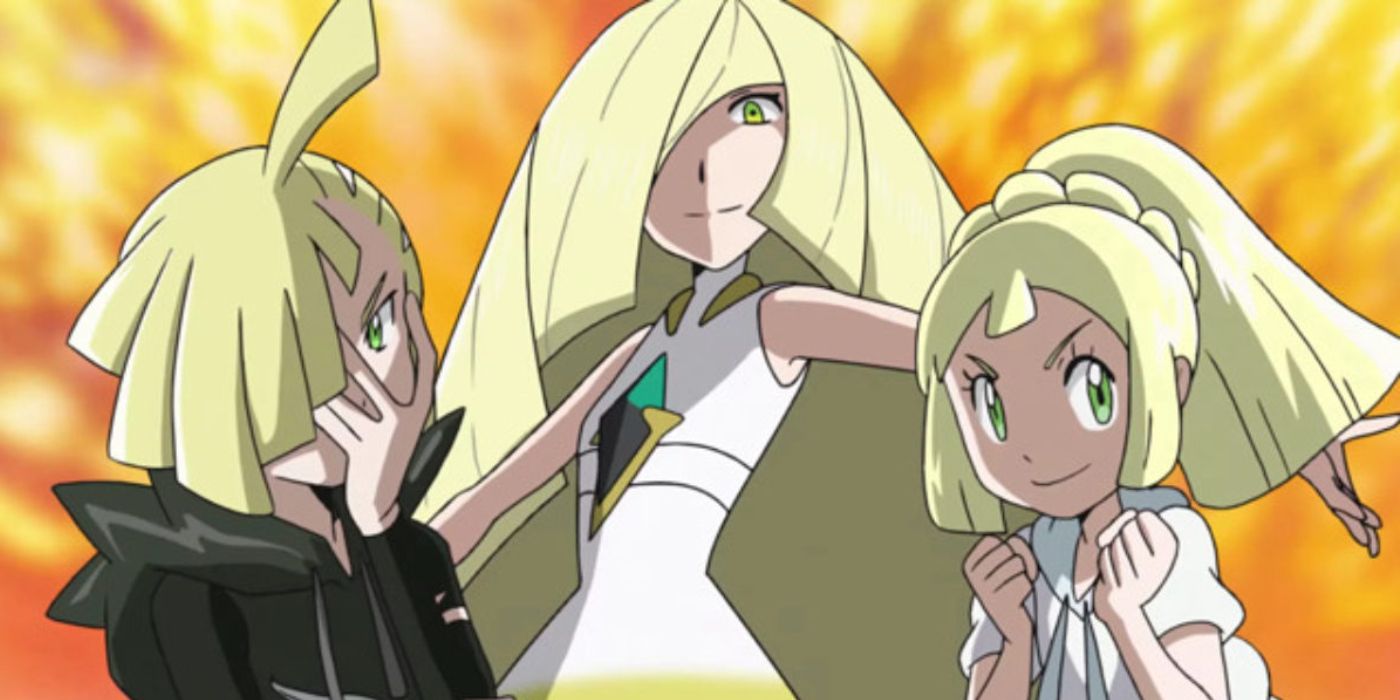 Image via DeNA
 As a Pokémon fan, I always thought Lusamine, who showed up in Sun and Moon, was a really interesting villain. She headed the Aether Foundation, and honestly, the way she treated her kids reminded me a lot of Ghetsis – lots of manipulation and putting them down. But thankfully, her story ended on a slightly more hopeful note! What really struck me about Lusamine, though, was how real her issues felt. Unlike Ghetsis who seemed a bit over-the-top, Lusamine’s problems with her children felt much more grounded and, if I’m being honest, even more frightening because of it.
I always felt so bad for Lusamine. She was such a sweet mom to Lillie and Gladion, but her world completely fell apart when her husband disappeared into an Ultra Wormhole. She became totally consumed with trying to find him, and that’s how she started researching Ultra Beasts. But then, something went wrong. Being exposed to Nihilego’s toxins really changed her. It wasn’t about her husband anymore; she became obsessed with the Ultra Beasts themselves. It was heartbreaking to see her go from a caring conservationist to someone who fixated on beauty and perfection. She started controlling Lillie and Gladion, constantly criticizing them if they didn’t meet her standards. Eventually, both kids ran away, and she basically acted like they didn’t matter to her, claiming they rejected her love. It was a really tragic story.
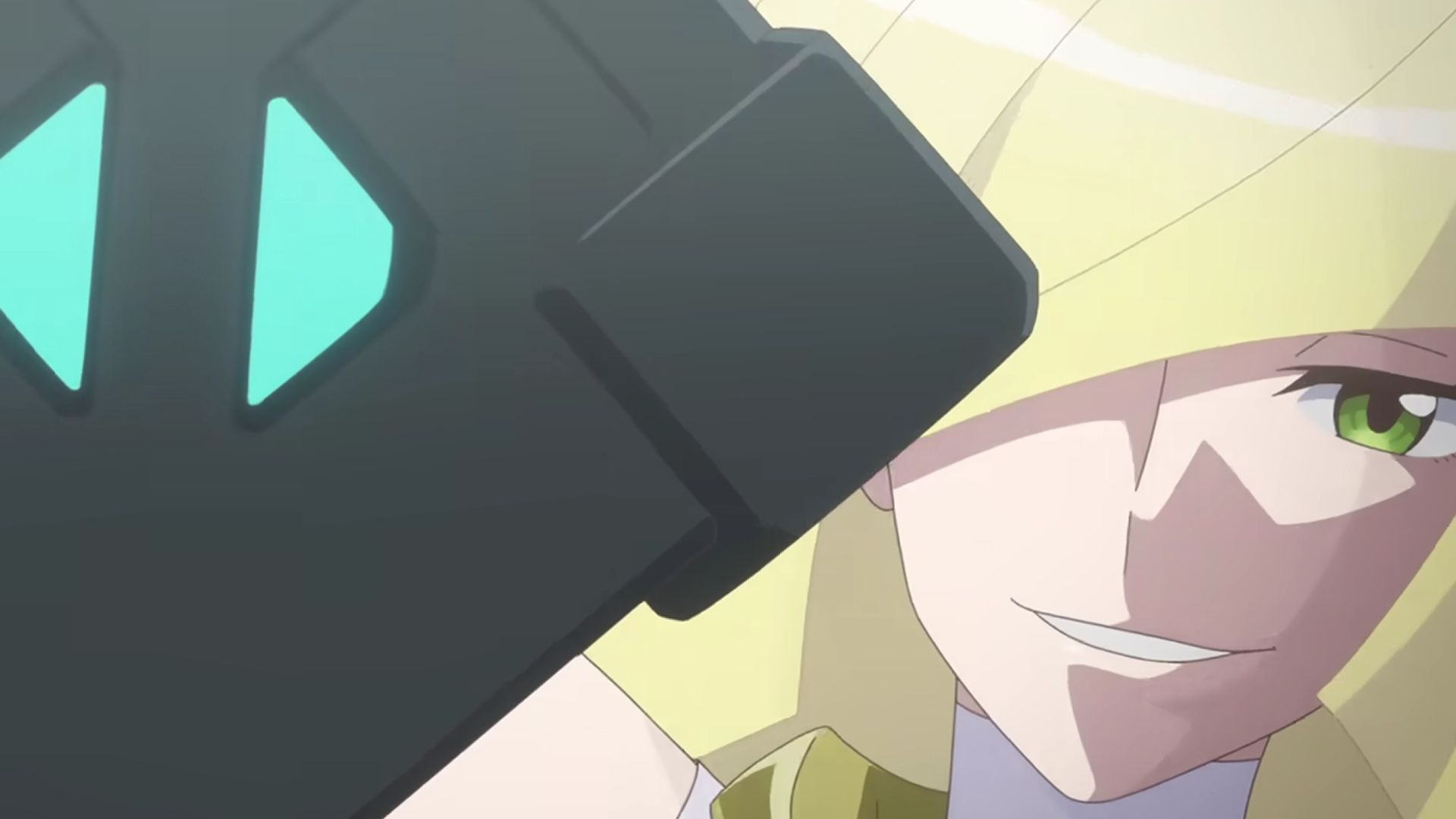 Image via The Pokemon Company
 While Lusamine’s story is less bleak in Ultra Sun and Ultra Moon, her original portrayal made her a particularly disturbing Pokémon villain. This was largely because her motivations felt more grounded and realistic than previous antagonists. The games reveal the trauma that led to her breakdown, show how it affected her children, and depict her using manipulative tactics commonly seen in abusive relationships – such as portraying herself as the victim and blaming her children for her problems.
Lusamine isn’t portrayed as a purely good character in either the original or Ultra games, but both storylines conclude with her making amends with her children. A game geared towards adults might have explored whether allowing Lusamine back into Lillie and Gladion’s lives after her apology was truly the best thing for them, but as Pokémon is for all ages, we can be confident she won’t repeat her harmful behavior. Whether you see her change of heart as a convenient resolution or not, the idea that people can always redeem themselves is worth considering.
Why Do the Parents Have So Many Issues?
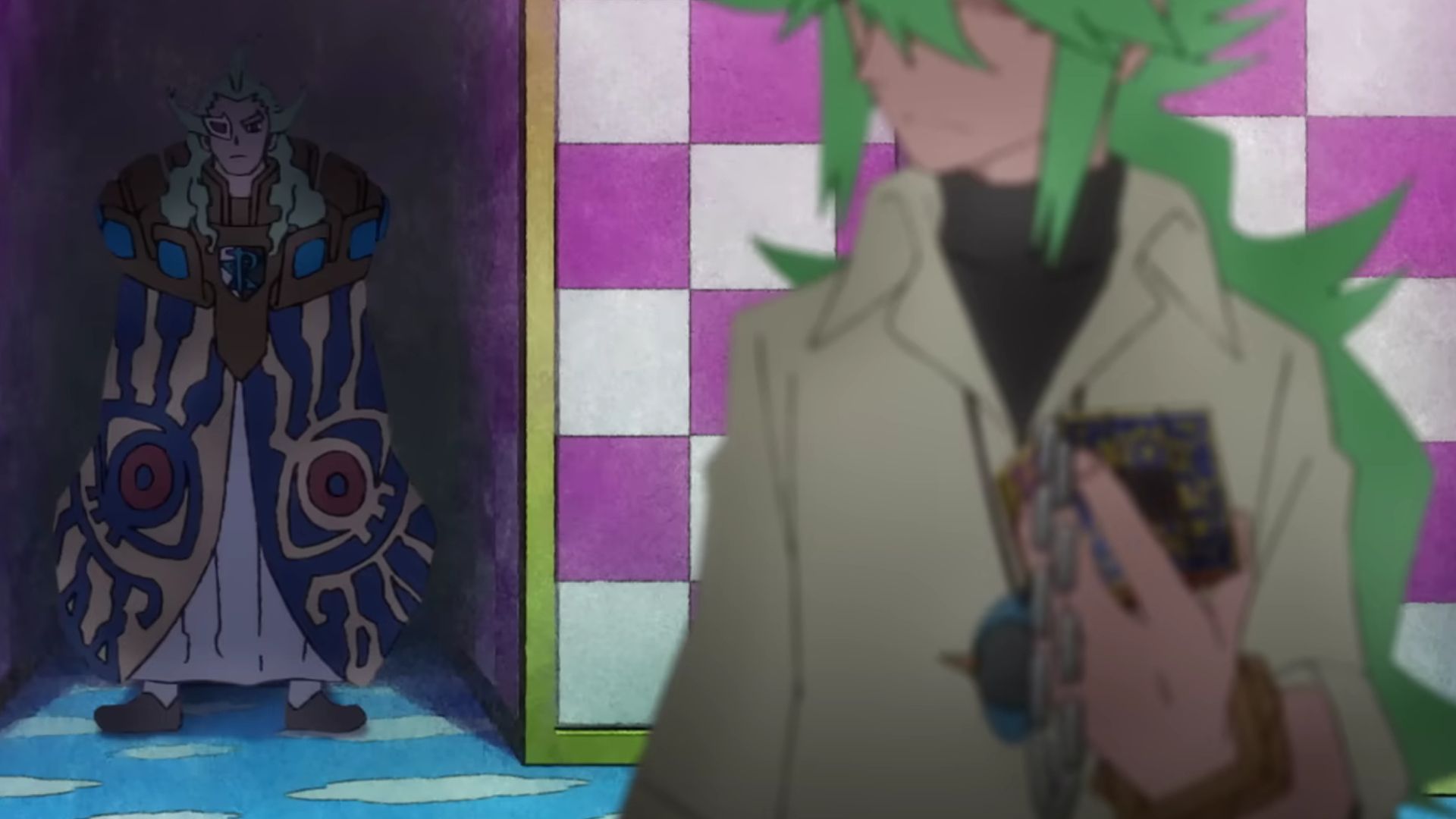 Image via The Pokemon Company
 Why does Pokémon repeatedly feature villains who are parental figures? It’s a common theme in children’s stories to have a young hero overcome an evil adult. This empowers kids by showing them they can make a positive difference, even when adults have failed. While it taps into Pokémon‘s core idea of ‘kid power,’ it also sends a hopeful message that age shouldn’t hold anyone back from facing challenges. Plus, using family connections creates instant drama and allows for lots of different story possibilities.
The Pokémon series often successfully uses familiar story elements. Because many players are new to each generation, they typically don’t mind seeing plot points repeated. From a business perspective, sticking with what works makes sense. However, from a creative writing standpoint, it would be great to see more diverse villains. It’s interesting to note that the villains with personal connections to the main characters are usually the most well-developed, while those without such ties tend to be less explored.
Read More
- All Skyblazer Armor Locations in Crimson Desert
- Robinhood’s $75M OpenAI Bet: Retail Access or Legal Minefield?
- How to Get the Sunset Reed Armor Set and Hollow Visage Sword in Crimson Desert
- How to Catch All Itzaland Bugs in Infinity Nikki
- Speedsters Sandbox Roblox Codes
- Who Can You Romance In GreedFall 2: The Dying World?
- Re:Zero Season 4 Episode 3 Release Date & Where to Watch
- Top 10 Must-Watch Isekai Anime on Crunchyroll Revealed!
- All Upcoming Banners in Umamusume Global
- Black Sun Shield Location In Crimson Desert (Buried Treasure Quest)
2026-02-24 19:06