
As our review of Resident Evil Requiem shows, Capcom has created a fantastic game with the ninth installment in the long-running survival horror series. Resident Evil has been consistently strong for nearly ten years, successfully changing its viewpoint and focusing again on delivering genuinely scary experiences. Requiem blends classic elements with modern gameplay, letting players switch between first- and third-person perspectives, and features the return of the popular character Leon, while still feeling like a contemporary title.
The graphics in Resident Evil Requiem really showcase how advanced modern games have become. I haven’t been this visually impressed by a game in a long time. It looks absolutely stunning, with top-of-the-line graphics, excellent optimization, and a beautiful overall presentation. The game offers a lot of detailed graphics options, making it one of the best-looking games I’ve ever played.
The game Resident Evil Requiem runs incredibly well on powerful PCs, even at the highest resolutions. It consistently achieves 120 frames per second or higher, depending on what’s happening on screen. Playing in first-person mode is slightly easier on your hardware than third-person, as the game doesn’t need to render as much detailed character animation. However, the performance difference is usually only around 10 frames per second, and can vary based on your settings and whether you’re using DLSS Frame Generation.
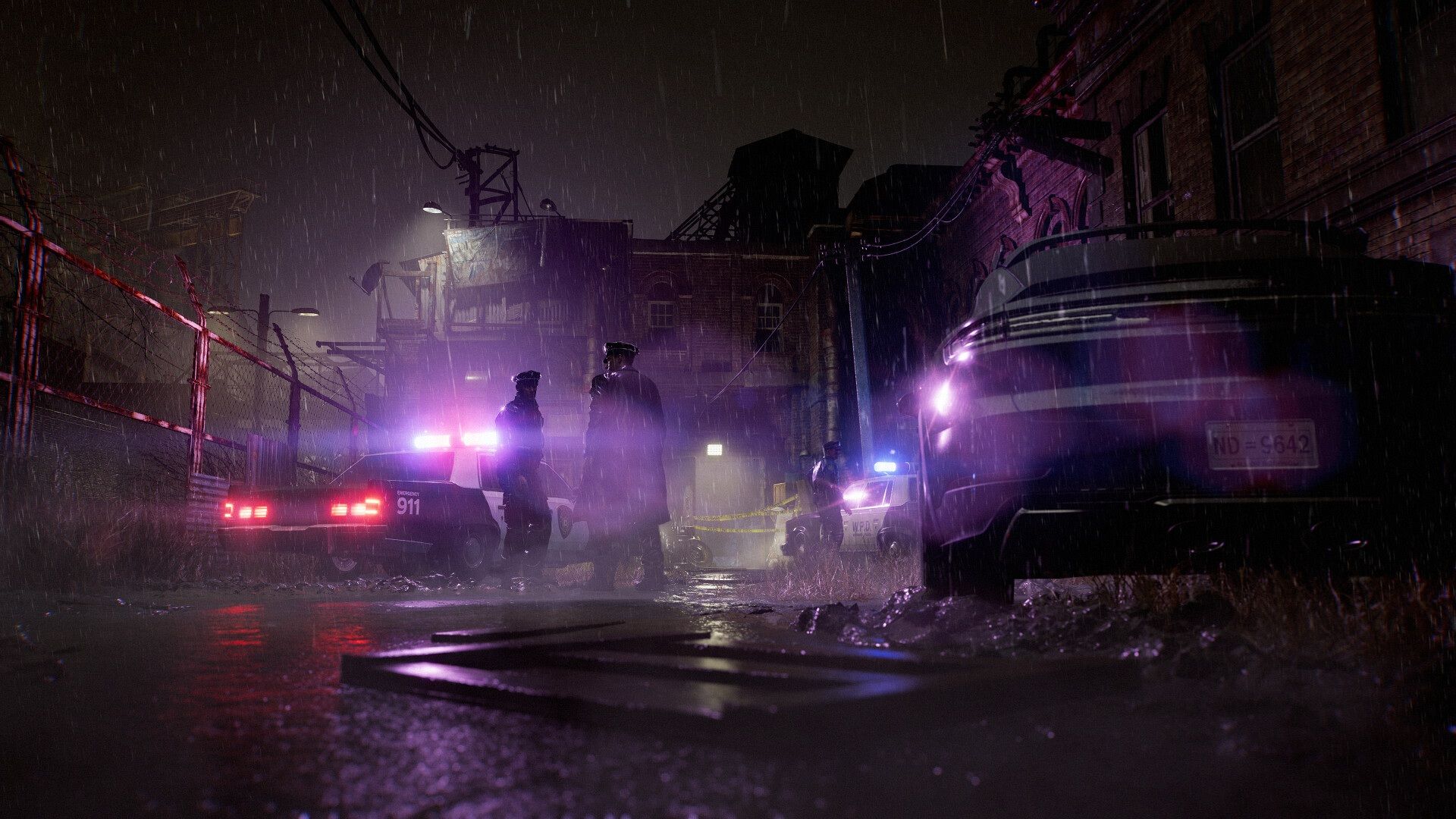 Image via Capcom
Game Rant iBUYPOWER Test PC Specs
Motherboard: MSI PRO Z790-A MAX WiFi
CPU: Intel Core i9-14900KF CPU
CPU Cooler: iBUYPOWER 360mm Addressable RGB Liquid Cooling System
GPU: GeForce RTX 5090 Asus Tuf Gaming
Memory: 64GB DDR5 (6000MHz)
Storage: 4TB (2x2TB) M.2 NVMe Gen4 SSD
PSU: 1000 Watt – High Power PCIe GEN 5 PSU
Case: iBUYPOWER HYTE Y70 Touch Infinite – Black
One of the most noticeable improvements in Resident Evil Requiem is the addition of path tracing, which significantly enhances the game’s lighting. Because lighting is so important for creating the game’s atmosphere, making it look realistic – with light naturally filtering through shadows – really elevates the experience.
From the very beginning, I was blown away by how beautiful the game is. There’s this city section that instantly reminded me of Alan Wake 2 – all dark and rainy, it looked incredible. While most of the game takes place in tighter spaces, that opening really stood out to me because of how realistic everything felt.
When it comes to graphics settings, Resident Evil Requiem doesn’t offer a ton of detailed options. Most visual settings have just three choices: low, medium, and high. You can crank everything up to the maximum if you want, but there are a few tweaks you can make to optimize performance for your specific computer.
Resident Evil Requiem Graphics Options
- Ray Tracing: Off, Normal, High, Path Tracing
- Hair Strands: Off, On
- Texture Quality: Low, Normal, High
- Texture Filter Quality: Medium (Trilinear), High (ANISO x2), High (ANISO x4), High (ANISO x8), High (ANISO x16)
- Anti-Aliasing: Off, FXAA+TAA, TAA
- Mesh Quality: Low, Standard
- Screen Space Reflections: Off, On
- Subsurface Scattering: Off, Low, High
- Lens Distortion: Off, On, On (+Chromatic Aberration)
- Depth of Field: Off, On
- Particle Lighting: Off, On
- Volumetric Fog Resolution: Lowest, Low, Normal, High
- Lens Dirt: Off, On
- Lens Flare: Off, Low, High
- Shadow Quality: Low, Normal, High, Max
- Contact Shadows, Off, On
- Ambient Occlusion: Off, Low, Normal, High
- VFX Quality: Low, Standard
Resident Evil Requiem’s stunning graphics are largely thanks to Path Tracing, but it also offers Ray Tracing options (Normal or High). Enabling Hair Strands further enhances the visual experience, especially noticeable in third-person gameplay and during cinematic cutscenes.
Even without Frame Generation, the game’s high-quality graphics settings are noticeable, though performance is only moderate. On our test computer, I managed to get close to 60 frames per second in 4K with the highest settings and Path Tracing enabled in challenging areas (while playing in first-person view). Performance increased to the 70s and 80s in smaller, more contained spaces. Enabling Frame Generation significantly improves performance. With 2x Frame Generation, I consistently achieved 144 FPS, and using 3x or 4x resulted in even faster frame rates – faster than my monitor can display, actually.
We tested Resident Evil Requiem’s performance at 4K resolution with the highest graphical settings and path tracing enabled.
The game lets you customize how lenses appear with three settings: distortion, flares, and dirt. If you’re going for a look similar to the style of J.J. Abrams films, maximize the lens flares and turn on the lens dirt – though that’s really a matter of taste. Beyond that, you’ll find typical graphics options like shadow and ambient occlusion settings.
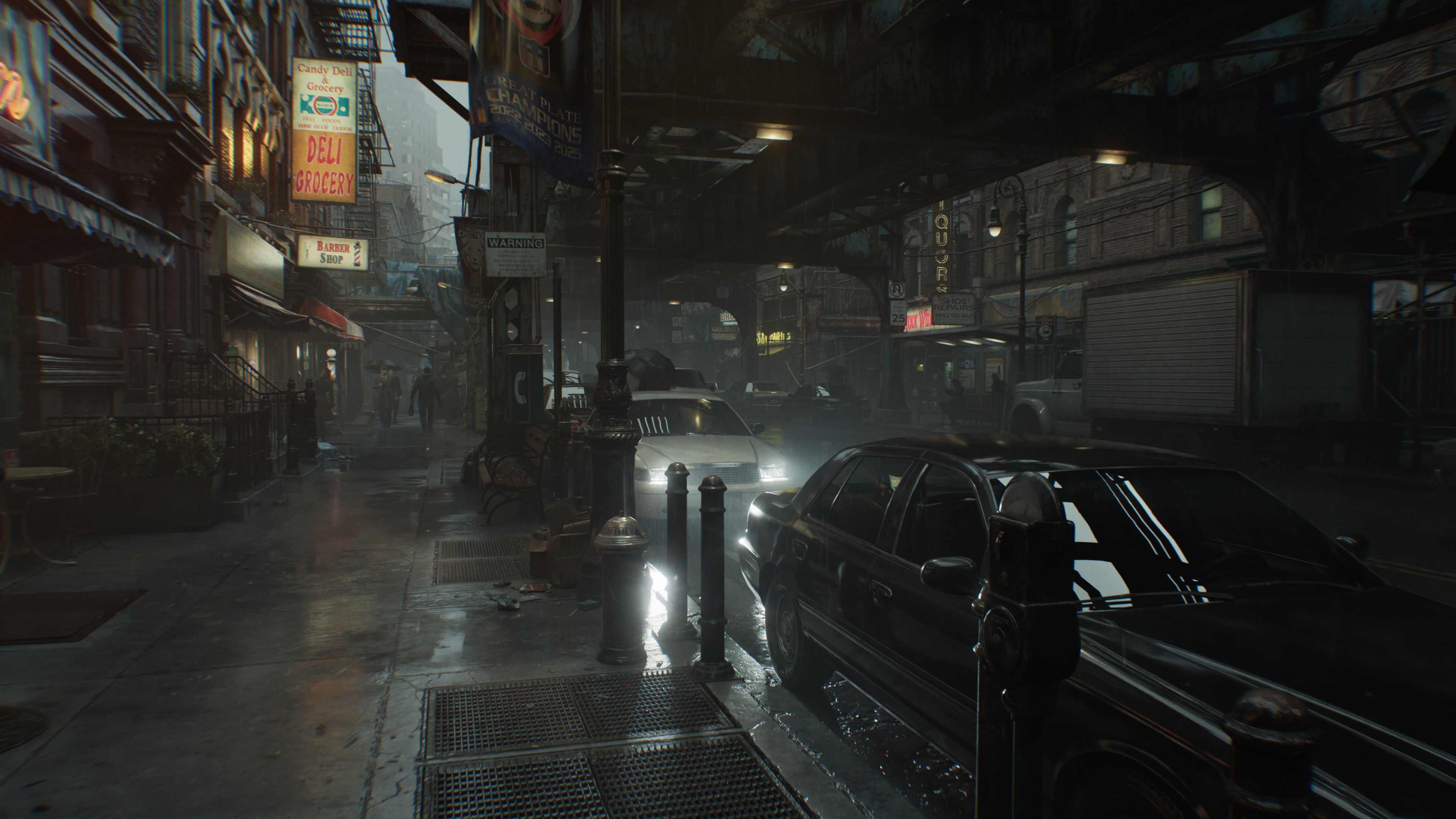
Many are already predicting Resident Evil Requiem will be a strong contender for Game of the Year. Currently, it’s the best-looking game of 2026, and its excellent PC support and performance make it a tough act to follow.
Game Rant reviewed the game Resident Evil Requiem using the iBUYPOWER RDY Y70 TI B03 gaming PC. iBUYPOWER creates PCs that gamers can personalize to fit their specific requirements. You can see Game Rant’s customized iBUYPOWER setup here, or visit the iBUYPOWER website for other gaming PC offers.
Read More
- Robinhood’s $75M OpenAI Bet: Retail Access or Legal Minefield?
- All Skyblazer Armor Locations in Crimson Desert
- How to Get the Sunset Reed Armor Set and Hollow Visage Sword in Crimson Desert
- How to Catch All Itzaland Bugs in Infinity Nikki
- Speedsters Sandbox Roblox Codes
- Top 10 Must-Watch Isekai Anime on Crunchyroll Revealed!
- Invincible: 10 Strongest Viltrumites in Season 4, Ranked
- Black Sun Shield Location In Crimson Desert (Buried Treasure Quest)
- Who Can You Romance In GreedFall 2: The Dying World?
- USD CNY PREDICTION
2026-02-25 18:05