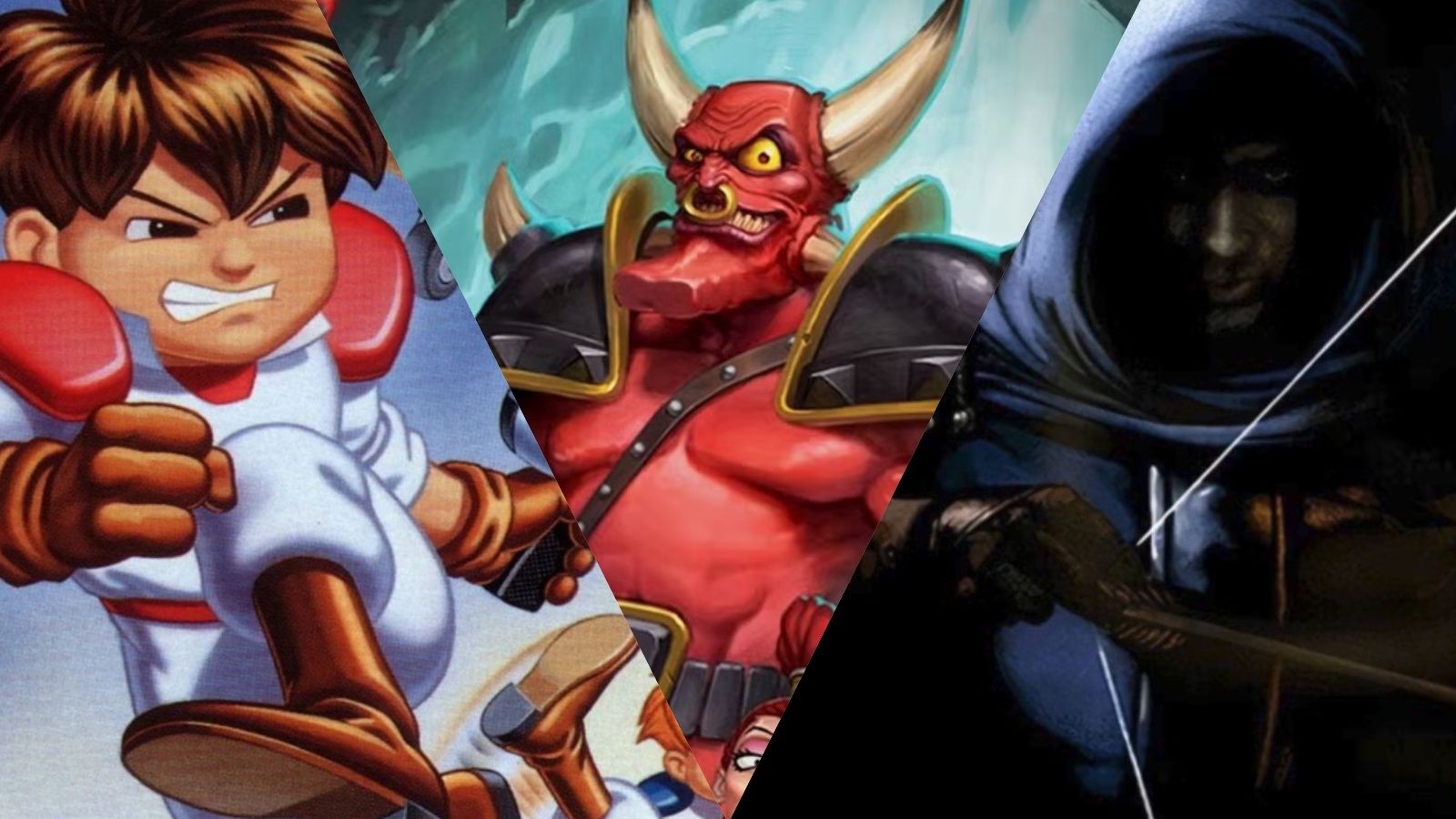
The 1990s were a hugely influential decade for video games. In a short period, iconic titles like Resident Evil, Half-Life, and Pokemon emerged, and alongside these blockbusters were many other fantastic games that players may have overlooked or never discovered.
These games either launched famous series or stood alone as classics of their time. Regardless, it’s fun to look back and see how much gaming franchises, genres, and the industry itself have changed over the years.
Fit the 9 games into the grid.
Results
Pick a game
Gunstar Heroes
Arcade Chaos Perfected
- Deep weapon-combination systems.
- Inventive, screen-filling boss encounters.
First released in 1993, Gunstar Heroes is still considered one of the most visually impressive run-and-gun games from the 16-bit generation. Created for the Sega Genesis, it really stretched the console’s capabilities with its fast-moving graphics, detailed backgrounds, and huge boss battles that felt incredibly advanced for the time.
Instead of forcing players to stick with fixed weapon upgrades, the game featured a smart system letting them combine different elemental attacks. This created diverse ways to play and encouraged players to try new things with each playthrough. Though it received great reviews when it came out, it didn’t get as much attention as other popular platformers of the time. However, very few games could compete with its unique mechanics and fast-paced action.
Einhander
Precise Cyberpunk Action
- Weapon theft and loadout swapping.
- Striking dystopian visuals.
Released in 1997, Einhander was a unique step for Square, known for its role-playing games, but it didn’t sacrifice quality. The game takes place in a dark future where Earth is at war with a colony on the moon. Players control a fast, stylish fighter that can grab weapons directly from enemies during combat. This feature makes every battle dynamic and encourages players to think on their feet instead of relying on the same strategies.
With its unique polygon-based graphics and dynamic camera work, Einhander was a visually impressive shooter for its time on the PlayStation. The music perfectly matched the game’s gritty, industrial setting, creating a compelling and immersive atmosphere. Even though traditional shoot-’em-ups were becoming less popular by the late 1990s, Einhander proved that the genre still had potential with its polished gameplay and innovative design.
Thief: The Dark Project
Stealth Before It Was Mainstream
- Groundbreaking light and sound mechanics.
- Emergent stealth gameplay.
Released in 1998, Thief: The Dark Project was a groundbreaking first-person game that moved away from typical power-focused gameplay. Instead of feeling strong and invincible, players experienced the vulnerability of a master thief, relying on stealth and patience to navigate a dark and gritty fantasy city. It redefined how these types of games approached player abilities.
I always loved how Thief didn’t just look cool with its lighting and shadows – it actually made the game about surviving in the dark. You really had to pay attention to how far you could see, and sound traveled realistically, so every move mattered. It’s weird that people don’t talk about it much anymore, because it totally paved the way for a lot of stealth games I enjoy today. It’s a classic, and I’ll always remember how innovative it was.
Total Annihilation
Unmatched RTS Scale
- Massive real-time unit counts.
- Physics-based combat.
As a huge RTS fan, I always thought Total Annihilation was a game changer. It just took everything to a whole new level! Instead of controlling tiny armies, you commanded massive forces across these huge battlefields – it was incredible seeing so many units moving and fighting at once. Plus, the 3D environments weren’t just for show – things like how projectiles flew and what your units could see actually depended on the terrain, which was really innovative for the time. Honestly, a lot of the big RTS games that came after clearly took inspiration from what Total Annihilation did.
The sheer scale of Total Annihilation – with its huge armies, powerful weapons, and long-distance attacks – made it feel like a truly massive and overwhelming war. This contributed to the game’s initial popularity. However, it was more complex than many other strategy games of the time, which led to it being largely forgotten for years. Despite this, it remains a surprisingly influential and important title from its era.
Myth: The Fallen Lords
Dark Fantasy Tactics
- Tactical squad-based gameplay.
- Gritty, mature narrative.
Okay, so I recently played Myth: The Fallen Lords, and it was a totally different experience from a lot of RTS games. They basically ditched the whole base-building thing, which was kinda shocking, and just focused on the actual battles. It was set in this really dark fantasy world, and you had to be super careful with how you positioned your units. Seriously, everything mattered – how you formed up, even the high ground – it all played a huge role in whether you won or lost a fight. It was brutal, but really tactical!
The game’s missions felt like a heartbreaking story of war, making losses feel truly impactful and drawing players into the experience more than most games of that time. While reviewers loved it, the game didn’t stay popular for long, which is a shame because it was excellent for its time and still plays well today.
Marathon
Before The Modern Revival
- Vertical level design.
- Pioneering FPS gameplay.
Before creating the popular console shooter genre, Bungie released Marathon in 1994. This first-person game stood out for its complex story, which wasn’t just about action. Instead, the narrative unfolded through in-game computer terminals, featuring AI messages, political storylines, and thought-provoking themes, giving the game a surprisingly mature feel.
When playing, it was important to pay attention to heights and the surrounding environment, as players had to find their way through complicated levels while managing their supplies. Many players don’t realize that Halo wasn’t Bungie’s first game – they also created Marathon, which has a fascinating history that’s largely been forgotten.
Dungeon Keeper
A True Evil Genius Simulator
- Villian-centric dungeon management.
- Memorable humor and personality.
Instead of playing the hero who raids dungeons, Dungeon Keeper, released in 1997, put you in charge of building the dungeon itself. The game focused on gathering creatures and setting traps, all with a funny, lighthearted style that made even careful planning feel like a joke.
Okay, so this game was seriously about juggling a lot. I had to build my dungeon carefully, not just for defenses, but to keep my monsters happy too – a grumpy minion isn’t a productive one, you know? Then, heroes would always be showing up, trying to tear everything down, and it was a constant back-and-forth of rebuilding and defending. It’s funny, not a lot of people talk about it when they reminisce about old-school games, but honestly, even now, it feels really different and fresh. It’s a hidden gem, for sure.
Starsiege: Tribes
Multiplayer Action Ahead Of Its Time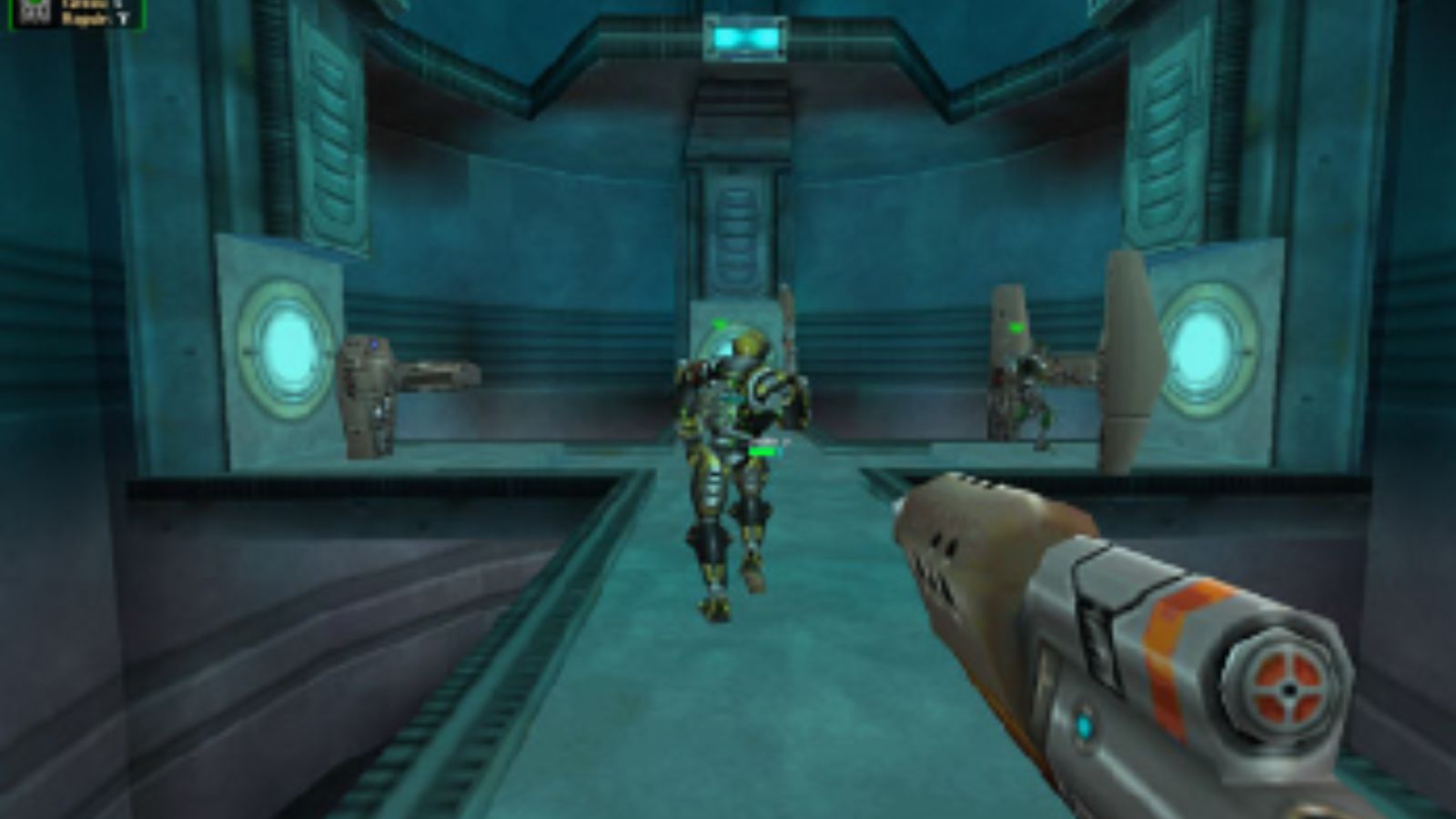
- Large-scale objective-based matches.
- High-speed movement.
Starsiege: Tribes revolutionized online shooters with its fast pace and focus on vertical gameplay—features rarely seen at the time. It supported large numbers of players and pioneered objective-based game modes, years before they became common. Players could also move incredibly quickly around maps while maintaining accurate aim, creating a uniquely dynamic experience.
Winning depended on how well the team worked together, with players filling different roles like defending the flag or launching quick attacks. However, individual player skill ultimately determined the outcome of each match. While several projects have tried to recapture the experience of the original Starsiege: Tribes, its lasting impact will likely be felt through its influence on how multiplayer games are designed, rather than through a large number of current players.
Star Control 3
Expansive Cosmic Diplomacy
- Intergalactic tactical combat.
- Strategic fleet engagements.
I still remember being totally blown away by Star Control 3 when it came out in ’96. It wasn’t just about blasting aliens; you really got to explore a huge galaxy, meet all sorts of different races, and actually talk to them. Building alliances and figuring out what was going on in the universe was just as important as the ship-to-ship combat, and that mix of strategy and discovery made it something really special.
The game’s story unfolds through conversations and interactions with diverse alien civilizations, prioritizing diplomacy and understanding rather than combat. Space battles are still exciting and challenging, demanding careful strategy and skillful maneuvering. While some fans have differing opinions, the game’s scope and how well it was made are still remarkable, especially considering when it first came out.
MDK
Surreal Sci-Fi Action
- Hybrid sniper and third-person shooting.
- Surreal art direction.
Released in 1997, MDK immediately stood out thanks to its unique look and a fresh mix of gameplay. It combined fast-paced, third-person shooting with the strategic focus of long-range sniping, creating a smooth and engaging experience that demanded both accuracy and quick movement from players.
MDK featured incredibly unique and strange worlds, packed with odd creatures and wildly shaped structures. Gameplay cleverly mixed fast-paced action with challenging platforming sections, keeping each level fresh. While it faded from popular attention over time, MDK remains a remarkably original and creative game – there’s really nothing quite like it.
Read More
- All Skyblazer Armor Locations in Crimson Desert
- Robinhood’s $75M OpenAI Bet: Retail Access or Legal Minefield?
- How to Get the Sunset Reed Armor Set and Hollow Visage Sword in Crimson Desert
- How to Catch All Itzaland Bugs in Infinity Nikki
- Speedsters Sandbox Roblox Codes
- Re:Zero Season 4 Episode 3 Release Date & Where to Watch
- Who Can You Romance In GreedFall 2: The Dying World?
- Top 10 Must-Watch Isekai Anime on Crunchyroll Revealed!
- USD CNY PREDICTION
- Top 8 UFC 5 Perks Every Fighter Should Use
2026-02-25 22:11