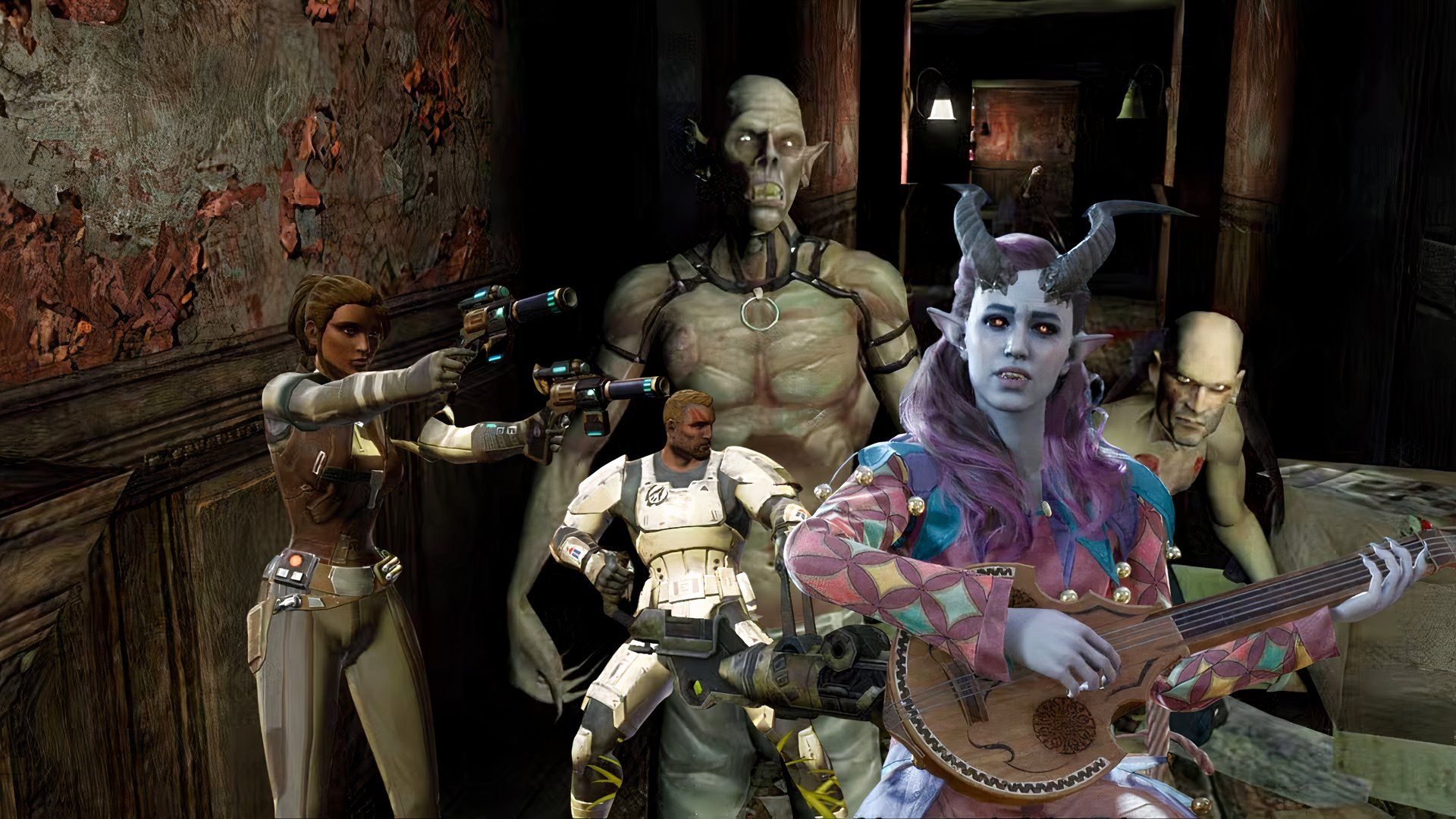
Picking your character’s class is often one of the first things you do in a game, but how impactful is that decision, really? In some games, like Baldur’s Gate 3, your class choice significantly affects the story and gameplay. Other games barely acknowledge it. When a game does recognize your character creation choices through how NPCs react, it creates a much more immersive experience, making you feel truly connected to the game world. Prey (2017), Star Wars: The Old Republic, and Baldur’s Gate 3 are excellent examples of this.
When games connect your character’s social standing or history to the story and conversations, it feels more personal and responsive to you as a player, not just your actions. Even games without strict character classes often find ways to integrate your skills or past into the experience.
Fit the 9 games into the grid.
Baldur’s Gate 3 (and Basically Every Other CRPG)
From the Table to the Screen, Maintaining Player Agency Is Key
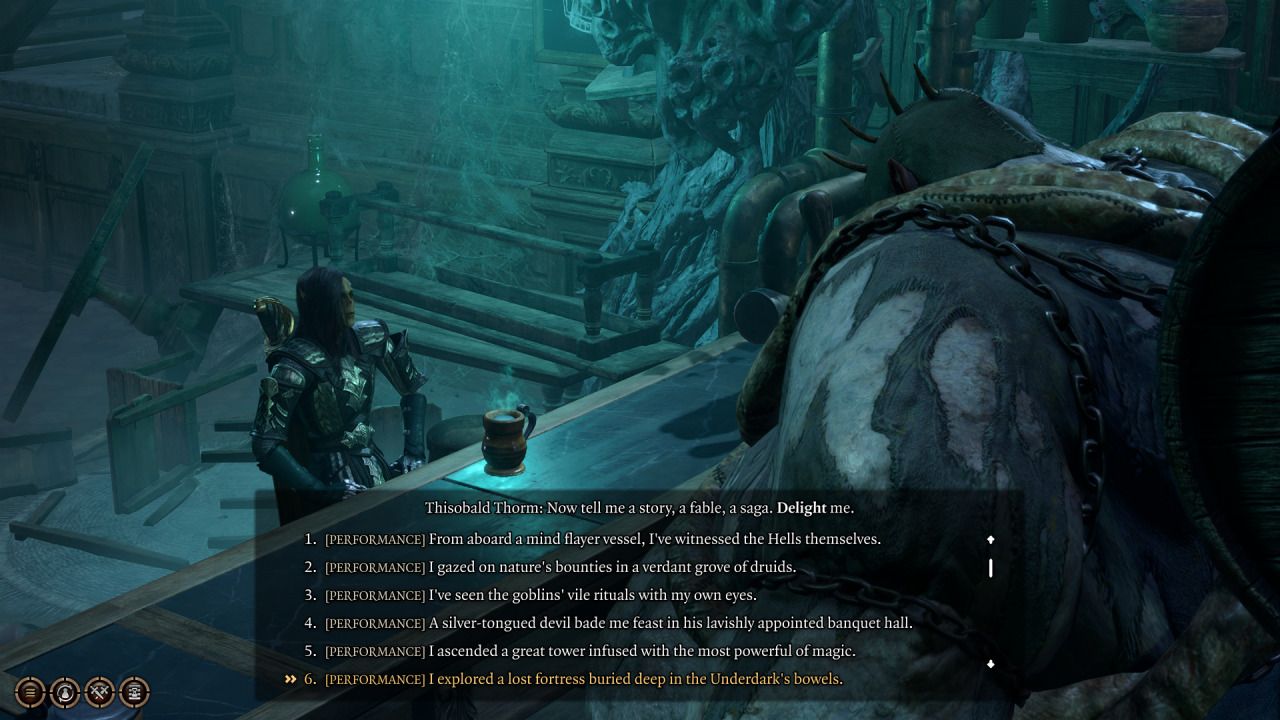
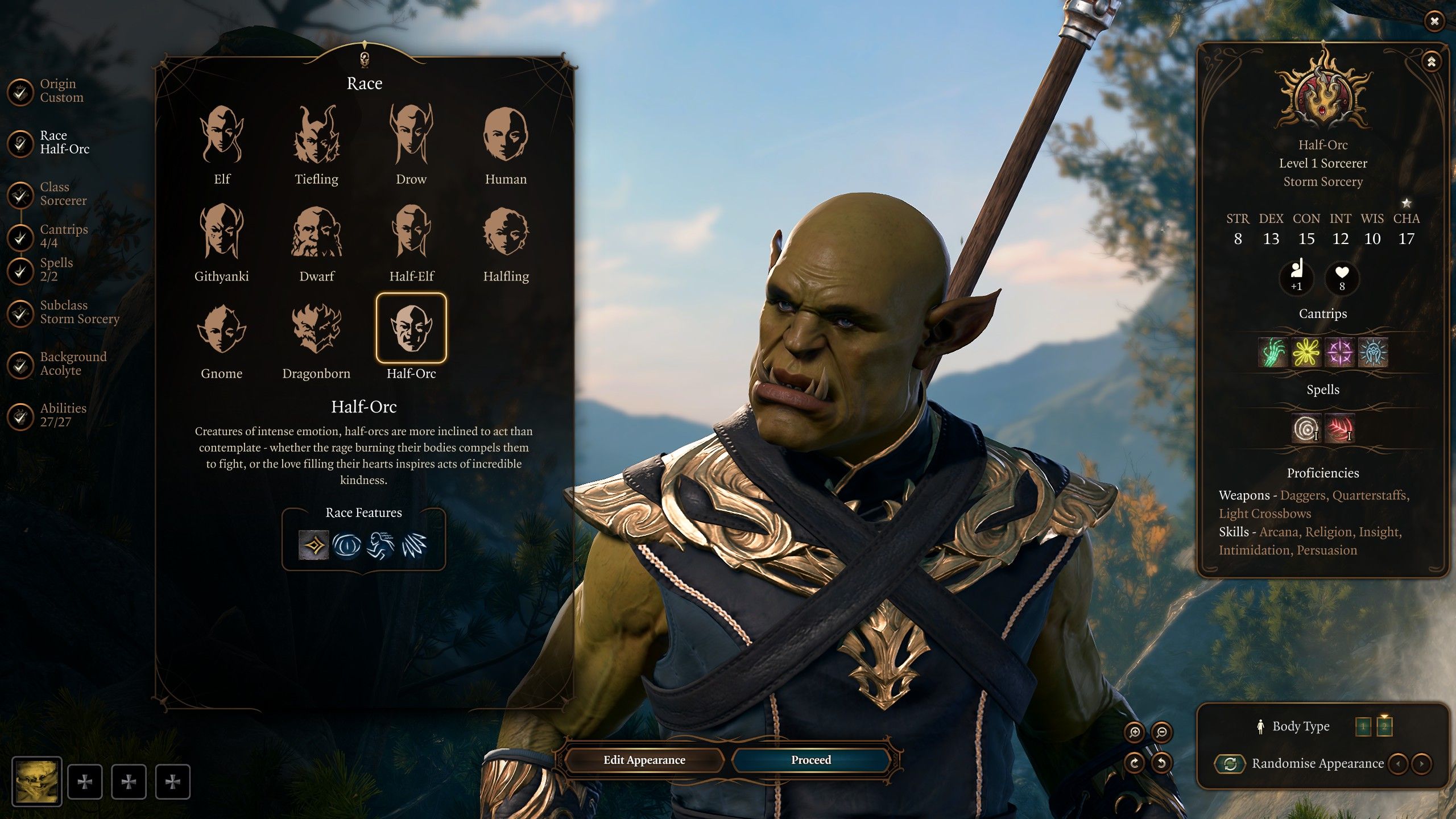
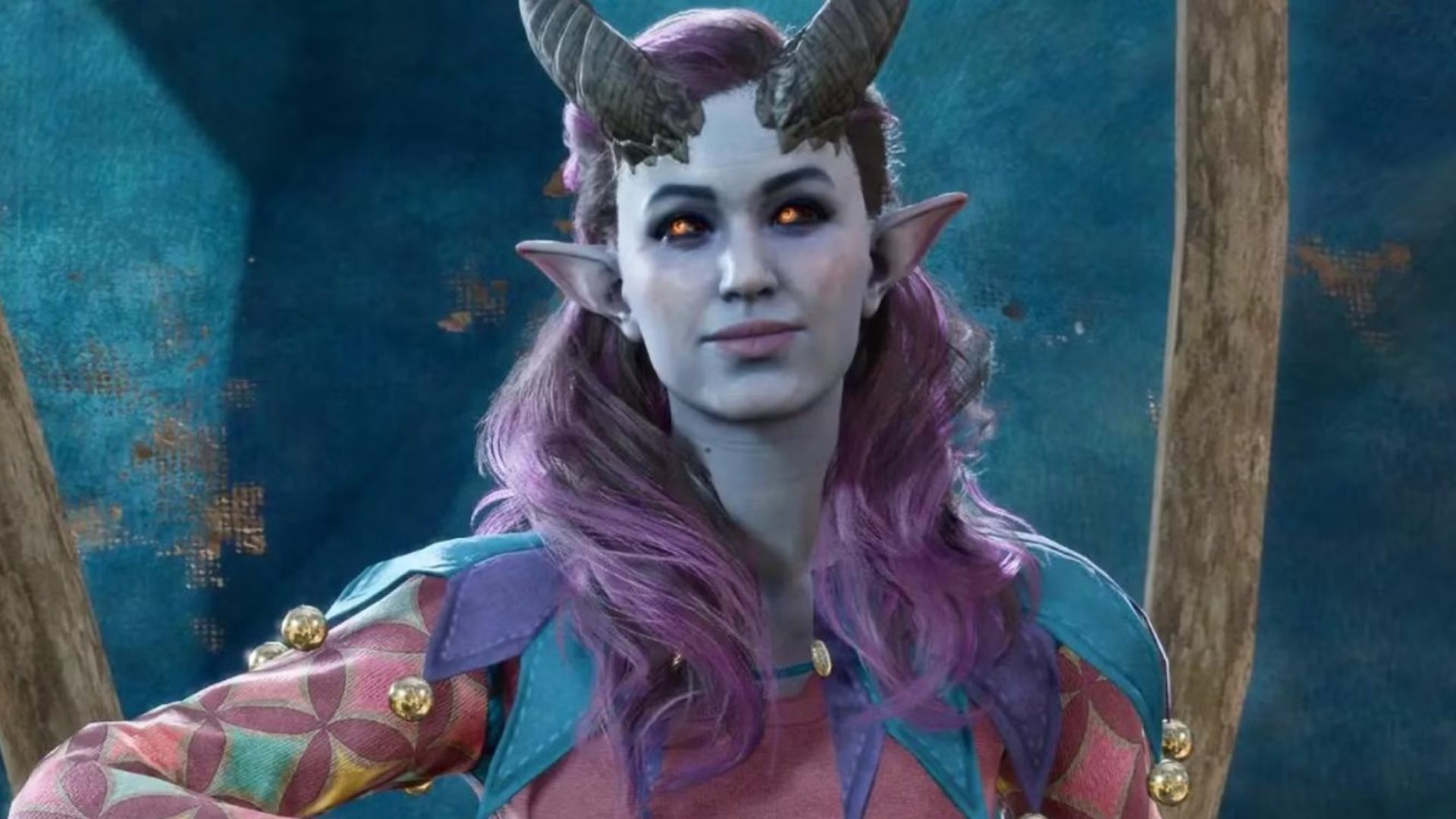
As a huge fan of these games, I’ve always felt that the best CRPGs really try to capture that feeling of playing a tabletop RPG like Dungeons & Dragons or Pathfinder. It’s a tough thing to do, honestly. Tabletop is all about freedom – whatever you can imagine, you can try! Video games, though, are built on code, so they’re more restricted. But over time, CRPGs have gotten really good at giving you choices – different dialogue options, quests that change based on your character’s class and backstory, and ways to really roleplay – to try and match that improvisational spirit of a great tabletop session.
Like many popular computer role-playing games, Baldur’s Gate 3 features a huge number of dialogue choices that change based on your character’s class. NPCs respond differently depending on who you are and what you say. For example, Bards can use witty insults or play music with others, while Paladins face consequences if they break their sacred oaths. Even your companions react to your class – Warlocks get special attention from Wyll, and Sorcerers have a playful competition with the wizard Gale.
With so many different ways to interact with characters in Baldur’s Gate 3 depending on your chosen class, the sheer number of possibilities is incredible. This shows how committed Larian Studios was to making each game feel personal and unique – they clearly went above and beyond to make players feel truly immersed in the world.
Vampire: The Masquerade – Bloodlines
Clan Allegiance Dictates Abilities and Relationships
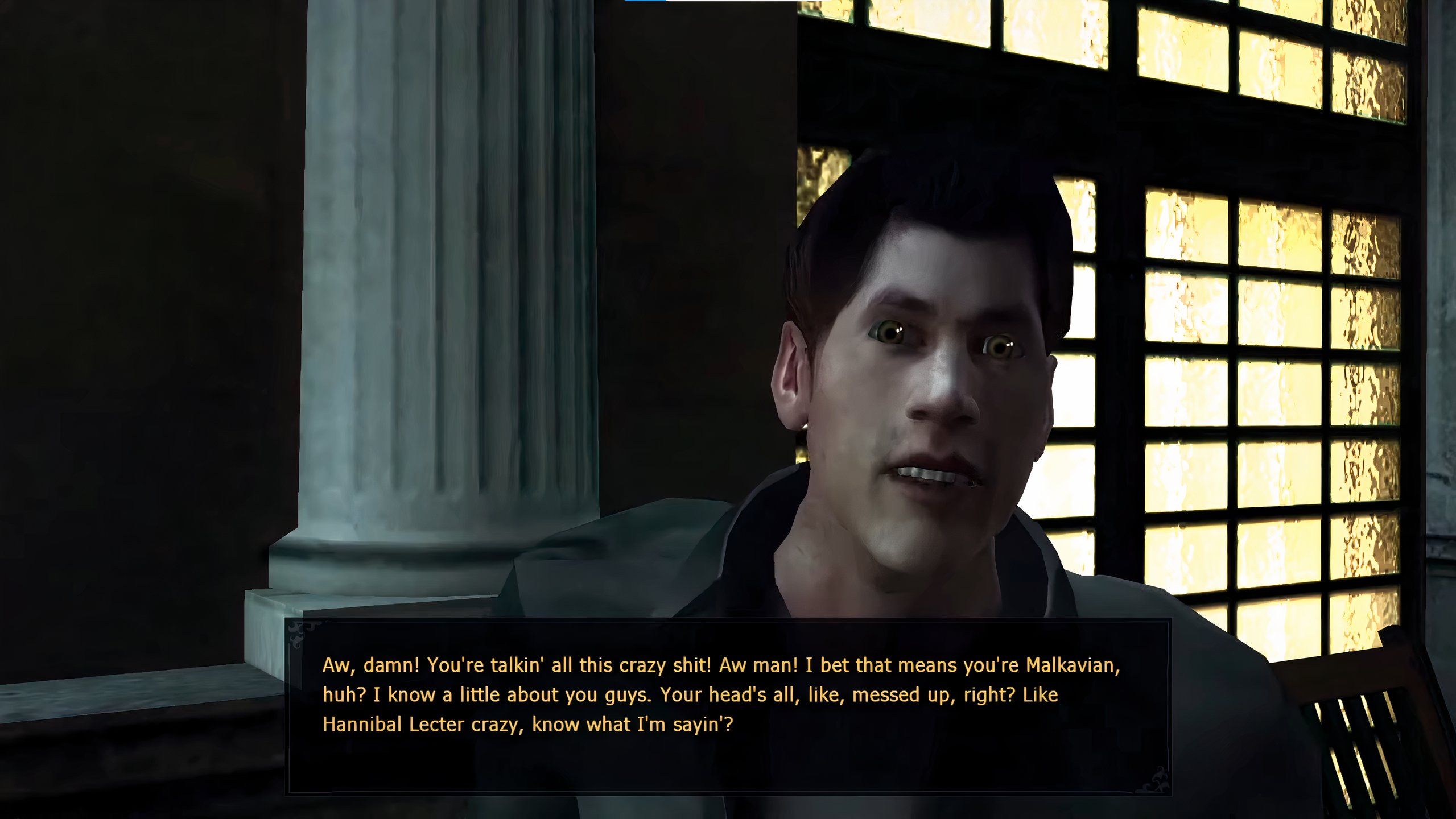
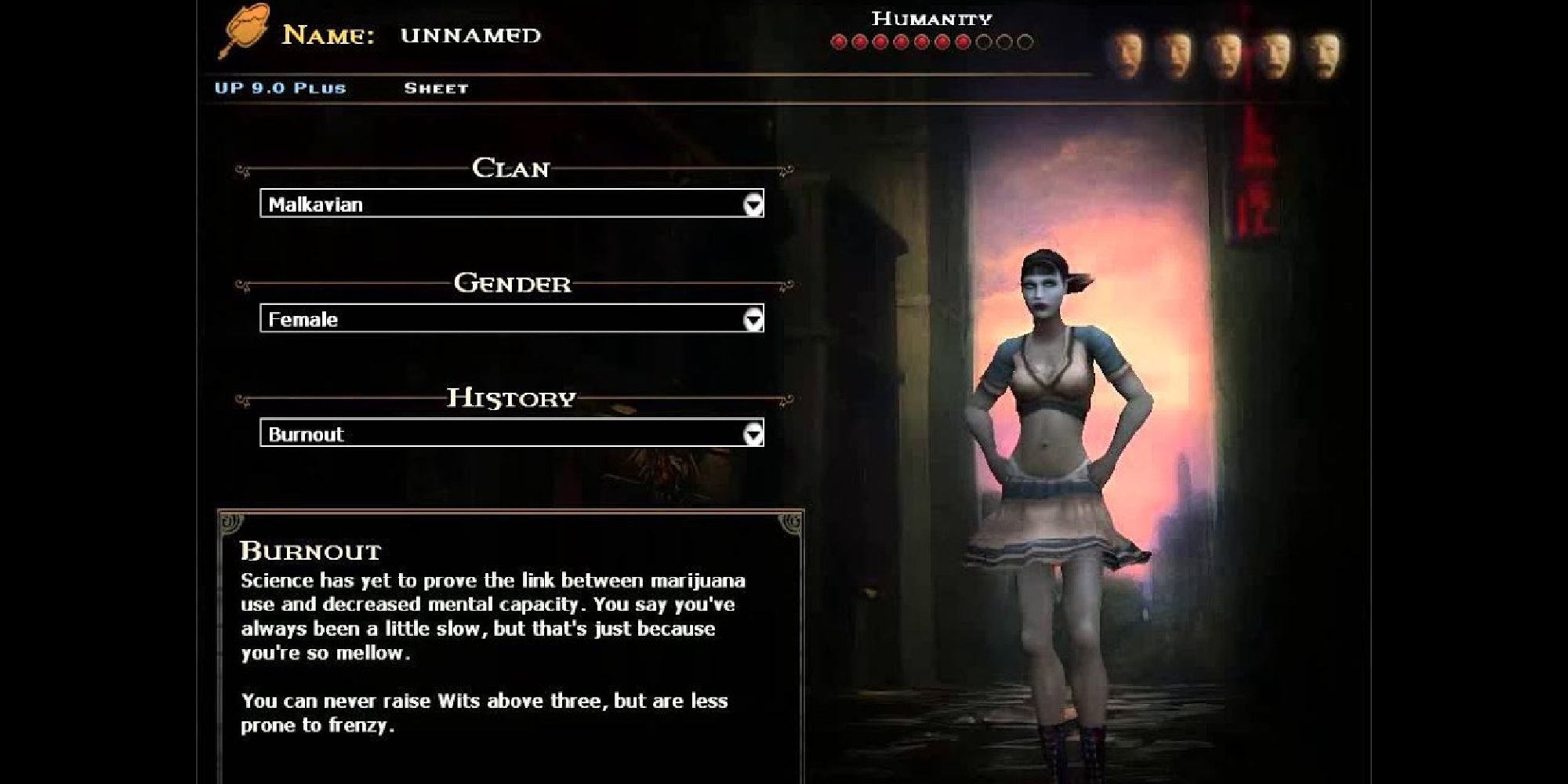
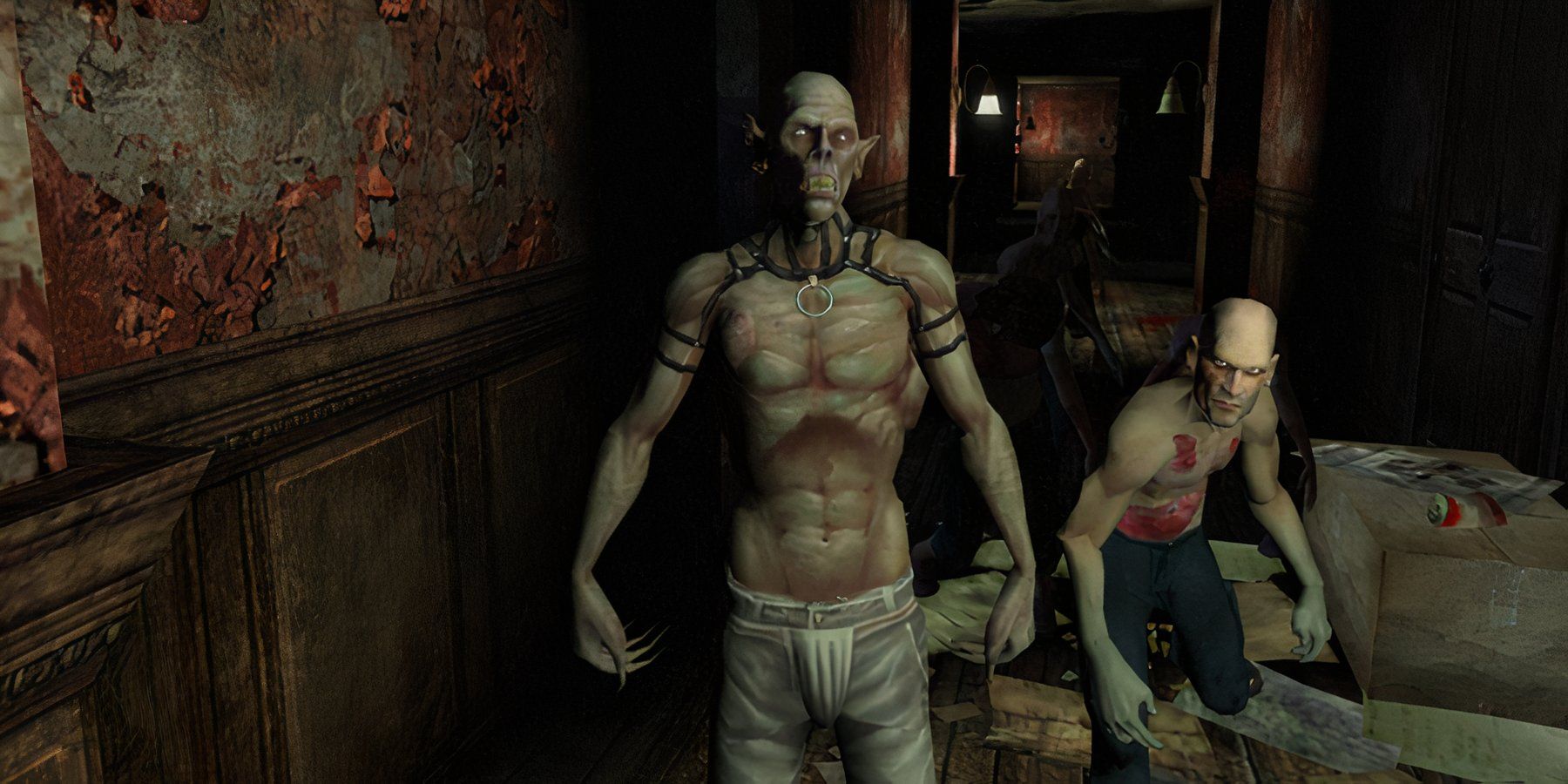
In Vampire: The Masquerade – Bloodlines, your character’s clan is more important than their class. While the main story remains largely the same for each clan, you’ll encounter unique dialogue options and NPC reactions, allowing you to play through the game in a way that reflects your clan’s specific traits and history.
Each vampire clan has special abilities that change how they handle situations. For example, Tremere and Ventrue clans can use Dominate to control others’ thoughts and actions. Clans also have unique hideouts, and some teachers are exclusive to certain clans. However, the Unofficial Patch mod adds restored content and fixes bugs, which can change these clan restrictions.
Playing as a Malkavian or Nosferatu drastically changes the game experience. Being a Nosferatu means you’ll mostly travel through the sewers to avoid unwanted attention, as many characters react negatively to your appearance. You’ll also need to find creative solutions for quests, since a direct approach isn’t always possible.
Malkavians in Vampire: The Masquerade – Bloodlines are uniquely afflicted with both madness and a strange kind of understanding. This manifests in the game through a completely separate set of dialogue options compared to other clans. When playing as a Malkavian, your character’s conversations are often bizarre and confusing, and other characters react negatively to your behavior. A particularly effective feature is the presence of internal ‘voices’ that whisper throughout the game, offering insights into characters or conversations – though you can’t usually respond directly to what they say.
Each clan offers a unique and interesting gameplay experience, giving players a good reason to replay the game if they enjoy it.
Prey (2017)
An Alien Invasion is a Serious Matter
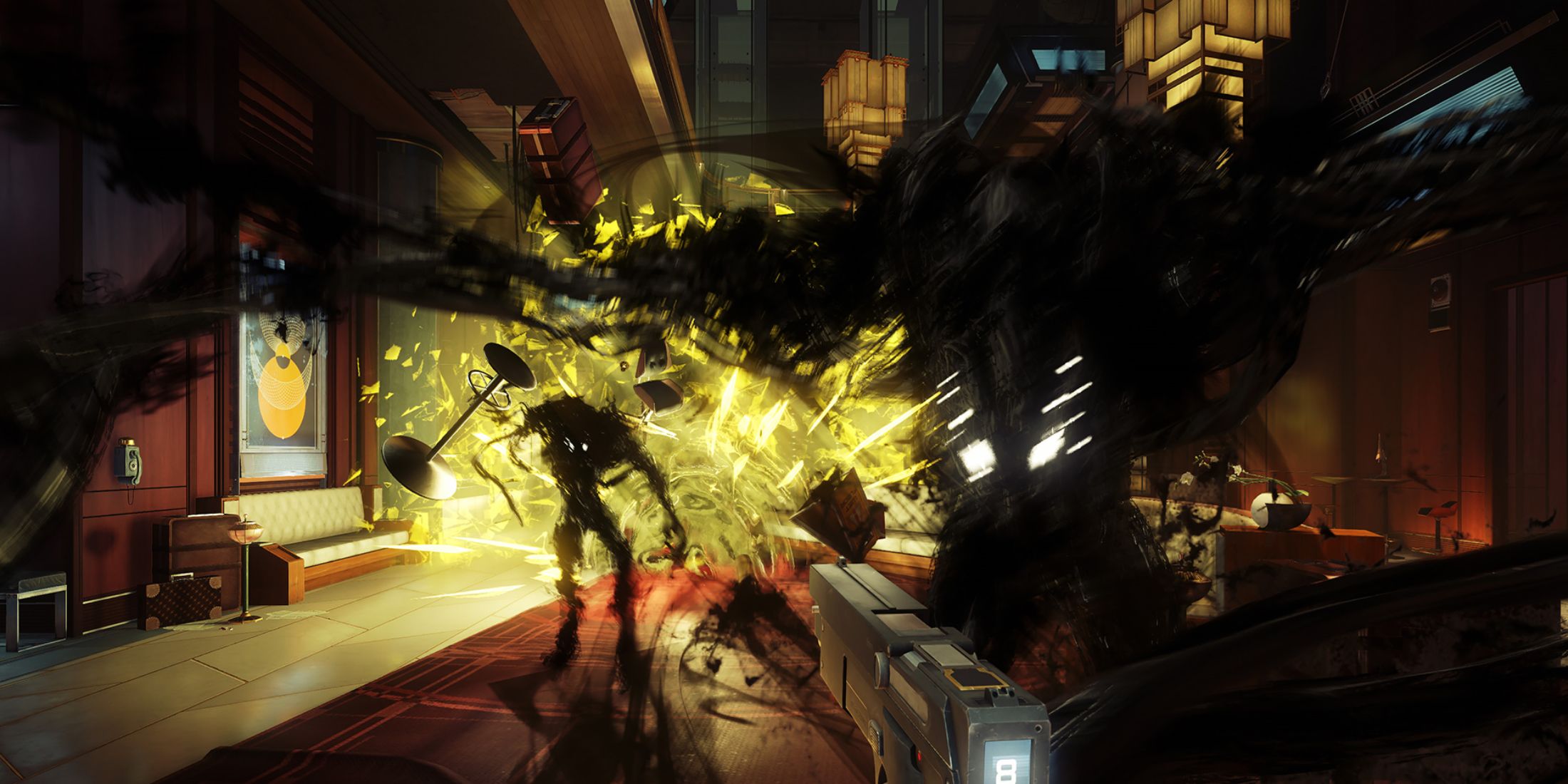
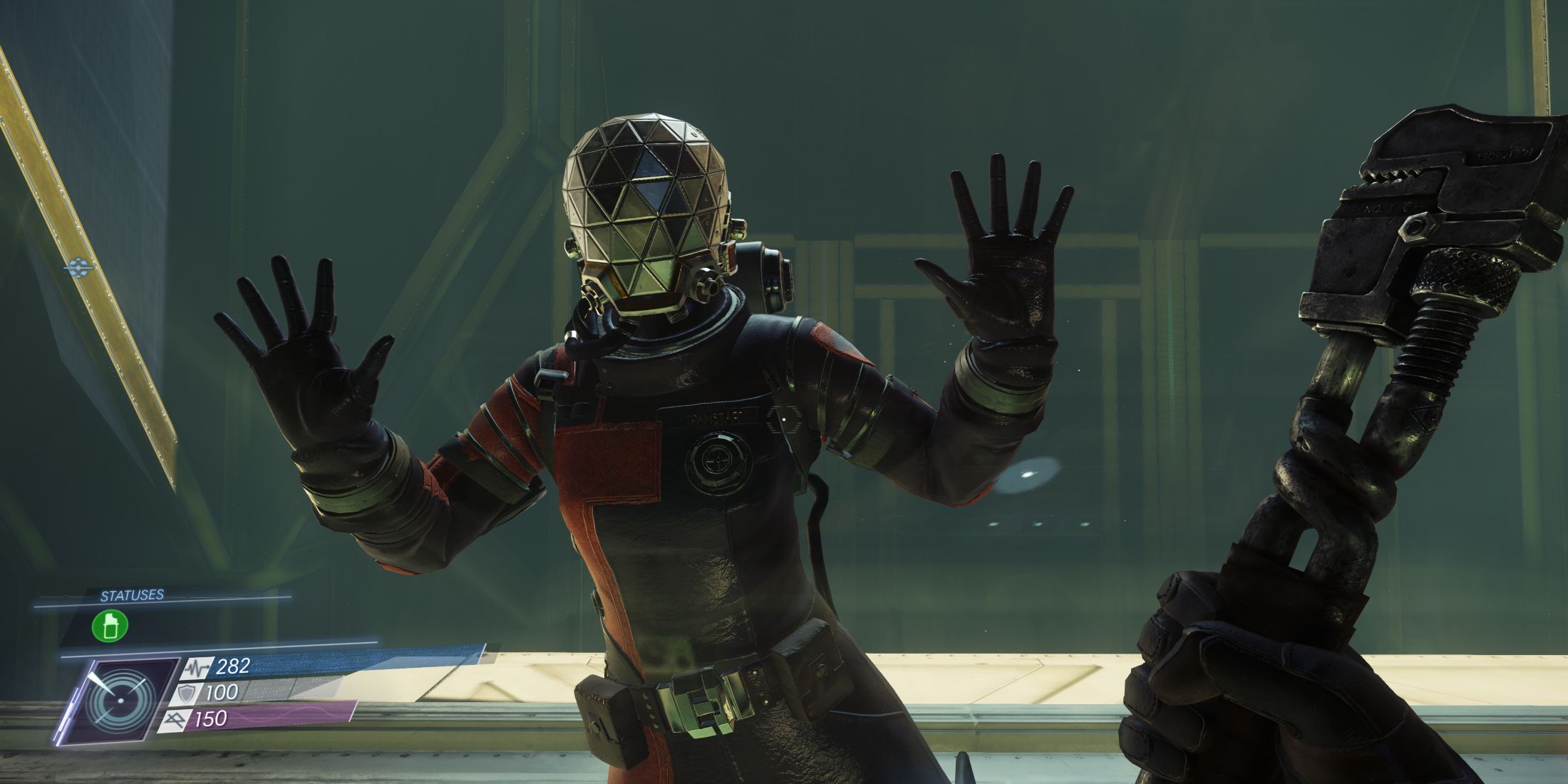
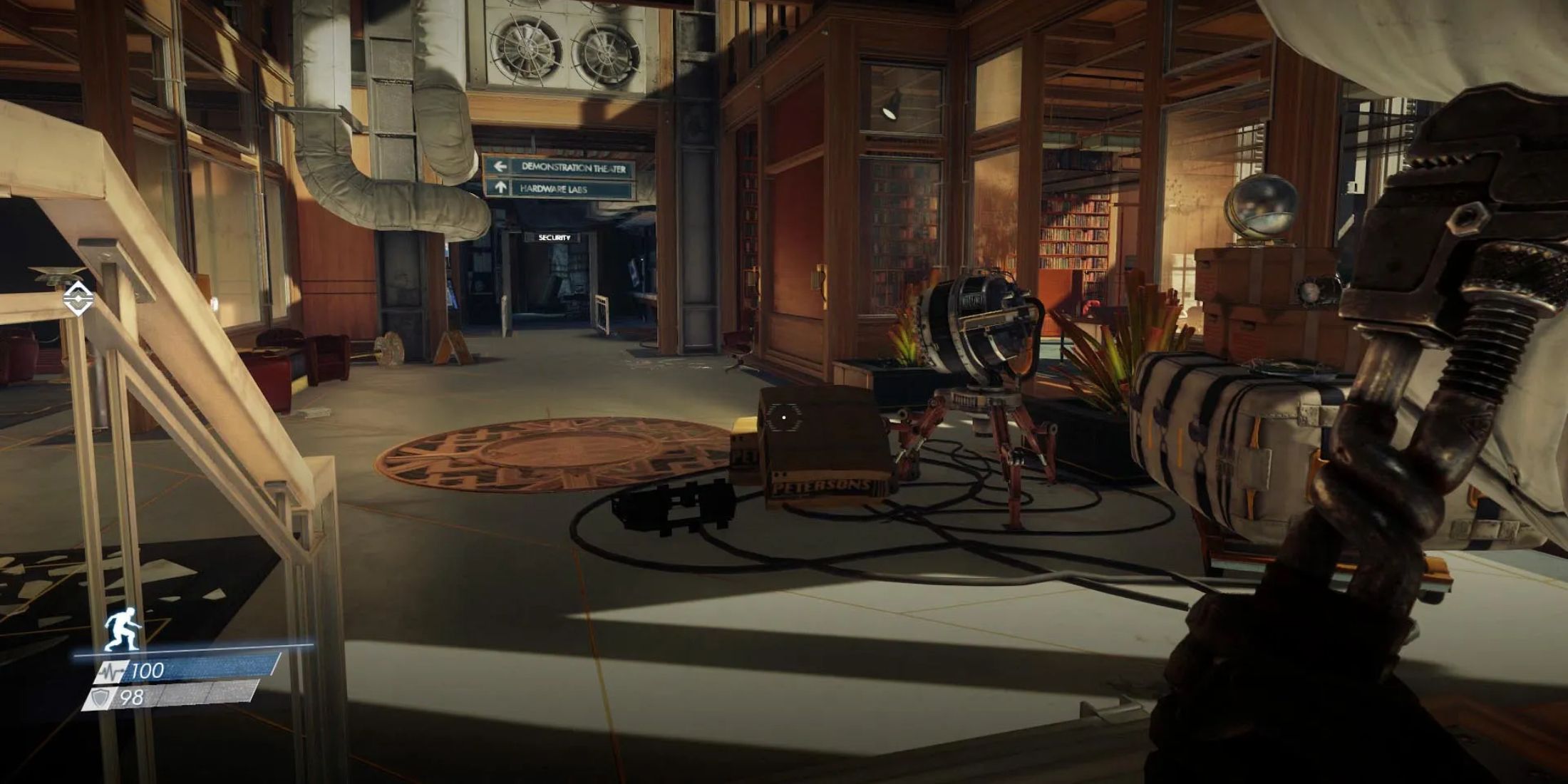
While Prey (2017) doesn’t have traditional character classes, the developers at Arkane Austin cleverly designed the game so that your actions and choices heavily influence how characters and the world around you respond to you. Even the skills you pick affect how others see you.
This is particularly noticeable with Typhon alien abilities and the upgrades that enhance them. If you develop more than two Typhon powers, security turrets will automatically target you, recognizing you as a hostile alien. Also, using these powers near regular people will usually make them immediately aggressive towards you.
These situations are logical, considering Typhon aliens are naturally aggressive. They were originally held on the Talos I station and Pytheas for research, meaning any Typhon loose would be a problem. Seeing them use their abilities is a clear sign they’re a Typhon and indicates a serious danger.
Although these small acknowledgements aren’t a major part of the game, they do encourage you to think more carefully about how you play and to be more mindful of your strategy throughout the entire experience.
Dragon Age: The Veilguard
Magic Use Comes With Increased Scrutiny
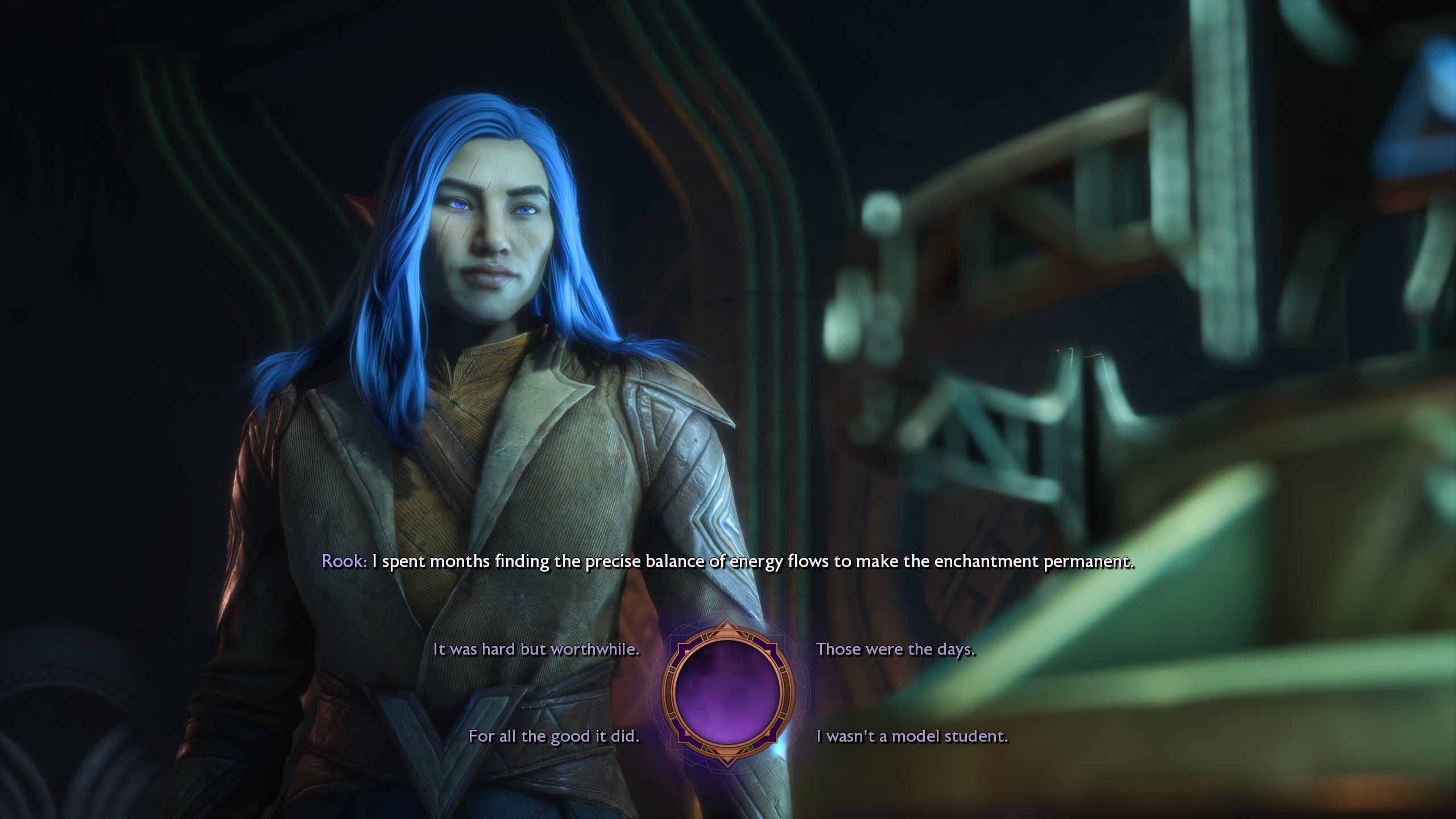
Generally, character classes don’t have a huge effect on how NPCs behave in Dragon Age: The Veilguard. However, mages are a significant exception. In this world, magic is powerful but risky. Mages draw their abilities from the Fade, a realm of spirits and demons, which makes them vulnerable to demonic possession. Because of this danger, many groups and nations heavily regulate the use of magic.
The Dragon Age games offer many unique dialogue options specifically for mage characters, often when someone is talking about the Fade or using magic. Templars also have their own abilities and play a key role, creating a dynamic where mages and Templars often clash. Because of this tension – the power imbalance between those who use magic and those who control it – conversations between mages and Templars can be particularly challenging, and player characters may encounter special dialogue depending on their class.
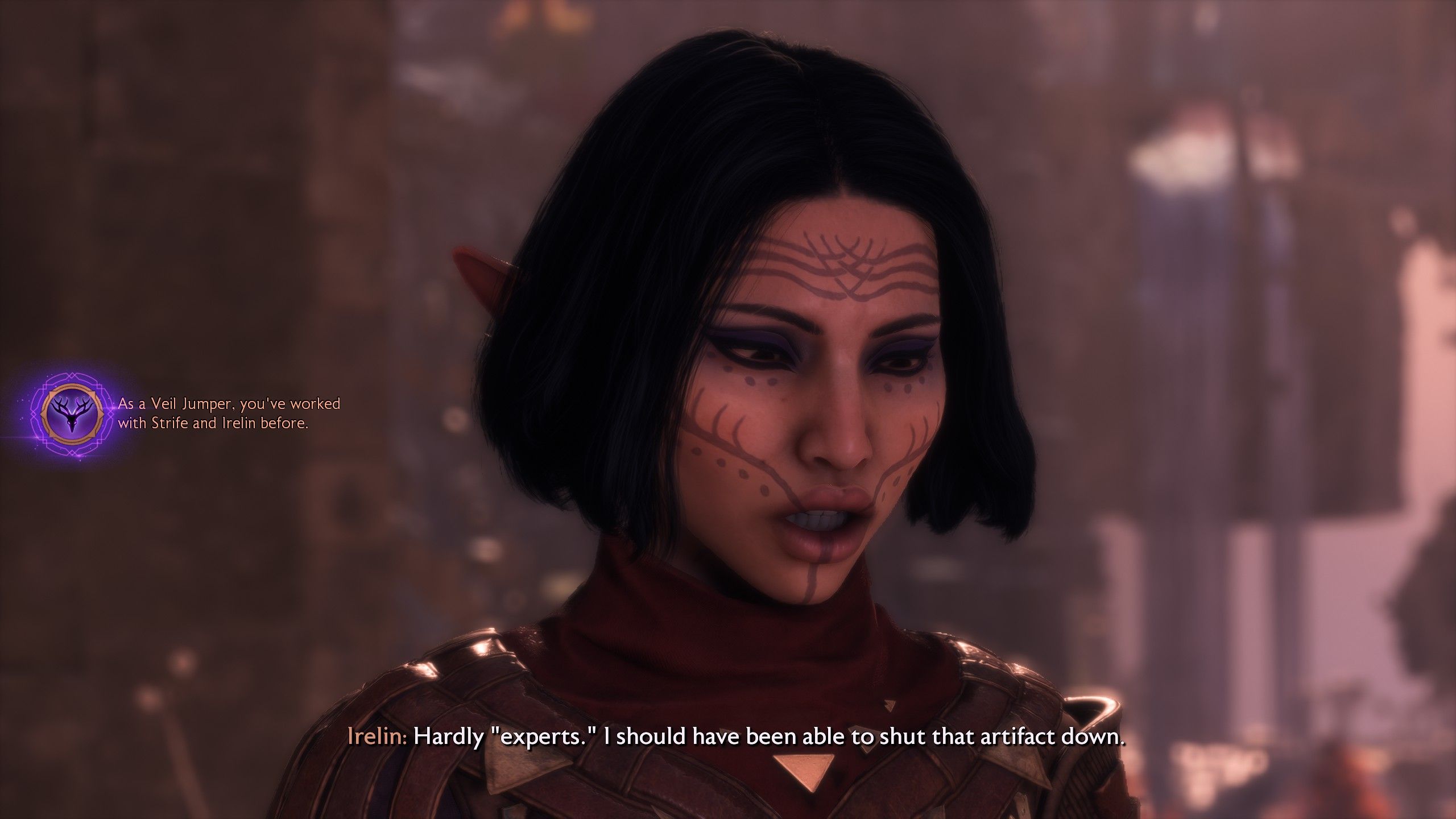
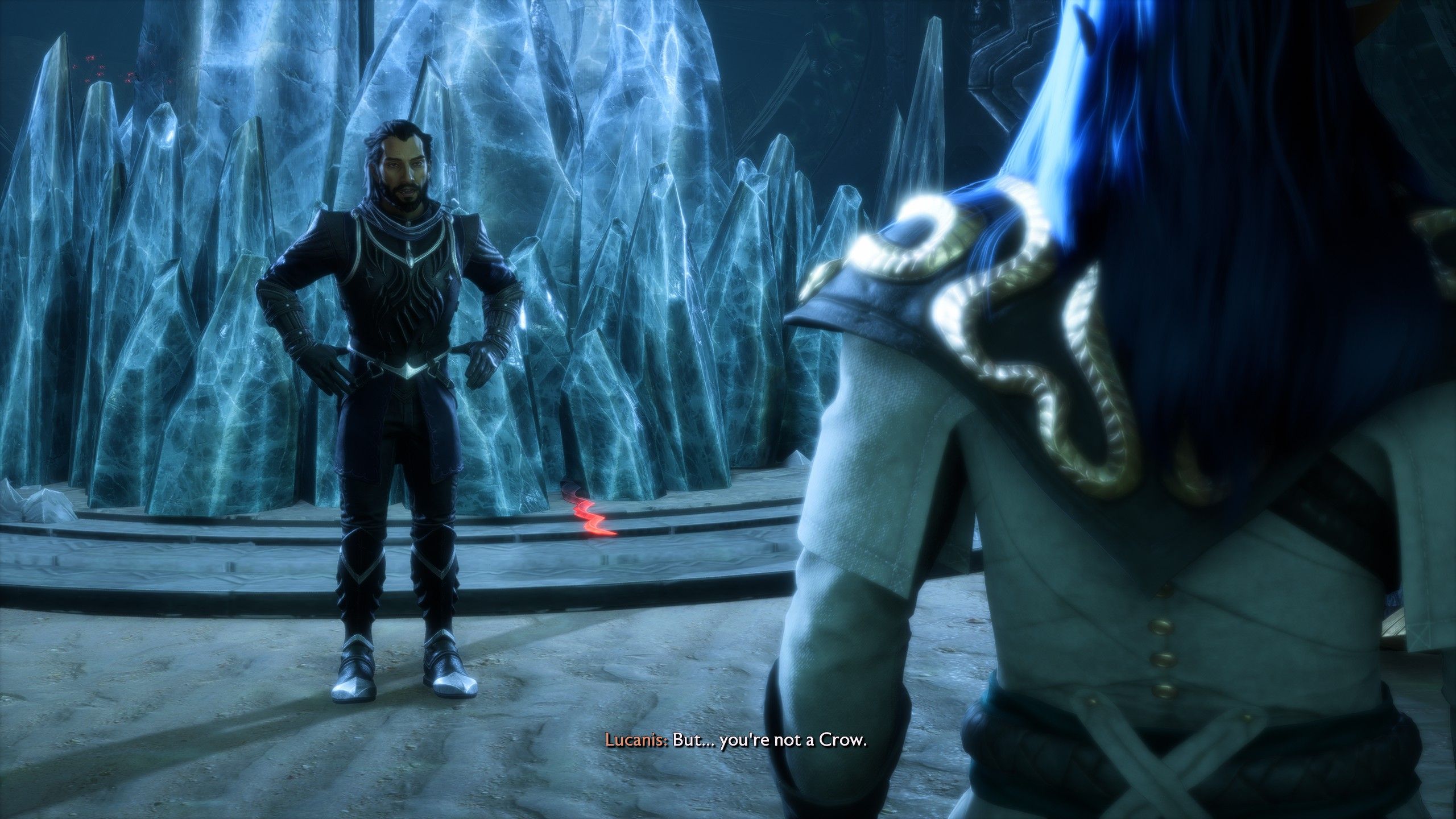
Dragon Age: The Veilguard truly shines in how it responds to your character’s backstory. Many conversations and how NPCs react to you depend on the background you choose for Rook. For example, if you’re a Grey Warden, you’ll unlock special conversations about Darkspawn and encounter other Wardens who recognize you. Similarly, choosing the Crows as your background opens up unique dialogue related to the organization and its activities. While these backgrounds aren’t traditional classes, they offer different stat boosts, gear, and conversations, making them feel similar to classes in terms of how they shape your experience.
Esoteric Ebb
Attributes Become Manifestations of the Self
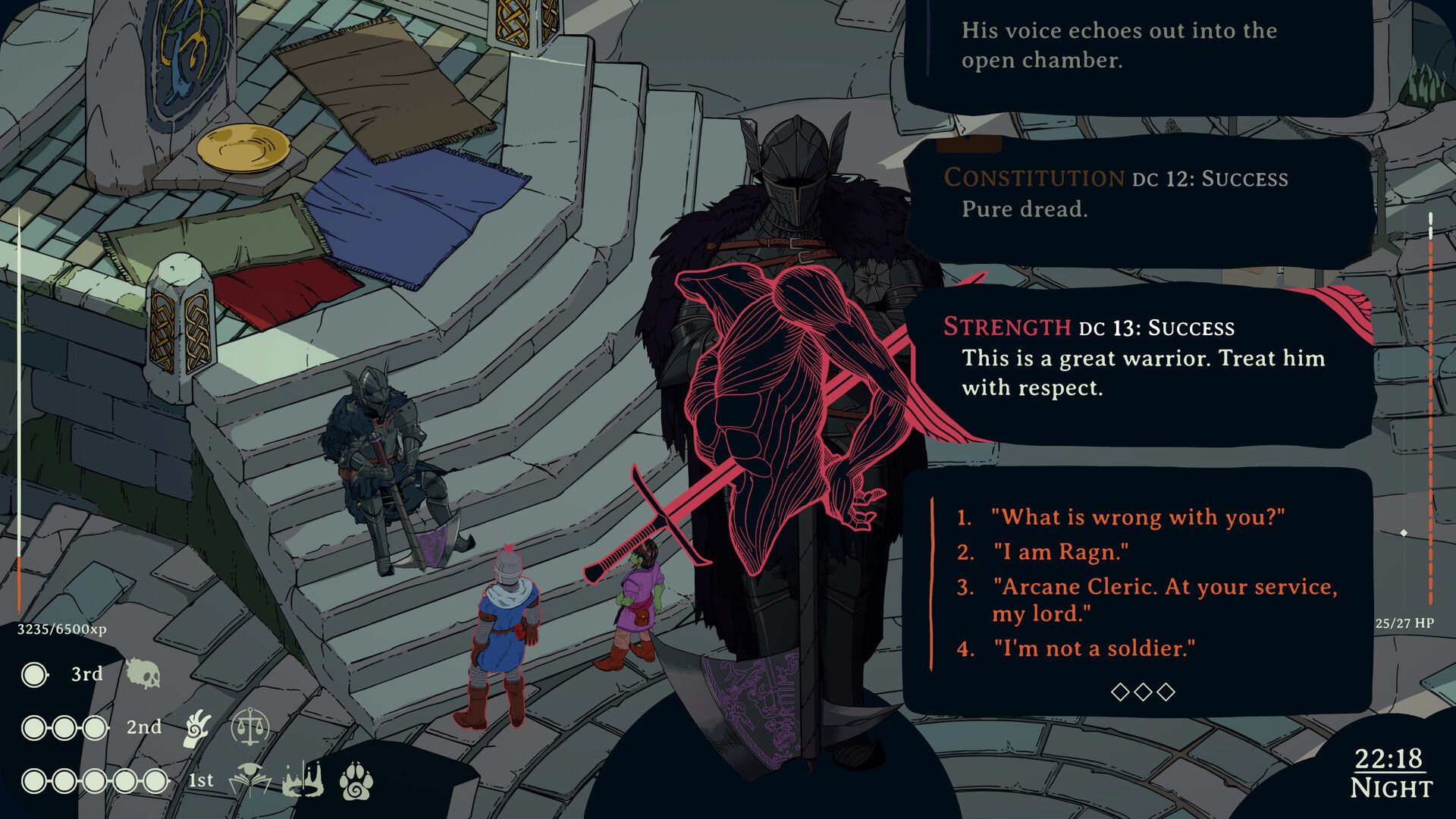
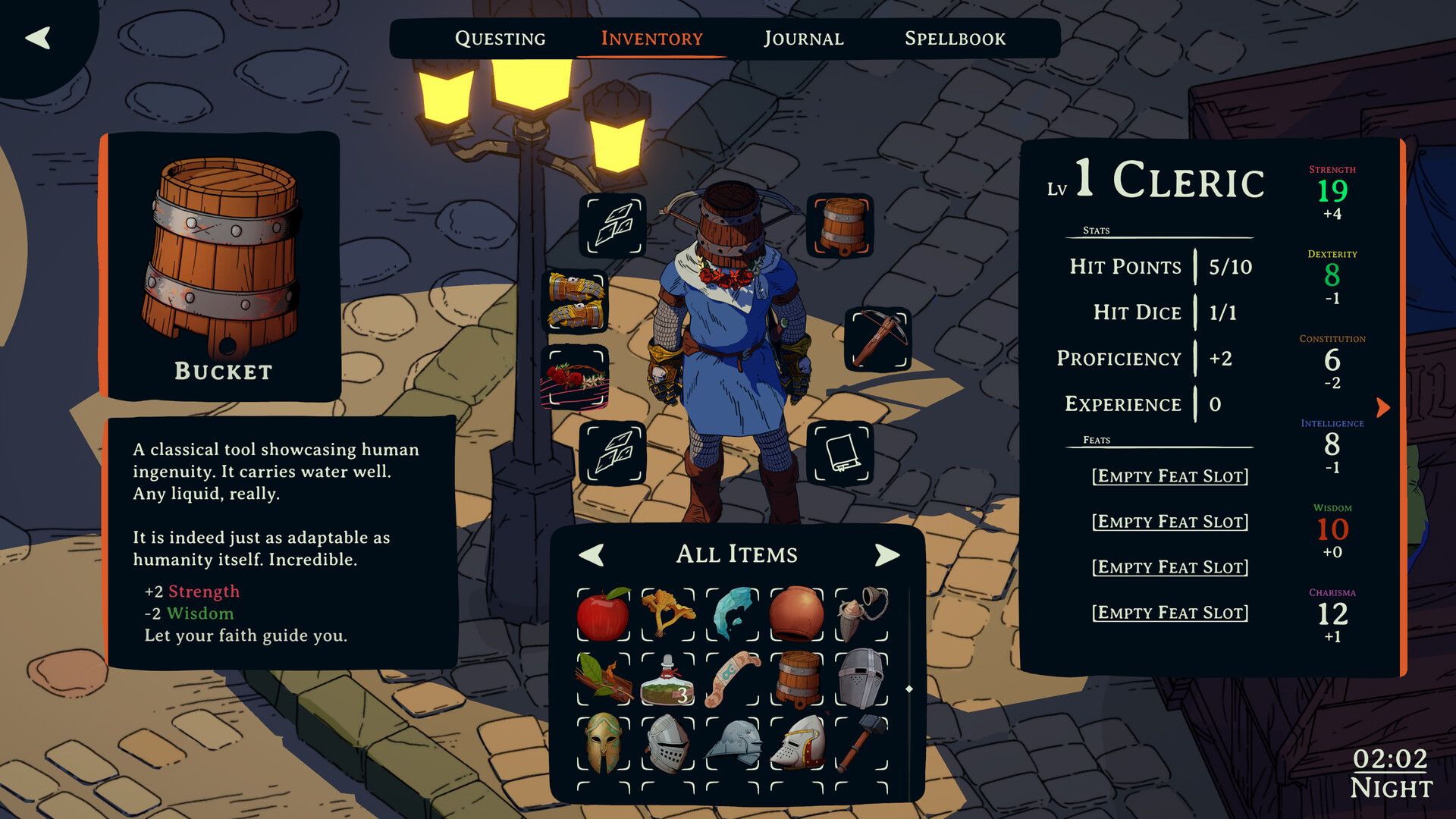
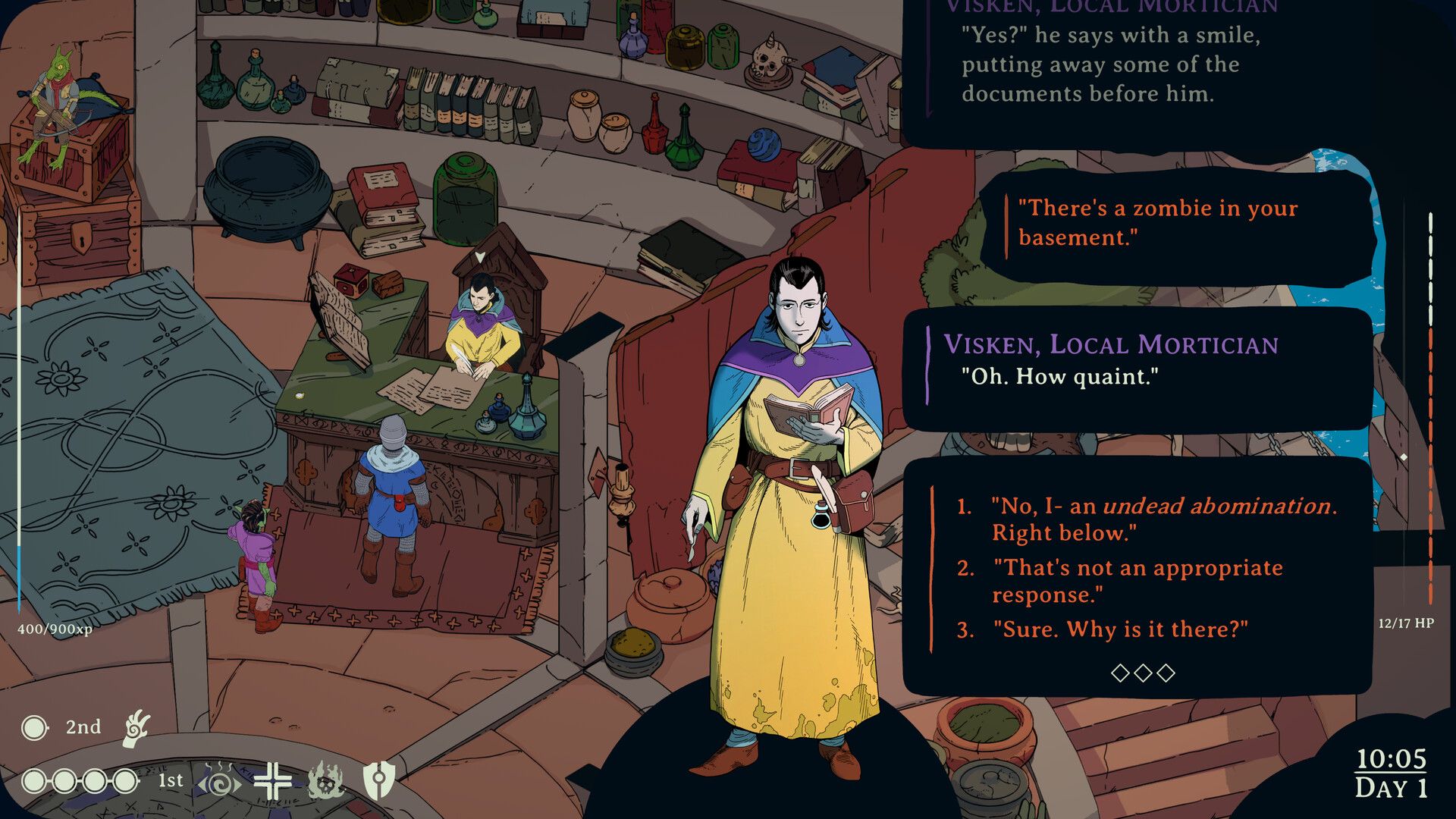
Although your character is always a cleric, the specific type of cleric greatly impacts how they behave. Your character’s core attributes appear as different voices in their head, influencing what they say and what they believe. These inner voices can even disagree with each other, especially if your character has both strong intelligence and strong wisdom – for example, a logical scholar might clash with a compassionate healer.
In Esoteric Ebb, characters aren’t immediately aware of your abilities or personality. However, how you behave will change how they react to you. For example, a strong character can use force more often. Essentially, your stats define who you are, and NPCs will respond accordingly.
Star Wars: The Old Republic
Whether You Are a Jedi, Sith, or Smuggler, This Story Is Yours Alone.
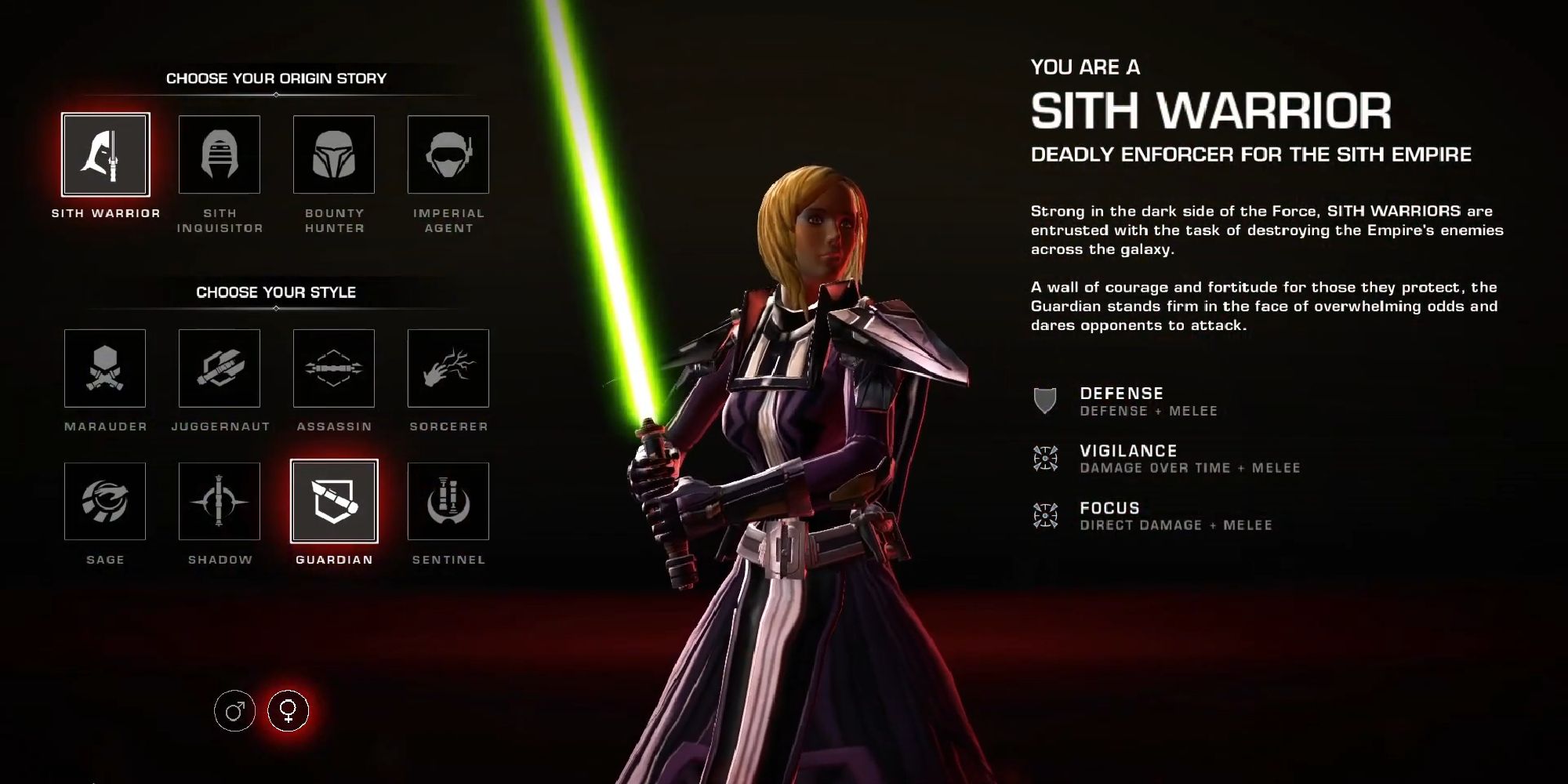
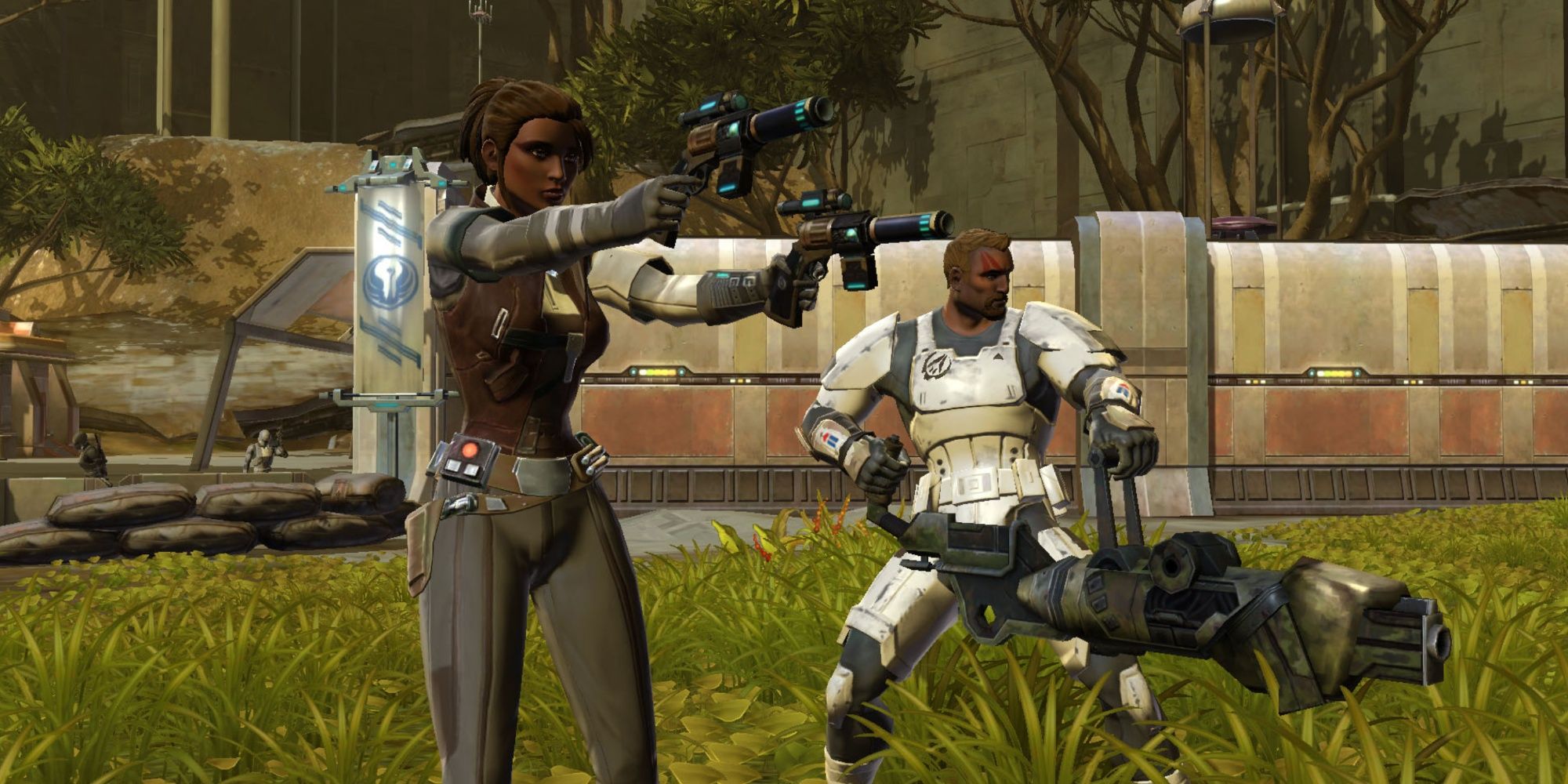
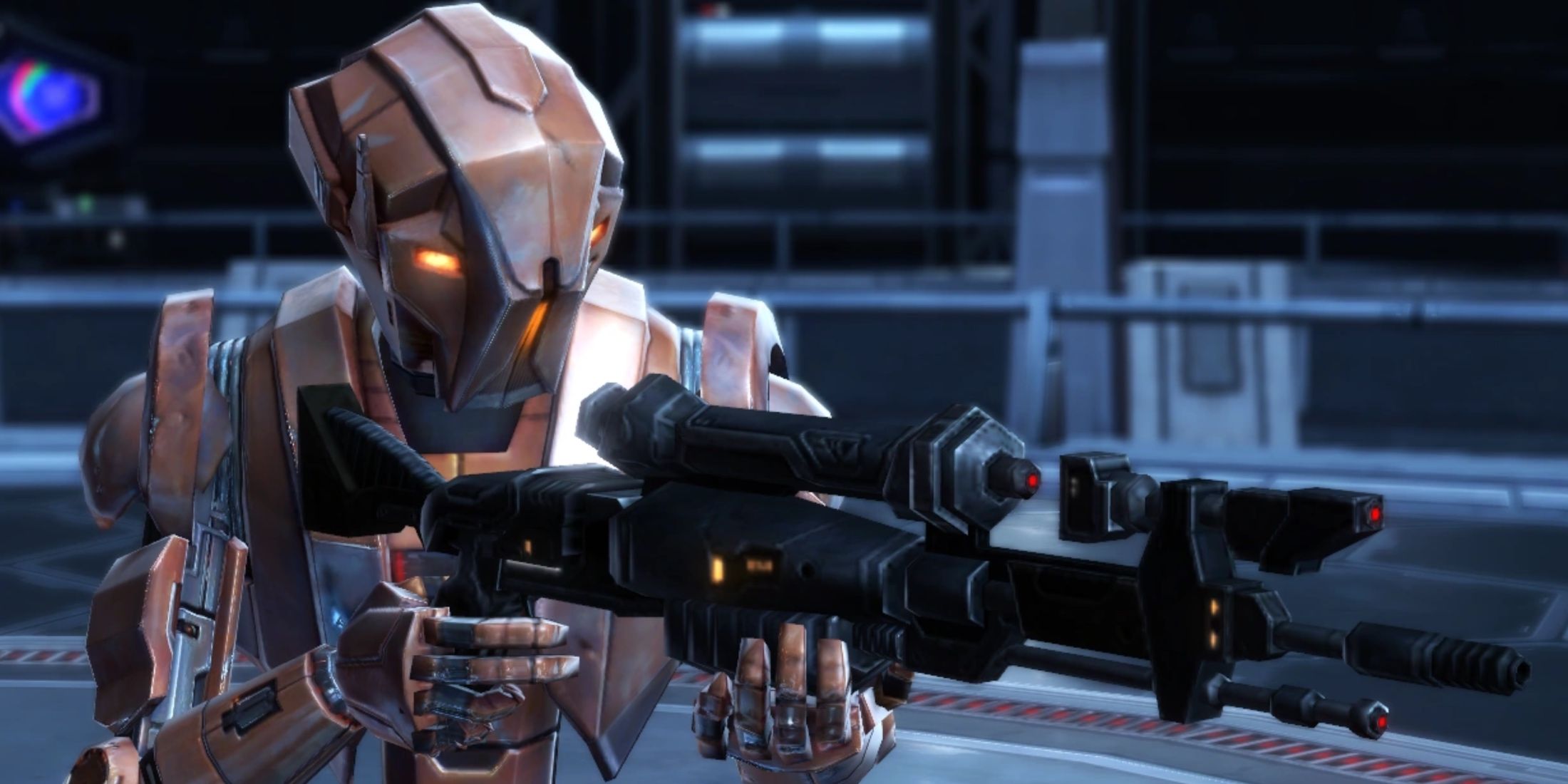
Most massively multiplayer online role-playing games (MMOs) feature unique storylines and ways to interact with the world depending on your character’s class. However, Star Wars: The Old Republic really takes this concept to the next level. The game boasts eight distinct storylines, each tailored to a specific class (four aligned with the Galactic Empire and four with the Republic). What’s more, these stories can change further based on whether your character leans towards the light or dark side of the Force.
Unlike short, scattered quests, your class quests form a major, ongoing storyline throughout the entire game, offering dozens of hours of dedicated content. While the main story and planet-wide quests aren’t specifically designed for each class, characters will still acknowledge your class, reputation, and past actions during conversations, adding a personal touch even if it doesn’t alter the quests themselves.
After the initial game, the storylines in expansions become more focused, often with just one or two paths – one for players aligned with the Empire and another for those with the Republic. While expansions still offer some unique content based on your character’s class, like different dialogue or side quests, it’s not as extensive as the class separation found in the original game.
It’s not really a criticism of the new content, more of a contrast. The variety between character classes is comparable to many other games, including large online ones. The original game just set such a high bar for diversity that the difference feels more noticeable. Don’t let that discourage you, though – there’s still plenty of unique content for each class, enough to make several full games, and it’s all very well done.
Read More
- Forza Horizon 6: Find the Ohtani Treasure Chest Location
- NTE Drift Guide (& Best Car Mods for Drifting)
- LEGO Batman Legacy of the Dark Knight Batcave Minikits & WayneTech Caches
- How to Open Locked Door in Tenryu River in Nioh 3 (Dirty Key)
- Sega’s “Super Game” is Said to Release Next Month, But Nothing is Known About It
- Skyblivion Gets Encouraging Development Update
- New Steam Game is Like Pokemon If It Were a Sci-fi Shooter
- GameRant Daily Crossword (February 10, 2026)
- God of War Shadow Drops New Game and Confirms Greek Trilogy Remake
- Dead as Disco Best Songs (Clear Beats & Stable BPMs)
2026-03-28 03:38