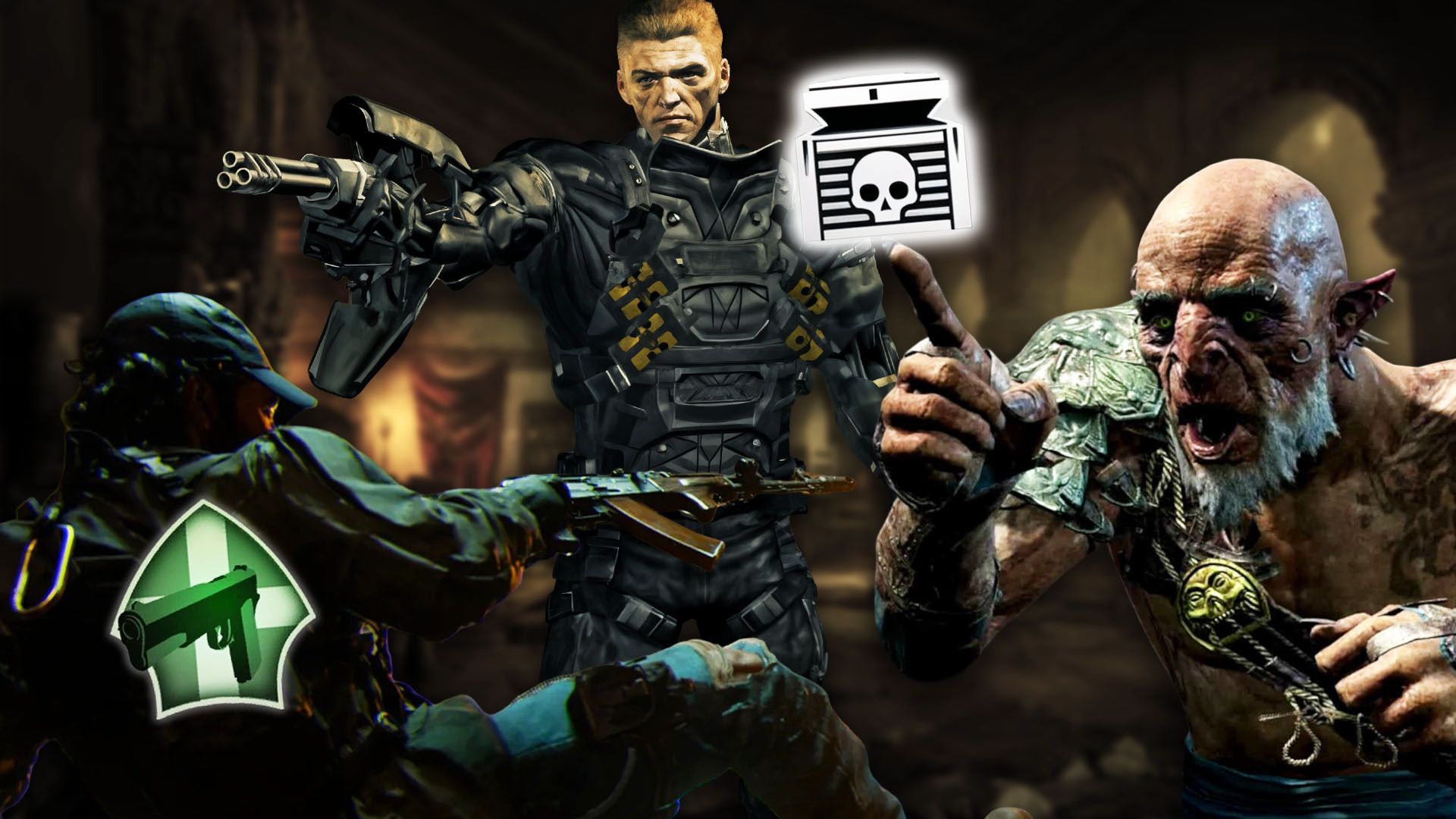
No video game is ever truly perfect. Like any creative project, some parts will always be stronger than others. While a major flaw can sometimes spoil the whole experience, more often, imperfections are minor and don’t detract from an otherwise enjoyable game.
Players aren’t the only ones who notice problems with games. Sometimes, a feature is such a clear error that the game’s main developers will publicly admit they wish they hadn’t included it. While this doesn’t happen frequently, here are a few examples of those rare instances.
Poise – Dark Souls 3
How Does It Even Work?
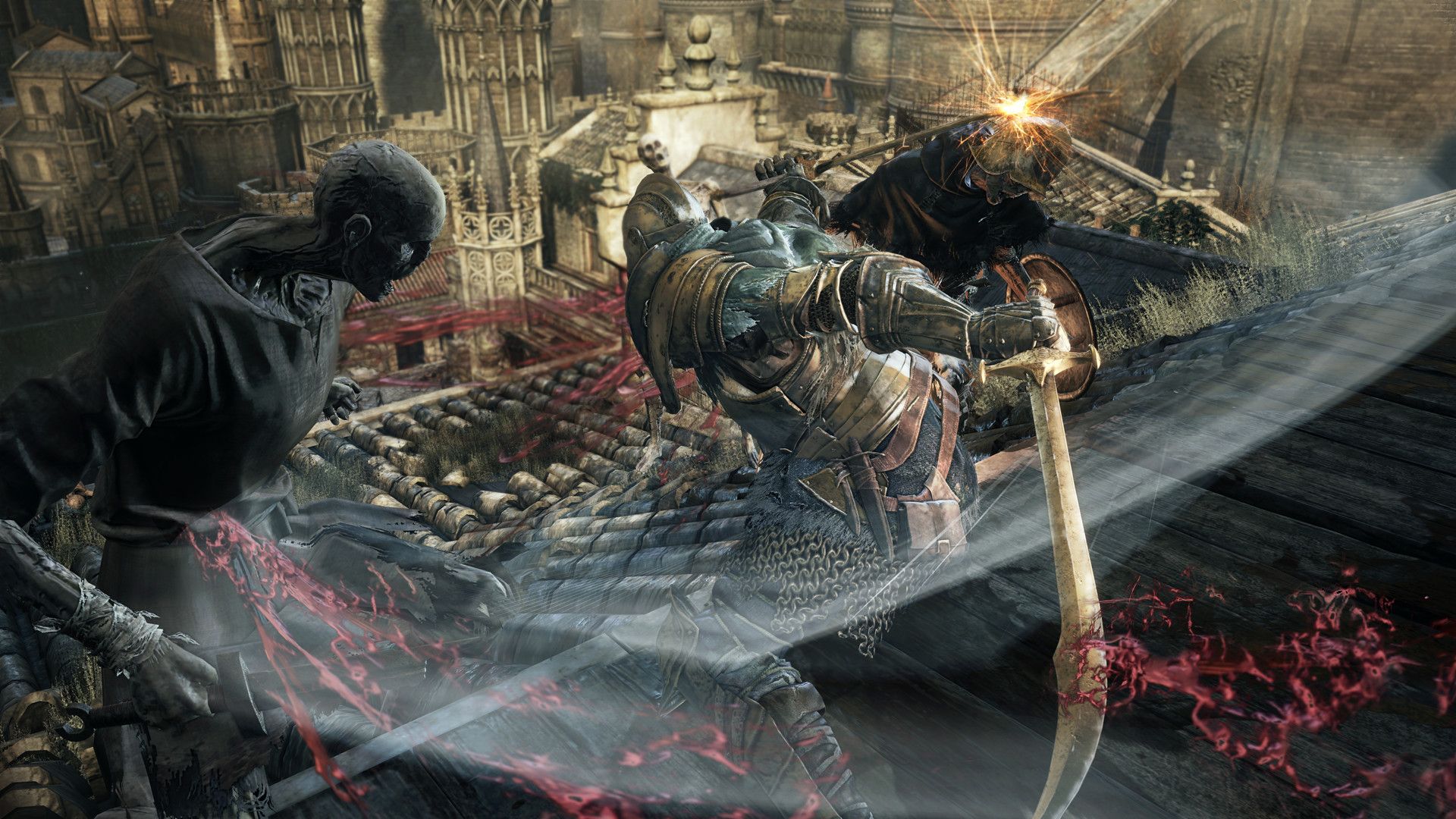
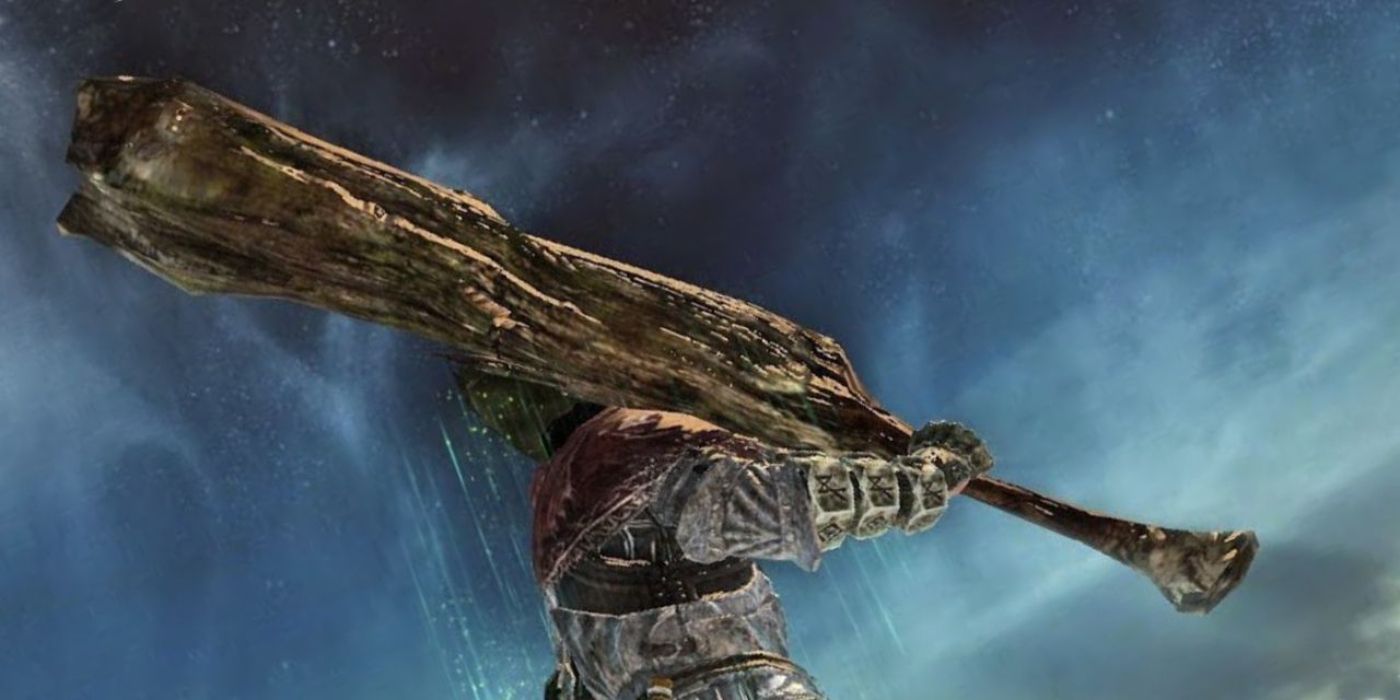
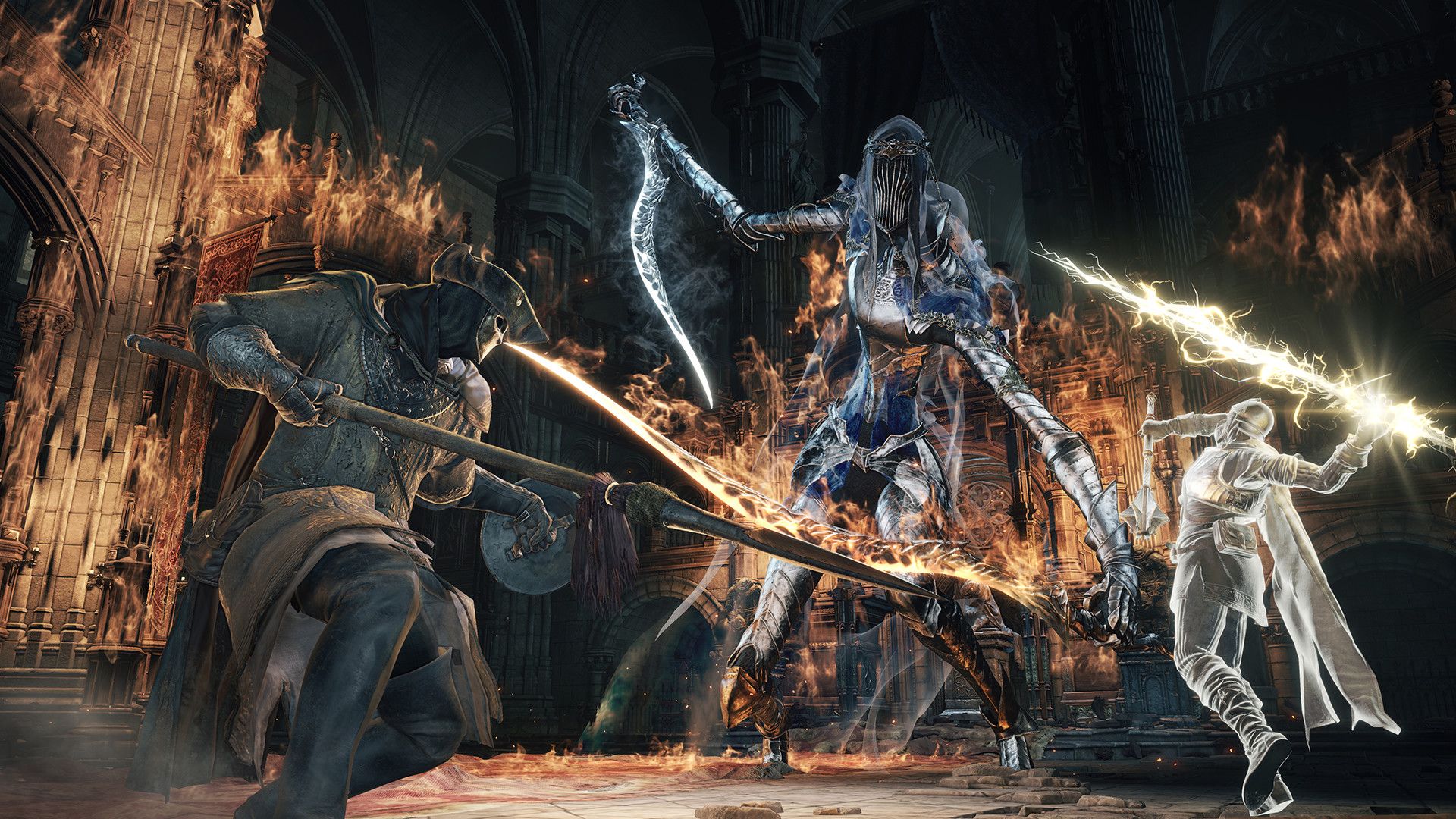
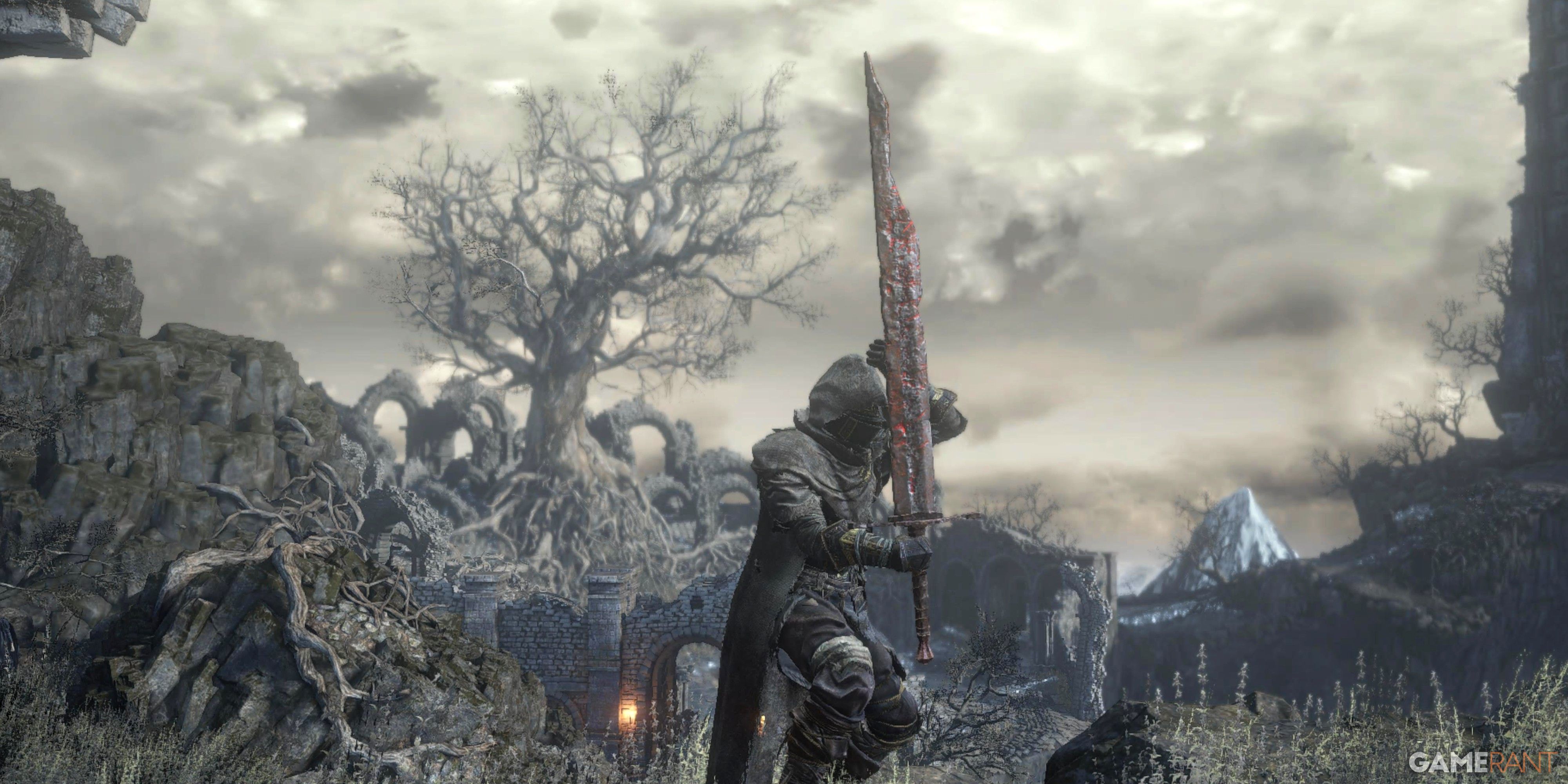
Poise is notoriously difficult to understand in all three Dark Souls games. The game itself rarely explains how it works, leaving players to search online for help. Essentially, Poise determines how easily your character can avoid being interrupted by enemy attacks. Figuring out how to effectively use Poise was always tricky, but it was especially confusing in Dark Souls 3. Many players felt like the stat wasn’t functioning correctly and even asked the developers if it had been disabled.
Players were extremely unhappy with how ‘Poise’ worked in Dark Souls 3, and even the game’s director, Hidetaka Miyazaki, acknowledged the team wasn’t satisfied with how it was implemented. While he didn’t say FromSoftware regretted including it, later games showed they simplified the system significantly.
Microtransactions – Middle-Earth: Shadow Of War
Kind Of Defeats The Purpose
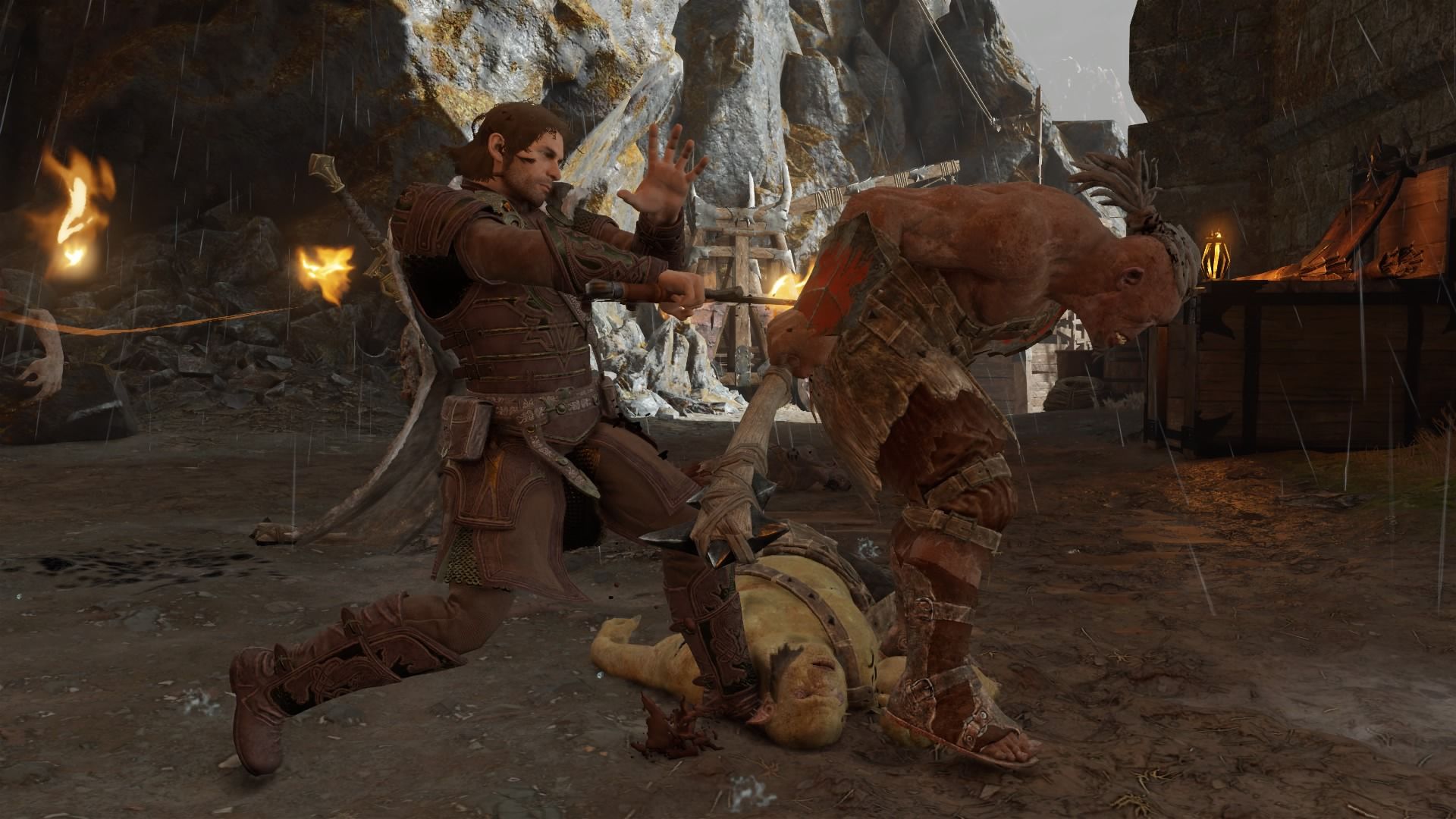
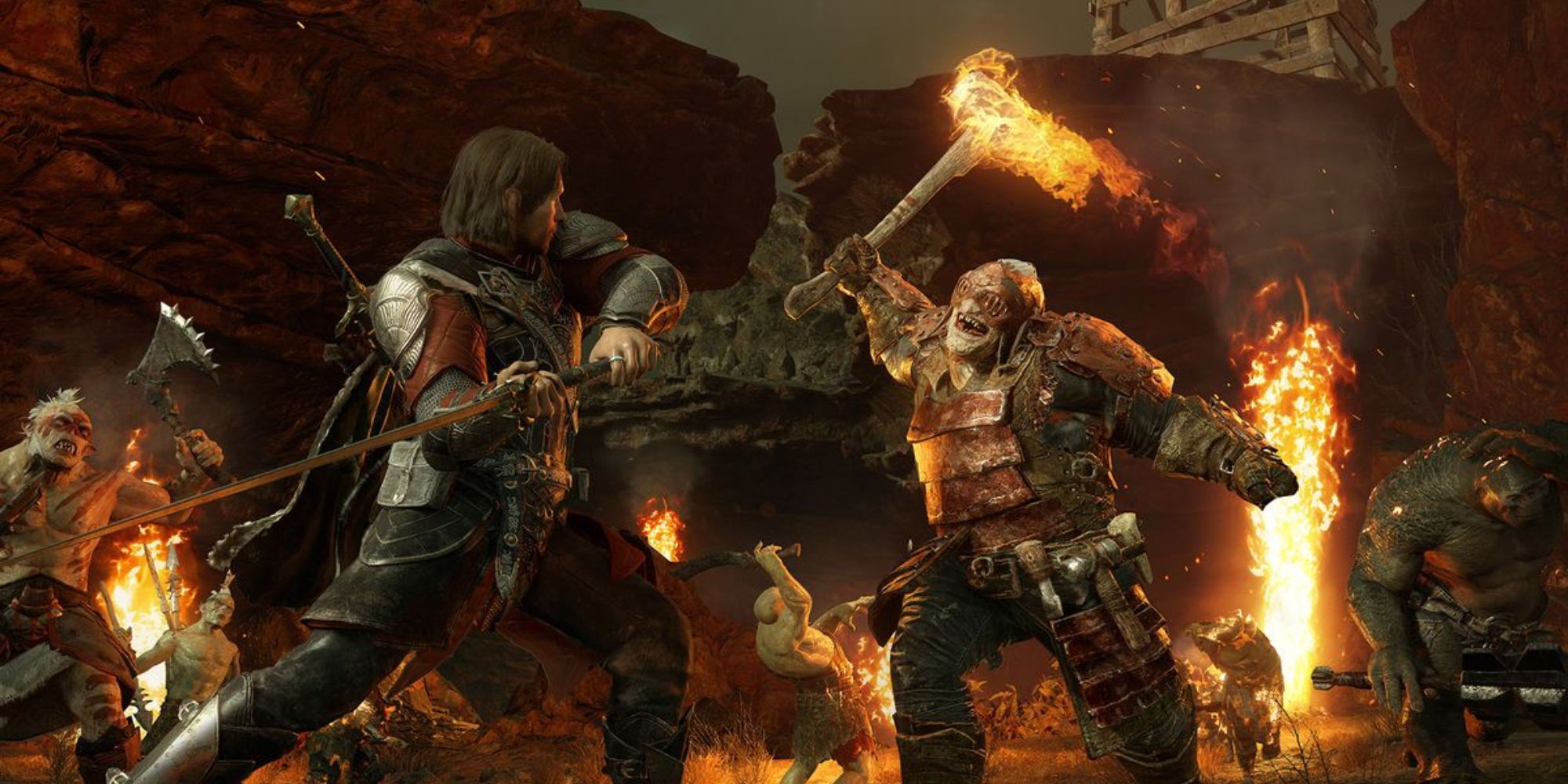
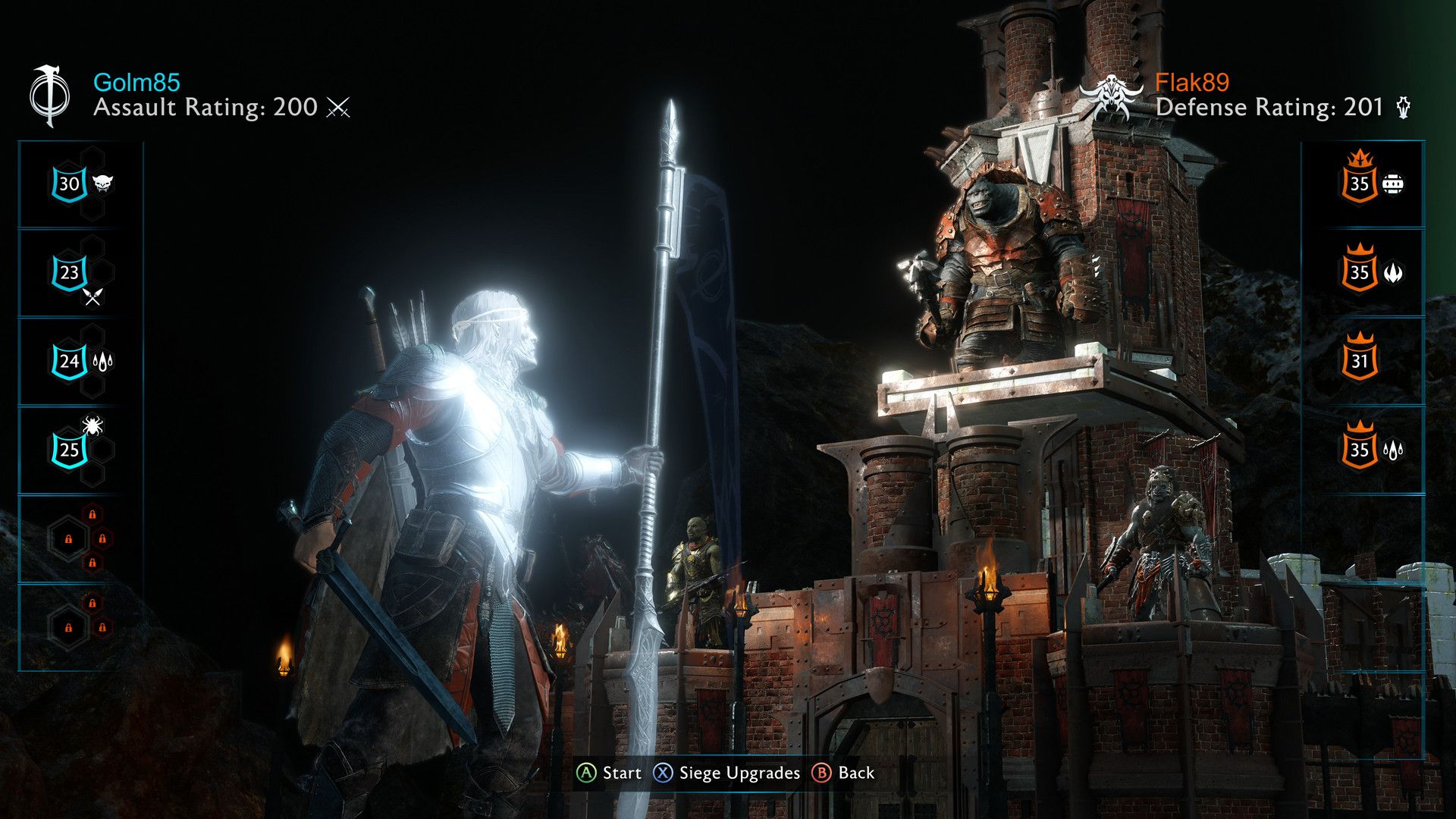
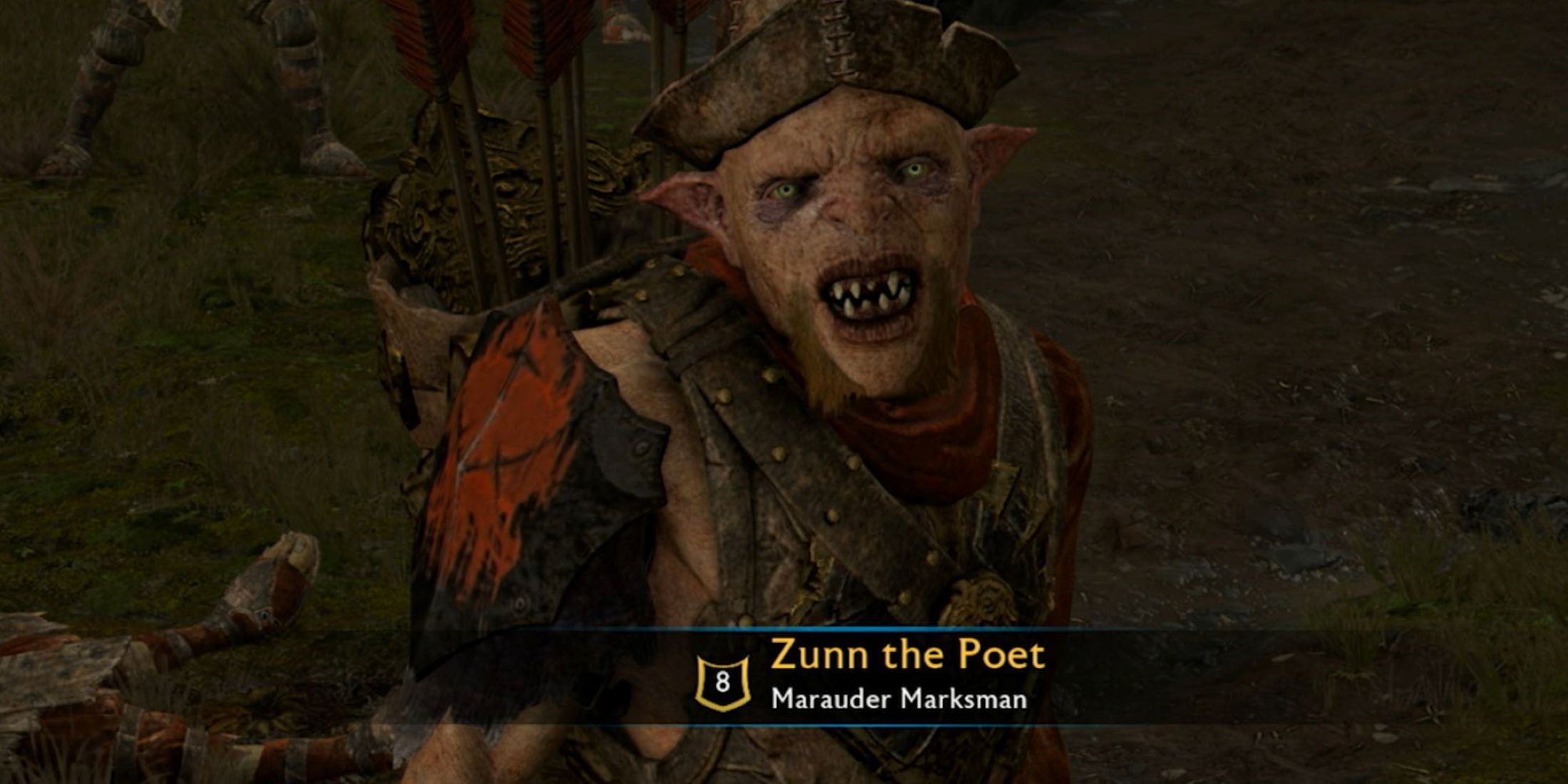
At the heart of Middle-earth: Shadow of War is the Nemesis system, a truly innovative feature. While the game improved its story, combat, and world size, nothing compares to the way you could build a personal rivalry with Orcs through battles. These Orcs would evolve – gaining new skills and even changing their appearance – based on your encounters. It’s a standout example of how a game can let players shape their enemies. That’s what made it so disappointing to see the game also include purchasable Orcs through microtransactions.
 Rearrange the covers into the correct US release order.
Your Order
Results
— —
If you’re worried this makes the game less fun, you’re right to be. While you can choose to ignore the optional purchases, being able to buy advantages – like a powerful enemy – weakens the core experience. It feels almost necessary to do so if you don’t want to spend a lot of time repeating tasks at the end of the game. Even the game developers at Monolith realized this, and they eventually removed those purchases because of it, as they explained in a blog post.
The Auction House – Diablo 3
And Not For The Reason You Think
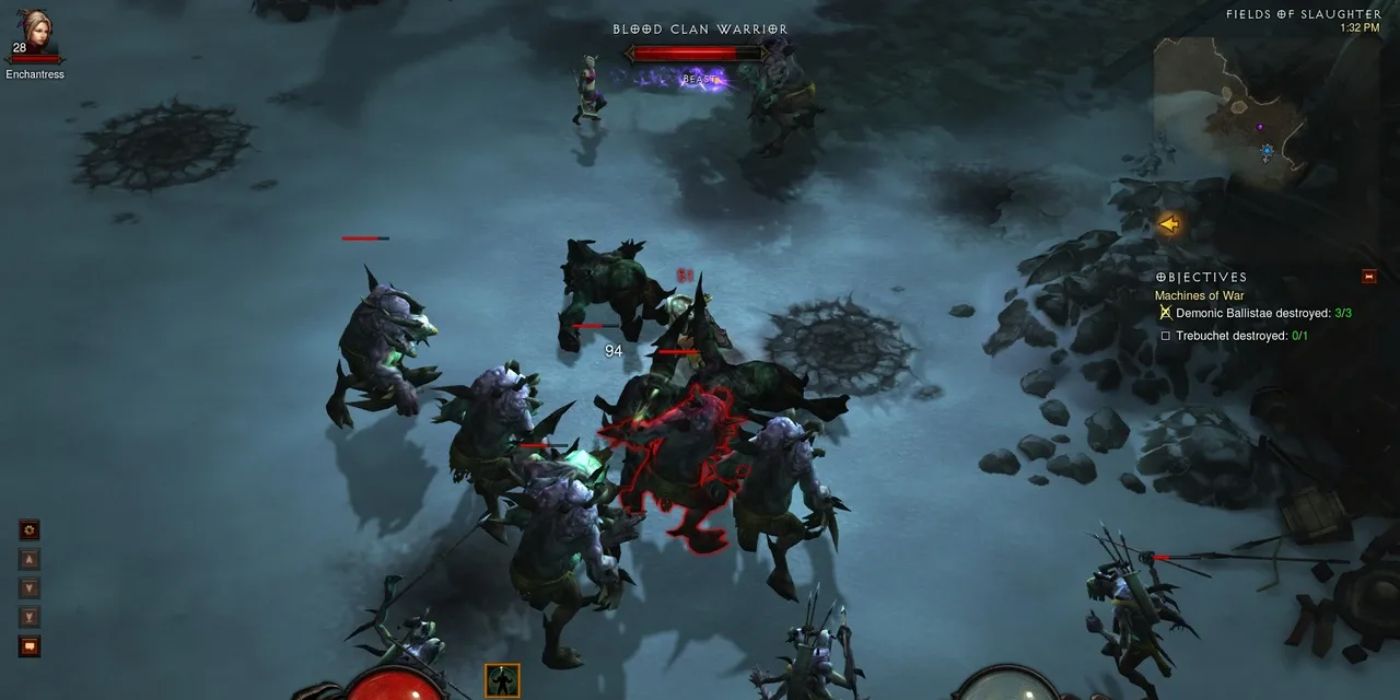
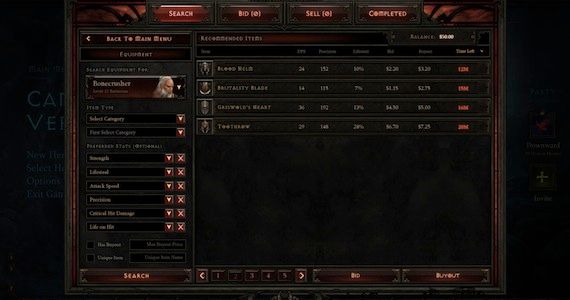
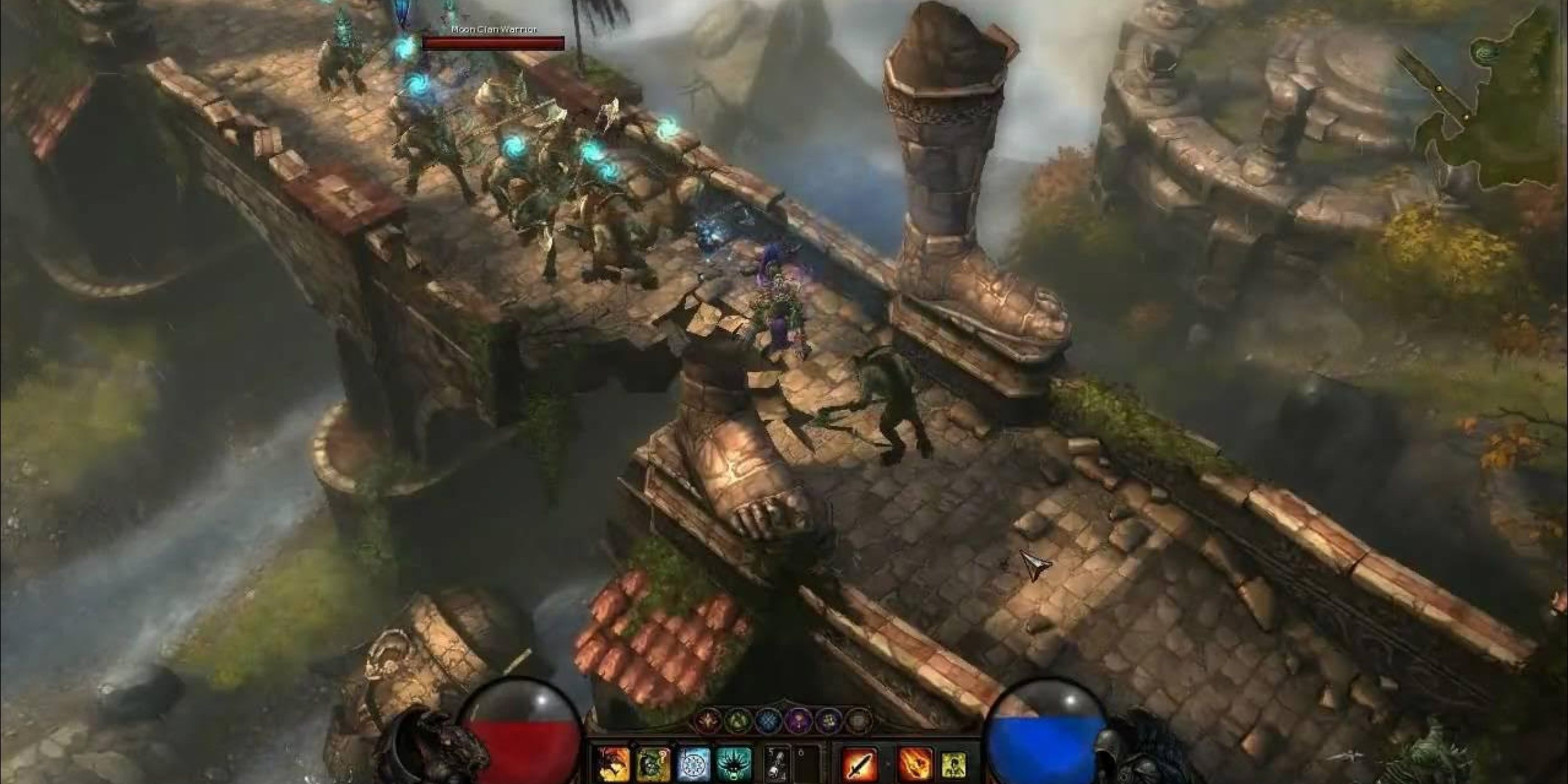
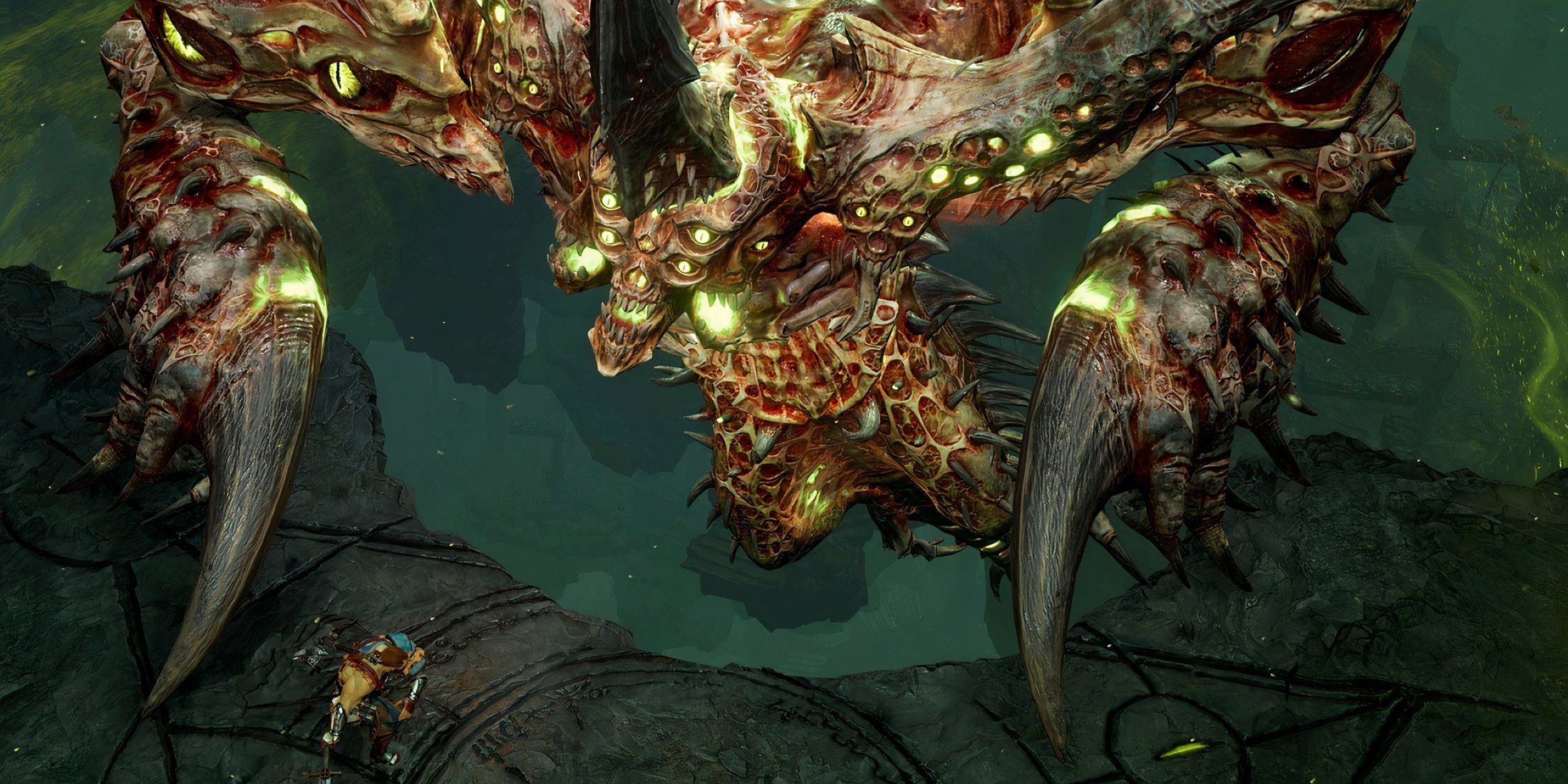
The Auction House in Diablo 3 was intended to solve a problem from Diablo 2 – players being scammed or cheated with duplicated items. The idea was to create a safe place to trade. However, it unintentionally undermined a core part of what makes Diablo 3 fun: the thrill of finding powerful loot by completing challenging dungeons. Why bother exploring and fighting when you could simply buy the best items with gold?
Josh Mosqueira, the director of Diablo 3, openly admitted at GDC 2015 that the Auction House was a mistake, calling it “regrettable.” However, it took two years after the game launched to actually remove it. The reason for the delay was surprisingly due to legal concerns. Blizzard worried that since the Auction House was featured on the game’s physical box art, they could face legal issues if they removed it from the game. Jay Wilson, Diablo 3‘s lead designer, explained at the Portland Retro Gaming Expo in 2022 that much of the delay involved resolving these legal complications regarding existing physical copies of the game.
Second Chance Perk – Call Of Duty: Black Ops
Turned PvP Into A Parade Of Revenge Kills
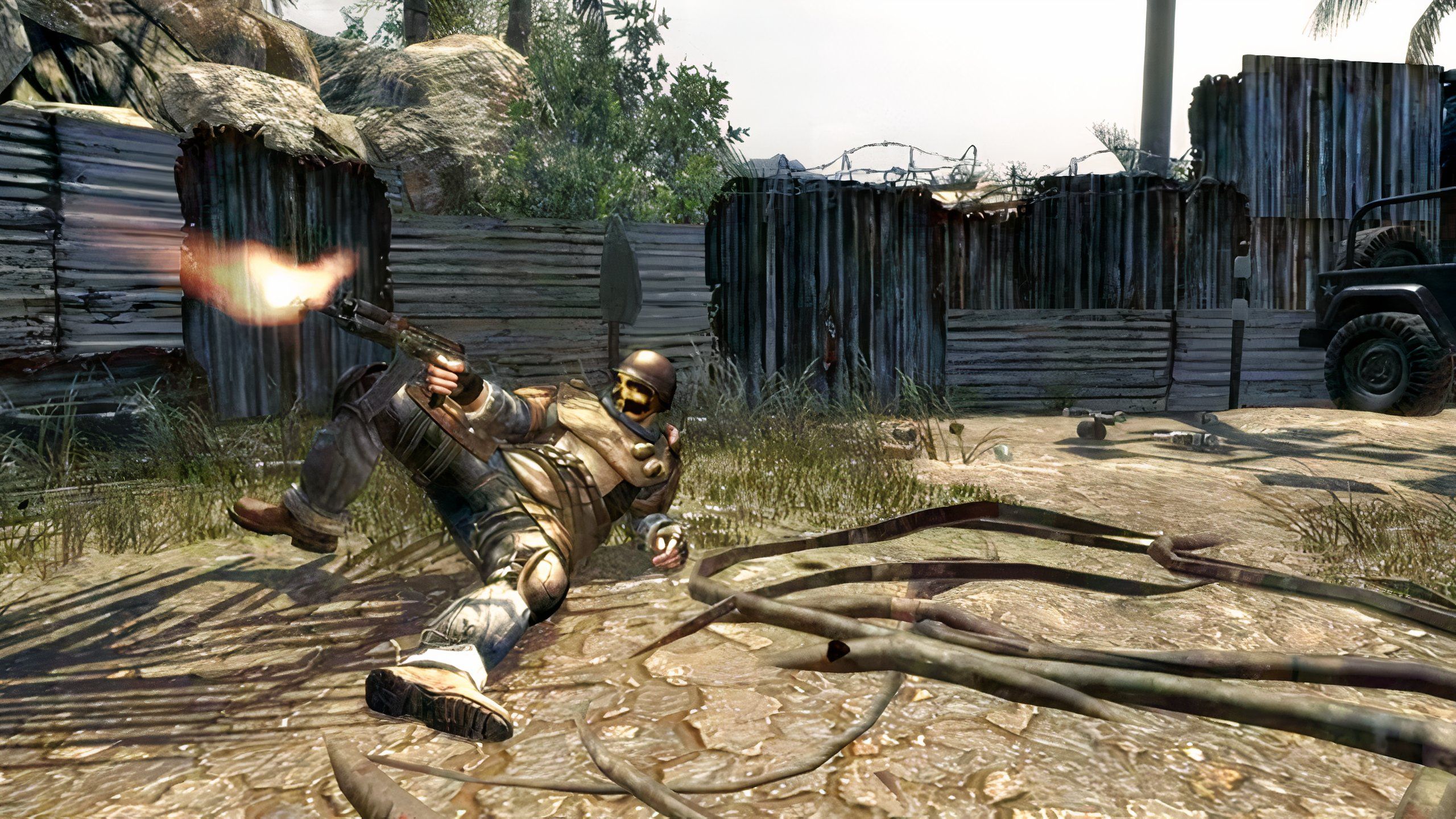
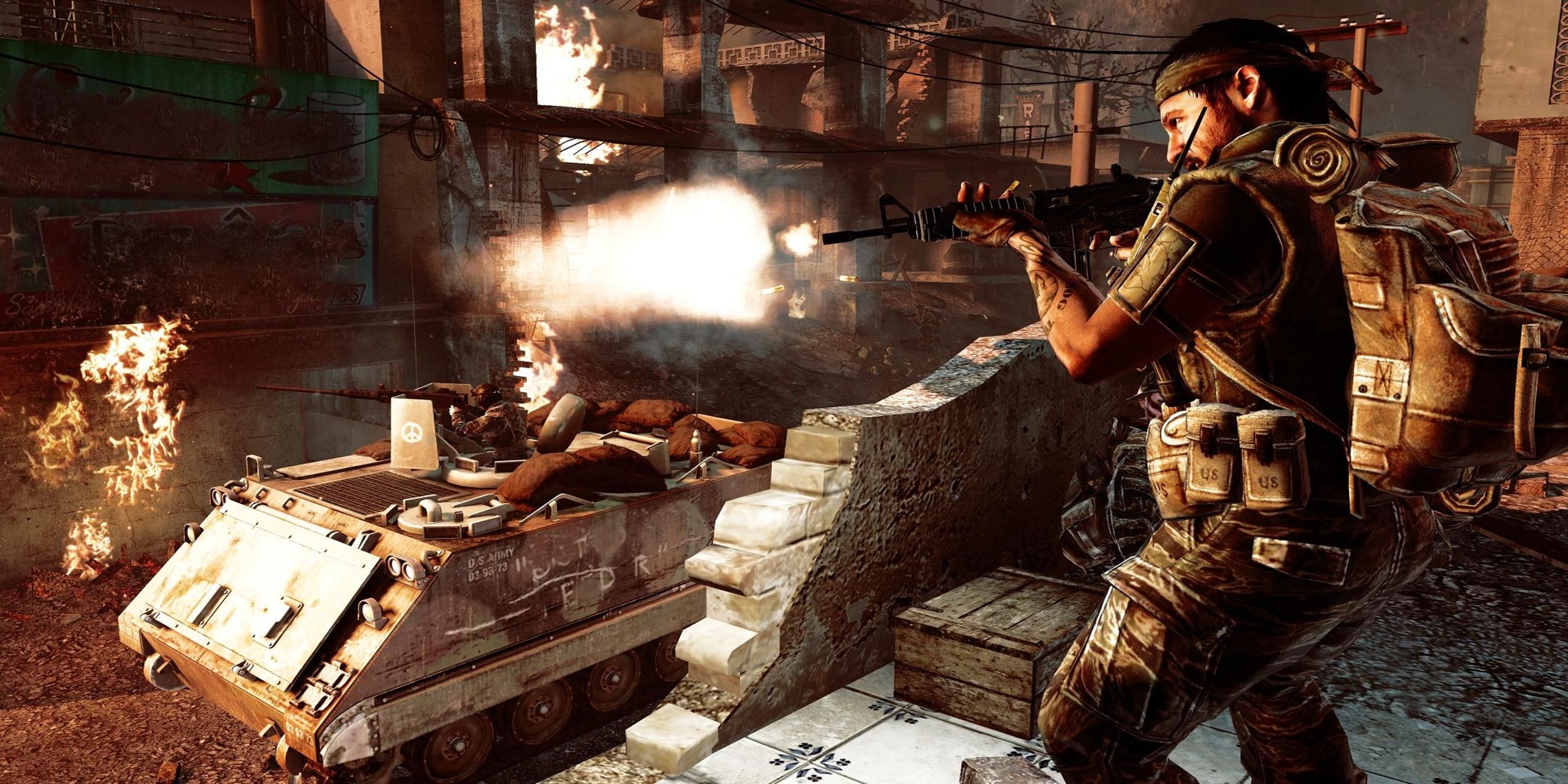
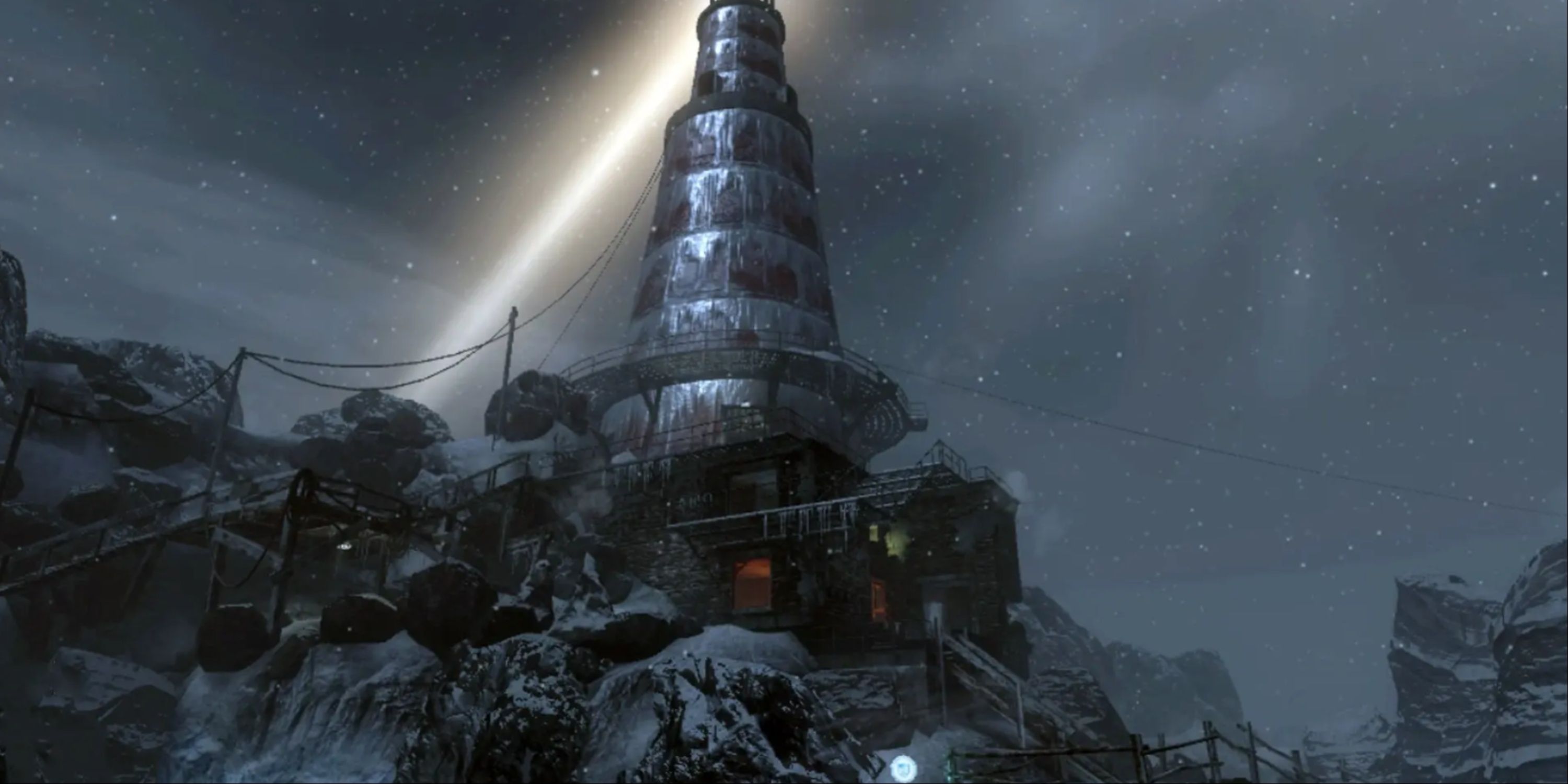
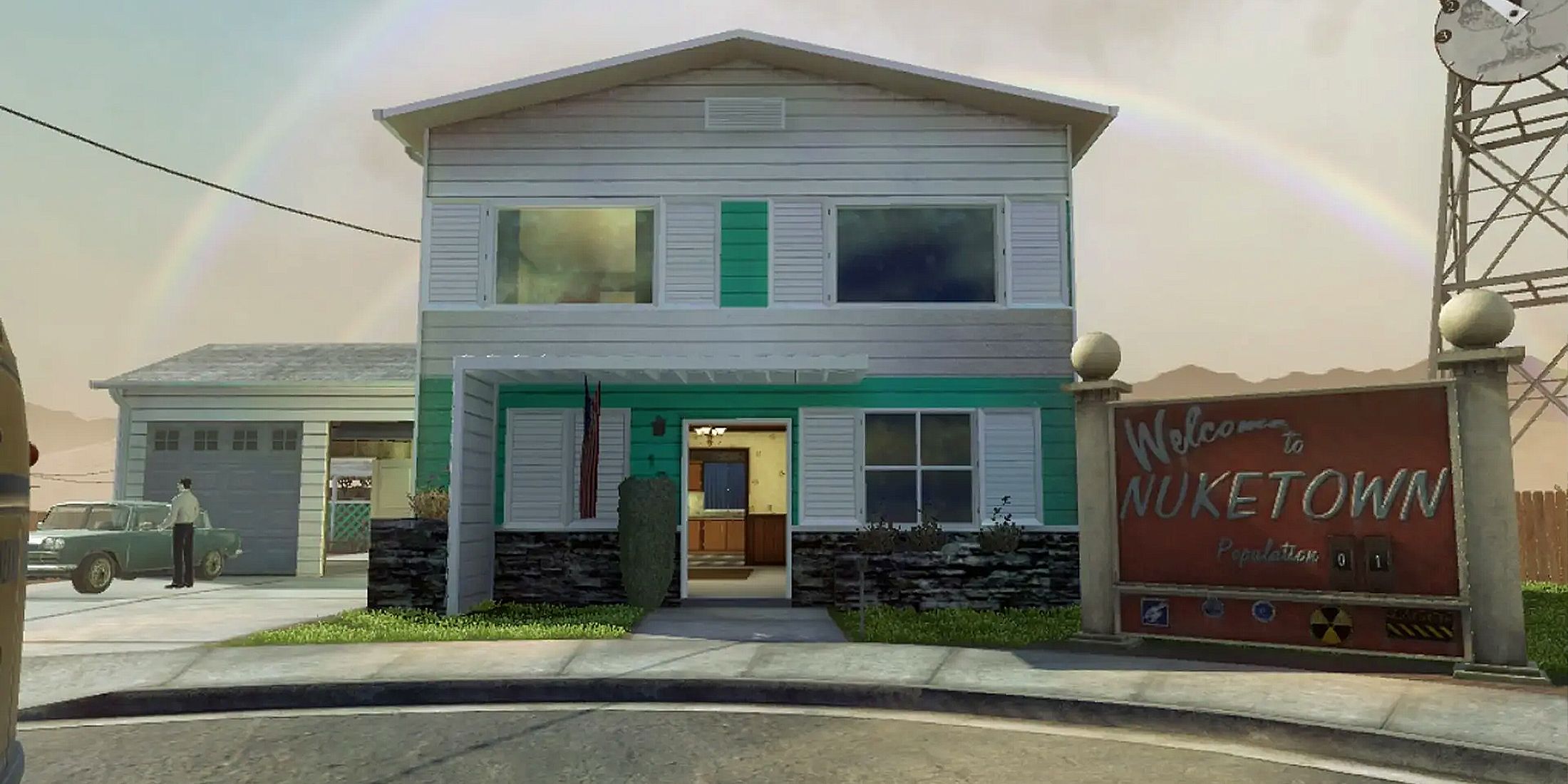
When the original Call of Duty games first became popular online, the developers tried out lots of different features. In Call of Duty: World at War and then Call of Duty: Black Ops, there was a perk called Second Chance that gave players a brief opportunity to fight back after being killed. If you were eliminated, you’d automatically pull out a pistol and could continue shooting for 10 seconds. An upgraded version of the perk increased that time to 30 seconds and also allowed teammates to revive you.
While the Second Chance perk seemed good on paper, it actually ruined competitive gameplay. Players used it constantly, leading to frustrating matches dominated by unavoidable revenge kills. David Vonderhaar, the game design director at Treyarch, publicly expressed his strong dislike for the perk in a 2011 tweet, even saying he regretted including it. The fact that it appeared in World at War and Black Ops but was never used again after that speaks volumes.
Boss Fights – Deus Ex: Human Revolution
Hope You Spec’d Into Combat
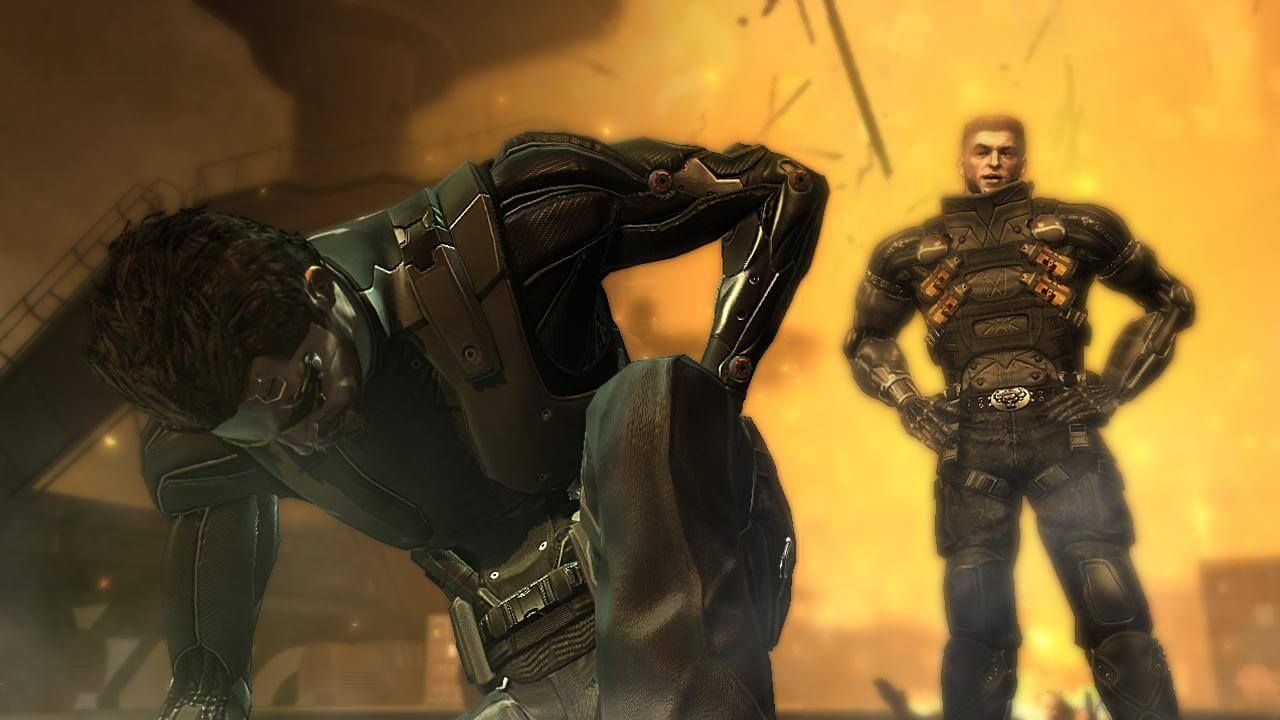
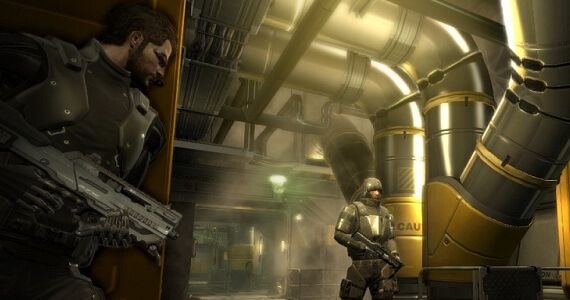
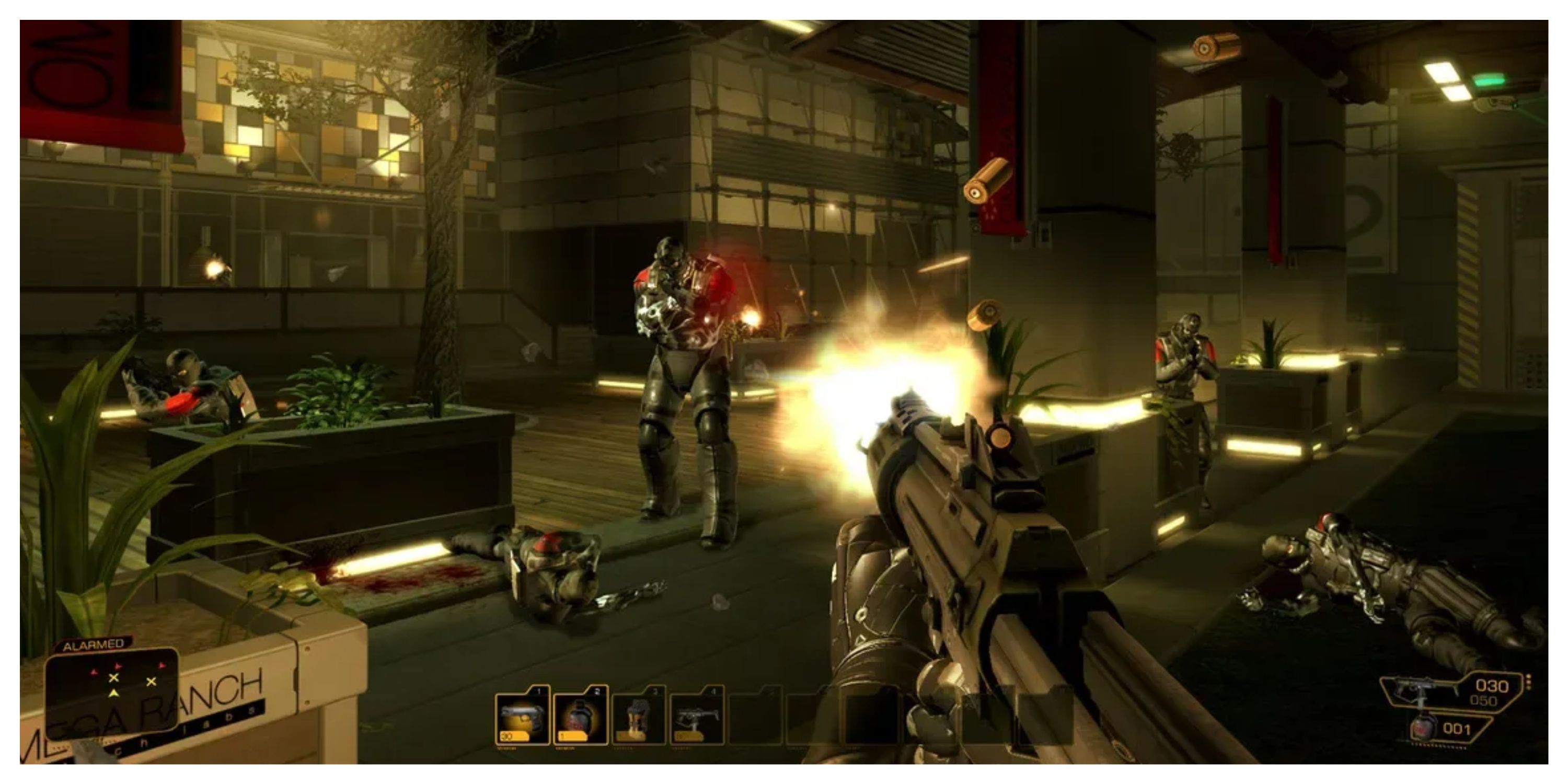
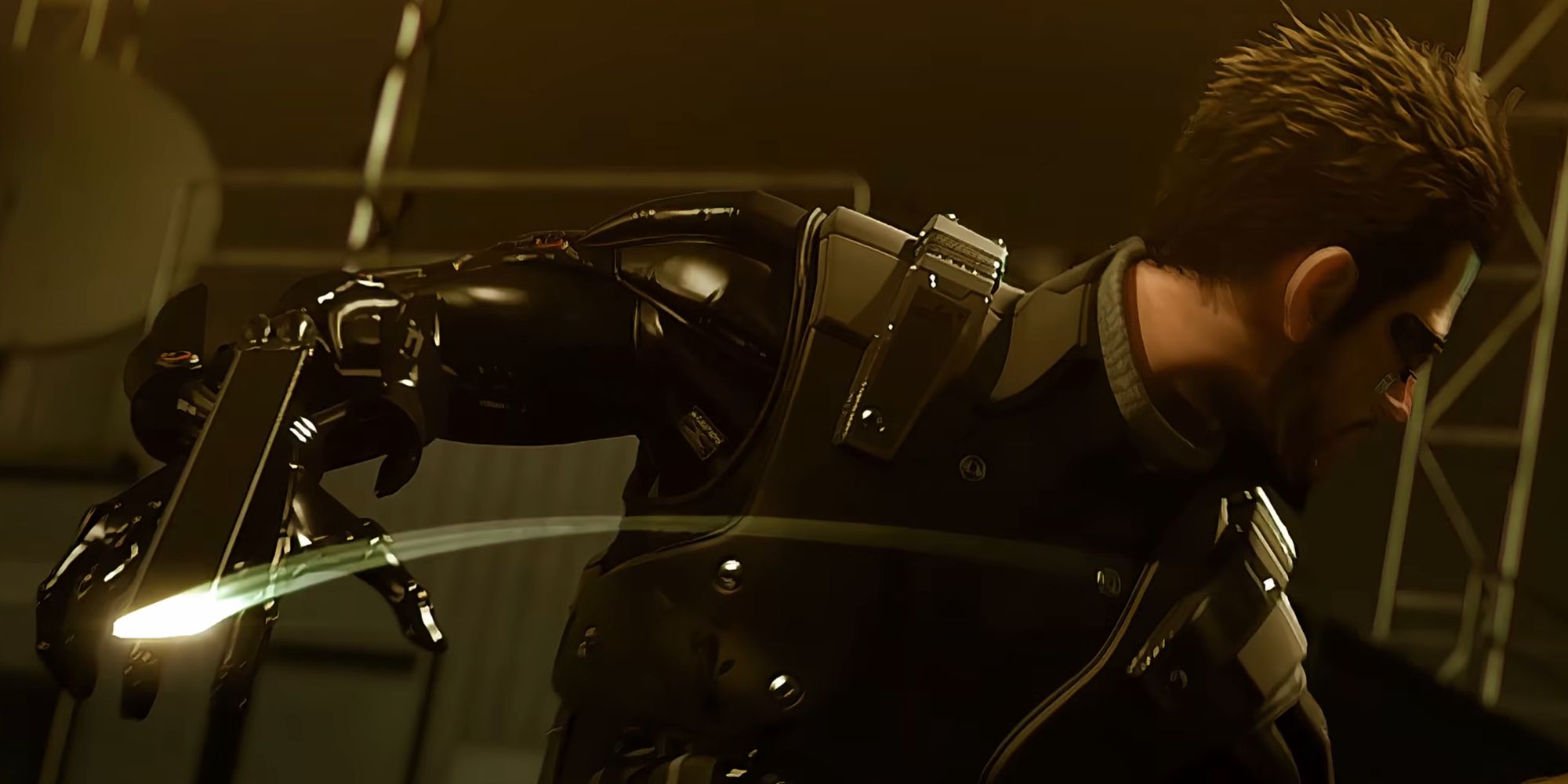
Deus Ex: Human Revolution was a huge hit for Eidos Montreal and successfully brought back a classic series. It updated the gameplay and world in a fantastic way, letting players customize both their character and how they tackle challenges. You have a lot of freedom in how you play – you can be stealthy, go in guns blazing, and choose to eliminate enemies peacefully or with force. Though, that freedom isn’t always consistent.
Unlike the rest of the game, boss battles in Human Revolution don’t really reward stealth builds. If you created a character focused on direct combat, you’ll likely have an easier time. Players who specialized in sneaking found the fights incredibly difficult, as they largely require a combat-focused approach. According to director Francois Lapikas, these boss fights were added late in development to adjust the game’s speed, but he admits they weren’t fully developed and needed more polish.
Navi – The Legend Of Zelda: Ocarina Of Time
Not Just Annoying… Ineffective
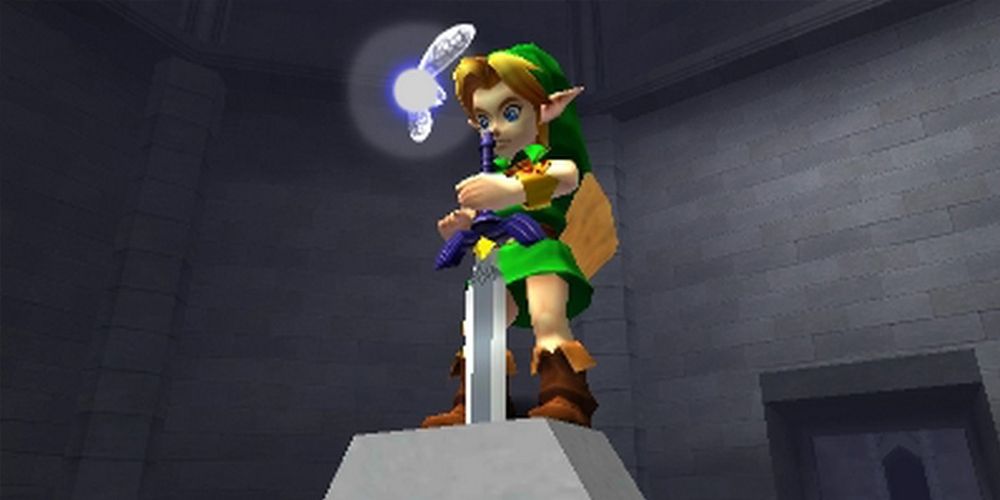
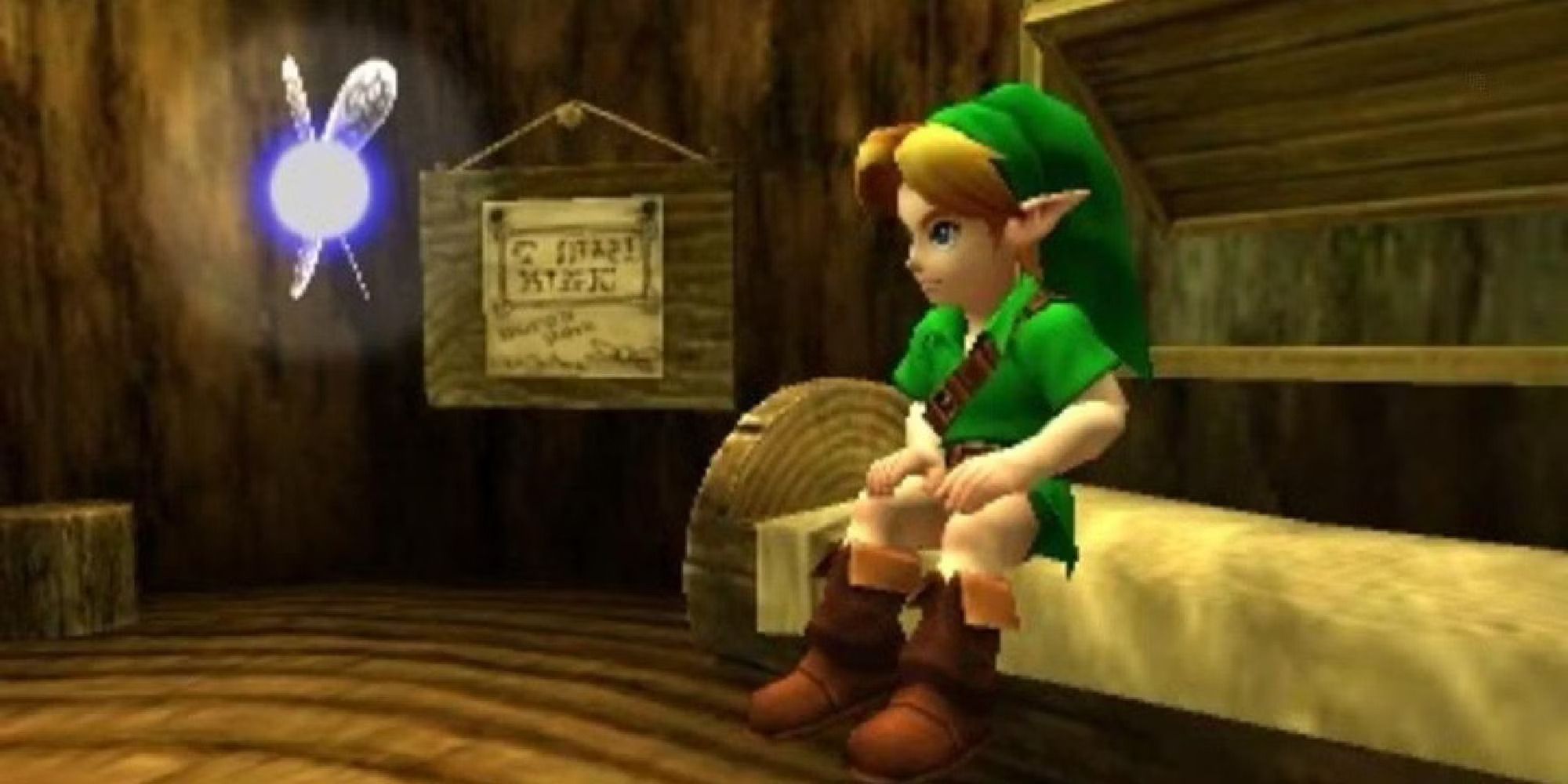
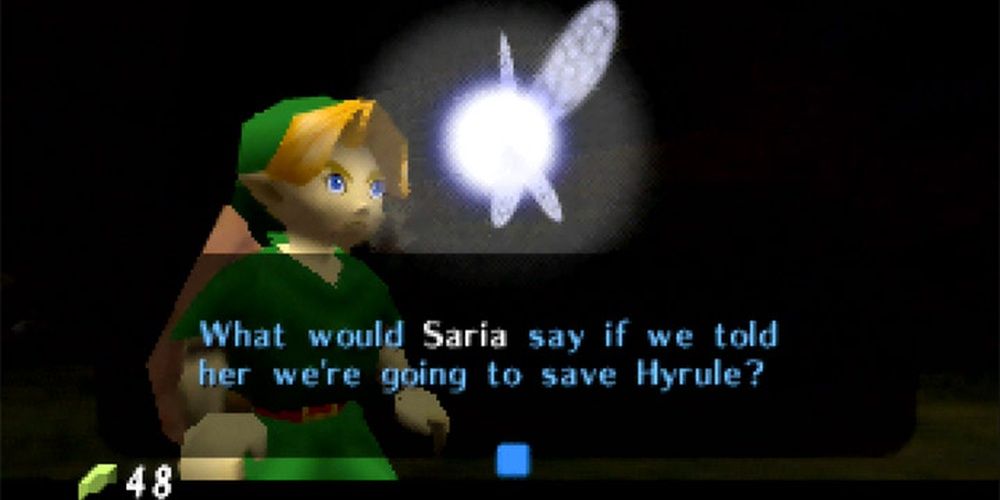
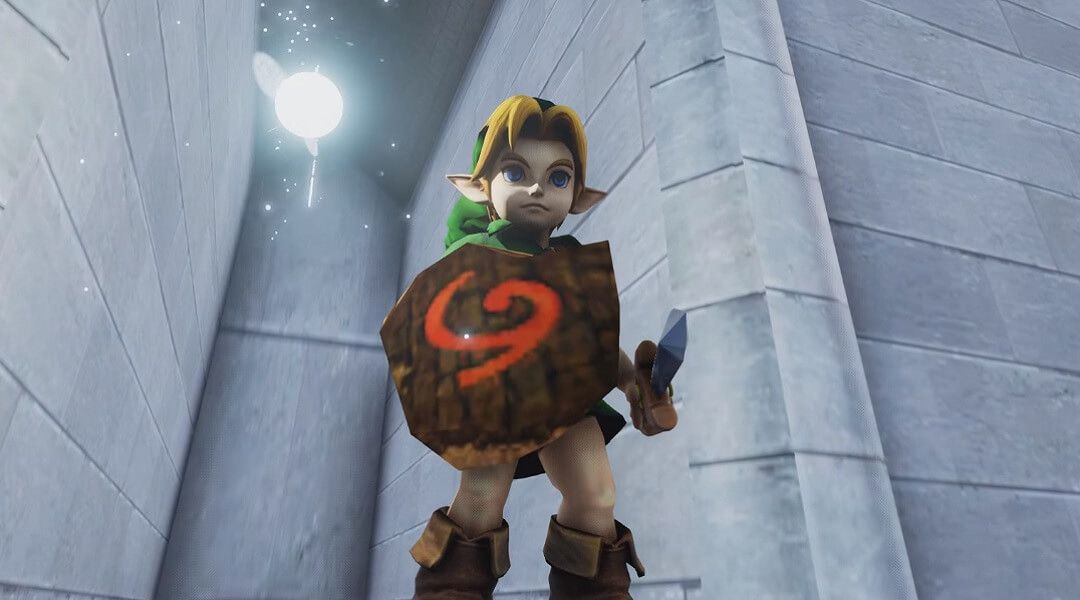
You’re not alone in finding Navi incredibly frustrating! The little fairy from The Legend of Zelda: Ocarina of Time is famous for driving N64 players crazy with her constant “Hey, listen!” and often unhelpful hints – it’s become a running joke online. Interestingly, even Shigeru Miyamoto, the game’s creator, wasn’t a fan. In a 1999 interview with Famitsu, he admitted the hint system with Navi was the biggest flaw in Ocarina of Time and that he considered removing it altogether.
The story behind Navi’s constant tips is actually quite revealing. Originally, the developers planned for Navi to offer hints based on your progress in the game. However, that proved too difficult to create with the technology available at the time – this was the mid-1990s, after all. They realized simply repeating basic instructions would be irritating, but they worried the game would be too challenging without any guidance, as it was one of the earliest 3D action-adventure titles. Ultimately, it’s hard to deny how frustrating it is to be constantly interrupted by a fairy telling you things you already know.
Read More
- All Shadow Armor Locations in Crimson Desert
- Dark Marksman Armor Locations in Crimson Desert
- Jujutsu Kaisen Season 3 Episode 12 Release Date
- How to Get the Sunset Reed Armor Set and Hollow Visage Sword in Crimson Desert
- Best Bows in Crimson Desert
- Wings of Iron Walkthrough in Crimson Desert
- All Golden Greed Armor Locations in Crimson Desert
- How To Beat Ator Archon of Antumbra In Crimson Desert
- Keeping AI Agents on Track: A New Approach to Reliable Action
- Top 5 Militaristic Civs in Civilization 7
2026-03-30 14:07