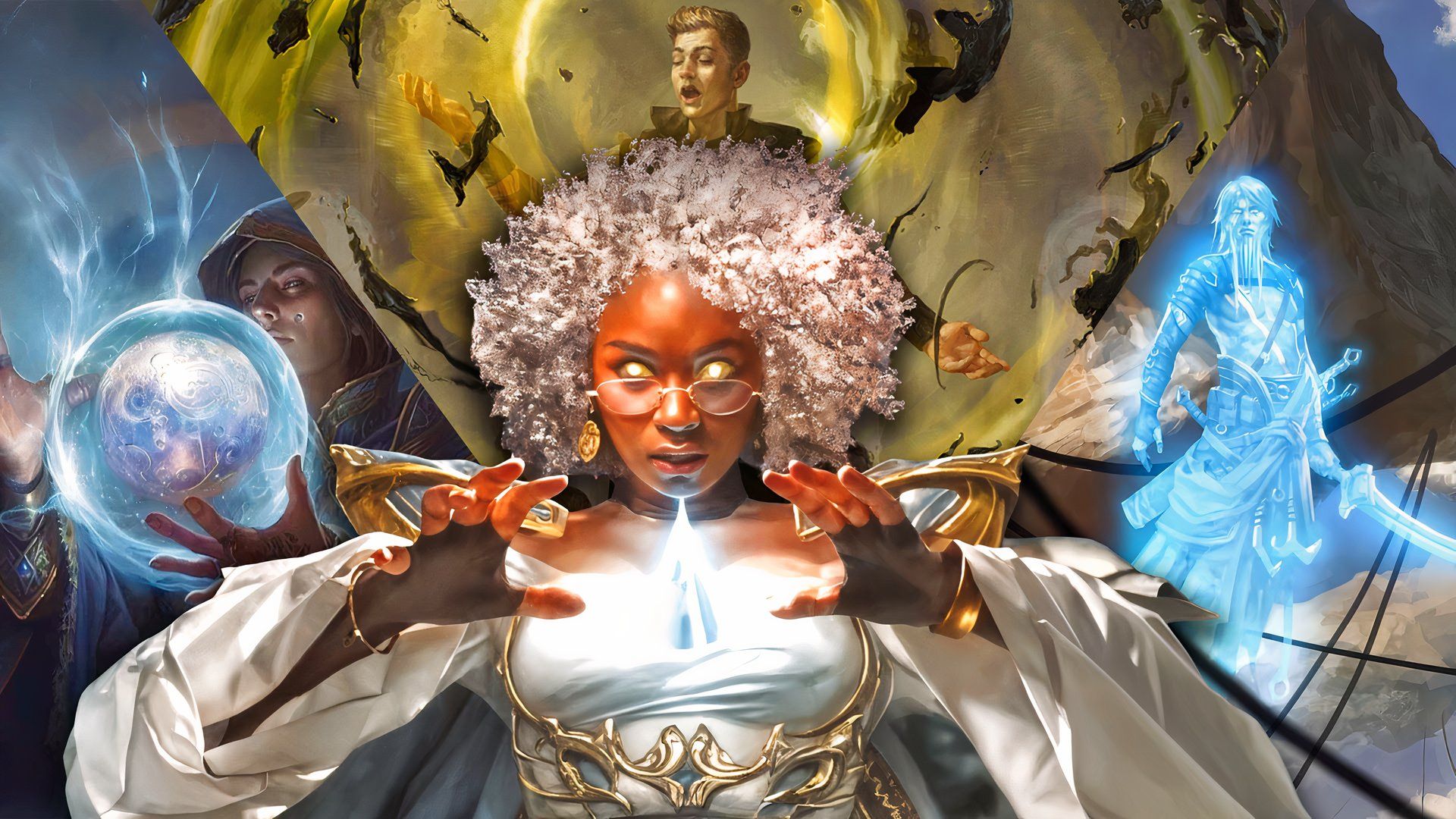
Players who enjoy creating spellcasting characters in tabletop role-playing games like Dungeons & Dragons have a lot to look forward to. Starting in 2026, regular seasonal releases will introduce new spells, giving magic users fresh options to explore. Savvy players who enjoy optimizing their characters might even find some of these new spells are incredibly powerful when used strategically.
Even before new adventures are released, some spells in Dungeons & Dragons 5th Edition and the 2024 Revised Edition are incredibly powerful, potentially disrupting the game. Skilled spellcasters who understand how to bend reality will want to include these spells in their repertoire. Interestingly, some of the most potent options are often overlooked until players carefully examine the details.
10. Contagion
Nerfed Stunlock Can Still Make For An Annoying Spell
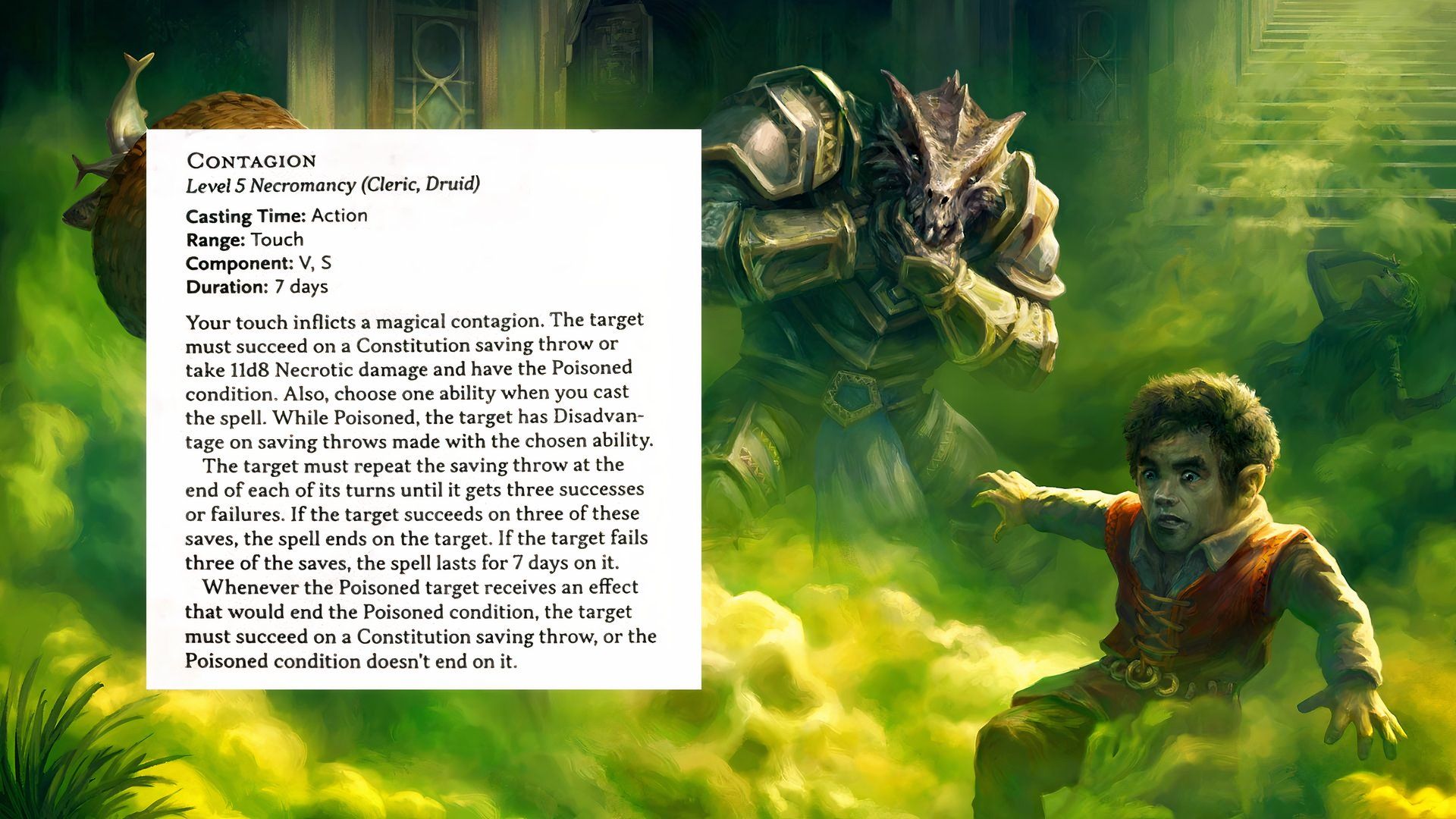
As a big fan of magic in movies and games, I’ve been looking at the latest updates to some spell effects, and a lot of them have been toned down. One that really caught my eye is Contagion. The older version, from 2014, was powerful – a 5th-level necromancy spell that could basically freeze bosses if they failed their saving throws. Basically, when you cast it back then, you’d inflict a really nasty condition on the target – giving them a penalty to ability checks and also a secondary effect. The worst one, and the most effective, was called Slimy Doom. It made it hard for the target to resist damage and stunned them every time they got hit – it was a game-changer!
The newest version of the Contagion spell isn’t as powerful as before, but it’s still quite effective. When cast, targets must still make a Constitution saving throw. However, if they fail, they now take 11d8 necrotic damage, become poisoned, and suffer disadvantage on saving throws using a specific ability. Being poisoned already makes it harder to hit or succeed at tasks, and this version of Contagion adds even more difficulty by making it harder to resist its effects with Charisma-based saves.
9. Spirit Guardians
Activation Difference Transforms Defense Into Lawnmowers
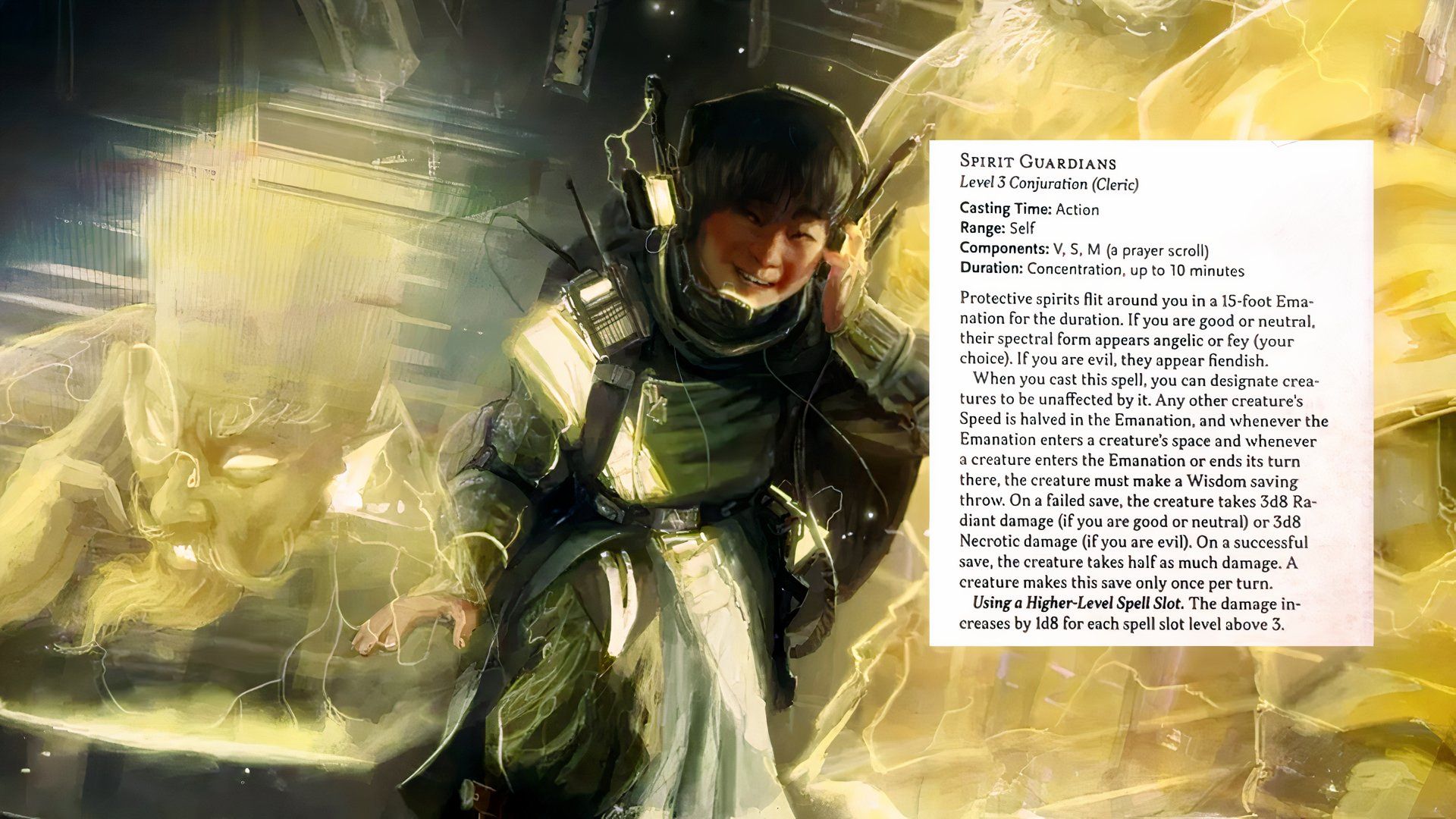
Clerics looking for extra protection can use Spirit Guardians to help them in difficult fights. These guardians not only reduce the movement speed of enemies entering their area, but older versions (from 2014) also dealt significant damage if an enemy failed a Wisdom saving throw. The updated version (2024) works more like a continuous damage zone, dealing the same amount of damage on a failed save, but under different circumstances.
In the 2024 edition, your Spirit Guardians still accompany you, but how they trigger their protective Save has changed. Instead of activating when enemies approach, they now activate when they move into an enemy’s space, or when enemies enter their space, or when enemies finish their turn there. Though this Wisdom Save can only happen once per turn, it still deals a significant 3d8 damage.
8. Simulacrum
A Nifty Cloning Tool, If Not For Its Infinite Loop
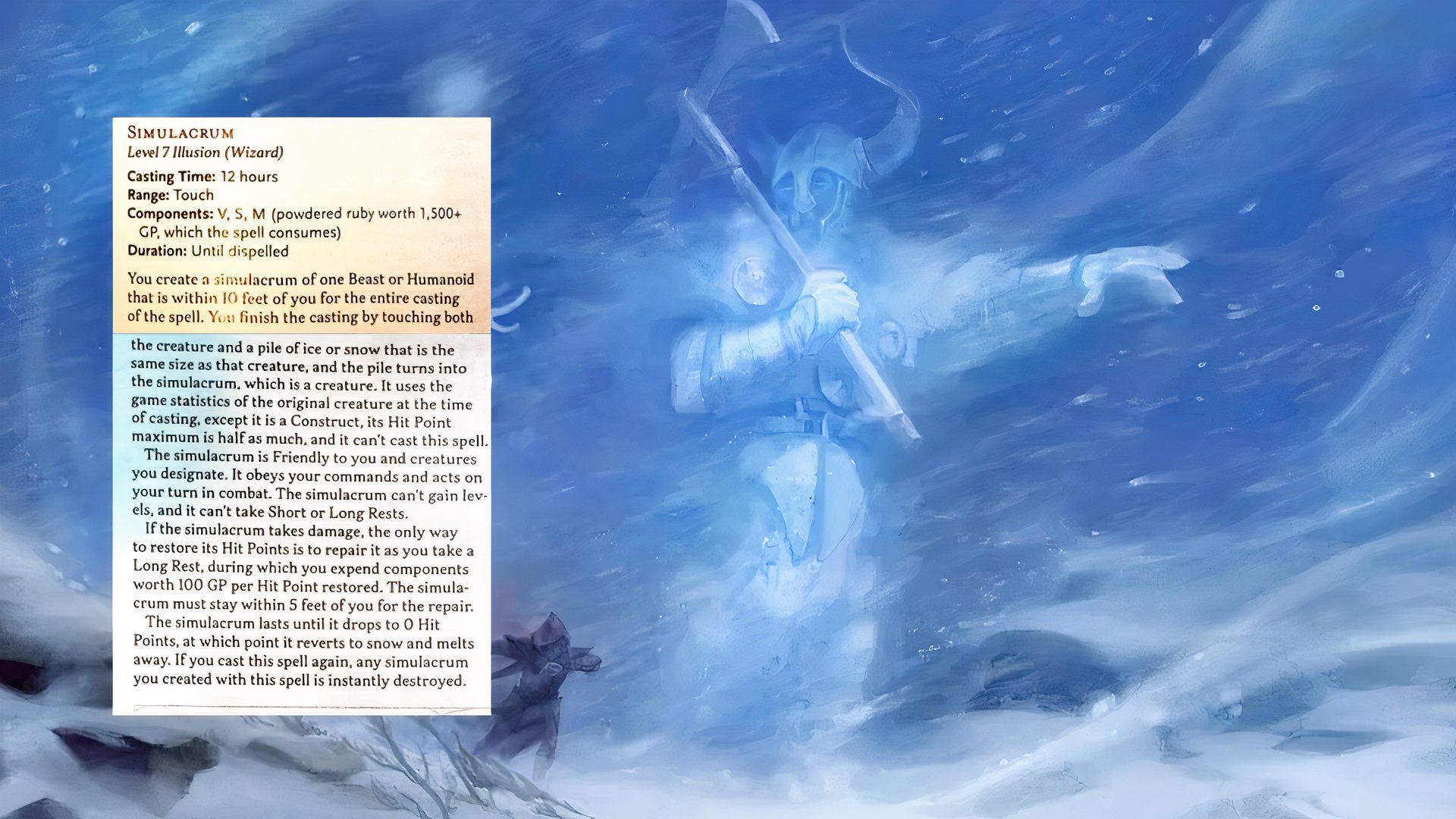
The Simulacrum spell has long been considered problematic in Dungeons & Dragons Fifth Edition, and continues to be a source of debate among players. The main issue is a potentially endless cloning loop. A spellcaster with a 9th-level spell slot can cast Simulacrum (a 7th-level spell) to create a copy of themselves. That copy can then use its 9th-level slot to cast Wish and recreate Simulacrum on the original caster, creating another copy with a fully available 9th-level slot – and the process can repeat indefinitely.
The recent update to the 2024 Simulacrum spell prevents a copy from casting Simulacrum itself, and stops the original caster from casting it again, which destroys any existing copy. However, the update doesn’t say a copy can’t use the Wish spell to recreate the effects of Simulacrum – that’s just using Wish for a specific result. Even without creating infinite copies, Simulacrum remains a powerful spell. You can use it to duplicate powerful enemies like bosses and their helpers, or even a strong ally to effectively double your team’s damage output.
7. Animal Shapes
Imagine Turning Critters Into Large Beasts
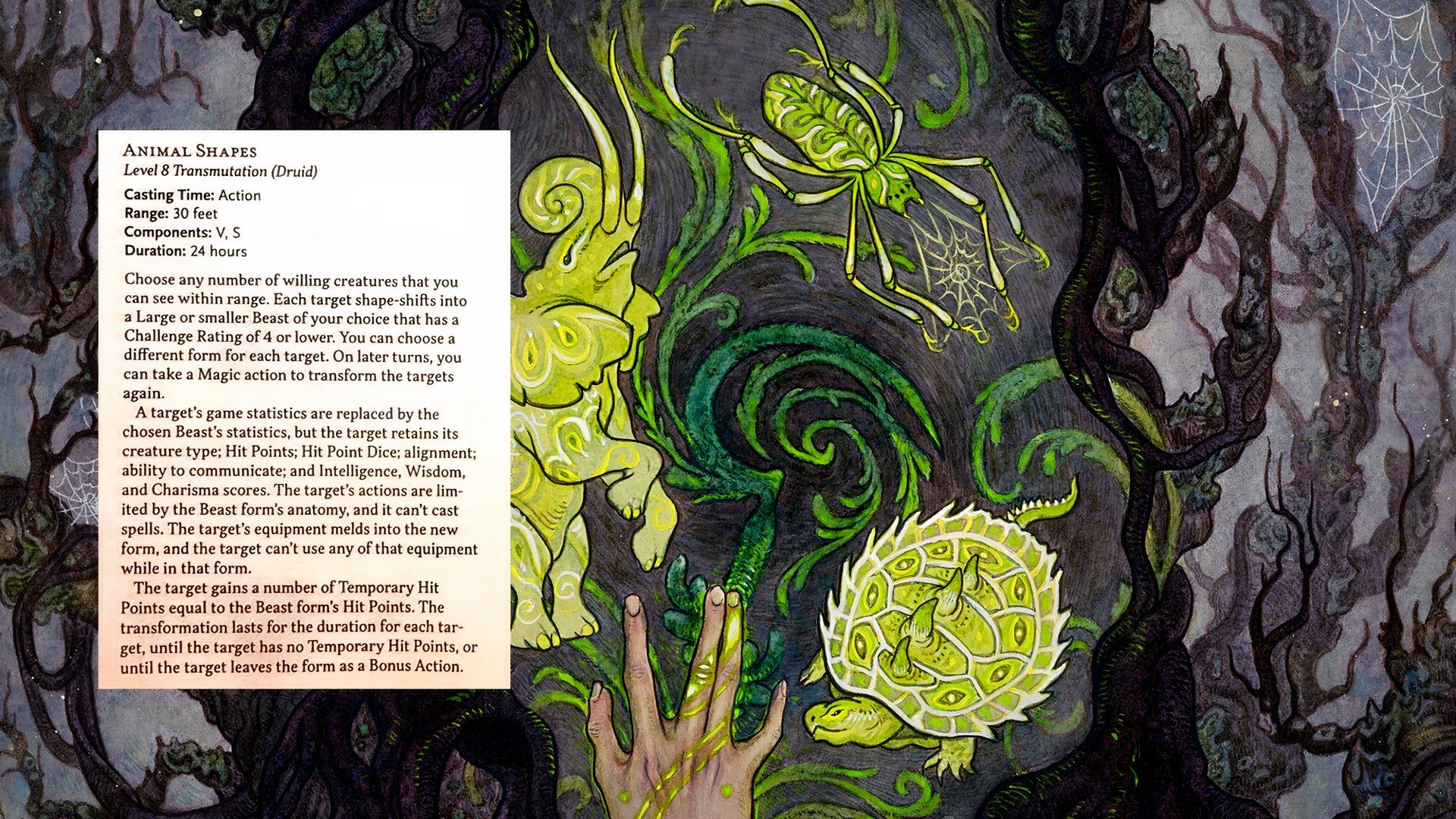
Druids in Dungeons & Dragons are known for their ability to transform, and the 8th-level spell Animal Shapes is a powerful example of this. The spell hasn’t changed much between its 2014 and 2024 versions, which allows for some creative—and potentially game-bending—strategies. Here’s why it’s so versatile: you can transform as many willing creatures as you like, each becoming a beast of Small or Medium size that you choose, and with a quick action on future turns, you can change them into entirely different creatures.
If enemies are within range (about 30 minutes), players can turn a small group of soldiers into creatures to fight for them. If any humanoids protest being asked to help, Druids have a clever solution: they can use a spell called Animal Friendship on a bag of rats, turning them into large beasts. This can quickly turn a simple fight into a chaotic stampede, or even force the Dungeon Master to handle a much larger battle. What’s really powerful is that if these transformed creatures survive, players can transform them again into something else entirely, with full stats, essentially creating an endlessly evolving fighting force.
Find all 10 pairs
Results
0
—
More Games
6. Forcecage
A Tough Prison To Get Out Of
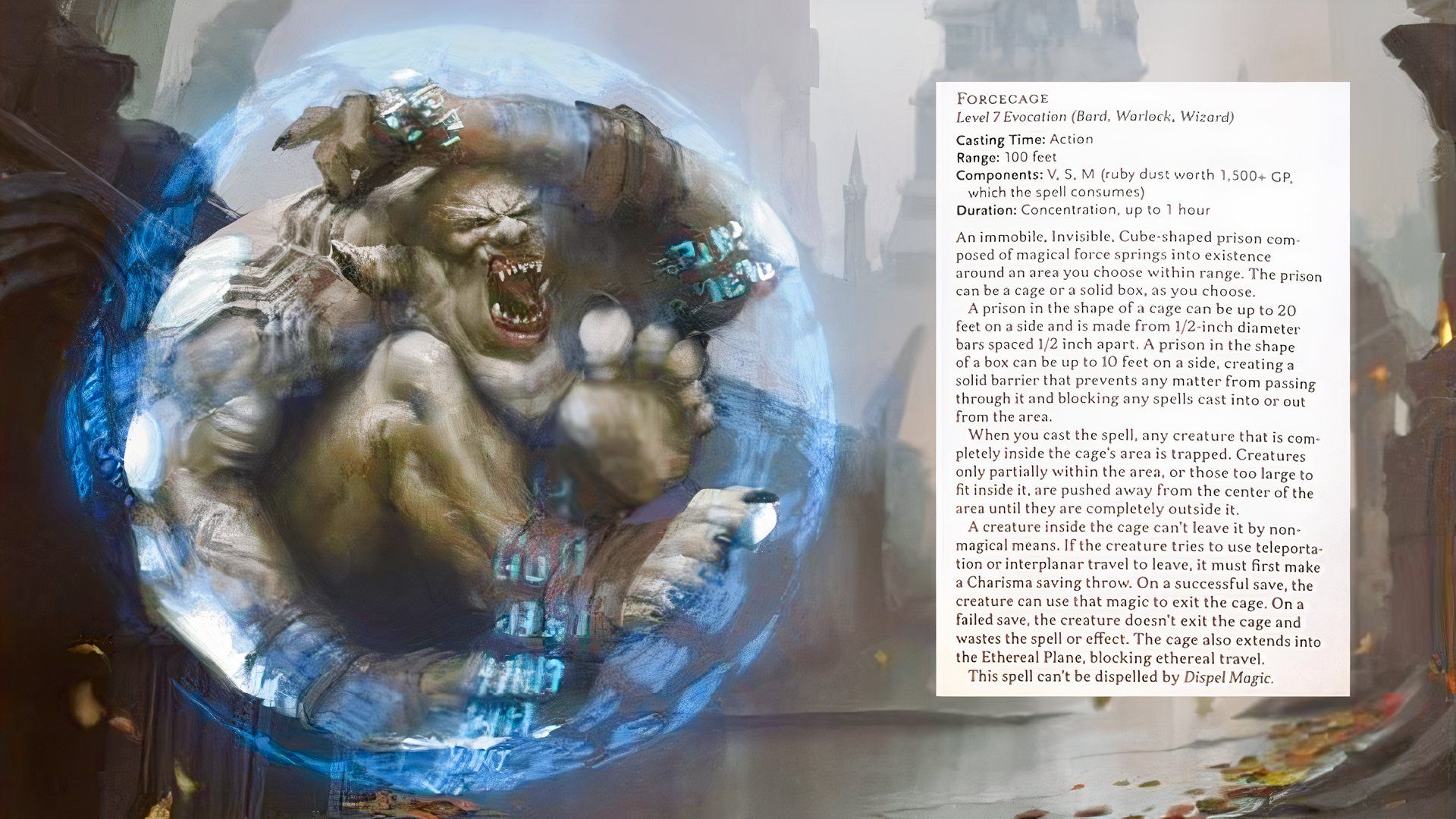
Forcecage was already known as a game-changing spell in the original Dungeons & Dragons Fifth Edition, and it remains a strong choice in the 2024 revised rules. While it’s become more expensive – requiring a minimum of 1,500 gold pieces worth of components and needing ongoing concentration – its effectiveness is hard to deny. Few abilities can reliably counter it, and its high level (7th) makes even attempting a Counterspell difficult, particularly for powerful monsters with limited spell options.
While Counterspell isn’t the only option, Disintegrate can also destroy a Forcecage. However, Disintegrate is a powerful 6th-level spell and requires a clear line of sight to the target. This means you need a way to see invisible creatures or objects to even target the Forcecage. Enemies can escape by teleporting, but only if they succeed on a Charisma saving throw and have a teleportation spell prepared. Failing that save would waste the spell. They also can’t simply escape to the Ethereal Plane, as the Forcecage prevents that.
5. Silvery Barbs
An Accessible Counterspell Replacement
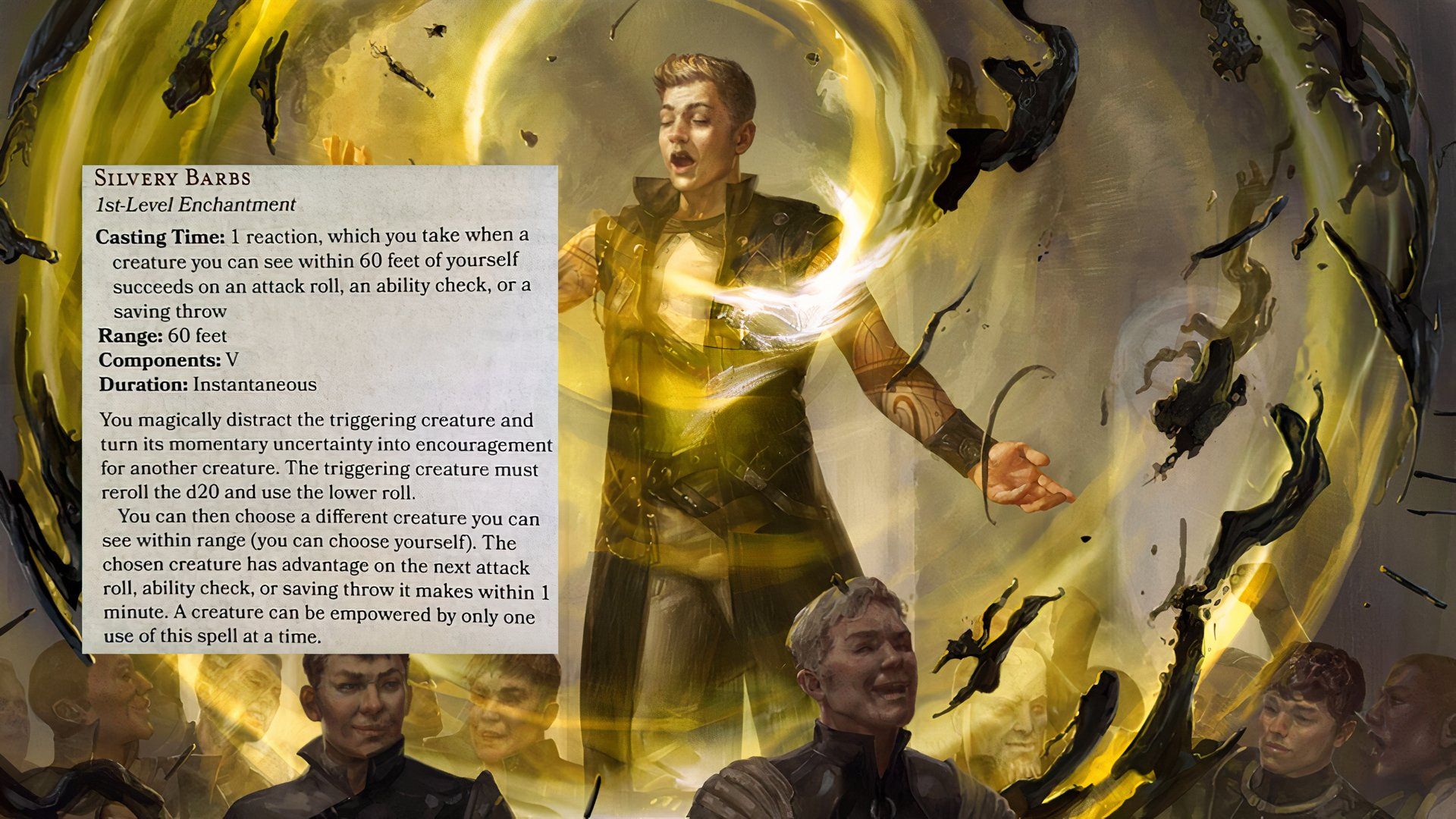
Instead of waiting to use Counterspell against an enemy spellcaster, players can use Silvery Barbs, a 1st-level enchantment from “Strixhaven: A Curriculum of Chaos”. This spell lets you react to an enemy’s roll, forcing them to take the worse of two d20 results. As part of that same reaction, you can also give an ally within range advantage on their next d20 roll within the next minute.
Silvery Barbs is a powerful ability, even better than Lucky Feat, because you don’t have to use it before rolling – you can react to an enemy’s successful roll of 20 and force them to roll again. This can potentially prevent negative consequences for your group. The main limitation is recent changes to how actions work in 2024; a character can’t use Silvery Barbs to improve their own spellcasting. However, another spellcaster can use Silvery Barbs to help the player.
4. Chromatic Orb
Instantly Damage Another Creature On Double Rolls
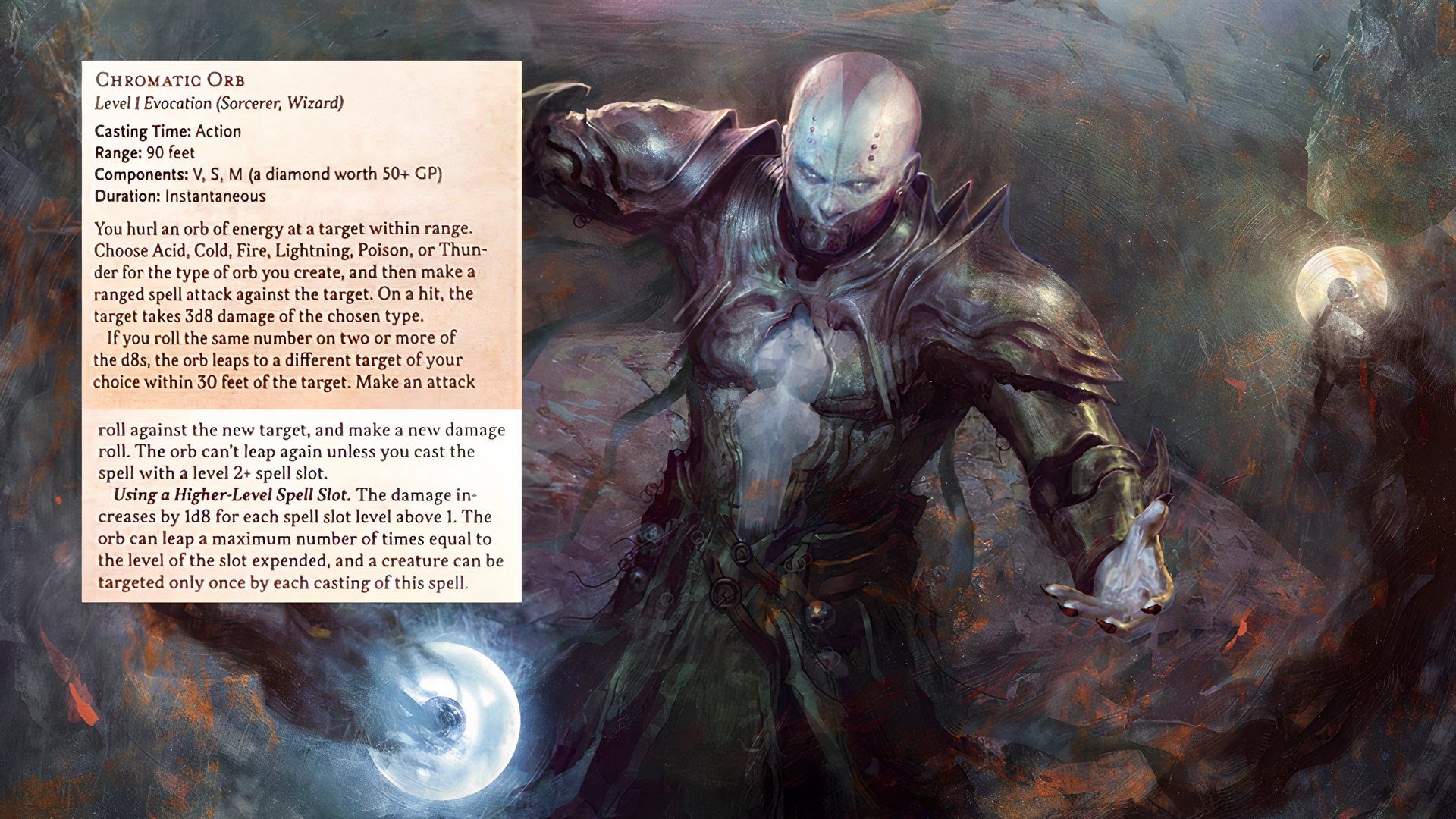
The 2024 Player’s Handbook includes some updates to spells, and one of these—affecting Chromatic Orb—makes it a surprisingly strong option for spellcasters. Players still choose the damage type when casting Chromatic Orb, but now, if the caster rolls the same number on two or more of the damage dice, the orb can ‘jump’ to another creature within 30 feet.
This spell’s damage can escalate incredibly fast. Even using a 3rd-level spell slot gives it about an 80% chance of rolling doubles (increasing to 90% at 4th level, and even higher at 5th and 6th levels – it’s almost guaranteed after that). At 7th level, a successful hit deals 9d8 damage to eight targets spread out 30 feet apart. What’s more, the rules don’t prevent the spell from harming allies, meaning any close-range teammates could potentially be caught in the blast.
3. Witch Bolt
Get A Free Damaging Spell After The Fact
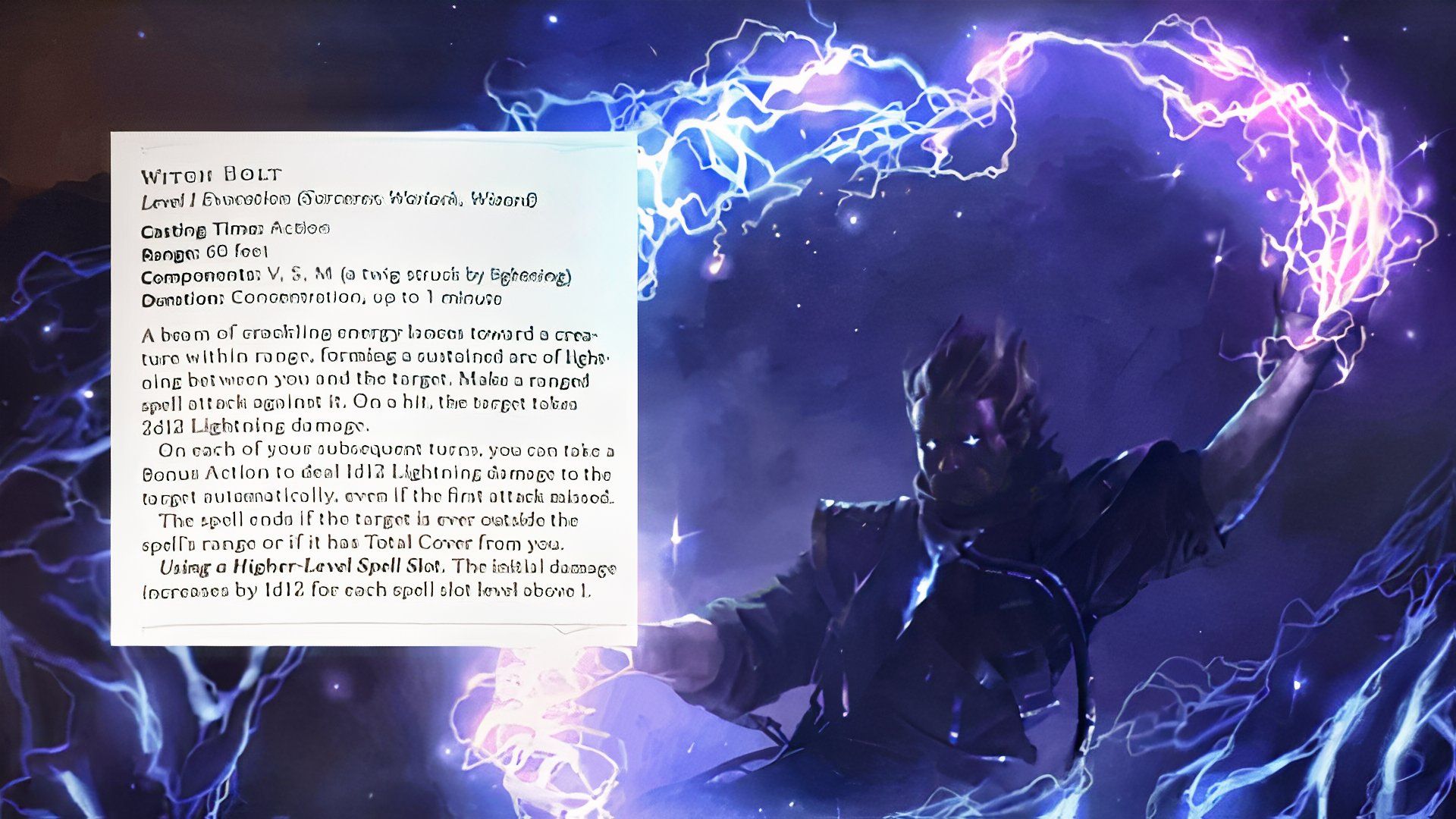
A great example of how a seemingly small change can dramatically improve a Dungeons & Dragons spell is the recent buff to Witch Bolt, making it one of the strongest abilities in the 2024 Revised Edition. Witch Bolt went from being almost useless to essential with just three minor tweaks: its range was doubled from 30 to 60 feet, subsequent damage can now be triggered with a Bonus Action instead of a full Action, and you can even trigger the extra damage even if the initial Witch Bolt misses its target.
I’ve been really impressed with the recent changes to Witch Bolt! It feels so much more dependable than Chromatic Orb now. The fact that it consistently deals 1d12 lightning damage every turn, and only costs a bonus action instead of another spell slot, is fantastic. Chromatic Orb can do more damage upfront with 3d8, but it always requires a full spell slot, and getting it to hit a second target feels really unreliable – it only happens if you roll double damage.
2. Conjure Animals
Create An Invincible Cannon Fodder
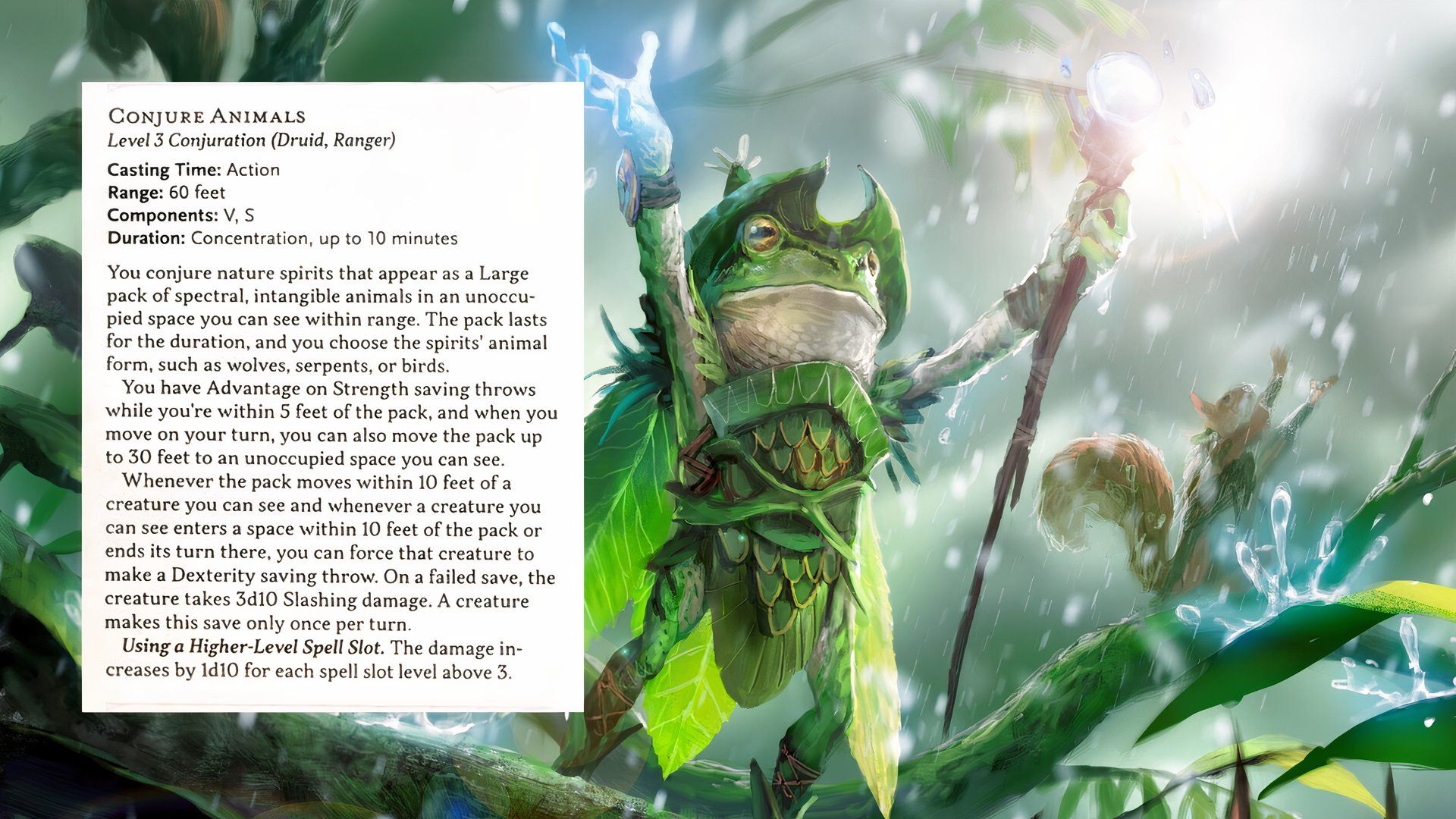
Dungeon Masters are familiar with the frustration of Druids relying too heavily on summoning creatures to solve problems, and the Conjure Animals spell is a prime example. Both the versions from 2014 and 2024 simply create creatures to help the Druid. What makes Conjure Animals so problematic, though, is deciding which version of the spell a Dungeon Master will allow, as both can be difficult to manage during gameplay.
The 2014 version of the Conjure Animals spell is powerful, letting players summon up to eight small creatures to act as distractions, extra attackers, or even obstacles in combat. For scouting, you could summon fewer, but stronger, creatures. However, managing so many individual creatures can be a lot of work for the Dungeon Master. The updated 2024 version simplifies things. Instead of multiple creatures, it creates one large, invulnerable pack that acts on the caster’s turn. This pack can also force creatures nearby to make a Dexterity saving throw or take significant slashing damage. Both versions of this 3rd-level spell can give a party a big edge, but offer very different gameplay experiences.
1. Conjure Minor Elemental
Turn A Literal Force Of Nature Into A Beefy Ally
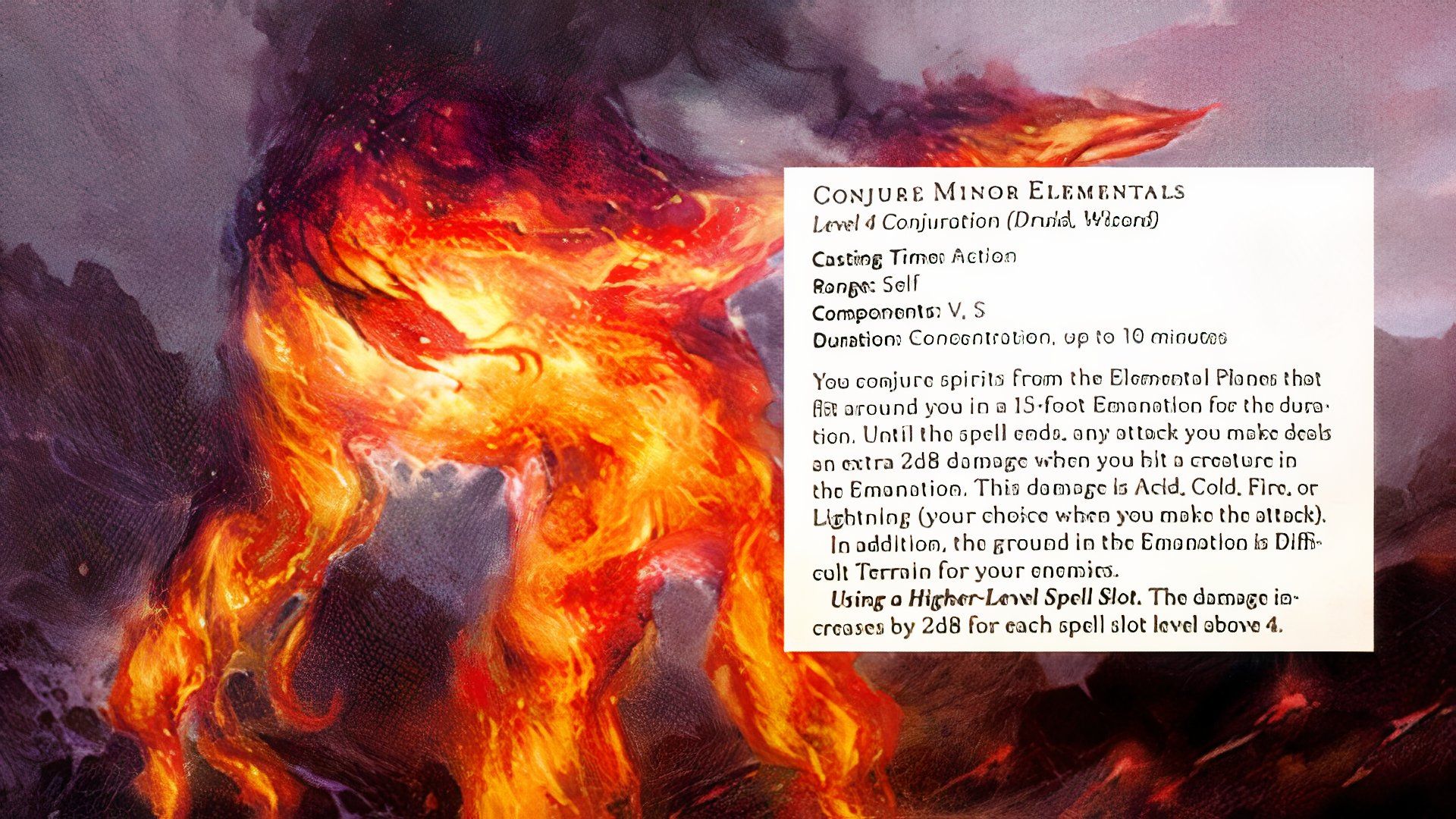
The recent changes in the 2024 Player’s Handbook have impacted many spells, and one of the biggest improvements is to Conjure Minor Elemental. Not only does this spell now feel more powerful thematically – like a true force of nature – but it’s also become quite strong in terms of gameplay. Specifically, this 4th-level spell creates a 15-foot area that lasts for 10 minutes, requiring the caster to maintain concentration. This area counts as difficult terrain, and the elemental itself deals 2d8 damage of a type chosen by the player when it attacks.
As players gain levels, the Conjure Minor Elemental spell can become extremely powerful. The damage it deals increases with each spell level above 4th, potentially reaching 10d8 with an 8th-level spell slot. This means a Minor Elemental could cast a 7th-level Scorching Ray, firing eight bolts that each deal a significant amount of damage – up to 2d6 plus the Elemental’s 10d8, totaling a possible 416 damage.
Read More
- All Shadow Armor Locations in Crimson Desert
- How to Get the Sunset Reed Armor Set and Hollow Visage Sword in Crimson Desert
- Jujutsu Kaisen Season 3 Episode 12 Release Date
- Best Bows in Crimson Desert
- Dark Marksman Armor Locations in Crimson Desert
- Wings of Iron Walkthrough in Crimson Desert
- All Golden Greed Armor Locations in Crimson Desert
- How To Beat Ator Archon of Antumbra In Crimson Desert
- Top 5 Militaristic Civs in Civilization 7
- All Helfryn Armor Locations in Crimson Desert
2026-03-31 07:37