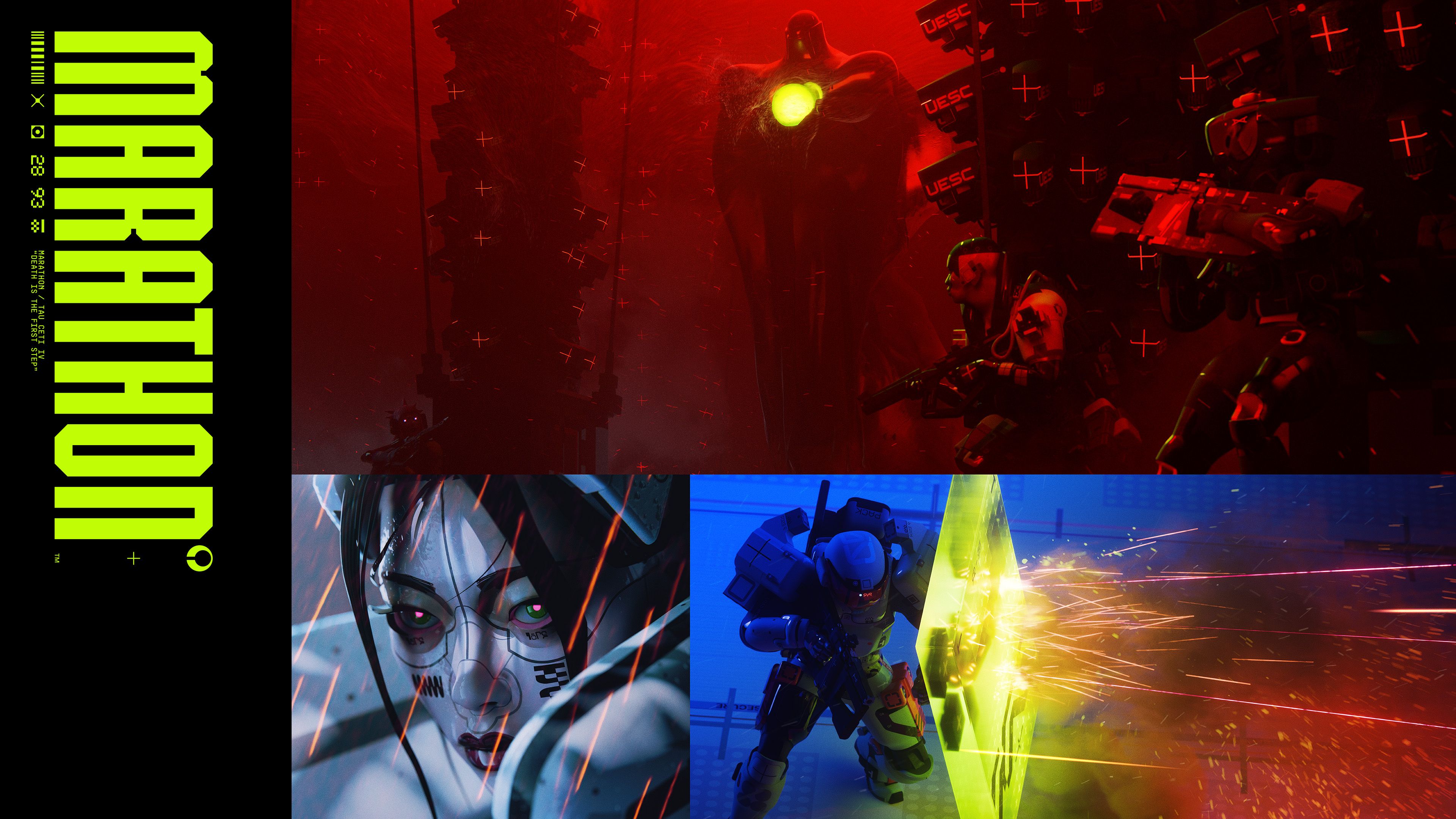
Three weeks ago, I gave my initial thoughts on Marathon. After playing for around 15 hours, I was really impressed. The shooting and movement felt great, the different factions were satisfying to work with, and the game’s overall style was a step above most shooters. However, it wasn’t perfect.
In my first impressions of Marathon, I talked about how challenging it was to learn the game and get used to its basic mechanics. I thought sticking with it was worthwhile, but also that the difficulty would likely discourage many players. After playing for another 20 hours, I still feel the same way about the learning curve. However, the more I play Marathon, the more I realize its strengths far outweigh its weaknesses.
It’s a Marathon, Not a Sprint
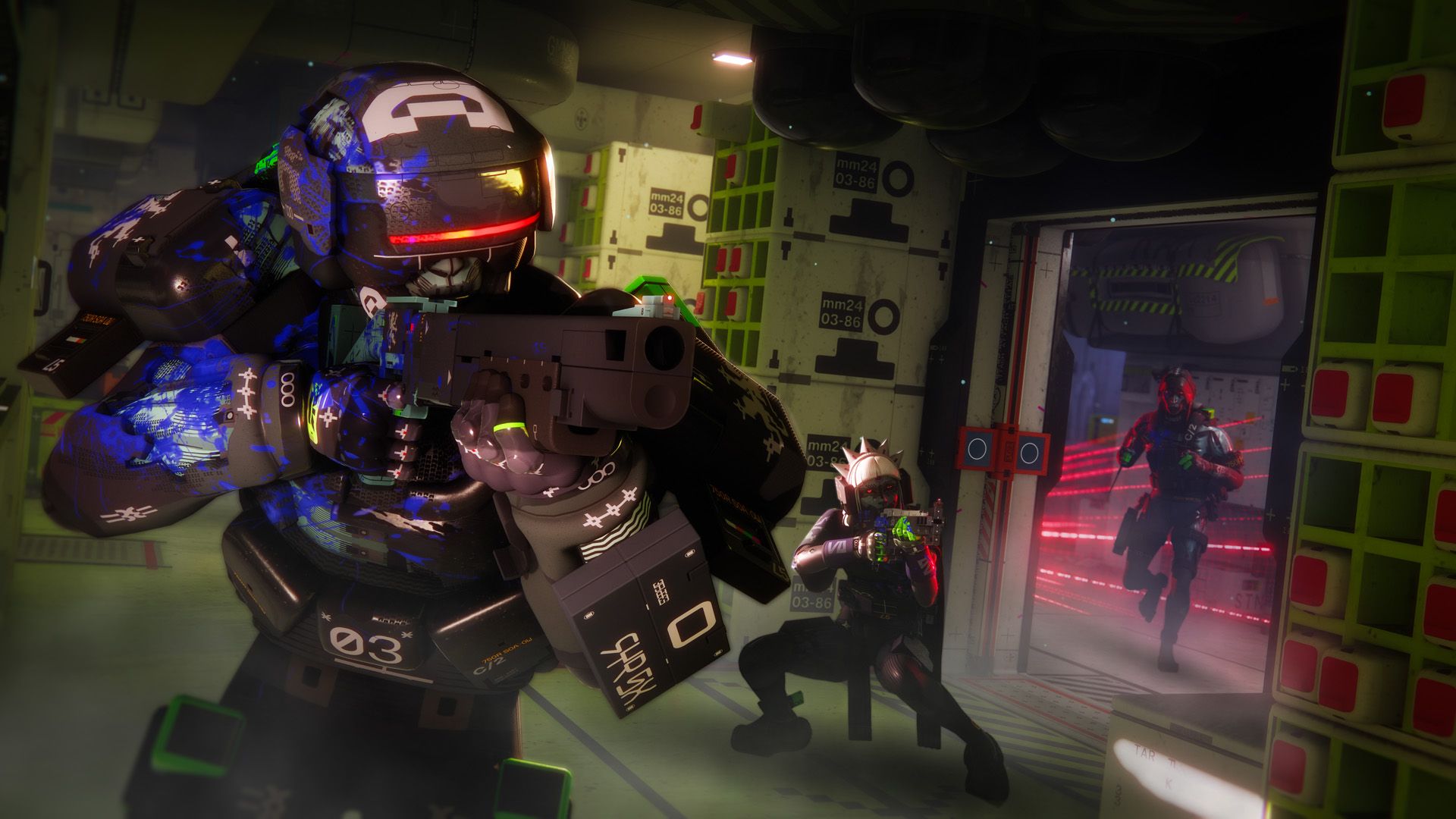
The biggest challenge for new players of Marathon is its steep learning curve and how overwhelming it can be at first. The game teaches you how to fight and collect items, but doesn’t explain why you’re doing those things or what your overall goal is. This often leads to frustrating early experiences where players feel stuck and don’t see much progress.
When you first start playing Marathon, you’ll find yourself on a surprisingly large and complex map with buildings that have multiple floors, winding paths, and dangerous areas filled with environmental hazards. New players often spend a lot of time in their first few matches just reading the descriptions of items in containers to figure out what they do and how useful they are to the game.
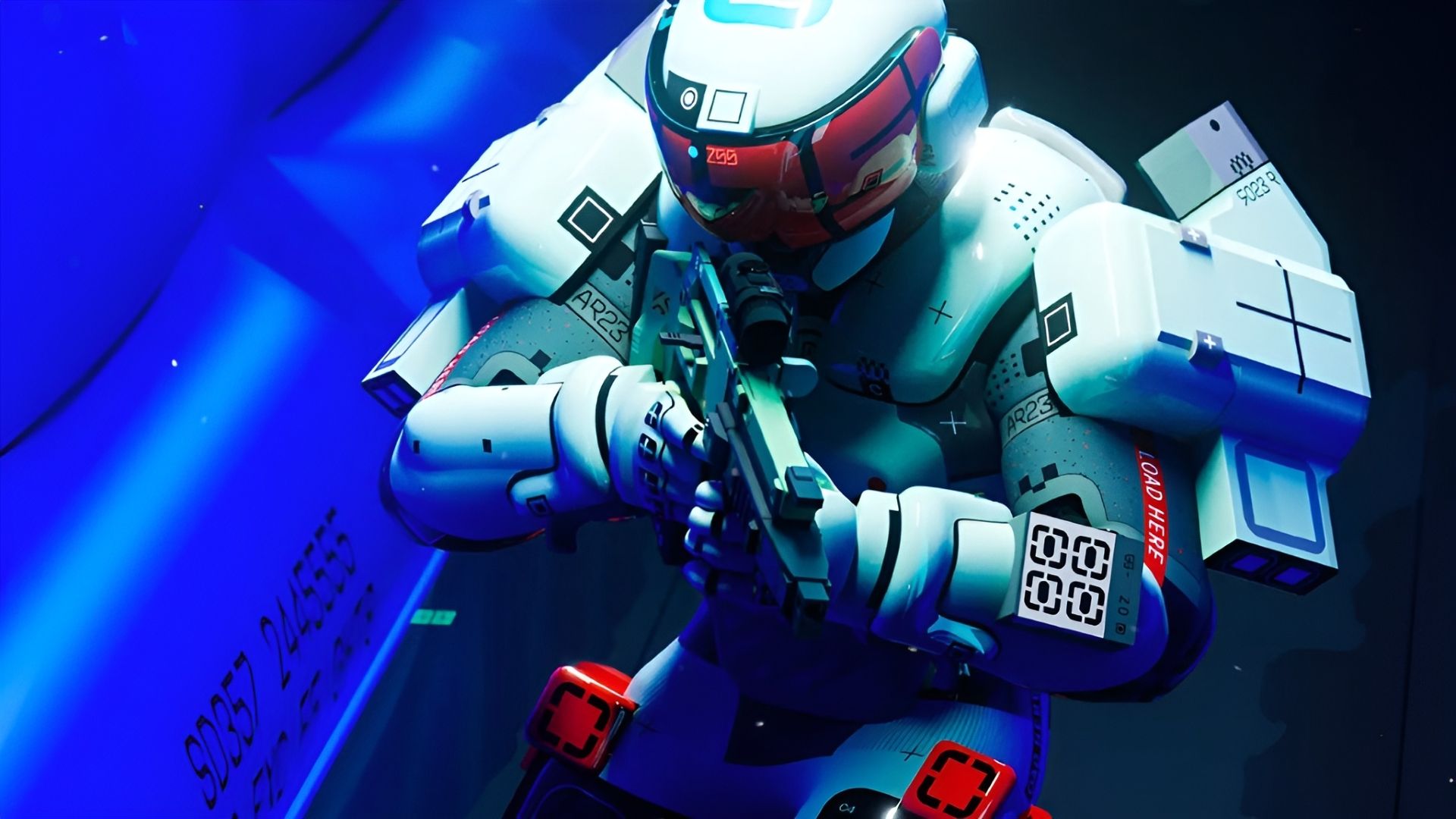
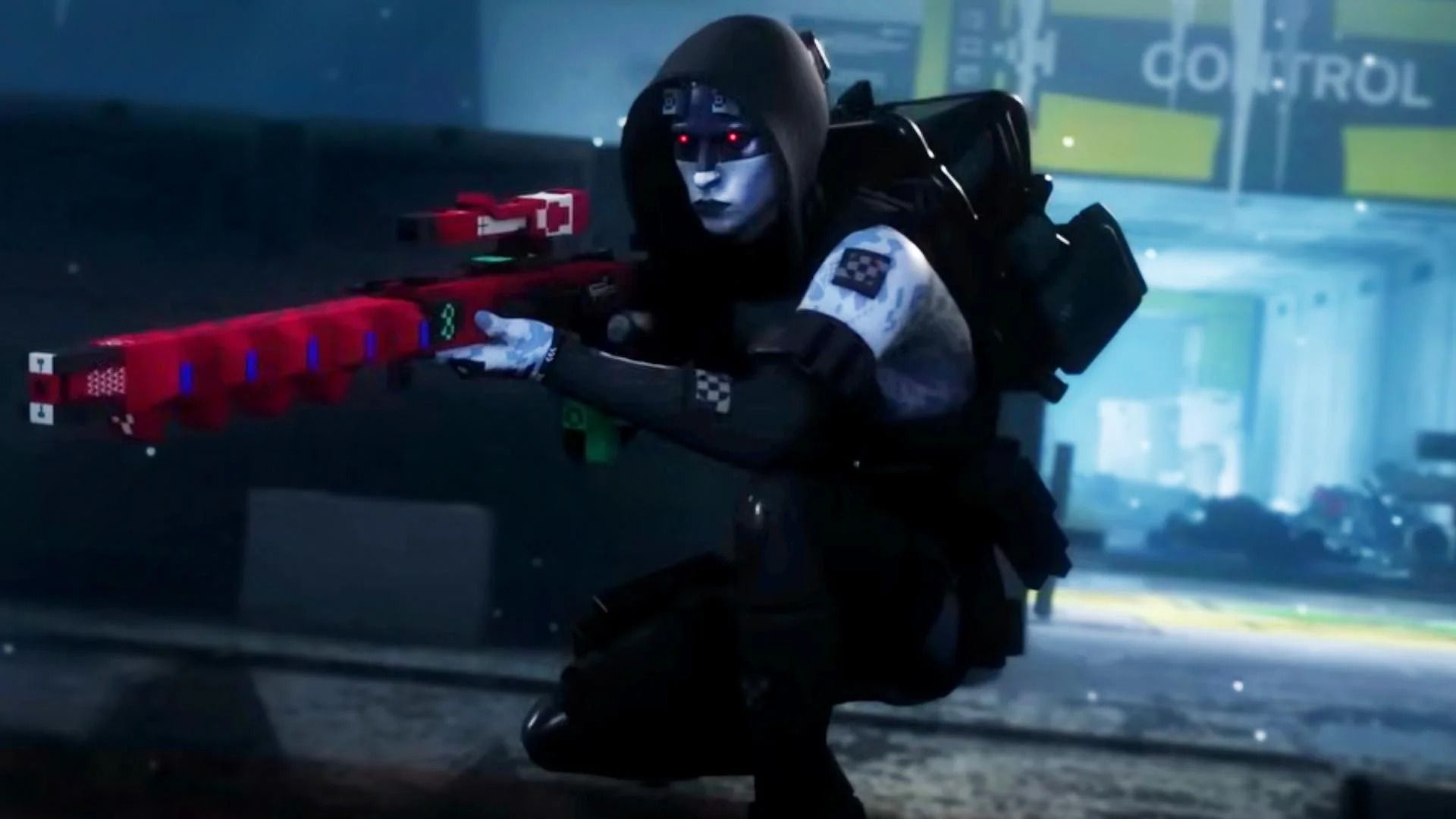
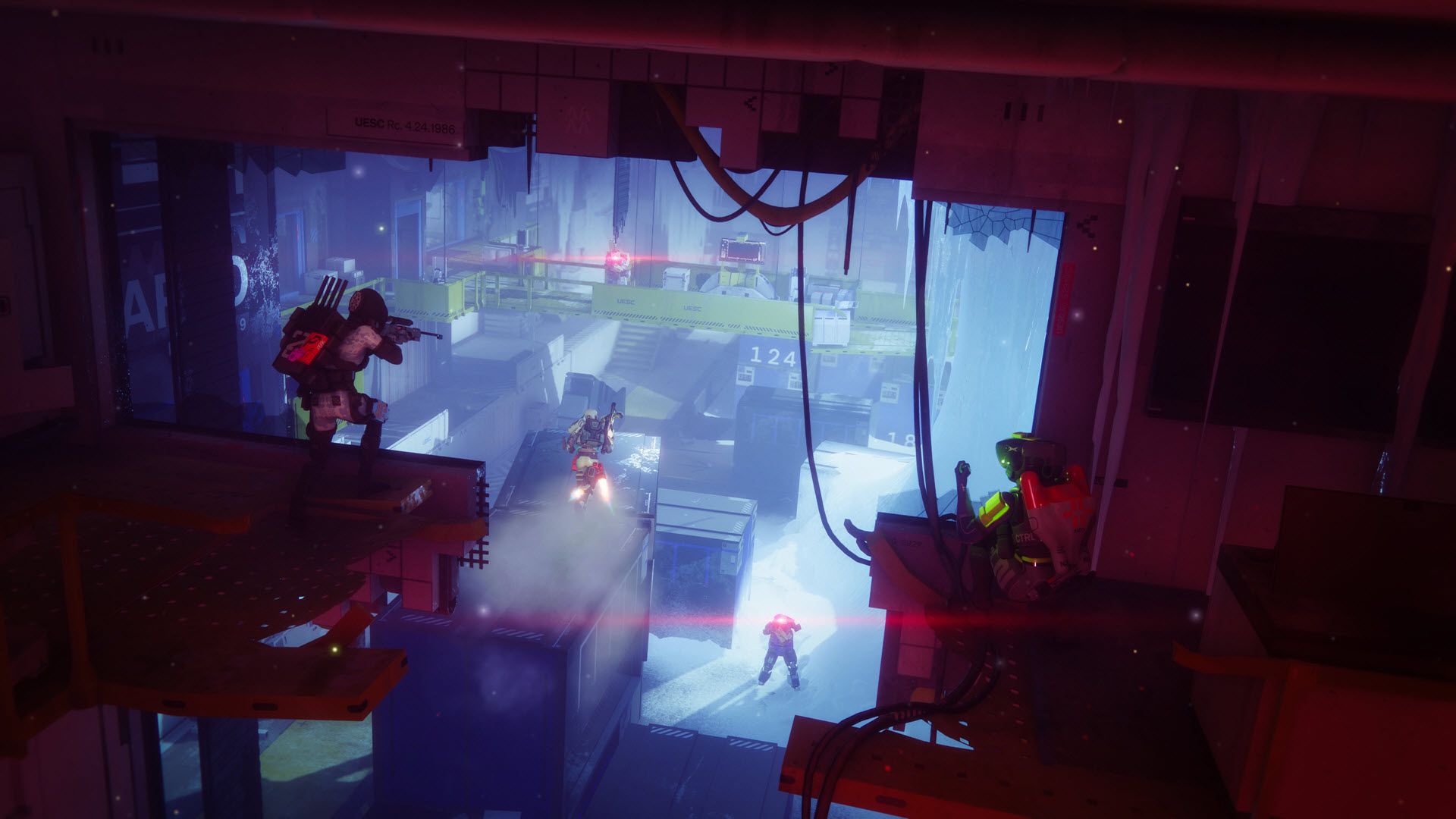
New players can easily be caught off guard by enemies while looking at the menu, often leading to quick defeat and the loss of their equipment. This frustrating experience is especially common when playing alone, as there’s no one to help revive you and it’s easier to be overwhelmed by both AI opponents and other players.
When you first start playing Marathon, it can feel overwhelming and confusing due to its complicated systems and lack of clear explanations. The game focuses heavily on player-versus-player combat, which might even challenge experienced fans of extraction shooters. However, if you can get past the initially difficult learning curve – a big ask in today’s gaming landscape – Marathon transforms into a deeply captivating and unique experience.
Nailing the Fundamentals
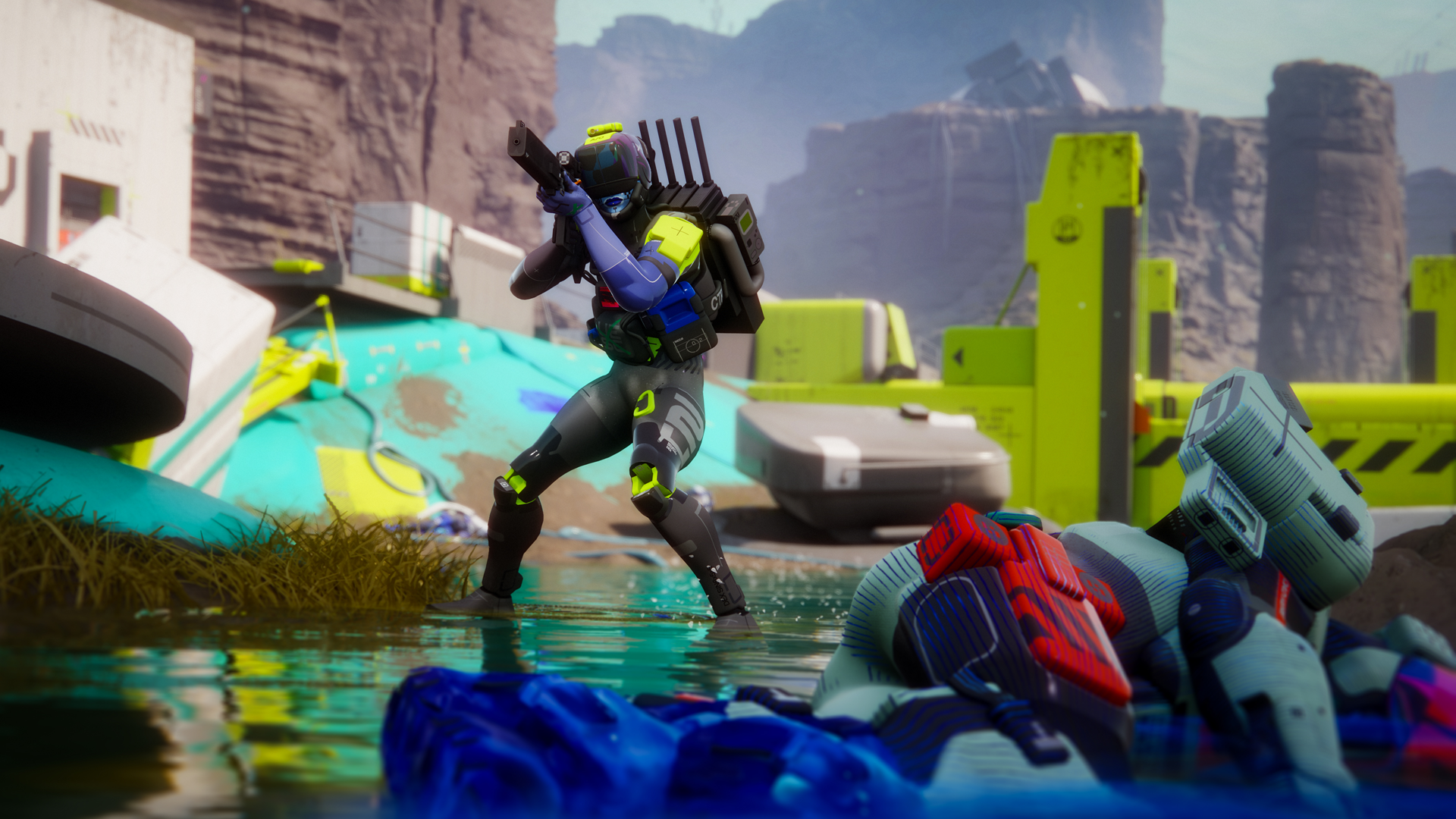
Despite a somewhat rocky start, the basic gameplay of Marathon feels remarkably well-built. As you’d expect from the creators of Halo and Destiny, the shooting is instantly enjoyable. Marathon boasts nearly 30 weapons, each with a unique look, sound, and feel, even if some are more effective than others. Players can also customize their weapons with a wide variety of attachments, letting them create a build that matches how they like to play. This system works well with the game’s class-based character progression.
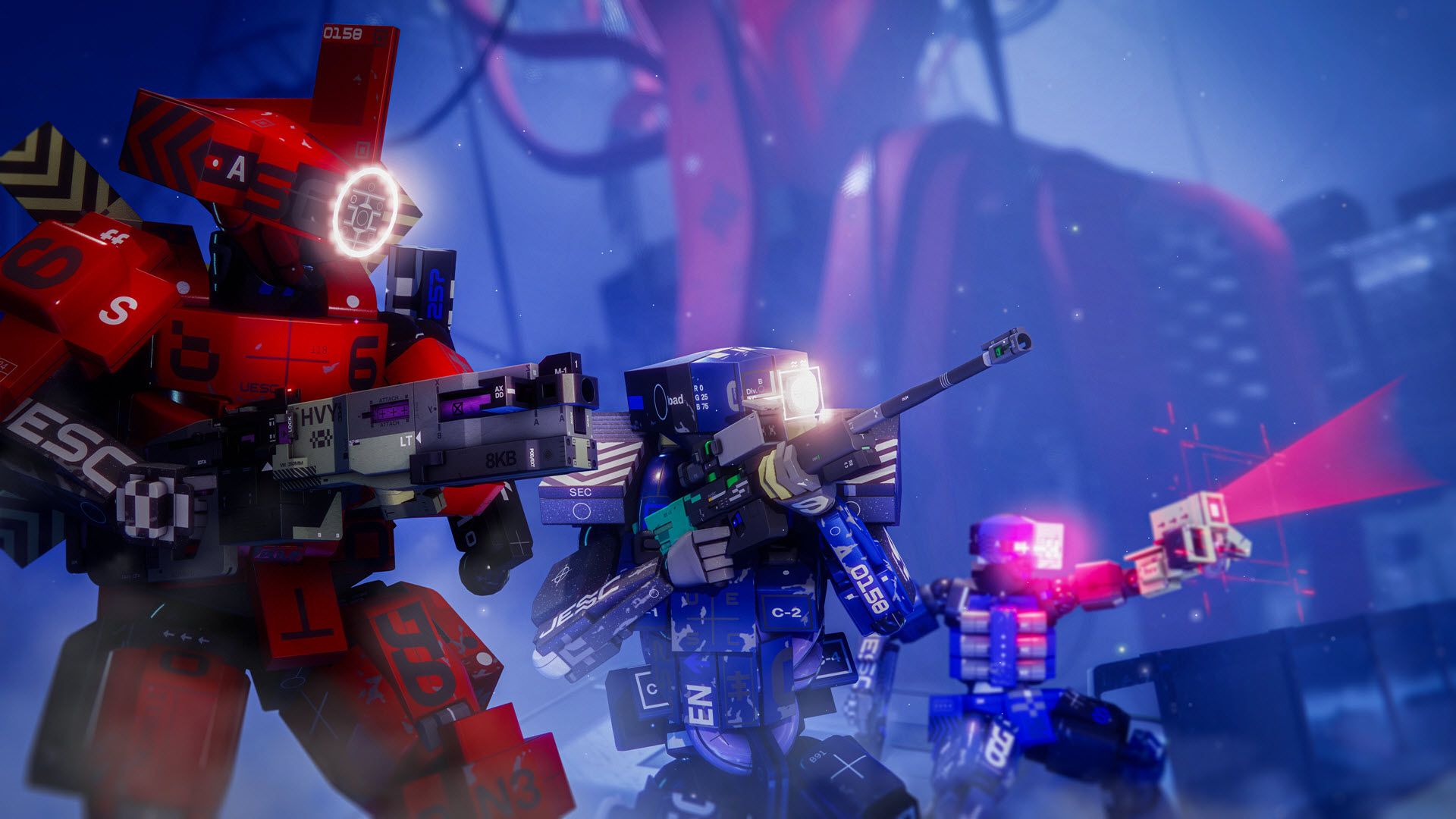
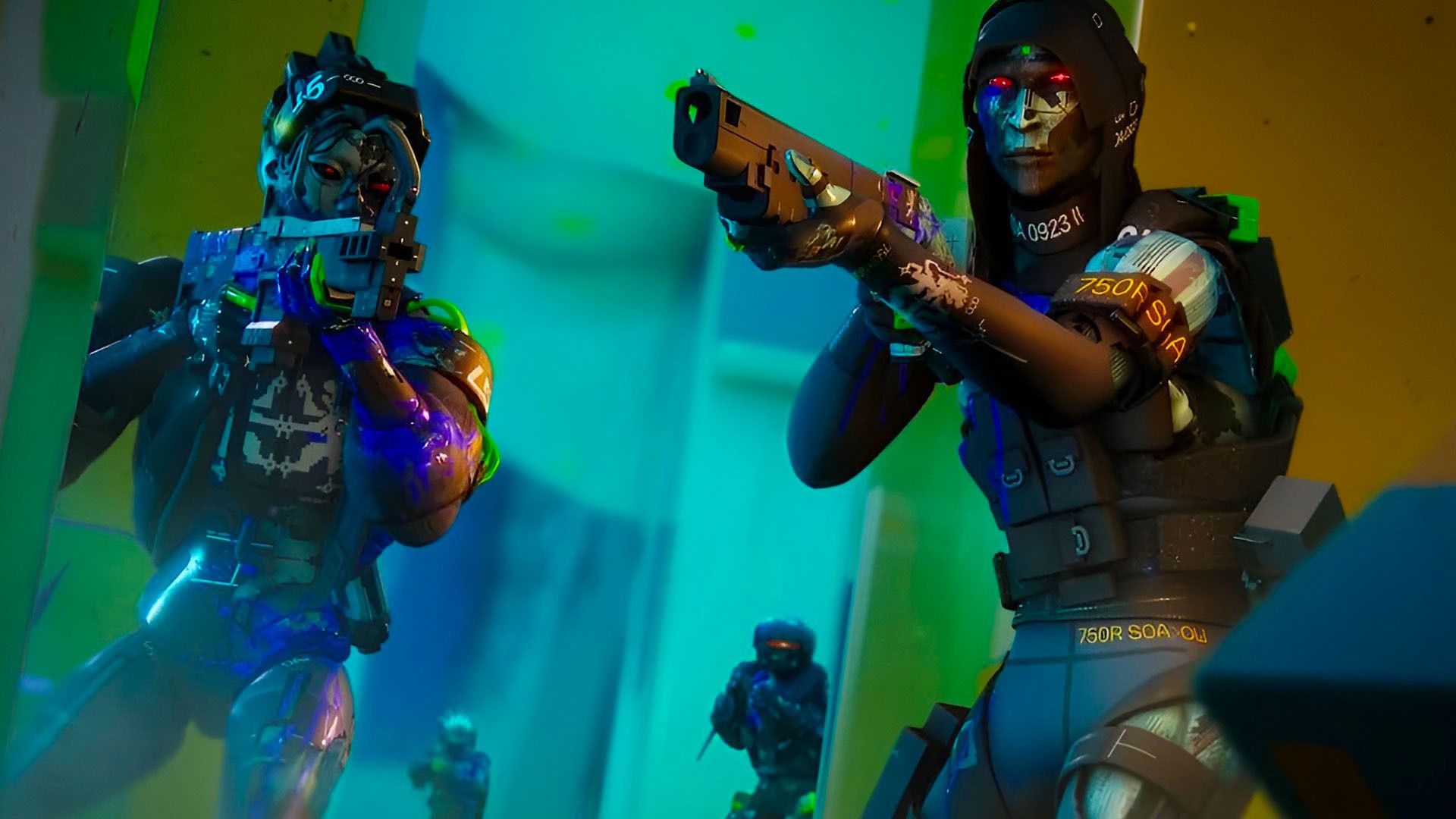
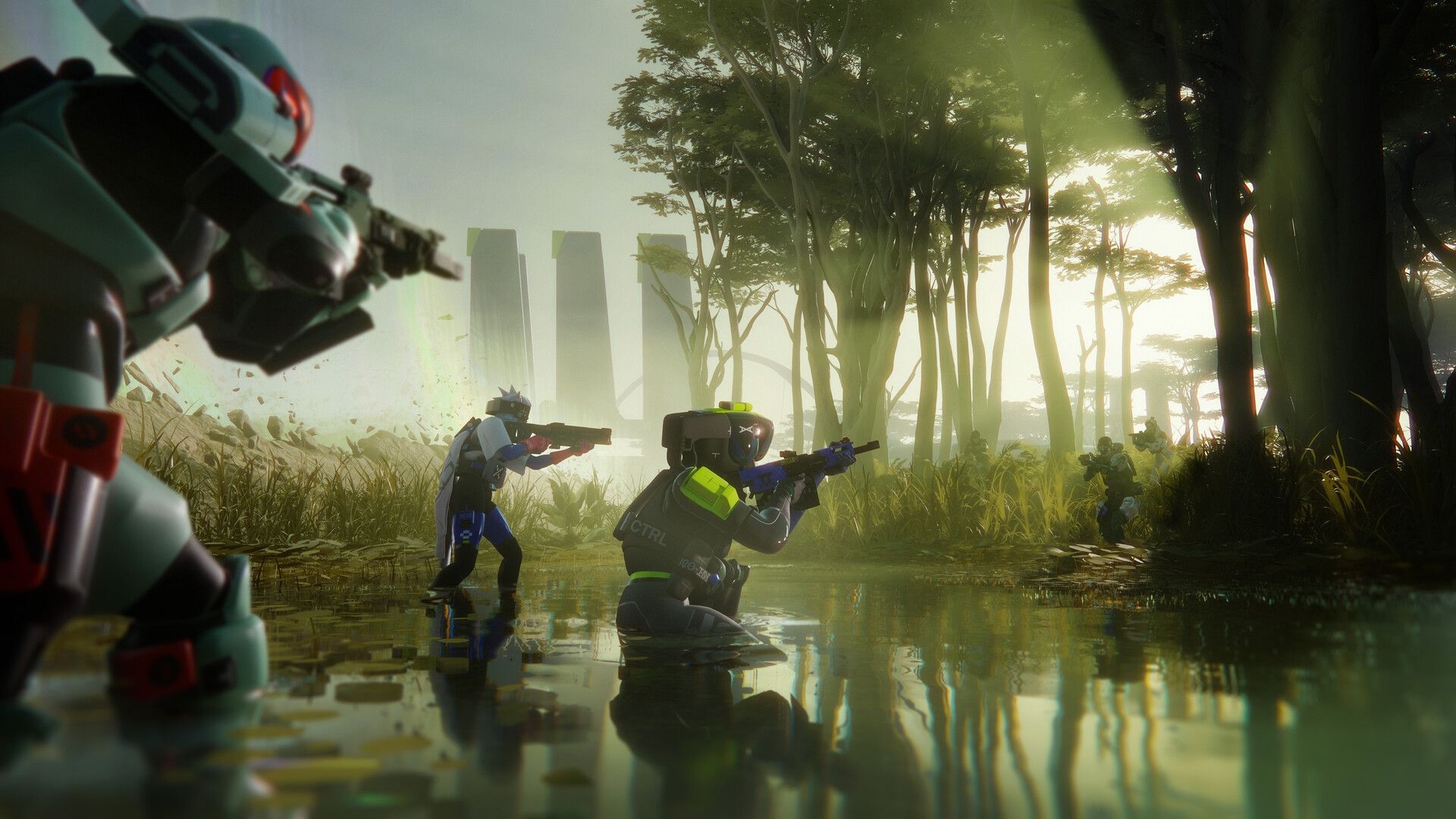
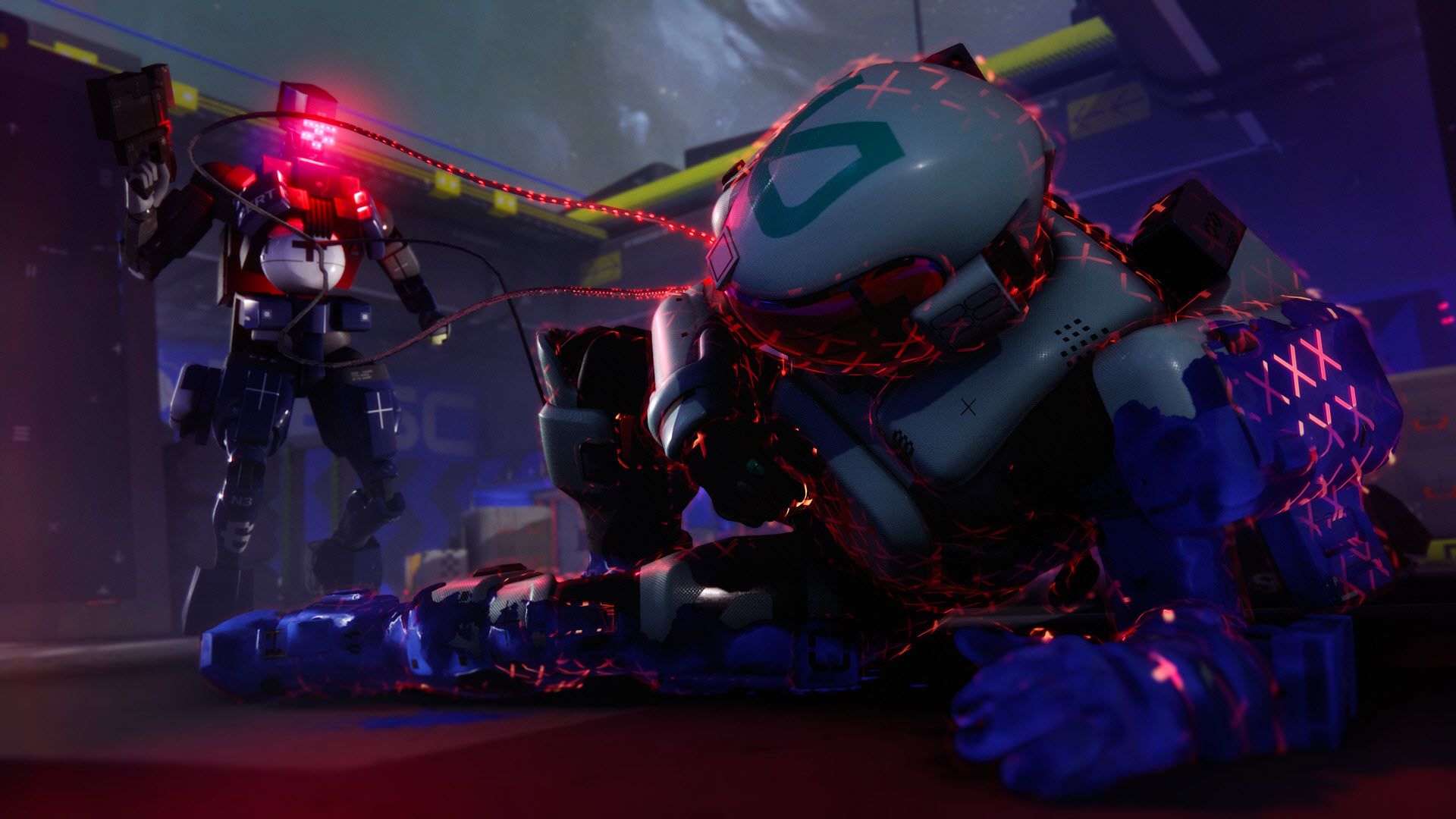
Known as “Runner Shells,” Marathon features seven different classes, and each one has a unique set of active and passive skills. While these skills aren’t necessarily groundbreaking for the hero shooter genre, they are diverse and function very smoothly within Marathon’s gameplay. The Triage Shell is a good example. It’s a classic medic class, letting you heal teammates with a robot and revive them from a distance. You’ve seen similar abilities in other multiplayer games, but they’re exceptionally well-balanced in Marathon. Because the game doesn’t offer much in the way of healing items you can find during a match, Triage’s skills are consistently useful.
Honestly, what really blows my mind about these Runner Shells is how good they are whether I’m playing solo or with a team. Sure, Triage’s revive might not always be necessary, but it can seriously dish out some damage, and that little healing bot can be a lifesaver in those close-quarters fights. It’s the same with every Shell in Marathon – they all have at least one or two skills that are just as, or even more, helpful when I’m flying solo compared to when I’m playing with others.
Over the Hump and Into the Home Stretch
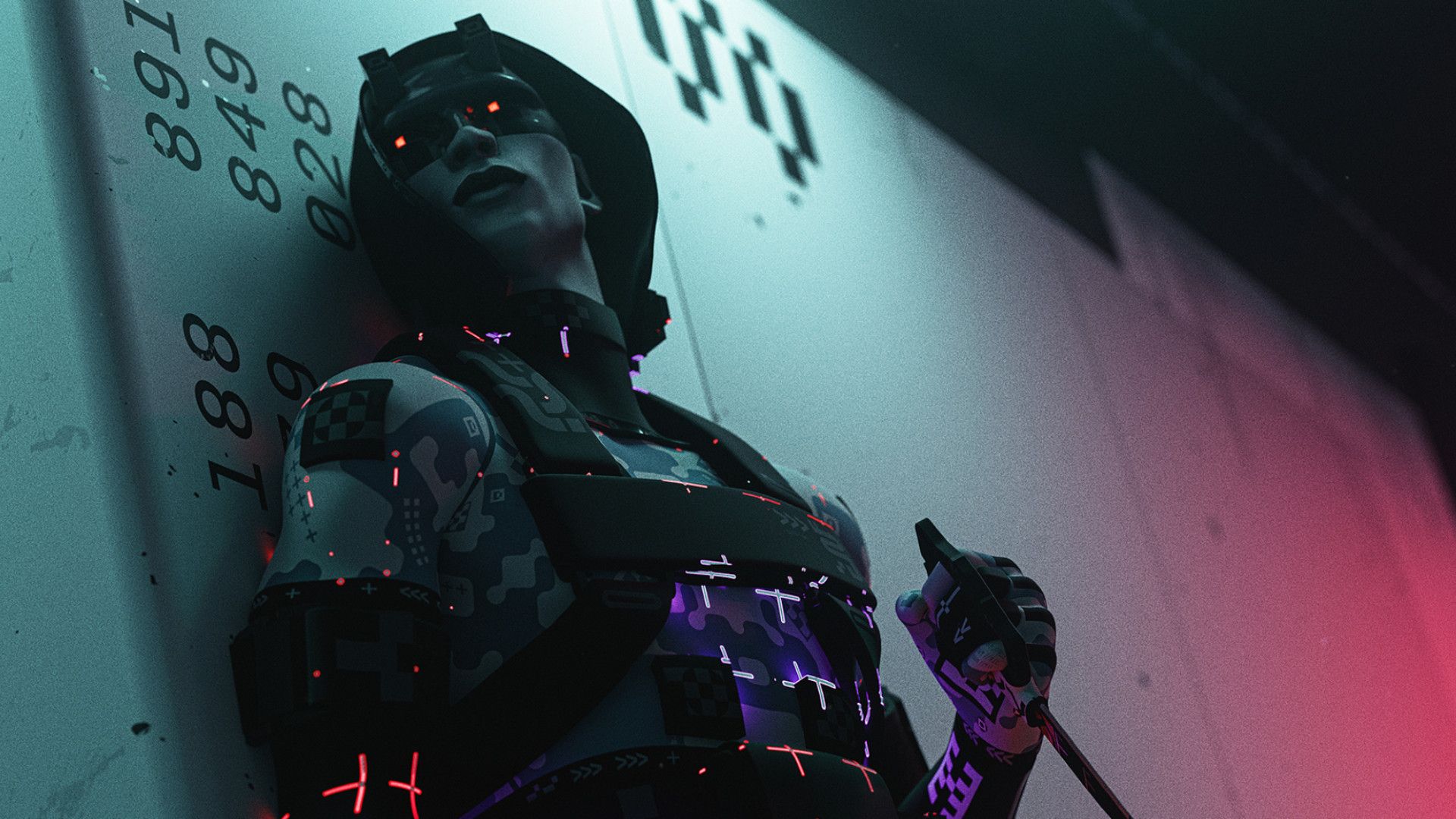
Because of its strong core gameplay, Marathon should be able to draw new players in and keep them engaged for a few hours. However, what will really keep players hooked long-term is the game’s Faction system. As you play, you’ll encounter six different futuristic factions: CyberAcme, Arachne, NuCaloric, Traxus, MIDA, and Sekiguchi.
The different factions in Marathon are central to how the game works, offering missions with generally helpful rewards. While the missions themselves aren’t particularly original – many involve collecting items in multiple stages – they provide a much-needed story and gameplay structure for this type of shooter. In the early hours, these faction missions effectively act as a tutorial, showing new players what resources to look for and familiarizing them with each map. They also lessen the frustration of losing your gear, as many early missions don’t require you to successfully escape to make progress. Even after playing for over 30 hours, these missions continue to be a helpful guide, gradually revealing the intricacies of each map and game mechanic, and steadily boosting player confidence.
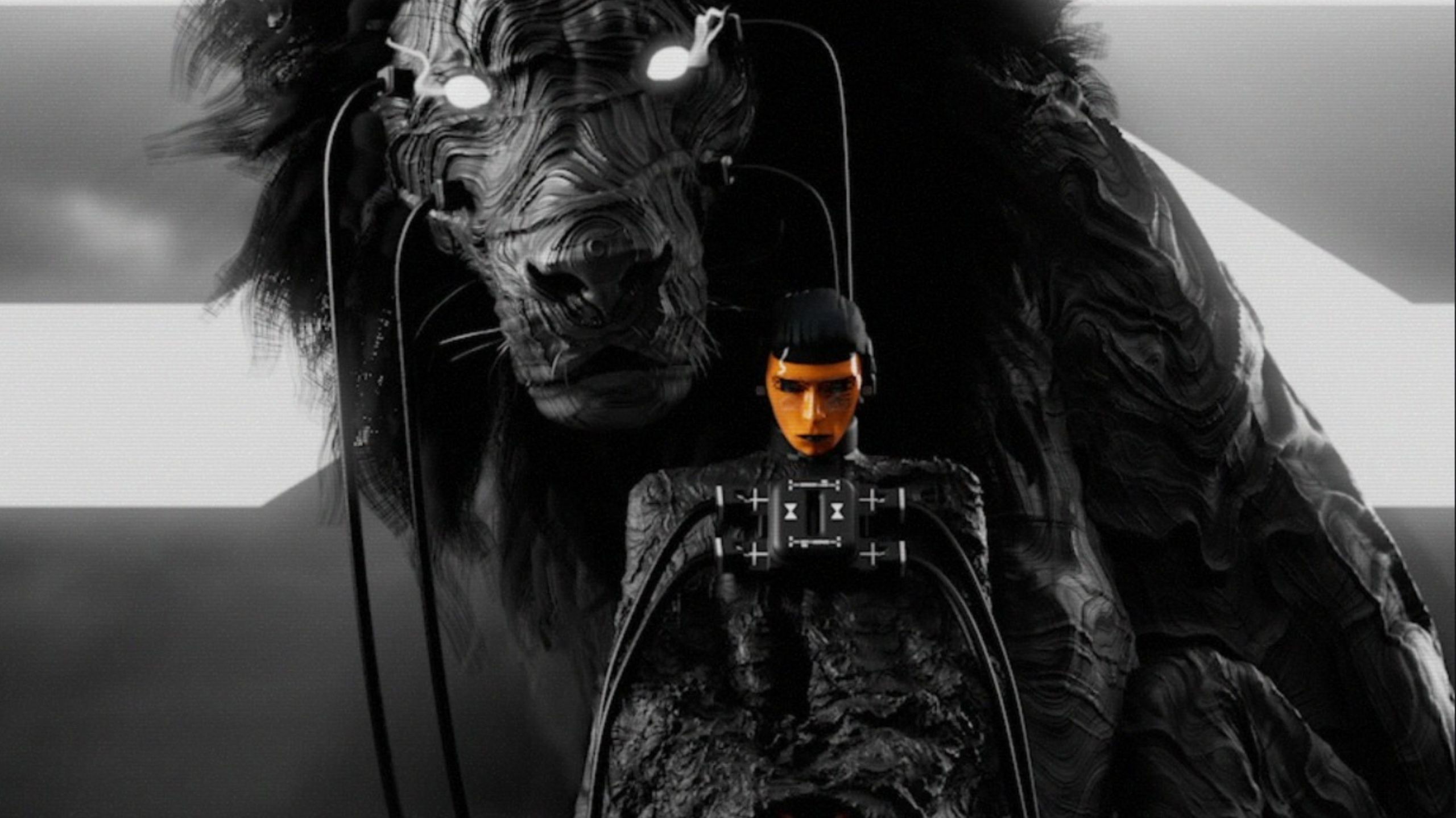
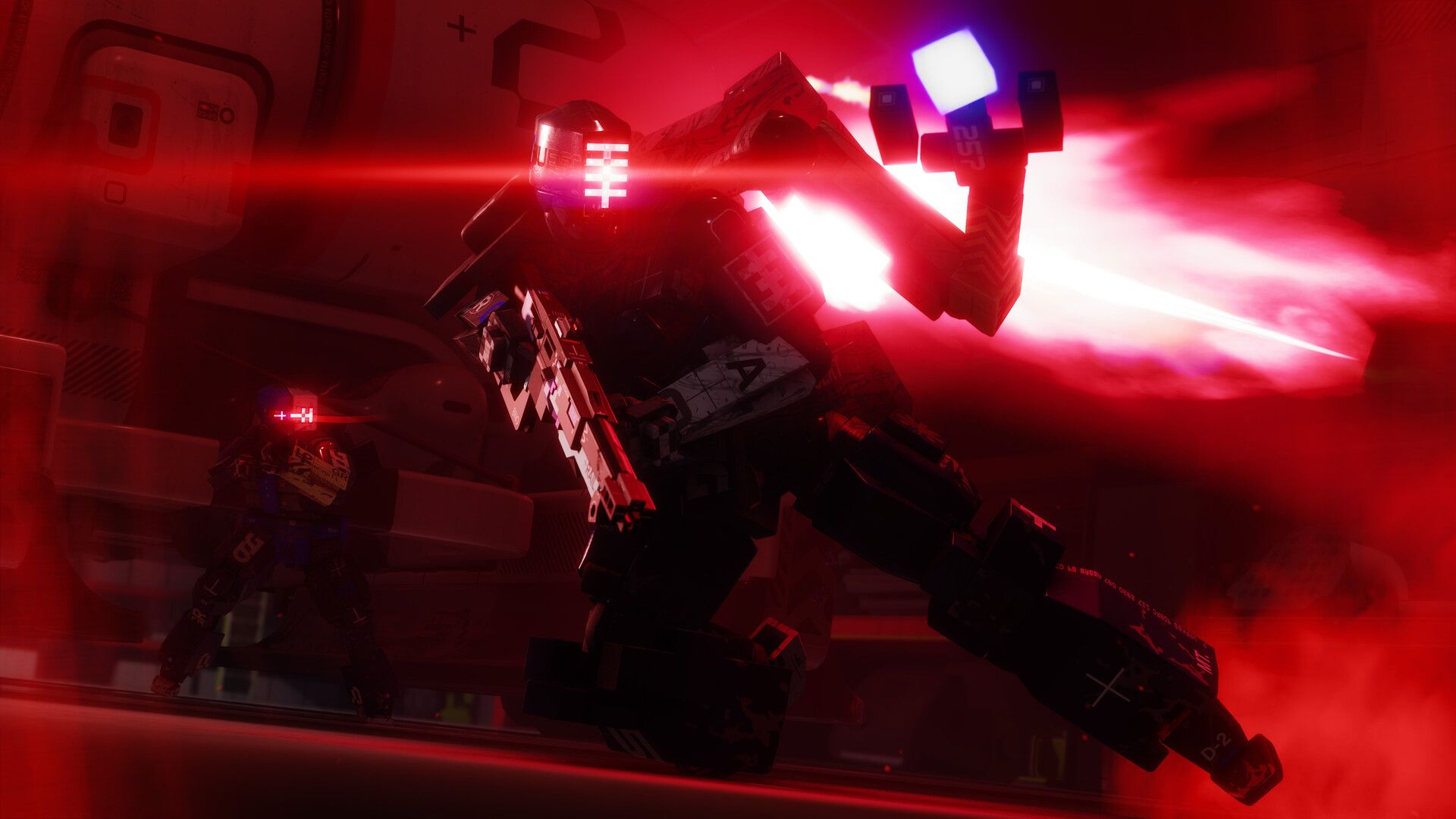
These faction missions aren’t just about navigating the complex world of Marathon; they’re also the core of how you improve your character. By completing missions for a faction, you’ll increase your rank within that group, earning rewards like new weapons and useful items. Even if you don’t need everything you get, you can sell it for credits to buy gear before a run. Each faction also has a unique skill tree where you can spend resources to permanently upgrade your Runner’s abilities and unlock free daily gear from the Armory.
So, in Marathon, the Codex isn’t just lore – it actually gives me stuff to do. It’s got these challenges I can chip away at, and if I complete them, I get cool cosmetic rewards like different looks for my Runner or charms for my weapons. It’s a nice little side goal while I’m running around!
As players continue to complete faction missions, the game Marathon starts to reveal its hidden depths. While it might not be immediately obvious, Marathon includes several convenient features that improve gameplay. For example, the salvage tracking system automatically identifies items while you’re looting and shows you exactly where to find them on the map.
Doing Laps Around Tau Ceti
Marathon’s Faction system provides a straightforward way to track your progress, but the game’s maps themselves offer a more nuanced and satisfying learning experience. Currently, there are four maps available in Marathon, with more on the way. Each map not only looks different, but also introduces a unique twist to the core gameplay. The first map, Perimeter, balances open areas with narrow hallways, allowing for both fast-paced close combat and large team battles. Dire Marsh focuses on vertical gameplay, encouraging players to be patient and mindful of their positioning. Outpost increases the number and difficulty of enemies while shrinking the map size, creating high-risk, high-reward encounters. Finally, the recently added Cryo Archive presents a difficult endgame challenge with raid-like elements and the game’s toughest enemies.
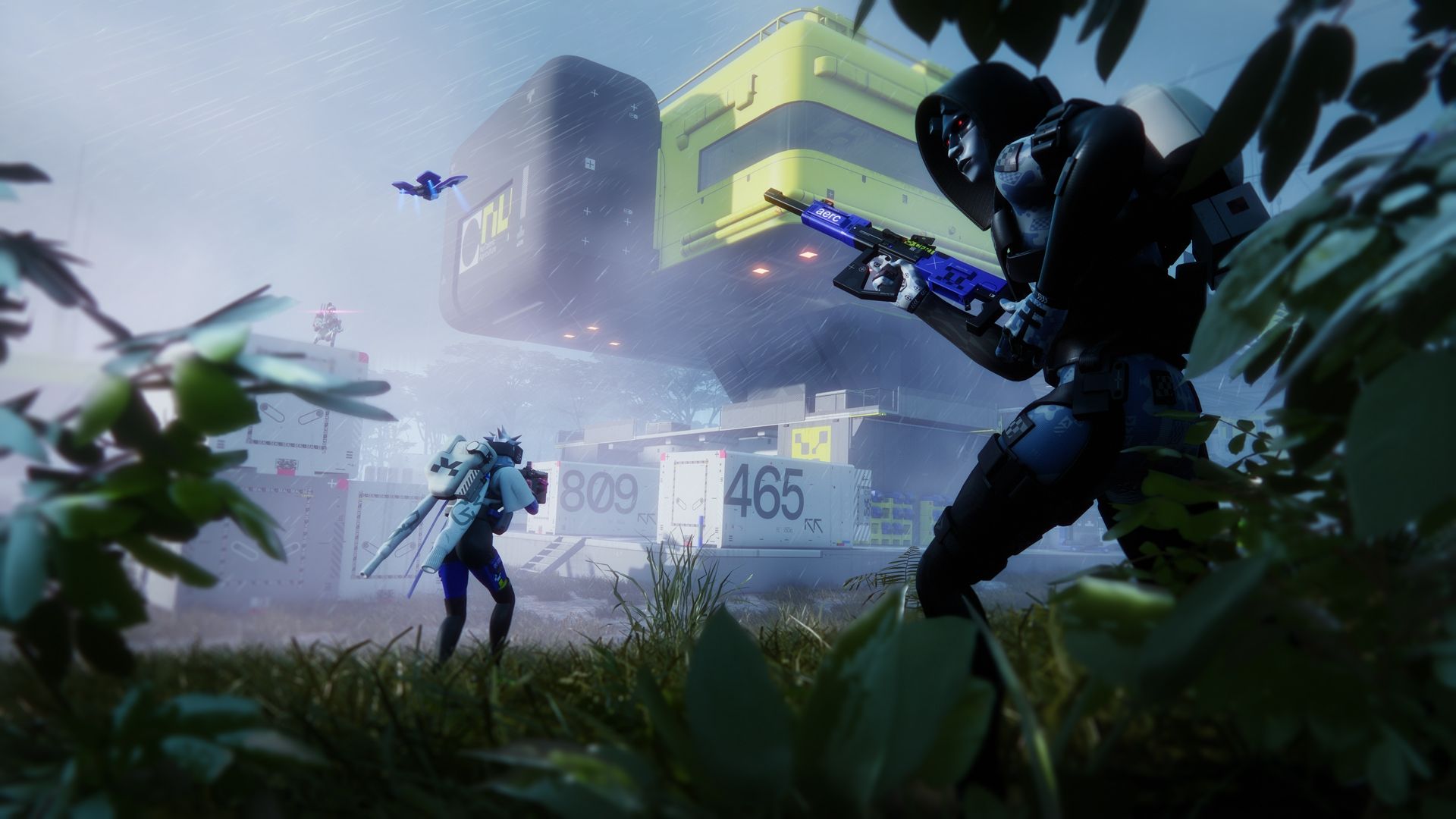
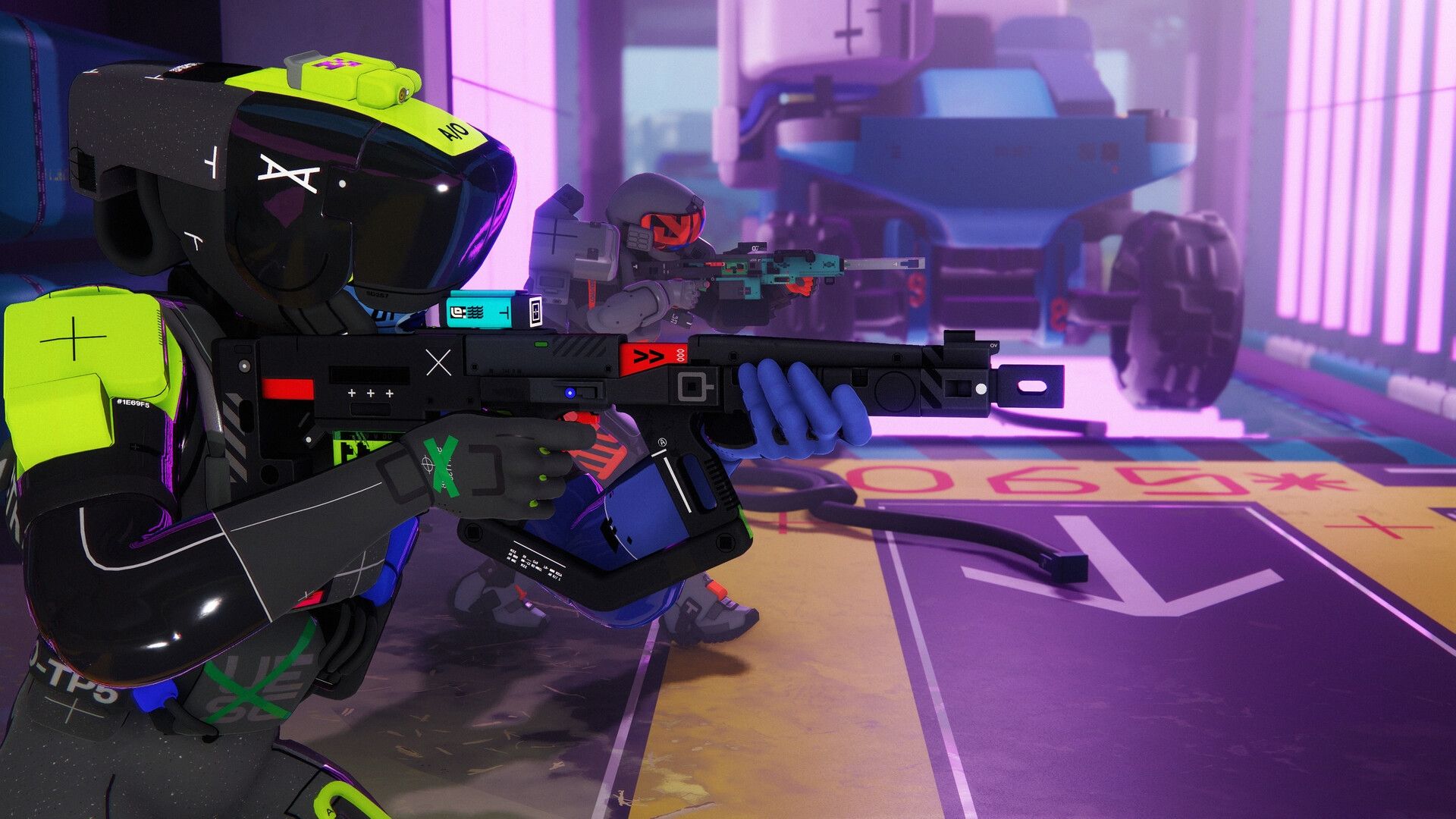
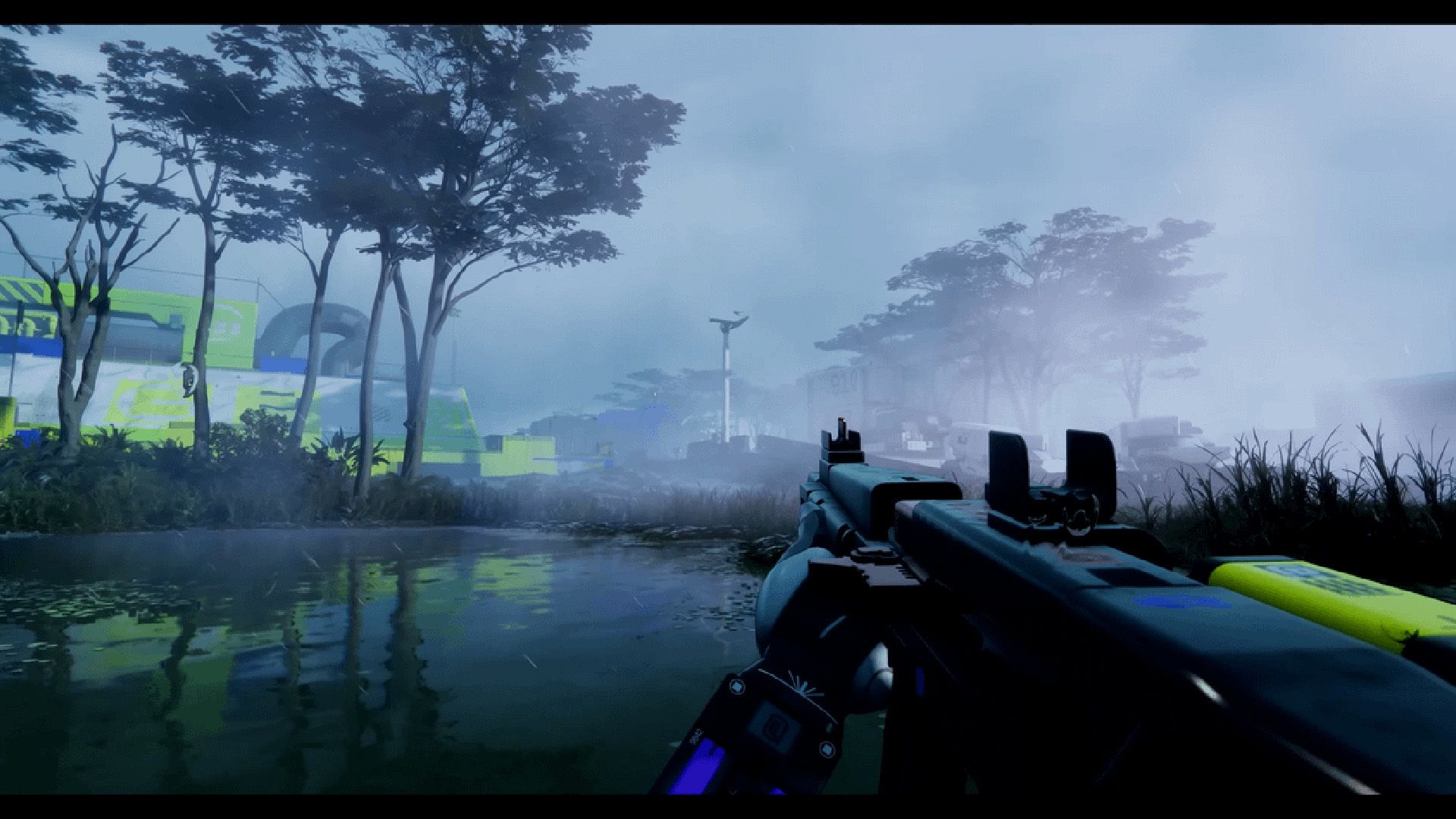
As a huge Marathon fan, I’ve found that even though each new map gets tougher than the last, they’re still incredibly fun to play over and over. The designers really went all out with unique layouts, cool hazards, and dynamic weather, so no matter how many hours I’ve sunk into the game, or what kind of equipment I’m using, each level still feels fresh and exciting!
A First-Class First-Party Game
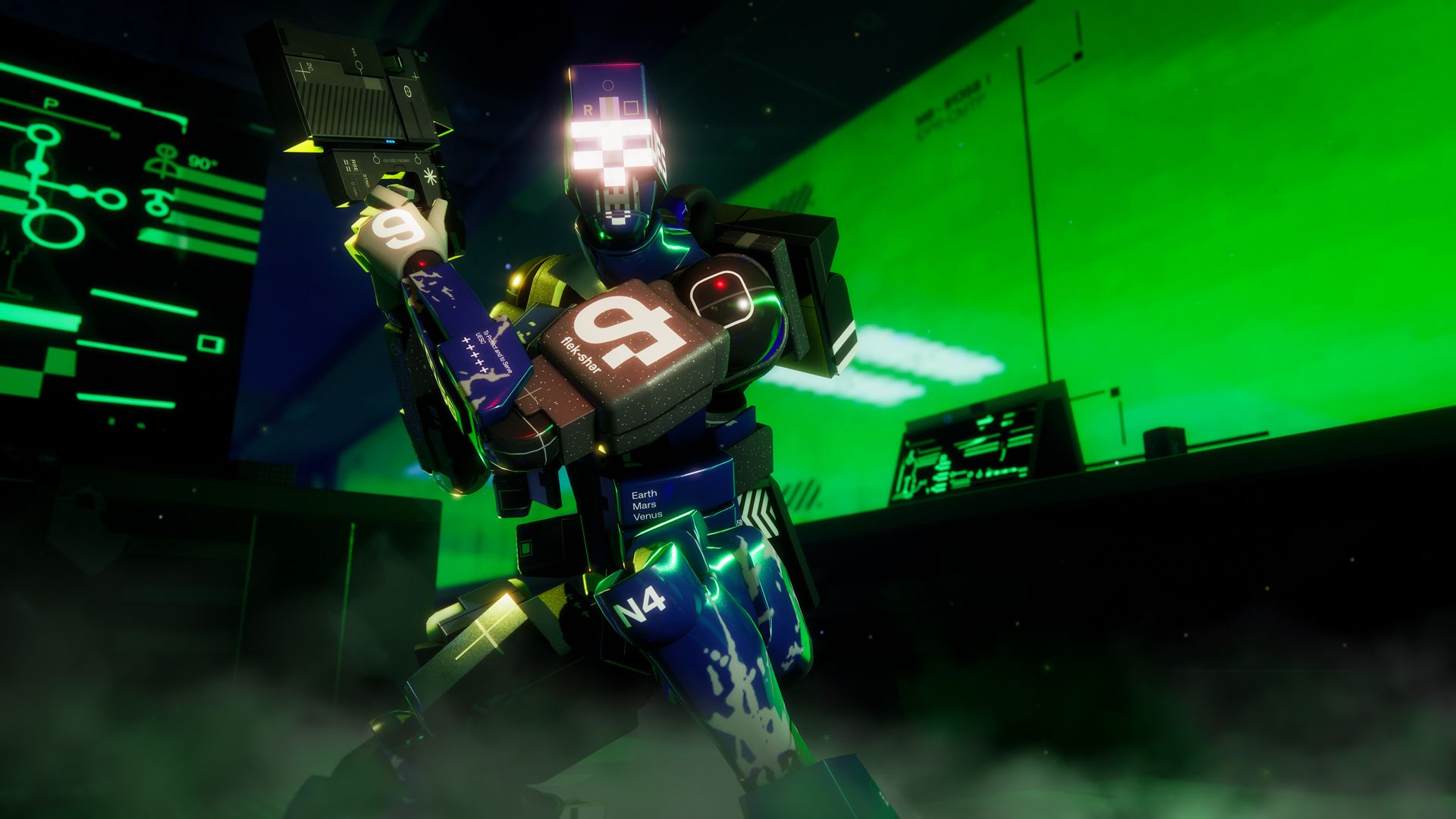
Bungie is known for its high-quality games, and Marathon is no different. The game’s visuals are truly impressive, blending retro-future tech with a cyberpunk aesthetic. It mixes vibrant colors and even hints of the supernatural, creating a unique Sci-Fi experience. This distinctive art style perfectly complements the game’s detailed world-building. Every visual element, from small details in the environment to the designs of faction leaders, helps bring the Marathon universe to life and immerse you in its world.
The sound design in Marathon is exceptional. Beyond the typical sci-fi sounds of weapons and robots, the game features a haunting score that perfectly builds tension, whether you’re in a firefight or simply organizing your items. The spatial audio is also excellent – you can accurately pinpoint the location of sounds like footsteps and gunshots, even with basic headphones. The voice acting, used during matches and faction updates, further enhances the game’s high-quality presentation.
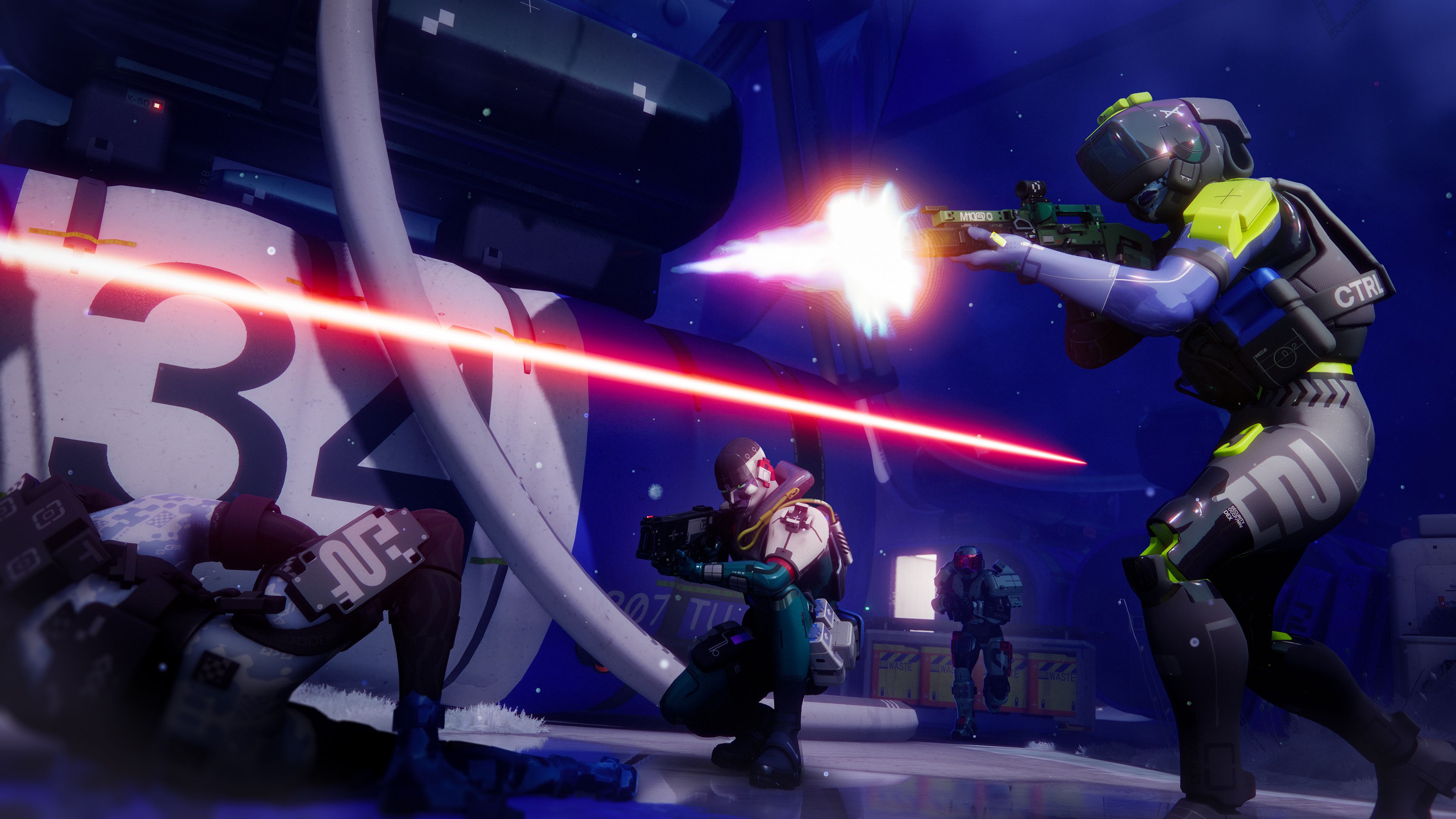

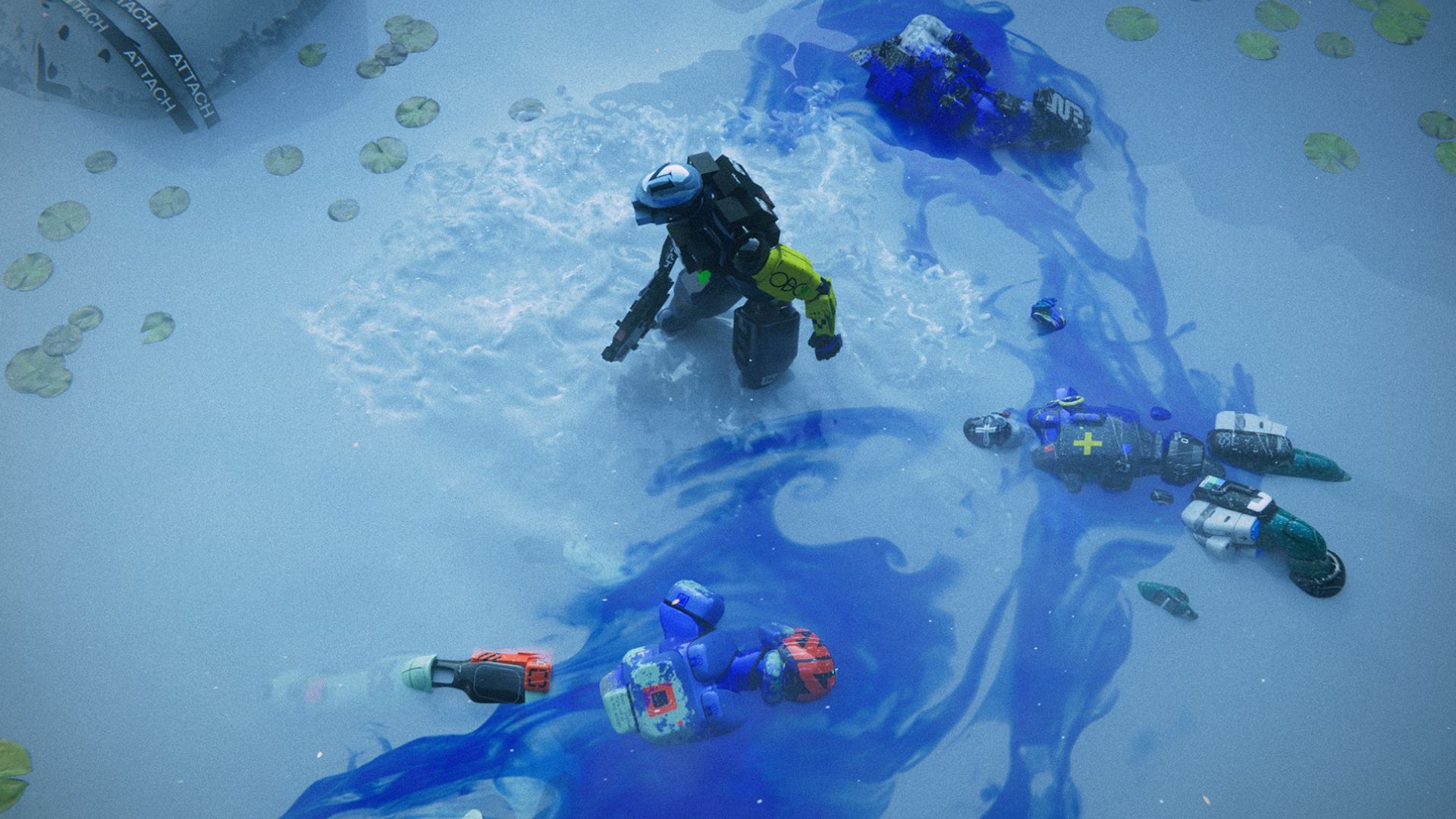
Similar to the complex gameplay of Marathon, the game’s presentation might seem a bit strange or clashing initially. However, everything will gradually come together, creating a uniquely captivating atmosphere that stands out from other multiplayer games available today.
Marathon initially appears to be a promising game, but can feel overwhelming to start. However, those who persevere through the challenging beginning will find it’s a truly exceptional experience. The game boasts highly replayable levels, a rewarding progression system, and addictive gameplay that will appeal to fans of extraction shooters, keeping them engaged for hours.
Read More
- All Shadow Armor Locations in Crimson Desert
- How to Get the Sunset Reed Armor Set and Hollow Visage Sword in Crimson Desert
- Best Bows in Crimson Desert
- Jujutsu Kaisen Season 3 Episode 12 Release Date
- All Golden Greed Armor Locations in Crimson Desert
- Wings of Iron Walkthrough in Crimson Desert
- All Helfryn Armor Locations in Crimson Desert
- How To Beat Ator Archon of Antumbra In Crimson Desert
- How to Craft the Elegant Carmine Armor in Crimson Desert
- Dark Marksman Armor Locations in Crimson Desert
2026-04-01 13:05