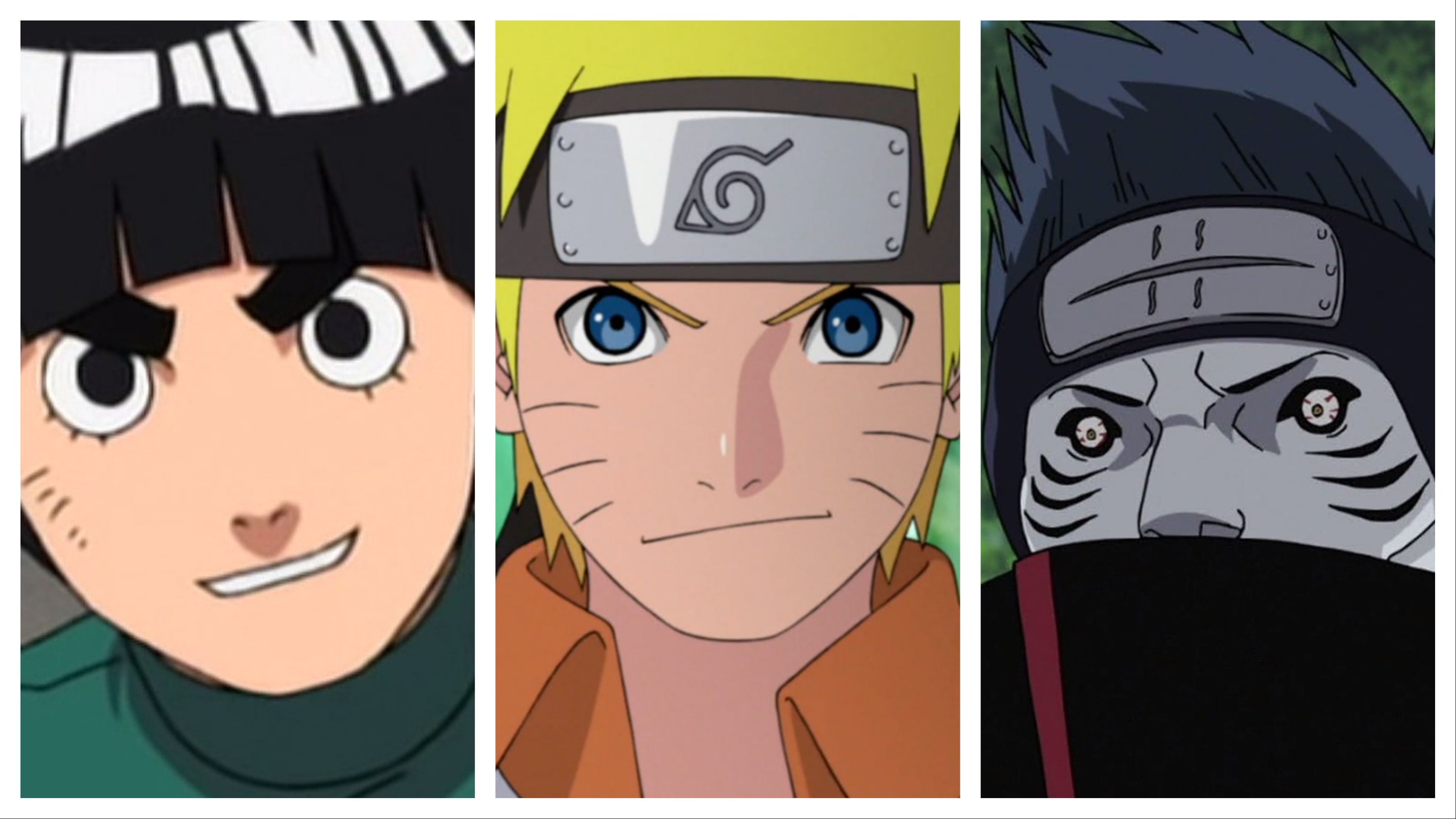
While the popular anime Naruto didn’t create many of the common story elements it used, it did polish and improve upon them. Earlier action series like Dragon Ball, Yu Yu Hakusho, and Saint Seiya first introduced these fantasy action tropes, and Naruto author Masashi Kishimoto built on that foundation. Both the Naruto manga, which began in 1999, and the anime, which followed shortly after, skillfully utilized these established themes.
The world of shonen anime still feels the impact of Naruto, which significantly shaped many common storytelling elements. Creator Masashi Kishimoto took familiar ideas and made them incredibly engaging, influencing today’s biggest shows like Demon Slayer and Jujutsu Kaisen. These popular series clearly draw inspiration from Naruto‘s characters, personal stories, and battle style, and those elements continue to be admired and used widely.
The Friendly Rival Reached New Heights in Naruto
Naruto and Sasuke Became the Next Goku and Krillin
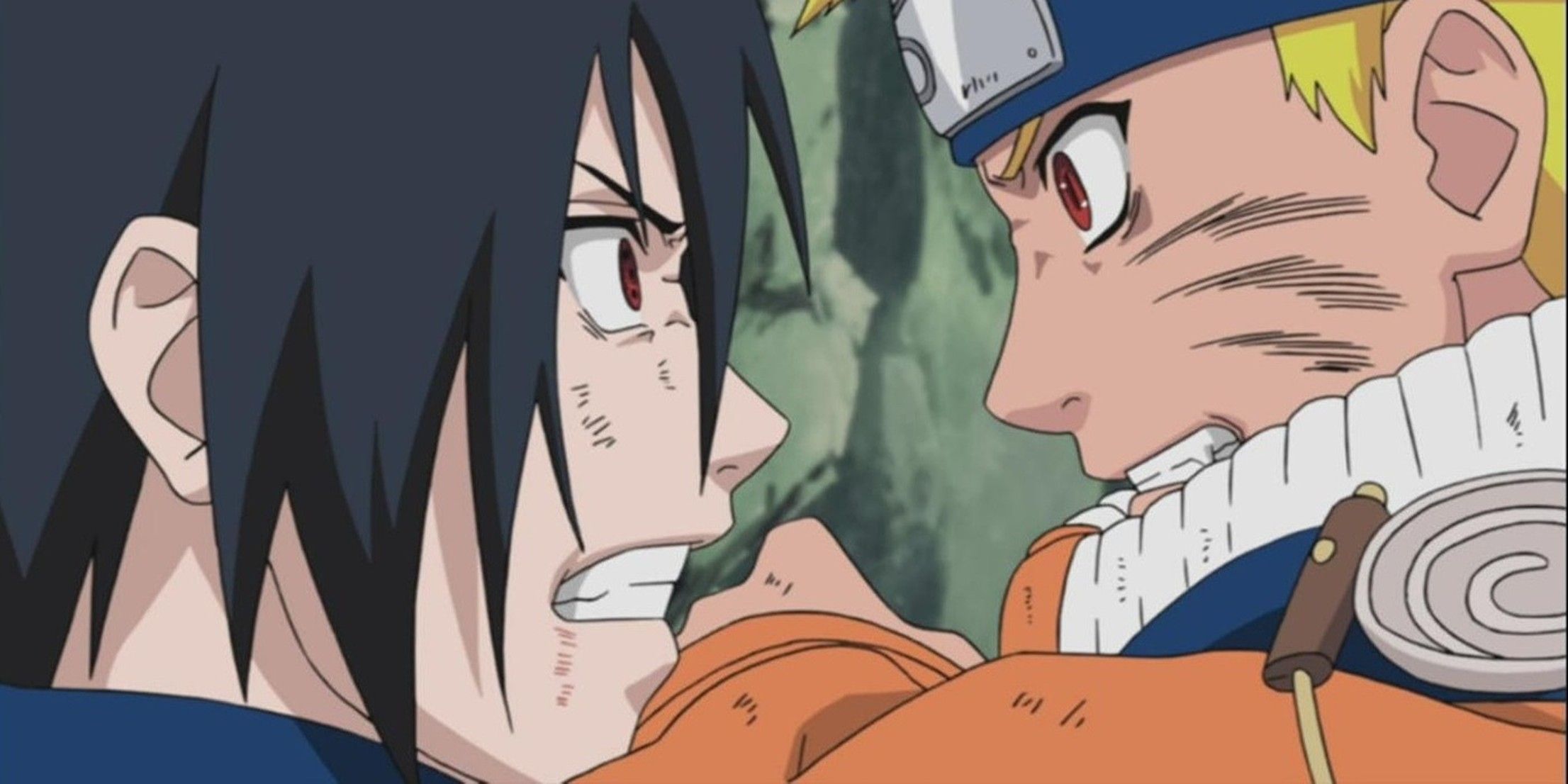
Competition is a core theme in many shonen anime, and a strong rivalry is a great way to show it. Sports anime like Slam Dunk naturally feature this, and action series like Dragon Ball initially had compelling rivalries, such as Goku and Krillin’s time as Master Roshi’s students. However, the early rivalry in Dragon Ball suffered because Goku quickly became much stronger than Krillin, making their competition feel brief and ultimately insignificant.
The intense rivalry between Naruto and Sasuke in the Naruto series is so compelling because they were evenly matched for a long time, even throughout Naruto Shippuden. Their abilities were constantly escalating – think Naruto’s Kurama chakra, Sasuke’s Mangekyo Sharingan, Sage Mode, and the Indra Arrow – keeping them neck and neck. Plus, fans enjoyed the contrast between Sasuke’s natural talent and Naruto’s dedication through hard work.
The Half-Other Trope Meant Everything in Naruto
Being Kurama’s Living Vessel Isn’t Easy
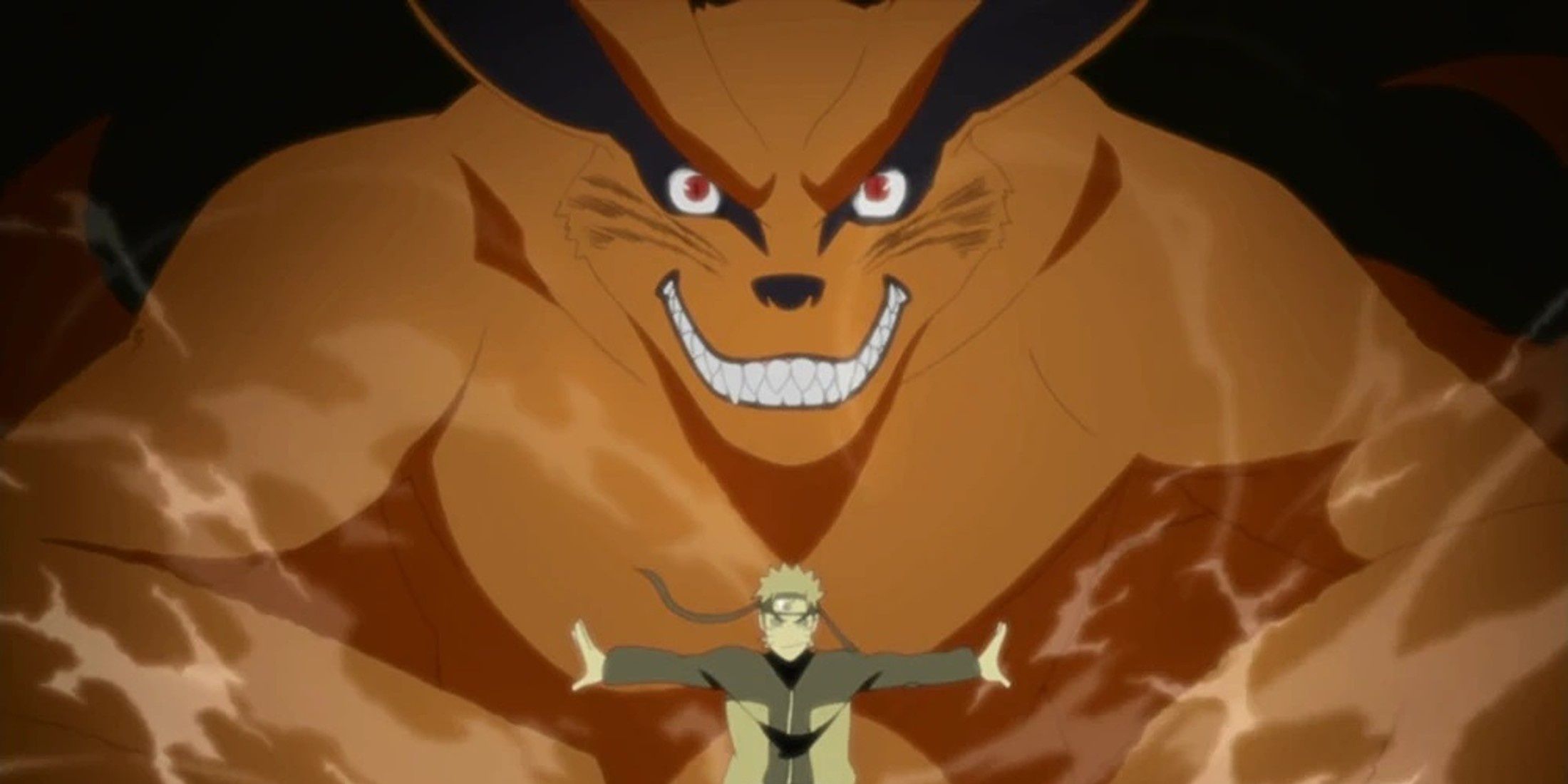
Many action-packed anime, even those aimed at older audiences like Tokyo Ghoul, often feature characters with a hidden, monstrous side. It’s compelling to watch these heroes struggle to control their inner demons before they can become true saviors. Characters like Ryomen Sukuna, Ichigo’s inner Hollow, and Eren Yeager’s Attack Titan form all exemplify this trope, but Naruto is arguably the best example of it.
The story of Naruto being an outcast is particularly effective because it’s the foundation of his entire journey. He was ostracized and even feared due to being the host of the powerful Kurama, a fate he didn’t choose or deserve. Over time, Naruto didn’t just control Kurama’s power, but actually formed a strong friendship with him, turning a terrible burden into a remarkable strength.
The Villain Gang Trope is So Cool With the Akatsuki
Those Red and Black Robes Remain Iconic
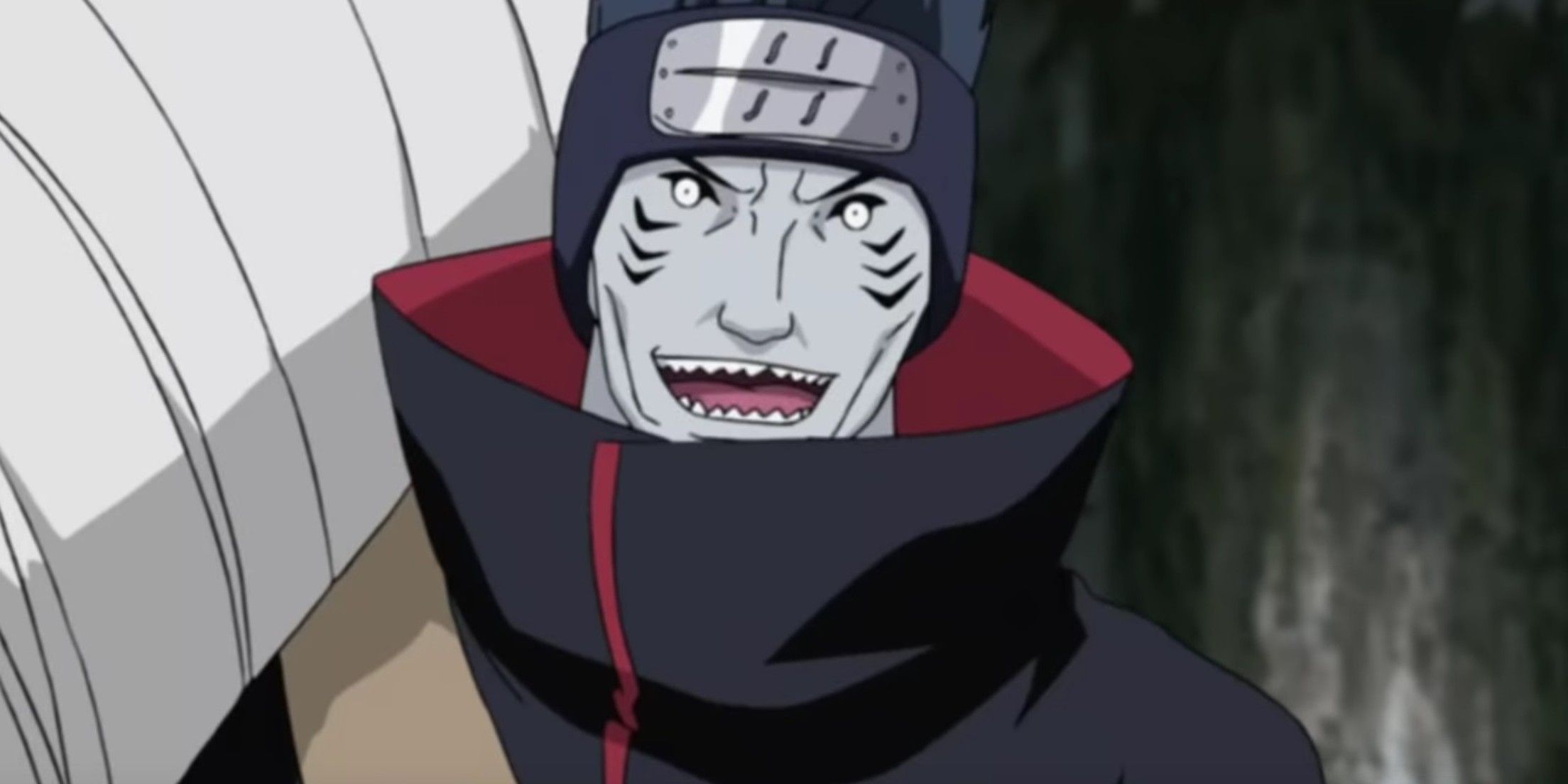
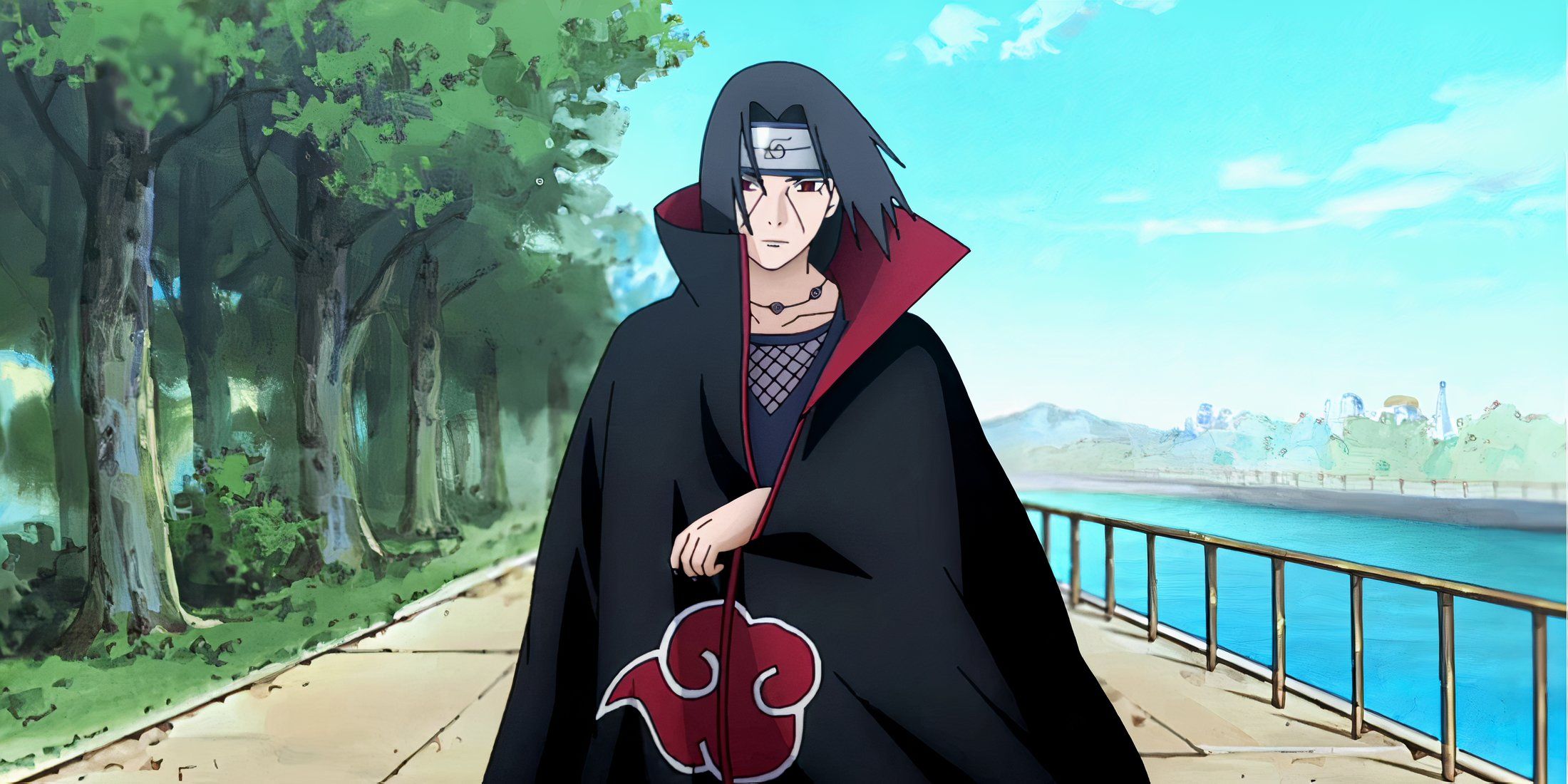
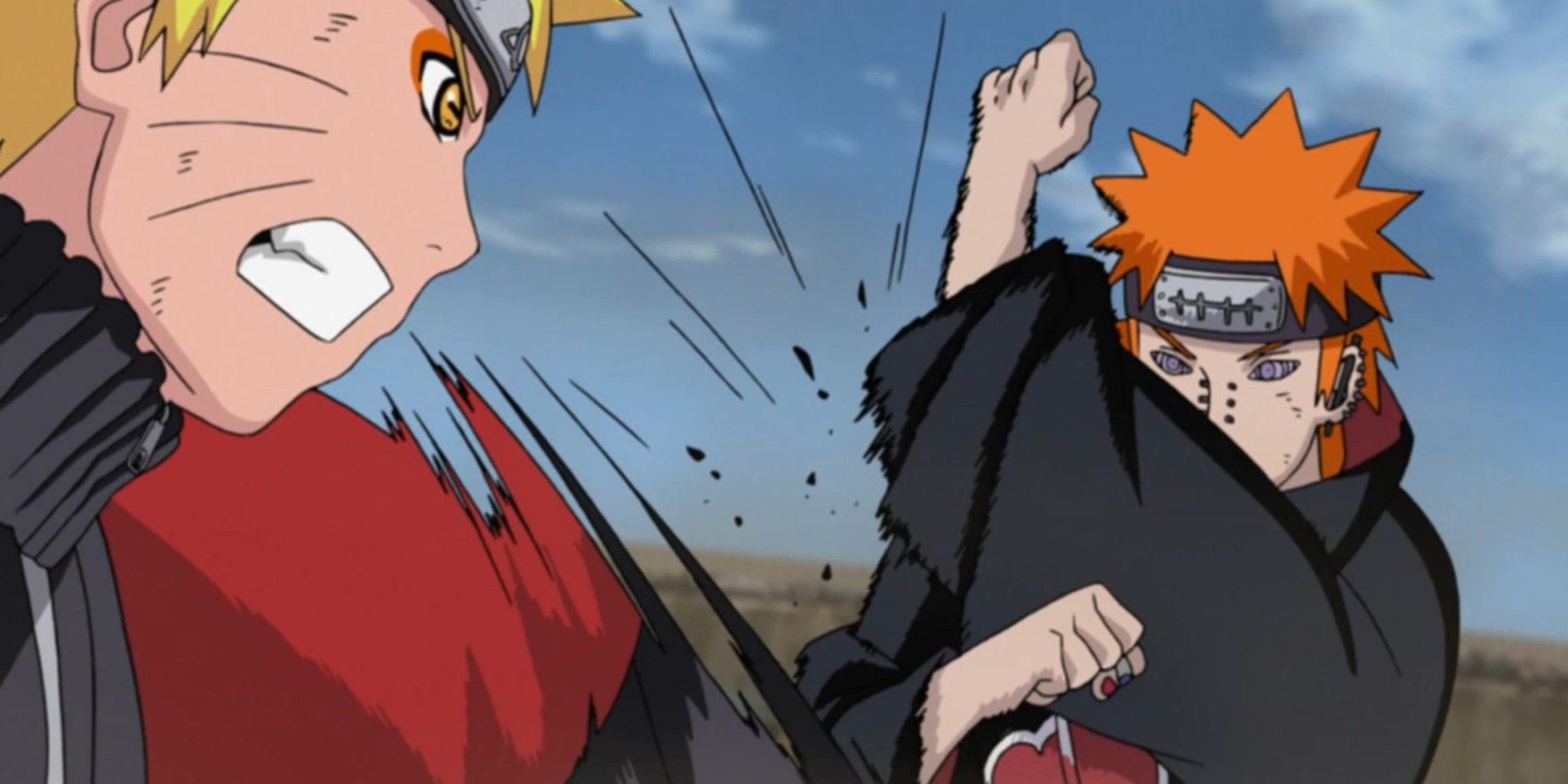
Shonen anime villains often get interesting treatment, like being incredibly powerful or having hidden sympathetic qualities, as seen with characters like Itachi Uchiha. But the Naruto anime really mastered the idea of villain groups. It’s always entertaining to watch how villain teams interact – or clash – and to see them work together to become a greater threat. Popular examples like the Ginyu Force and the Espadas prove this point, but the Akatsuki are the best villain group in anime, hands down.
 Rearrange the covers into the correct Japanese release order.
Your Order
Results
— —
Fans of anime instantly recognize the striking image of a black cloak with red clouds – it’s become almost the signature outfit for intimidating villain groups. Characters like Kakuzu, the Six Paths of Pain, and Sasori were particularly memorable for their powerful abilities and willingness to push the limits of life and death, making them compelling rivals to the more straightforward heroes. Plus, audiences loved watching the Akatsuki attempt the huge task of tracking down and capturing all of the tailed beasts for their own mysterious goals.
The Tournament Trope Doesn’t Get Any Better Than the Chunin Exam
Even Dragon Ball and Yu Yu Hakusho Can’t Top That
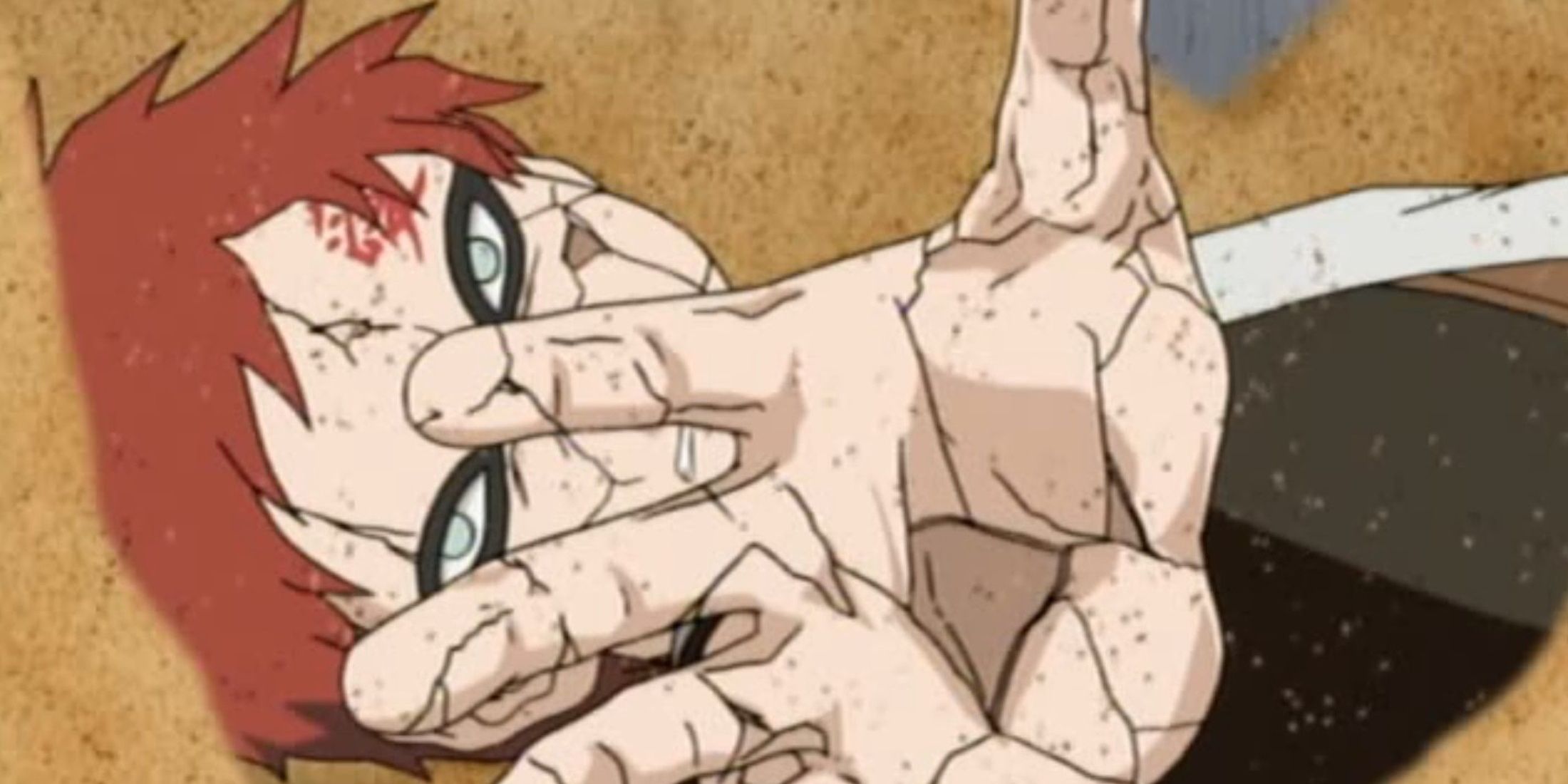
Tournaments work really well in action-packed anime like Naruto. They’re easy for viewers to follow, similar to sports events, and help keep a complex story organized. They also offer a clear way to settle rivalries and establish who the strongest characters are. While series like Dragon Ball have great tournaments, the Chunin Exam arc in Naruto stands out as the best.
As a huge Naruto fan, I always get so excited when revisiting the Chunin Exams arc! It’s just packed with action – it feels like a tournament and a crucial test all rolled into one. And the best part? So many amazing new characters are introduced, each with their own unique and cool jutsu. Honestly, it felt like the fighting got way more complex and creative during this arc – like the possibilities tripled! Plus, the story kept me guessing with all the twists and turns, from Orochimaru and Kabuto’s plotting to the sneaky ways some characters tried to win. Seeing Hinata really come into her own was a highlight, and it all just felt so inspiring and captivating as a viewer!
The MC Trio Trope is Fantastic With Team 7
Naruto, Sasuke, and Sakura Shine as a Squad
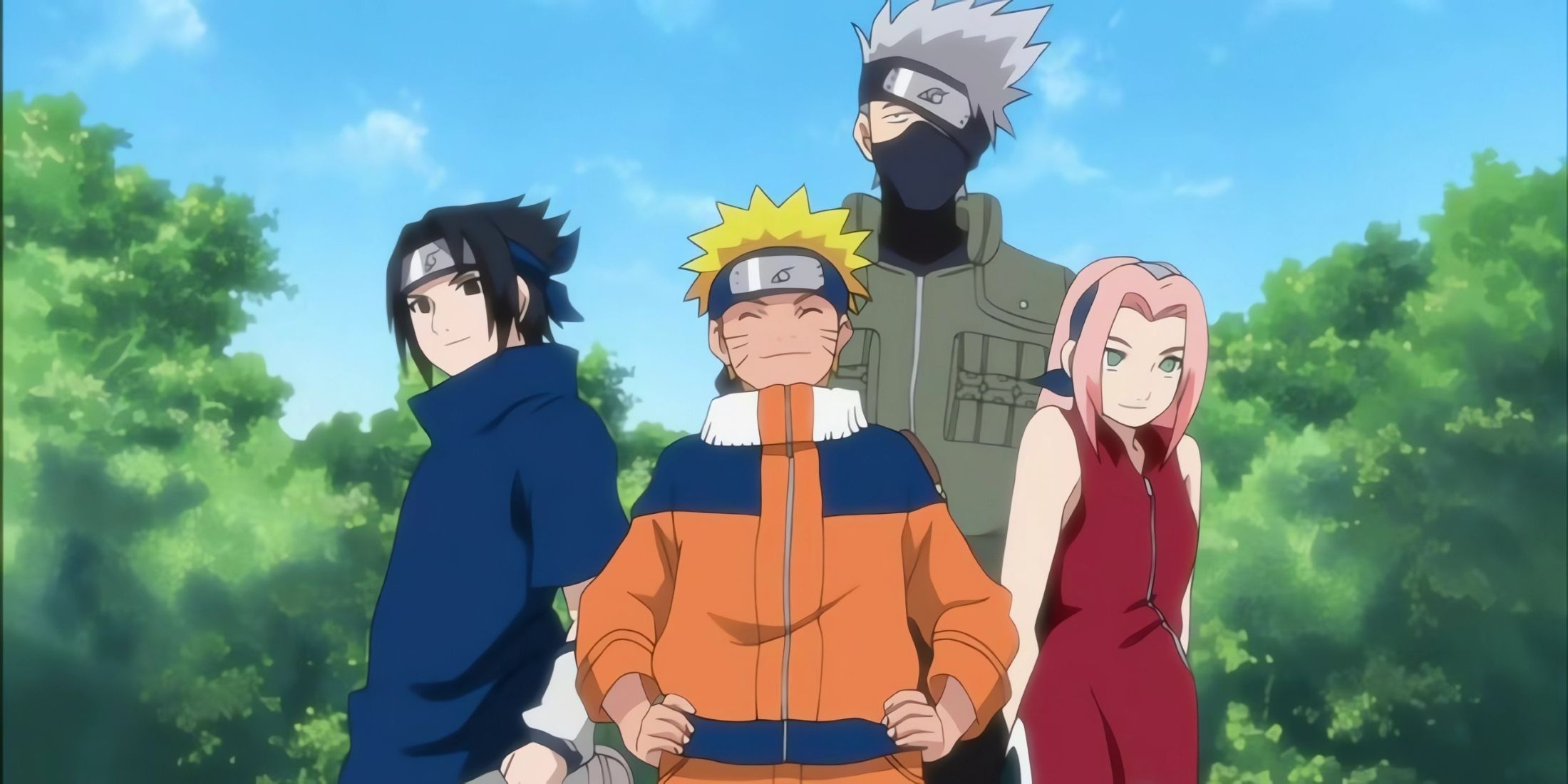
Most shonen anime center around a main character who drives the story – think of Naruto, which is named after its hero. However, even strong protagonists need help, especially when they’re still developing. In the early parts of Naruto, teamwork filled that gap, allowing the series to become a prime example of the classic anime ‘trio’ dynamic and really showcase its potential.
Team 7 – Naruto, Sasuke, and Sakura – perfectly embodied a classic anime setup. Their team dynamic quickly fueled the rivalry between Naruto and Sasuke, and motivated Sakura to become stronger, both to match her teammates and win Sasuke’s attention. However, they weren’t the only group formed this way; Teams 8, 10, and Guy’s team served as similar squads. This concept was so effective that the series featured multiple teams like theirs simultaneously.
The No-Powers Trope Reached its Peak With Rock Lee
Taijutsu Makes For a Splendid Ninja
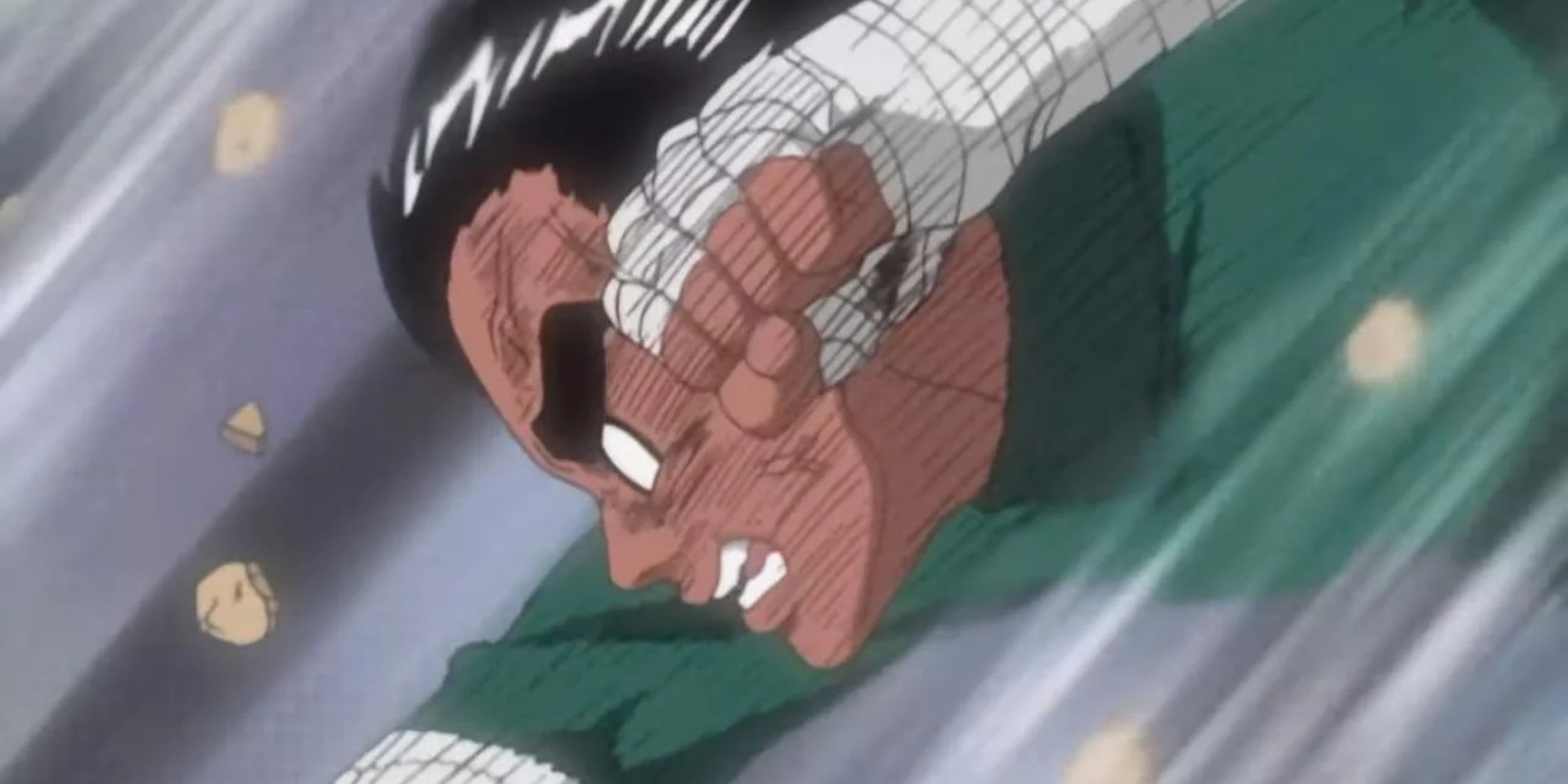
Many action-packed anime aimed at young men feature a character who, for some reason, can’t participate in the established combat system. This is a common trope among fans. It can apply to both main characters and supporting ones. For example, My Hero Academia introduced Deku, who was born without any superpowers. Similarly, Wistoria: Wand & Sword and Mashle: Magic and Muscles both focus on heroes trying to survive in worlds where magic is dominant, despite having no magical abilities themselves. Black Clover follows a similar premise.

Even now, the Naruto anime handles the ‘no special powers’ storyline exceptionally well, particularly with the character of Rock Lee. Many viewers found his struggles deeply relatable – he had incredible determination but lacked natural talent. Rock Lee often cried from frustration when his efforts didn’t pay off, but a supportive mentor, Might Guy, helped him realize his potential. This encouragement was key, allowing Rock Lee to achieve amazing feats through sheer hard work and taijutsu. In some ways, Rock Lee’s story is even more inspiring than Naruto’s, as it represents anyone who overcomes obstacles with only willpower and perseverance.
Read More
- All Shadow Armor Locations in Crimson Desert
- How to Get the Sunset Reed Armor Set and Hollow Visage Sword in Crimson Desert
- Best Bows in Crimson Desert
- Jujutsu Kaisen Season 3 Episode 12 Release Date
- All Golden Greed Armor Locations in Crimson Desert
- Wings of Iron Walkthrough in Crimson Desert
- All Helfryn Armor Locations in Crimson Desert
- How To Beat Ator Archon of Antumbra In Crimson Desert
- How to Craft the Elegant Carmine Armor in Crimson Desert
- Dark Marksman Armor Locations in Crimson Desert
2026-04-01 15:35