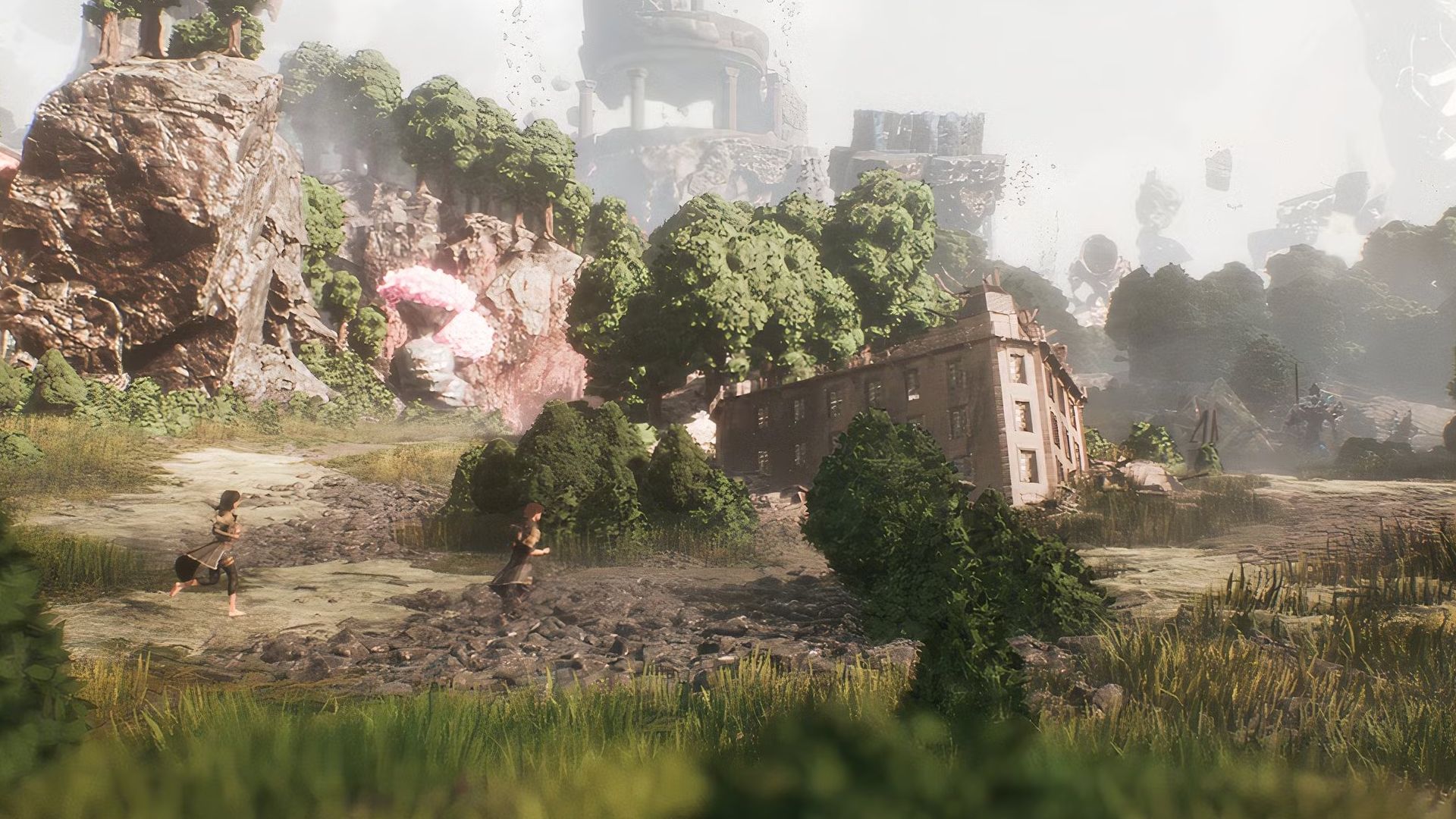
Everyone enjoys games differently. Some people prioritize a good story or compelling characters, while others focus on how the game actually plays. It’s interesting because even poorly received games can sometimes have brilliant, overlooked ideas. Ultimately, what makes a game enjoyable is subjective.
The game NeverDead wasn’t a classic, but its unique idea – letting you play as a zombie who can survive even after being blown to pieces, continuing as just a rolling head – was genuinely fun. It makes you wonder what other unusual or forgotten gameplay concepts deserve a comeback? Let’s brainstorm some ideas!
What’s That Weapon?  Identify the silhouettes before time runs out.
Results
High Score: 0 —
The Nemesis System
Getting Around Trademarks
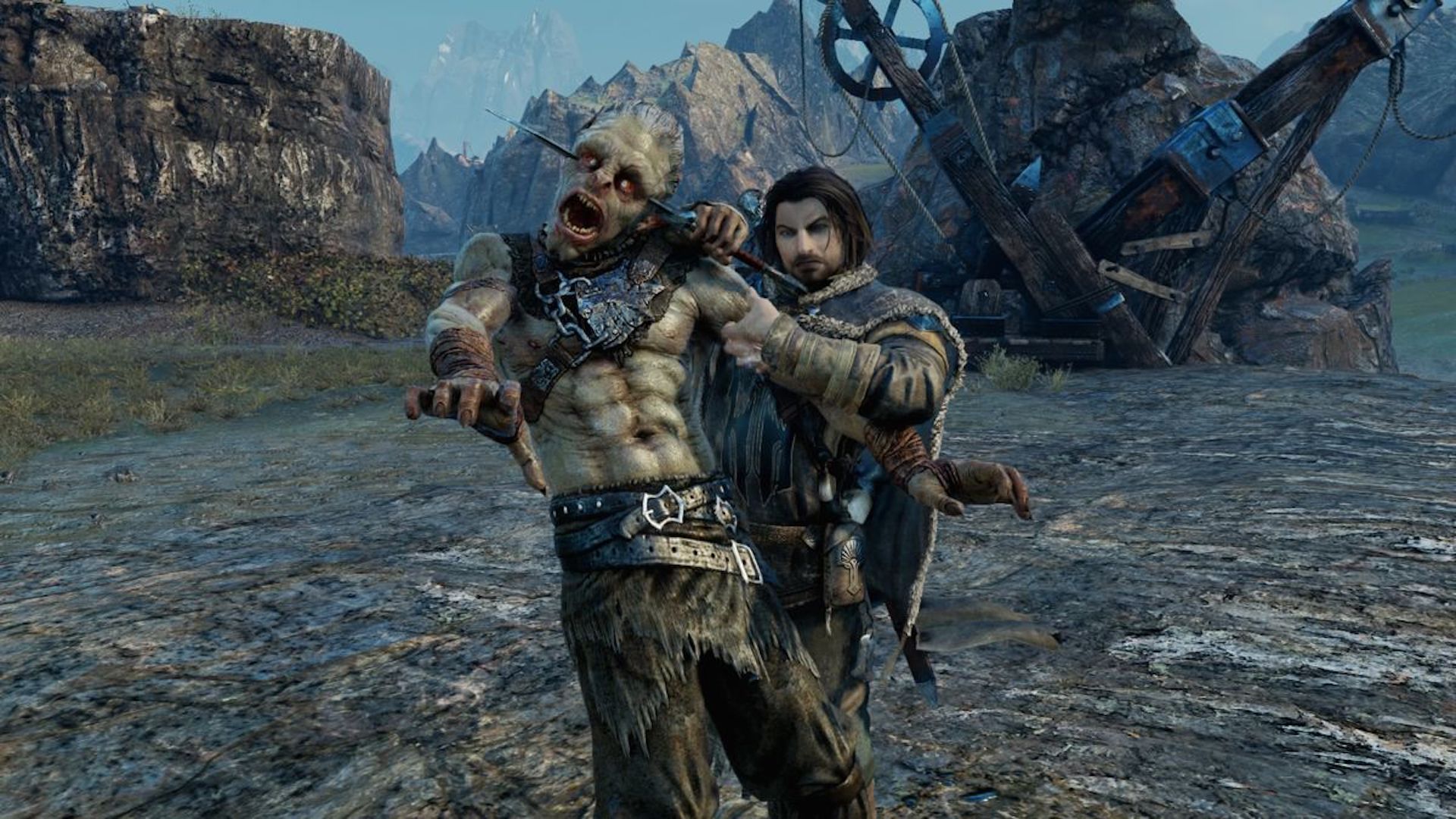
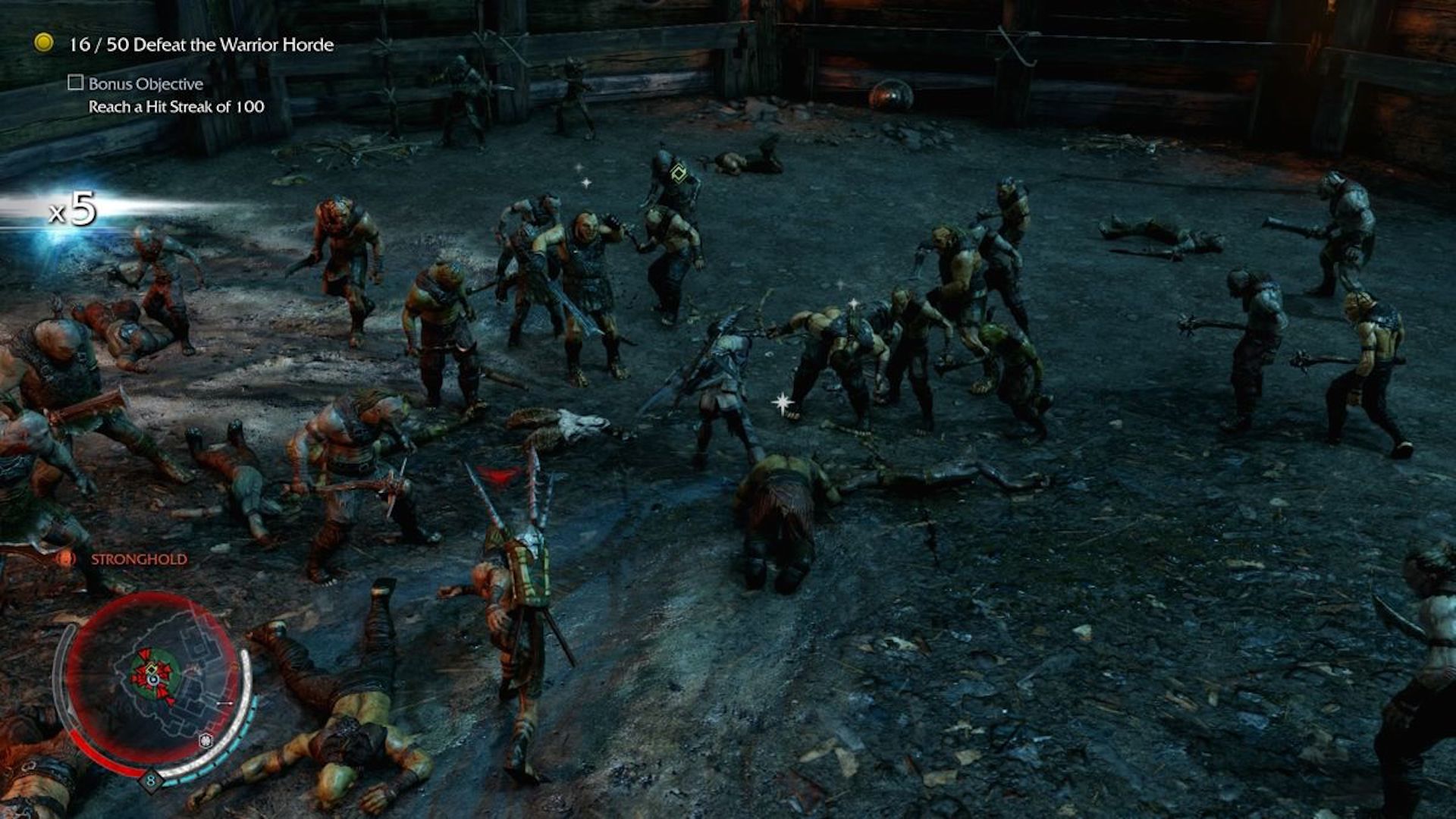
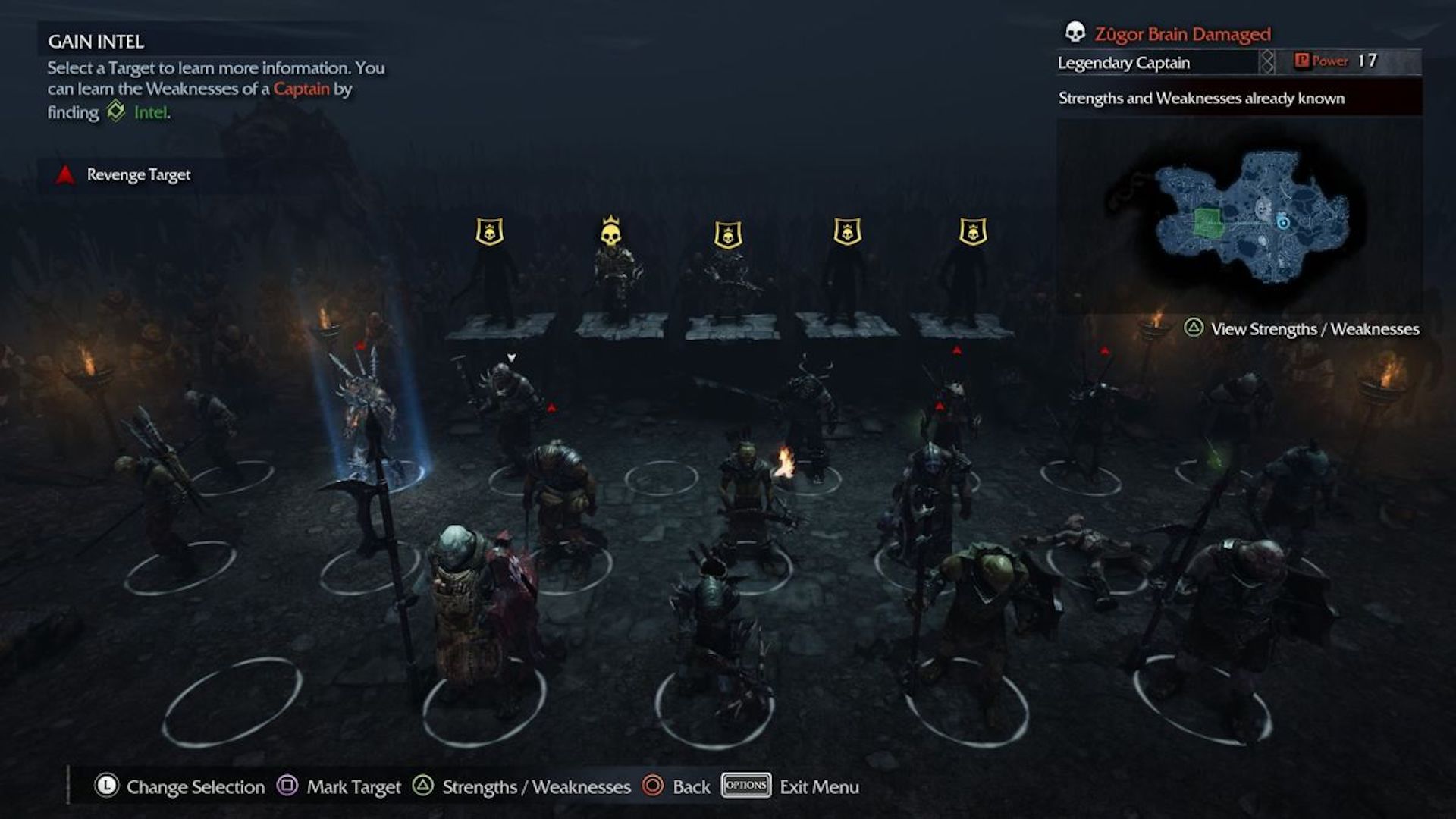
The Nemesis System, a popular feature from Middle-earth: Shadow of Mordor and Middle-earth: Shadow of War, is highly sought after by gamers in other games. It’s trademarked, preventing its direct use by competitors unless they obtain a license from Warner Bros. or develop a similar system. Warner Bros. previously planned a Wonder Woman game by Monolith Productions that would have utilized the Nemesis technology, but the game and studio were ultimately canceled.
In Middle-earth: Shadow of Mordor, the Nemesis system kept track of enemies even if players didn’t defeat them, using random events to shape their development. For instance, if a weak Orc killed the player, it would climb the ranks and boast about its victory upon encountering the player again. Surviving a fiery attack could leave an Orc scarred or afraid of fire in future battles. This system made the game world feel more realistic and could be a valuable tool for creating immersive RPGs, platformers, or action games.
The Return Of World Maps
An Open-World From A Different Perspective
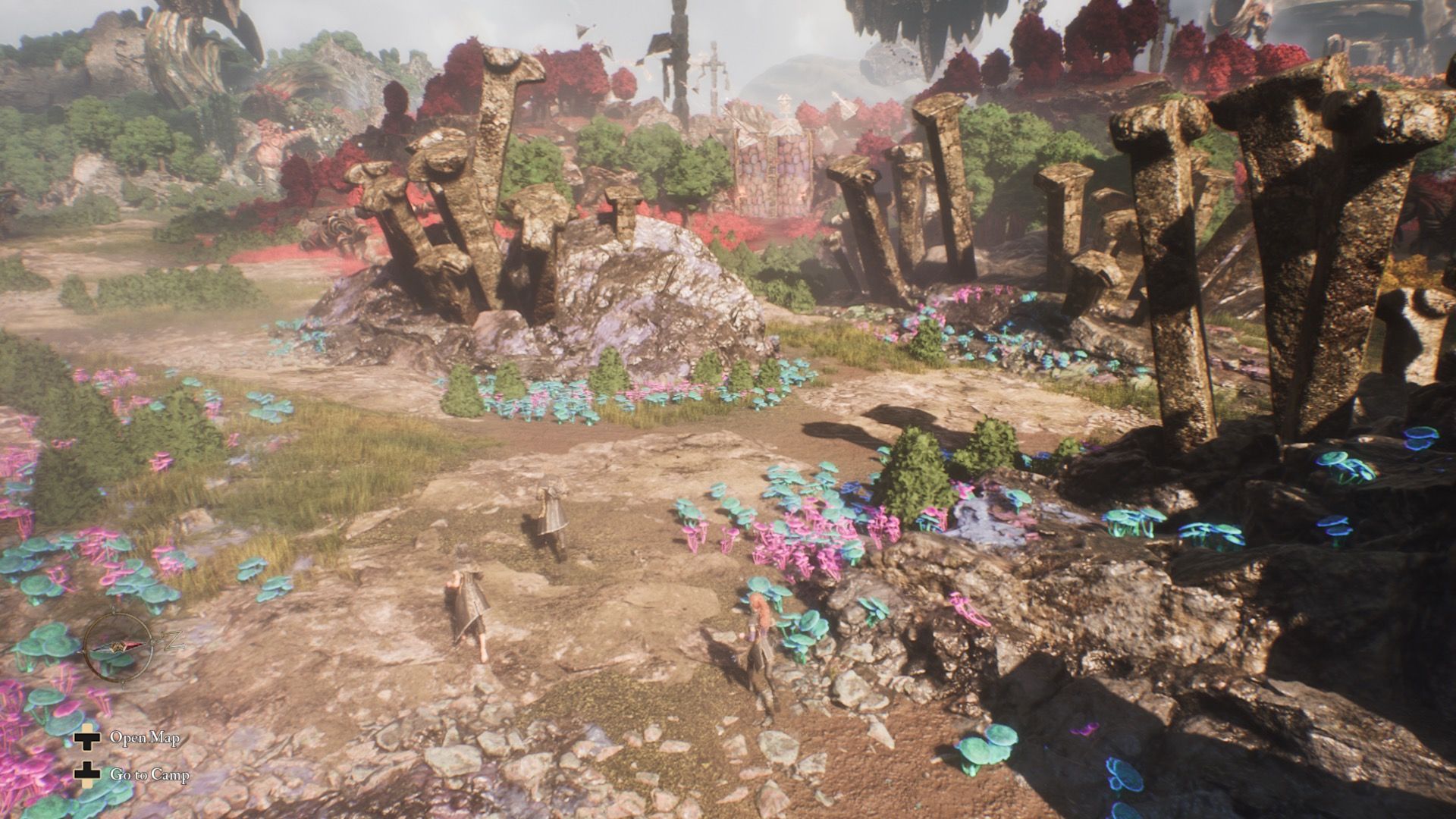
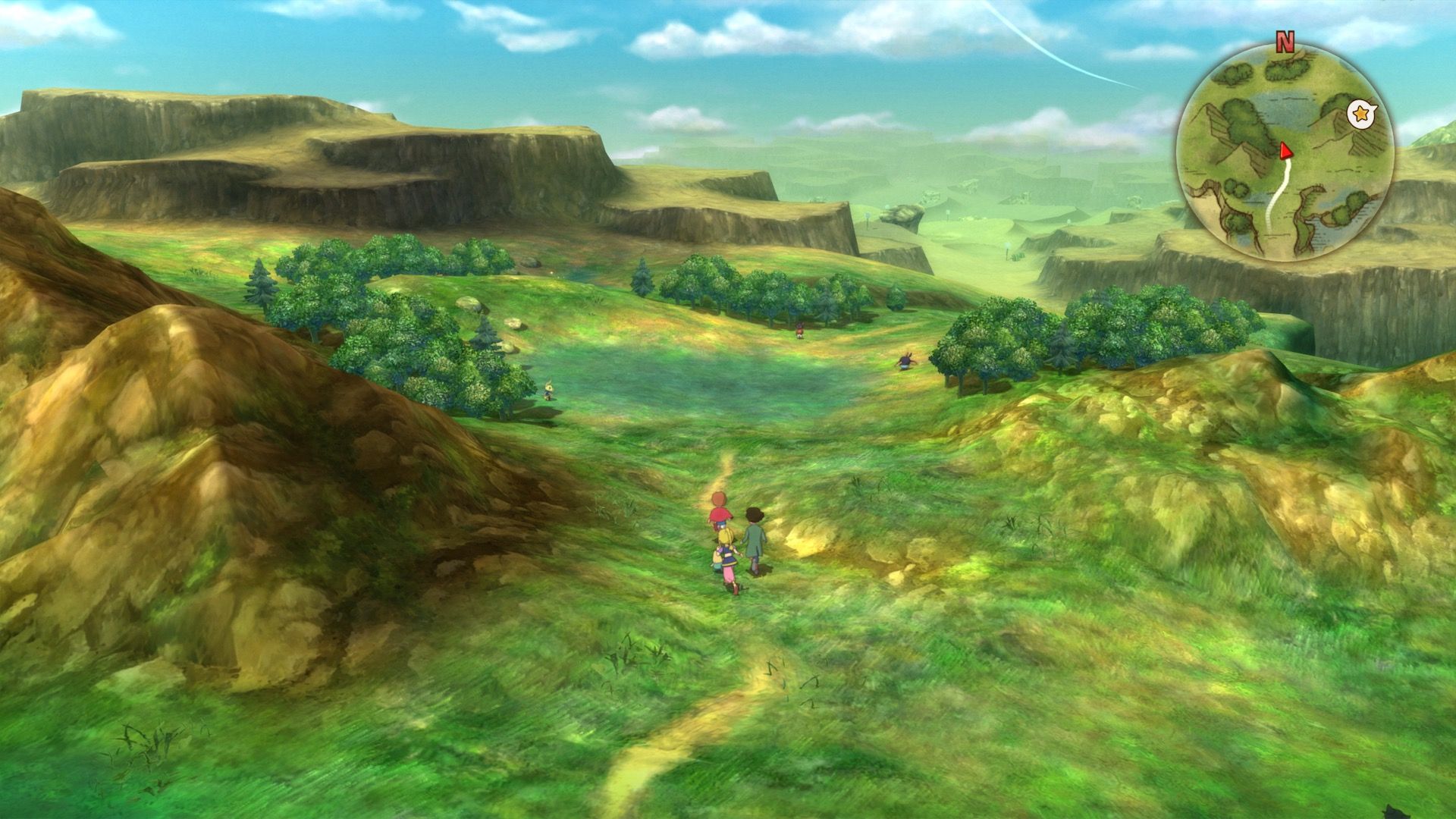
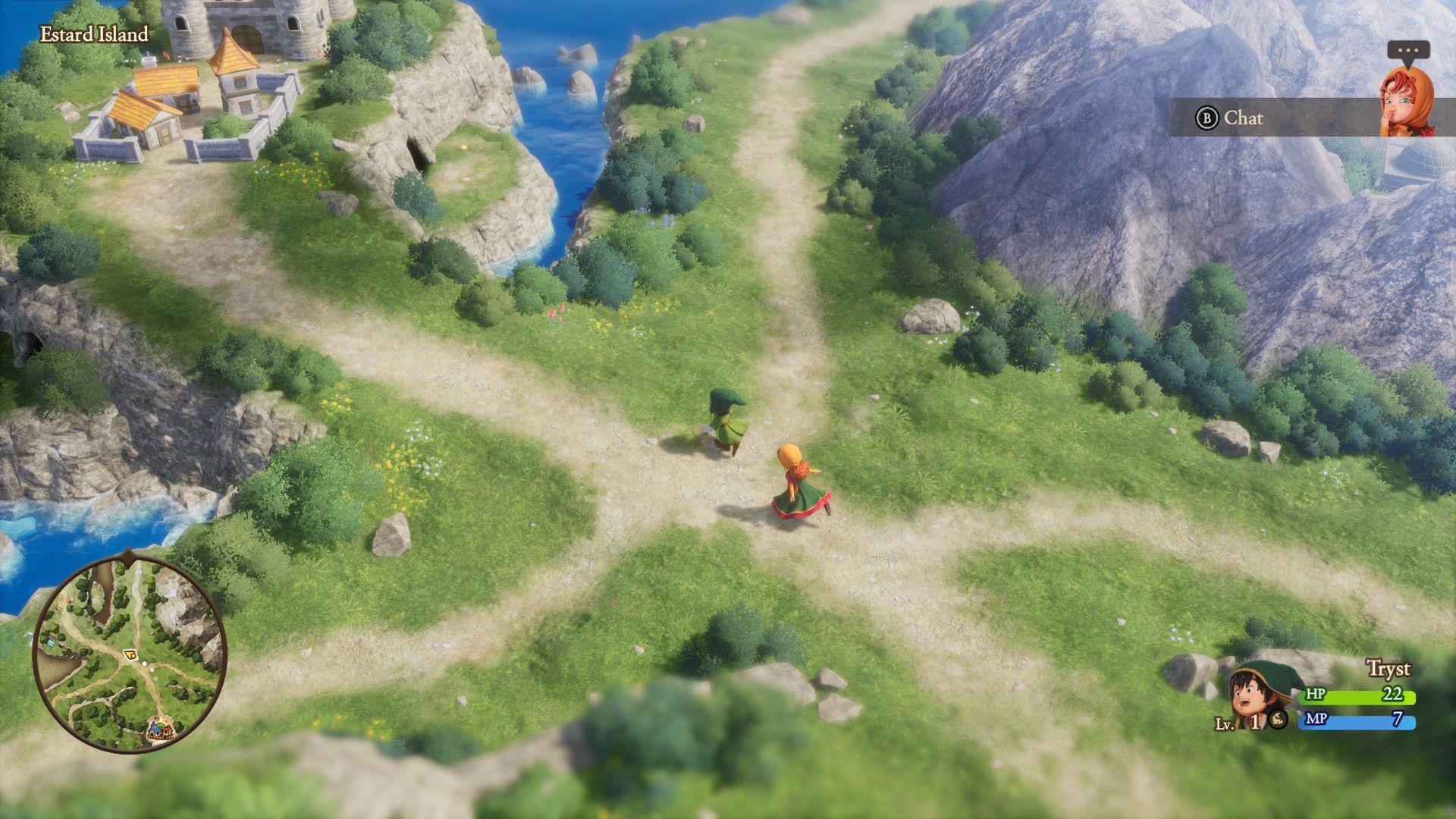
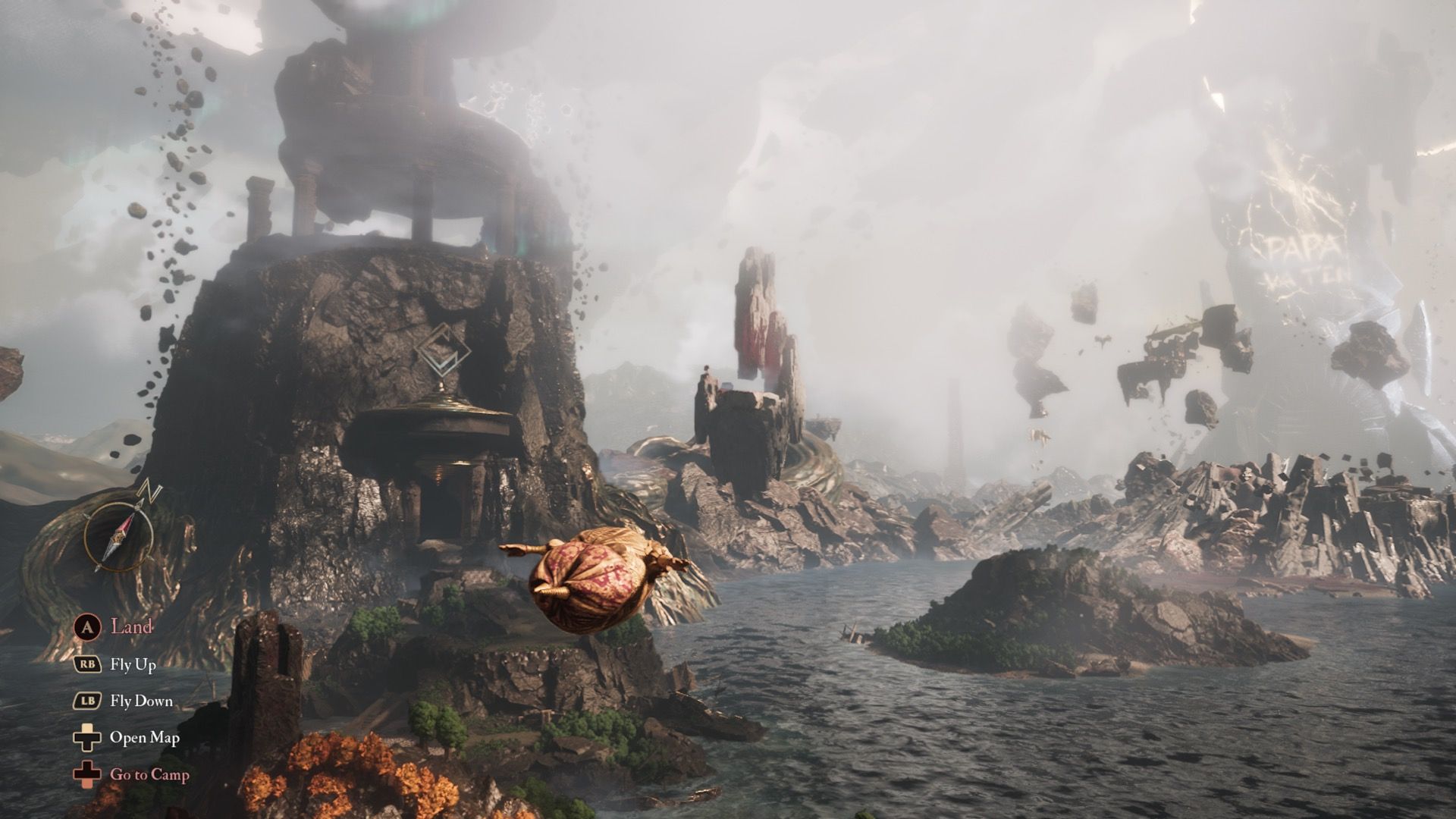
Open-world games are now incredibly popular, covering many different styles like action-adventure and role-playing games. The Elder Scrolls 5: Skyrim really helped make this type of game so well-loved. Before games had fully open, connected worlds, they often used world maps. Games like Dragon Quest and Final Fantasy are good examples – players could travel between towns and dungeons, exploring to battle monsters and find hidden items.
Modern open-world games often feel empty, with vast areas that don’t offer enough to do. Games like Clair Obscur: Expedition 33 and Dynasty Warriors: Origins show that traditional world maps can be a refreshing and engaging alternative. While open worlds aren’t going anywhere, RPG developers should consider bringing back the fun of exploring a well-designed world map.
Active Time Events
A Lost Mechanic Even To Final Fantasy
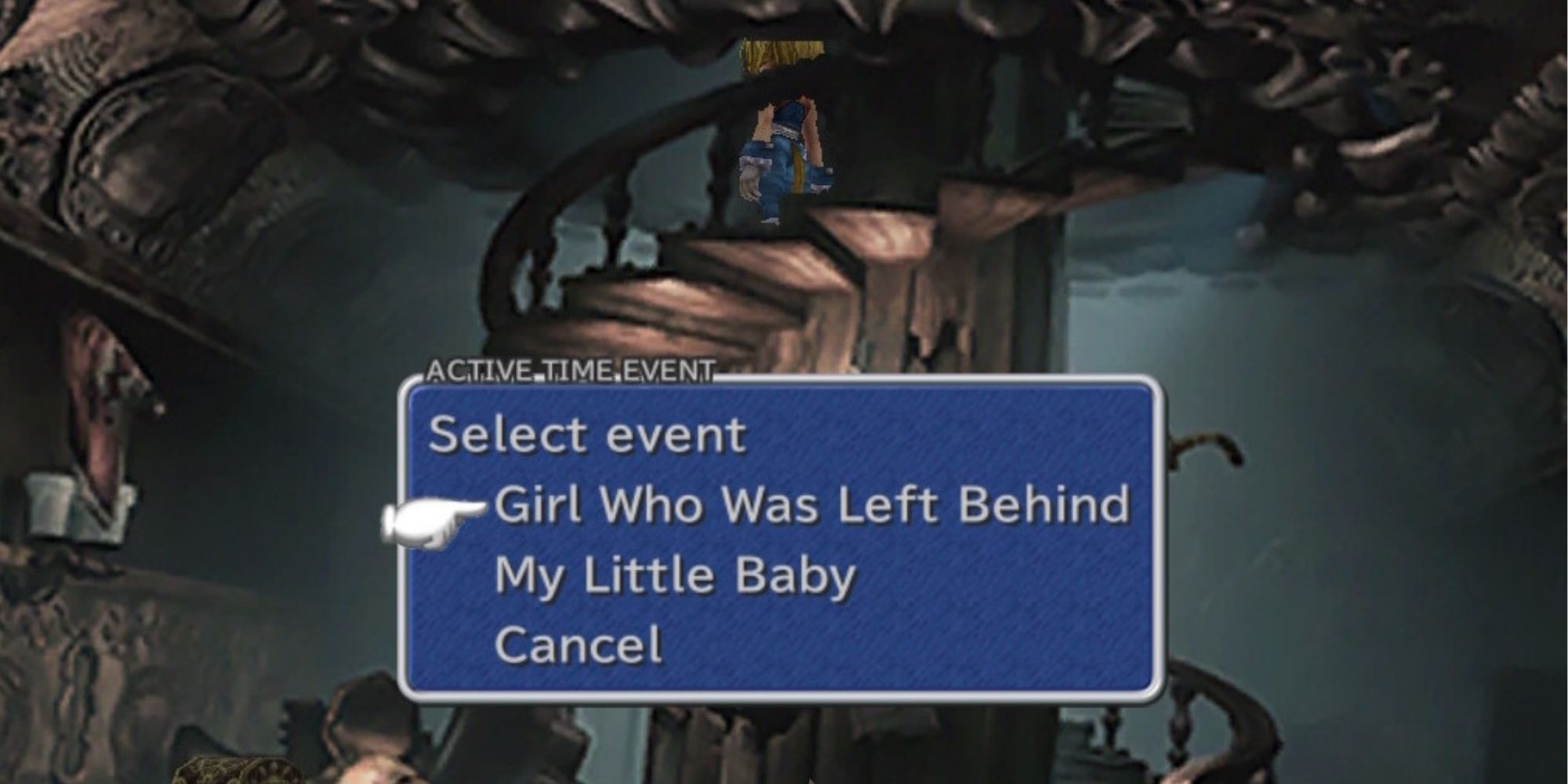
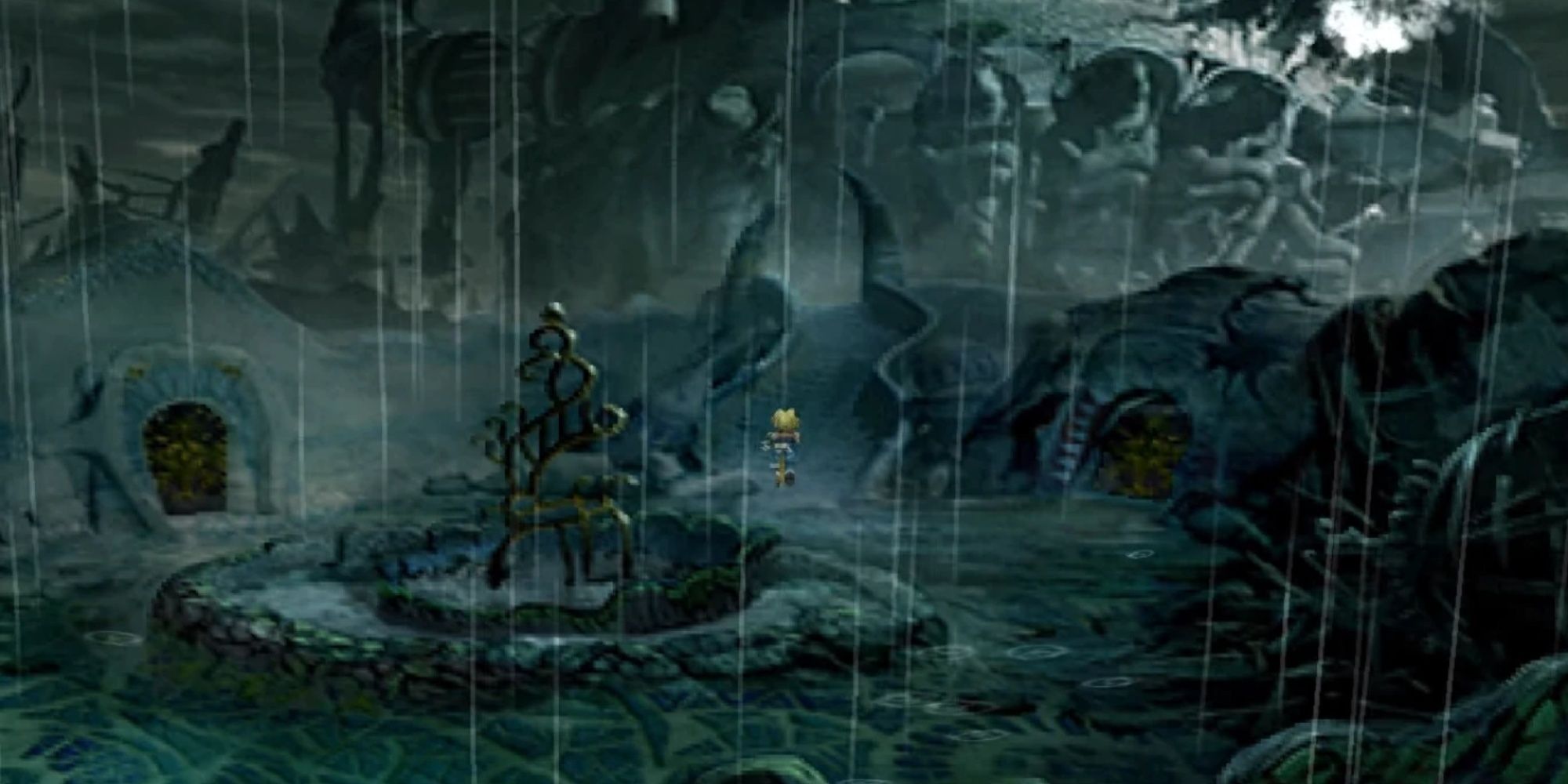
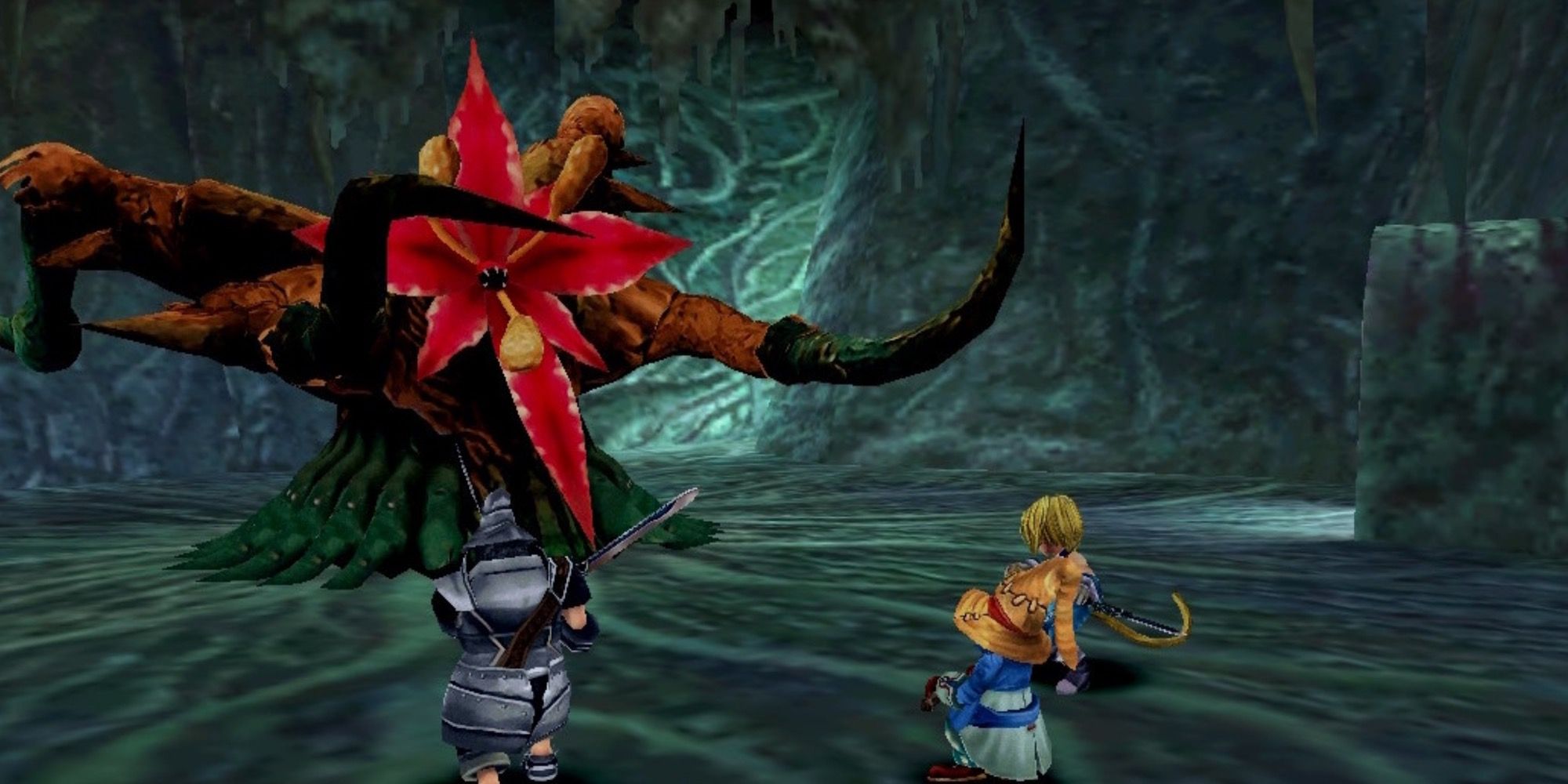
Active Time Events (ATEs) were a unique feature in Final Fantasy 9 that didn’t quite catch on. When exploring new locations like towns or dungeons, the characters would sometimes separate, triggering these short scenes. If players found them in the correct order, they could see what each character was up to, revealing more about the game’s story or giving the characters some personal moments. The town of Treno had many of these events, including scenes based around auctions and card games.
The original approach used in Final Fantasy IX hasn’t been replicated in later games, and it’s fairly uncommon overall. While the skits from the Tales of series offer a similar feel, they’re simply static character portraits with dialogue. Some games, like Metal Gear Solid 4: Guns of the Patriots and A Way Out, have experimented with interesting camera techniques, such as split-screen that allows cutscenes to play out alongside gameplay. The Active Time Event system in Final Fantasy IX could have benefited from more refinement, but abandoning it completely was a mistake.
Time Travel
Triggering Time Powers
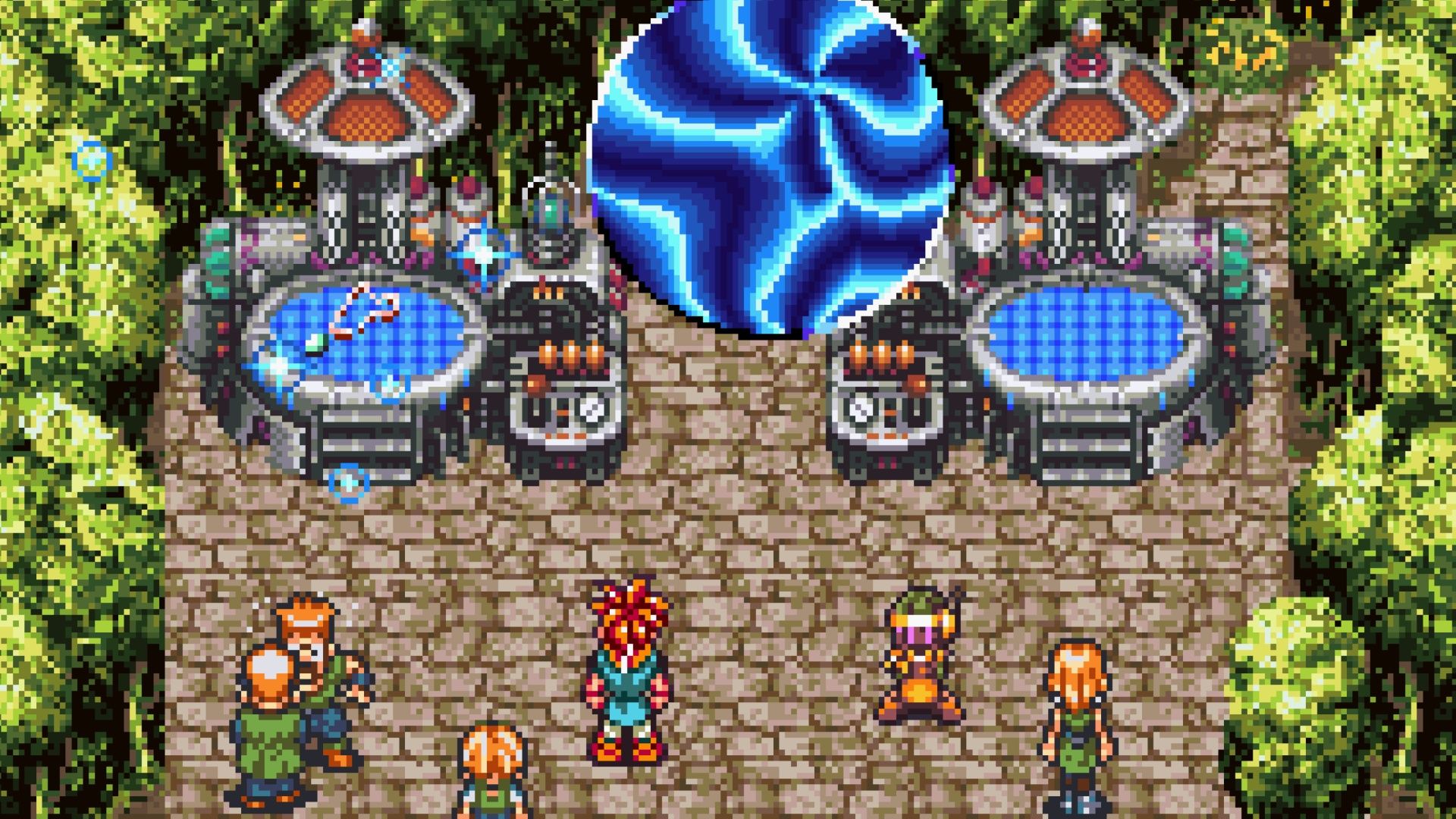
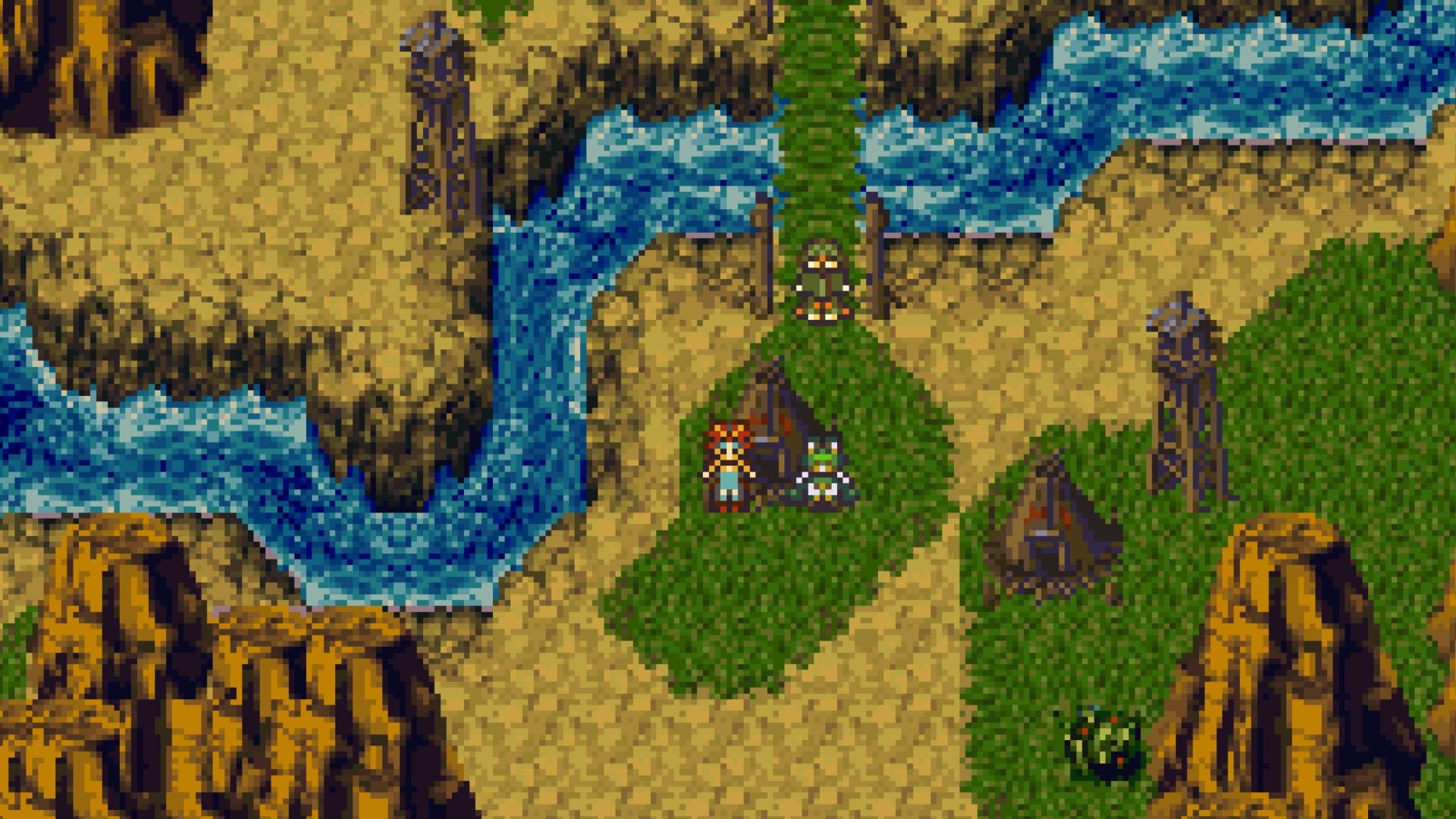
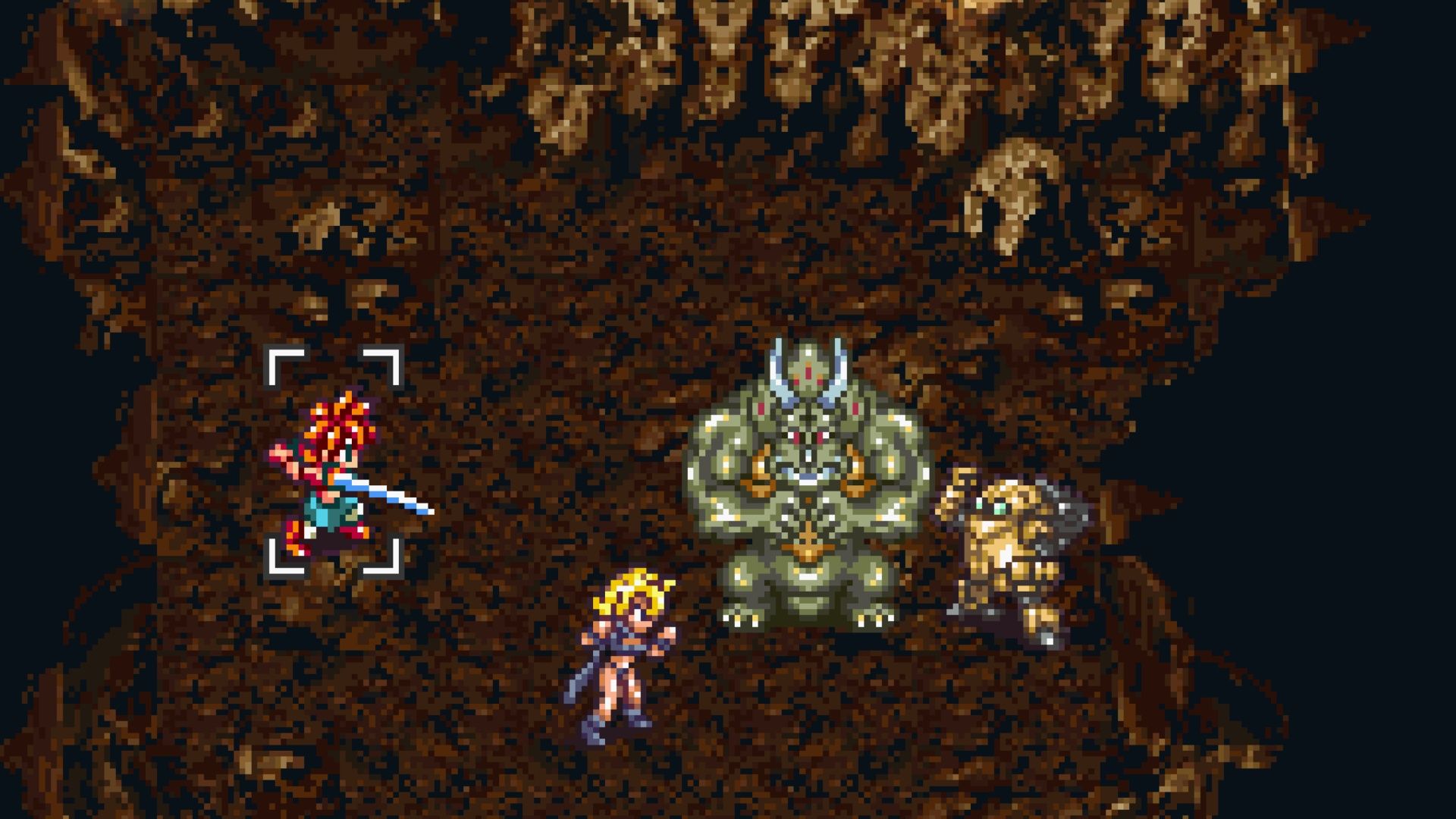
Many games feature time travel, either as the main story or a key part of how you play. But even with all those options, no game has ever quite matched what Chrono Trigger did back in 1995. The game begins in a fantasy world that feels like today, but you quickly find ways to travel to different eras – the medieval past, a distant future, even prehistoric times. What’s cool is that you’re visiting the same world throughout time, but it changes to show how the earth has evolved. Plus, your actions in the past actually impact the future – for example, you could ensure an orb gets sunlight millions of years ago, and that would unlock something special in the present.
After completing the main story, players gained access to an airship that allowed them to travel anywhere on the world map and visit any of the game’s time periods. While other RPGs, such as Radiant Historia and Dark Cloud 2, explored time travel, none did so with the same depth as Chrono Trigger. An upcoming indie RPG called Threads of Time appears to be the closest anyone has come to capturing the spirit of Chrono Trigger. Hopefully, this game will inspire developers across all genres, from RPGs to shooters, to think more carefully about how they implement time travel in their games.
Playing Two Games At Once
Are You Skilled Enough?

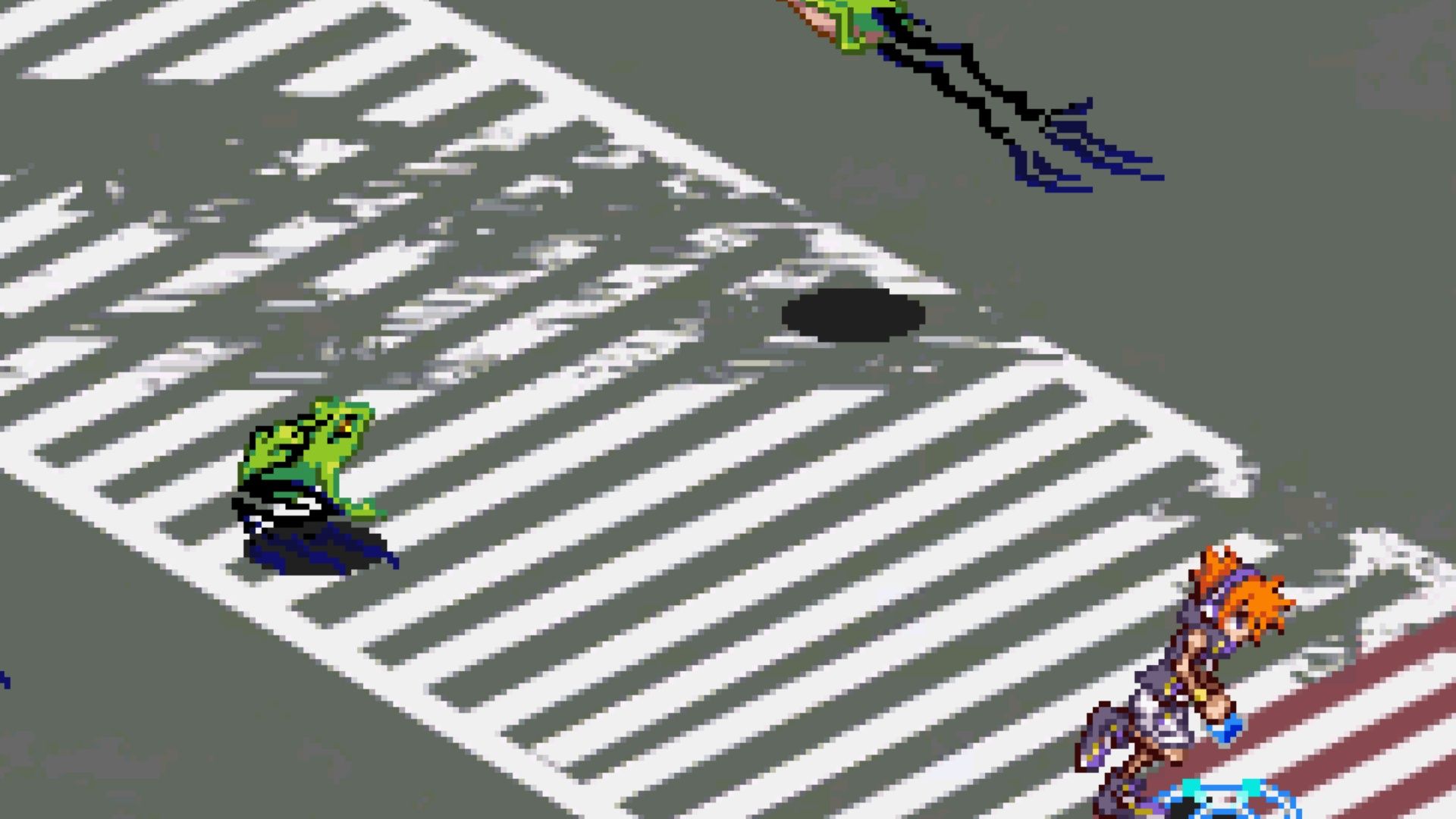
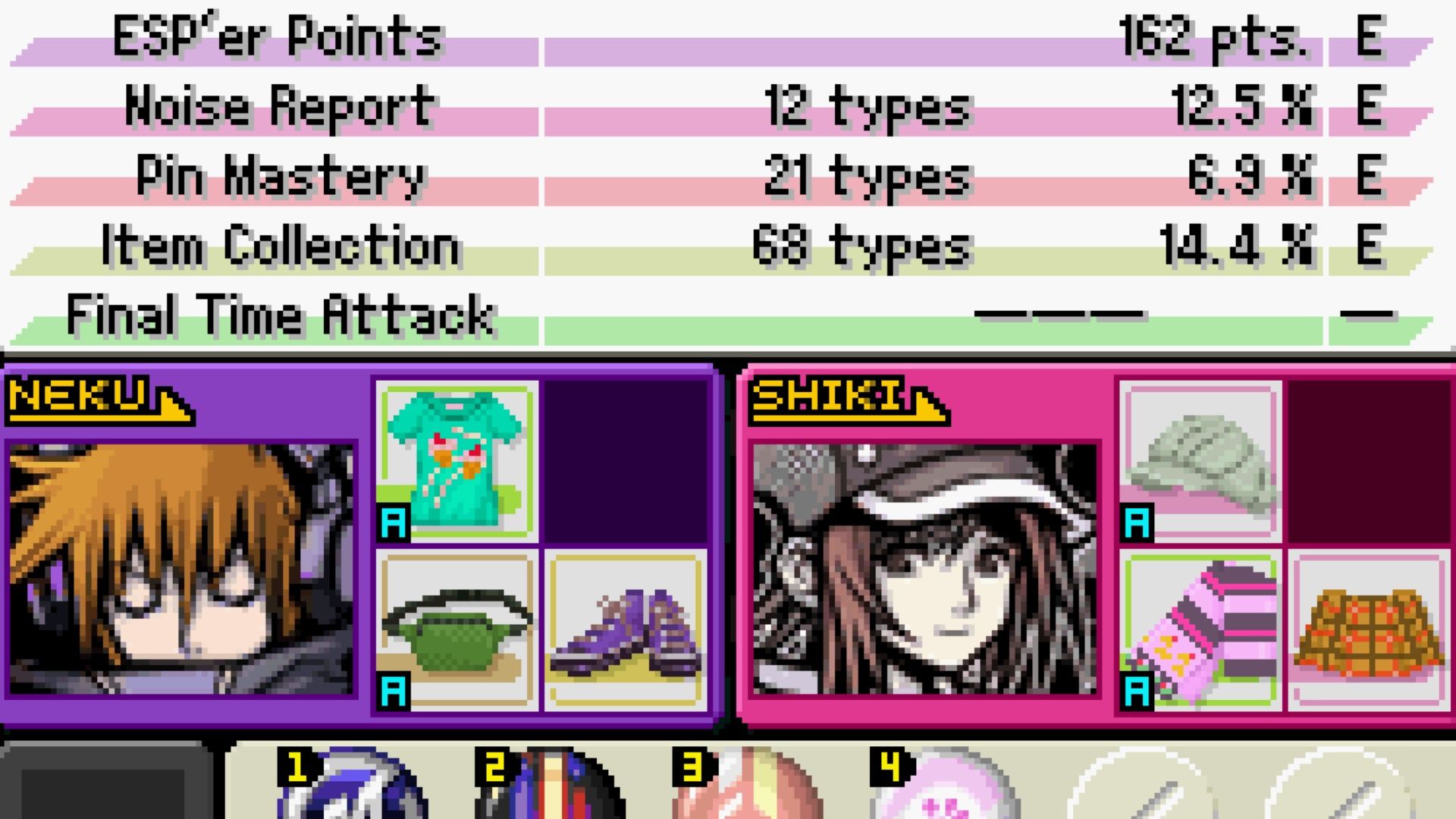
Some games feature two distinct things happening simultaneously, and managing both can be challenging. This was a popular idea during the Nintendo DS era, taking advantage of the handheld’s dual screens. For instance, in The World Ends With You, players used a stylus on the bottom screen for action while controlling a character on the top screen with buttons – that top-screen character fought on its own but benefited from player attention. Henry Hatsworth in the Puzzling Adventure is another example, blending a traditional platformer with a match-three puzzle mechanic.
I loved how the game had action happening on both screens at once! You’d be running and jumping up top, but you also had to keep an eye on what was building up on the bottom screen. If you ignored it, those blocks would come back to haunt you during the platforming, so it was like solving a puzzle while you were playing. The DS was perfect for that kind of gameplay, and it’s exciting to see games like Pragmata trying to bring that back. What’s really cool is that in Pragmata, you have to use different controls to both shoot and hack enemies – it makes taking them down so much faster! If Pragmata does well, I really hope we see more games that play with this dual-game idea – it’s so innovative!
Canceling Turn-Based Commands
A More Active System
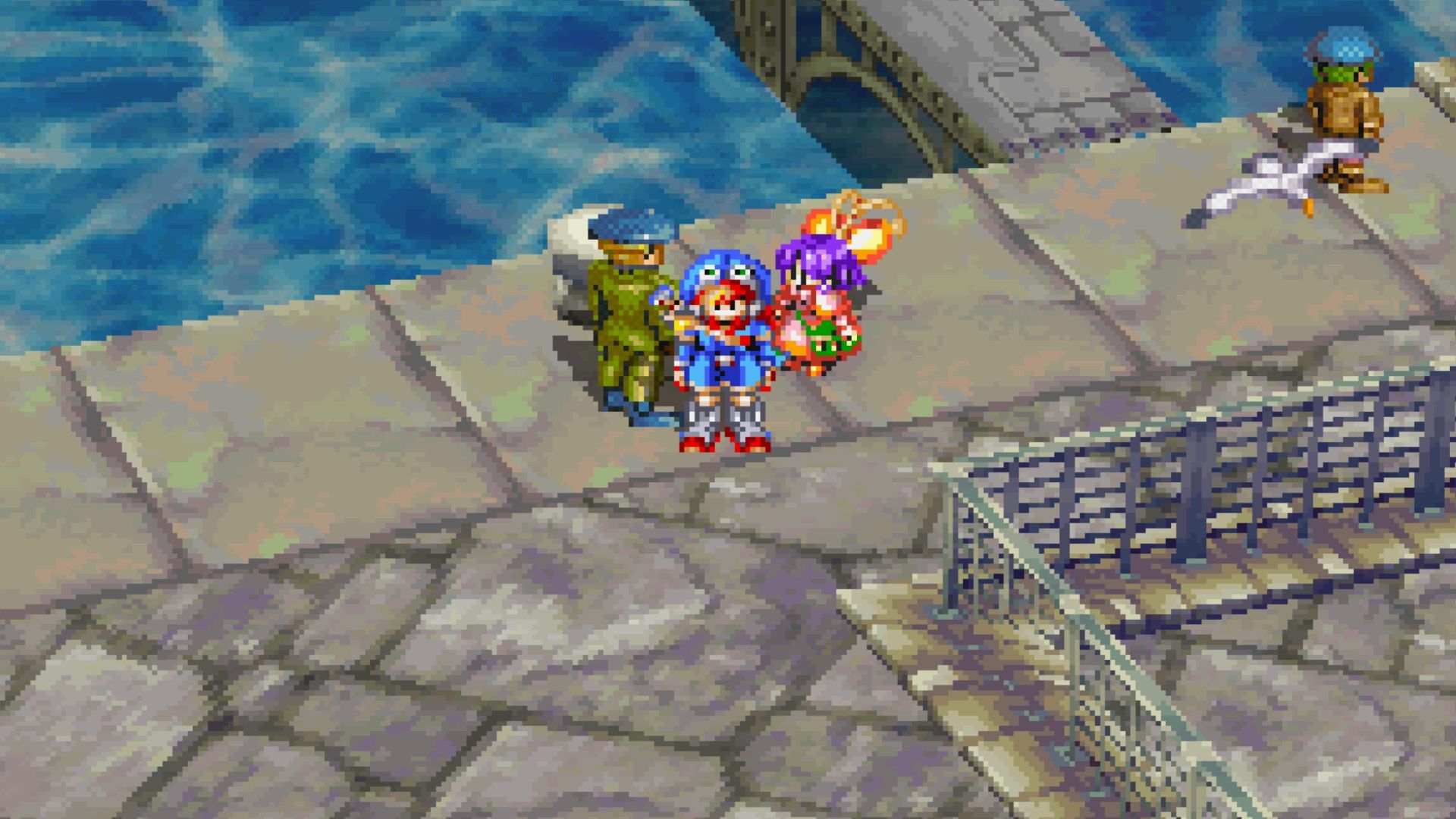
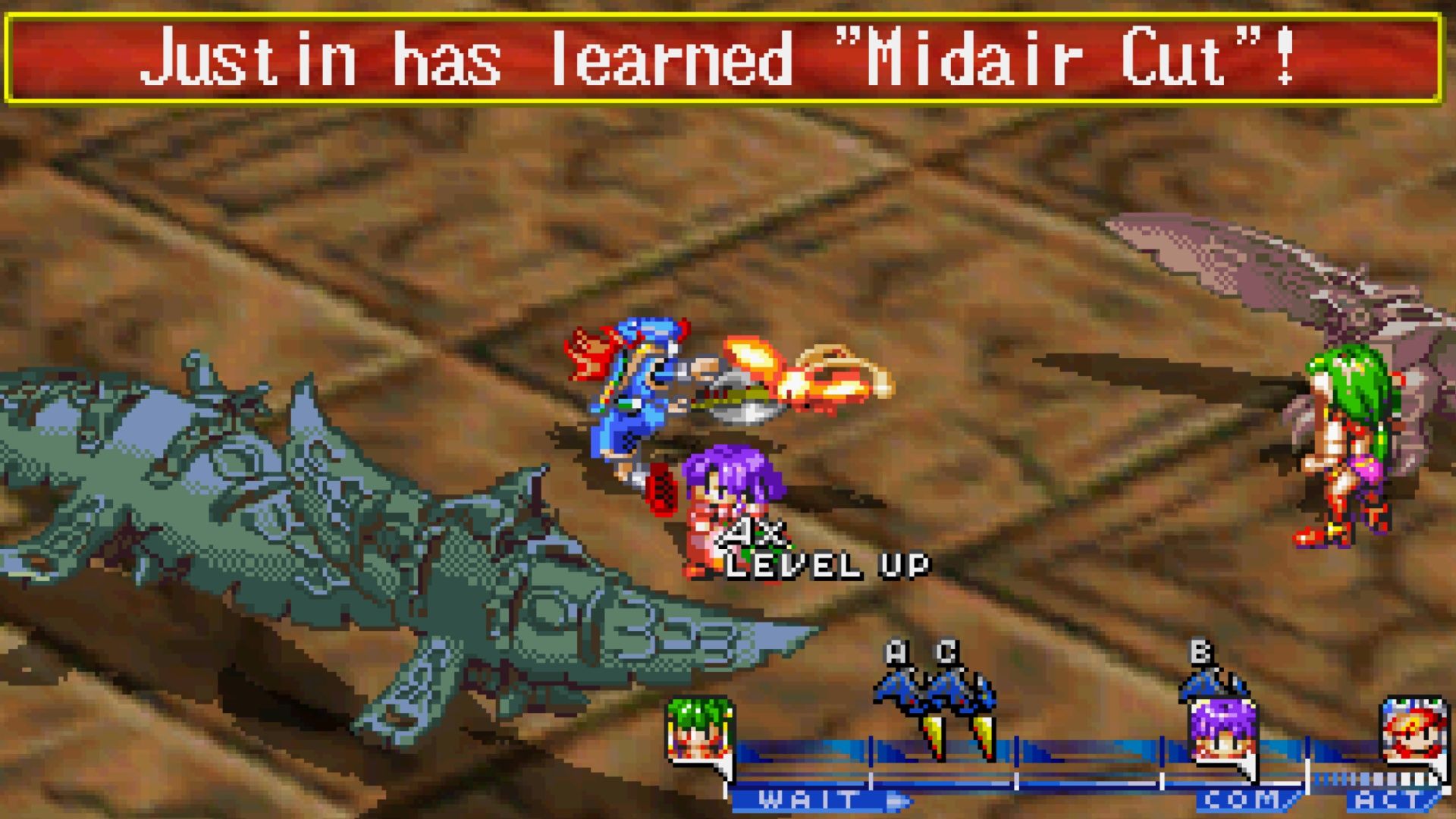
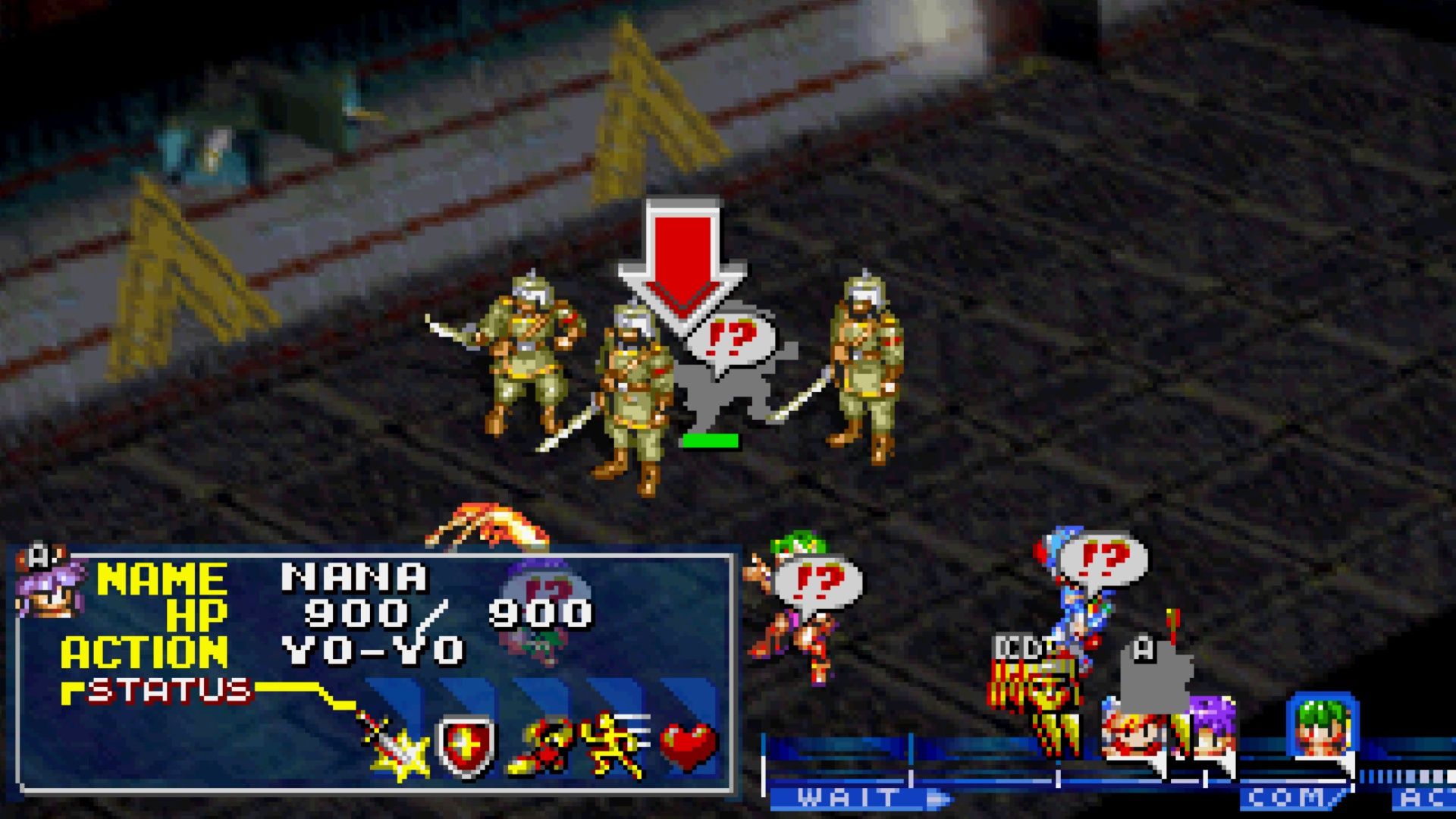
When Grandia came out for the Sega Saturn in Japan in 1997, it stood out for several reasons. Its turn-based battles were unique because players could see the order in which characters and enemies would act. When you selected an attack, the game showed you exactly when it would happen in the turn sequence – stronger attacks naturally took longer to execute.
I always loved how in Grandia, you could actually skip an enemy’s turn if you took them down before they could act! It made combat so much more dynamic. A lot of RPGs since then have played with turn order, but few have captured that feeling of completely disrupting the enemy. Child of Light did a really good job with that same idea, even though it’s an older game now – still feels newer than the Grandia games, honestly. I really hope some developers today will bring back that exciting, fast-paced combat from Grandia. It was something special!
Read More
- All Shadow Armor Locations in Crimson Desert
- How to Get the Sunset Reed Armor Set and Hollow Visage Sword in Crimson Desert
- Best Bows in Crimson Desert
- All Golden Greed Armor Locations in Crimson Desert
- Wings of Iron Walkthrough in Crimson Desert
- How to Craft the Elegant Carmine Armor in Crimson Desert
- All Helfryn Armor Locations in Crimson Desert
- How To Beat Ator Archon of Antumbra In Crimson Desert
- Keeping Large AI Models Connected Through Network Chaos
- All Skyblazer Armor Locations in Crimson Desert
2026-04-02 01:43