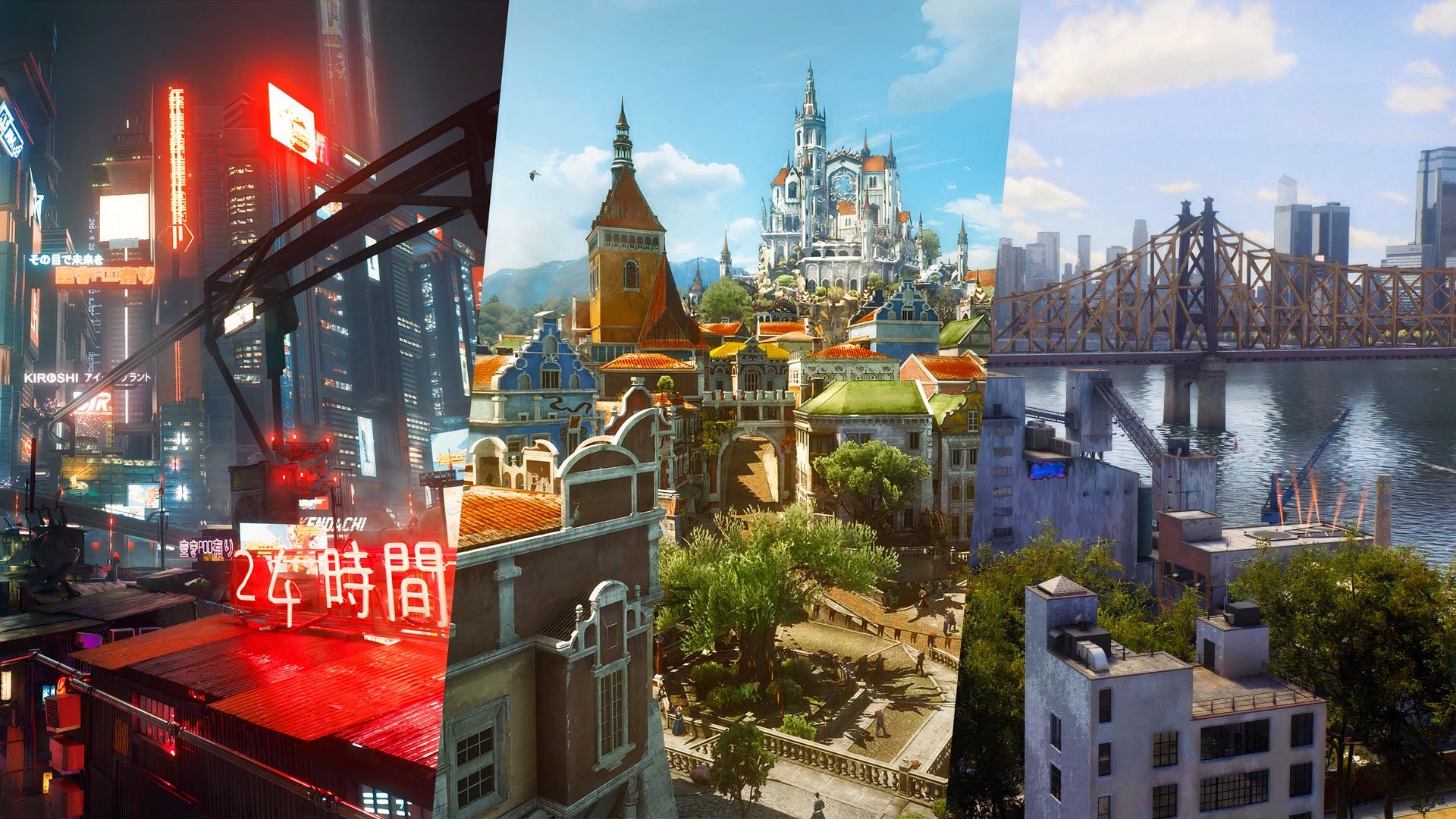
When designing a city for a video game, it’s more important that the city feels like a natural part of the game’s world than that it looks realistic. A believable game city has buildings and streets that reflect its past, a layout that’s easy to understand, and an overall feel that matches the lives of the people who live there. For example, a city in a dangerous world should show signs of defense, and a city with economic inequality should visually demonstrate that imbalance.
Creating believable and immersive game worlds is a major goal for many developers, and they spend a lot of time perfecting the details. Here are six open-world games with cities that feel realistic, whether they’re grounded in reality or built on fantasy.
Cyberpunk 2077
Late-Stage Capitalism Rears Its Head
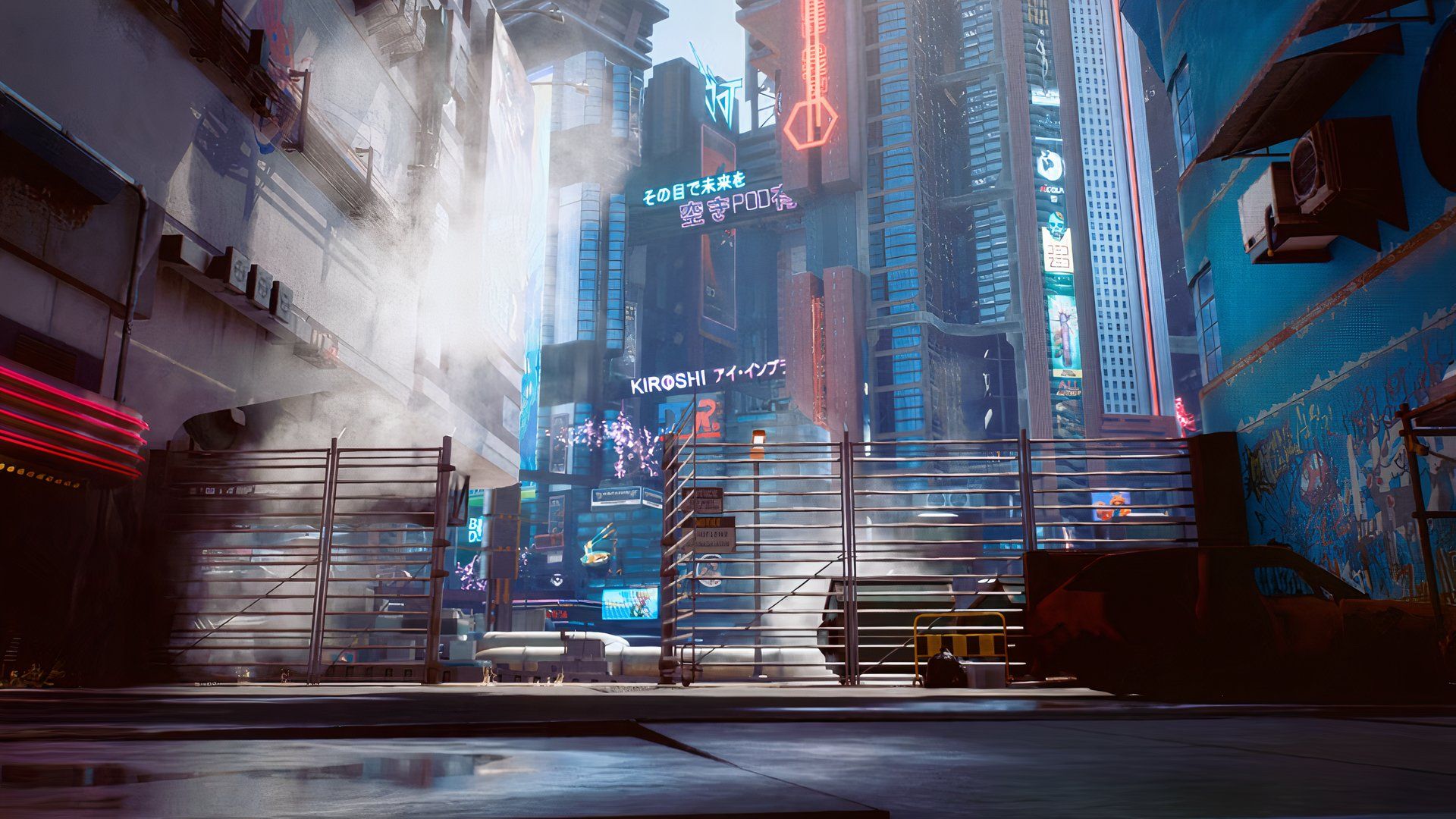
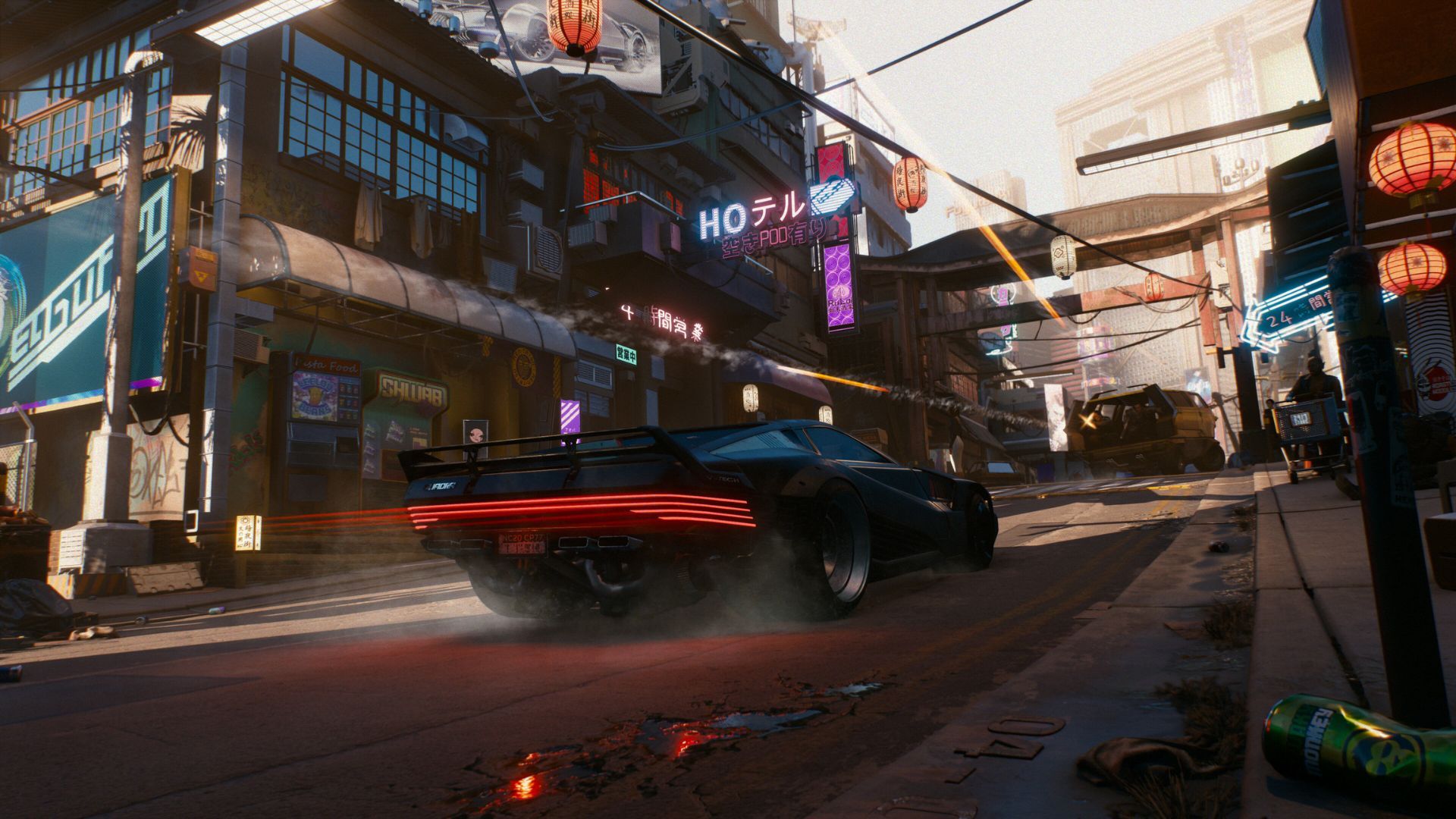
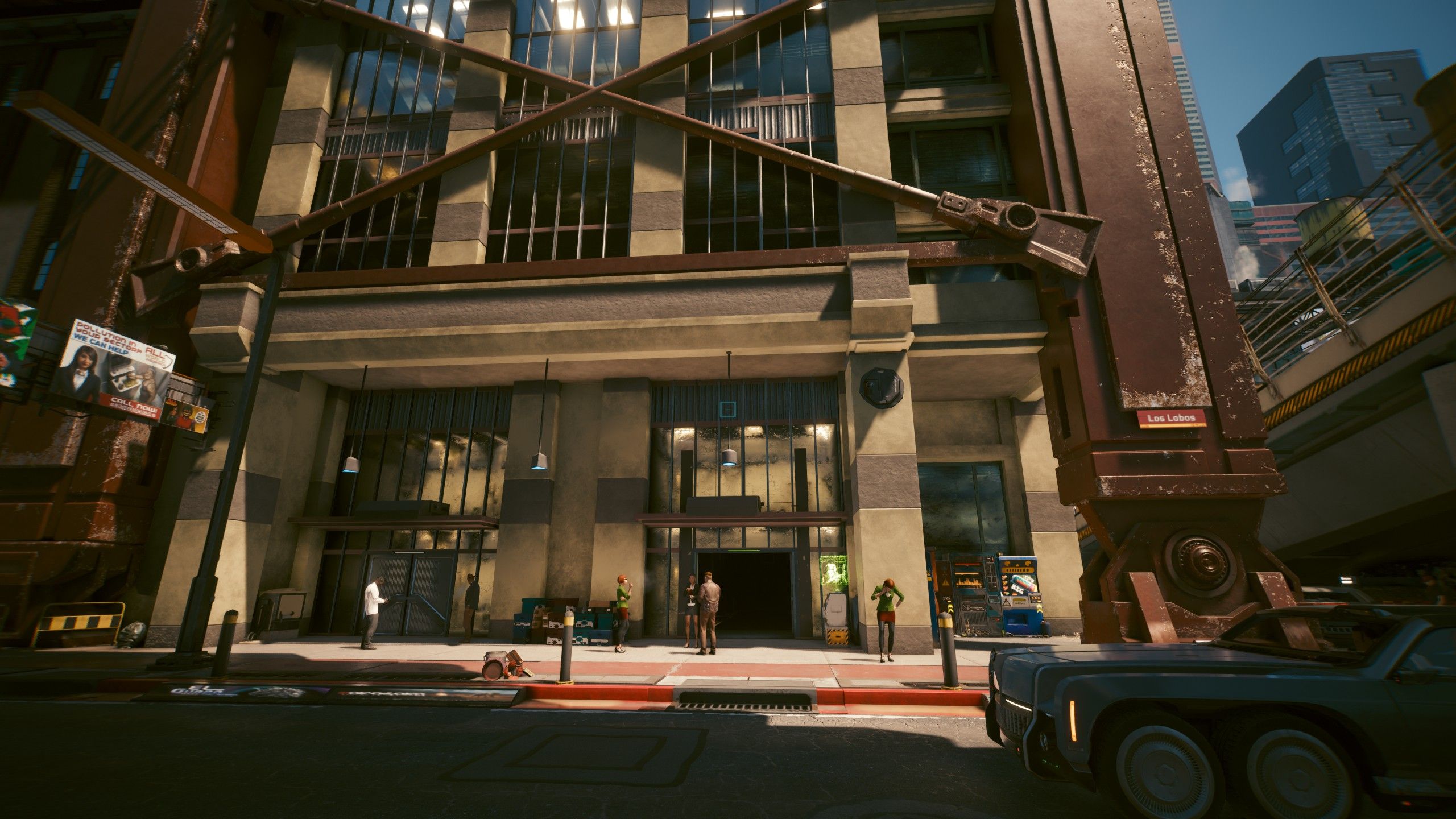
CD Projekt Red put a lot of effort into making Night City feel like a real, bustling place, even though it’s a fictional city in an alternate version of our history. They did this by filling the streets with activity – people going to work, crossing streets, and driving cars, for example. While Night City isn’t meant to be perfectly realistic, it presents a heightened and exaggerated view of what life could be like under extreme capitalism. Despite this, it still convincingly functions as a living, breathing city.
In Cyberpunk 2077, Night City is filled with enormous buildings where most people live. These structures are covered in advertisements. While corporations thrive, everyday citizens struggle to afford basic necessities and often rely on pre-packaged meals from vending machines. Everything in the game feels consistent with its established history and world-building.
As a huge fan of the world, one thing that really struck me about Night City is how differently people deal with trash. If you’re in the poorer parts of town, it’s just… everywhere. Bags piled up on the streets and even on rooftops, because nobody can afford garbage collection, and even if they could, the trucks would probably get ripped apart by scavengers. But then you go to the richer districts, and it’s totally different – they’re so clean, and a lot of the trash is actually lifted away by drones! It really hits home how the corporations control everything, and how that creates such a stark contrast between the haves and have-nots in the Cyberpunk universe. It’s a gritty detail, but it makes the world feel so much more real.
Kingdom Come: Deliverance 2
A Hyper-Realistic Medieval City and Surrounding Lands
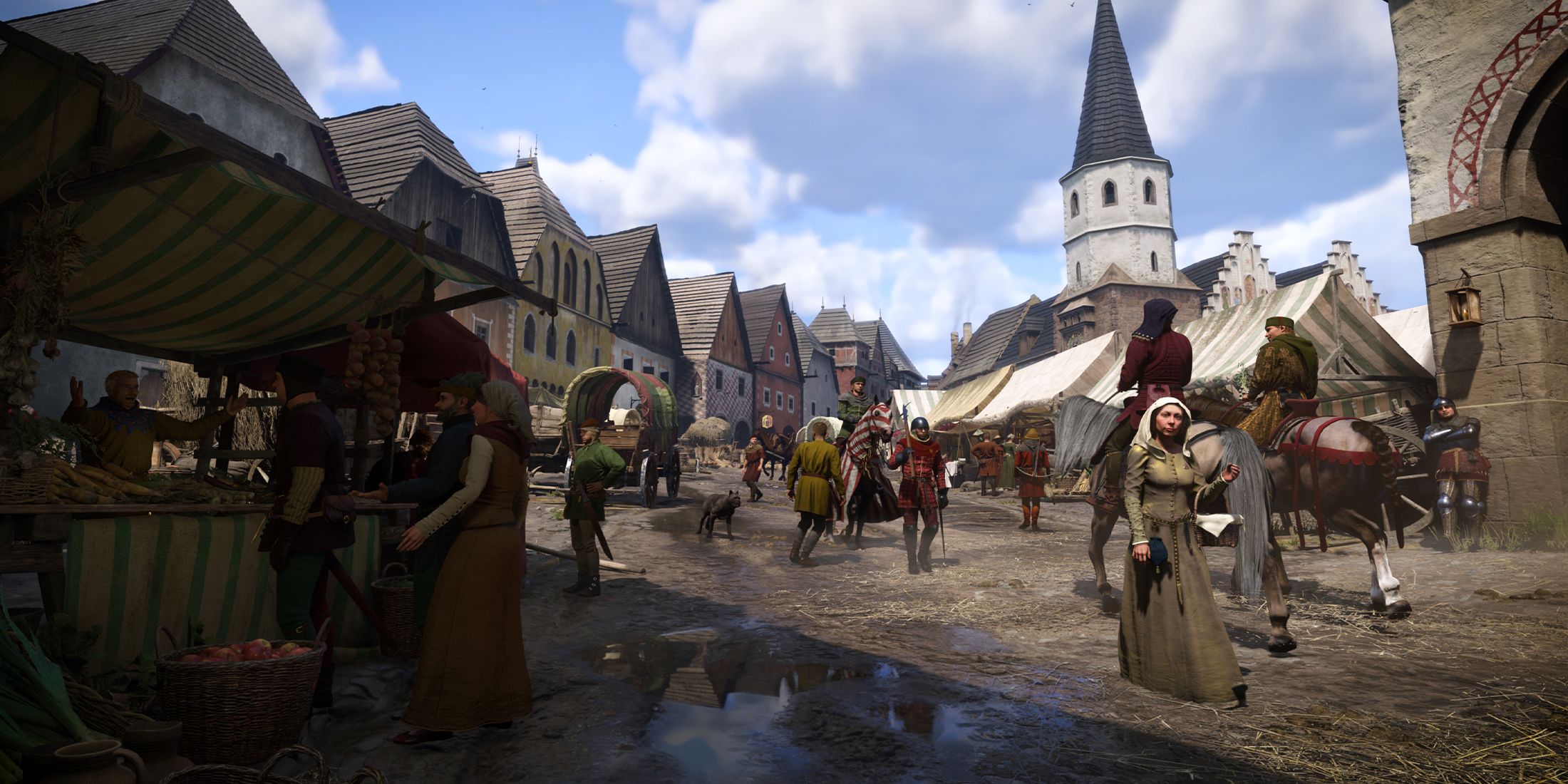
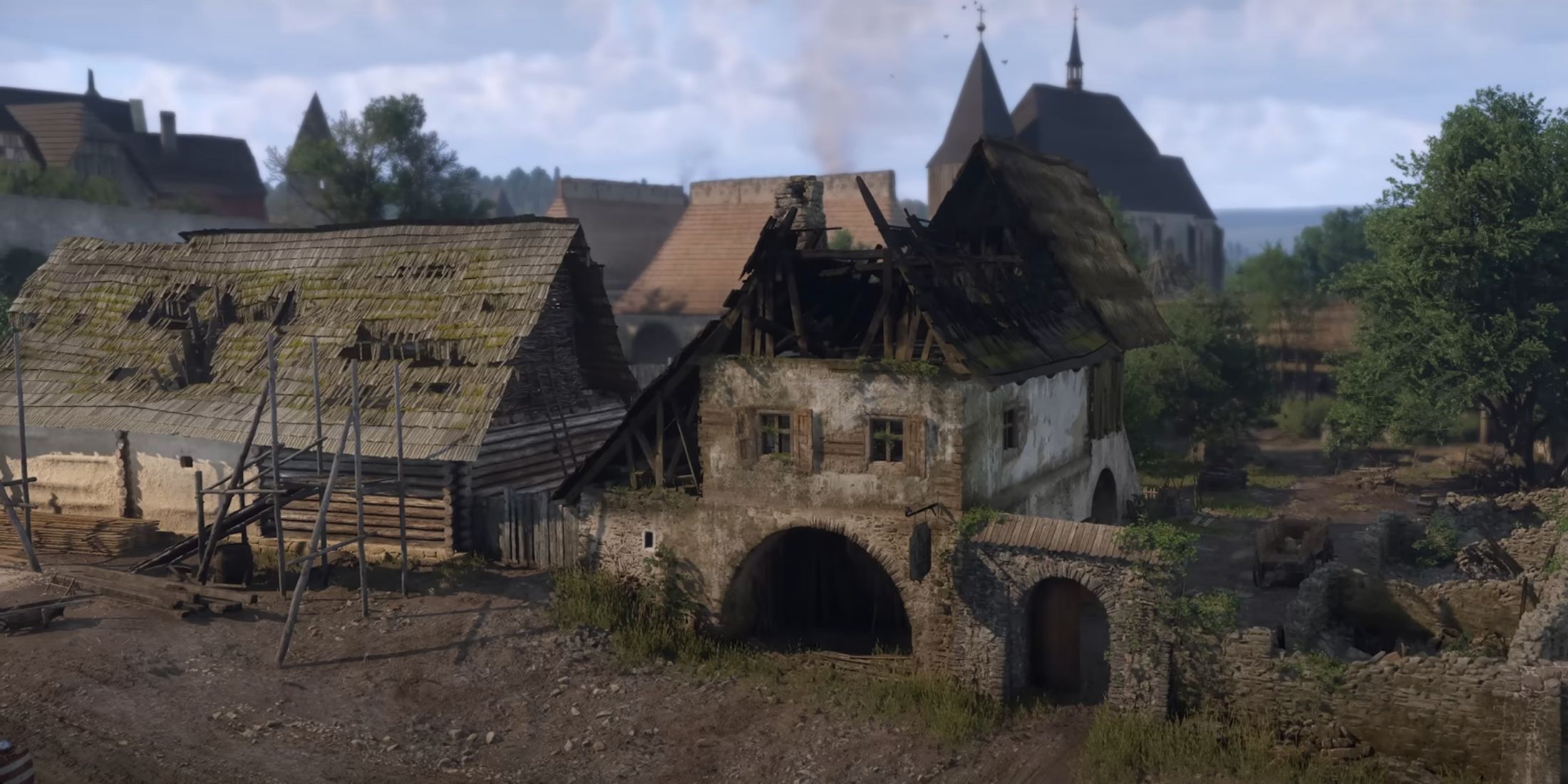
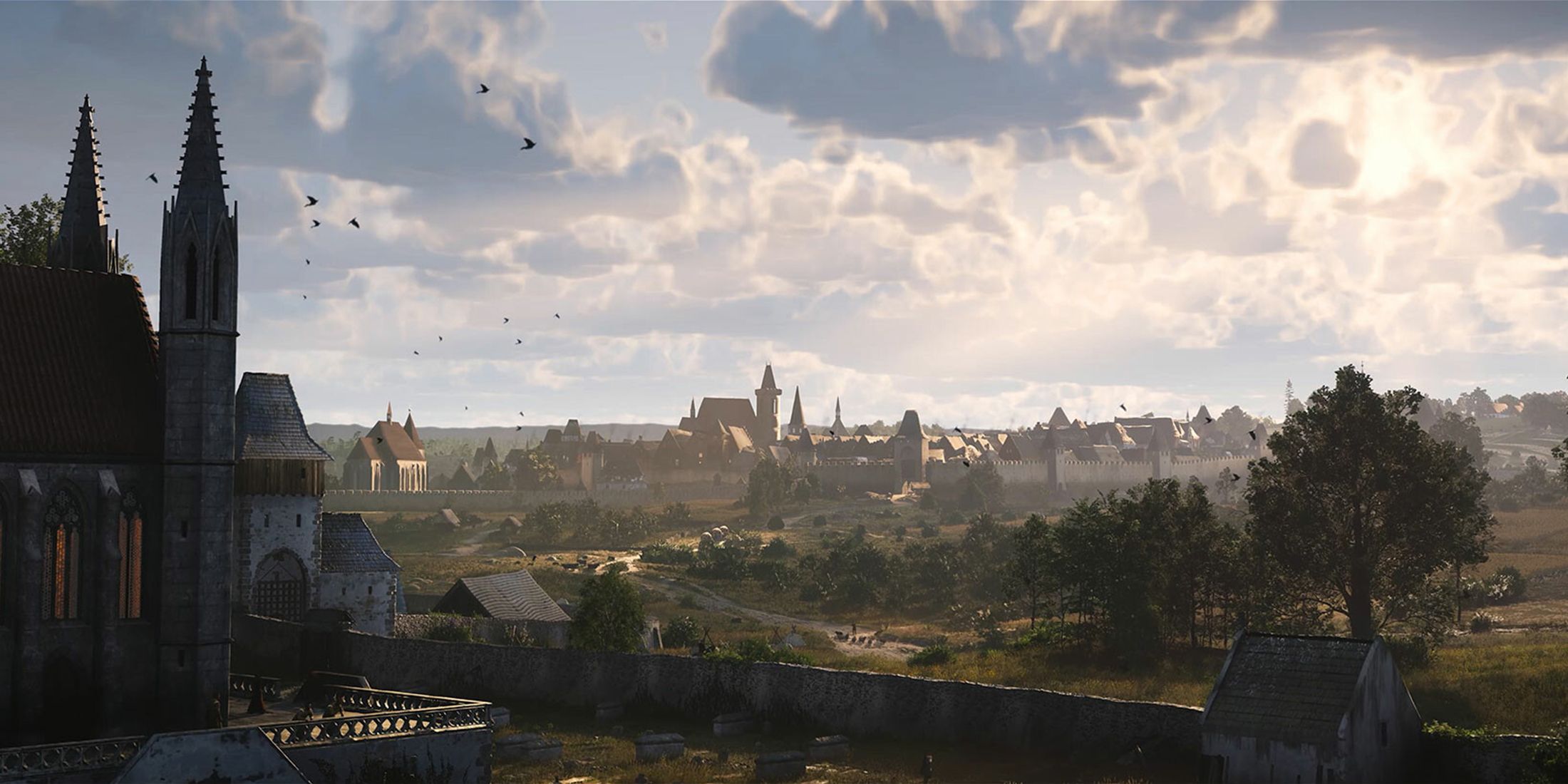
The team at Warhorse Studios, creators of
The buildings in Kuttenberg are captivating, and many, like St. Barbara’s Church, still stand today. The game accurately shows the church as it was during this period – unfinished, with scaffolding and building supplies hinting at its future beauty. The town also features protective walls and stables, reflecting the need for defense and the importance of horses for transportation.
As a big fan, I’ve noticed that the villages and farms surrounding the town of Kuttenberg feel a lot more vulnerable than the town itself, which makes sense. They’re where all the food and wood comes from! But honestly, what really impresses me is how much detail the developers put into making Kuttenberg feel truly authentic. Everything about the layout and the way it looks just feels right for the period, and it all ties together so well. It really adds to the immersion!
Marvel’s Spider-Man 2
A New York City for Superheroes and Regular People Alike
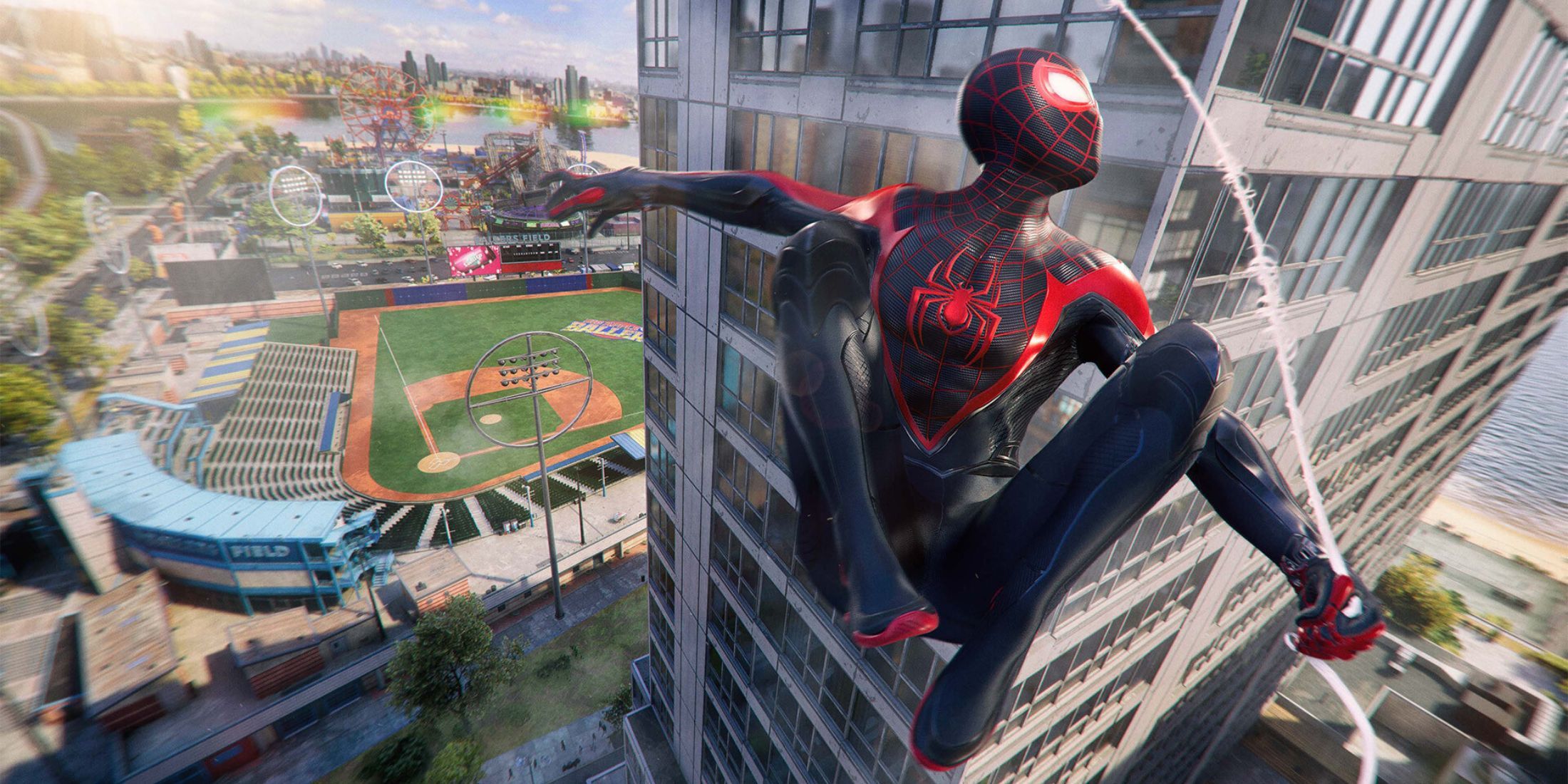

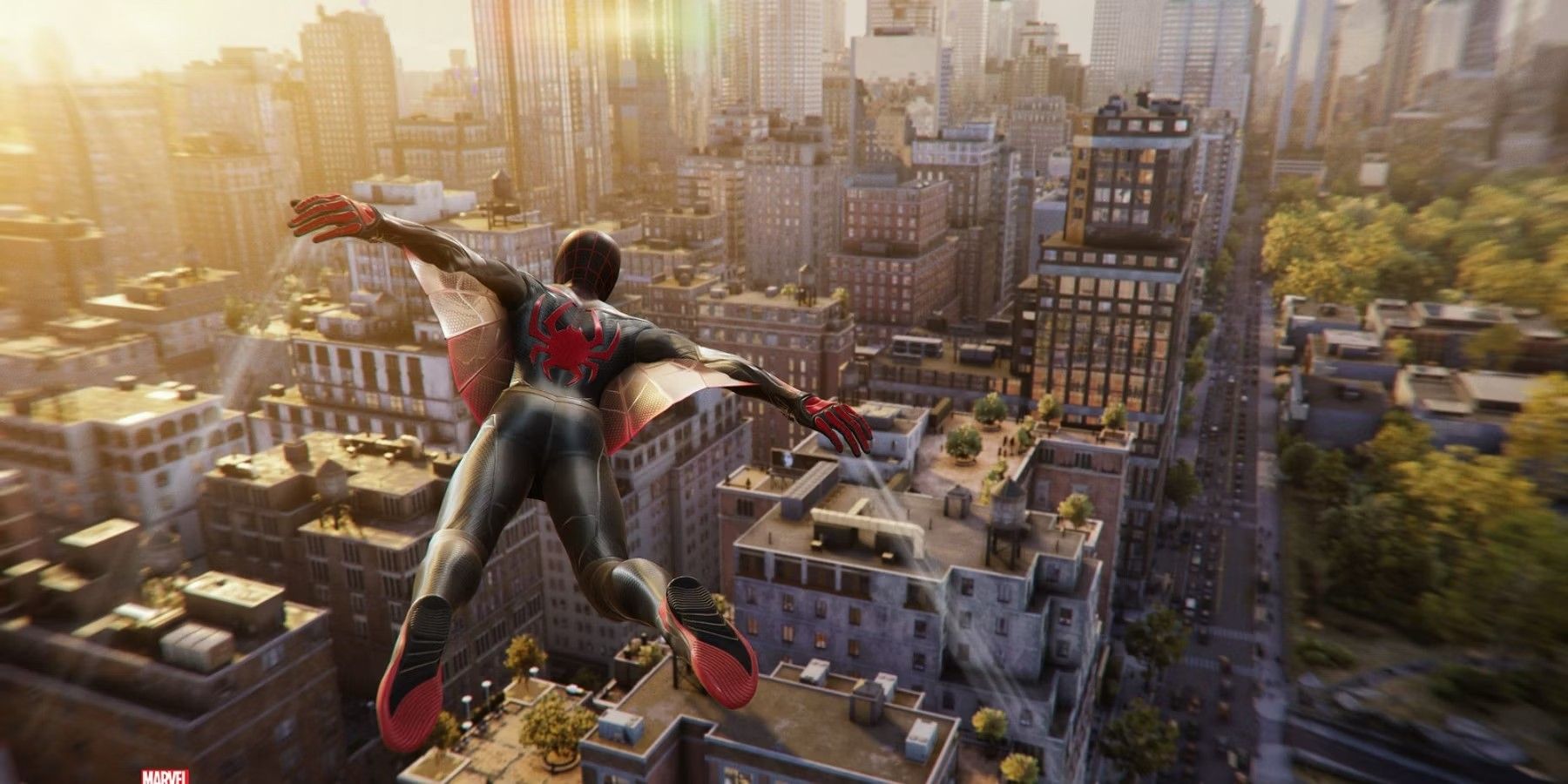
While it might seem like an easy choice, the New York City in Marvel’s Spider-Man 2 is the most realistic and detailed version of the city ever created in a video game. Though it’s not a perfect replica of the entire city, the level of detail is remarkable. Players can swing through three of the five boroughs – Manhattan, Brooklyn, and Queens – and see many famous landmarks. Iconic locations like the Empire State Building, Rockefeller Center, Times Square, and Little Italy are all present and explorable.
A city feels believable when it’s more than just famous buildings or sights. Details like how the streets are arranged, the signs, and how people act are also important. Since this city is based on a real place, it’s good to see things work realistically – cars following roads and traffic lights, and pedestrians using crosswalks. Even small details, like alleyways connecting streets, add to the sense of realism.
Each of New York City’s boroughs has its own unique character. For example, Astoria feels cozy with its small streets and laid-back vibe, while the financial district is more stark and imposing with its grey buildings. It’s a city where people use all kinds of transportation – subways, trains, and taxis – and it feels incredibly lively and authentic, even if it’s a bit of a heightened version of reality.
As a huge Spider-Man fan, what really struck me about Spider-Man 2 isn’t just how good the city looks, but how lived-in it feels. It’s a New York constantly dealing with supervillain attacks, so the city actually has teams and tools dedicated to fighting them and containing the damage. It’s awesome how the game really shows a New York that’s been changed by years of Spider-Man and his enemies battling it out – it feels like a real, dynamic place!
Like a Dragon: Infinite Wealth
Paradise Has a Price

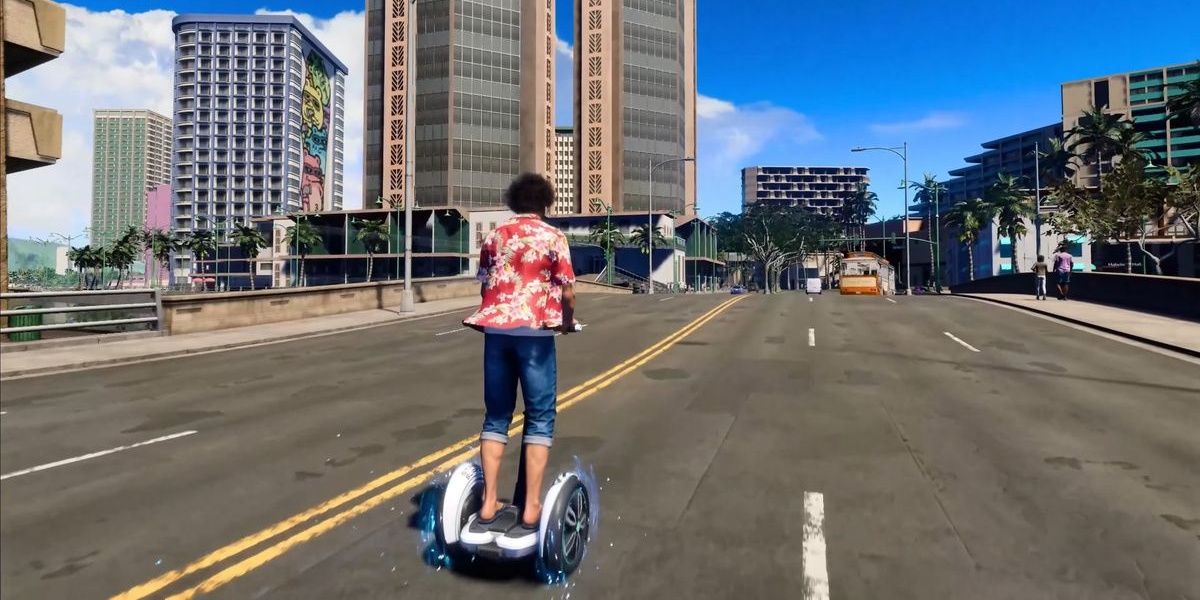
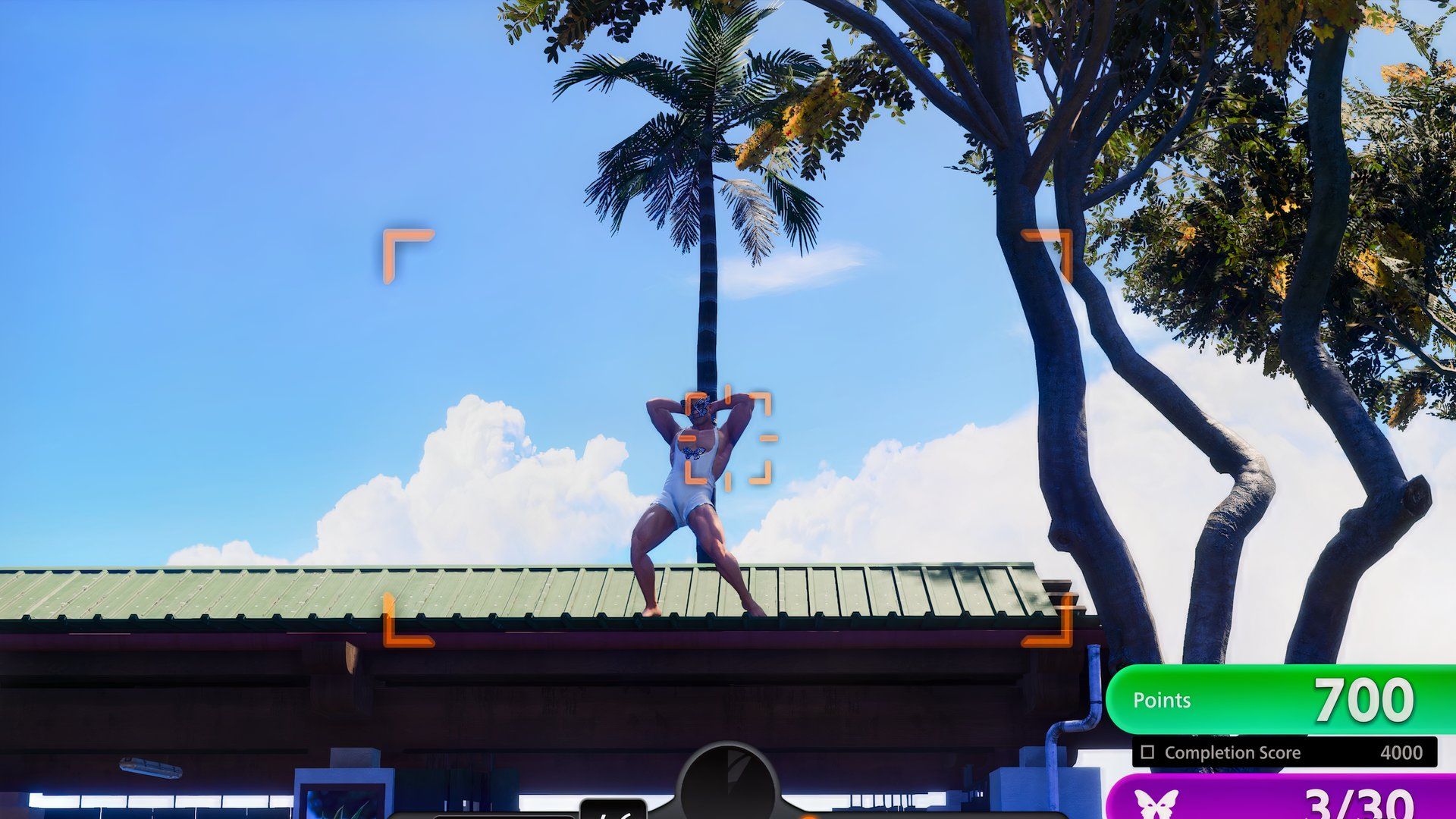
Just like New York City in Spider-Man 2, the Honolulu in Like a Dragon: Infinite Wealth is modeled after a real place. This allows the game to create a city that feels incredibly detailed and realistic, drawing on actual locations and landmarks. You’ll be able to visit many recognizable places in Honolulu that exist in the real world.
You’ll find ABC convenience stores on almost every corner in the game, just like in real Waikiki. The Anaconda Shopping Center is modeled after Ala Moana Center, and it’s incredibly detailed – even things like the bridges and parking garage ramps are accurately recreated. This attention to detail in the roads and shops makes the game world feel incredibly realistic.
One of the most impactful parts of Infinite Wealth is how realistically it portrays the social and cultural landscape of Hawaii, especially when you understand the islands’ history. Hawaii faces a significant homelessness problem, which the game addresses thoughtfully. The high cost of living often traps people in difficult circumstances, and the game reflects this. Adding to the authenticity, some characters speak Hawaiian Pidgin English, a local dialect. Considering Hawaii’s blend of American, Japanese, and Native Hawaiian traditions, this detail really enhances the overall experience.

Loadout Logic
Tap on a weapon to rotate it or press R while dragging.
Results
Grand Theft Auto 5
Not a Real Place, but It Sure Feels Like One
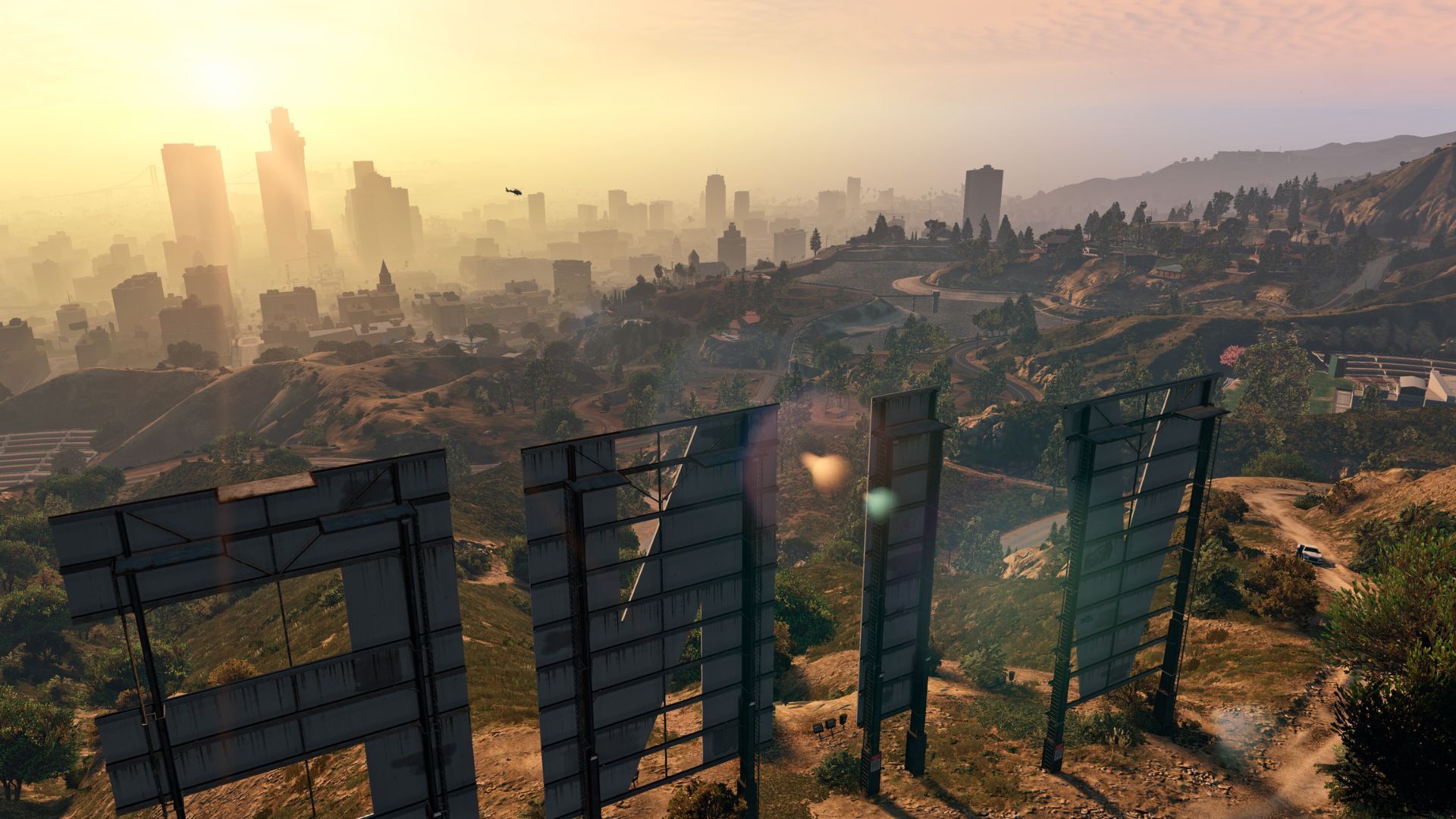
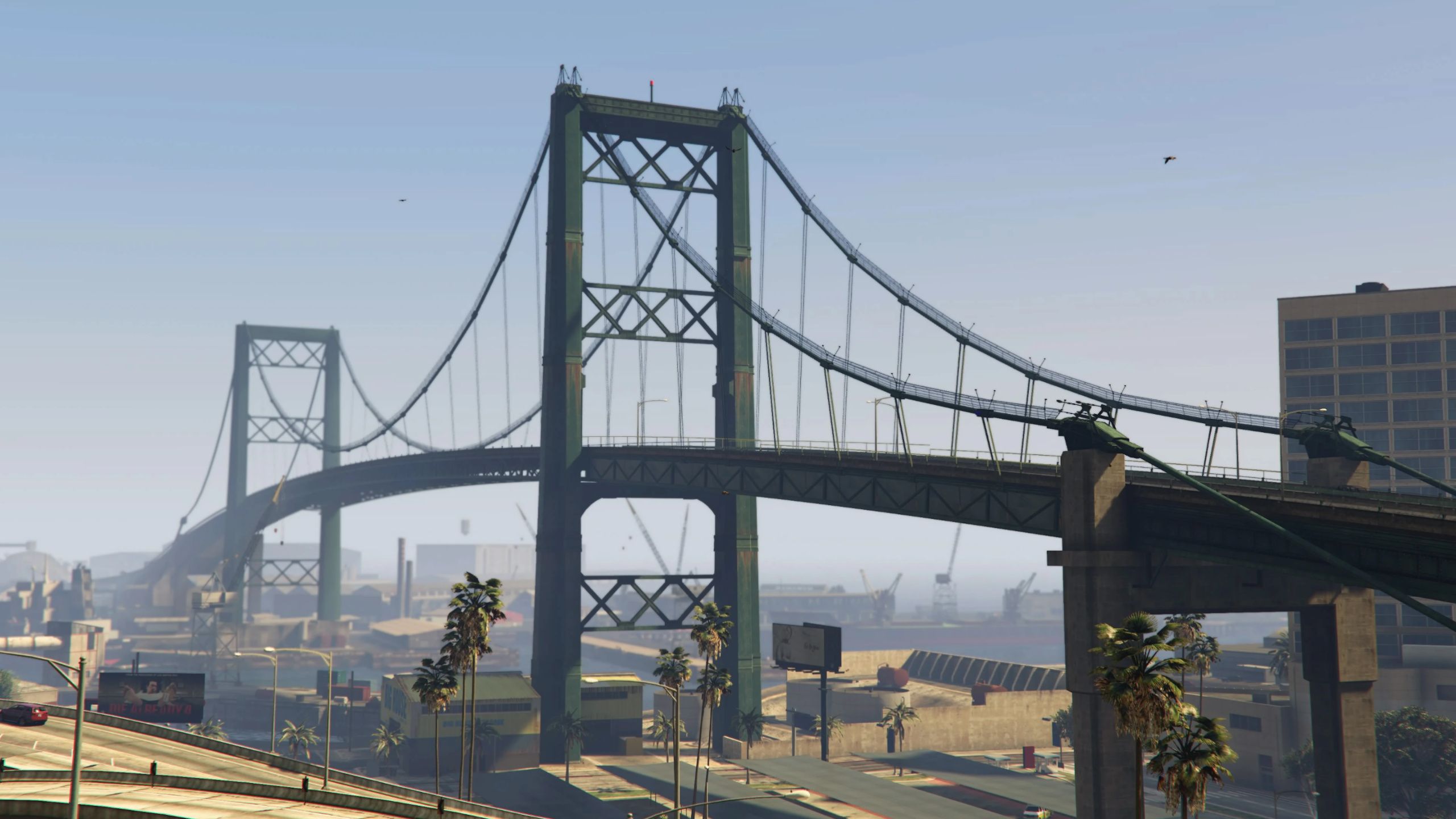
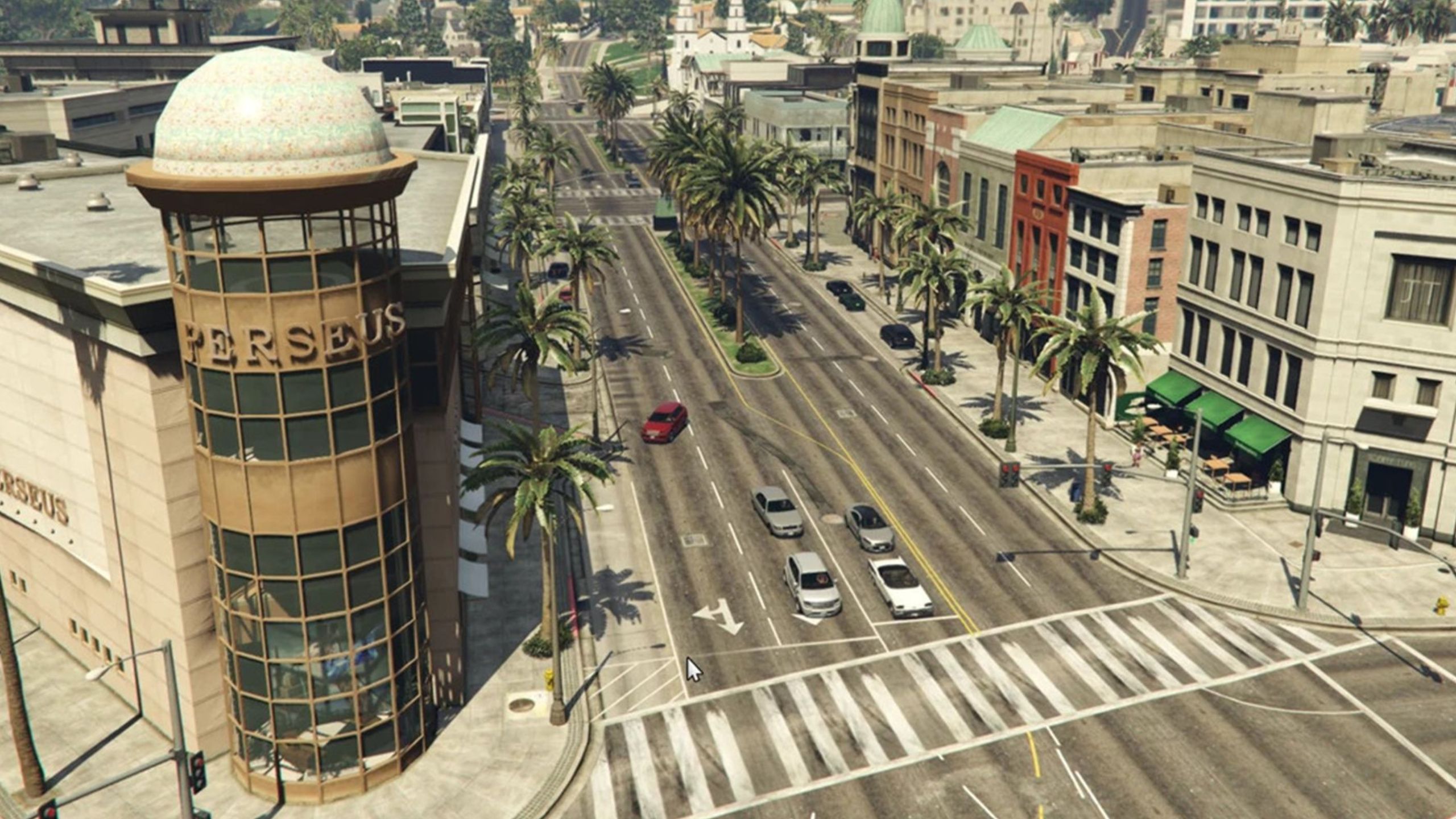
The cities in Grand Theft Auto 5 aren’t exact copies of real places, but they’re clearly inspired by them. You’ll find familiar landmarks like Vinewood Bowl, which is based on the Hollywood Bowl, and a university similar to UCLA. What makes the game so impressive is how it blends all these elements together to create a city that feels incredibly realistic, even though it’s not a direct recreation of any one place.
Driving along Portola Drive, inspired by Rodeo Drive, you’ll notice spacious, well-kept streets with high-end shops selling luxury items like jewelry. Even the cars are more expensive than those in South Los Santos. The roads are designed to smoothly connect different areas, and the changing landscapes – influenced by the distance from the coast – are really striking.
The cities in this game feel remarkably authentic, with clear inspiration drawn from real-world locations. A standout feature is how the game’s architecture conveys information to the player. For example, the warehouses in La Puerta are aged and rundown, mirroring the appearance of neglected neighborhoods in actual cities. The inclusion of sawtooth rooftops on older buildings is a clever historical detail – they were practical for bringing light inside before electricity became widespread! These small touches help build a richer understanding of each area’s history and its place within the game’s world.
The Witcher 3: Wild Hunt
Cities Built on the Backs, Bones, and Ashes of the People
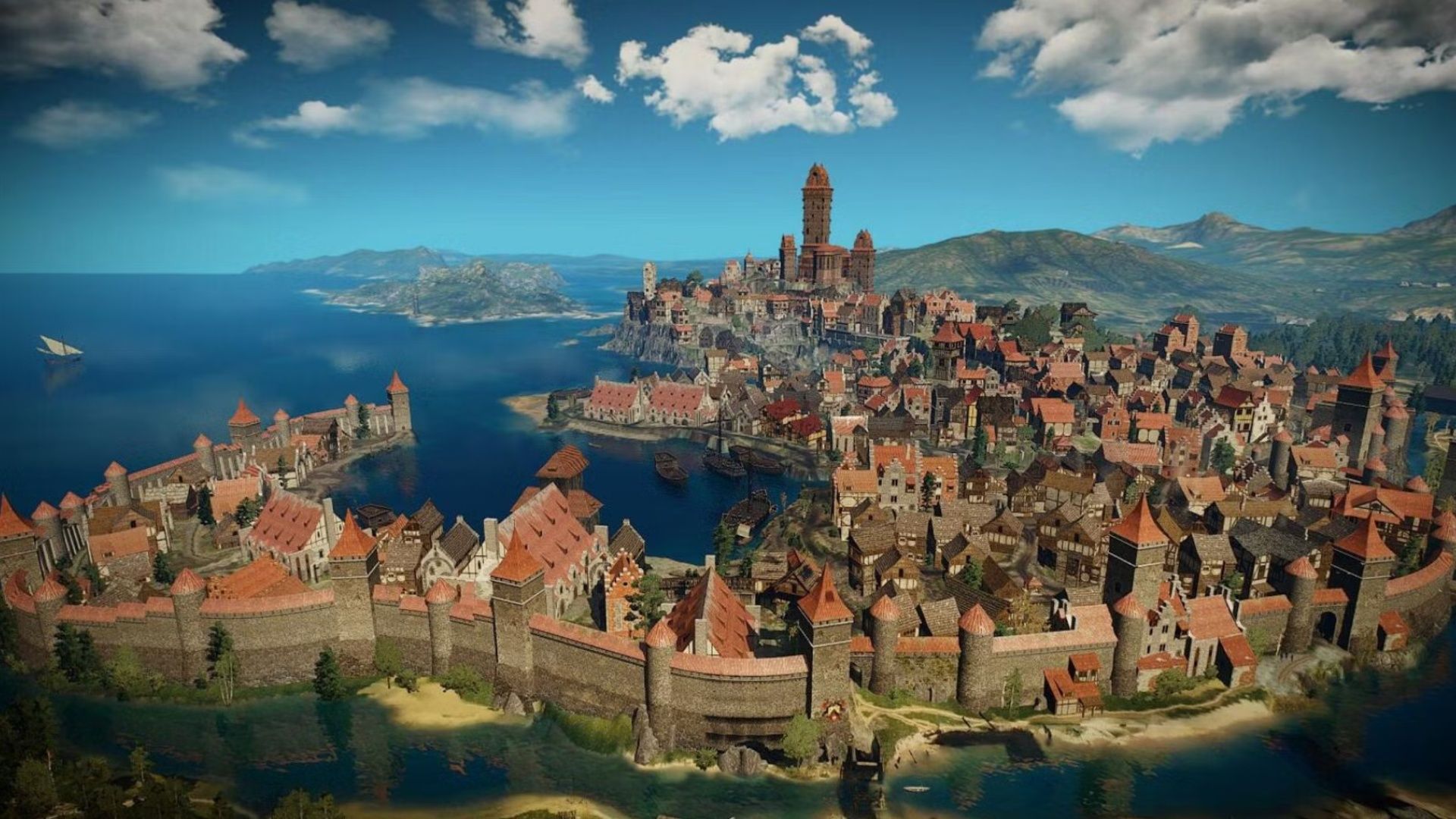
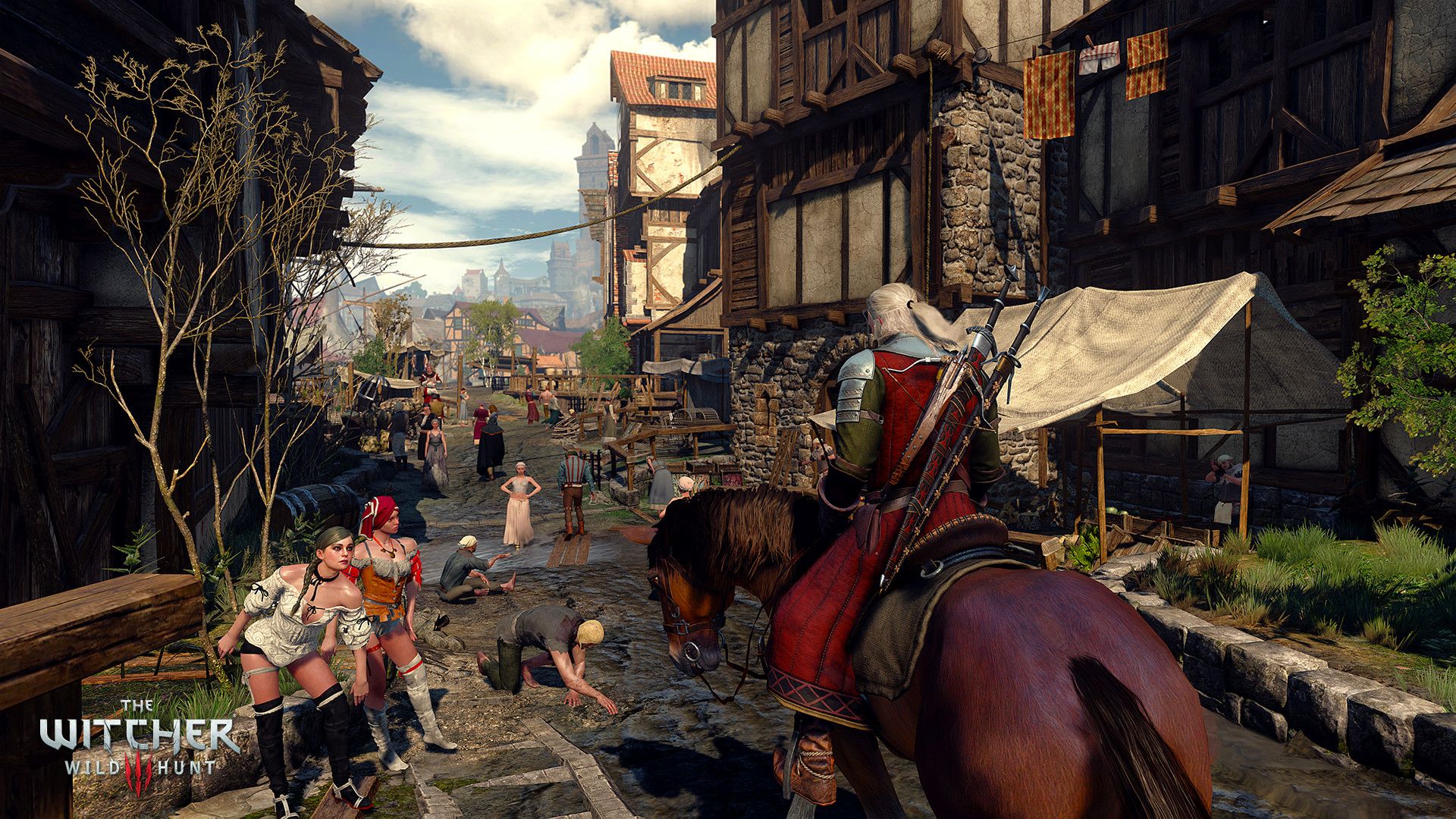
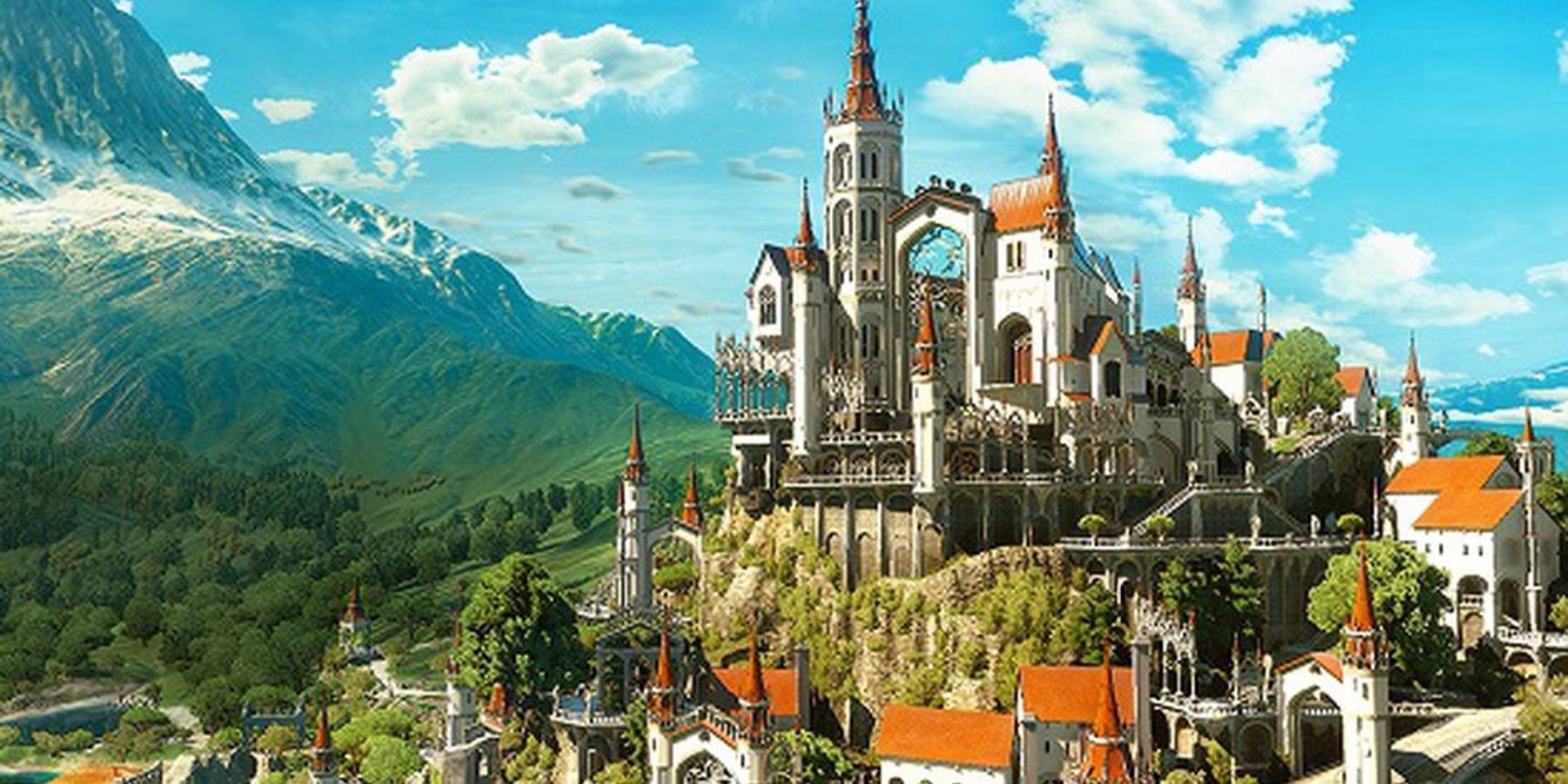
Even though it’s one of the most imaginative games available, The Witcher 3: Wild Hunt still feels grounded thanks to its well-designed cities. The world feels realistic, with dangers like monsters and magic existing alongside war. Each city in The Witcher 3 is distinct, facing its own unique challenges and requiring different solutions.
Novigrad is a city gripped by fear and prejudice. Witch hunters actively seek out and kill anyone suspected of magic, following the orders of King Radovid V. The city is also deeply divided by race, with humans enjoying far more rights and privileges than elves, dwarves, and other non-human races. These non-humans are forced to live in the poorest parts of the city, where conditions are rundown and animals wander freely. While Novigrad boasts strong walls that protect against monsters and invaders, the city’s social structure means it’s the marginalized communities who would suffer the most during an attack.
Beauclair, the capital of Toussaint and the main setting for the Blood and Wine expansion, feels almost magical. While some differences in wealth are still visible, the city is noticeably cleaner and more beautifully decorated than others. Having avoided war for centuries, Beauclair’s buildings prioritize aesthetics over defense, and the city is filled with plants and ornaments. Compared to Novigrad, it appears luxurious. Before the events of Blood and Wine, Beauclair hadn’t faced significant external threats or the harsh realities that often shape cities, and this is reflected in both its appearance and the attitudes of its people.
Read More
- All Shadow Armor Locations in Crimson Desert
- How to Get the Sunset Reed Armor Set and Hollow Visage Sword in Crimson Desert
- Best Bows in Crimson Desert
- All Golden Greed Armor Locations in Crimson Desert
- Wings of Iron Walkthrough in Crimson Desert
- How to Craft the Elegant Carmine Armor in Crimson Desert
- All Helfryn Armor Locations in Crimson Desert
- How To Beat Ator Archon of Antumbra In Crimson Desert
- Keeping Large AI Models Connected Through Network Chaos
- Sakuga: The Hidden Art Driving Anime’s Stunning Visual Revolution!
2026-04-02 04:38