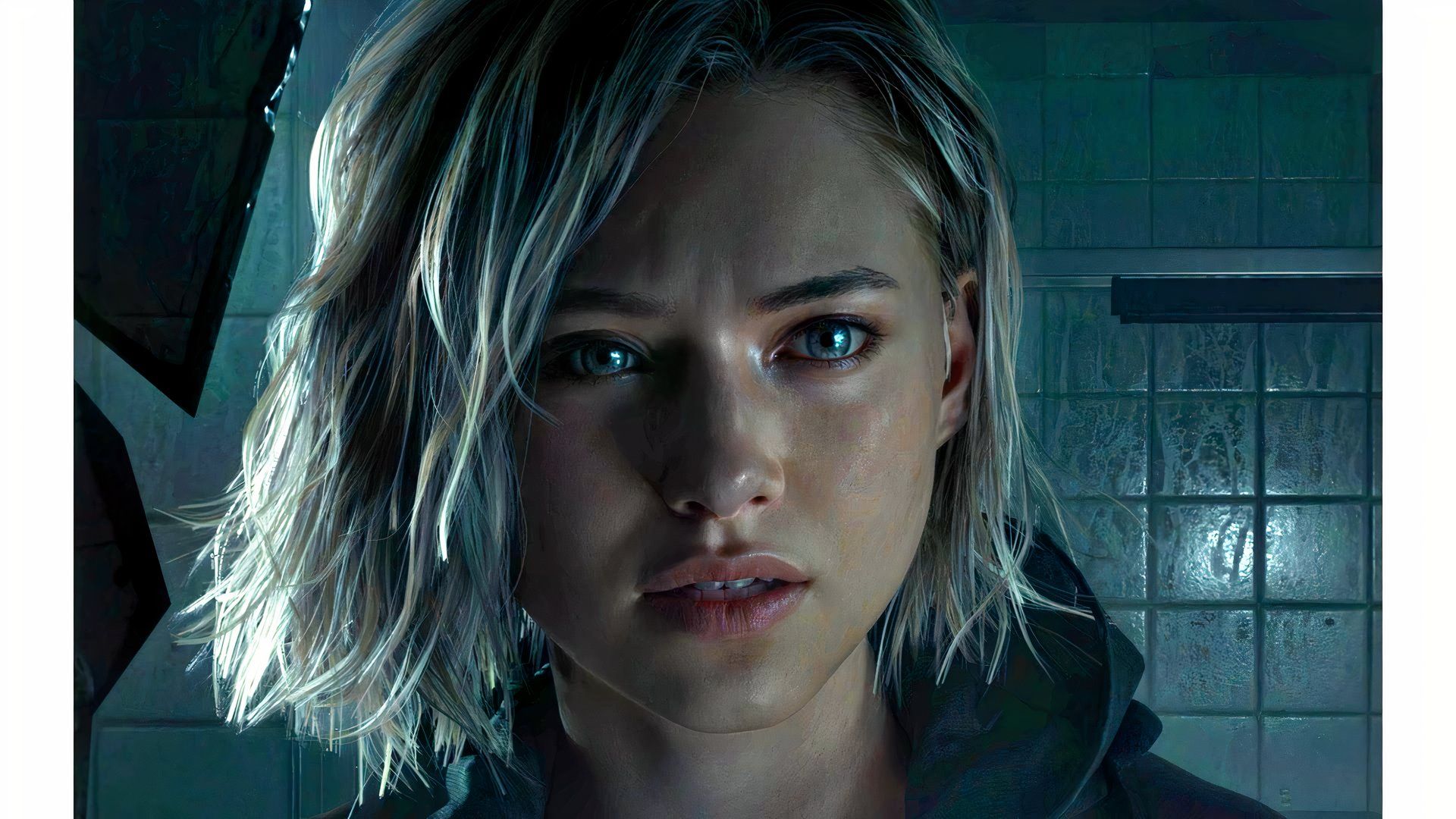
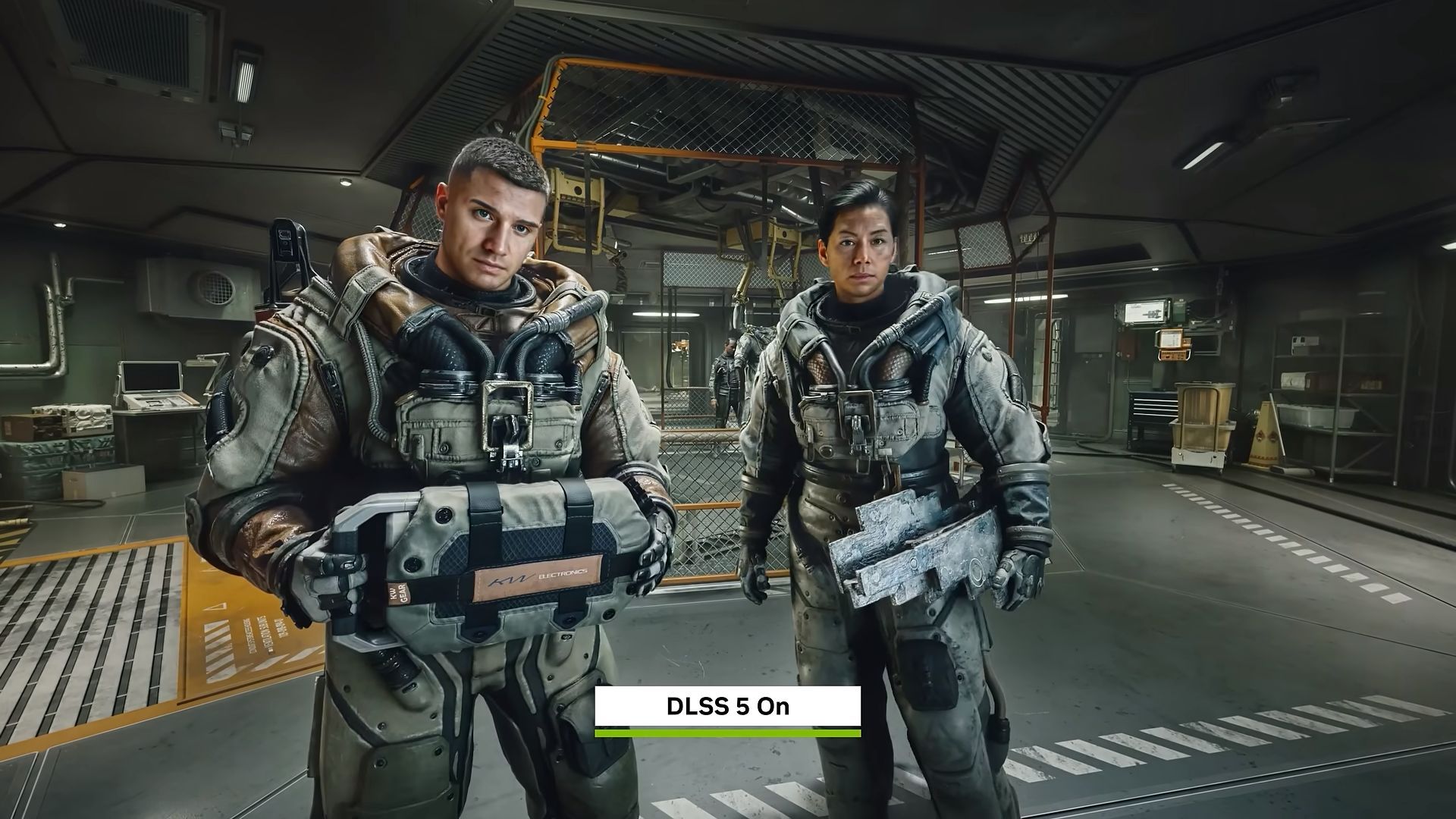
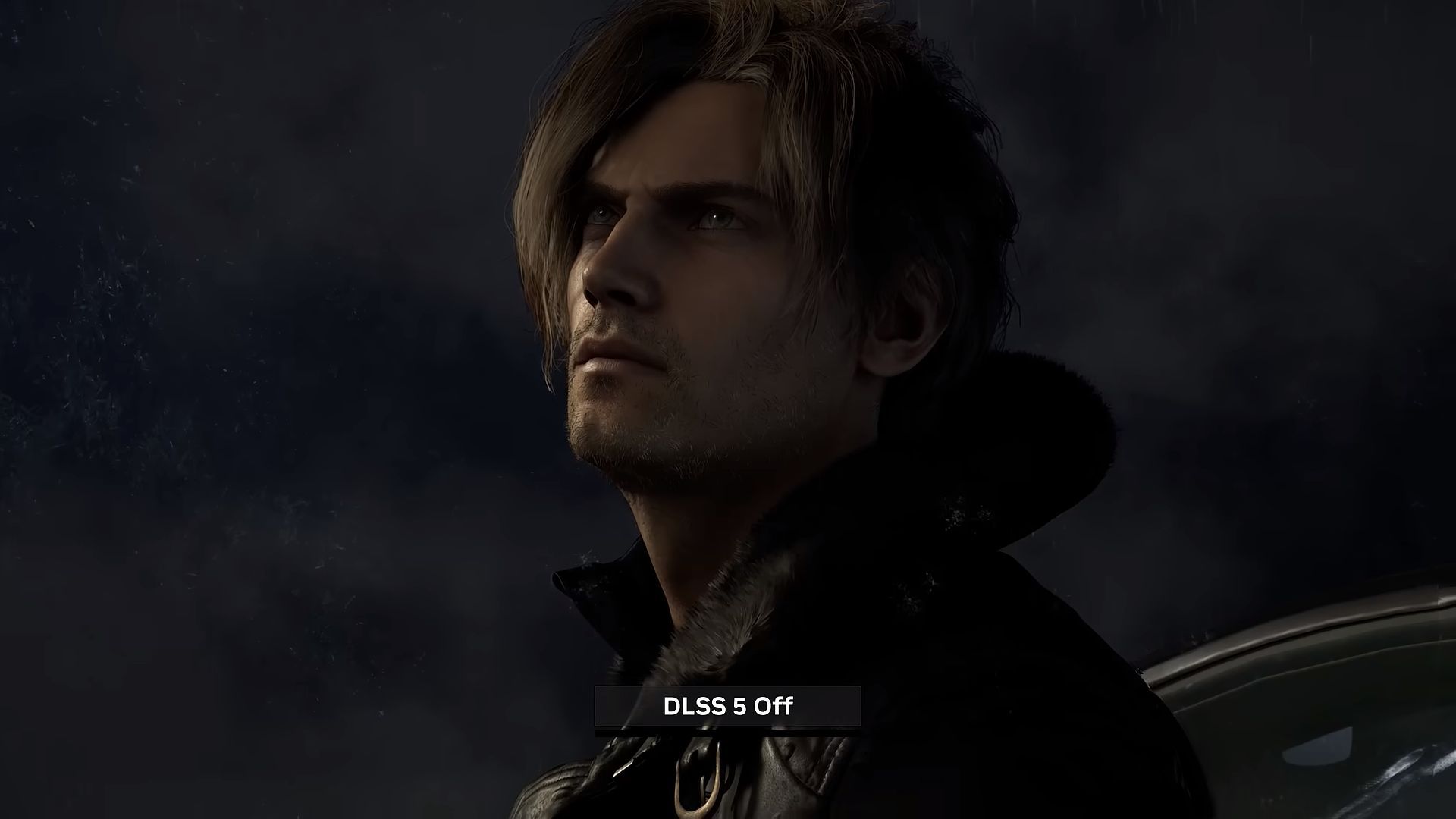
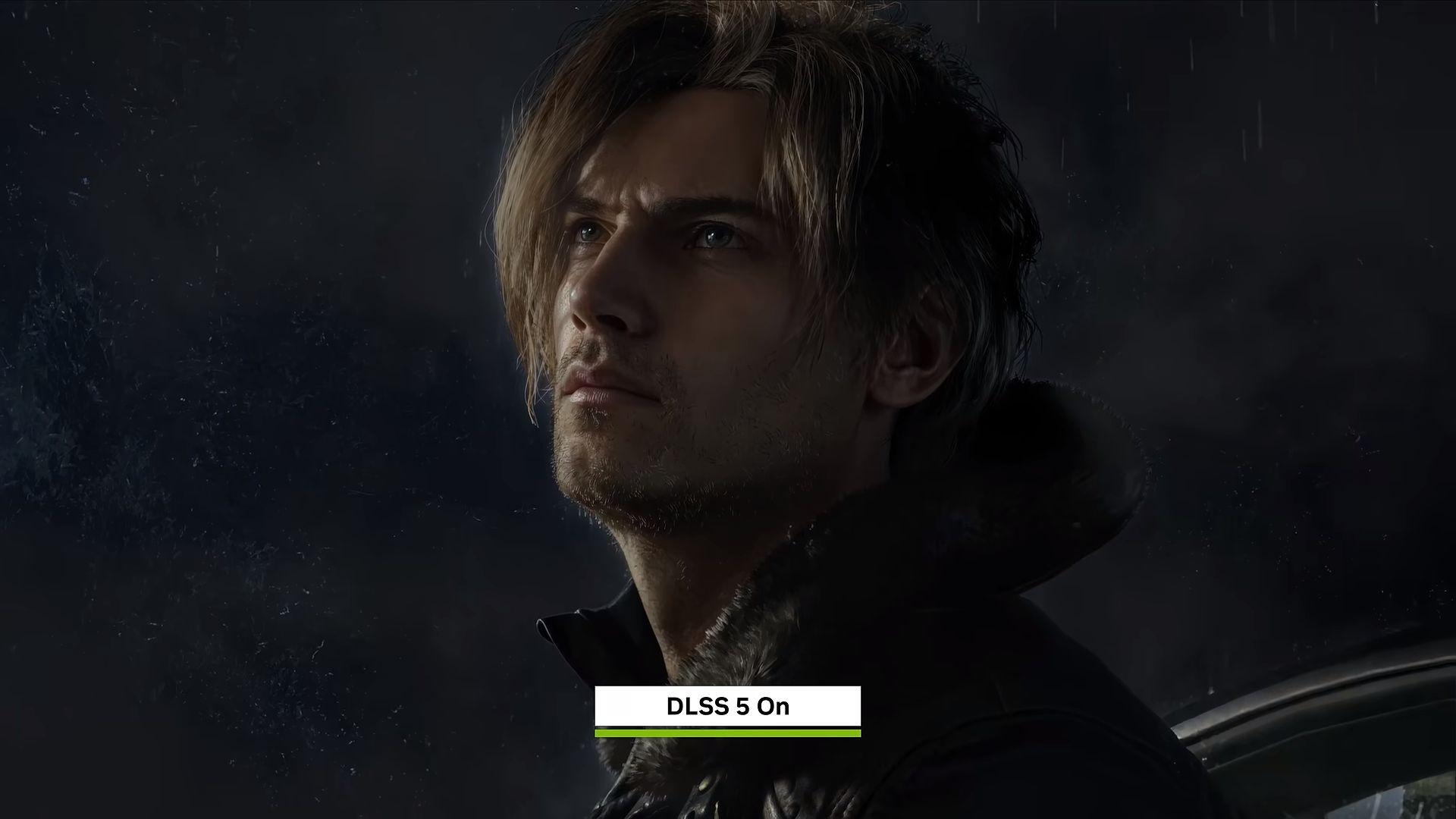
Last month, Nvidia released a new version of its DLSS technology, but it’s faced criticism from both gamers and developers. The main issue is that the tool seems to change the intended look and feel of games used in the demonstrations, such as Resident Evil Requiem and Starfield.
Following the announcement of DLSS 5, Nvidia CEO Jensen Huang has repeatedly addressed concerns from gamers, firmly disagreeing with their criticisms of the technology. In his latest statements, Huang again defended DLSS 5, explaining it’s simply another tool for developers to enhance graphics. He even went so far as to say he considers all content created using AI to be aesthetically pleasing.
Unity expert and instructor Quin Henshaw believes the newest version of DLSS is a setback. He argues that DLSS 5 will likely harm both the process of game development and the creative vision of game art.
What is DLSS?
Nvidia’s DLSS is a graphics technology that uses artificial intelligence to make games look sharper and run faster. It works by rendering the game at a lower resolution, then using AI to upscale the image, making it appear higher quality. It’s similar to Sony’s PSSR technology, which also uses AI to improve image resolution on a pixel-by-pixel basis.
DLSS uses artificial intelligence, specifically a deep learning technique, to improve image quality. It was trained using powerful computers to identify what makes an image look good and then recreate those details in lower-resolution images, effectively making them sharper and clearer.
Okay, so DLSS isn’t something developers use to actually create the game itself. Think of it as a boost that runs with the game to make it look better and run smoother. Devs can tweak how much it helps, but they have to specifically add it into the game and turn it on for me to even use it.
DLSS boosts performance by lessening the load on your computer’s graphics card. Rendering a game in 4K requires processing millions of pixels, which can be demanding. DLSS works by actually rendering the game at a lower resolution, like 1440p or even 1080p, and then using artificial intelligence to intelligently scale it up to look like true 4K.
Previous versions of DLSS have worked well, and image upscaling is now a widely accepted and beneficial technology for improving game graphics. According to Henshaw, while NVIDIA is a leader in this area, most game developers are now creating their own upscaling solutions as well.

AMD’s FidelityFX Super Resolution (FSR) boosts image quality, similar to DLSS, but it has a key advantage: it doesn’t need special AI hardware like NVIDIA’s Tensor Cores to work.
Henshaw expressed enthusiasm for Nvidia’s recent technological advancements. He’s previously used older versions of DLSS for demonstrations. Nvidia first integrated generative AI into DLSS with DLSS 3 in 2022, shifting from AI-enhanced rendering to actually creating frames using AI.
DLSS 3 used artificial intelligence to create extra frames, boosting both image quality and performance by filling in the gaps between frames rendered by your game. DLSS 3.5 enhanced this by adding AI-powered lighting effects. DLSS 4 further refined the technology, improving frame generation and working even more seamlessly with ray tracing for more realistic visuals.
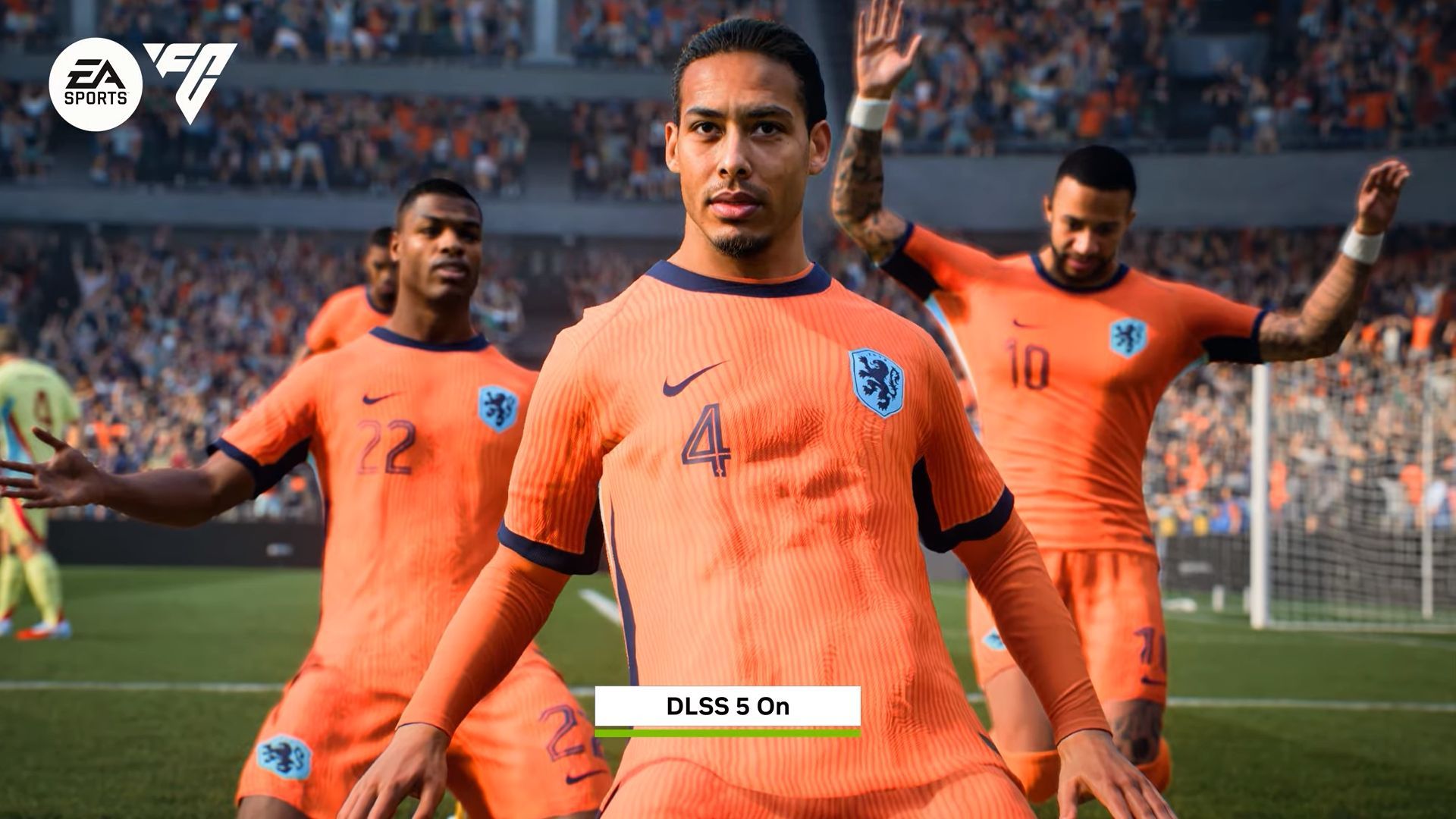
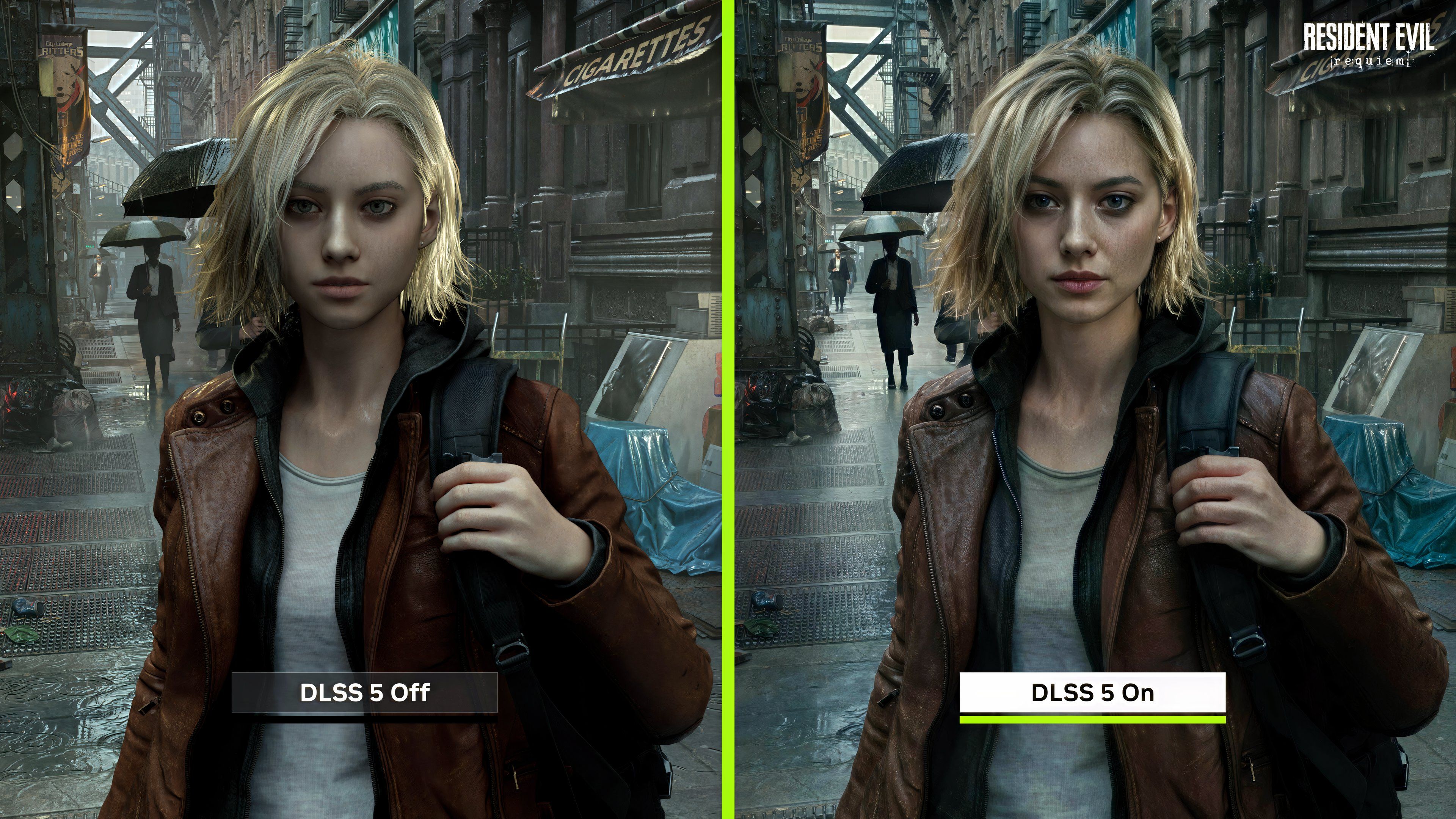
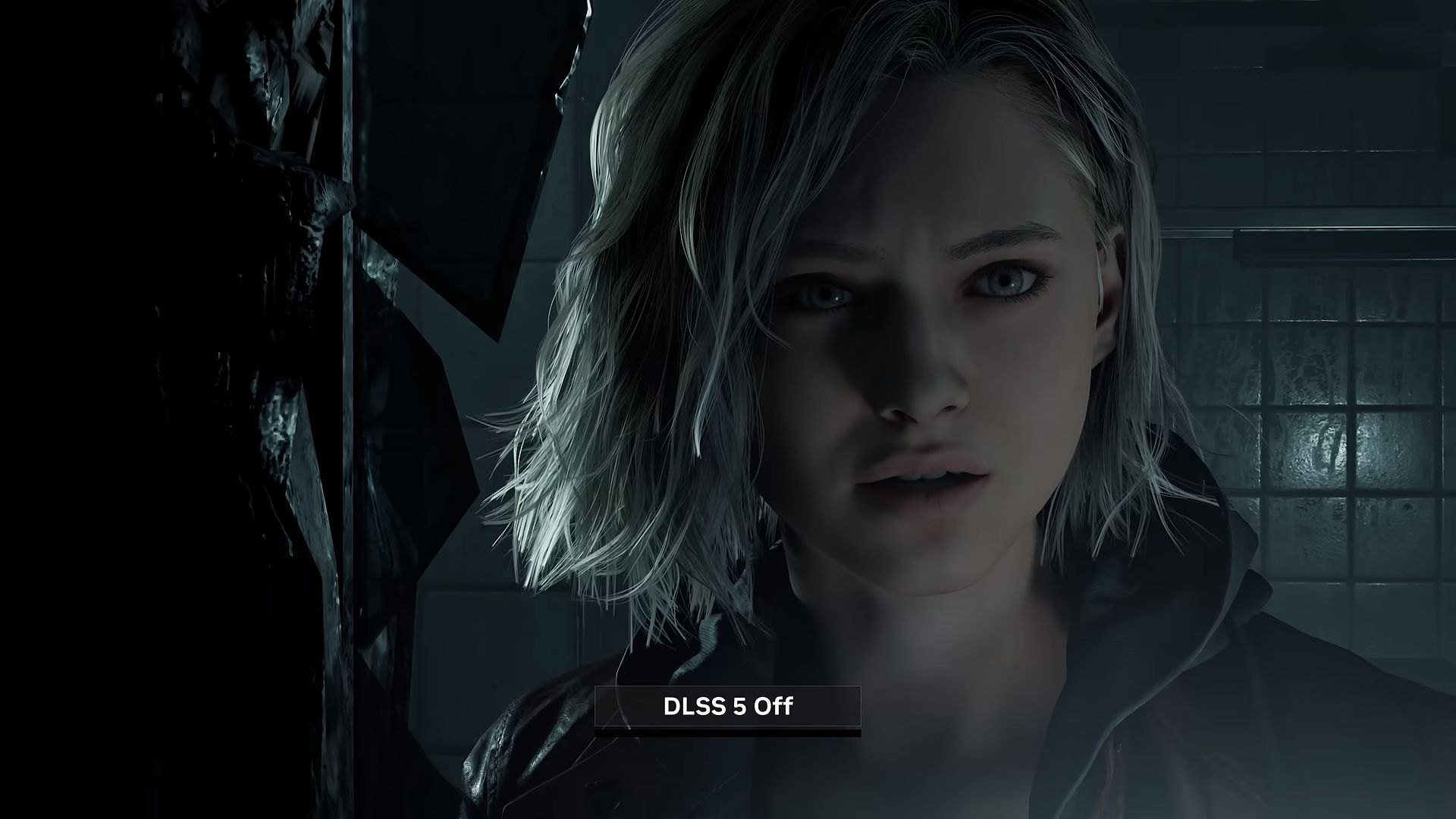
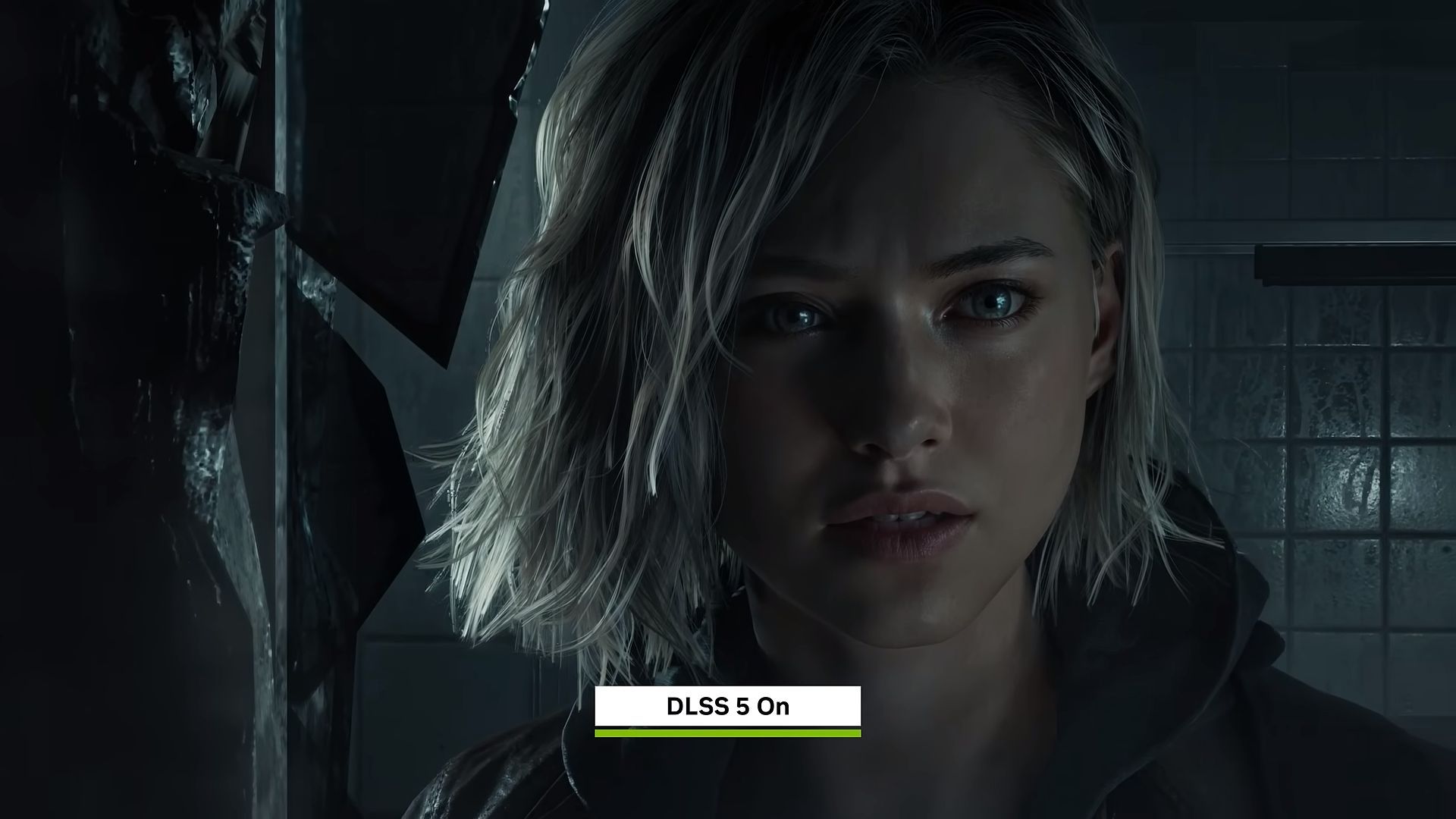
DLSS 5 isn’t just about making games run faster or look sharper through AI upscaling. It’s now significantly altering the visual appearance of games, and that’s what’s causing concern for both developers and players.
Henshaw doesn’t believe most game studios, whether small independent ones or large, established companies, would be interested in this unless publishers started prioritizing cost reduction.
I was watching a new video from Daniel Owens, and Nvidia’s Jacob Freeman shared some interesting details about how DLSS 5 works. Basically, it doesn’t change anything within the game itself. Instead, it takes the 2D image the game creates and then uses Nvidia’s AI to improve it. Apparently, artists can adjust things like colors and how strong the effects are, but they don’t have complete control over the final look. Freeman also mentioned this was just a first look at the tech. We’re expecting DLSS 5 to launch this fall, and I’m guessing we’ll get a better idea of exactly how much control developers will have closer to the release date.
Developers Argue DLSS 5 Takes Away Their Autonomy
Okay, so DLSS 5 is a big step up. It’s way more proactive with its AI – it doesn’t just smooth things out, it actually tries to improve the image. I’ve noticed it really boosts things like lighting and textures, even adding detail that wasn’t super clear before. Basically, it’s using everything it’s learned to make games look sharper and more realistic, like they’re running at a higher resolution than they actually are. It’s not just upscaling anymore, it’s actively changing how things look for the better.
Grace’s face looks so different because DLSS 5 is essentially reimagining what she should look like. Gamers and developers have widely criticized the result, calling it “AI Slop” and comparing it to an Instagram filter. Hendshaw noted, “It seemed obvious to anyone familiar with internet culture and gaming that this would be heavily criticized, so it was surprising to see it released like that.”
I remember when the whole AI thing really started blowing up, and honestly, the public reaction wasn’t always positive. Nvidia’s CEO, Jensen Huang, initially came out swinging, basically saying everyone criticizing it had it all wrong in an interview with Tom’s Hardware. He did dial it back a bit later when talking to Lex Fridman, saying he gets why people were critical, but he still thinks all generative AI is just… amazing. He really sees the beauty in it, which is a cool perspective, even if some people disagree.
Huang wasn’t alone in recognizing the technology’s promise. Todd Howard, Executive Producer and Game Director at Bethesda, shared his excitement after seeing DLSS 5 run in Starfield. “It was amazing how it brought the game to life,” Howard said during the initial DLSS 5 reveal. “We’ve played it, and we’re eager for everyone else to experience it too.” A recent tech demo showcased 12 minutes of DLSS 5 in action within Starfield.
Video games industry analyst Mat Piscatella, Executive Director of Games at Circana, recently highlighted a key point: company leaders are naturally enthusiastic about technologies that promise significant cost savings. This optimism, however, is what’s concerning artists like Henshaw, who worry about the potential consequences of Nvidia’s new technology.
According to Henshaw, DLSS 5 is different because it focuses on improving visual quality and gives more control to the technology itself, rather than game developers. He believes this could lead to significant job losses for artists in game studios if it’s widely adopted.
Henshaw is concerned that company leaders might view this tool as a way to cut jobs and expenses. He believes that even if customers don’t like the final product, executives might still consider it a success if it saves money on artist fees. He also points out that many consumers are already tired of seeing so much AI-generated content and will likely show their disapproval by not buying it.
I just read an interview with Huang, and he’s talking about DLSS 5 as a way for developers to make their games look even better. But someone named Henshaw thinks it’ll actually make games look too similar, which is something people are already worried about with AI in general – that it’ll lead to everything feeling the same.
Many video game players dislike the use of generative AI in game development. Recently, Pearl Abyss, the developer of Crimson Desert, apologized for using AI-created assets in their game after facing criticism. This isn’t a new issue, though. Larian Studios (Baldur’s Gate 3) and Sandfall Interactive (Clair Obscur: Expedition 33) have also faced player backlash for similar reasons.
The slow uptake of DLSS 5 by developers highlights a bigger problem in game development: developers are losing control over the use of AI in their games. While most are okay with AI helping with tasks like coding or brainstorming, they strongly resist using AI to create things like voices, art, storylines, or game assets. They want to maintain creative control over those elements.
According to Henshaw, game developers currently face very few challenges when making creative decisions, especially at larger companies. They have limited ability to advocate for their ideas or negotiate with major publishers and studios.
DLSS 5 is sparking debate about the role of AI in game development. While companies like Nvidia and Bethesda see it as a way to improve graphics and speed up production, many artists and developers are concerned about potential creative compromises. Its success will likely hinge on how much creative control developers retain and how players react to AI influencing the visual style of games.
Read More
- All Shadow Armor Locations in Crimson Desert
- How to Get the Sunset Reed Armor Set and Hollow Visage Sword in Crimson Desert
- Best Bows in Crimson Desert
- All Golden Greed Armor Locations in Crimson Desert
- Wings of Iron Walkthrough in Crimson Desert
- How to Craft the Elegant Carmine Armor in Crimson Desert
- All Helfryn Armor Locations in Crimson Desert
- All Skyblazer Armor Locations in Crimson Desert
- How To Beat Ator Archon of Antumbra In Crimson Desert
- Keeping Large AI Models Connected Through Network Chaos
2026-04-02 13:07