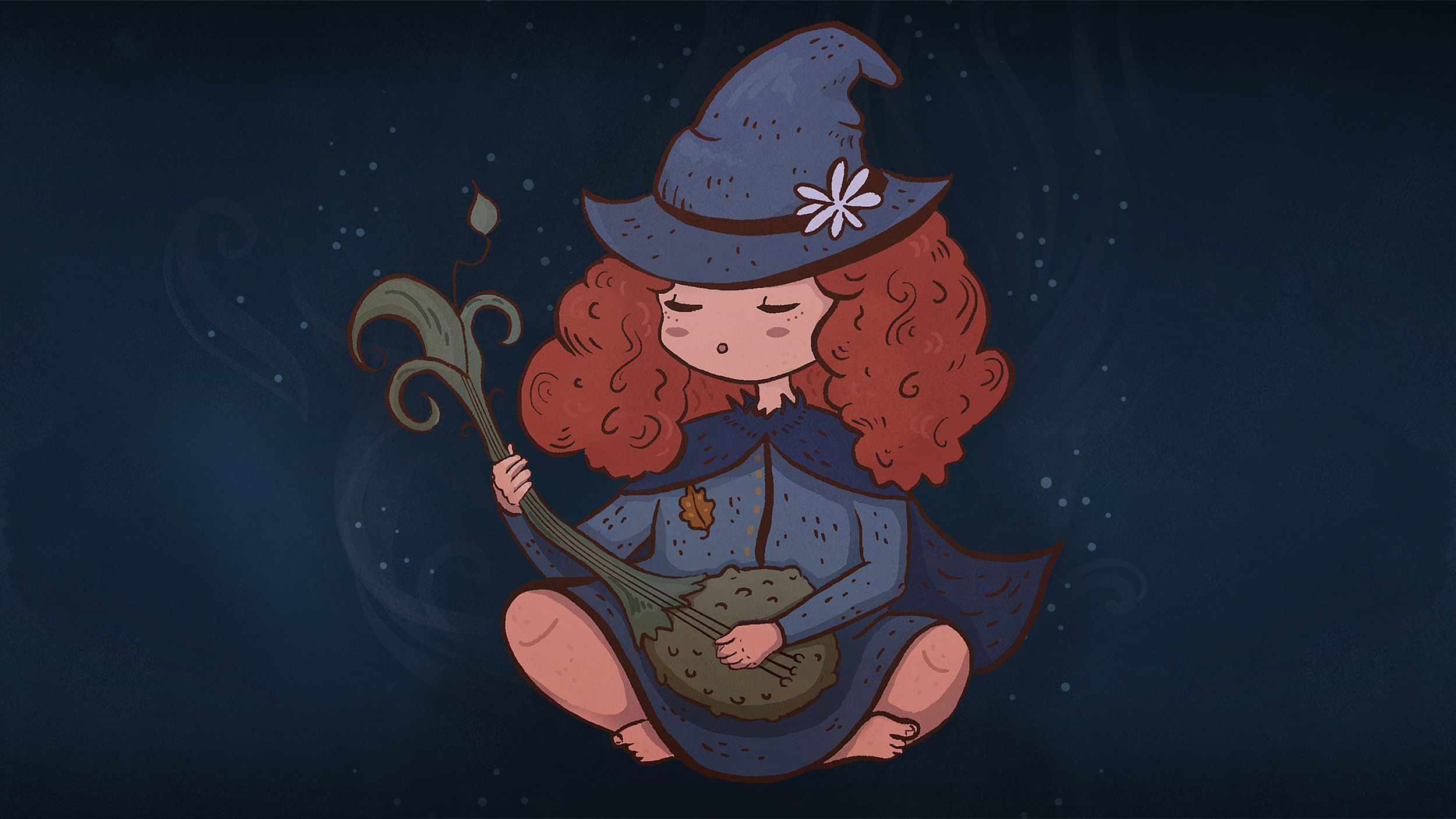
I’m a huge fan of both Stardew Valley and Hogwarts Legacy, so I’ve been really excited about Songs of Glimmerwick. I recently got to play a preview of the game, and it definitely lived up to the hype! Even before playing, I thought it would be a perfect blend of those two games, and actually playing it confirmed that feeling. After a few hours, I can confidently say Songs of Glimmerwick is what you’d get if Stardew Valley and Hogwarts Legacy combined—but with its own unique style and interesting spellcasting, it feels fresh and worth playing even if you’re familiar with both of those games.
Songs of Glimmerwick is a role-playing game from the creators of Eastshade, focusing on a witch academy and farm life. It uniquely combines life simulation and adventure elements with a magic system based around music—everything from farming to spellcasting is connected to learning and playing songs. I recently got a preview of the game, starting with a detailed character creation process where I could customize my character’s appearance in many ways, including hairstyle, facial features, and skin color. After creating my character, I was introduced to the game’s charming world through a beautiful cutscene that explained its origins.
Songs of Glimmerwick’s Magical Universe Finds Its Life in Music, Its Decay in Silence
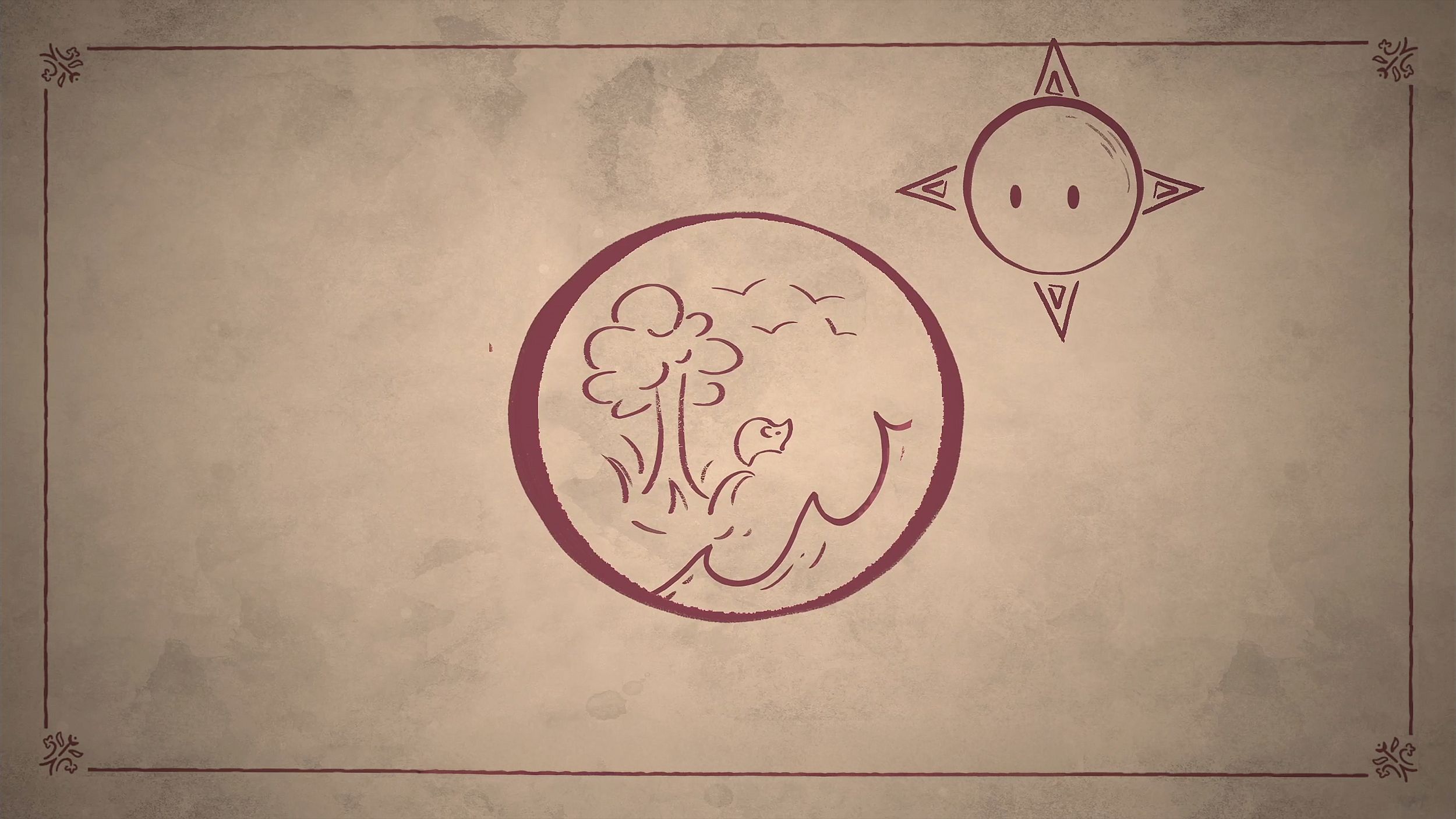
The world of Songs of Glimmerwick began with a universe that became aware when life first emerged. Everything alive sang, and these songs contained both joy and sorrow. Unable to handle this mix of feelings, the universe responded with a massive disaster called the Silence. This event destroyed all sound and expression, leading people to believe that emotions, voices, and music were dangerous and needed to be kept under control.
Forty years after the end of the Silence – a period where many stopped speaking – its effects still strongly influence some communities. These groups now prefer writing to speaking, believing that quiet is the key to order. The story centers on a young witch who challenges this way of life, learning that song isn’t destructive, but powerful. Her experiences reveal the Silence wasn’t a fix, but a break that stifled the world’s natural vibrancy. Ultimately, music represents a kind of magic and a way to overcome fear, suggesting that true progress comes from expressing ourselves, not suppressing it.
Gearing Up for the Etchery School of Magic and Melody
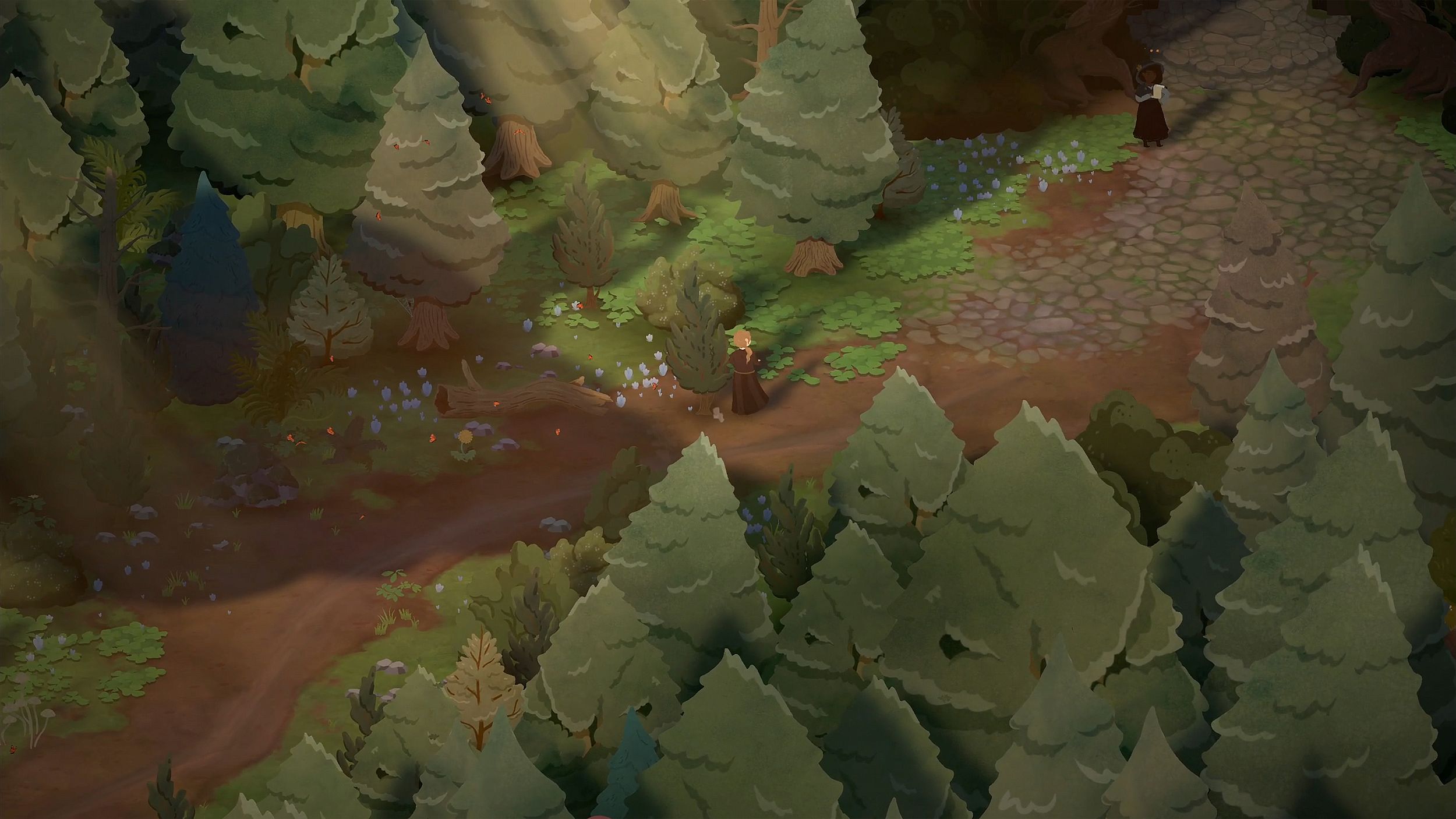
After the opening video, I arrived on Glimmerwick Island by ferry, landing on the Saltwind Coast. Driven by curiosity, I started exploring the beach, collecting anything that looked useful. I was soon greeted by a talking dragon statue, who explained where I was and told me to head to the Etchery School of Magic and Melody – think of it as the island’s version of Hogwarts.
As I walked towards the Etchery, I couldn’t help but stop and enjoy the beautiful scenery. I had a few errands to run – like collecting some items and petting a cute, fluffy ram – but I was mostly struck by the game’s lovely hand-drawn art and calming music. Soon, Headmistress Abigailia greeted me at the school gates, welcoming me and explaining that I’d need a flute to practice magic, along with other school supplies. She also mentioned something strange: even though my name was on the student list, I apparently hadn’t actually applied to the school.
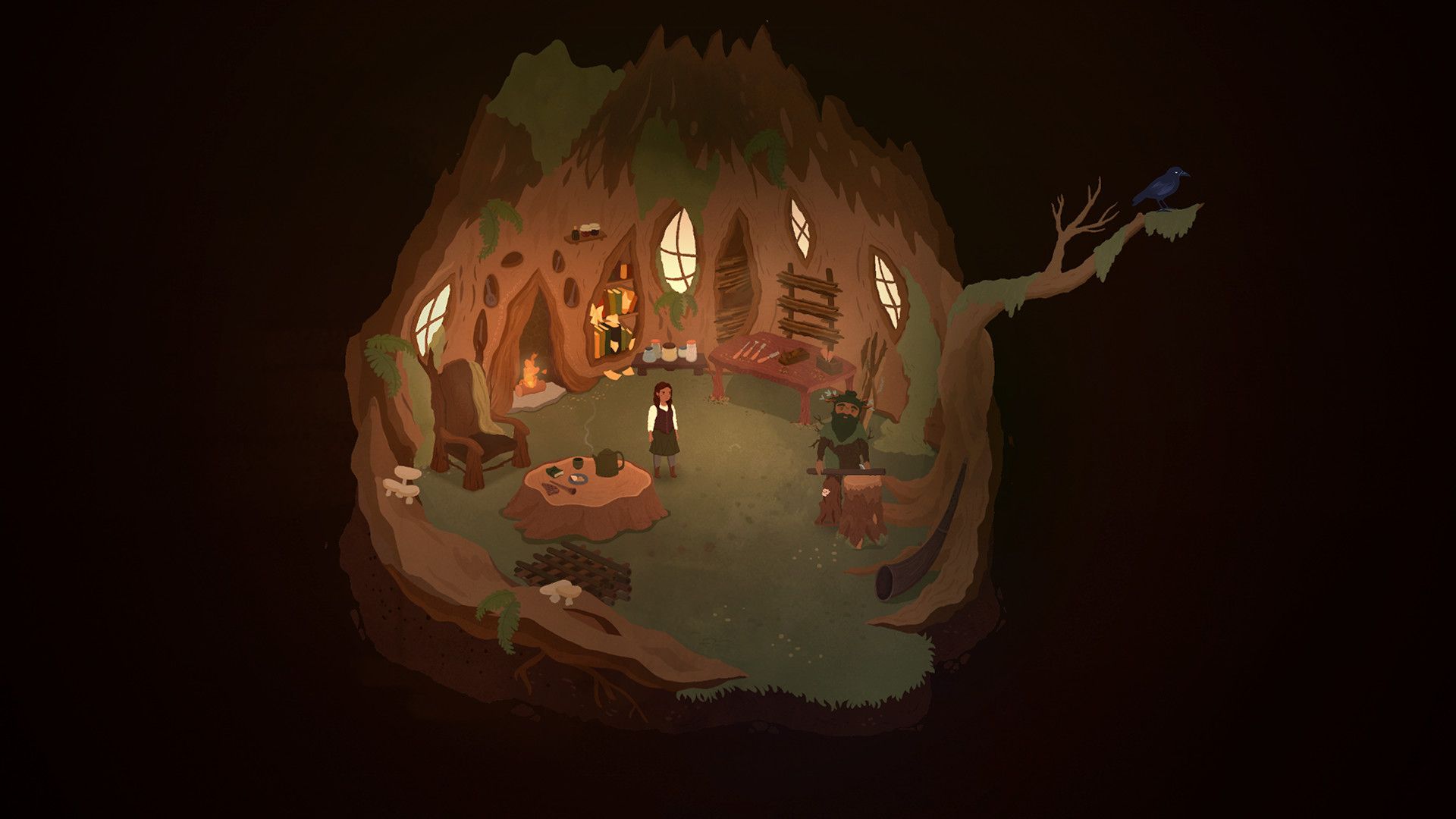
After playing a beautiful tune on her flute to magically clear a blocked path, Headmistress Abigailia sent me to see a skilled flute maker named Bristlecone. As soon as I started talking to him, I couldn’t help but think of the Harry Potter books – he was clearly inspired by the wandmaker Ollivander! He asked me a series of quirky multiple-choice questions, which I figured he’d use to customize my flute, though I didn’t know exactly how. Questions like whether I preferred ‘salted, pickled, spiced, or honeyed’ felt straight out of the Wizarding World, and I instantly felt comfortable and welcome.
As I walked to the Etchery, I paused to enjoy the scenery around me.
Bristlecone had all the materials to start building my flute, but it wouldn’t be ready for a while. So, I traveled to Wisk, a town that strongly resembles the world of Harry Potter. It’s basically the Diagon Alley of Songs of Glimmerwick – I got my potions kit and school clothes there. But honestly, I had just as much fun chatting with the town’s characters as I did shopping. Each NPC has a unique personality and interesting background, and the voice acting is really well done.
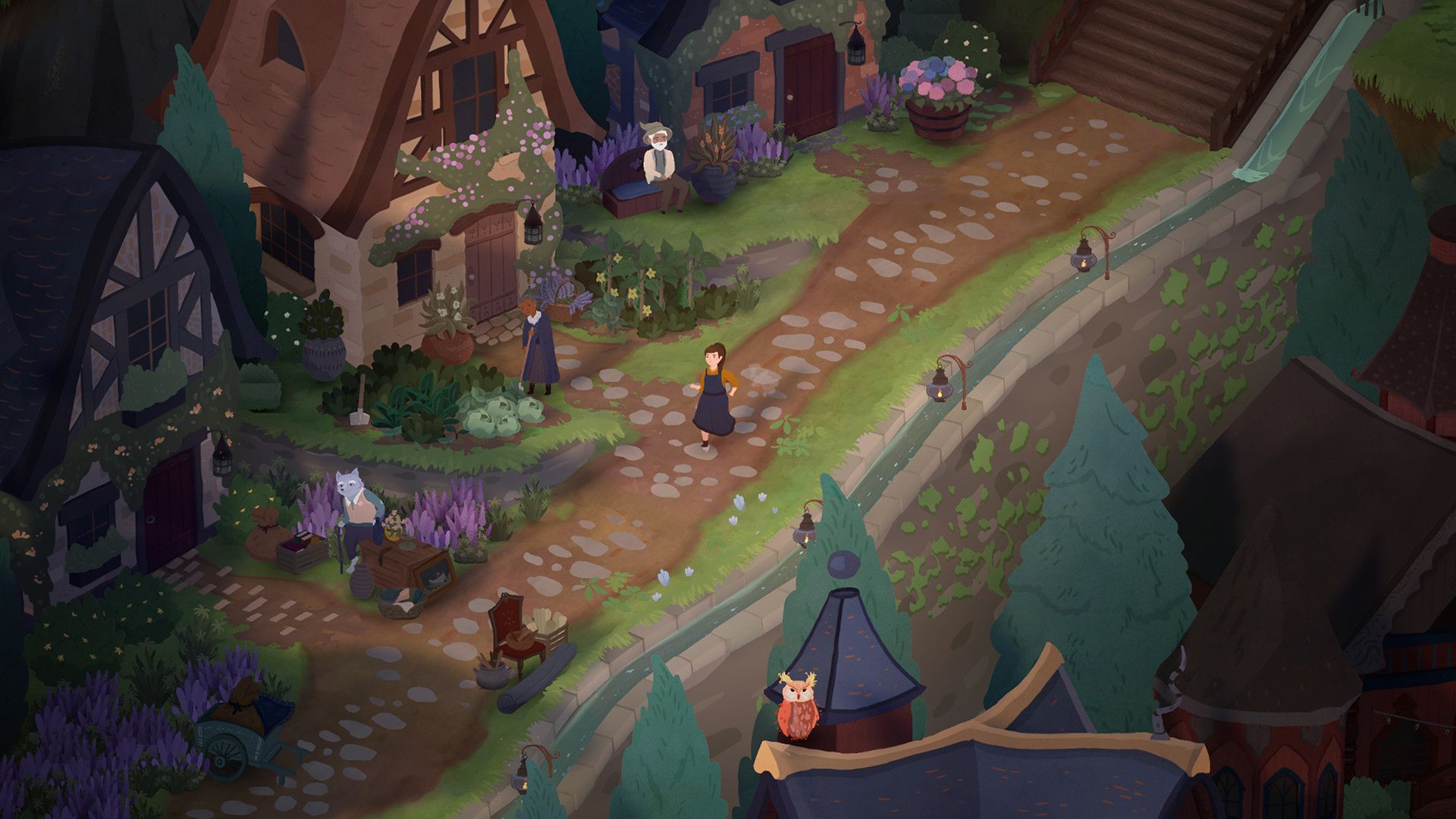
The characters in Songs of Glimmerwick are engaging to talk to, and the game doesn’t overwhelm you with traditional quests. You won’t see exclamation marks or icons pointing you towards tasks. Instead, quests naturally arise through conversations. You might not even realize you’ve accepted a quest – an NPC casually mentioning they want tea could trigger one! This approach, focusing on immersion and relationships rather than just tasks, is similar to what Stardew Valley does, and it’s a welcome change.
After gathering all my school supplies and meeting the people of Glimmerwick, I returned to the flutemaker to get my flute—which functions like a wand in this world—and learned the core gameplay mechanic. I would use the flute to cast spells, but first, I needed to start my studies as a student at the Etchery School of Magic and Melody.
Magical Classes, Musical Gardening, and Meticulous Potionworking
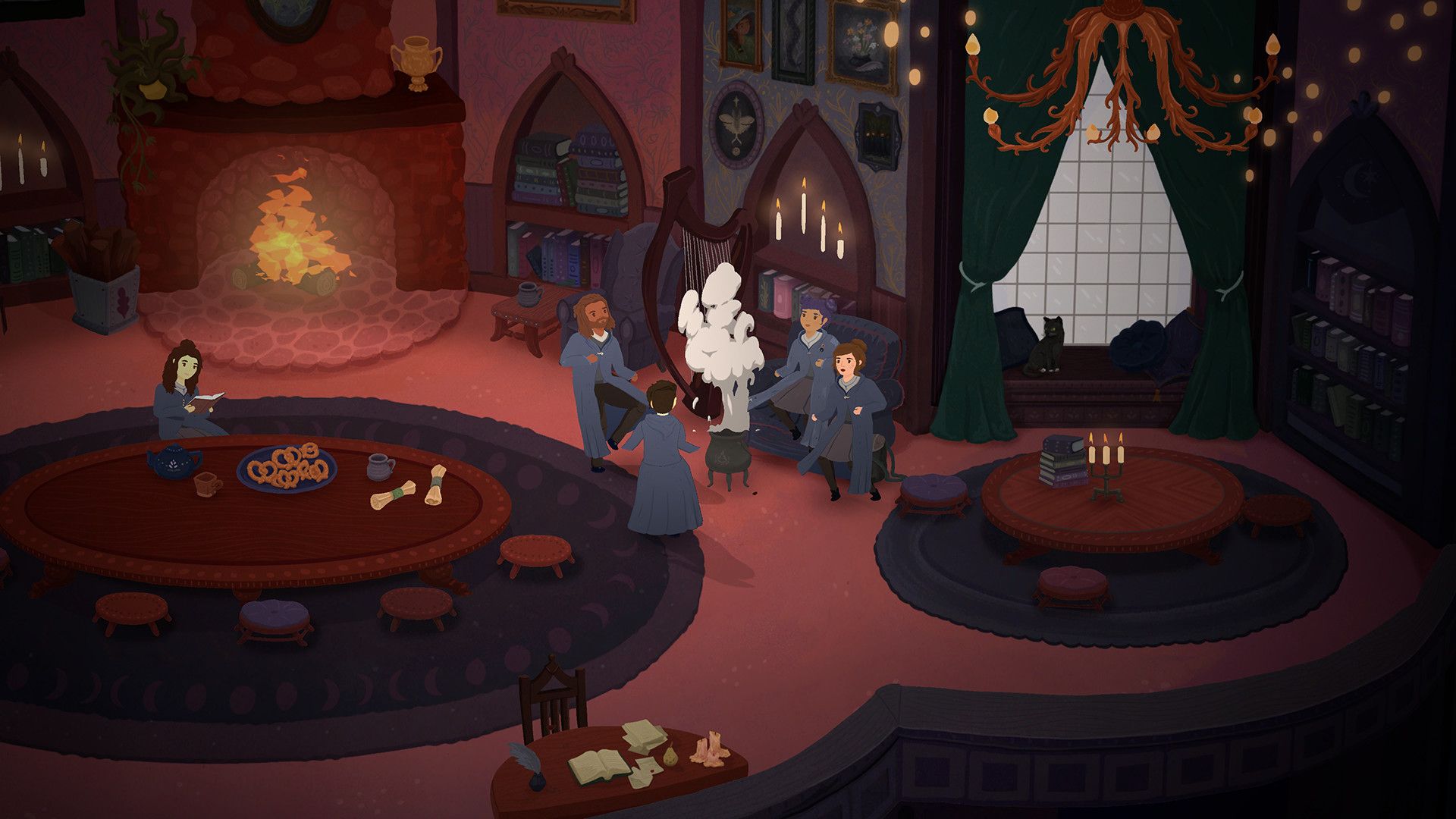
That’s when Songs of Glimmerwick really started to feel engaging – it reminded me a lot of Hogwarts Legacy, but with its own unique charm. After exploring the Etchery and meeting some fellow students, I went to bed to prepare for my first full day at school.
Like in games such as Harvest Moon and Stardew Valley, each day in Songs of Glimmerwick starts with receiving mail that hints at your next task. On my first morning, a letter led me to Dean Clary, who explained that all students need to have a campus job. He also scheduled my first class, Introductory Musical Craft: The Study of Music for Magical Purposes, for Tuesday.
As I walked to Dean Clary’s office, I quickly chatted with some classmates. But when I reached her desk, things really started happening with the Songs of Glimmerwick game. That’s when I was asked to take care of the school’s new botanical garden, located just off campus. Later that afternoon, Dean Clary met me at the garden gate and taught me my first magical song, the “Song of Tilling.”
Songs of Glimmerwick’s Pride and Joy Is Its Music-Based Magic
The way you play music in Songs of Glimmerwick is very similar to the ocarina system in The Legend of Zelda: Ocarina of Time. Once you learn a song, you can play a few notes to activate its effect. However, Songs of Glimmerwick adds a Practice Mode that’s like a rhythm game such as Guitar Hero. In this mode, the full song plays, and you have to press the correct keys at the right time.
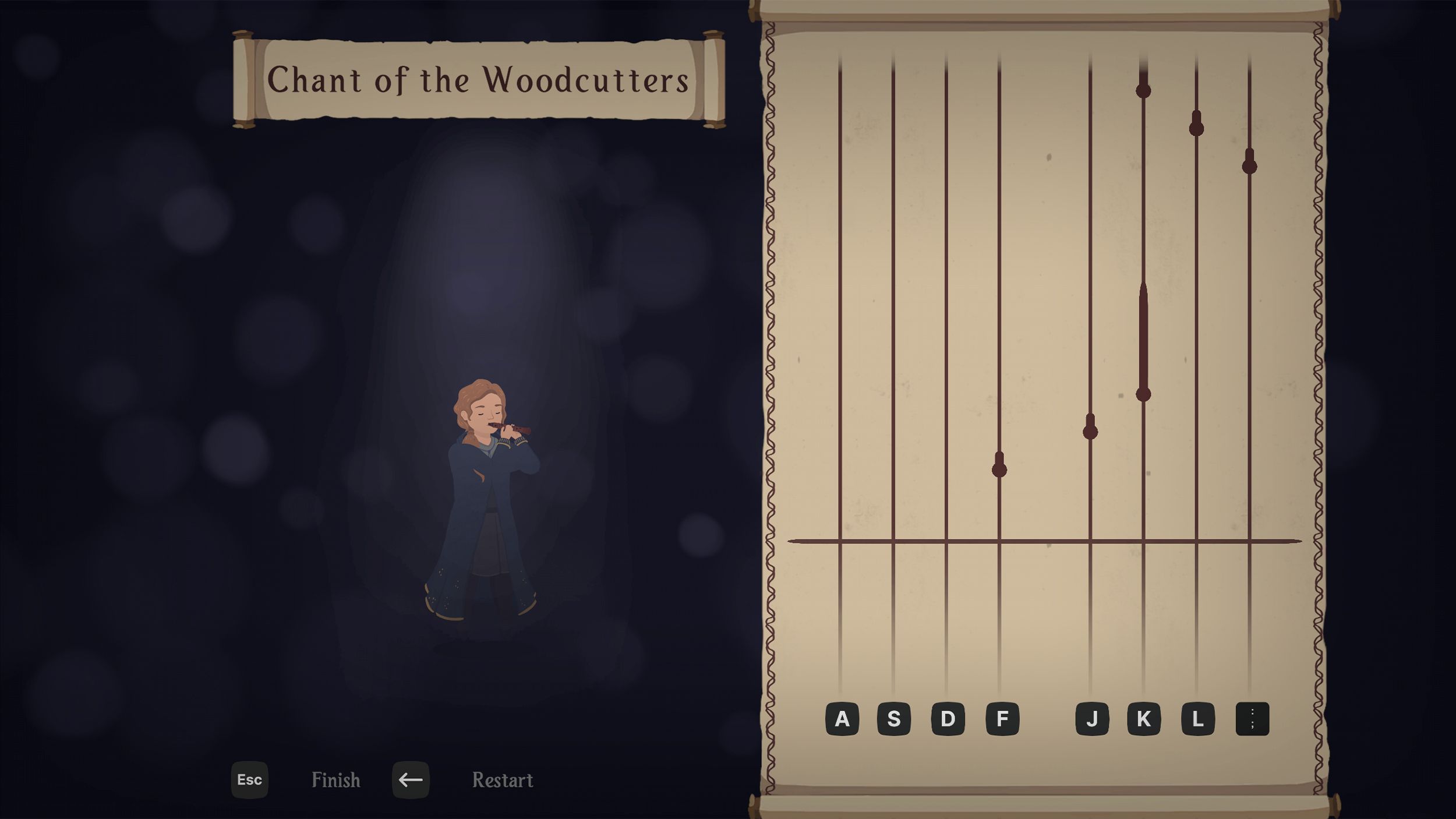
In Practice Mode, you earn one or two stars based on your score. Getting one star unlocks the spell in the Quick Flute menu, while a two-star ‘perfect’ rating makes the spell stronger. I’m a bit of a perfectionist, so I always aimed for the perfect rating immediately, even though I wasn’t sure what the extra power meant at first.
As a huge fan of both games, I’ve noticed something really cool about Songs of Glimmerwick. The way you play songs on the flute is almost exactly like playing the ocarina in Zelda: Ocarina of Time. Once you’ve learned a tune, you don’t even need to play the whole thing – just the beginning few notes will activate whatever magic it’s supposed to do!
In the garden, playing the “Song of Tilling” magically allowed my hoe to plow the fields for planting, saving me a lot of work. I could mark several areas at once, letting the hoe do its job while I focused on other things, though each task used up mana, limiting how much I could do at any given time. Luckily, I could use potions and other items to restore mana and keep working, though they cost money. During the preview, I also learned the “Chant of the Woodcutters” soon after the tilling song, and the “Melody of Stones” after taking my first music class. Both songs clearly explained what they did – one helped with chopping wood, and the other with gathering stone.
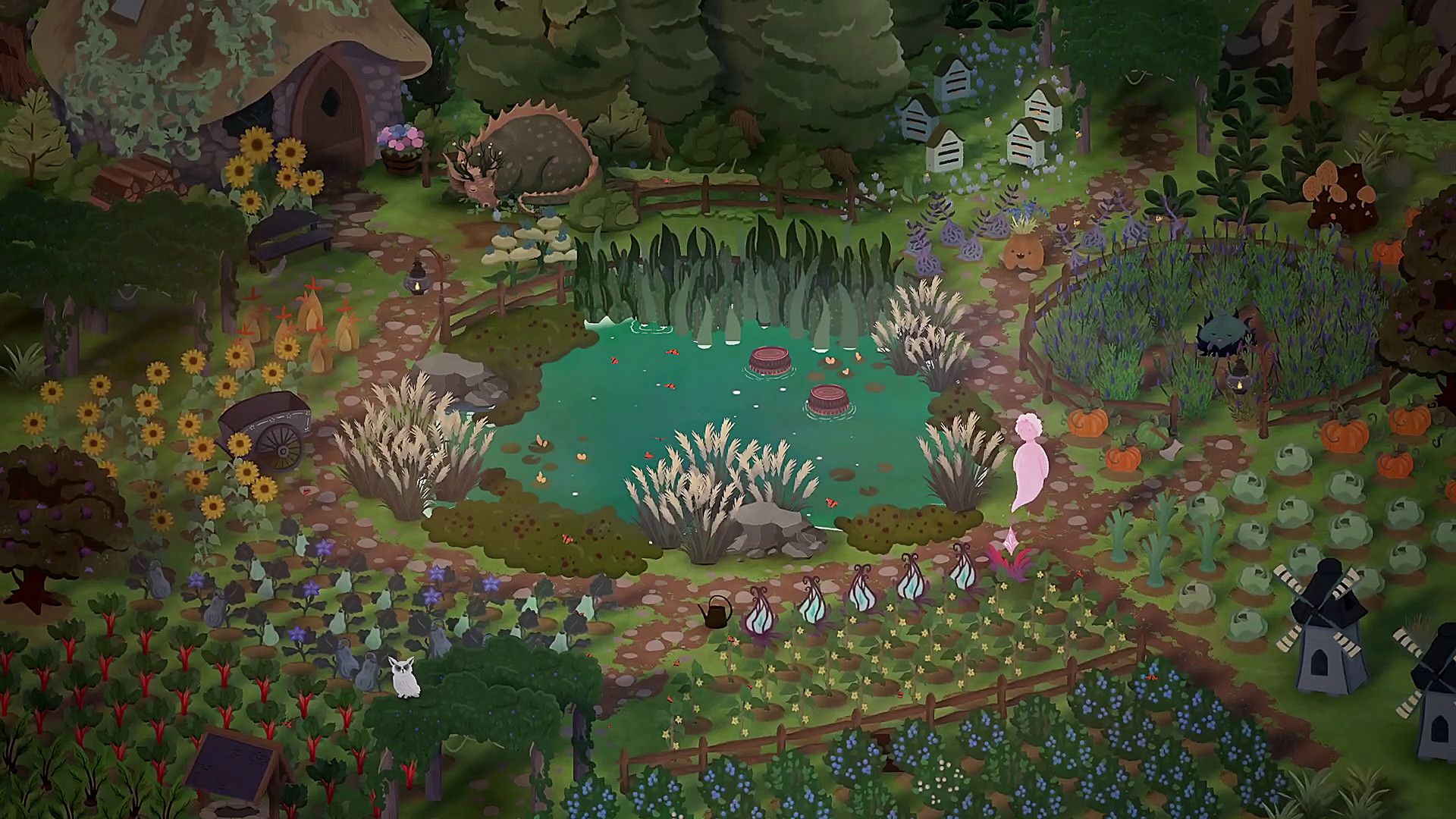
What really grabbed me about Songs of Glimmerwick is its incredibly inventive approach to farming. I’ve never seen anything quite like it! Instead of feeling like a repetitive chore, farming feels engaging because you use music to help, and you can even automate tasks while you explore. This means you’re not constantly stopping to do everything yourself – you can set things up and keep moving, which keeps the game flowing nicely. In a game already packed with things to discover and manage, this system makes balancing everything feel surprisingly natural and not stressful at all.
One of the best parts of Songs of Glimmerwick is its robust skill tree. You can unlock improvements like more mana, better potions, free seeds, and higher prices when selling items. This adds a nice RPG element that really suits the game, and even in the preview, I could see a lot of potential for how these skills could enhance the overall experience.
Even Songs of Glimmerwick’s Potionworking Is a Blast
Near the end of my hands-on preview of Songs of Glimmerwick, I got to try out the game’s potion-making system in a class called Potions 101. Professor Sylvine, a pretty strict teacher, gave a quick introduction, and then I jumped into a new mini-game for brewing potions. It took me a while to get the hang of it, but once I did, it was really rewarding and I couldn’t stop playing!
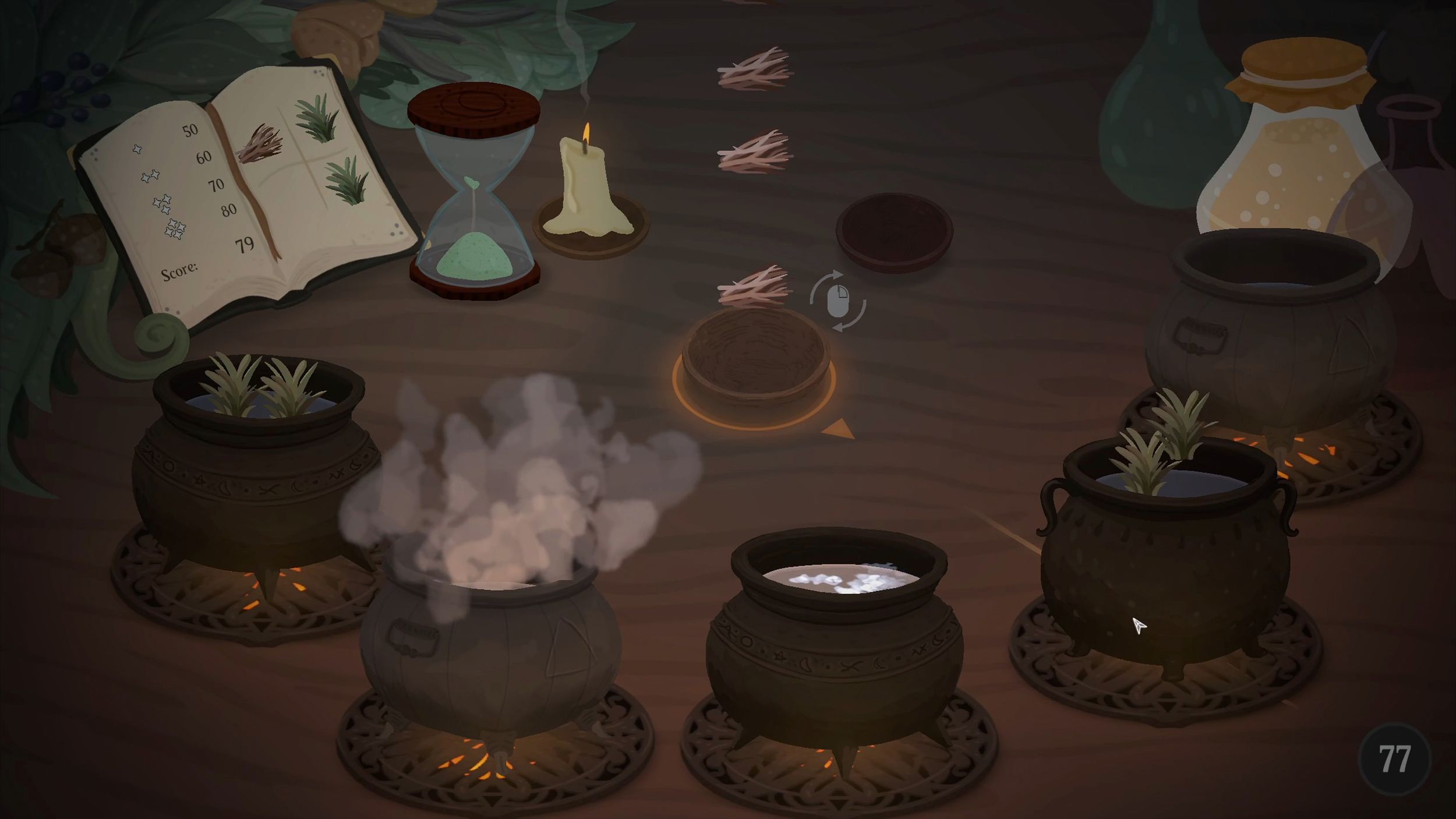
This fast-paced game challenges you to brew potions using specific ingredients. You’ll see a recipe and have five cauldrons to work with. The better you use your ingredients – and the fewer you waste – the higher your score. Here’s the catch: ingredients fall from the top, one at a time, just like in Tetris, so you have to use what comes next, even if it’s not ideal!
I was really impressed by how unique the farming system is in Songs of Glimmerwick – it’s a major reason why I started playing the game.
Mixing the wrong ingredients in your potion results in wasted resources, so you need to be both fast and strategic. To help with this, you can hold ingredients in a separate bowl to access them later, but anything remaining in the bowl when time runs out will cost you points—though you can still use those ingredients whenever you need them. It’s a complex system that took me a few attempts to get the hang of. Ultimately, it was a thrilling way to finish my preview of Songs of Glimmerwick; completing the Potions class marked the end of my time with the game.
Songs of Glimmerwick Already Feels Like a Strong Blend of Familiar Ideas and Fresh Identity
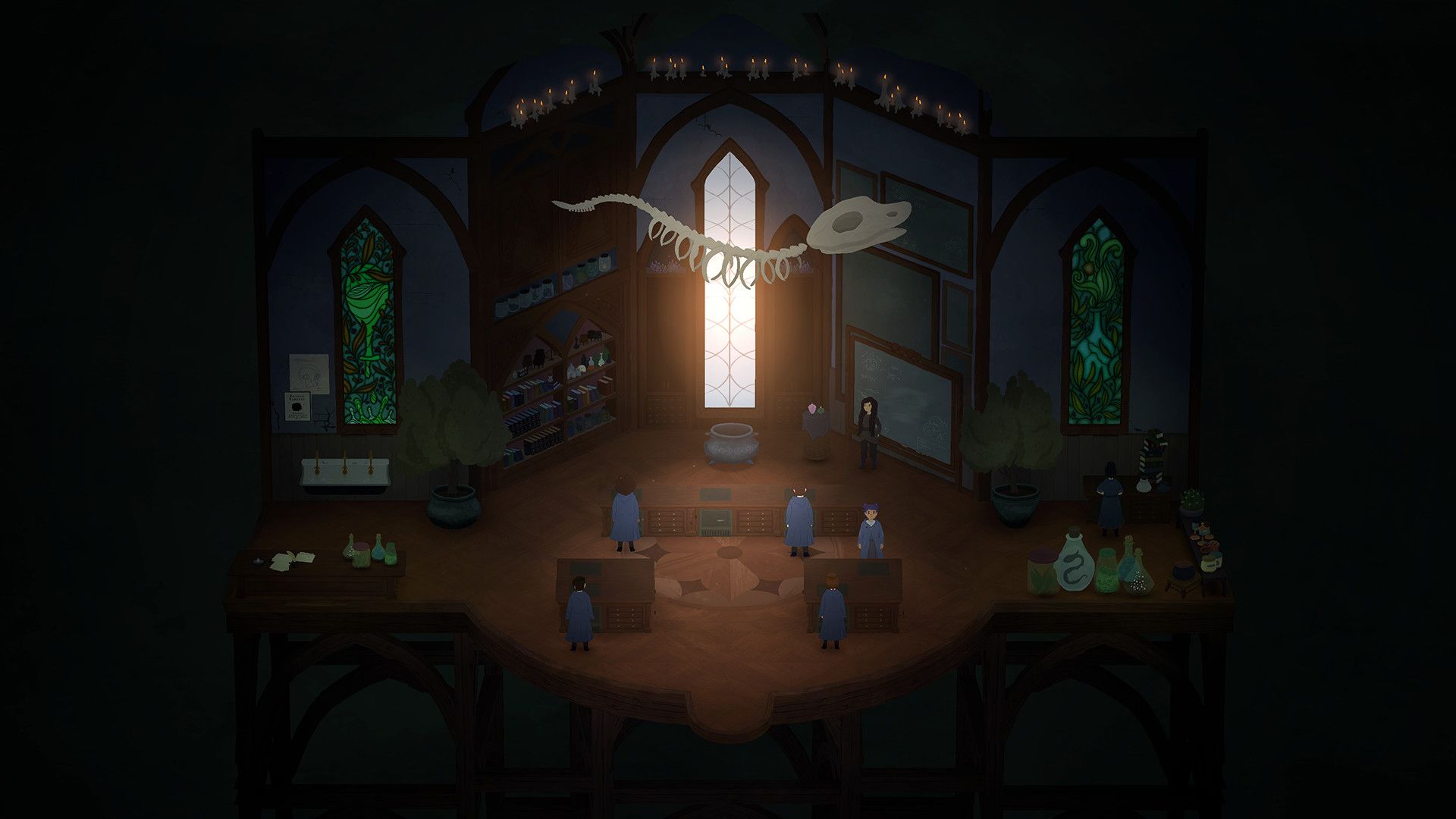
Even after only a few hours playing Songs of Glimmerwick, it strikes a lovely balance between the relaxing, everyday life of games like Stardew Valley and the magical atmosphere of Hogwarts. The way you cast spells using music, the relaxed way quests are handled, and even the farming system all work together seamlessly. While some gameplay elements take a little getting used to at first, everything feels consistent with the game’s overall vision.
I feel like I’ve barely begun to explore everything this game has to offer, which is incredibly exciting. If the rest of Songs of Glimmerwick keeps developing like this, it could become truly remarkable – maybe even the Hogwarts Legacy and Stardew Valley combination many fans have hoped for.
The game Songs of Glimmerwick is scheduled to release in 2026 and is now available to add to your wishlist on Steam. TopMob received a Steam code to play and review the game before its release.
Read More
- All Shadow Armor Locations in Crimson Desert
- How to Get the Sunset Reed Armor Set and Hollow Visage Sword in Crimson Desert
- Best Bows in Crimson Desert
- All Golden Greed Armor Locations in Crimson Desert
- Wings of Iron Walkthrough in Crimson Desert
- All Skyblazer Armor Locations in Crimson Desert
- All Helfryn Armor Locations in Crimson Desert
- How to Craft the Elegant Carmine Armor in Crimson Desert
- Marni Laser Helm Location & Upgrade in Crimson Desert
- How To Beat Ator Archon of Antumbra In Crimson Desert
2026-04-02 17:08