Since there aren’t any strong rumors about a PlayStation 6 or a new Xbox, the Nintendo Switch 2 is currently the most anticipated next-generation console. And despite being the ‘new’ console, it’s launching with a powerful lineup of games, including Pokemon Legends: Z-A, updated versions of Pokemon FireRed and LeafGreen, and upcoming titles like 007 First Light, Avatar Legends: The Fighting Game, and FF7 Rebirth – plus many more.
The success of the Switch 2 highlights how much console launches have improved over the years. Many will remember the difficult starts of consoles like the Xbox 360, plagued by issues like the “Red Ring of Death,” or the unusual Nokia N-Gage. But those weren’t the only consoles to struggle; several failed so badly they quickly disappeared, taking their games with them. While the PlayStation and consoles like the Sega Saturn and Nintendo 64 thrived, others couldn’t compete and were ultimately forgotten.
Advanced Game Player
An Unknown Device That’s Worse Than A Brick Game
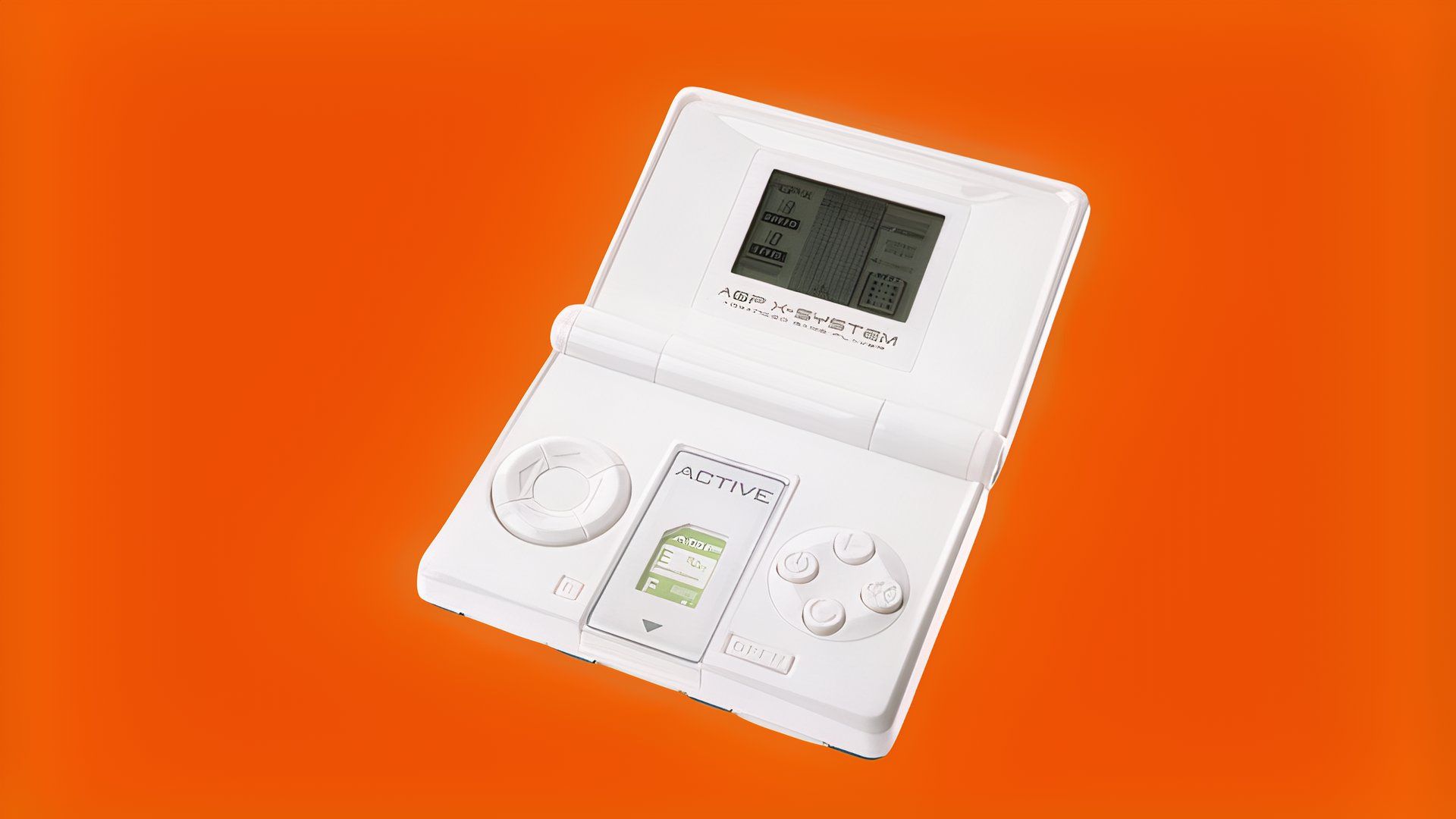
The Advanced Game Player was a clunky, early handheld gaming device – think of it as the gaming equivalent of simply owning a Game Boy Advance SP. Its history is a bit unclear, but it’s become well-known for its unusual design: a folding handheld with a small, monochrome screen, basic buttons, and a slot for game cartridges.
The Advanced Game Player came with eight games, but you needed to insert the correct game chip to play them. Surprisingly, sometimes a chip would actually load a different game than the one it was supposed to, meaning the chip itself didn’t even matter! No new games were ever made for the system, and the classic Brick Game from the 90s actually had a much better selection of titles.
Mattel HyperScan
Scanning Cards To Play Meant Having To Buy Them All
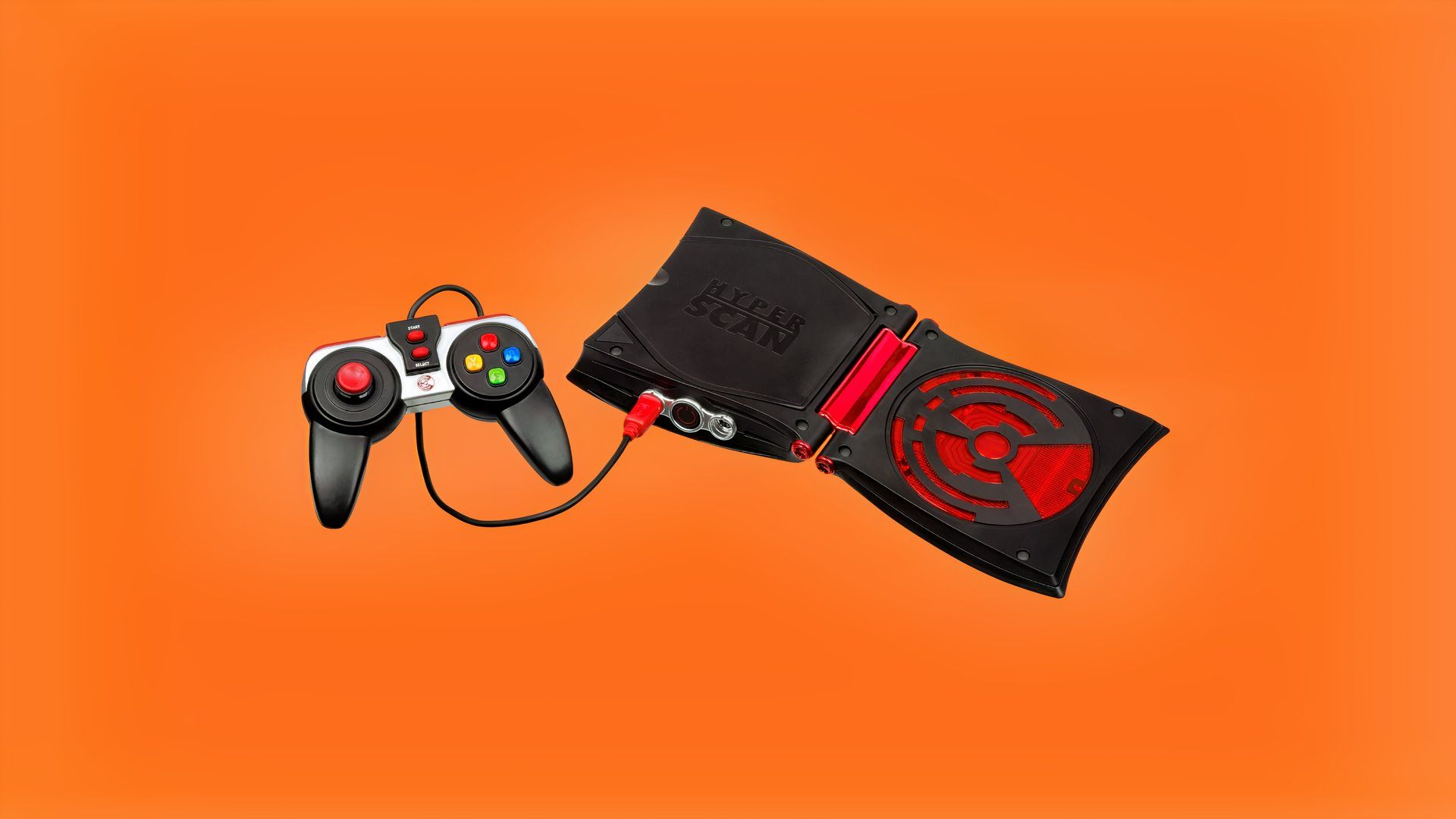
Collecting cards that can be scanned into a game isn’t a new idea. It first gained traction in Japan with the 2002 game World Club Champion Football and saw a resurgence with 2020’s Pokemon Mezastar. But in 2006, Mattel’s HyperScan was a pleasant surprise for gamers in Western countries. It allowed Mattel to create collectible cards based on popular franchises, complete with a game you could play at home. The initial HyperScan release included cards from series like Ben 10 and Marvel Comics, as well as a unique wrestling game.
Unfortunately, only a small number of games actually worked with the HyperScan, as many planned titles were never released. While Interstellar Wrestling League included fighting elements, the Ben 10 and Marvel games (Marvel Heroes, X-Men, and Spider-Man) were mostly simple platformers. To make matters worse, players had to buy extra packs to unlock characters, levels, abilities, and even moves, making the HyperScan an early example of the now-common practice of microtransactions.
Philips CD-I
The Everyday Device That Just Wasn’t Good At Anything
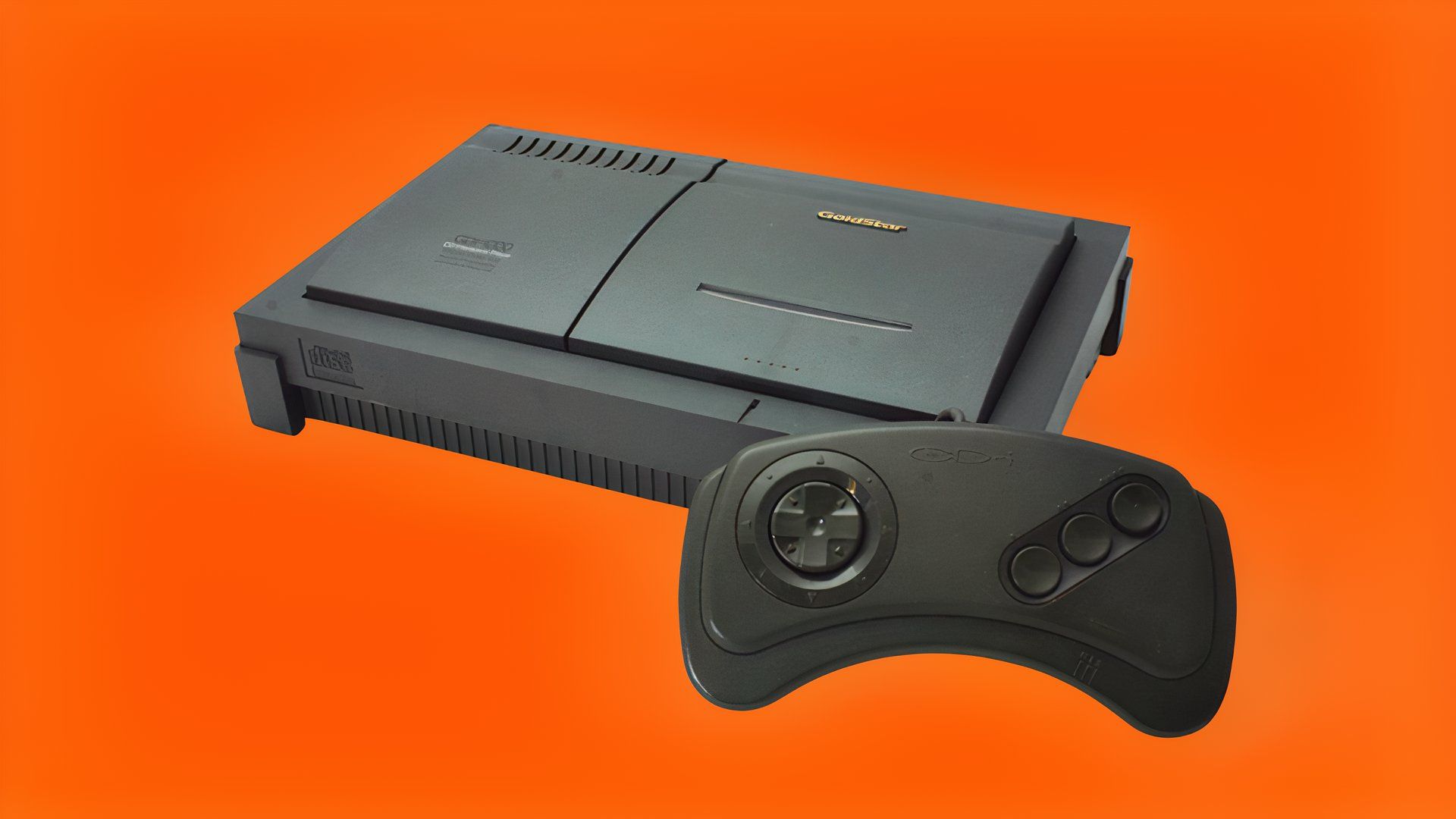
The Philips CD-i was an early attempt at creating a multimedia platform, and it actually paved the way for future gaming consoles – but in a different way than most people realize. Philips envisioned the CD-i as a device that could play both interactive content, like games, and pre-recorded media, such as movies. They aimed to make it a universal standard, meaning it would be compatible with all players, but this focus on broad compatibility prevented Philips from establishing a unique identity or advantage over its competitors.
After struggling to sell the CD-i to a wide audience, Philips focused on promoting its gaming features. They quickly discovered, however, that the system’s weak graphics and processing power—even for 2D games—put it at a significant disadvantage against competitors like the PlayStation, Nintendo 64, and Sega Saturn.
Atari Jaguar
Imagine Launching Months Before Playstation, Sega Saturn, And N64
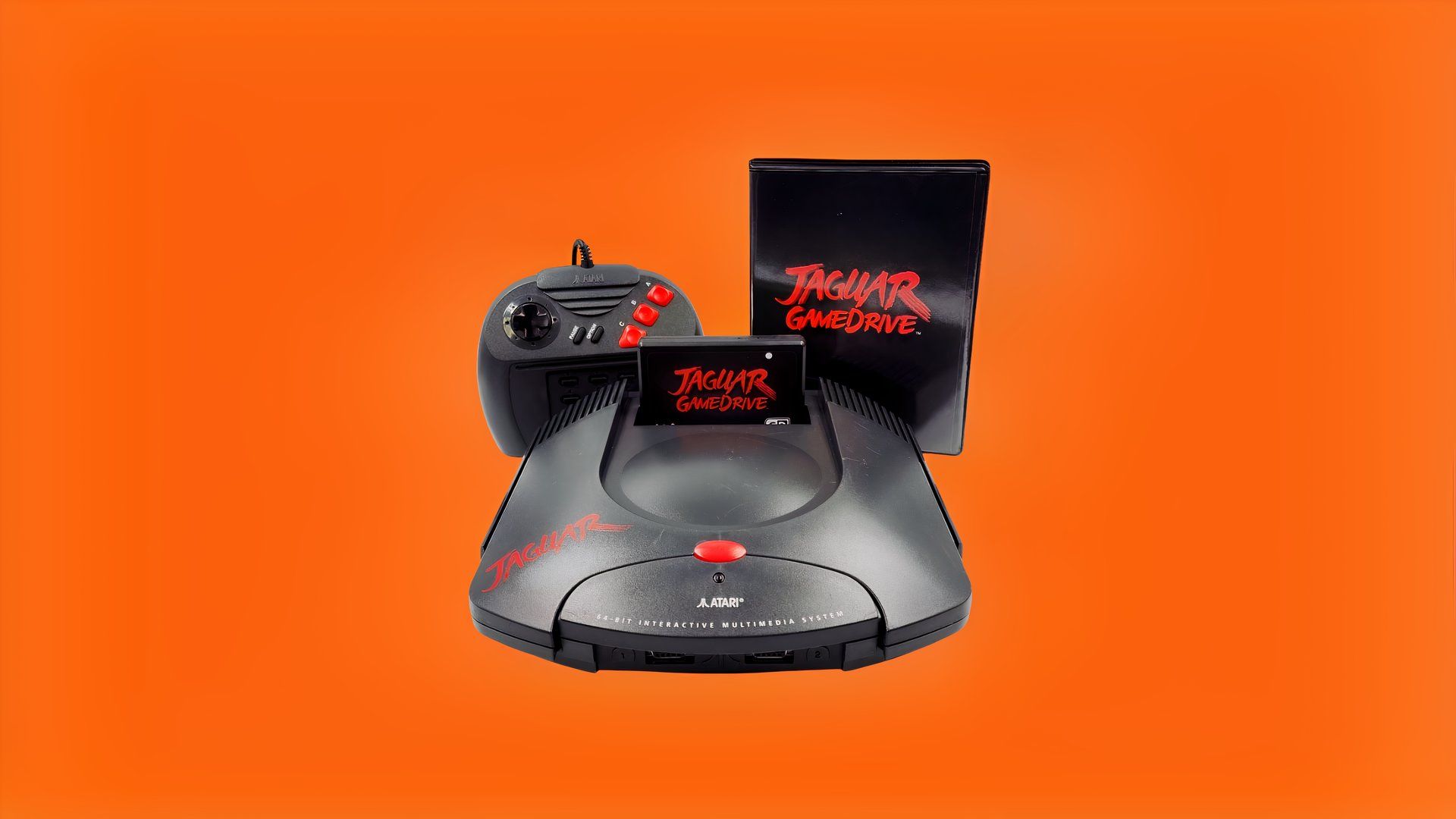
The Atari Jaguar was Atari’s try to jump ahead in the video game console market by releasing what they claimed was the first 64-bit gaming system. Unfortunately, both the cartridge and CD versions of the Jaguar had problems. It featured awkward hardware, an old-fashioned controller with many buttons, and a disappointing selection of games. Many also questioned whether it was truly a 64-bit system, as it actually used a combination of 64-, 32-, and 16-bit technology. Ultimately, the Atari Jaguar didn’t appeal to fans of consoles like the SNES and Sega Genesis. Its complicated internal design and poor documentation also made it hard for developers to create games for it, resulting in a library of fewer than 60 titles.
The Atari Jaguar faced an uphill battle from the start. It launched several months before the Sony PlayStation, Sega Saturn, and Nintendo 64 – consoles that would come to define 3D gaming. With little excitement from existing Atari fans and these powerful new competitors arriving soon after, the Jaguar quickly became a footnote in gaming history – a console that was easily overlooked and soon forgotten.
Amiga CD 32
A 32-Bit Console In The Advent Of The 3D Era
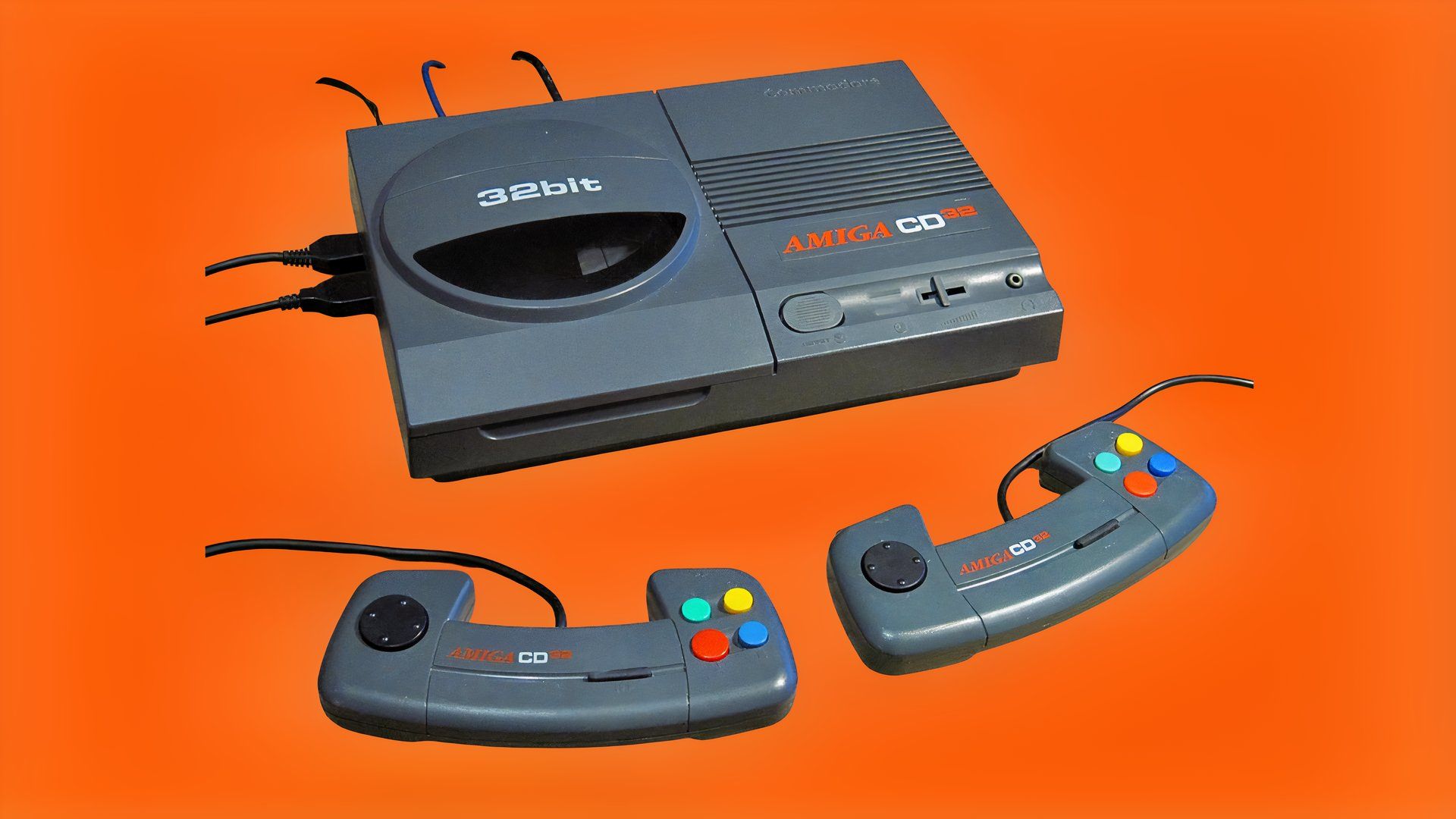
The Amiga CD 32 was Commodore’s final effort to compete in the emerging home video game console market. These consoles took the gaming capabilities of expensive computers and put them into simpler, more affordable boxes designed to be played on televisions. As Commodore struggled against the rising popularity of PCs—primarily from Apple and Google—the Amiga CD 32’s lack of commercial success (even after initial popularity in Europe) ultimately contributed to the company’s bankruptcy in 1994.
Man, the Amiga CD32 really had potential, but it just missed the mark. It felt like they were heading in the right direction, but launched at the wrong time. Basically, it was a simplified Amiga 1200 without the floppy or hard drive. It could play some older Commodore games, but without a keyboard and mouse, a lot just weren’t really playable. And that weird U-shaped joystick? Let’s just say controls felt pretty clunky. To top it off, it came out with 32-bit graphics just as gaming was shifting into full-on 3D, so it was fighting an uphill battle from the start.
 Find all 10 pairs Results
Gizmondo
A Gizmo That Tried To Do More Than Just Gaming
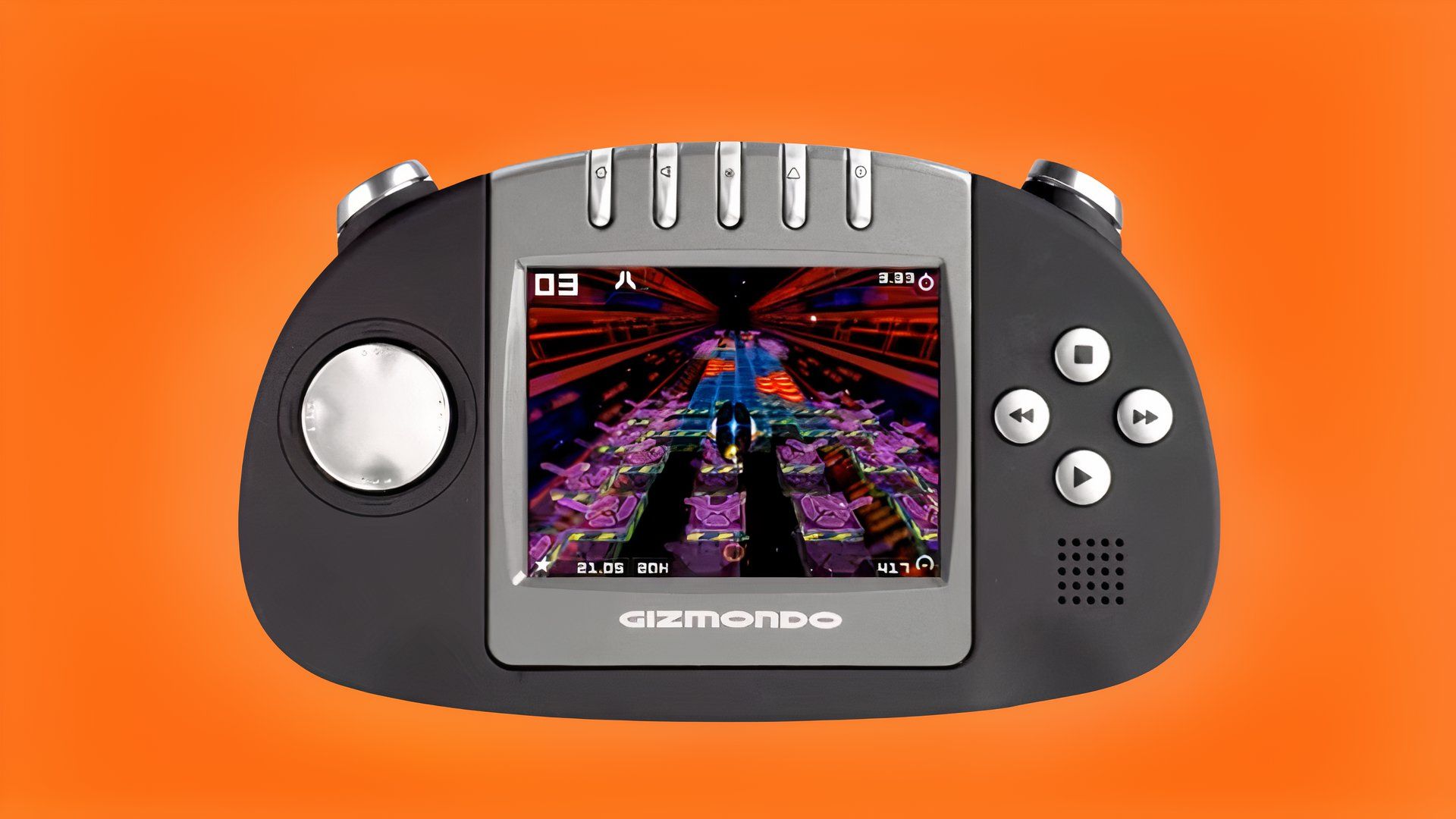
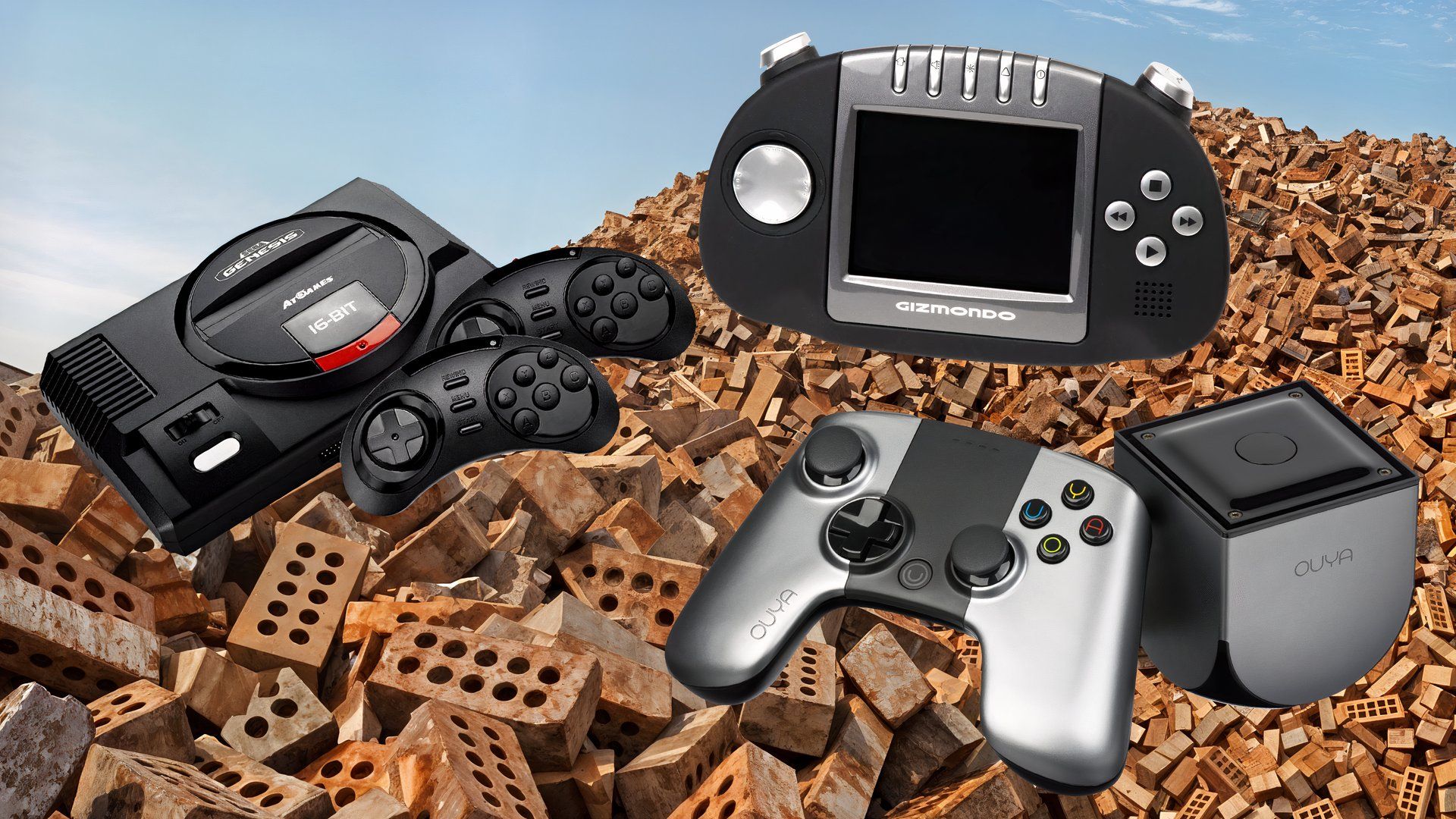
In the early 2000s, creating a successful handheld gaming console was difficult. The Gizmondo, made by Tiger Telematics, aimed to compete with devices like the Nokia N-Gage and Nintendo DS. What initially stood out about the Gizmondo wasn’t just its gaming ability, but also features like text messaging, internet browsing, and a built-in camera – features designed to attract a wider audience. However, problems within the company and a late start in the US market meant the Gizmondo never gained much traction, with estimates suggesting only around 25,000 units were sold.
The device wasn’t much better. It had a smaller screen than the PSP, lacked analog controls, didn’t have a keyboard (which made texting difficult), and even included ads within the device itself. To make matters worse, only 14 games were available for it, and none of them were particularly impressive, especially since many similar games were already available on other consoles.
Ouya
An Ambitious, Fully Open-Source Idea With Mediocre Execution
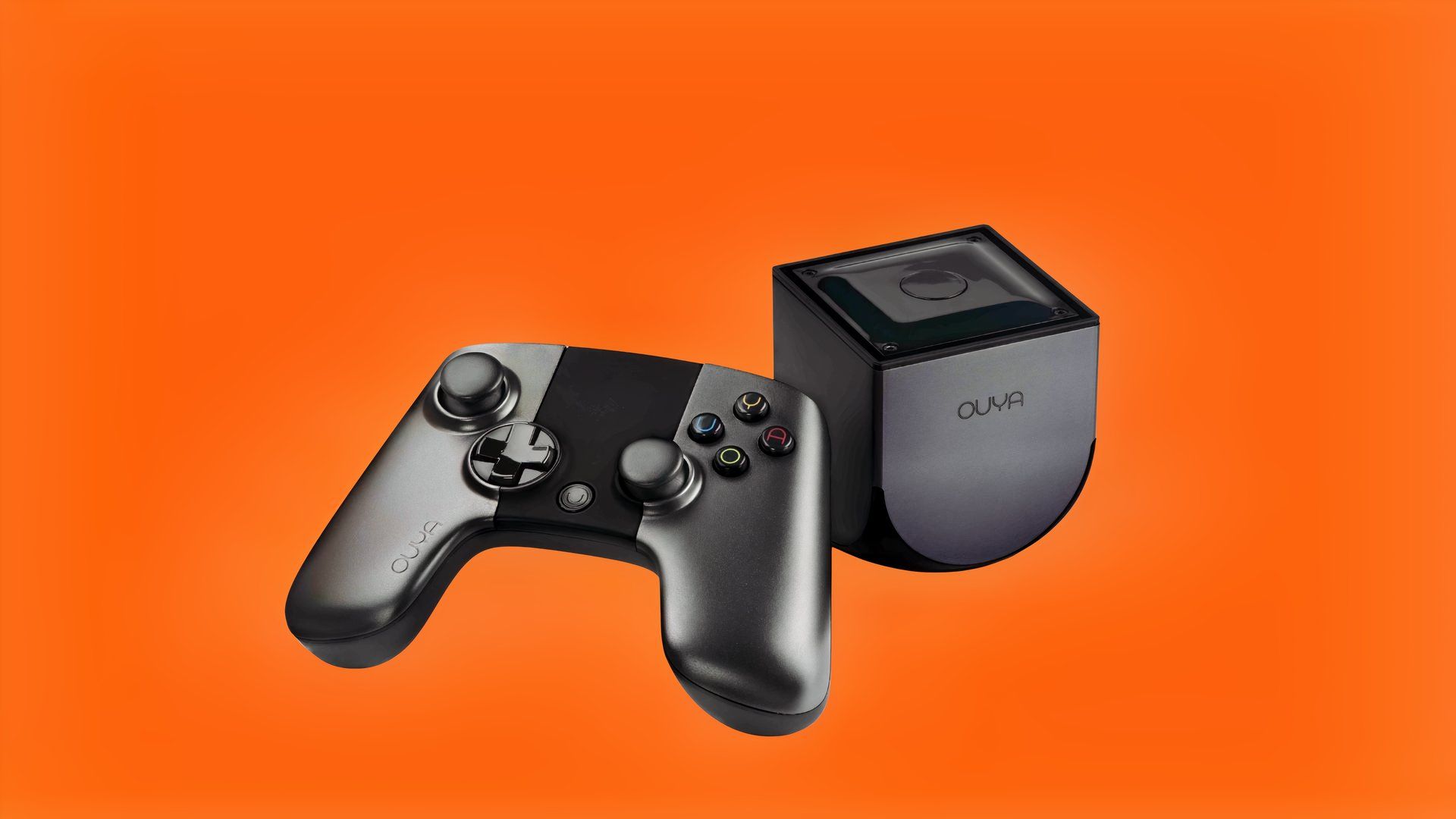
The Ouya was a remarkably successful Kickstarter project. It started as a gaming console powered by Android, designed to be easily customized and encourage users to create their own games. This open design prioritized gamers, and initially, all games on the Ouya had to include some free content.
Despite a promising idea, the Ouya gaming console didn’t succeed when it launched. Gamers found it frustrating due to problems with the controller’s build quality, a difficult-to-use operating system, and noticeable lag. It was discontinued in 2015, and its online store and software support ended in 2019.
R-Zone
An Oddity That Felt More Like A Toy Than A Console
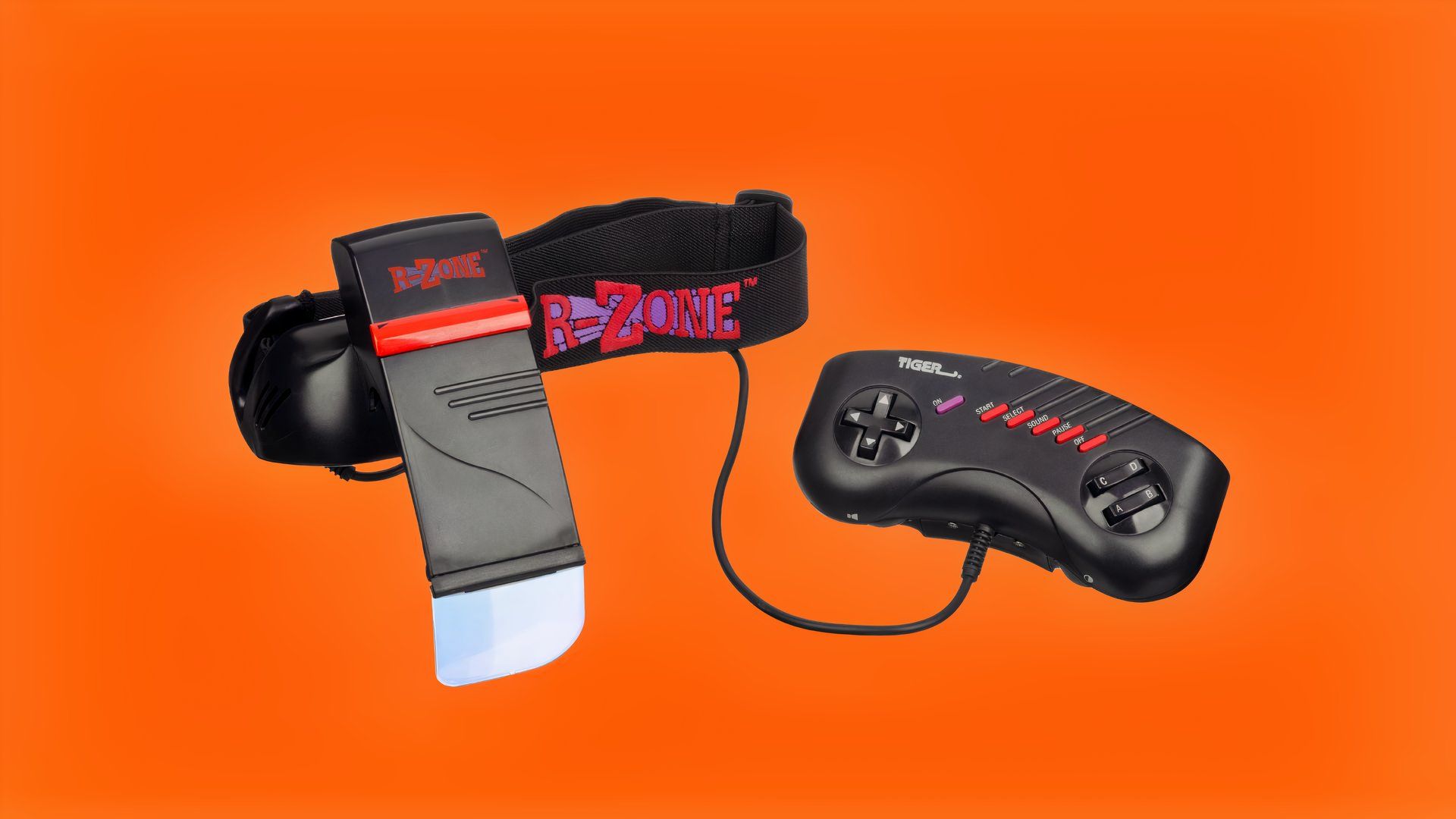
The R-Zone was a truly unique piece of 90s technology. This handheld gaming console from Tiger Electronics aimed for a futuristic, immersive experience. It featured a headset with a single-eye visor connected to a controller powered by batteries. Games were played using cartridges with clear screens that appeared to float inside the visor, making players feel like they were actually in the game.
Playing games on this console wasn’t quite like using a traditional system – it felt more like a toy. All the games used the same red color scheme, and they didn’t offer much variety in gameplay. Compared to other consoles from the 90s, the games had very limited animation. Players could play without the visor by buying a smaller handheld version (Xtreme Pocket Game), a handheld with a flat screen and organizer (DataZone), or a larger model with a color display (SuperScreen). Unfortunately, the entire line was discontinued after only two years.
Sega Genesis Flashback
A Flashback To The Genius Design Of Older Generations
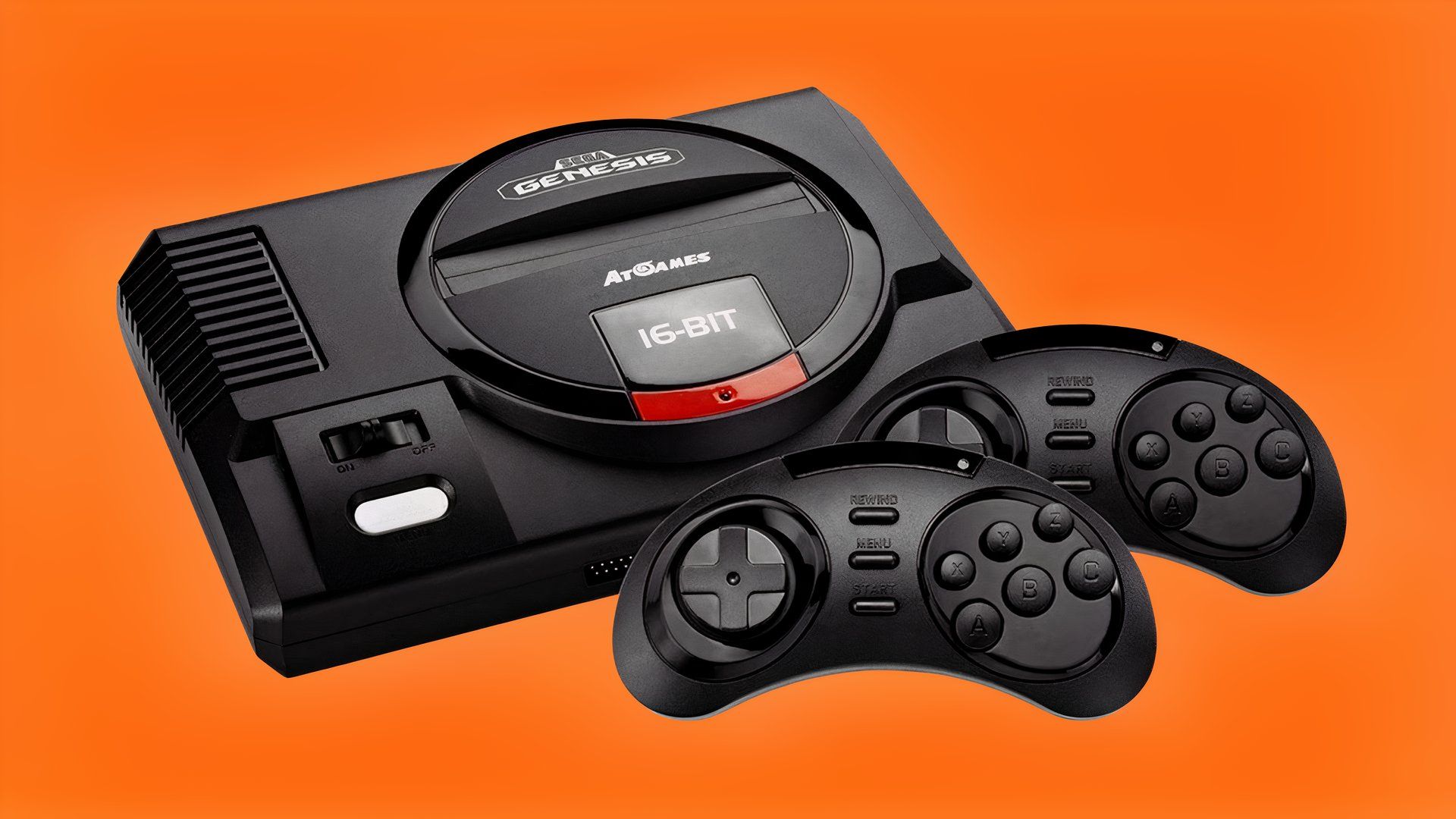
Older games often evoke strong memories because of their unique visual style, sound, and overall experience – something original consoles like the Sega Genesis captured perfectly. This creates a challenge for updated classic consoles, which not only need to fix problems with the original games but also recreate that nostalgic feeling. The Sega Genesis Flashback from AtGames is a good example of a console that struggled with this, making the games frustrating to play. Many found it easier – and more enjoyable – to play the games using emulators or, ideally, the original consoles themselves.
The first version of the console, released in 2017 (later updated with Bluetooth instead of infrared), required AAA batteries or an AC adapter and had a complicated operating system. While it came with 85 pre-installed games, around 30 of them felt like unnecessary extras. Games were loaded using cartridges, but you had to turn the console off before inserting them. These small annoyances led many people to feel that a used Sega Genesis was a better value.
Commodore 64 Games System
Better To Just Buy The More Powerful PC
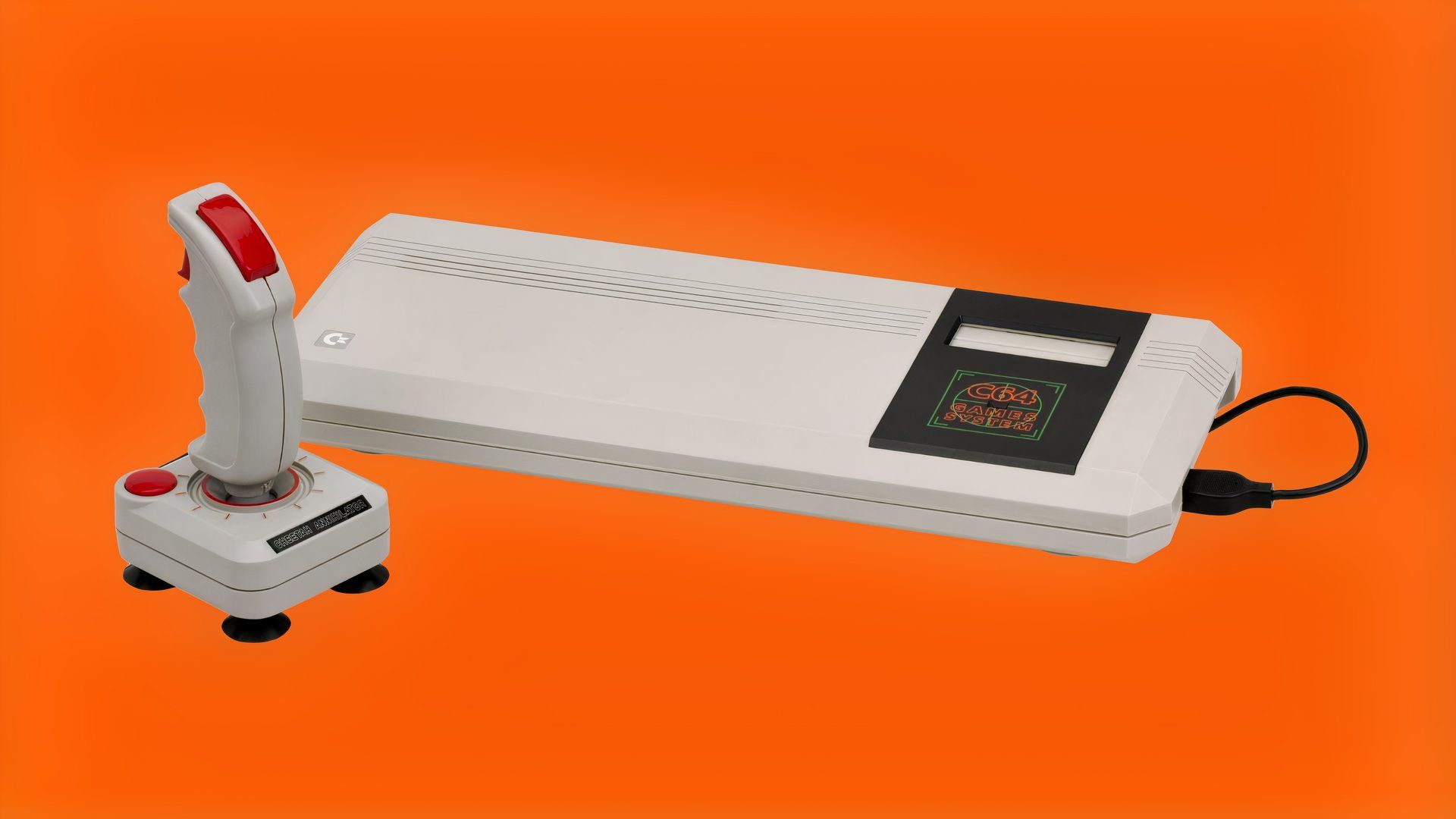
The Commodore 64 became incredibly popular, unlike other home computers of its era, and thrived in many different markets. It featured successful games like International Soccer (1983), Bruce Lee (1984), Pitstop 2 (1984), and The Last Ninja (1987). When Commodore attempted to compete with Sega and Nintendo in the console market with the Commodore 64 Games System, anticipation was high… despite the system ultimately selling only 2,000 units.
The plan was to create a more affordable console specifically for games, targeting younger players. However, the C64GS faced an uphill battle. Not only was the console market already crowded, but the C64GS also limited its own potential. Because it didn’t include a keyboard, many existing Commodore 64 games couldn’t be played on it, and the joystick that was available felt awkward to use. Ultimately, the C64GS’s biggest drawback was that it used the same technology as the original Commodore 64, making the original computer a much better value for both gaming and other activities.
Read More
- All Skyblazer Armor Locations in Crimson Desert
- All Shadow Armor Locations in Crimson Desert
- How to Get the Sunset Reed Armor Set and Hollow Visage Sword in Crimson Desert
- Marni Laser Helm Location & Upgrade in Crimson Desert
- Best Bows in Crimson Desert
- All Helfryn Armor Locations in Crimson Desert
- All Golden Greed Armor Locations in Crimson Desert
- How to Craft the Elegant Carmine Armor in Crimson Desert
- Keeping Large AI Models Connected Through Network Chaos
- One Piece Chapter 1179 Preview: The Real Imu Arrives in Elbaf
2026-04-06 03:11