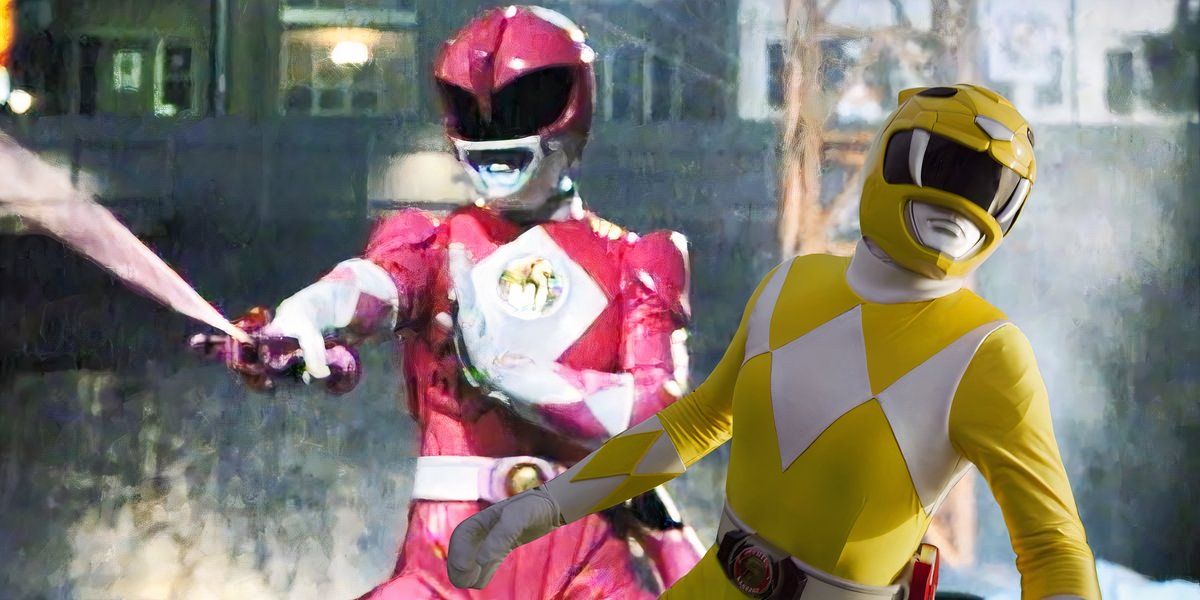
For over three decades, Power Rangers has remained a popular television franchise. Starting with Mighty Morphin Power Rangers in 1993, it has grown to include 29 additional series (for a total of 30 seasons), three movies, and countless toys. Originating from a Japanese television show, Power Rangers became a global phenomenon, though it has faced some criticism over the years.
Throughout its long run, Power Rangers has faced its share of challenges, including backstage conflicts, casting issues, and public criticism. Despite these problems, the show has continued to thrive, and it’s still fascinating to revisit some of its most controversial moments, from the original Mighty Morphin series to Zeo.
5. The Original Cast Had a Public Pay Dispute
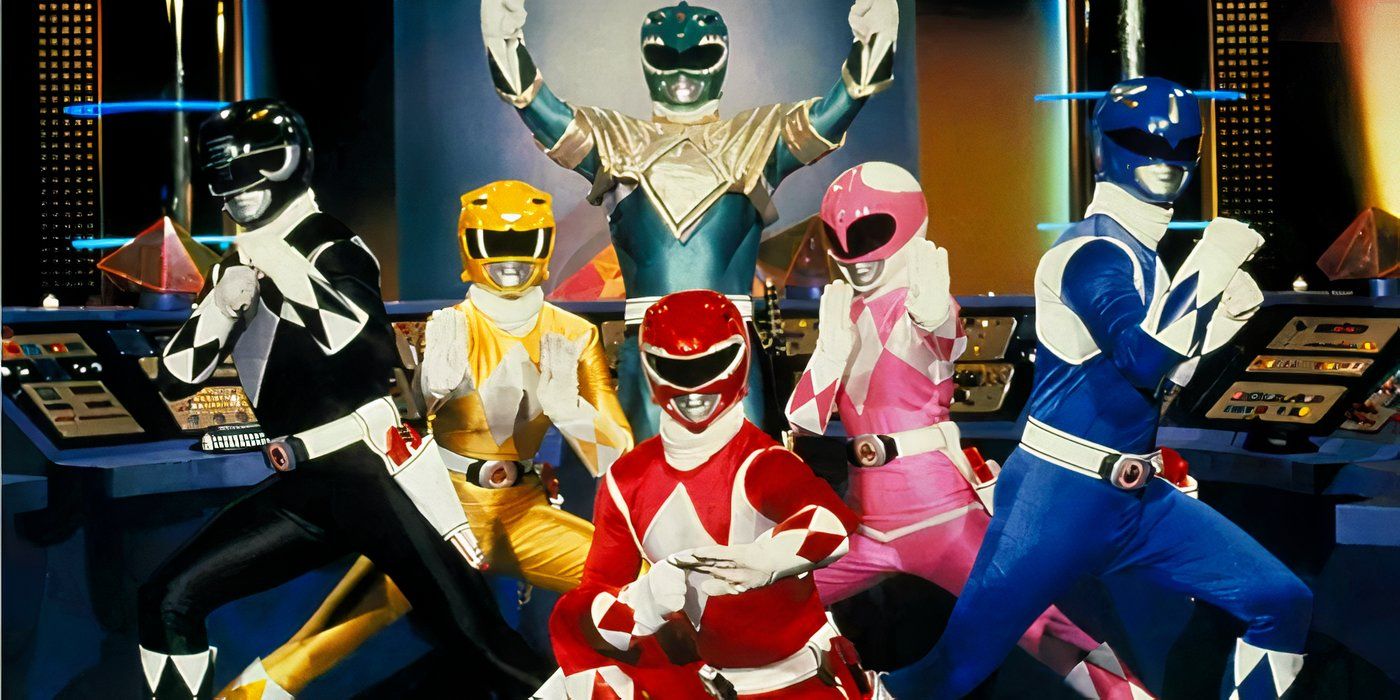
The original Mighty Morphin Power Rangers remains a hugely popular and influential show. It captured the imagination of kids by featuring everyday heroes battling the villain Rita Repulsa and her crew. However, disagreements over pay led to several actors leaving after the first season.
Walter Emmanuel Jones (Zack Taylor), Thuy Trang (Trini Kwan), and Austin St. John (Jason Scott) left the show because of issues with their pay, tough working conditions, and long hours. They were reportedly earning only around $600 a week, which was a very low wage considering how successful Mighty Morphin Power Rangers was. Unfortunately, their requests for better pay and union representation were turned down, and the show ultimately replaced all three actors.
4. Power Rangers Faced Allegations of Racist Casting Choices
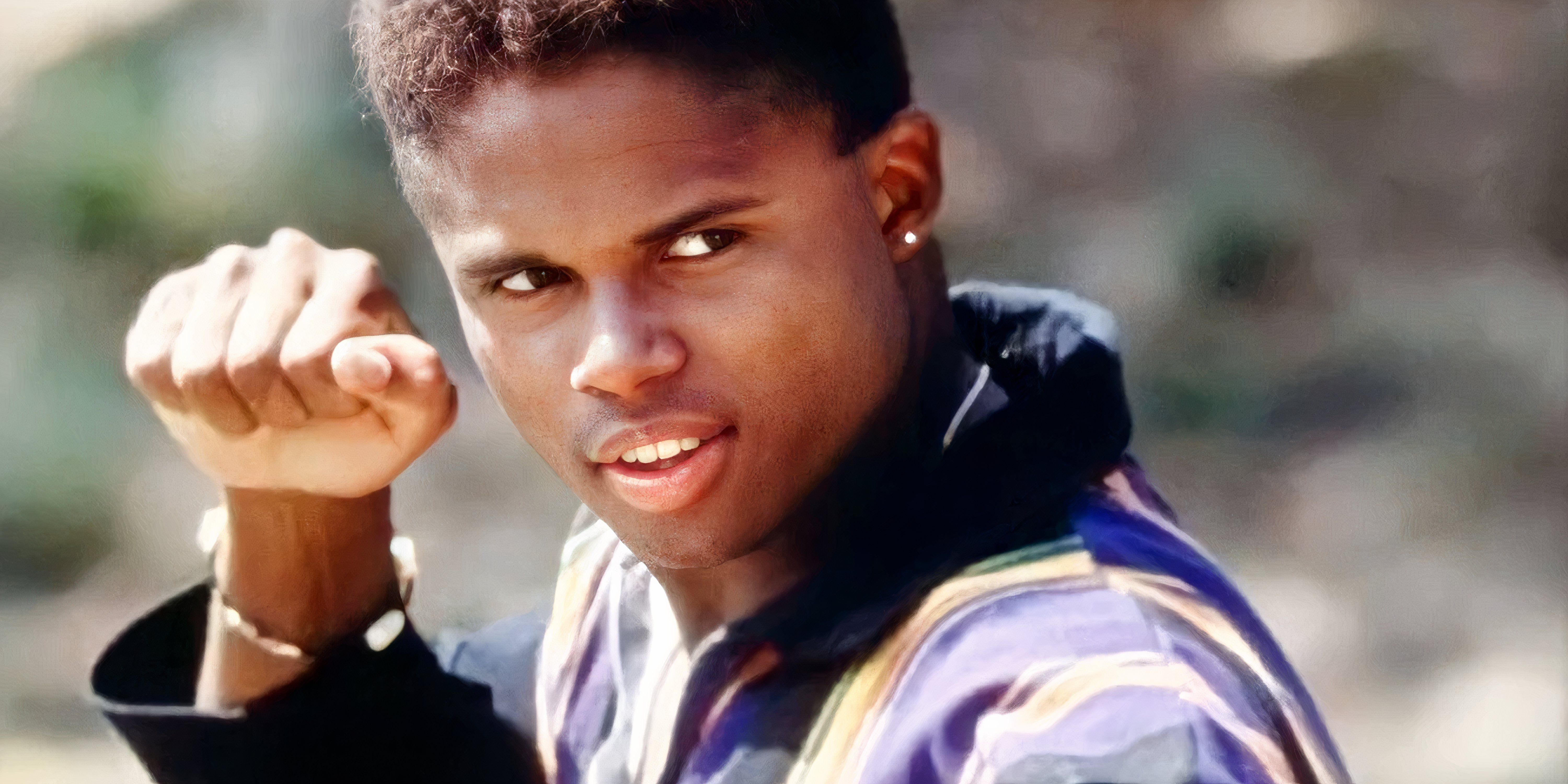
The original Mighty Morphin Power Rangers faced controversy over its casting decisions. Power Rangers shows usually have a diverse group of characters with core Rangers being red, pink, blue, yellow, green, and black. The original series received criticism because Walter Emmanuel Jones, who is Black, played the Black Ranger, and Thuy Trang, who was Vietnamese, played the Yellow Ranger.
The casting decisions for these two characters have faced ongoing and justified criticism for perpetuating damaging racial stereotypes. While the original creators of Mighty Morphin have always claimed it was an unintentional error, Tony Oliver, the show’s head writer, labeled it a “mistake” in the 2025 documentary Hollywood Demons.
3. David Yost’s Departure Was a Sad Loss And Awful Insight To The Show’s BTS
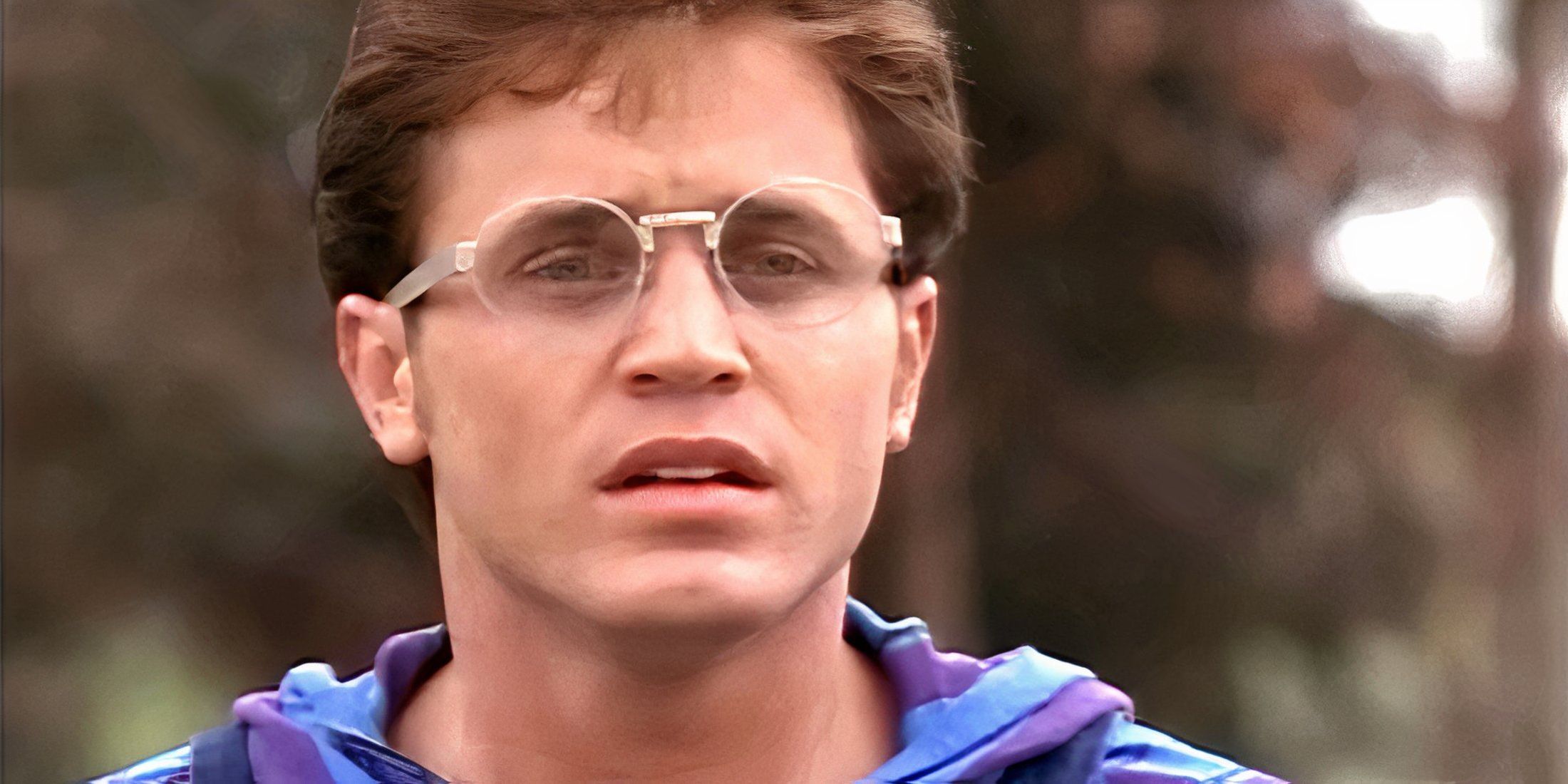
In 1996, Power Rangers Zeo featured the Rangers gaining new abilities from the Zeo Crystal as they battled the Machine Empire. The cast included stars like Jason David Frank, Johnny Yong Bosch, Nakia Burrise, and David Yost, who played the character Billy Cranston.
As a long-time viewer, I remember Power Rangers Zeo seeing Billy step back from being a Ranger, becoming more of a tech guru for the team. It was a sad change, but what happened behind the scenes was even worse. David Yost, who played Billy, eventually revealed he left the show because of relentless homophobic harassment – people actually used slurs on set. He said this discrimination was the primary reason he quit acting altogether. His story really brought to light how problematic things could be in Hollywood, and sparked a much-needed conversation about LGBTQ+ acceptance and creating safe working environments.
2. Mighty Morphin’s Violence Got the Show Banned In Some Countries
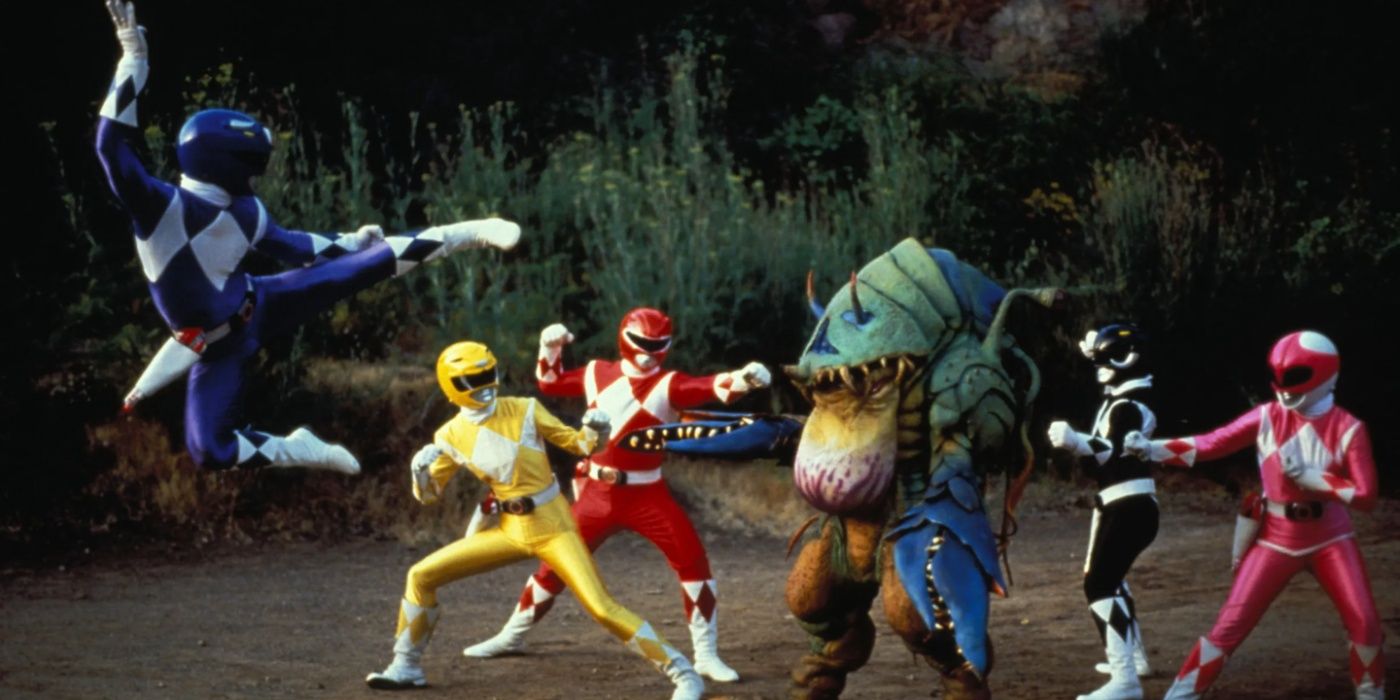
When Mighty Morphin Power Rangers debuted in 1993, it quickly became popular with kids around the globe. But the show wasn’t universally accepted. Its frequent fighting, taken from Japanese Super Sentai footage, along with explosions and weapons, led many to believe it wasn’t suitable for young viewers.
The way the show was perceived led to restrictions or bans of Mighty Morphin Power Rangers in countries like New Zealand, Canada, and the United States, sparking a widespread discussion about overblown public fears. This was intensified by a tragic event in Norway in 1994, where a young girl was fatally beaten by boys mimicking “Power Rangers kicks.” This incident raised serious questions about what is suitable for children to watch on television.
1. Power Rangers’ Dangerous Working Conditions Were Widely Discussed
Early seasons of Power Rangers faced significant criticism and debate regarding the challenging and potentially unsafe environment on set. The show quickly gained a reputation for demanding conditions, especially during Mighty Morphin Power Rangers. Several actors, including Amy Jo Johnson and Austin St. John, have spoken about working extremely long days – often 12 to 16 hours. They were also required to perform their own stunts, and Tony Oliver characterized the atmosphere during the Mighty Morphin years as “abusive.”
Early Power Rangers productions were often dangerous. The costumes, especially those for the Rangers and villains, were hot, didn’t breathe well, and made it hard to see, creating a significant risk. One actor even suffered heatstroke while filming in 110-degree temperatures due to their suit. The show’s use of practical effects also presented hazards; during the filming of the 1995 Power Rangers movie, a pyrotechnics malfunction nearly set both Yost and Jo Johnson on fire. While safety improved as the franchise grew and union involvement increased, with better stunt coordination and standardized procedures, the early days were undeniably risky.
Read More
- All Skyblazer Armor Locations in Crimson Desert
- How to Get the Sunset Reed Armor Set and Hollow Visage Sword in Crimson Desert
- All Shadow Armor Locations in Crimson Desert
- Marni Laser Helm Location & Upgrade in Crimson Desert
- All Golden Greed Armor Locations in Crimson Desert
- All Helfryn Armor Locations in Crimson Desert
- Best Bows in Crimson Desert
- Keeping Large AI Models Connected Through Network Chaos
- All Icewing Armor Locations in Crimson Desert
- How to Craft the Elegant Carmine Armor in Crimson Desert
2026-04-07 04:04