Valve is a major force in PC gaming, and its growing size is now attracting legal attention. As the owner of Steam, the leading online store for PC games, and the creator of popular multiplayer titles, Valve is central to the gaming world. They’re also facing several lawsuits as they expand into hardware, like the upcoming Steam Machine.
Valve is Facing At Least Five Different Lawsuits Right Now




Valve is facing lawsuits in two US states over the way it handles in-game items, specifically ‘loot boxes,’ in games like Counter-Strike 2, Team Fortress 2, and Dota 2. One lawsuit, filed by the law firm Hagens Berman and representing players, is taking place in Washington state, where Valve is headquartered.
Valve is facing another lawsuit in New York, this time accusing the company of running illegal gambling operations. Unlike the previous case, which was filed by individuals, this lawsuit is being brought by the government itself. It’s probably no accident that these two legal challenges have surfaced around the same time.
Valve is now dealing with an antitrust lawsuit brought by game developers in the United States. The case, initially filed by Wolfire Games in 2021, recently became a class action lawsuit in 2024. This means any developer who has paid Steam’s 30% fee on sales made through the platform since January 28, 2017, can join the suit.

Valve is facing another antitrust case in the UK. Like the previous lawsuit, this one argues that because Valve controls so much of the market, it pressures developers into paying a 30% fee and makes it difficult for customers to use their purchased games on other platforms.
So, on top of everything else, Valve’s also facing a copyright issue in the UK with PRS, which is like a group that protects music copyrights. Basically, they’re saying Steam lets people download games with music without paying the right fees. A lawyer specializing in this stuff, Rebecca Rechtszaid, explained it’s a pretty common licensing problem that’s just become more noticeable with digital distribution. It’s not some crazy new legal battle, just a standard case of making sure everyone gets paid for their work.
Valve could face a significant number of payments due to these lawsuits, and the outcomes could also influence future legal cases in both the United States and the United Kingdom. TopMob contacted Valve for a statement regarding the lawsuits, but the company hasn’t responded yet.
Are Loot Boxes Illegal Gambling?
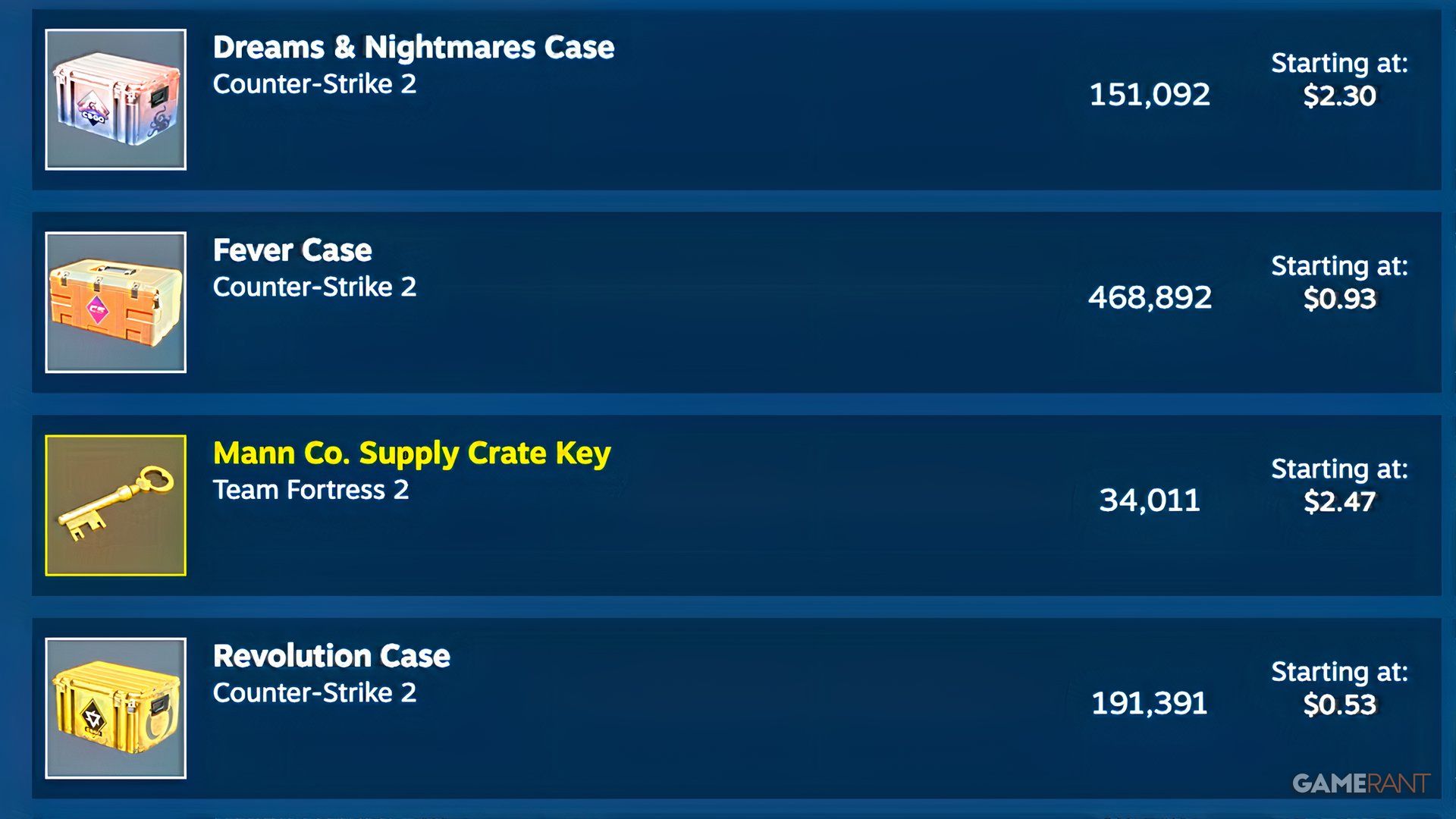
Valve is facing two lawsuits that both claim its loot boxes in games like Counter-Strike 2, Dota 2, and Team Fortress 2 amount to illegal gambling. Despite sharing this central claim, the two cases differ in important ways.
In Washington state, a lawsuit against Valve is being filed by consumers. Meanwhile, the government is pursuing a separate case against them in New York. This New York case is unique, as previous legal challenges to loot boxes in the US have all been brought by individual consumers and haven’t been successful.
In 2021, a California court dismissed a lawsuit against Supercell, the company that makes Brawl Stars and Clash Royale. The lawsuit claimed that the game’s loot boxes were similar to slot machines and used tactics to encourage gambling, but the plaintiffs couldn’t prove that players were actually harmed. This case is similar to the current lawsuits against Valve.




A lawsuit in Washington State, filed by the firm Hagens Berman on behalf of consumers, claims that Valve is running an illegal online gambling operation hidden within its video games. The suit alleges Valve uses psychological tricks, similar to those found in casinos, to encourage players – especially children – to spend money. According to the filing, the game’s ‘loot box’ feature is intentionally designed to generate profit from young players. Valve makes money both from selling the keys to open these loot boxes and by taking a 15% cut whenever players trade items on its Steam Community Market.
New York Attorney General Letitia James’s lawsuit focuses on the Steam Community Market. This online space lets players sell items they’ve earned in games – like rewards from loot boxes – for actual money.
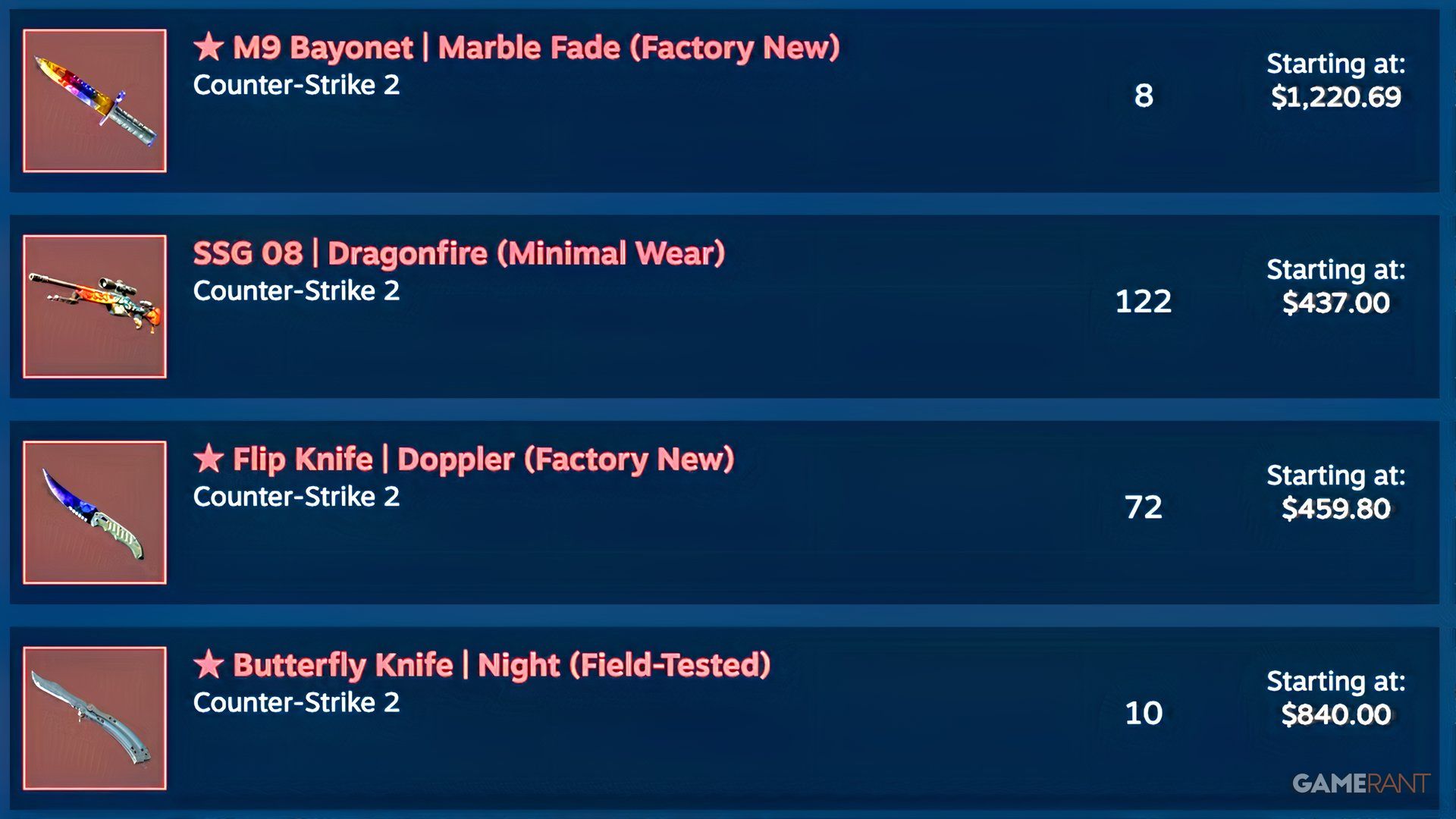
Dr. Leon Xiao, a video game law expert and professor at the City University of Hong Kong, explains that the New York Attorney General needs to prove three things to support its claim that Valve’s loot boxes violate gambling laws. According to Dr. Xiao, who holds a PhD in this area and specializes in loot box regulation, if these conditions are met, the case is essentially proven. He stated, “It all comes down to whether these specific conditions are satisfied.”
The three conditions are:
- Players must spend money to access the item, i.e., risk something.
- The contents need to be randomized.
- Items can be exchanged or sold for real money.
The core of the New York Attorney General’s argument centers on this final requirement. Previous cases, such as the one involving Supercell, failed because they didn’t meet it. According to Xiao, from a scholarly standpoint, Valve’s loot boxes appear to satisfy all the necessary conditions.
Xiao explained that a key issue in discussions worldwide revolves around whether items obtained through these systems have real value and can be traded. Specifically, he noted that Steam’s loot boxes meet this requirement because they can be transferred and sold on the Marketplace.
Valve is responding to a lawsuit filed by the New York Attorney General. In its defense, Valve argues that its loot boxes are similar to physical collectibles like baseball cards and Magic: The Gathering cards, because players can trade the items they receive. This comparison to traditional collectibles is central to Valve’s legal strategy, and they also mentioned items like Labubus as examples.
The Trading Card Defense


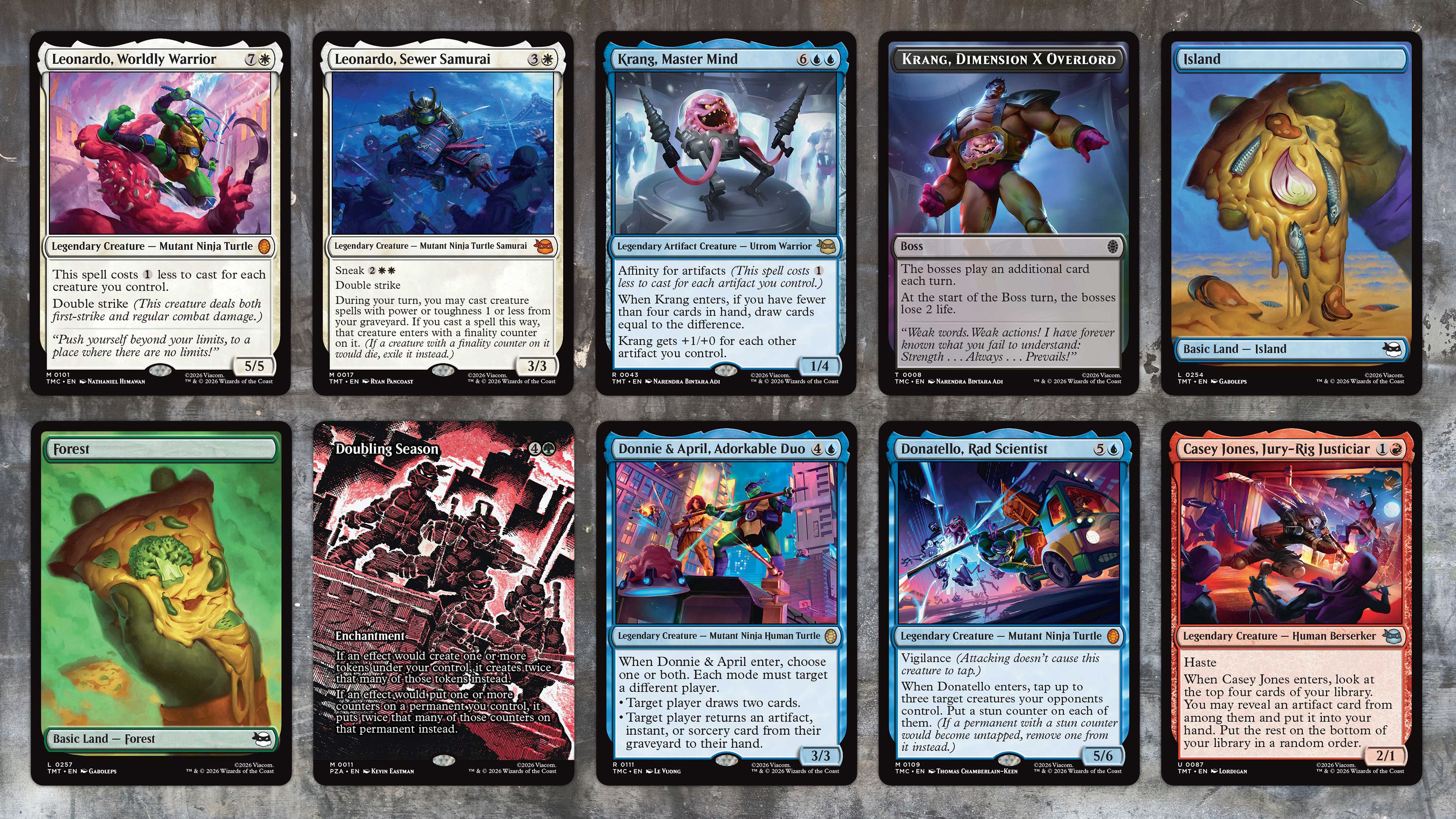

This argument points out that other activities also appear to violate the law, questioning why Valve is being singled out for responsibility. And it’s true – according to New York law, trading cards seem to fall under the same legal conditions.
While some lawsuits in the US have claimed trading cards are a form of gambling, none have been successful. Today, many illegal gambling cases focus on “card breaking” – where people bet on what’s inside a pack of cards opened by someone streaming online. However, earlier cases, like the 1997 lawsuit Schwartz v. Upper Deck Co., used the Racketeer Influenced and Corrupt Organizations Act (RICO) to try and prove their claims.

The lawsuit claimed that buying packs of trading cards was really a form of gambling sold as a product. Prosecutors attempted to use the RICO Act, a law usually reserved for fighting organized crime. However, according to Xiao, a RICO case requires proof that the person making the claim suffered direct financial harm because of the defendant’s actions. Because they couldn’t prove this harm, the case was unsuccessful.
Xiao explained that these products are essentially illegal gambling, and while they haven’t been challenged legally yet, that doesn’t mean similar products couldn’t face legal action in the future. He believes the current situation is due to a lack of enforcement, not a legal loophole.
If New York’s Attorney General wins their lawsuit against Valve, the Steam marketplace could be shut down in New York, and Valve might have to pay fines and compensation related to its loot boxes. However, a final decision is likely years away. According to the Attorney General’s office, the lawsuit aims to stop Valve from offering gambling-like features in its games, force them to give back any unfair profits, and pay penalties for breaking New York laws.

Look, just because something technically breaks the rules doesn’t automatically mean we should scrap the whole system. Some laws are really old – like, from the 1800s! – and honestly, they just weren’t written with something like the way Valve runs its online world in mind. It’s like trying to fit a square peg in a round hole, you know?
Loot boxes can be harmful, especially to children, and likely need regulation. However, current laws may not be detailed enough to address these new types of purchases effectively. As Xiao explained, the issue isn’t complicated; the problem is that existing laws are simply too old to cover it.
Transferability On Its Own Isn’t a Bad Thing

Instead of completely preventing players from trading items, a better option might be to stop items won from loot boxes from being resold on other websites. Dr. Xiao argues that letting people trade online items isn’t necessarily a problem in itself.
Okay, so everything these days feels like a rental, right? You don’t actually own anything, and if you stop paying your subscription, poof, it’s gone. I totally get why people want to be able to trade or sell items they earn in games – it’d be cool to actually own something we work for. But apparently, letting us do that can run into legal trouble with gambling laws, which is a bummer.
Considering how easily digital items can be resold, and supporting Steam’s comparison to trading cards, a secondary market lets players avoid relying on chance-based game features. This is another similarity between Valve’s system and the trading card world.
Collectors who prefer not to buy entire packs can purchase individual cards, focusing on exactly what they want, which can be more cost-effective. According to Xiao, this flexibility also gives people the choice to buy items directly, avoiding the randomness of loot boxes. Ultimately, the courts will determine how these types of purchases are legally defined, and that will shape the future of loot boxes.
Read More
- All Skyblazer Armor Locations in Crimson Desert
- How to Get the Sunset Reed Armor Set and Hollow Visage Sword in Crimson Desert
- All Shadow Armor Locations in Crimson Desert
- Marni Laser Helm Location & Upgrade in Crimson Desert
- All Helfryn Armor Locations in Crimson Desert
- All Golden Greed Armor Locations in Crimson Desert
- Best Bows in Crimson Desert
- All Icewing Armor Locations in Crimson Desert
- How to Beat Stonewalker Antiquum at the Gate of Truth in Crimson Desert
- Legendary White Lion Necklace Location in Crimson Desert
2026-04-07 22:42