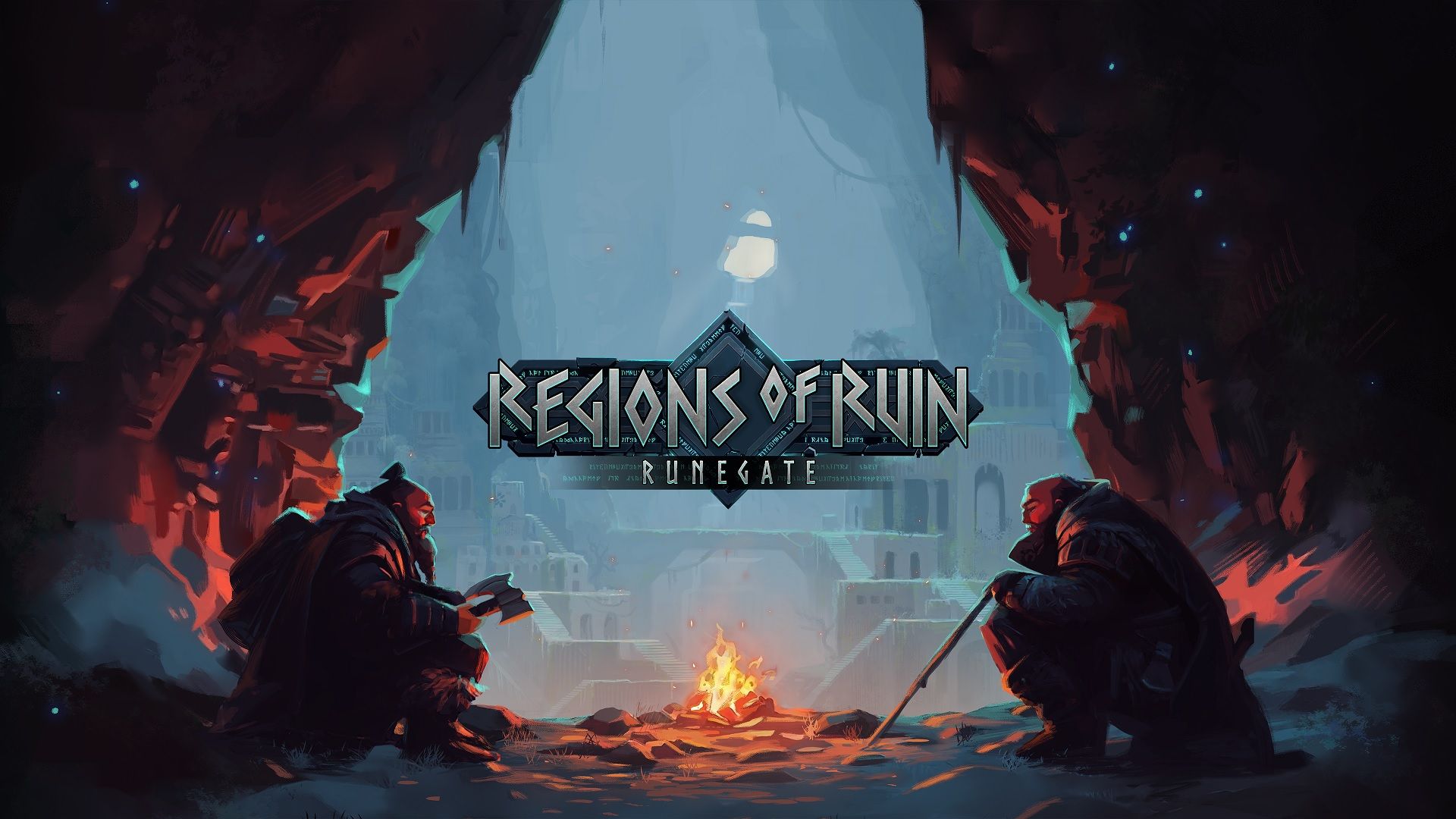
Regions of Ruin: Runegate is an adventure game similar to Lord of the Rings: Return to Moria, but played from a 2D perspective. It feels more streamlined and focused than Moria because it clearly defines its goals. The game is simple to pick up, and I quickly became invested in the story and what was at stake.
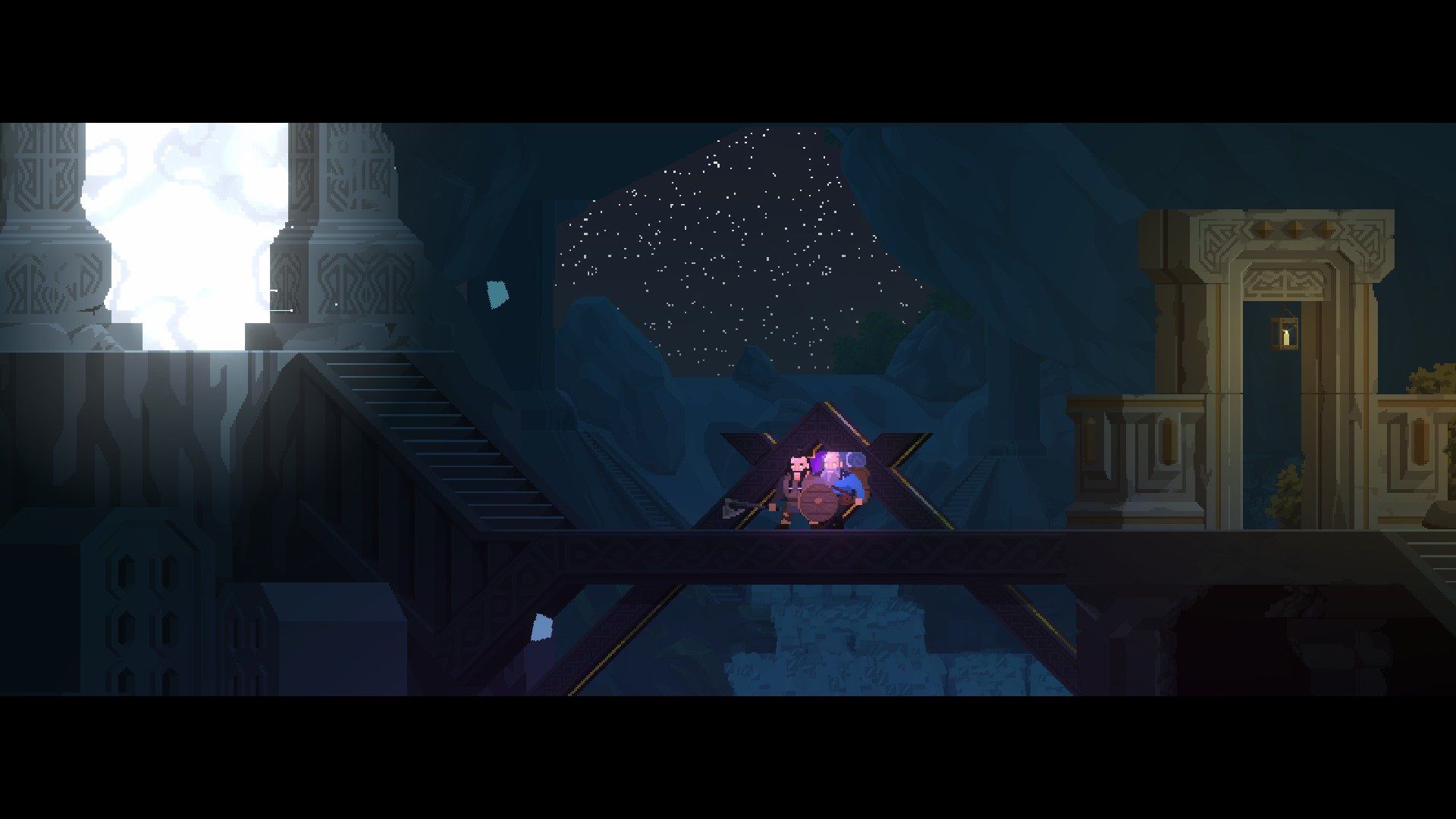
In Regions of Ruin: Runegate, you take on the role of a dwarf who joins forces with a small group of survivors after their home is devastated. With only a few dwarves remaining, they must continue to evade pursuing goblins.
Facing a difficult situation, your group decides to risk traveling through a mysterious portal—a runegate—to what was once a thriving town. Now in ruins and deserted, this place is where you must begin the challenge of rebuilding, searching for other dwarves, and discovering the worlds linked to the runegate.
A Short Campaign, but a Lot of Creative Potential
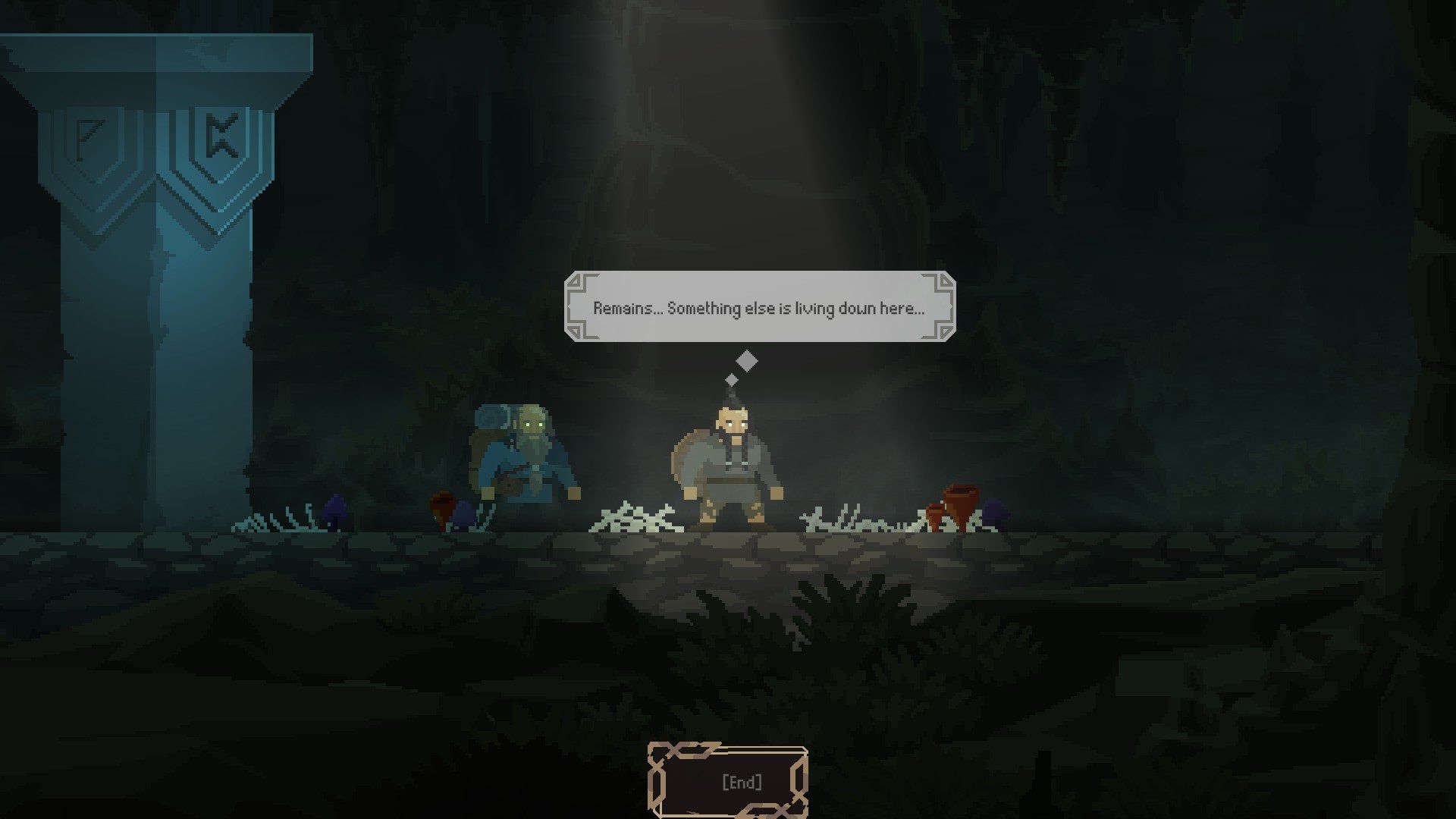
The core game isn’t very long, particularly if you stick to the main story. But the ‘Regions of Ruin: Runegate’ feature allows you to build your own campaigns, which is really exciting. I hope this game encourages the same kind of player-created content we’ve seen in games like Amnesia, where people can design and share their own stories. That kind of thing keeps a game alive and gives players a great outlet for creativity, letting them build and share their unique worlds.
Putting that aside, I appreciated that the game’s campaign wasn’t overly complicated. Many games try so hard to be unique with their stories or gameplay, but it often makes things worse. Regions of Ruin, thankfully, focuses on solid elements and executes them well, which makes for a better experience.
The core gameplay focuses on exploration and building, allowing the intriguing runegate system and its mysteries to take center stage. You’ll discover a magical gate and an abandoned town perfect for restoring as a home for your people. This connects you to worlds brimming with resources and the opportunity to meet dwarves, who you can then aid and recruit to grow your civilization.
The game functions smoothly and doesn’t overwhelm you with information. Instead, its gameplay and exploration naturally draw you into the story, making you care about the dwarves and their struggle to rebuild their lives.
The main campaign is kept simple, which lets the mystery and system of the runegate shine.
The story feels a little brief, though I appreciate that the game doesn’t artificially extend it just to add length. It’s a shame the adventure ends so quickly. It would be fantastic if they added a community hub where players could share their own custom campaigns, which would give the game endless replay value and keep things interesting.
Intuitive Mechanics and Gameplay
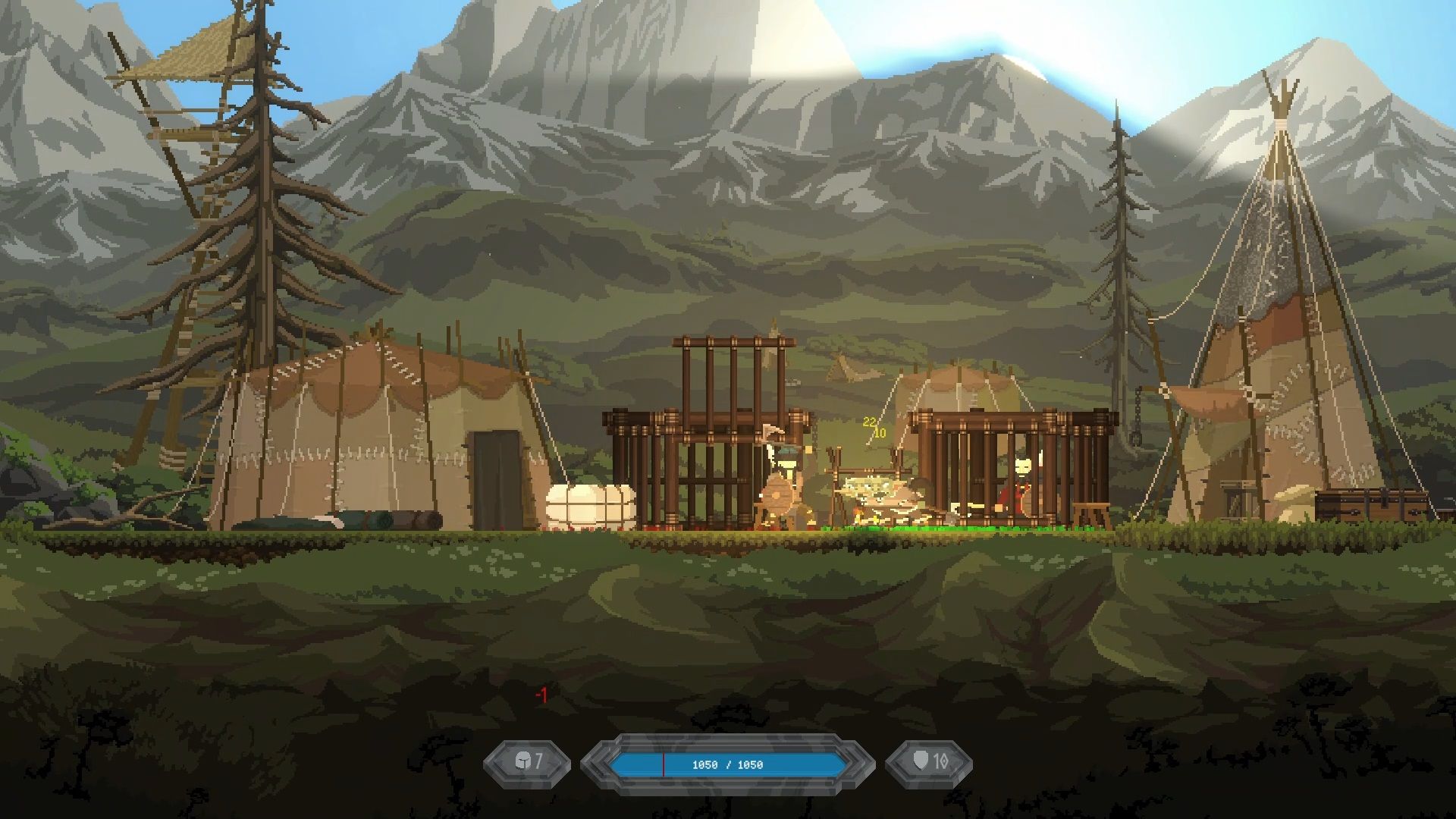
If you’re used to 2D games, the controls will be easy to learn. Even though I don’t play many 2D games myself, I quickly understood how to play and didn’t have any trouble with the controls.
You can play the game with a keyboard and mouse, but a controller is much better, especially during fights. While exploring and collecting items is fine with a keyboard and mouse, quickly changing directions in combat is easier and faster with a controller.
The game focuses on exploration, helping dwarves both in the world and in your town, and collecting resources to expand your reach and rebuild ruined settlements into a new dwarven home. These activities feel central to the experience, with combat taking a backseat as a means to an end – acquiring gear and resources to support your adventures and town-building efforts.
Even so, the fighting feels good, and it’s not overly difficult like many classic platformers, making Regions of Ruin: Runegate easier for players who prefer a more relaxed experience. It would be great if the game showed which enemies I could reach during a fight, helping me understand my weapon’s range and how many enemies I could hit at once. It’s not essential, but it would definitely make the game more user-friendly.
Even so, the fighting feels surprisingly fluid, and it’s not overly difficult like many classic platformers. This makes Regions of Ruin: Runegate easier to pick up and enjoy for more relaxed gamers.
Okay, so building stuff in Regions of Ruin is pretty straightforward. When you find ruins, there are these little signs you can click on, and they tell you exactly what materials you need to fix things up. Then, once you’ve got everything, just click the sign again and boom, it starts building. Honestly, though, it would be SO much better if the game showed me how many materials I still needed right by the sign. I keep having to check over and over what each one requires, and it gets annoying!
You can hire workers to help construct buildings in your town. Simply tell them which materials you need, and they’ll gather them for you, saving you time and effort. This also creates a sense of teamwork, which fits the game’s story about survivors building a new home together. Ultimately, this feature enhances the immersive experience, making you feel like a true member of the dwarven community and part of a collaborative effort.
A Surprisingly Cozy Open World
Even though the game begins with a sad situation – the dwarves are left with nothing – it quickly becomes surprisingly warm and inviting thanks to its charming atmosphere and beautiful visuals. It really feels like a cozy game. You rebuild a ruined town into a home, and being able to participate in that process makes it deeply personal.
The game’s art style and sound really create a warm and inviting atmosphere. Despite being a 2D game, the environments are surprisingly detailed, and it’s fun to see how things move and interact with each other. I especially liked customizing my character’s hair – the long hairstyle I chose flowed dramatically behind me as I ran, which looked both impressive and polished. The developers struck a great balance with the environments; they felt rich with detail without ever feeling overcrowded or empty.
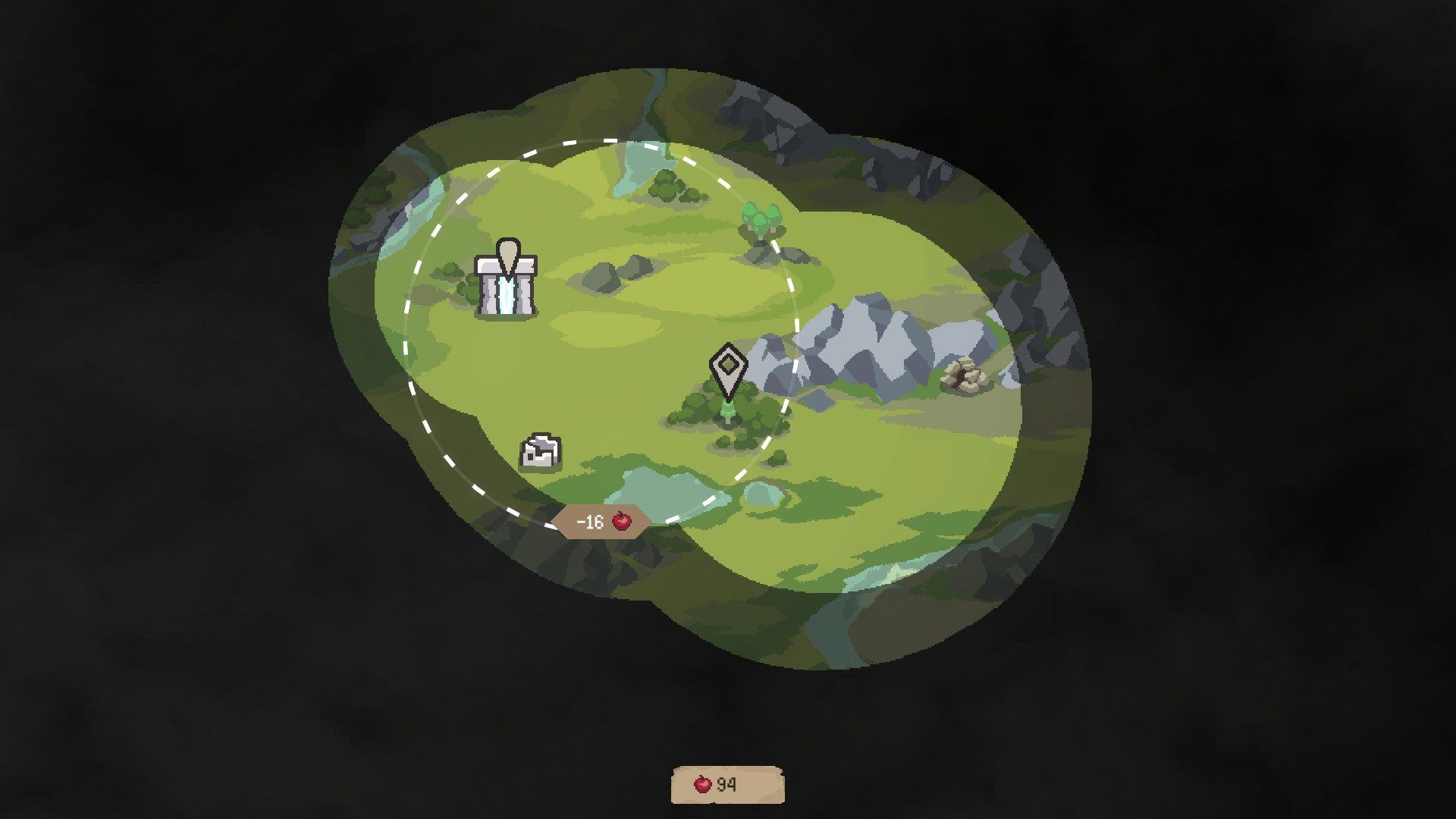
One of the game’s strengths is its surprisingly open world. Even though it’s a 2D game, which often feels limiting, the maps feel much larger than I expected. You can choose where to explore using a map, which really adds to the sense of freedom. Importantly, Regions of Ruin: Runegate respects the player’s time. It avoids tedious travel by allowing fast-travel as long as you have enough food, and if you’re short on supplies, you can quickly gather more to enable it.
The game is considerate of your time in several ways. Characters don’t waste your time with unnecessary dialogue, but offer extra details if you’re curious. You can also send workers to collect materials, simplifying item gathering. Plus, you’re free to save and quit whenever you need to, and pick up right where you left off later.
Closing Comments
Regions of Ruin: Runegate delivers the experience I was hoping for from a Lord of the Rings game set in Moria. What’s really nice is that it also does some things differently from other games I’ve played. The story is simple to follow without getting overly complex, and the game mechanics are clearly explained. I’d even recommend it to people who don’t usually enjoy 2D games, because the design creates a sense of 3D exploration. Ultimately, Regions of Ruin: Runegate is an adventure you can enjoy at your own speed, and it doesn’t waste your time.
Read More
- All Skyblazer Armor Locations in Crimson Desert
- How to Get the Sunset Reed Armor Set and Hollow Visage Sword in Crimson Desert
- One Piece Chapter 1180 Release Date And Where To Read
- All Shadow Armor Locations in Crimson Desert
- Marni Laser Helm Location & Upgrade in Crimson Desert
- All Golden Greed Armor Locations in Crimson Desert
- All Helfryn Armor Locations in Crimson Desert
- How to Beat Stonewalker Antiquum at the Gate of Truth in Crimson Desert
- All Icewing Armor Locations in Crimson Desert
- Black Sun Shield Location In Crimson Desert (Buried Treasure Quest)
2026-04-10 16:10