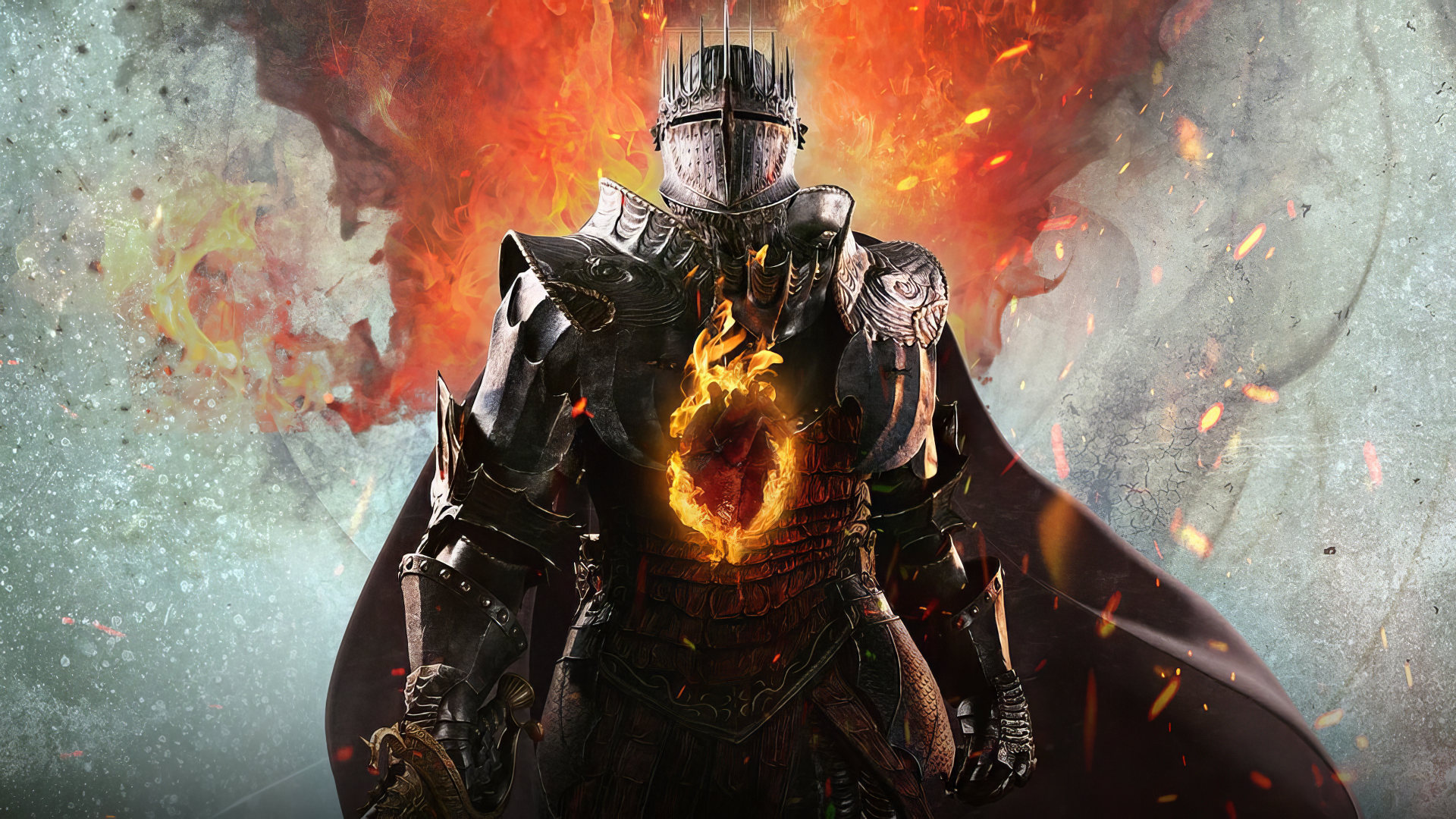
Both Crimson Desert and Dragon’s Dogma 2 are great games, but they’re needlessly complicated. They don’t clearly explain how things work and bury their interesting stories under frustrating elements. However, if you can push through the initial confusion, you’ll find a truly rewarding experience.
Fans waited a long time for Dragon’s Dogma 2, hoping it would capture the unique and challenging spirit of the original while still offering a deep and rewarding experience. The desire was to fight huge monsters alongside loyal companions, with each battle feeling truly memorable – and for the most part, the game delivered. I have very fond memories of playing Dragon’s Dogma 2, and if the developers continue to improve Pearl Abyss’ other open-world game, Crimson Desert, at the current rate, I anticipate feeling the same way about that one soon.
What Makes Dragon’s Dogma 2 So Special?
Dragon’s Dogma 2 isn’t without its flaws – many of these issues were present in the first game, and it’s surprising Capcom didn’t fix them. However, these weaknesses – like simple quests, a basic story, and repetitive exploration – actually help immerse you in the game, allowing you to discover a truly unique and excellent combat and class system.
It’s rare to find a game as captivating as Dragon’s Dogma 2, especially when simply wandering away from a city with your companions and no set goal. I spent countless hours creating my own stories by embracing the unexpected events the game threw my way. I remember one time leaving town at sunset and stumbling into a forest overrun with skeletons, forcing me to fight for survival throughout the night.
Similar to Crimson Desert, this game takes darkness very seriously. Without a light source like a torch or lantern, you’re completely in the dark, making survival much harder. This adds to the game’s realism and doesn’t offer much help – if you fail, it’s usually because you weren’t prepared enough.
Winning in Dragon’s Dogma 2 feels incredibly rewarding. You’ll often find yourself surrounded by many smaller enemies while a huge creature, like a troll, prepares to attack – even if it means wiping out some allies in the process. These intense moments aren’t pre-planned; they happen naturally because of the game’s design and your own choices. Even minor battles are surprisingly fun and engaging.
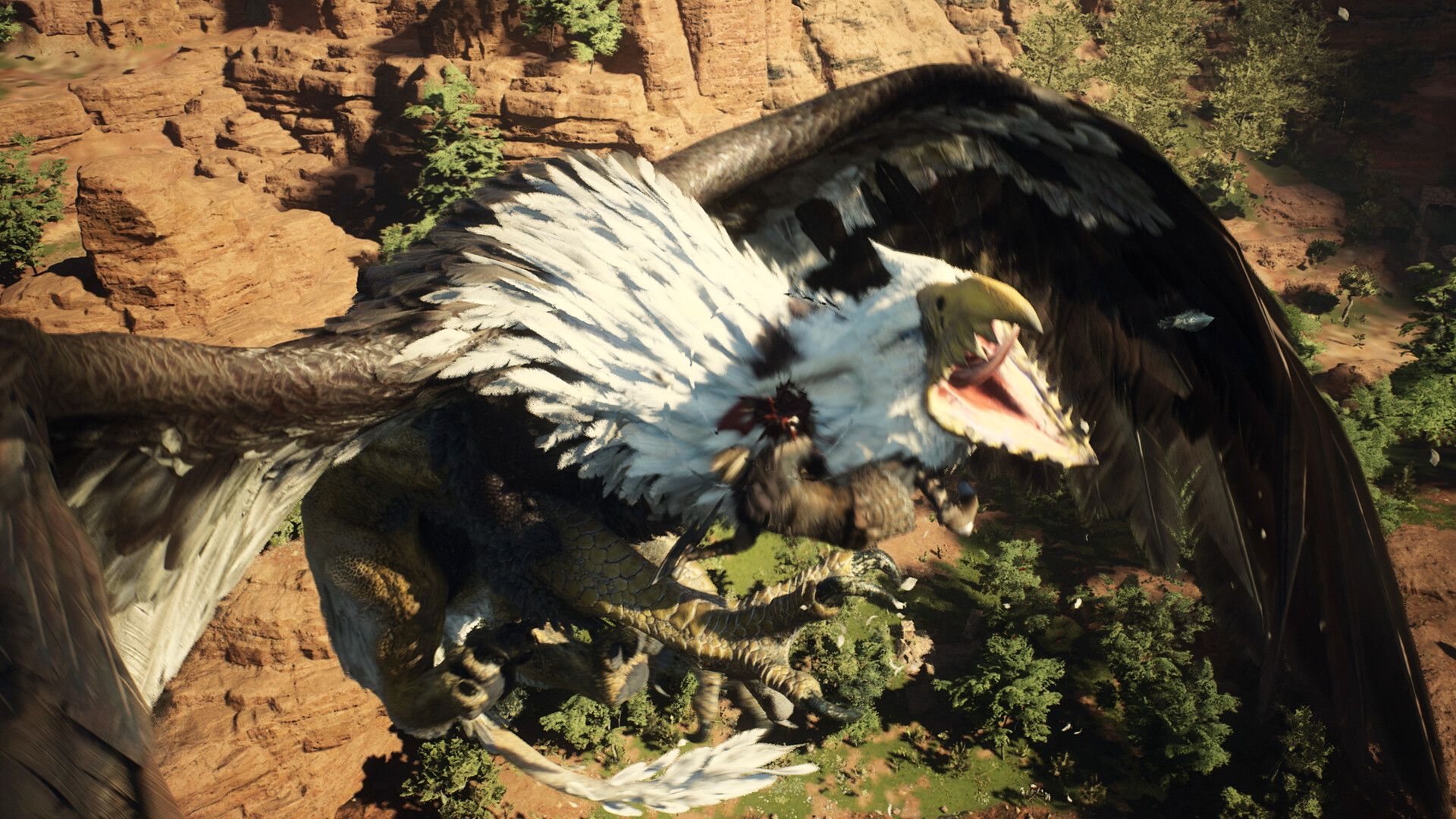
When a massive griffin falls from the sky, or you unexpectedly meet another enormous beast, it’s a wild and chaotic fight. You’ll have to scramble across its body, trying to find a vulnerable spot and stab at it, all while hoping you don’t get bucked off by its furious movements.
Dragon’s Dogma 2 stands out because of its impactful combat, realistic character movements, and the way weapons, magic, and cooperation determine success. In a gaming landscape often focused on easy experiences with guided paths, it’s truly unique. Unlike many open-world games, Dragon’s Dogma 2 emphasizes the adventure itself over simply reaching the end goal.
How Crimson Desert Builds Upon The Brilliance Of Dragon’s Dogma 2
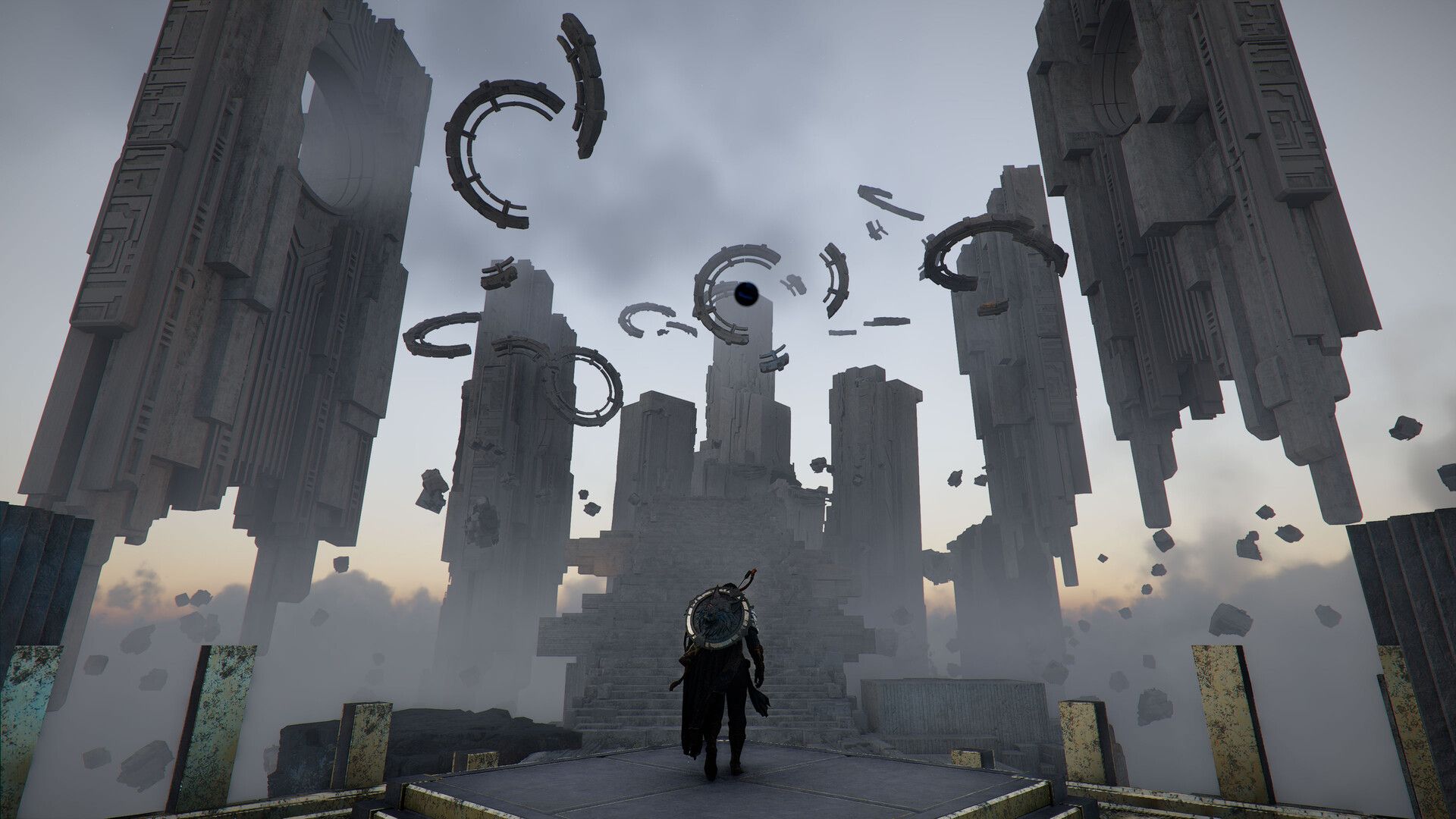
Crimson Desert, like the game I’ve been discussing, offers a huge open world to explore, but its main story isn’t very satisfying. You can still have a great time just wandering and discovering things without getting invested in the characters or the overall plot. Once I got the hang of the somewhat awkward controls and completed enough early quests to feel comfortable, I simply chose a direction and started walking, enjoying the world at my own pace.
Subscribe for Deeper Takes on Open-World RPGs
An hour later, I was climbing a snow-covered mountain, frequently checking out caves, observing animals, and collecting plants and other natural resources. I often ran into aggressive creatures or small groups of bandits, which gave me a chance to test out different fighting techniques. When I wasn’t doing quests – which weren’t particularly fun – I was freely using all the cool features Crimson Desert offered, doing things my own way.
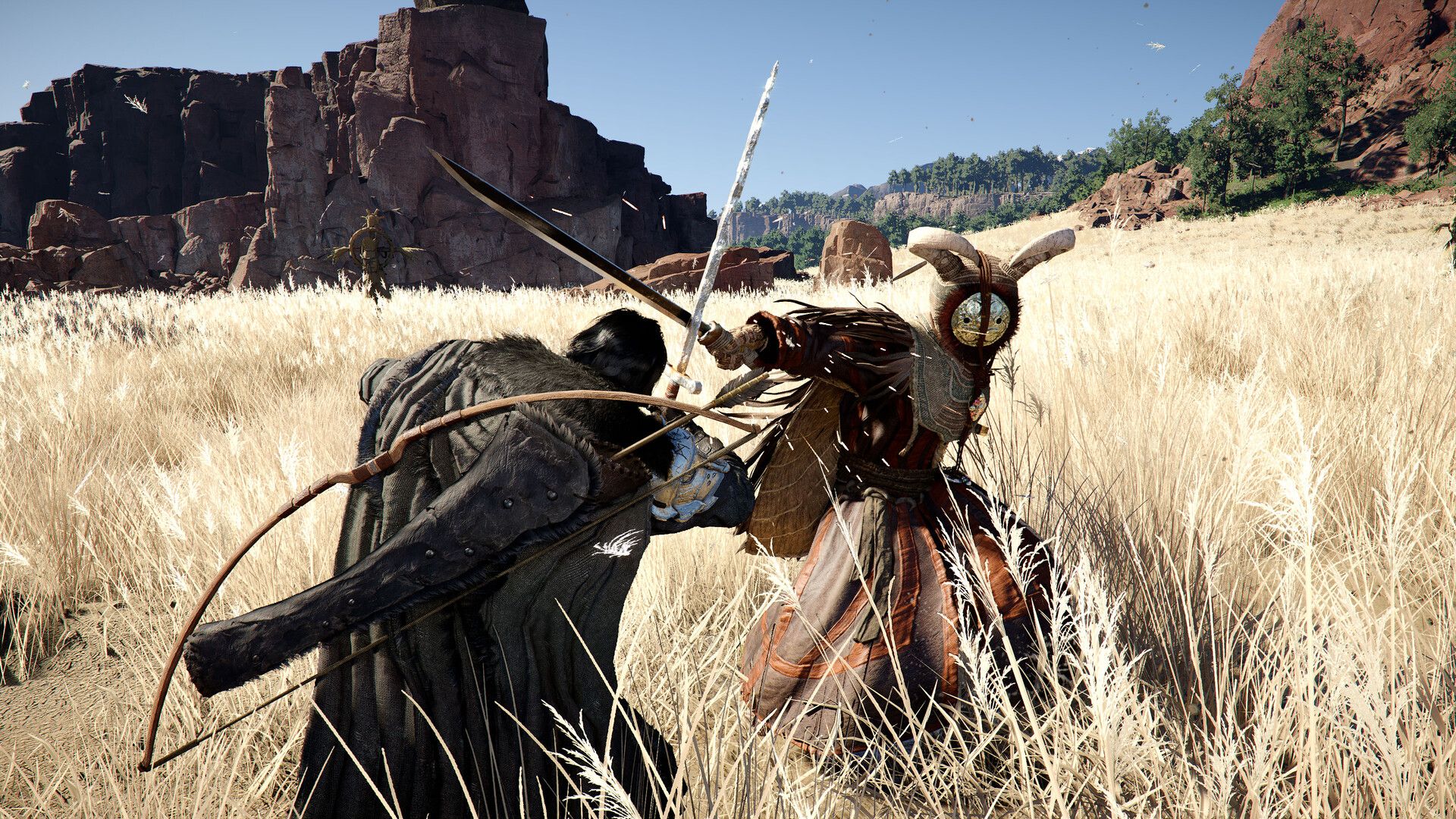
While the combat in Crimson Desert doesn’t feel as groundbreaking or interesting to me so far, it has the potential to become truly impressive. I envision large-scale battles with dozens of enemies – not just people, but also huge creatures, robotic bugs, and other fantastical opponents – taking place on massive, detailed battlefields. The game’s world is wonderfully strange and unpredictable, which some players will love, though I personally prefer a bit more consistency. Regardless, this approach creates a lot of exciting possibilities that I’m eager to see explored further.
Ultimately, I appreciate games like Crimson Desert and Dragon’s Dogma 2. While they aren’t always polished or perfectly focused, that’s also what allows for unique and ambitious ideas – you can tell the developers are truly trying to create something new and different.
Read More
- All Skyblazer Armor Locations in Crimson Desert
- How to Get the Sunset Reed Armor Set and Hollow Visage Sword in Crimson Desert
- One Piece Chapter 1180 Release Date And Where To Read
- All Shadow Armor Locations in Crimson Desert
- Marni Laser Helm Location & Upgrade in Crimson Desert
- All Golden Greed Armor Locations in Crimson Desert
- All Helfryn Armor Locations in Crimson Desert
- How to Beat Stonewalker Antiquum at the Gate of Truth in Crimson Desert
- All Icewing Armor Locations in Crimson Desert
- Black Sun Shield Location In Crimson Desert (Buried Treasure Quest)
2026-04-10 18:05