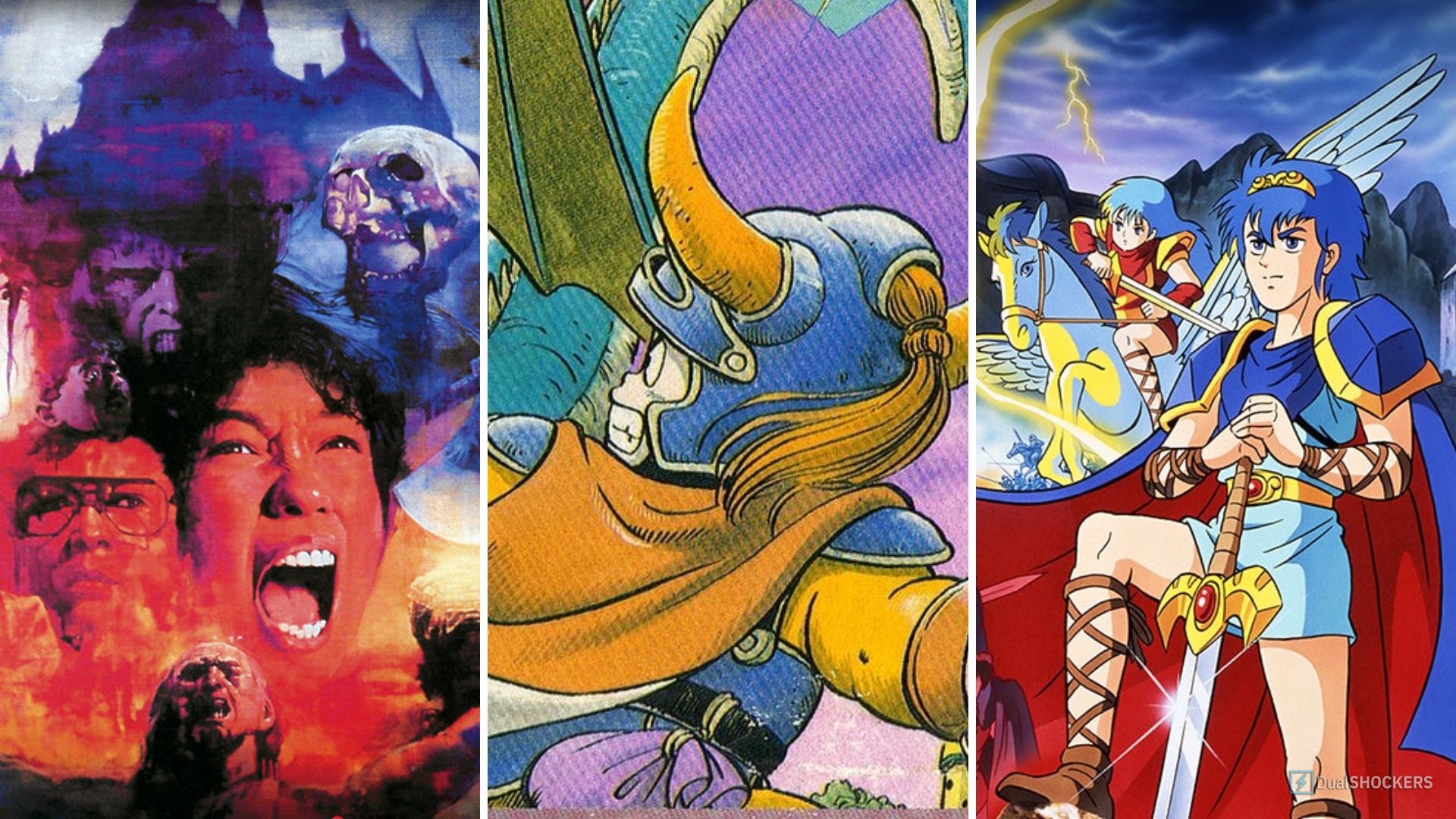
JRPGs can take a long time to finish – even shorter ones usually require 15 to 20 hours of gameplay. To explore more of the genre, I started a weekly routine of playing two new JRPGs for two hours each, helping me discover a wider range of titles.
While exploring older games, I rediscovered some classic Japanese role-playing games from the NES. Although they can be challenging to play now due to their outdated controls, they still offer worthwhile experiences. If you’re curious but don’t want a frustrating experience, I recommend checking out some NES JRPGs that remain enjoyable from start to finish.
8. Willow
Based on the Movie
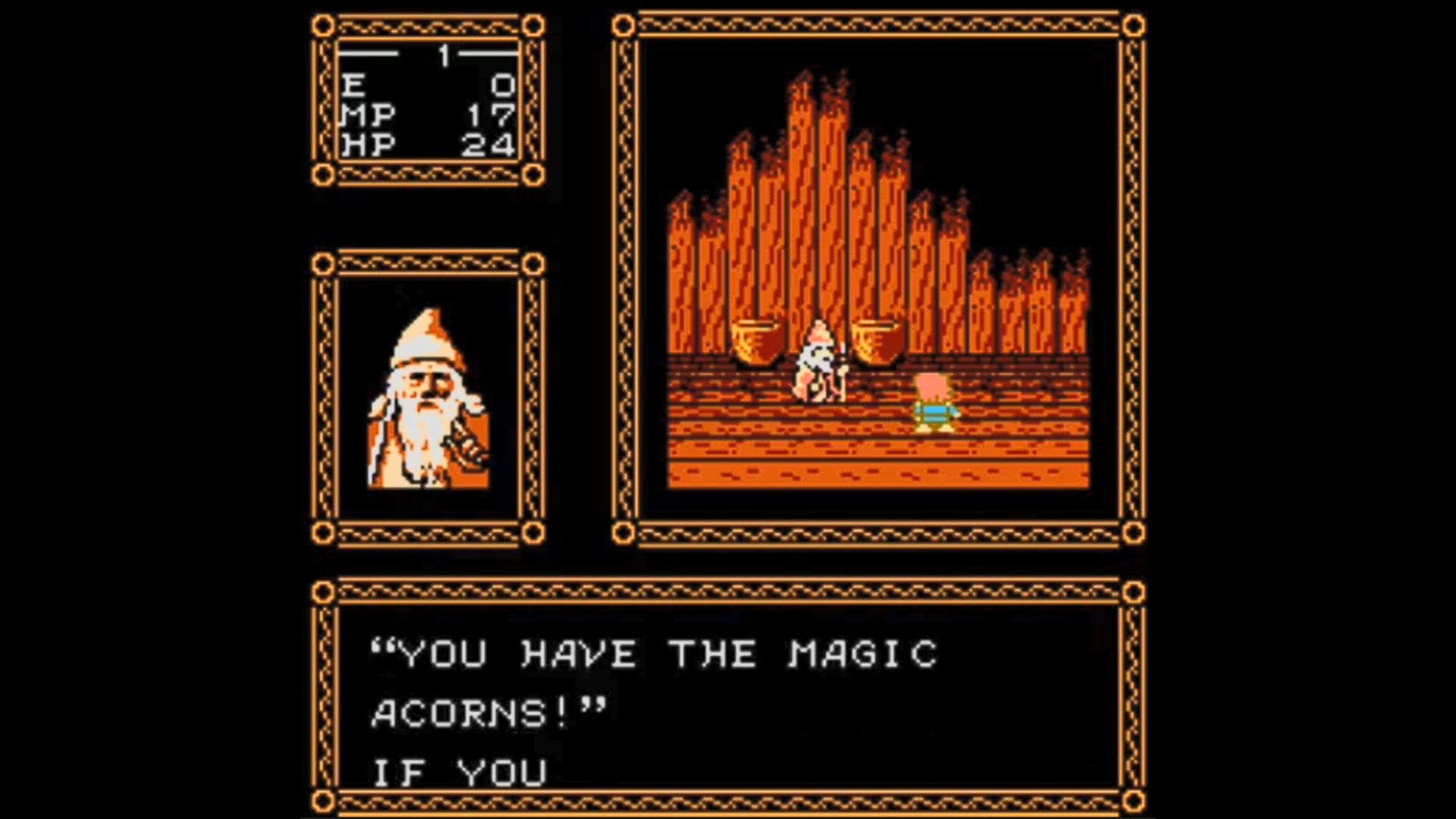
Willow is a role-playing game (RPG) created by Capcom and based on the popular film. While I haven’t seen the movie, it’s clear the game doesn’t focus heavily on storytelling. The game begins with an introduction to the villain, Queen Bavmorda, and then lets you freely explore the world. Gameplay happens in real-time, and you find everything you need by talking to characters and searching dungeons.
The RPG Willow is interesting, especially because magic actually felt useful in combat, though not every spell was a game-changer. The biggest problem with the game is that it lacks a map – it’s unclear if this is a design choice or an oversight. Because all the areas look so similar, it’s easy to get lost and frustrated. However, it felt good when you finally reached the right place by following directions from characters in the game.
7. Ghost Lion
Another Licensed JRPG
| Developer | Kemco |
|---|---|
| Publisher | Kemco |
| Release Date | October 1992 |
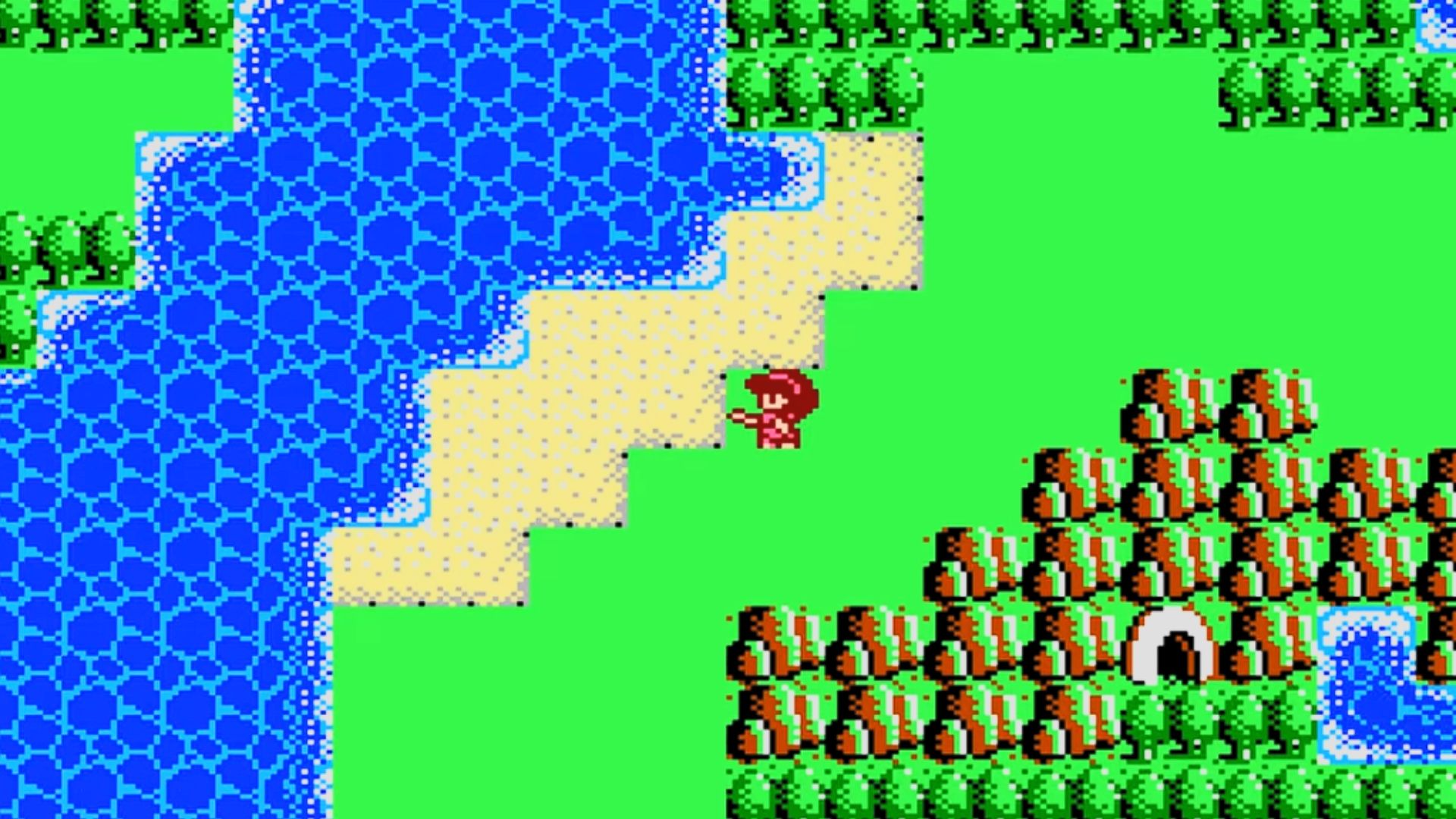
I recently got my hands on Ghost Lion, which is actually called White Lion Densetsu: Pyramid no Kanata ni in Japan – that’s also the name of the movie it’s based on! It’s a pretty classic JRPG experience – you travel around exploring towns and the world map, and battles happen when you randomly run into enemies. It’s all turn-based, which was standard for games back then.
The main unique feature of this game is that the main character, Maria, can call upon allies during fights by using items she discovers. Each ally has different abilities – some are strong fighters, while others are magic users. Unlike traditional JRPGs, this game doesn’t use a leveling system. Instead, you improve Maria’s stats by finding items that boost her Hope, Courage, and Dream, which function like Level, HP, and MP.
Leveling up ‘Increasing Hope’ unlocks new abilities for your summons, making the game generally easier, though you’ll still encounter tougher challenges as you go. It’s a well-made JRPG with engaging side quests that flesh out the characters and make the world feel alive, as NPCs respond to events and move between towns.
6. Crystalis
Graphics Ahead of Its Time
| Developer | SNK |
|---|---|
| Publisher | SNK |
| Release Date | July 1990 |
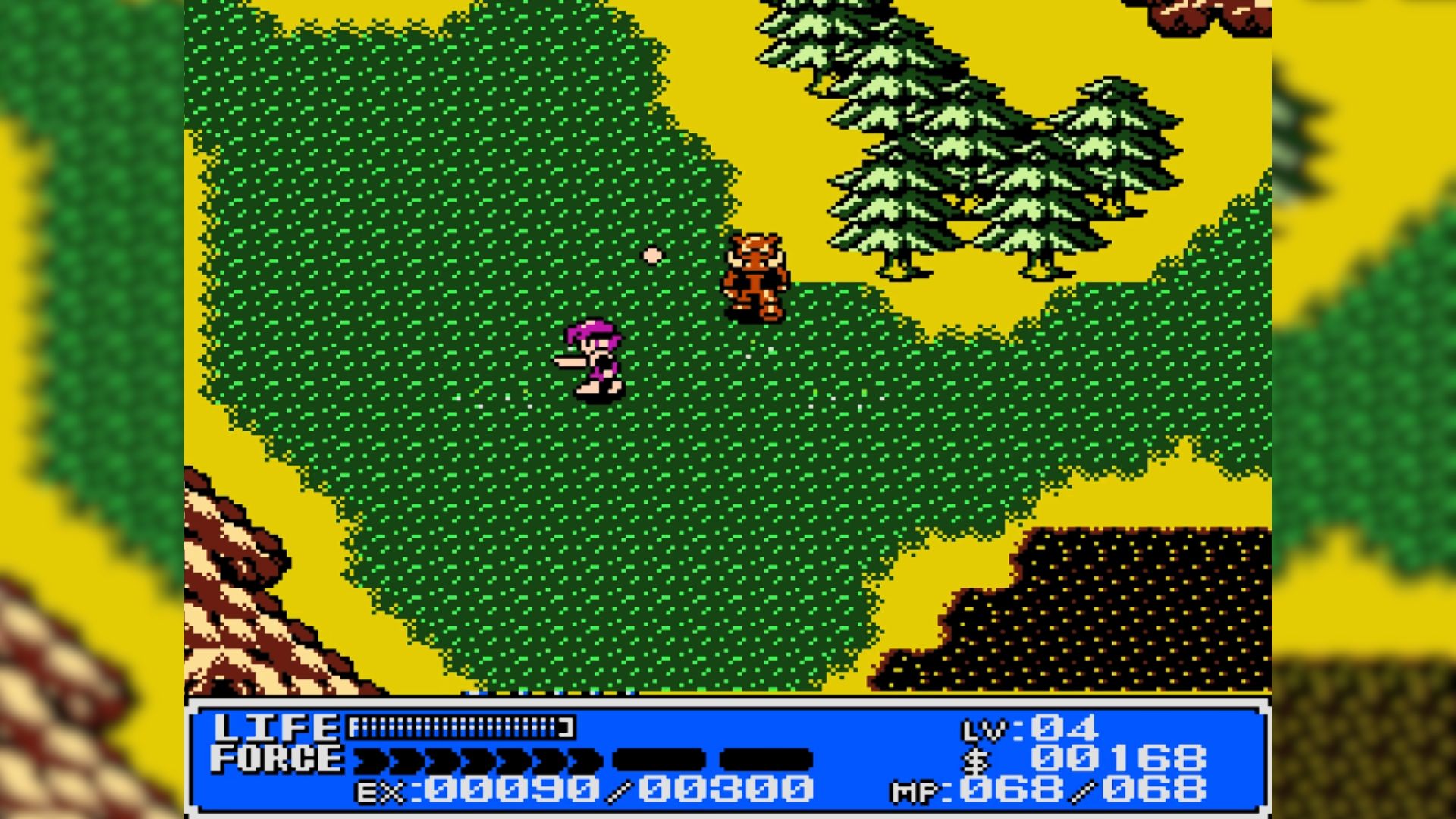
One of the first things players notice about Crystalis is how good it looks. For a JRPG released in 1990, it had surprisingly advanced graphics, which made the game more fun and kept players hooked for longer.
The story begins with a glimpse of a world devastated by nuclear war in 1997, reduced to a medieval state. You then awaken as a hero who was frozen in time, tasked with defeating the evil Draygon.
The game unfolds in real time, viewed from above, letting you attack, use magic, and utilize items. You can discover or purchase a wide variety of equipment in Crystalis that alters how the game plays, even letting you perform different sword attacks – a rare feature for NES games. Defeating enemies earns you experience, which helps your character grow stronger and improve their abilities.
5. EarthBound Beginnings
Mother of Mothers
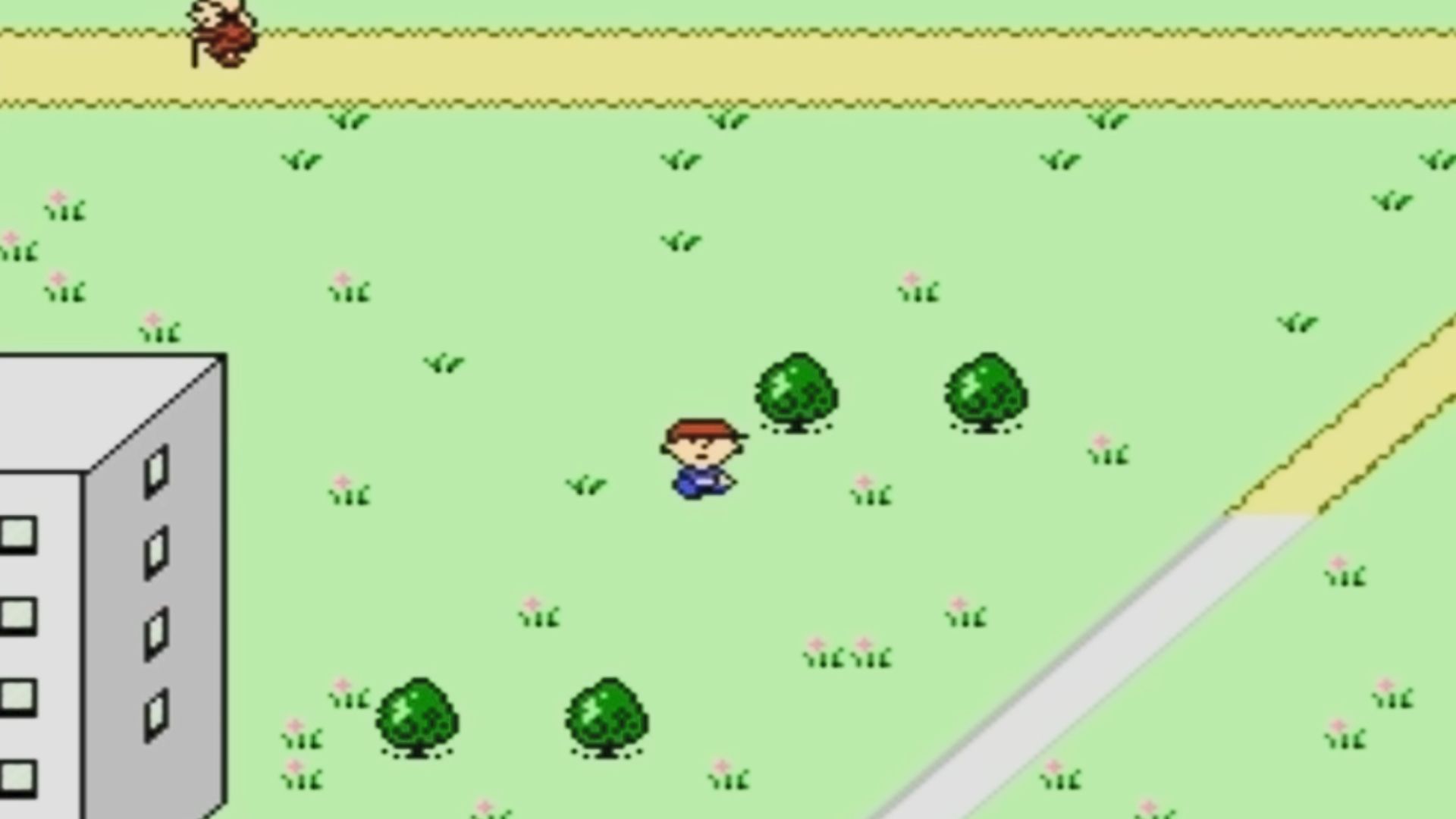
If you’ve played EarthBound, you might know its original Japanese title was Mother 2. As the second game in the series, there’s a first Mother game – a role-playing game for the NES. It wasn’t released outside of Japan until 2015, when it came to the Wii U as EarthBound Beginnings. This name feels a bit like a retitling, given how long it took for the game to be released internationally.
I started playing EarthBound Beginnings right away when I got my Switch, as it’s available through Nintendo Switch Online. It’s really interesting to see the roots of EarthBound in this earlier game, particularly how it playfully imitates American culture. In terms of how it plays, the game clearly takes inspiration from Dragon Quest, with traditional turn-based combat, character leveling, and learning new abilities as you progress.
The game was humorous and told a unique story, standing out from typical fantasy role-playing games. Importantly, EarthBound Beginnings sold well, ensuring the creation of its sequel, which is now considered a classic SNES RPG.
4. Final Fantasy
The Franchise’s Origin
| Developer | Square |
|---|---|
| Publisher | Square |
| Release Date | July 1990 |
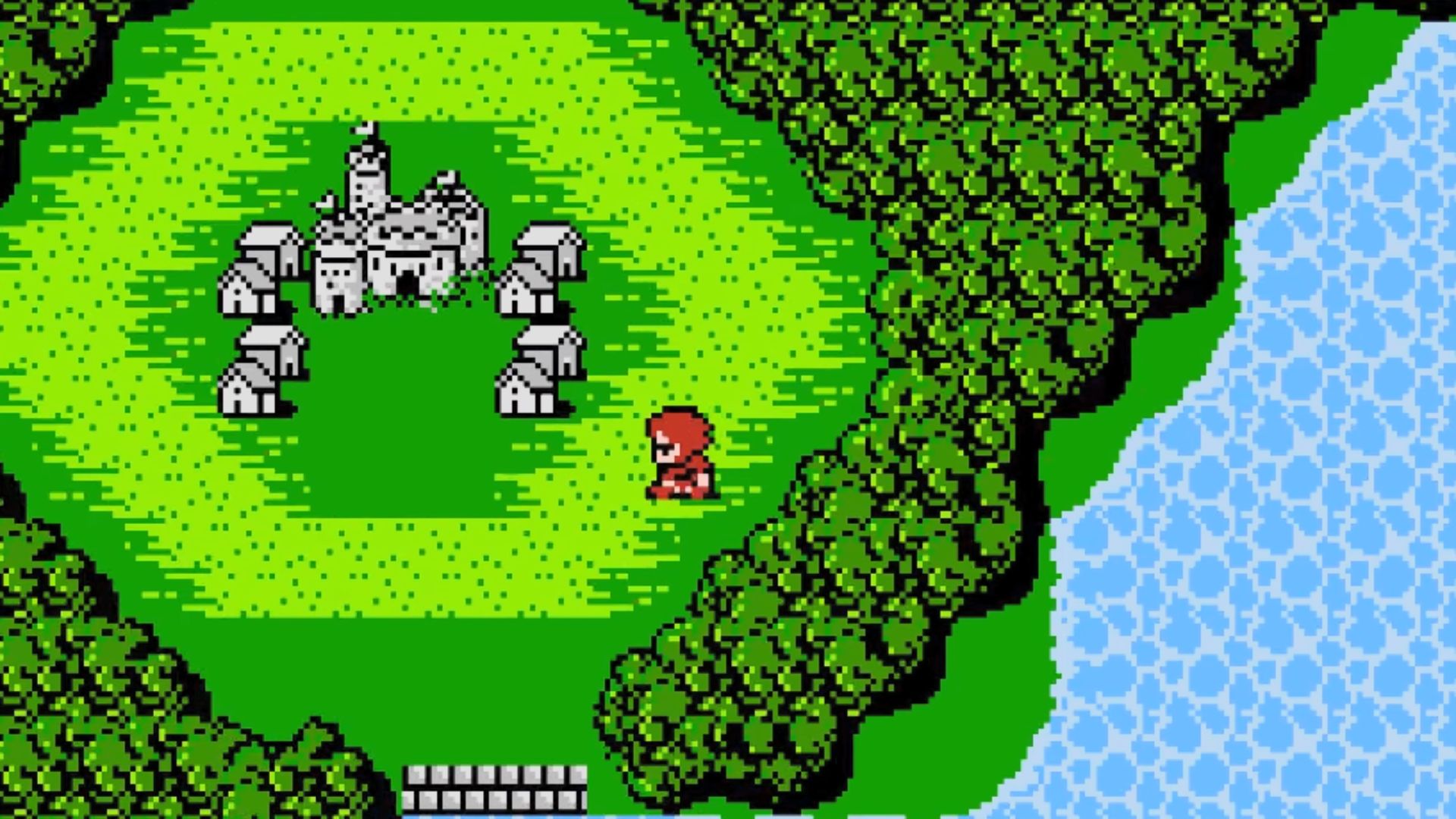
While some might say Final Fantasy III is the most fun of the original three games, I prefer the very first Final Fantasy because that’s the one that started it all – it didn’t come to the West until much later with a remake. Final Fantasy II did try something new with pre-defined characters, but I didn’t think that system was very well developed.
As a big fan of Final Fantasy Pixel Remaster, I have to admit that figuring out where to go next could be really tricky without looking things up! It was the same in the original game, but back then we didn’t have any helpful extras. And honestly, having to walk all the way back out of a dungeon after beating a boss? That was a real test of patience! But you know what? That’s also a big part of what made the first Final Fantasy so captivating – it wasn’t just about the battles, it was about the whole adventure and figuring things out for yourself.
Honestly, the way the magic worked, how you leveled up your characters, those four Orbs we collected (they weren’t even crystals at first!), and even just watching the battles on the side of the screen… it all just clicked. It was the start of something huge, and it ended up becoming one of the biggest JRPG series ever. And the crazy thing is, it’s still going strong today, constantly finding new fans and making its mark on gaming history.
3. Sweet Home
Inspiration for Resident Evil
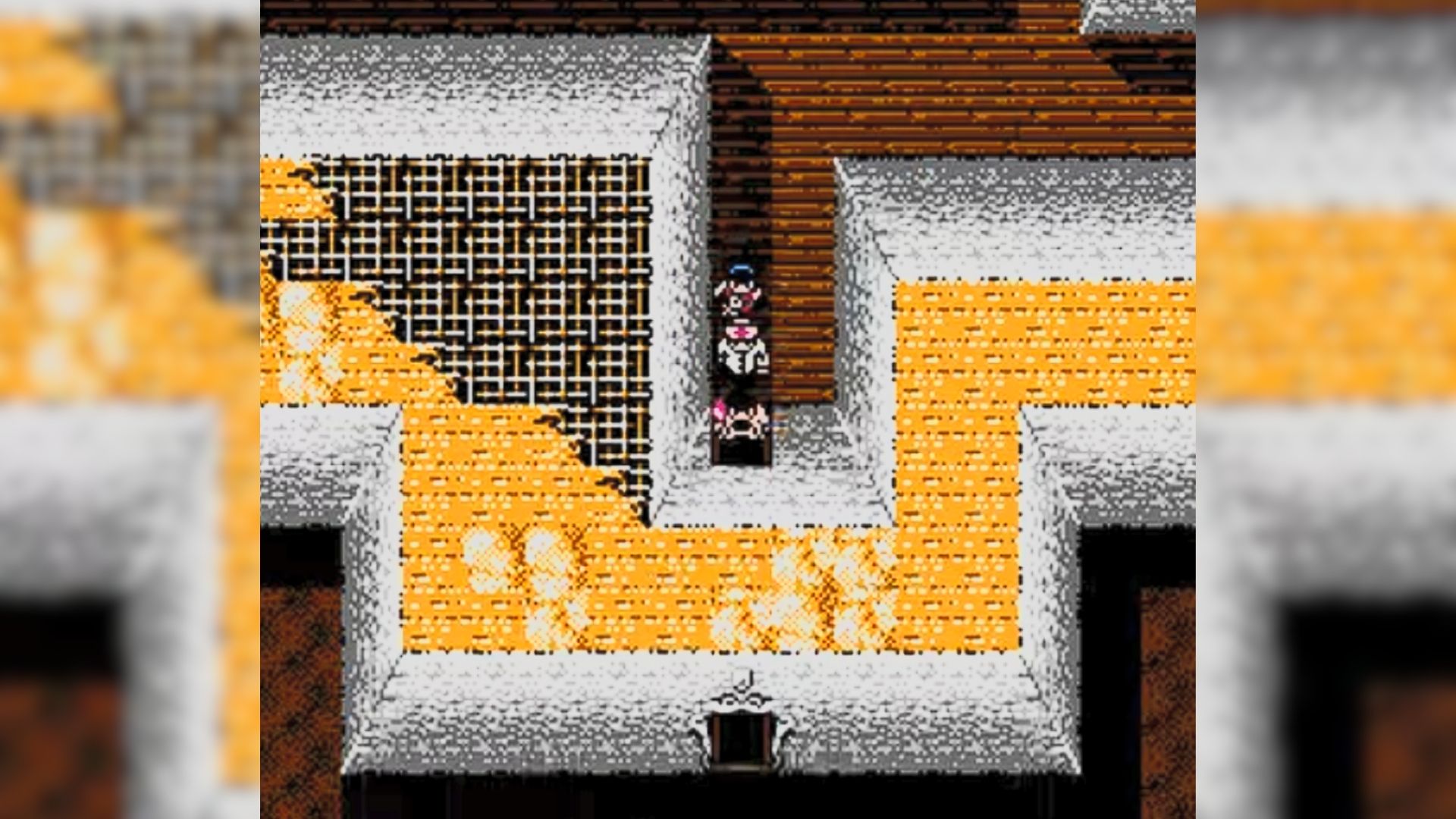
Often jokingly called Resident Evil -1, Sweet Home was a role-playing game made by Capcom that heavily influenced their later, famous survival horror series. From the very beginning, players are thrown into a terrifying situation: five characters trapped inside a mansion haunted by strange creatures like ghosts, zombies, and spirits.
Each character starts with a useful item – like a lighter, key, or camera – and collects more throughout the game to help with puzzles and progress. While there are turn-based battles, they don’t feel central to the experience. Many are easily won with standard attacks or the items you’ve found.
In Sweet Home, you’ll spend most of your time solving puzzles and carefully managing your items. It can get tricky later on because you have limited space in your inventory and often switch between characters. Despite this, the game was remarkably ambitious for an NES RPG, introducing many new ideas to the console when it was first released.
2. Fire Emblem: Shadow Dragon & the Blade of Light
Birth of Tactical Games
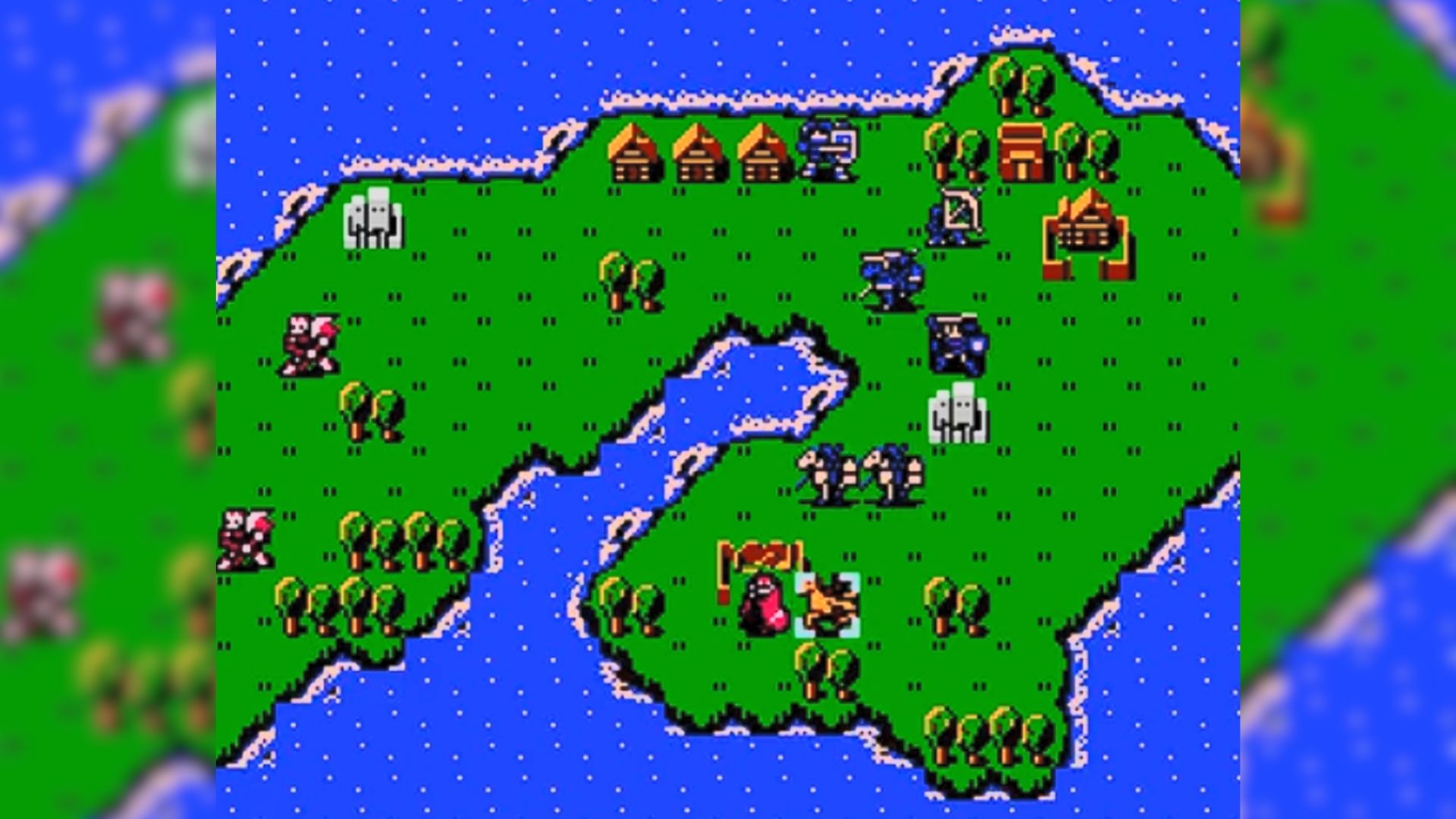
I truly don’t understand Nintendo’s decision to only make Fire Emblem: Shadow Dragon & the Blade of Light available on the Switch for a short period. It was available with some helpful improvements from December 2020 to March 2021, but after that, it was removed from sale. If you didn’t purchase it during that time, you unfortunately can’t buy it now.
Subscribe to the newsletter for NES JRPG spotlights and more
It’s unfortunate, because this initial Fire Emblem game already demonstrated what would make the series so great: engaging, strategic battles set in a fantasy world, all driven by a compelling story. While the famous Weapon Triangle wasn’t introduced yet, the game still featured diverse character classes, each with unique abilities and equipment, and some characters could even advance to more powerful roles.
I remember playing the original Fire Emblem: Shadow Dragon & the Blade of Light, and it was seriously tough! It had this thing where if a character fell in battle, they were gone for good – permanently! Losing Marth, the main character, meant you were finished, which is funny when you think about how he later showed up in Smash Bros., but back then, it was brutal!
1. Dragon Quest III
Erdrick’s Legacy
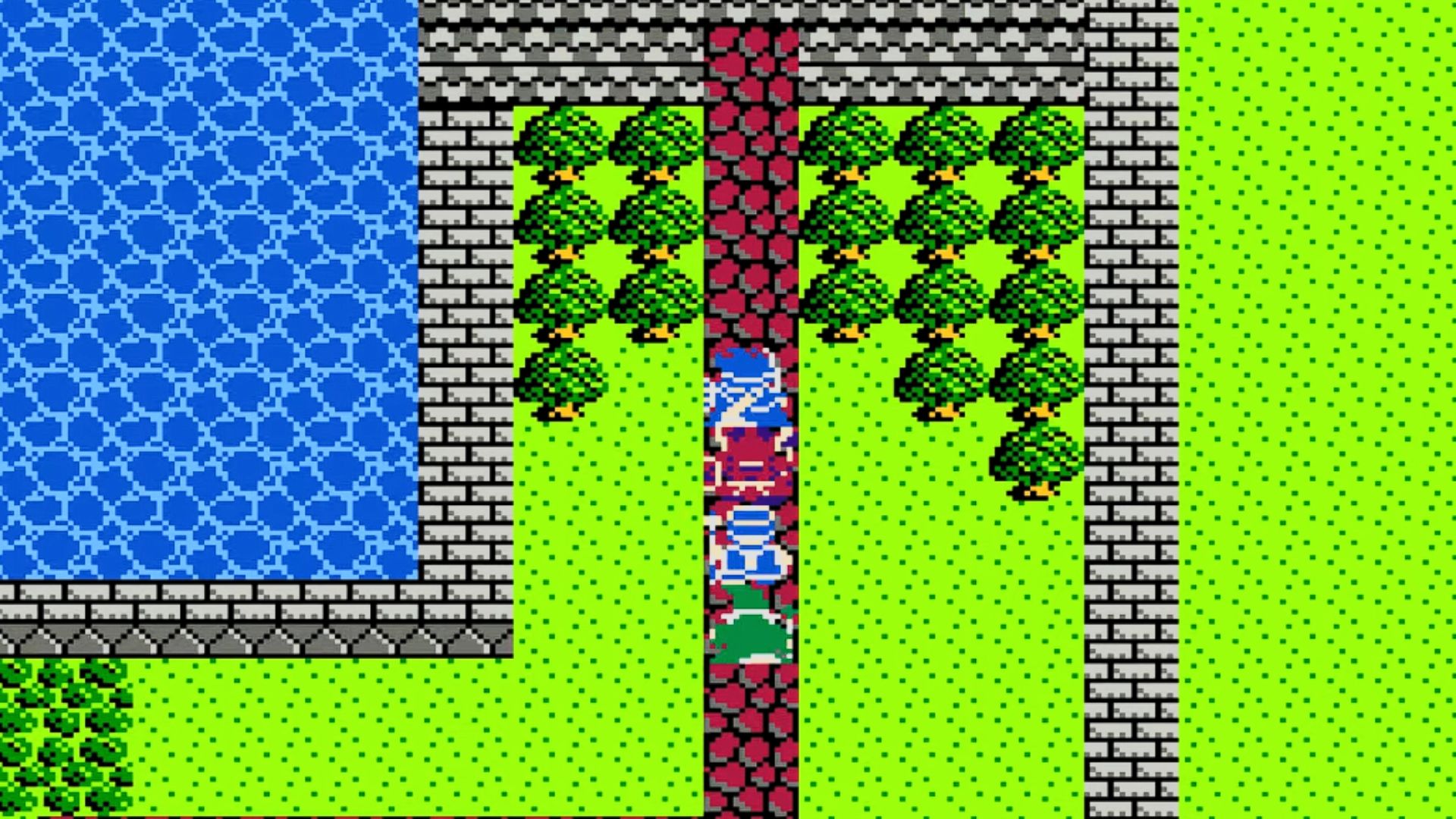
You probably already know that Dragon Quest is considered the foundation of the JRPG genre. While Japan had RPGs before it, Dragon Quest established the now-familiar style of gameplay, with its clear progression and straightforward story centered around a defined group of characters.
The original Dragon Quest is certainly important, but I think Dragon Quest III was the game that truly demonstrated what the NES could do (though Dragon Quest IV is even better). What really stood out to me about the third game was the ability to choose from many different character classes – then called Vocations – right from the start, which made the gameplay much more interesting.
Players who enjoyed the original Dragon Quest games were amazed by the story’s development in the third installment. Dragon Quest III was a huge hit, and it even sparked a popular myth in Japan that new games in the series can’t be released on weekdays—though that’s not actually true. This just shows how much of an impact the game had on players.
Read More
- All Skyblazer Armor Locations in Crimson Desert
- One Piece Chapter 1180 Release Date And Where To Read
- How to Get the Sunset Reed Armor Set and Hollow Visage Sword in Crimson Desert
- All Shadow Armor Locations in Crimson Desert
- All Golden Greed Armor Locations in Crimson Desert
- How to Beat Stonewalker Antiquum at the Gate of Truth in Crimson Desert
- Cassius Morten Armor Set Locations in Crimson Desert
- Grime 2 Map Unlock Guide: Find Seals & Fast Travel
- USD RUB PREDICTION
- Marni Laser Helm Location & Upgrade in Crimson Desert
2026-04-12 18:41