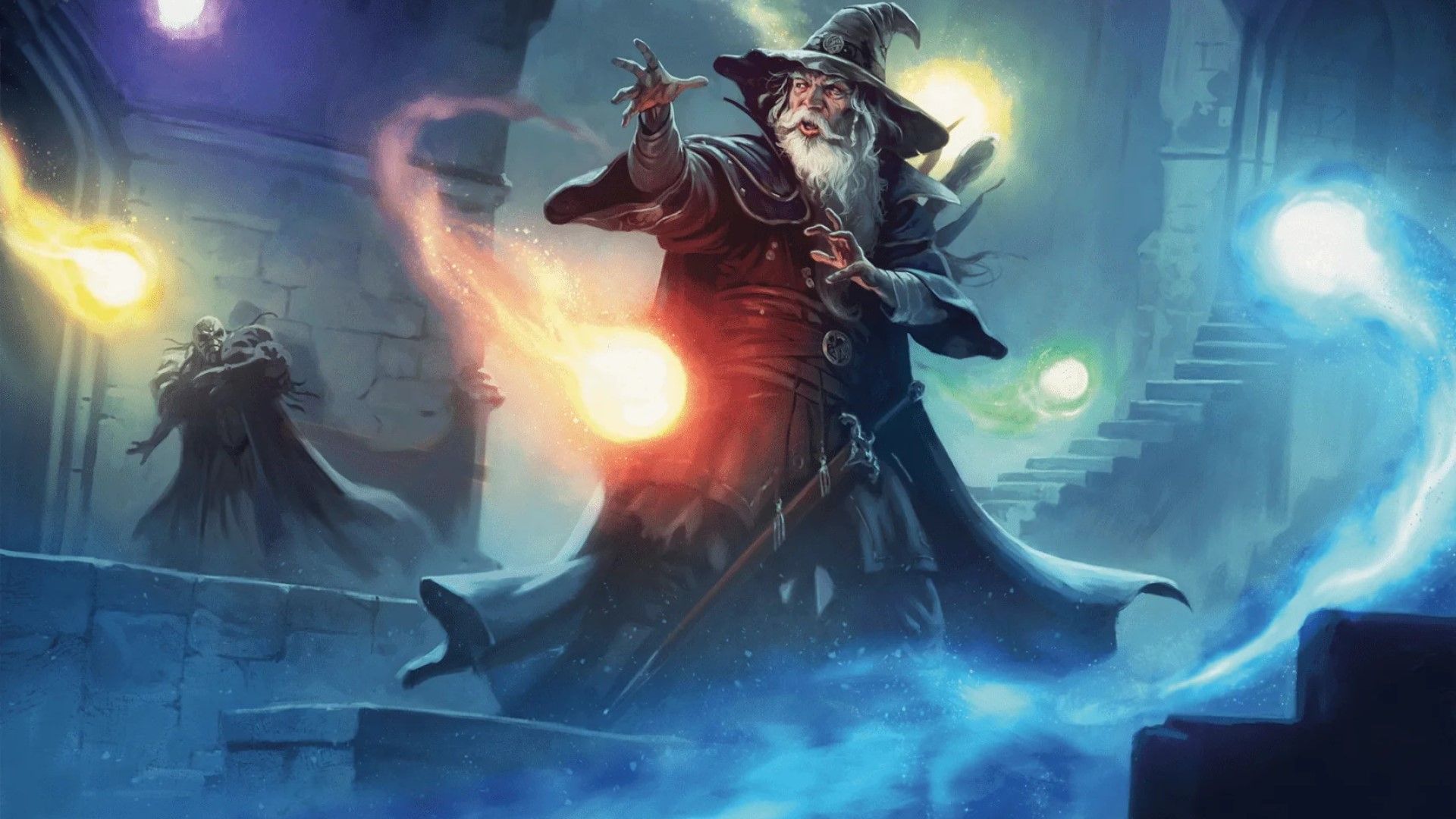
Dungeons & Dragons is a game where players create heroes and go on adventures filled with peril. They’ll face challenges like traps, dangerous creatures, and even dragons! Players can defend themselves using magic, weapons, and other skills. A core part of the game involves dealing with and receiving damage from these encounters.
After skill checks using a 20-sided die, calculating damage is the most frequent roll in a game of Dungeons & Dragons. There are 13 different kinds of damage in the game, but they aren’t all equally effective. Some damage types have very few weaknesses, while others are ineffective against a significant portion of creatures. Here’s a breakdown of how all the damage types stack up against each other in D&D.
As a huge D&D fan, I’ve been digging into the stats of all the monsters and creatures in the current 5th Edition books – there are 633 of them! I wanted to see which damage types they’re strong against, weak against, or completely unaffected by, and also how often those damage types actually come up in spells. Based on all that info, plus things like feats and class abilities that can help with weaknesses or boost strengths, I’ve put together a tier list to help everyone optimize their characters and strategies.
| Damage Type | Resistances | Immunities | Vulnerabilities | Spells |
|---|---|---|---|---|
| Acid | 29 | 20 | 15 | |
| Bludgeoning | 32 | 4 | 12 | |
| Cold | 75 | 24 | 4 | 21 |
| Fire | 51 | 55 | 10 | 29 |
| Force | 1 | 22 | ||
| Lightning | 48 | 20 | 18 | |
| Necrotic | 29 | 32 | 20 | |
| Piercing | 34 | 1 | 10 | |
| Poison | 18 | 150 | 8 | |
| Psychic | 19 | 21 | 1 | 18 |
| Radiant | 13 | 3 | 3 | 23 |
| Slashing | 31 | 2 | 5 | |
| Thunder | 14 | 5 | 1 | 15 |
S-Tier: Damage Types That Work Against Nearly Every Foe
- Force
- Radiant
- Thunder
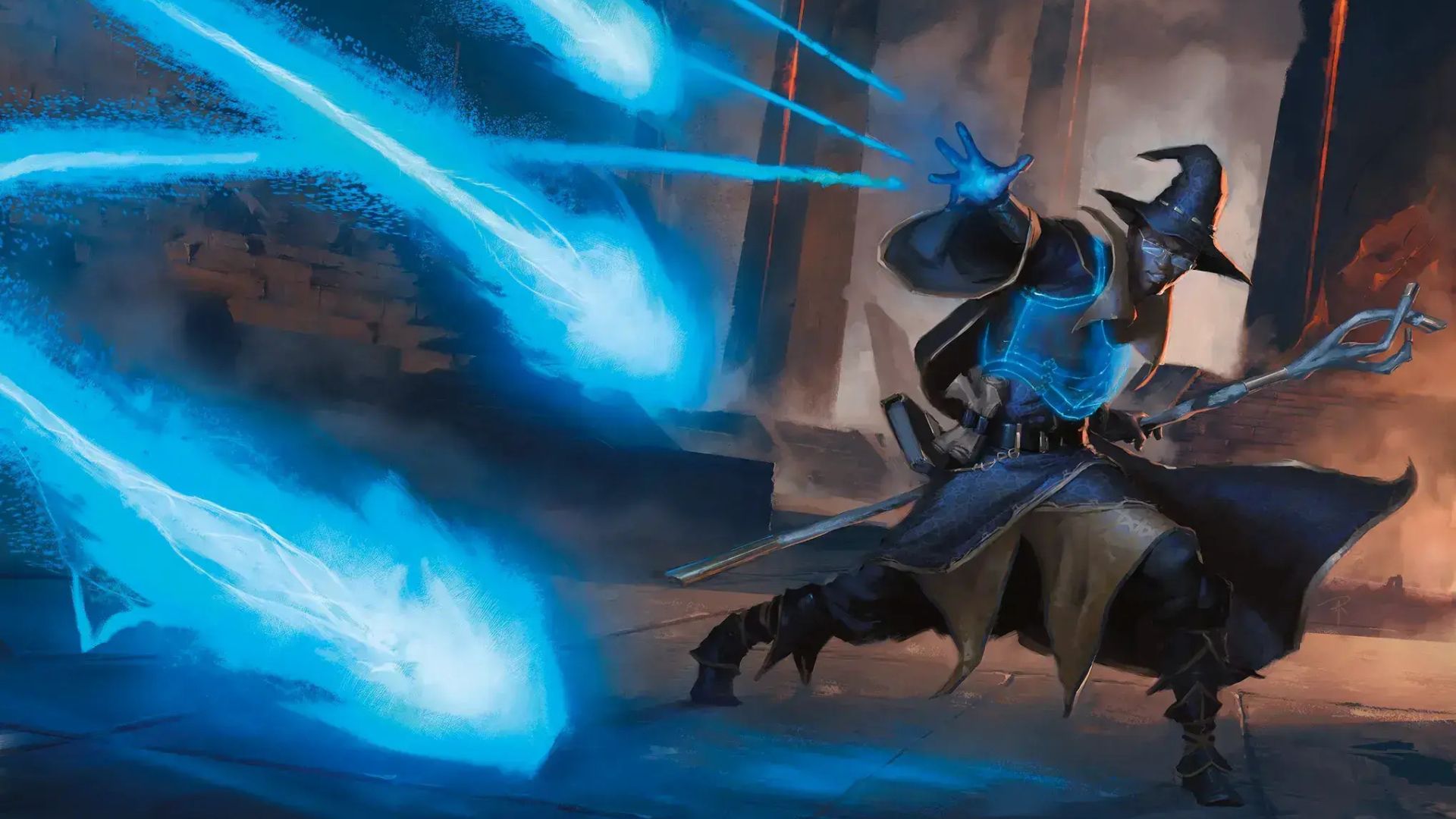
Force damage is the most consistently effective type of damage in the game. Unlike other damage types, no monsters are completely immune to it, and only one creature has resistance. This means Force damage almost always deals its full amount, making it a reliable choice. With nearly twenty spells utilizing Force, players have many opportunities to inflict it.
In the 2024 update to the 5.5e rules of Dungeons & Dragons, force damage is now the standard type of magical damage. This means abilities that used to add magical weapon damage – such as a Monk’s Empowered Strikes – now let characters use force damage instead. Also, many monsters that previously had magical weapons now inflict force damage with their attacks.
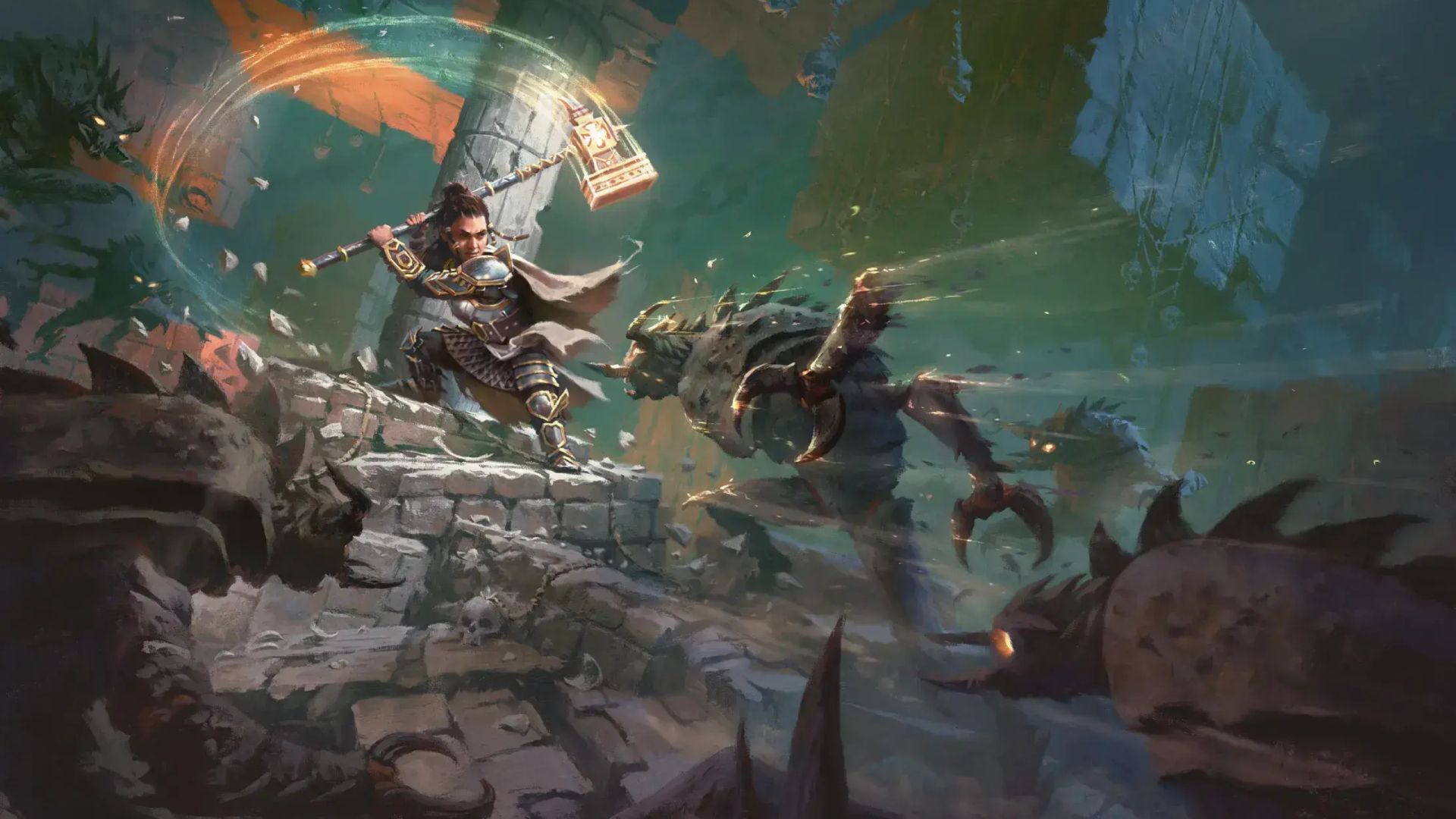
Radiant damage is a very effective attack type. While some creatures, like Celestials, resist or are immune to it, you don’t encounter them in battles as often as Fiends or Undead. Fortunately, certain creatures – such as Shadows and Shadow Demons – are actually weak to Radiant damage. Several classes in D&D, including Paladins, Clerics, and Druids, have access to many Radiant spells, and even classes like Sorcerers, Wizards, and Warlocks have a few options.
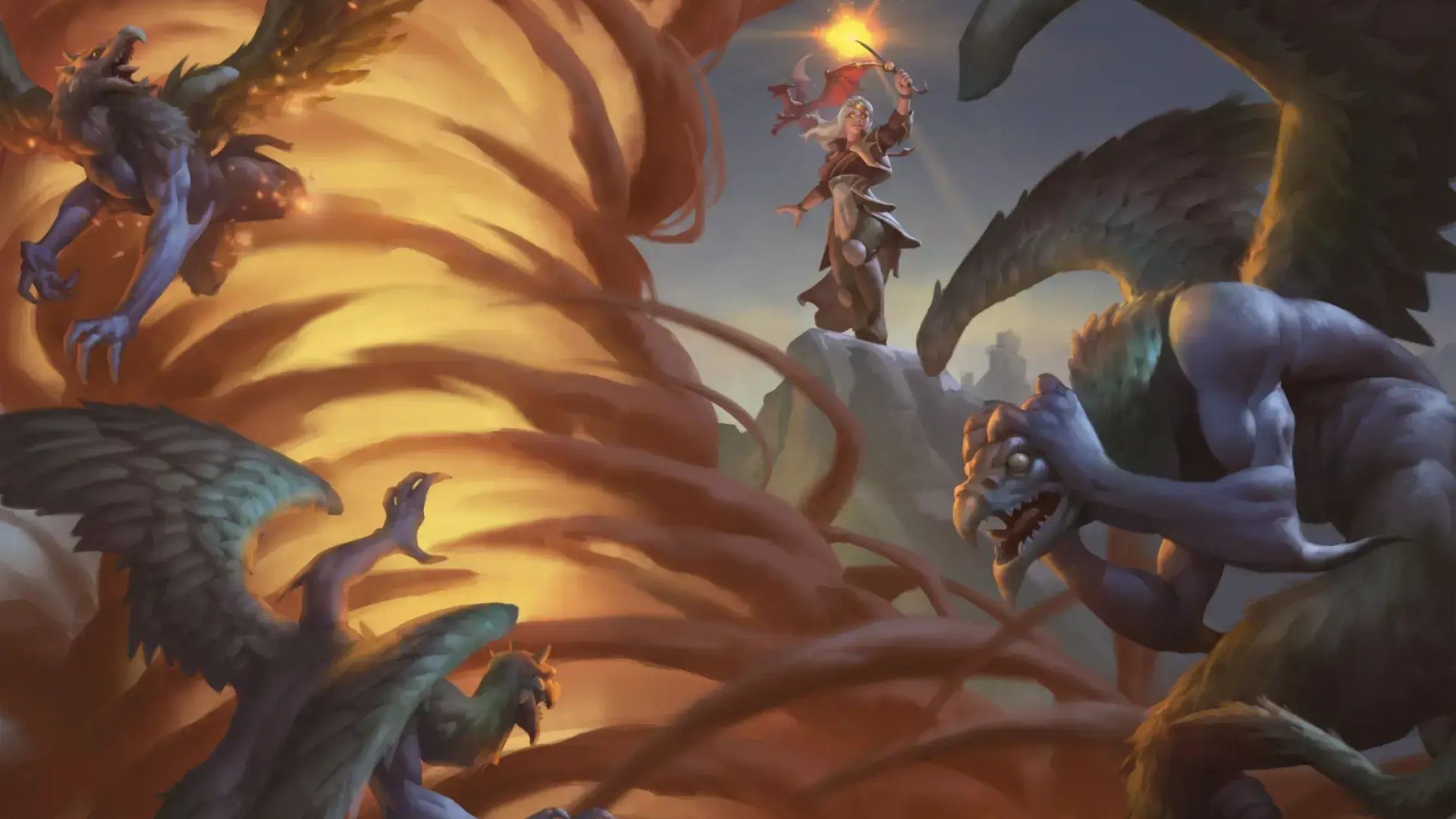
When it comes to damage types, Thunder is generally the most reliable. It’s resisted or immune to slightly fewer enemies than Radiant damage, meaning your spells will usually hit their full force—except against Earth Elementals, which actually take double damage. The main drawbacks of Thunder are that there aren’t as many Thunder spells available, and enemies can easily become immune to it using the Silence spell.
In Dungeons & Dragons, damage types like acid, cold, fire, lightning, and thunder are considered elemental because they appear in spells such as Elemental Weapon and are featured in abilities like Elemental Adept.
A-Tier: Reliable Damage Types That Work in Most Situations
- Acid
- Bludgeoning
- Psychic
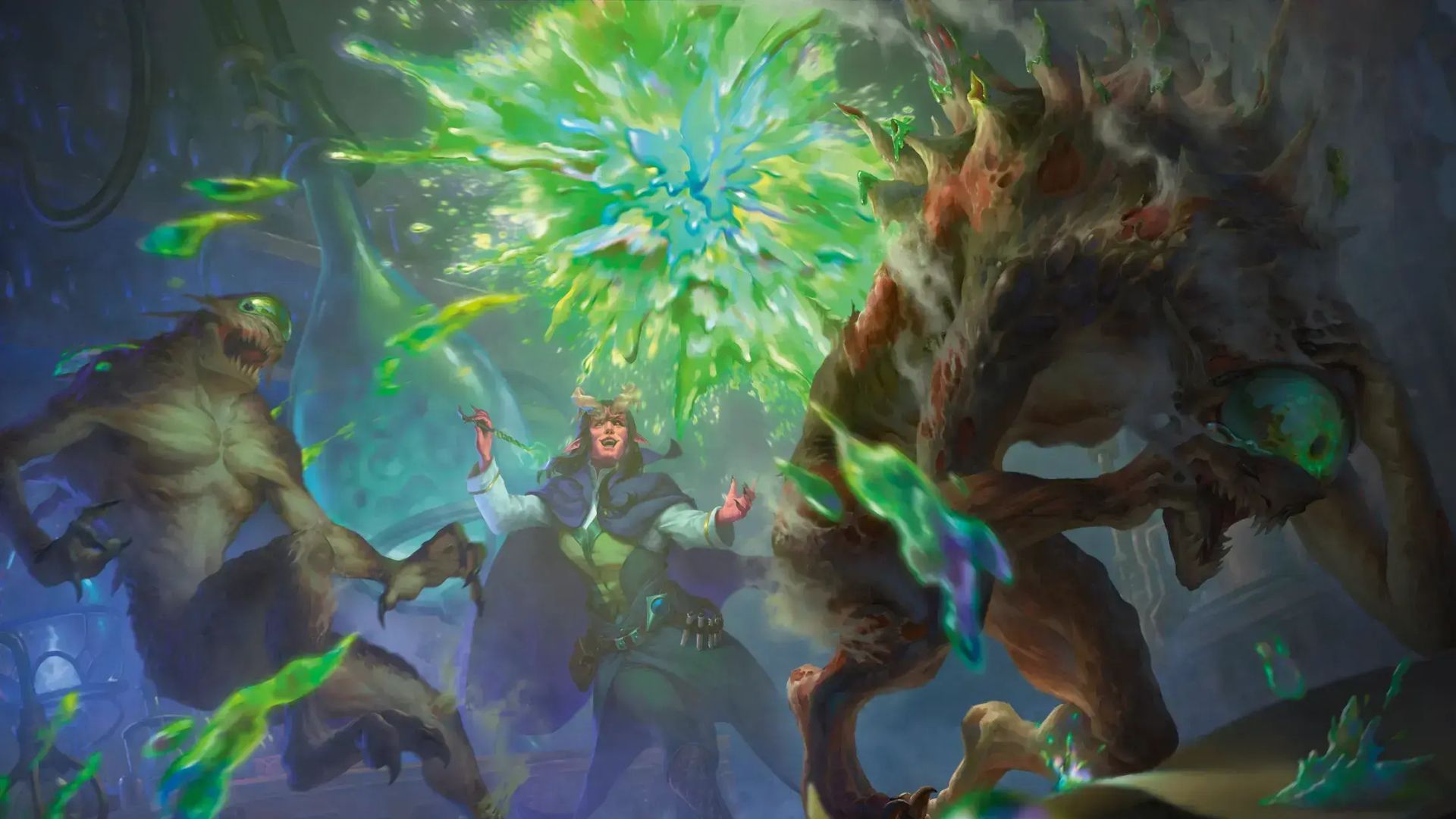
As a damage type, Acid is really strong – second only to a few others! It’s effective against most things, with only some undead, slaadi, oozes, certain dragons, and a few constructs and fiends being able to resist it. It’s a bit frustrating though, because there aren’t many spells that actually do acid damage, even though more creatures are vulnerable to it than those super-resistant to other types of damage.
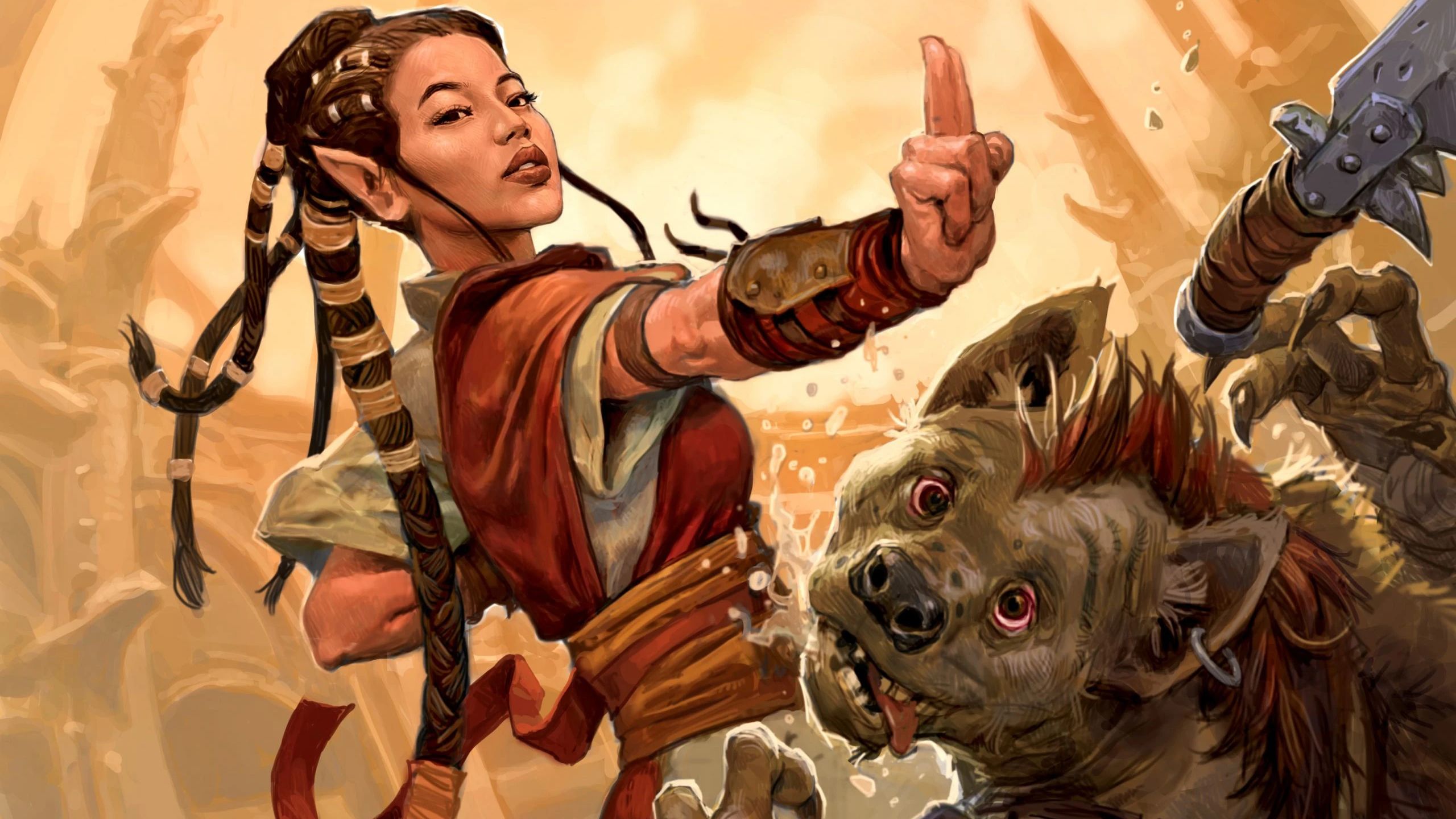
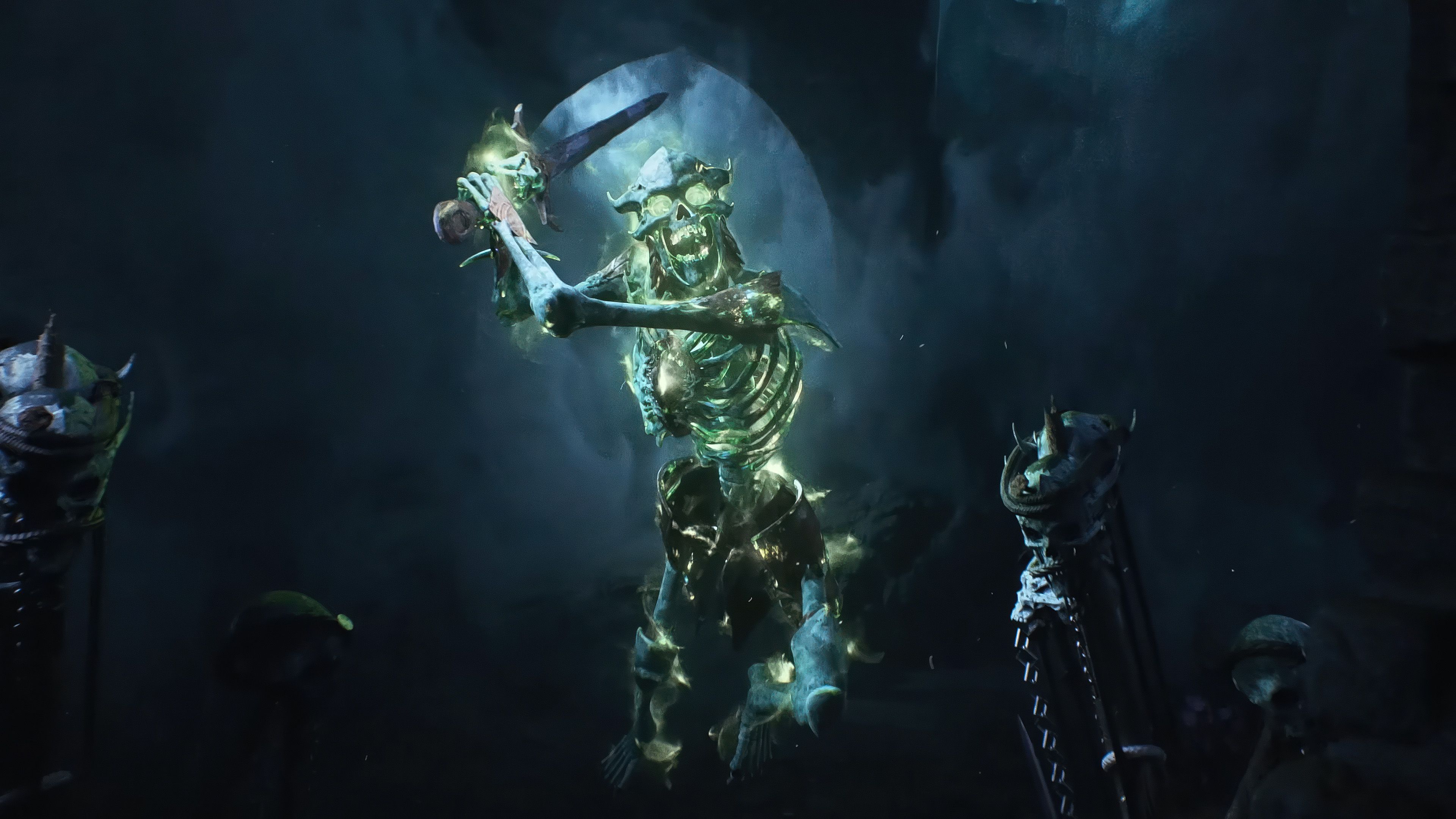
The 2024 update to Dungeons & Dragons significantly increased the effectiveness of physical damage types: Bludgeoning, Piercing, and Slashing. Because weapons no longer count as magical, complete immunity to physical damage is now very uncommon—only about 30 creatures have resistance to each type. Of these, Bludgeoning is the most reliable choice. There are more spells that deal Bludgeoning damage than any other physical type, and no creatures are completely immune to it. Plus, Skeletons—a very common enemy in D&D—are particularly weak against Bludgeoning attacks.
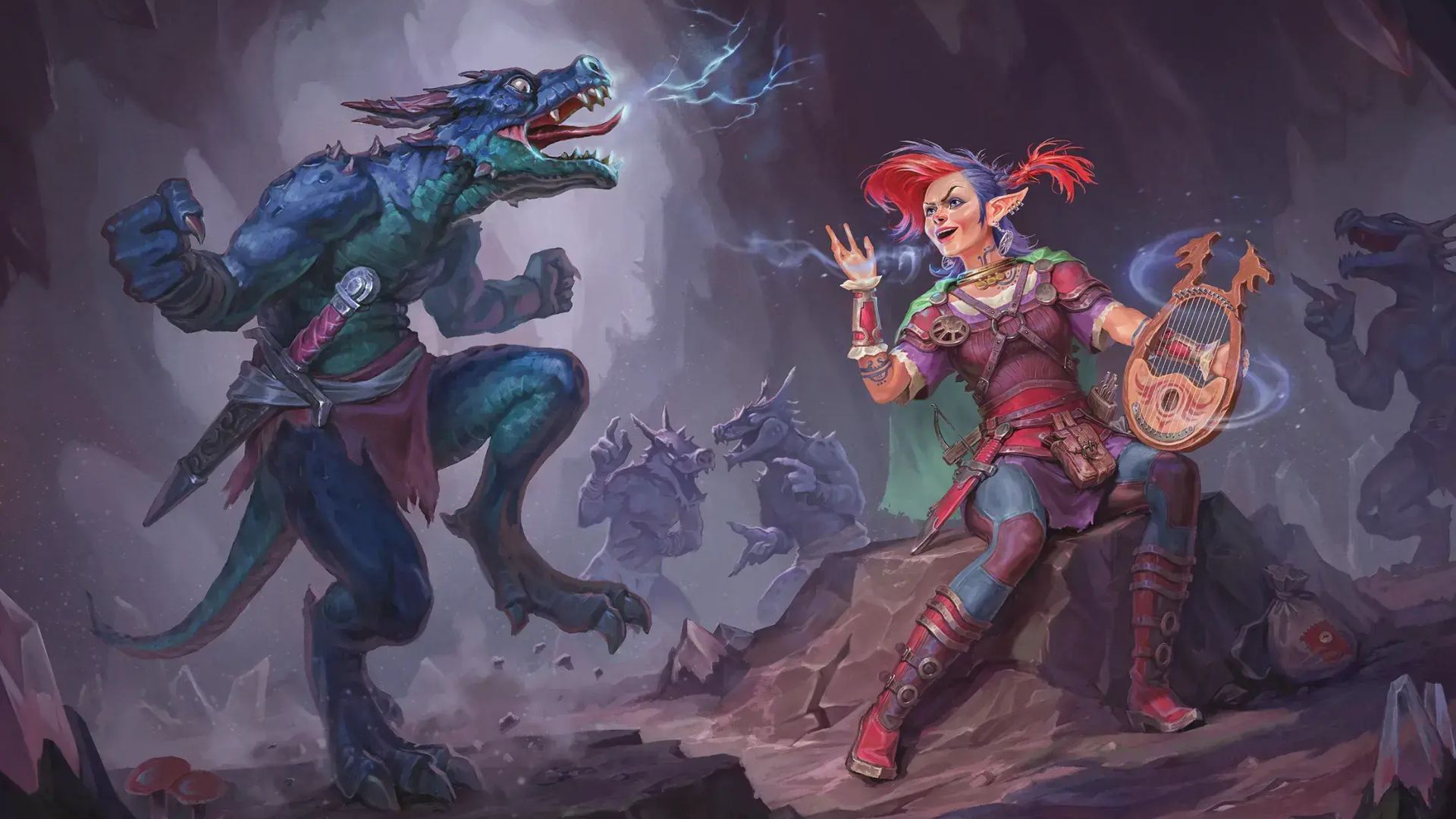
As a movie buff, I love a good mind-bending plot, and in D&D, Psychic damage feels like that! It’s seriously strong, and honestly, not a lot can shrug it off. Mostly, you’re looking at things like constructs, those creepy psionic aberrations like Mind Flayers, and a few dragons being resistant. The cool thing is, most creatures have to make Intelligence saving throws against it, and a lot of monsters aren’t great at that. But, smart enemies can use a spell called Mind Blank to become immune, so if I’m building a psychic character, I always bring Dispel Magic just in case I run into someone who’s protected their mind!
B-Tier: Solid Damage Types With Situational Weaknesses
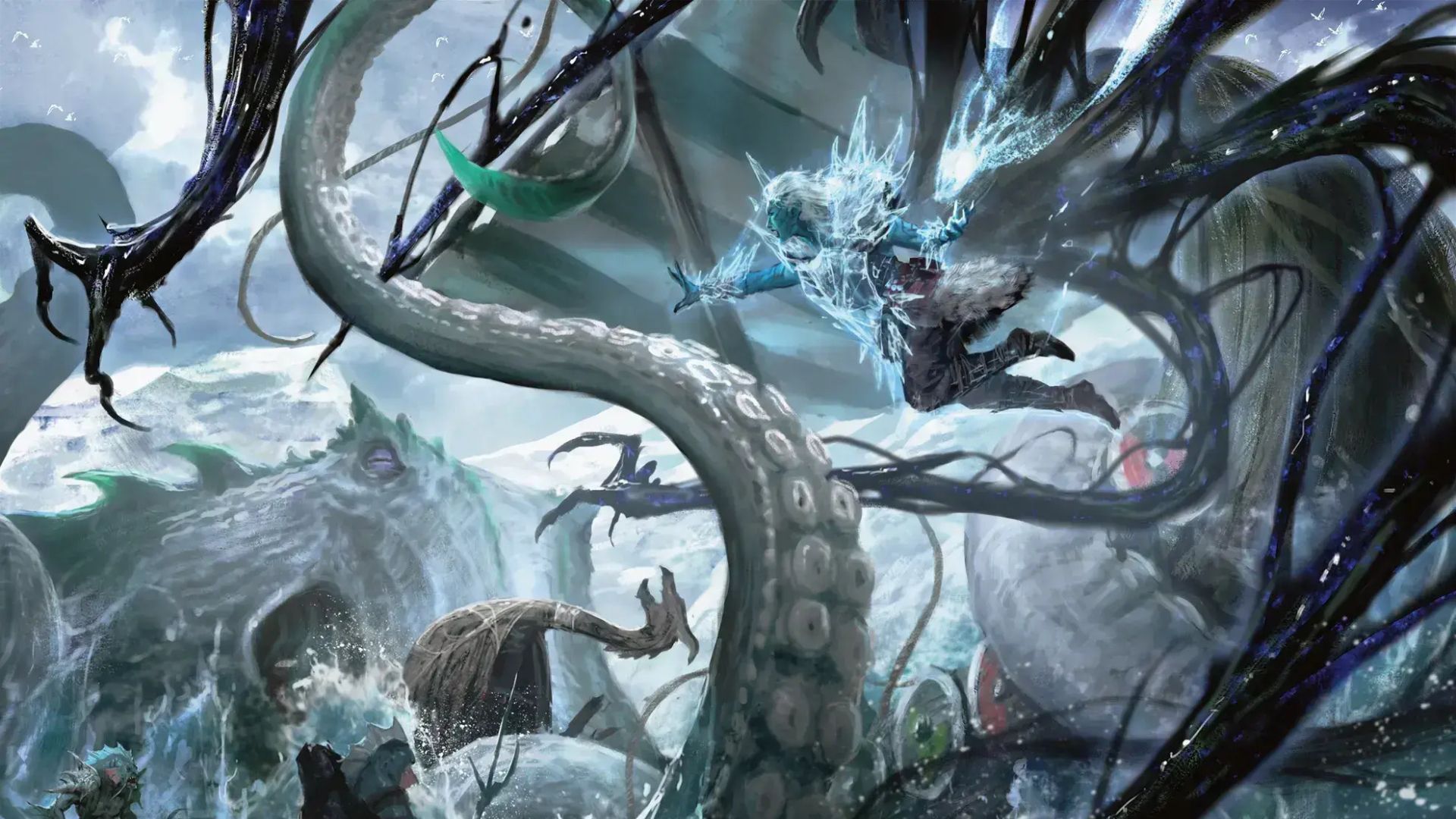
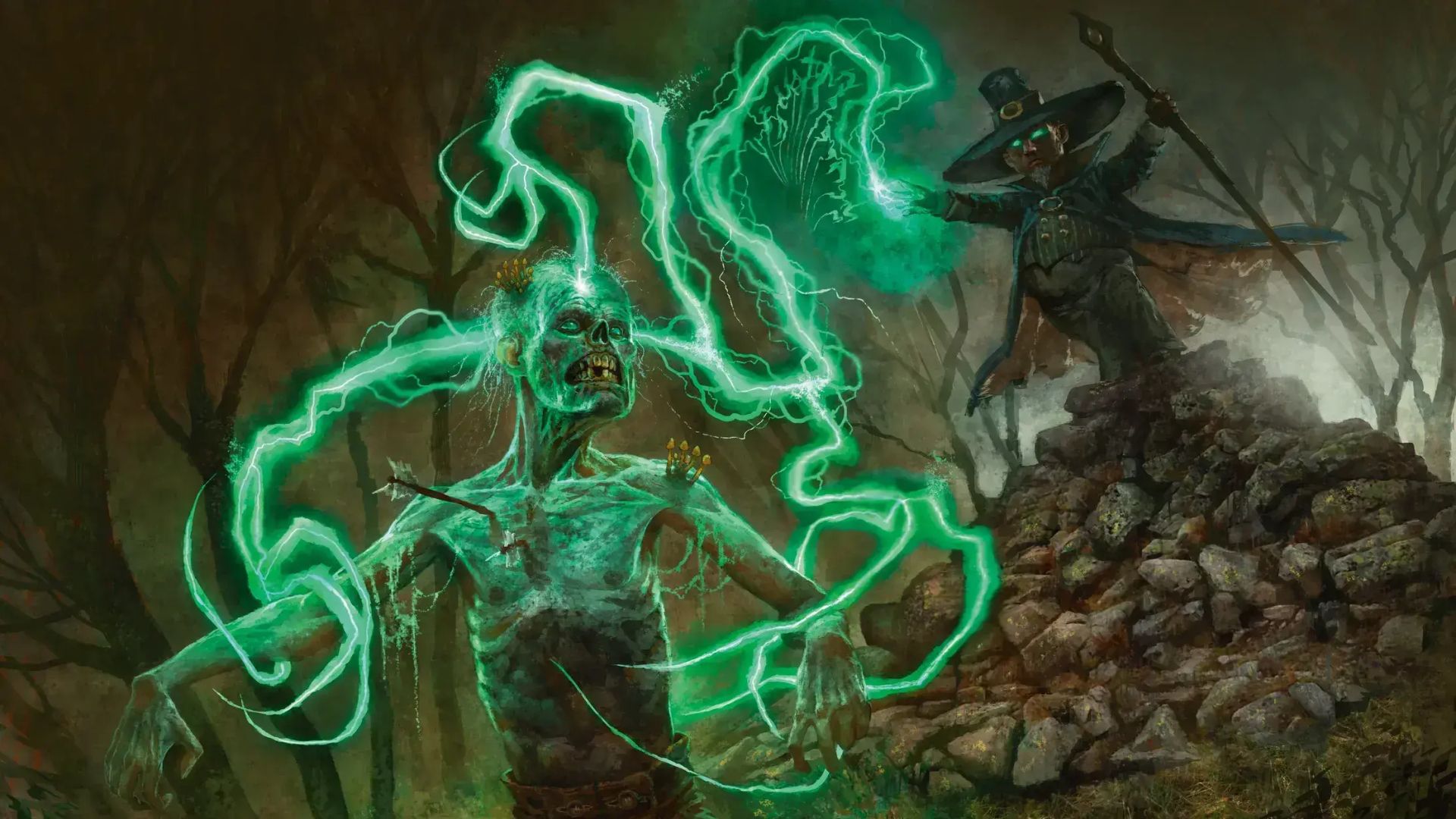
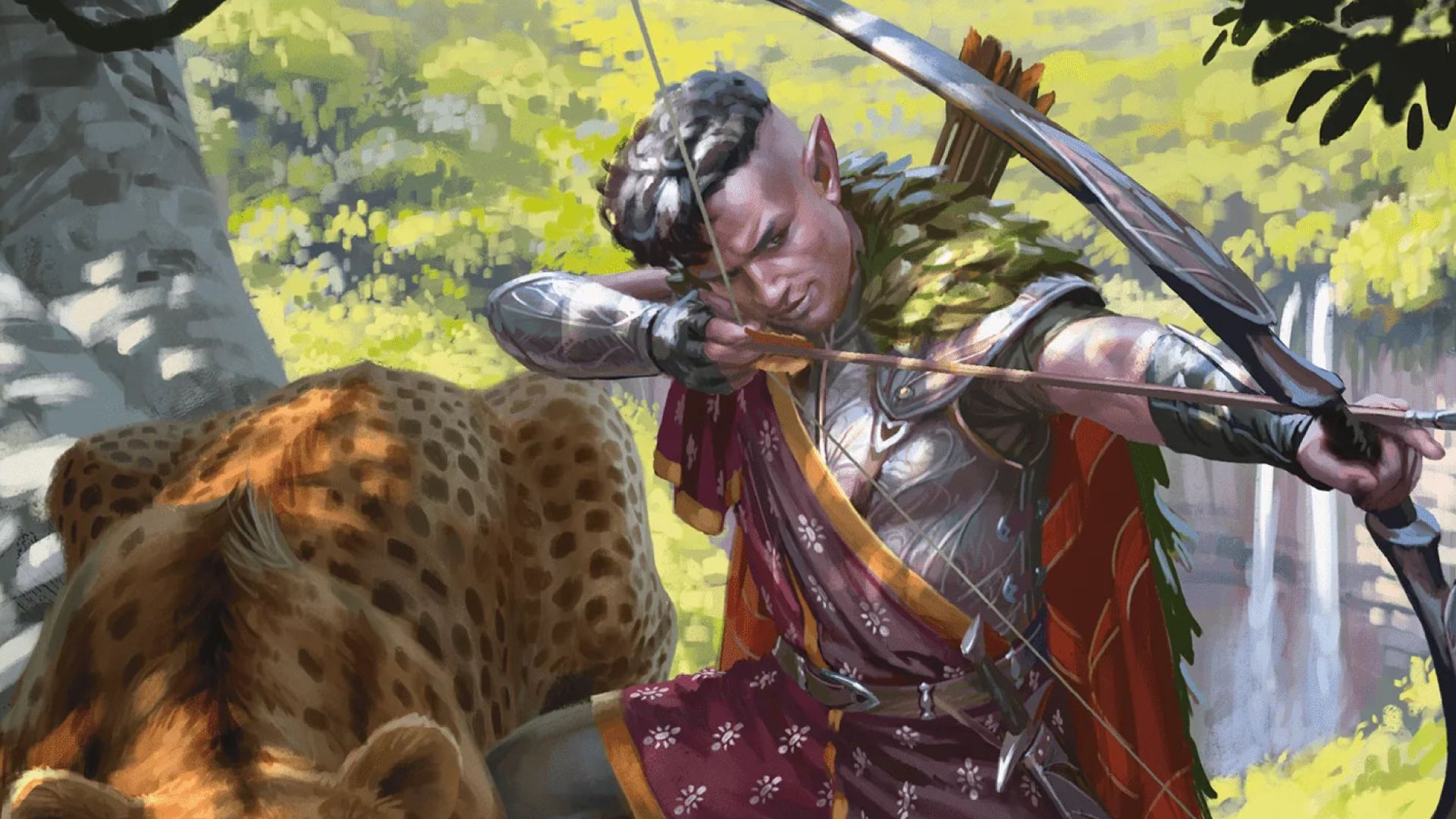
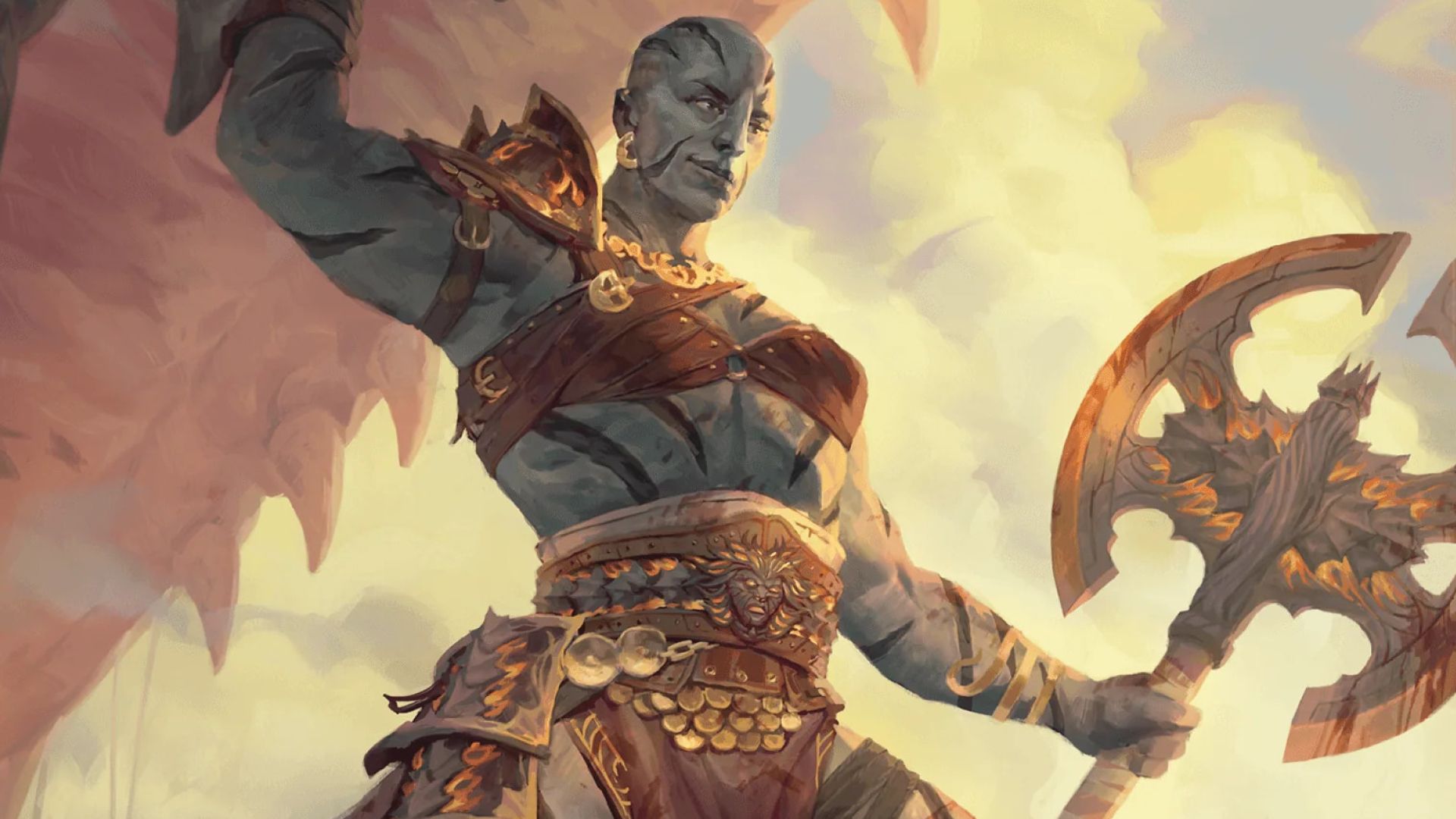
- Necrotic
- Lightning
- Piercing
- Slashing
Necrotic damage is almost as effective as Acid, particularly against Undead creatures and Celestials. Although there are numerous spells that deal Necrotic damage, it isn’t considered an elemental type, which can make overcoming resistance tricky. However, certain Dungeons & Dragons character classes, like the Pestilence Cleric and the Undead Warlock, have abilities that ignore Necrotic resistance, making it a very strong damage type for those characters.
Lightning is the third most effective type of elemental damage. While a few creatures – like Blue and Bronze Dragons and Storm Giants – are completely immune, many others are resistant, including most fiends and ghosts. Despite this, Lightning is a great choice for characters with the Elemental Adept feat, which allows them to bypass resistance to a specific damage type. This is because a lot of powerful spells deal Lightning damage.
What’s That Weapon?  Identify the silhouettes before time runs out.
Results
High Score: 0 —
Both Piercing and Slashing are quite effective and could arguably be considered top-tier options. However, certain monsters – Black Puddings and Ochre Jellies – are immune to Slashing, and only Rakshasa are weak to Piercing. This limits their usefulness compared to Bludgeoning damage. While Piercing and Slashing have fewer supporting spells, most damage in Dungeons & Dragons comes from weapons, which still makes them viable. Ultimately, both are good choices, though Bludgeoning is generally a more reliable option.
C-Tier: Common Damage Types With Many Weaknesses
- Cold
- Fire
In Dungeons & Dragons 5e, a significant number – 75 – of creatures resist Cold damage, making it less consistently effective. Many Cold spells require creatures to make Constitution saving throws, which larger, stronger creatures often pass. However, only 24 creatures are completely immune to Cold, which is the lowest immunity count of any elemental damage type. This makes Cold the best choice to pair with the Elemental Adept feat, bringing its effectiveness up to the level of top-tier damage types.
I’ve always been fascinated by how effective different damage types are, and fire is a bit of a mixed bag. While it’s the second most resisted damage type – 51 creatures shrug it off, making Cold a slightly better choice for an Elemental Adept – that’s not even the biggest problem. A whopping 55 creatures are completely immune, and it’s especially frustrating because that includes almost all the Devils from Dungeons & Dragons, Fire Elementals, certain Constructs, and even powerful dragons like Gold, Brass, and Red! Still, fire has a lot going for it. It’s used in more spells than any other damage type, and there are a surprising number of creatures that are actually vulnerable to it, which makes it a worthwhile option despite the risks.
D-Tier: The Most Unreliable Damage Type in D&D
- Poison
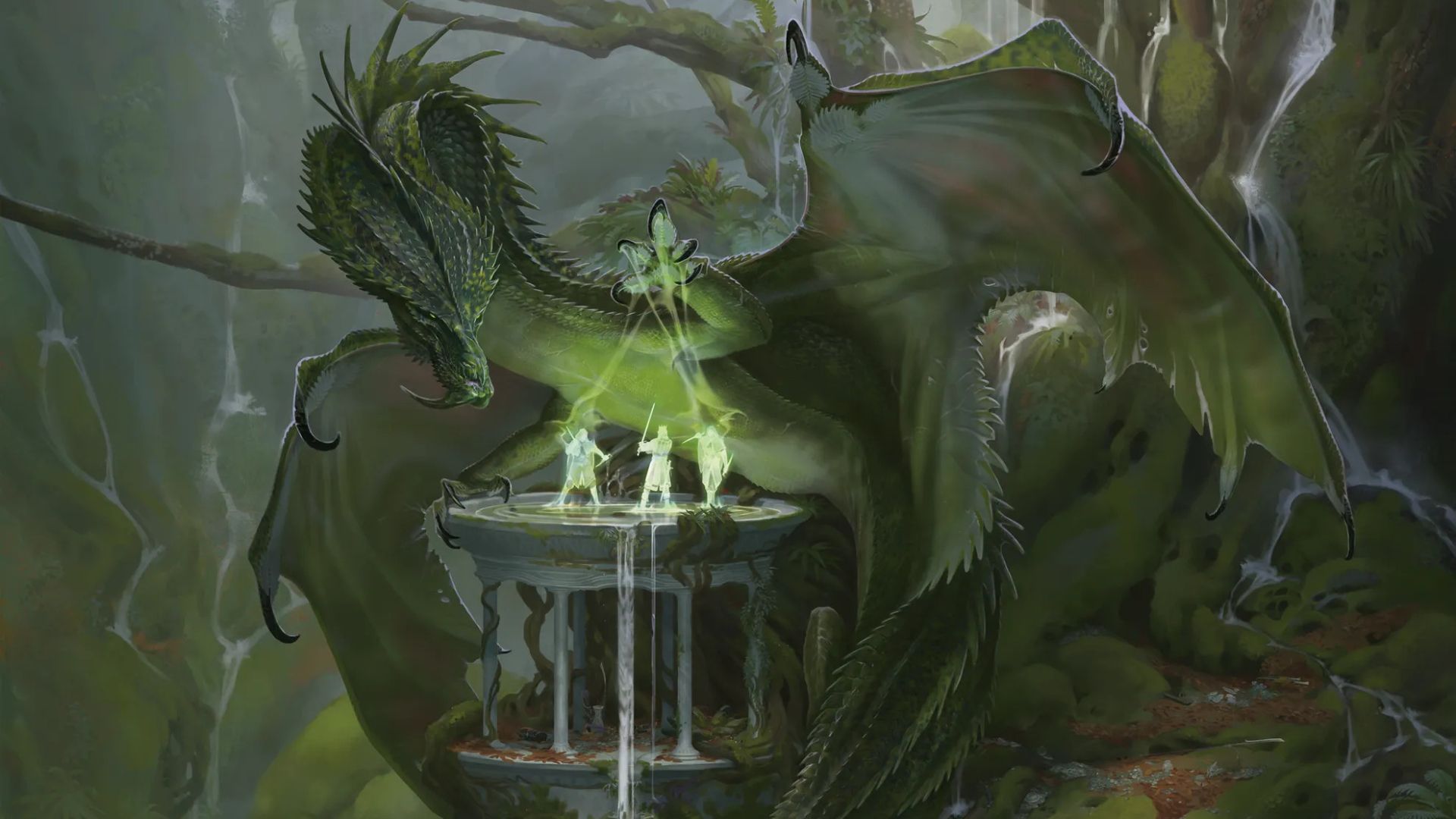
Poison is the least effective damage type in the game. While only a small number of creatures—like Assassins, Succubi, and Badgers—can resist it, a huge 150 creatures are completely immune. Almost all Constructs, Elementals, Fiends, and Undead are unaffected by poison, and there’s no way to bypass these immunities. Because of the limited number of poison spells and the fact that most poison effects rely on Constitution saving throws, players shouldn’t depend on poison as their main source of damage in D&D.
Read More
- All Skyblazer Armor Locations in Crimson Desert
- One Piece Chapter 1180 Release Date And Where To Read
- How to Get the Sunset Reed Armor Set and Hollow Visage Sword in Crimson Desert
- All Shadow Armor Locations in Crimson Desert
- All Golden Greed Armor Locations in Crimson Desert
- How to Beat Stonewalker Antiquum at the Gate of Truth in Crimson Desert
- Cassius Morten Armor Set Locations in Crimson Desert
- Grime 2 Map Unlock Guide: Find Seals & Fast Travel
- USD RUB PREDICTION
- Marni Laser Helm Location & Upgrade in Crimson Desert
2026-04-12 21:07