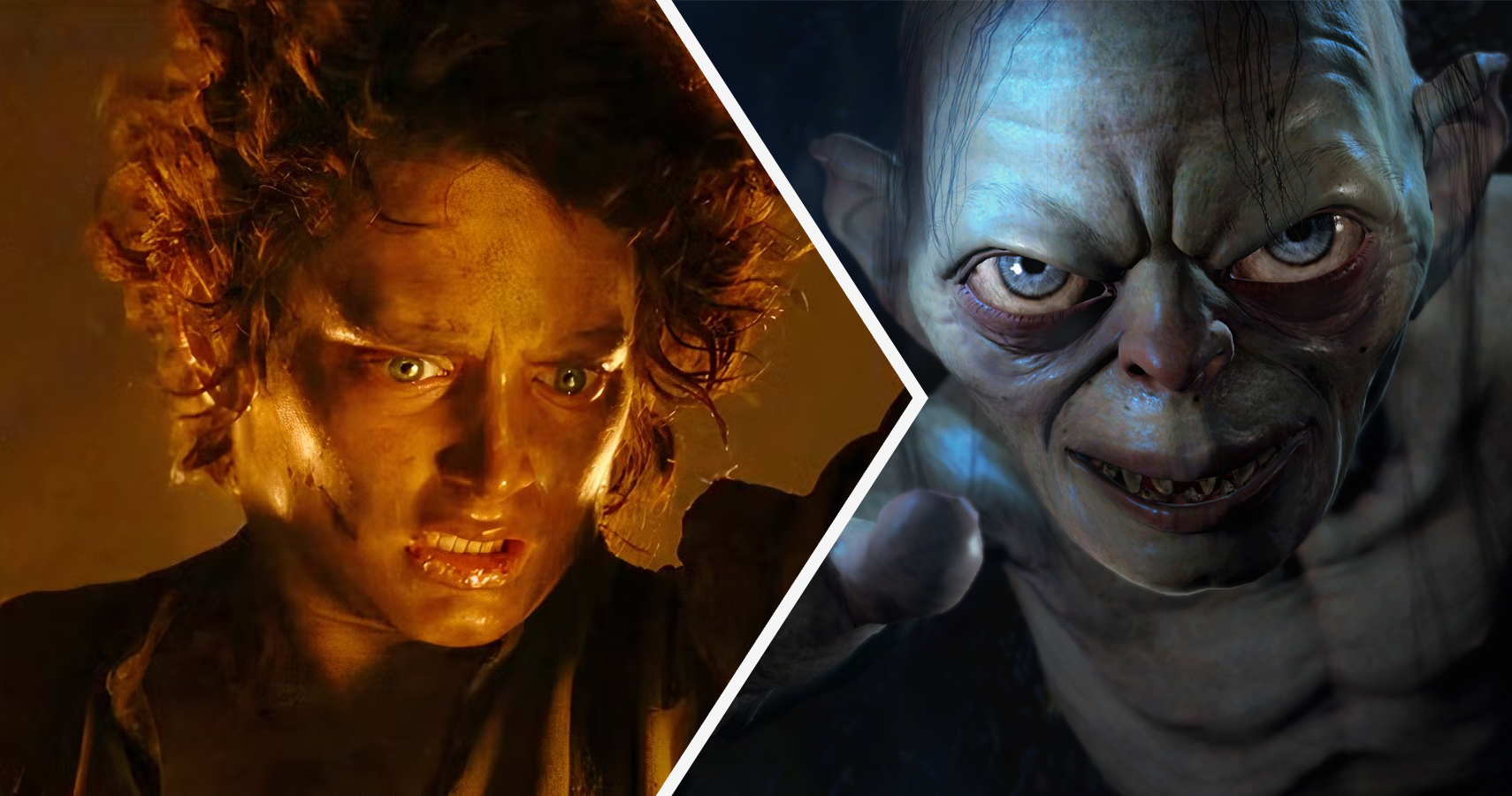
A popular and somewhat disturbing theory among Lord of the Rings fans proposes that Gollum might have caused the deaths of Frodo Baggins’ parents. The story goes that Drogo and Primula Baggins, Frodo’s parents, supposedly drowned in a boating accident on the Brandywine River, and some believe Gollum was involved.
The exact events are unclear, and Tolkien’s writing itself suggests rumors circulated about what truly occurred. One story claims Drogo attempted to dunk Primula in the water, but she retaliated by pulling him in with her. Though quickly denied, this tale creates enough uncertainty to fuel further questions and theories.
That uncertainty is where the Gollum theory takes hold.
The Theory That Connects Gollum to Frodo’s Past
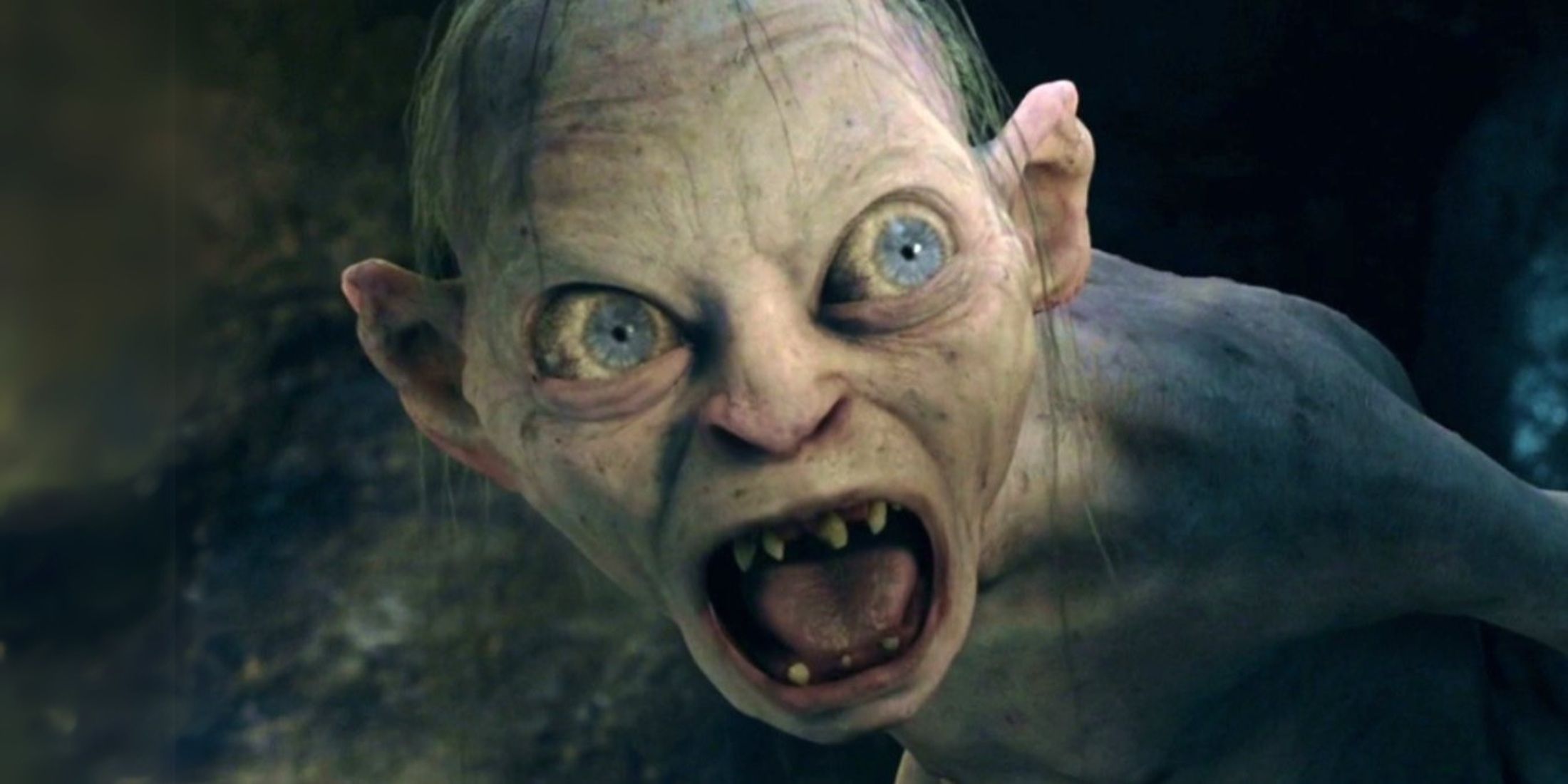
Gollum’s intense craving for the One Ring might have led him to seek out Bilbo Baggins much earlier than we see in The Fellowship of the Ring. Some believe that if he’d arrived in the Shire sooner, he could have even met Frodo’s parents and been responsible for their deaths.
This connection changes how Frodo and Gollum interact. They’re no longer simply brought together by chance; their relationship becomes a repeating pattern, almost as if it was meant to be. Gollum isn’t just tracking the Ring; he’s deeply connected to Frodo’s journey on a personal level.
This idea is what makes the theory so compelling and hard to dismiss. It creates a sense of unease in every scene between them, particularly when Gollum struggles with whether to hurt Frodo or hold back.
What Tolkien’s Lore Actually Says About Gollum’s Journey
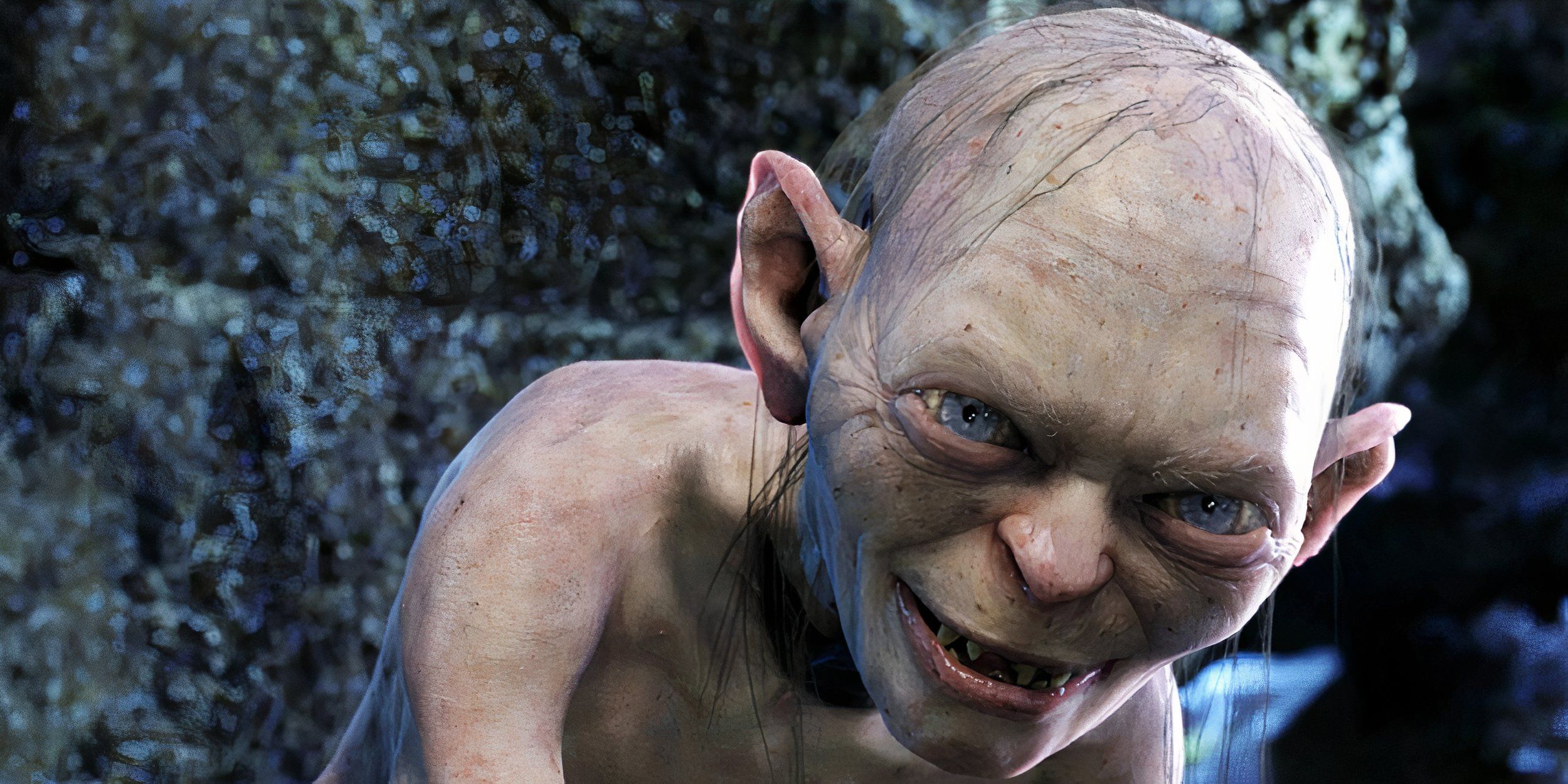
However, when placed against Tolkien’s established timeline, the theory begins to unravel.
You know, it’s always fascinated me how Gollum didn’t instantly chase after Bilbo. It’s easy to forget he had no idea where the Shire even was! Before he was Gollum, he was Sméagol, part of a river people who lived way over on the other side of the Misty Mountains. He wasn’t exactly well-traveled, so after Bilbo got away with the Ring, he just retreated into the darkest corners of the mountains, unable to stand the light. It really highlights how lost and desperate he was, not just about the Ring, but about everything.
After leaving his cave, he doesn’t head towards the Shire. Instead, he wanders southeast, eventually ending up near Mordor. There, he falls in with dangerous powers, including a connection to the creature Shelob. It’s only after Sauron captures and questions him that he reveals the names “Baggins” and “Shire”—the only information he has about where the Ring might be.
Even after that, Gollum remained confused about the location of the Shire. Aragorn eventually caught him, and Gandalf interrogated him once more before releasing him towards Mirkwood. He didn’t stay there for long, escaping and eventually making his way to Moria, where he unexpectedly encountered the Fellowship.
Considering the timing of events, it’s highly unlikely Gollum could have arrived in the Shire before Frodo, and even more impossible that he would have met Frodo’s parents.
Why the Theory Still Persists

Even though there are inconsistencies, the theory remains popular, mainly because the circumstances of Frodo’s parents’ deaths are unclear.
Tolkien never fully explains what happened, only mentioning a boating accident. However, rumors circulating in the Shire—hints of something more sinister—create room for other possibilities. Even though the Gaffer doesn’t believe the gossip, its existence encourages people to speculate further.
Beyond just the story itself, The Lord of the Rings frequently touches on big ideas like destiny, the results of our choices, and how everyone’s lives are linked. The thought that Gollum might have had a connection to Frodo’s history fits with these themes, even if it isn’t directly stated in the book.
This also shows how quickly people jump to conclusions when stories have missing pieces. If details aren’t fully explained, viewers or readers often create their own interpretations and connections.
What the Theory Changes—Even If It Isn’t True
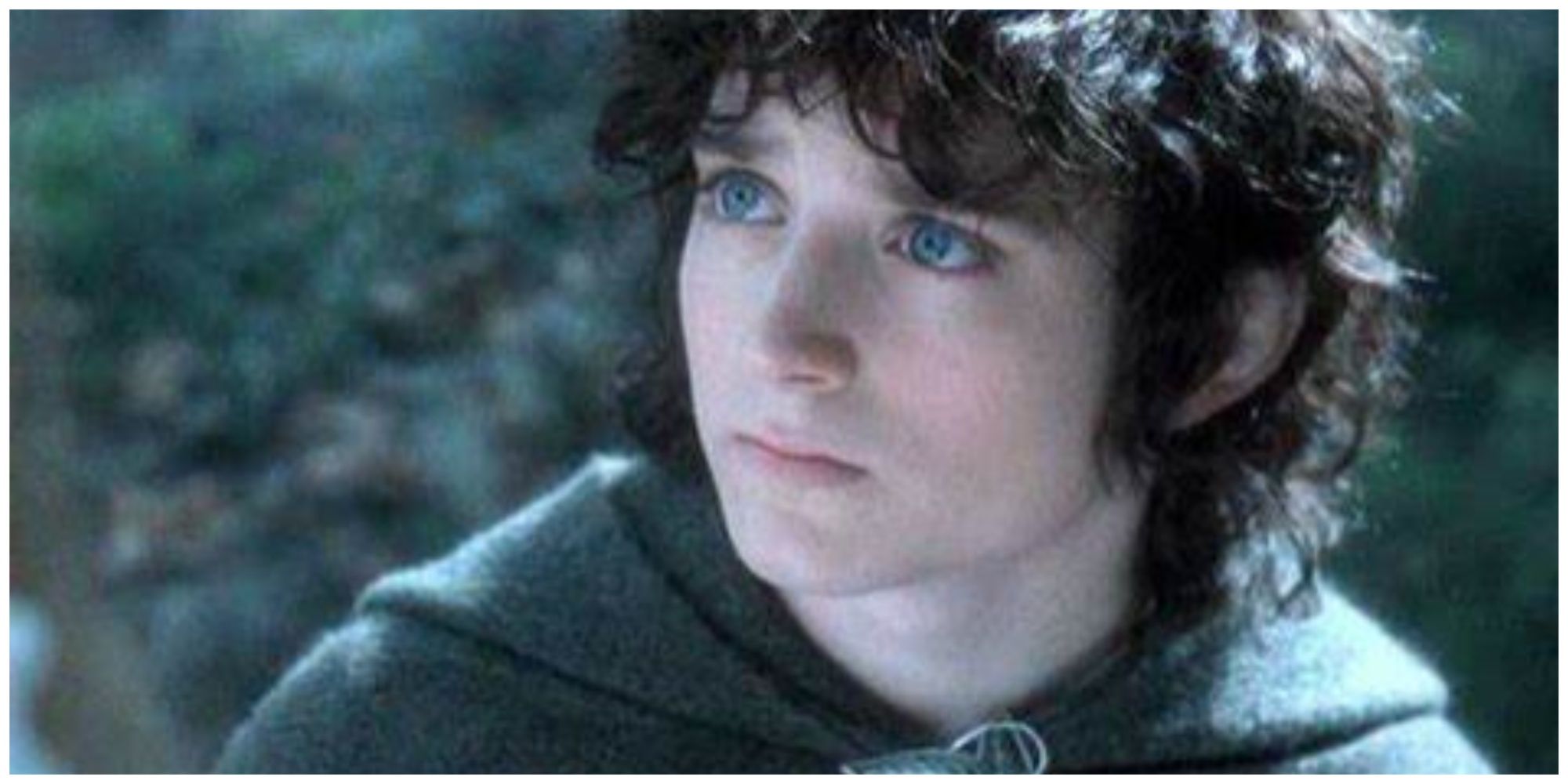
Even if the idea turns out to be incorrect, it still changes the way we can understand parts of the story.
Gollum’s part in Frodo’s quest is already complicated – he both helps and endangers Frodo, and shows what Frodo himself could become if the Ring corrupts him. If Gollum had a history with Frodo, it would make their connection feel less like chance and more meaningful, adding another layer to their already tense relationship.
This also changes how we see Gollum. He’s no longer just motivated by his desire for the Ring; he becomes connected to a bigger story with roots stretching further into the past. While this is an interpretation, it makes his role in the story feel more significant.
The existing story is still consistent: Gollum doesn’t encounter anyone from the Shire until much later, and there’s no proof he had anything to do with the deaths of Frodo’s mother and father.
A Theory That Speaks More to Curiosity Than Canon
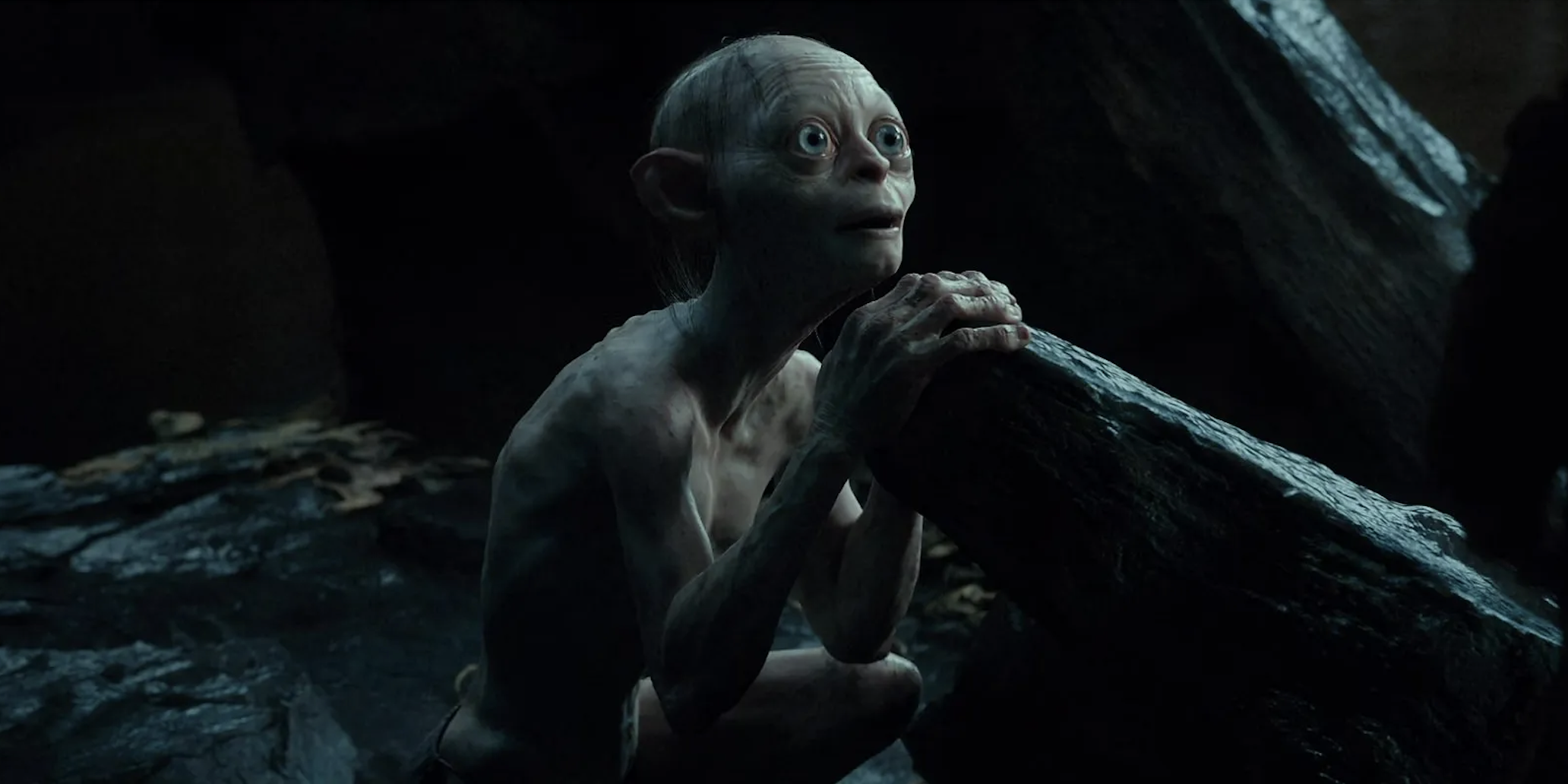
Ultimately, the theory that Gollum was responsible for the death of Frodo’s parents reveals more about how people interpret the story than about the story itself.
This idea is based on speculation and interpretation, taking minor clues and building them into a bigger picture. It doesn’t necessarily fit with the accepted history, but it shows a desire to investigate the gaps in our understanding and explore what remains a mystery.
The story keeps reappearing not because it’s true, but because it presents a fresh perspective on something people are already familiar with.
And sometimes, that is enough to keep a theory alive.
Read More
- All Skyblazer Armor Locations in Crimson Desert
- One Piece Chapter 1180 Release Date And Where To Read
- All Shadow Armor Locations in Crimson Desert
- How to Get the Sunset Reed Armor Set and Hollow Visage Sword in Crimson Desert
- Cassius Morten Armor Set Locations in Crimson Desert
- Grime 2 Map Unlock Guide: Find Seals & Fast Travel
- Euphoria Season 3 Release Date, Episode 1 Time, & Weekly Schedule
- New Avatar: The Last Airbender Movie Leaked Online
- Amber Alert Secrets & CDs In Crime Scene Cleaner Act 2
- All Golden Greed Armor Locations in Crimson Desert
2026-04-13 04:05