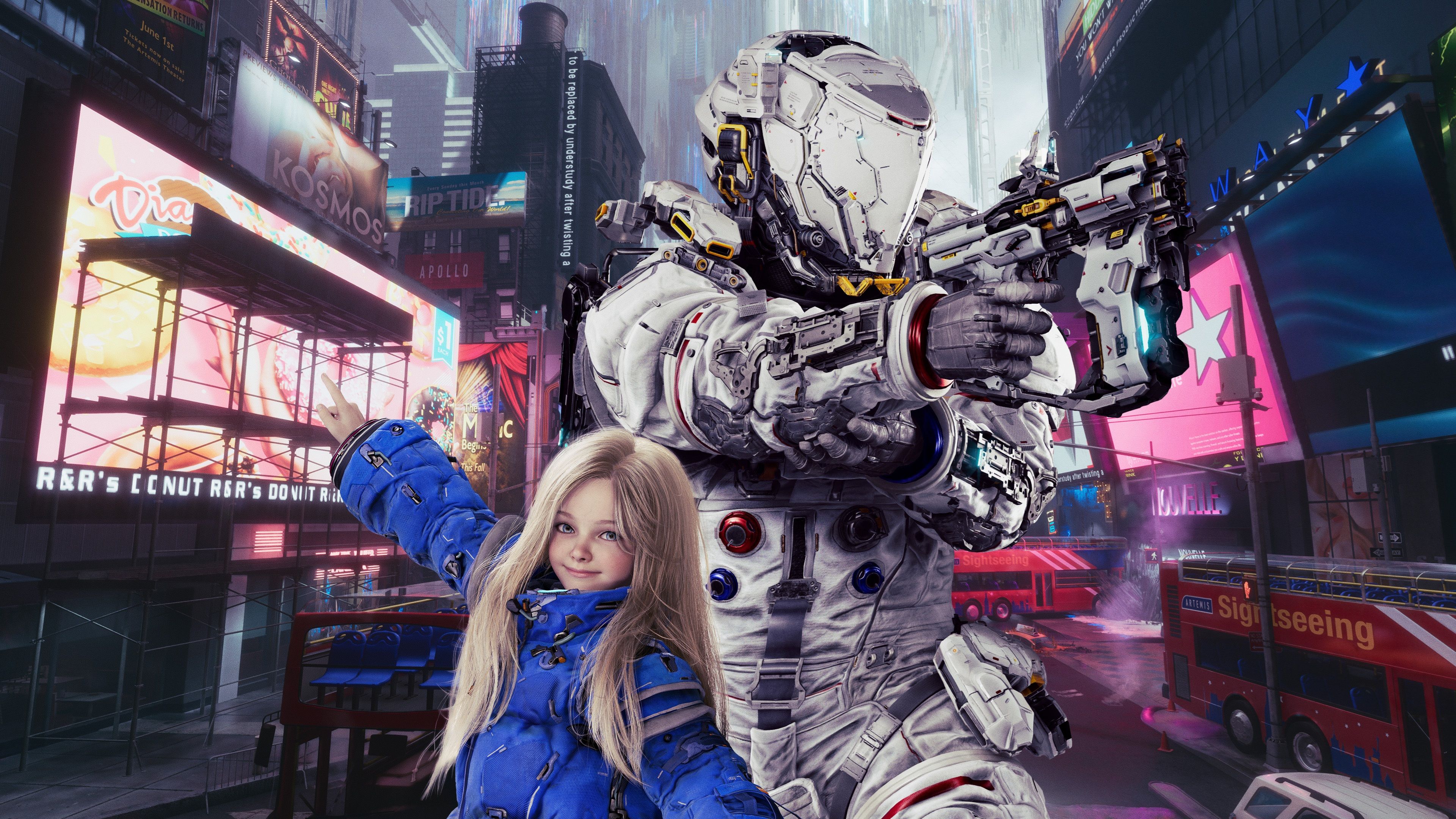
Capcom, the company behind popular games like Resident Evil and Monster Hunter, has been consistently successful lately. While they’ve mostly focused on revisiting established franchises, their new game, Pragmata, stands out. Pragmata is a completely original sci-fi action-adventure title with high goals, though it doesn’t quite achieve everything it sets out to do.
In Pragmata, you play as astronaut Hugh, who journeys to the moon with his crew to restore communication with a lunar base after all contact is lost. Once there, Hugh quickly discovers the base is facing a much larger threat: a dangerous AI called IDUS and its robotic army.
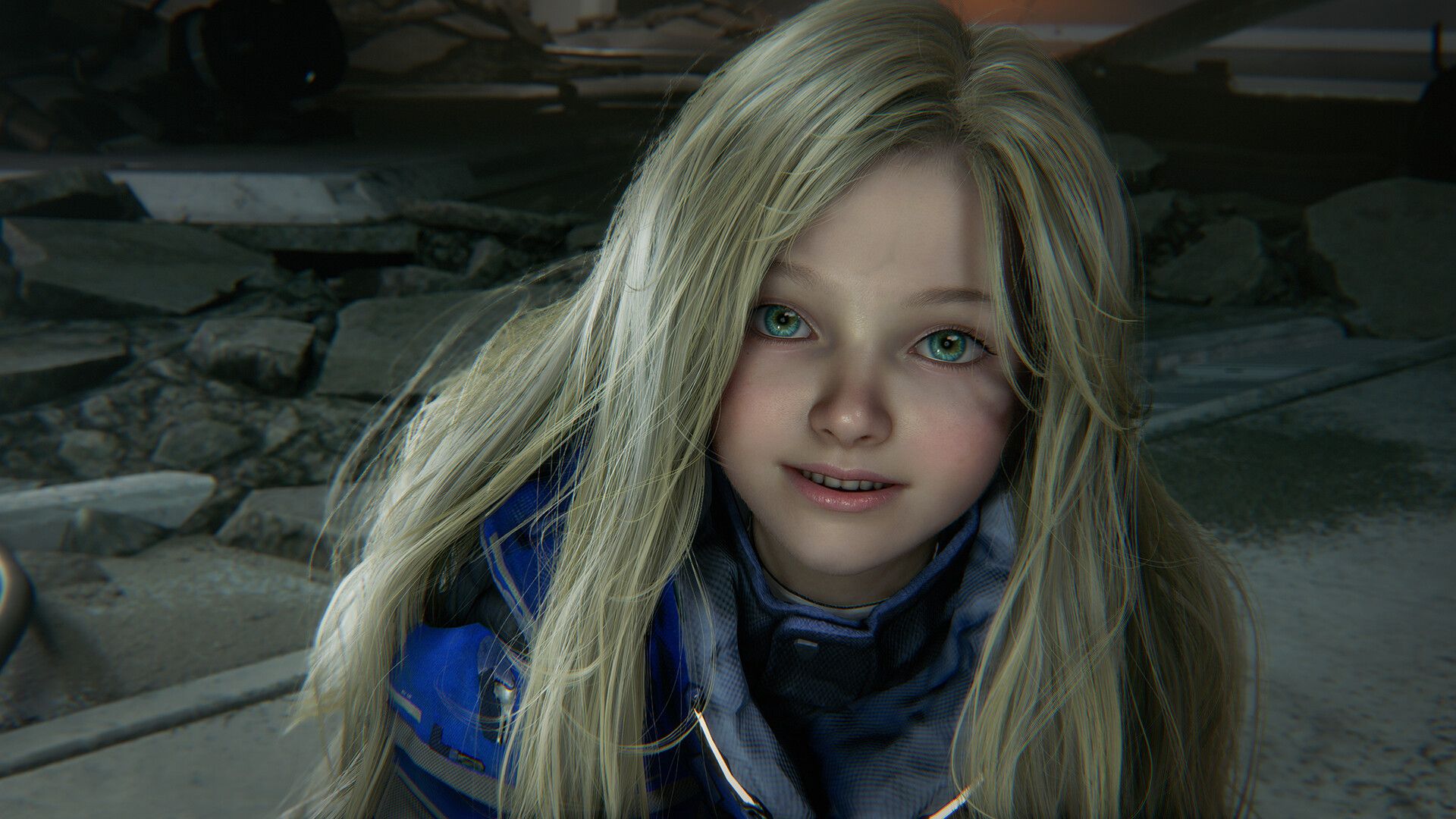
Most of the robots Hugh meets on the moon want to destroy him, but he finds an ally in Diana, an android who looks like a little girl. Together, they work to defeat IDUS and uncover the truth about what happened to the lunar base. As they fight alongside each other, Hugh and Diana begin to act like a father and daughter, though their connection doesn’t feel as emotionally powerful as you might anticipate.
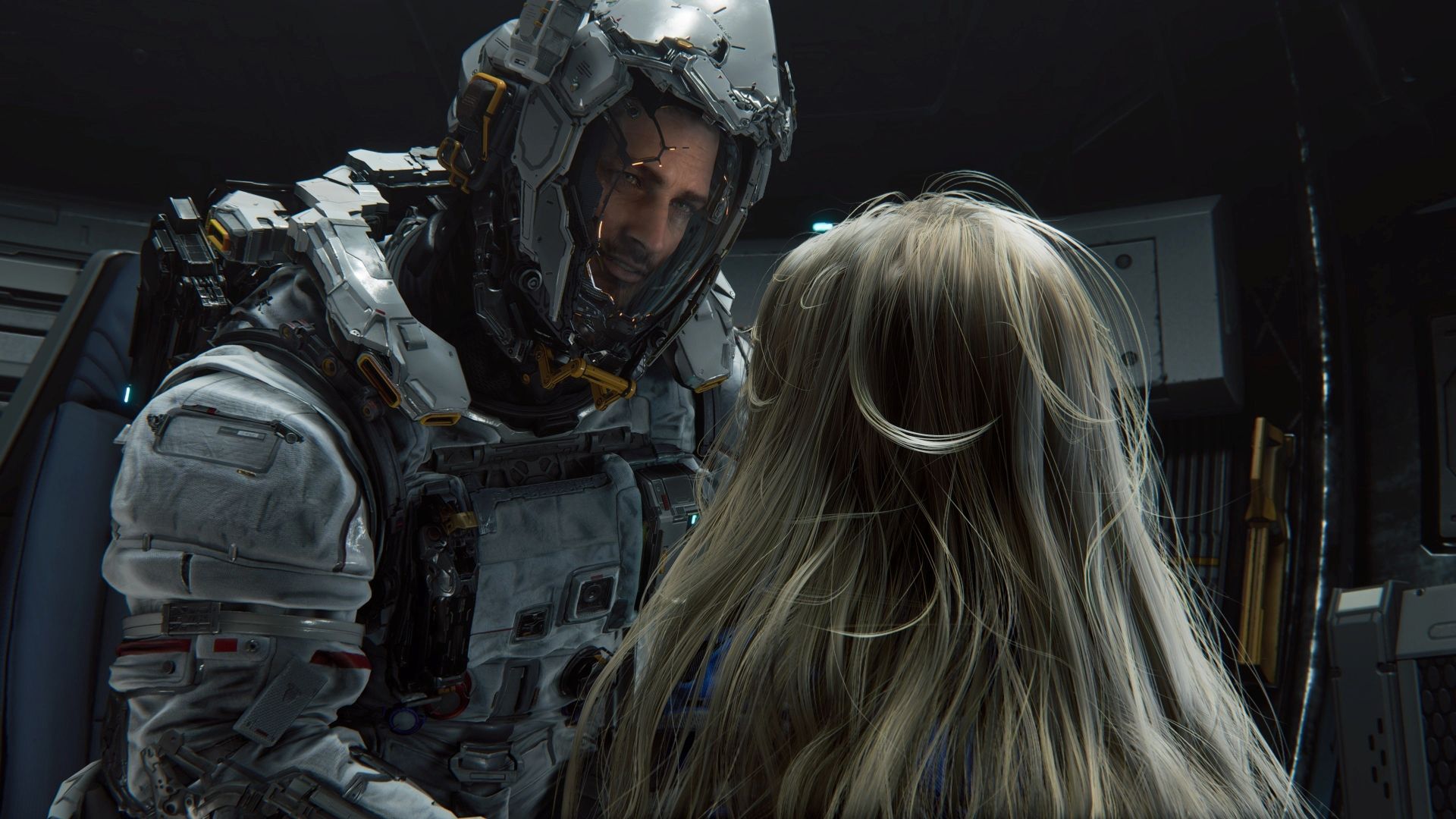
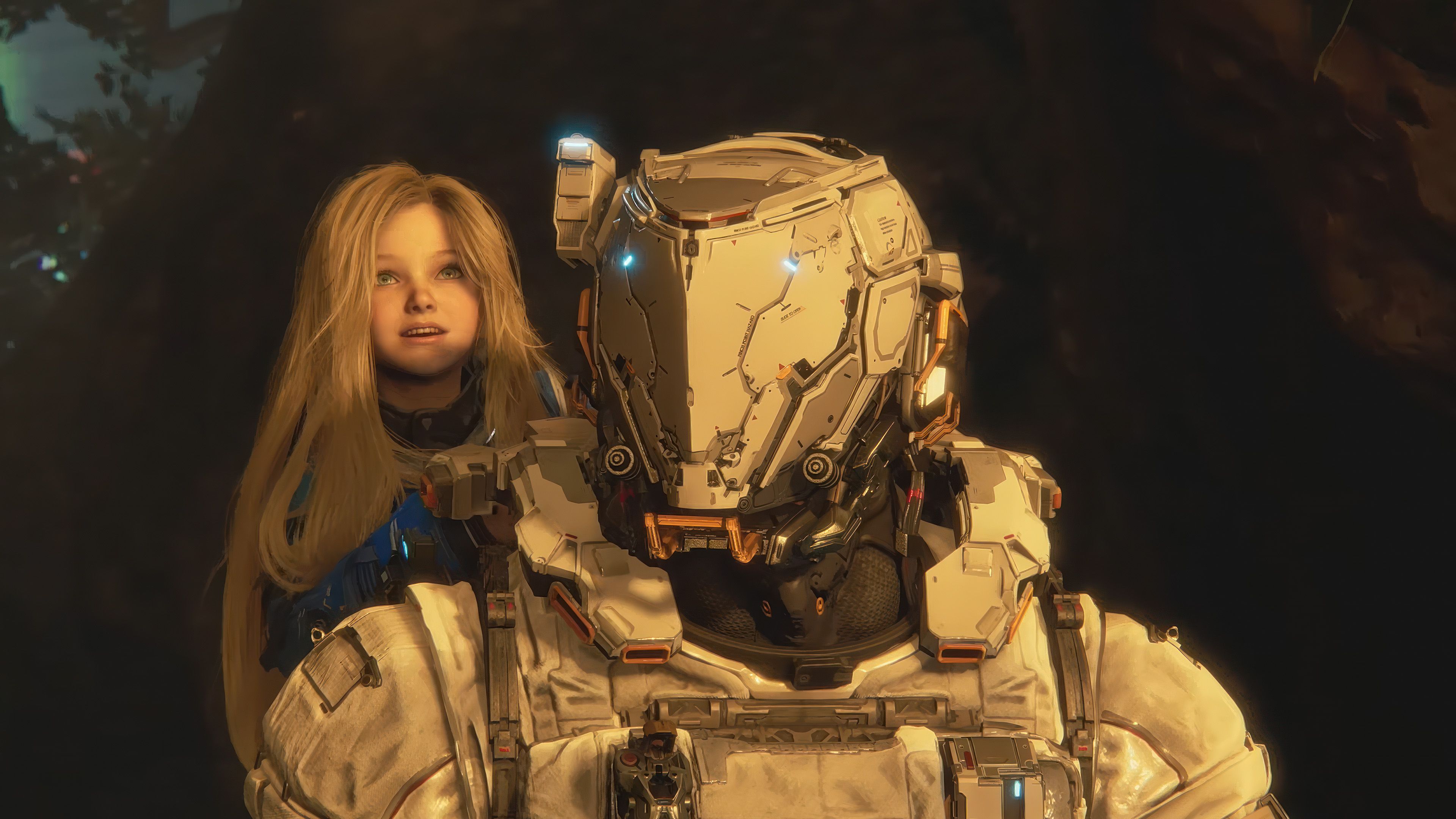
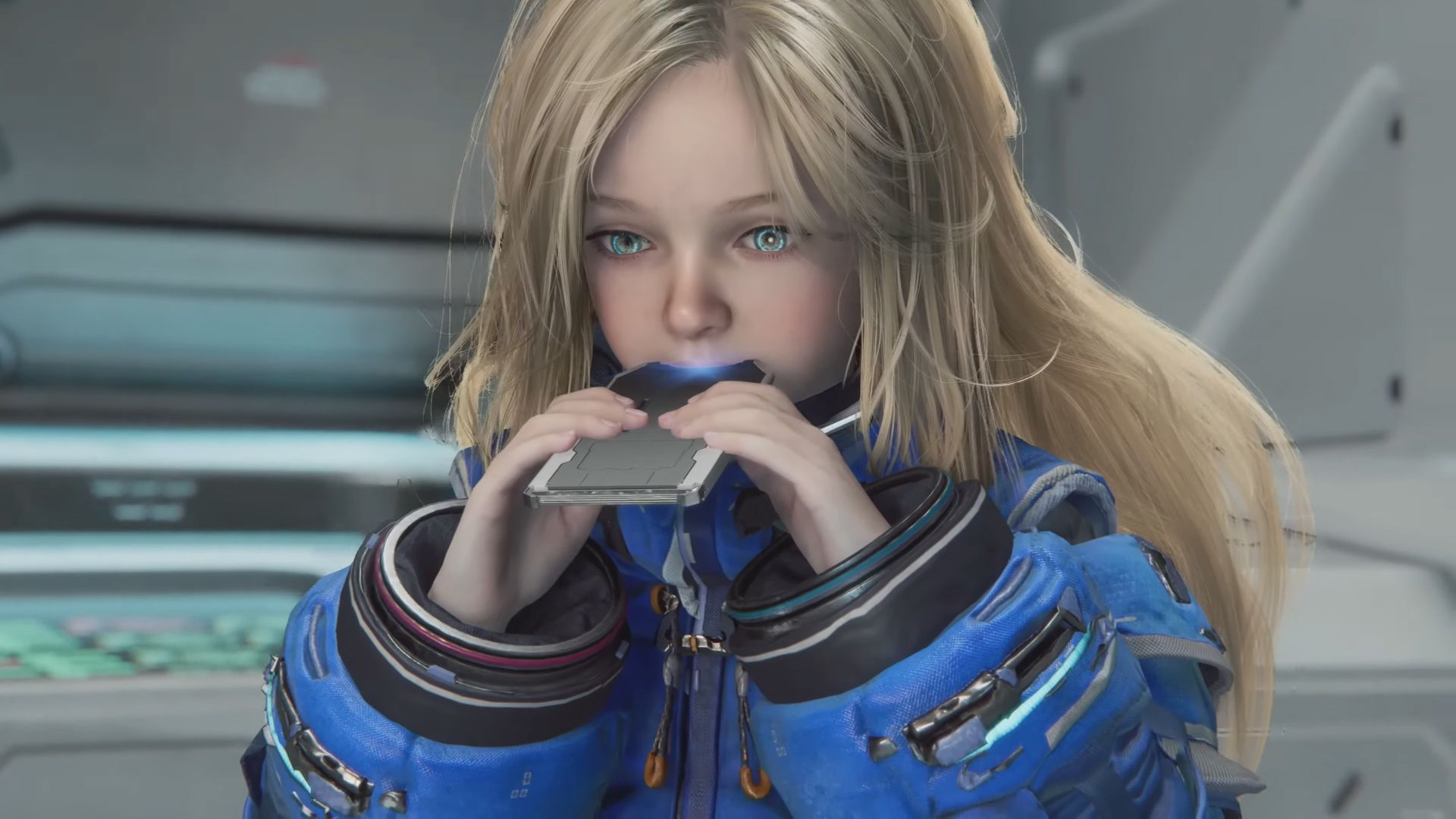
Diana is a vibrant and engaging character, while Hugh feels rather plain and unremarkable. The story in Pragmata follows familiar and predictable patterns, making it a harmlessly entertaining experience, but one that doesn’t offer anything particularly new. Most players will likely guess the major plot twists well in advance, preventing the story from becoming truly captivating.
Pragmata is All About the Action
The story in Pragmata is adequate, but it’s not the game’s strong point – and that’s okay, because the game shines when it comes to exploring and fighting. I was initially unsure about how the maze puzzles and shooting would fit together, but they actually work surprisingly well.
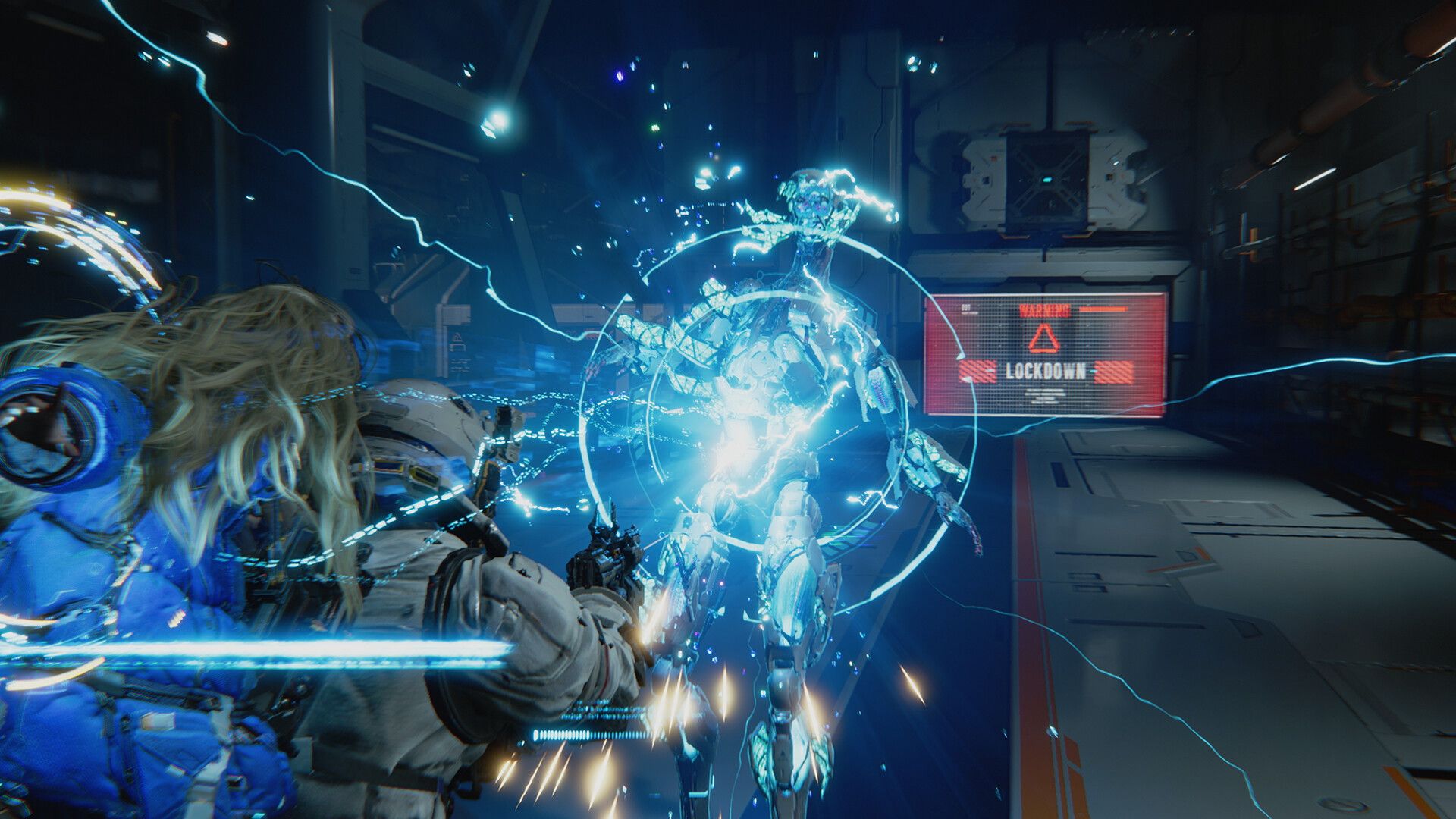
Okay, so when Hugh and Diana face off against robots, you don’t just shoot them – you have to hack them first to find their weaknesses! It’s done through this really cool little maze game. You guide a signal through a grid, hitting blue boxes to damage the robot and special nodes that do things like make enemies attack each other, or even give Hugh a quick heal. If you nail the hack, it leaves the robot totally vulnerable, letting Hugh unleash some awesome critical hits – it feels so good when it connects!
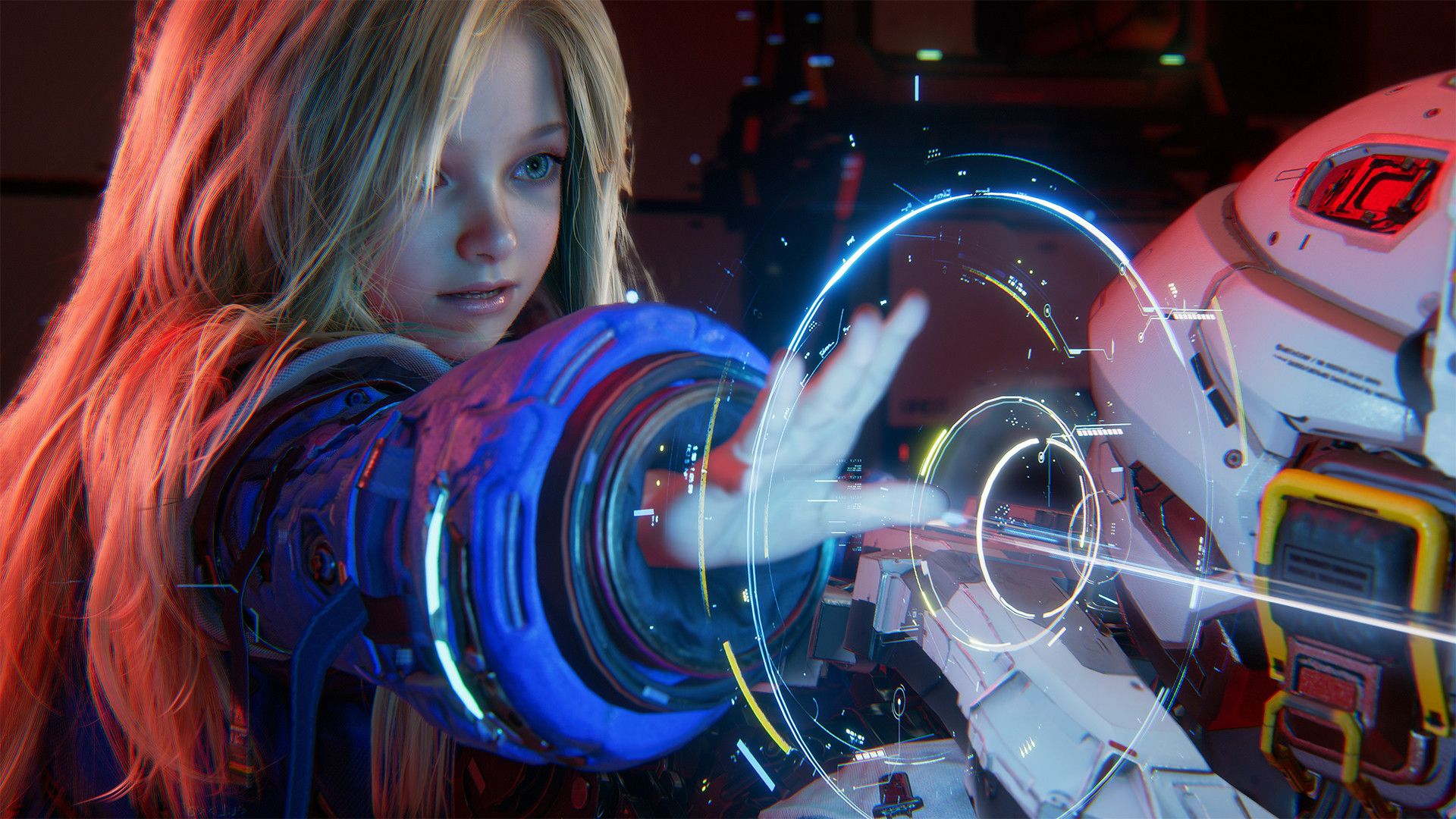
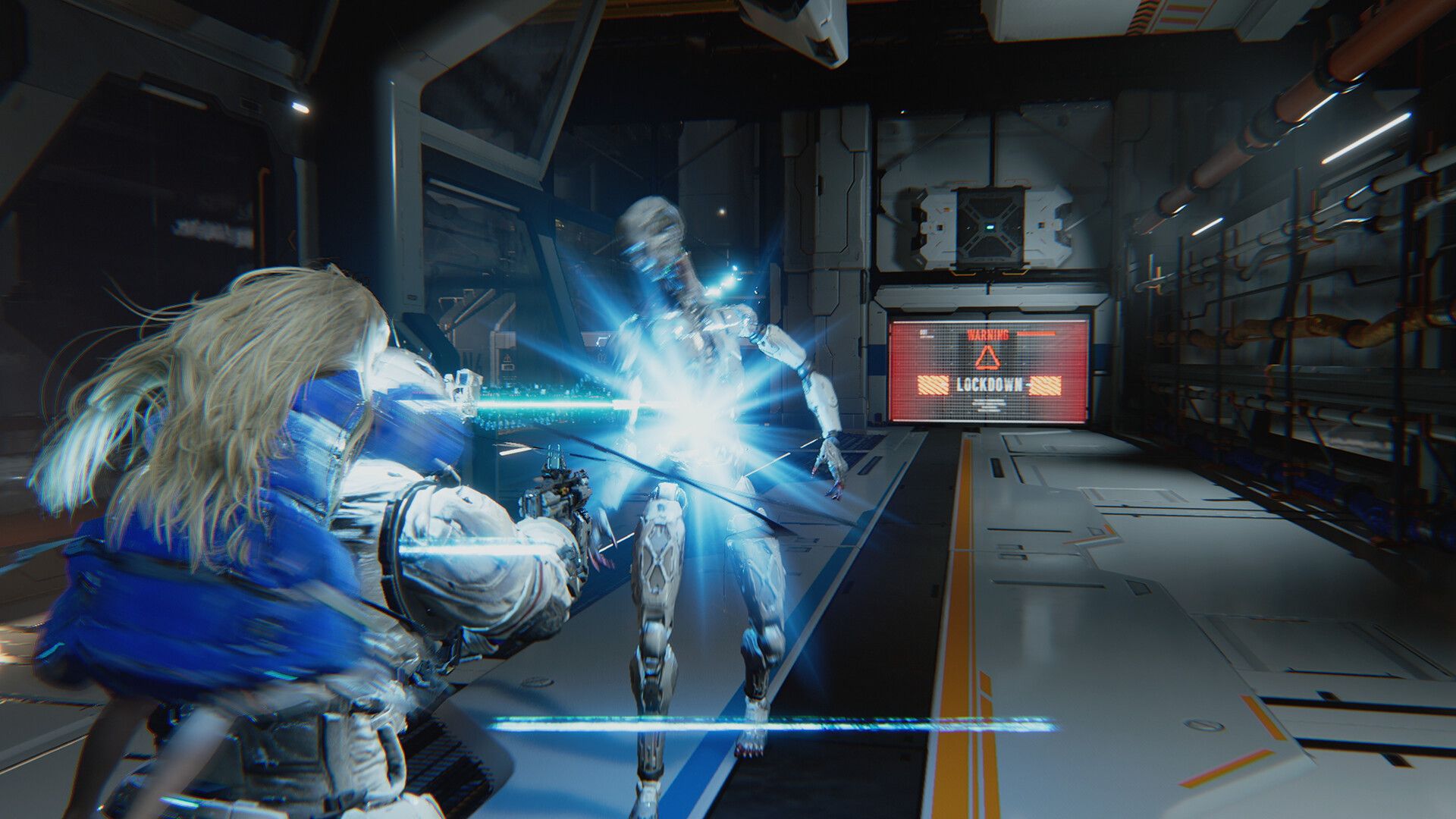
Even while a hacking sequence is happening, enemies will keep attacking Hugh and Diana, so players need to finish those sequences quickly. Combat in Pragmata is fast-paced and challenging, with players juggling hacking, shooting, and dodging – and it gets even more demanding as the game’s puzzles become harder.
Pragmata’s combat is consistently fun thanks to tough enemies and diverse challenges. Players have access to a good range of weapons as Hugh, including pistols, machineguns, and even a decoy gun to confuse opponents. To keep things interesting, each weapon has limited ammo and a cooldown, forcing players to carefully plan their attacks in every fight.
The boss fights in Pragmata are particularly exciting. Players face massive robots with powerful attacks that can quickly defeat the character Hugh. These battles are incredibly tense, especially when Hugh runs out of health items, as a single mistake can force you to restart the entire fight. While bosses can take a while to defeat before you upgrade your equipment, they are still a standout feature of the game.
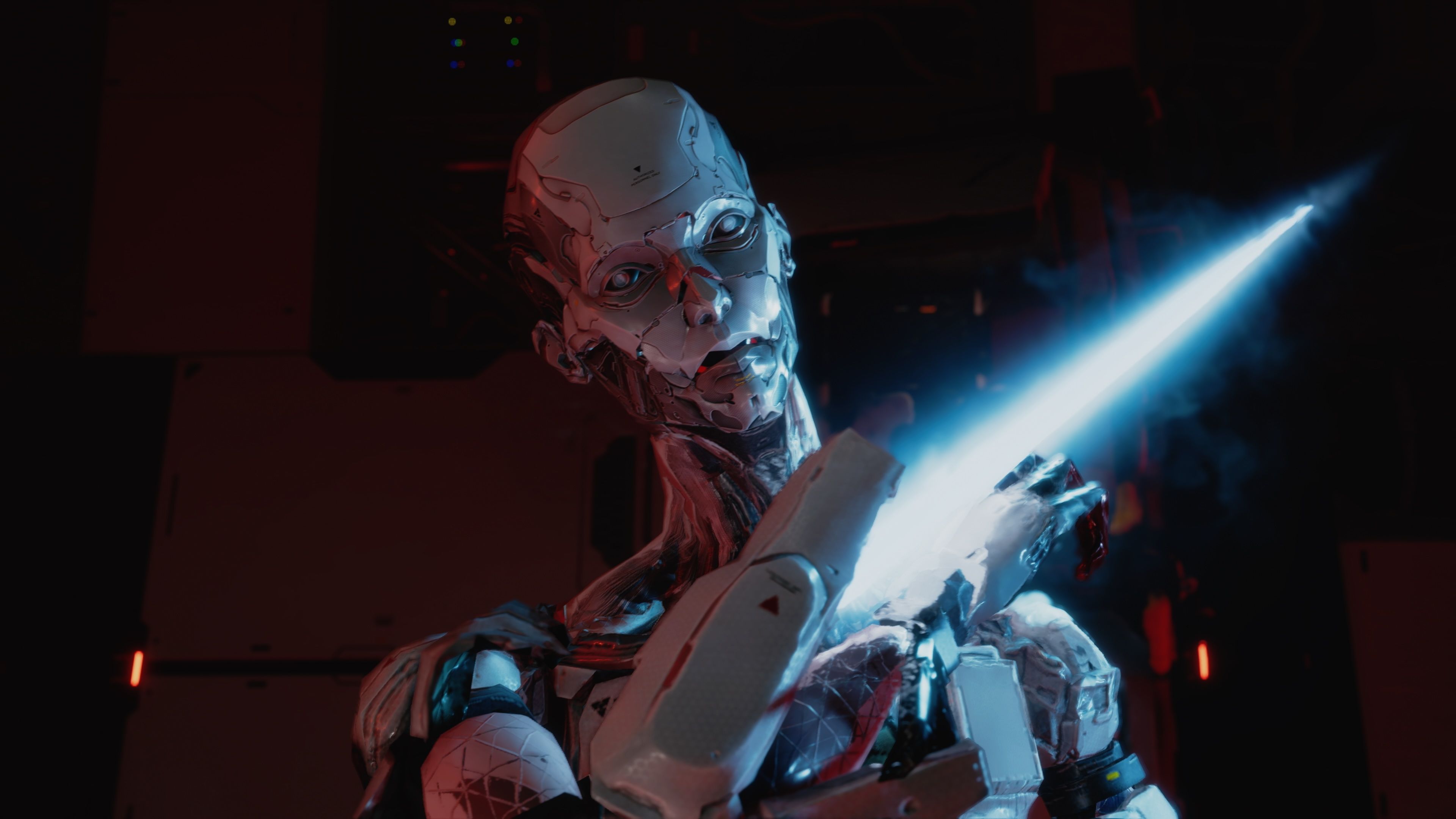

One drawback of Pragmata is that some boss fights are repeated, which is a shame because the bosses themselves are well-designed and players would have appreciated facing them more uniquely. This also happens with the game’s environments – they begin with a lot of variety, but become less interesting around the middle of the game.
In Pragmata, the scientists at the lunar base have developed a massive 3D printer capable of creating almost anything. When it malfunctions, it generates bizarre, *Inceptionlike spaces, which initially allows for diverse and interesting environments to explore beyond simple rooms. The game starts strong with a version of New York City and a few other surprising locations, but this potential isn’t fully realized. Unfortunately, much of the game ends up taking place in repetitive and similar-looking areas.
While not a horror game itself, Pragmata has some similarities to Resident Evil. Like those games, it features a story revealed through found files and a progression system reminiscent of Resident Evil 4, where you upgrade your abilities.
Although some areas of the game could have used more variety, exploring them is still enjoyable and visually stunning. Pragmata consistently offers breathtaking scenery, and the attention to detail is remarkable, particularly given how smoothly the game performs.
Take Shelter
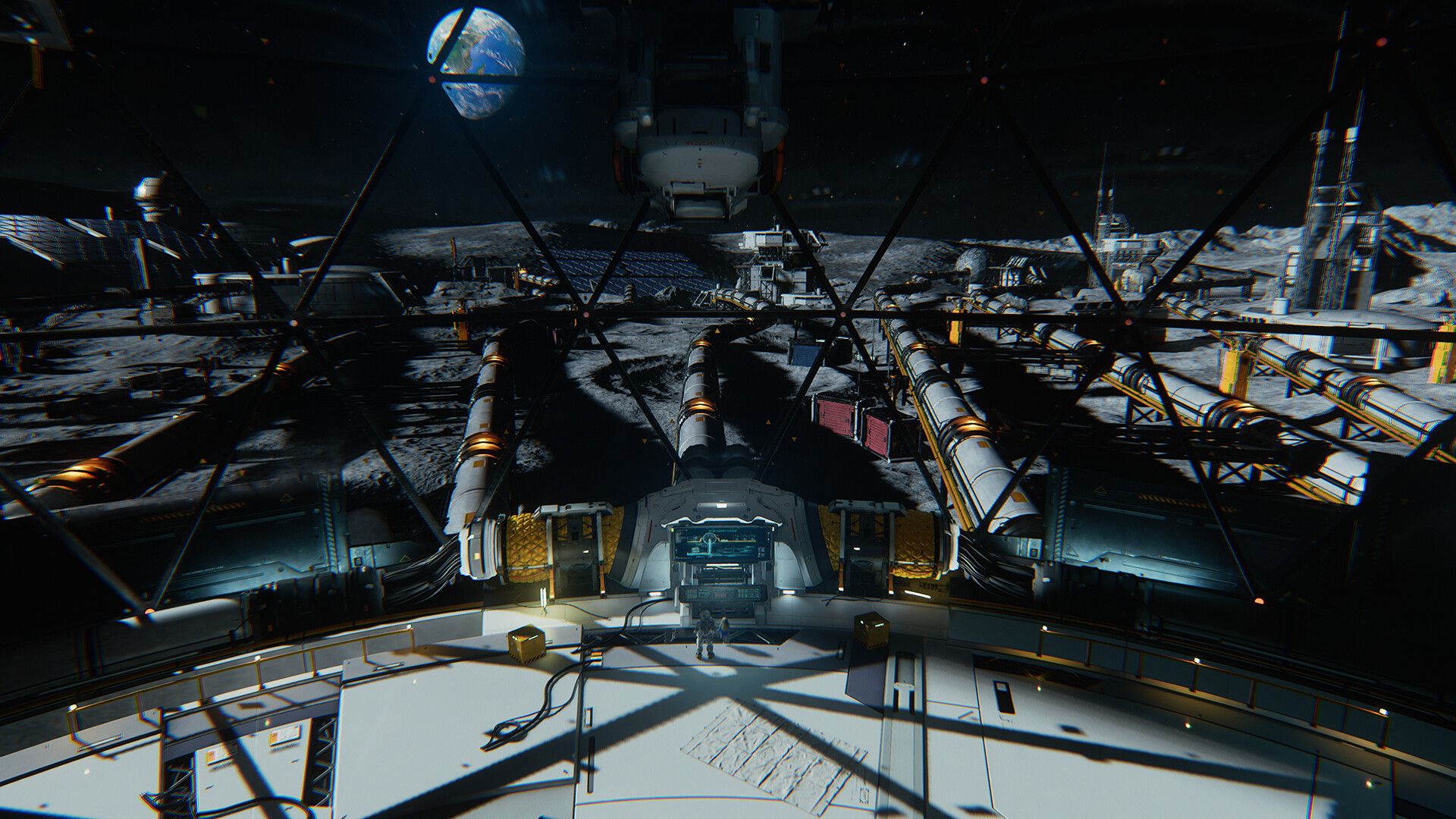
Hugh’s spacesuit has thrusters that help him reach high places and jump across gaps, which is great for navigating the strangely designed lunar base. Players can use these thrusters to go directly to their objectives, but exploring off the main path will reveal valuable collectibles that are well worth finding.
In Pragmata, you can find collectibles and earn currency by defeating enemies. These are used to improve Hugh’s abilities – like his thrusters, suit durability, and weapons – at the shelter. The shelter, which you access through checkpoint-like hatches, isn’t just for upgrades and healing; it offers a variety of other helpful features.
When you visit the shelter in Pragmata, you can talk to Diana, see unique items discovered throughout the game, and test your skills in simulations for prizes. You can also collect bingo coins at the shelter to fill out bingo cards and earn even more rewards.
Certain bingo cards in Pragmata need players to clear specific Red Zones before they can be finished. These Red Zones are challenging areas that require a special key to enter. While optional, completing these Red Zones is often beneficial, as it helps players complete bingo cards and earn additional rewards.
Pragmata is Short, But There’s More to Do After the Credits Roll
While Pragmata offers extra content like Red Zones, collectibles, and post-game unlocks to encourage replayability, the main story is relatively short. My first playthrough took around six and a half hours, including exploration and completing some optional challenges. Achieving 100% completion will likely take between 15 and 20 hours, depending on how skilled you are. However, I didn’t feel the game needed to be longer. Although the combat and exploration were engaging at first, the game started to feel a little repetitive towards the end.
Pragmata gets off to a great start, but loses some momentum before it finishes. While the game boasts impressive visuals, enjoyable combat, and interesting exploration, its story and characters aren’t quite as compelling. It’s still exciting to see a brand new game world from Capcom, and though it doesn’t reach the same heights as some of their other titles, Pragmata is generally a fun experience.
Pragmata will be available on PC, PlayStation 5, Nintendo Switch 2, and Xbox Series X/S starting April 17th. Game Rant received a PlayStation 5 code to review the game.
Read More
- All Skyblazer Armor Locations in Crimson Desert
- One Piece Chapter 1180 Release Date And Where To Read
- All Shadow Armor Locations in Crimson Desert
- How to Get the Sunset Reed Armor Set and Hollow Visage Sword in Crimson Desert
- New Avatar: The Last Airbender Movie Leaked Online
- Cassius Morten Armor Set Locations in Crimson Desert
- Grime 2 Map Unlock Guide: Find Seals & Fast Travel
- Amber Alert Secrets & CDs In Crime Scene Cleaner Act 2
- Euphoria Season 3 Release Date, Episode 1 Time, & Weekly Schedule
- All Golden Greed Armor Locations in Crimson Desert
2026-04-13 18:08