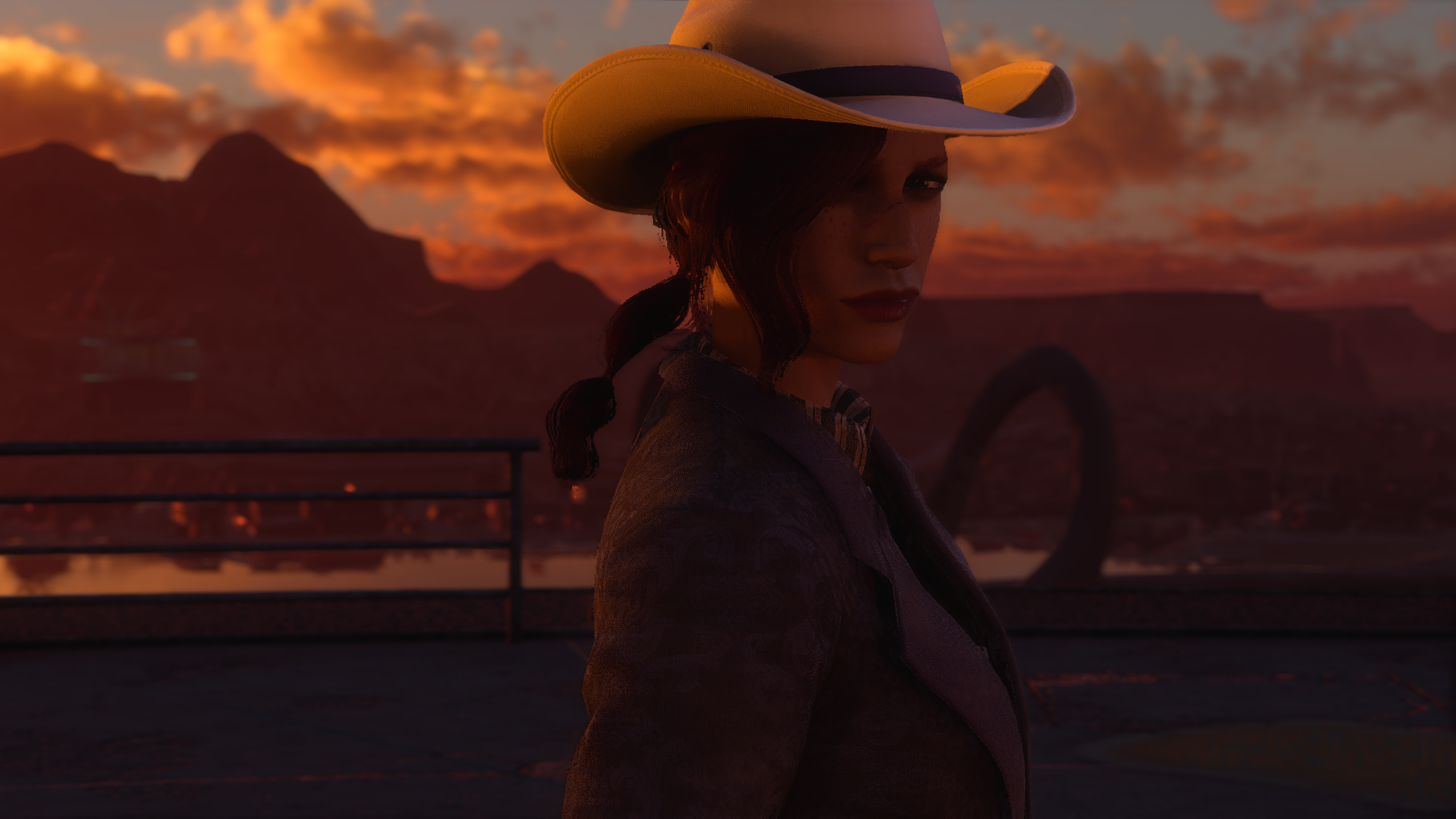
Franchises that become really popular often stray from their original ideas over time. A creator might have a complete story planned for just three installments, but if those are hits, publishers usually want to keep the series going for profit. This can lead to sequels that lose sight of the original story, or gameplay that becomes overly complicated as developers try to follow the latest trends.
These games all changed a lot over time, and while that doesn’t necessarily make them bad – some fans even enjoyed the changes – it’s clear they each lost a bit of what made them special.
There will be spoilers.
 Rearrange the covers into the correct US release order.
Your Order
Results
— —
Assassin’s Creed
I Would Walk A Thousand Desmond Miles
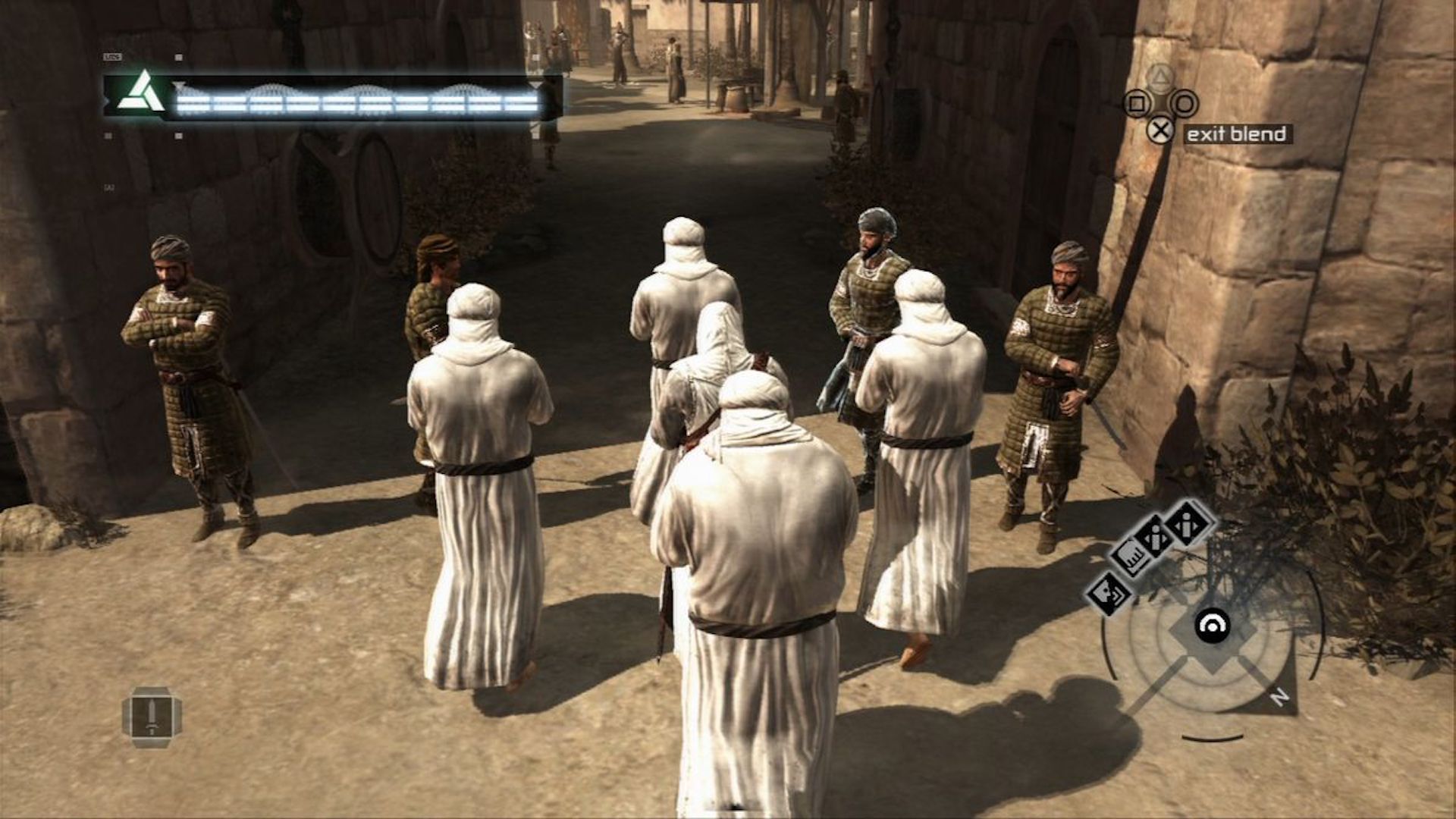
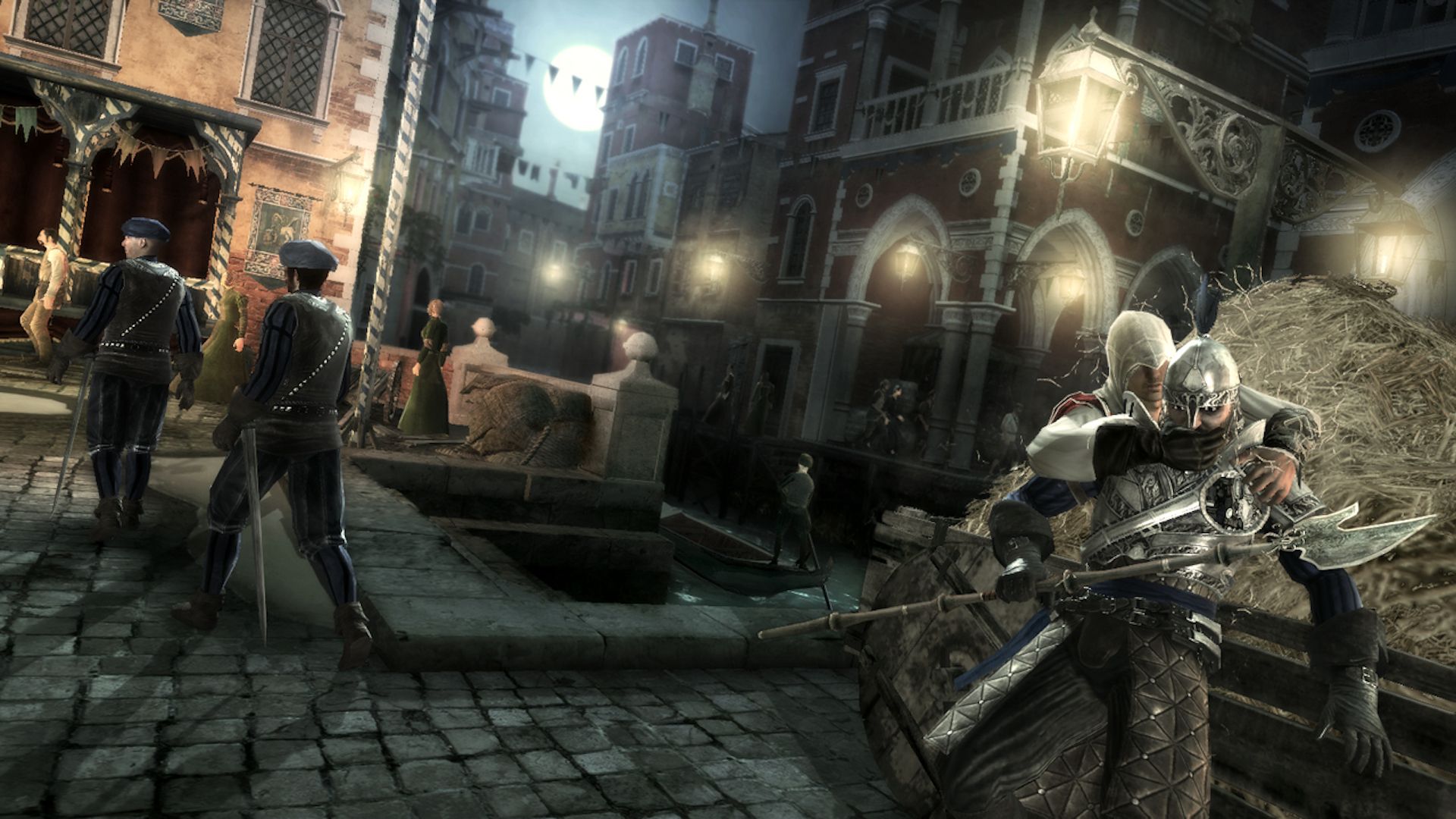
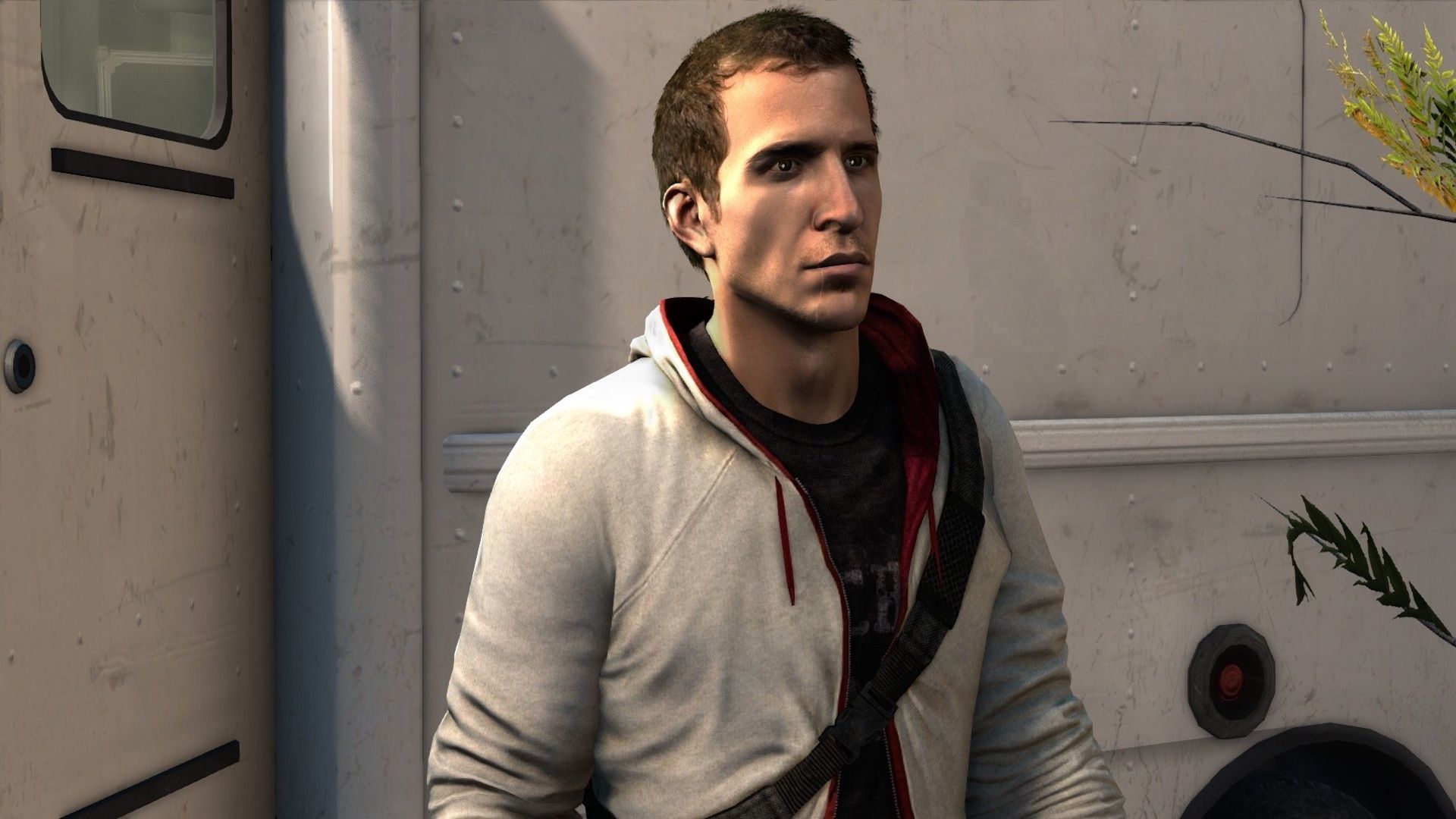
Originally, Assassin’s Creed was promoted as a stealth game set in historical locations. However, as the release date neared, it became clear the game was a simulation. The story centers around Desmond Miles, who is captured by Abstergo Industries. They use a device called the Animus to allow Desmond to relive the memories of his ancestor, Altair Ibn-La’Ahad, a member of an ancient order of assassins. Abstergo isn’t interested in history, though – they’re actually part of the Templars, a group that has been locked in a centuries-long conflict with the assassins, and they’re using Desmond to find a powerful artifact called the Apple of Eden.
The early Assassin’s Creed games featured a complex storyline about Desmond Miles escaping a modern-day organization and uncovering secrets through his ancestors, a plot that spanned Assassin’s Creed 2 and Assassin’s Creed 3. While the story hinted at a global catastrophe, later games largely abandoned Desmond’s narrative, effectively ignoring that potential ending. Ubisoft attempted to create similar modern-day storylines with other characters, but none resonated with players as strongly. Fortunately, subsequent Assassin’s Creed titles, such as Assassin’s Creed 4: Black Flag and Assassin’s Creed Odyssey, have generally been well-received, despite not fully capturing the impact of the earlier, real-world focused plot.
Parasite Eve
From Cop To Time Traveler
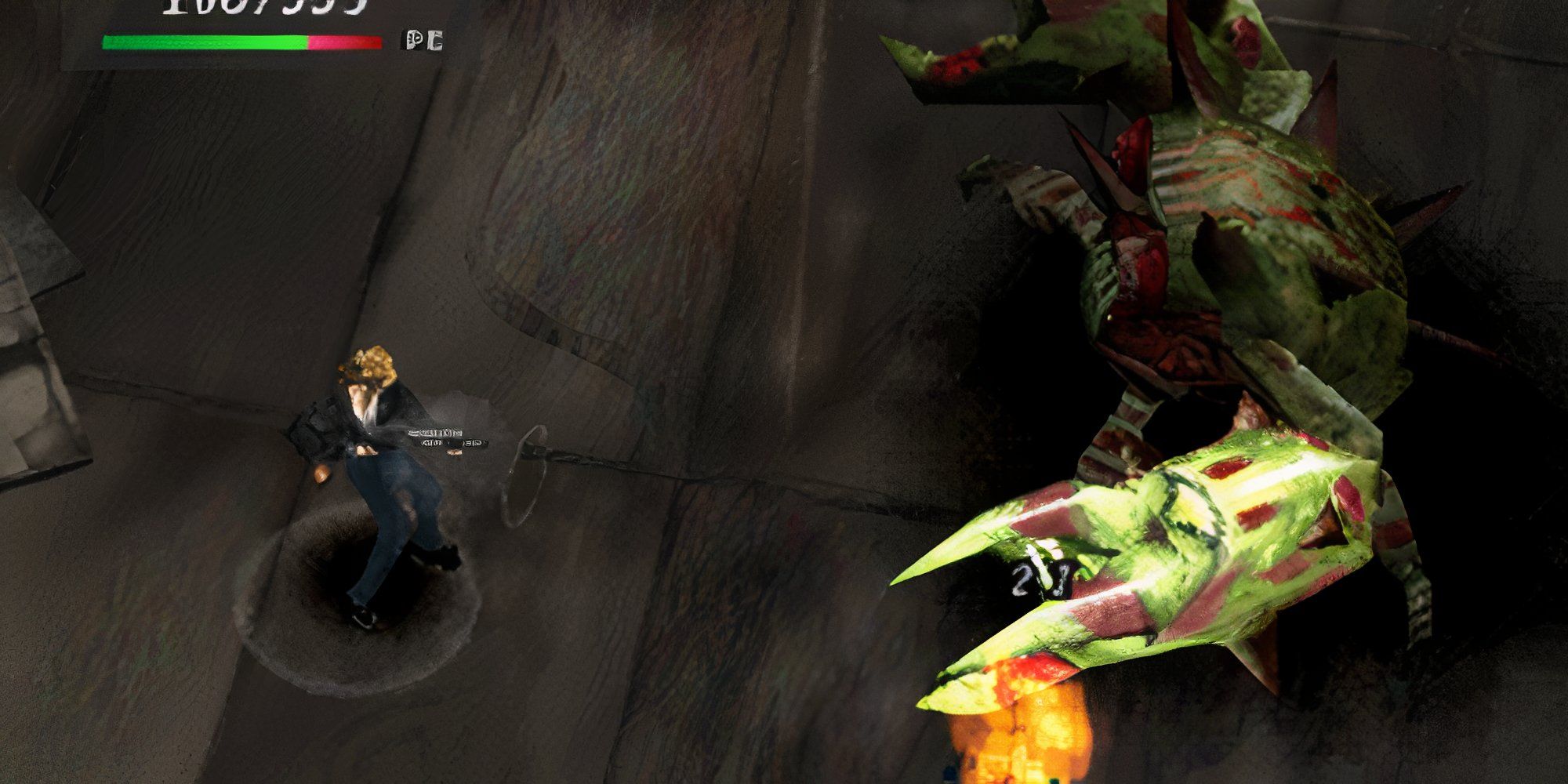
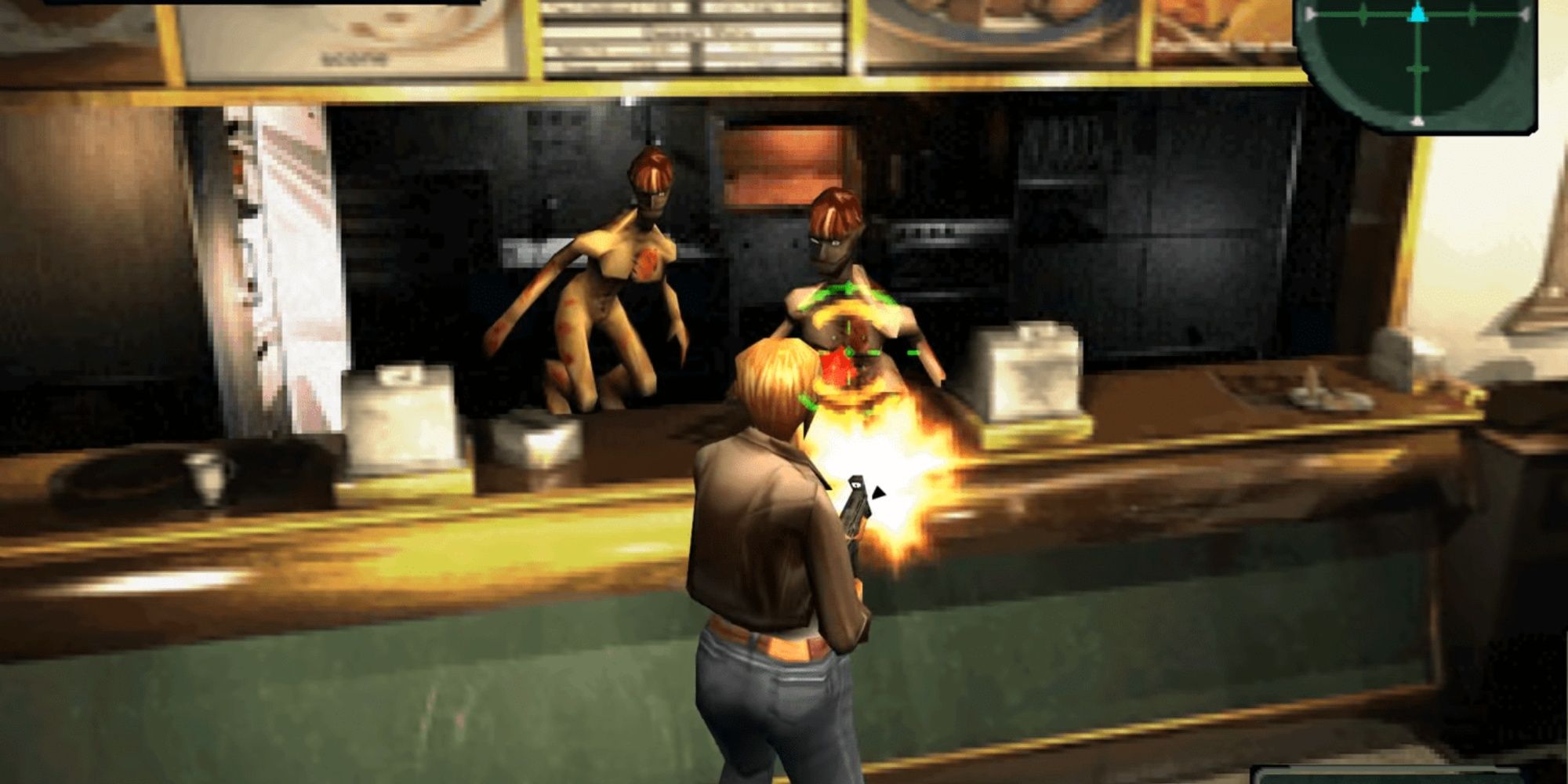
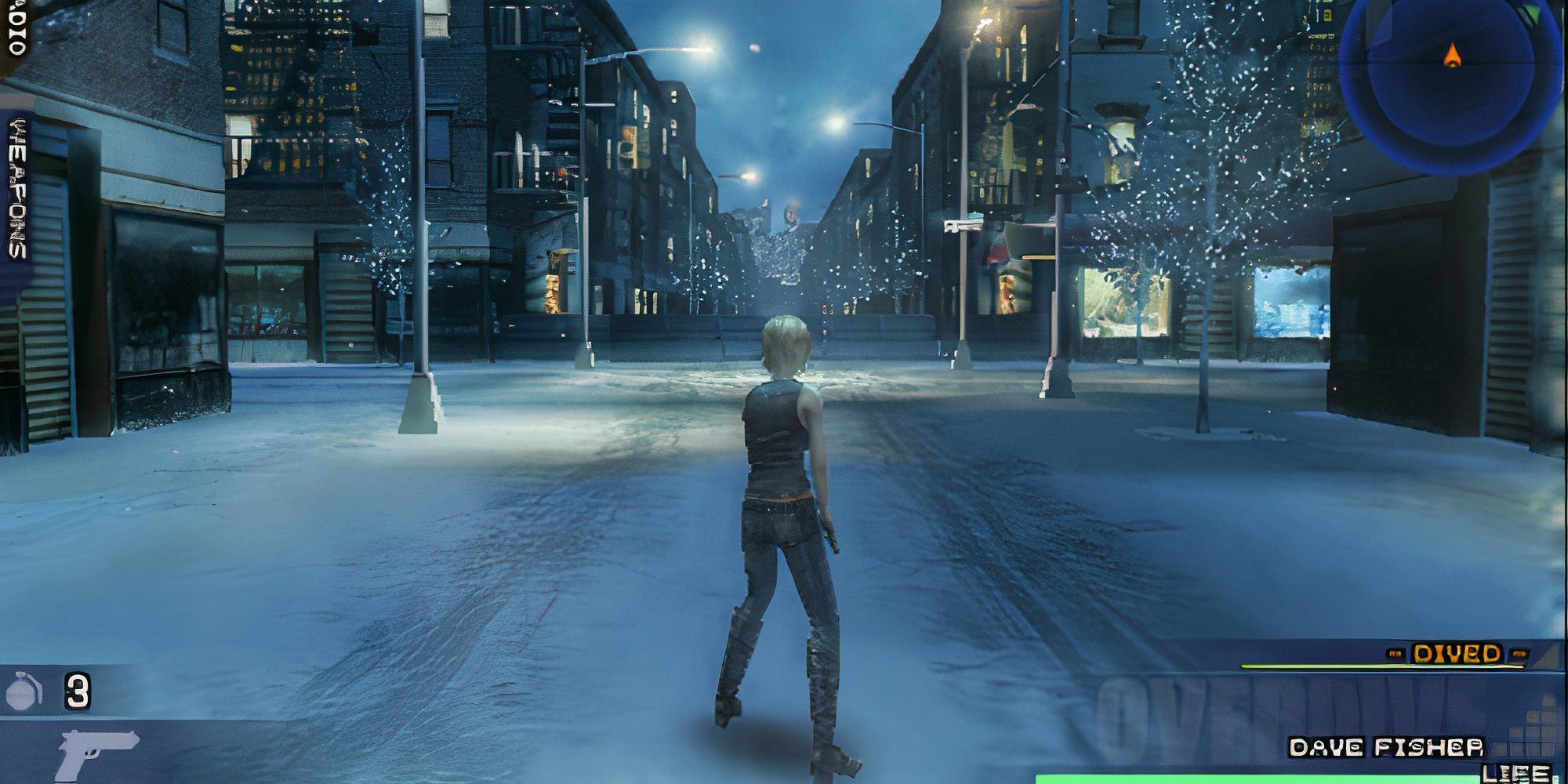
Parasite Eve is a PlayStation 1 RPG set in New York City where players control detective Aya Brea. The story begins with a shocking opera massacre committed by a mysterious being named Eve. Aya investigates, leading her to various locations throughout the city – parks, hospitals, and warehouses, among others. As she investigates, people and animals are discovered to be dissolving into a strange goo after contact with Eve. The game uniquely blends turn-based strategy with real-time action; during battles, players can move freely, and time slows down when choosing actions or using weapons.
In the second game, Aya joined a special FBI division dedicated to fighting mutated creatures, which led her to uncover a hidden underground base in the Mojave Desert. The game shifted to real-time combat, and combined with the secret base, it felt very similar to Resident Evil. While still enjoyable, the gameplay lost some of its originality, and the story became less distinctive. The final installment, The 3rd Birthday, moved the action back to New York City but took the series in a strange direction. Aya’s personality changed, becoming more hesitant, and the game introduced time travel. She could now inhabit people in the past to battle monsters in real-time. The progression from the first two Parasite Eve games felt natural, but the third game was a significant departure and didn’t quite work.
Saints Row
Dialing Into The Matrix
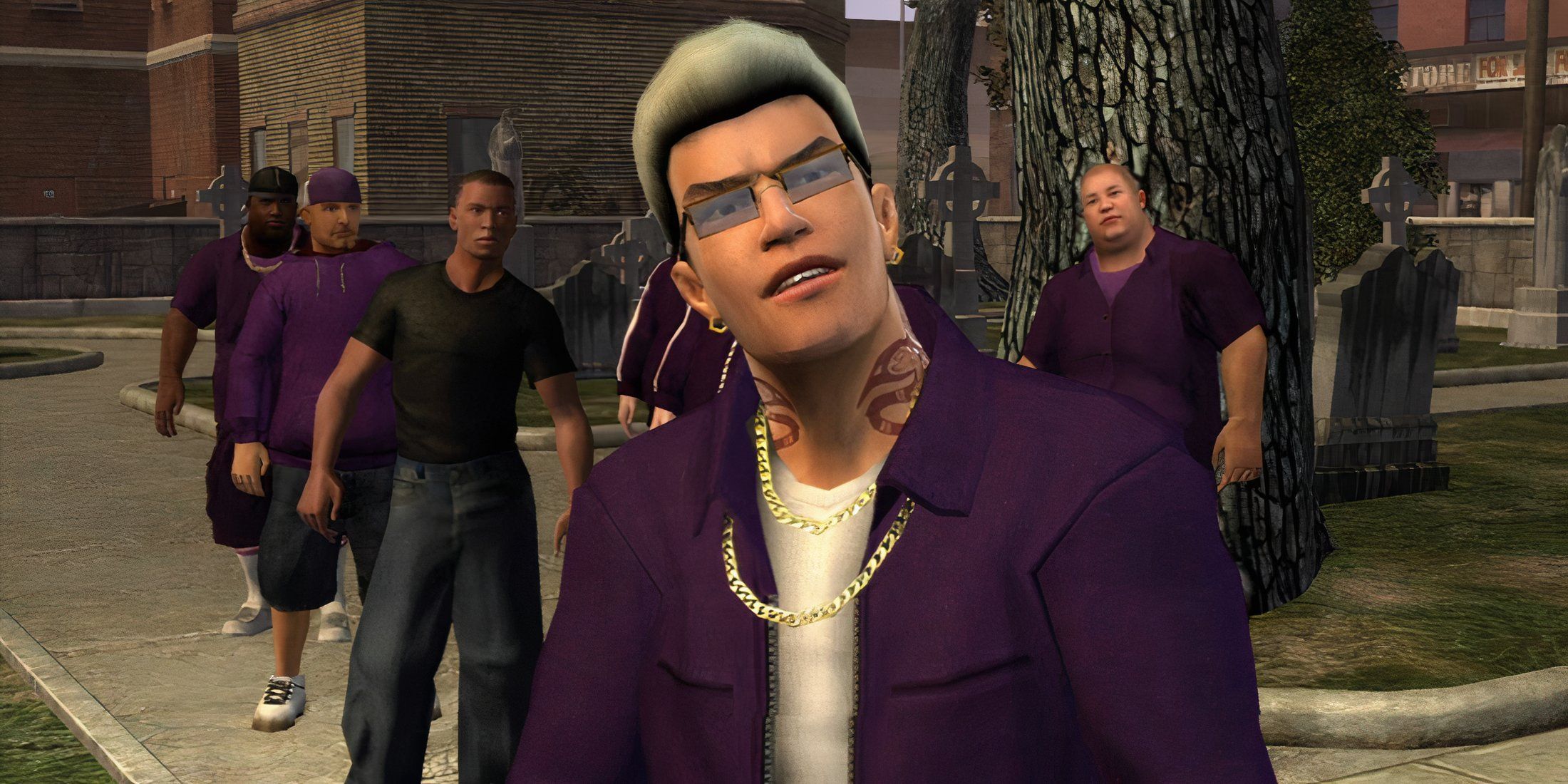
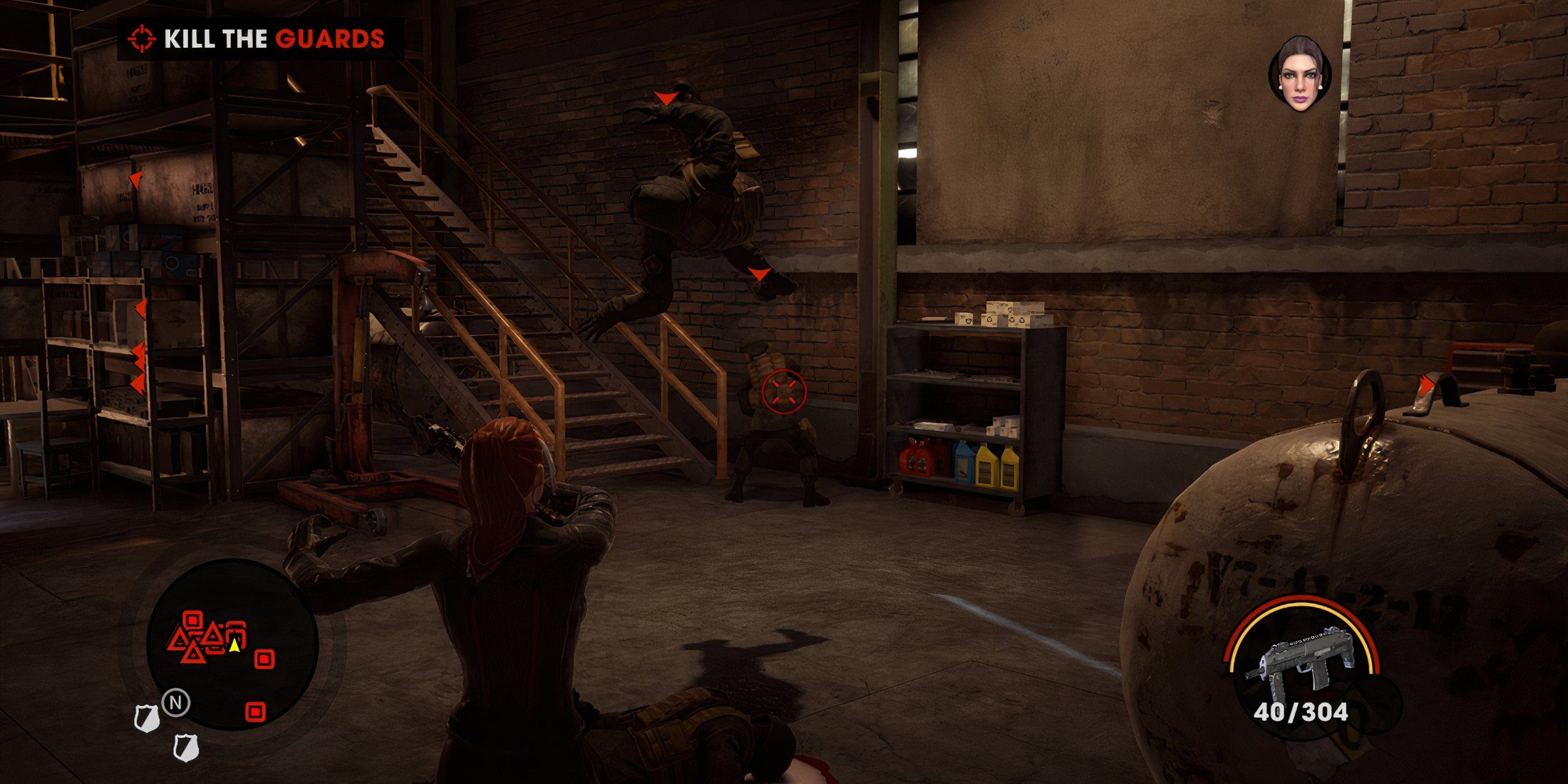
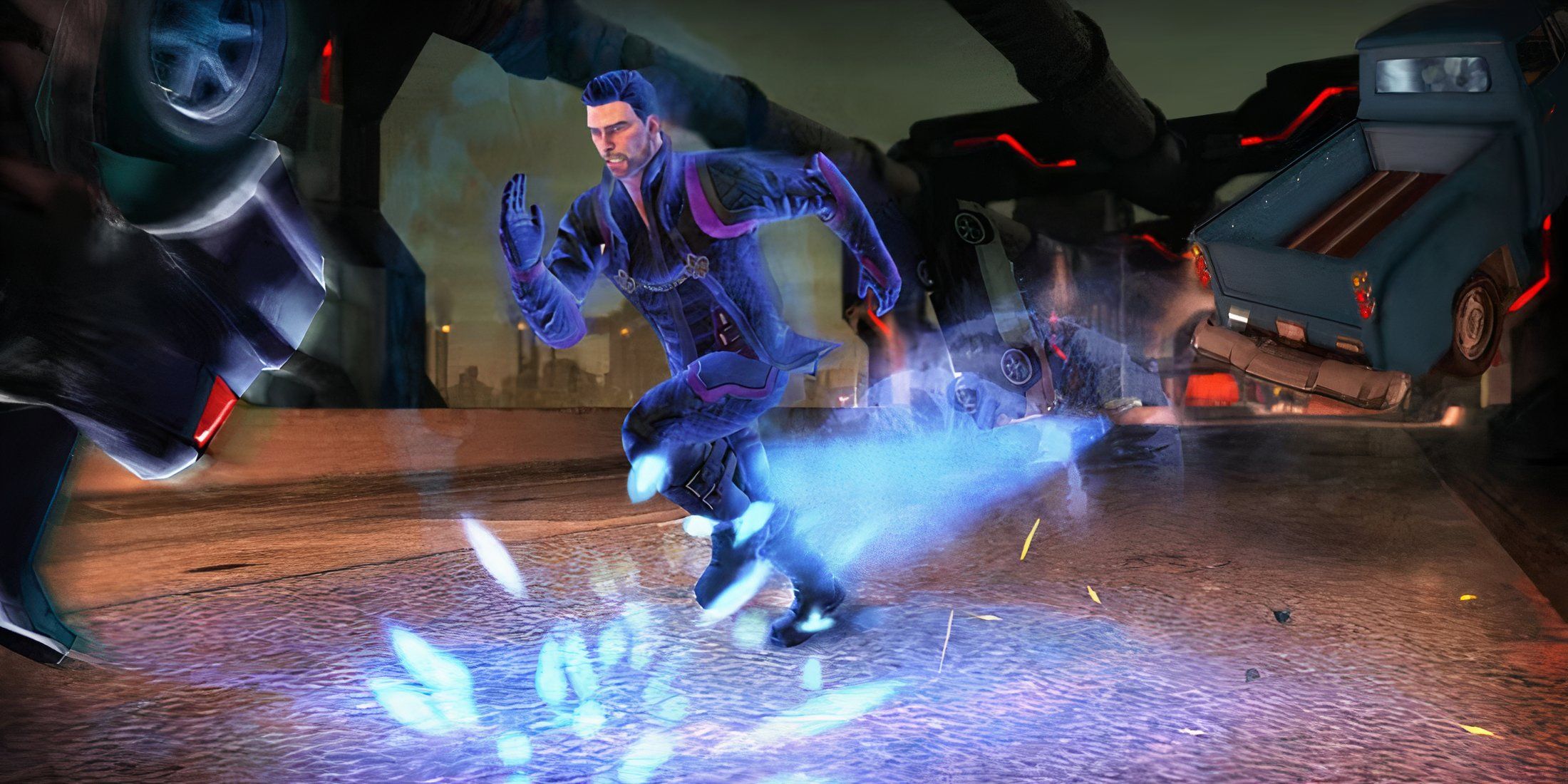
The original Saints Row began as a game heavily inspired by Grand Theft Auto, a common approach for developers in the 2000s when the GTA series was incredibly successful. While the first Saints Row had a quirky cast and diverse missions, it didn’t really offer anything Grand Theft Auto hadn’t already explored. Everything changed with Saints Row: The Third, which deliberately moved away from the GTA formula and became much more over-the-top. The game’s absurdity reached new heights, with missions that playfully broke the rules of the game world – like a sequence where players transformed into a toilet armed with machine guns, reminiscent of the action in The Matrix.
I always loved how Saints Row started to really stand out from Grand Theft Auto. Rockstar was getting serious with their stories, and Saints Row just went wild with the fun. Saints Row: The Third was amazing, but it put Volition in a tough spot – how do you top that? I think they tried too hard. Seriously, you started as the President and then got superpowers to fight aliens! And don’t even get me started on Johnny Gat going to hell in the DLC! We all wanted more craziness, but after some trouble with development and who owned what, the next game just called Saints Row came out in 2022, and it was a total reboot. It tried to be more realistic, but honestly, it just didn’t hit the same way.
Dino Crisis
Never Go To Space
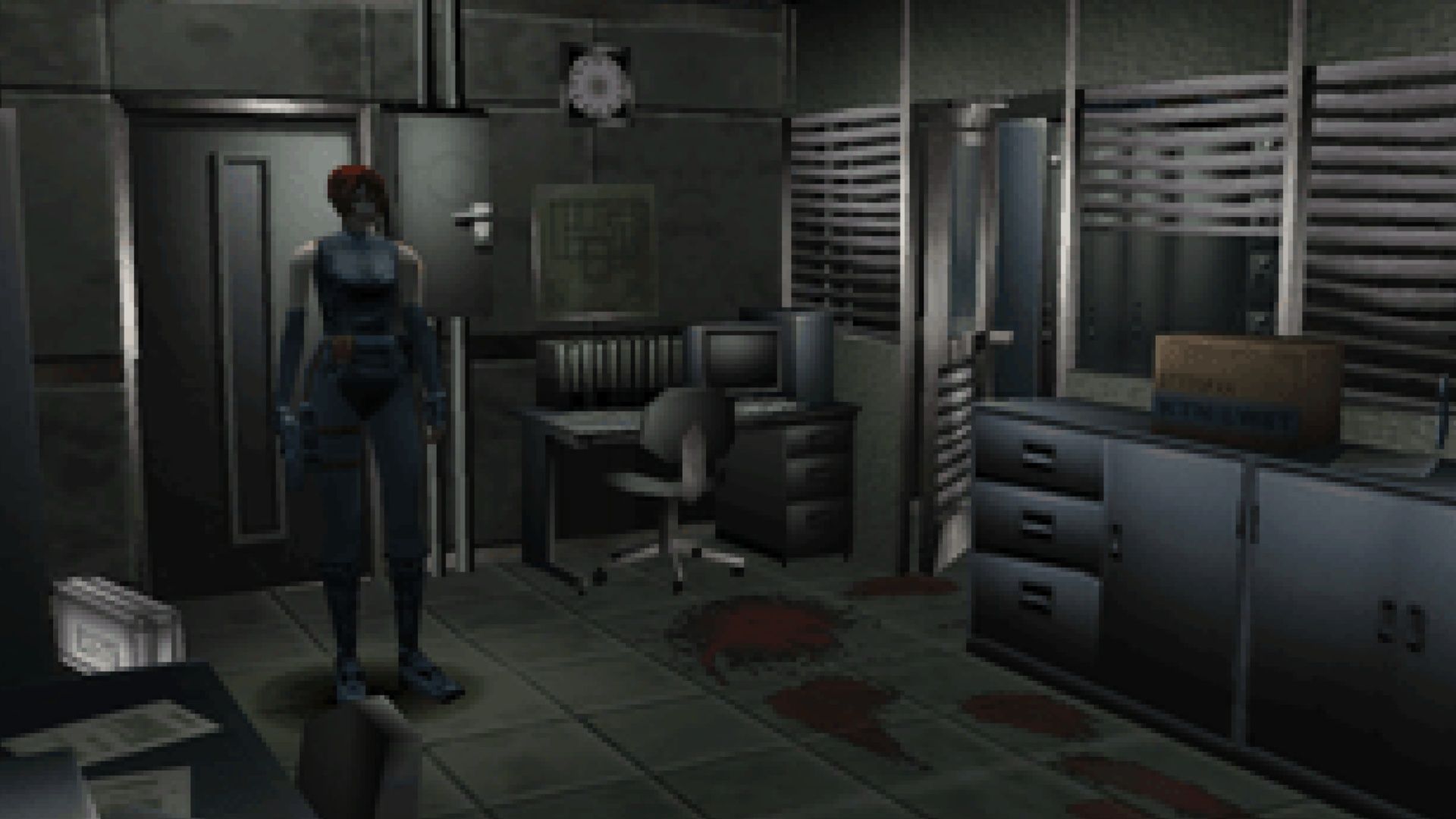
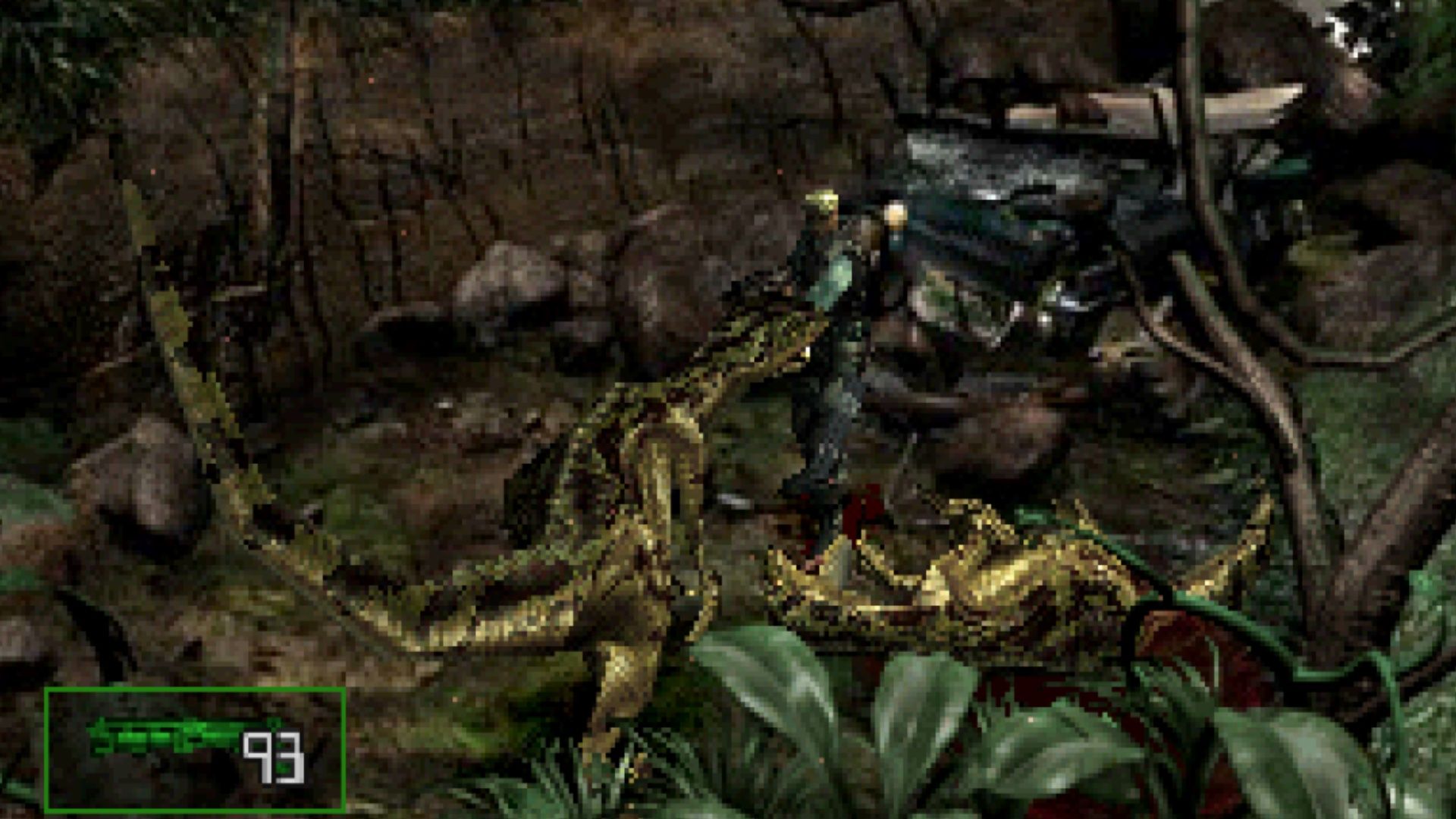
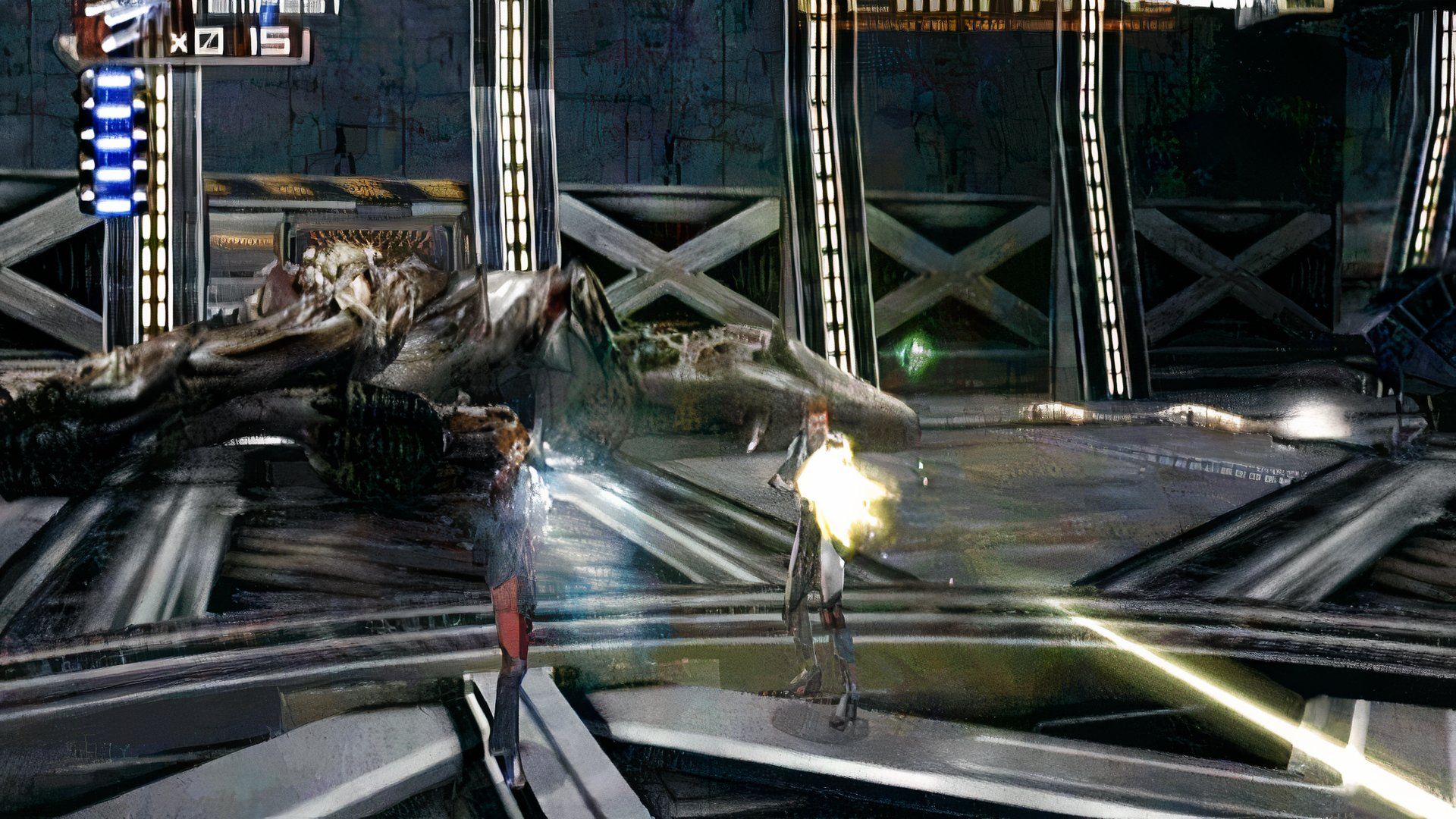
Following the popularity of Resident Evil, Capcom started trying new things with its horror games, resulting in Dino Crisis. The company also had experience with dinosaur-themed games, having previously created Cadillacs and Dinosaurs. The original Dino Crisis blended the gameplay of Resident Evil with the setting of Jurassic Park, putting players in control of Regina as she led a team to investigate a silent island facility. They soon discovered the facility was conducting dinosaur experiments, and the creatures had escaped.
The second game in the series ramped up the action while still focusing on teams battling dinosaurs. Although Dino Stalker briefly explored time travel to the dinosaur age – a somewhat questionable plot twist – the third installment, Dino Crisis 3, jumped to the far future. It featured characters fighting a dinosaur outbreak… in a space station! The logic didn’t quite add up – it was as baffling as putting Jason Voorhees in space, as they did in the Friday the 13th films. It raises the question of what would have happened if Capcom had taken Resident Evil to space – it likely would have damaged the series irreparably.
Dead Space
Straight To The Necromorph Moon
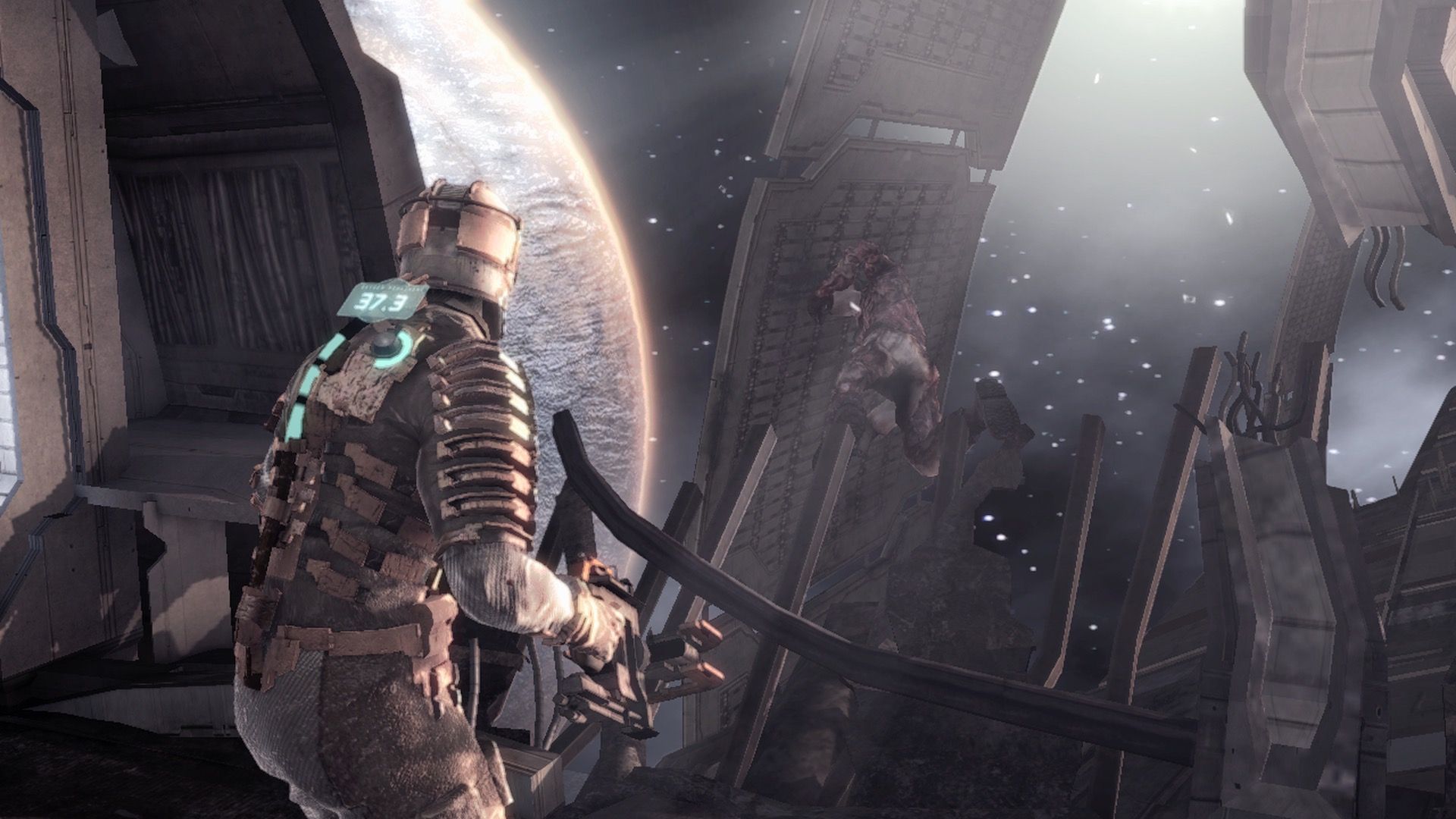
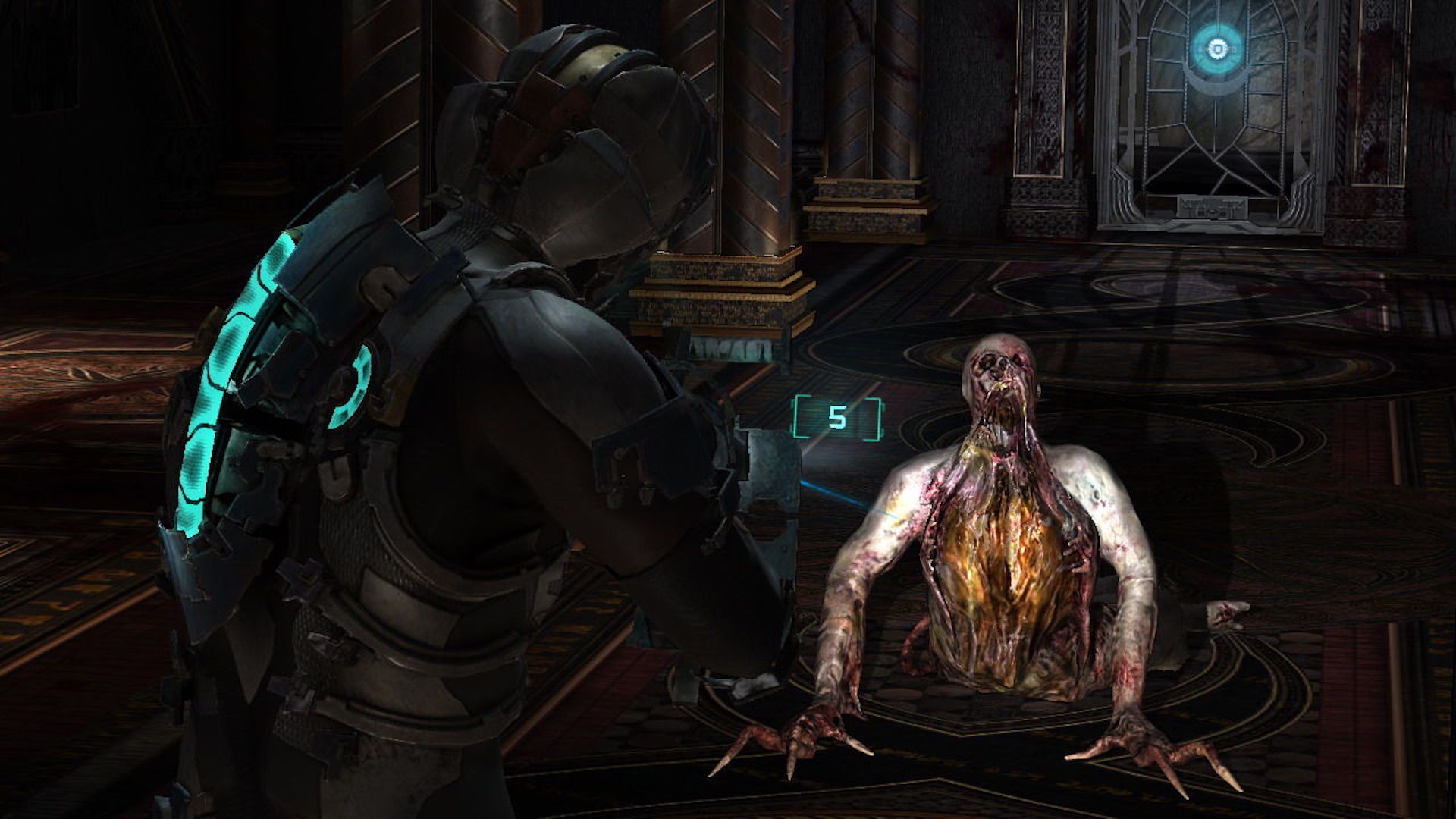
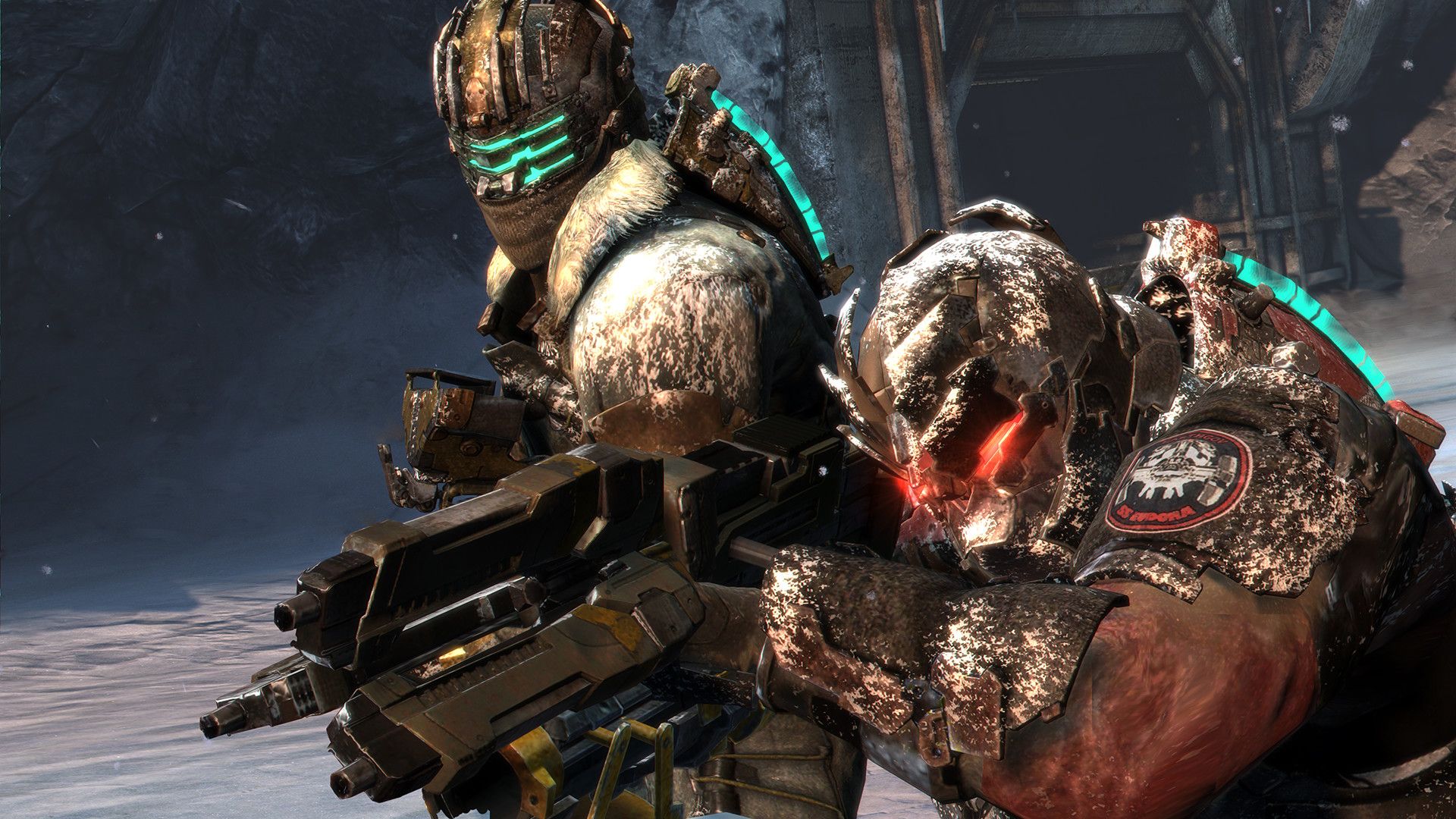
Dead Space drew a lot of inspiration from Resident Evil 4, but took the outbreak scenario to a spaceship. The game follows engineer Isaac Clarke, sent to investigate the mysteriously stalled USG Ishimura. He and his team quickly discover the crew has been transformed into terrifying, mutated creatures called Necromorphs. This horrifying transformation is caused by a large stone artifact called The Marker, which contains a deadly and contagious disease.
The second game put Isaac on yet another space station, offering more of the same thrilling, but familiar, survival horror experience. However, the third installment felt less focused. It started on another station and introduced a new co-op character, John Carver, who helped Isaac fight the cultists devoted to The Marker. But in the single-player version, John was only present in cutscenes, which felt disjointed. The game concluded with Isaac battling a moon transformed into a massive Necromorph – a visually impressive boss fight, but one that stretched the boundaries of believability.
Read More
- All Skyblazer Armor Locations in Crimson Desert
- New Avatar: The Last Airbender Movie Leaked Online
- How to Get the Sunset Reed Armor Set and Hollow Visage Sword in Crimson Desert
- One Piece Chapter 1180 Release Date And Where To Read
- All Shadow Armor Locations in Crimson Desert
- Cassius Morten Armor Set Locations in Crimson Desert
- Red Dead Redemption 3 Lead Protagonists Who Would Fulfill Every Gamer’s Wish List
- Boruto: Two Blue Vortex Chapter 33 Preview — The Final Battle Vs Mamushi Begins
- Euphoria Season 3 Release Date, Episode 1 Time, & Weekly Schedule
- USD RUB PREDICTION
2026-04-16 00:39