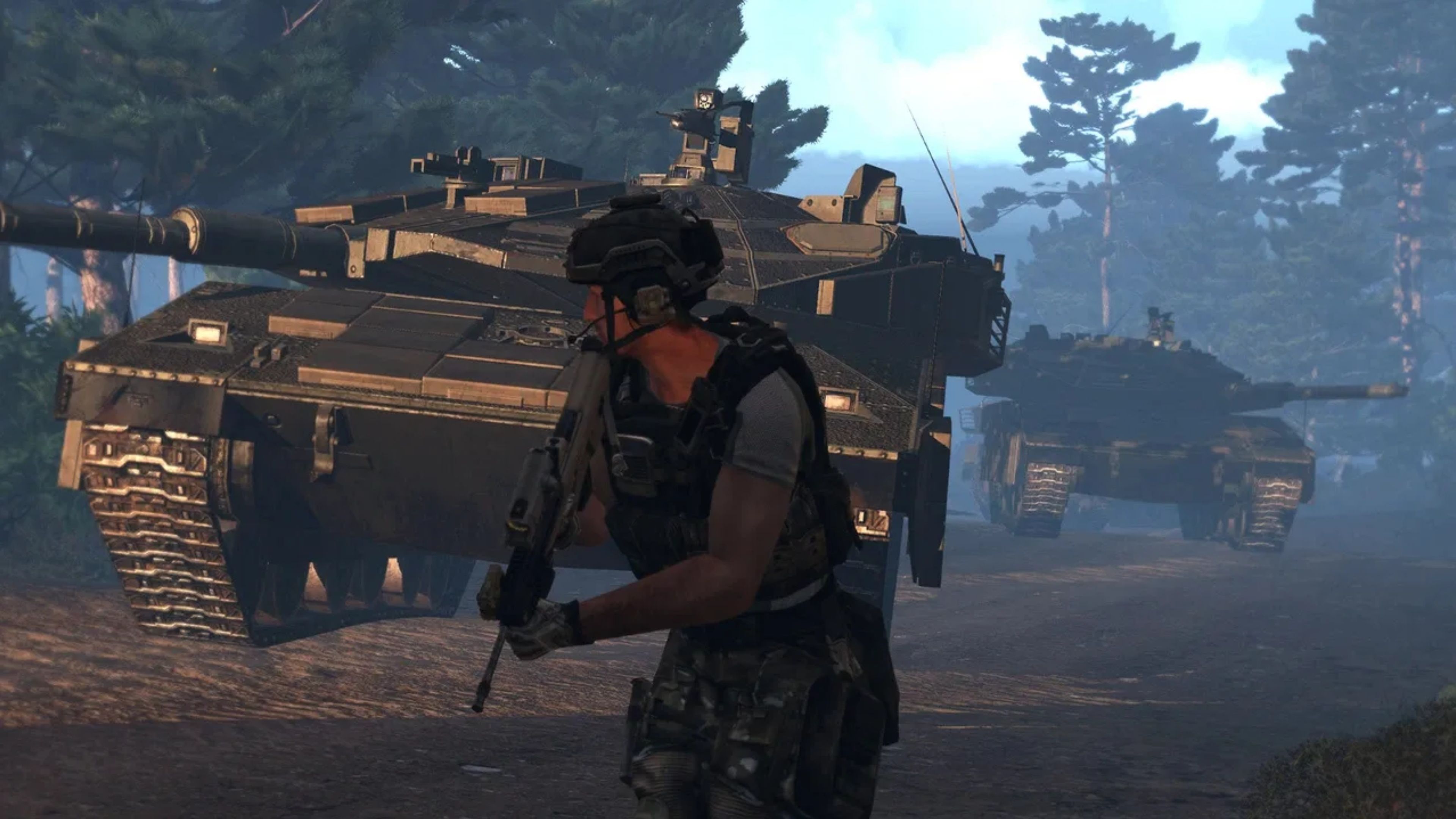
Tactical shooters are unique in gaming, demanding more than just quick reflexes. Success relies on discipline, staying aware of your surroundings, and making smart choices. These games feel realistic and immersive because they emphasize careful planning and understanding the environment. The best tactical shooters are memorable because they set the standard for the entire genre.
The games on this list aren’t just classics – they fundamentally shaped the strategy genre. They pioneered key features we see in today’s military simulations, like detailed planning maps, environments you can destroy, unique gadgets, and the need for teamwork with specialized roles. They truly laid the groundwork for modern tactical shooters.
What’s That Weapon?  Identify the silhouettes before time runs out.
Results
High Score: 0 —
10. Star Wars: Republic Commando
Proved Sci-Fi Squads Could Be Truly Tactical
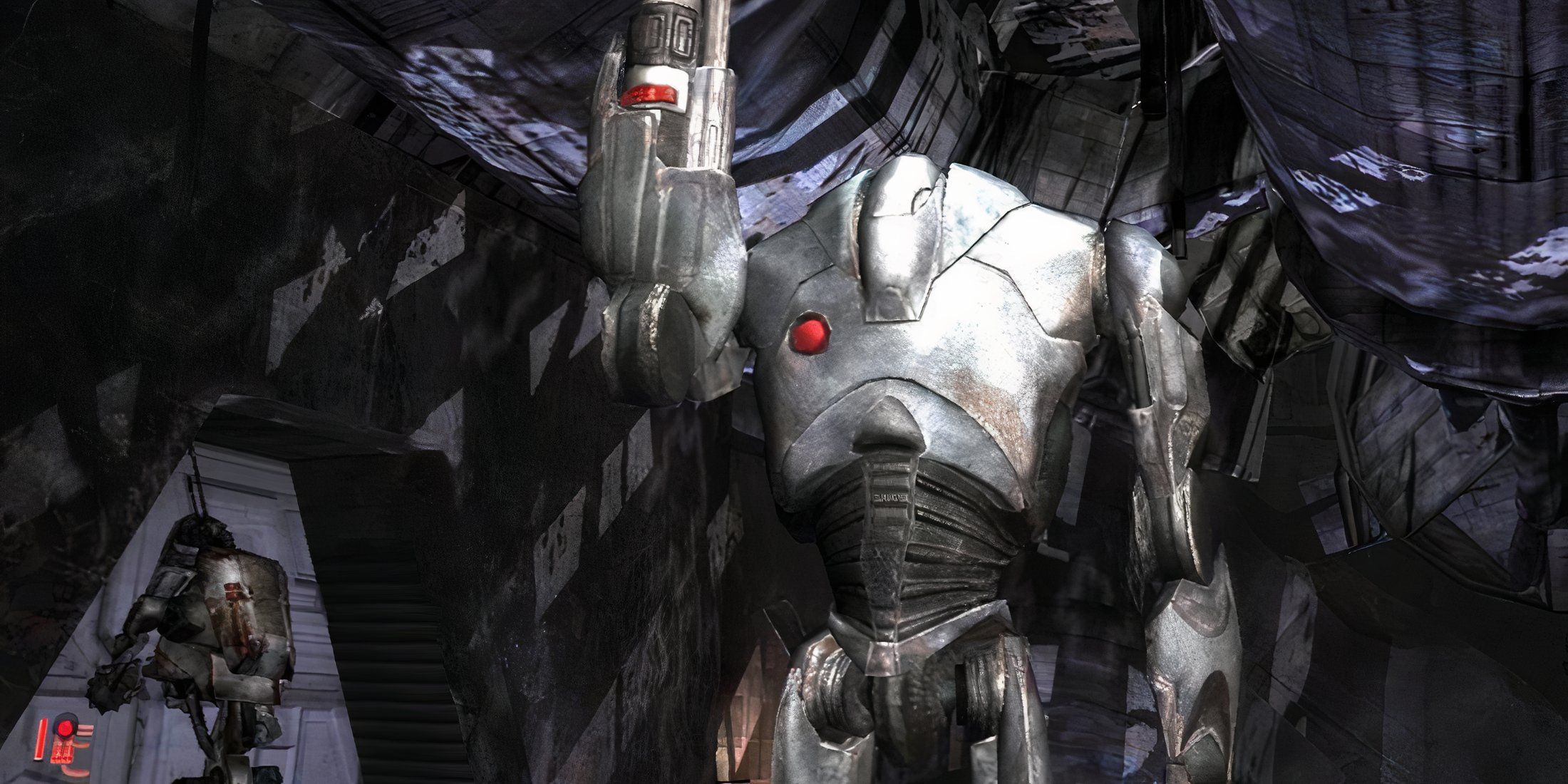
- A simple command system makes teamwork smooth and effective.
- Strong squad identity adds immersion and connection.
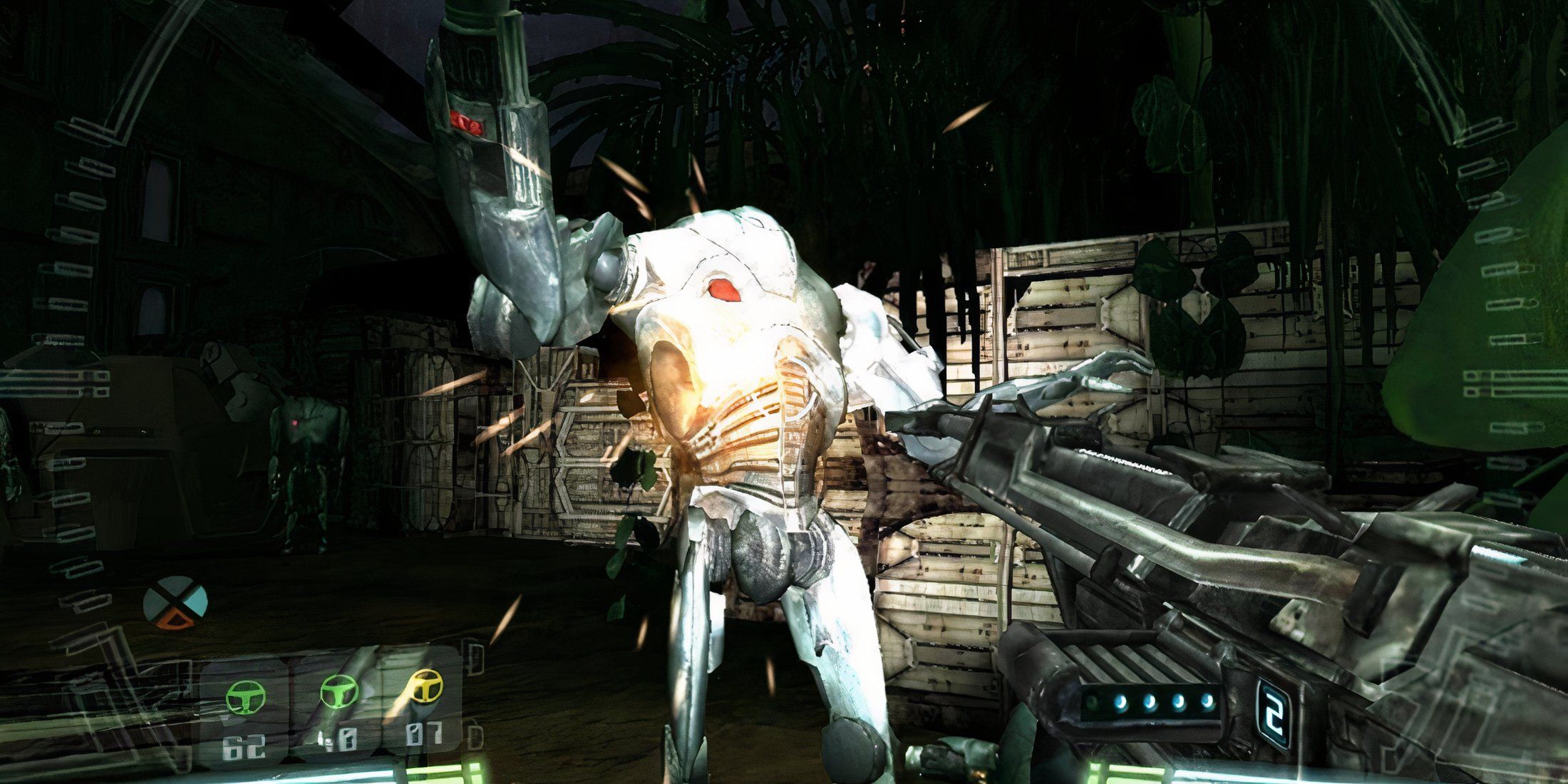
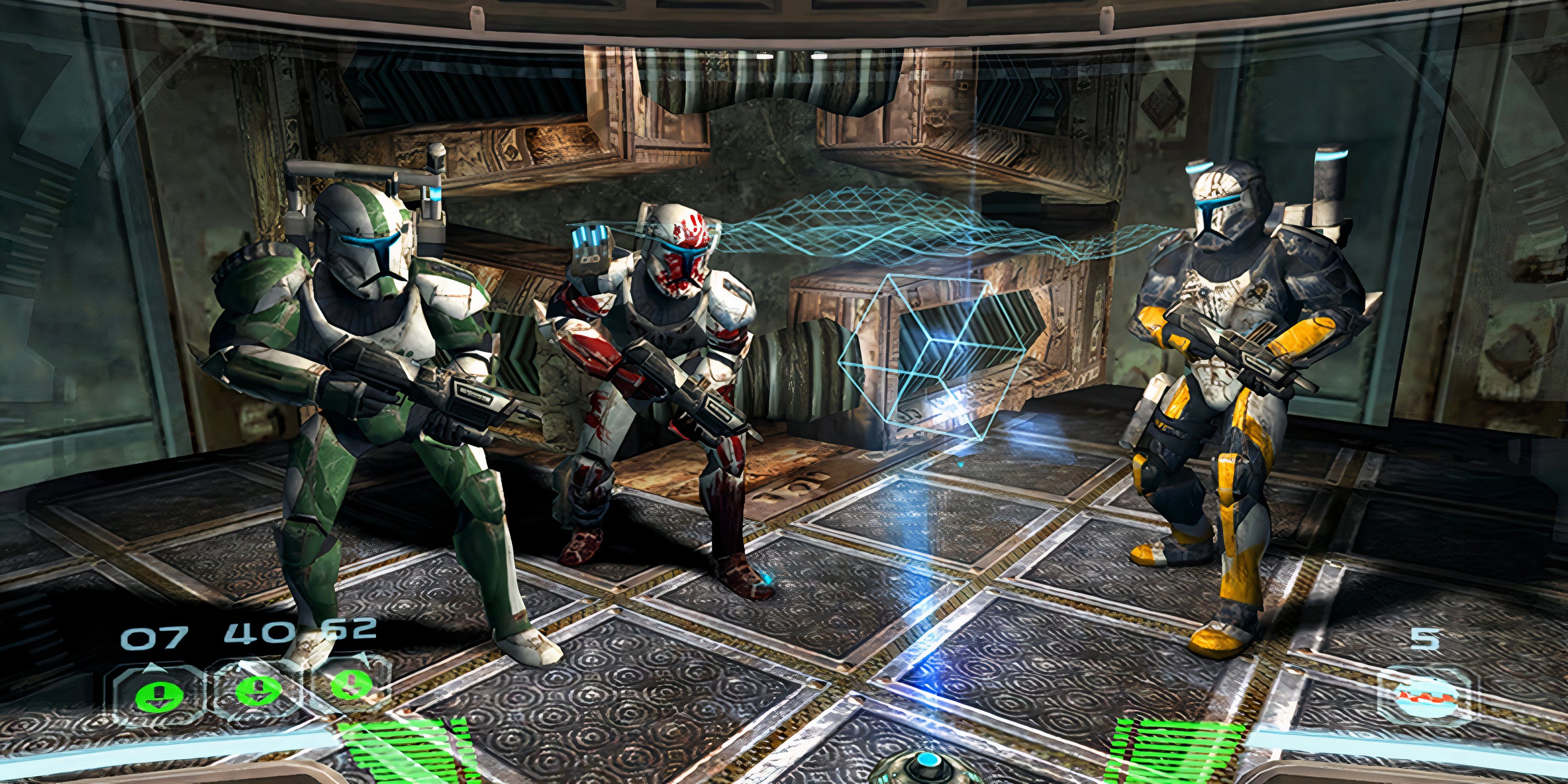
Star Wars: Republic Commando cleverly combined the Star Wars setting with fast-paced, team-focused shooting. The game’s squad commands are easy to use but work really well. You can quickly tell your teammates where to go, how to attack, and what to target, which keeps the action moving while letting you make strategic choices.
I absolutely loved Star Wars: Republic Commando! It’s a really fast-paced tactical shooter, but you still have to be smart about where you are and what you’re doing. You can’t just rush in guns blazing or you’ll get wiped out! What I really think is cool is that it proves tactical shooters don’t need to be super realistic to be amazing. The game manages to create a real sense of depth, tension, and the importance of teamwork, even though it’s set in the Star Wars universe and doesn’t try to be a gritty military sim. It just feels authentic, which is a huge accomplishment.
9. Ready or Not
Captured the Psychological Pressure of Modern SWAT
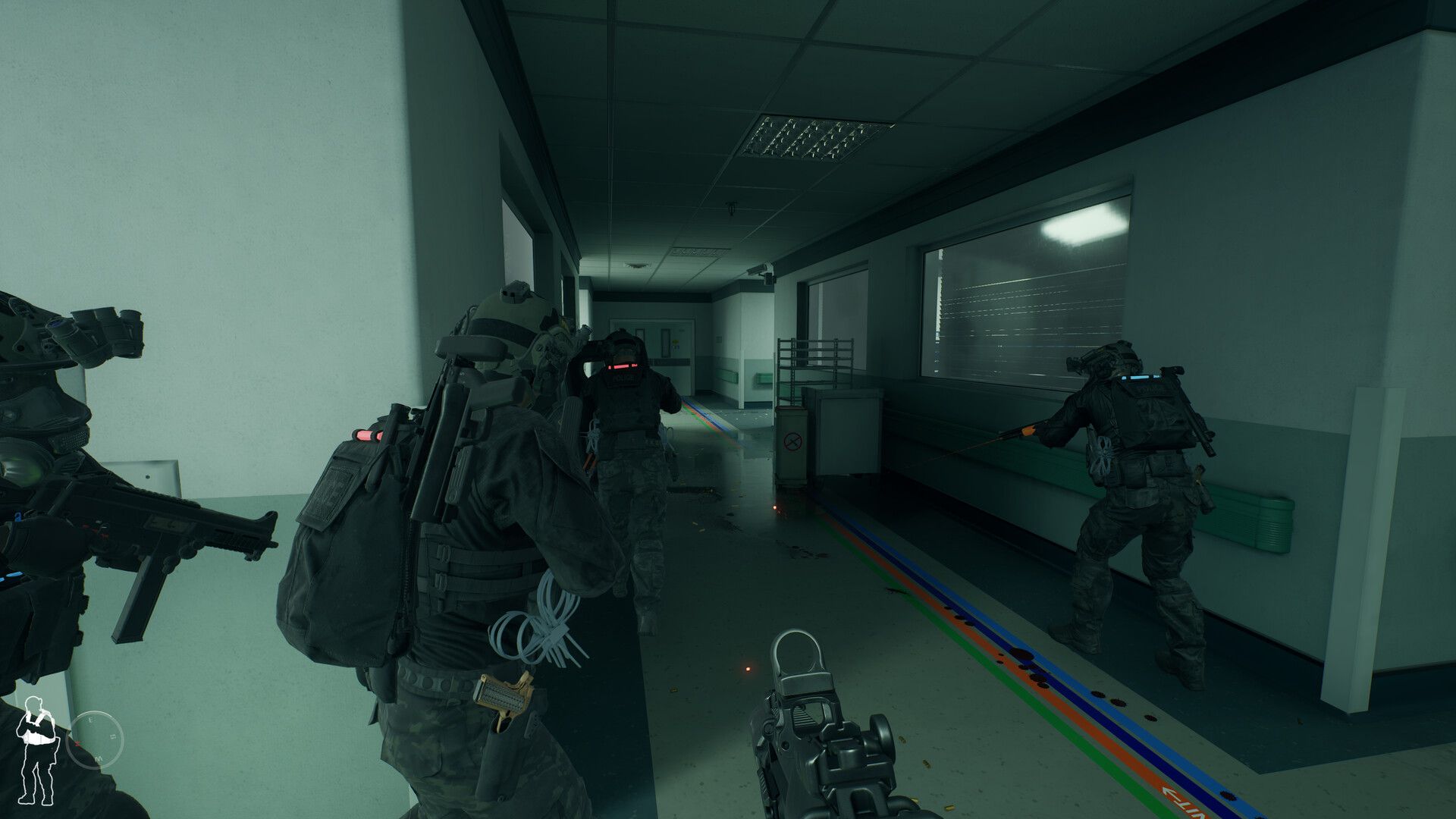
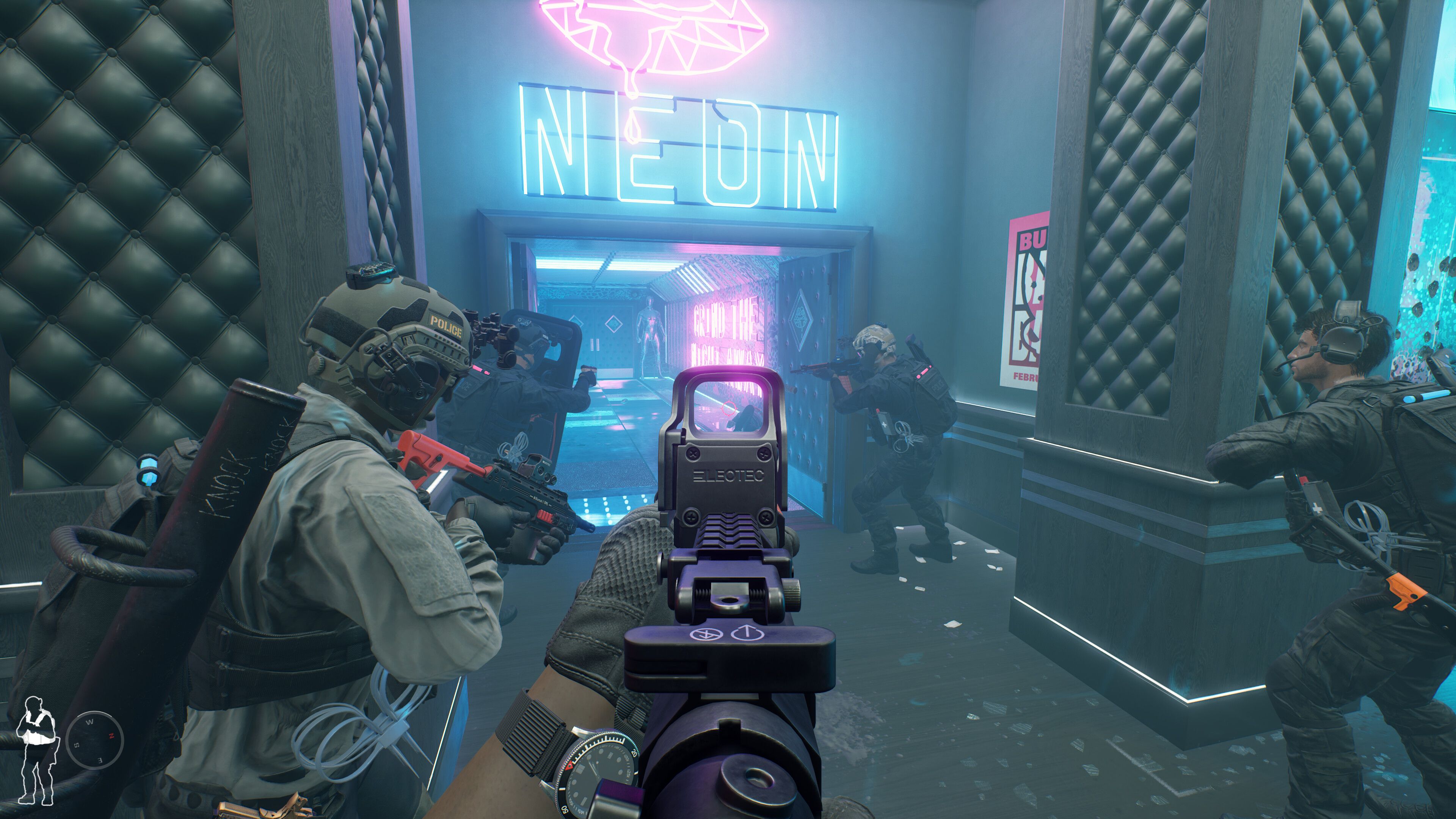
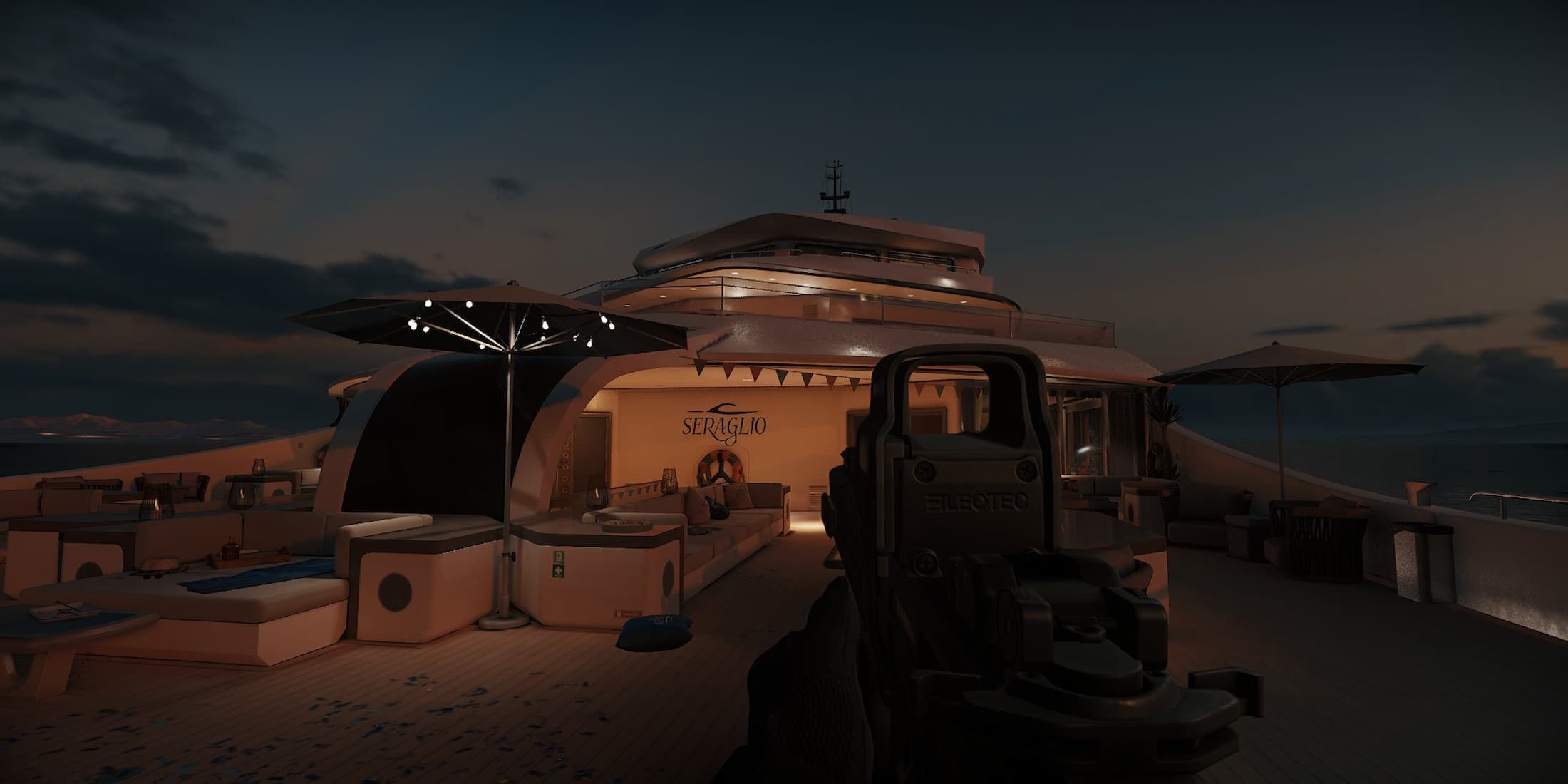
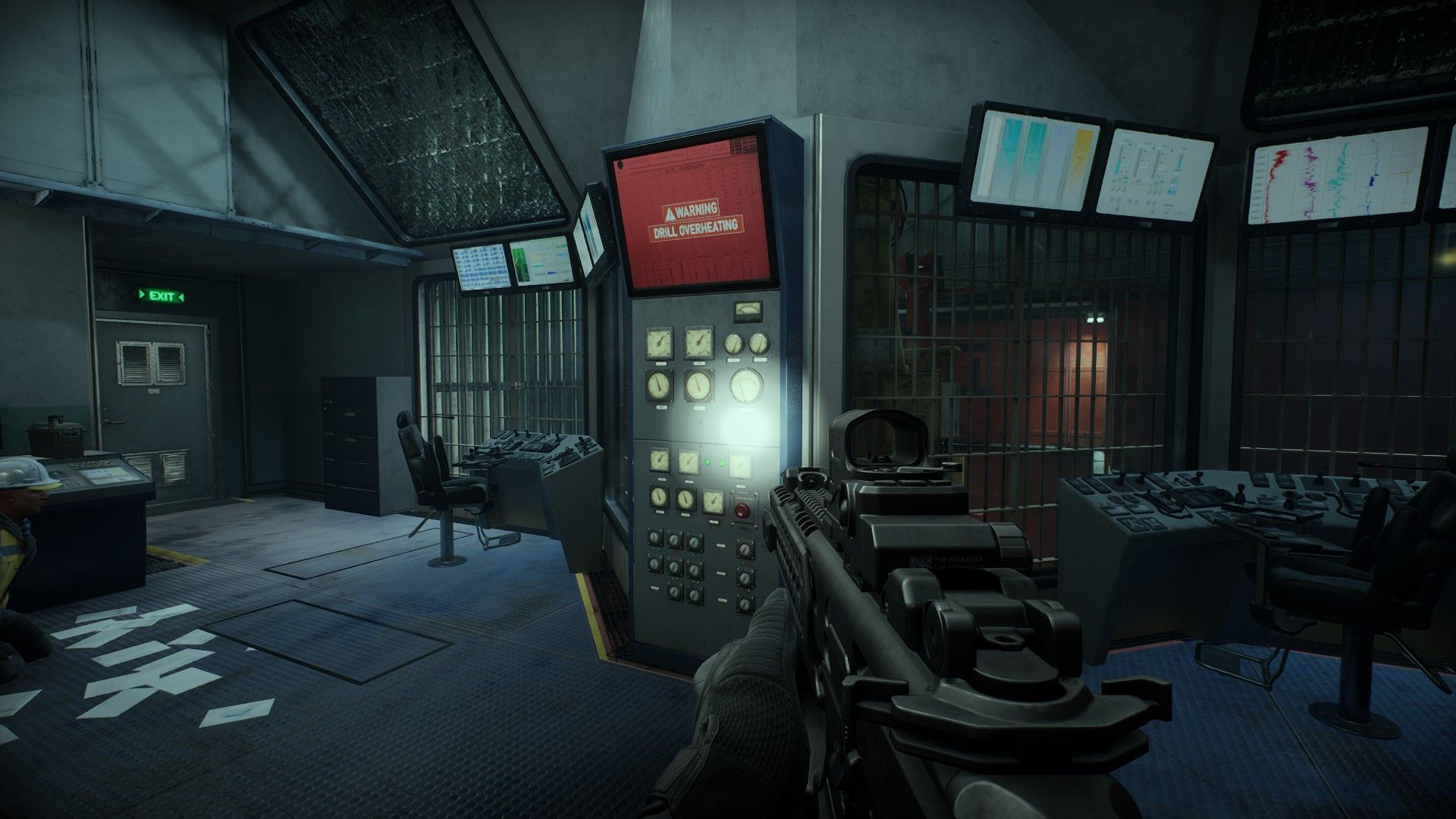
- The game forced players to distinguish between frightened civilians and armed suspects in dark, chaotic spaces.
- Detailed weapon handling and armor penetration mechanics made every firefight feel heavy and dangerous.
I’m really into Ready or Not, and it feels like the developers took everything cool about games like SWAT and just made it even better. What I love is that it’s not about racking up kills – you’re a SWAT team trying to arrest people. You have to yell commands, use things like beanbag rounds to subdue suspects, and only pull out the big guns if someone actually points a weapon at you or an innocent bystander. It’s way more tense and realistic than your typical shooter!
Honestly, what really grabs me about Ready or Not is how incredibly detailed the environments are. Every location feels totally real – it’s packed with stuff and designed in a way that actually impacts how you move and what you can see. It really makes you think before you rush in, which I love. It feels like a classic tactical shooter, but it builds on everything that works about the genre to make it even better.
8. SOCOM 2: U.S Navy SEALs
The Console Classic That Proved Tactical Teamplay Could Thrive Online
- Voice communication and teamwork shape every match.
- Slower pacing rewards coordination over rushing.
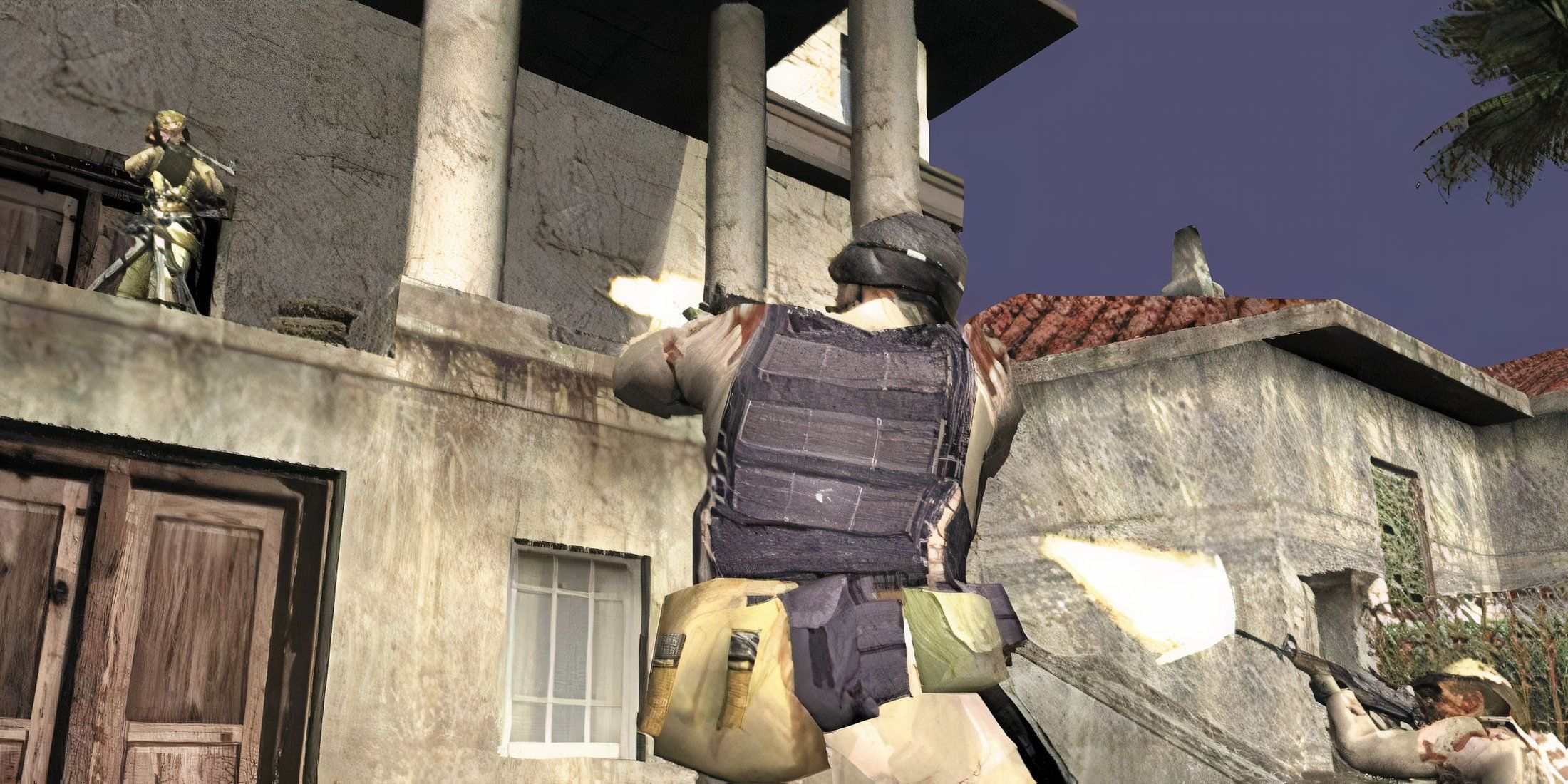
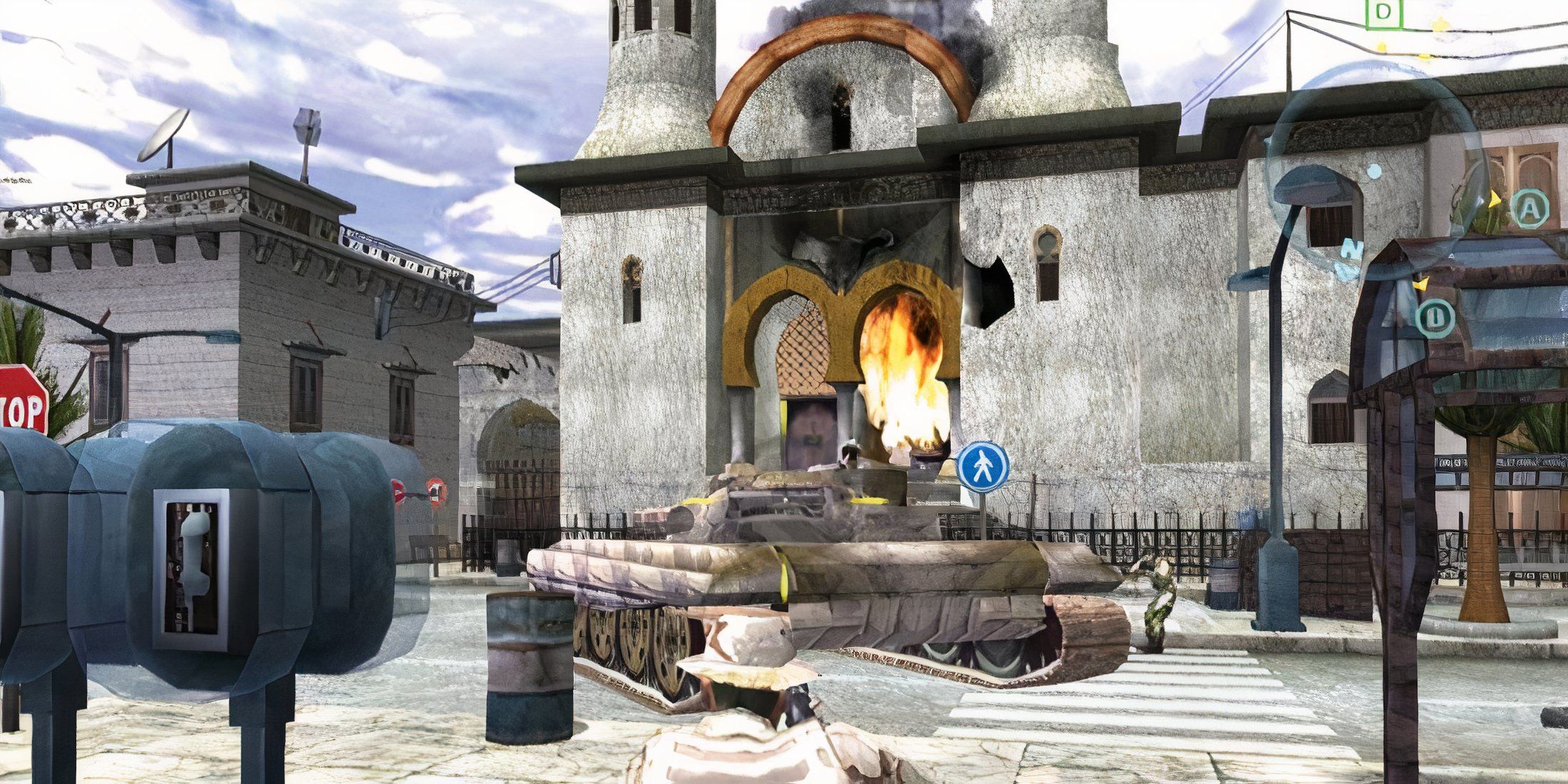
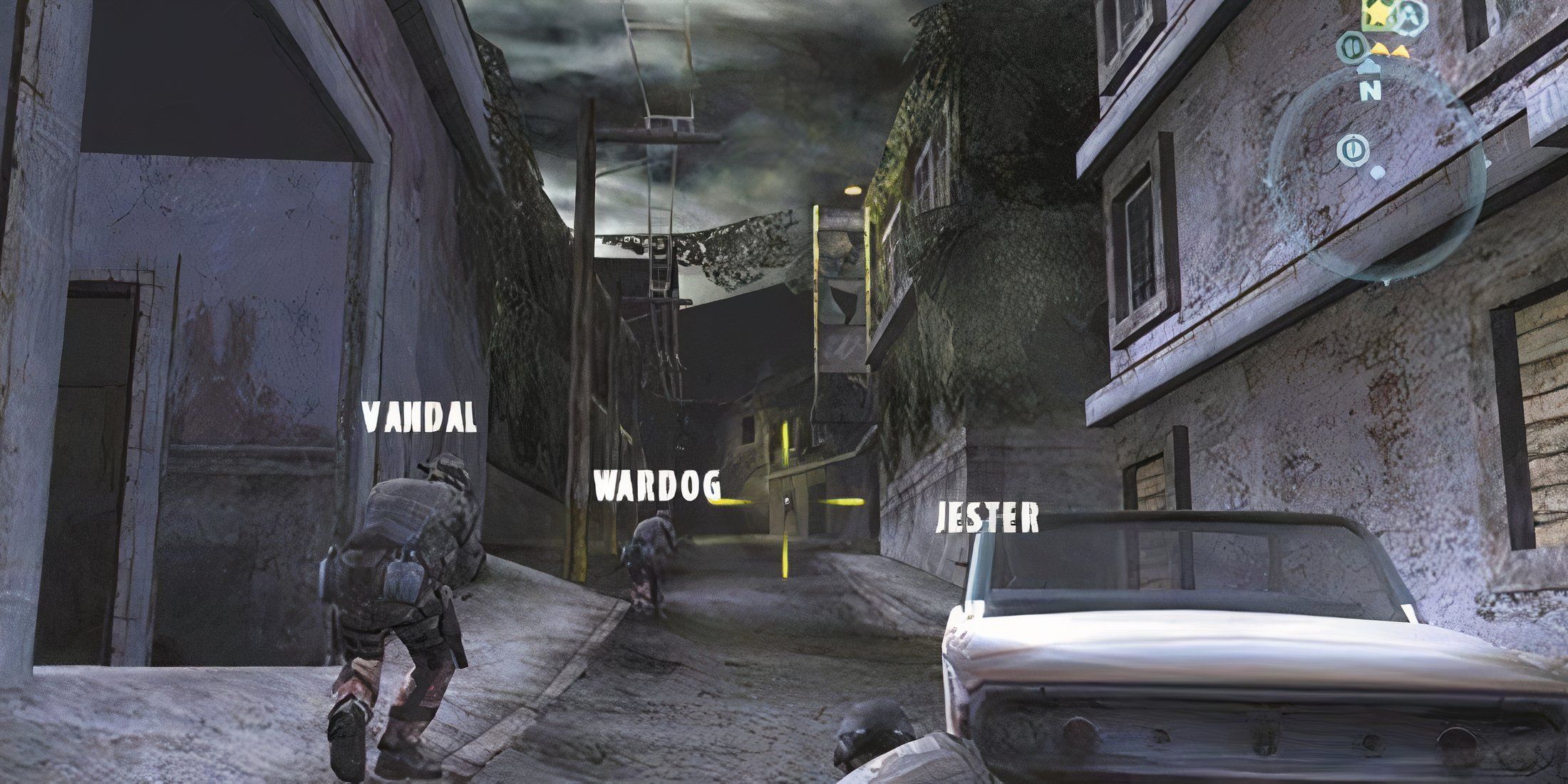
Unlike many action-packed shooters, SOCOM 2: U.S. Navy SEALs emphasized working together, talking to each other, and moving strategically. A key feature was its voice command system, which let players use a headset to directly order their teammates, making the experience feel incredibly connected and immersive.
The online multiplayer in SOCOM 2: U.S. Navy SEALs emphasized teamwork and strategy over frantic action. Success depended on communication and coordinated plans, and players who tried to run in alone usually failed. Unlike many shooters of the era, SOCOM 2 was deliberately paced more slowly, which created a sense of tension and made each encounter feel significant. This slower speed allowed players time to think through their actions and respond carefully.
7. ARMA 3
The Ultimate Military Sandbox That Pushes Realism And Player Freedom
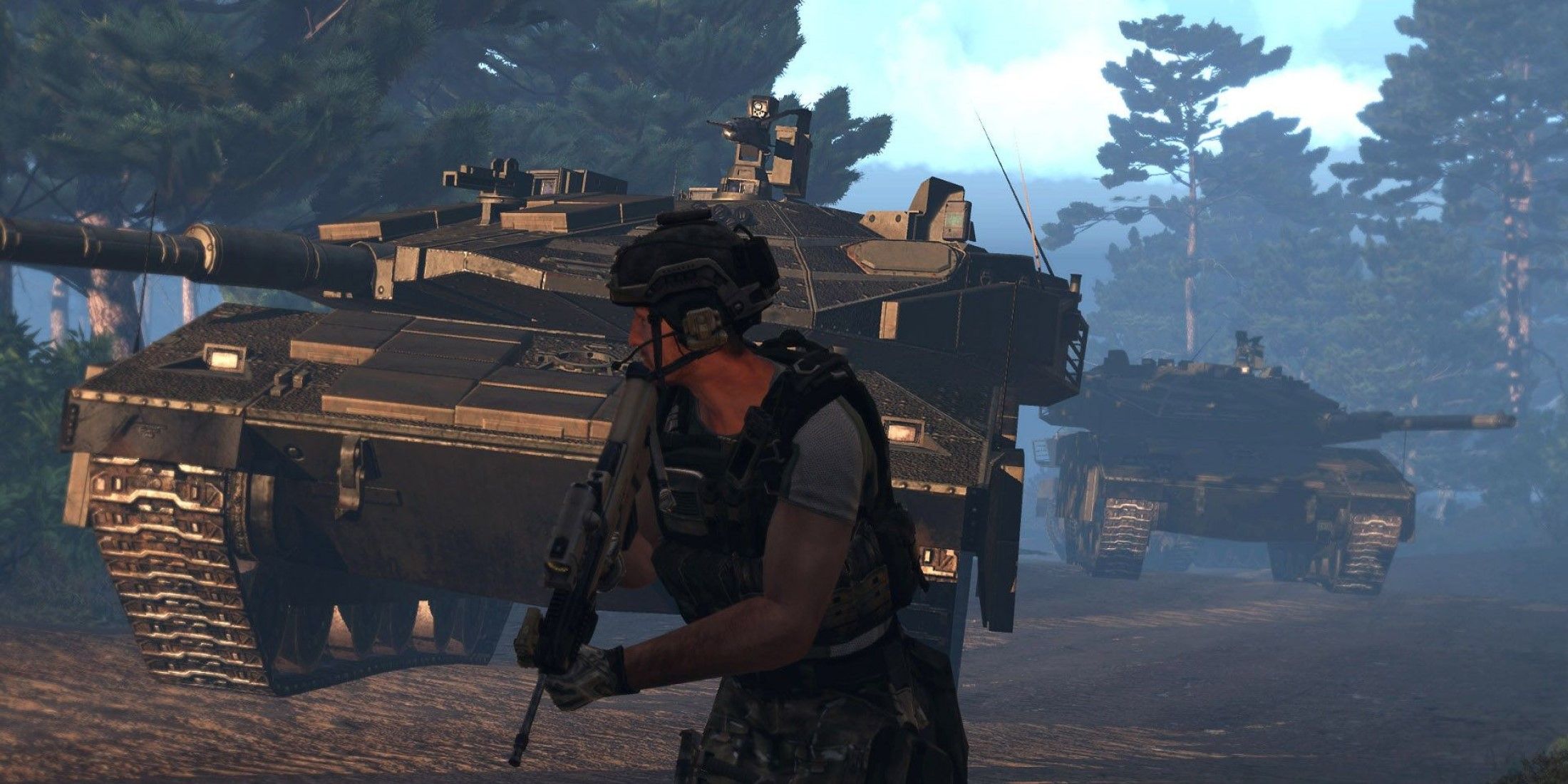
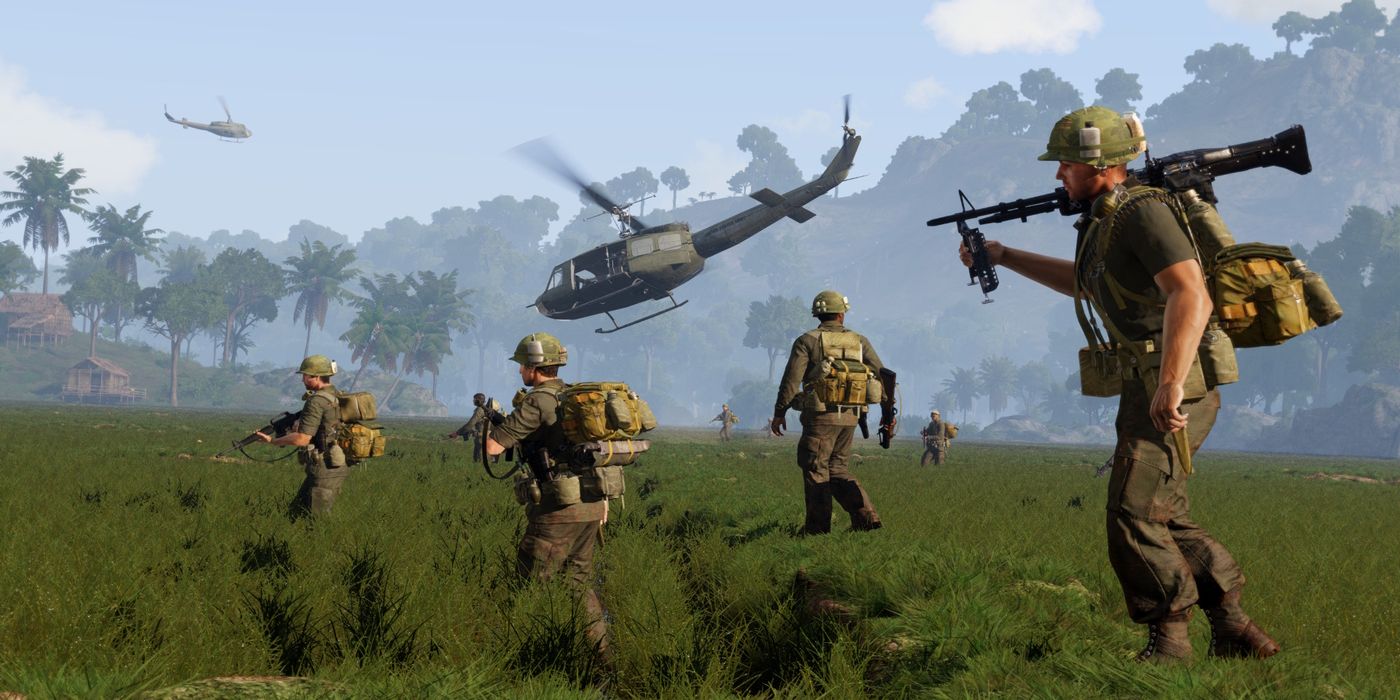
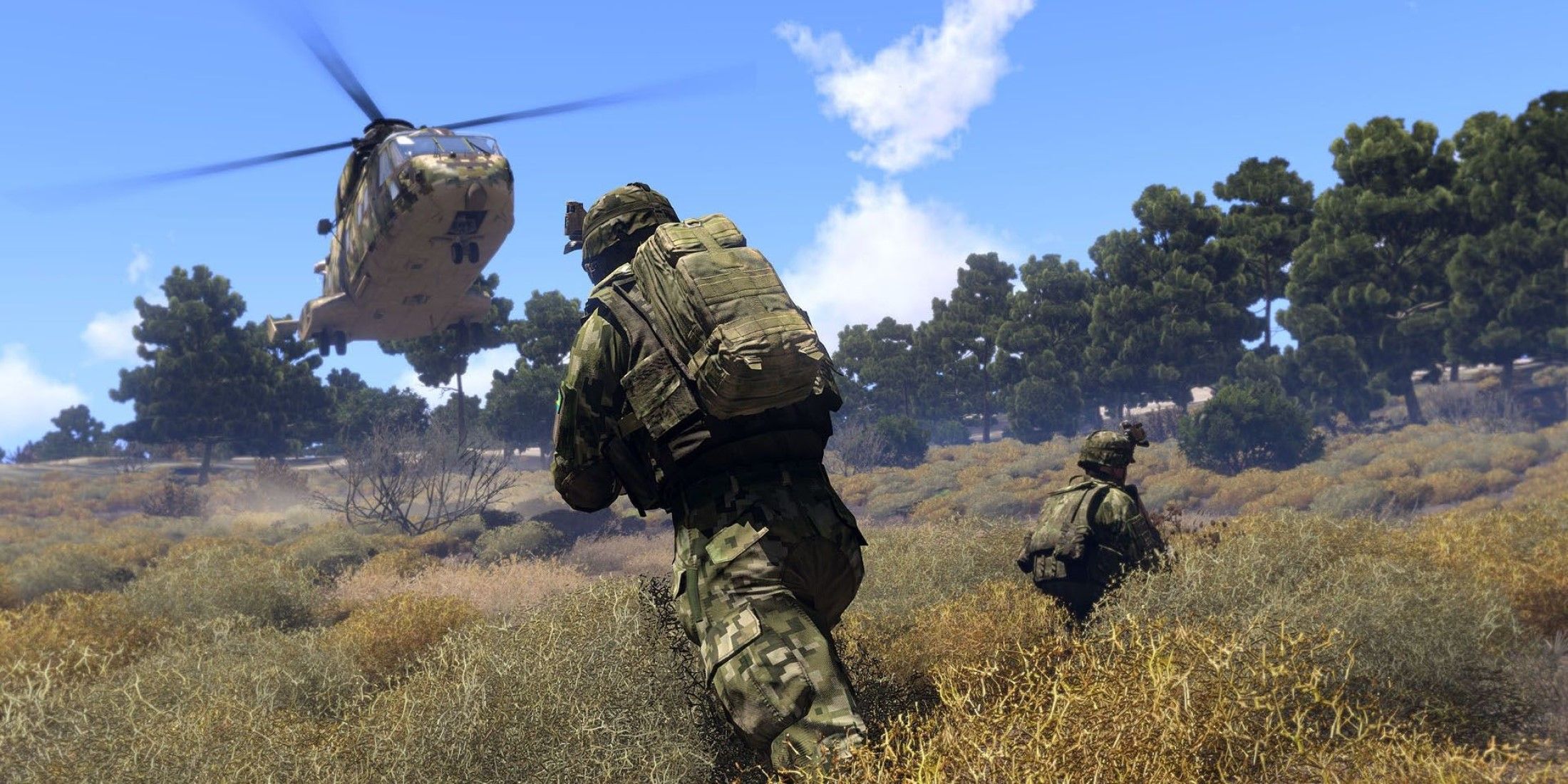
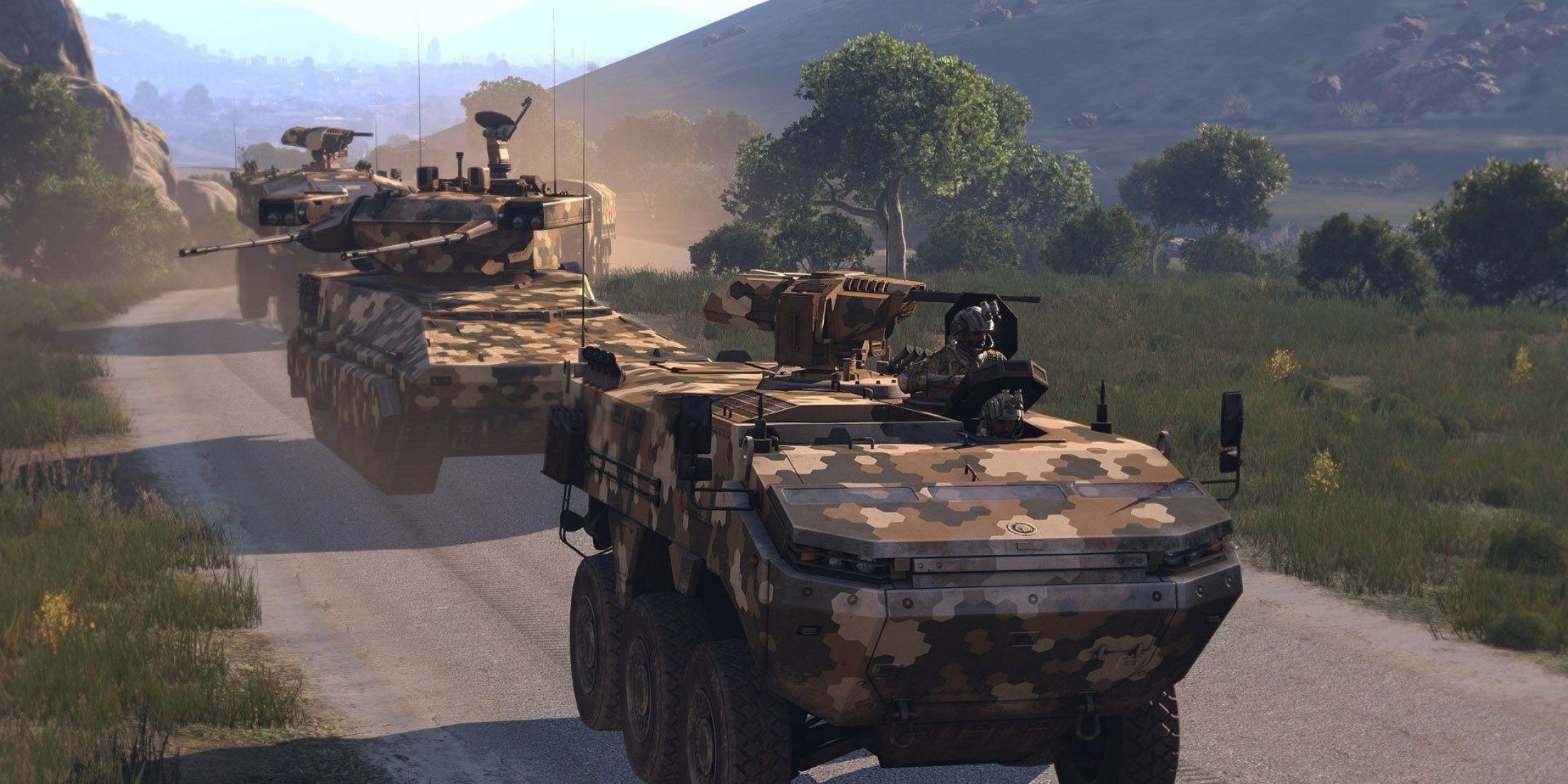
- Extensive ballistics systems and realistic stamina forced players to account for every gear they carried.
- Huge maps support infantry, vehicles, and air combat.
ARMA 3 is a remarkably expansive and realistic military sandbox game. What truly sets it apart is its massive scale, offering huge maps that make gameplay feel like authentic military operations. Players have incredible freedom – they can fight on foot, drive vehicles, pilot helicopters, and coordinate with teammates over long distances. This creates a sense of open space and realism that’s hard to find in other shooting games.
Everything in ARMA 3 is designed to feel realistic. Bullets don’t just travel in straight lines – they’re affected by things like gravity, wind, and what they hit. Players also need to pay attention to their stamina; carrying a lot of equipment makes it harder to aim and move effectively. The game even has a detailed medical system where you need the right supplies to treat different injuries.
6. Tom Clancy’s Rainbow Six Siege
Fast-Paced Tactical Shooter with Destructible Environments
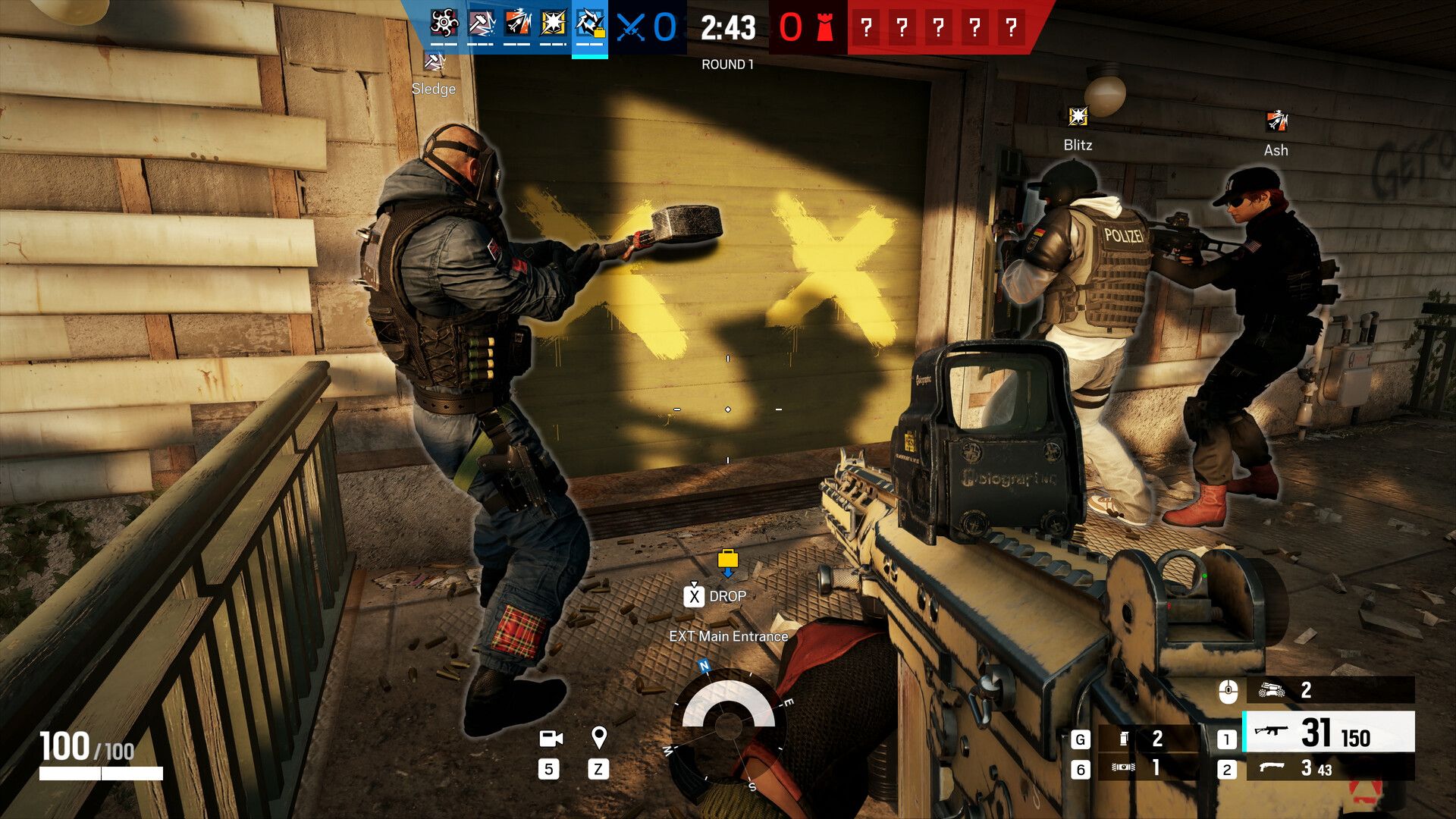
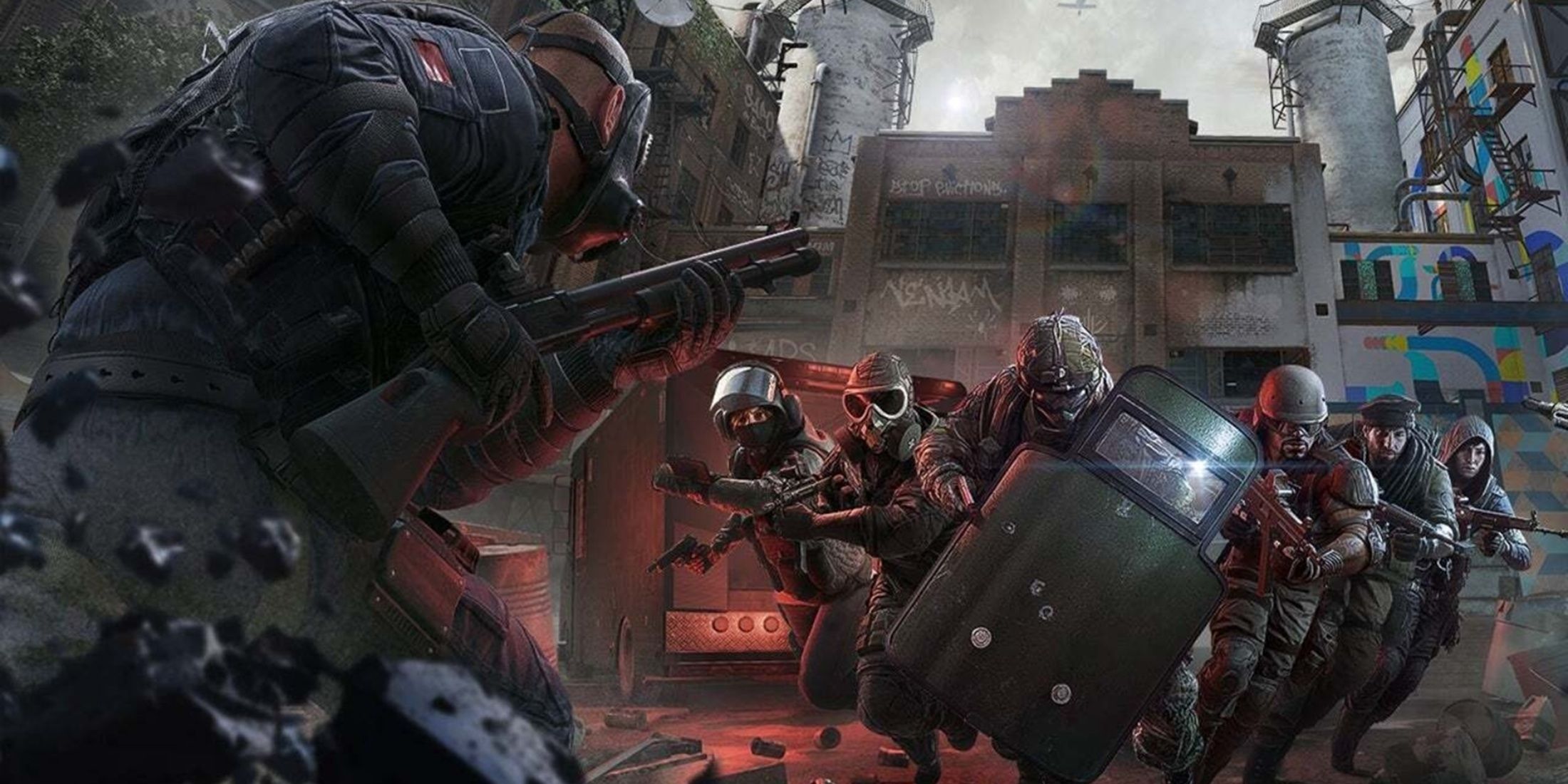
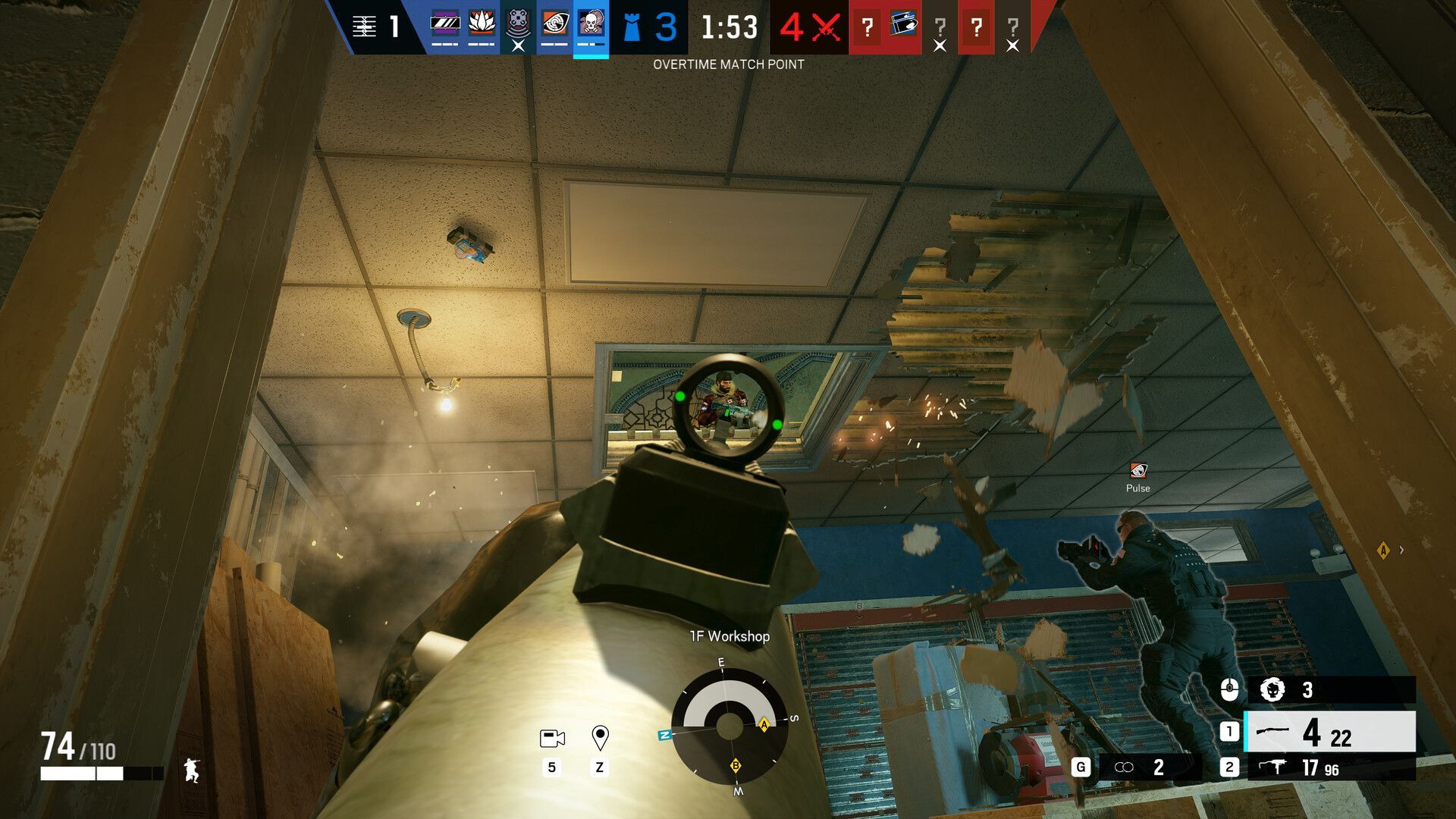
- Destructible environments allowed players to blow holes through floors and ceilings to surprise their enemies.
- The focus on drones and cameras turned every match into a high-tech game of hide-and-seek.
Rainbow Six Siege remains a game focused on careful planning, strong teamwork, and accurate shooting, but it’s now much faster-paced and more intense. A key change is the destructible environment: walls, floors, and ceilings aren’t just scenery – they’re tools players can use to their advantage. A secure room can quickly become dangerous, and a strong defense can be broken with a single, well-aimed breach. This means players need to think strategically in all directions – not just horizontally, but vertically too.
The operators in Tom Clancy’s Rainbow Six Siege add depth to the game while maintaining its tactical gameplay. Each operator has a unique job – like breaking through defenses, gathering information, protecting areas, or causing distractions. Success depends on how well these roles work together as a team. A great team doesn’t just choose strong operators; they coordinate and use their abilities effectively.
5. Tom Clancy’s Ghost Recon
Almost Like a Teal U.S. Army Land Warrior Program
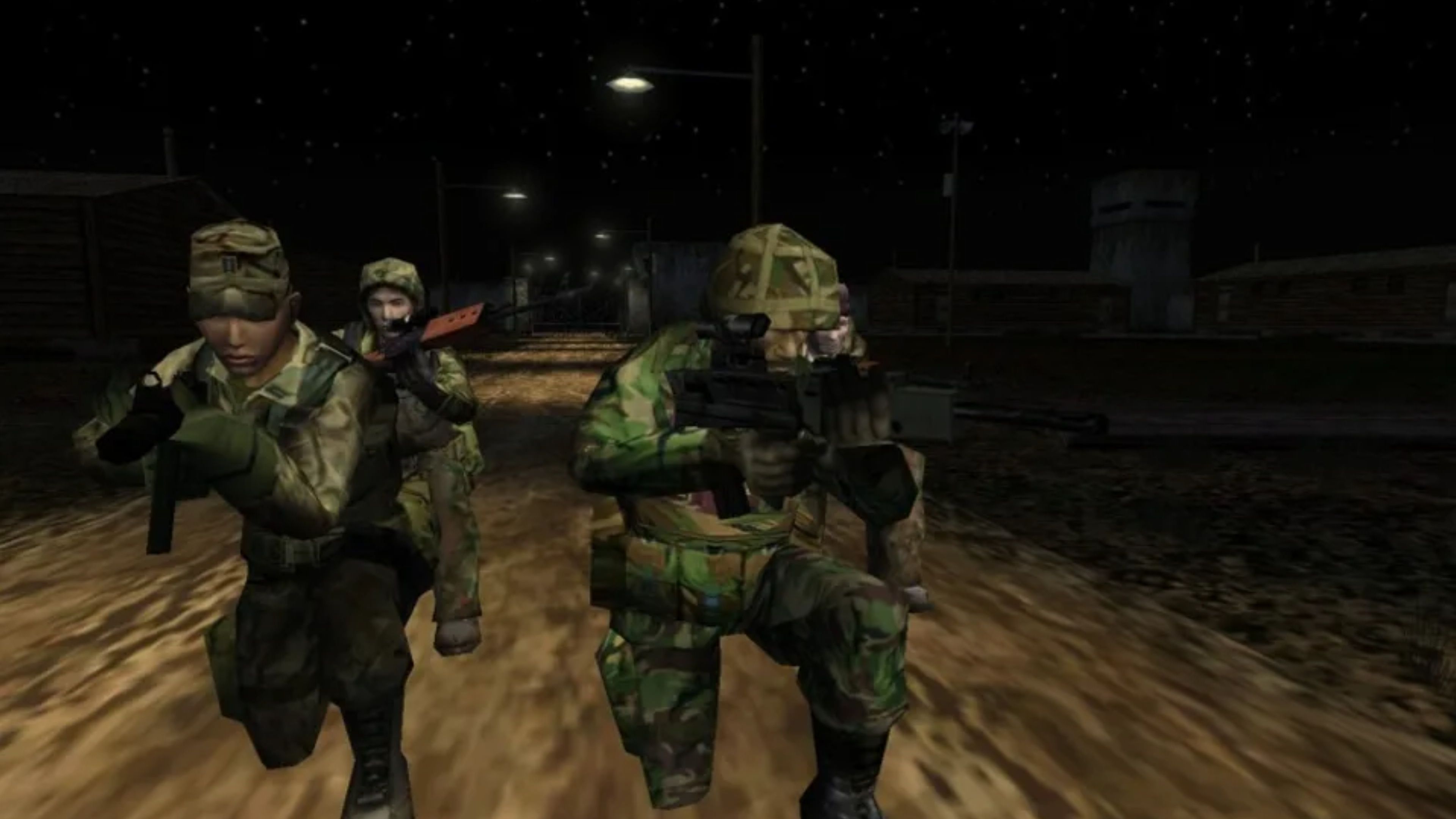
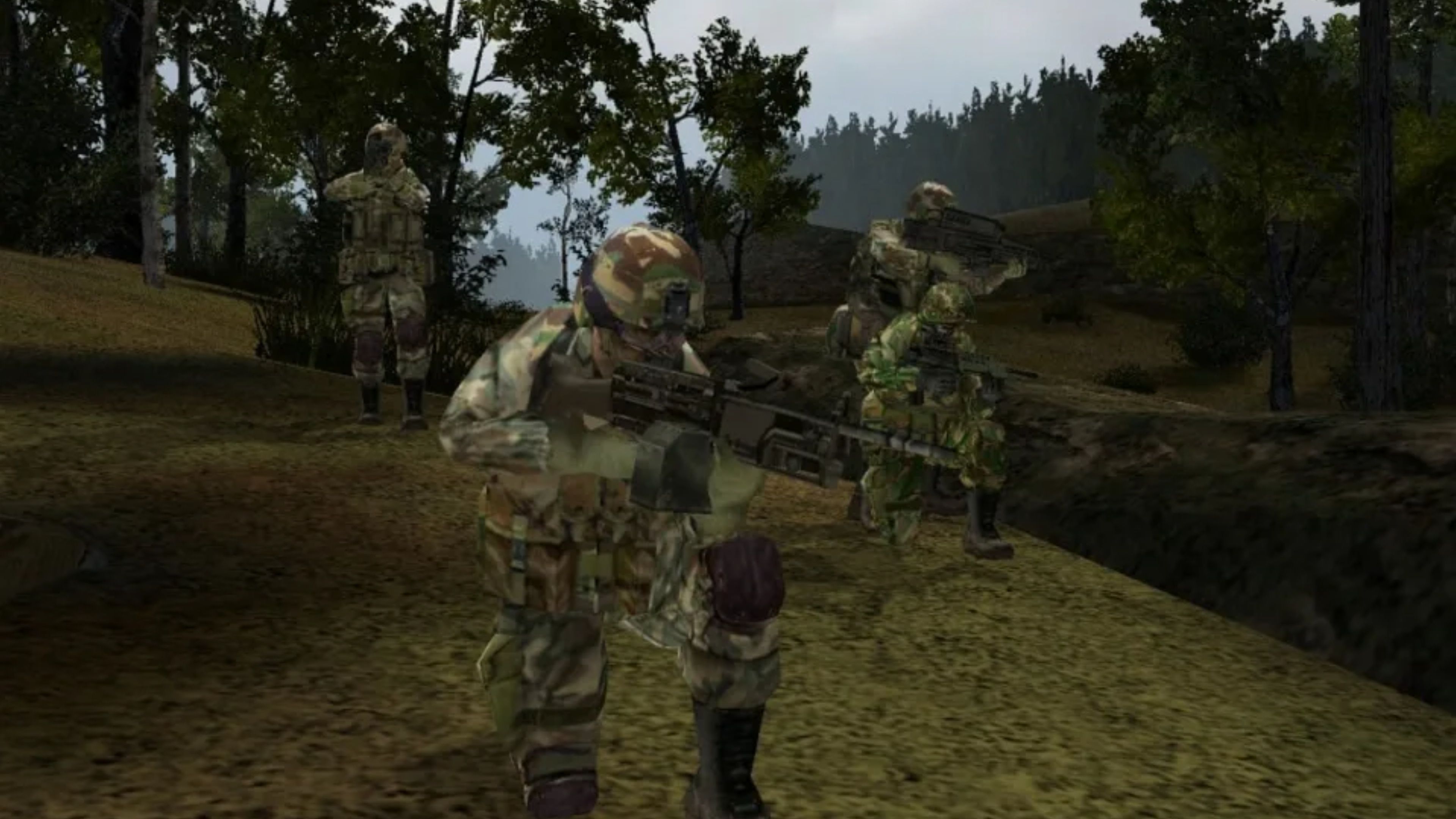
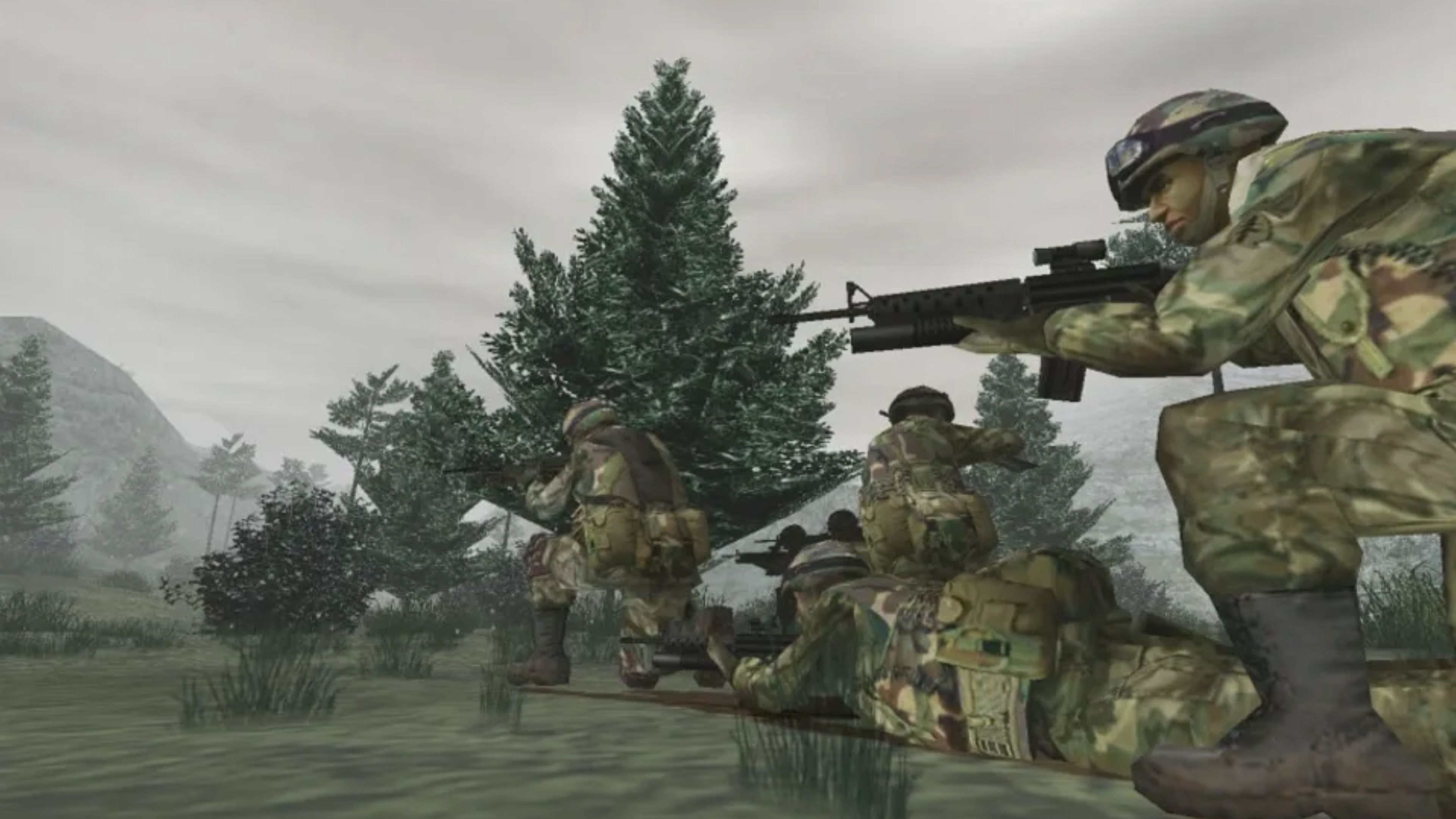
- The shift to outdoor environments prioritized the use of ghillie suits, snipers, and flanking maneuvers.
- Persistent squad stats meant that keeping soldiers alive across missions was vital for long-term success.
Ghost Recon built upon the foundation of Rainbow Six, but instead of focusing on close-quarters, indoor missions, it expanded into large, open environments. This change meant that things like how far you could see, the type of ground, and distance between players became much more important. Tactics had to adapt – you couldn’t always quickly find cover, enemies could attack from far away, and careful, planned movement was essential. Running in blindly usually didn’t work, and this slower, more deliberate gameplay created a different kind of suspense.
Honestly, one of the best parts of this game is how much strategy is involved. You can really work with your team to split up, figure out where to place everyone, and then hit the enemy from all sides. It’s so satisfying when a plan you came up with actually works – it feels earned, you know? It’s not about getting lucky, it’s about making smart calls. And the game doesn’t hold your hand either, which I appreciate. It trusts you to figure things out by paying attention to what’s happening around you, learning how the enemy acts, and adjusting your tactics on the fly.
4. Operation Flashpoint: Cold War Crisis
Massive Military Sandbox
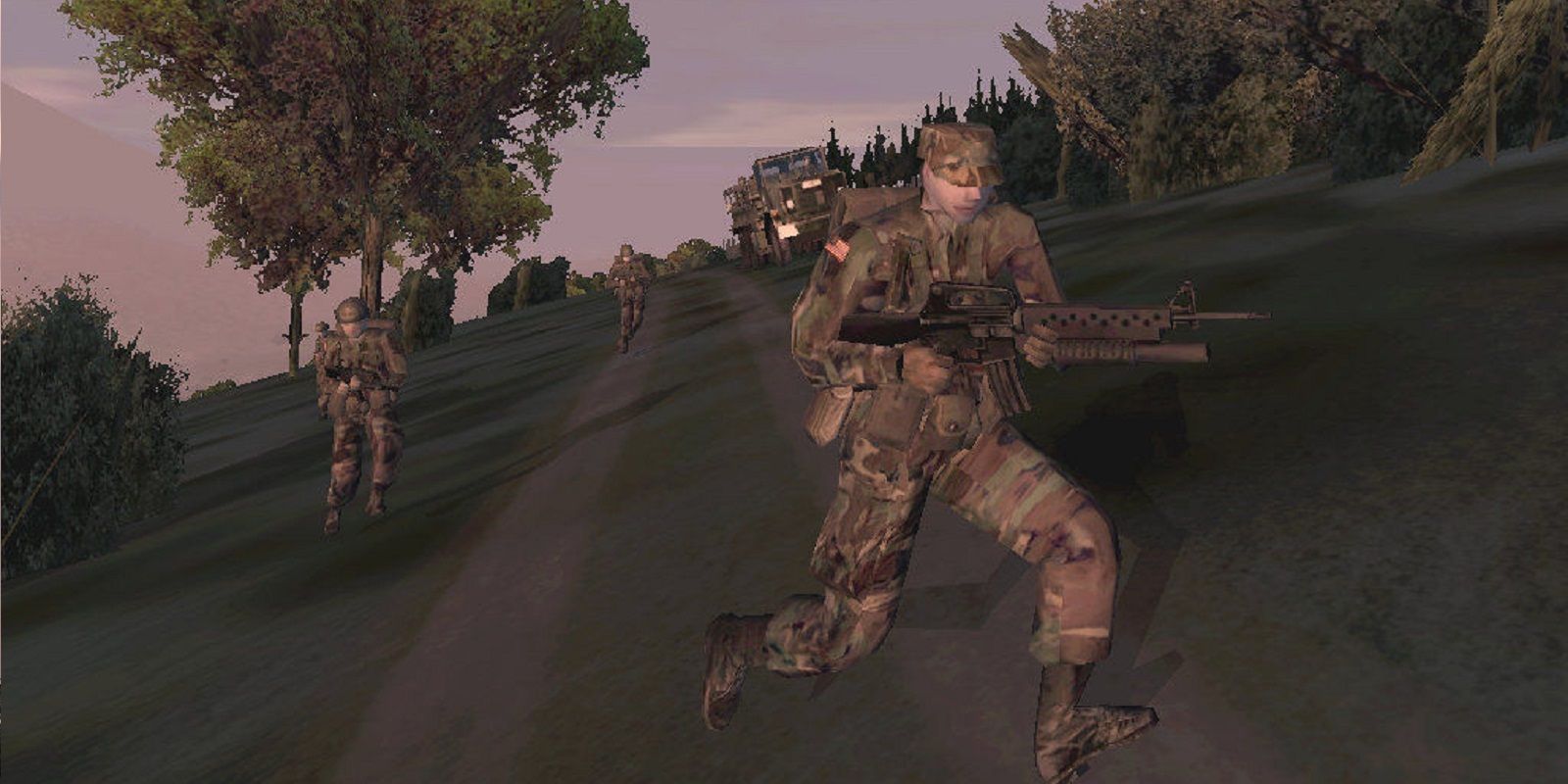
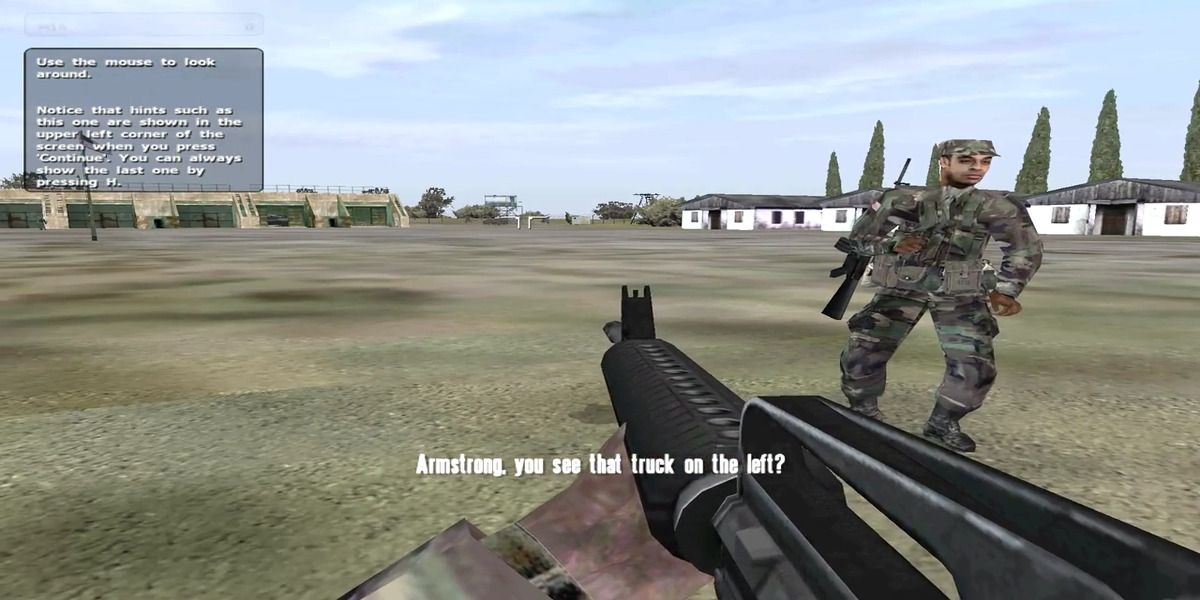
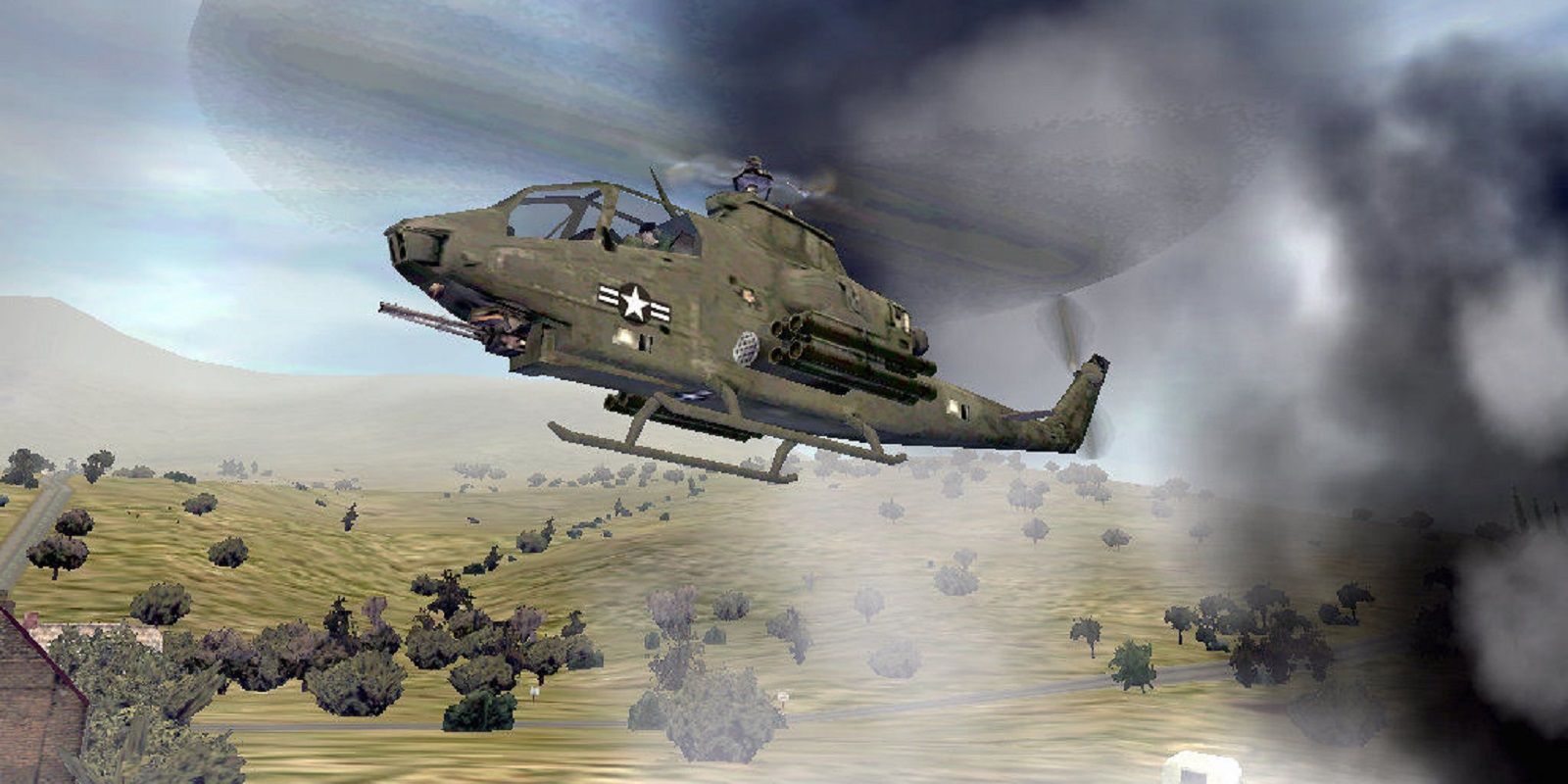
- Massive battlefields with realistic military structure.
- Lethality and distance make every encounter dangerous.
Operation Flashpoint revolutionized tactical shooters by introducing massive, open environments. Unlike earlier games confined to small areas, it featured battles across entire islands with forests, towns, and hills, creating a much more immersive and large-scale war experience. Its commitment to realism is a standout feature; weapons function authentically, vehicles feel weighty and have limitations, and enemies pose a threat from any distance. There’s no room for error – a single mistake can quickly lead to mission failure.
The impact of Operation Flashpoint: Cold War Crisis is still felt in modern military simulation games, particularly the Arma series. However, the original game remains remarkable for its ambition and realism, exceeding the standards of other games at the time.
3. SWAT 4
Mandated Tactical Restraint and Professional Procedure
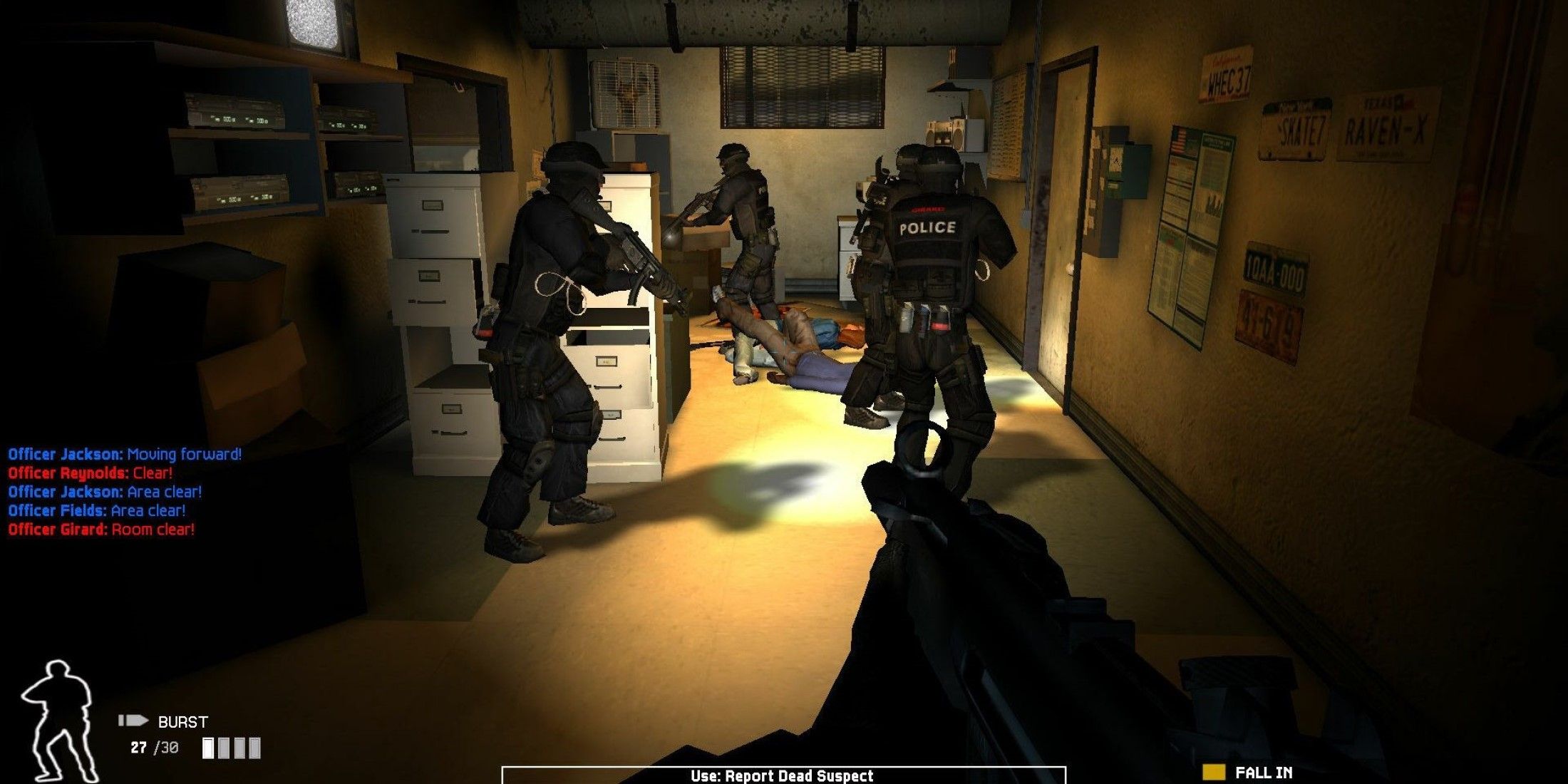
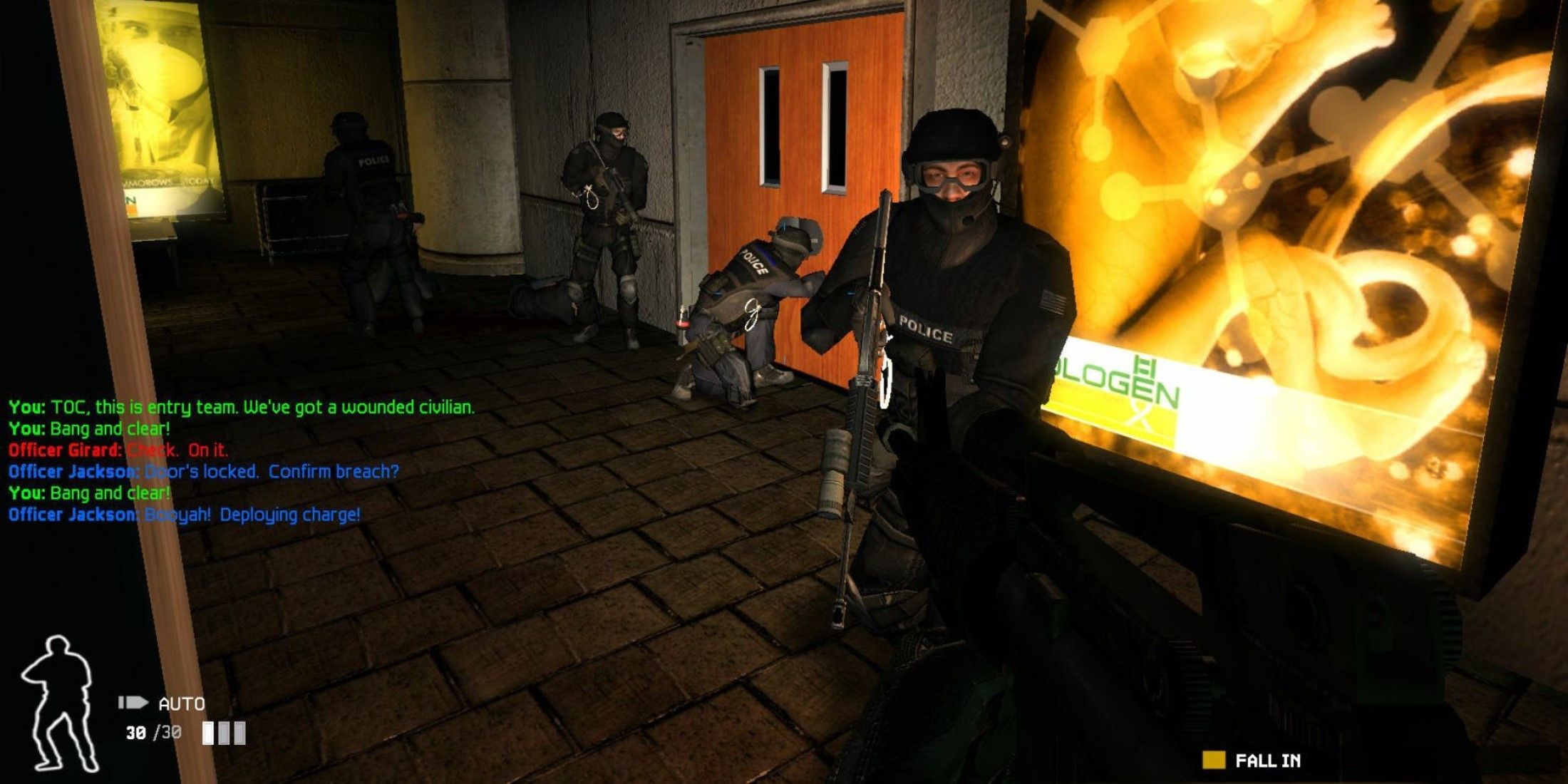
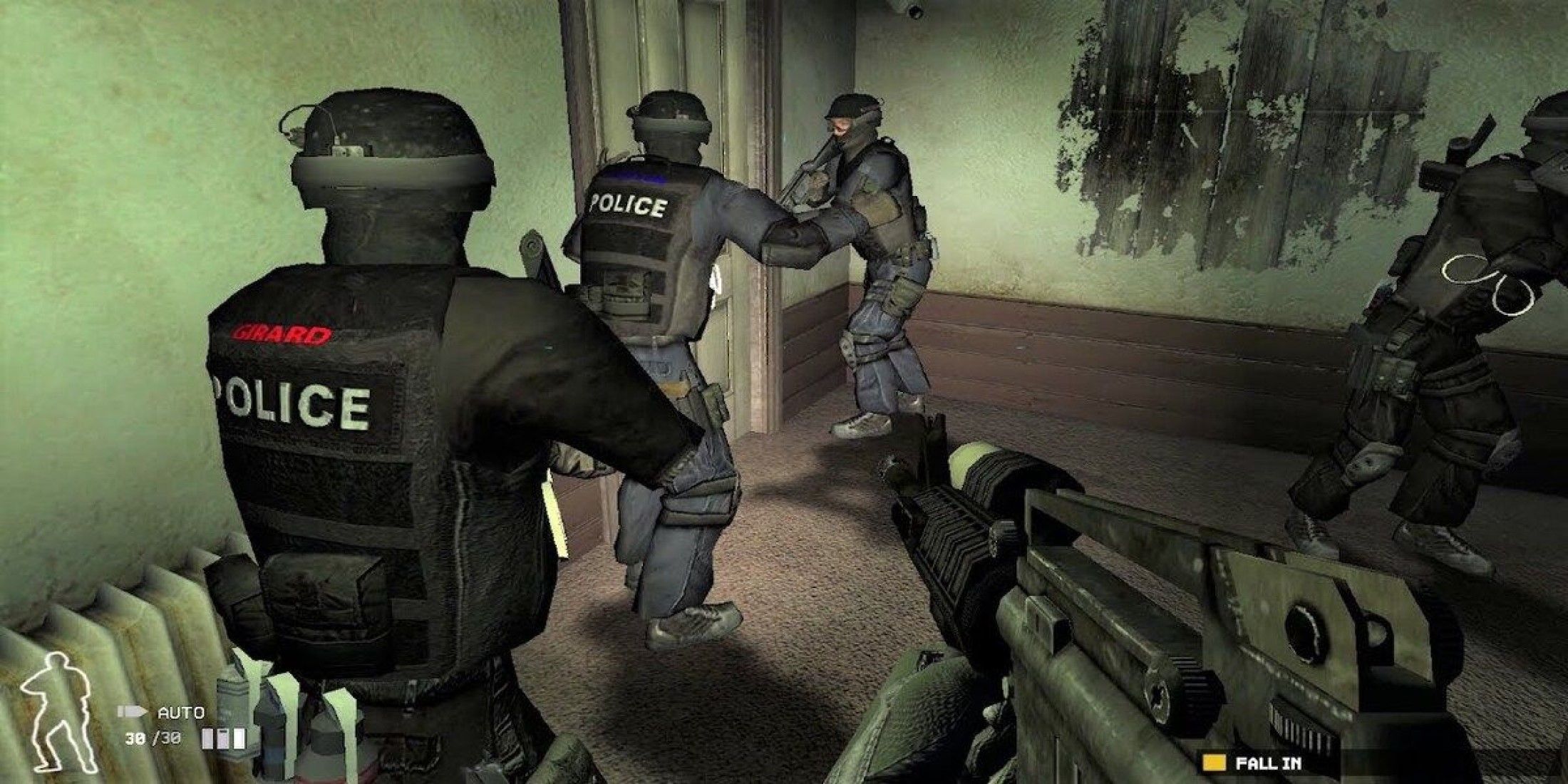
- Focus on procedure, arrests, and rules of engagement.
- Unpredictable AI creates constant tension in every mission.
For realistic law enforcement simulations in a tactical shooter, SWAT 4 is hard to beat. It strongly emphasizes using non-lethal methods and protecting lives. The game penalizes players for using unnecessary force, and failing to follow procedures or shooting too quickly can lead to mission failure. This encourages players to approach situations like actual police officers, prioritizing careful planning over reckless action.
What makes SWAT 4 so engaging is how realistically suspects and civilians react. People don’t always do what you expect – some might obey instantly, while others might stall, pretend to give up, or even panic and make things worse. These unpredictable moments make every situation feel unique and unscripted. Even today, SWAT 4 remains a top-tier SWAT game, offering a level of tactical detail that few others can match.
2. Counter-Strike
Set the Standard for Competitive Tactical Shooters
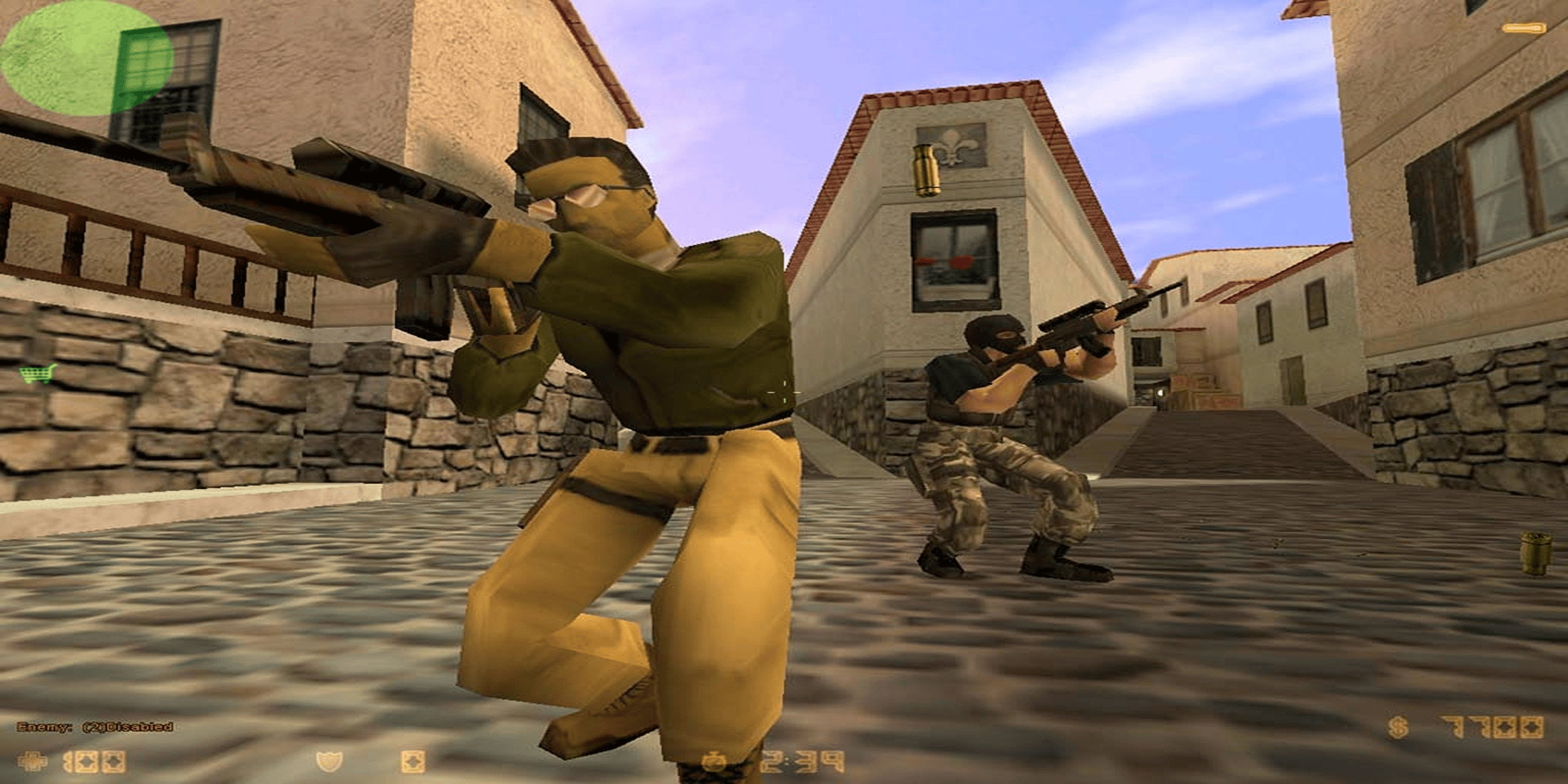
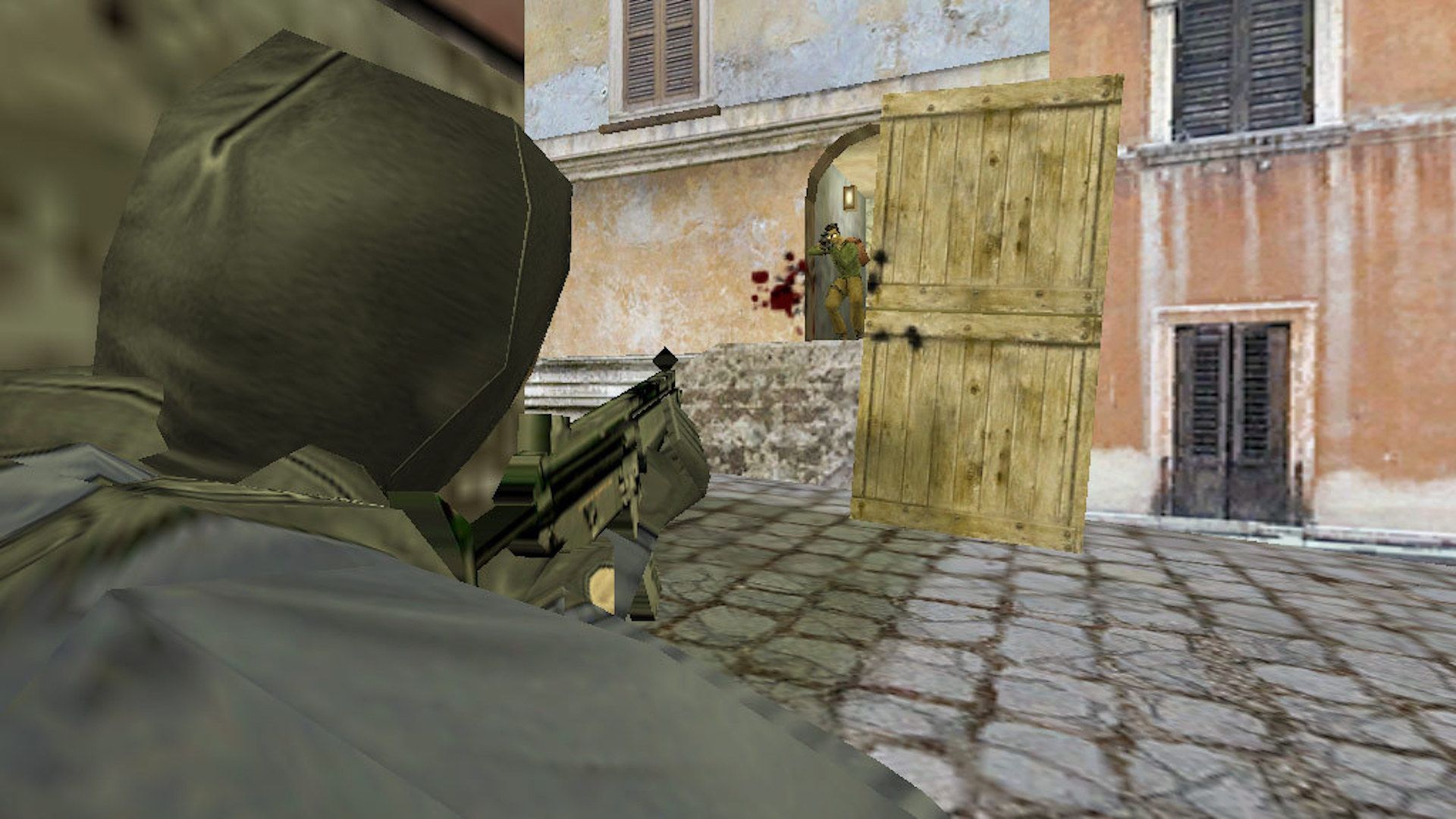
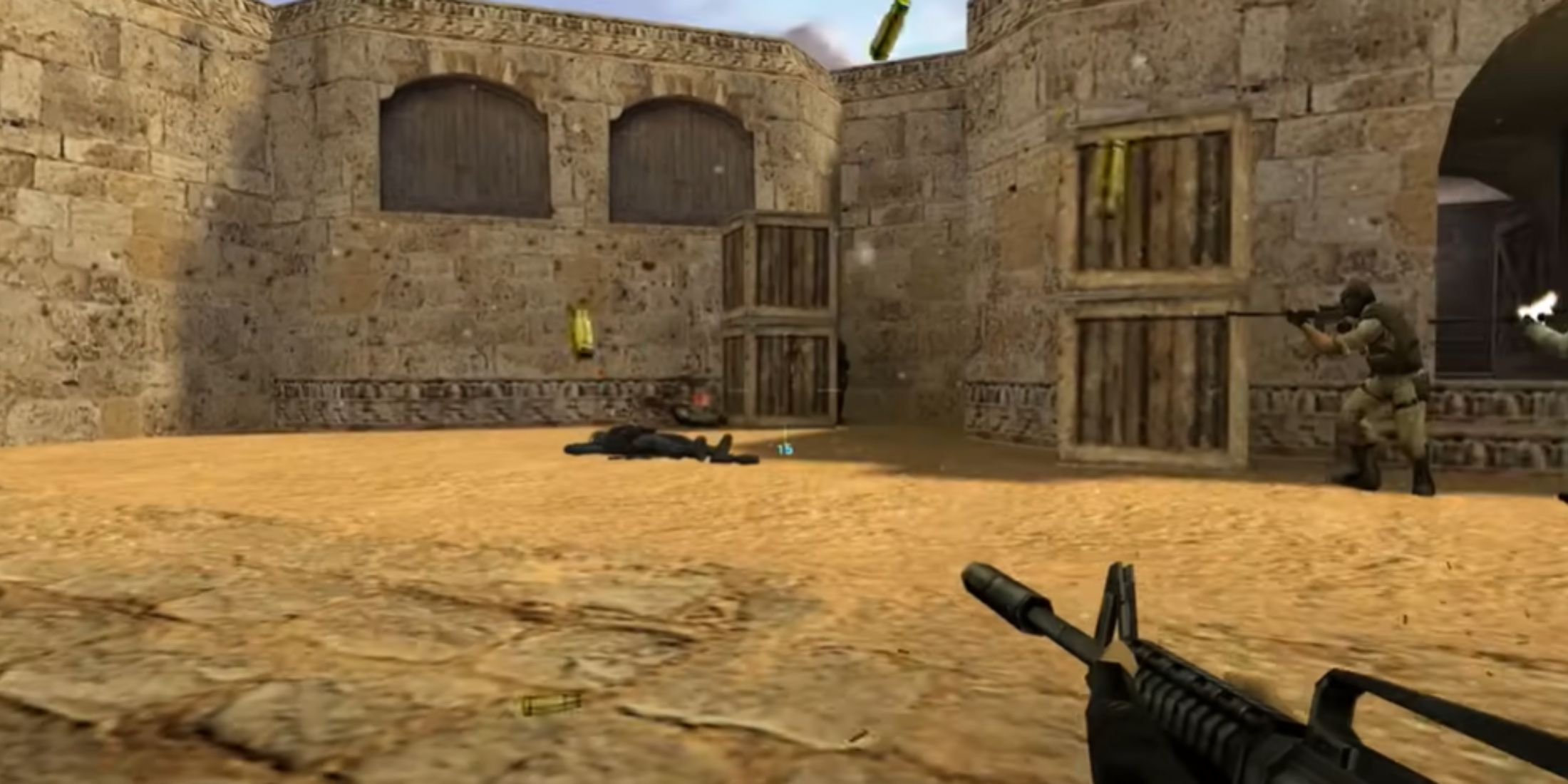
- One of the most influential tactical shooters.
- Map control and positioning decide outcomes more than raw aim.
Counter-Strike is a hugely influential multiplayer shooter. While the basic premise – terrorists versus counter-terrorists, with objectives revolving around a bomb – seems straightforward, it actually features incredibly deep and complex tactical gameplay. Its economic system, where players earn money to buy weapons and equipment, is also remarkably well-designed and remains a benchmark for other games.
Successfully winning matches gives you money to buy more powerful weapons. But if you lose, you’ll have to make difficult choices about how to spend your limited funds. Do you save up for the next round, or take a chance with what you have now? That’s the kind of strategic thinking this game requires. Originally created as a modification for the game Half-Life, Counter-Strike has had a huge impact on gaming. Many popular competitive shooters, esports, and even today’s tactical games have taken inspiration from it.
1. Tom Clancy’s Rainbow Six
Launched the Era of Realistic Planning
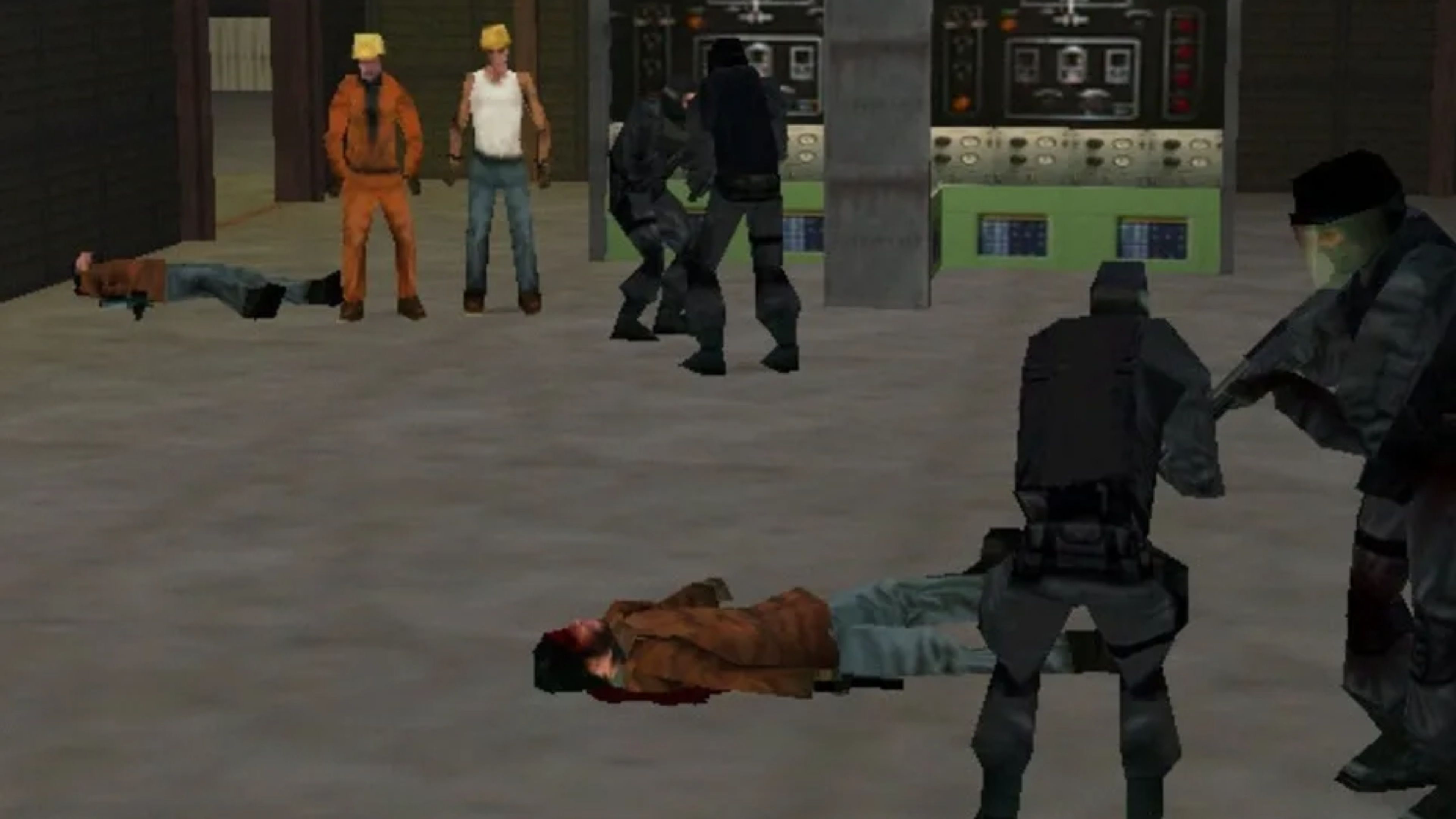
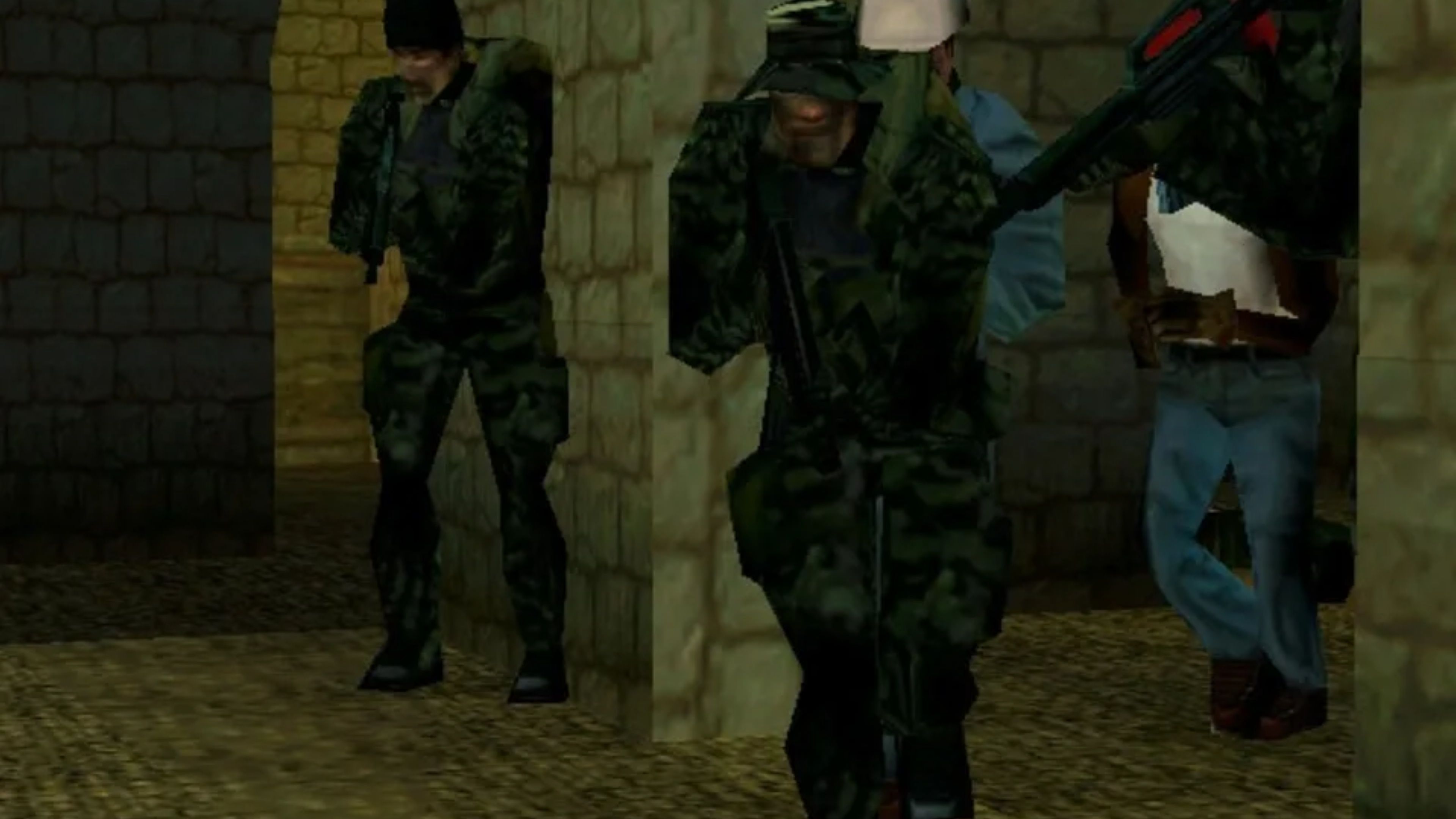
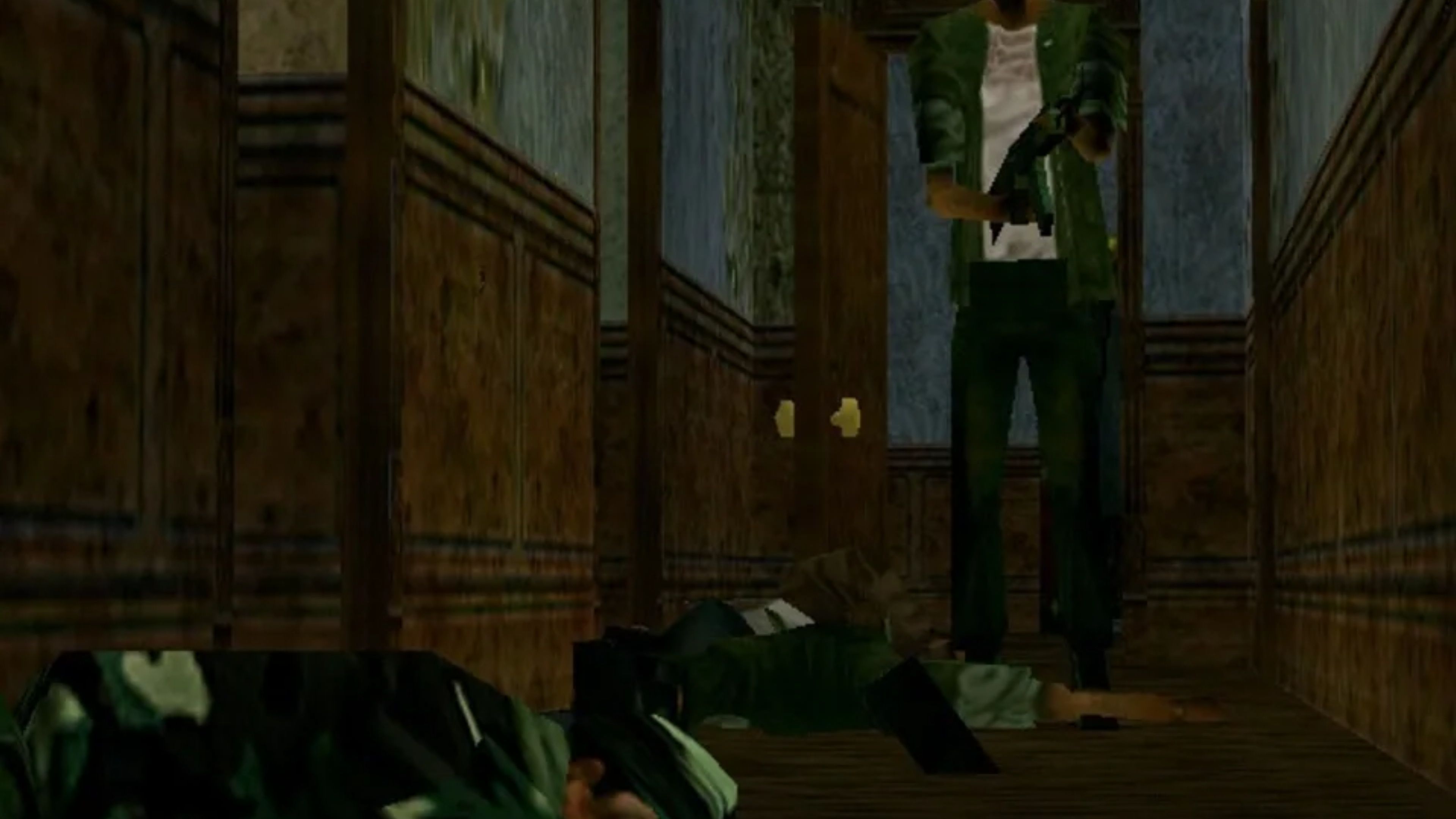
- Introduced mission planning, squad control, and lethal realism.
- Forces careful thinking where one mistake can end everything.
Tactical shooters really came into their own with this game. Before Tom Clancy’s Rainbow Six, most shooting games focused on quick reactions and fast reflexes. This one was different – it forced players to slow down, think strategically, and plan carefully before taking any action. The detailed planning stage was a game-changer, letting players study layouts, position their team, choose entry points, and coordinate timing. It felt less like playing a game and more like leading an actual operation.
Beyond its success, Tom Clancy’s Rainbow Six is important because of how much it influenced other games. Nearly every tactical shooter that followed took something from it – whether it was the way you planned missions, the realistic way damage worked, the slower, more deliberate pace, or the focus on teamwork. It didn’t just do well; it became the model for the genre. The game’s design remains strong today because it prioritizes core tactical elements, avoiding unnecessary additions and focusing on smart decision-making.
Read More
- All Skyblazer Armor Locations in Crimson Desert
- New Avatar: The Last Airbender Movie Leaked Online
- Boruto: Two Blue Vortex Chapter 33 Preview — The Final Battle Vs Mamushi Begins
- One Piece Chapter 1180 Release Date And Where To Read
- All Shadow Armor Locations in Crimson Desert
- How to Get the Sunset Reed Armor Set and Hollow Visage Sword in Crimson Desert
- Red Dead Redemption 3 Lead Protagonists Who Would Fulfill Every Gamer’s Wish List
- Euphoria Season 3 Release Date, Episode 1 Time, & Weekly Schedule
- USD RUB PREDICTION
- Cassius Morten Armor Set Locations in Crimson Desert
2026-04-16 23:33