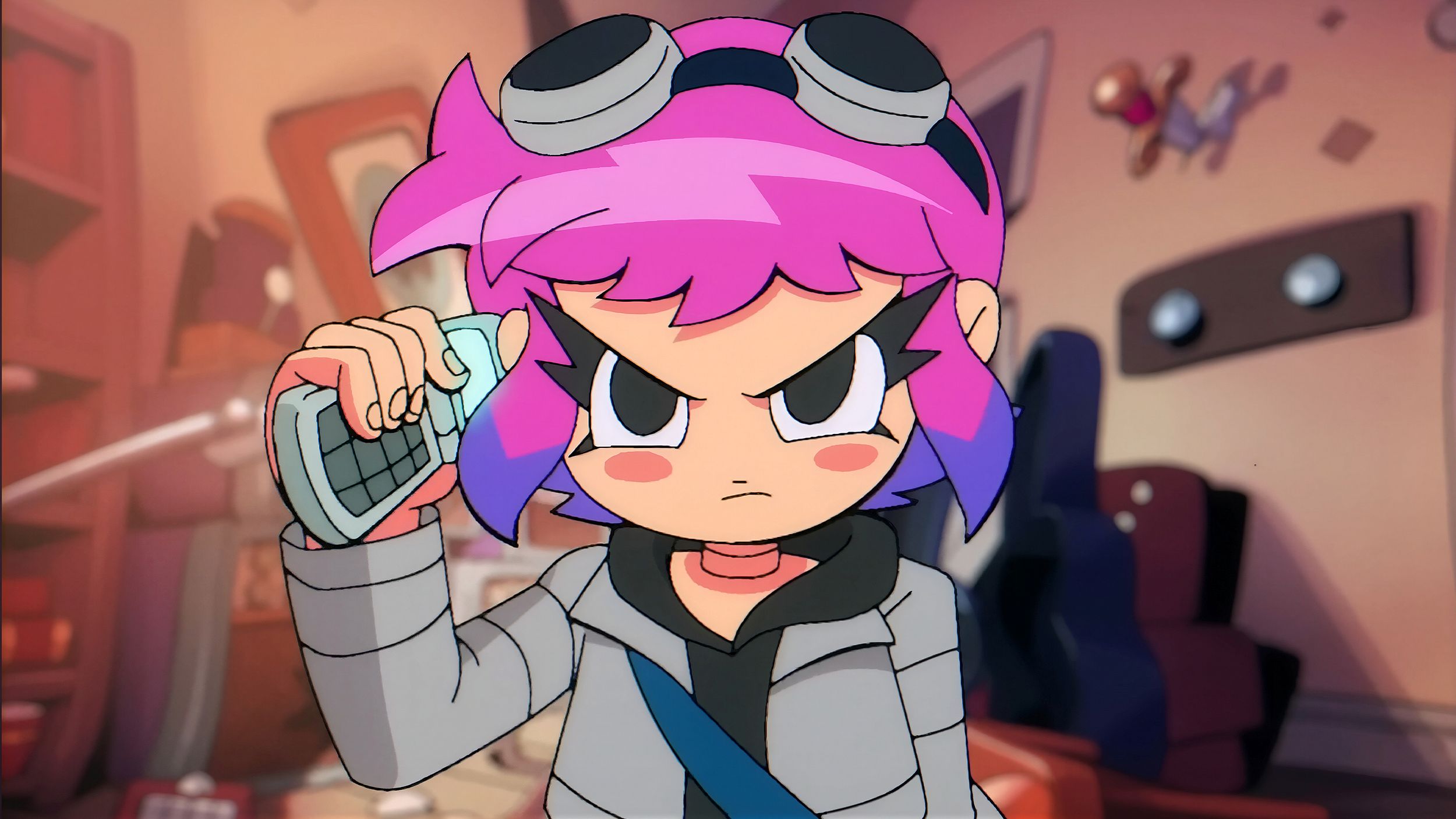
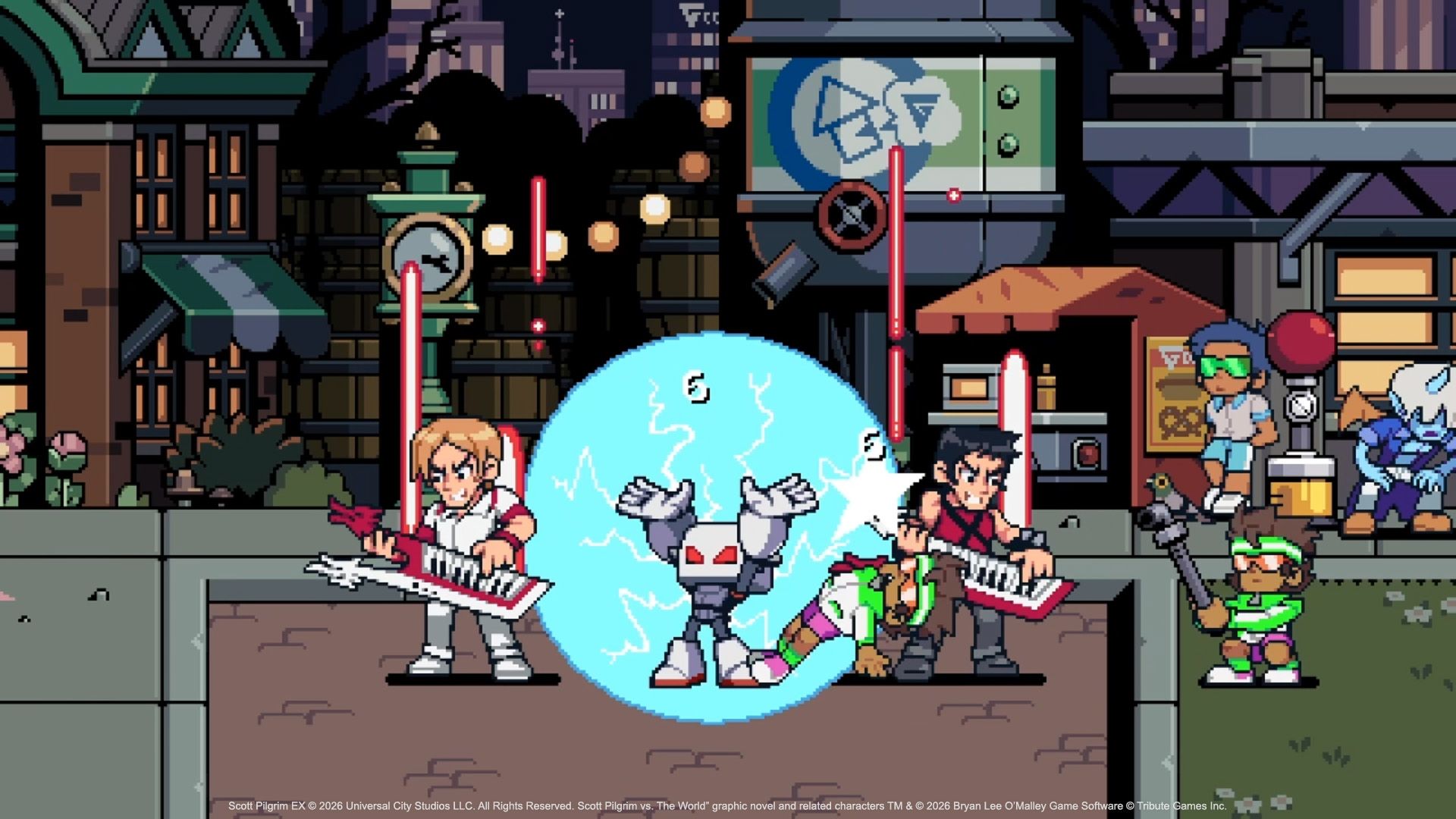
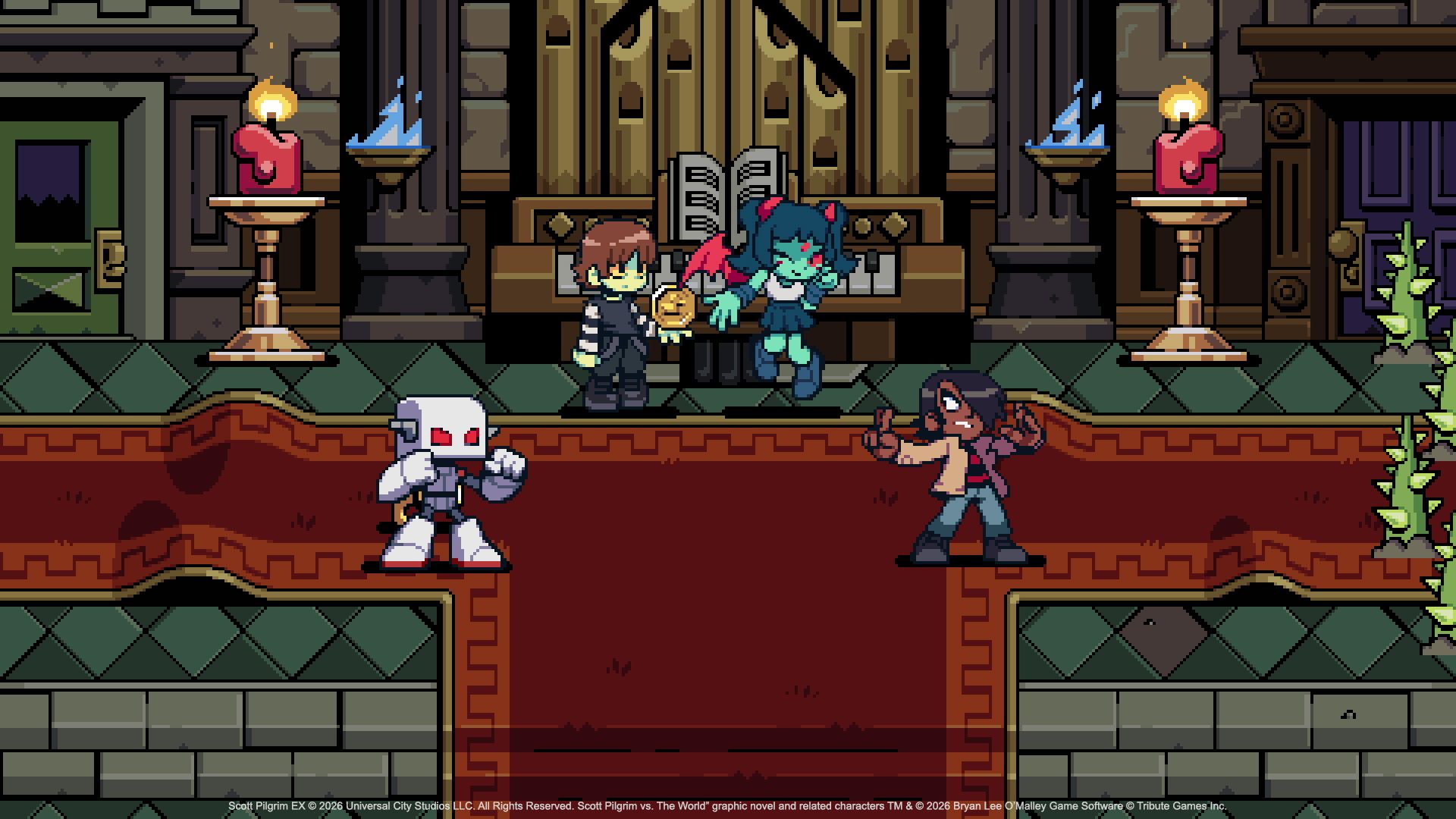
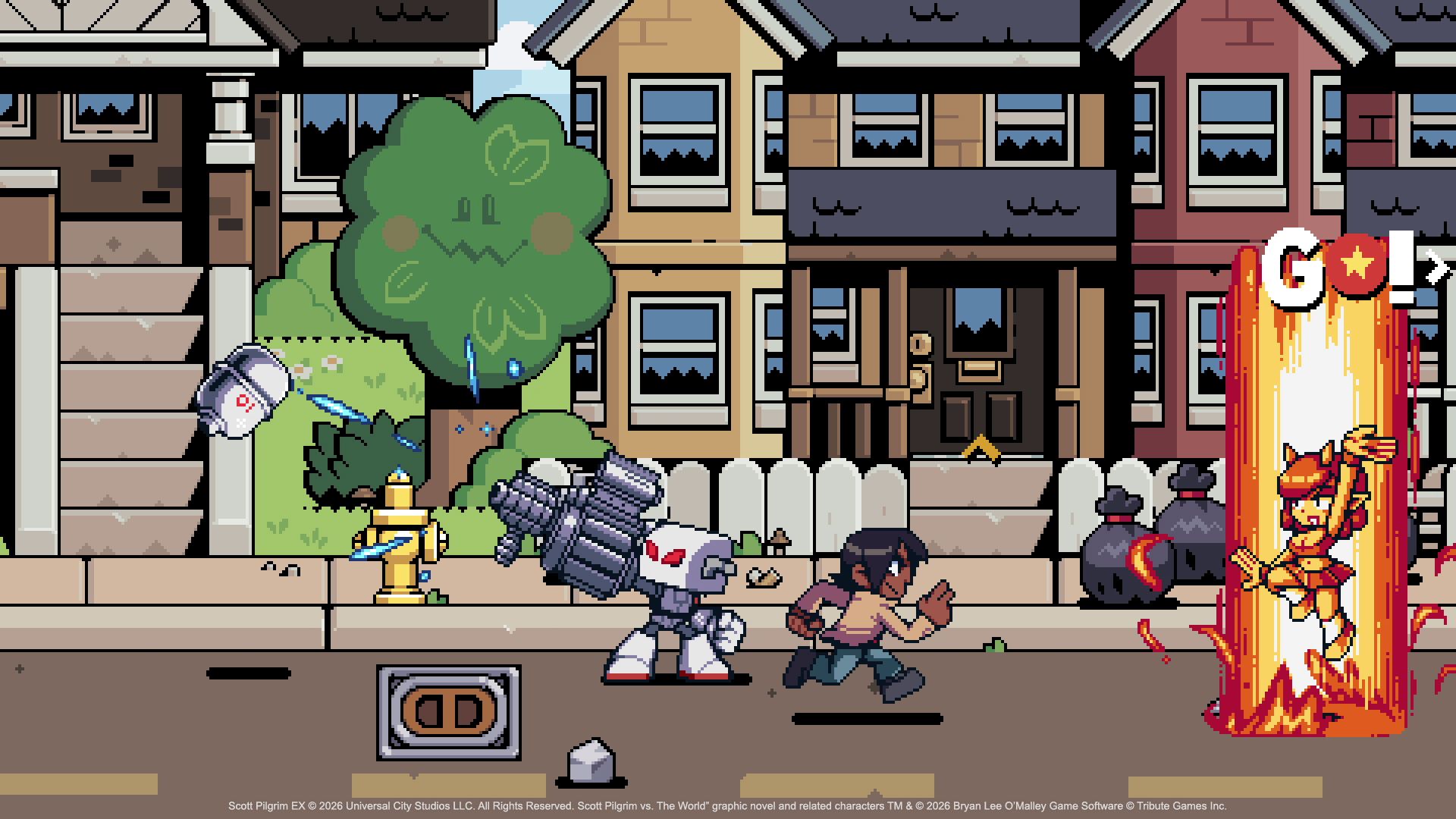
Staying true to established ‘canon’ – the original details and storyline – can be tricky when adapting books or comics into movies or TV shows. Dedicated fans often notice even small changes, and going too far from the source material, like with the Fallout TV series, can lead to criticism if the adaptation loses what made the original special. However, sometimes a series isn’t necessarily ignoring canon, but rather embracing a looser interpretation as part of its identity. This is definitely the case with Scott Pilgrim EX and the Scott Pilgrim series as a whole, and according to one of the writers, that’s what makes it enjoyable.
TopMob recently spoke with BenDavid Grabinski, a co-writer of Scott Pilgrim Takes Off, about his involvement with the Scott Pilgrim EX game. Although he was only a creative consultant on the game, he had some interesting insights. Grabinski explained that what makes the Scott Pilgrim franchise work is its flexible storyline – each new story builds on what came before, creating a kind of creative loop. He believes maintaining strict consistency isn’t as important as capturing the right feel and keeping the brand recognizable.
Scott Pilgrim Doesn’t Need to Be Canon to Be Fun
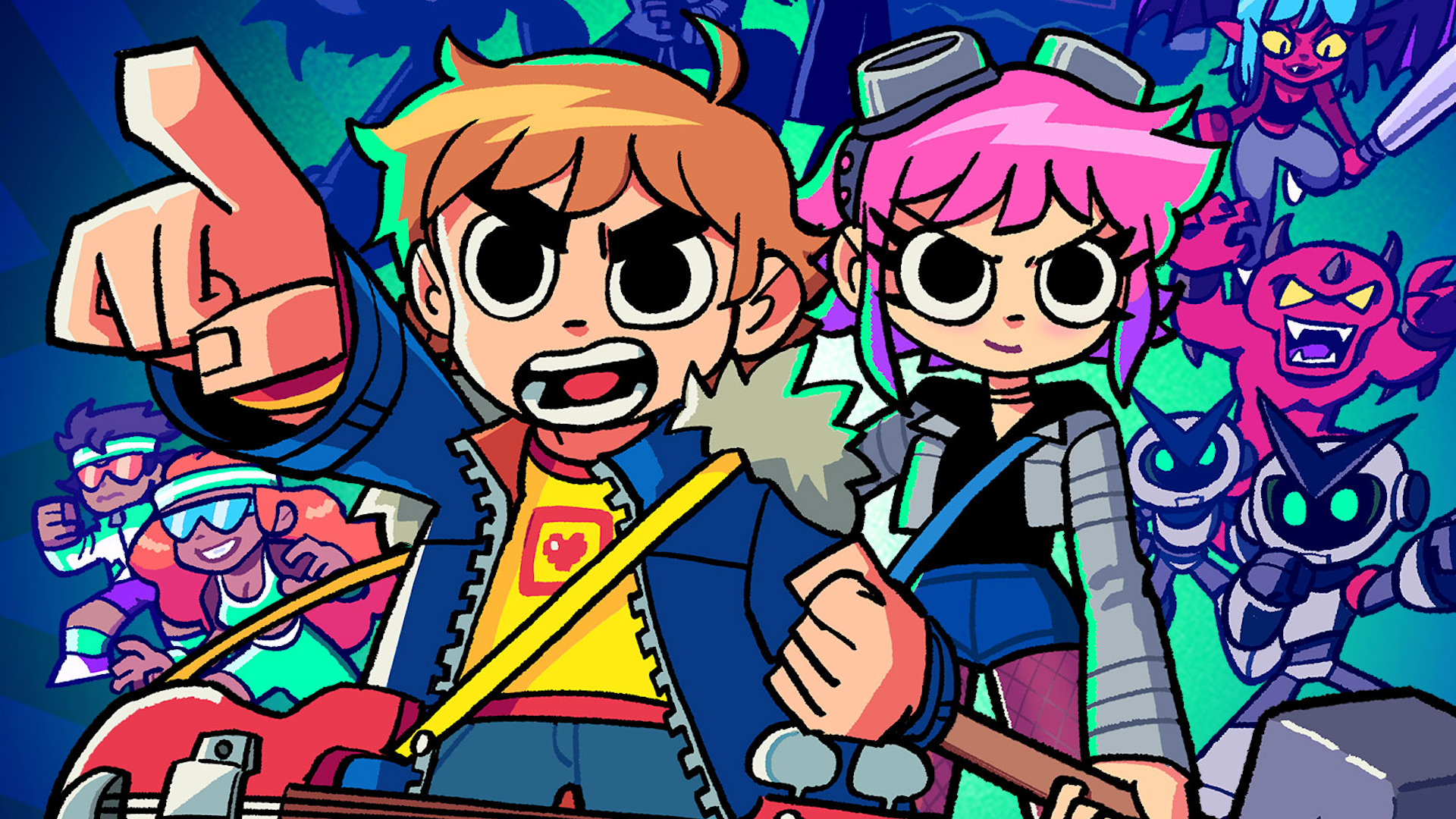
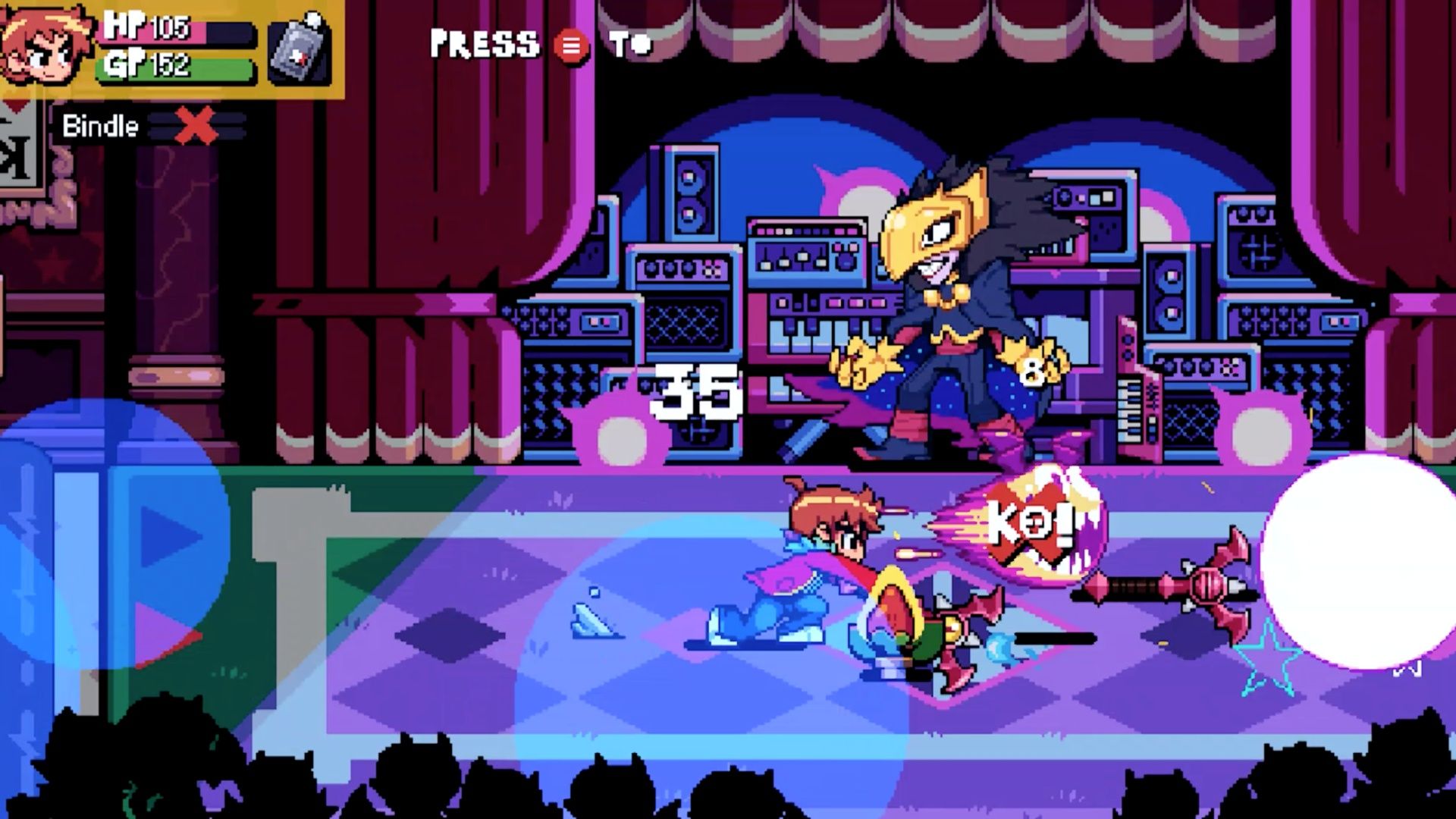
BenDavid Grabinski, a lifelong video game enthusiast, was thrilled to work on Scott Pilgrim EX with what he called a team of incredibly talented people. While he’s mostly worked in film and television, this Scott Pilgrim game presented a new challenge for him. However, he also noted that the franchise already feels very much like a video game in its style and energy, so adapting it into that format wasn’t as daunting as it could have been with other adaptations. As Grabinski explained:
What’s really cool about Scott Pilgrim is how naturally it connects to video games – it just fits perfectly. Brian [Evanson, the creator] drew inspiration from games from the very beginning, and it’s created this strange cycle: a comic inspired by games becomes a movie, then a game, then an anime, and now another game! It’s funny to see how all these versions connect, and people get really into the details of what’s ‘official’ canon. But if you try to make sense of it all, it can get pretty confusing!
The connection between Scott Pilgrim and video games isn’t just about the story being about gaming. It’s woven into the very fabric of how the story is told, using the language of video games. Think of fights as boss battles, visual effects like combos, and even the way characters are defeated – it all draws from arcade and fighting game design. The story itself unfolds like a game, with Scott facing increasingly difficult challenges that feel like levels rather than typical relationship milestones. This makes Scott Pilgrim feel deliberately designed with game logic, creating a dynamic experience with action, consequences, and escalating stakes that translate well into games, movies, and animation.
I was really struck by something Grabinski said about Scott Pilgrim. He pointed out how fans can get really hung up on what’s ‘canon’ – what really happened – but he thinks if you try to nail that down with Scott Pilgrim, you’ll drive yourself crazy! He explained that all the different versions – comics, movie, games – share the same characters and basic ideas, but they don’t always agree on what actually happened. Sometimes, one story will change something that happened in another, or even say something didn’t happen! But according to Grabinski, that’s actually part of what makes Scott Pilgrim so enjoyable.
What’s really cool about the Scott Pilgrim series is how interconnected everything feels. ‘Scott Pilgrim Takes Off’ feels like a sequel to the original comic, but it’s more of a continuation than a direct follow-up. It’s similar to how things happen in real life – each project builds on the ones before it, and none of it would exist without the previous work.
It might seem like Grabinski defines continuity simply by what happens next in the story. But he’s actually exploring how each new Scott Pilgrim story builds on the previous one, focusing on cause and effect and creative freedom. Essentially, the past stories aren’t strict rules, but rather a flexible foundation that allows the creators to innovate. Grabinski even admitted his motivation for helping develop the game was a personal desire to play as Robot 01. While this isn’t about official story details, it highlights just how adaptable Scott Pilgrim is as a franchise, giving its creators a lot of freedom to shape the narrative.
Scott Pilgrim EX Is and Isn’t a Sequel to Scott Pilgrim Takes Off
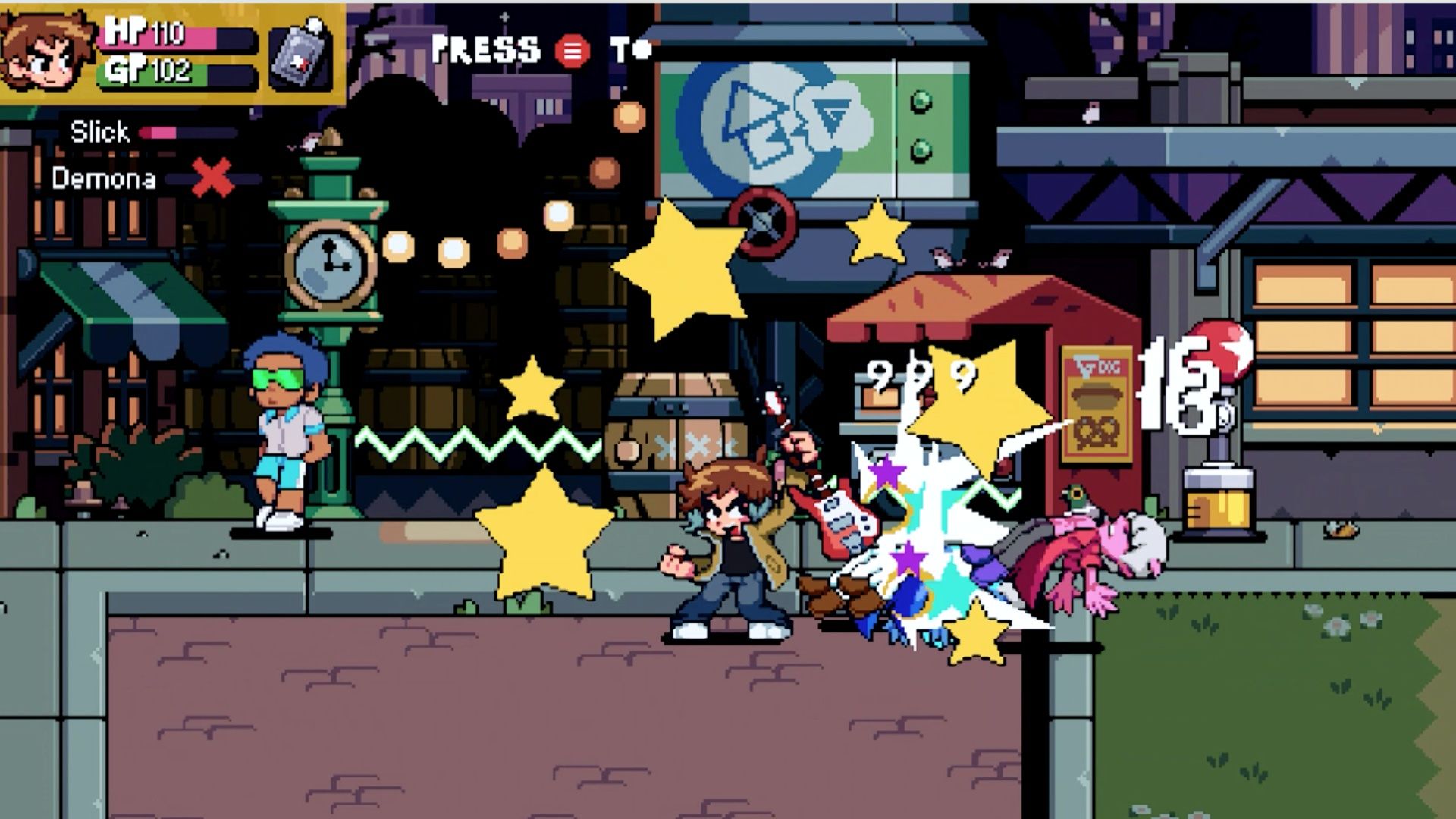
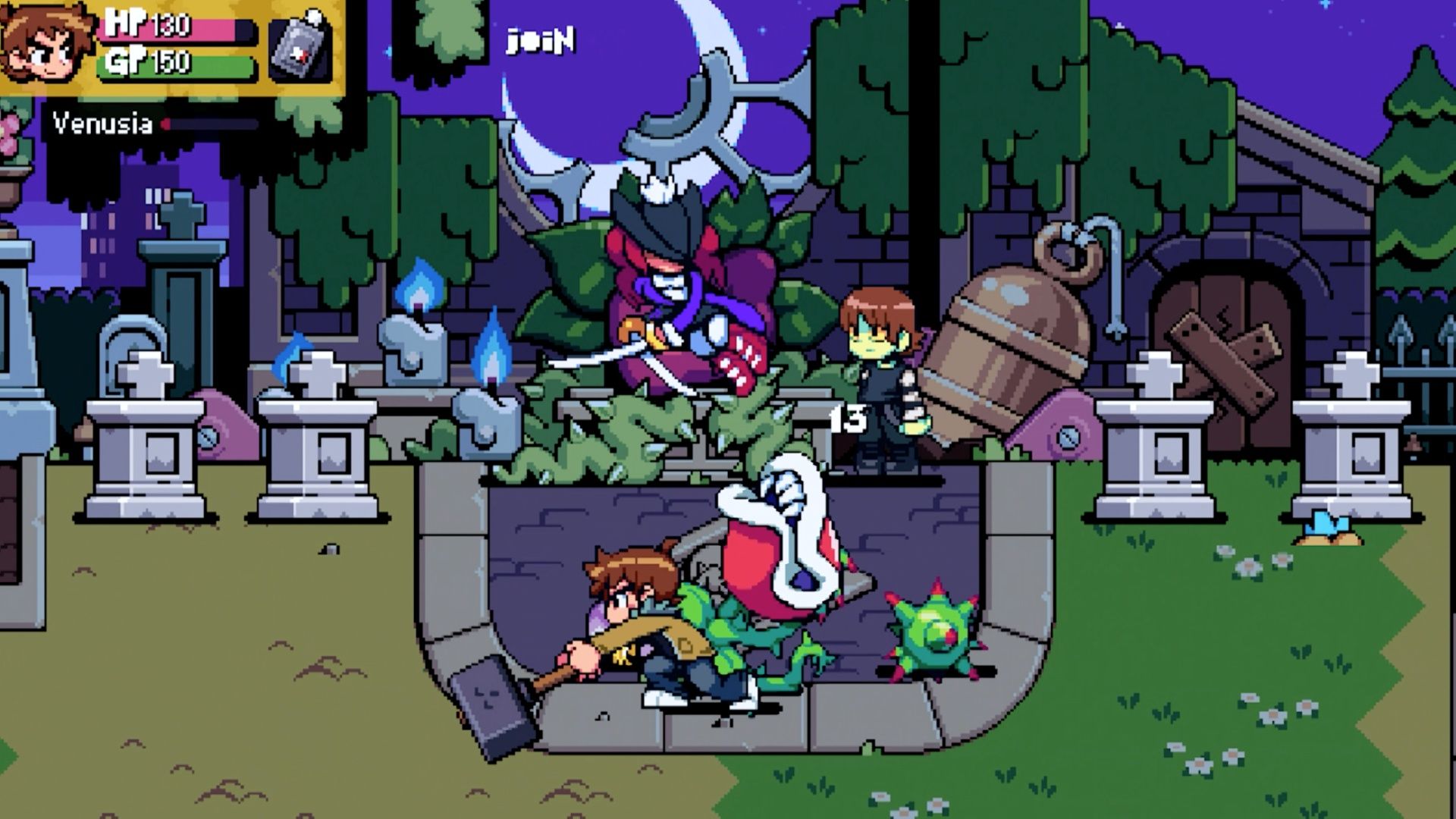
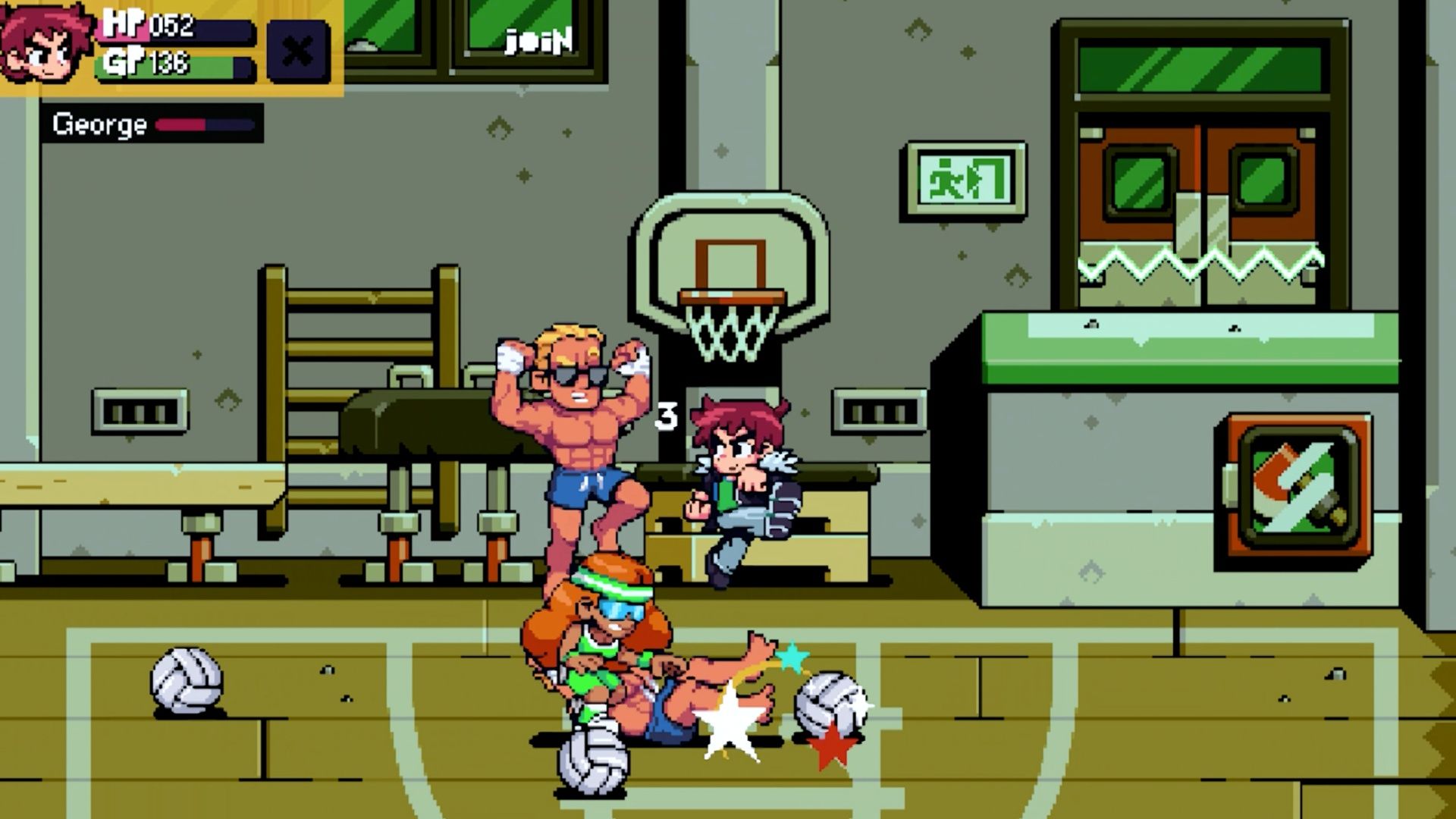
Despite everything, fans still intensely focus on what’s considered ‘official’ story material, and Scott Pilgrim EX is no exception. Dedicated fans will likely scrutinize the new series, pointing out any inconsistencies. This raises the question: is Scott Pilgrim EX a direct continuation of the story told in Bryan Lee O’Malley and BenDavid Grabinski’s anime, Scott Pilgrim Takes Off? The creator had a response.
I’m a big fan of how ‘Scott Pilgrim Takes Off’ ended, and I appreciate that this new story loosely connects to that conclusion. I’m trying to avoid spoilers, but that’s the best way to put it. What’s enjoyable is that if you look closely, you can piece things together and it feels like a proper sequel. However, this story also suggests Scott did fight his exes at some point, which differs from ‘Scott Pilgrim Takes Off’ where he only fought Matthew, lost, and then ultimately faced his own inner struggles in the final battle instead of another physical fight.
Essentially, if viewers have to strain to find a connection between Scott Pilgrim EX and Scott Pilgrim Takes Off, that wasn’t the intention. While some expected EX to continue the story after the anime wasn’t renewed, it’s actually a new chapter in the Scott Pilgrim universe, taking place after the animated series. Ben Grabinski confirmed this by pointing out how loosely EX connects to Takes Off – for example, Scott didn’t have conflicts with the Evil Exes in the anime, but the video game later treated that conflict as established fact.
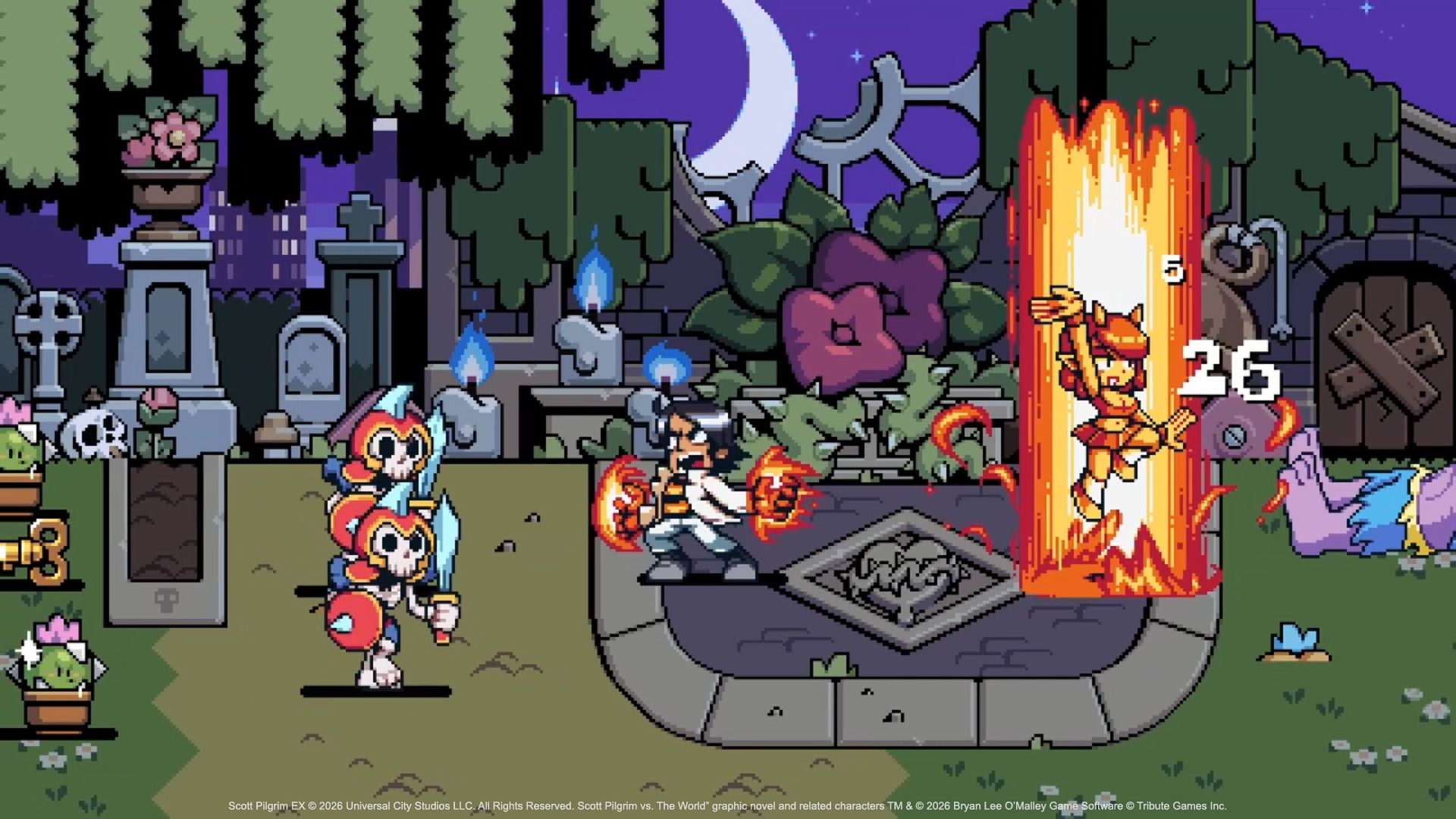
The co-creator jokingly suggests the reason for some changes in the new version isn’t what dedicated Scott Pilgrim fans would expect. It wasn’t a deliberate attempt to rewrite the story or add random elements. Instead, the team seemed so focused on enjoying the franchise that they simply overlooked previous events, as Grabinski explained.
What I find amusing – and I don’t think it was intentional – is that some recent creative work feels disconnected from its own history. Whether that’s a good thing is up to each person, but I think the fun, lighthearted style of Scott Pilgrim allows for a bit more freedom and less strict adherence to established continuity in today’s world of reboots and sequels.
When Grabinski refers to the “modern IP era,” he’s likely talking about the current focus on making sure everything within a franchise’s story fits together seamlessly into a single, consistent canon. This includes maintaining consistency across all related media, like games, movies, books, comics, and TV shows. This strong emphasis on continuity is probably driven by fans, who now have unprecedented ways to share their opinions and criticisms online. While a unified canon helps address those concerns, it’s still impossible to satisfy everyone.
Grabinski calls this way of handling intellectual property “modern” because it hasn’t always been done this way. He used Batman as an example, pointing out how much the character has evolved since its creation in 1939. While dedicated fans have certain expectations for Batman stories, the character has still changed significantly over the last 80 years with each new version. Spider-Man is another good example – it’s gone through similar changes but remains incredibly popular.
Instead of viewing continuity as a strict set of rules, Grabinski suggests that the franchise has always embraced reinvention. Scott Pilgrim EX fits into this tradition not by perfectly adhering to one established storyline, but by sharing the same creative spirit while freely changing, challenging, and reinterpreting elements. Ultimately, this approach is what the creators find enjoyable and worthwhile.
Read More
- Quantum Agents: Scaling Reinforcement Learning with Distributed Quantum Computing
- Boruto: Two Blue Vortex Chapter 33 Preview — The Final Battle Vs Mamushi Begins
- All Skyblazer Armor Locations in Crimson Desert
- Every Melee and Ranged Weapon in Windrose
- How to Get the Sunset Reed Armor Set and Hollow Visage Sword in Crimson Desert
- One Piece Chapter 1180 Release Date And Where To Read
- New Avatar: The Last Airbender Movie Leaked Online
- USD RUB PREDICTION
- Zhuang Fangyi Build In Arknights Endfield
- All Shadow Armor Locations in Crimson Desert
2026-04-18 12:21