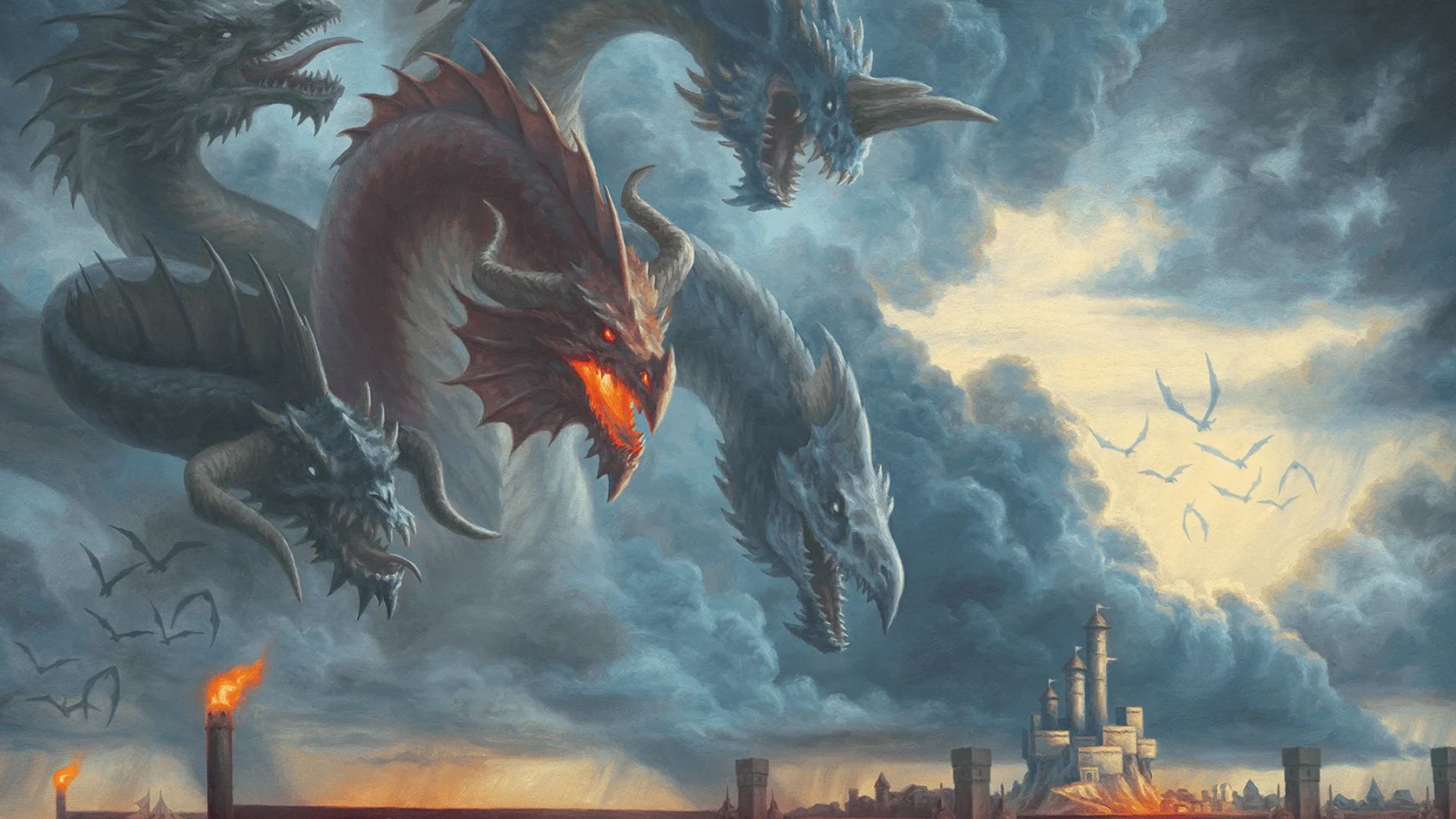
Dungeons & Dragons is easily the most popular tabletop roleplaying game available. It’s been a leader in the hobby for fifty years and has recently become even more popular. Shows like Stranger Things, the game Baldur’s Gate 3, and live-play shows like Critical Role have all helped bring D&D to a wider audience, meaning more people are playing it now than ever before.
Most versions of Dungeons & Dragons, including the popular 5th edition, allow characters to progress from level 1 to 20. However, surprisingly few players actually get to experience a character at the highest levels, or even reach level 10. This is often due to the increasing complexity of the game, balance issues, and a lack of official adventures designed for high-level play. It’s a real loss, because playing D&D at its highest levels can be the most enjoyable experience for players.
Why Are Dungeons and Dragons Players So Afraid of Tier 4?
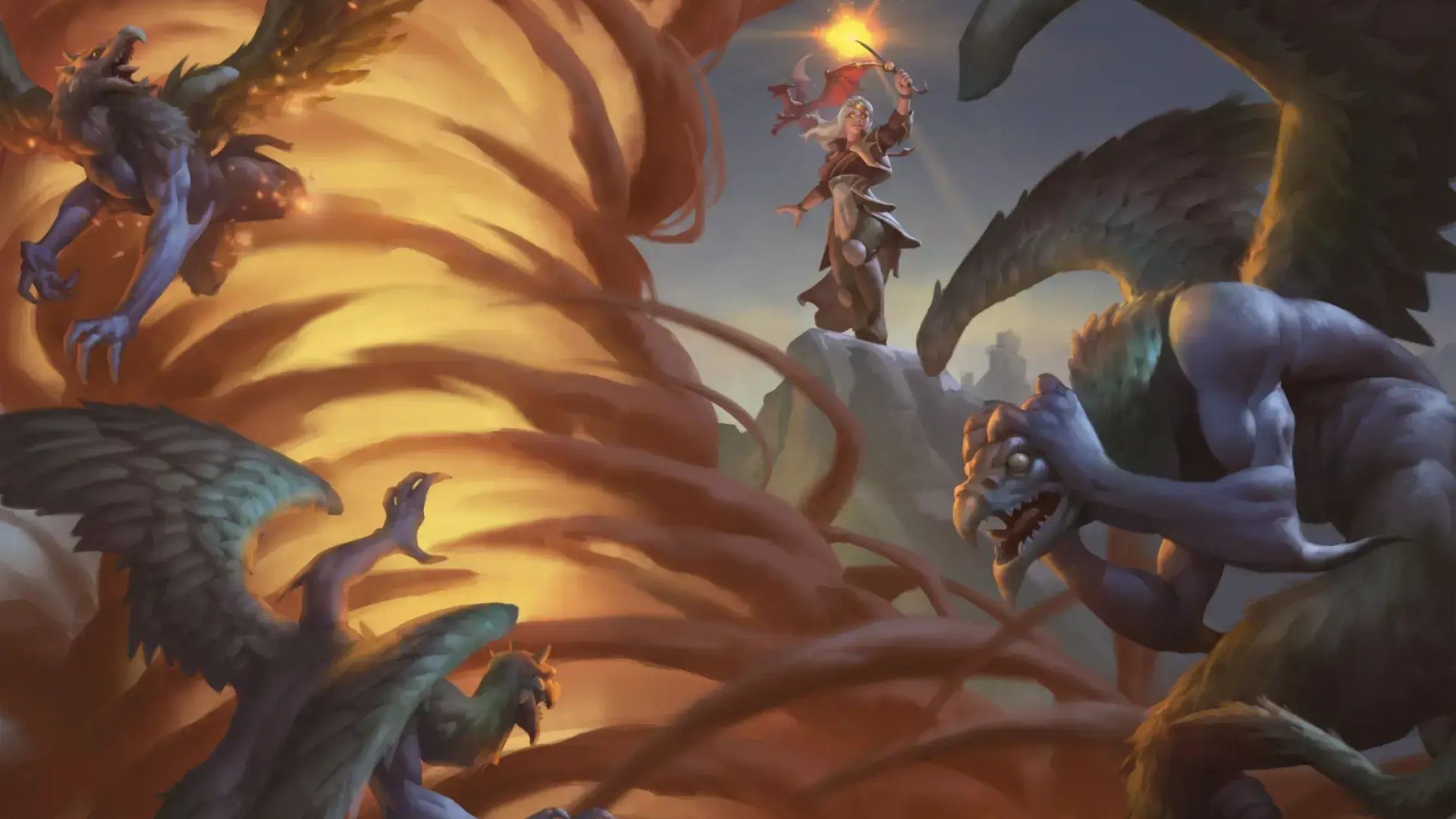
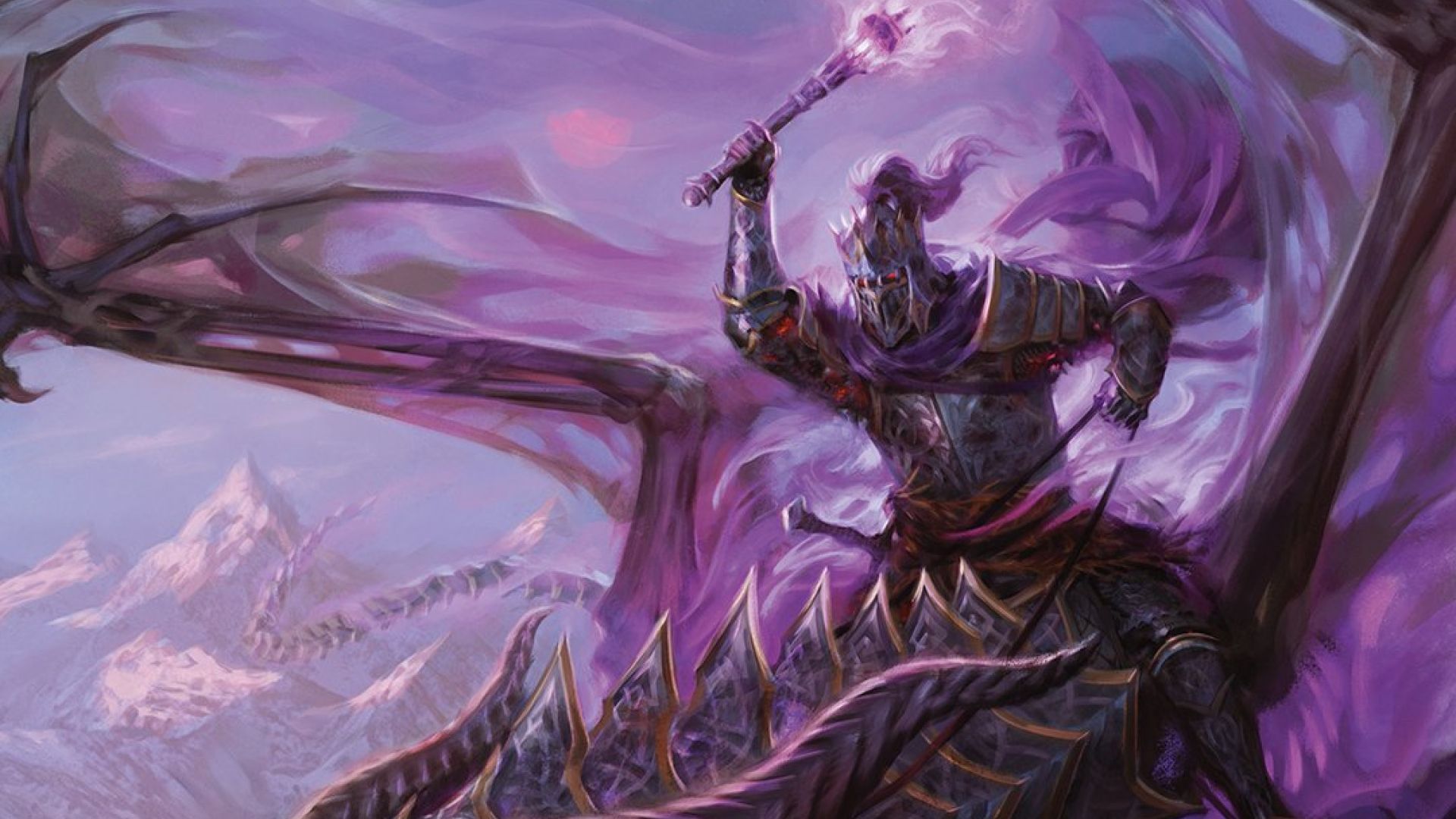
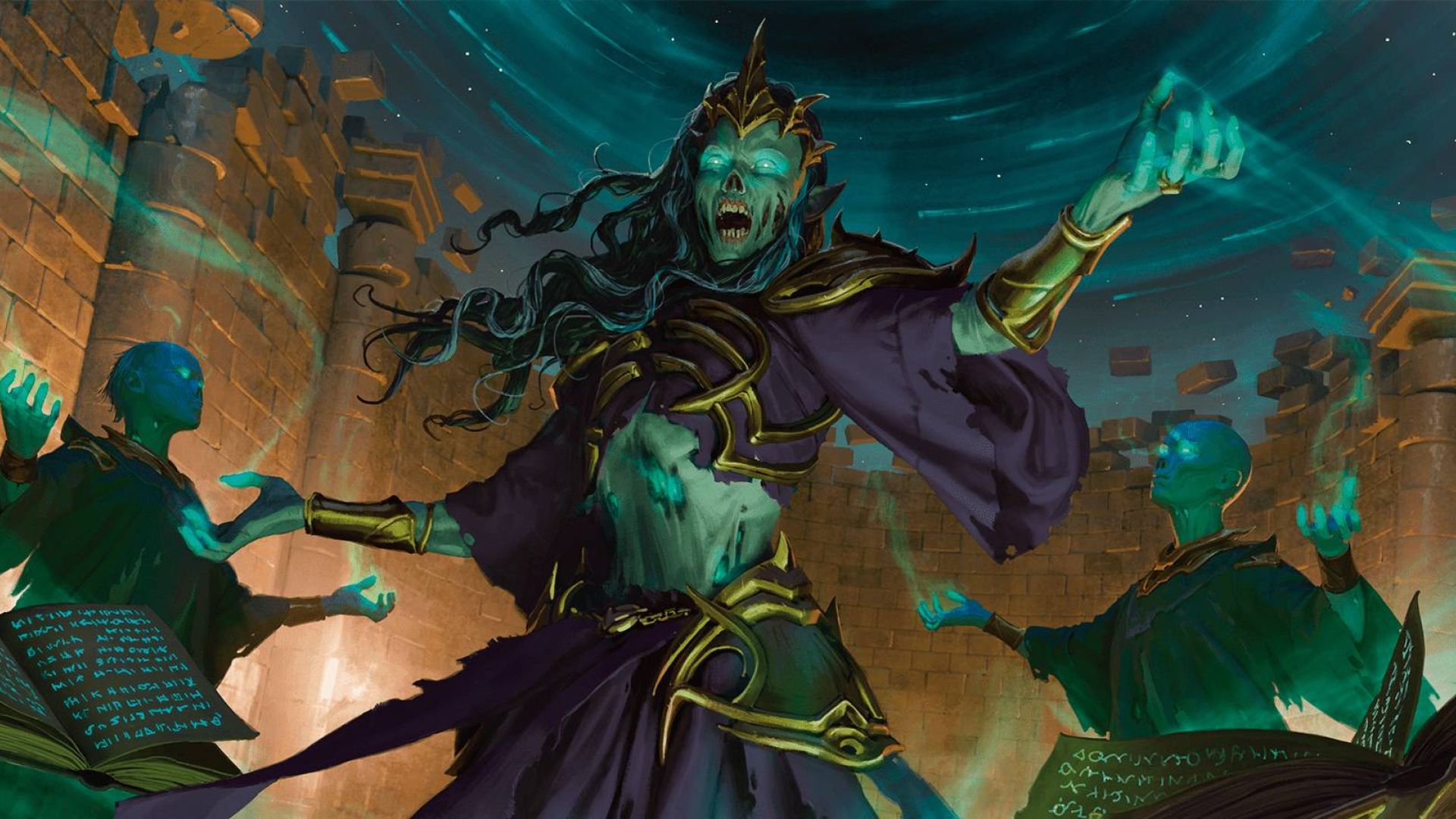
The Drawbacks of High-Level Play in D&D
The 20 levels of D&D are often divided into four tiers of play by the community:
- Tier 1: Levels 1–4
- Tier 2: Levels 5–10
- Tier 3: Levels 11–16
- Tier 4: Levels 17–20
The different tiers represent significant jumps in power as characters level up in D&D. For example, Tier 2 characters gain the Extra Attack ability and can cast 3rd-level spells at level 5, Tier 3 characters unlock 6th-level spells at level 11, and Tier 4 characters gain access to 9th-level spells at level 17.
Most Dungeons & Dragons games don’t reach the highest levels of play, rarely even getting into Tier 3 or Tier 4 challenges. In fact, most official campaigns, including Ghosts of Saltmarsh, Rime of the Frostmaiden, Critical Role: Call of the Netherdeep, and Strixhaven: A Curriculum of Chaos, conclude around level 12. Even the highly acclaimed Baldur’s Gate 3, winner of 2023 Game of the Year, ends at level 12. While some campaigns do extend to level 15 or 20, official resources for playing at these higher levels in D&D are limited.
When players attempt high-level play (Tier 4), a couple of significant issues frequently surface. Primarily, managing a powerful, max-level character can be difficult. While the 5th edition rules are simpler than previous editions, and the updated 5.5e rules even more so, characters still have many abilities and spells to remember. This large number of options can slow down gameplay and present a challenge for players who prefer a more straightforward approach.
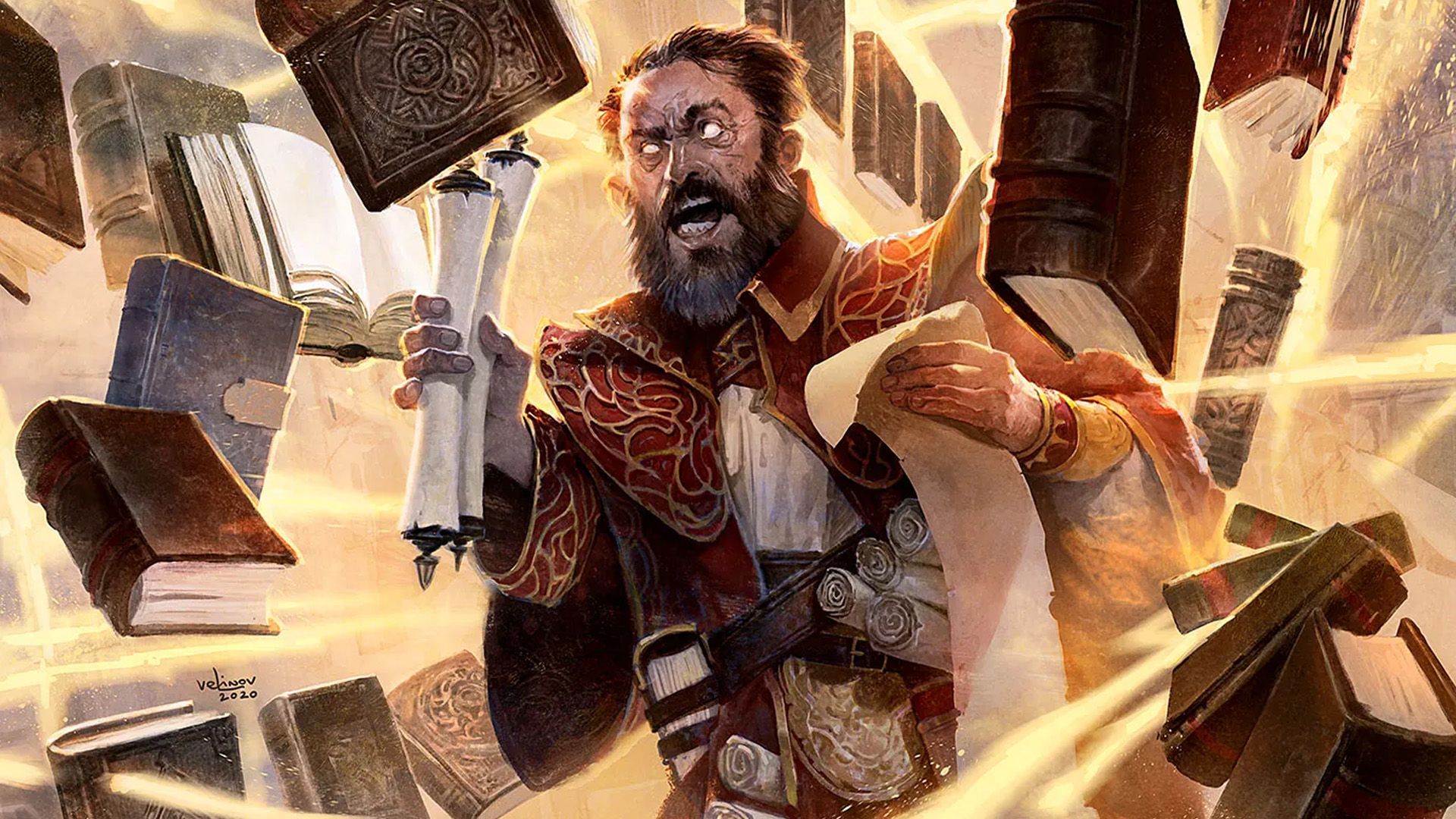
Running the game as the Dungeon Master gets really challenging when players reach high levels in Dungeons & Dragons. As characters become more powerful, DMs have to use increasingly difficult monsters. However, even the most fearsome dragons aren’t enough to challenge a well-equipped group of 20th-level characters by themselves. To keep the game exciting at these higher levels, DMs need to create bigger and more dangerous encounters, either by using large groups of weaker monsters or combining several powerful ones.
Let me tell you, running Tier 4 of this game is… a commitment. It adds a ton of bookkeeping, which means less time actually helping players who are getting bogged down in the details. And the combat? Oh, the combat. It takes the slowest parts of Dungeons & Dragons and stretches them out even further. Honestly, expect a decent fight to take at least three or four hours, and potentially much longer. It’s not just combat either. Players can stack so many bonuses – a Rogue’s Expertise, an Artificer’s Flash of Genius, Bardic Inspiration, even the simple Guidance cantrip – that ability checks can quickly become ridiculously high. A roll of 30, 40, or even 50 isn’t uncommon with the right party. Bottom line? If you’re not fully prepared, Tier 4 can be a real headache for a Dungeon Master.
Tips For Running High-Level Campaigns in Dungeons and Dragons
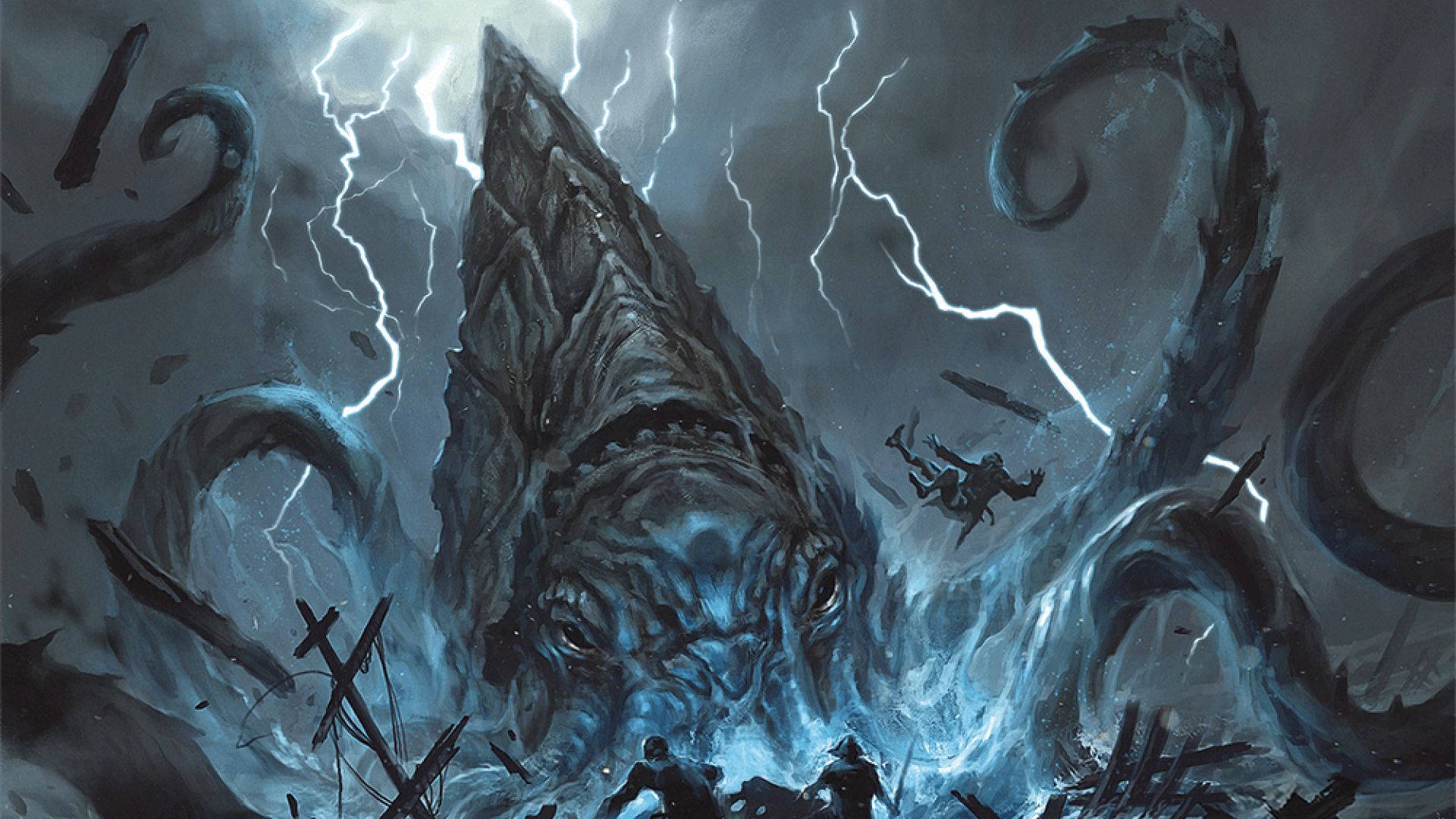
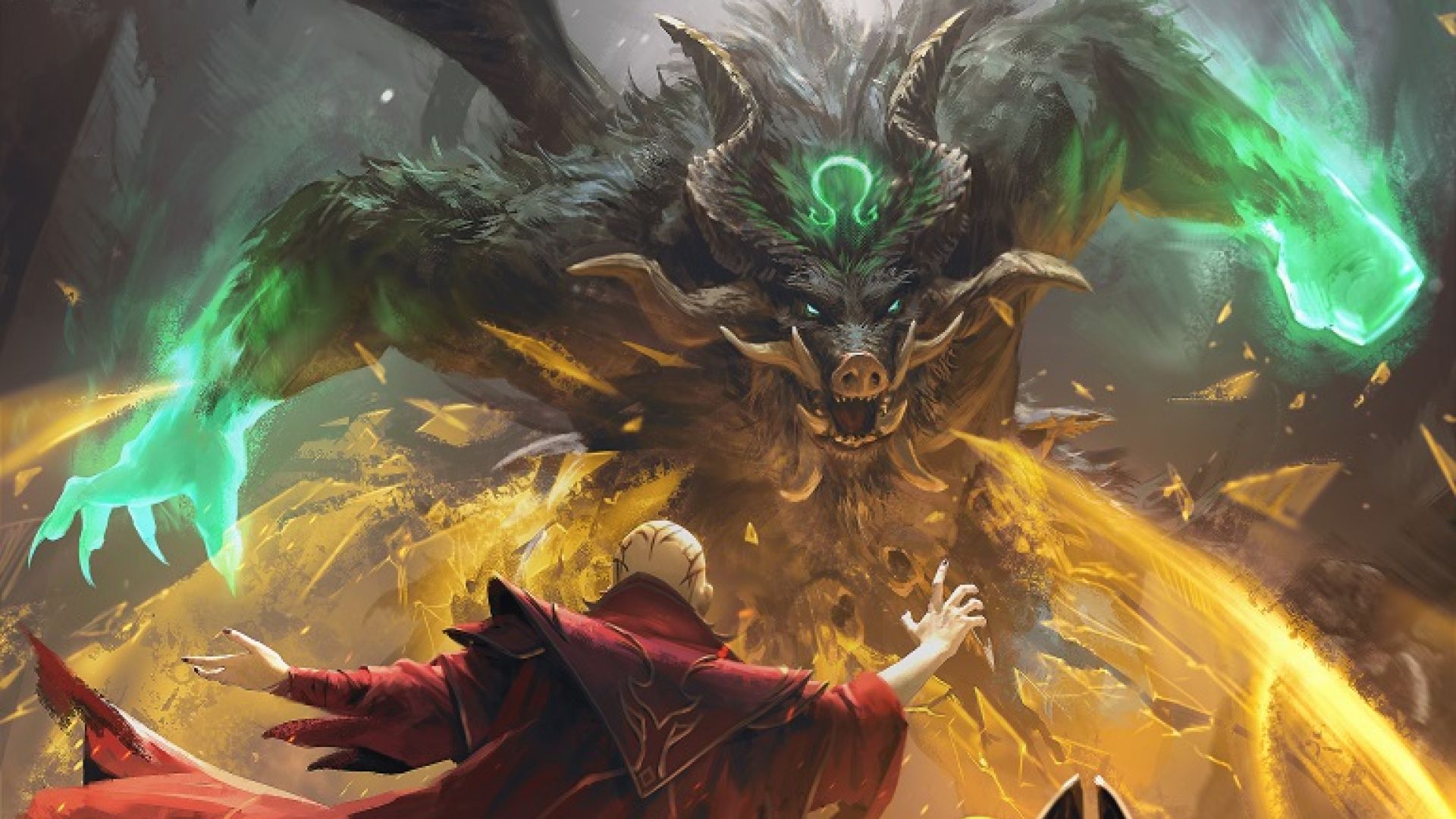
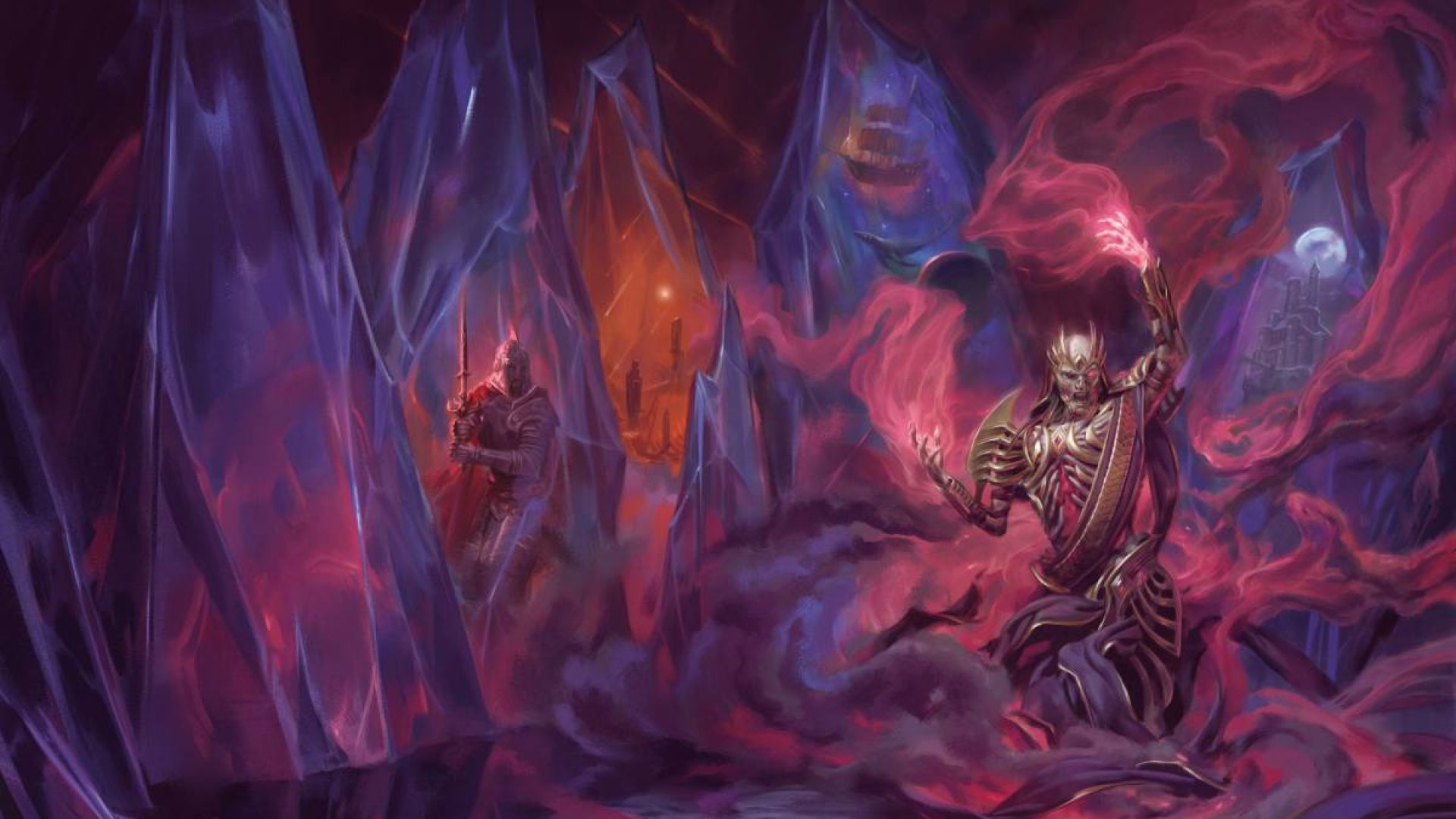
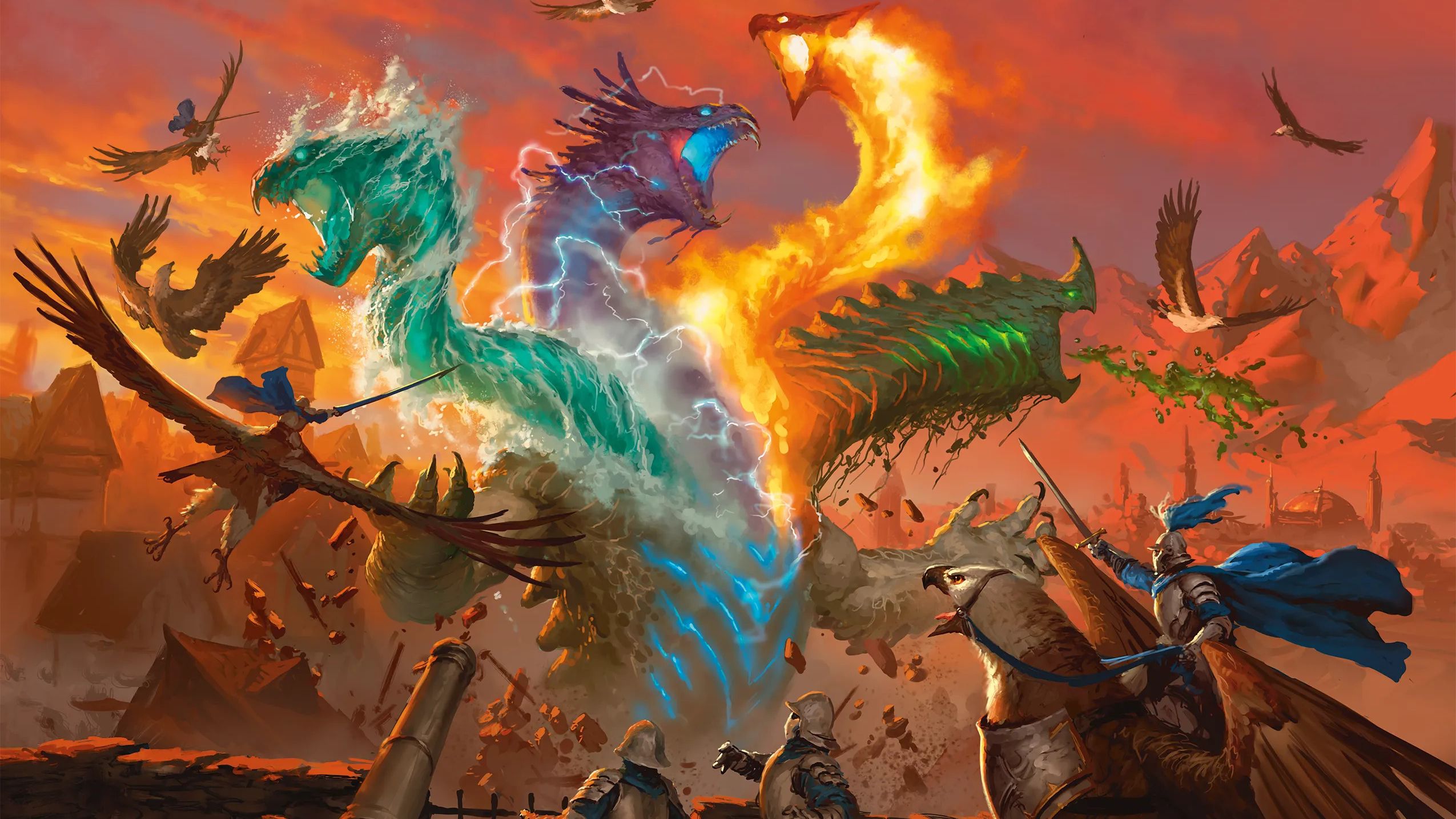
Dungeons and Dragons Is Awesome At Tier 4 – If You Do It Right
When players and Dungeon Masters are well-prepared, high-level Dungeons & Dragons can be incredibly exciting. Players can access unbelievably powerful magic and items, and deal massive amounts of damage. Dungeon Masters can introduce surprising and formidable enemies, including demons, angels, and even gods. Tier 4 play encourages players to truly test their characters’ limits and achieve their ultimate goals, while DMs can craft epic stories of destruction and bravery with the most challenging monsters available.
Both players and Dungeon Masters can use a lot of helpful strategies when playing high-level adventures, and many of these work well even at lower levels too.
- Help players create cheat sheets or flowcharts to figure out what to do in combat.
- Use timers to keep players attentive and turns swift.
- Allow minions and weak monsters in D&D to be wiped out in one or two sufficient attacks or spells, without worrying about tracking exact hit points.
- Quickly summarize a character’s surroundings when their turn comes up so they know exactly what is happening.
- Take breaks to ensure player focus does not waver, and use this time to make adjustments to creature stats or hit points if necessary.
- Avoid rewinding turns to add forgotten modifiers and bonuses, creating retroactive effects that must be adjudicated.
When designing challenges for players, Dungeon Masters need to remember they define the game’s difficulty. The only thing preventing truly overwhelming encounters – like throwing a dozen incredibly powerful monsters at the party – is the DM’s commitment to making the game enjoyable. DMs have complete control and shouldn’t be afraid to experiment. Feel free to take chances, even if it means making mistakes. Give that epic boss monster a really strong ability, and adjust it during the game if it proves too powerful. A DM’s power is limitless – it’s just up to them to use it responsibly.
Although official support for levels beyond Tier 3 is limited, players can still find challenging content. Even if only a few published adventures reach those higher levels, there are many official monsters with a Challenge Rating of 20 or higher that can be used in customized campaigns. Plus, fantastic resources created by fans, like the upcoming Ariadne’s Book of Legends supplement for D&D, can help fill the gap.
One challenge consistently hinders long-term Dungeons & Dragons campaigns: finding a time that works for everyone. This is a common problem for tabletop role-playing games, and even Wizards of the Coast can’t solve it. However, if players can coordinate their schedules, reaching level 20 in D&D can create some amazing gaming experiences.
Read More
- New Avatar: The Last Airbender Movie Leaked Online
- Quantum Agents: Scaling Reinforcement Learning with Distributed Quantum Computing
- All Skyblazer Armor Locations in Crimson Desert
- Boruto: Two Blue Vortex Chapter 33 Preview — The Final Battle Vs Mamushi Begins
- How to Get the Sunset Reed Armor Set and Hollow Visage Sword in Crimson Desert
- Every Melee and Ranged Weapon in Windrose
- Red Dead Redemption 3 Lead Protagonists Who Would Fulfill Every Gamer’s Wish List
- One Piece Chapter 1180 Release Date And Where To Read
- All Shadow Armor Locations in Crimson Desert
- USD RUB PREDICTION
2026-04-19 14:25