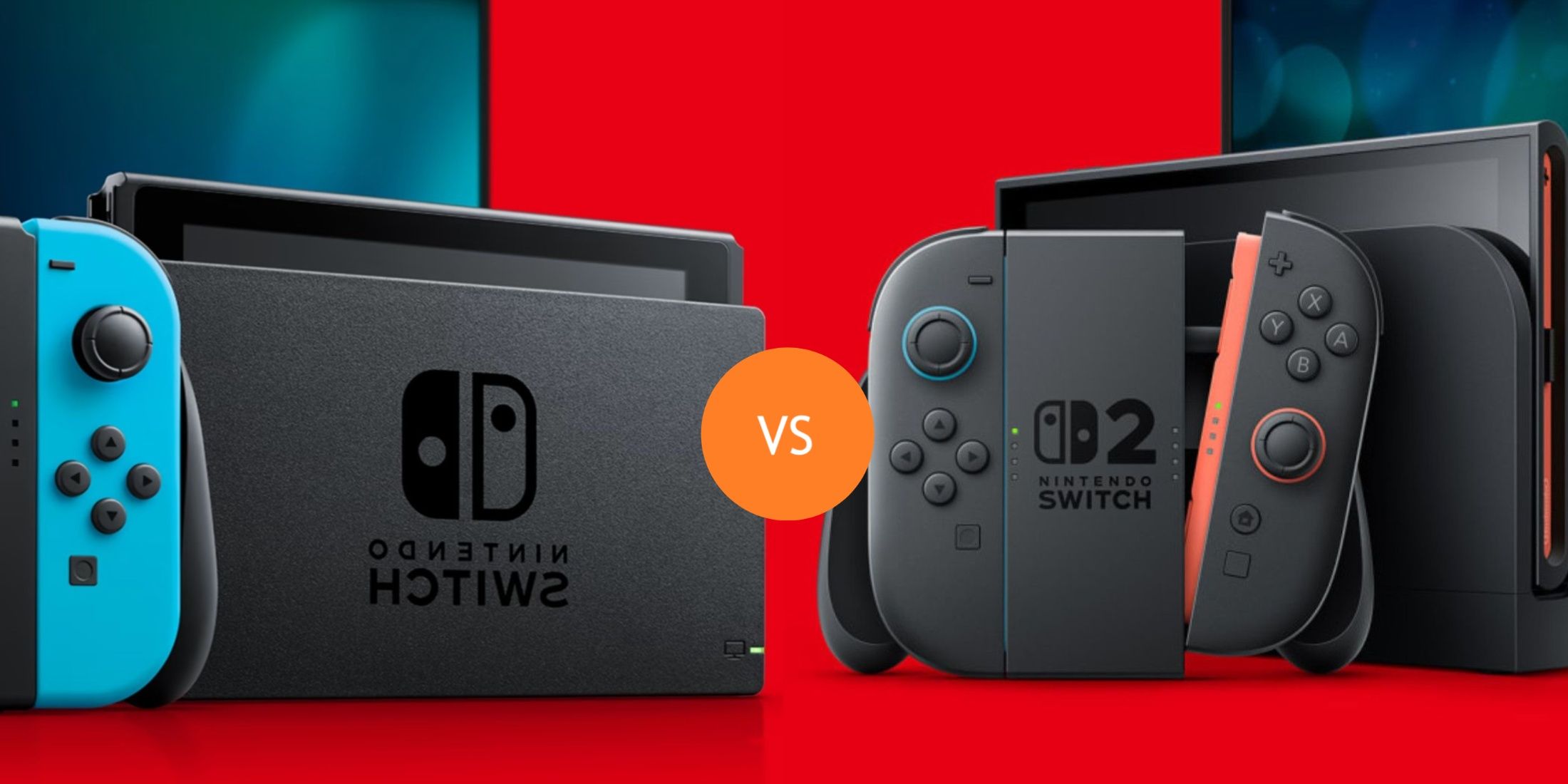
Anticipation is high among fans following the unveiling of the Nintendo Switch 2. However, just like any new gaming consoles, it’s expected that there will be advantages and disadvantages. Some concerns revolve around pricing, while others might stem from design elements potentially inherited from past generations, despite Nintendo’s claim of a complete “reinvention” of the console.
In this breakdown, we’ll delve deeply into all key features of the primary Nintendo Switch Consoles, first exploring the Classic and OLED models, and later comparing their specifications to those of the as-yet-unreleased Nintendo Switch 2. It is important to note that, since the Nintendo Switch 2 has not hit the market, certain aspects such as performance have been left out of our analysis.
Overview
Nintendo Switch/OLED
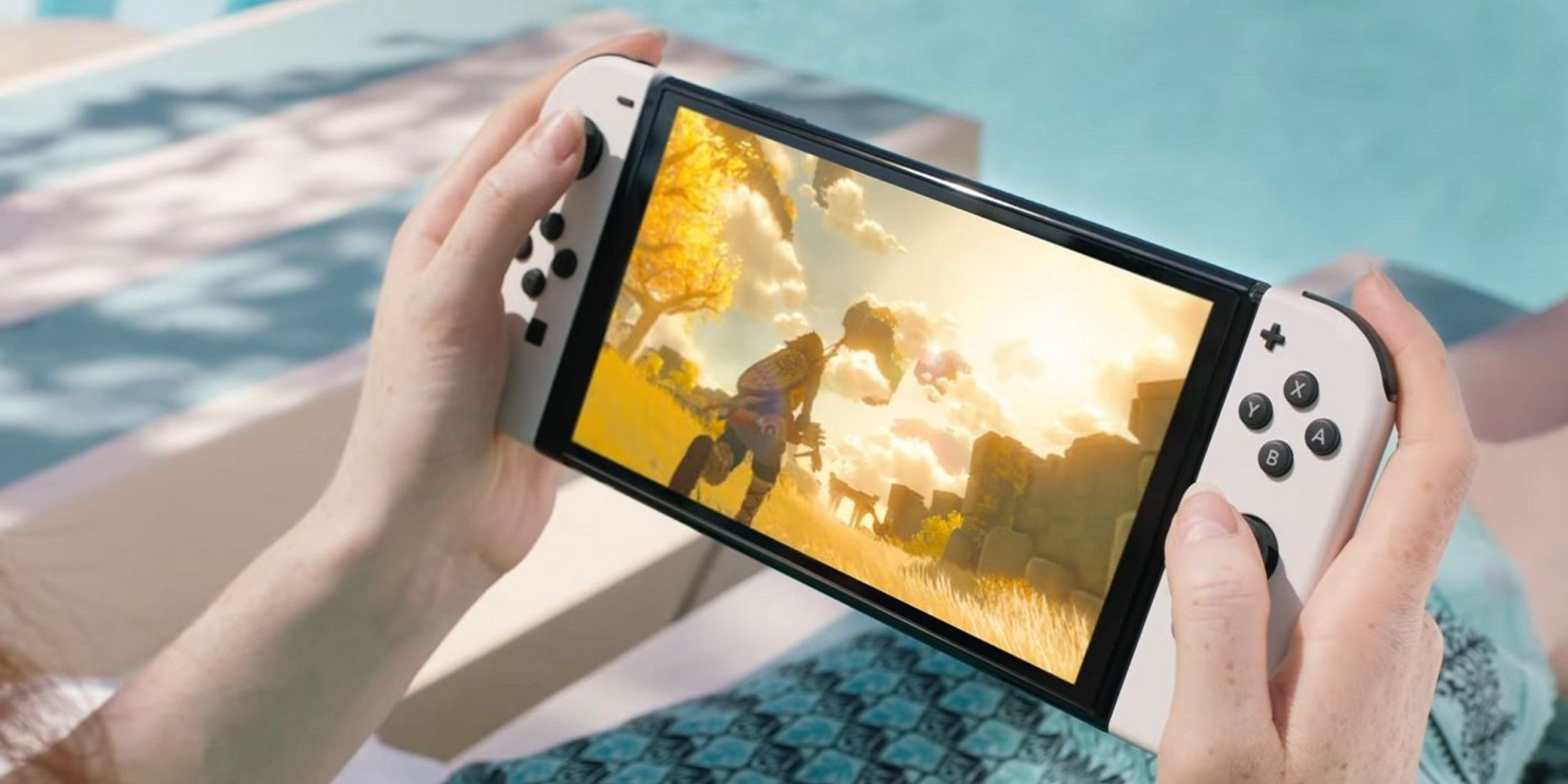
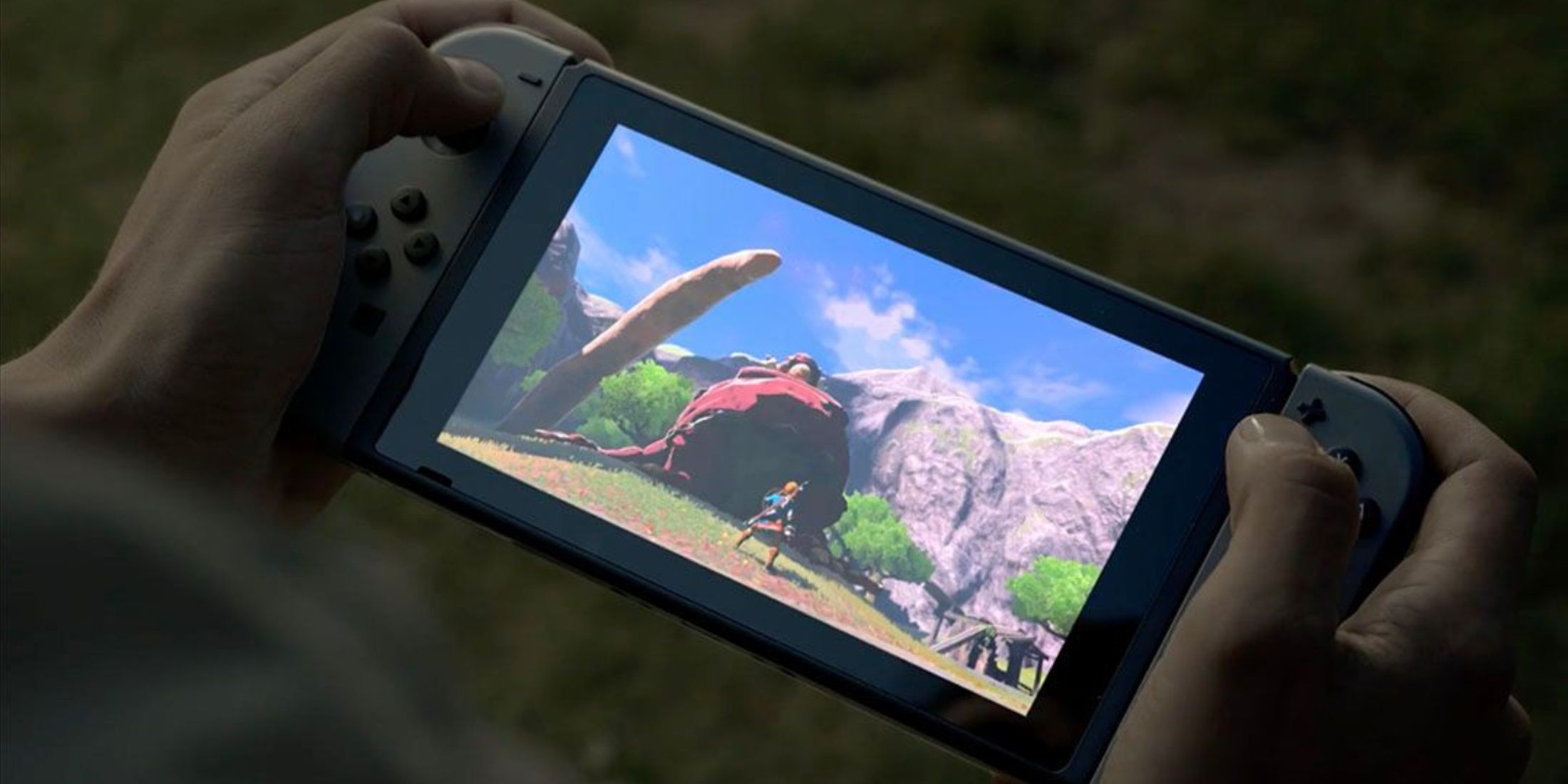
As a gamer, I’ve been enjoying my Nintendo Switch since its release in 2017, and it’s still going strong even with the latest generation of consoles. The newer OLED model, with its larger screen and enhanced resolution, is set to keep performing for a few more years. Compared to the base console, the OLED dock has a wider design and includes a wired LAN port, which the original doesn’t. With more internal storage and slightly better visuals in docked mode, it’s fair to say that the OLED version is essentially an upgraded Switch 1.5. However, they both share the same processor unit (Nvidia Tegra) and operate at 1280×720 when handheld, with the OLED capable of running up to 1080p in docked mode, offering slightly better contrast and brightness.
Nintendo Switch 2
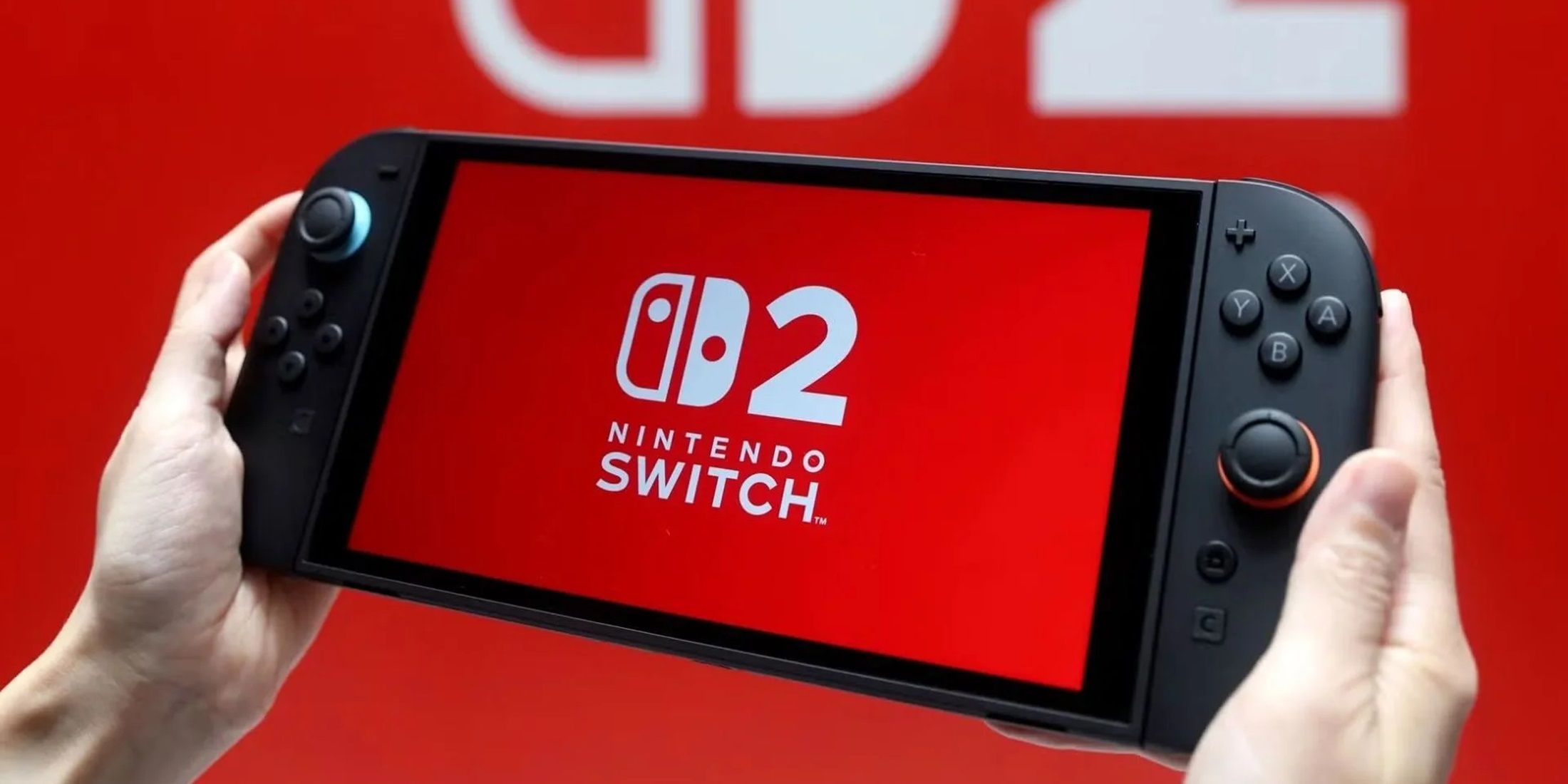
The screen size of the Nintendo Switch 2 is slightly larger than its predecessor, measuring approximately 4.5 inches in height and 10.7 inches in width. This new model sports a wider color gamut LCD screen that’s 0.9 inches broader than the OLED. It will operate at a higher native resolution of 1920×1080, with a refresh rate that can reach up to 120 FPS, and this high refresh rate will also serve as VRR when the console is docked, provided it’s set at 1920×1080 or 2560×1440 resolutions. For 4K (3840×2160), the maximum FPS will be capped at 60 and it can only connect to compatible monitors/TVs. An additional USB-C port has been added for enhanced tabletop mode functionality. The base model of the NS2 comes with 256 GB of internal storage, a significant increase from the 32 GB or 64 GB found in the Switch and OLED versions. Lastly, the Joycons have undergone an ergonomic redesign and now feature a new “C” button for standalone voice chat.
Size
Nintendo Switch/OLED
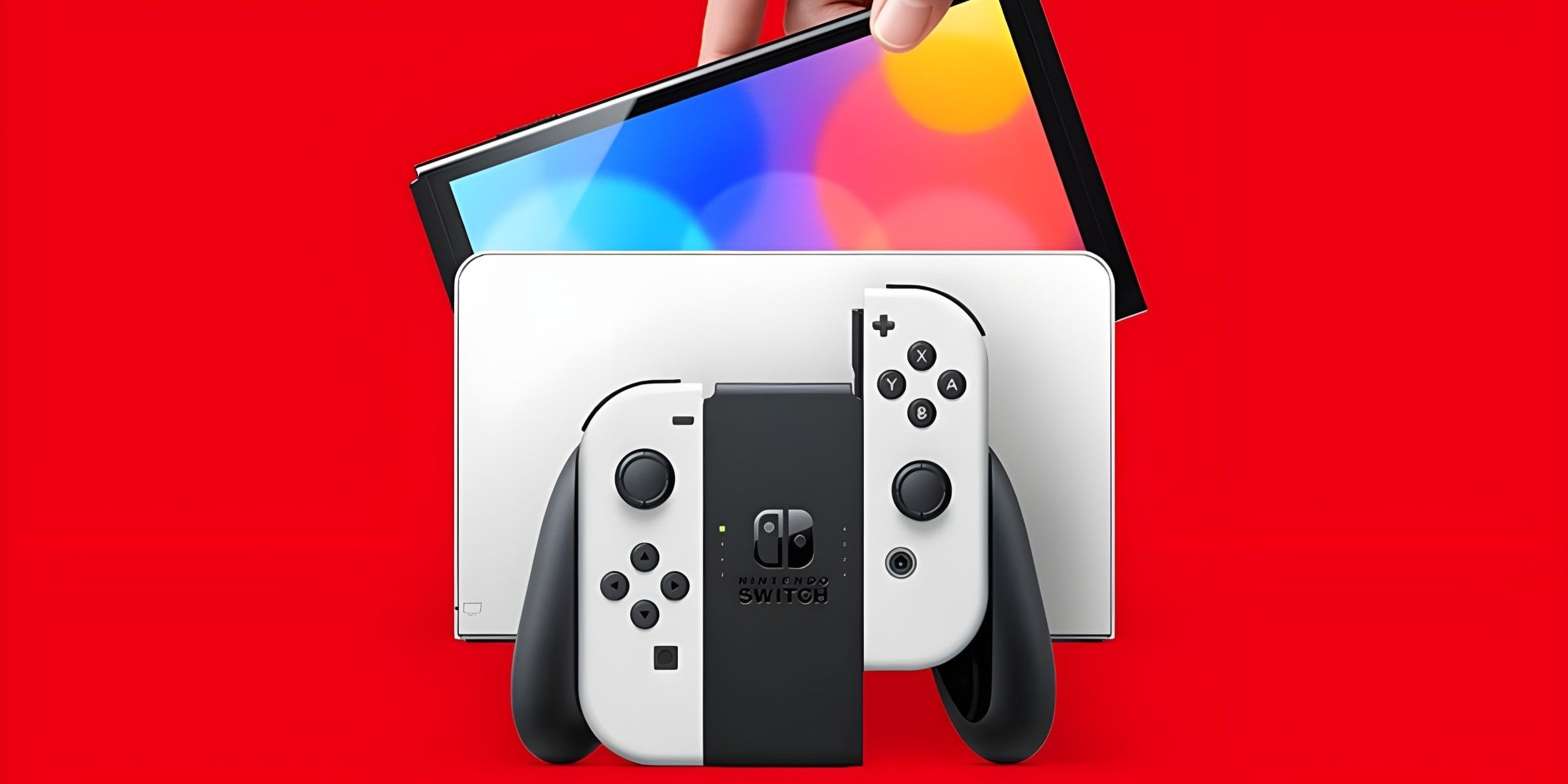
The dimensions of the Nintendo Switch dock are approximately 4.1 inches in height, 6.8 inches in length, and 2.12 inches in depth. On the other hand, the OLED Switch dock is slightly larger, measuring about 4.1 inches high, 6.9 inches long, and 2.0 inches deep. One significant advantage of using the docked mode is that it keeps the console charged as long as it remains connected to a power source (a requirement for displaying video on monitors or TVs). Additionally, this mode offers two USB ports (compatible with USB 2.0) on one side, an HDMI connector, and a Wired LAN Port, which is exclusive to the OLED version.
The docking frame has a slot that allows the Switch to connect directly to the system connector. At the back of the dock, there’s an ultralight section that links to the power source through an AC port located on its rear side.
Nintendo Switch 2
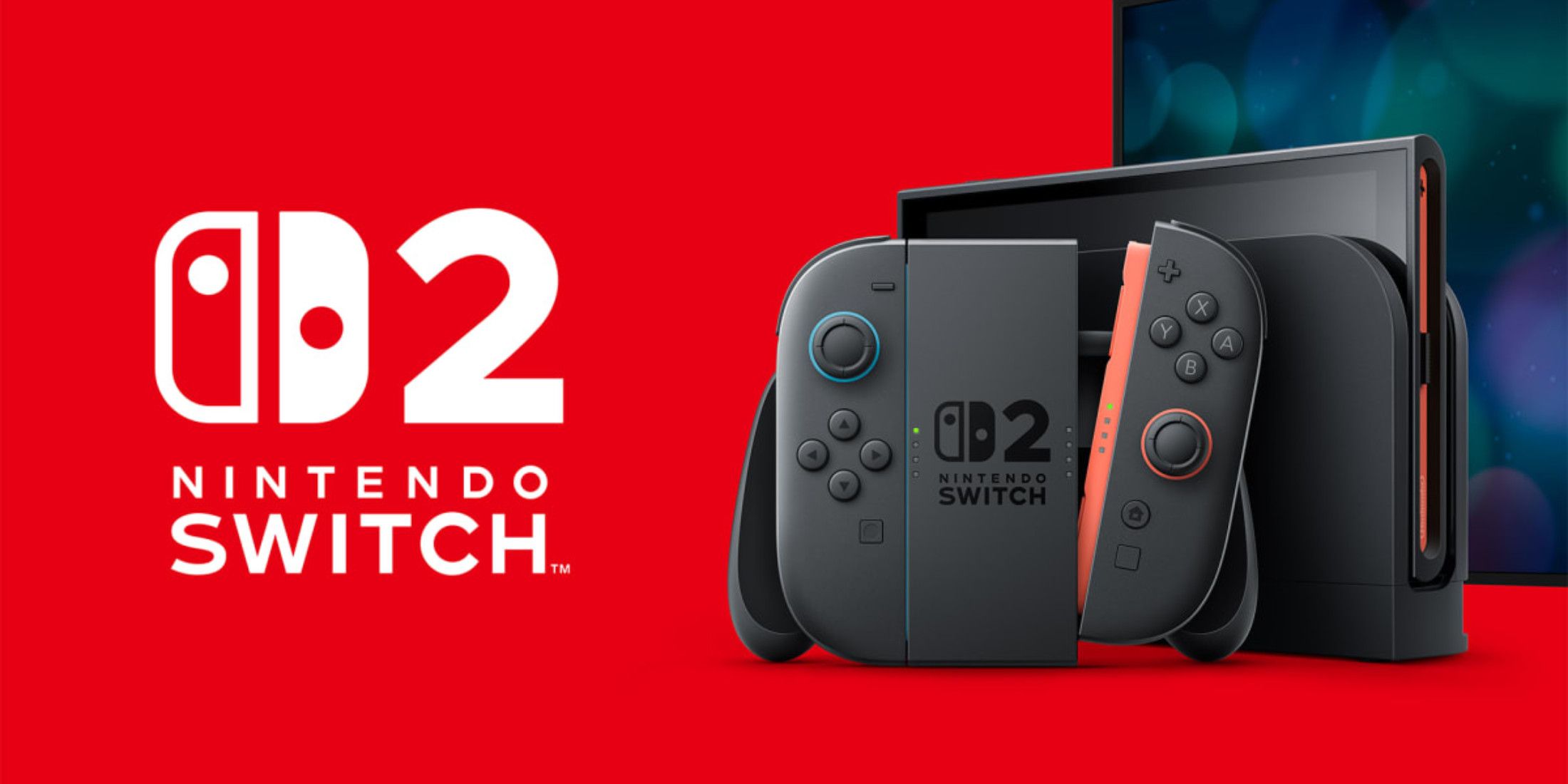
The dock for the upcoming Nintendo Switch 2 model has some changes compared to its predecessors, including the OLED version. This new dock stands at approximately 4.5 inches tall, 7.9 inches wide, and 2 inches deep, making it slightly larger and heavier than the previous docks (it weighs about 0.84 lbs compared to their 0.72/0.69 lbs). The increased size is necessary to accommodate the extra weight of the new handheld device. However, technically speaking, the dock’s other features remain the same as the OLED model, offering two USB ports (compatible with USB 2.0), an HDMI connector, and a Wired LAN Port. Gamers should find it relatively easy to integrate their new consoles into existing setups if they have made adjustments for its slightly larger size and weight.
Design
Nintendo Switch/OLED
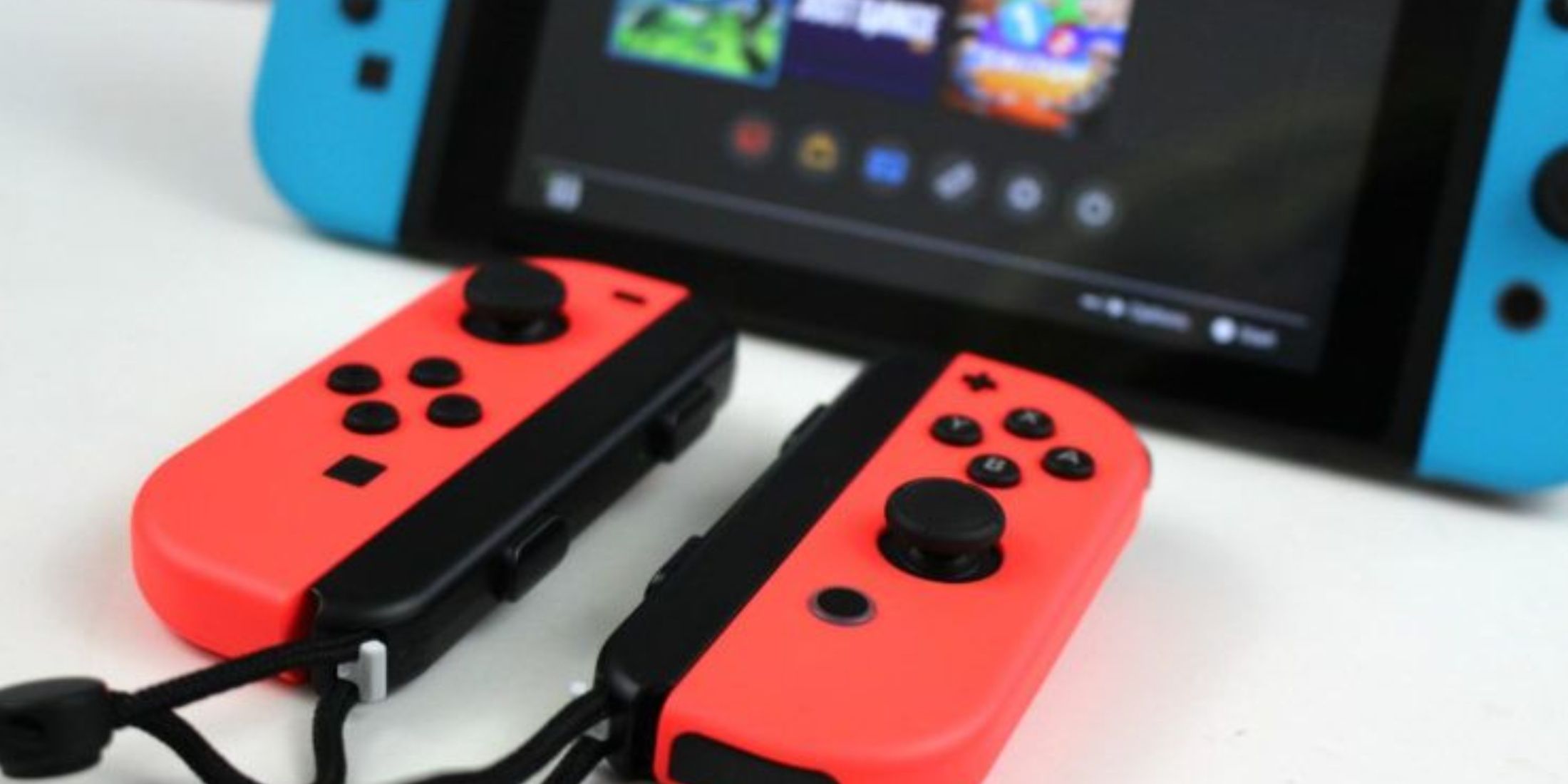
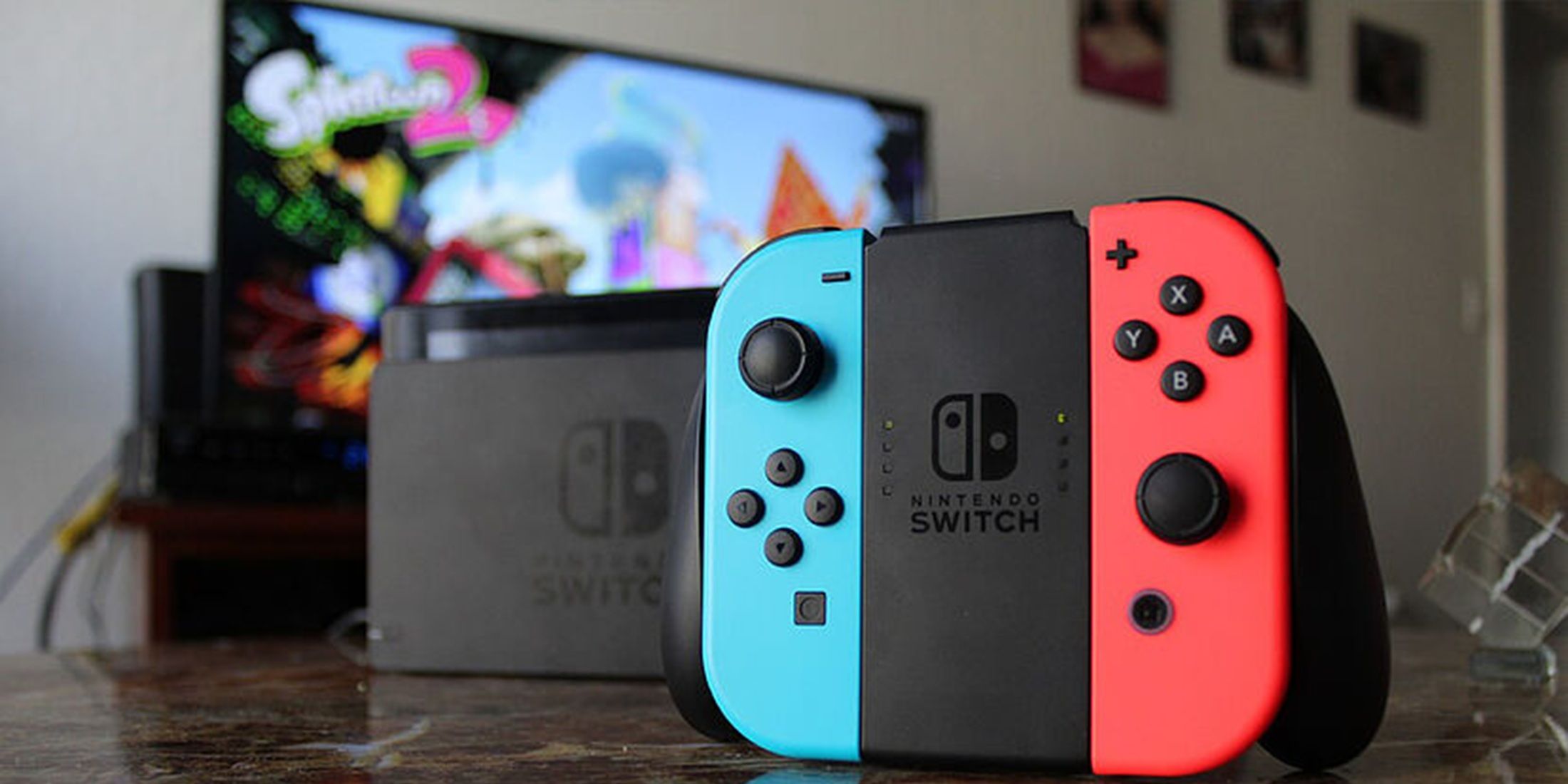
Regarding their design, both the Nintendo Switch Classic and OLED models are considered portable, but they’re not as compact as the Nintendo Switch Lite. The aim of the Switch was to be a next-gen console that combined the comfort of handheld gaming with a tabletop device perfect for home use or easy transportation. However, one drawback of this console has been the JoyCons, which have had their own set of problems, such as the drift issue that Nintendo hasn’t addressed yet.
Nintendo Switch 2
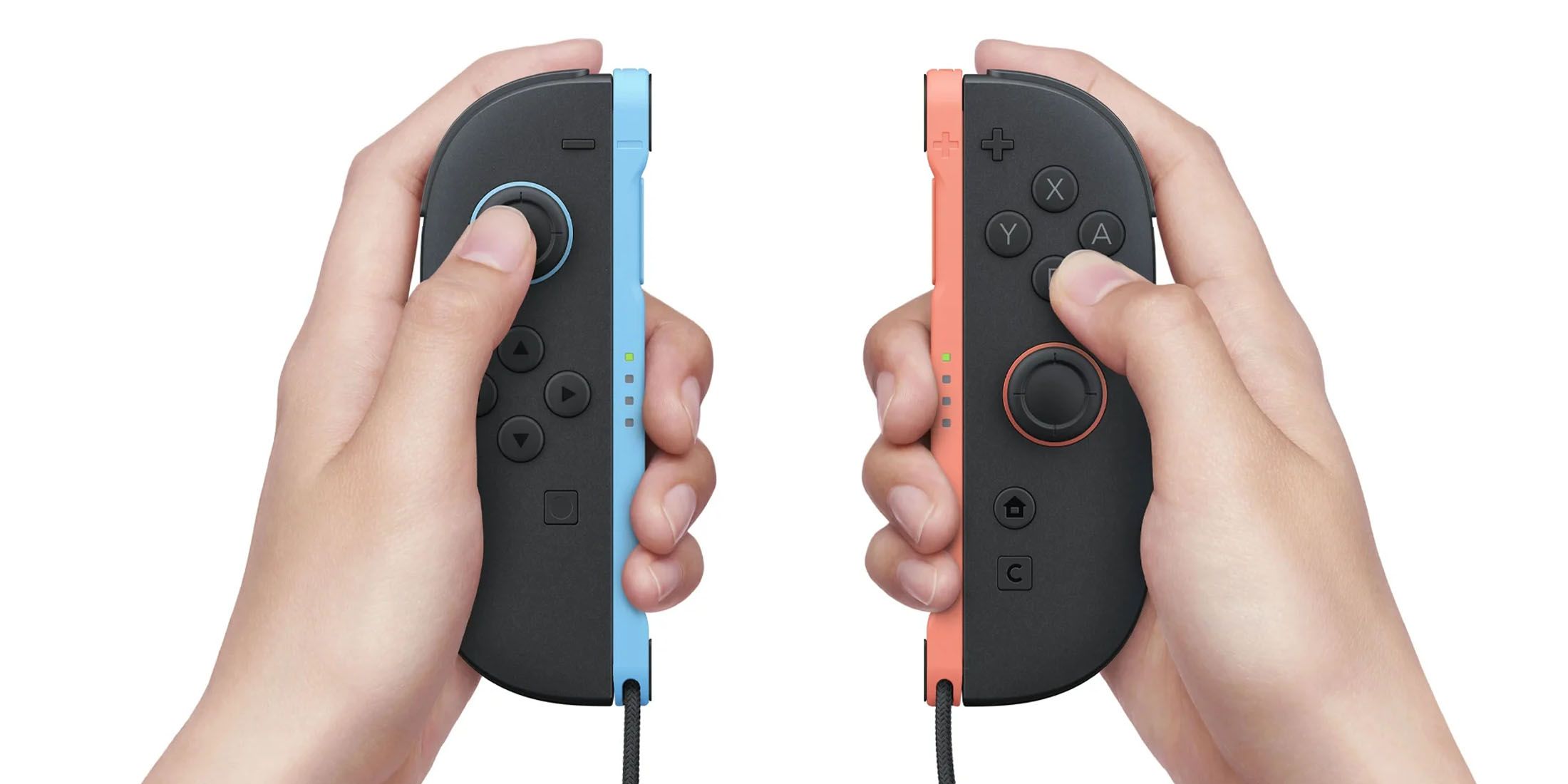
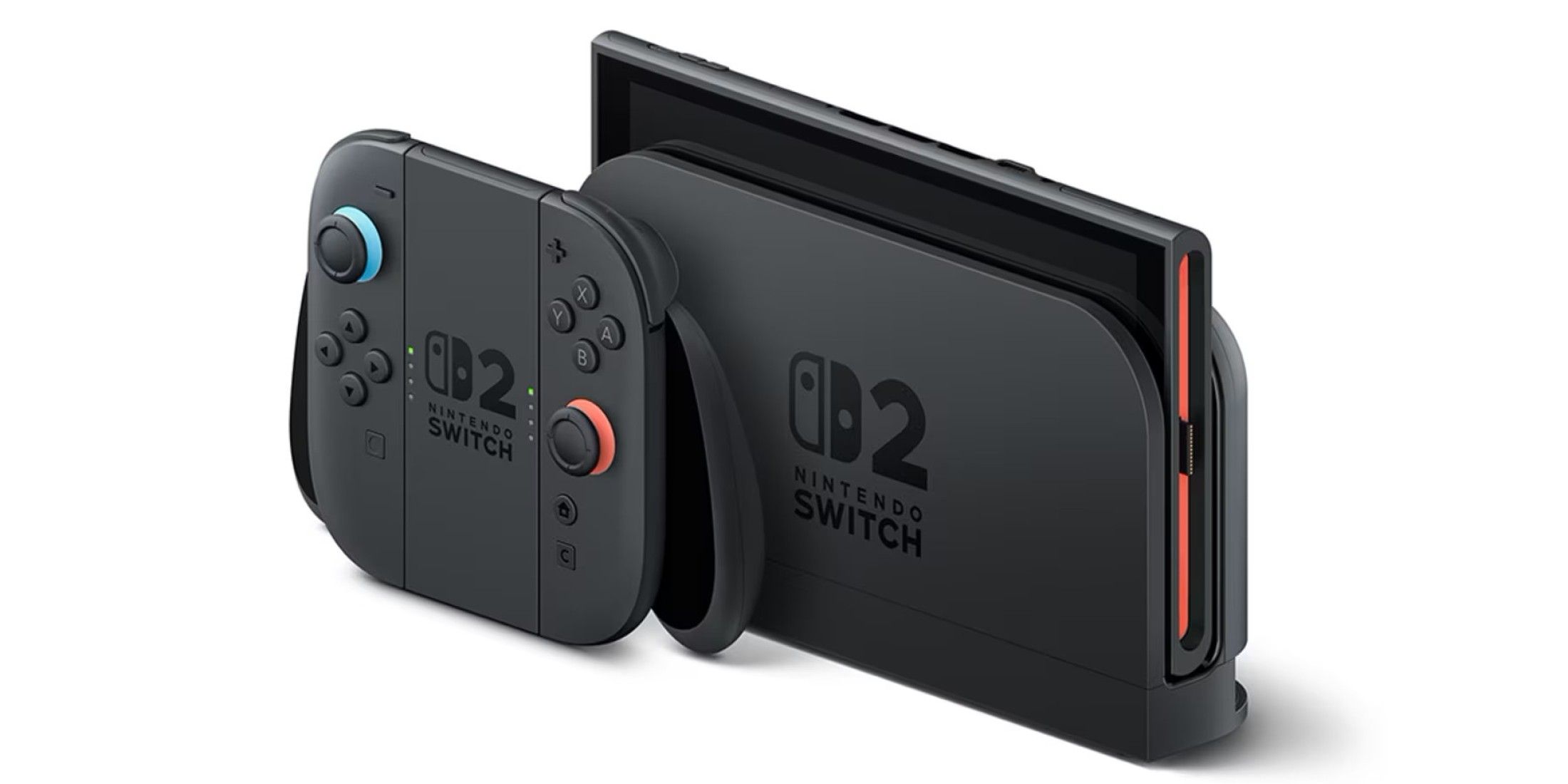

Based on Nintendo’s statement, the new console was designed completely anew, with significant focus on the larger screen that boasts significantly enhanced graphics and higher resolution. This includes the Tegra T239 processor unit by Nvidia. While some details remain hidden from public view, it’s clear that these improvements aim to deliver extended battery life and increased GPU power. The goal is to maintain the original idea of a powerful handheld device that can also function as a tabletop console when docked.
As a gamer myself, I must admit that more power often requires some serious hardware upgrades, and it seems Nintendo had to make the Switch 2 a bit heavier (approximately 1.18 lbs when you include the Joy-Con 2 controllers) compared to its predecessor. This might raise concerns about its portability, but let’s not jump to conclusions just yet.
The Steam Deck, for comparison, measures roughly 11.7 inches wide, 4.6 inches tall, 1.9 inches deep, and weighs around 1.48 lbs. So, in terms of size, the Switch 2 would be slightly smaller than the original version of the Steam Deck. This could be seen as a positive aspect, suggesting that Nintendo might have found a way to make the Switch 2 more portable while still offering enhanced gaming performance.
The redesign of the JoyCon 2 includes larger and more seamless motion capabilities, as stated by Nintendo, but there’s no information provided on potential fixes for structural issues like the drifting problem.
Value
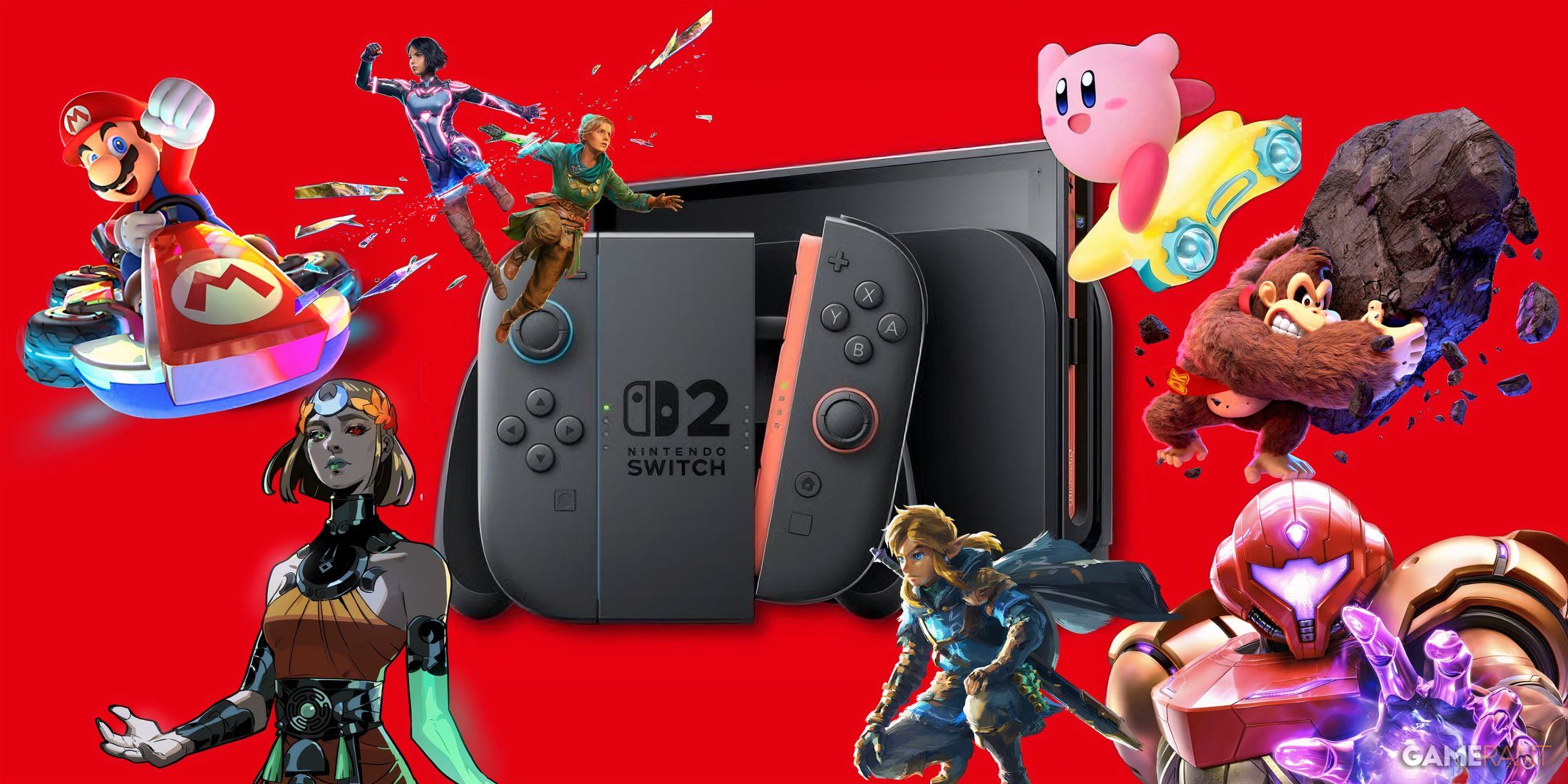
Since Nintendo Switch video games started being released in 2017, there has been much debate among fans about the costs of both the console and the games. The original Nintendo Switch was priced at $299.99 upon launch, while the Lite version, introduced in September 2019, carried a price tag of $199.99.
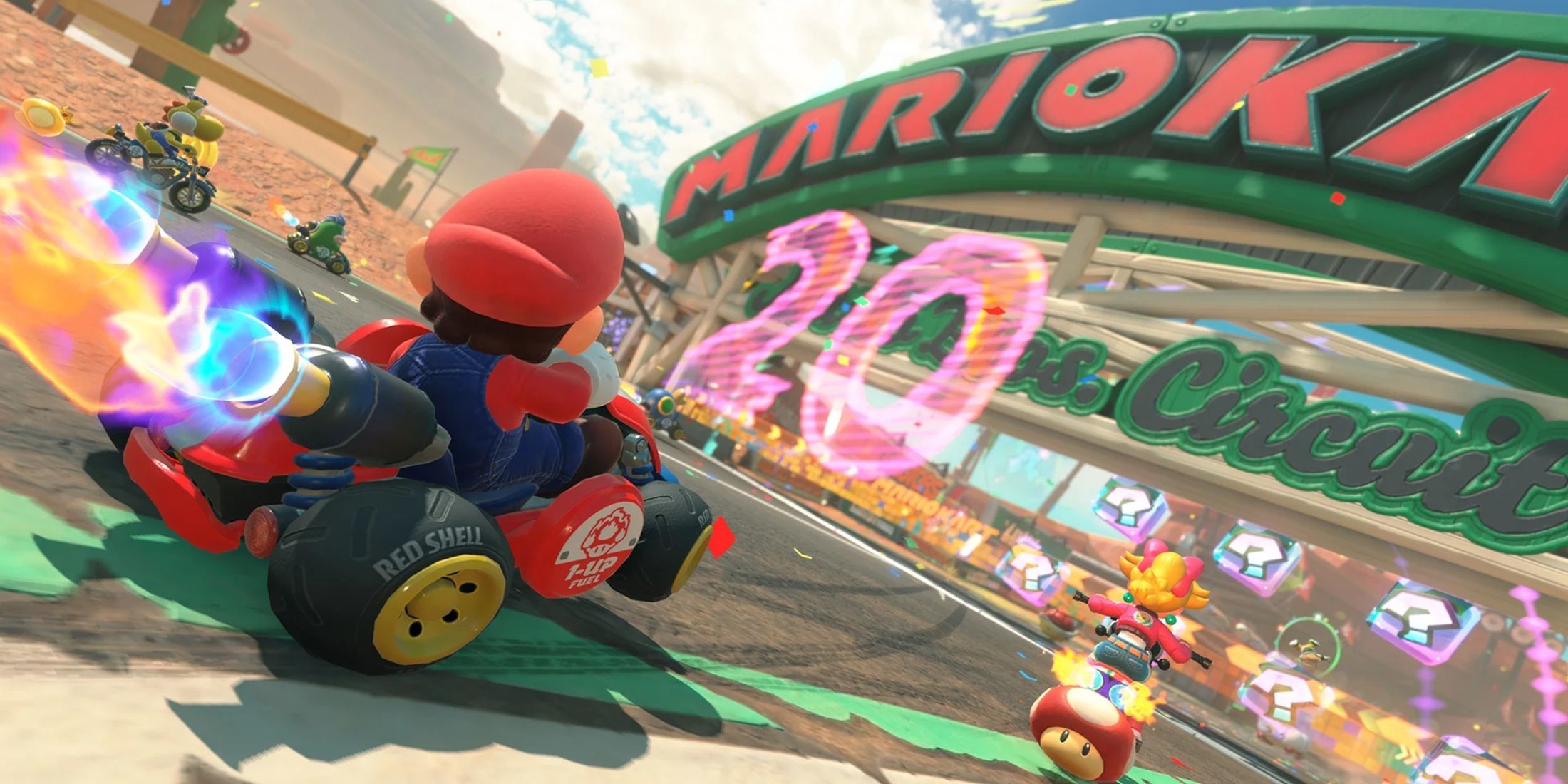
In 2021, when it was first released, the NSW OLED came with a price of $349.99. Since then, these gaming consoles have consistently retained their standard pricing. However, the upcoming Nintendo Switch 2, priced at $449.99, has now joined the league of tabletop console prices, much like the PlayStation 5 and Xbox Series X/S. In a related development, the Mario Kart+Nintendo Switch 2 bundle is slightly more expensive, setting you back by $499.99. However, remember that additional costs such as tariffs, taxes, and other added values could potentially increase these figures in the future.
Nintendo Switch Vs Nintendo Switch 2 Verdict
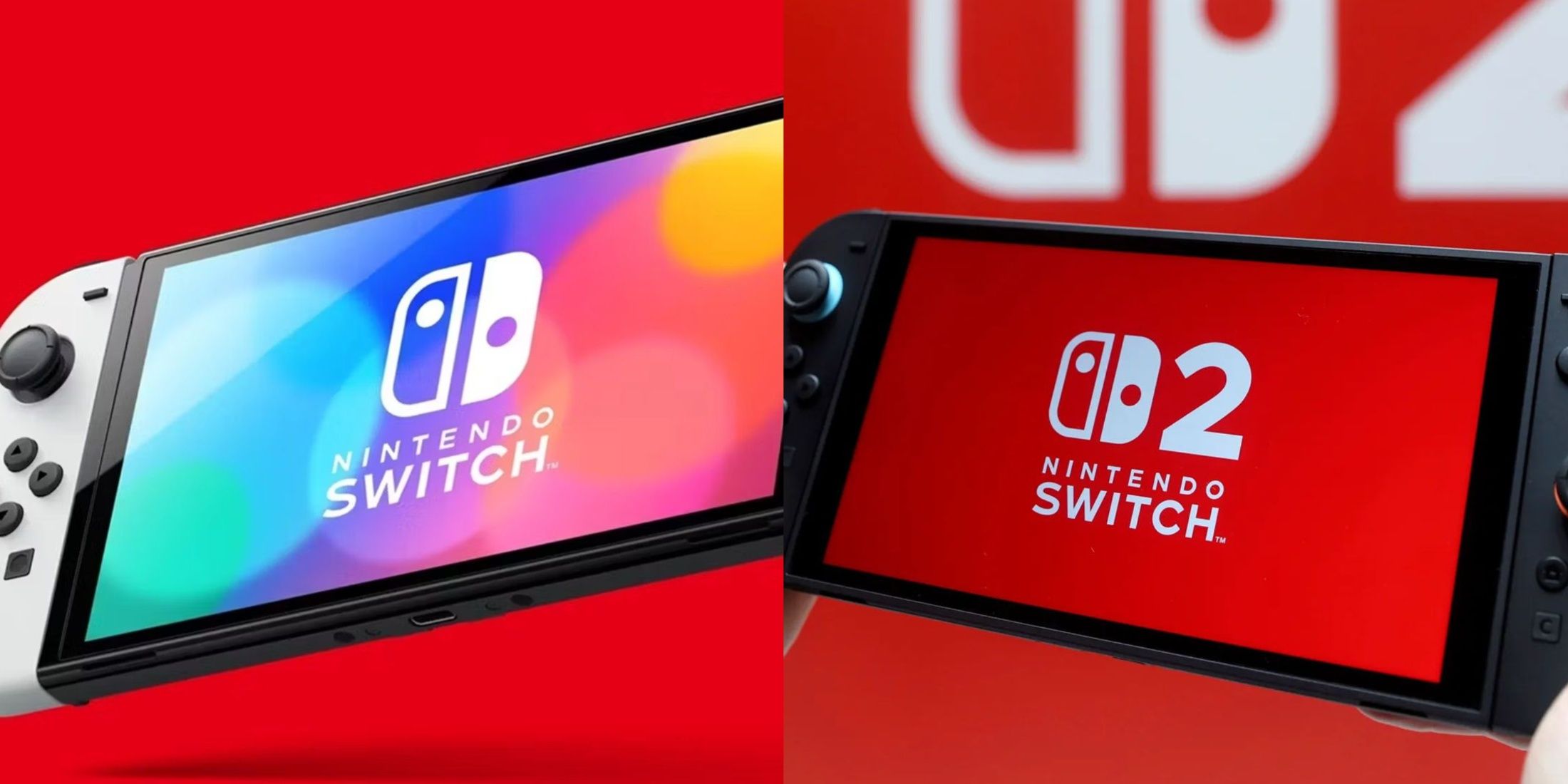
One persistent issue that continues to cause uncertainty is the design of the JoyCon 2, which bears a striking resemblance to the original JoyCon. The elephant in the room remains the problem of drift, and since Tetsuya Sasaki (General Manager of Nintendo’s Technology Development Division) did not explicitly address or confirm whether this issue has been resolved, it seems as though the problem is being overlooked. With no definitive assurance that the new JoyCon 2 won’t inherit the same design flaw as its predecessor, there’s also no reason to assume it won’t. This ambiguous risk, which no one seems willing to discuss, represents a significant challenge in persuading Nintendo fans to upgrade to the initial release of Nintendo Switch 2.
It’s worth noting that many aspects have been revised or upgraded in the new model, one of the most appealing changes being the increase in storage space to 256 GB (compared to 32/64 GB in the original and OLED versions). Another notable improvement is the compatibility with Wireless LAN (Wi-Fi 6), a feature that was not available in the OLED or Classic models. Additionally, the Nintendo Switch 2 boasts enhanced graphics, capable of running at 4K 60 FPS in docked mode, which has received less attention but is still a valuable addition to the console.
Despite strong feelings among Nintendo enthusiasts, there’s been quite a bit of debate about the pricing being unfair. Particularly, they’ve expressed frustration over the sudden increase in prices for both physical and digital game versions. Some have even suggested using the ‘cost per gameplay hour’ formula to determine a game’s value (roughly 0.9 USD per game hour). They argue that new Nintendo games should provide at least 100 hours of playtime to justify this price. However, many fans and developers also acknowledge that this method may not accurately reflect the cost of a game as some past titles don’t meet this ‘cost-per-gameplay-hour’ ratio.
The upcoming Nintendo Switch 2 appears promising, boasting more power than its predecessor on paper. However, it remains to be seen if it can live up to the hype and establish itself as a true Next-Gen console or simply another Wii U successor. Ultimately, consumers will determine whether the higher price tag justifies the investment. Pre-orders for the Nintendo Switch 2 are now open on the official store, with a release date scheduled for July 5, 2025.
Read More
- NTE Drift Guide (& Best Car Mods for Drifting)
- How to Get the Wunderbarrage in Totenreich (BO7 Zombies)
- All Aswang Evidence & Weaknesses in Phasmophobia
- How to Get Necrolei Cyst & Strong Acid in Subnautica 2
- Where to Find Prescription in Where Winds Meet (Raw Leaf Porridge Quest)
- Conduit Crystal Location In Subnautica 2
- Diablo 4 Best Loot Filter Codes
- Boruto: Ikemoto Has Already Hinted At Sasuke’s New Eye After Return
- Best Burst & Full Auto Builds for the M16A4 in BF6
- How to Craft Repair Tools in Subnautica 2
2025-04-14 13:07