Despite the recent growth in the mid-budget (AA) game development scene, genuinely open-world AA games are still hard to find. Creating a seamless open world is incredibly challenging for smaller teams with limited funds, as it’s difficult to match the scale and polish of big-budget (AAA) titles. Often, it’s less about innovative ideas or artistic talent – areas where AA games typically excel – and more about the massive financial investment, technology, and manpower needed to build large, detailed game worlds.
As a gamer, I’m always amazed when smaller studios pull off something incredible. Sometimes, these ‘AA’ games – not quite the biggest budget titles, but bigger than indie – actually compete with those massive AAA open-world games, both in terms of how much they try to do and how well they actually do it. It’s rare, but when it happens, these games are masterpieces. They often exceed expectations, and sometimes, the limitations they face actually help them be unique and stand out. I want to highlight a few of these really special AA open-world games – they’re few and far between, but totally worth checking out.
It’s hard to clearly define ‘AA’ open-world games because official budgets and team sizes are rarely made public. Generally, a double-A game is considered to have a core team of around 100 people (not including outside help), a moderate budget and scope, and a retail price lower than top-tier ‘AAA’ games – typically between $40 and $50. Because game development costs and team sizes have increased so much over time, I’m focusing on more recent games to better distinguish between AA and AAA titles. This means older games like Gothic aren’t included in this discussion.
NieR: Automata
Triumph of Unshackled AA Philosophy
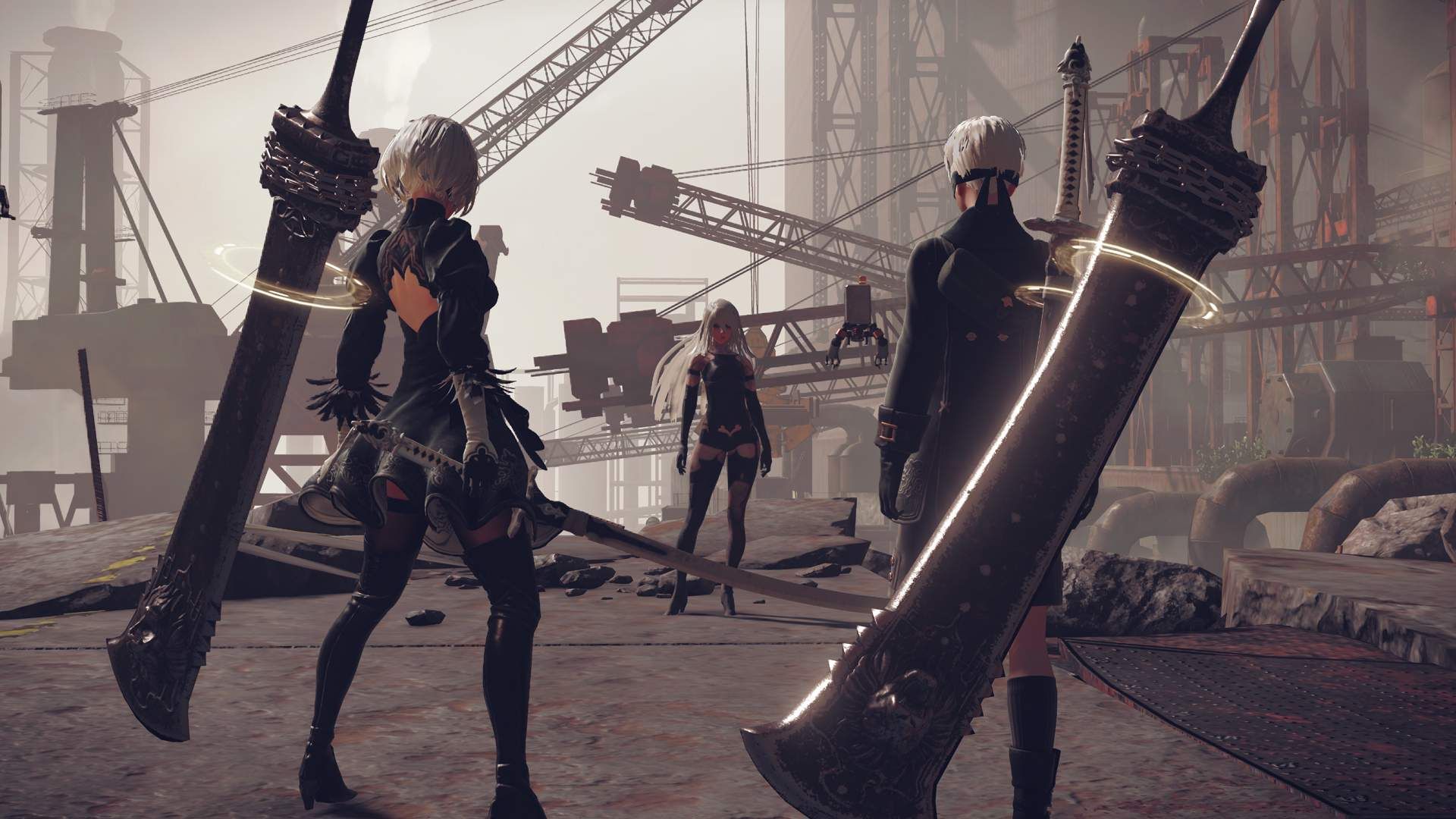
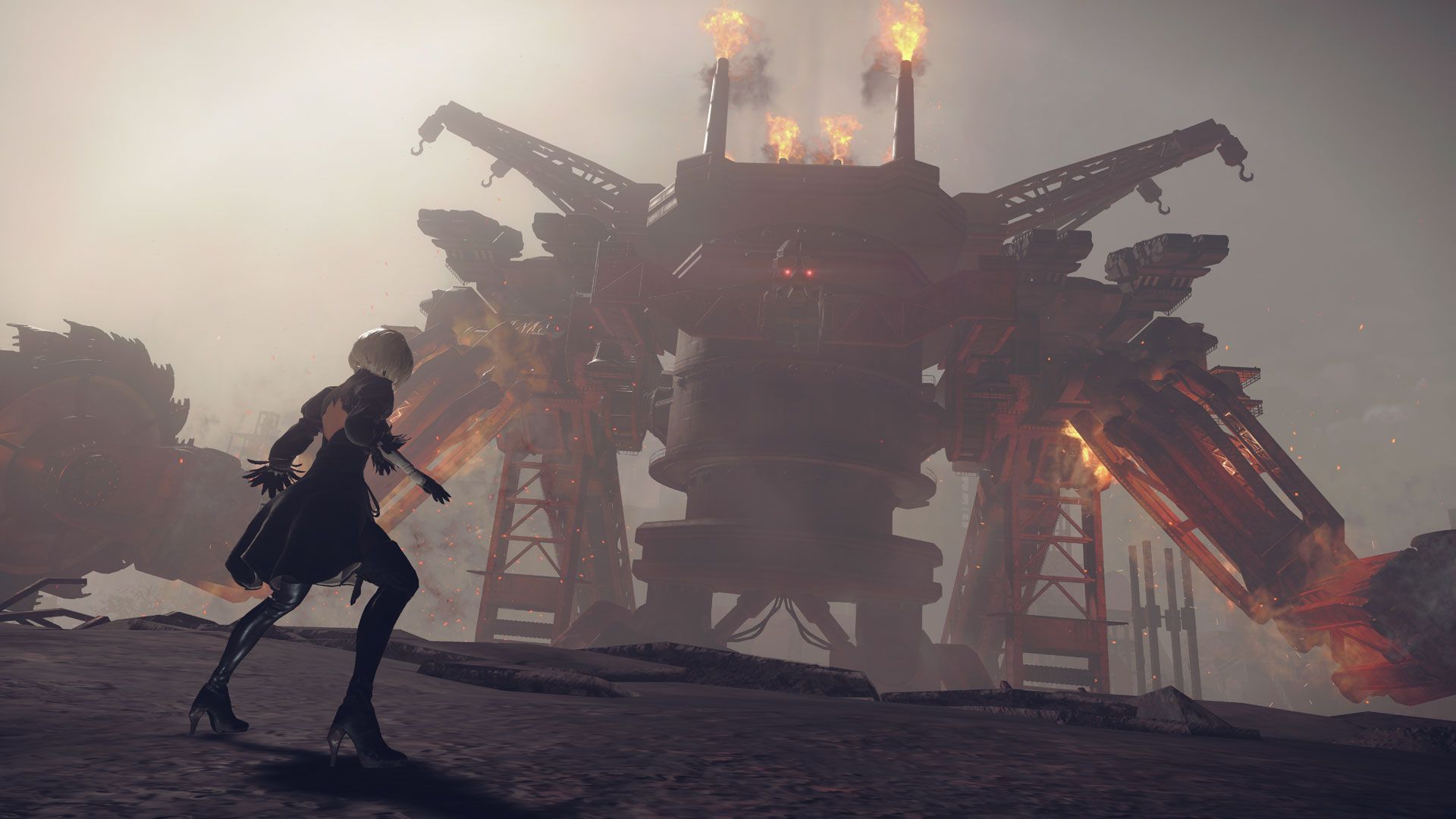
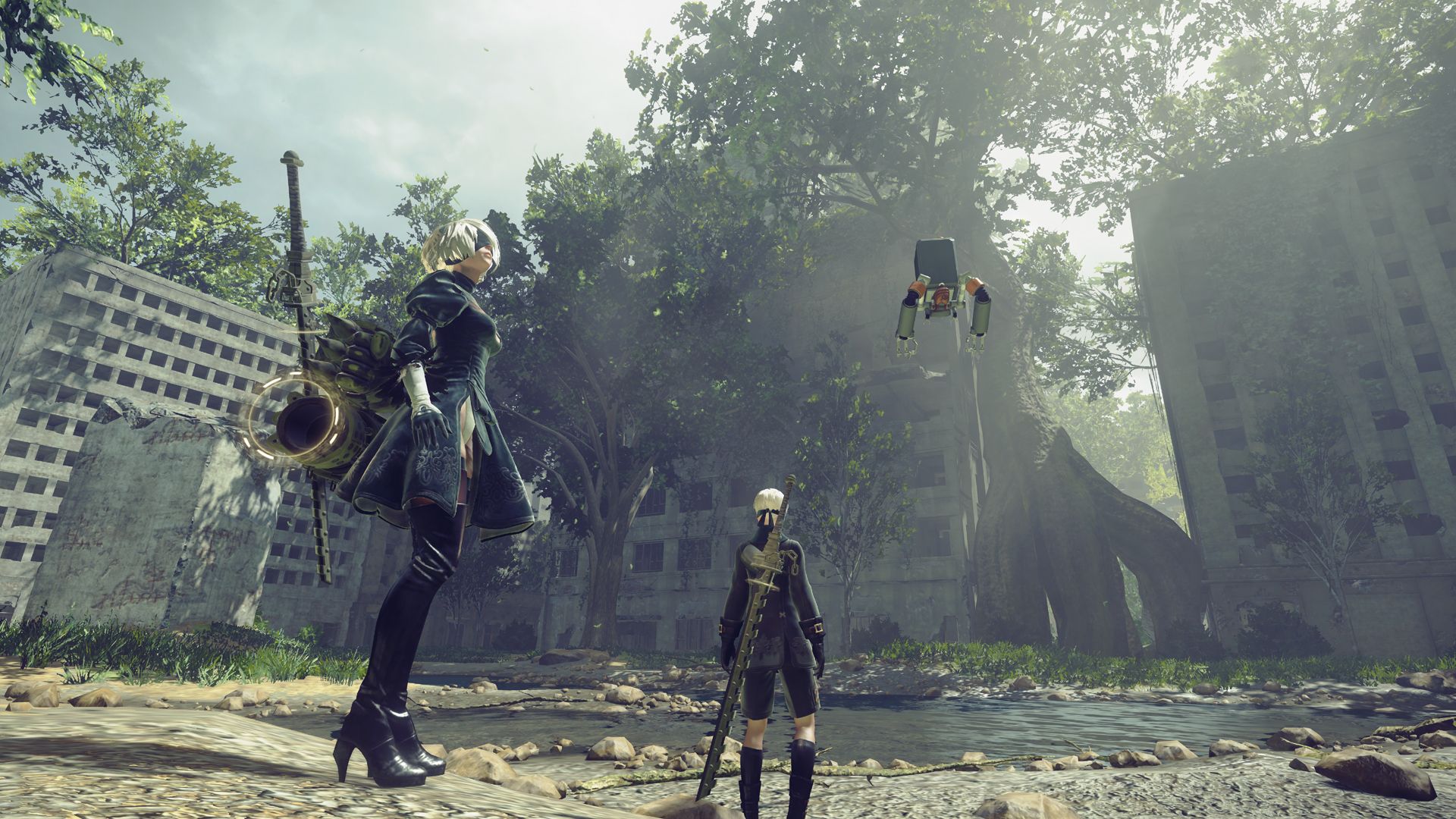
There’s no question that NieR: Automata is a remarkable game, and stands out as the best open-world game in its class. Despite being made with a relatively small team of around 150 developers at PlatinumGames and likely a limited budget, it excels in nearly every way – often surpassing even big-budget AAA open-world titles. The story, combat, world design, music, and gameplay are all incredibly creative and varied. What truly sets it apart is how consistently it delivers on its central themes while still being a genuinely fun and engaging game to play.
While NieR: Automata doesn’t have a completely seamless open world like some other games – it’s divided into large, connected areas rather than one huge map – it excels in its detailed and carefully crafted environments. These areas are full of hidden stories, surprising finds, and a strong sense of mystery. It’s a game that even those who don’t usually enjoy open-world titles should definitely try, as it remains as captivating today as it was when it first released.
Kingdom Come: Deliverance
Unfiltered Vision to Break the Mold
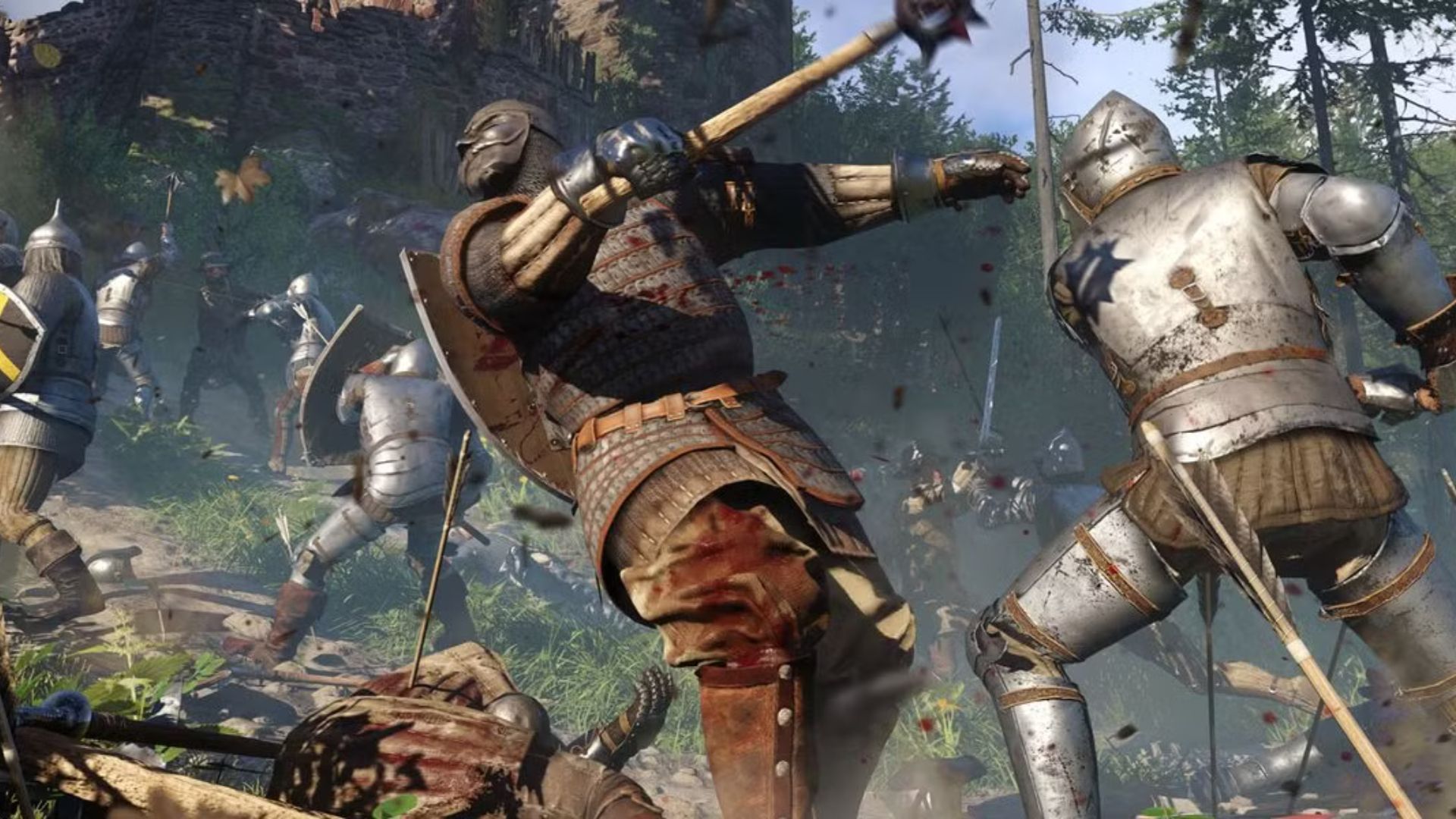
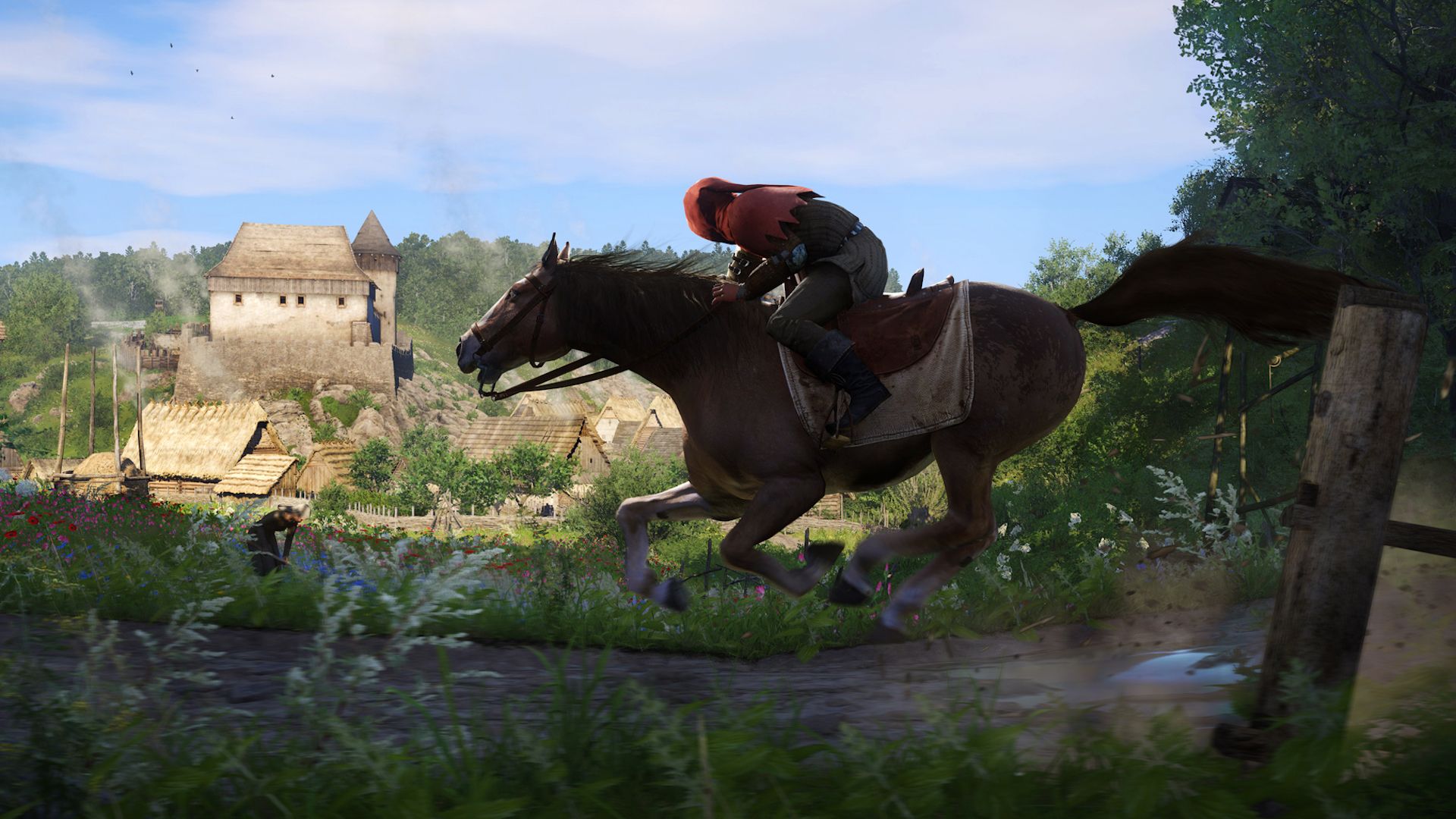
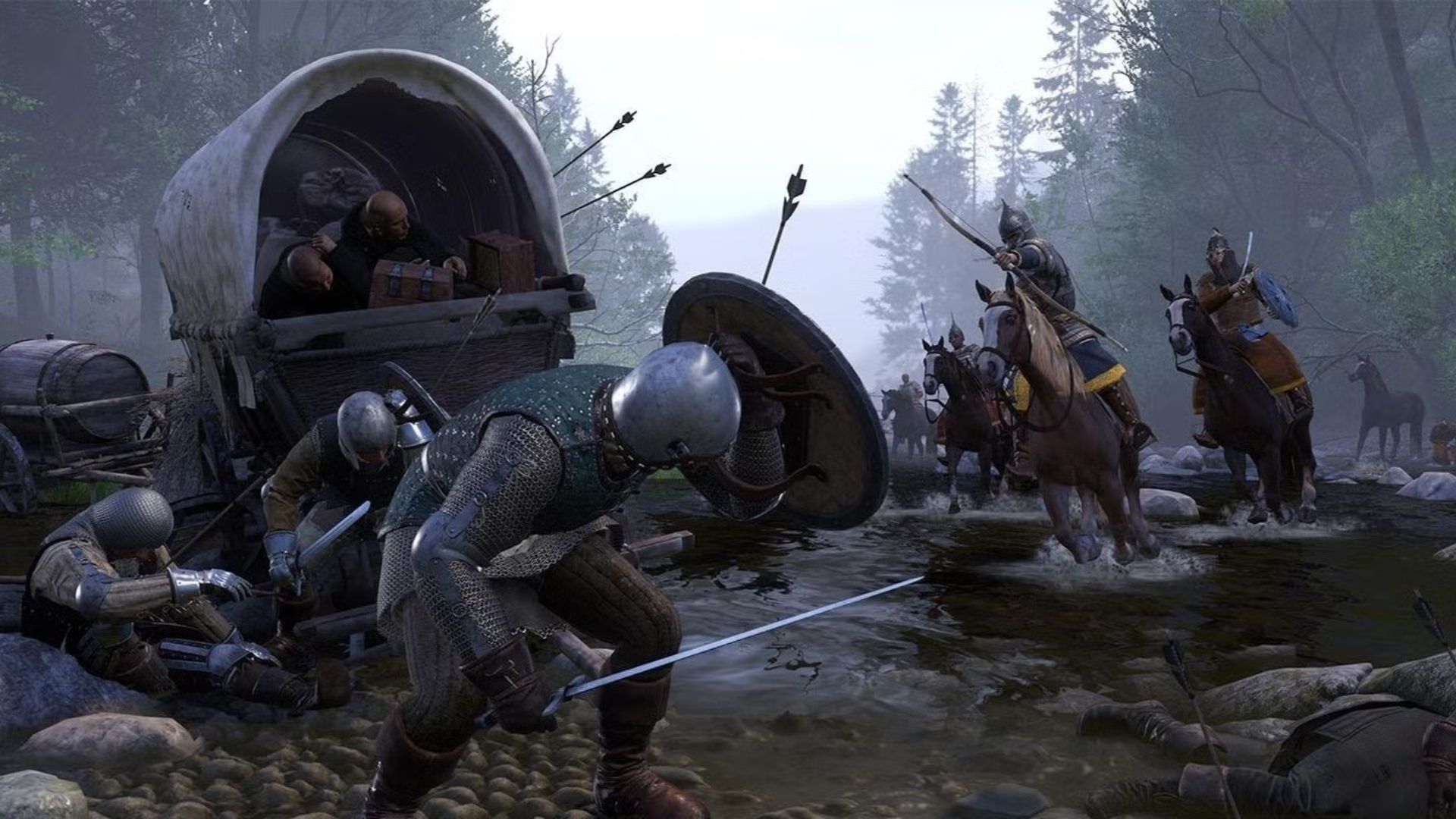
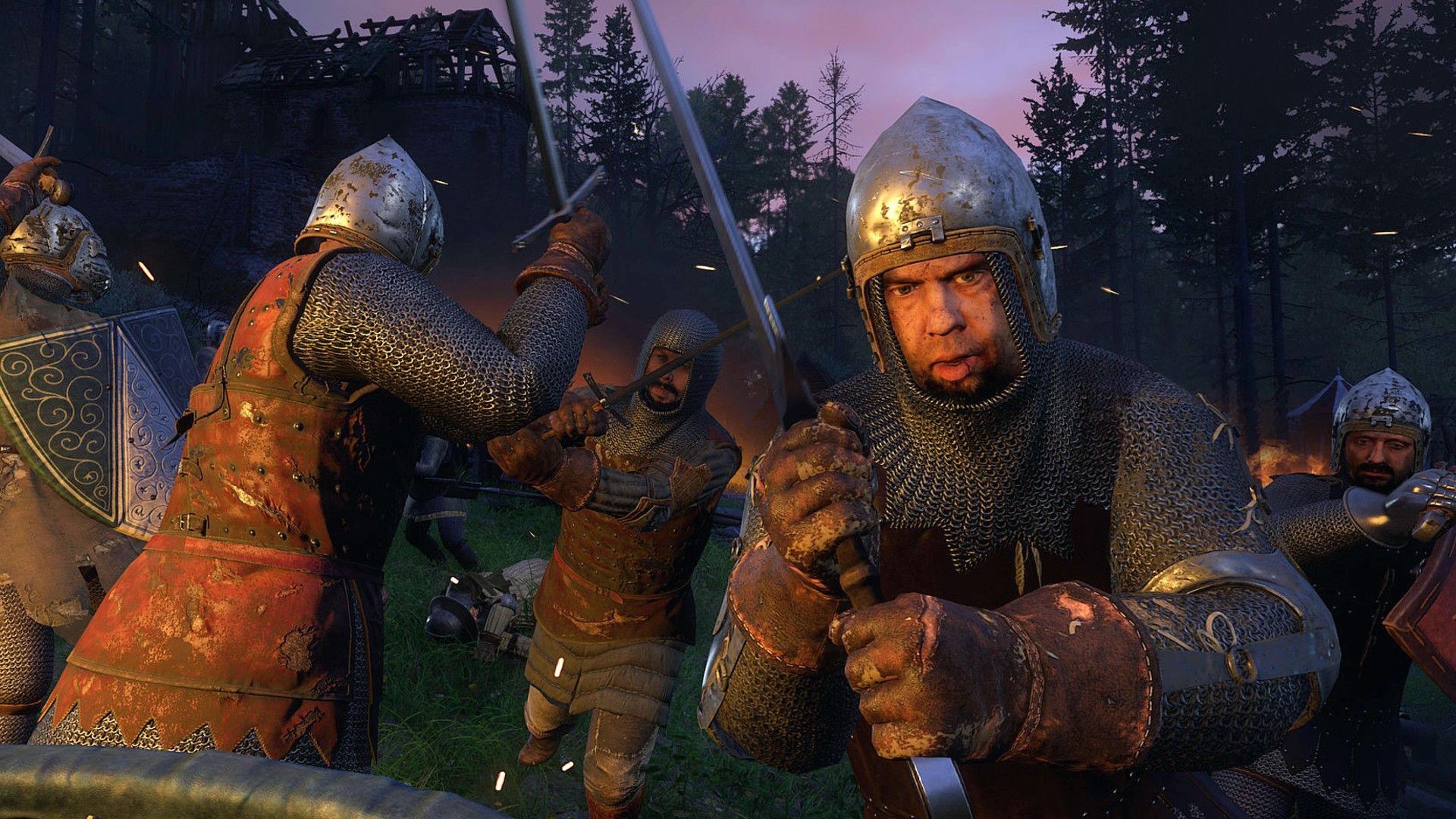
Warhorse significantly increased both the budget and team size for the sequel to their original game (the initial core team had about 120 people). Because of this, it’s tempting to see Kingdom Come: Deliverance as a practice run, a learning experience before they could make the game they truly envisioned. However, when it was first released, Kingdom Come: Deliverance was unique—a deeply realistic, historically grounded medieval open-world game without any fantasy elements. Its ambitious and risky nature likely would have prevented a project like it from being approved as a major, AAA title.
Fans adored Kingdom Come: Deliverance because it broke away from typical open-world games, offering a uniquely realistic and free experience. Players can truly live within the game, acting according to their social status. The world itself is a remarkable accomplishment, featuring both a vast, realistic landscape and incredibly detailed towns and wilderness areas. Even with Kingdom Come: Deliverance 2 now available, the original game remains well worth playing, especially after its recent update for newer consoles.
Shadow of the Colossus
Artistic Open-World Masterpiece Reborn
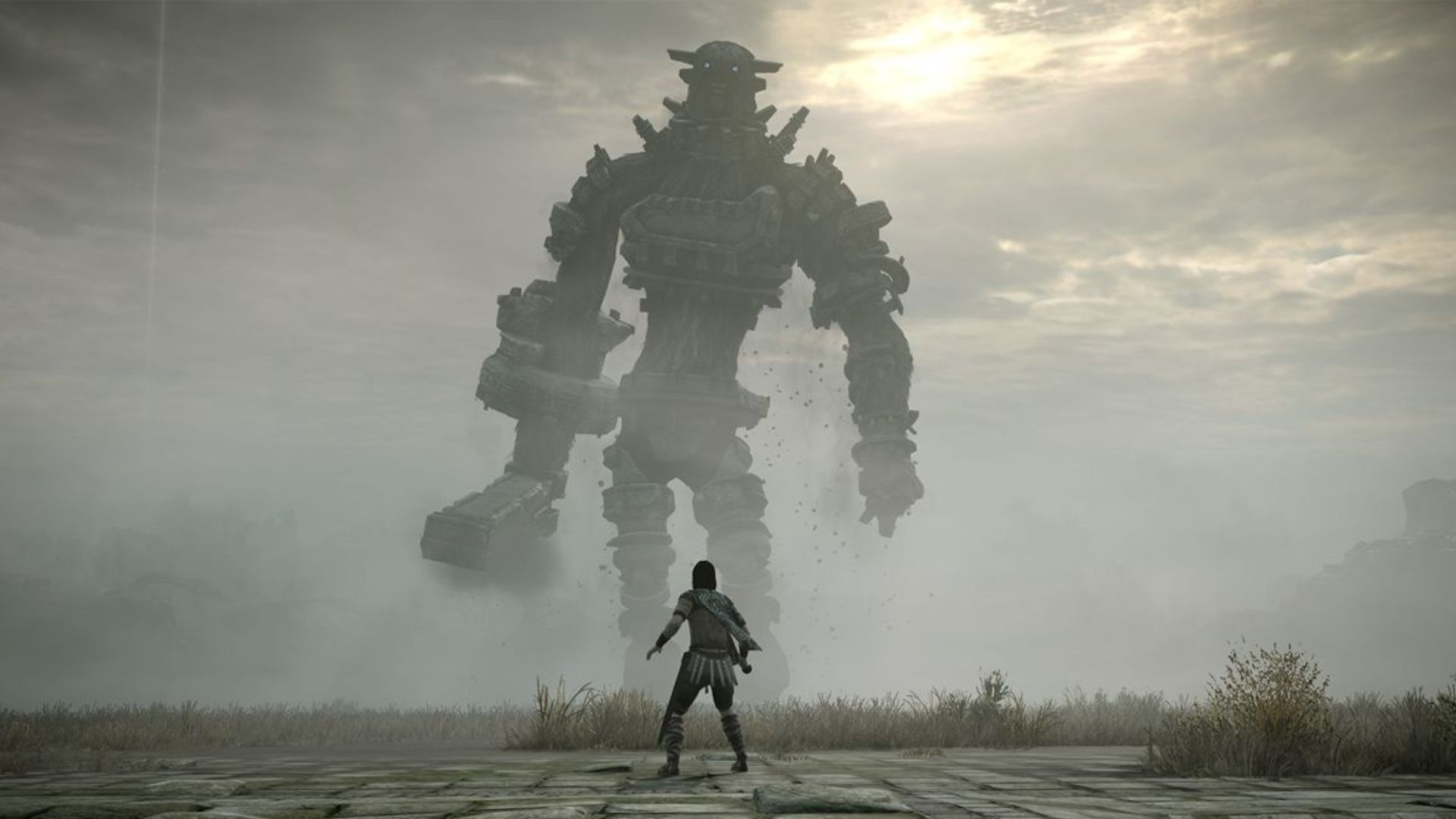
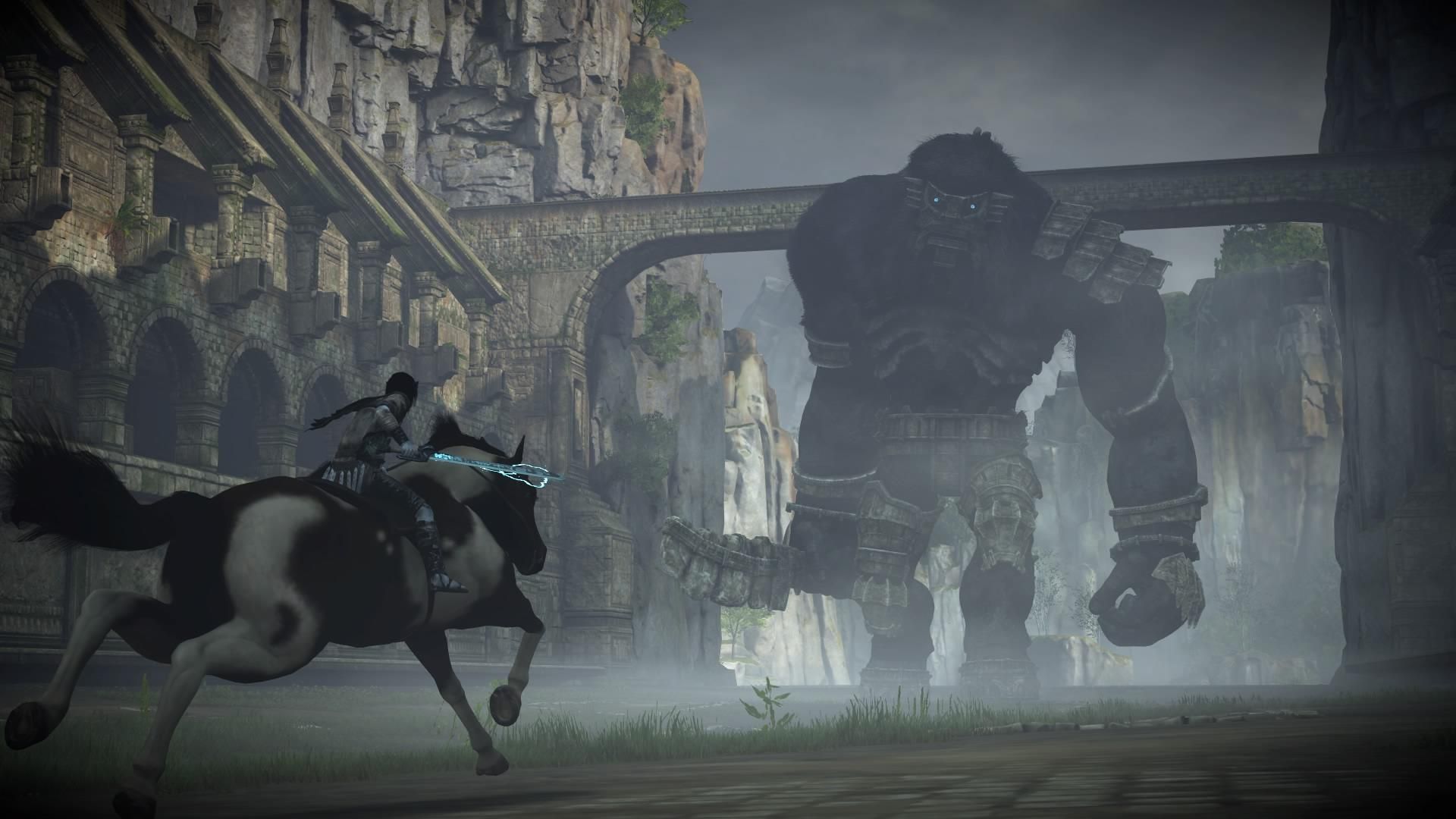
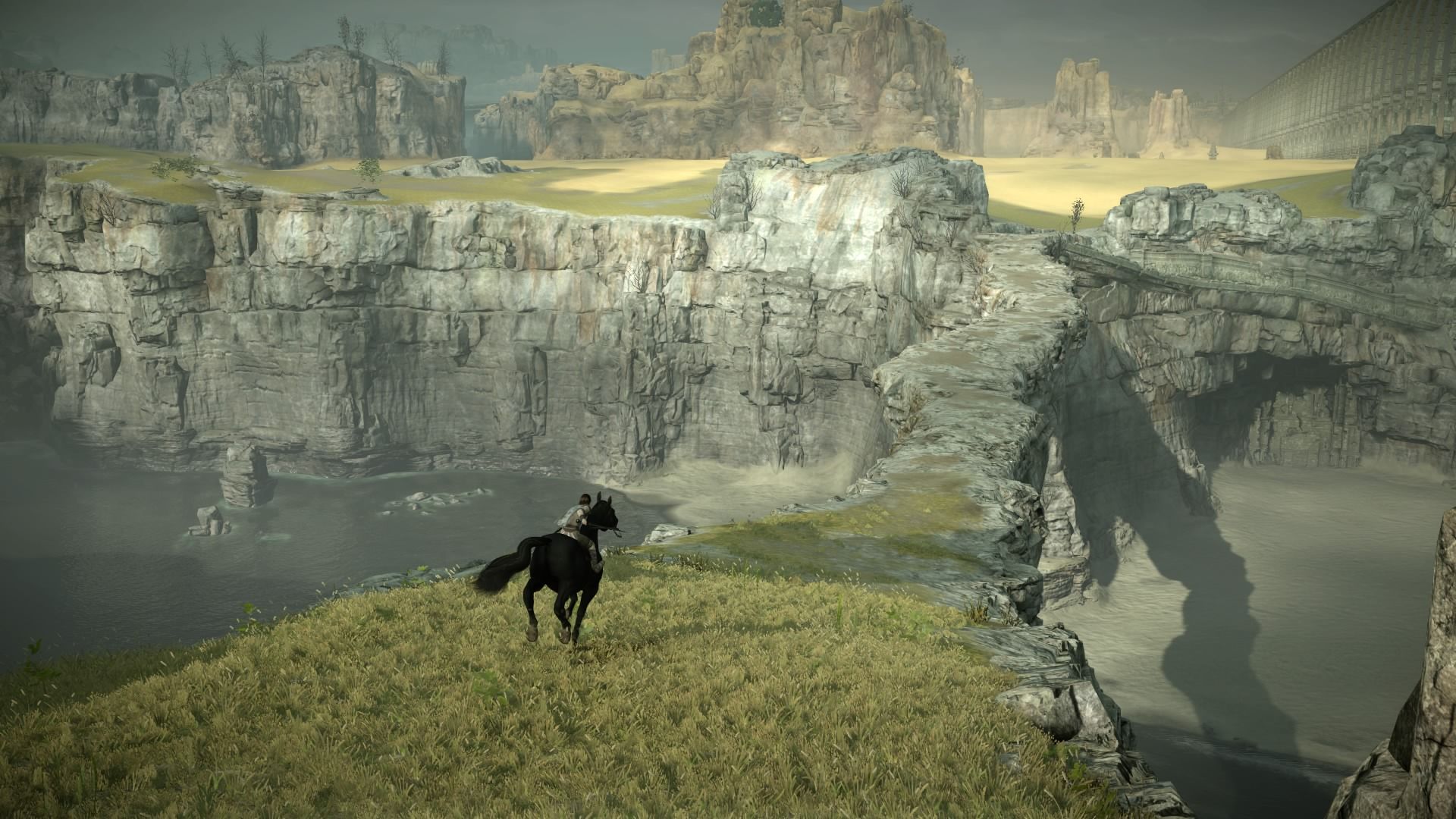
It’s debatable whether Shadow of the Colossus truly fits the ‘AA’ game label. It’s a remake, not a brand new title, and its open world feels more like a backdrop for the main objective – defeating the colossi – which can be completed in less than ten hours. Crucially, Sony funded the development, giving it the high production quality usually seen in major, exclusive AAA games.
Despite its quality, it’s debatable whether Shadow of the Colossus qualifies as a typical AAA game. While Bluepoint Games significantly expanded the development team, only about 100 key developers worked on rebuilding the PS2 classic from the ground up. This is much smaller than the thousands often involved in large-scale, open-world AAA productions, especially considering the advanced capabilities of the PS4. The game’s $40 price point also suggests it’s more aligned with AA titles than premium, first-party exclusives. Ultimately, Shadow of the Colossus is an undeniable open-world masterpiece, driven by artistic vision and a compelling story told without any dialogue – a truly timeless game that received exceptional treatment from Bluepoint.
Mount & Blade 2: Bannerlord
Outmatching AAA Games in Depth and Ambition
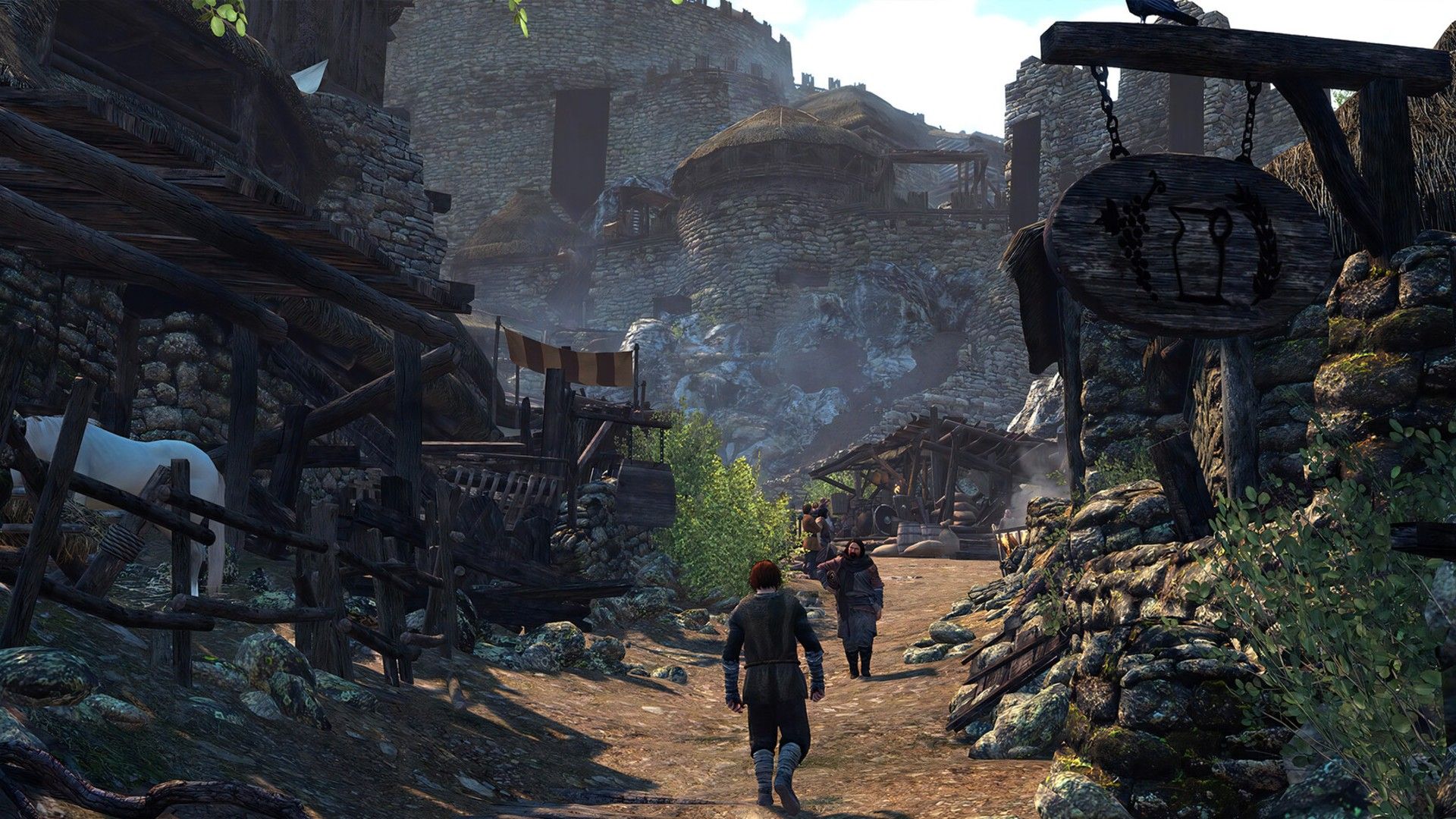
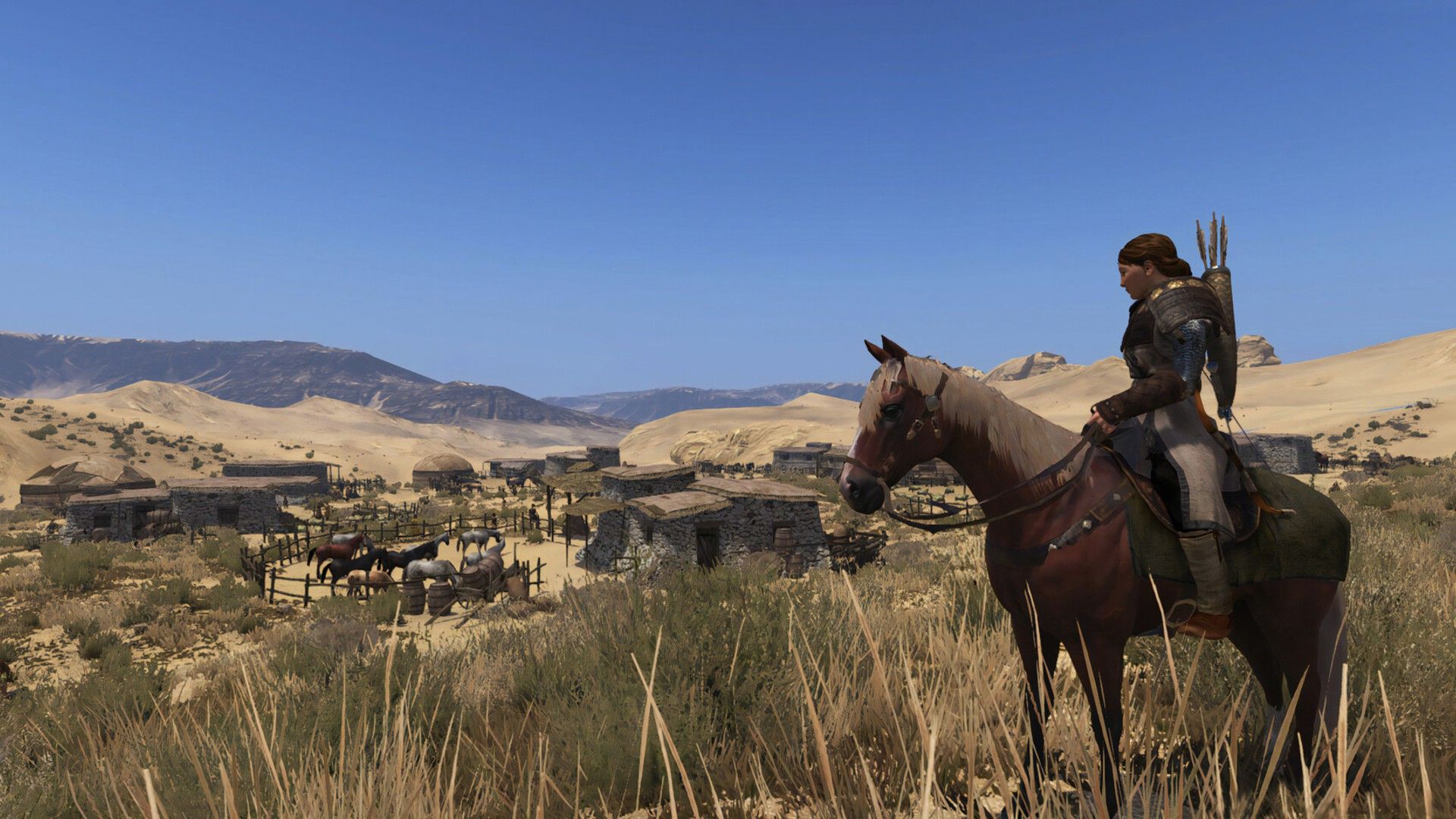
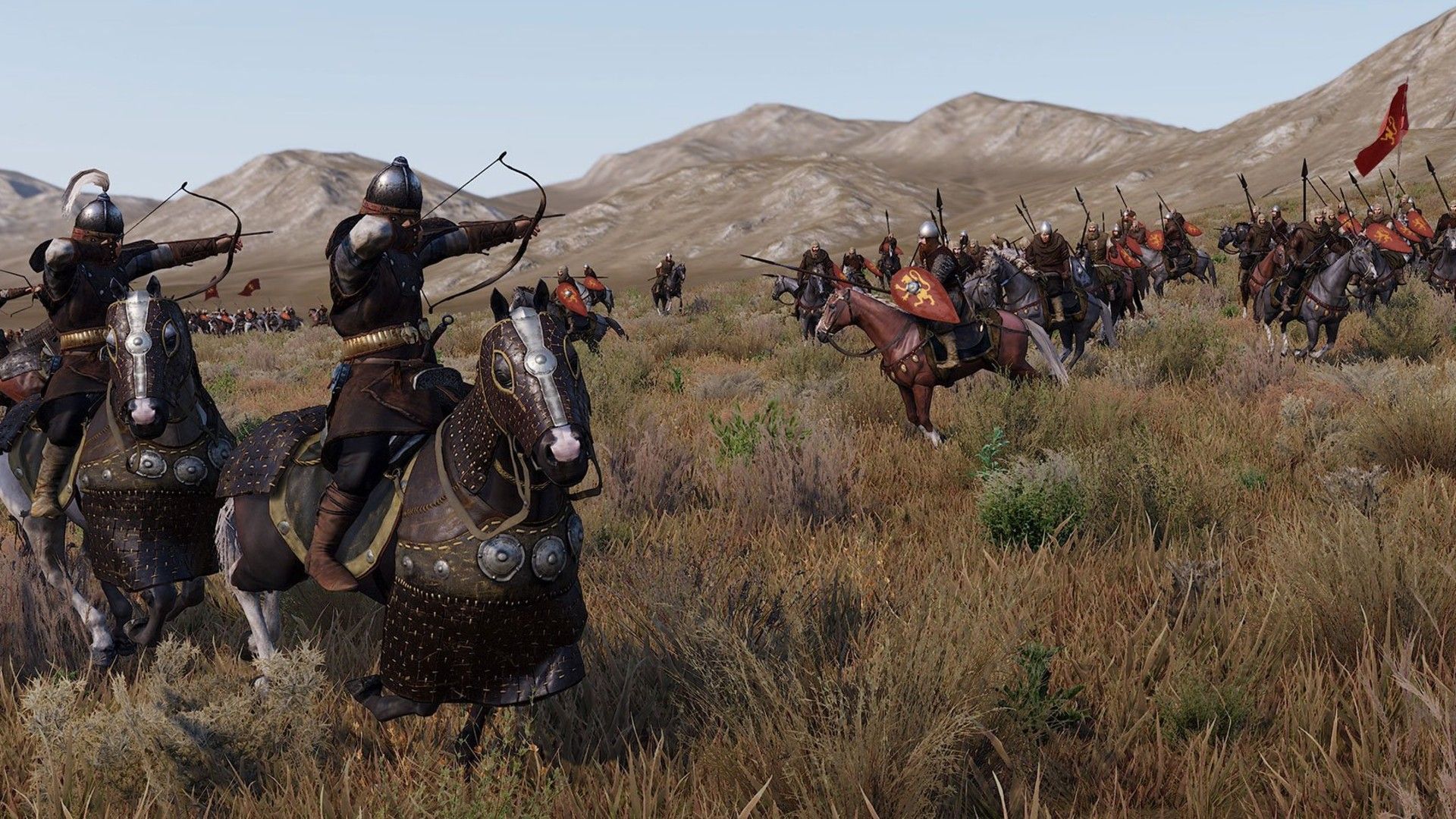
Mount & Blade 2: Bannerlord truly demonstrates the potential of AA game development, offering a gaming experience unlike anything else. It’s a captivating mix of genres – blending open-world freedom with simulation, RPG elements, and strategic gameplay. Bannerlord has the potential to become the ultimate medieval game, adapting to each player’s preferences for breadth, flexibility, and depth. Like Kingdom Come: Deliverance, Bannerlord is a remarkably ambitious and polished sequel that successfully builds upon the foundation of Warband, finally realizing its full potential.
Developing Mount and Blade 2: Bannerlord was a remarkable feat, considering its size and complexity, and it involved a team of approximately 60 to 150 developers over a long period. While Bannerlord might not have the same visual polish as big-budget AAA games, it offers gameplay that rivals even the most ambitious medieval titles in terms of depth and mechanics.
Dragon’s Dogma: Dark Arisen
Experimental Open-World Classic That Goes Against the Tide
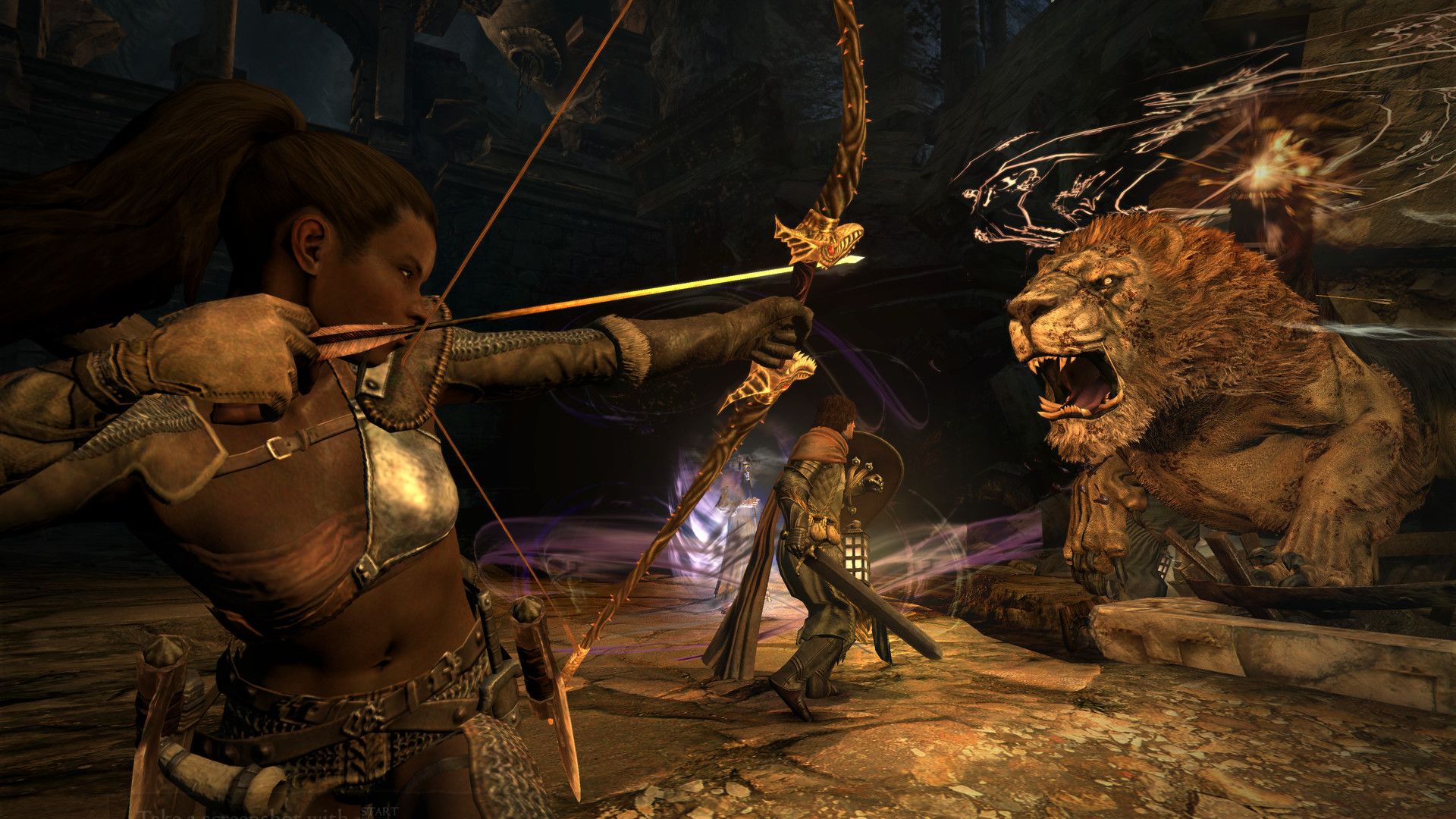
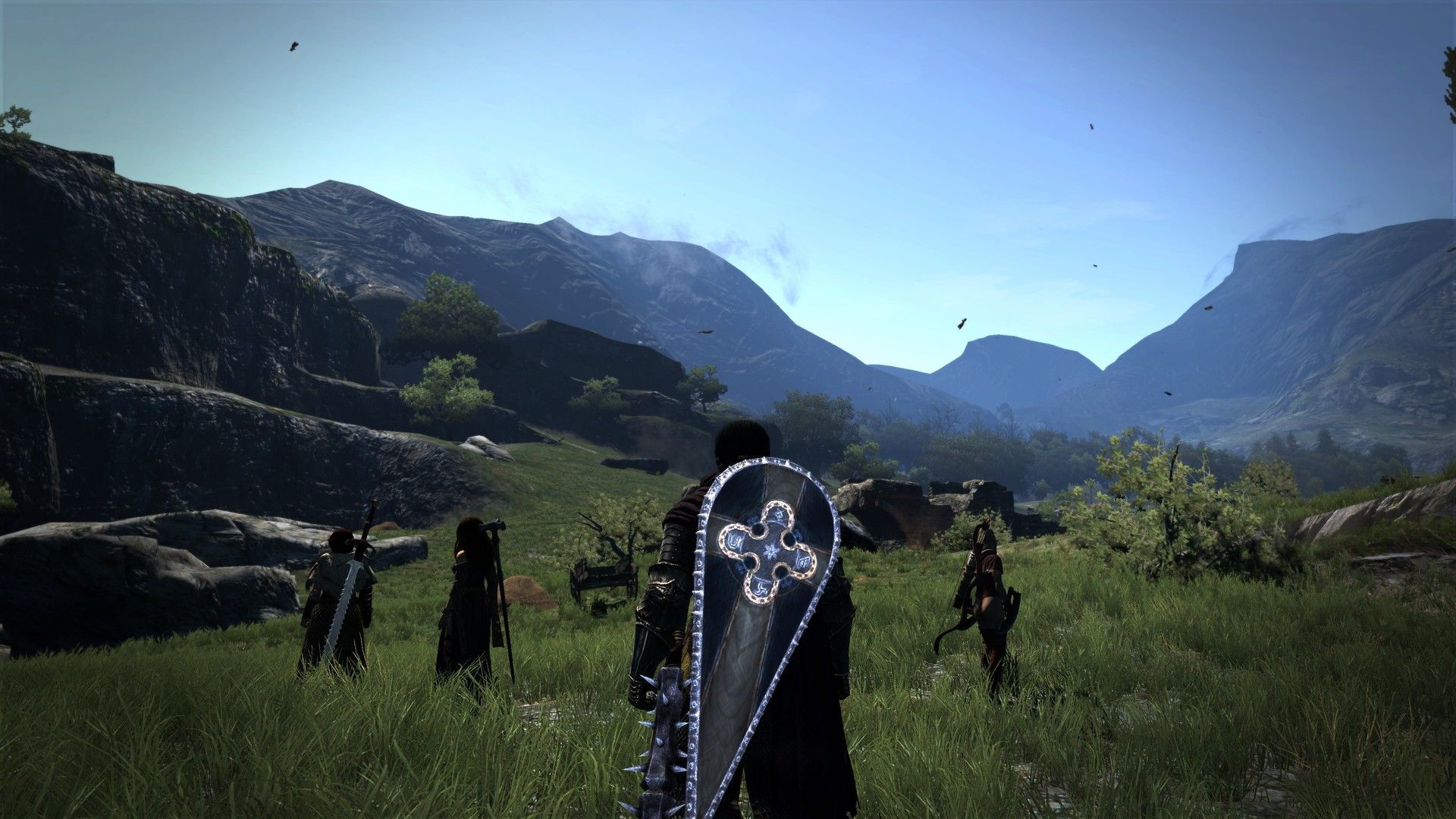
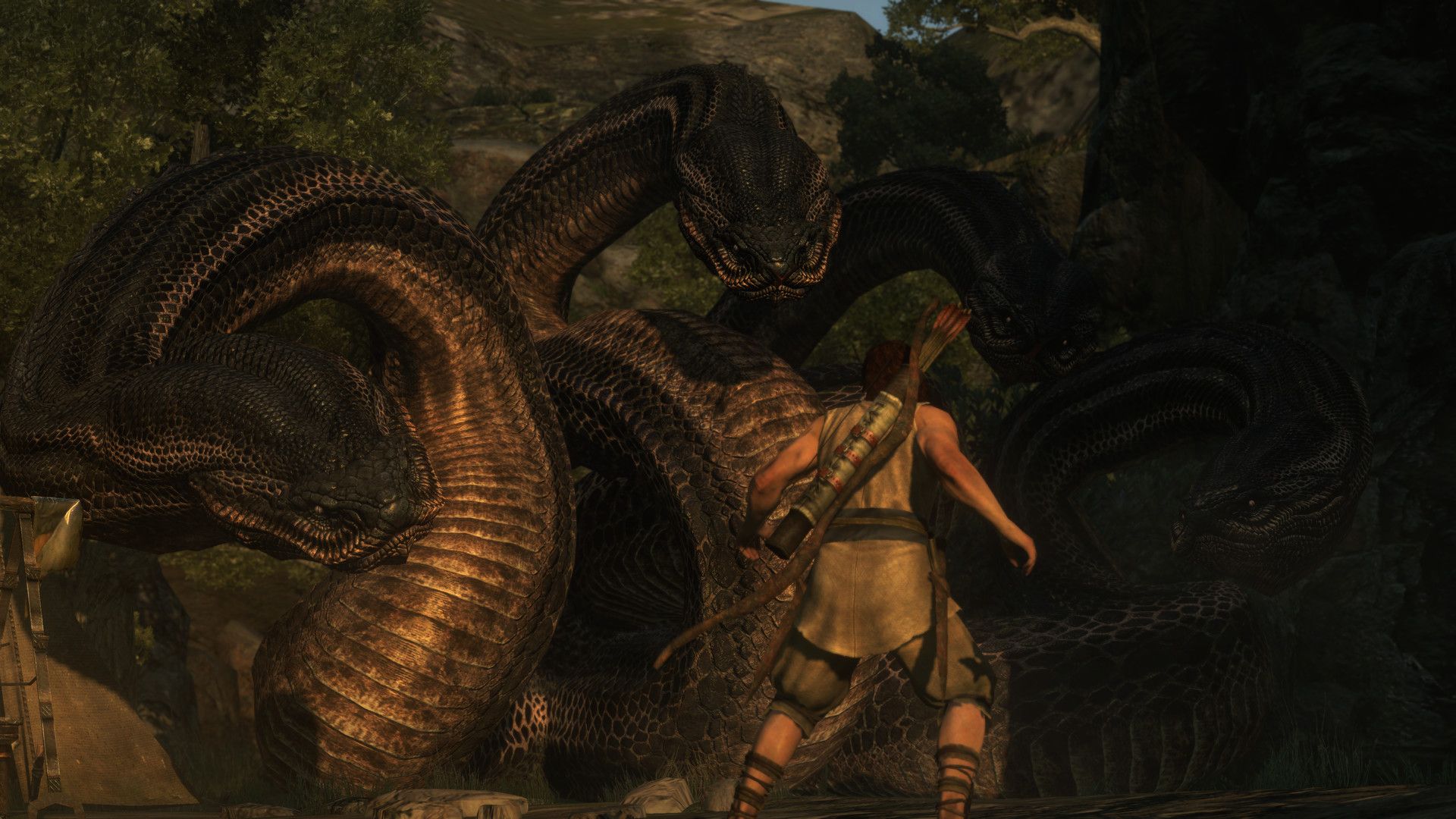
Like Kingdom Come: Deliverance, Dragon’s Dogma began as a smaller, experimental RPG but grew into a fully-fledged, large-scale game with its sequel. Many fans still prefer Dragon’s Dogma: Dark Arisen, despite the increased scope of the follow-up. The game successfully blends the grand scale of open-world fantasy RPGs with the feel of a more personal, innovative project, offering players a unique experience. Dragon’s Dogma stands out from other games in several ways, including its action-focused combat and the distinctive Pawn companion system.
Approximately 150 developers contributed to the creation of Dragon’s Dogma, giving it a scope comparable to many major games of its time, although it did have some noticeable flaws. In fact, the game’s creator, Hideaki Itsuno, has said that Dragon’s Dogma 2 is the game the original Dragon’s Dogma was always intended to be, had development not faced certain limitations. While it’s difficult to recommend the first game over the improved sequel now, Dragon’s Dogma still launched a unique and beloved open-world series from Capcom, cherished by a large fanbase.
Read More
- All Shadow Armor Locations in Crimson Desert
- How to Get the Sunset Reed Armor Set and Hollow Visage Sword in Crimson Desert
- Best Bows in Crimson Desert
- All Golden Greed Armor Locations in Crimson Desert
- Wings of Iron Walkthrough in Crimson Desert
- How to Craft the Elegant Carmine Armor in Crimson Desert
- All Helfryn Armor Locations in Crimson Desert
- All Skyblazer Armor Locations in Crimson Desert
- How To Beat Ator Archon of Antumbra In Crimson Desert
- Keeping Large AI Models Connected Through Network Chaos
2026-04-02 14:07