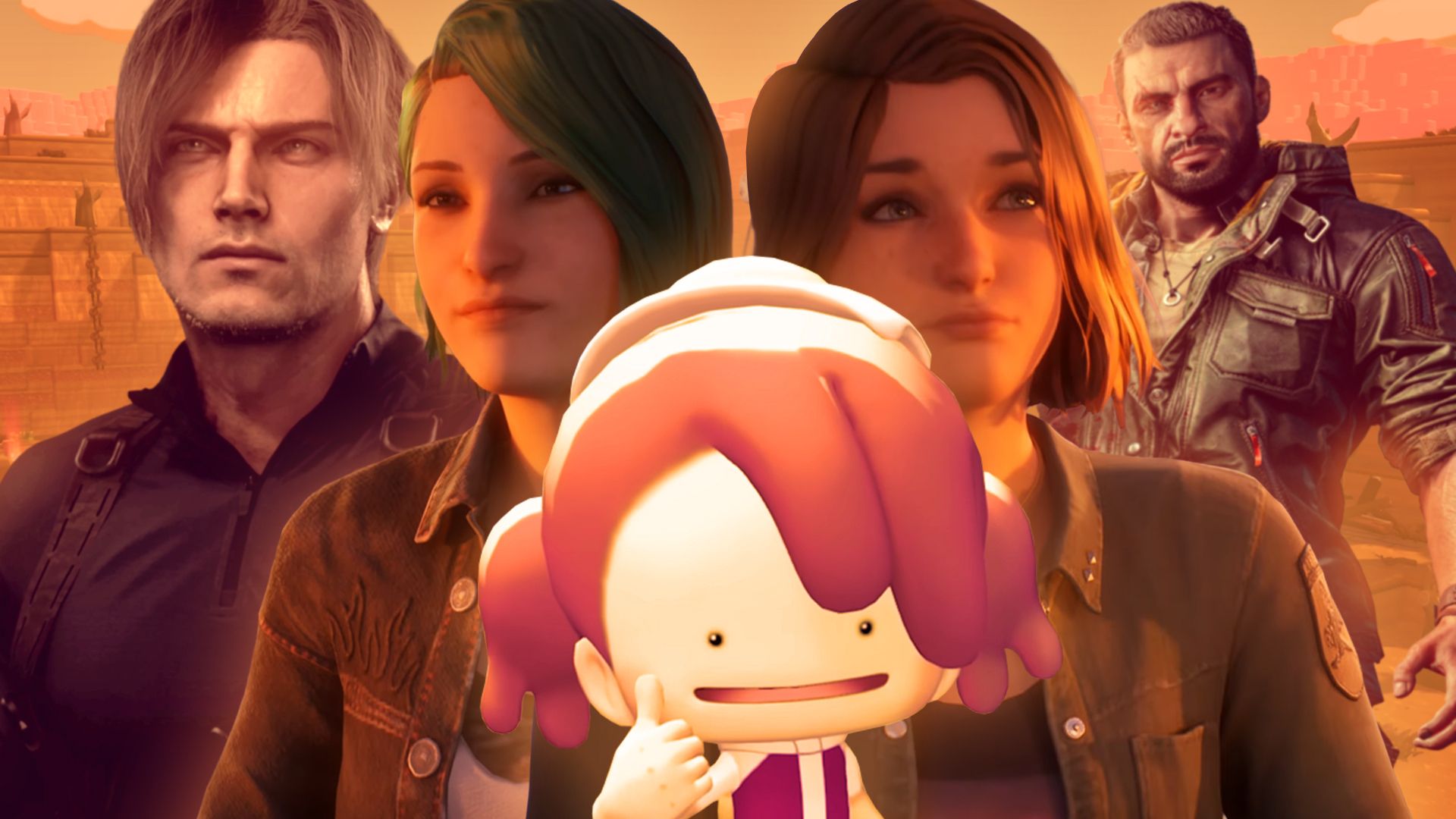
The video game industry has a habit of quickly jumping on whatever’s popular, and often with good reason. After the massive success of games like Fortnite Battle Royale and Overwatch, many similar games appeared. This pattern applies to genres like roguelikes and soulslikes, and really, to almost any game type that’s become popular in the last decade. This tendency isn’t limited to just genres, though; game developers also often follow similar themes and storylines.
Lots of games seem to be about revenge, which is a bit puzzling. I’ve heard from many developers that the COVID-19 pandemic inspired their work, and that makes sense. While it could just be a popular trend, art often reflects what’s happening in the world. It’s notable that many recent, highly-rated games, including some of the best releases of 2026, are actually focused on themes of healing instead.
It’s weird hearing about positive stuff in the gaming world right now, honestly. The industry is really hurting. We’re not even to April yet, and already we’ve seen 13 studios close and around 3,000 people lose their jobs. If you look back, there were about 10,500 layoffs last year, 14,600 the year before, and estimates are around 5,300 this year. It makes you wonder how any game dev can feel secure in their job, especially with PlayStation closing down places like Bluepoint and even Epic laying off people working on Fortnite. That’s a lot of people going through tough times, and it’s just… a lot.
The pandemic highlighted how much people need social connection, and we saw that reflected in popular trends. Now, with recent layoffs and ongoing global issues, there’s a similar pattern emerging in video games. Many games released in 2026 are heavily focused on themes of healing and recovery, suggesting a desire to offer players stories about overcoming challenges. While how players interpret these stories is up to them, the prevalence of these themes clearly reflects what people are looking for right now, both in games and in life.
SPOILERS AHEAD — PLEASE REFER TO THE SUBHEADING AND SKIP THE SECTION IF REQUIRED
Resident Evil Requiem’s Leon Kennedy Makes Amends with Himself (Spoilers)
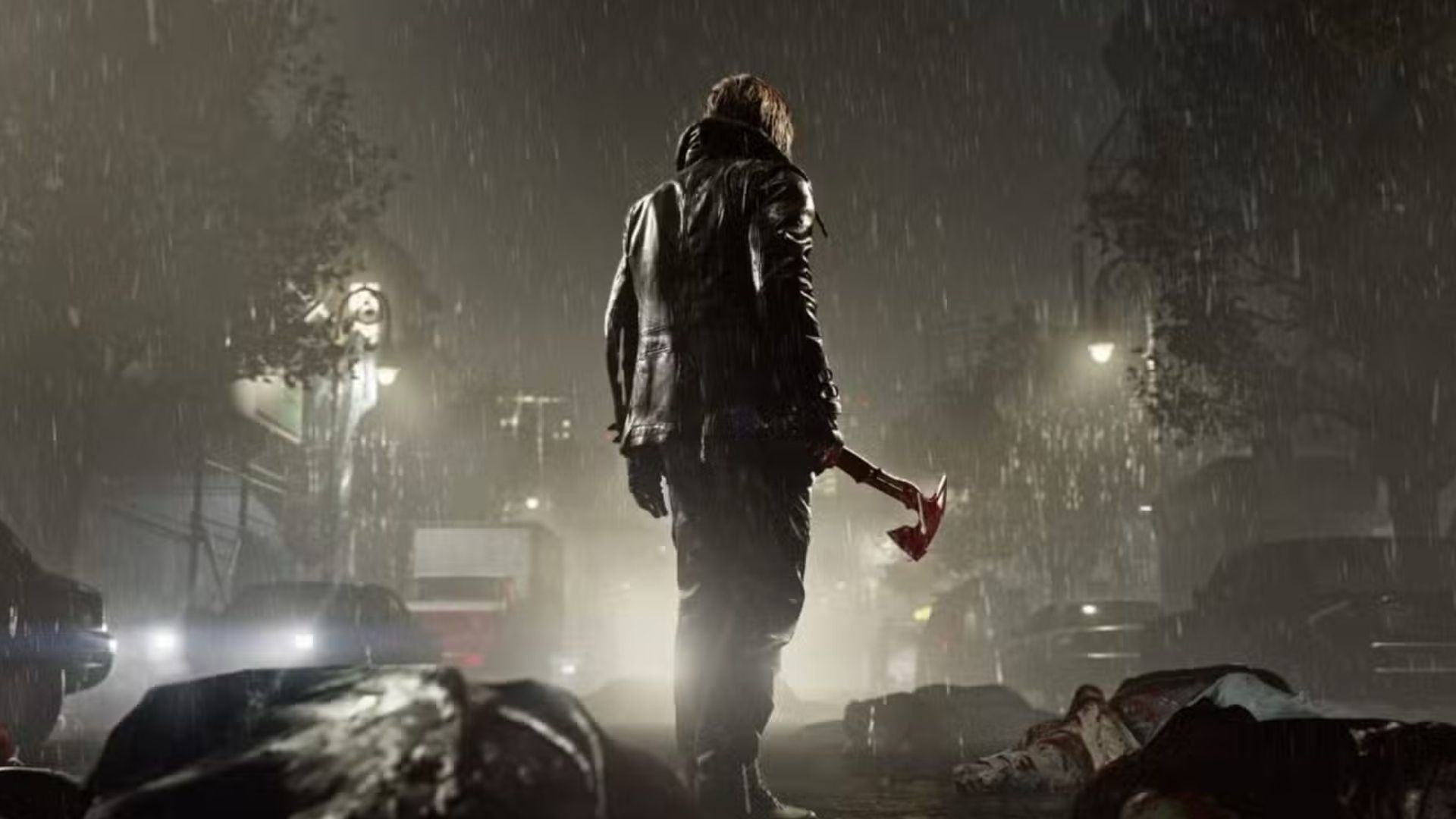
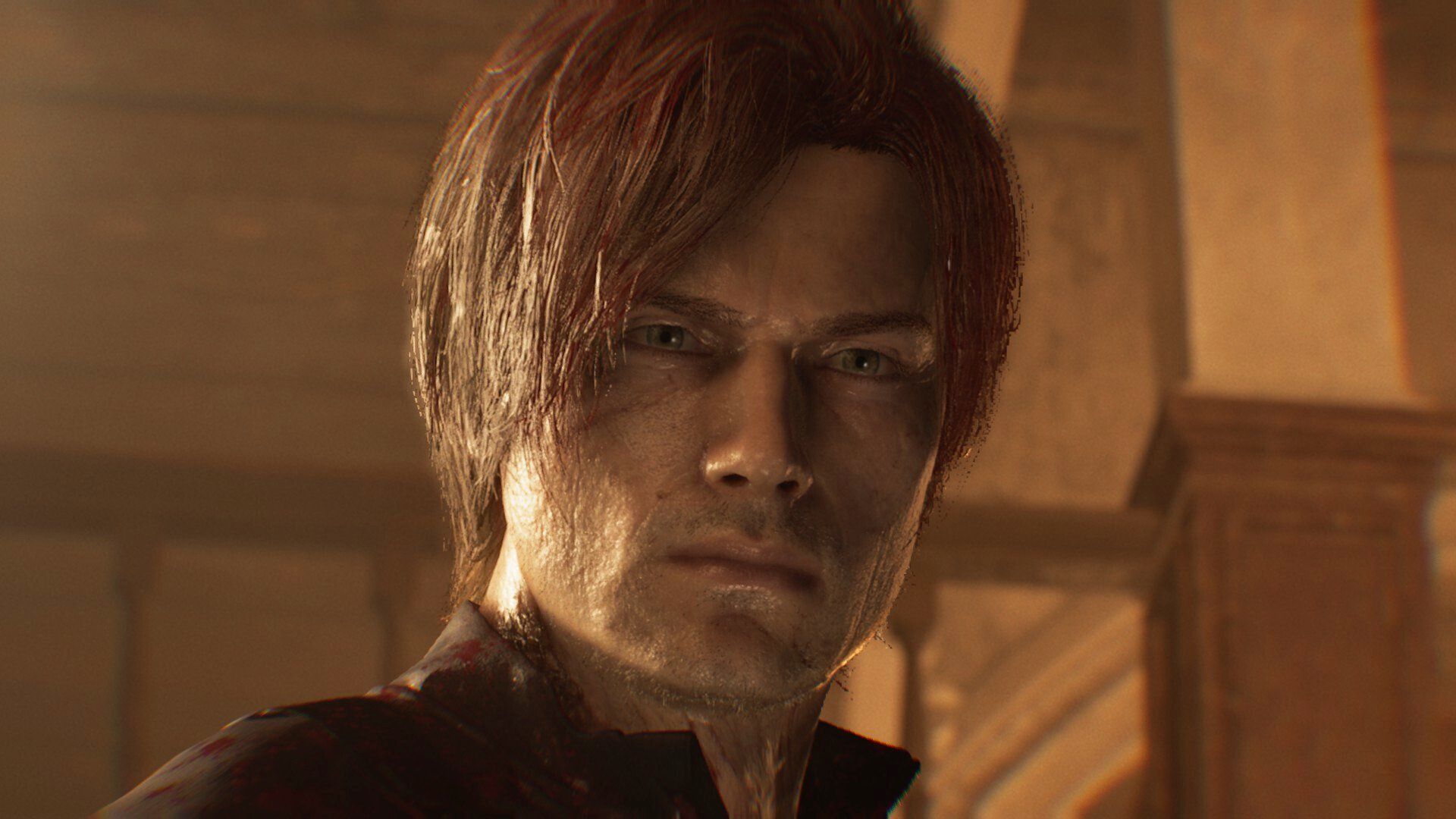
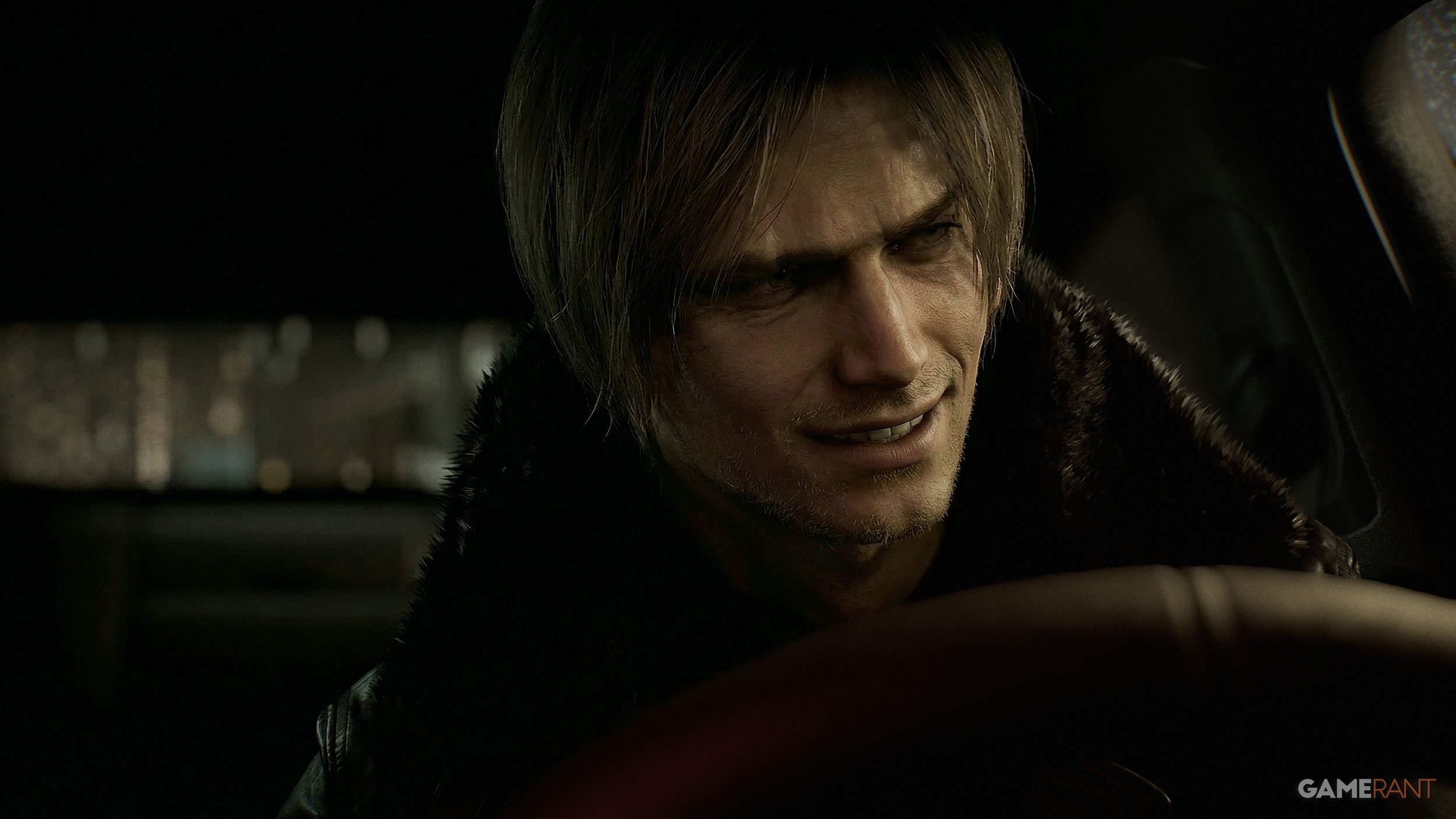
When I first played Resident Evil Requiem, I was annoyed that Leon didn’t seem worried about being infected with the Raccoon City Syndrome. He’s already dying, but acts like it’s no big deal. Looking back, though, that actually fits his character. Throughout Resident Evil 2, 4, and 6, Leon has never really felt safe. Resident Evil 4 shows how desperately he tries to save Ashley, even after suffering so much loss, and RE6 continues that pattern, forcing him to constantly move from one crisis to the next. He’s always managed to survive, but years of violence, loss, and failure – especially what happened in Raccoon City – have made him numb. It explains why he doesn’t seem to care about his own survival or even getting better from the illness.
The events of RE9 force Leon to confront the source of his trauma – Raccoon City – and demonstrate that his PTSD continues to control him. His apologies and feelings of helplessness reveal the deep impact of his past, which now manifests physically as illness. Throughout RE Requiem, Leon is essentially battling his past, symbolized by characters like Hunk and the Tyrant. The game’s two endings highlight his internal struggle: one ending shows him succumbing to his trauma, while the other offers a path to healing. While Elpis provides a physical cure, choosing to preserve it represents Leon’s opportunity to break free from the cycle of trauma. Though not a complete fix, Requiem suggests a hopeful future for Leon, symbolized by his marriage and the promise of a stable, supportive home life where he can continue to heal.
Pokopia Symbolizes the Literal Act of Healing (SPOILERS)
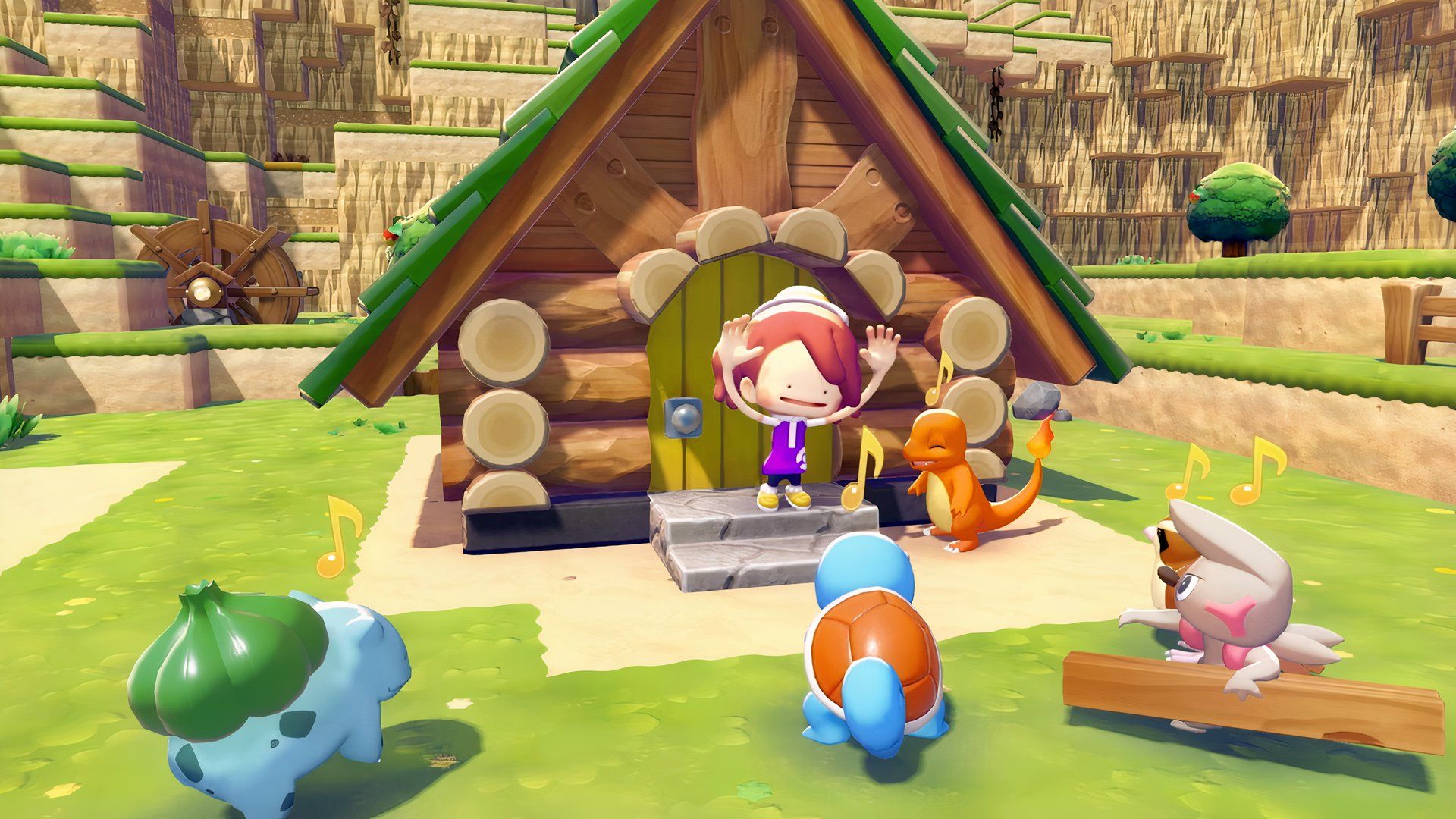
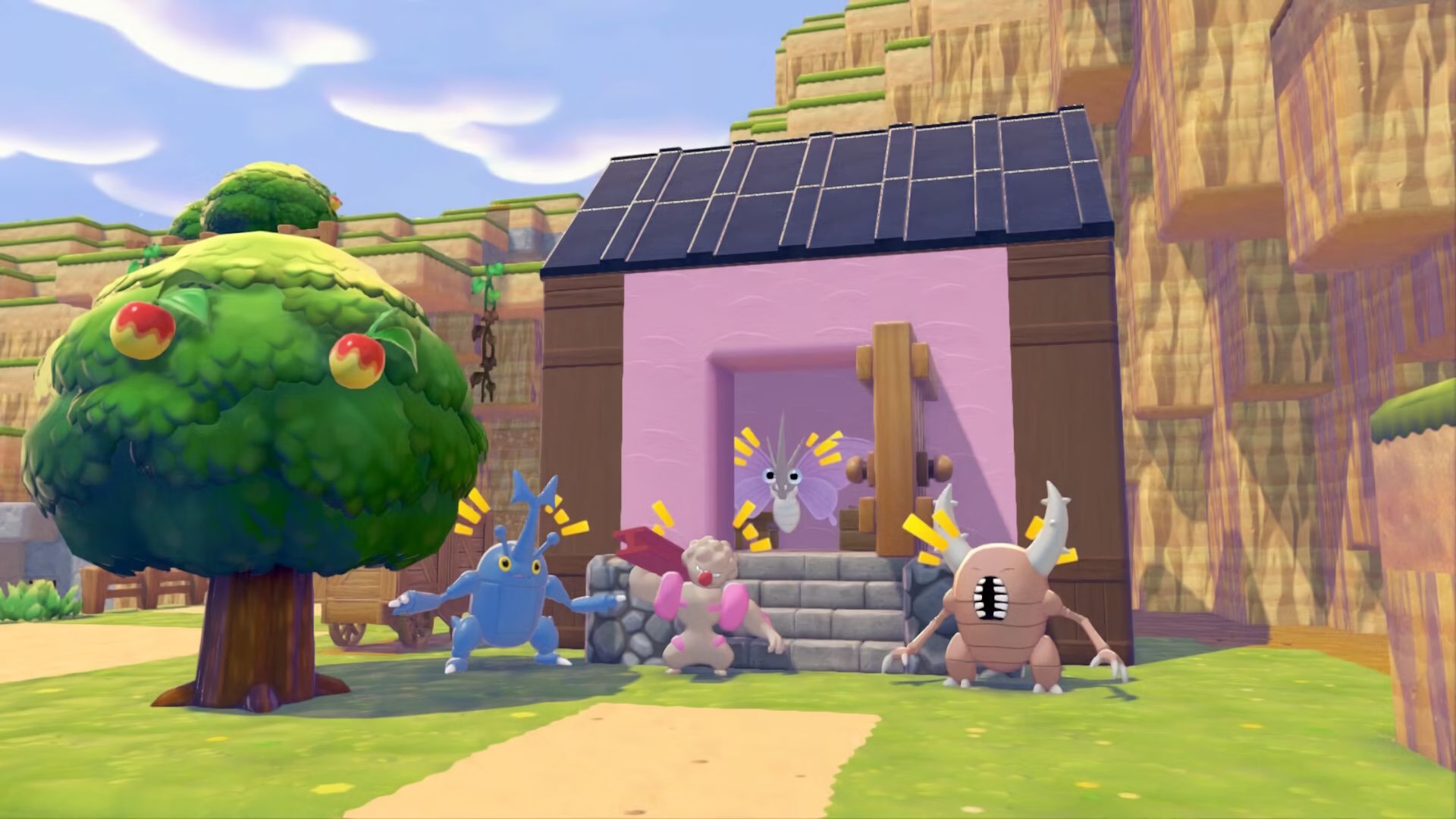
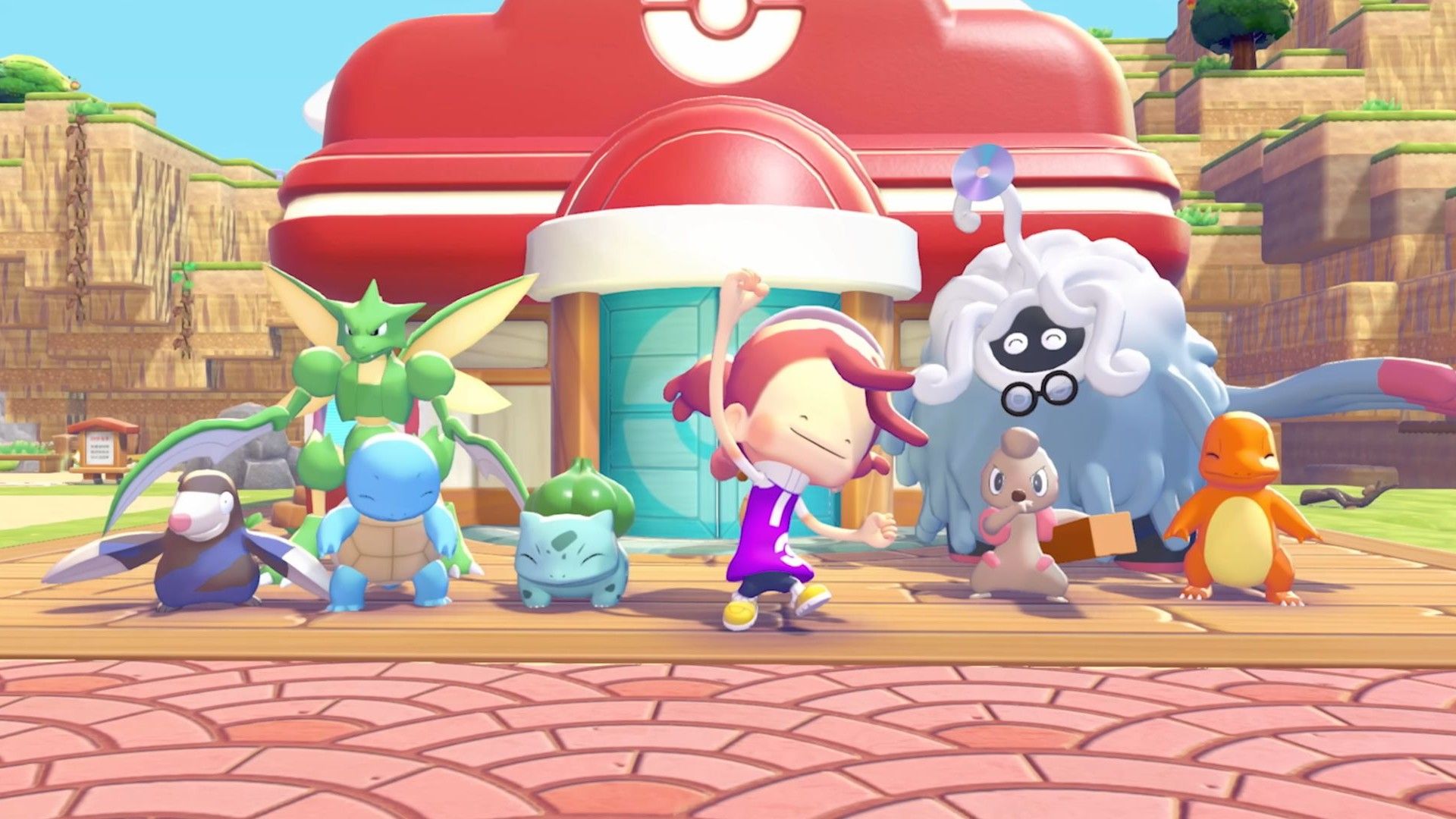
Pokopia is a relaxing game where you discover Pokemon and help rebuild the damaged regions of Kanto, not to how they once were, but into something new and hopeful. The world has suffered from a series of disasters, causing humans to leave Pokemon in the PC system as they escaped to space. These Pokemon feel the sadness of being abandoned and are constantly reminded of the trauma. The game’s ending is touching – the world is healed, but the journey isn’t truly finished. While the humans are still out there, as the ending implies, the process of recovery continues even after the main work is done.
Dying Light: The Beast Gives an Angry Man a Choice (SPOILERS)
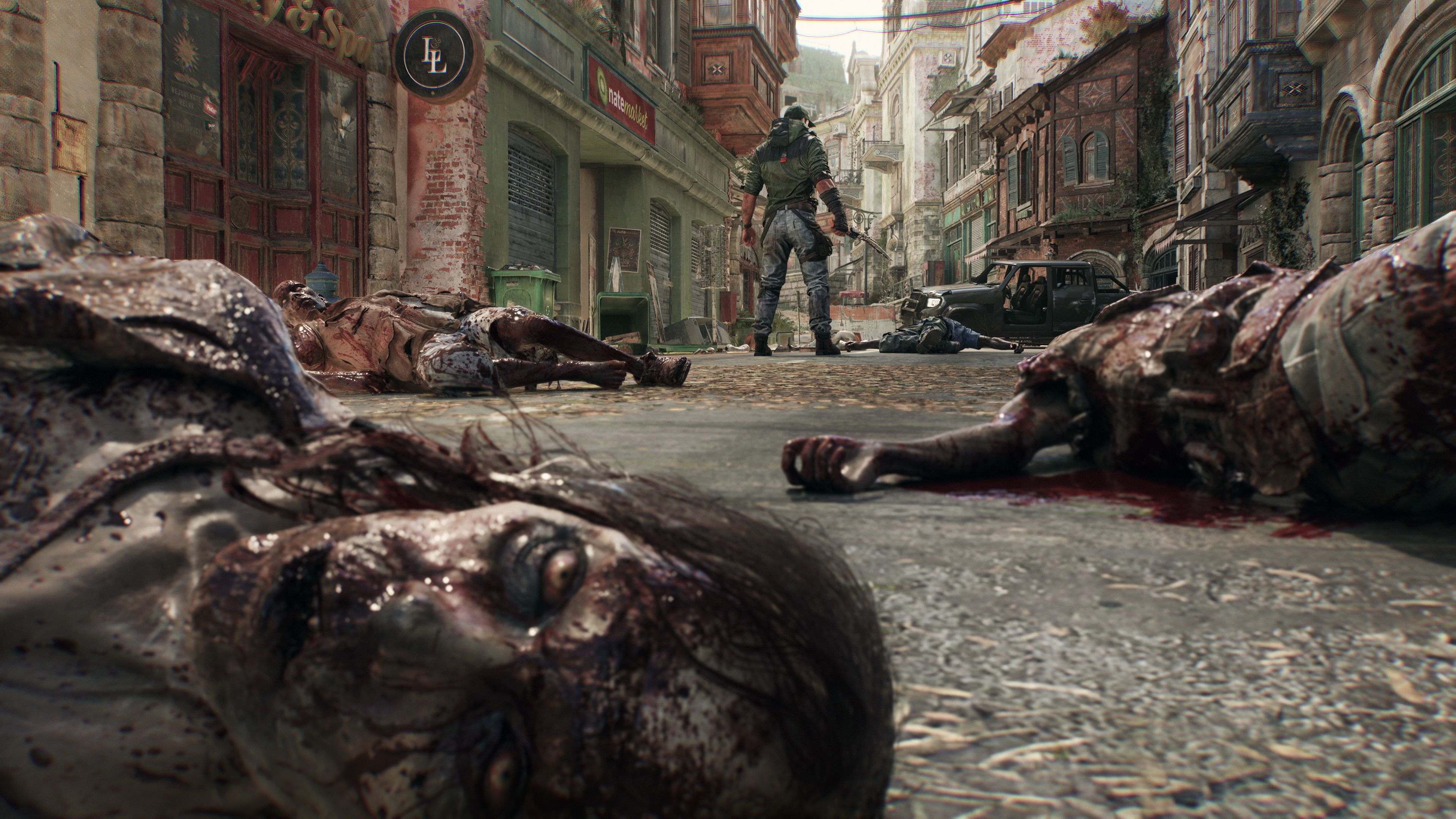
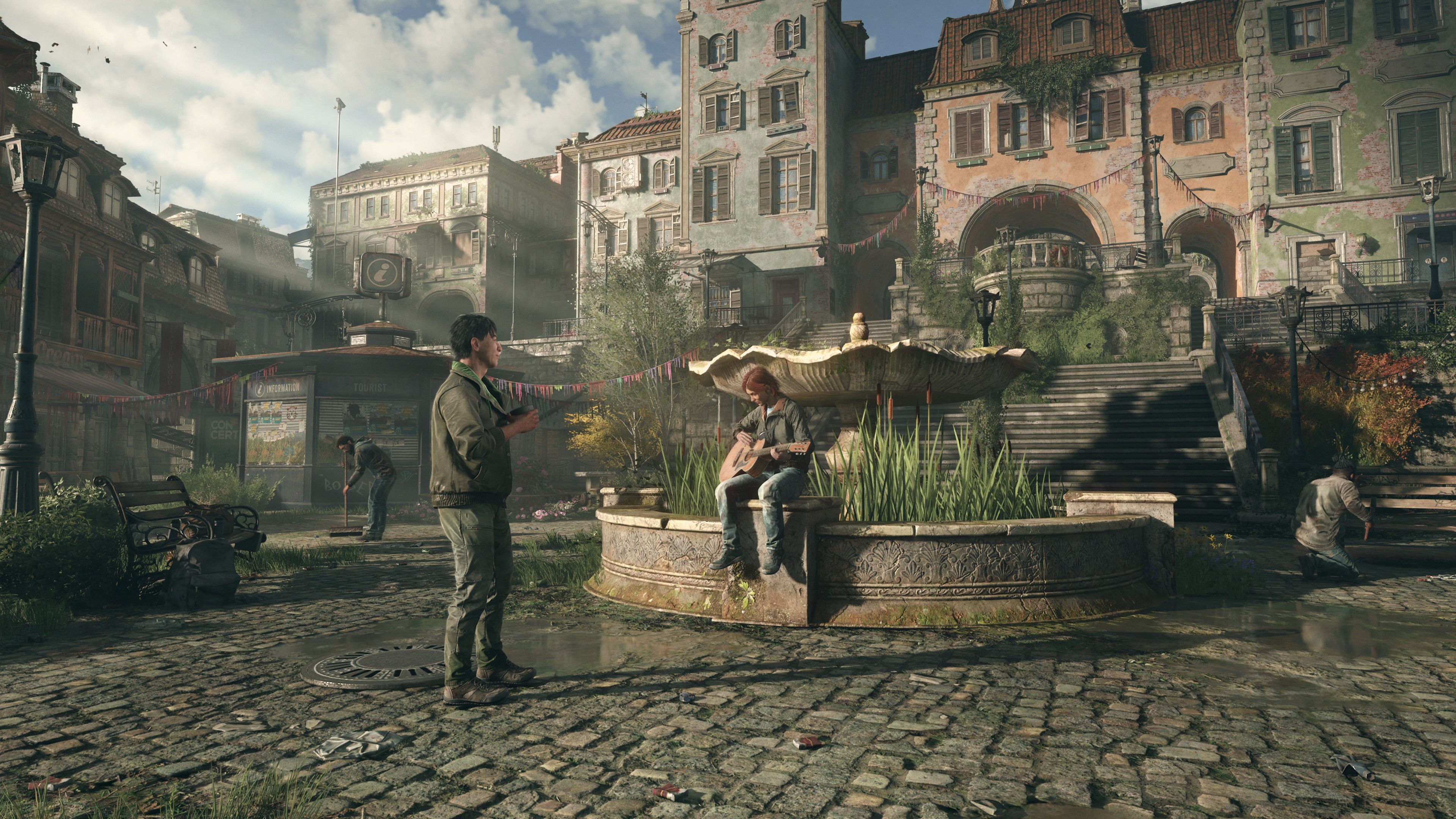
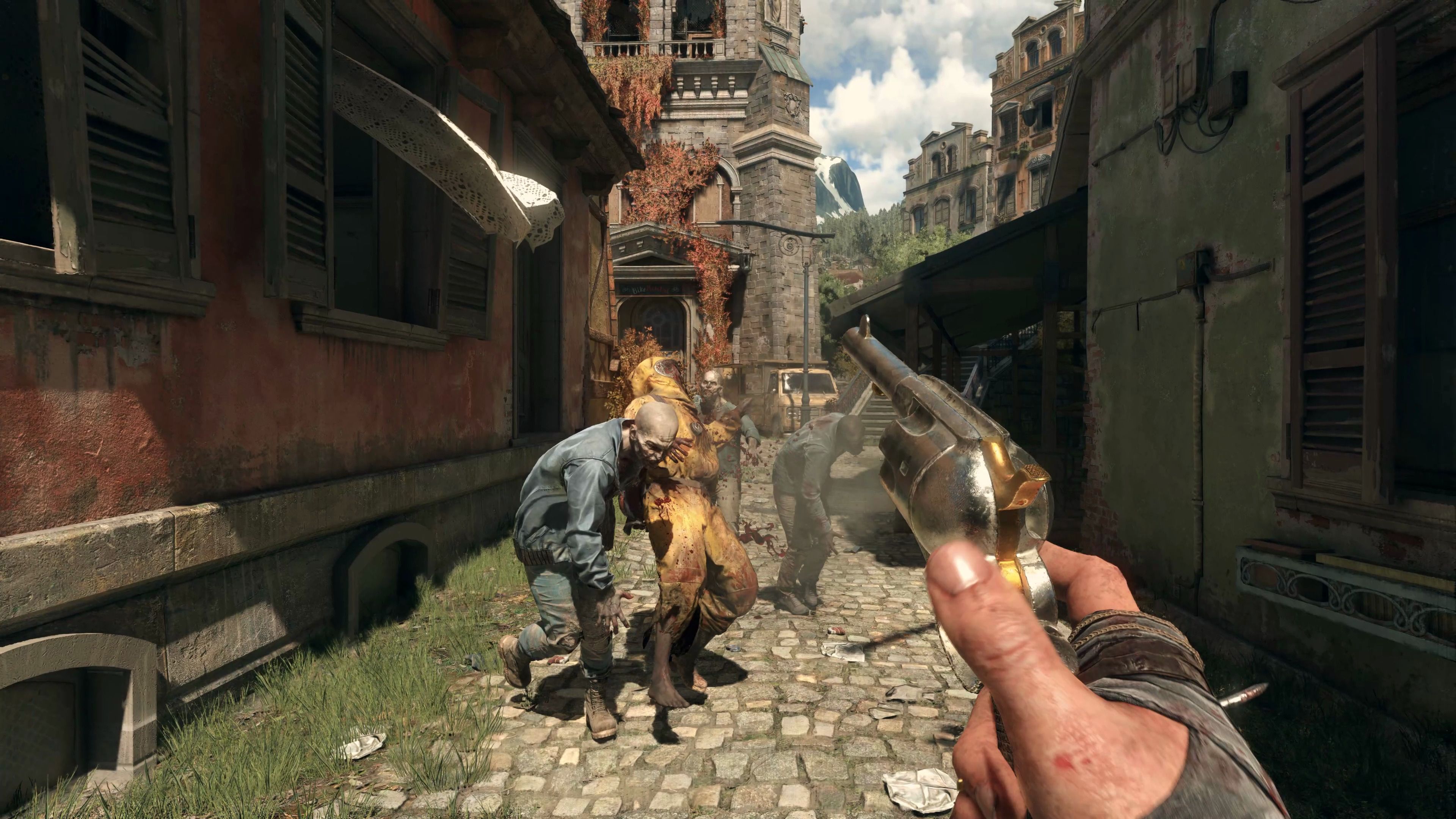
You’re correct, Dying Light: The Beast isn’t coming out in 2026. However, a new update called Restored Land has just been released. This update features a unique challenge: nothing, not even zombies, respawns. Players will work to reclaim areas and revitalize Castor Woods by defeating hordes of zombies. While the theme of healing and restoration is quite obvious, it’s important to remember the story of Kyle Crane within Dying Light: The Beast.
Kyle Crane has always been a helpful person, often with a sarcastic remark, but The Baron’s experiments transform him into a much more intense and formidable creature. While he remains fundamentally good and continues to offer help, he struggles with the changes within himself, balancing his former self with his new reality. His actions, particularly in Restored Land, are driven by a need for personal healing just as much as a desire to heal the world, demonstrating that your past doesn’t have to control who you are today or who you become.
Life is Strange: Reunion Shows How Healing is Not Linear (SPOILERS)
Life is Strange: Reunion brings Max and Chloe back together, exploring the idea that healing isn’t a straight line. Even when things appear to be improving, unexpected events can suddenly resurface old pain. The story shows how past traumas and difficult choices can haunt us, and even a small trigger can send someone spiraling back into those feelings. Reunion reveals that a moment from Double Exposure – one Max doesn’t recall – is actually what set Max and Chloe on their current path.
The characters carry the weight of past hurts and the consequences of their actions. While the present offers a chance for hope and trust, the future remains uncertain. The story shows how the difficult ending of the first Life is Strange game continues to affect every choice Max and Chloe make, regardless of their abilities. It’s a reminder that even small setbacks can lead to ongoing struggles. However, Life is Strange: Reunion suggests a way forward, focusing on long-term healing, preparing for future challenges, and breaking free from the grip of the past.
This story focuses on acknowledging and coming to terms with trauma and pain. It emphasizes that the damage done can’t be reversed, not even with supernatural abilities. Instead of a single, disastrous decision with unavoidable consequences – like in the first Life is Strange – this narrative is about learning to accept less-than-perfect results, dealing with past hurts, prioritizing your own well-being and the safety of those you care about, and finding a way to move on. Max and Chloe finding happiness simply required them to heal and overcome their own internal struggles.
 Rearrange the covers into the correct US release order.
Your Order
Results
— —
So Many of the Best Games of 2026 Are About Healing
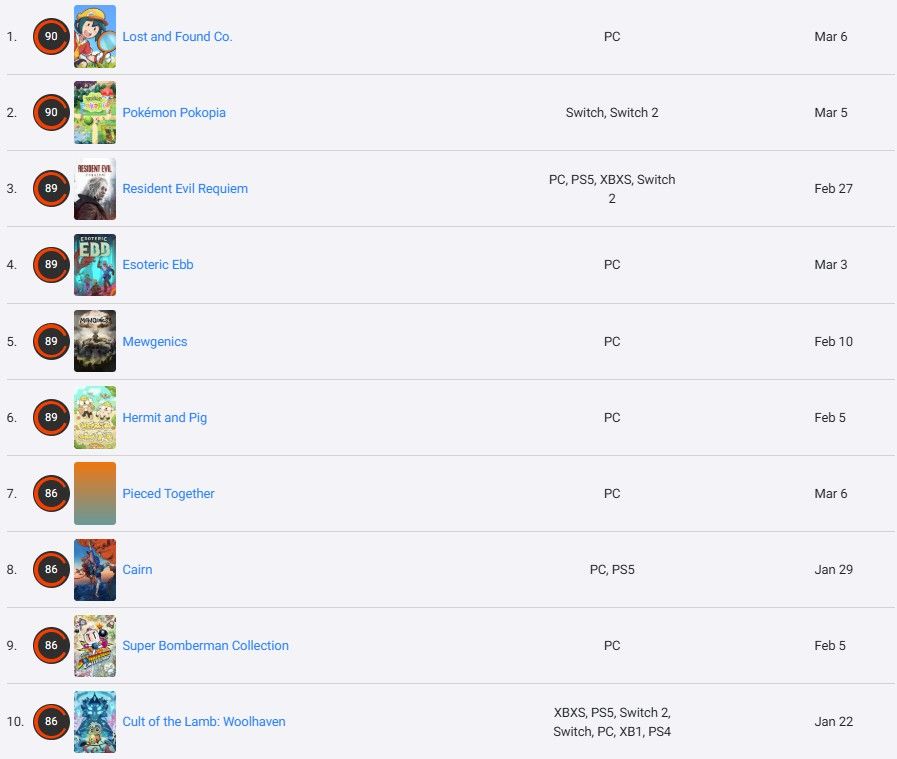
I recently looked into the best games released this year, and I noticed a recurring theme. While several major titles have come out, these aren’t the only ones exploring interesting ideas. For example, Lost and Found Co. centers around helping a small dragon recover her strength, which is ultimately about restoration and healing. Similarly, Hermit and Pig, a game that simulates social anxiety, focuses on fighting against corporate corruption and highlights how working together is more powerful than being alone—another story of healing.
Several recent games focus on emotional healing through gameplay. Pieced Together lets players explore themes of nostalgia, loss, and change by creating a scrapbook, ultimately leading to a sense of closure. Cairn tells a story about loss and striving for the impossible, offering a reflection on life and, ultimately, a path to healing. Similarly, the new Cult of the Lamb DLC, set in Woolhaven, centers around restoration and rediscovering power—another journey towards healing and acceptance.
A Suffering Industry Making Healing Games
Ultimately, these narratives may not provide easy answers for the creators, the audience, or the entertainment industry itself. Sometimes, all you can do is acknowledge the difficult truths and try to cope with them – a process of finding peace. This is the path Leon took, the one the world of Pokemon followed, and the journeys of characters like Kyle Crane and Chloe and Max. Stories often mirror the world we live in, and these may reflect your own experiences as well.
These games don’t offer perfect solutions, but they’re a powerful reminder that the effort to heal, rebuild, and persevere is valuable. That message resonates with both those who play and those who create these games, making the experience meaningful.
Read More
- All Shadow Armor Locations in Crimson Desert
- Jujutsu Kaisen Season 3 Episode 12 Release Date
- Dark Marksman Armor Locations in Crimson Desert
- How to Beat Antumbra’s Sword (Sanctum of Absolution) in Crimson Desert
- Top 5 Militaristic Civs in Civilization 7
- Sega Reveals Official Sonic Timeline: From Prehistoric to Modern Era
- Sakuga: The Hidden Art Driving Anime’s Stunning Visual Revolution!
- Keeping AI Agents on Track: A New Approach to Reliable Action
- How to Get the Sunset Reed Armor Set and Hollow Visage Sword in Crimson Desert
- How To Beat Ator Archon of Antumbra In Crimson Desert
2026-03-28 02:06