Gamers have strong dislikes when it comes to common game elements. Quick Time Events (QTEs), popular in the 2000s, are still often criticized. But many gamers dislike water levels even more. These levels, frequently found in platforming games, tend to slow down gameplay, feel unoriginal, and are often filled with fish enemies. This combination often makes them feel like a boring and frustrating task. Sometimes, they’re even deadly, making the experience even worse.
That’s not always true, however. Many games feature significant underwater sections filled with creative and scary creatures, like Subnautica. Others include water-based levels that are enjoyable and don’t feel overly long. Let’s explore why underwater levels are so frequent, why they often get a bad reputation, and how certain games have managed to make them great.
5. Why Water Levels Are So Common
Water We Going To Do Without Them, After All
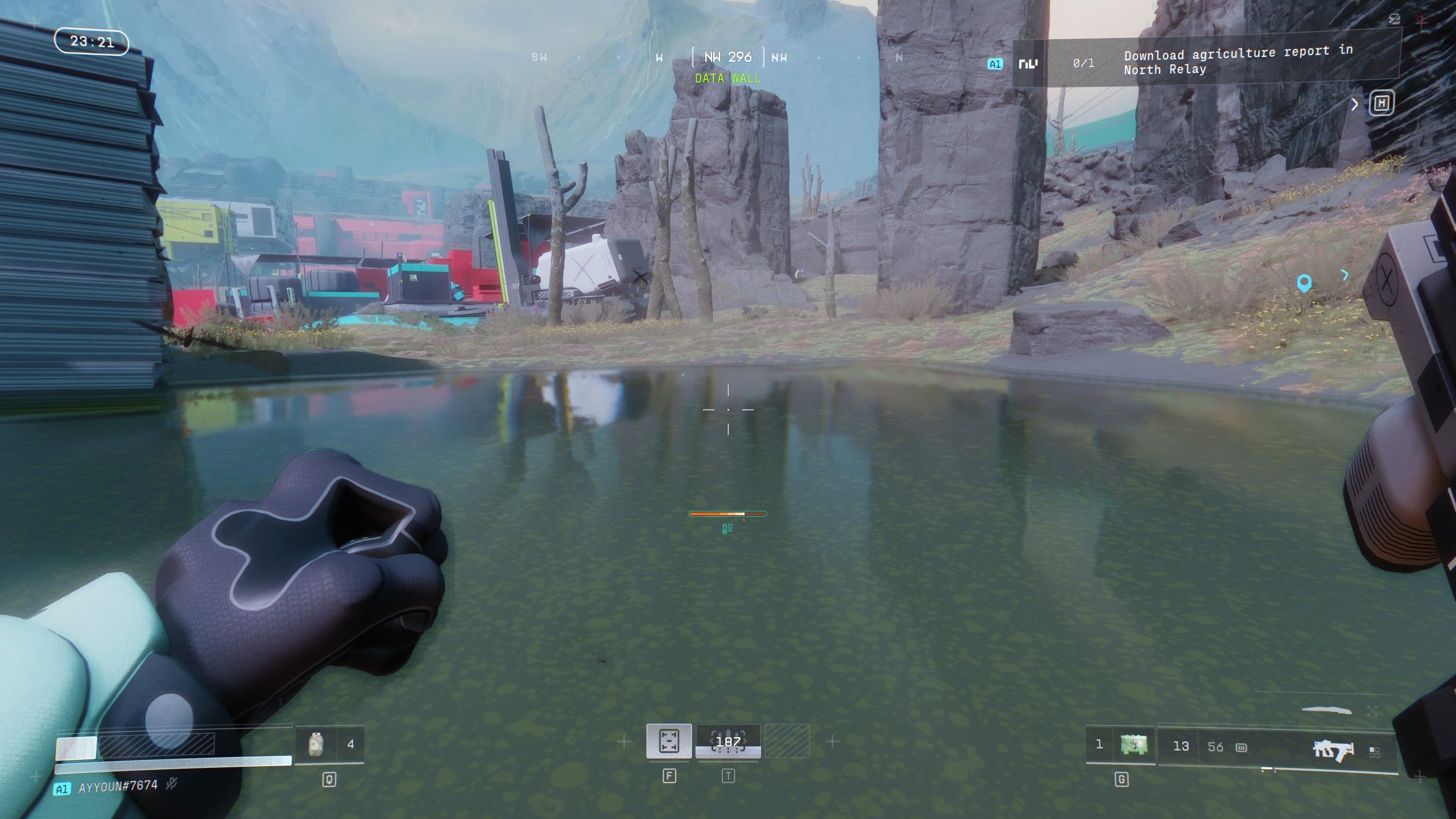
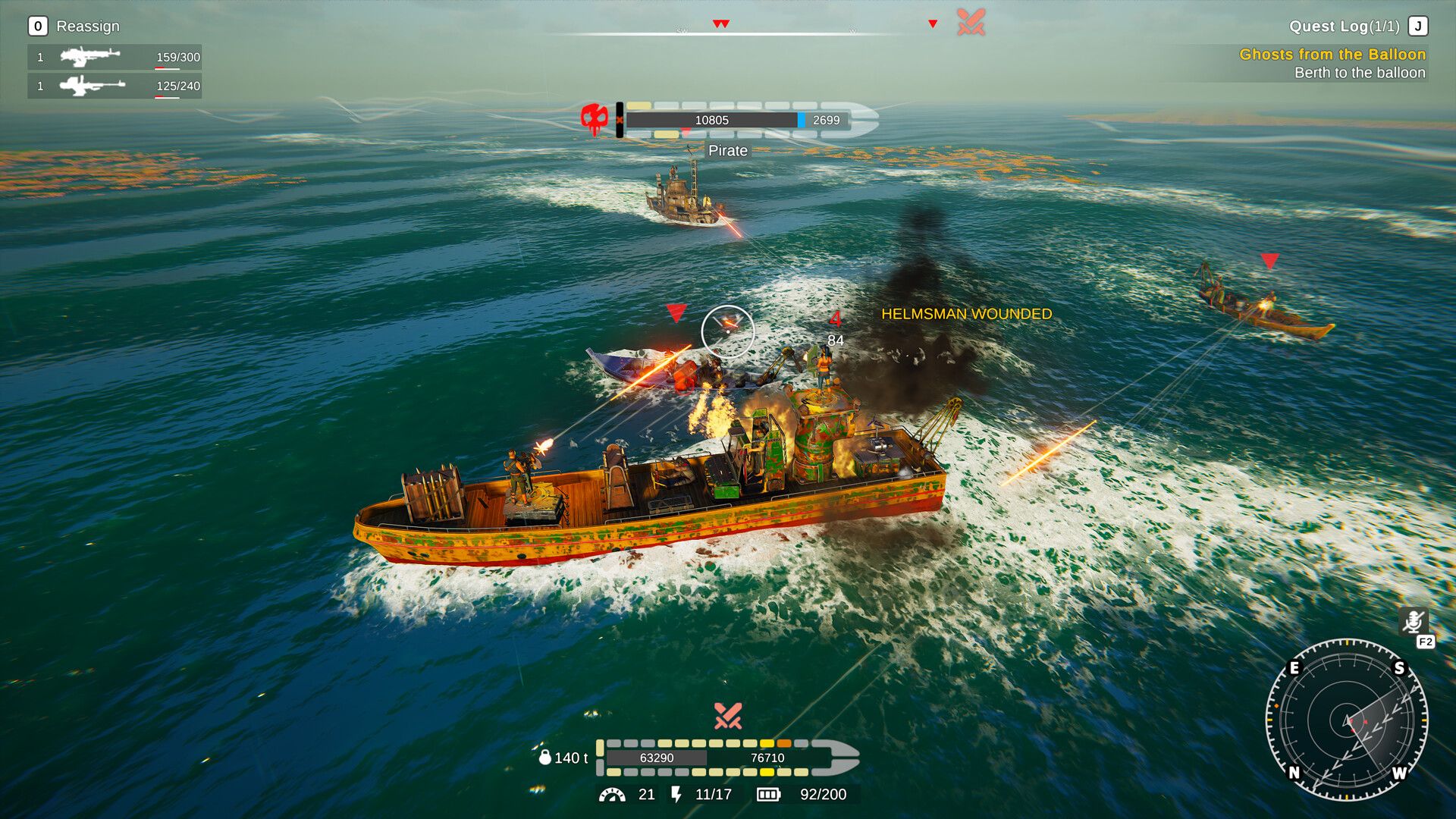
Most platform games follow familiar world themes – like icy, grassy, sky, and fiery levels. These aren’t just for looks; they also change how the game plays. For example, a sky level might have wind that affects your jumps and puzzles to solve, while an icy level usually makes surfaces slippery and harder to control. And of course, lava is a classic, frustrating obstacle in fire-themed areas.
As a fan, I’ve been thinking about how cool water levels can be in games, and it’s obvious why they work so well. There’s really no better way to dramatically change how a game feels and looks while still making sure you instantly understand what’s different. The visual changes are super clear, but they also challenge you to rethink how you approach the level. That’s what I love about water stages – but honestly, that same thing could also be a problem if it’s not done right!
4. Why Water Levels Are So Controversial
Getting Bored Of Swimming
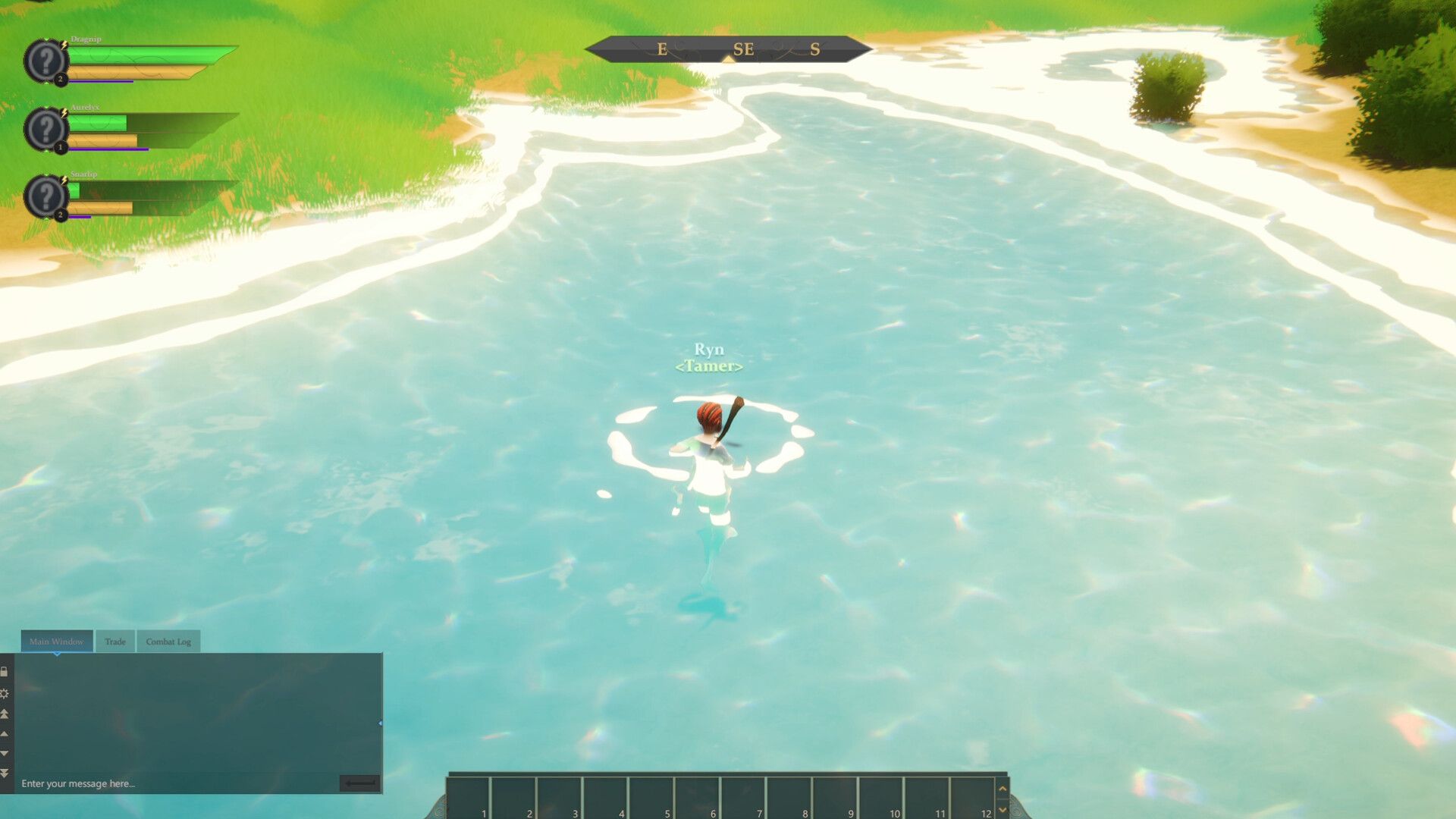
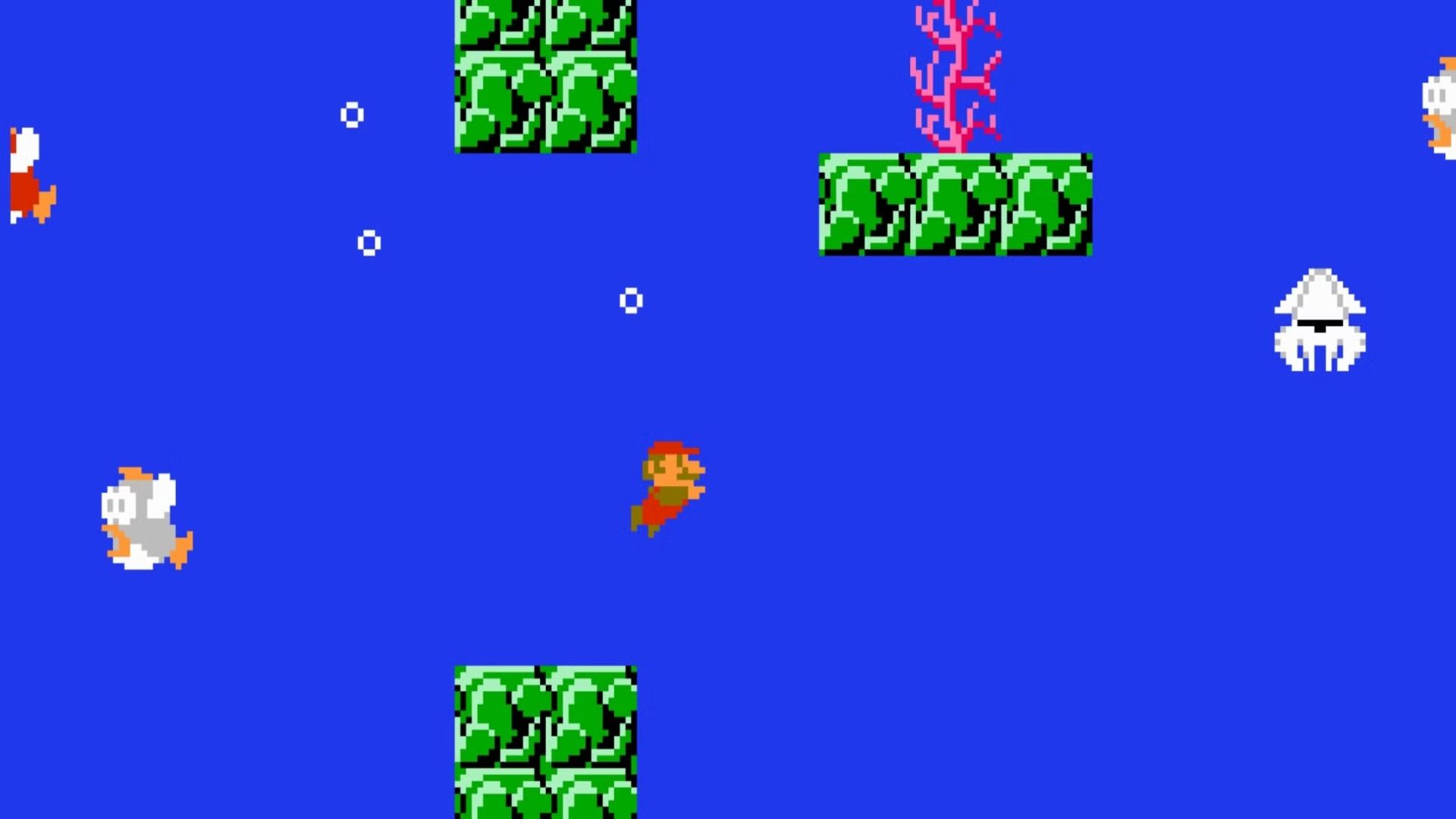
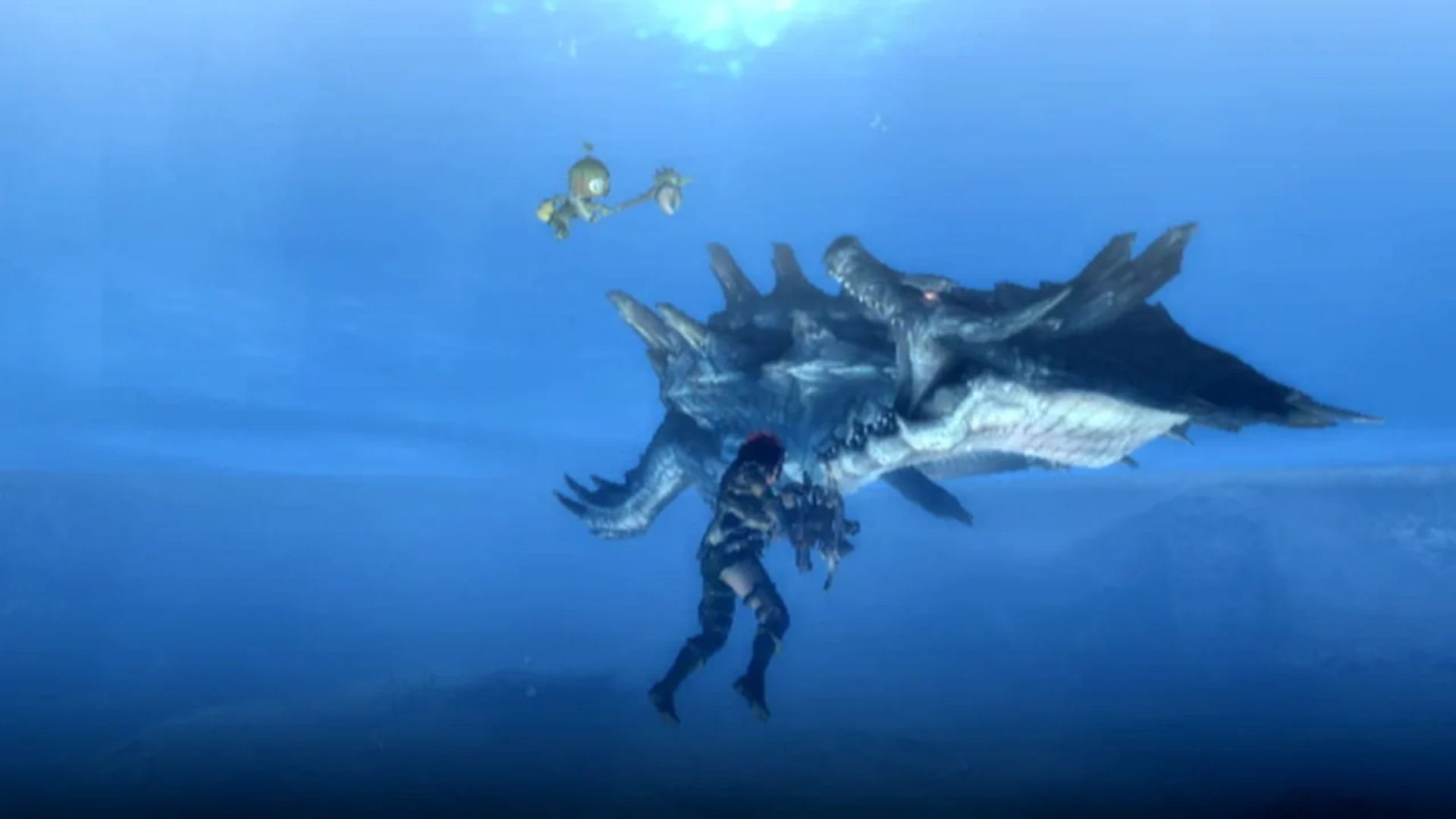
Gamers appreciate games that keep things interesting and offer new challenges. With so many great games available and our already long lists of games to play, we quickly lose interest in games that become repetitive or predictable. That’s why developers often add themed levels to keep things fresh. However, levels focused on water can sometimes change the gameplay in a way that feels frustrating, particularly when it affects how we move around.
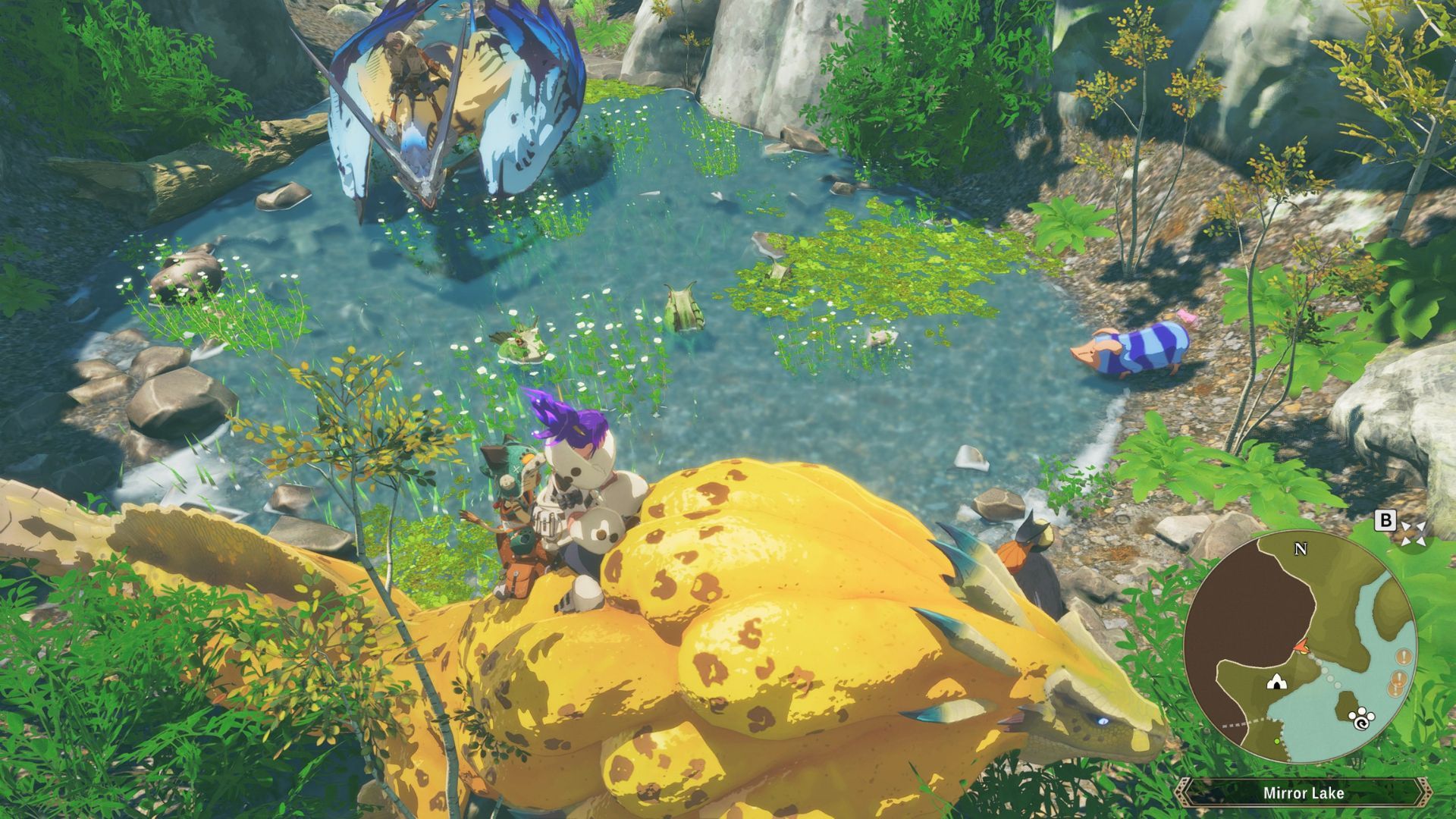
Platforming games usually rely on precise control with a limited set of moves, like well-timed jumps and quick reflexes. Water levels often disrupt this flow by slowing things down and introducing awkward controls. For example, classic 2D Mario games require repeatedly pressing the jump button to stay afloat and moving forward, while 3D Mario games can feel clumsy due to camera and character positioning. A particularly frustrating example was in Monster Hunter Tri, where underwater battles were added. The slow movement and lengthy attack animations made fighting underwater a real struggle, and it’s no surprise this feature was removed in later games.
3. The Ultimate Water Level Disappointment: Ocarina of Time’s Water Temple
H2Oh No
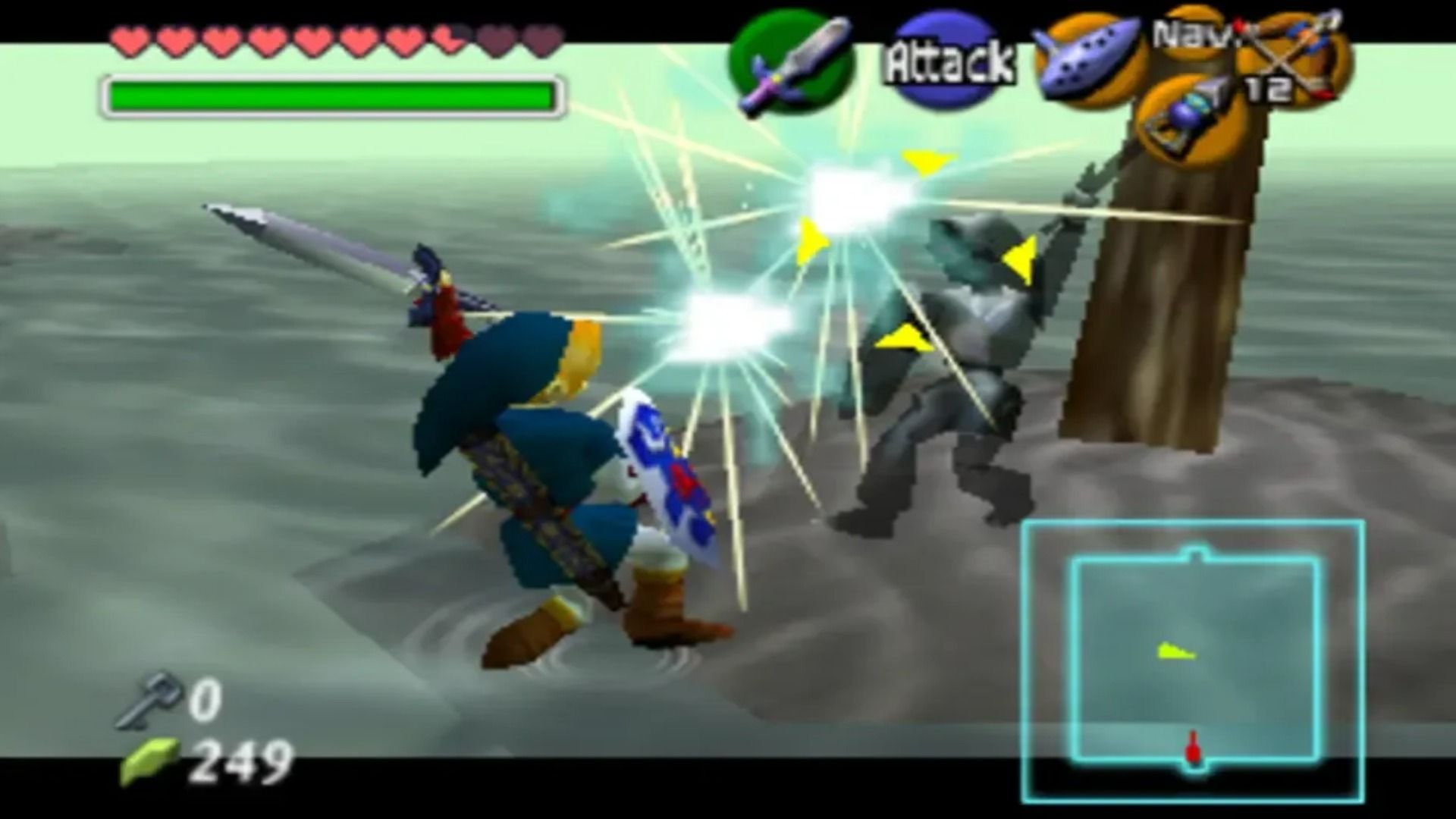
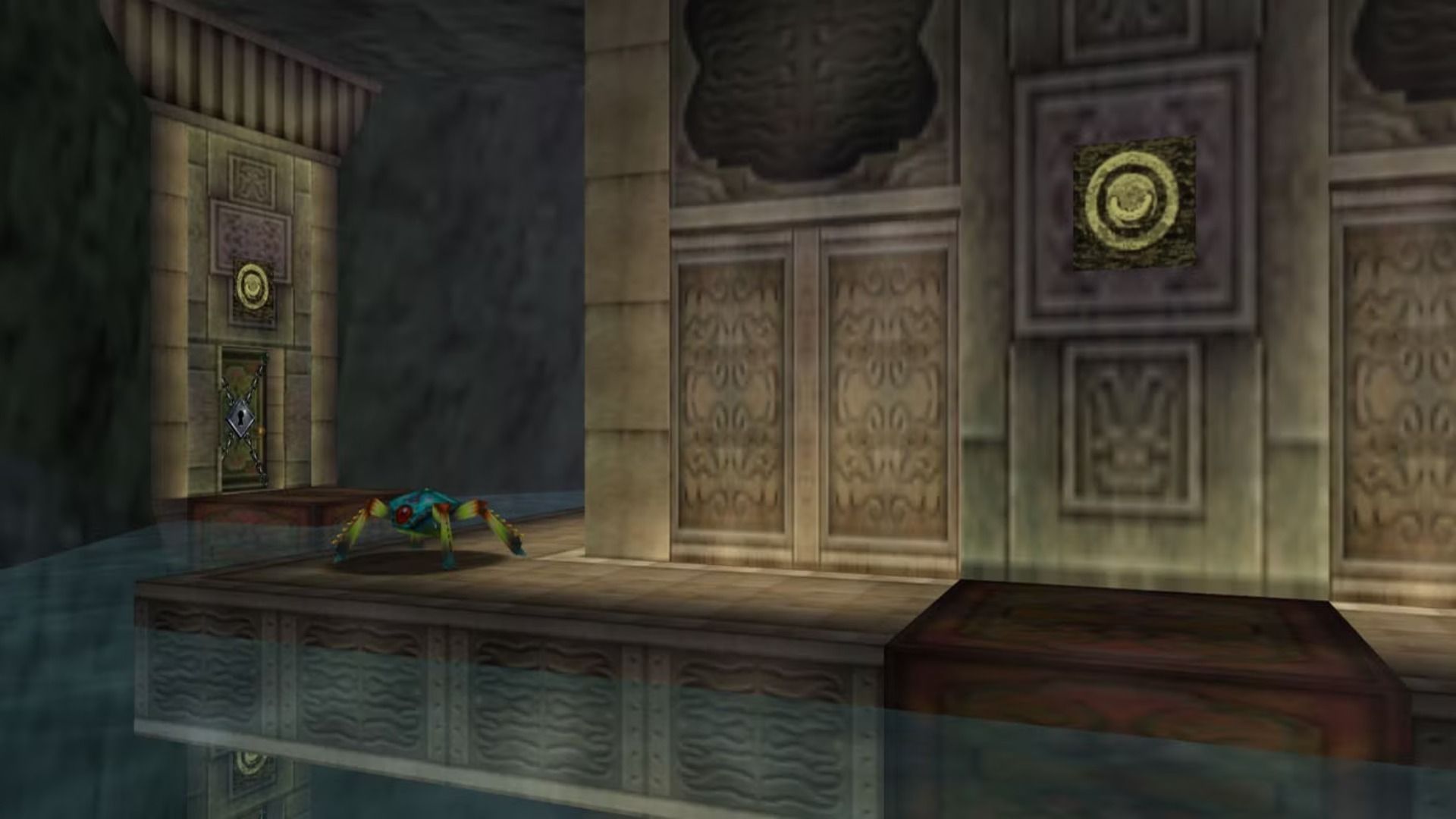
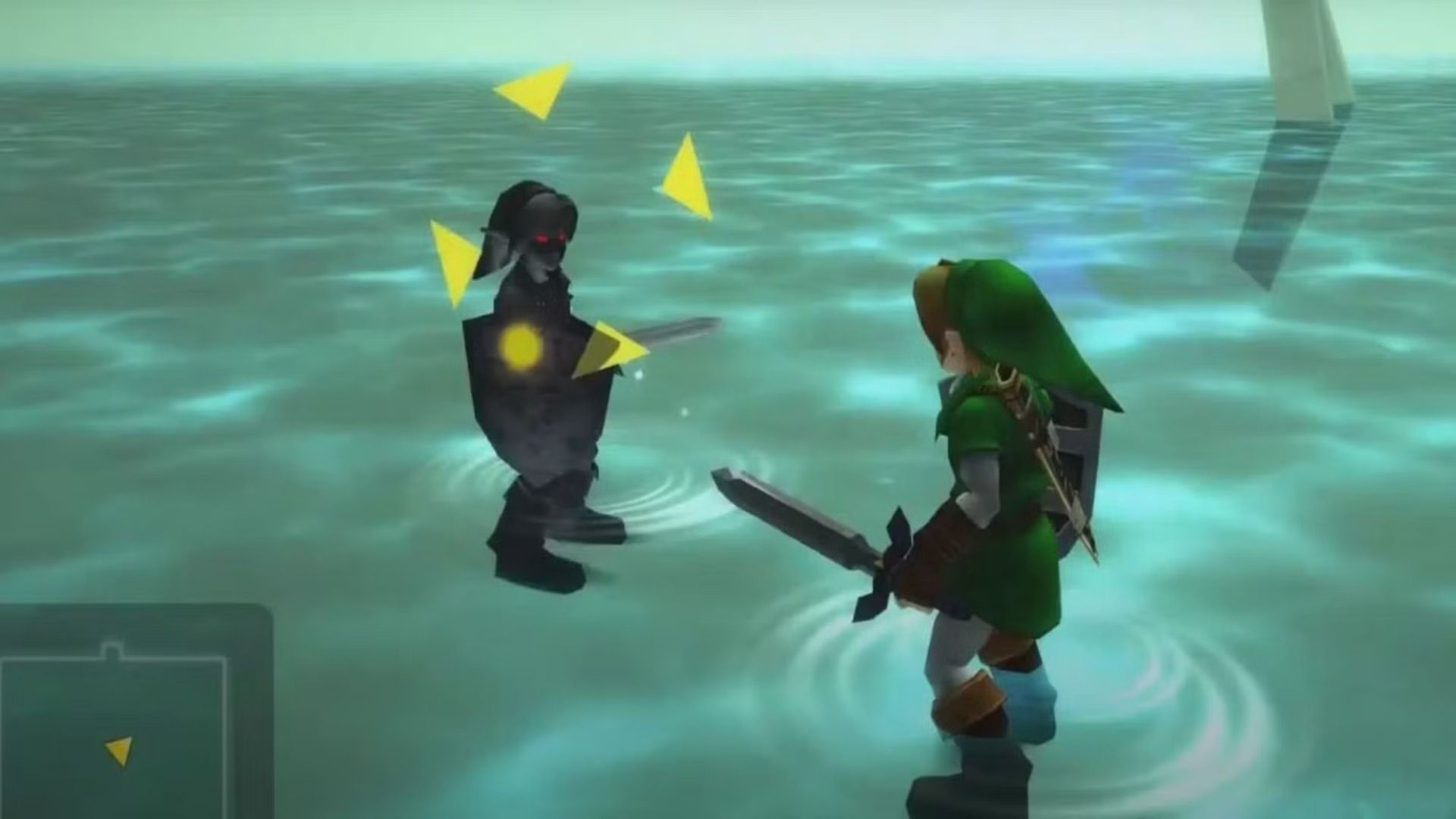
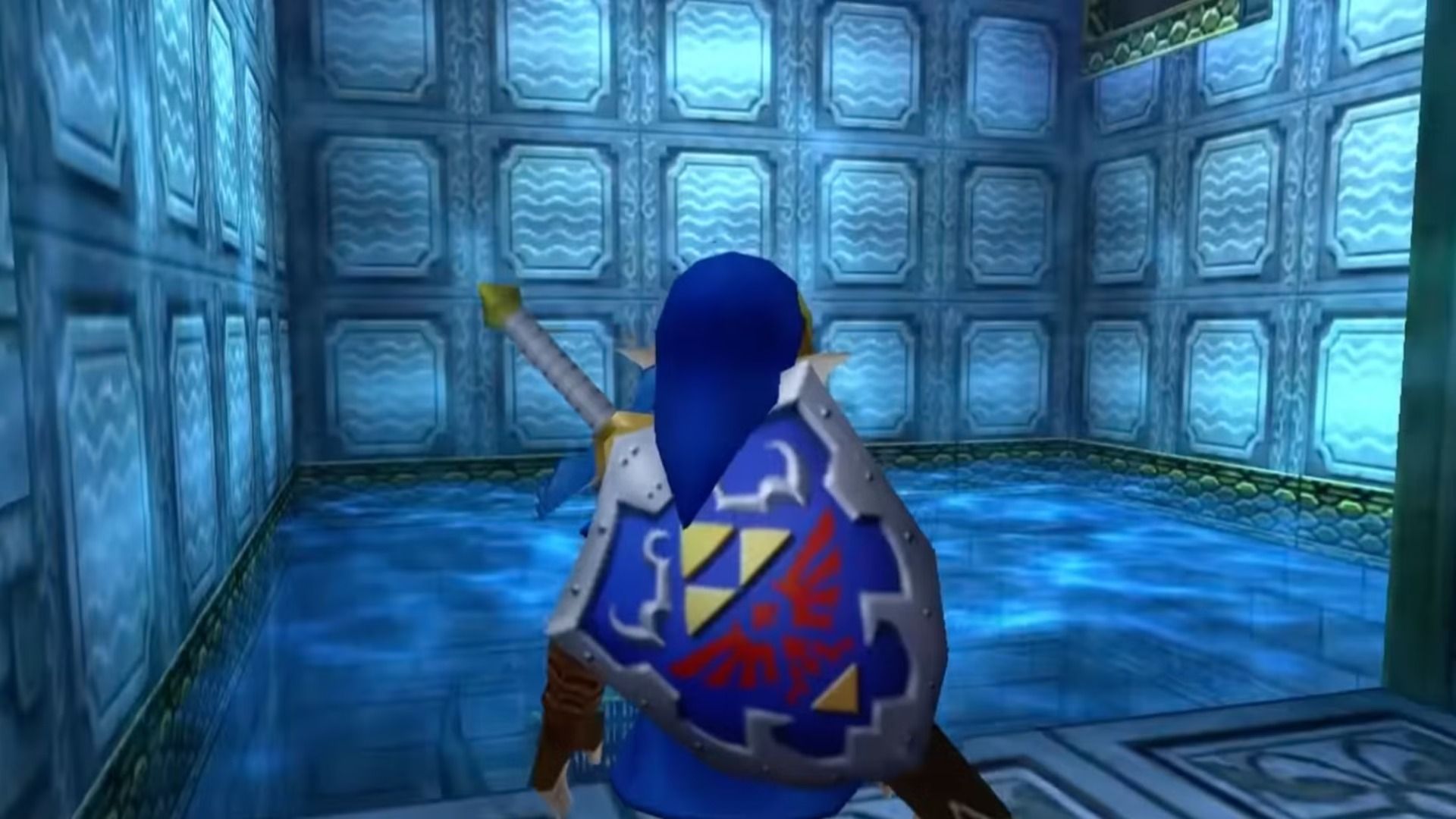
The Legend of Zelda: Ocarina of Time is widely considered one of the greatest games ever made, but it’s not without its flaws. A common complaint focuses on the Water Temple. After Link obtains the Master Sword and becomes an adult, he needs to gather the Sages’ help, which involves completing several temples themed around different elements like fire, forest, and light. The Water Temple, located at Lake Hylia, was intentionally designed to be unique and stand apart from the other temples in the game.
This dungeon relies on frustrating tricks involving raising and lowering the water level. You’ll constantly need to switch the Iron Boots on and off, repeatedly going back to the menu to do so, just to sink or float. While necessary for the water puzzles, it made exploring the dungeon difficult initially and even more annoying on subsequent playthroughs. The 3DS version improved things by making the boots easier to use and slightly changing the dungeon’s layout, but this area is likely why many gamers dislike levels focused on water.
2. Some Great Water Levels That Buck The Trend
Making A Real Splash
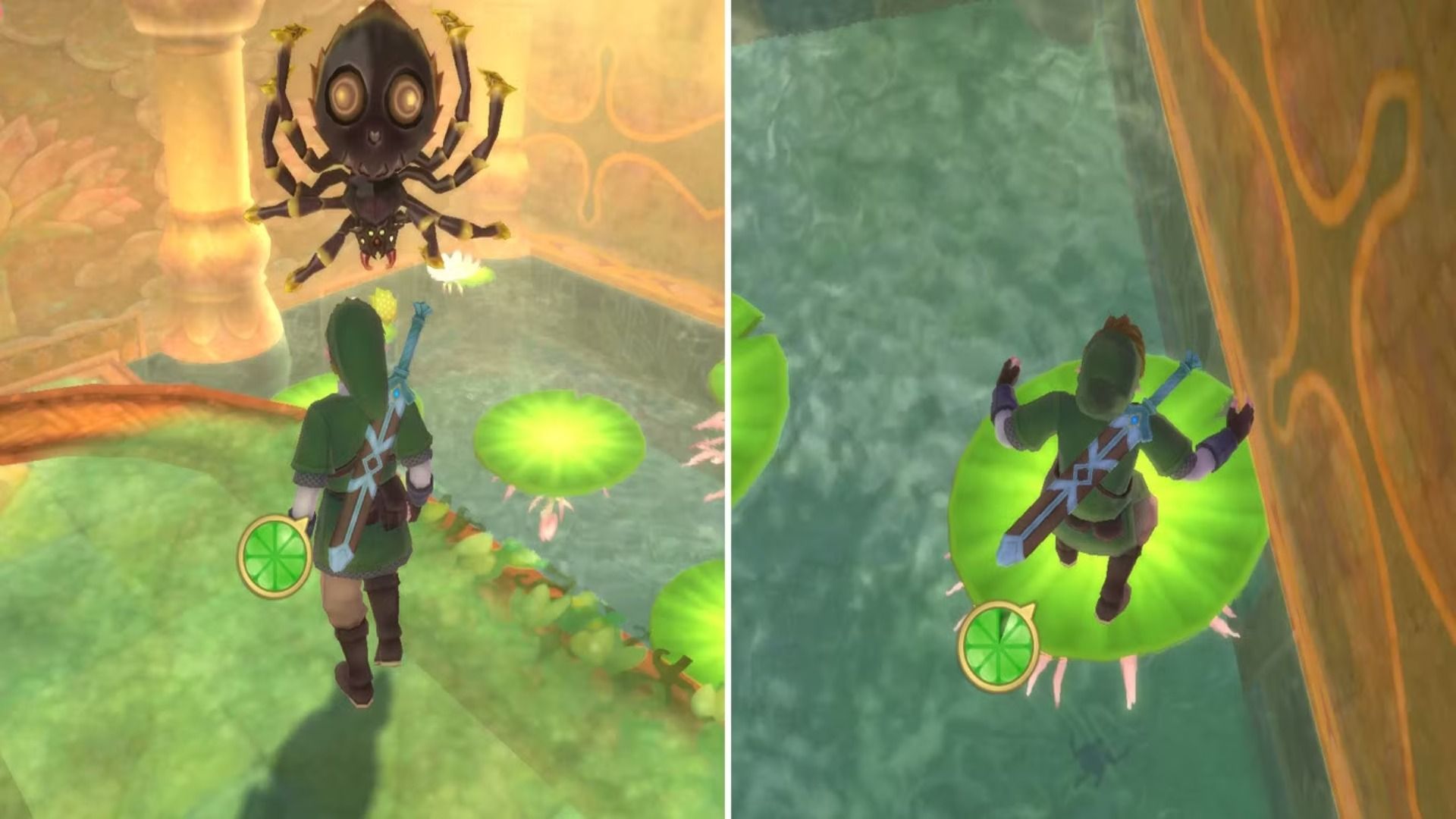
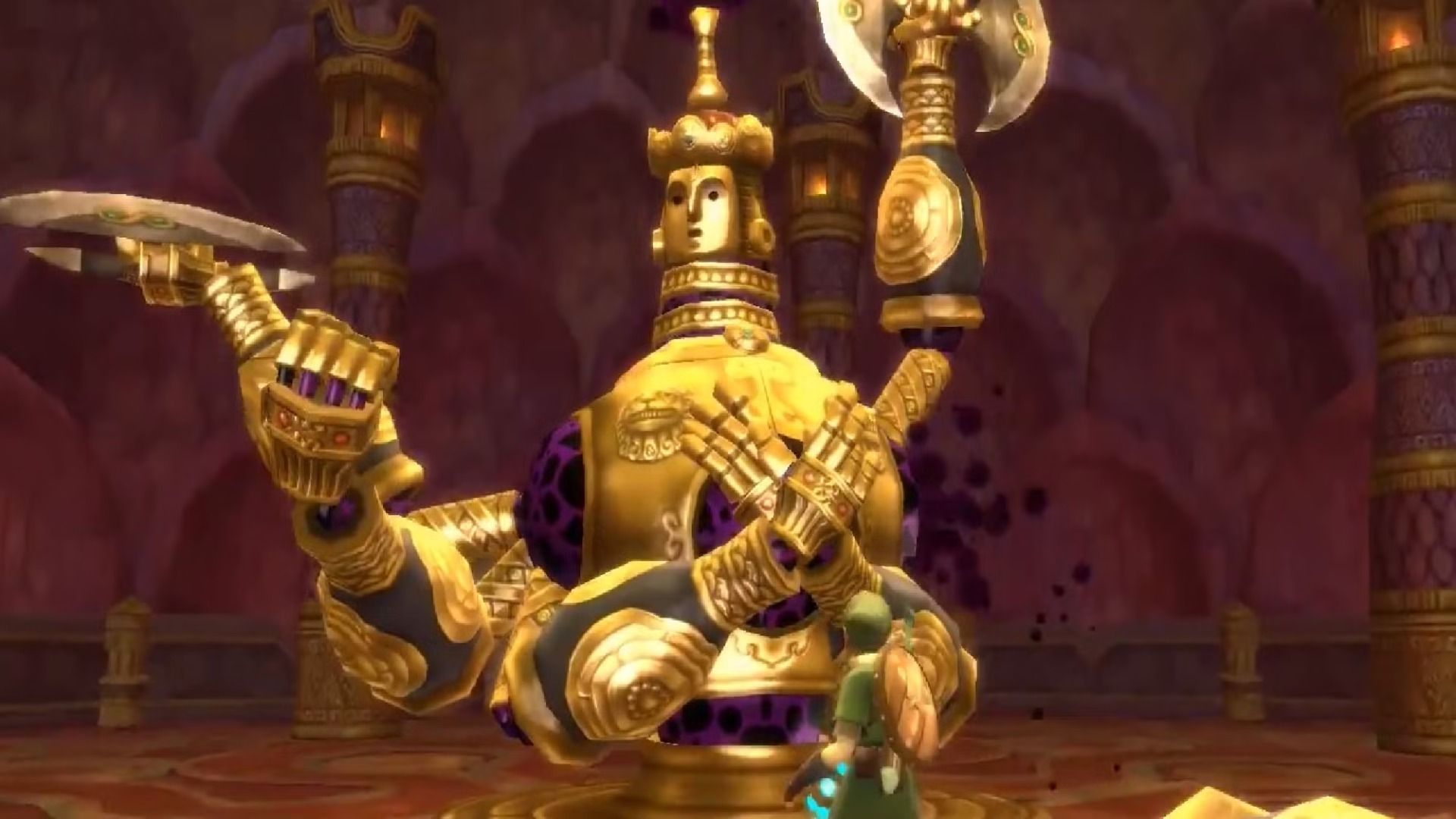
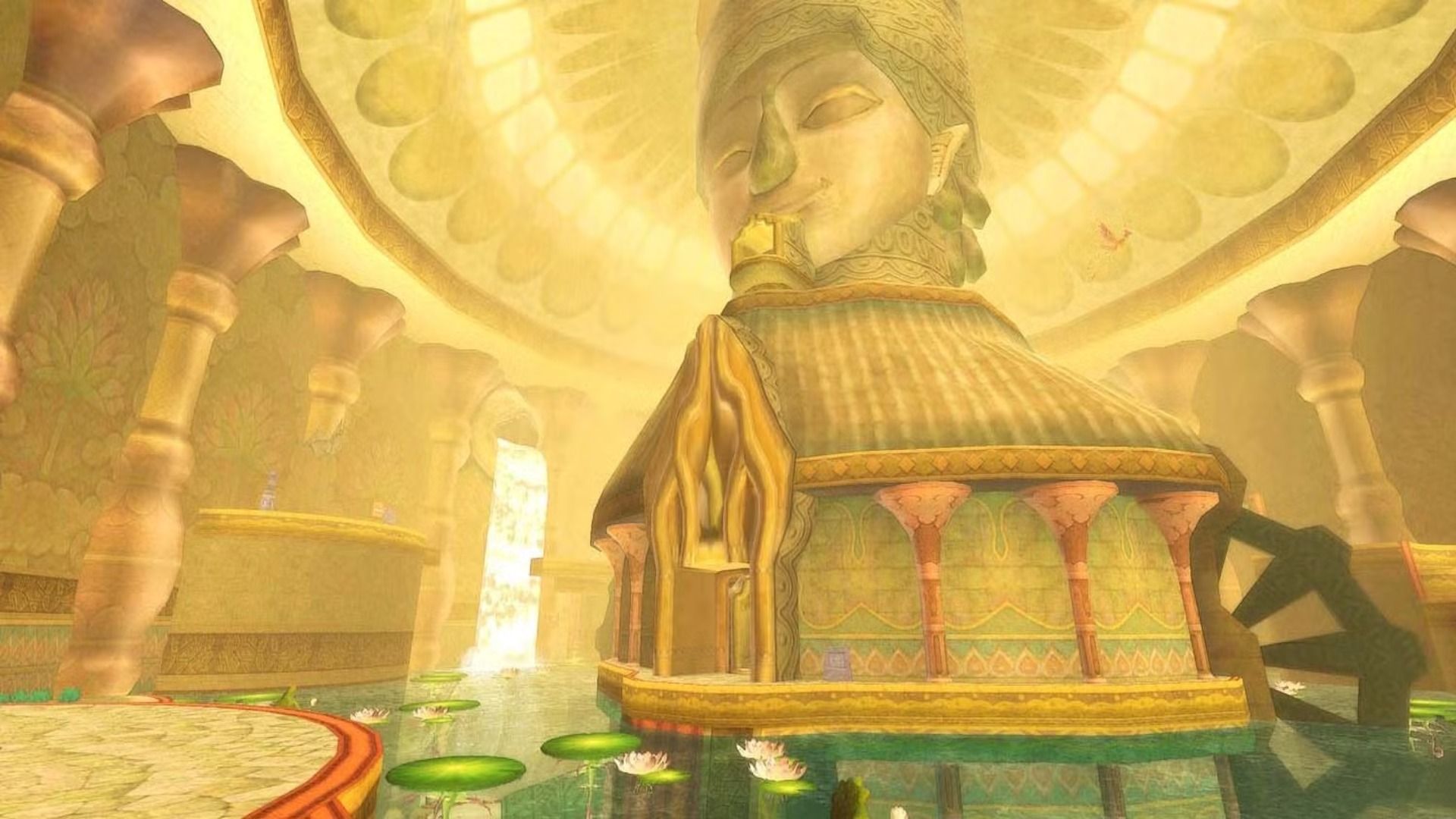
Just because water levels are often disliked doesn’t mean they can’t be well-done. The Legend of Zelda: Skyward Sword’s Ancient Cistern is a great example, with good music, reasonable swimming sections, and clever puzzles using the Whip item. Similarly, in Super Mario Bros. Wonder, the Leaping Smackerel stage is spacious and fast-paced, featuring a funny (and slightly scary) effect where a huge fish creates new paths, and offers a challenging experience with enemies that appear at just the right moments.
Hydrocity Zone in Sonic Mania is a fantastic water level. While the water naturally slows Sonic and Tails down, the level is packed with fast-paced elements like turbines that keep the momentum going. The challenge of finding air bubbles is engaging, and the mix of boat sections and levers that temporarily lower the water level keep the gameplay fresh. Both sections of the level are well-designed – easy to navigate without feeling repetitive, which avoids the frustration of getting lost and running out of air. And the music is simply outstanding, making the level worth playing on its own.
1. Doing A Water Level The Right Way
Keep It Fresh
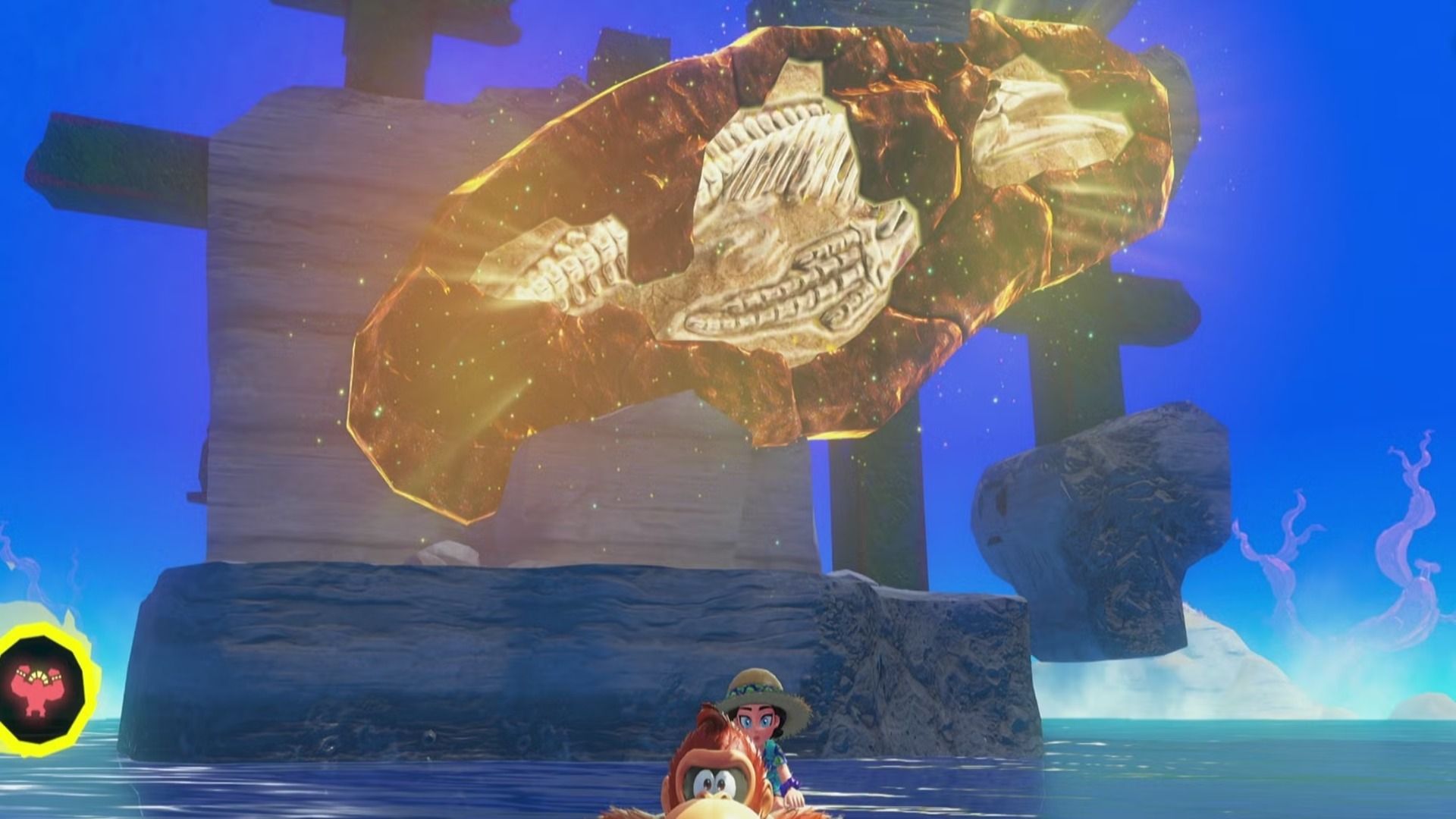
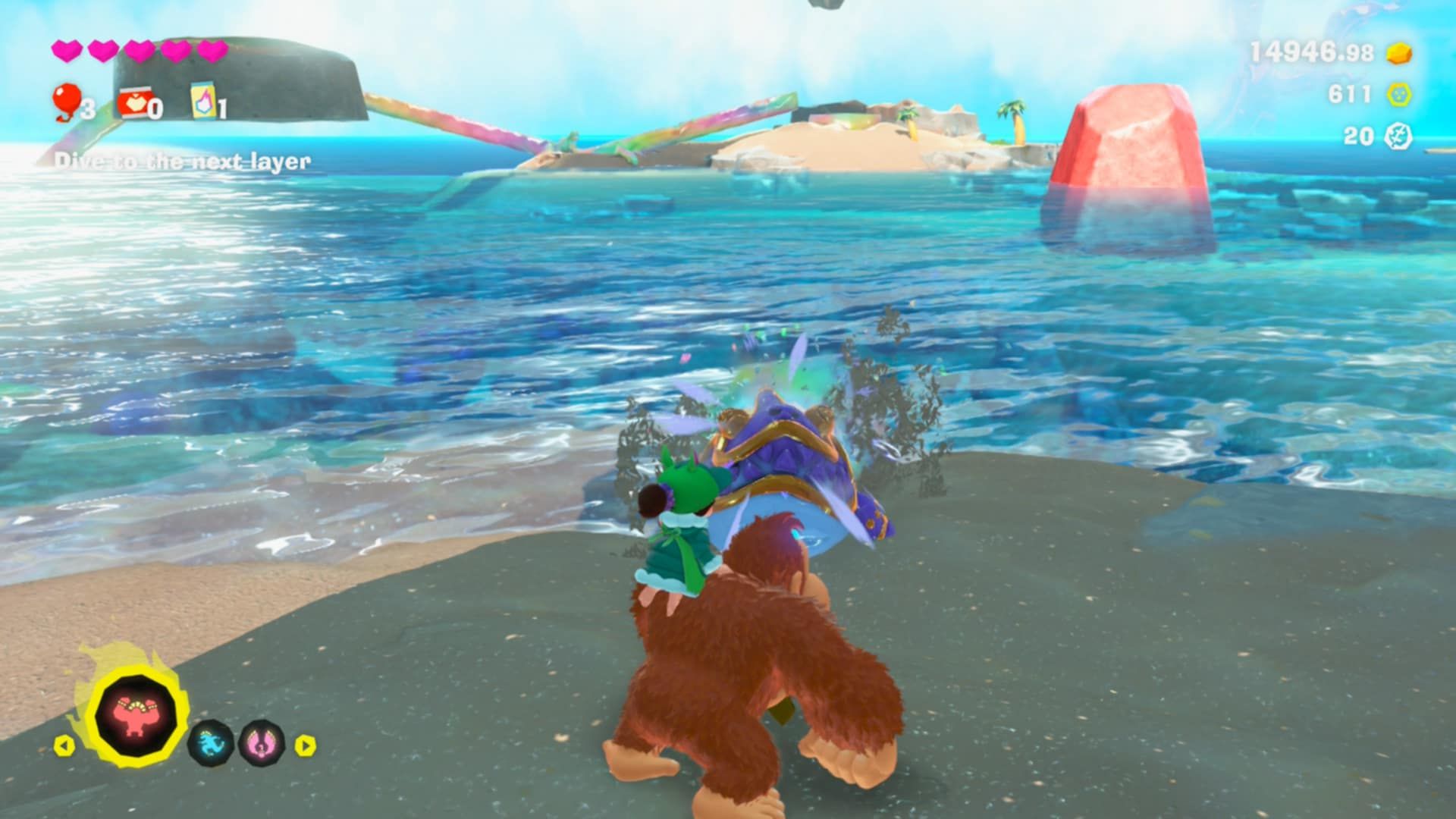
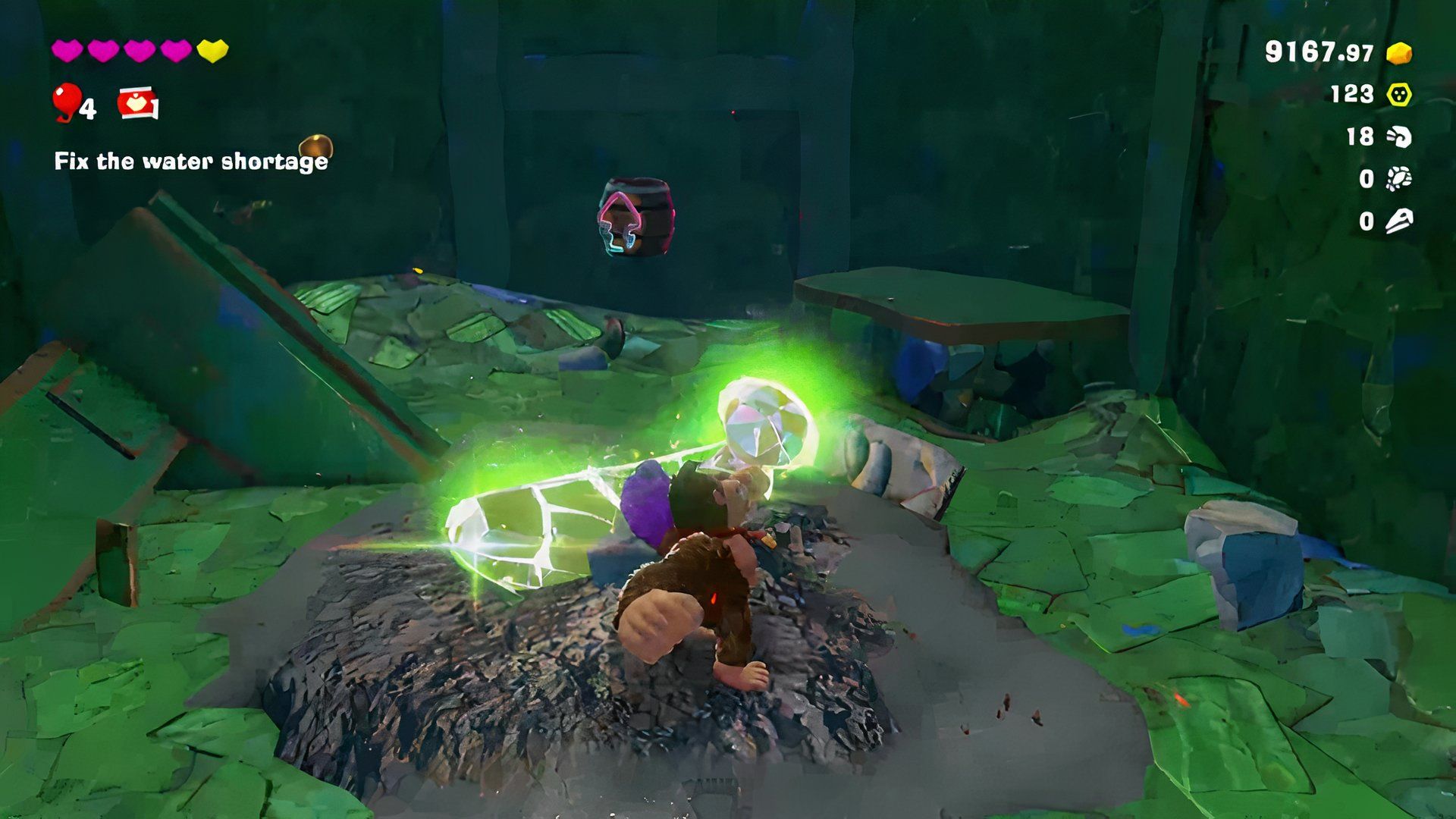
A good way to design water levels is to minimize how much time players spend underwater. In Nintendo Switch 2’s Donkey Kong Bananza, the Lagoon and Resort Layers are water-themed areas, and they’re just as fun to explore as the rest of the game, filled with bananas, fossils, battles, and hidden items. These layers aren’t overly complicated, and Donkey Kong can wear a special pair of pants that makes him swim much faster. This keeps water travel quick and easy – there aren’t even any sections where you have to dive, as D.K. only swims on the surface.
If you’re spending a lot of time swimming underwater in a game, good controls are essential. In Super Mario Odyssey, the swimming sections are well-designed. When Mario reaches the Lake Kingdom, you’ll find large, open areas and enemies that are easy to spot and anticipate. Plus, the ability to transform into a Cheep Cheep gives you a big boost – you’ll swim much faster, have better control, and won’t have to worry about collecting air bubbles.
Games focused on underwater exploration, like Subnautica, really shine when they offer smooth, intuitive swimming and truly capture the beauty and mystery of the ocean. Abzu is another game that does this exceptionally well. We’ve seen that creating great underwater levels is possible in many ways, but developers need to avoid repetitive or frustrating gameplay to make them truly enjoyable.
Read More
- All Skyblazer Armor Locations in Crimson Desert
- How to Get the Sunset Reed Armor Set and Hollow Visage Sword in Crimson Desert
- One Piece Chapter 1180 Release Date And Where To Read
- All Shadow Armor Locations in Crimson Desert
- Marni Laser Helm Location & Upgrade in Crimson Desert
- All Golden Greed Armor Locations in Crimson Desert
- All Helfryn Armor Locations in Crimson Desert
- How to Beat Stonewalker Antiquum at the Gate of Truth in Crimson Desert
- All Icewing Armor Locations in Crimson Desert
- Black Sun Shield Location In Crimson Desert (Buried Treasure Quest)
2026-04-10 18:06