Researchers are looking into something called “post-game depression” – the feeling of sadness some players experience after finishing a video game. Video games are incredibly popular and a huge form of entertainment, enjoyed by hundreds of millions worldwide. While completing a long and engaging game can be rewarding, some players surprisingly feel down or even depressed when it’s over, once they see the credits roll.
Many people experience a letdown after finishing something they’ve really enjoyed, and this isn’t just limited to video games. Fans of anime, books, or any other long-form entertainment often feel a similar sense of emptiness once it’s over. This ‘post-game depression’ happens because the time you spent engaging with the story or activity is suddenly gone, leaving a void. It’s similar to how you might feel after achieving a big goal – a bit down once the excitement fades. As video games become more complex and lengthy, finishing one can be a real accomplishment, and that accomplishment can be followed by surprisingly strong emotions.
Studies Dig Into Post-Game Depression, Find RPG Players Affected the Most
As a gamer, I’ve definitely felt that weird mix of satisfaction and sadness when I finally beat a really good game – like, when it’s over, what do you do? Turns out, researchers at SWPS University and the Stefan Batory Academy of Applied Sciences were studying that exact feeling! They actually created a way to measure it – they call it the Post-Game Depression Scale. Dr. Kamil Janowicz explained that games are getting so complex and immersive now, finishing one can be a really emotional experience. He and psychologist Piotr Klimczyk shared all their findings in a recent issue of the journal Current Psychology.
 Rearrange the covers into the correct US release order.
Your Order
Results
— —
Researchers gathered responses from 373 gamers through social media and email lists, asking them about their well-being, mental health, and feelings after finishing a game. They identified four main factors contributing to feeling down after a game ends: getting stuck thinking about the story, struggling with the game’s conclusion, a strong urge to immediately replay, and a temporary loss of enjoyment in other forms of entertainment. The study found that players of role-playing games (RPGs) were most prone to these feelings, likely because RPGs focus so much on building relationships with characters and developing a strong connection to their in-game persona. The researchers believe this information can help game developers create more engaging experiences in the future.
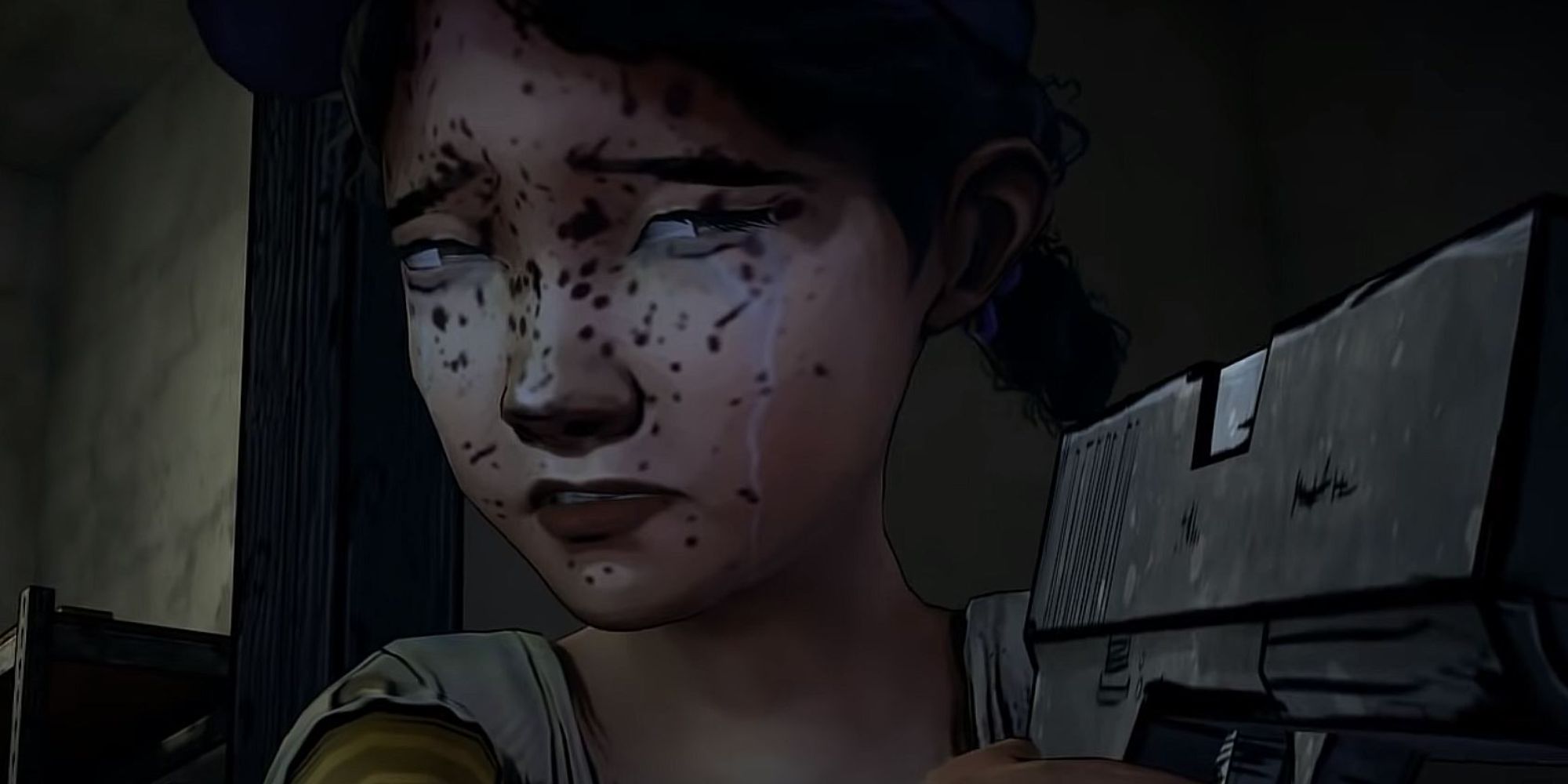
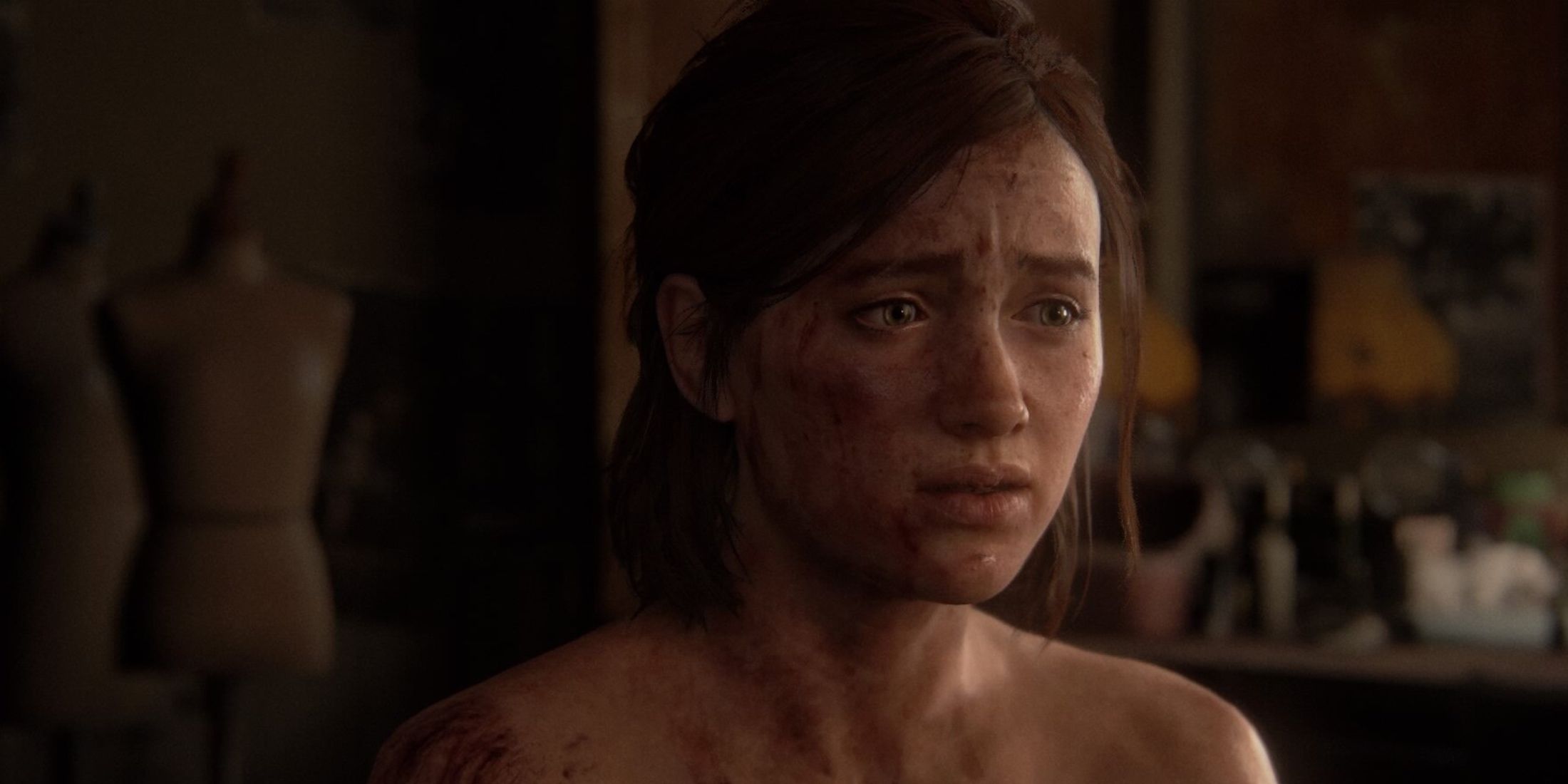
It’s remarkable how popular gaming has become, to the point where it’s now being studied by scientists. The feeling of sadness or emptiness after finishing a game – often called post-game depression – might seem odd to some, but it’s a genuine experience that’s likely to become more common as games get more advanced. Modern video games often feature deeply emotional stories, and some developers are even using them to share incredibly personal and moving experiences. A great example is That Dragon, Cancer, a game created by Ryan and Amy Green, which tells the true story of their son’s battle with terminal cancer, diagnosed when he was only one year old.
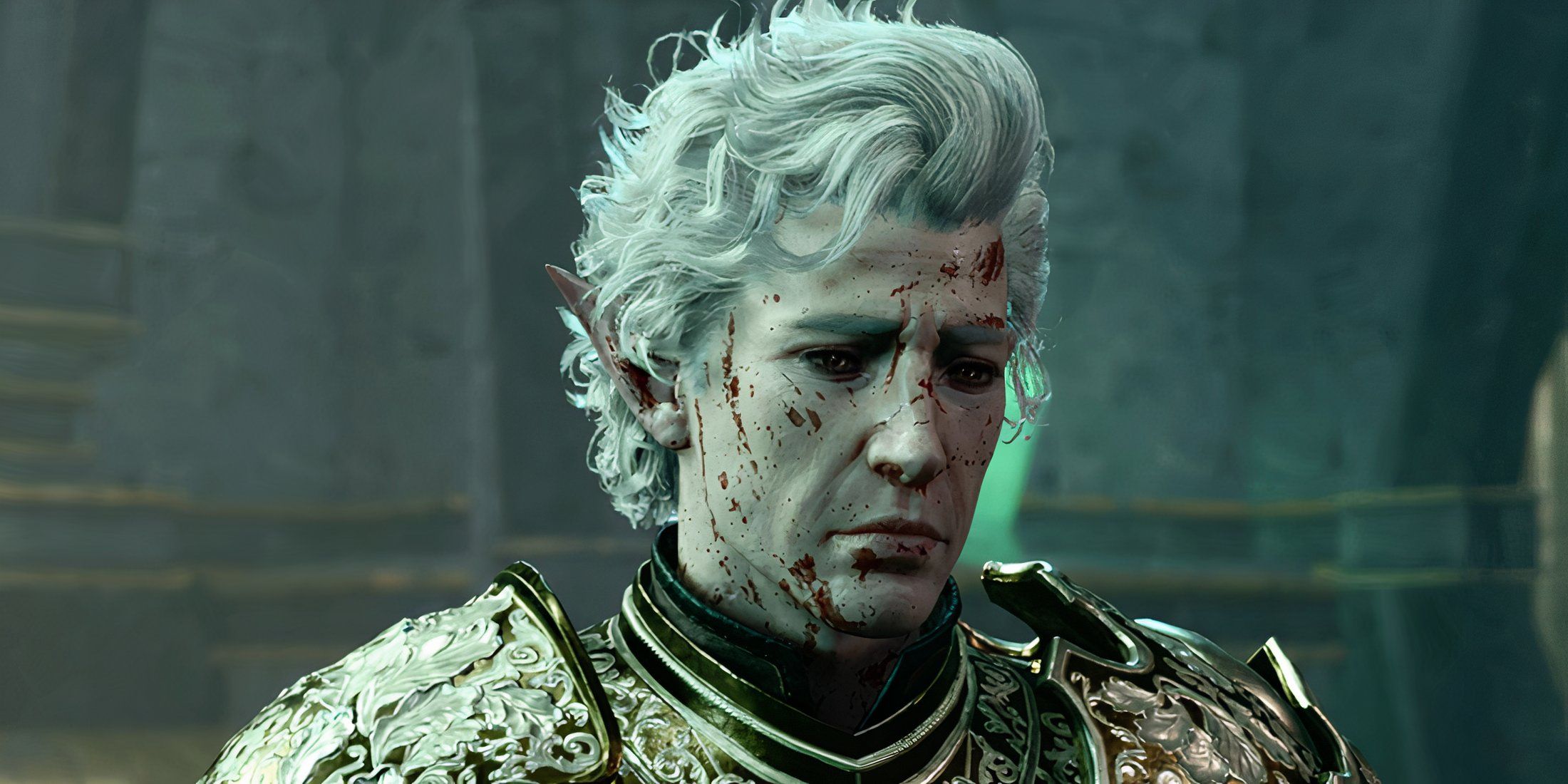
It really resonated with me when Janowicz and Klimczyk pointed out that RPGs seem to cause the biggest dips in mood after finishing them. It just makes sense! These games aren’t just about the story, but about really connecting with your character and watching them grow. Plus, RPGs are long – we’re talking over 100 hours sometimes! Finally beating one feels amazing, like you’ve accomplished something huge, but then you’re left with this empty feeling, wondering what to fill all that time with now. Given how far games have come, I think understanding this ‘post-game depression’ is something we definitely need to look into more as gamers and researchers.
Read More
- All Shadow Armor Locations in Crimson Desert
- Dark Marksman Armor Locations in Crimson Desert
- Genshin Impact Dev Teases New Open-World MMO With Realistic Graphics
- Sega Reveals Official Sonic Timeline: From Prehistoric to Modern Era
- How to Beat Antumbra’s Sword (Sanctum of Absolution) in Crimson Desert
- Where to Pack and Sell Trade Goods in Crimson Desert
- Top 5 Militaristic Civs in Civilization 7
- The Limits of Thought: Can We Compress Reasoning in AI?
- Enshrouded: Giant Critter Scales Location
- Best Weapons, Armor, and Accessories to Get Early in Crimson Desert
2026-03-25 23:35