Video games are often a way to escape into another world, letting players explore and interact within a believable setting. However, some games take a different approach, allowing players to bend or break the rules of reality itself to overcome challenges and move forward.
There’s a unique joy in building something from scratch or figuring out complex puzzles to discover hidden places that feel impossible, yet somehow real. Some games achieve this through surreal worlds and physics-bending gameplay, while others offer simpler, but equally mind-bending experiences.
8. Superliminal
Looking At Things From Another Perspective
Details:
- Core mechanic of shifting objects and using perspective in creative ways
- Distances become smaller or larger, and simple objects can become tools for progressing on
Superliminal is a uniquely puzzling game that challenges your expectations right from the start. You can manipulate the size of objects by changing your perspective – moving them closer or further away to make them bigger or smaller. This lets you reach seemingly impossible areas and unlock new parts of the game.
The game begins gently, but soon becomes incredibly challenging, pushing players to think creatively and solve increasingly difficult puzzles. What truly sets it apart is how satisfying the solutions are – they never feel forced or clumsy, but rather like a natural and elegant progression, with each puzzle piece smoothly connecting to guide you forward.
7. Manifold Garden
Finding Beauty In The Surreal
Details:
- Using gravity to navigate platforms and solve puzzles
- Infinite geometric repetition makes simple structures seem enormous
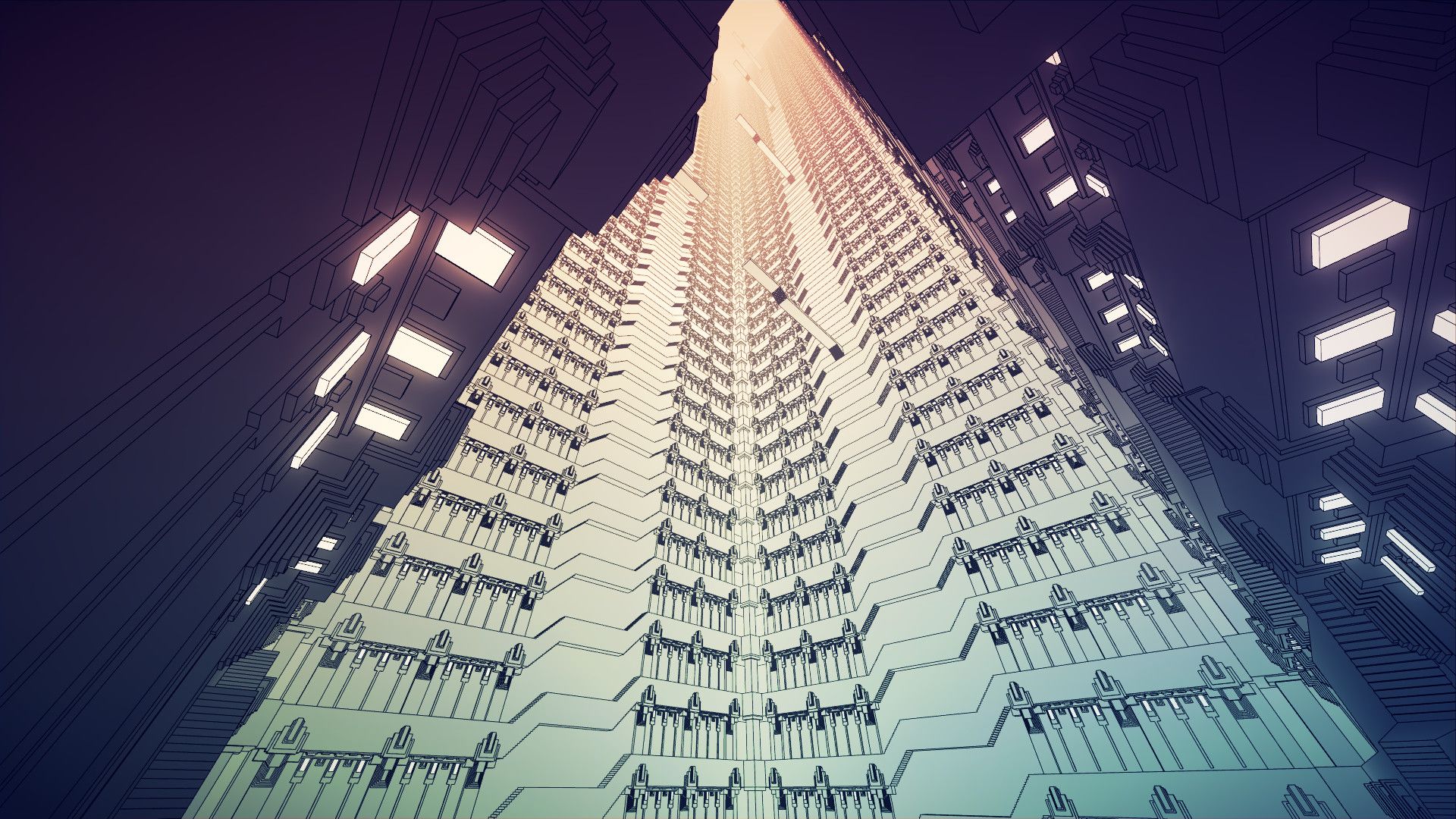
Manifold Garden offers a unique world where gravity isn’t fixed – you can manipulate it to solve puzzles and explore. Any surface can become a walkable floor or ceiling, and by shifting perspectives and moving between areas, you can instantly reach places that seemed impossible before.
The game’s world operates on a repeating cycle, making it feel less like a realistic setting and more like a puzzle to be figured out. While the rules are always consistent, they don’t follow real-world logic, demanding creative problem-solving skills to overcome the challenging and rewarding puzzles.
6. Antichamber
Get Ready For A Headache
Details:
- Reconfiguring rooms and corridors to reveal new routes and objects
- Non-Euclidean geometry allows surfaces to bend along with the player’s movements
Antichamber presents spaces that are constantly shifting and changing, not fixed or still. Rooms can reconfigure themselves as you play, hallways might transform depending on your direction, and solving puzzles relies on careful observation and a gut feeling – otherwise, it’s easy to feel lost and confused.
Everything in the game world is always moving, and this dynamic motion matches the player’s actions, creating a strong sense of connection to the environment. The simple, clean design makes the dramatic physics effects even more impactful, as players are fully focused on the world around them changing in surprising and magical ways.
5. The Entropy Centre
Moving Objects Through Space And Time
Details:
- Time reversal allows objects to retrace previous paths
- Blends space and time seamlessly to give creative solutions to simplistic puzzles
In The Entropy Centre, you can change what’s happening by reversing time on things in the world around you – like platforms and buildings. The game’s puzzles involve figuring out how things used to be and then using time manipulation to rebuild routes or make completely new paths. This creates a feeling that the world exists in both the past and present simultaneously.
I’m really digging this game mechanic – it lets you create these awesome, complex chains of events where things you do in the past directly affect the present, and it all just clicks when you figure it out. Honestly, playing feels like the developers are huge fans of Portal, and that’s a good thing! It’s got a similar sense of humor and a light touch with the story, but it really makes you think – it’s more about puzzle-solving than quick reflexes.
4. Universe Sandbox
Bending Everything to Your Will
Details:
- Simulating everything from cosmic collisions to black holes
- Encourages experimentation without the risk of failure
Universe Sandbox lets you do exactly what the name suggests: build and manipulate your own realistic solar systems. You have almost complete control over gravity and natural forces, allowing you to create planets and test different scenarios. The game encourages experimentation – if something doesn’t work, you can easily reset or start a new creation.
The game offers incredible creative freedom with its tools. Instead of simply arranging existing objects, players can precisely control everything about them – their weight, size, and even how gravity affects them. This creates a virtually endless playground for experimentation, letting players explore ideas and solve problems just like they did as kids, while still leaving room for new questions and discoveries.
3. Viewfinder
Images Become Reality
Details:
- Images become 3D environments in an instant
- Flat images can become tools for traversing seemingly impossible areas
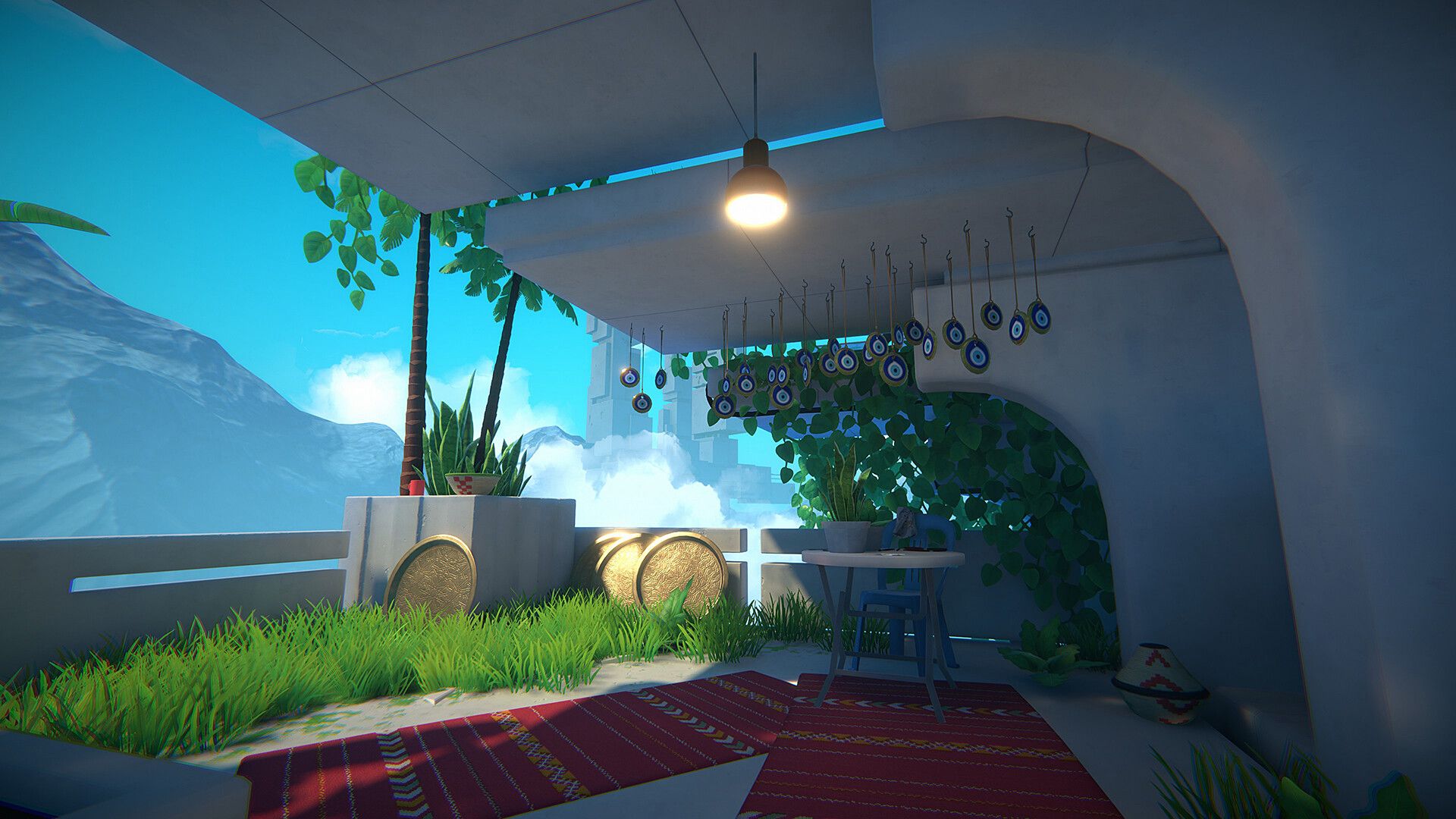
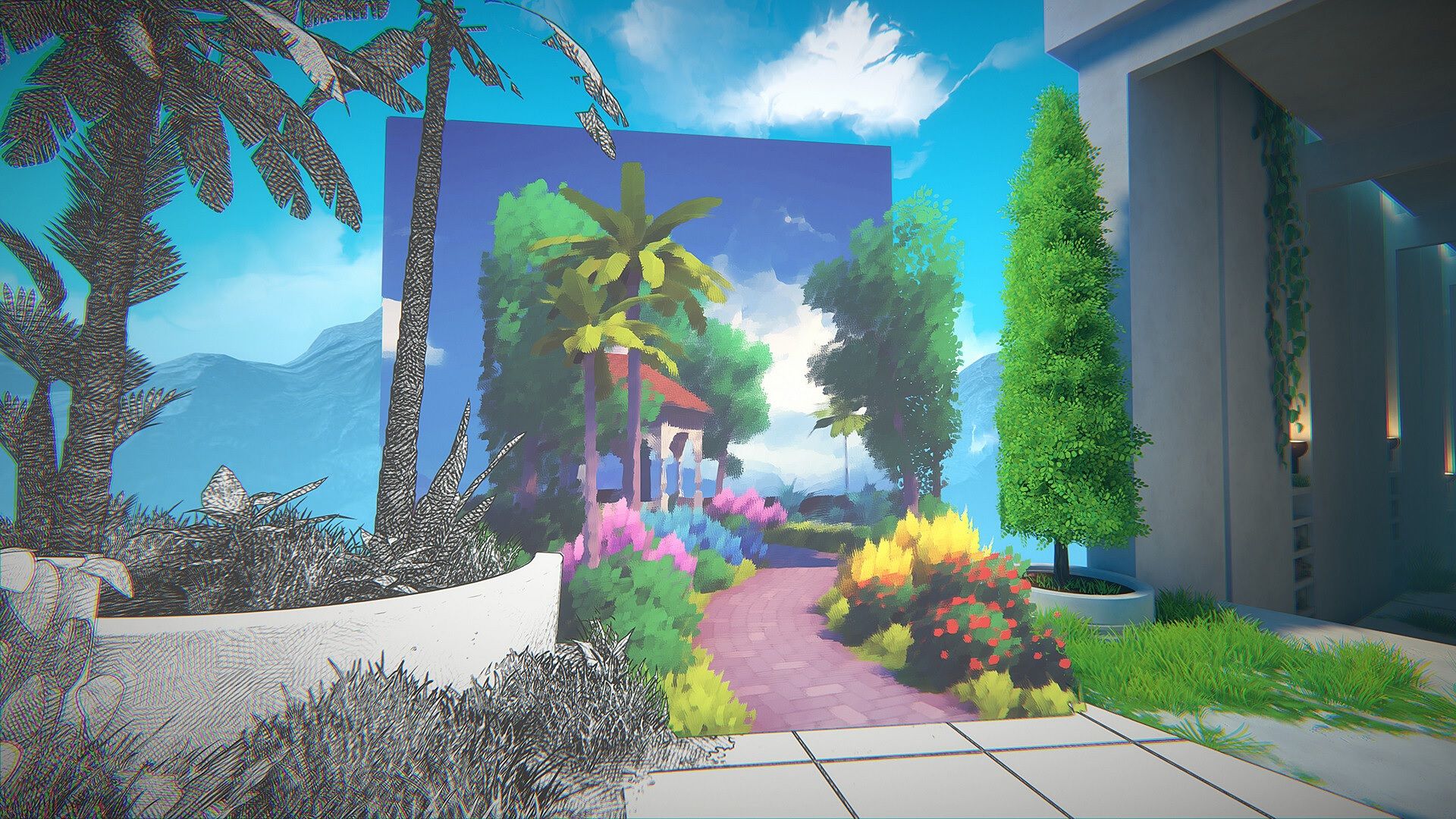
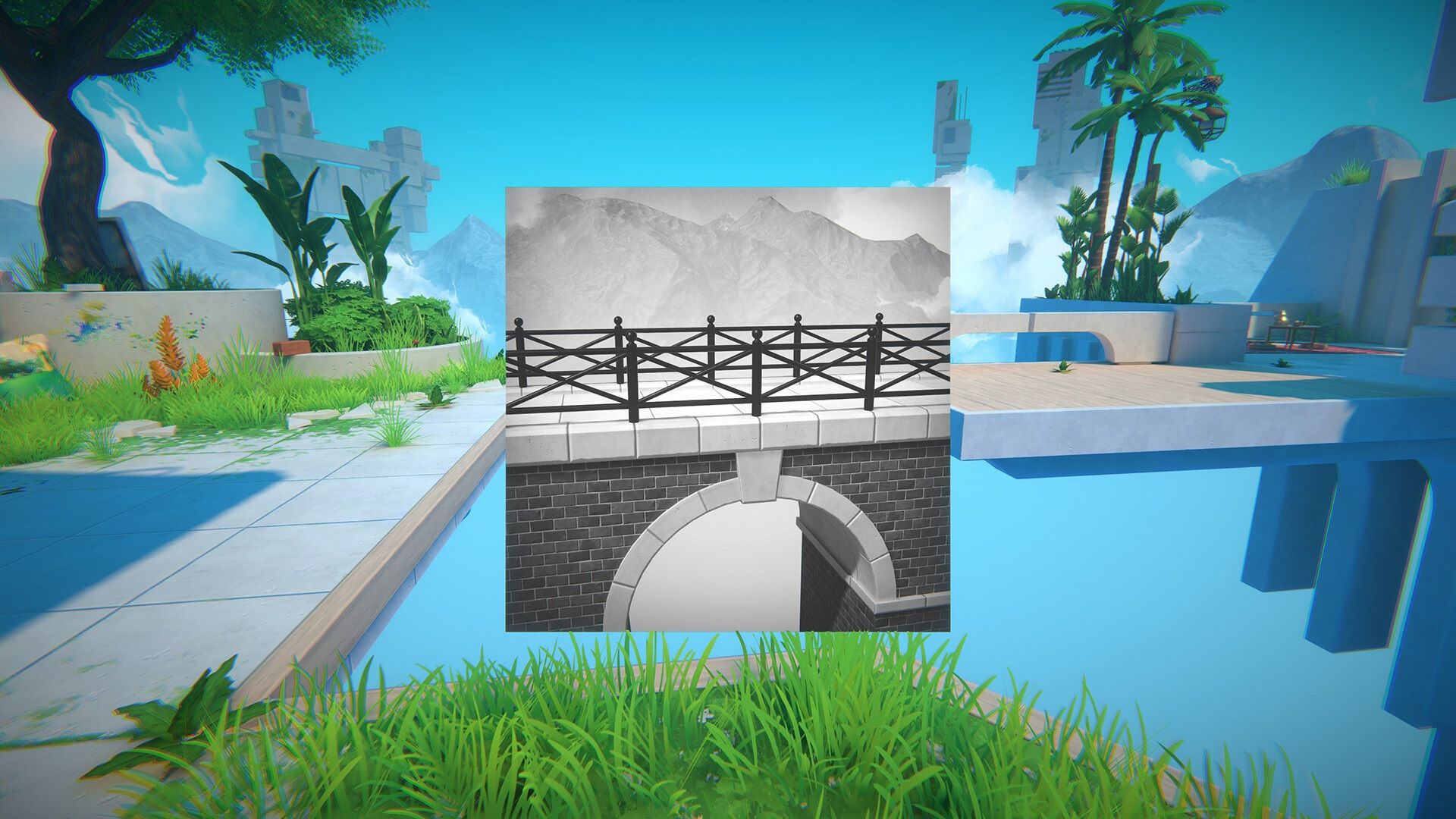
With Viewfinder, players can transform still images into real, usable objects within the game world. These images – like photos, drawings, or printed scenes – can be placed into the environment to replace existing areas, creating surprising and visually stunning new landscapes and pathways.
The game blends images from different angles to build a cohesive world, challenging players to think about perspective in new and imaginative ways. Its bright, lively visuals make each location feel like a fantastical, slightly unreal version of our own world, where the usual rules of physics don’t quite apply.
2. Maquette
No Object Too Small
Details:
- Objects can be resized to unlock different areas between worlds
- Miniature objects can become huge platforms and crossable bridges
Maquette is a puzzle game centered around manipulating scale to connect two worlds – one enormous and one miniature. By moving a small object, like a tiny ramp in the small world, players can create a corresponding, massive structure in the large world, opening up new pathways. This encourages players to focus not on what they see, but on how every object can be used to solve puzzles.
The connection between these worlds creates a sense of unity, making them feel like different sides of the same coin, distinguished only by their size. The game’s puzzles become increasingly complex, forcing players to reconsider their perspective on scale – even seemingly insignificant items can have huge consequences.
1. Portal/Portal 2
Kickstarting A Puzzle Revolution
Details:
- Colored portals that link together in real-time
- Momentum and objects carry through to give movement opportunities
The Portal series is hugely important in gaming, known for its clever and groundbreaking core idea that has inspired many games since its release. The first game features the famous portal gun, which lets players create connected pathways – essentially doorways – between different locations. This allows them to move, jump, and send objects instantly from one place to another.
While the core concept is simple, it opens the door to a huge variety of creative puzzles, both in the original game and through fan-made content. The sequel increased the challenge by adding a second player, demanding teamwork to solve increasingly complex problems and survive. Even after almost 20 years, Portal is still a defining game in the puzzle genre and is highly recommended for anyone who enjoys games that play with the rules of physics.
Read More
- All Skyblazer Armor Locations in Crimson Desert
- One Piece Chapter 1180 Release Date And Where To Read
- All Shadow Armor Locations in Crimson Desert
- How to Get the Sunset Reed Armor Set and Hollow Visage Sword in Crimson Desert
- New Avatar: The Last Airbender Movie Leaked Online
- Cassius Morten Armor Set Locations in Crimson Desert
- Grime 2 Map Unlock Guide: Find Seals & Fast Travel
- Euphoria Season 3 Release Date, Episode 1 Time, & Weekly Schedule
- Amber Alert Secrets & CDs In Crime Scene Cleaner Act 2
- All Golden Greed Armor Locations in Crimson Desert
2025-12-01 08:35