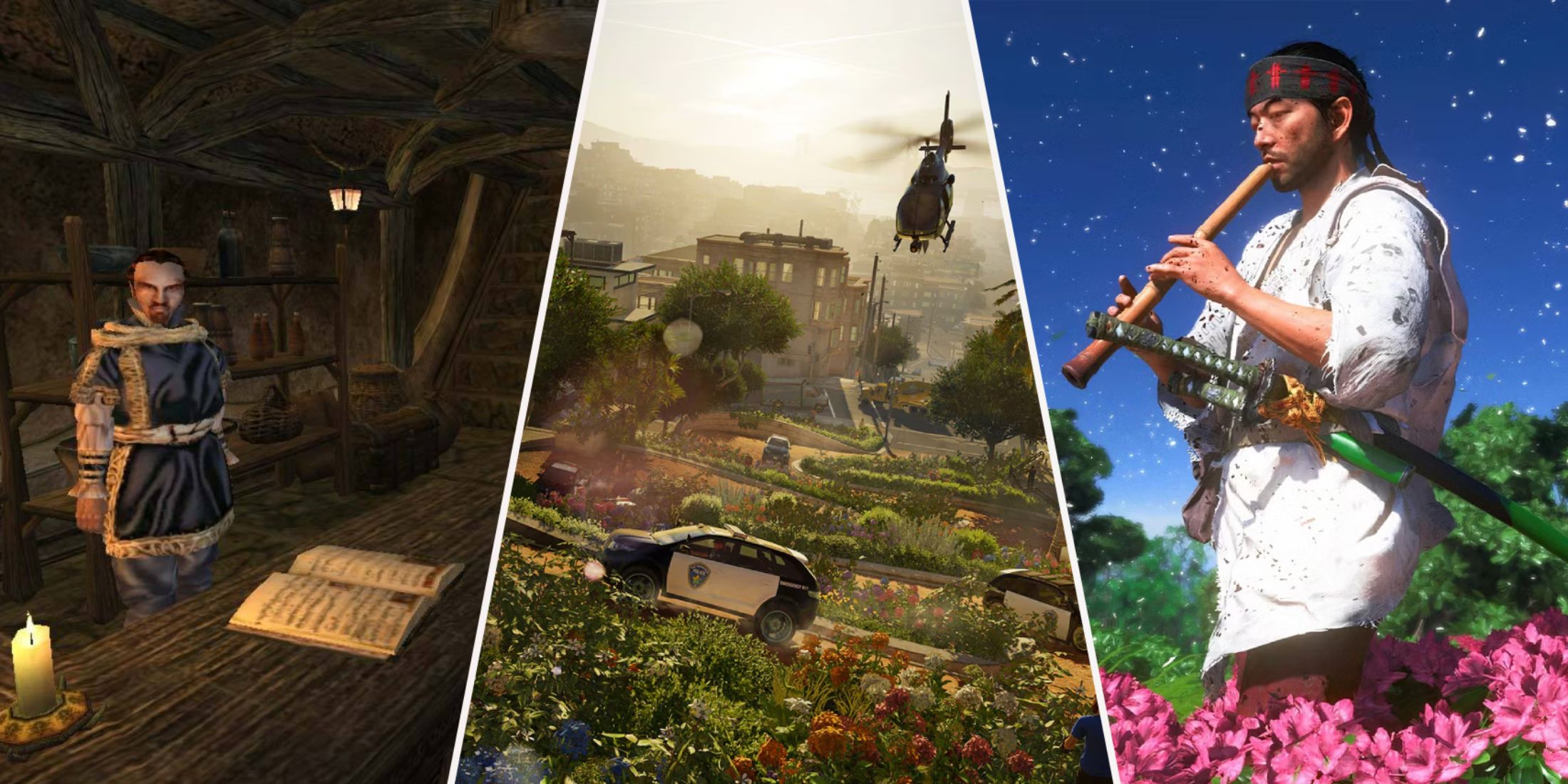
For decades, video games like the NES have whisked players away to imaginative landscapes, offering a thrilling escape from everyday life. While other genres also create detailed universes, open-world games might be the most capable of building vibrant settings, urban areas, and grand empires.
Expressing it in a more conversational manner: It’s quite common to say that an “open-world that feels real and dynamic” sets these games apart from many others. But remember, a game can still be exceptional without this quality. Yet, some games place a strong emphasis on creating lifelike characters and environments that suggest the world carries on, even when the player isn’t present.
In simpler terms, an open-world game feels lively when it offers interactivity and responsiveness. Characters in the game often seem to have their own routines or lives, giving the impression that they exist even without the player’s presence. Additionally, a player’s actions in the game have consequences that extend beyond scripted events, making the world feel dynamic and reactive.
Honorable Mentions
- Assassin’s Creed Odyssey
- Cyberpunk 2077
- Kenshi
- The Legend of Zelda: Tears of the Kingdom
- The Outer Wilds
- Shenmue 1 & 2
- Sleeping Dogs
- Subnautica
- The Witcher 3
8. Special Mention: S.T.A.L.K.E.R.: Shadow of Chernobyl
The Most Alive World (That Is Technically Not Open-World)
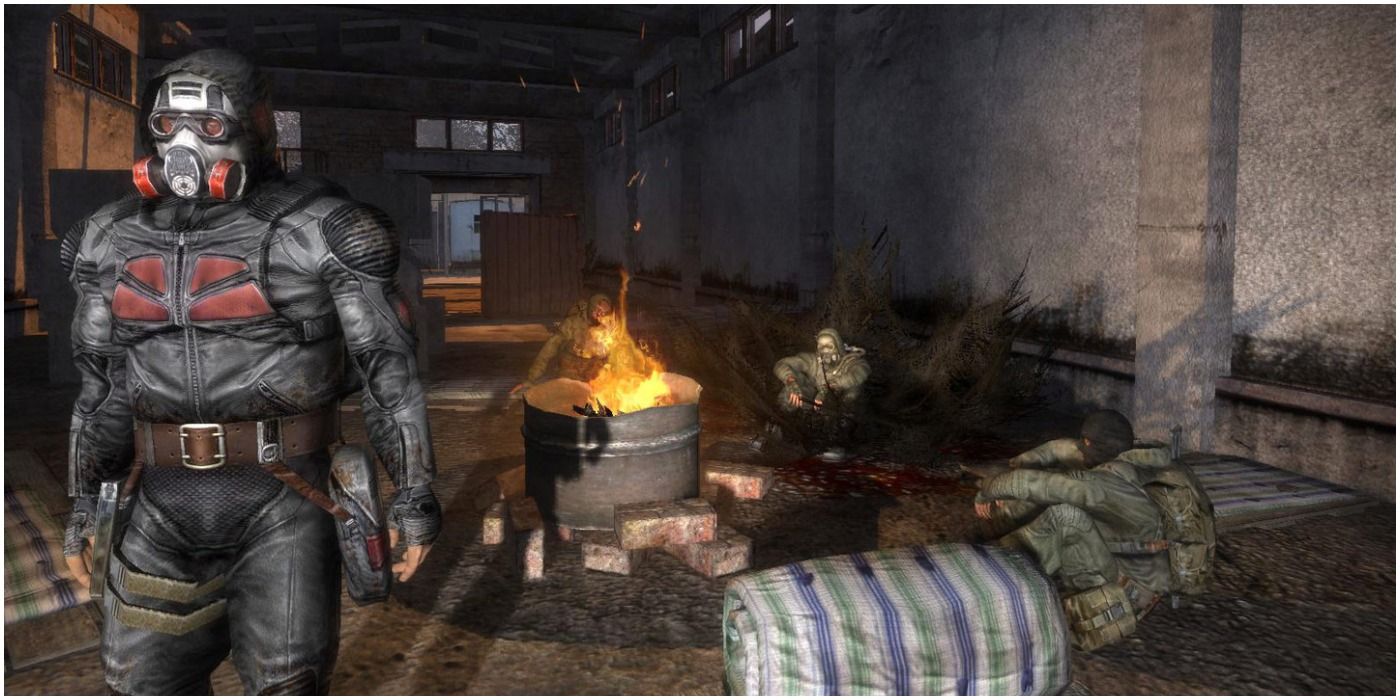
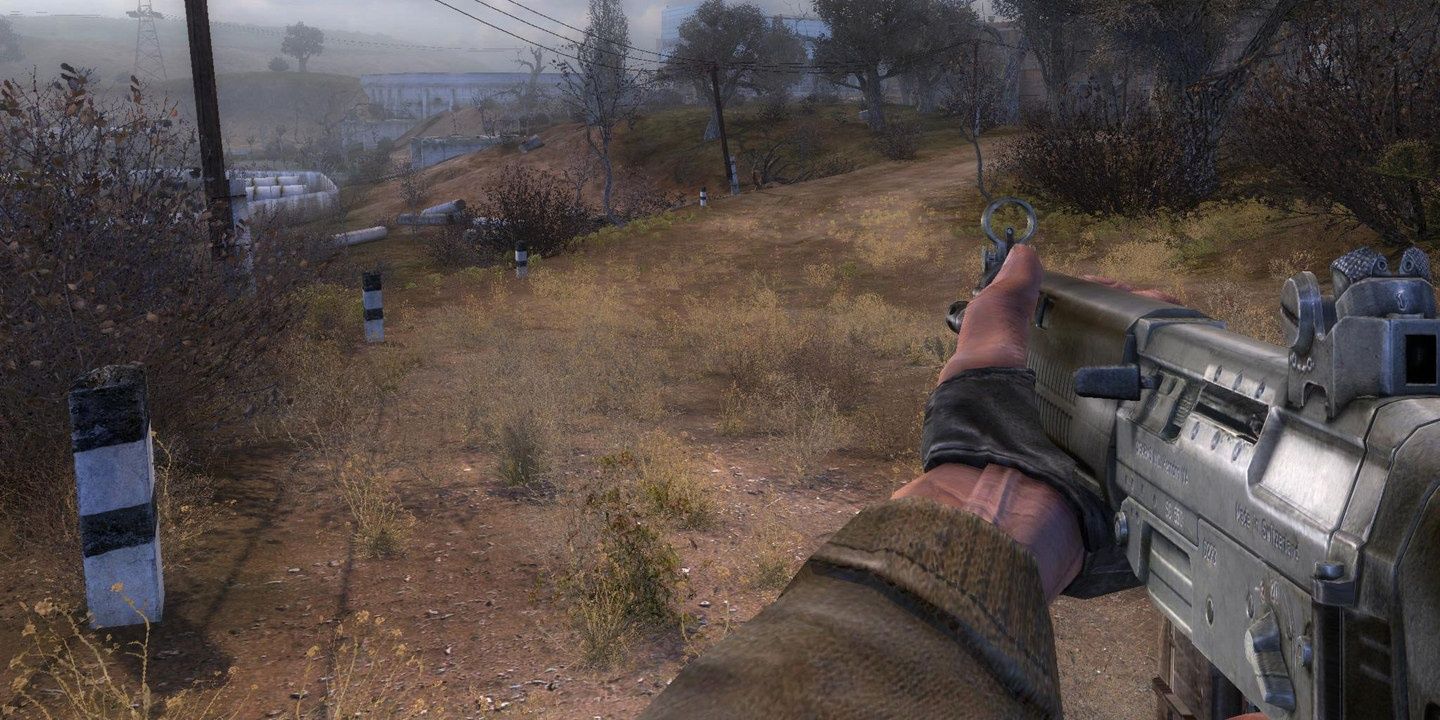
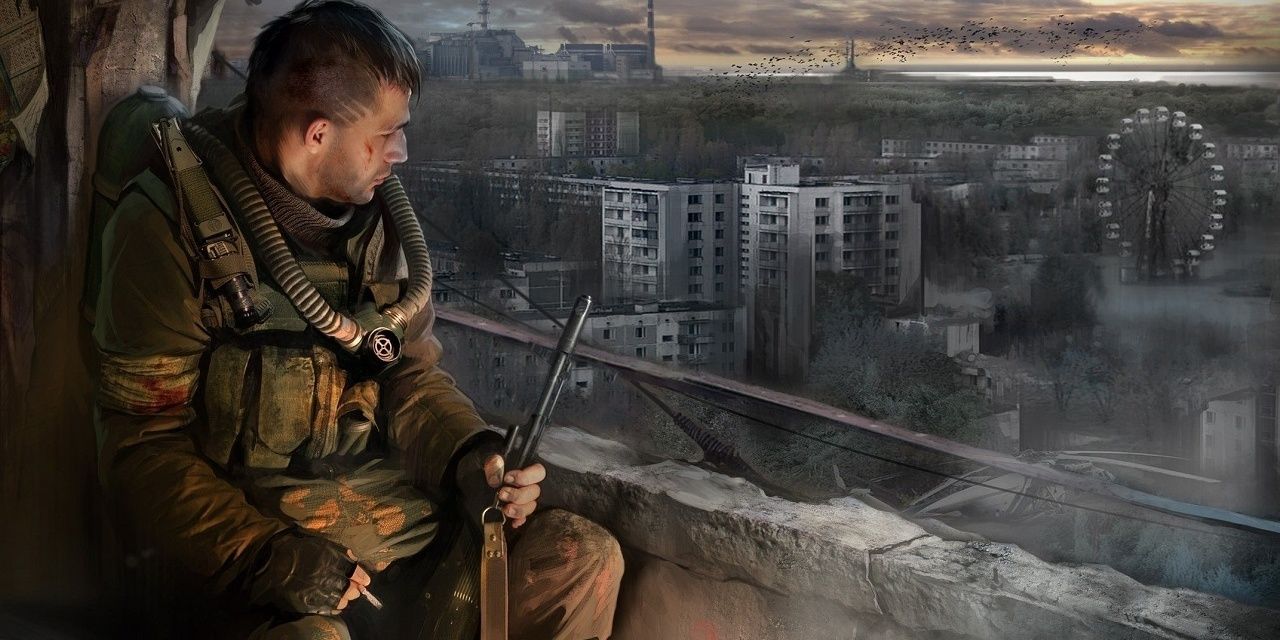
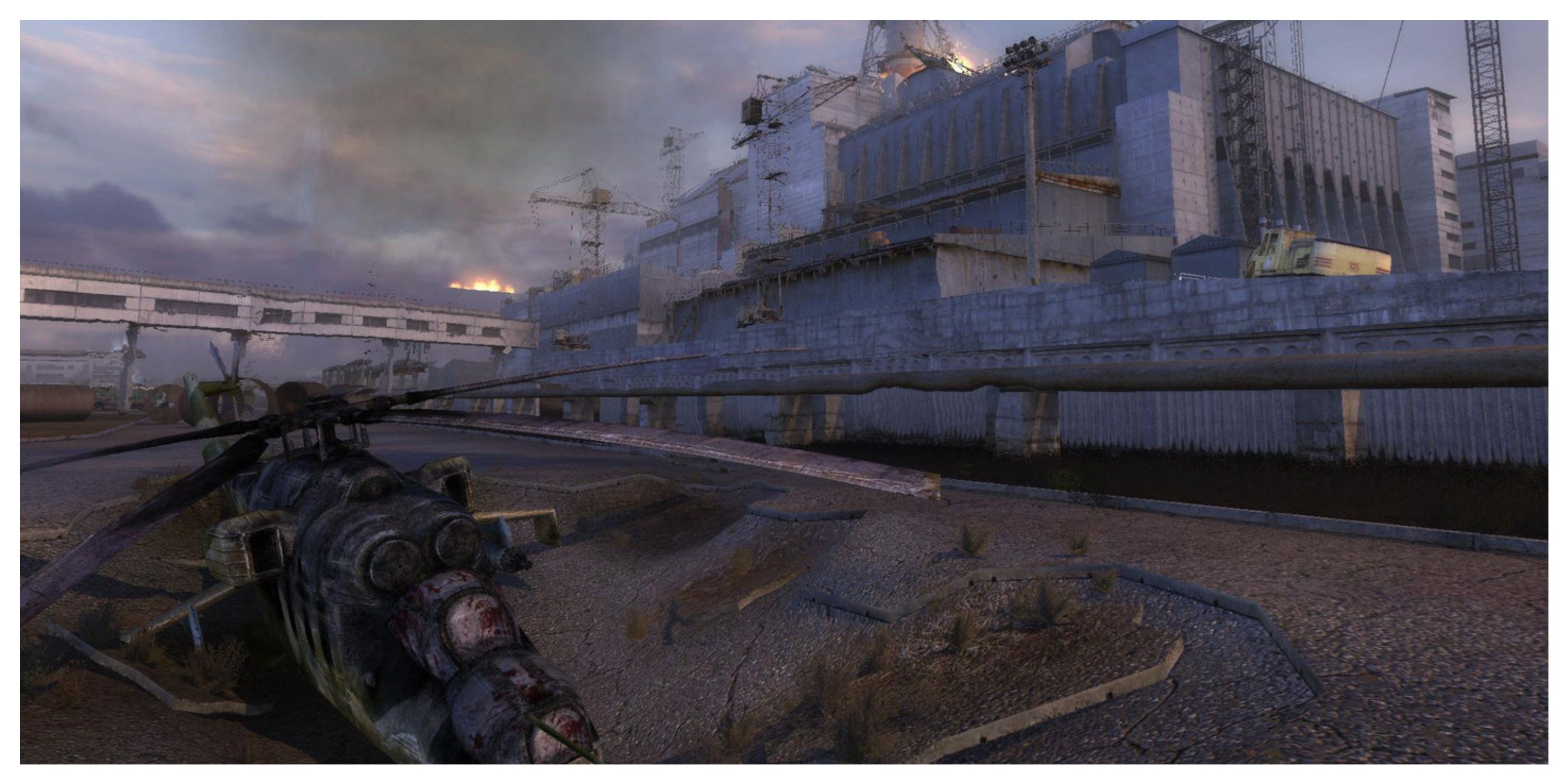
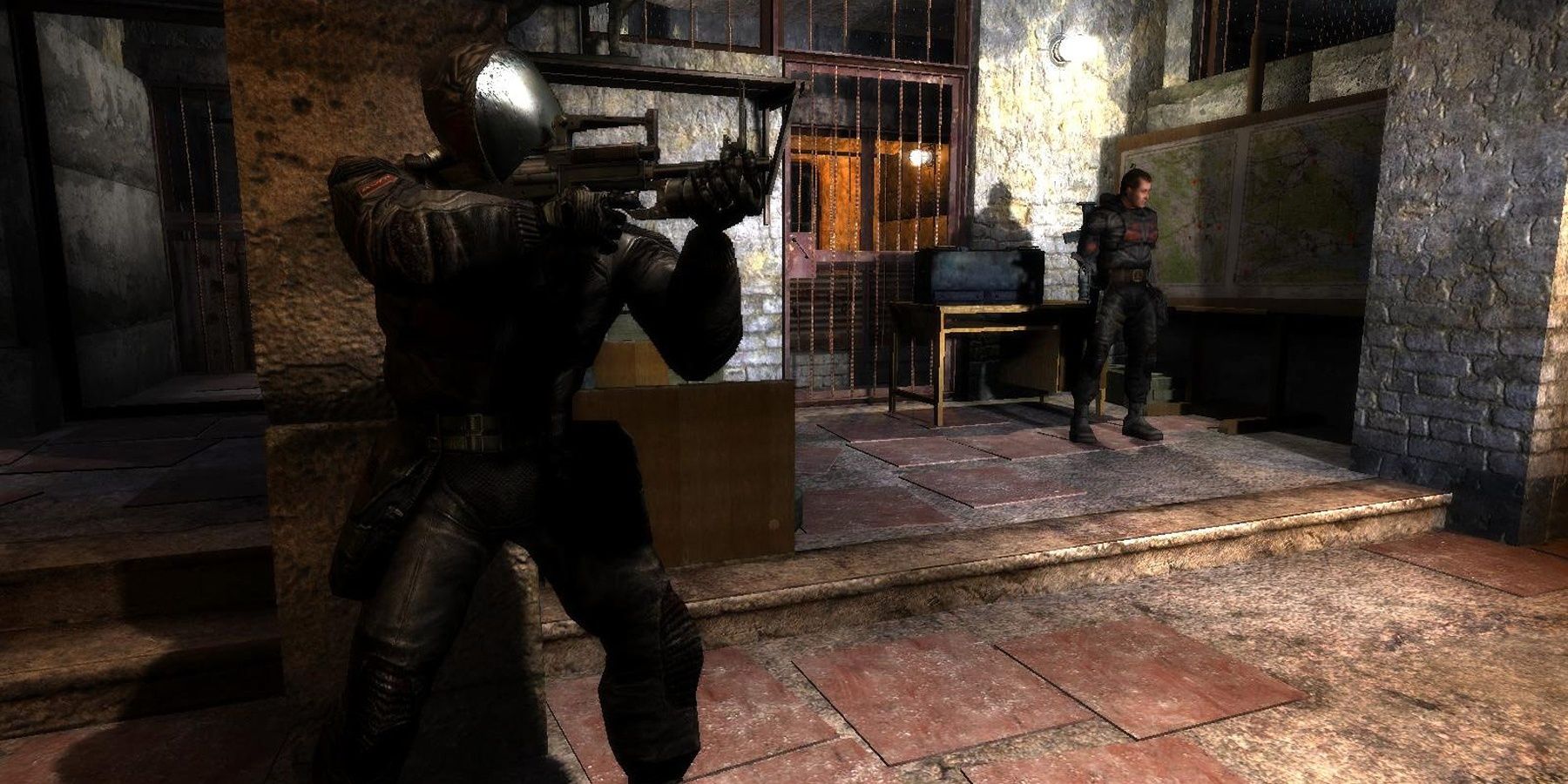
S.T.A.L.K.E.R., undeniably, consistently builds immersive worlds with a sense of liveliness. Yet, finding an installment that perfectly embodies this quality can be more challenging than one might think. The A-Life technology in S.T.A.L.K.E.R.: Shadow of Chernobyl, for instance, was and remains revolutionary, allowing non-player characters (NPCs) and creatures to move realistically without relying on predetermined scripts. However, it’s debatable whether this game can truly be classified as a fully open-world title.
In the sequel to S.T.A.L.K.E.R.: Shadow of Chernobyl, titled S.T.A.L.K.E.R. 2: Heart of Chornobyl, there’s extensive development on the original game’s concepts. The game offers a vast, largely unrestricted map for exploration. While it is generally well-received, certain areas in the game world lack substance and fail to create an immersive experience. This issue was present, albeit on a smaller scale, in Call of Pripyat as well.
S.T.A.L.K.E.R.‘s mods like Anomaly arguably have the most “alive” worlds.
7. Yakuza 0 (The Games In General)
Small But Dense Open-Worlds
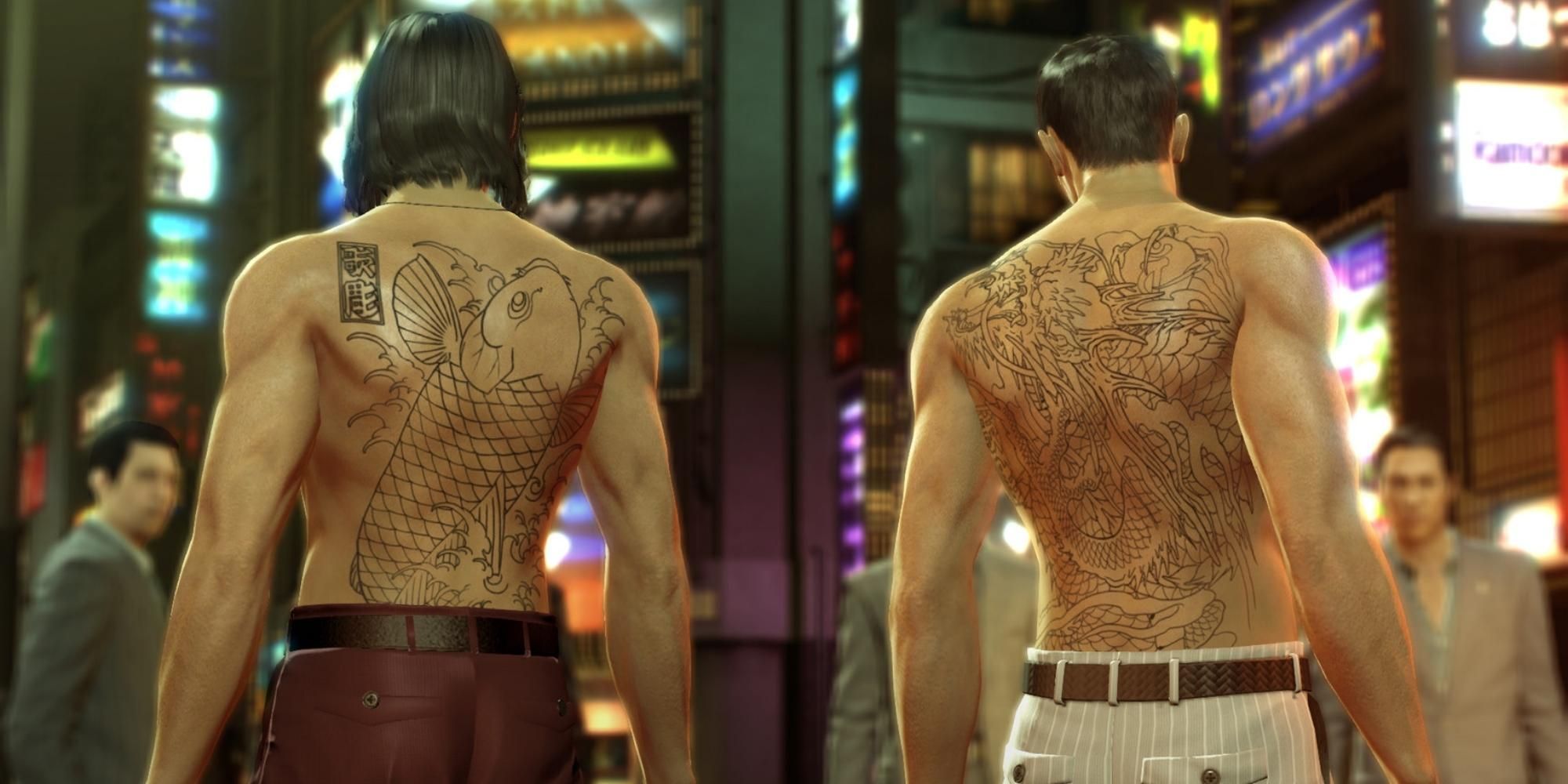
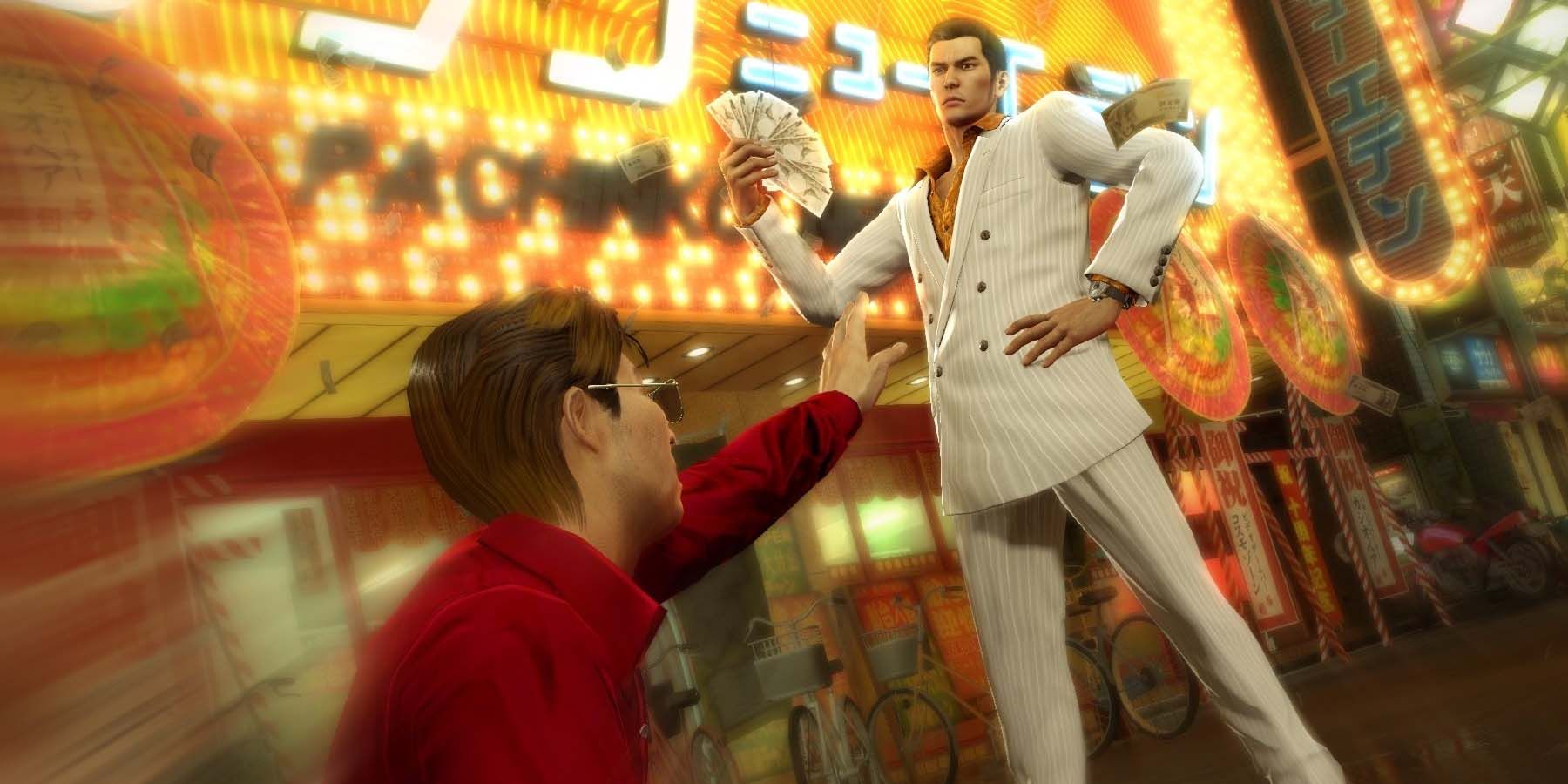
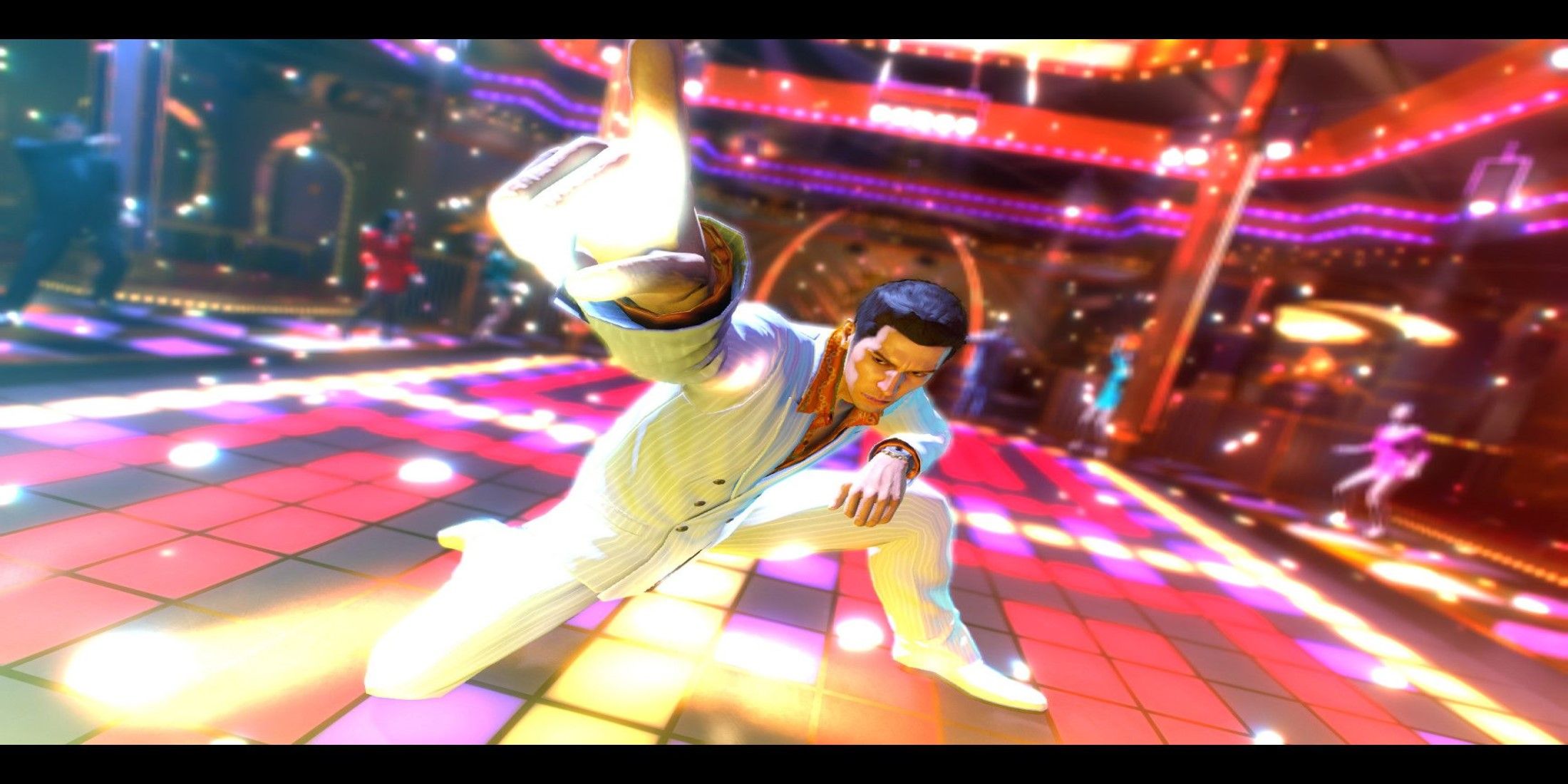
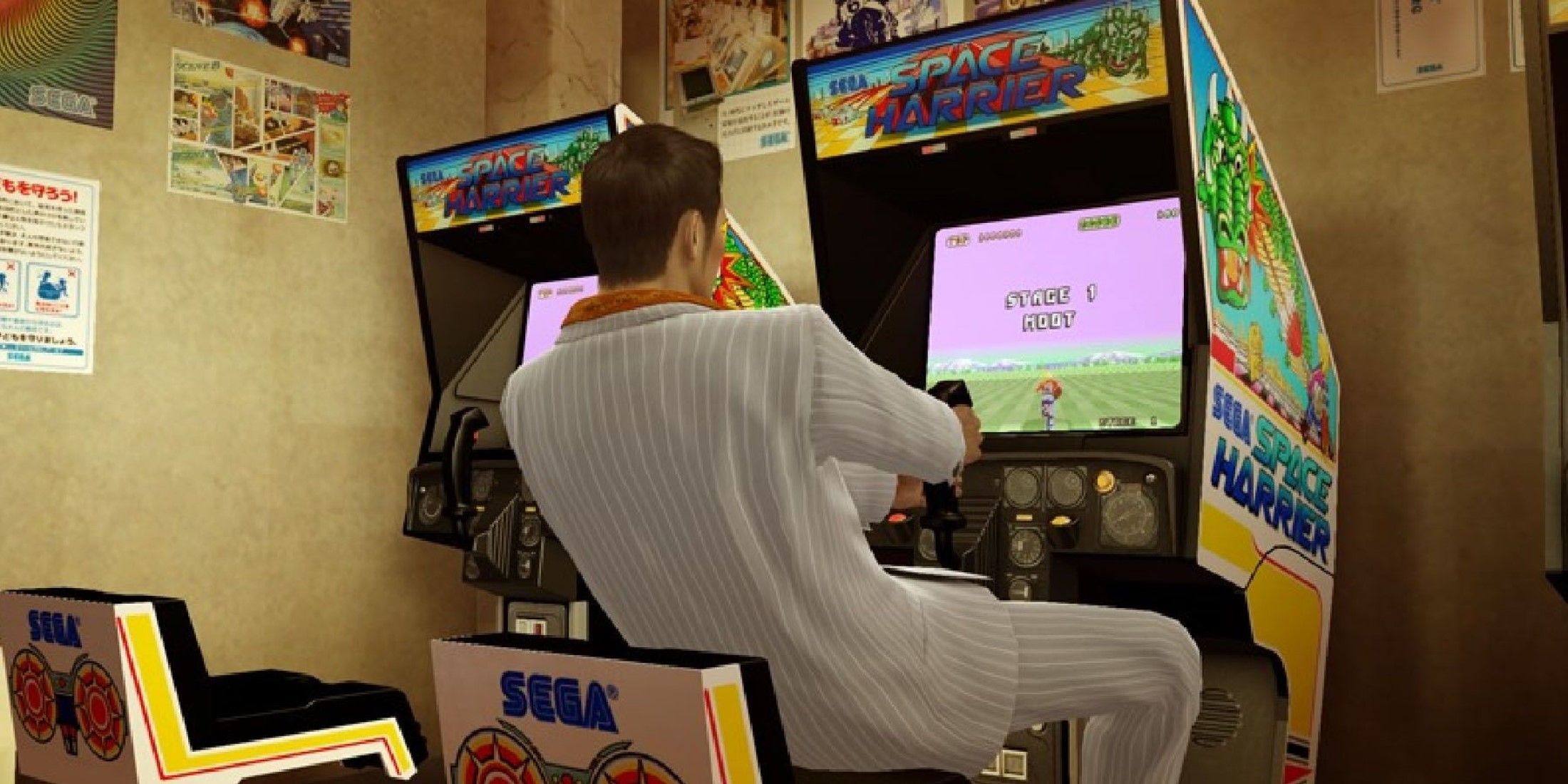
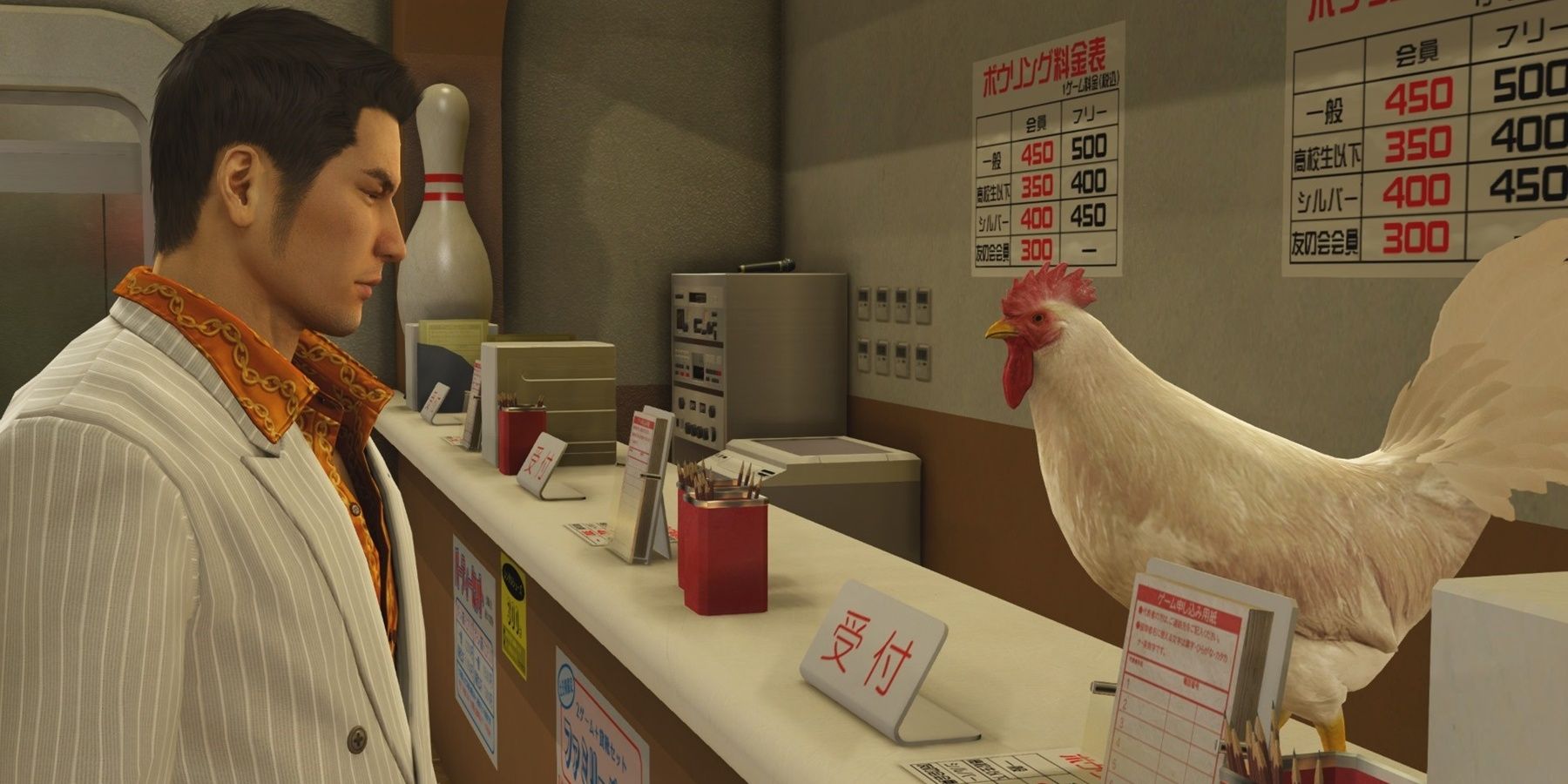
For many years, Sega’s Yakuza series has been mining gold, but it truly shines since 2015. That was the year they released the incredible prequel, Yakuza 0, which catapulted the franchise to immense global popularity. Now, each new release is a significant event, whether it’s a main series installment or a spin-off.
Instead of numerous open-world games that sprawl across vast landscapes, the Yakuza series stands out by focusing on compact urban cities that can be navigated in just a few minutes. Drawing inspiration from authentic Japanese locations, these games excel at creating densely packed microcosms bursting with content. Even though there are only two cities in Yakuza 0, Kamurocho is remarkable for its high concentration of NPCs, eateries, stores, random interactions, mini-games, and subplots. It’s the abundance of side stories that lends Yakuza 0 a sense of realism, allowing players to witness the everyday struggles of numerous characters, making the world feel alive.
To clarify, while the worlds within Yakuza games offer a wealth of interactive elements, they do not respond dynamically or react beyond specific instances.
If Kiryu gets into a fierce fight inside a fast-food joint, the staff might ignore him if he purchases something moments later. This detail can sometimes give the impression that the world is too game-like, but other aspects compensate for it effectively.
6. Watch Dogs 2
Highly Interactive World (That Can Be Hacked)
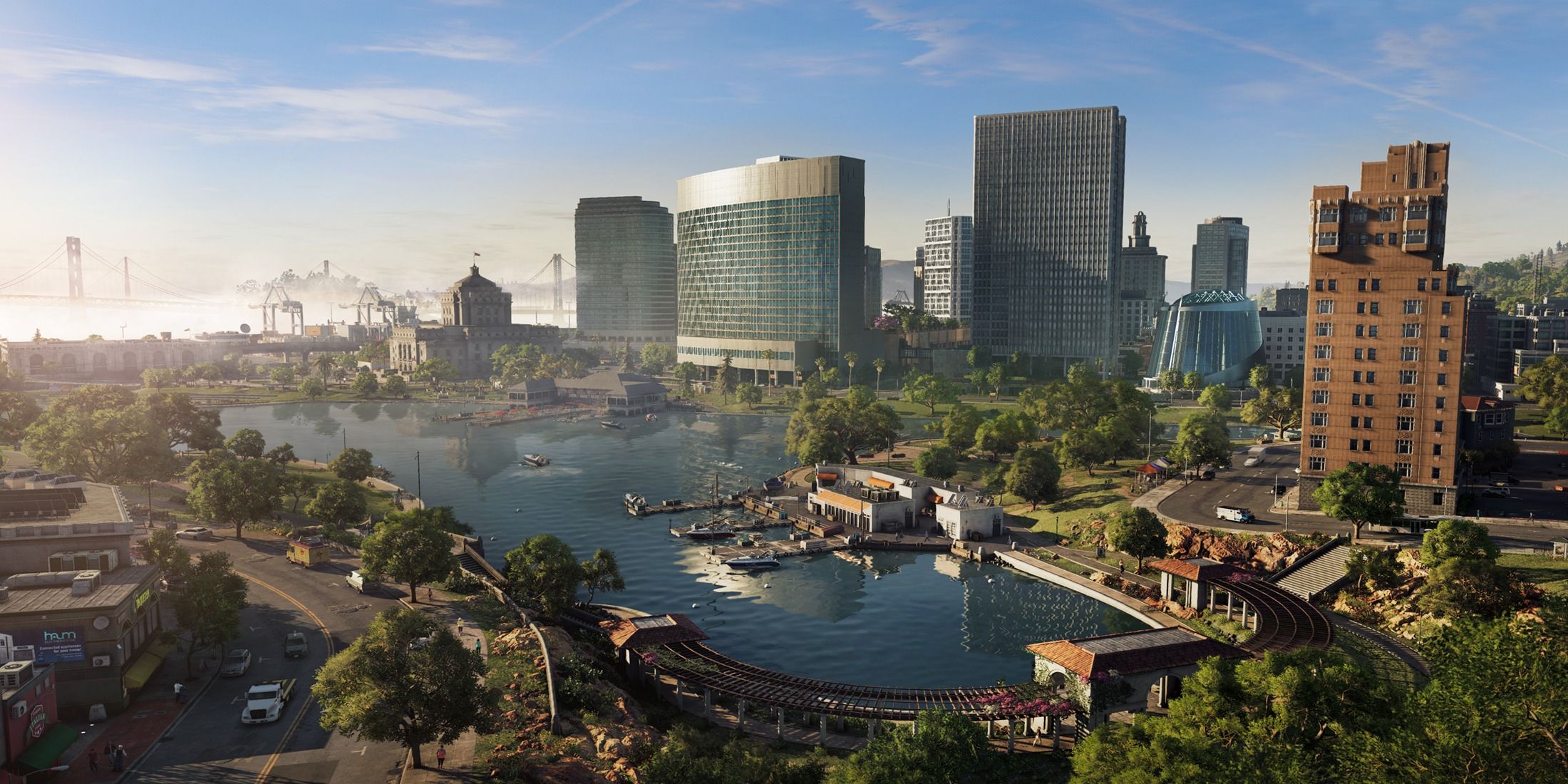
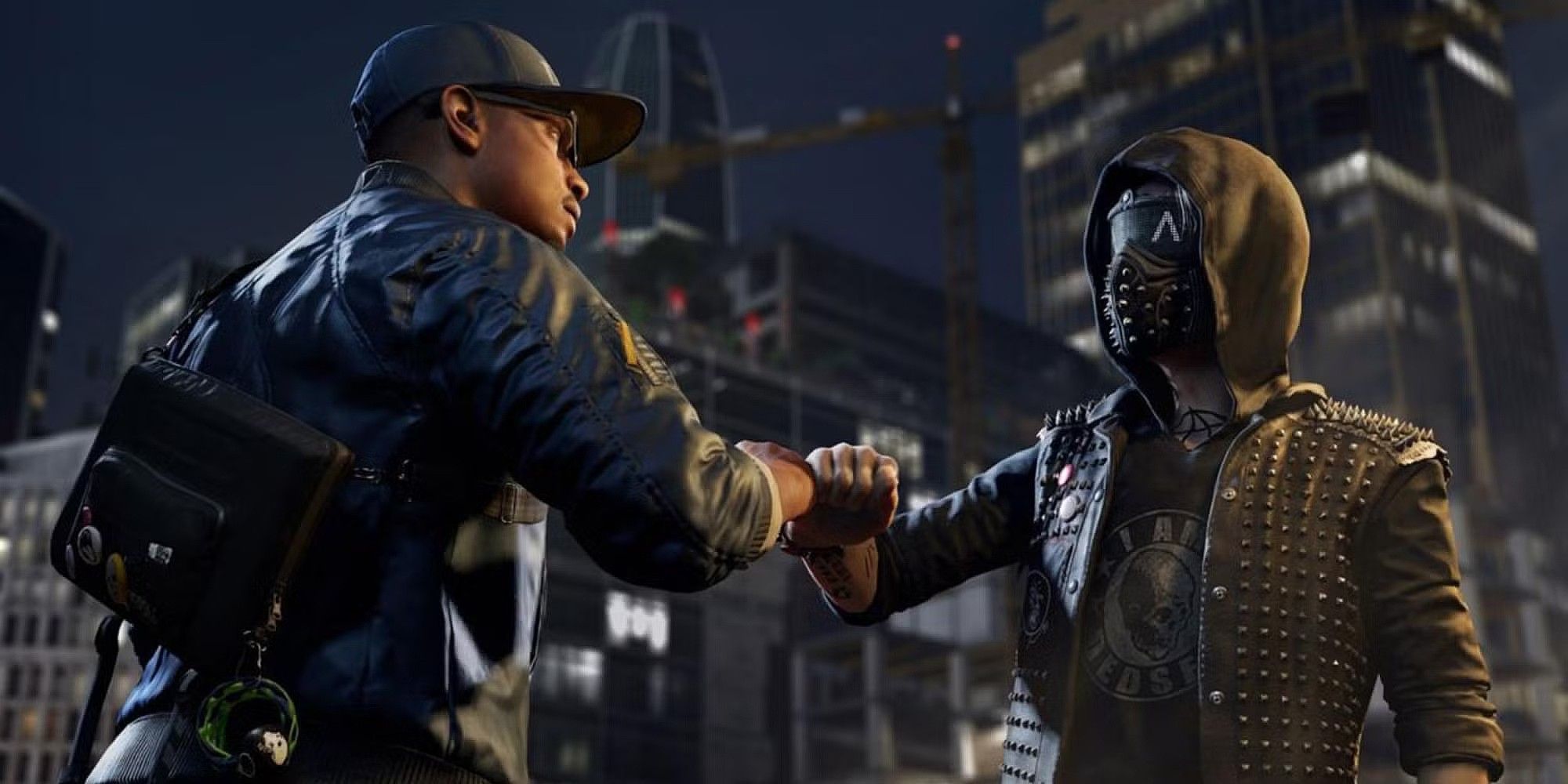
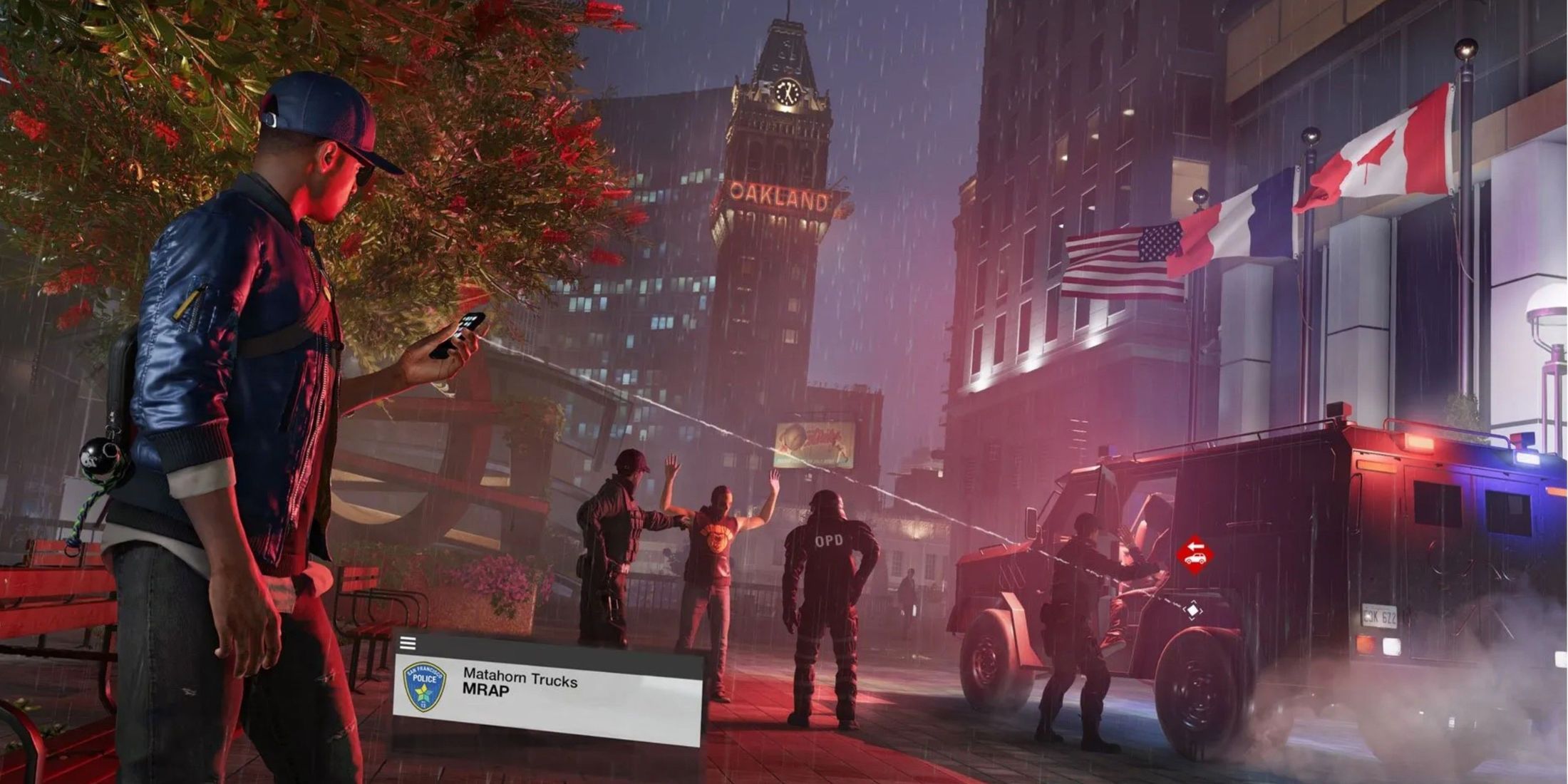
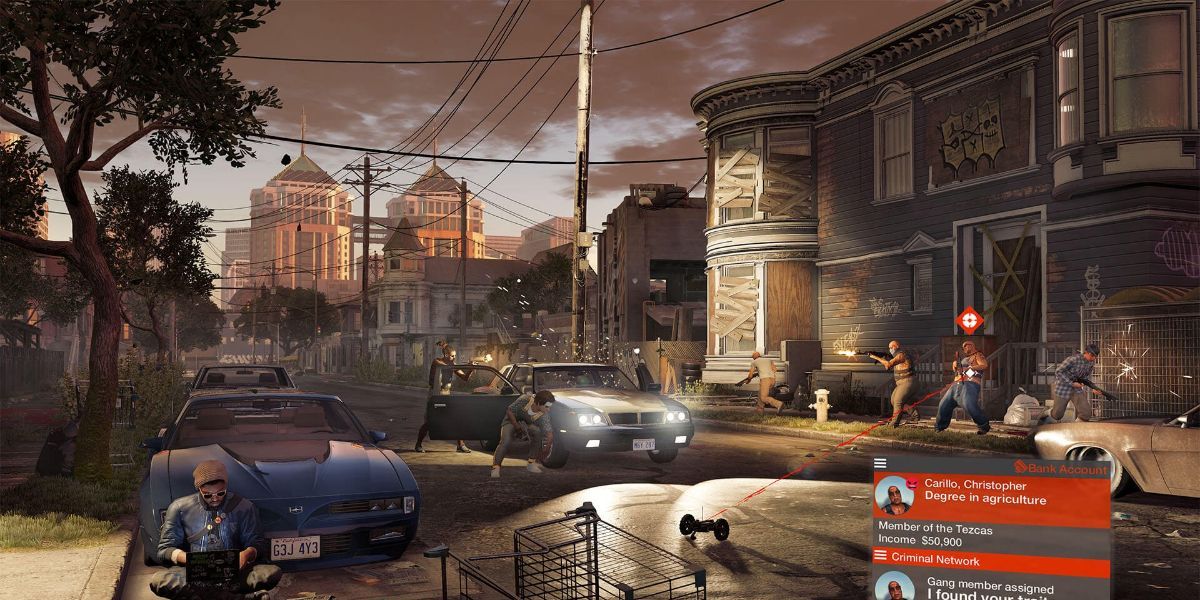
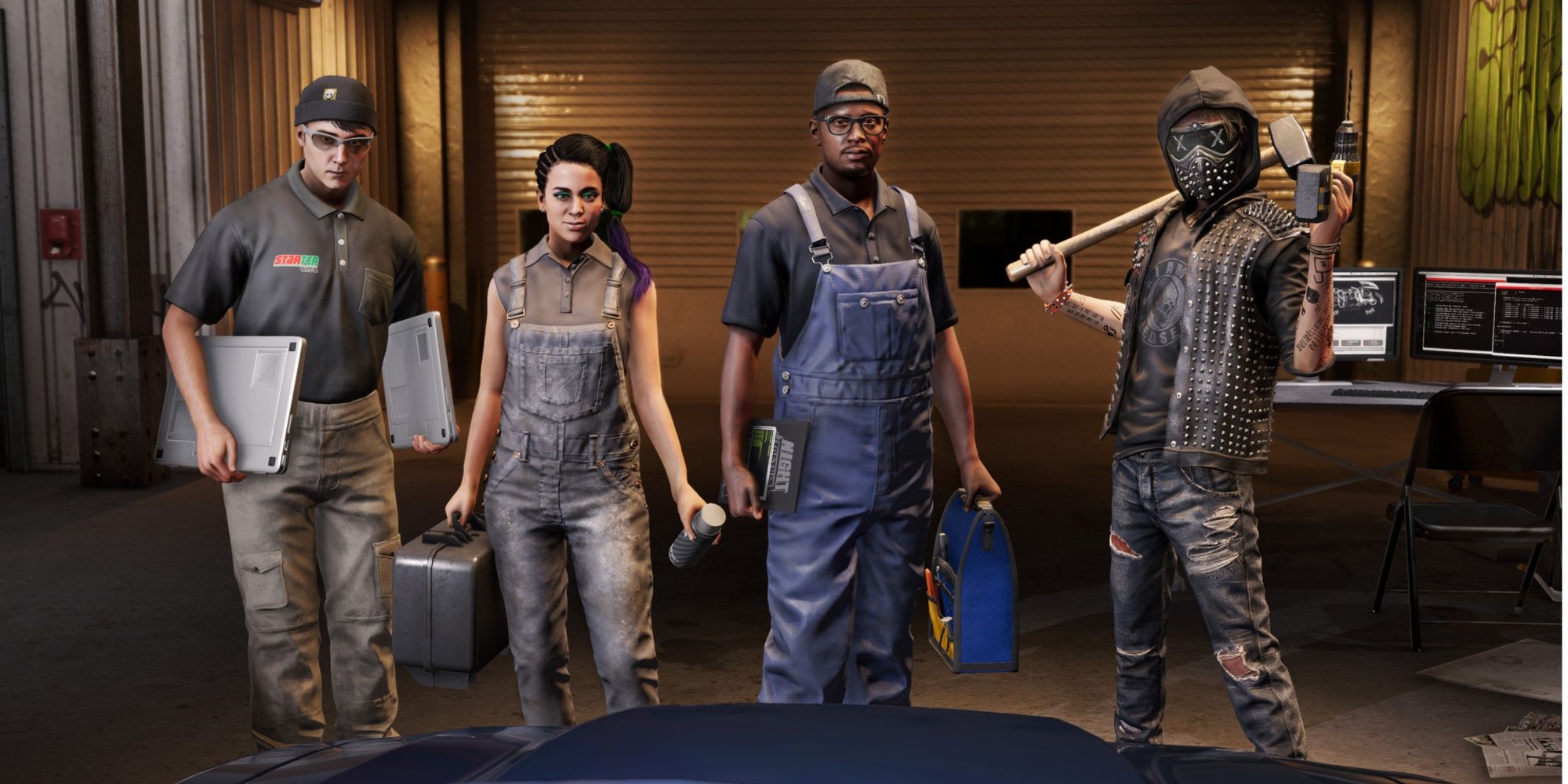
The Watch Dogs series, consisting of three games, is generally well-received, but it hasn’t quite reached the heights expected of it. The first game was met with mixed reactions, not fully meeting the high expectations set by its hype. On the other hand, Legion struggled to handle an ambitious feature. Somewhere in between is Watch Dogs 2, a sequel that moved the interactivity of the first game into a more vibrant and energetic city setting.
As a gamer, I can’t help but feel captivated as I traverse the vibrant streets of San Francisco in Watch Dogs 2. The game’s hacking system invites me to engage with the city and its digital denizens at every turn. Stepping aside from the unpredictable mayhem that hacking can ignite, this city is teeming with authentic characters living their daily lives. It’s an exhilarating feeling knowing that I have the power to momentarily disrupt their routines just by playing the game.
5. Ghost Of Tsushima
As Immersive As Players Want It To Be
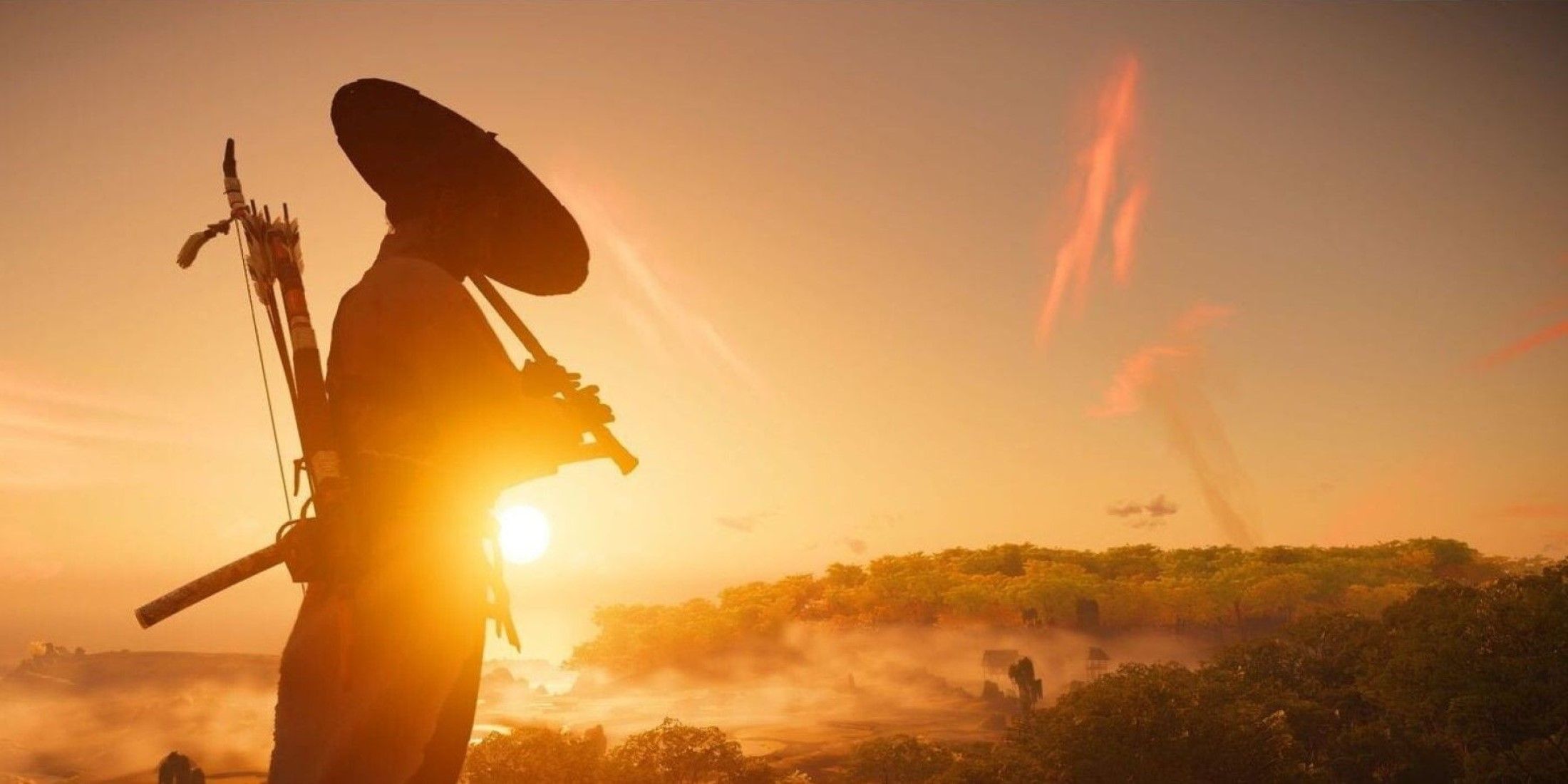
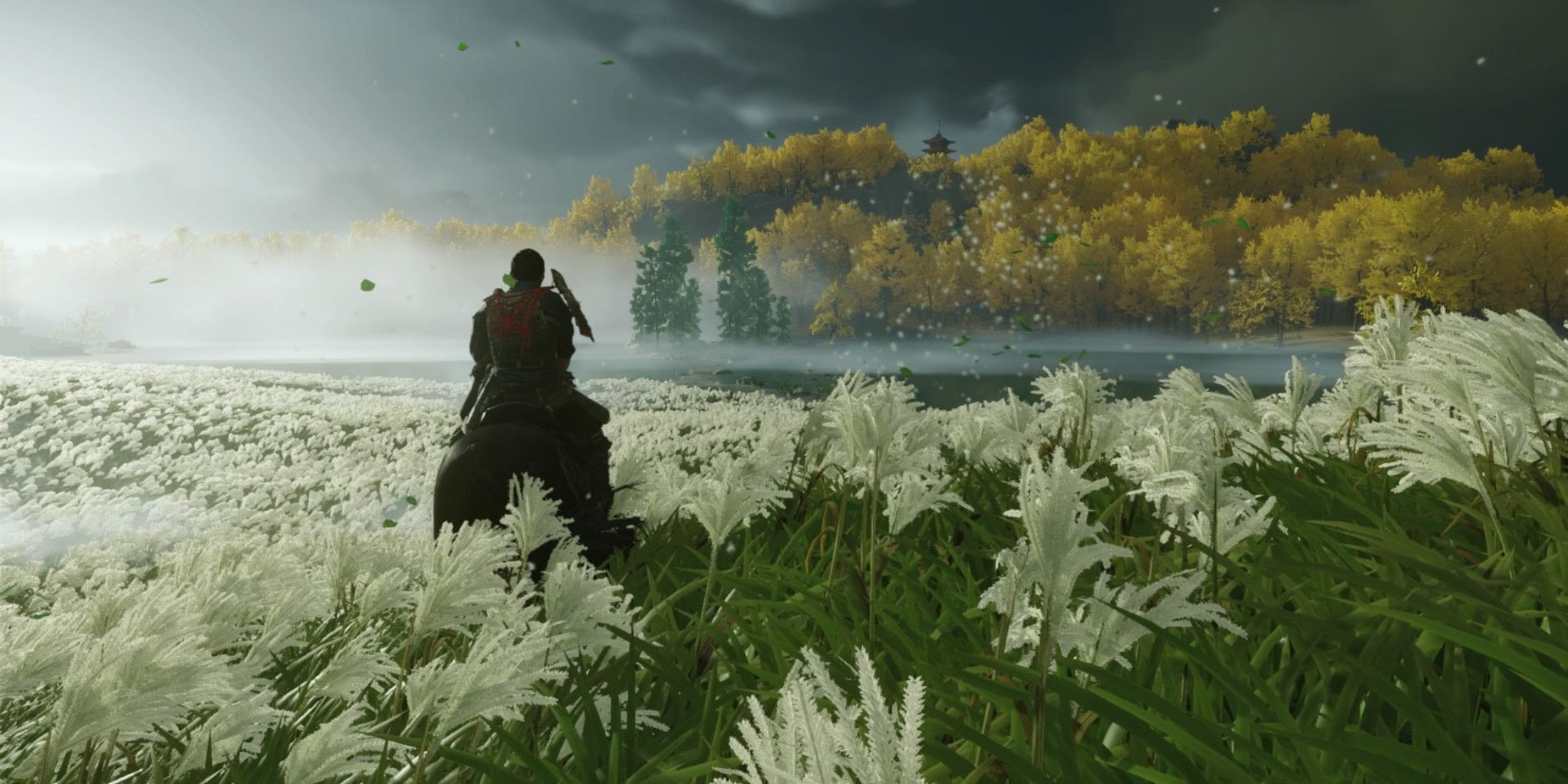
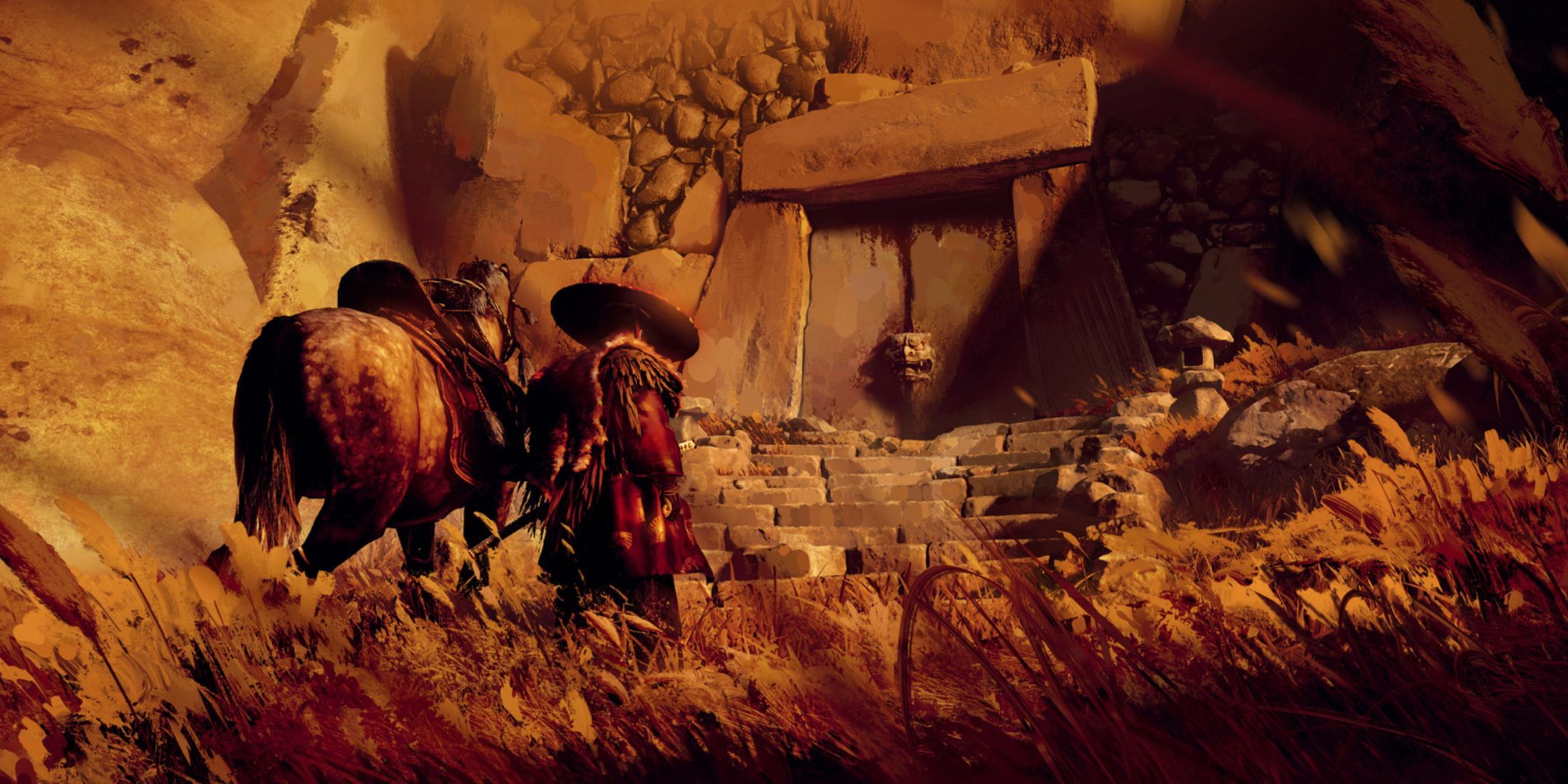
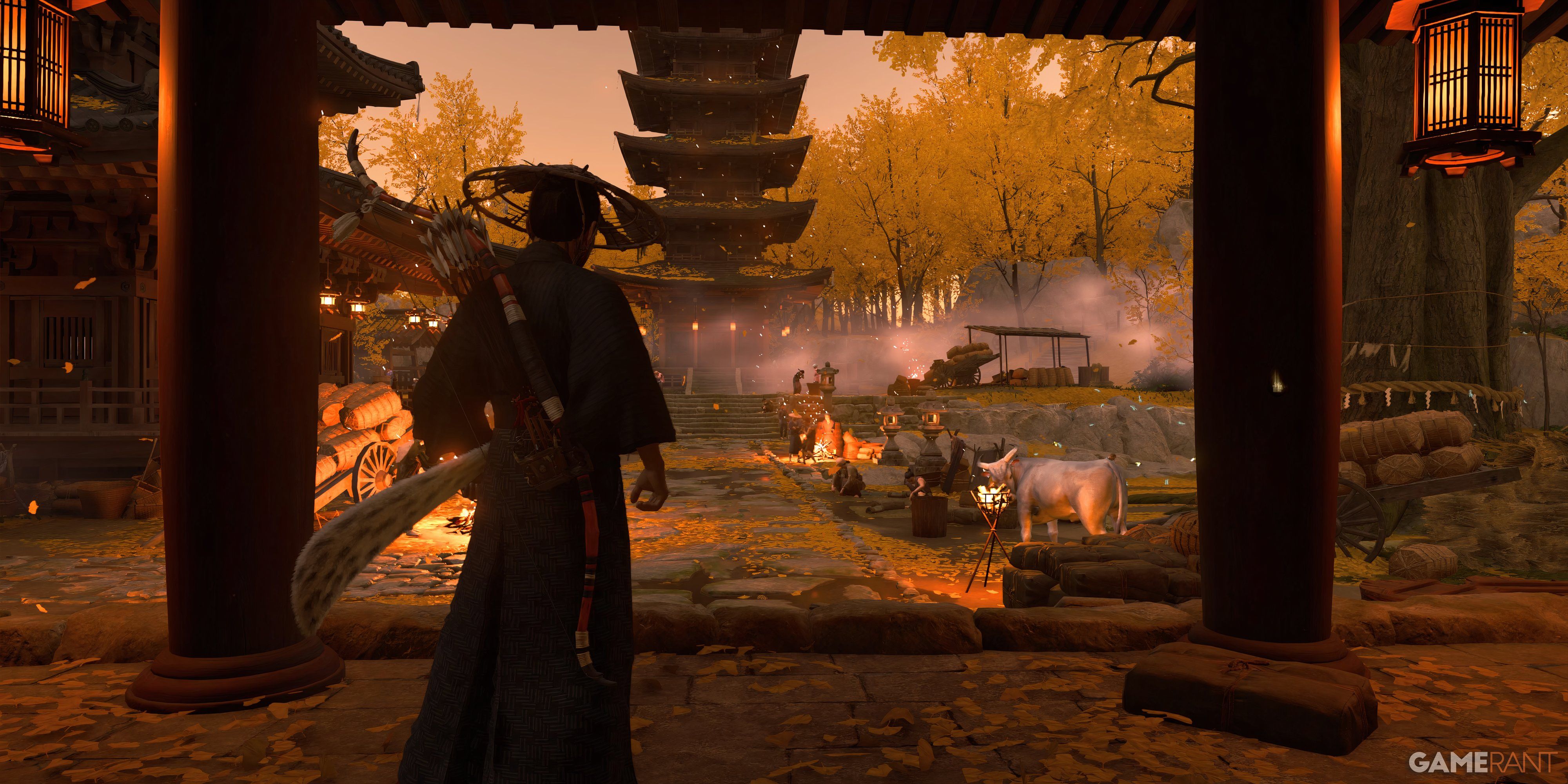
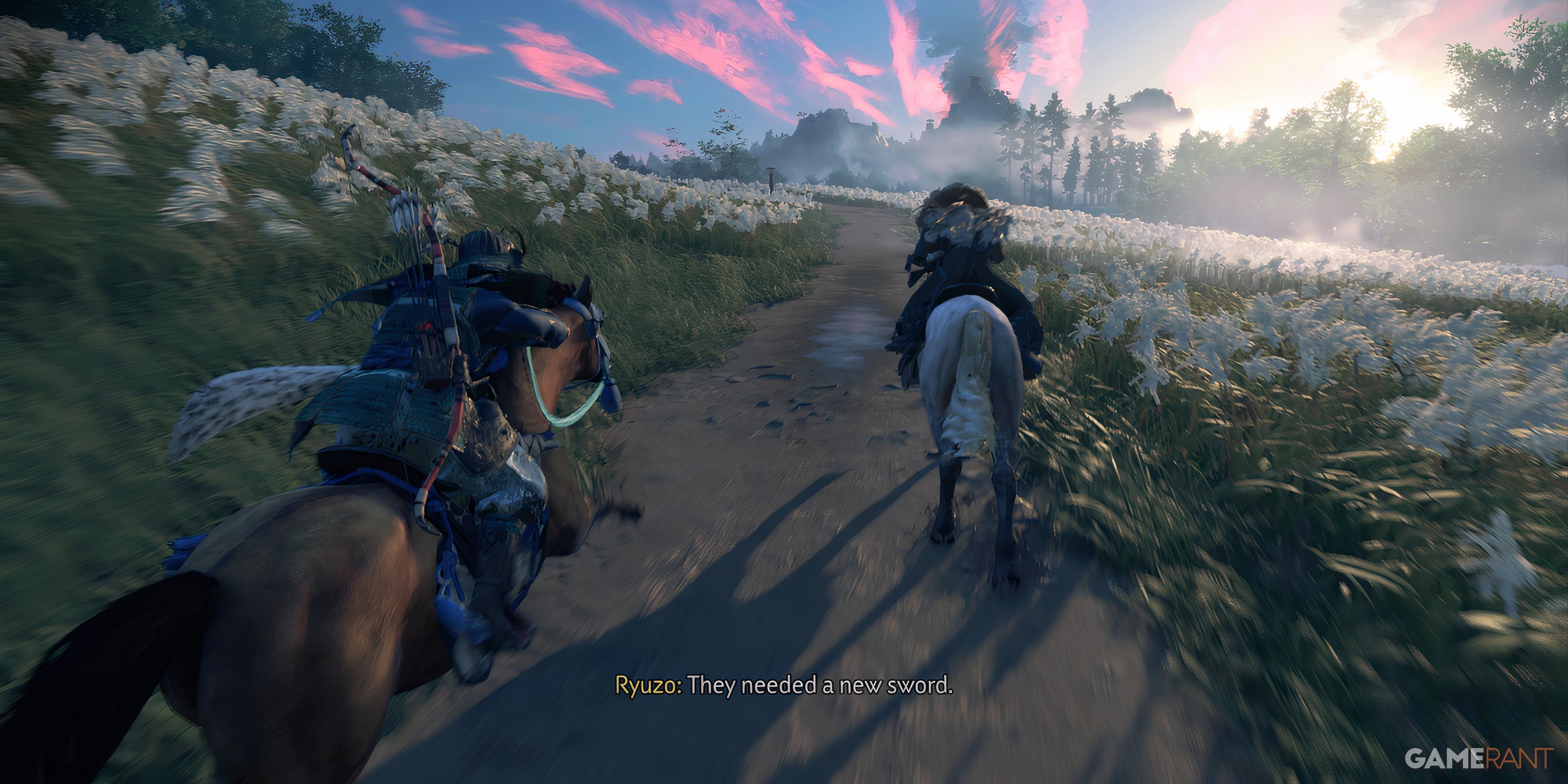
The manner in which a player engages with an open-world game significantly impacts how vibrant and immersive it seems. For instance, titles like several Ubisoft productions and notably Ghost of Tsushima demonstrate this impact profoundly. In the case of Ghost of Tsushima, the game’s map layout provides players with numerous directions, which may diminish the feeling of exploration and discovery. If a player rapidly switches between quests without taking breaks, they might lose sight of the world’s natural flow.
In essence, the game Ghost of Tsushima excels in guiding players through its stunning landscapes and creating seemingly spontaneous occurrences, to such an extent that map markers become less crucial. Although there are areas that might appear empty, they are usually breathtakingly beautiful with intricate details that heighten the sense of immersion. The Guiding Wind feature gives the world a lively feel, even though it essentially serves the same function as a navigation arrow.
You don’t have to deviate from using map markers if you find comfort in simply finishing tasks one by one, following a list like a guide.
4. Morrowind
A World That Just Makes Sense
-Tel-Vos.png)
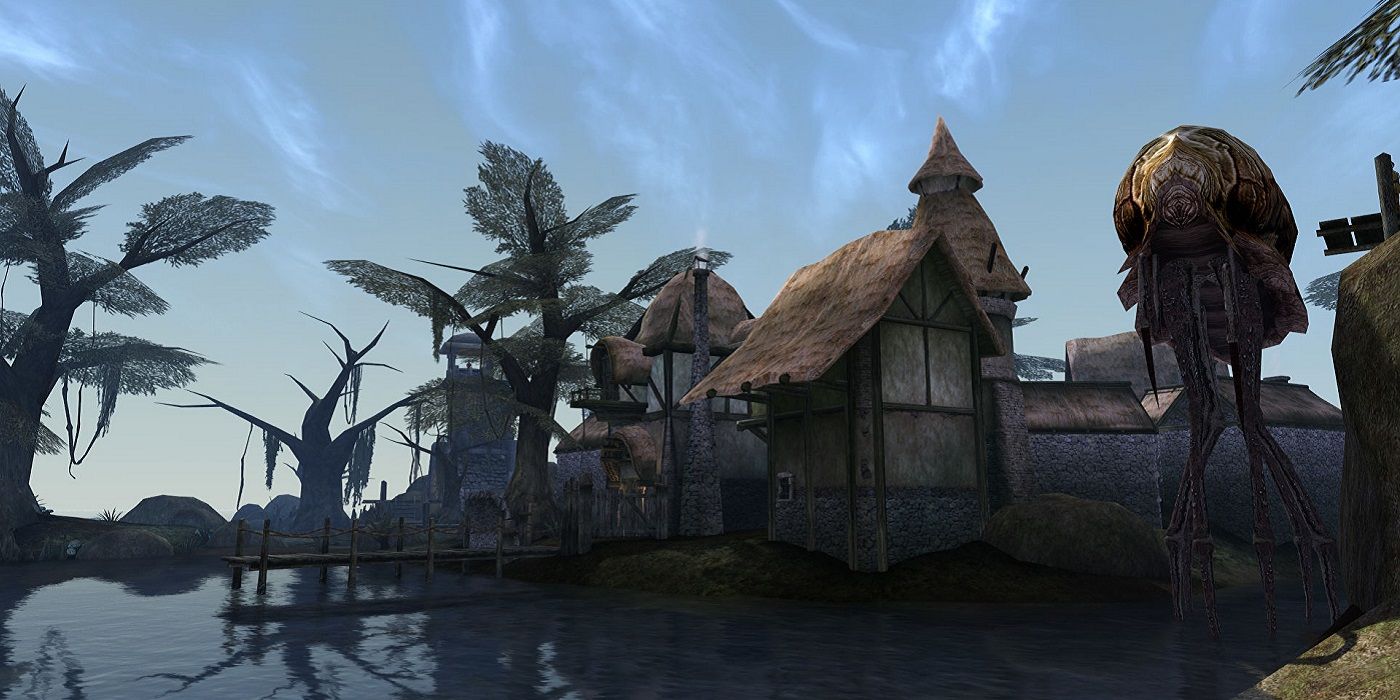
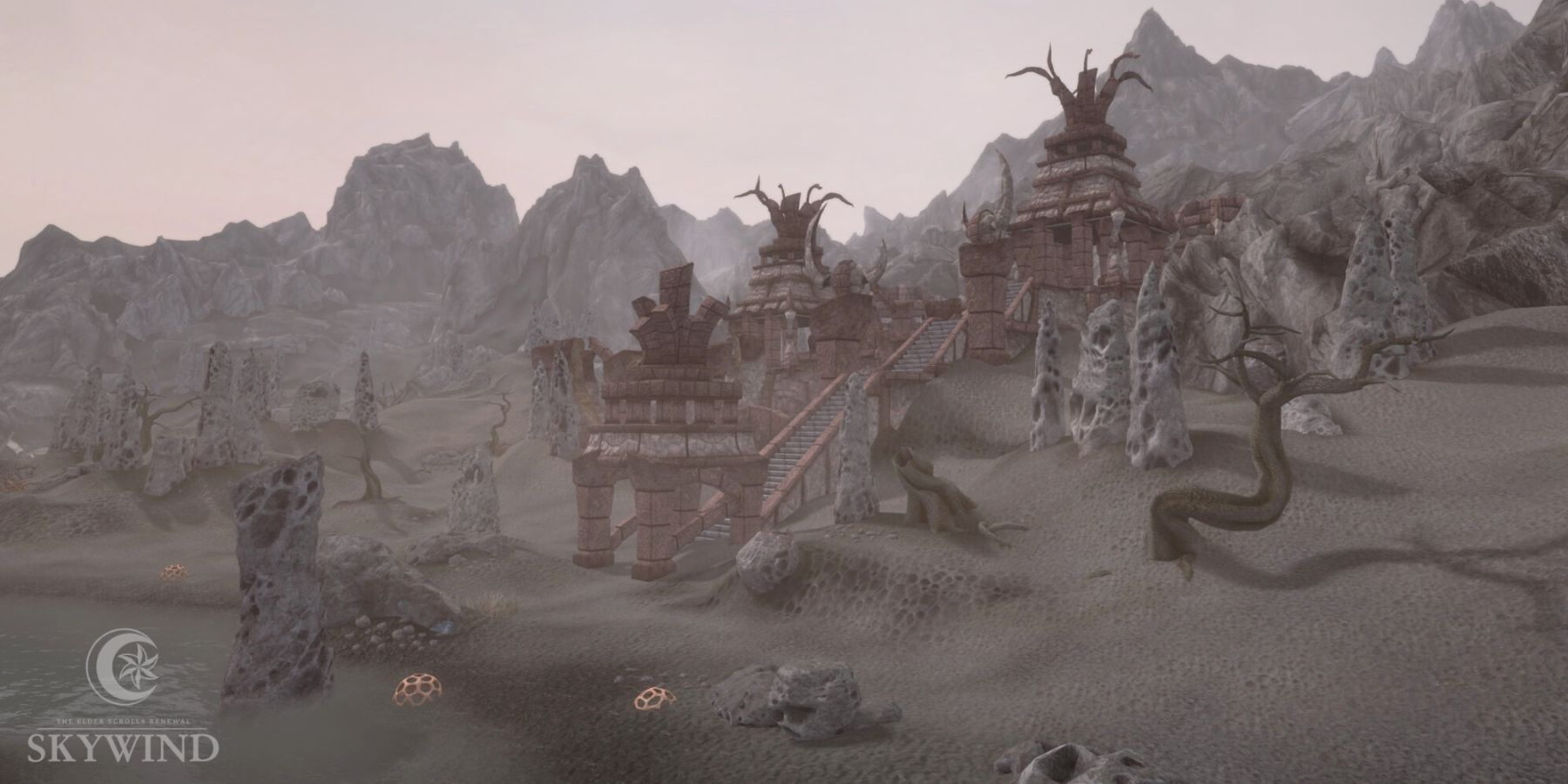
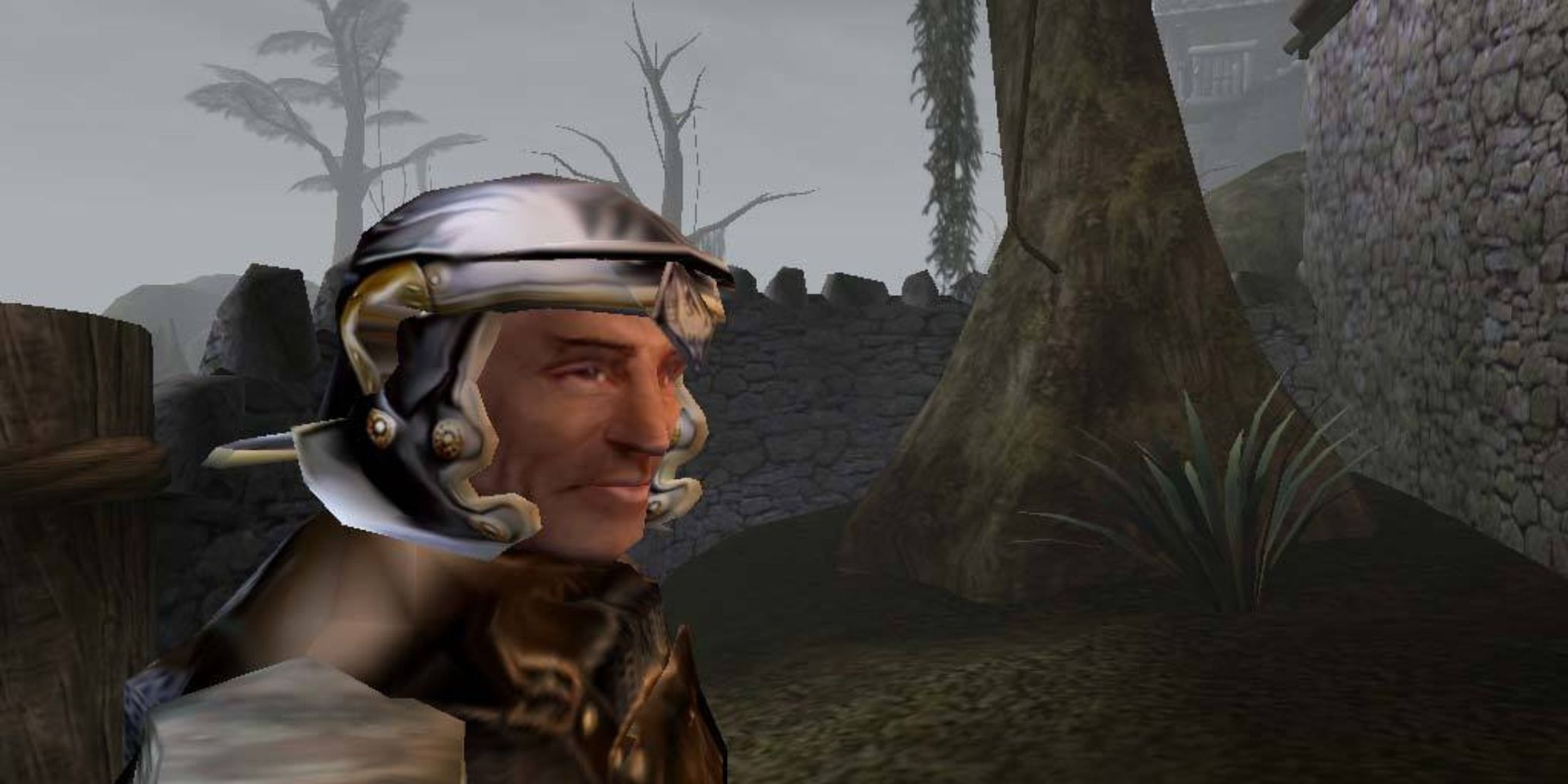
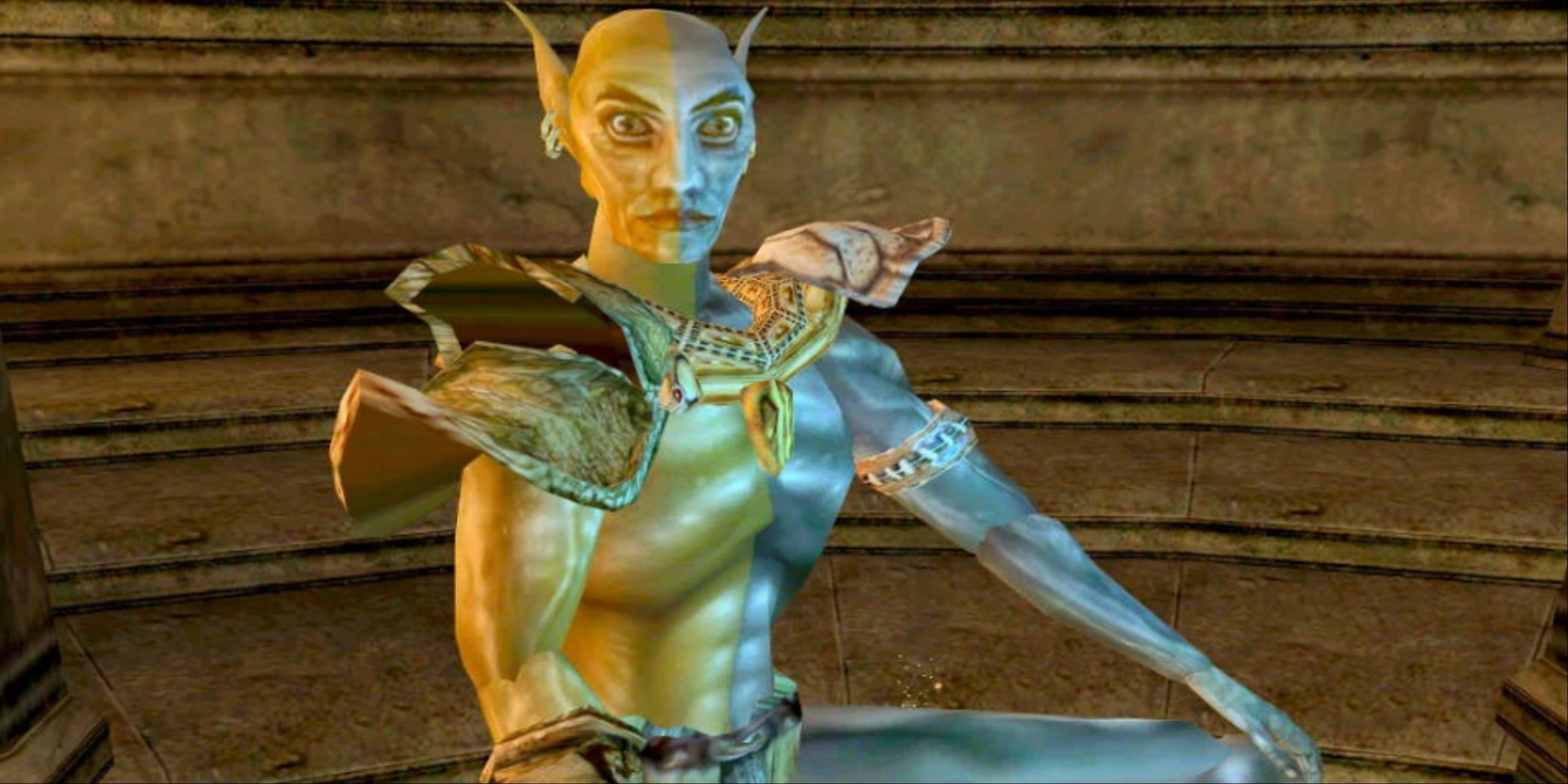
Morrowind stands out a bit from games like Oblivion and Skyrim. Unlike those later titles, Morrowind presents its world in a more simplified, static manner, without the dynamic open-world features that became hallmarks of Bethesda’s subsequent masterpieces. This means that Non-Player Characters (NPCs) are stationary and tend to perform only a few actions repeatedly.
Despite being older, Morrowind seems remarkably vibrant, possibly even more so than its equally impressive sequels. The world is cohesive, with almost every location on the map fitting neatly into the broader society’s context. Although many areas may not have a wealth of interactive content, it feels plausible that they would exist in this universe. The game features some encounters that give the impression of being random, although they are scripted. Even the fast-travel system follows a logical flow.
That said, Skyrim and especially Oblivion also have open-worlds that feel alive.
3. Gothic & Gothic 2
A World Defined By Its Characters
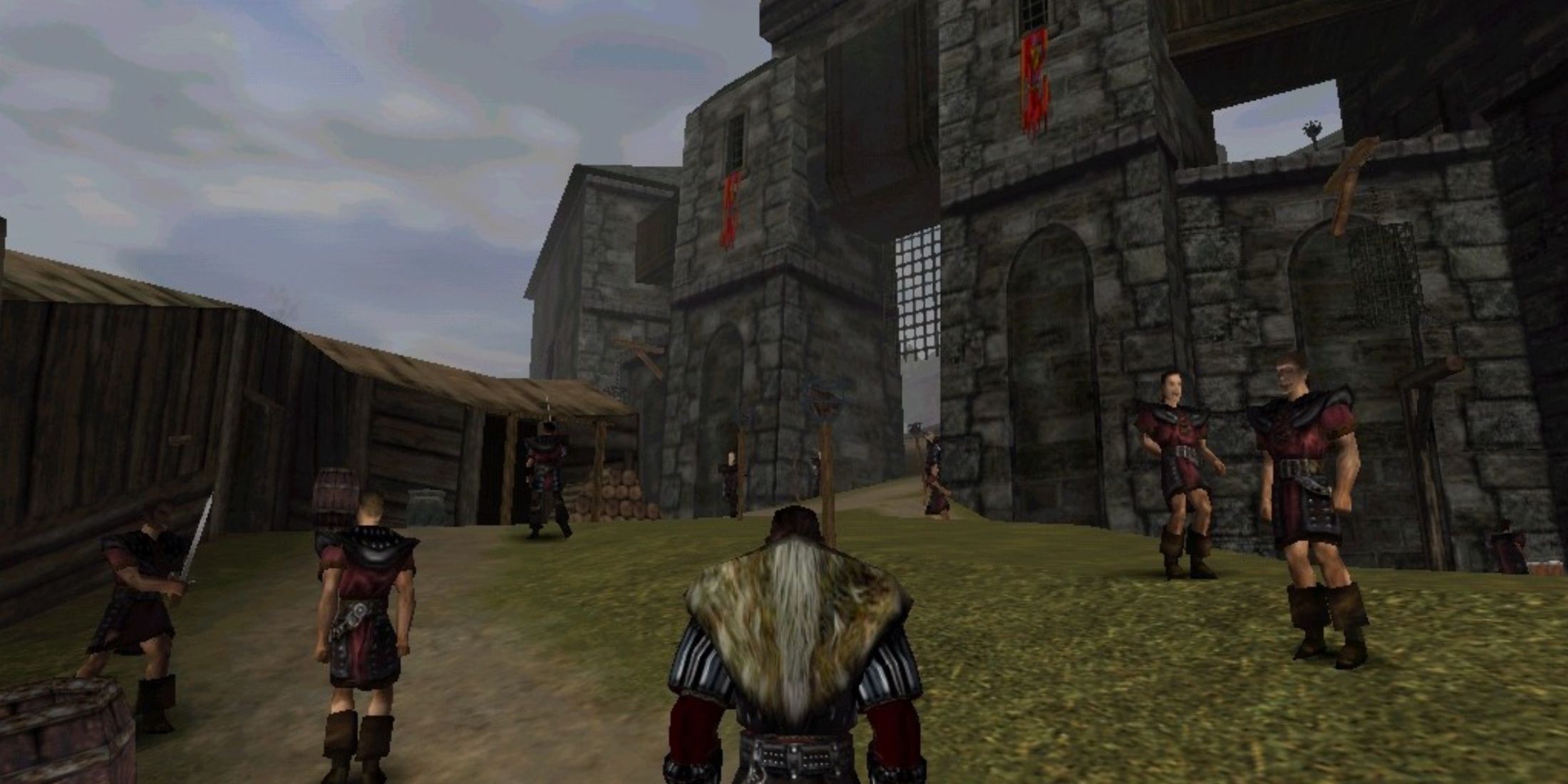
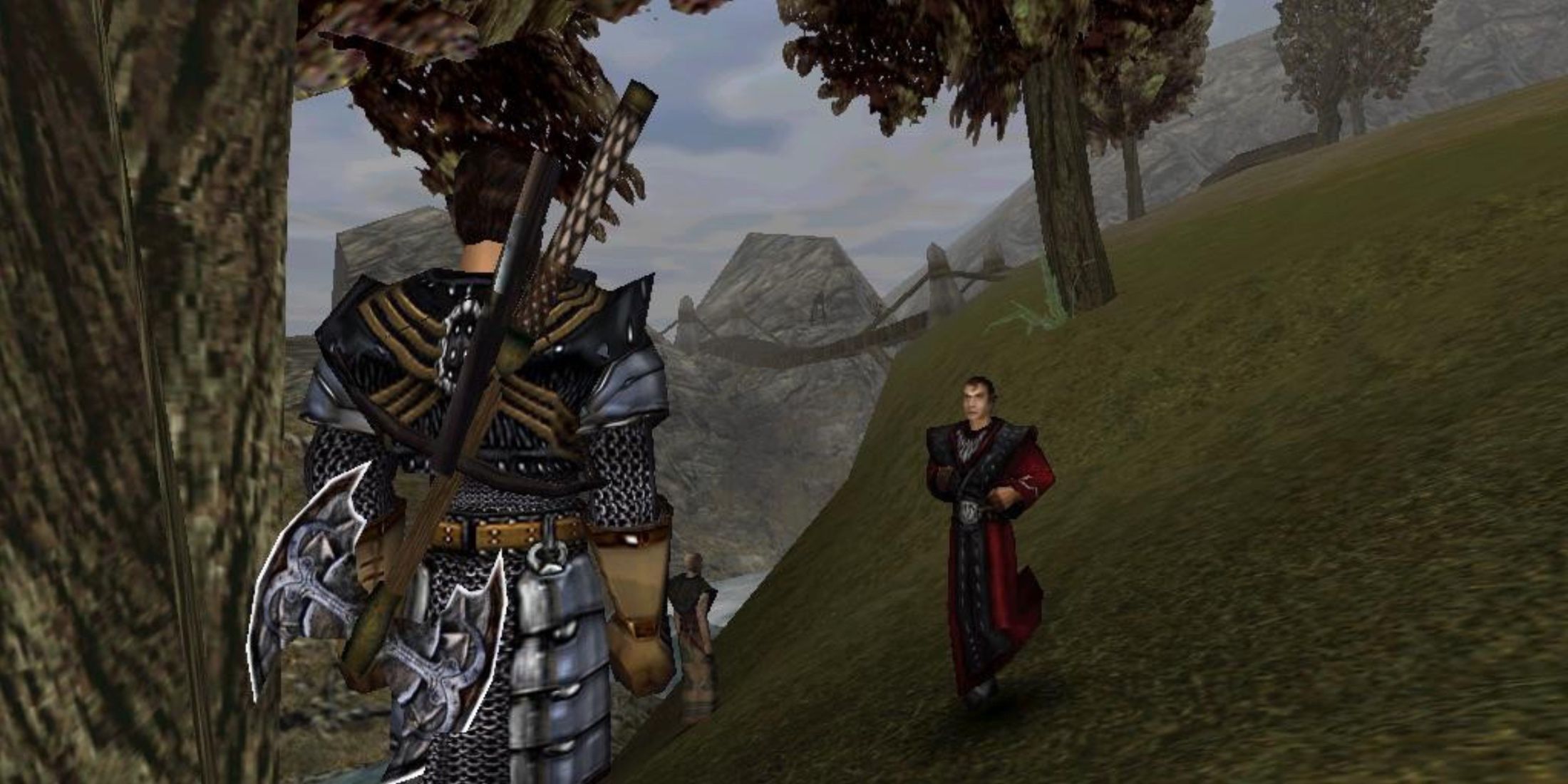
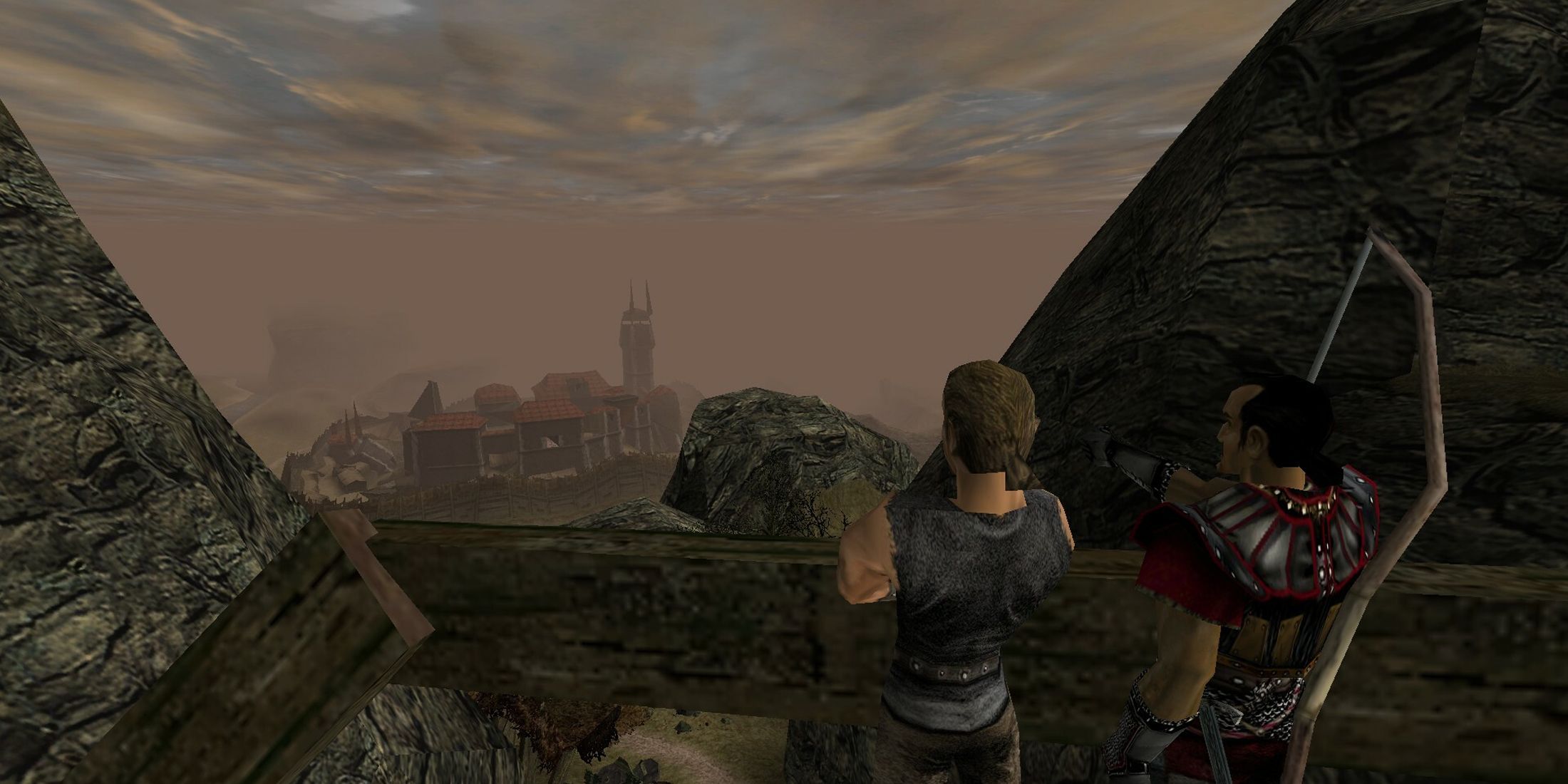
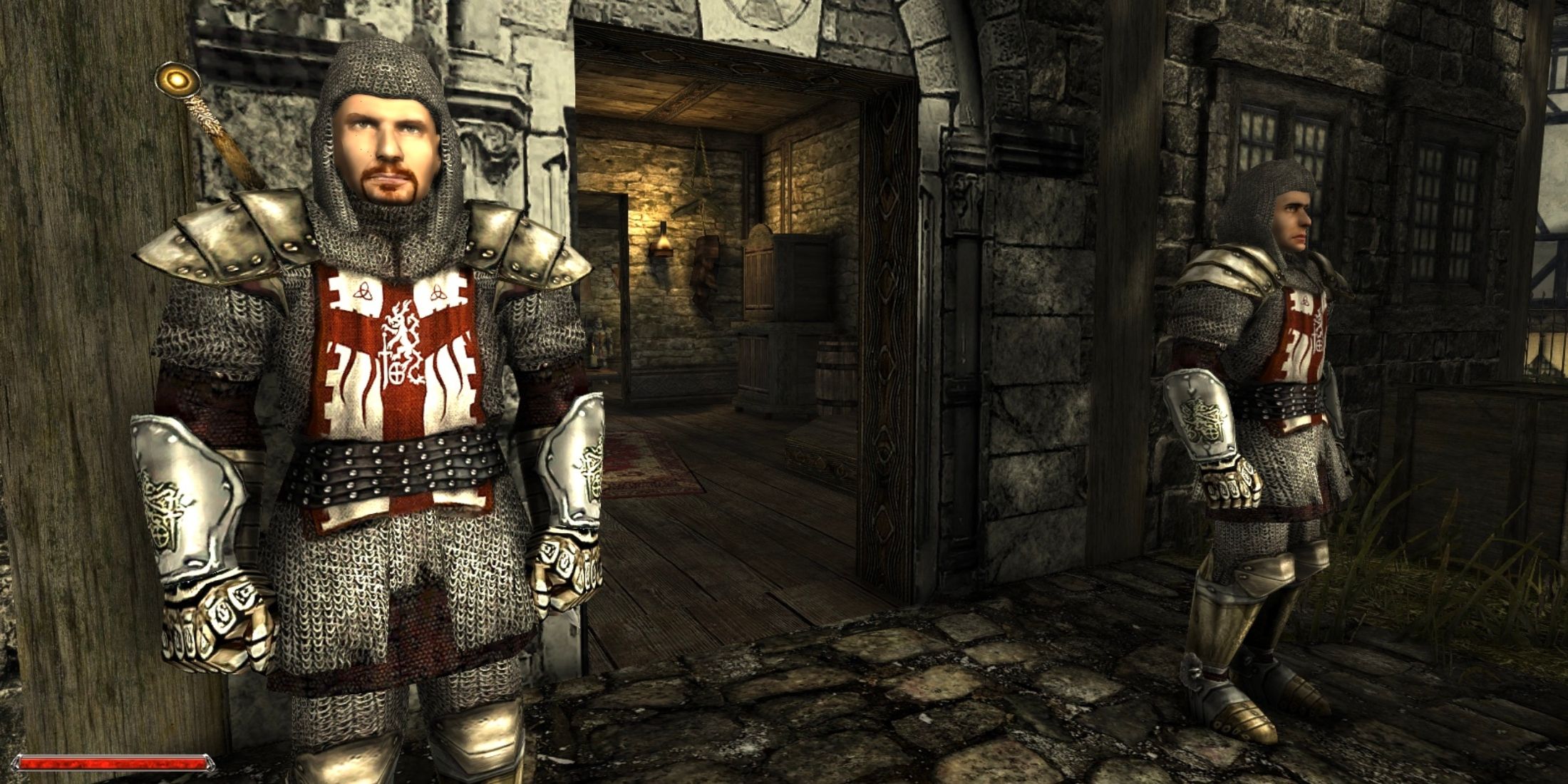
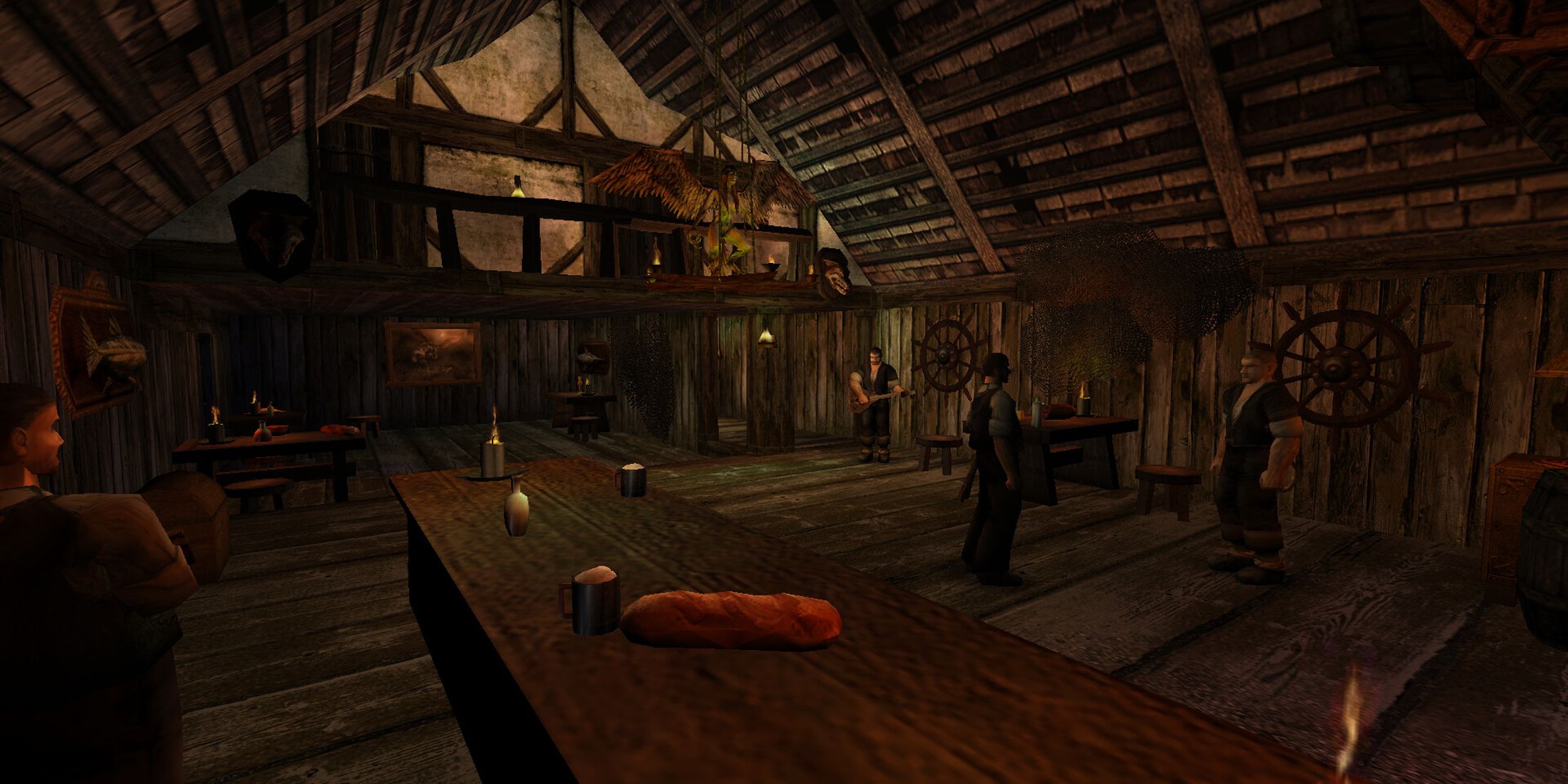
In contrast to contemporary open-world games, the original Gothic and its sequel may not appear particularly impressive due to their relatively small maps, less refined graphics, and somewhat lackluster gameplay, even considering the standards of the early 2000s. The games feature fewer iconic or awe-inspiring landmarks, and the first title primarily unfolds within a self-contained prison mining colony.
In contrast to many open-world games that place emphasis on their environments, Gothic uniquely concentrates on the characters inhabiting this world. The game’s creators, Piranha Bytes, skillfully designed a dynamic faction system and NPCs who react to the player’s actions, creating a believable society that seamlessly integrates with the narrative and setting. These NPCs serve more than just quest-givers; they have personal objectives that extend beyond the protagonist, forming relationships with each other and following daily routines. Despite the limitations of technology during its era, the execution of these features deserves recognition.
2. Kingdom Come: Deliverance 2
An Authentic Medieval World
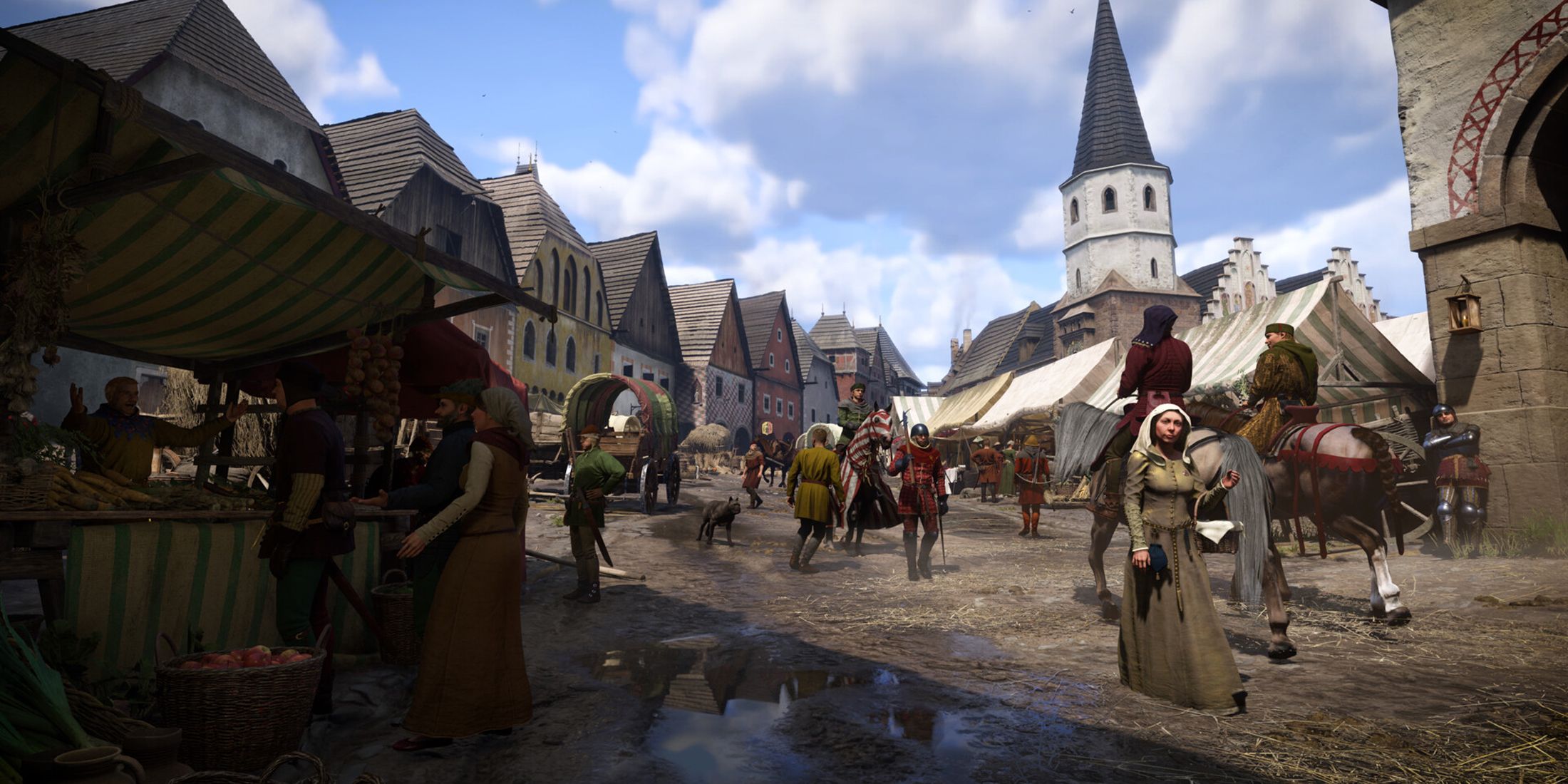
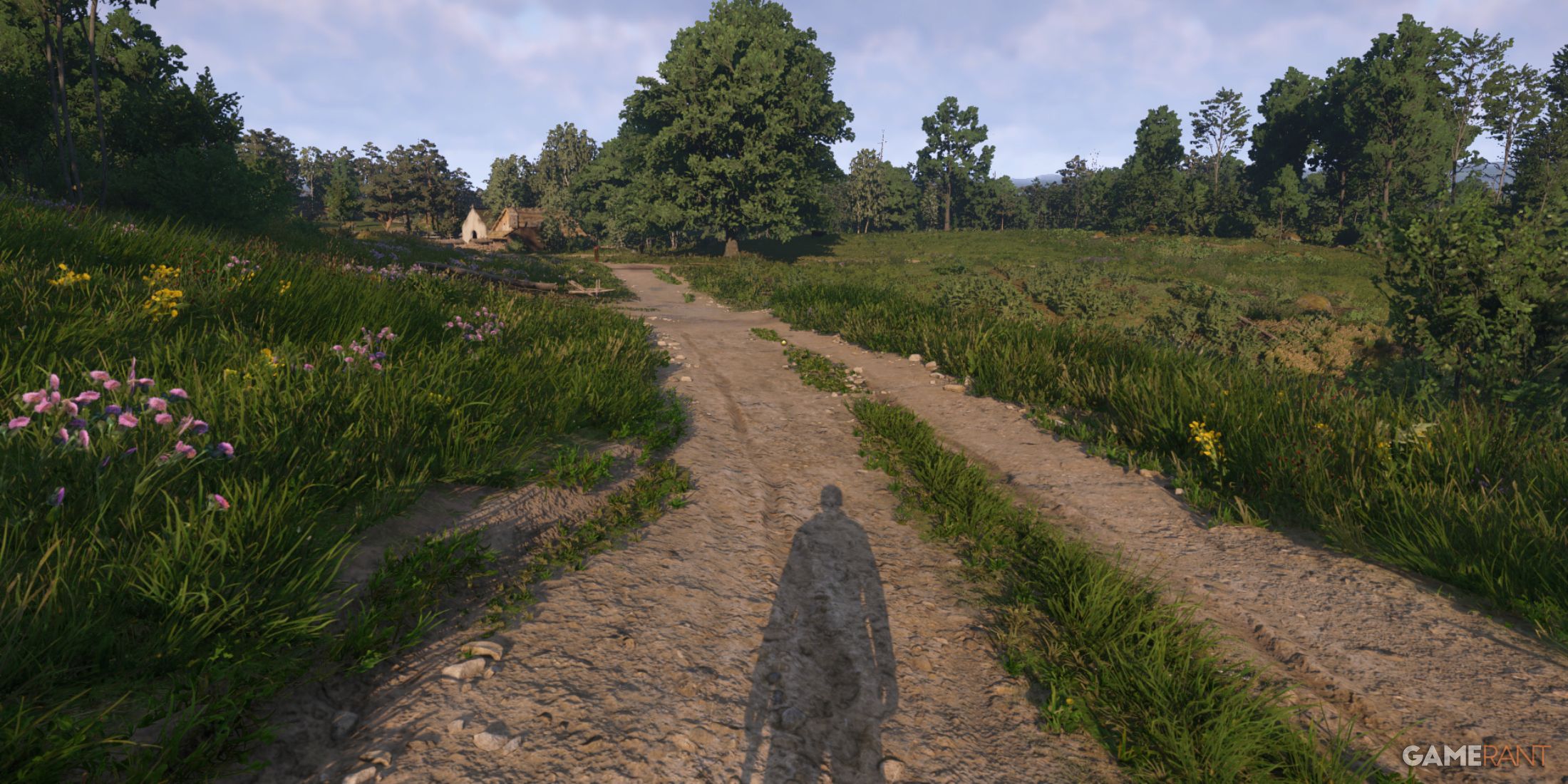
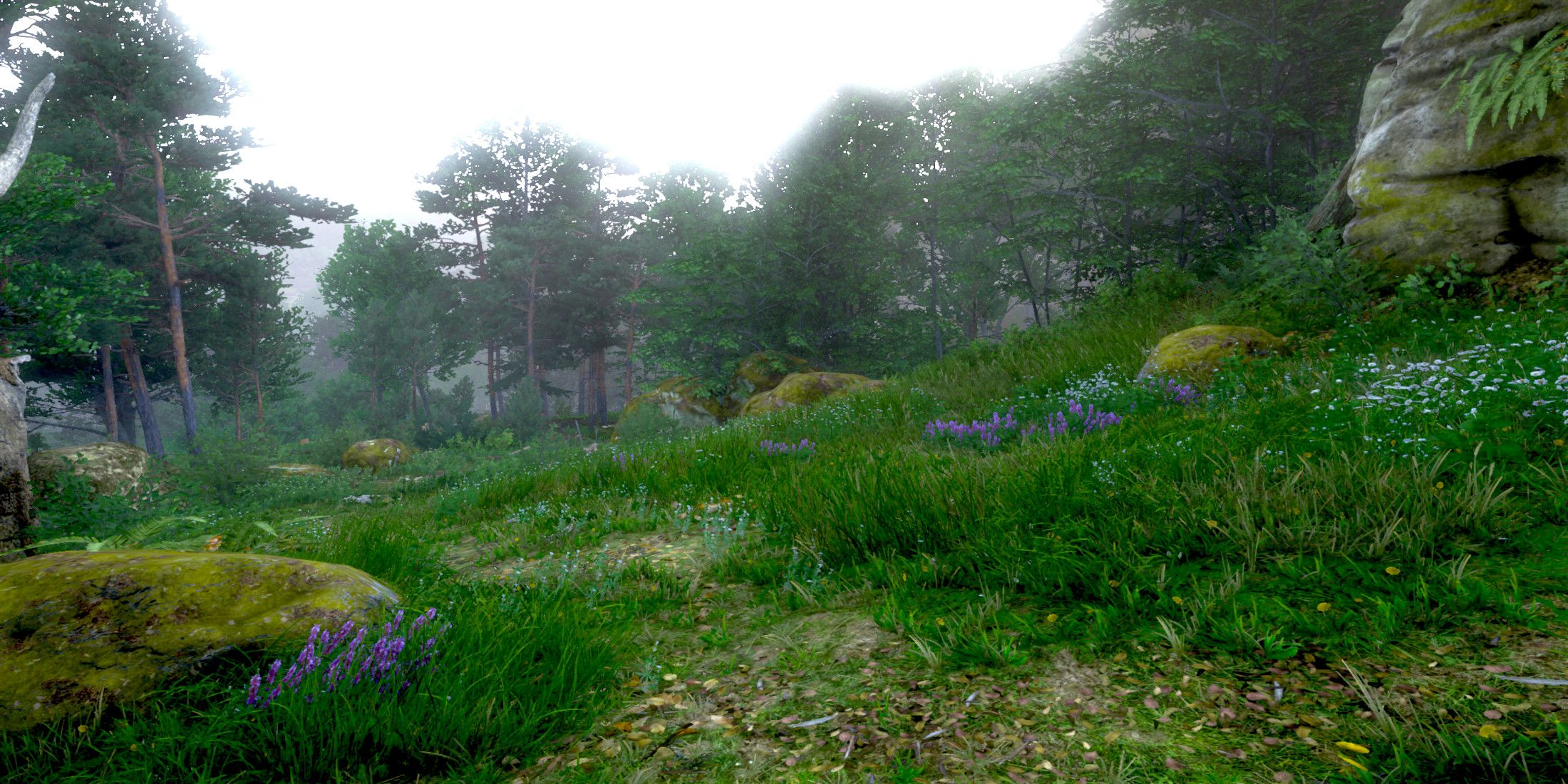
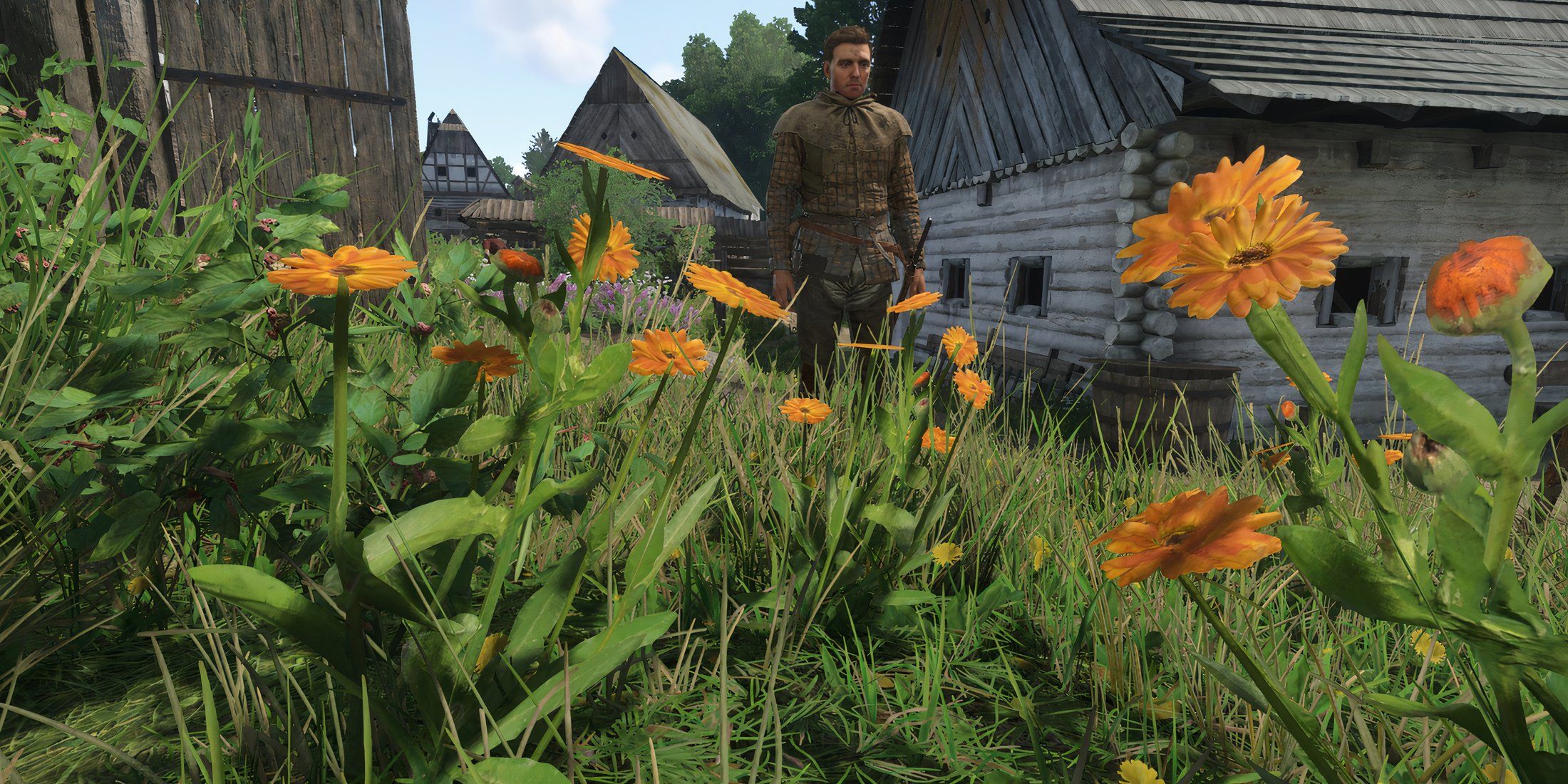
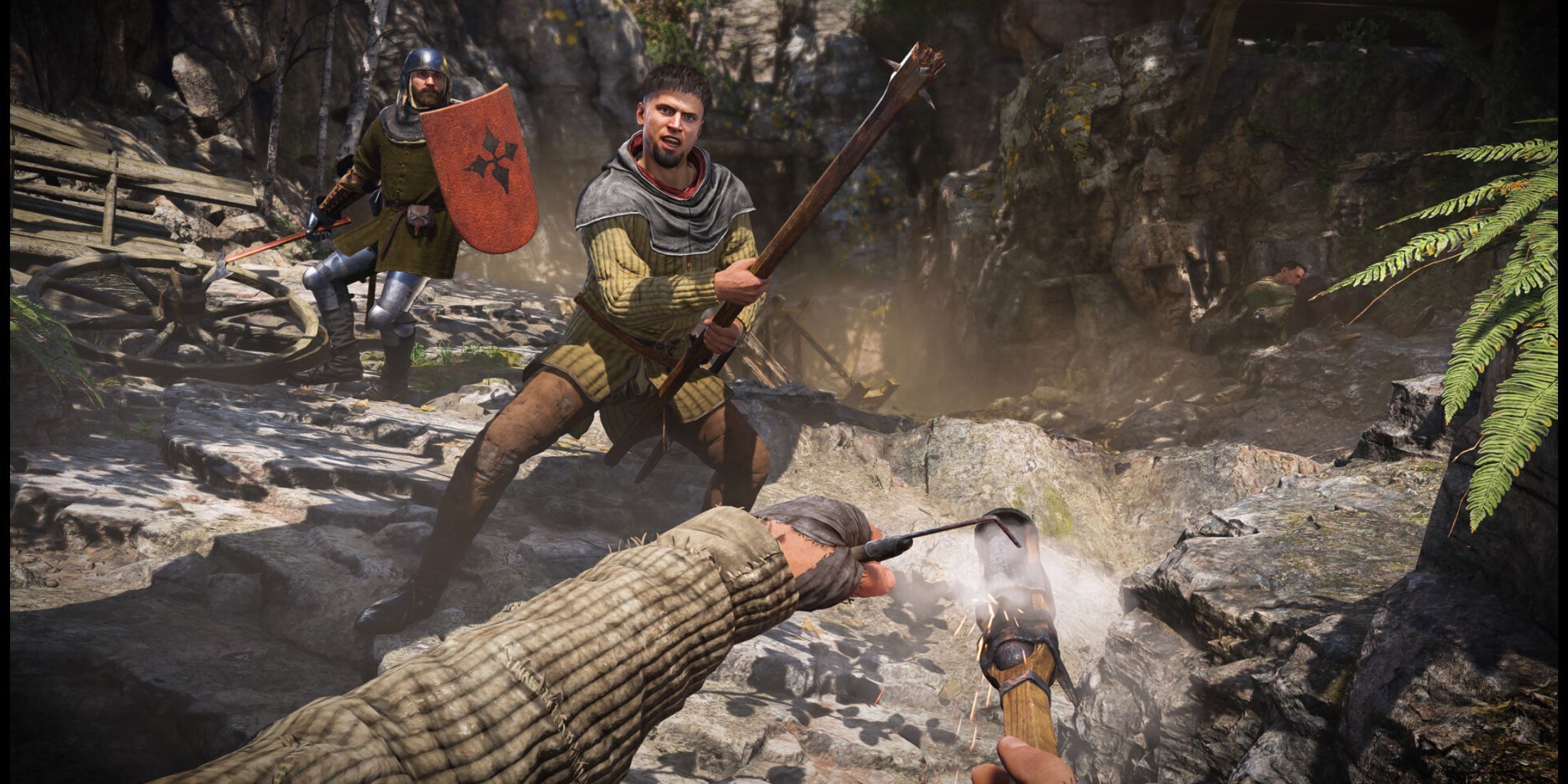
In the footsteps of one of the most captivating open-world games from the 2010s, Kingdom Come: Deliverance 2, offers an enhanced experience in almost every aspect. Warhorse Studios astonishingly managed to create a more approachable sequel that retains the original’s hardcore and realistic essence without being overshadowed. The brilliance of KCD2 is now more effortless to admire, as it has streamlined aspects such as combat, group fights, and story development that were previously complex or slow-paced in the initial game.
In this game, authenticity is key, extending beyond mere Medieval-era weapons and costumes. Bohemia’s towns are teeming with everyday activities and interactions that don’t necessarily involve the main character, resulting in a realistic open-world where the action doesn’t solely revolve around the player (yet responds appropriately to their actions). The spaces between cities are equally captivating, and non-player characters have routines they generally adhere to. In fact, even Henry’s advancement involves direct interactions with the inhabitants of this world, rather than merely boosting stats through isolated progression.
1. Red Dead Redemption 2
A Living, Breathing Open-World
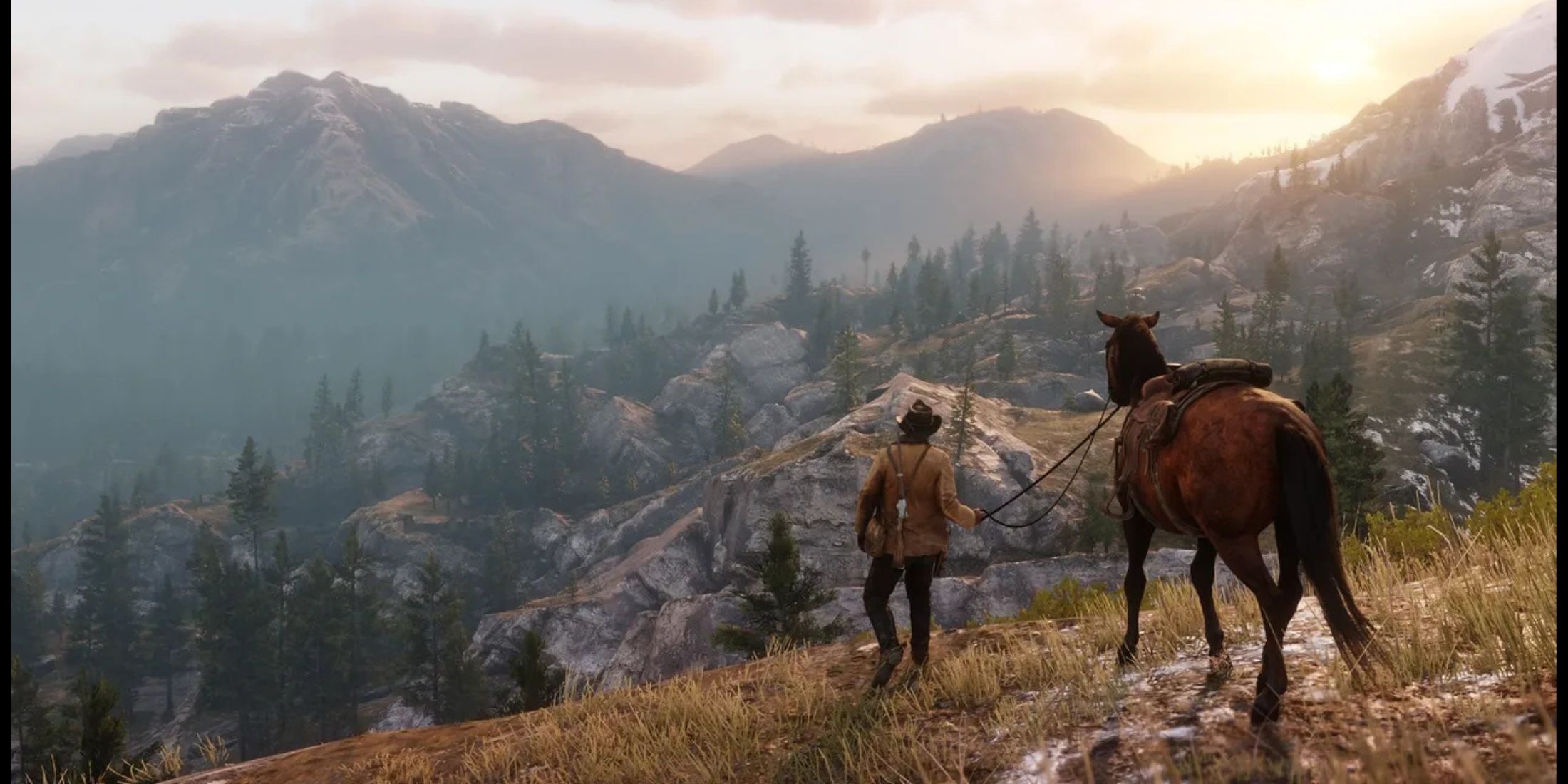
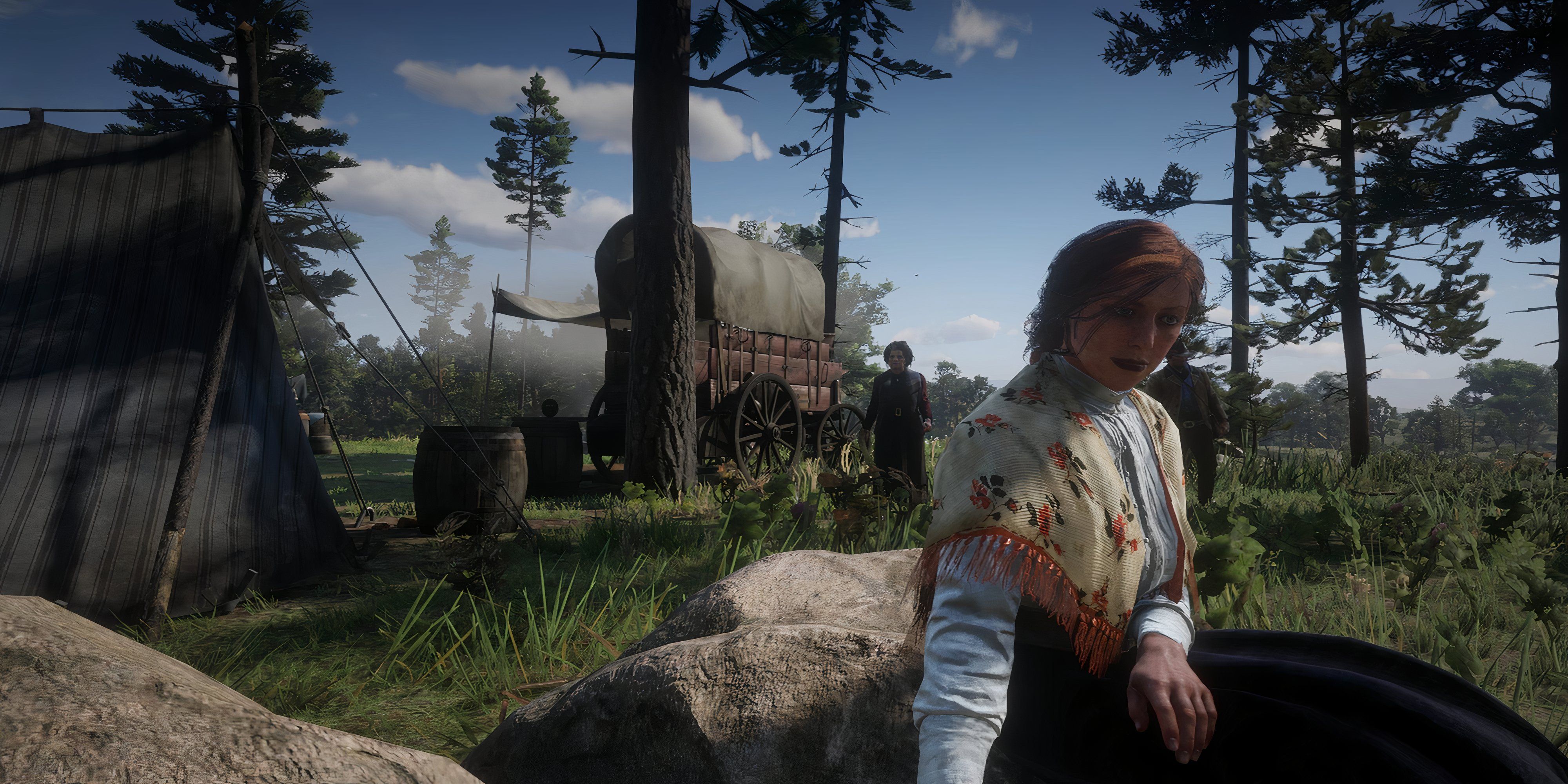
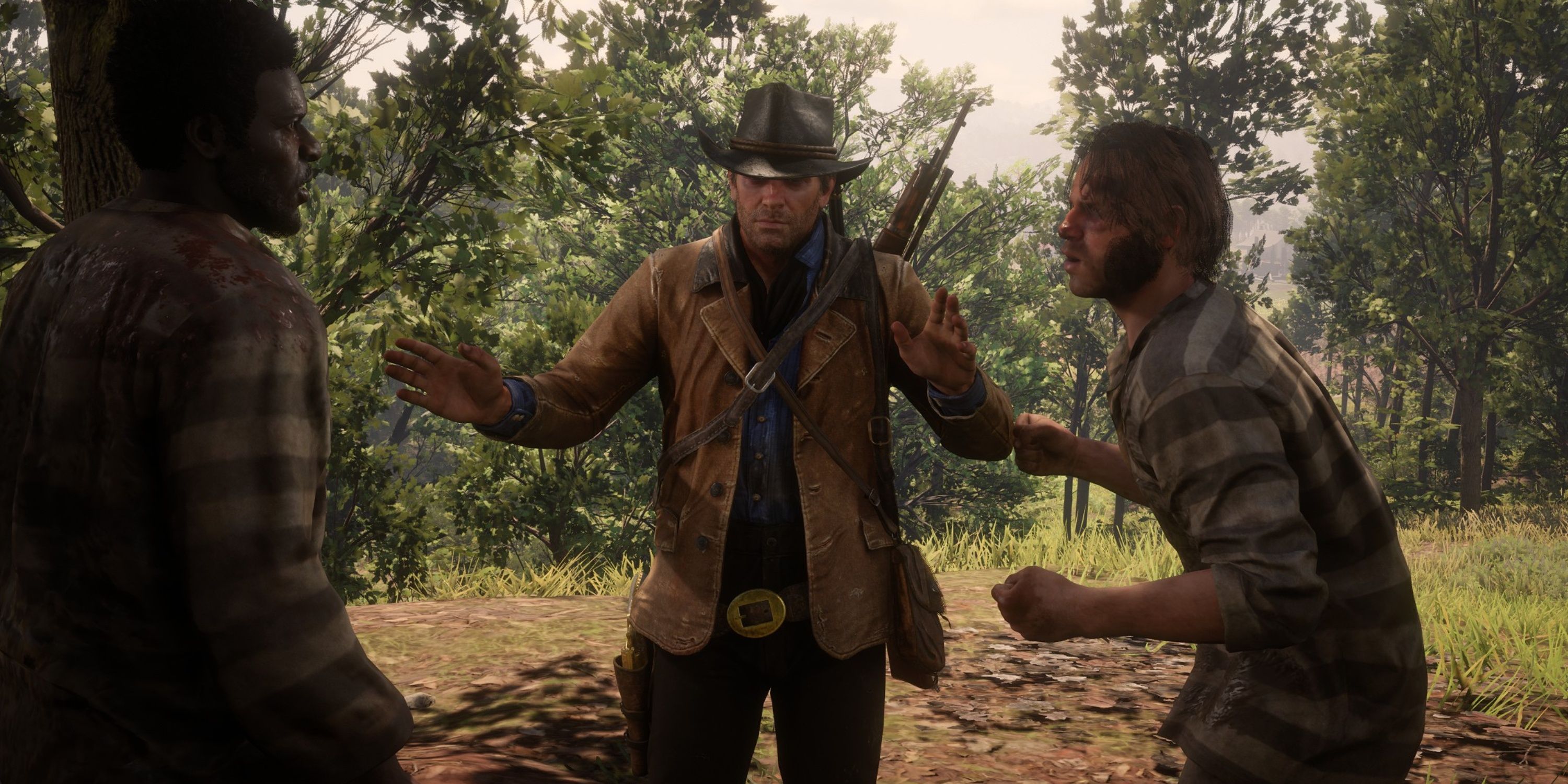
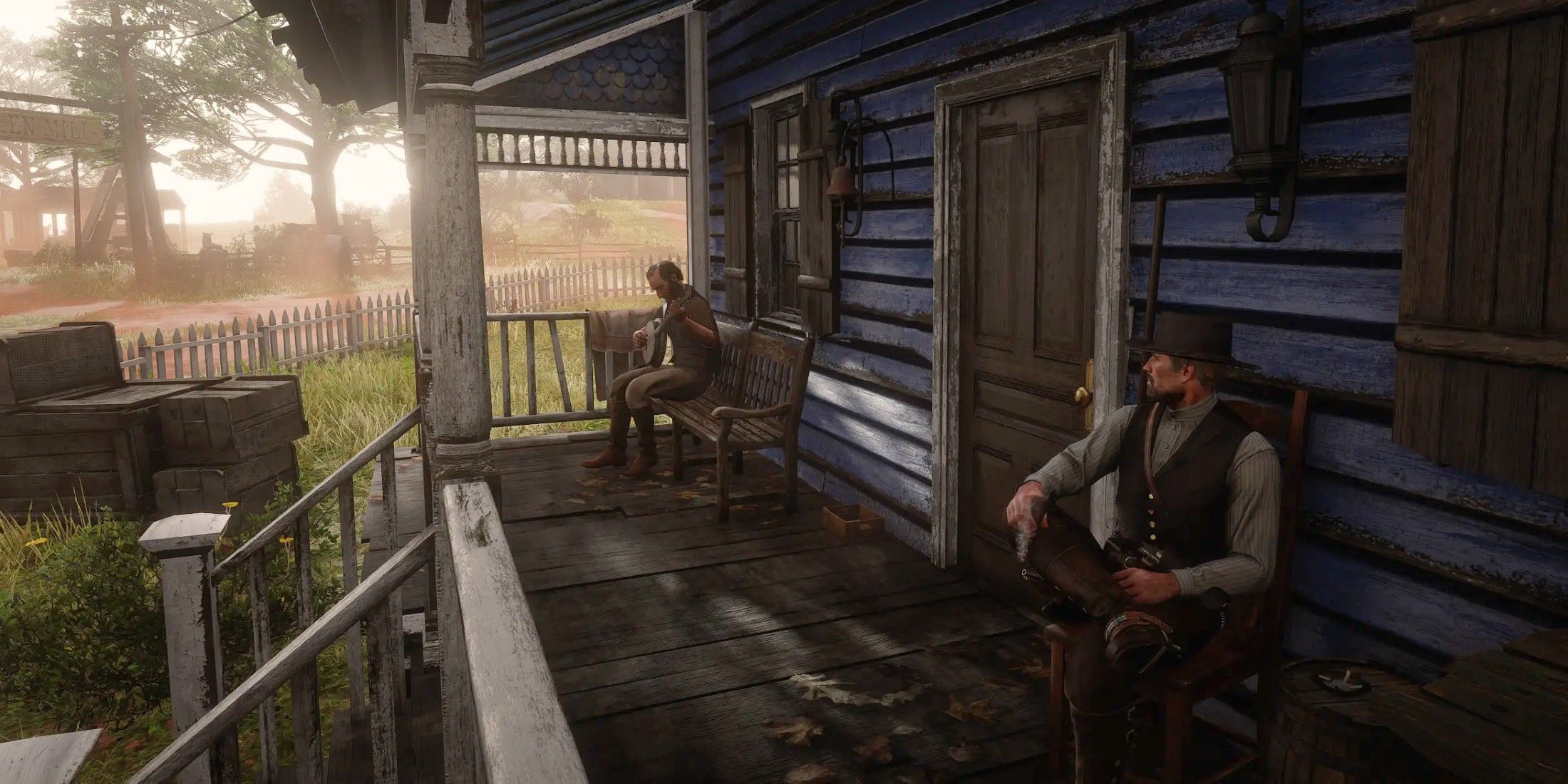
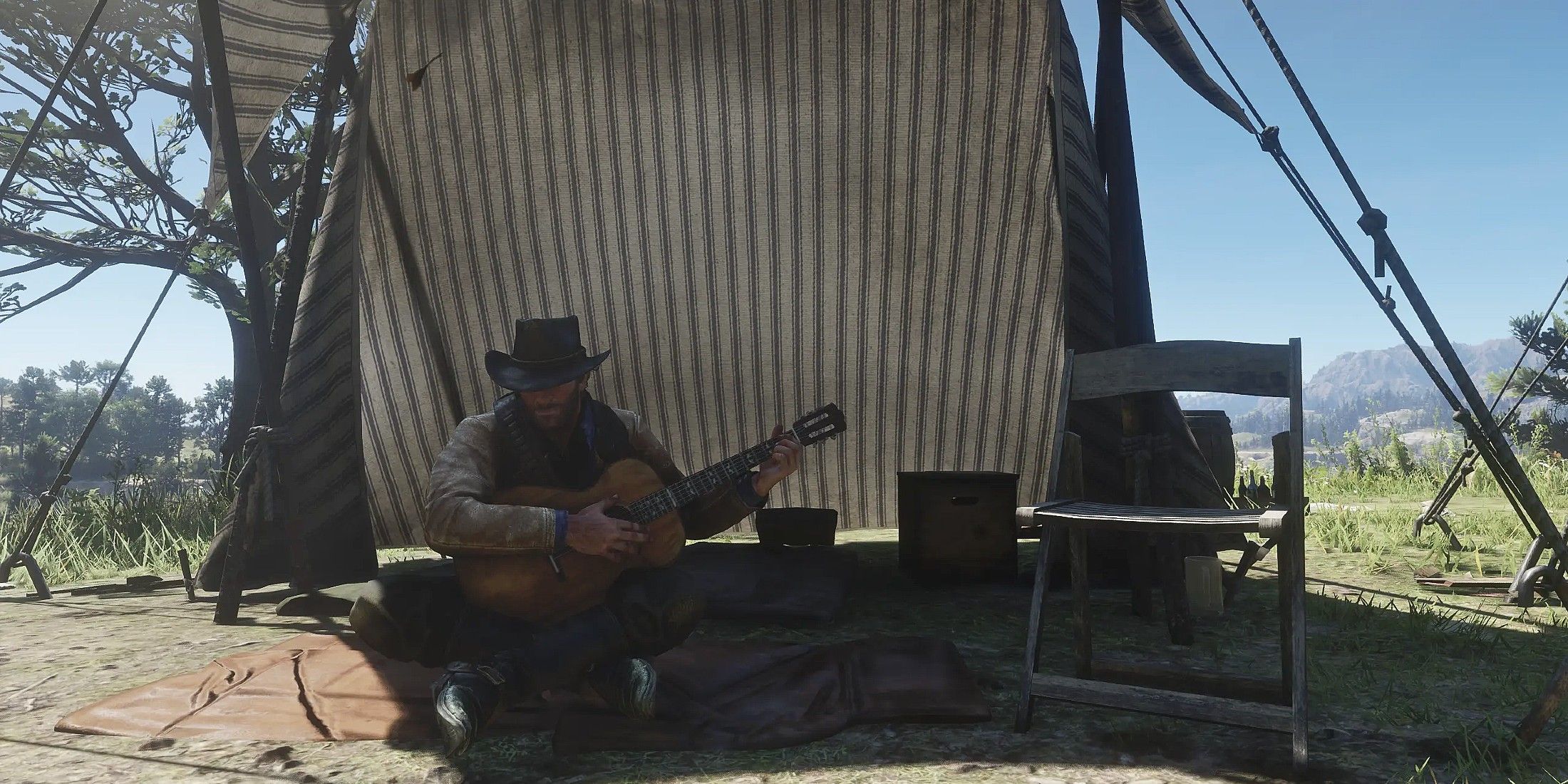
Some players might find a few issues with Red Dead Redemption 2, such as the combat not being exceptionally impressive and the character Arthur’s movement being somewhat hard to adapt to at first. Despite its story being generally excellent, it is quite lengthy and starts off gradually. However, the game’s world is a standout feature, managing to feel incredibly real and authentic in comparison to most other games.
The game goes all out in accurately portraying Arthur’s minor, seemingly unimportant actions, which greatly enhances the player’s sense of being inside Arthur’s character. Its narrative-focused approach is equally important, as it invites players to follow Arthur’s journey rather than create a new one. The characters (NPCs) play a vital role too; not just because they have captivating backstories, but also because they respond realistically to Arthur based on their personal history with him.
Read More
- All Skyblazer Armor Locations in Crimson Desert
- All Shadow Armor Locations in Crimson Desert
- How to Get the Sunset Reed Armor Set and Hollow Visage Sword in Crimson Desert
- Marni Laser Helm Location & Upgrade in Crimson Desert
- Best Bows in Crimson Desert
- All Helfryn Armor Locations in Crimson Desert
- All Golden Greed Armor Locations in Crimson Desert
- How to Craft the Elegant Carmine Armor in Crimson Desert
- Keeping Large AI Models Connected Through Network Chaos
- One Piece Chapter 1179 Preview: The Real Imu Arrives in Elbaf
2025-04-27 01:10