Video games vary greatly, with some prioritizing exciting gameplay and others focusing on compelling stories. Many games have delivered truly memorable narratives, fully immersing players in new worlds and creating unforgettable experiences. These stories span diverse settings and themes, from historical periods to dystopian futures, often exploring how people overcome challenges.
Some stories truly stand out, proving the unique power of video games to connect us with compelling characters and unforgettable journeys. Whether they build on familiar worlds or create something entirely new, these games expertly develop characters and their stories, offering experiences you can only find through interactive play.
 Rearrange the covers into the correct US release order.
Your Order
Results
— —
The Witcher 3: Wild Hunt
Geralt’s Search For Ciri
Details:
- Parental themes within a much larger world
- Player-shaped conclusion
The story of The Witcher 3 centers around a very personal journey set against a backdrop of war, political turmoil, and dangerous monsters. As Geralt searches for someone important, he travels through ravaged lands, experiencing flashbacks and forming close relationships. What begins as a simple rescue mission evolves into a thoughtful exploration of fate and free will, all while a terrifying force called the Wild Hunt draws near.
What makes this story so compelling is what it doesn’t show. Geralt isn’t driven by a desire for fame or destiny; he’s simply trying to protect someone he loves like a daughter. The game also cleverly lets your choices impact Ciri’s life in realistic and meaningful ways, highlighting that how you raise a person—not grand schemes or power—is what truly matters. Ultimately, it’s the small, personal moments that have the biggest impact, even within such a large and fantastical world.
Star Wars: Knights Of The Old Republic
Revan’s transition To The Dark Side
Details:
- Legendary narrative twist
- Morality with real consequences
Revan’s story in KOTOR set a new standard for role-playing games. While starting as a typical Star Wars tale of good versus evil, it quickly becomes a deeply personal and unsettling journey. It surprised players by challenging what they expected from the franchise and was far more advanced than most RPGs of its time.
Discovering who Revan really is changes how you look at everything you’ve done in the game, making your choices feel much more meaningful – and a little unsettling. Whether you choose the light or dark path feels truly earned, not just like a superficial option, and even now, it remains one of the most brilliant ways a game has ever combined story and gameplay into a single, memorable experience.
The Walking Dead
Lee And Clementine’s Unlikely Bond
Details:
- Emotionally driven choices
- No easy ways out
Telltale’s The Walking Dead centers around the surprising connection between a man with a criminal past and a scared little girl, all set during a zombie outbreak. The story focuses on how Lee transforms from someone running from the law into a dedicated protector, creating strong emotional connections that matter more than the zombie apocalypse itself. Lee and the child become deeply reliant on each other, needing one another for both emotional support and to stay alive.
Honestly, playing through this game, none of the decisions felt like being a hero. They were just… what you had to do, and they always came with a price. By the end, I felt like I’d grown up alongside Clementine. The finale was brutal, but it hit so hard because it felt real, like a natural end to such a tough, emotional story. It really felt earned.
Shadow Of The Colossus
Wander’s Tragic Quest
Details:
- Sparse but powerful storytelling
- Tragedy disguised as a divine mission
Shadow of the Colossus tells its story through the game world itself, rather than relying on lots of dialogue. While Wander’s quest to save Mono initially appears heroic, defeating each colossus gradually reveals a more complex and unsettling truth, ultimately painting a complete and surprising picture.
The game intentionally creates a sense of emptiness and loneliness, forcing players to grapple with difficult moral questions without easy answers. Instead of triumphant heroes, players witness a descent into tragedy, leaving them feeling emotionally drained, all without relying on lengthy cutscenes or excessive dialogue.
NieR: Automata
2B/9S Confrontation Of The War
Details:
- Existential themes
- Multi-route narrative design
Nier: Automata tells the story of android soldiers fighting a seemingly endless war. However, as you play through the game, it cleverly breaks down its own initial ideas. With each playthrough, the narrative reveals repeating patterns of violence and questions the very reasons for the conflict, prompting players to consider deeper, unexpected themes.
Playing as 2B and 9S really made me think about what happens when you just follow orders without questioning things. As I got further into the game, it stopped being about winning the war and started being about why we were fighting, and what it even meant to be ‘us.’ The game does this crazy thing with repeating events, but it doesn’t feel boring – it actually makes the story hit harder. It’s amazing how they took one core story and told it from different angles, making it feel completely fresh each time. Seriously, it’s a masterclass in storytelling.
BioShock
Jack’s Illusion Of Free Will
Details:
- Iconic narrative reveal
- Commentary on player control
BioShock starts as a fight for survival in the underwater city of Rapture, but it quickly becomes a story about control and freedom. The phrase “Would you kindly” reveals a hidden layer to the game, making everything the player has done feel much darker once they understand its meaning.
The surprising reveal works so well because it makes the player personally involved, rather than just letting them watch the story unfold. The game never asked players to question their actions, so suddenly losing control feels genuinely unsettling. Even after almost twenty years, it’s still a brilliant example of a game that cleverly plays with its own storytelling.
The Last of Us
Joel & Ellie: Love vs Humanity
Details:
- Morally divisive finally
- Entirely character-driven
At its heart, The Last of Us asks if love can be worth any cost. The connection between Joel and Ellie develops gradually, forged through difficult experiences and their fight to survive. Because of the dangerous, infected world they live in, they constantly face situations where someone has to make a painful sacrifice.
The ending doesn’t offer simple solutions. Joel’s decision to choose love over potentially saving humanity has sparked debate, moving the story beyond a typical heroic tale into a much more complicated moral landscape. Whether you agree with it or not, the climax and everything leading up to it are incredibly intense and emotionally difficult – among the most powerful in recent storytelling.
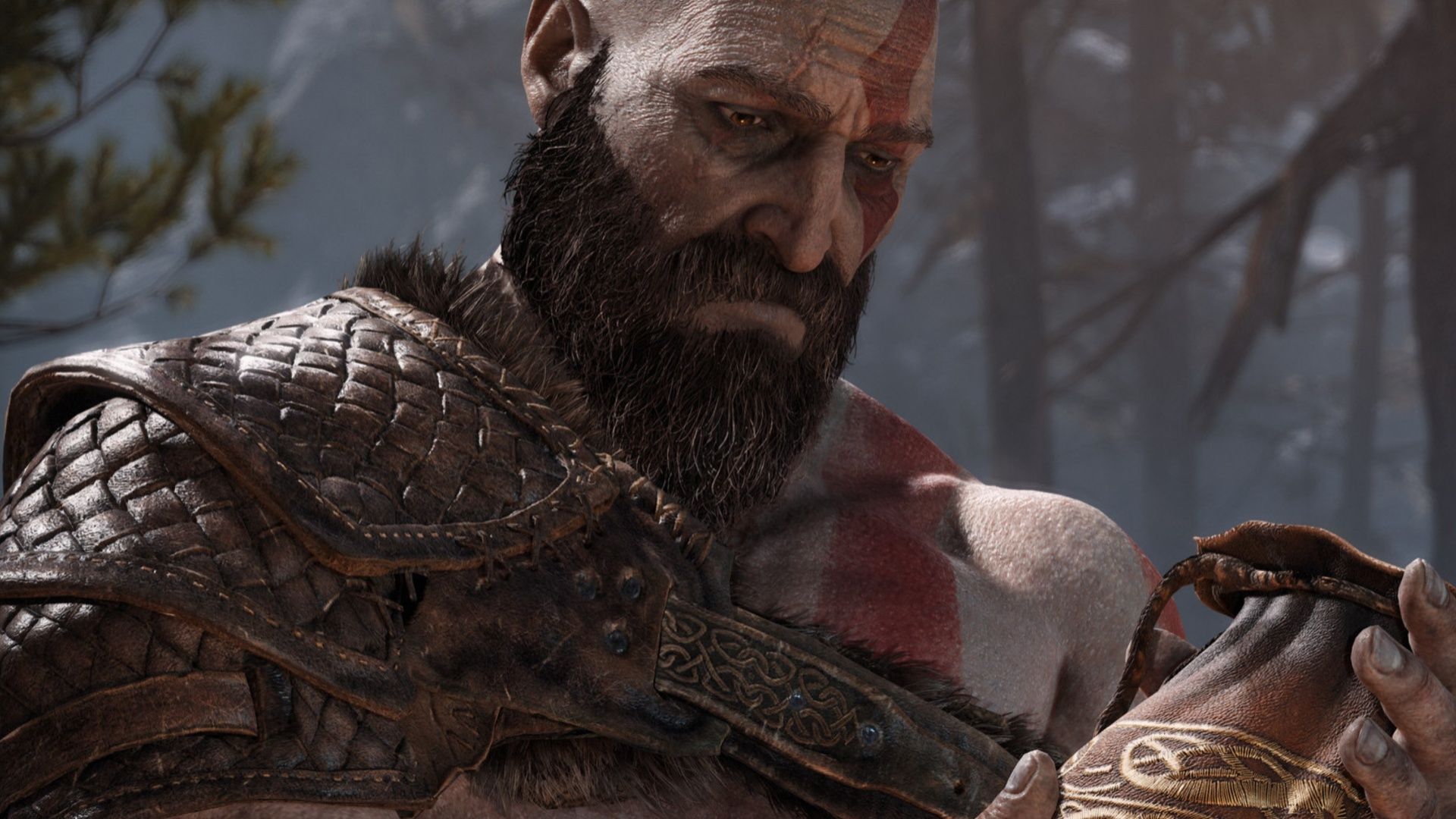
God Of War (2018)
Kratos’ Search For Redemption
Details:
- Reinvention of a classic character
- Intimate and epic storytelling
Man, playing the new God of War was a total game changer for me. Seeing Kratos go from this unstoppable, rage-filled warrior to a dad trying to do right by his son was incredible. It wasn’t just the epic Norse world that blew me away, but all the little moments – the conversations between Kratos and Atreus. It totally flipped how I thought about Kratos and the whole series. It really felt like they reinvented everything with just one game.
Learning more about Kratos’s past motivates his struggle to control his anger, making the conflict deeply personal and giving his actions greater weight. This reboot cleverly builds upon the existing story instead of ignoring it, revitalizing the franchise and paving the way for a successful modern continuation.
Metal Gear Solid 3
The Boss And The Cost Of Loyalty
Details:
- Tragic perspective on patriotism
- Political storytelling at its peak
Metal Gear Solid 3: Snake Eater starts like a classic Cold War spy story, but quickly becomes a much more personal and heartbreaking tale. The game revolves around The Boss, a legendary soldier and mentor to the main character, Naked Snake. When she seemingly defects to the enemy, it threatens to start a global disaster, and Snake is tasked with the impossible: killing the woman who taught him everything.
The climactic showdown fundamentally changes the meaning of the player’s initial heroic quest. The Boss knowingly accepts being branded a traitor to maintain global stability, giving up her honor, reputation, and ultimately, her life. While Snake wins the battle, it feels empty, achieved through following orders rather than true victory. The final military salute underscores the game’s central idea: unquestioning loyalty and governmental control, no matter the consequences.
Red Dead Redemption 2
Van der Linde Gang’s Rise And Fall
Details:
- Stellar character arc
- Unmatched emotional payoff
Red Dead Redemption 2 is a grand, tragic Western story about the downfall of Dutch van der Linde’s gang. It starts with a hopeful dream of freedom, but as the world changes and the law closes in, Dutch’s pride and poor decisions cause everything to fall apart. The game shows how control and trust slip away, leading to increasing desperation.
Arthur Morgan’s journey transforms the story into something truly special. As he faces a life-threatening illness, he starts to doubt the beliefs he’s always held, making the story deeply personal. Simple acts of kindness and quiet moments become incredibly powerful. The ending isn’t about grand events, but feels like an unavoidable conclusion, grounding the game’s intensely human and emotional world – a world established from the very beginning and sustained throughout the entire experience.
Read More
- All Shadow Armor Locations in Crimson Desert
- Jujutsu Kaisen Season 3 Episode 12 Release Date
- Dark Marksman Armor Locations in Crimson Desert
- Sega Reveals Official Sonic Timeline: From Prehistoric to Modern Era
- How to Beat Antumbra’s Sword (Sanctum of Absolution) in Crimson Desert
- Top 5 Militaristic Civs in Civilization 7
- Genshin Impact Dev Teases New Open-World MMO With Realistic Graphics
- Sakuga: The Hidden Art Driving Anime’s Stunning Visual Revolution!
- Keeping AI Agents on Track: A New Approach to Reliable Action
- Where to Pack and Sell Trade Goods in Crimson Desert
2026-02-14 11:36