Securing the Supply Chain: A Quantum Leap for RFID

Researchers detail a new authentication scheme for RFID systems designed to withstand attacks from future quantum computers.
Researchers detail a new authentication scheme for RFID systems designed to withstand attacks from future quantum computers.

This review examines the evolution of Quantum Key Distribution, from foundational security proofs to the practical challenges of real-world implementation and error mitigation.

Researchers demonstrate a new approach to quantum battery charging using the kicked-Ising model, offering potential advantages in stability and platform compatibility.
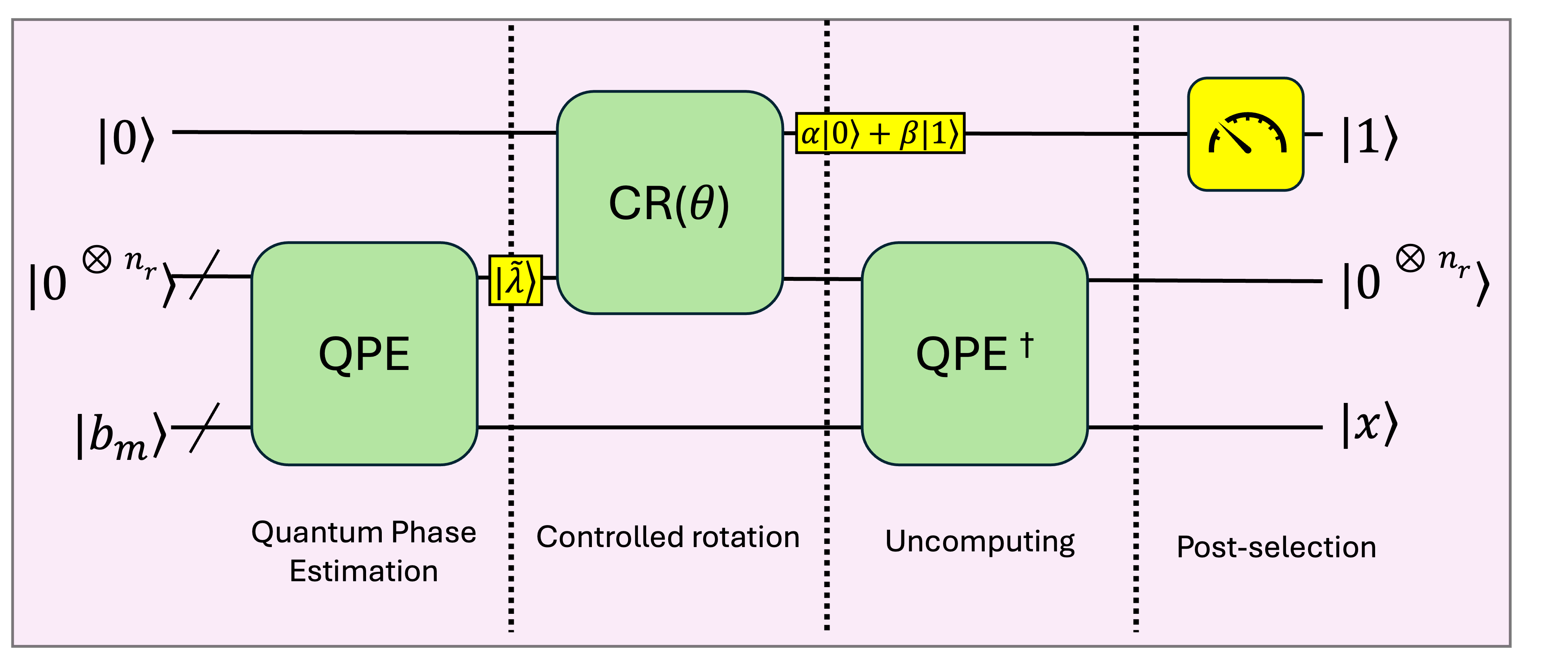
Researchers demonstrate that utilizing qutrits – quantum systems with three levels – can offer advantages in implementing the Harrow-Hassidim-Lloyd algorithm for solving linear equations, a core component of many quantum simulations.
New research demonstrates that verifying quantum circuit identity becomes computationally impossible for even moderately complex designs, impacting the feasibility of strong obfuscation techniques.

New research explores how to refine and maximize the generation of secure cryptographic keys from entangled quantum states.
Researchers are exploring the potential of quantum computing to unlock more nuanced and efficient analysis of financial text data.

New research defines the fundamental limits for sending secret messages and generating encryption keys through quantum channels where signal transmission depends on the channel’s state.

New research reveals a surprisingly effective quantum hashing algorithm that achieves comparable security to complex designs using minimal quantum resources.
New research explores how quantum anamorphic encryption and secret sharing can conceal messages within seemingly normal quantum communications, offering enhanced security against even the most powerful adversaries.