Signing the Future: Secure, Modifiable Signatures in a Post-Quantum World
Researchers have developed the first post-quantum sanitizable signature scheme, offering a way to securely alter signed documents without invalidating the signature.
Researchers have developed the first post-quantum sanitizable signature scheme, offering a way to securely alter signed documents without invalidating the signature.
![The study demonstrates that a de Bruijn graph, constructed from a string set-specifically [latex]I=\{X=ACTAGATCCGTTGGCAACTA, ACTAC, CTAGG, TAGAC, AGATA, GATCT, ATCCC, TCCGG, CCGTA, CGTTA, GTTGT, TTGGA, TGGCG, GGCAT, GCAAA, CAACG, AACTT\} [/latex] with [latex] fork=4 [/latex], [latex] k=4 [/latex], and [latex] n=|\Sigma|^{k-2}=4^{2}=16 [/latex]-can yield a concise, closed necklace representation requiring 32 symbols and 32 parentheses (64 characters total), or alternatively, an Euler tig solution generating 80 plaintext characters, highlighting a fundamental tension between representational efficiency and direct textual output.](https://arxiv.org/html/2602.19408v1/x2.png)
Researchers have developed a refined method for representing and compressing sets of genomic strings, offering improved efficiency and accuracy in bioinformatics applications.
As artificial intelligence increasingly powers space-based systems, a robust security framework is critical to protect against evolving threats to satellite infrastructure.
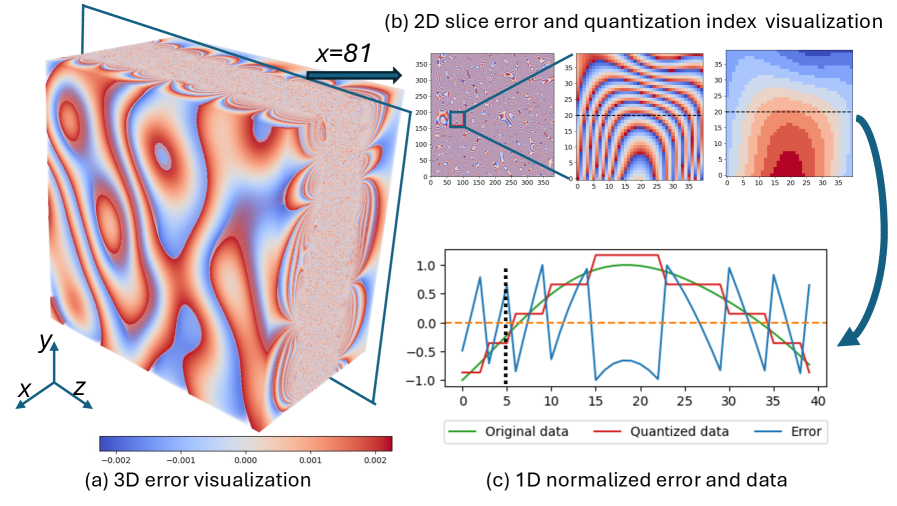
A new approach minimizes artifacts introduced during lossy compression of scientific datasets, ensuring data quality remains high even with significant size reduction.
![This research demonstrates that a refined time-driven learning control (rTLC) strategy-evaluated with a time step of [latex]\Delta t = 0.85[/latex] and a discrete time step of [latex]dt = 0.1[/latex]-offers a compelling performance profile in terms of speed, control, and safety, distinguishing itself from traditional time-driven and event-driven learning control approaches.](https://arxiv.org/html/2602.20076v1/x1.png)
Researchers have developed a novel control method that enhances the safety and reliability of complex systems by proactively addressing potential hazards.
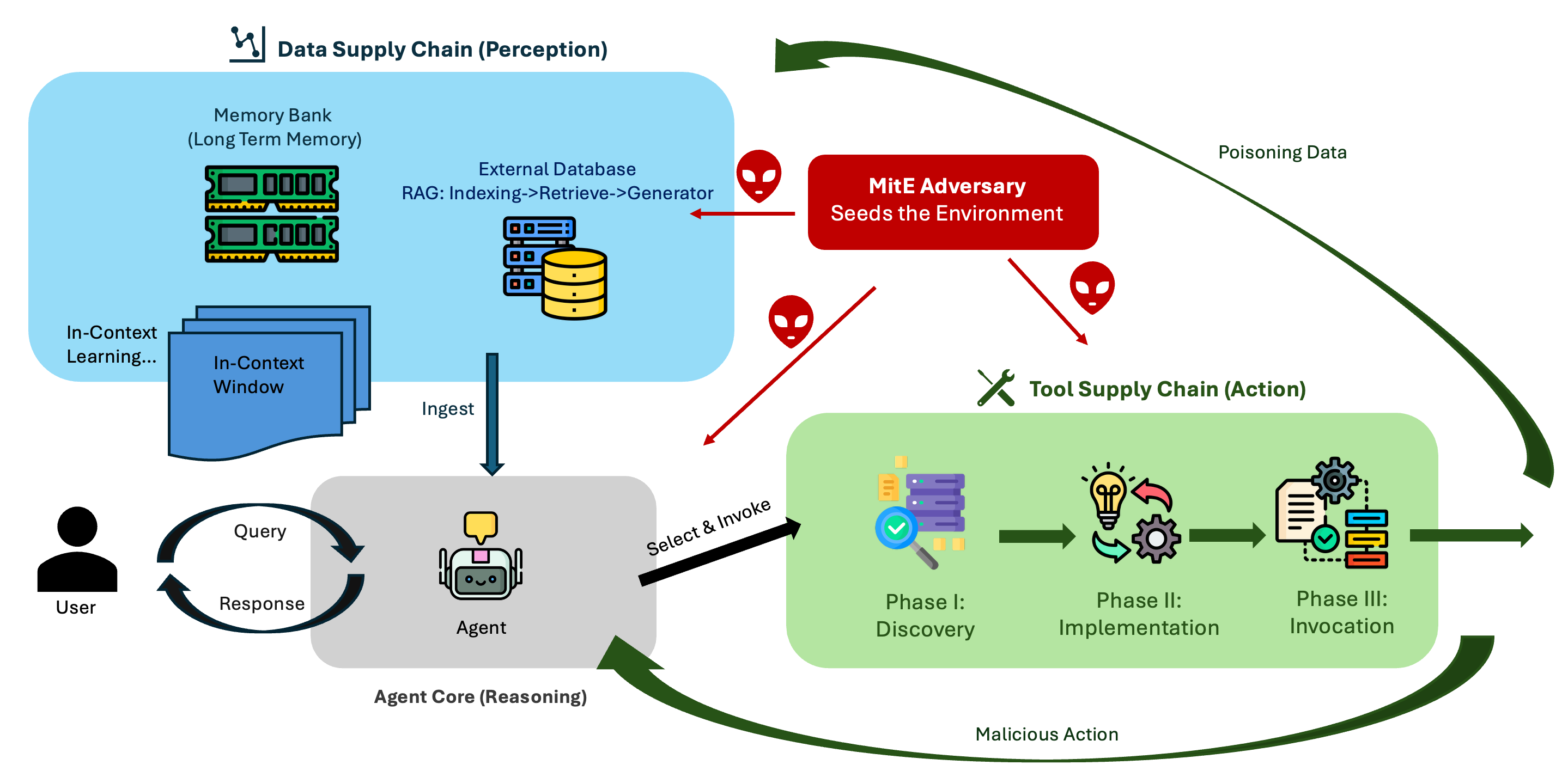
As autonomous AI systems become increasingly integrated into software supply chains, a new range of vulnerabilities emerges, demanding a proactive shift in security paradigms.
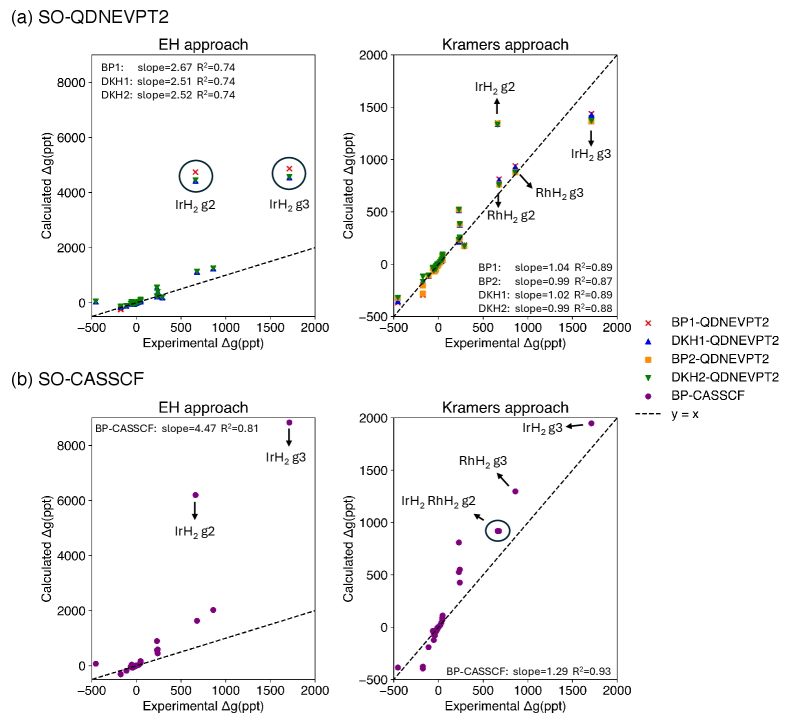
A new theoretical approach significantly enhances the accuracy of g-tensor calculations, crucial for understanding the magnetic behavior of molecules.
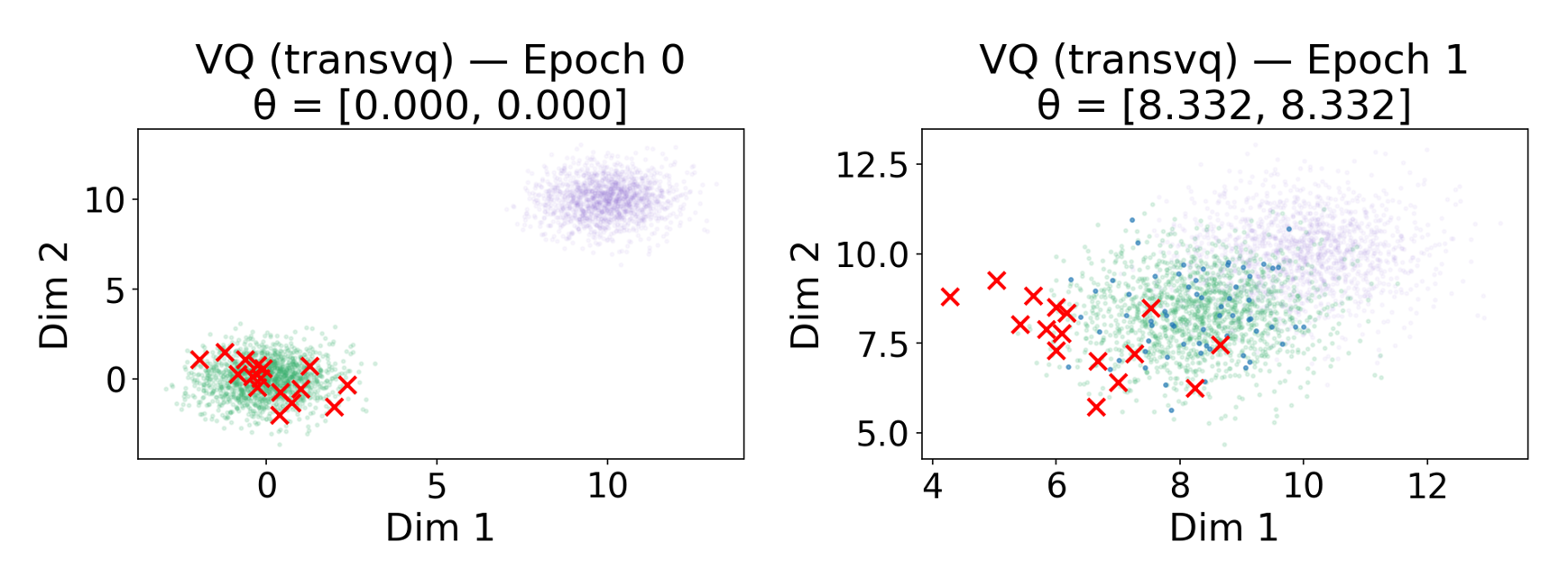
New research challenges the assumptions behind vector quantization, offering solutions to a common problem that hinders generative model performance.
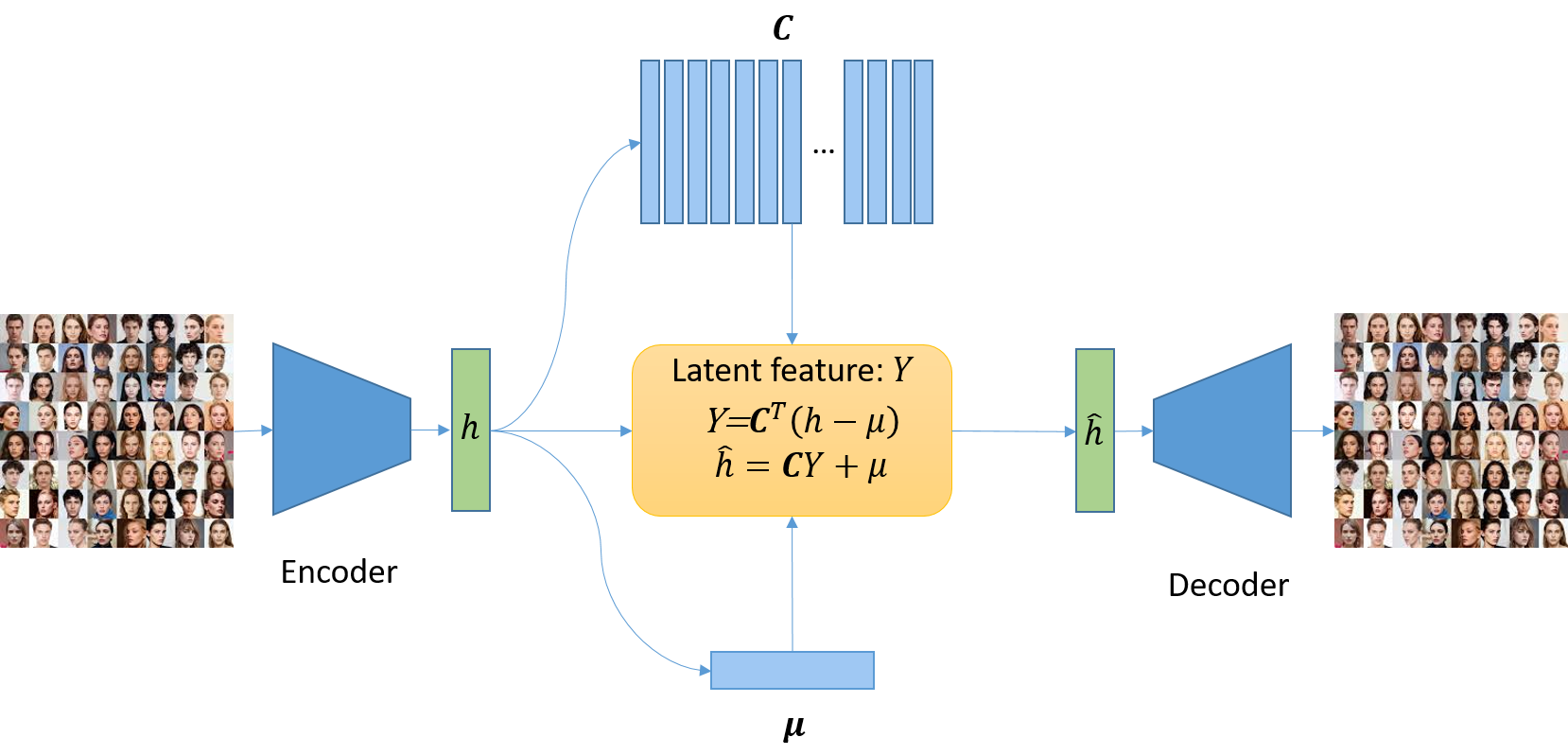
Researchers have developed a new generative model that replaces discrete quantization with a continuous Principal Component Analysis layer, offering improved performance and interpretability.
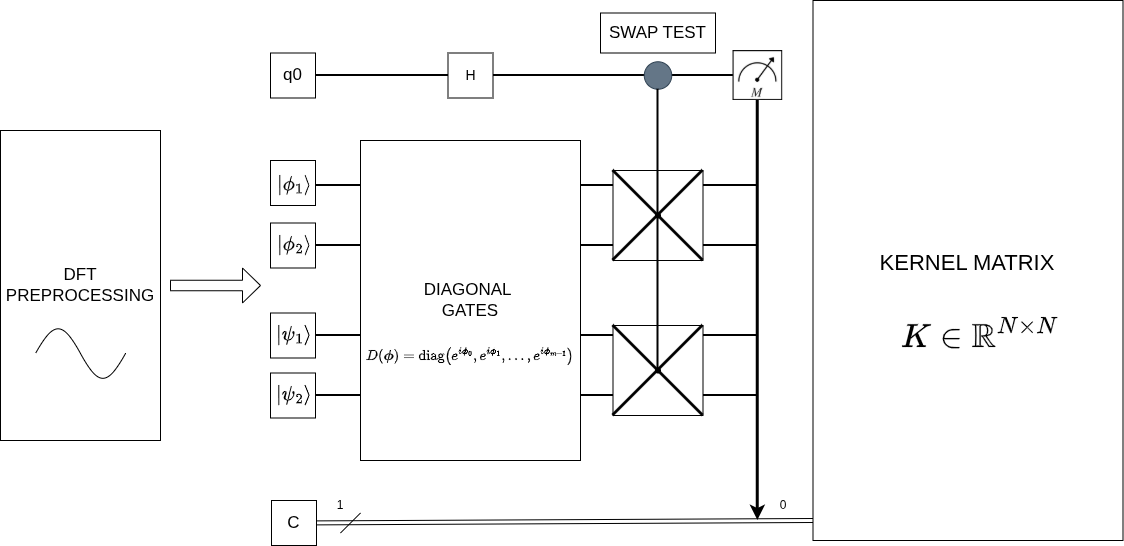
A new approach to constructing quantum kernels using spectral phase encoding demonstrates increased resilience to noise, offering a pathway to more reliable quantum machine learning.