Can You Hack the Search Results? Prompt Injection Attacks on AI Ranking Systems
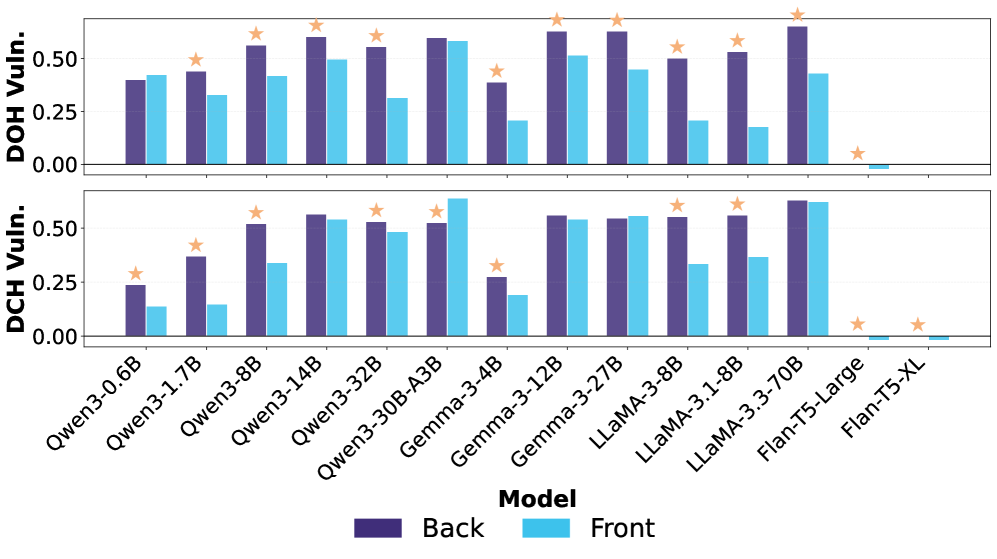
New research reveals that AI-powered search ranking systems are surprisingly vulnerable to manipulation through cleverly crafted prompts, raising concerns about information integrity.
![The simulation demonstrates the conservation of total energy and probability density over six cyclotron periods, revealing how the system’s energy partitions between quantum [latex]H_{qm}[/latex] and electromagnetic [latex]H_{em}[/latex] subsystems-with plots detailing their evolution relative to initial values [latex]H_0[/latex] and [latex]P_0[/latex]-and quantifying minimal error in both total energy and probability density conservation throughout the modeled interaction.](https://arxiv.org/html/2602.17429v1/x4.png)
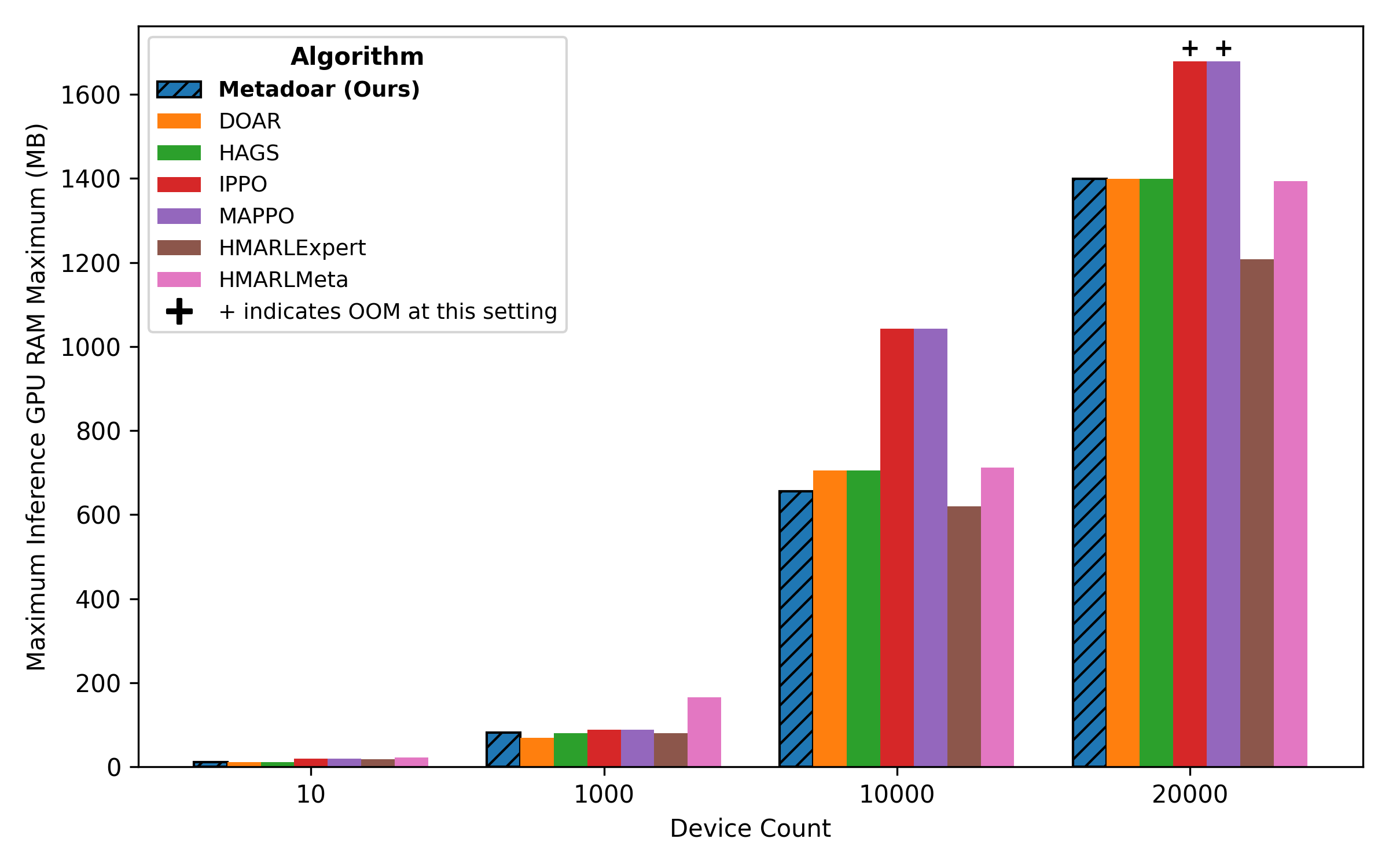
![The decay of a [latex]B^{+} [/latex] meson into a [latex]D_{s}^{+} [/latex] meson, followed by the subsequent decay into two kaons ([latex]K^{+}K^{-} [/latex]), proceeds through annihilation-type Feynman diagrams, representing a fundamental interaction pathway in particle physics.](https://arxiv.org/html/2602.16423v1/x2.png)