Keeping Blockchains Honest: The Economics of Secure Alerting
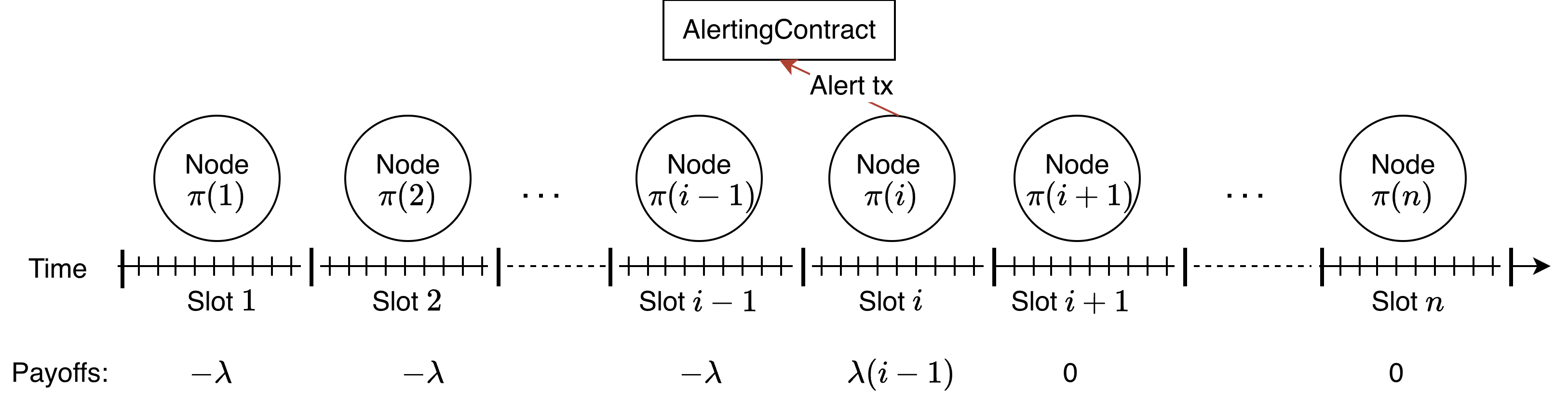
A new analysis reveals the economic limits of bribery in blockchain alerting systems and introduces practical protocols to maximize security.
A new analysis reveals the economic limits of bribery in blockchain alerting systems and introduces practical protocols to maximize security.
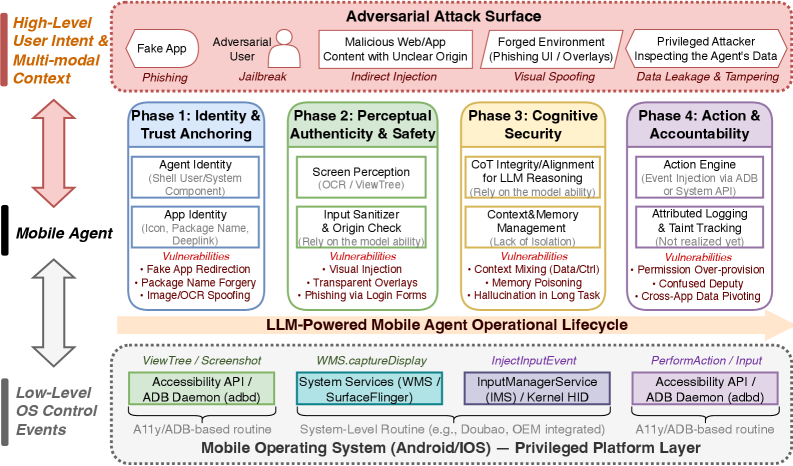
A new operating system architecture aims to secure the rapidly evolving landscape of mobile assistants by shifting away from visual interfaces and embracing structured, secure communication.
New research reveals surprising connections between two-dimensional Rokhsar-Kivelson models and one-dimensional spin chains, offering insights into emergent quantum phenomena.
![The study reveals how the sum-rule diagnostics and extracted magnetic dipole moment fluctuate with the Borel mass [latex]M^2[/latex] within the [latex]\bar{u}c[/latex][latex]\bar{u}s[/latex] and [latex]\bar{d}c[/latex][latex]\bar{d}s[/latex] flavor compositions, demonstrating convergence assessed by varying continuum thresholds and pinpointing a working window defined by a minimum 40% pole contribution to ensure reliable magnetic moment calculations.](https://arxiv.org/html/2602.10638v1/x6.png)
New calculations reveal key properties of charm-strange hadronic molecules, offering insights into the internal dynamics of these unusual particles.
![Predictive State Communication (PSC) minimizes transmission overhead by enabling a receiver to speculate on incoming data continuity, requiring the sender to transmit only compact patches to correct errors-a strategy demonstrated by a reduction in innovation load as token rates increase and operation within a feasible rate range defined by starvation and capacity limits-rather than full retransmissions, thereby optimizing communication efficiency as governed by [latex] \text{innovation load} [/latex] and [latex] \text{token rate} [/latex].](https://arxiv.org/html/2602.10542v1/x2.png)
A new paradigm shifts the focus from transmitting data to synchronizing internal states, promising more efficient communication in challenging environments.
A new approach leverages geometric shapes and distance fields to enhance collision avoidance and improve robot maneuverability in complex environments.
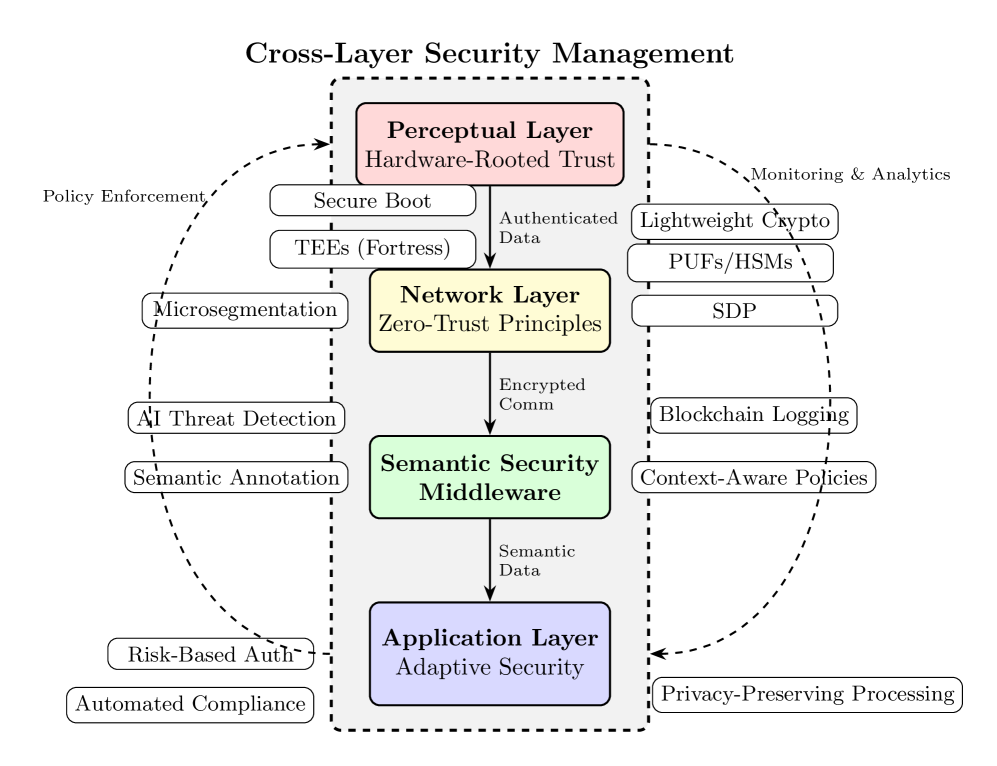
A comprehensive framework leverages trusted execution, semantic technologies, and blockchain to fortify the rapidly expanding Internet of Things.
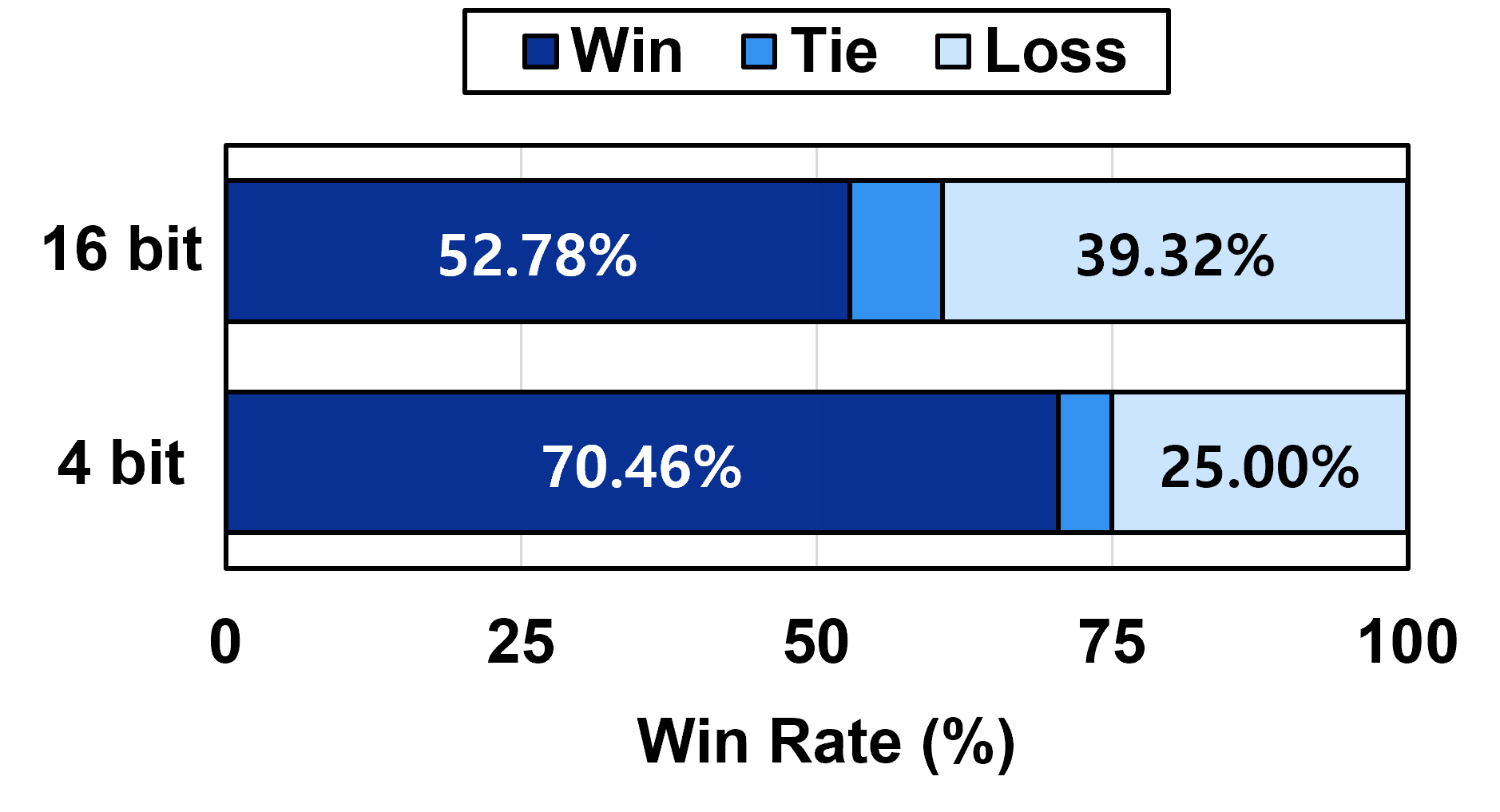
A new framework intelligently adjusts how large language models process information, delivering significant performance gains without sacrificing accuracy.
Asphalt Green is pioneering innovative approaches to urban sustainability, integrating green infrastructure with community engagement to address critical challenges like stormwater management and biodiversity loss.
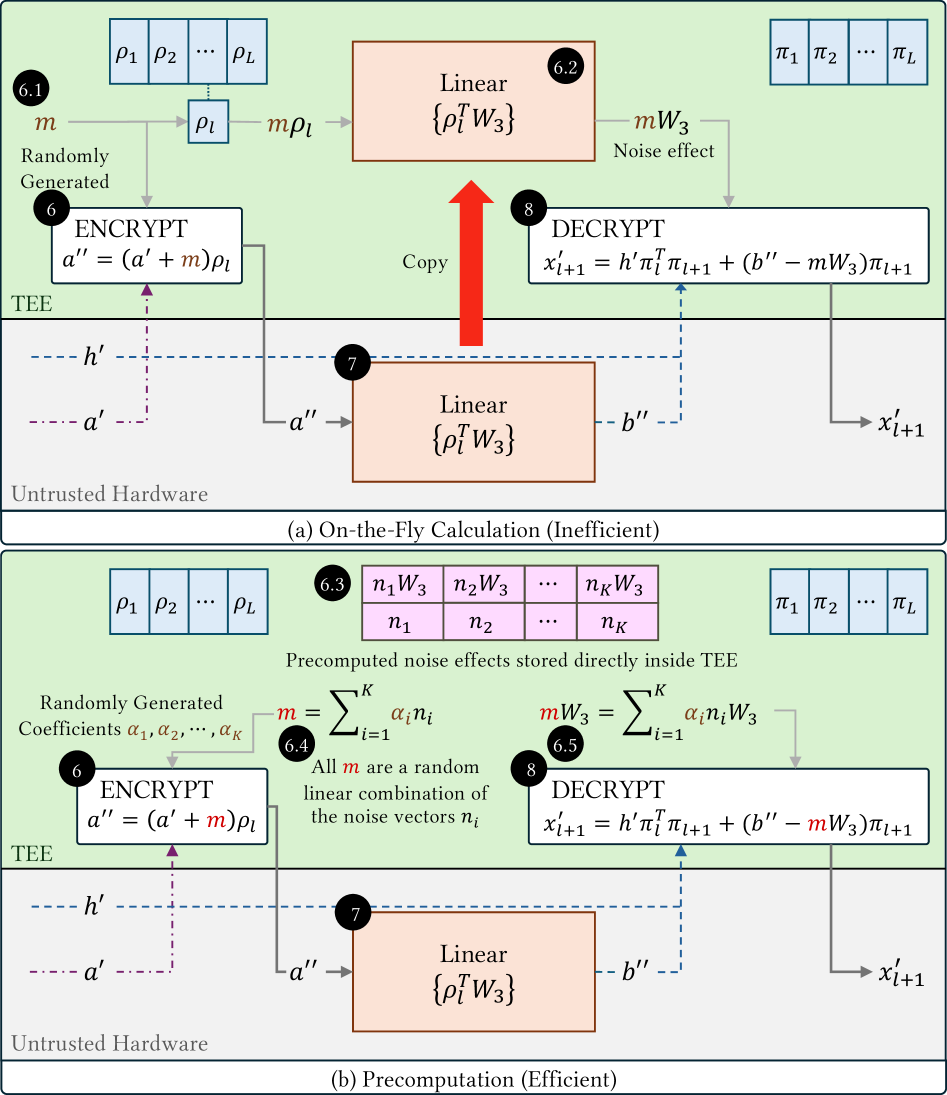
New research reveals that performance optimizations within secure AI systems can inadvertently expose large language models to full recovery and integrity bypass.