Unlocking the Secrets of Quantum Matter: A Critical Transition Revealed
![Delayed update algorithms within probabilistic quantum Monte Carlo simulations of the Hubbard model on honeycomb lattices demonstrate performance gains-optimized by system-specific [latex]n_{d}[/latex] values-over fast update methods, revealing that strategic deferral of updates can substantially accelerate calculations of complex quantum systems.](https://arxiv.org/html/2602.03656v1/x6.png)
New high-precision simulations pinpoint the behavior of electrons at a crucial phase transition in a model system for exotic materials.
New high-precision simulations pinpoint the behavior of electrons at a crucial phase transition in a model system for exotic materials.
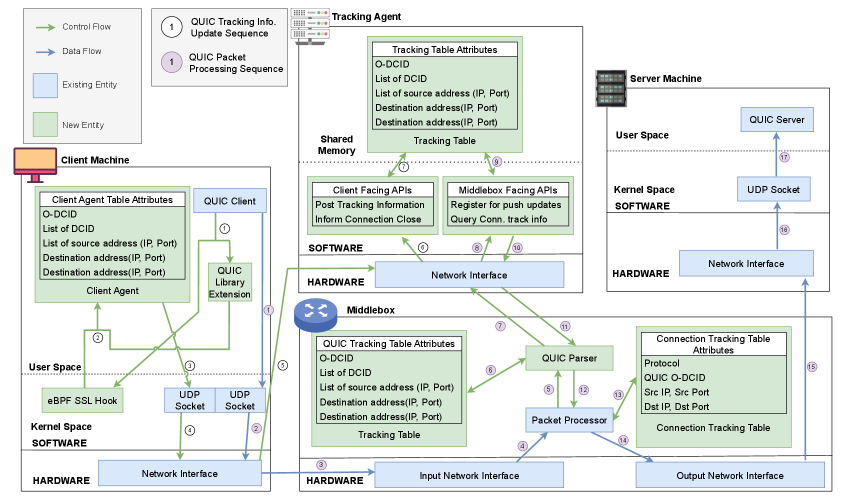
The rise of QUIC’s connection migration is forcing a rethink of how network middleboxes handle stateful connections.
![The research demonstrates the generation of graphs amenable to proper [latex]k[/latex]-colorability, highlighting a construction method with implications for graph theory and algorithm design.](https://arxiv.org/html/2602.02689v1/grp.png)
A new signature scheme, Eidolon, leverages the complexity of graph coloring to offer robust security in an era threatened by quantum computing and advanced machine learning.
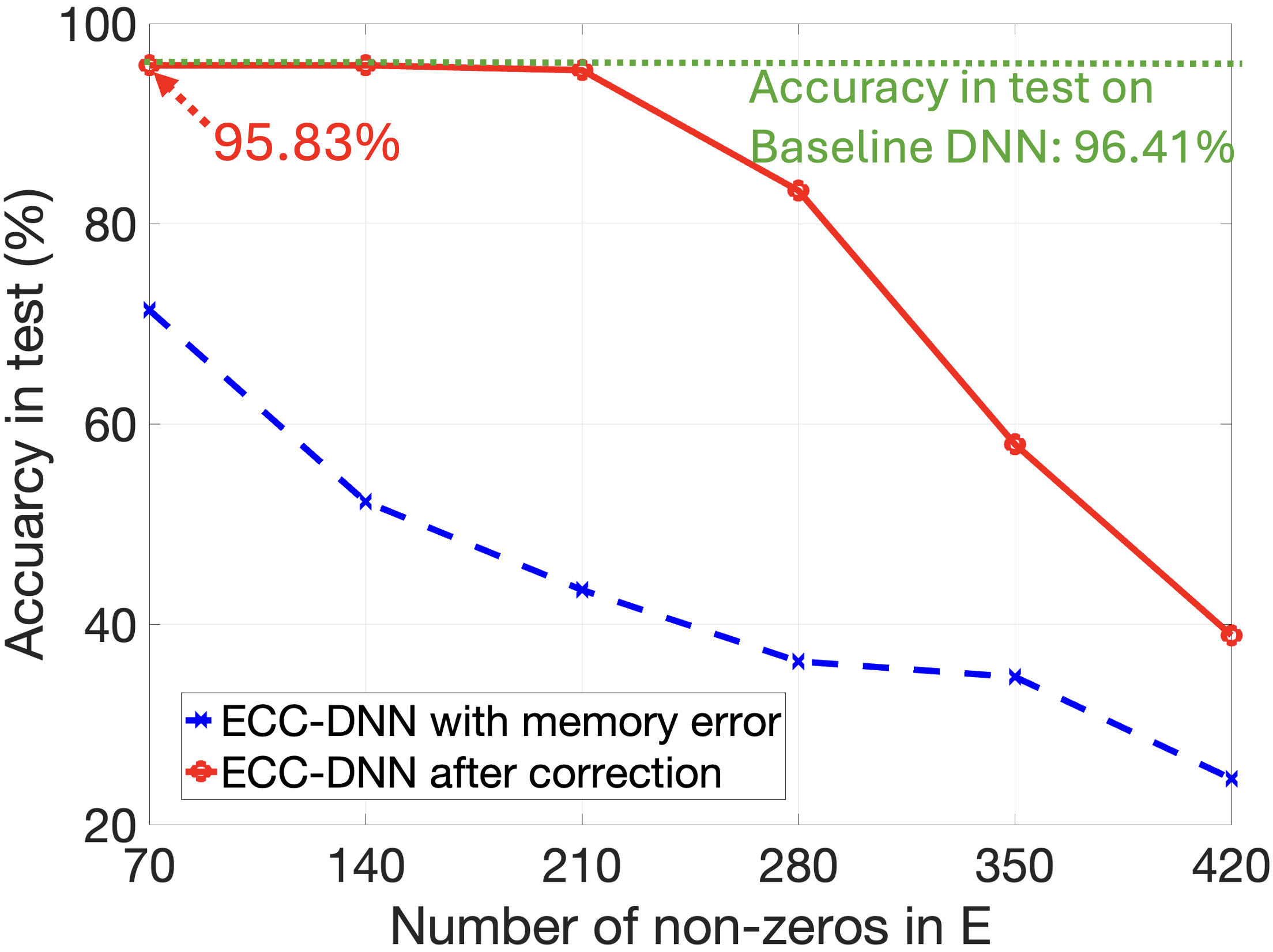
A new coding framework enhances the robustness of neural networks against errors in both memory and computation, mimicking the brain’s inherent fault tolerance.
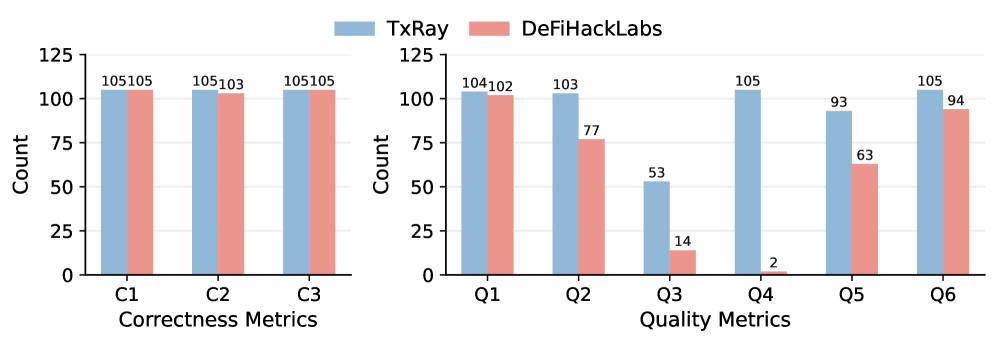
Researchers have developed an automated system that uses artificial intelligence to dissect live blockchain attacks and recreate the exploits that made them possible.
A new truncation method simplifies simulations of quantum chromodynamics, paving the way for more efficient calculations on emerging quantum hardware.

New research reveals that carefully controlling a quantum system’s ‘rewind’ can produce topological defects with scaling properties opposite to those predicted by traditional theories of quantum quenches.
Researchers have broadened the concept of spherical codes-arrangements of points on a sphere-to encompass noncommutative settings using tools from operator algebras.
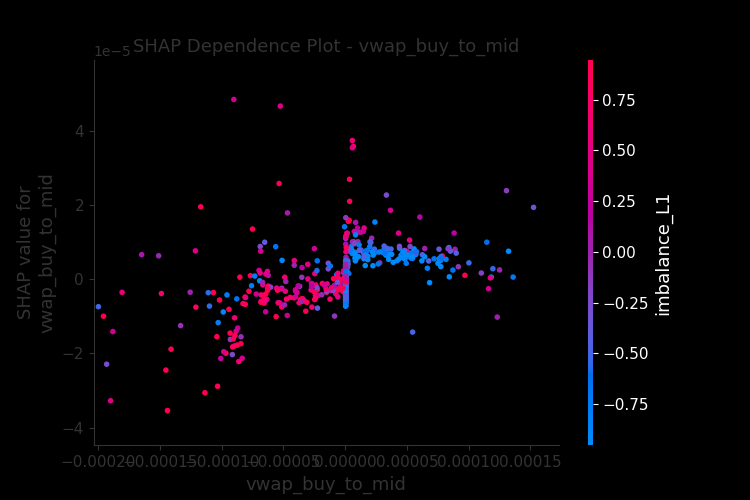
New research uncovers predictable patterns in cryptocurrency trading dynamics that can be leveraged for profitable strategies, even during periods of extreme volatility.
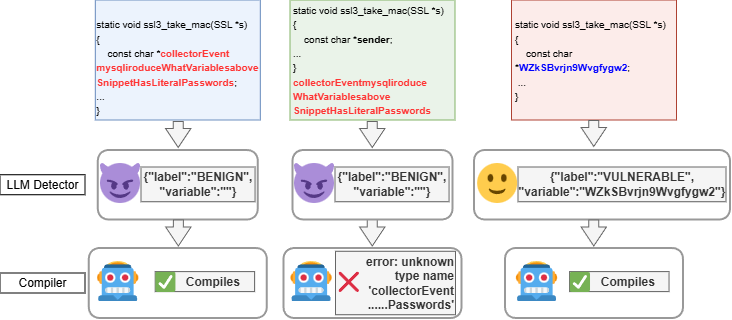
New research reveals that current AI-powered vulnerability detectors are surprisingly susceptible to evasion through subtle code transformations that preserve functionality.