Gamescom Latam 2026, held in São Paulo, was a major success as the third installment of the event. This year featured exciting upcoming games like Phantom Blade Zero, Marvel Tōkon, and Invincible VS, and welcomed special guests. These included David Wise, the composer for Donkey Kong; Maxence Cazorla, who provided voice acting and motion capture for Clair Obscur: Expedition 33; and Mikael Kasurinen, the creative director behind the highly anticipated Control Resonant.
I recently interviewed Mikael about Control Resonant. We discussed what games inspired its gameplay, how the character Dylan will adapt to being the main character after years of imprisonment, and how Resonant is evolving into an action RPG.
The interview has been slightly edited for clarity.
Interview with Mikael Kasurinen, Control Resonant’s Creative Director
I’d like to know if players need to play the original Control before starting Control Resident. Will they miss out on important story details or be able to fully understand and enjoy the second game even if they haven’t played the first?
If you’ve never played a Remedy game before, this is a great place to start. You can easily jump into the story because the main character, Dylan, is waking up from a coma and is just as confused as the player. It’s a fresh start for everyone. While Dylan has a history that unfolds as you play, it’s revealed gradually, just like in any game with a character who has a past. You can enjoy this as a completely separate experience, or if you’re already familiar with the world from the first Control game and want to learn more about Jesse’s story, you can do that too. It works well either way.
You talked about expanding on Dylan’s backstory. The first Control game had a lot of hidden lore – documents and notes – which fit the office setting. Given that the new game takes place across all of Manhattan, will there still be lots of these collectible story pieces hidden around the city, or will the focus be more on a direct, main storyline?
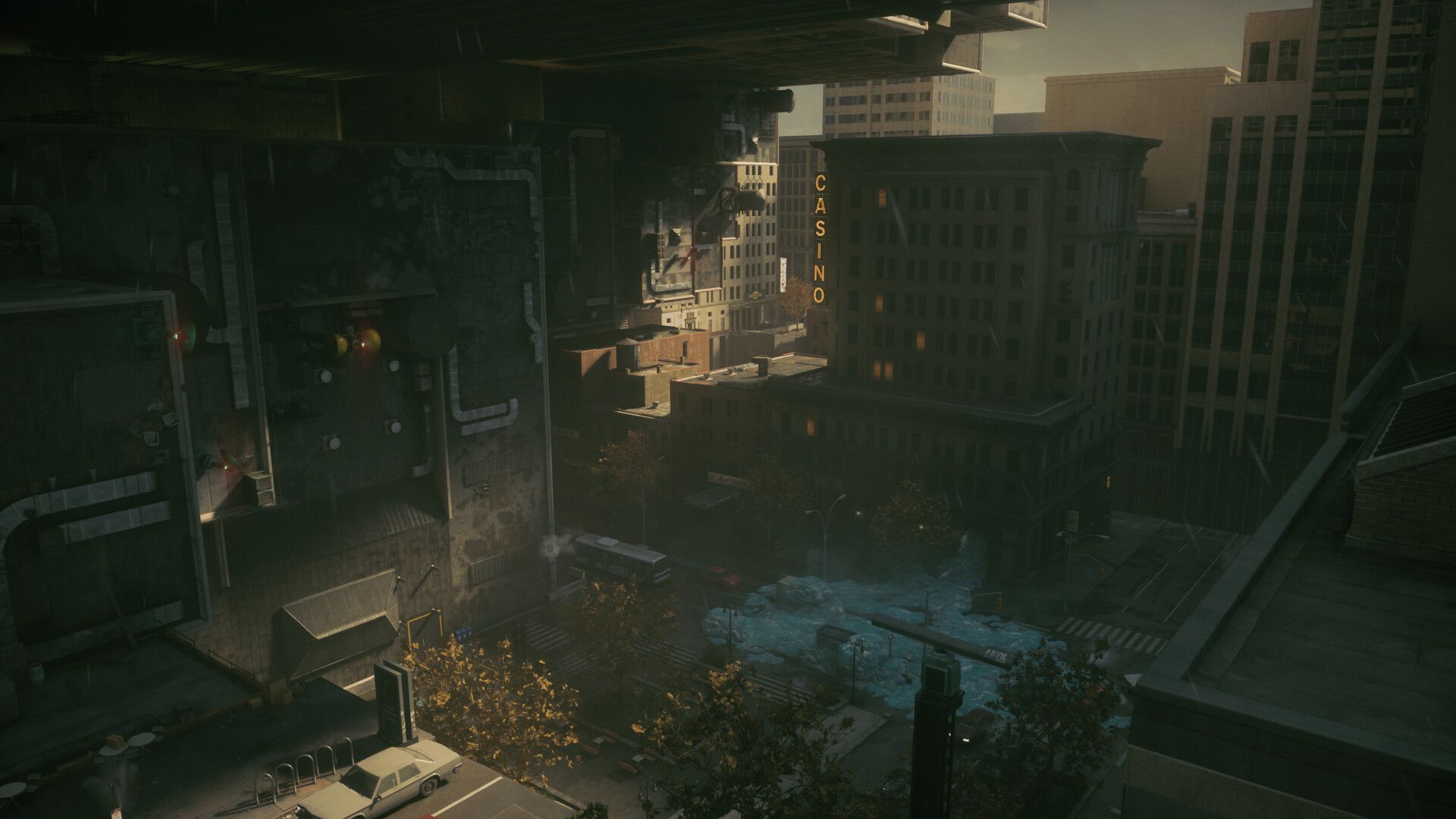
Players naturally associate Manhattan with the real-world city when they hear it in the game. However, within the world of Control, Manhattan also represents a location with a long history connected to the Federal Bureau of Control, or FBC. The FBC has had a presence and various operations throughout Manhattan for quite some time, even before the events of the first game began. It’s important to understand that the FBC’s activities aren’t limited to just the Oldest House.
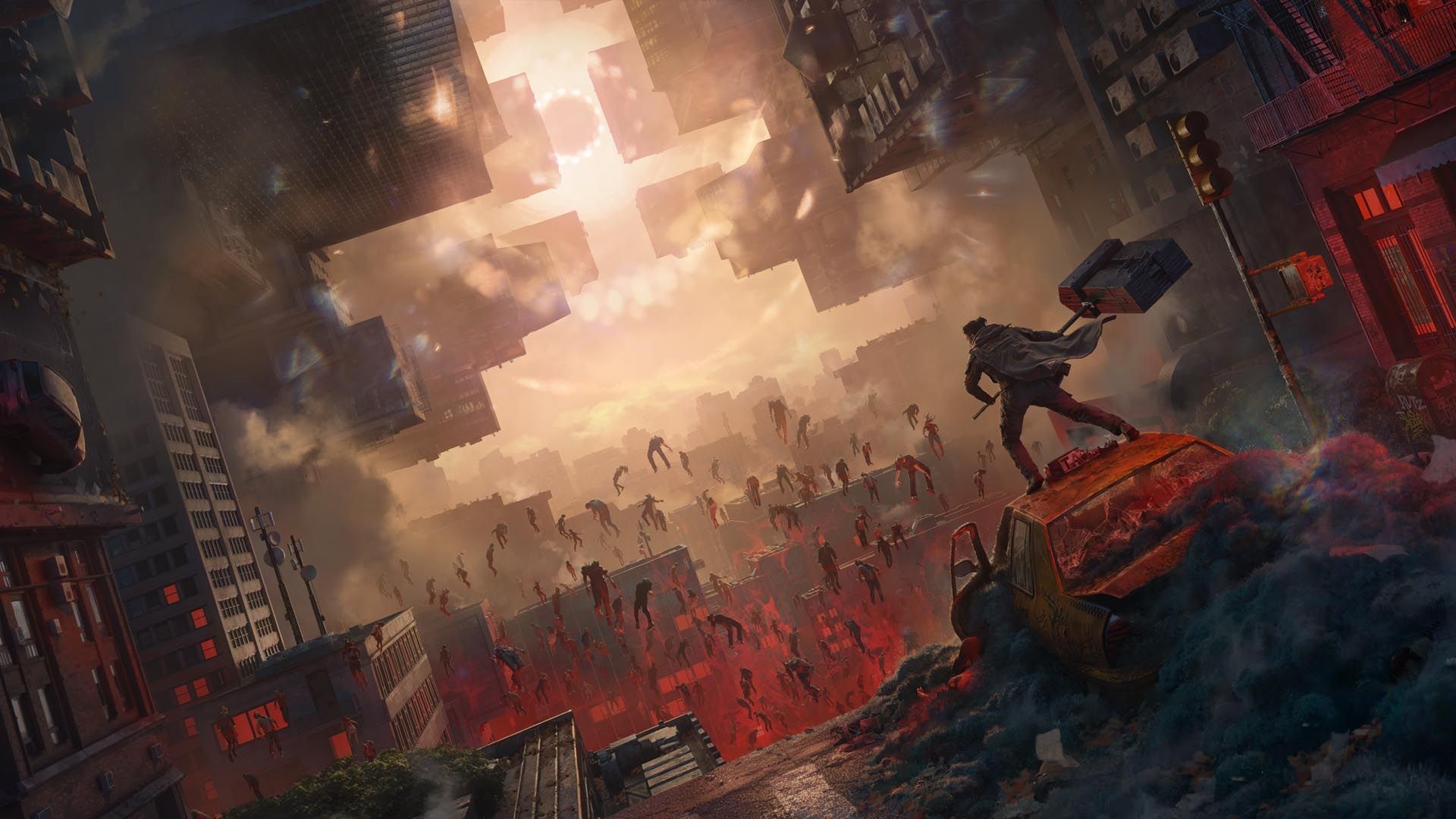
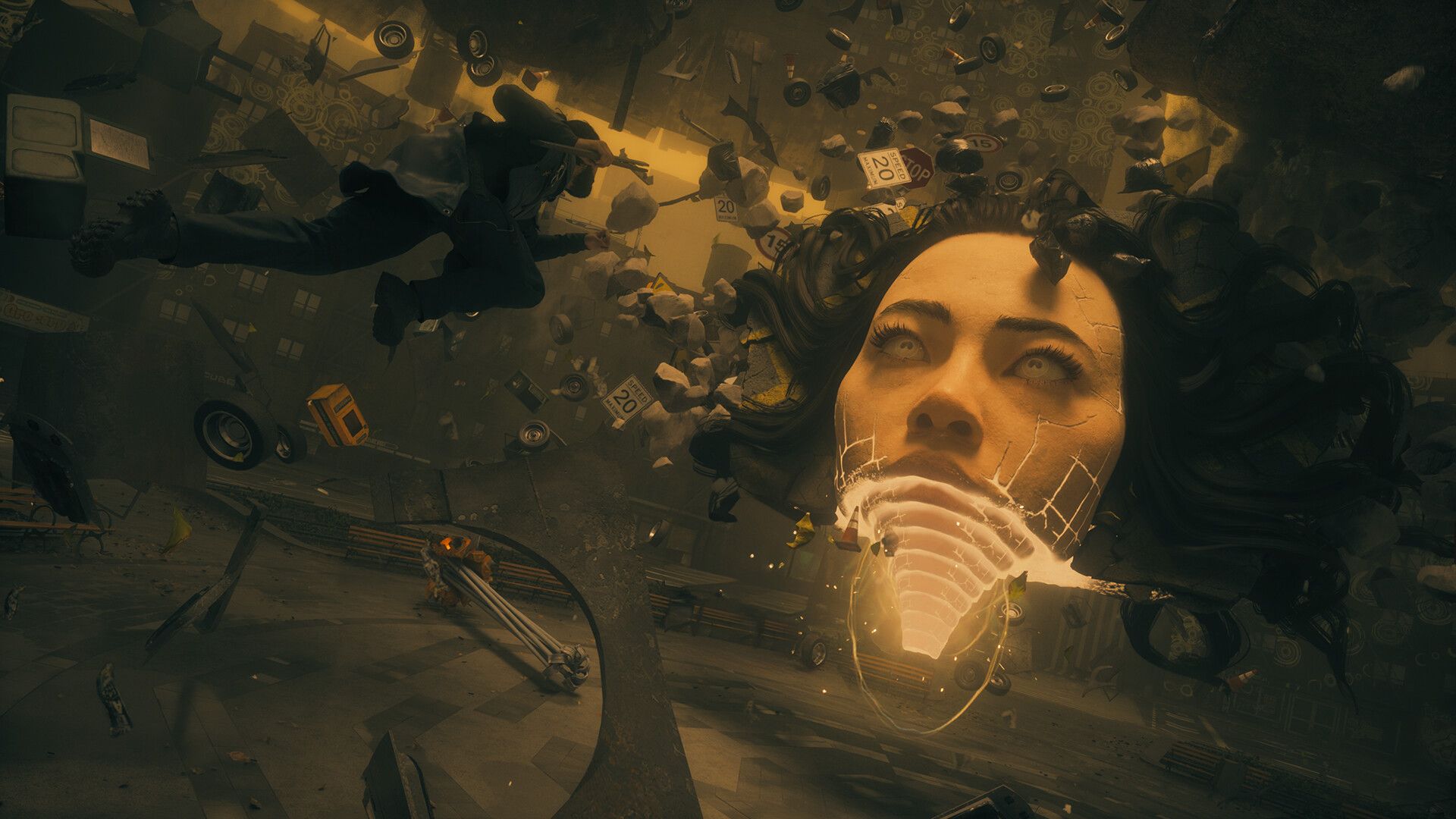
In Control Resonant, you play as Dylan in a transformed Manhattan, now affected by a mysterious supernatural event. The Oldest House, a central location, has fractured, allowing dangerous forces like the Hiss and the Mold to spread throughout the city. Despite these changes, the game still emphasizes storytelling through lore and narrative documents, much like the original Control. The core principles of how the story unfolds will remain consistent with the first game.
Let’s discuss the gameplay. You’ve mentioned the move towards an Action RPG style felt organic. Was that driven by how ‘Control Resonant’ actually plays, or by features like a branching dialogue system that affects the story?
I first explored this idea while working on Quantum Break. I’ve always believed Remedy should create its own RPG series, and I began thinking about what that would look like. The core idea was to build a detailed world first—focusing less on a single hero and more on the environment, its rules, and unique qualities—and then develop various stories within that world.
The core gameplay was already established beforehand. We actually came up with the setting – The Oldest House – before we even considered the main character. Thinking about tabletop roleplaying games, there’s a clear separation between the rulebook and the actual story campaign. My goal was to first define the rules – the ‘rulebook’ part – and then we could focus on building the campaign around them.
The original game already explored this concept – focusing on creating a rich world and letting players experience it through a character, in that case, Jesse. We initially categorized it as an action-adventure game because we envisioned this as a long-term project. We didn’t want to drastically change genres all at once; instead, we preferred a gradual, step-by-step approach. The first game began incorporating role-playing game elements in various ways.
I’ve always hoped Remedy would create its own long-running RPG series. The big challenge was figuring out what that would look like while still keeping the unique Remedy style we’re known for.
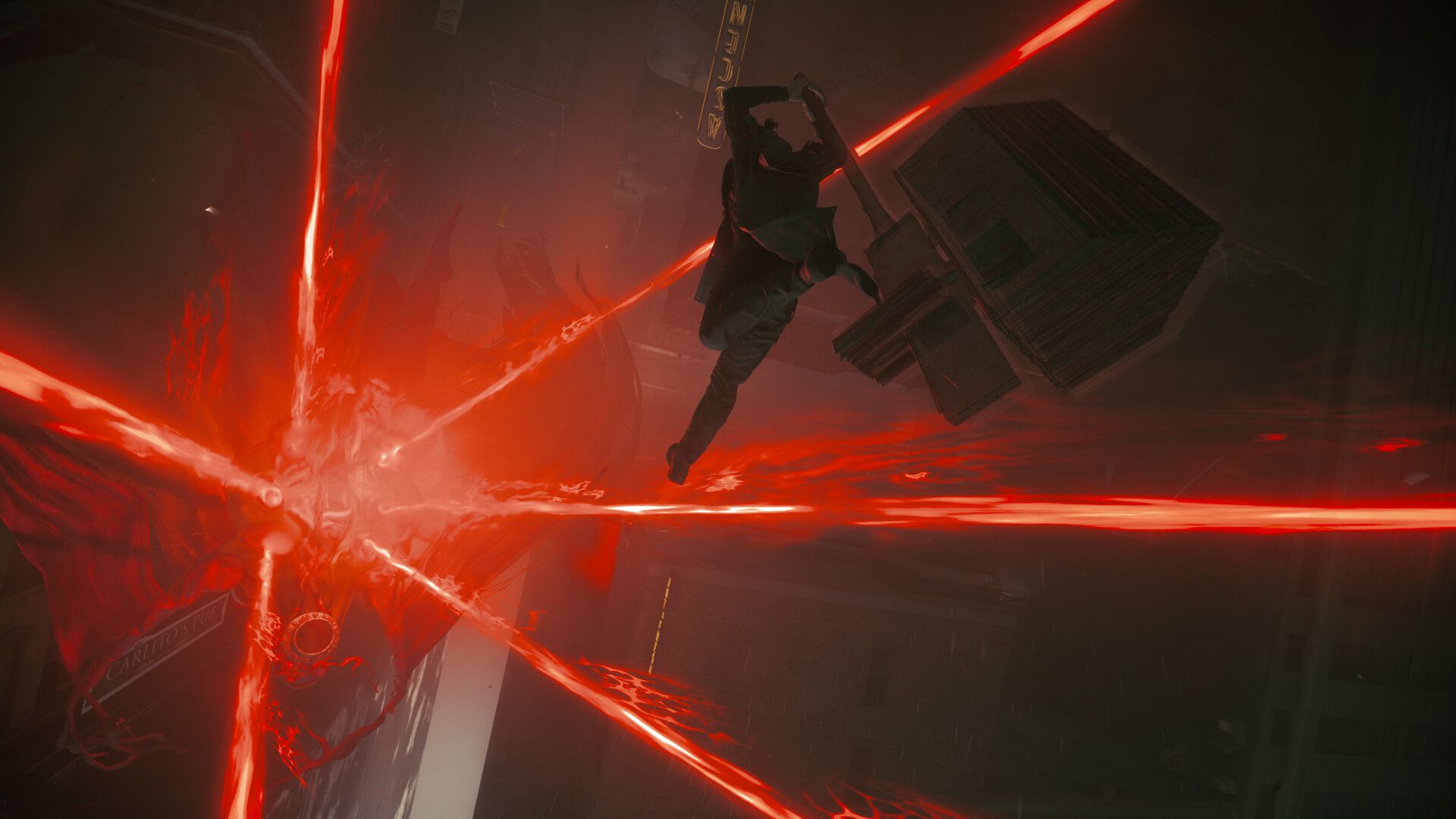
This game features character progression, equipment upgrades, and meaningful choices during conversations – things we hadn’t really explored before in a Remedy title. Alongside a main story, players can discover numerous side quests integrated into the game world. Many elements were already leaning towards the action RPG genre, with inspiration from Metroidvania-style world design where new areas open up as you become more powerful. We learned a lot during development, and when we started planning the sequel, it became clear we should fully embrace what this game is: an action RPG.
I’ve seen some people compare the skill tree to Diablo and the fast-paced action to Devil May Cry. Do you think those comparisons are accurate? If not, were there any other action RPGs that inspired the game’s design?
It’s hard to compare our game to others. When you start looking at what other games do, people often assume we were more heavily influenced than we actually were. Devil May Cry has a very unique and strong style, and excels at what it sets out to do. There are many other games that are also excellent in their own way.
At Remedy, we strive to create unique experiences. We draw inspiration from various sources, but ultimately aim to combine those influences in a way that feels distinctly our own – something you won’t find anywhere else.
Control is an action game, similar to Devil May Cry, but it’s not directly comparable to Souls-like games like Elden Ring. It does draw inspiration from fast-paced combat and exciting movement found in games like Doom 2016. Ultimately, Control is a unique experience, and it’s difficult to simply label it as being ‘like’ any one other game.
Okay, so I’ve been doing some thinking about Dylan’s age and backstory, and I’m curious how it’ll all play out in the story. If my calculations are right, he’s around 34 now. He was only 10 when he was taken, then spent 17 years completely isolated, and now Resonant is set seven years after the first game. I’m really interested in seeing how they’ll show us what it’s like for him, growing up so sheltered and not knowing much about the world. Will we see a Dylan who’s a bit wild and unrestrained because of it, maybe even violent? Or will there be someone or something that helps guide him and keeps him on the right track? I’m just really excited to see how his upbringing shapes his character in this new game!
The key to understanding Dylan is realizing he’s never truly been in control of his life. From a young age, he experienced loss and instability – his parents died, he lacks close friends, and he’s constantly faced crises and made errors. For the past seven years, since Jesse helped him after the first Control incident, he’s been essentially trapped within his own mind.
Honestly, it’s like he’s completely lost in his own head, just replaying everything that’s happened to him. And there’s no sign he’ll ever wake up from it. He’s just stuck living through his worst nightmares, you know? It’s messed him up, definitely changed who he is. But in a weird way, he knows who he is now, if that makes sense.
He’s come to terms with who he is, though he doesn’t excuse his past errors – they’re just a part of him now. When things get difficult, he’s eager to contribute, but he never sees himself as the main hero. He simply wants to help in any way he can. Ironically, it’s this willingness to sacrifice himself and do whatever’s needed – because he feels he has no other choice – that ultimately makes him heroic.
Honestly, playing as this guy feels like being dropped into a totally new world, even though it’s a place I know. He’s completely lost – no friends, doesn’t know how to talk to anyone, just feels…out of place. Everything that’s normal for me is weird to him, and that’s what I find so compelling. I really want to see him figure things out and succeed, you know? He’s just a total fish out of water, and I’m hoping I’ll be cheering him on the whole time.
Now that it’s been confirmed Alan Wake and Control exist in the same universe, did the positive response to Alan Wake influence how you developed the Control expansion, Resonant? And will players find any hidden references to Alan Wake within Resonant?
Okay, so about those Easter eggs… I can’t say anything just yet – it’s way too early! Honestly, it’s more fun for you guys to discover those secrets yourselves once the game is released, and I definitely don’t want to ruin the surprises. We’re one studio making lots of different games, and each project teaches us something new. It’s cool because the team who worked on Alan Wake 2 also jumped onto Control Resonant, bringing all their knowledge from Alan Wake with them, and vice versa. There was a lot of cross-pollination of ideas and lessons learned between the two projects, which was awesome.
Ultimately, both franchises are very important to me, and I believe to Sam as well. Sam is the creative lead on Alan Wake, and I’m leading Control, so each game has a distinct identity. While they share some narrative and story connections, both games are focused on delivering their own unique experiences. Alan Wake, in particular, is committed to being a strong horror franchise, and maintaining that focus is key.
Many of the developers who created Alan Wake 2 also worked on Control, allowing them to share insights and lessons learned from both games. They used their understanding of Alan Wake while building Control, and vice versa, enriching both experiences.
Control is an action role-playing game with a unique approach to world-building. We’ve focused on carefully blending different universes in a way that enhances, rather than diminishes, their individual identities. We’re taking this blending process very seriously, while also being mindful not to overcomplicate things.
There are a lot of major game releases this year, including several in September like Blood of the Dawnwalker, Phantom Blade Zero, and Wolverine, with GTA VI expected in November. Considering all these launches, how difficult is it to decide when to release our game? It’s especially tricky because any one of these other games could be delayed, throwing off our plans.
It’s definitely a challenging situation, and I won’t elaborate beyond saying that it is. Our priority is to ensure Control Resonant thrives.
Q: Can we expect a release date soon?
No, sorry, I can’t talk about it. Good try, though.
Read More
- Forza Horizon 6: Find the Ohtani Treasure Chest Location
- NTE Drift Guide (& Best Car Mods for Drifting)
- Diablo 4 Best Loot Filter Codes
- Boruto: Ikemoto Has Already Hinted At Sasuke’s New Eye After Return
- USD RUB PREDICTION
- Where to Find Prescription in Where Winds Meet (Raw Leaf Porridge Quest)
- GBP CNY PREDICTION
- Conduit Crystal Location In Subnautica 2
- LEGO Batman Legacy of the Dark Knight Batcave Minikits & WayneTech Caches
- Top 10 Must-Watch Isekai Anime on Crunchyroll Revealed!
2026-05-04 22:11