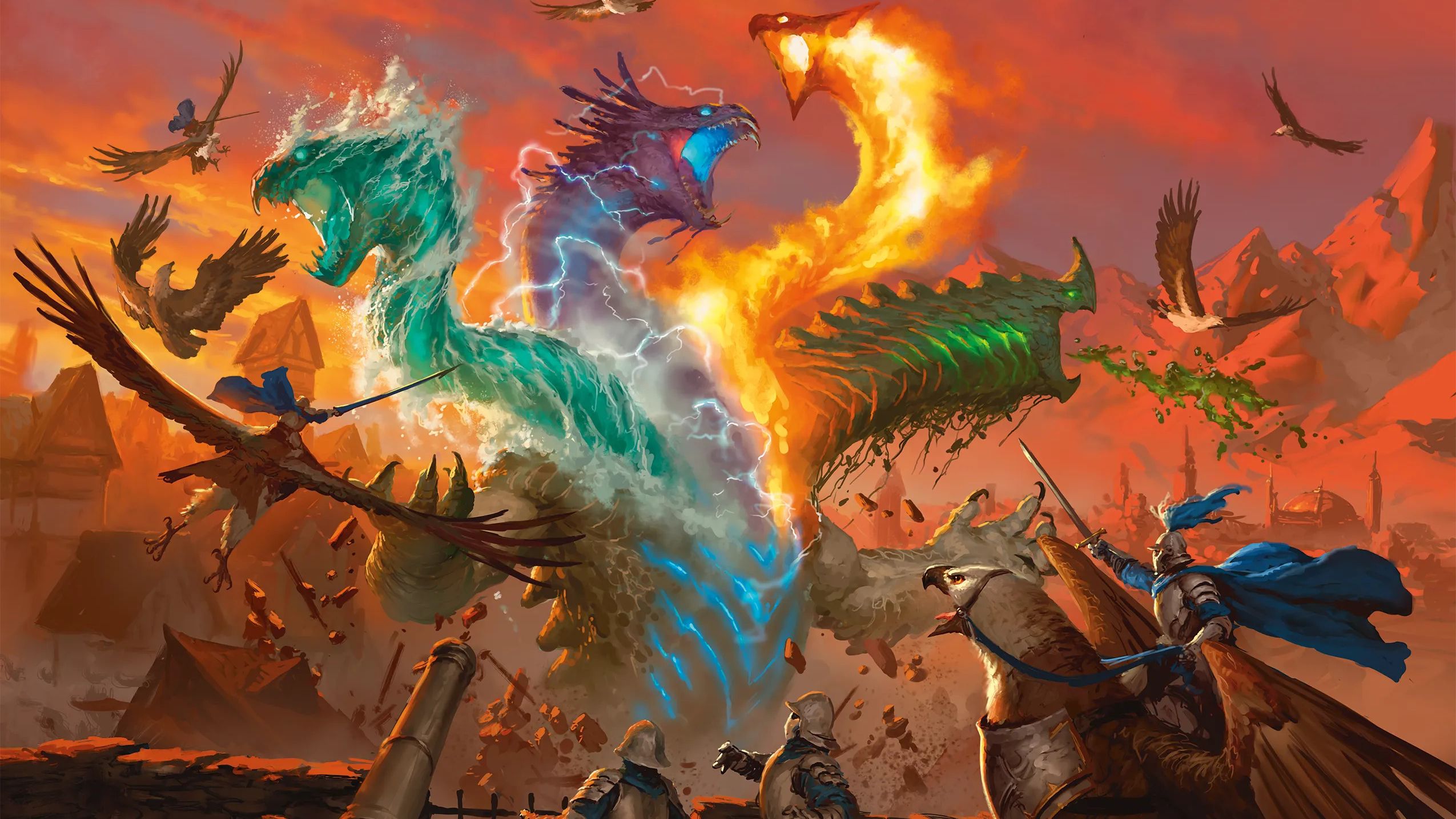
Dungeon Masters are skilled at balancing challenges for their players. They aim to provide a good level of difficulty without overwhelming players at the beginning of a campaign. As players grow stronger, the challenges naturally become harder, but the increase in difficulty usually feels fair and manageable. However, some creatures worry even experienced DMs, not because they are incredibly powerful, but because they can disrupt the flow of the game, change the intended atmosphere, erode player trust, and even threaten the campaign’s overall structure.
The most unpredictable monsters in Dungeons & Dragons share a common trait: they excel at throwing a wrench in the game without necessarily being powerful damage dealers. They challenge players’ expectations and can even stretch the established rules, creating unexpected situations. Some punish players for doing well, while others cause chaos simply by being explored. Using these creatures effectively requires a delicate balance – if they’re too weak, they won’t feel special, but if they’re too strong, they can derail the game and leave everyone feeling frustrated.
Nilbog
Comedy That Destroys Combat
 Credit: Wizards of the Coast
Details:
- Turns combat logic upside down.
- Can instantly derail the tone of a story.
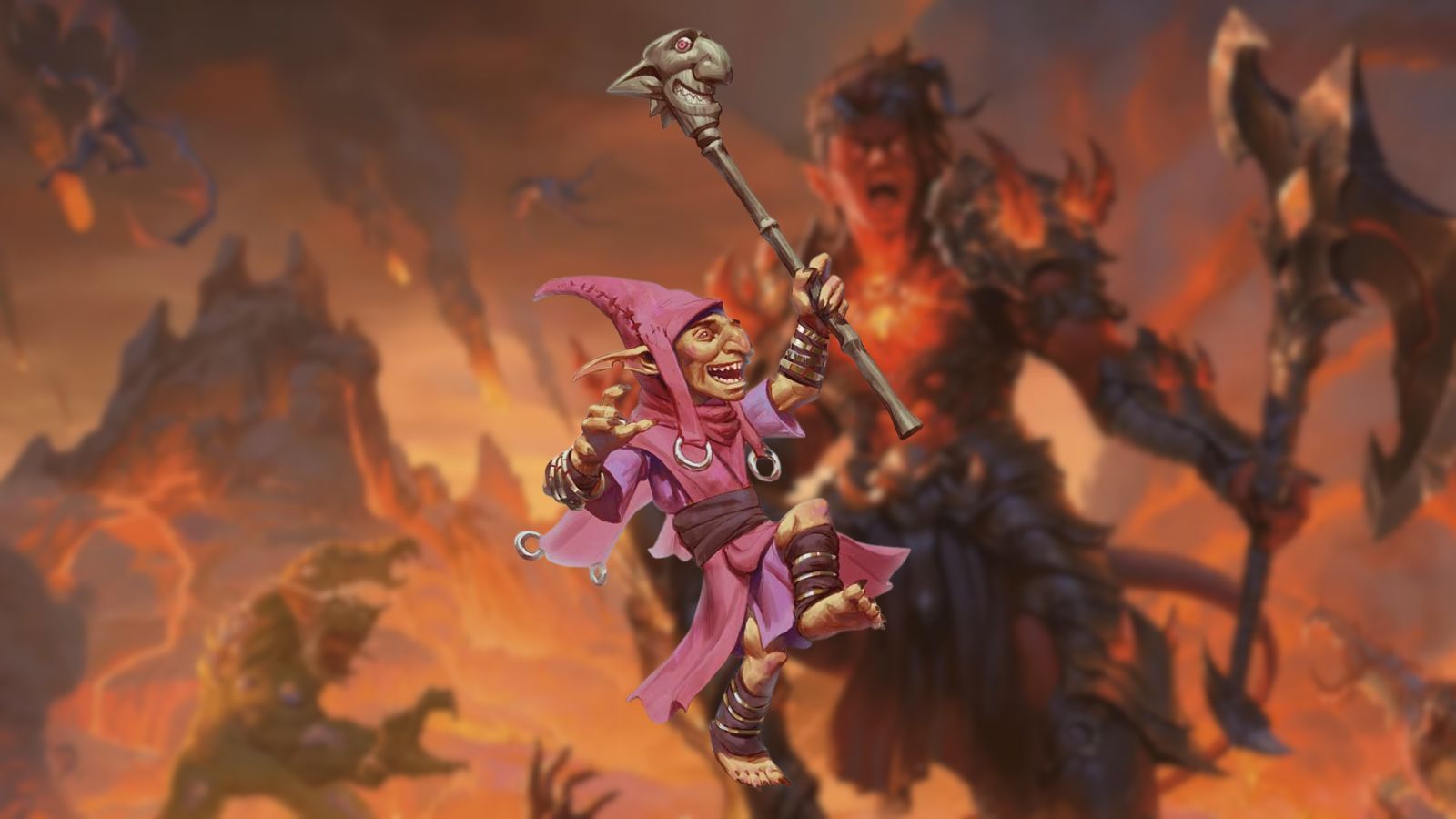
The Nilbog appears harmless, even comical, largely because its name is ‘Goblin’ spelled backward. While they seem like simple creatures, they actually heal when hit and like to taunt players. Their silly appearance often leads players – especially those new to the game – to underestimate them. Nilbogs are designed to surprise you, turning standard combat strategies against you and forcing you to reconsider your approach during a fight. What usually works in battle can actually hurt your team if you’re not careful.
The Nilbog is a strange enemy that actually benefits from being attacked – hitting it directly heals it! It also has powers that make players waste their turns doing silly things like dancing or praising, which can be frustrating. While not particularly strong on its own, the Nilbog is usually accompanied by normal enemies who take advantage of the chaos to slowly defeat the players. Dungeon Masters worry about the Nilbog because it can disrupt a fight without directly attacking. Experienced players get annoyed, strategic players feel like they’re being tricked, and the encounter only works well if everyone is willing to embrace the unpredictability – something most groups find difficult to do when asked.
Intellect Devourer
Low Challenge, Extremely High Stakes
Details:
- Removes player agency.
- Brutal consequences outweigh its seemingly low difficulty.
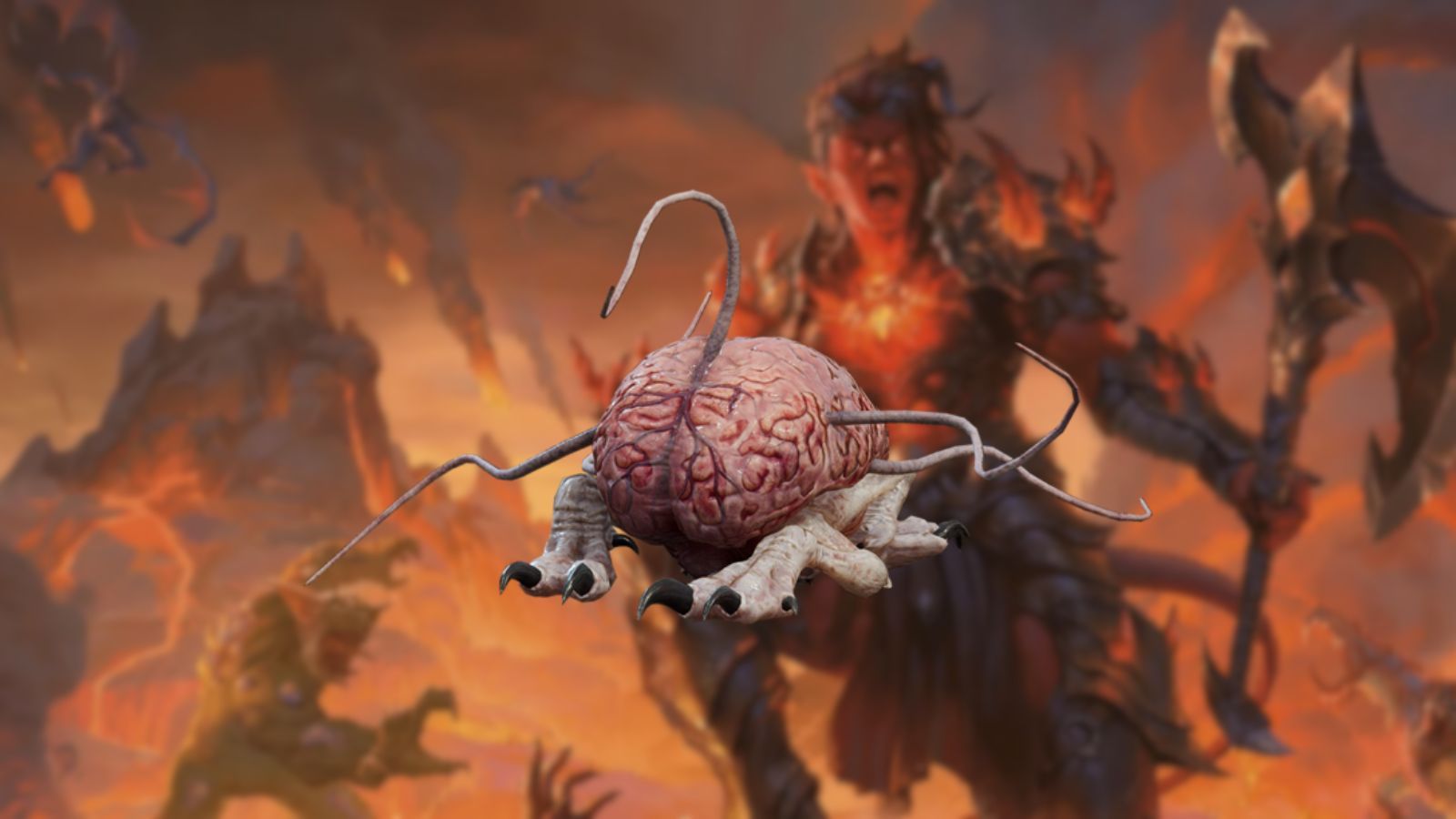
The Intellect Devourer seems easy to defeat at first glance – it doesn’t have many hit points, isn’t very challenging, and its attacks aren’t particularly strong. However, it’s actually a very dangerous enemy for Dungeon Masters to use. It doesn’t pose a threat of instant death, but it steals control from players. Failing just one saving throw can permanently disable a character or even take over their actions, effectively removing them from the game – if they’re still alive, that is.
This enemy doesn’t defeat players with a grand battle, but with a swift, unfair loss – which feels especially frustrating because the enemy itself isn’t very strong. Players usually don’t realize how dangerous it is until it’s too late, and that depends on how much the Dungeon Master emphasizes its ruthlessness. If played to its full potential, this creature can eliminate a character very quickly. While that can create a compelling story, it’s incredibly harsh on players emotionally.
Oblex
Paranoia Made Real
Details:
- Destroys NPC trust.
- Effects linger long after the encounter is over.
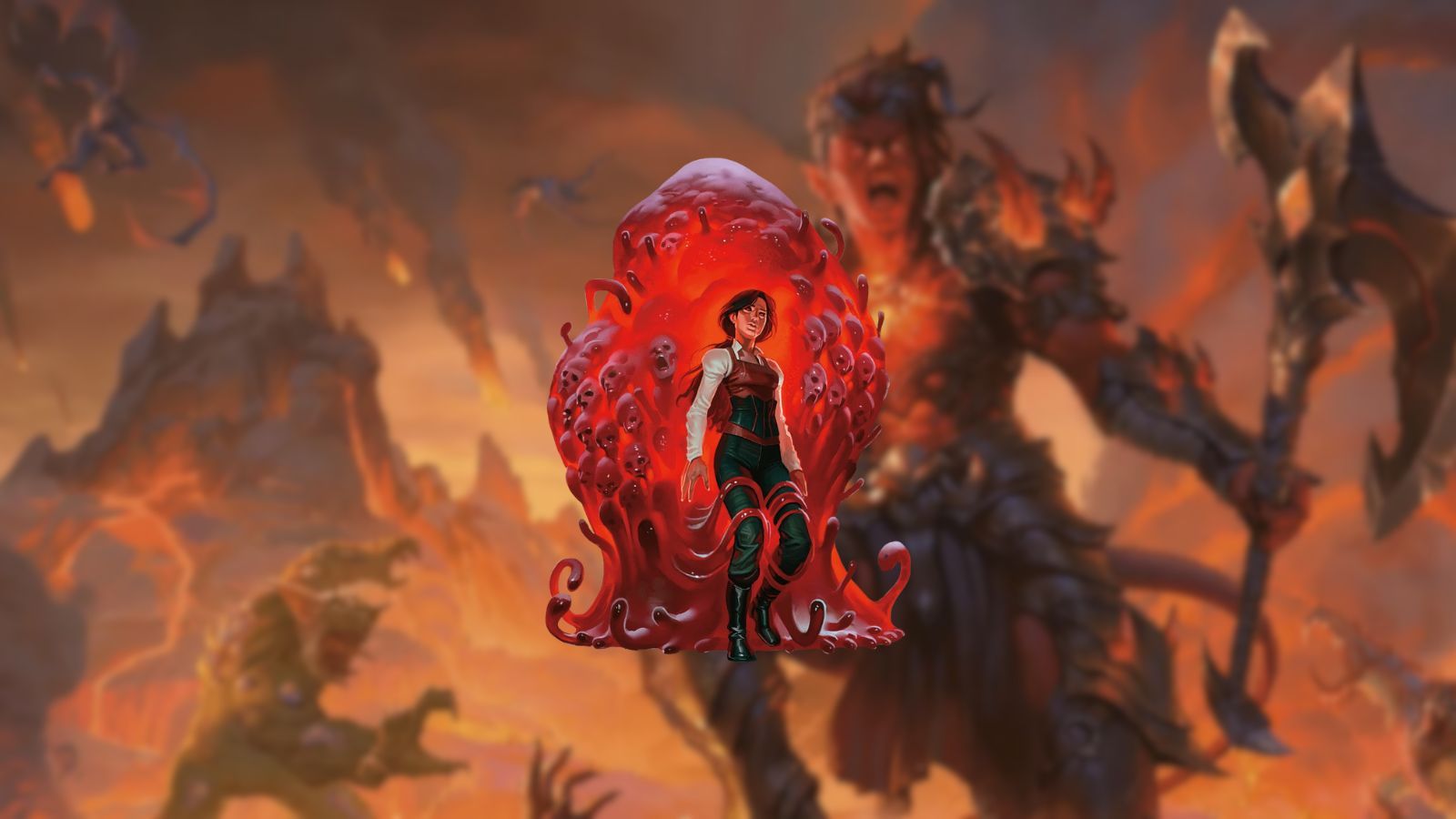
As a huge horror fan, I’ve always loved monsters that mess with your head, and the Oblex is brilliant at that. It’s not just about a straight-up fight; it’s a slow burn of paranoia. This thing doesn’t just attack you, it gets inside your group by pretending to be people you know – NPCs, family, anyone! Suddenly, every conversation feels dangerous. It starts by weakening your character’s mind, leaving them disoriented or even changed forever. Then, once it’s devoured their memories, it creates incredibly realistic copies. Before you even realize you’re in a fight, it’s already manipulating you, and that’s what makes it so terrifying.
These disguises are incredibly convincing, with only small details – like a slight sulfur smell or nearly invisible connections – revealing that something isn’t right. This makes meeting an Oblex deeply disturbing and can throw campaigns into chaos, especially those focused on social interaction or investigation where players depend on characters for information. It turns trust into a liability and makes roleplaying feel paranoid, which is why Dungeon Masters often both enjoy and hesitate to use it. Knowing an Oblex is present fundamentally changes how players approach interactions. Once trust is so thoroughly broken, suspicion takes over, turning normal conversations into tense interrogations and slowing things down, even when there’s no immediate threat.
Beholder
Iconic For A Very Good Reason
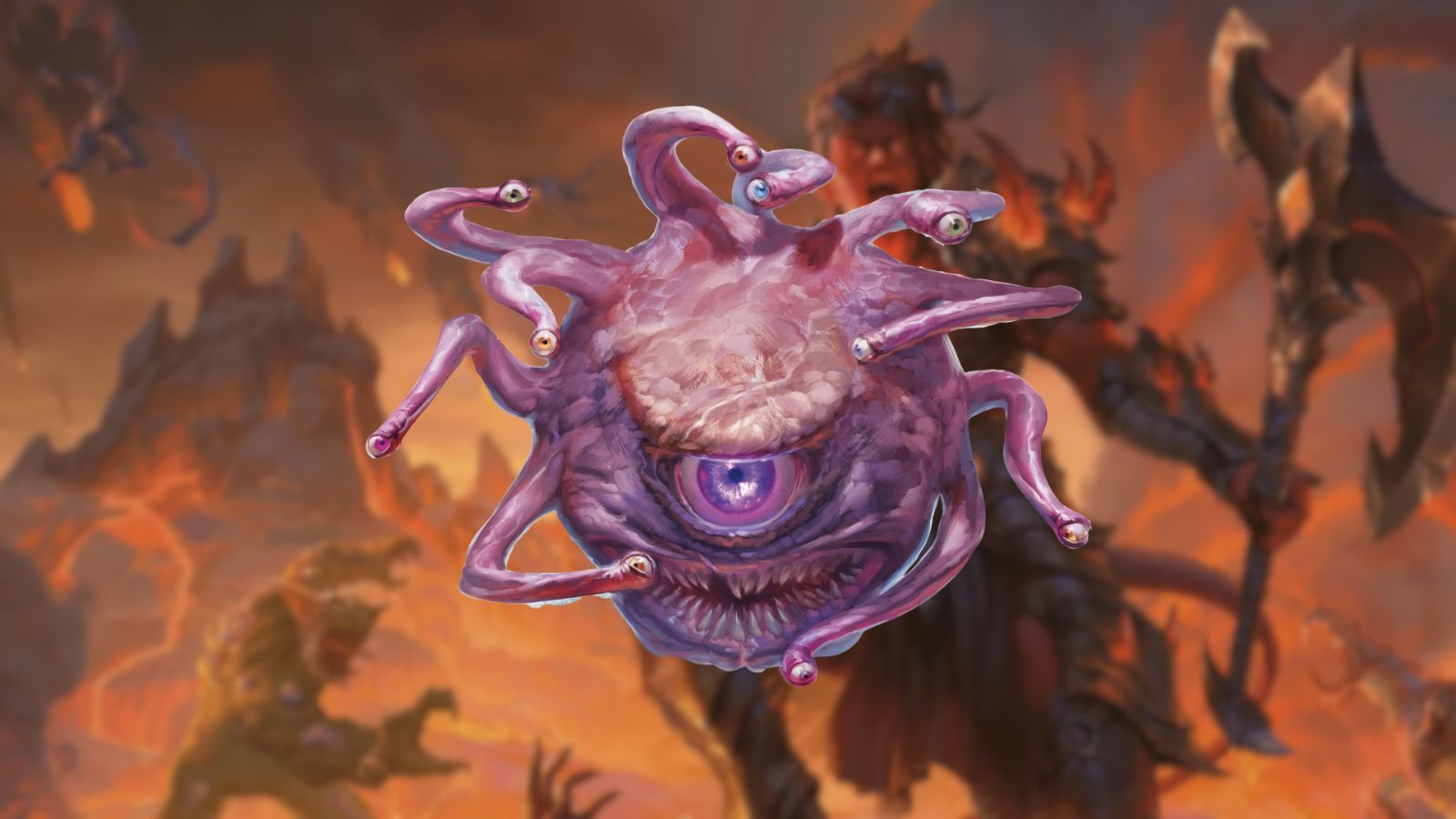
Details:
- Extreme swing potential.
- Requires precise DM control.
Any Dungeons & Dragons player will tell you that Beholders are among the most recognizable monsters in the game, and for good reason. They’re not just powerful enemies; they create a truly terrifying atmosphere just by being nearby. Their special abilities – like the antimagic cone and powerful eye rays – constantly force players to change their plans and adapt on the fly. Strategies that usually work fall apart, and encounters quickly descend into chaos. What used to be a minor setback from a bad roll can suddenly become a character being instantly destroyed, leaving no time to react.
Beholders aren’t just powerful; they can also control battles with effects like charm, paralysis, and even instant death, delivered from the stalks on their bodies. Their lairs are especially dangerous, built with vertical spaces and traps that play to the Beholder’s strengths, meaning they dictate how the fight goes. Beholders are already very challenging opponents, so a Dungeon Master should carefully consider if the party is ready to face one, or if it will likely lead to a disastrous outcome.
Bagman
Fear That Follows You Home
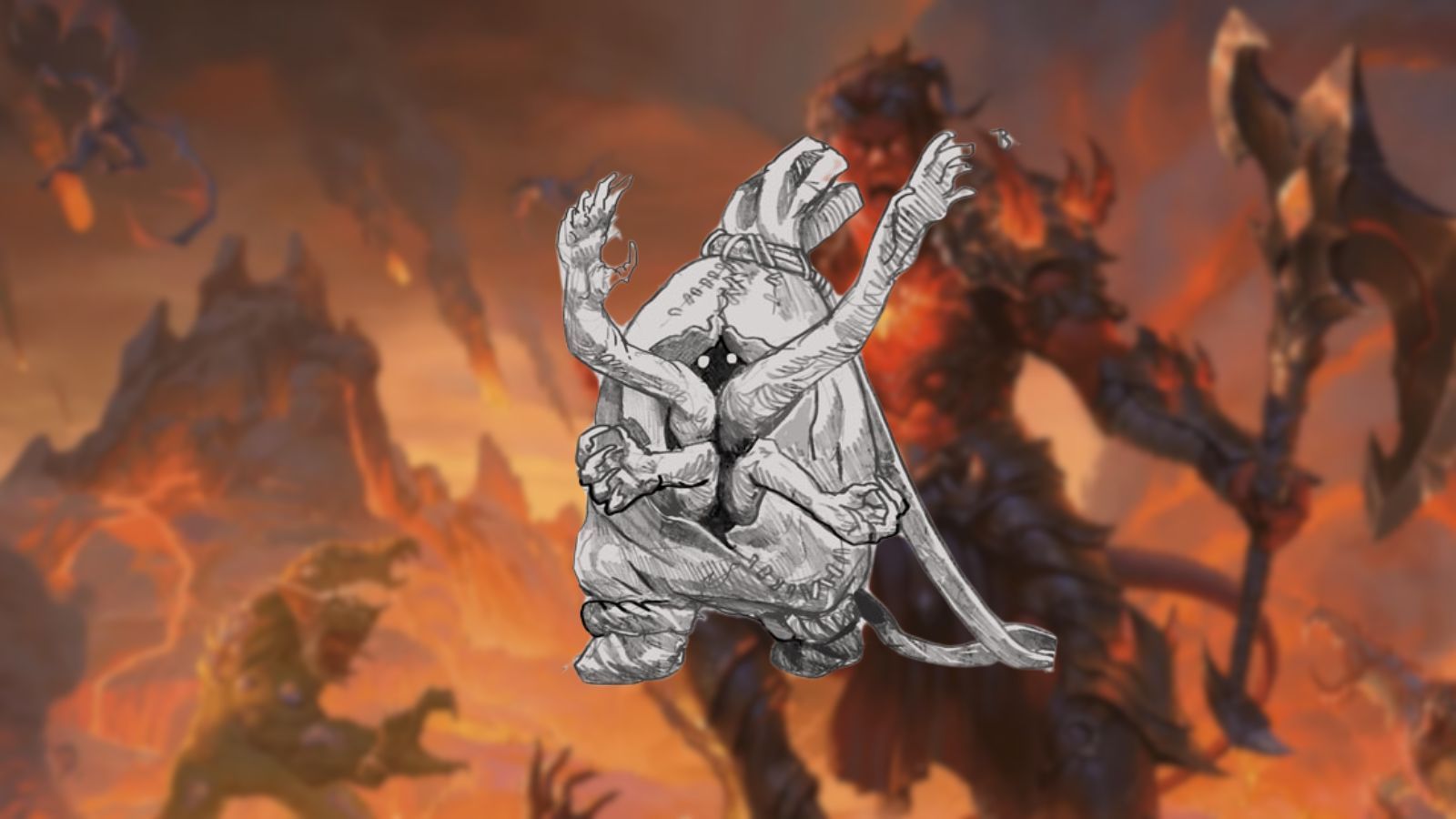
Details:
- Removes the concept of safety.
- Introduces persistent horror.
The Bagman is a relatively new but deeply unsettling enemy in the world of Dungeons & Dragons. It’s incredibly dangerous because it preys on players’ sense of security in a truly frightening way, reminiscent of a horror story by Stephen King. It takes the normally safe and useful Bag of Holding and turns it into a terrifying threat, allowing the creature to ambush players and pull them into another dimension without a trace.
As a longtime cinema and tabletop RPG fan, I’ve always appreciated a villain that isn’t about a single, epic showdown. The Bagman, as a concept, really nails that. It’s not something you prepare to fight; it’s a creeping dread that just hangs over the whole game. As a Dungeon Master, you have to be really careful introducing one, because it can suck all the relaxing downtime out of the experience and make everything feel super tense. The worst part? Players are constantly on edge, because even just checking their inventory could trigger an encounter. That means the moments they think are safe become the most terrifying. Honestly, I think the Bagman works best as a sort of urban legend or monster under the bed—something players aren’t even sure is real. Then, when they finally let their guard down, you, as the DM, can really mess with them by whisking a single player away to a terrifying, otherworldly place, leaving the rest of the group to wonder what happened and if their friend will ever return.
Read More
- All Skyblazer Armor Locations in Crimson Desert
- One Piece Chapter 1180 Release Date And Where To Read
- All Shadow Armor Locations in Crimson Desert
- How to Get the Sunset Reed Armor Set and Hollow Visage Sword in Crimson Desert
- New Avatar: The Last Airbender Movie Leaked Online
- Cassius Morten Armor Set Locations in Crimson Desert
- Grime 2 Map Unlock Guide: Find Seals & Fast Travel
- Euphoria Season 3 Release Date, Episode 1 Time, & Weekly Schedule
- Amber Alert Secrets & CDs In Crime Scene Cleaner Act 2
- All Golden Greed Armor Locations in Crimson Desert
2026-02-10 14:39