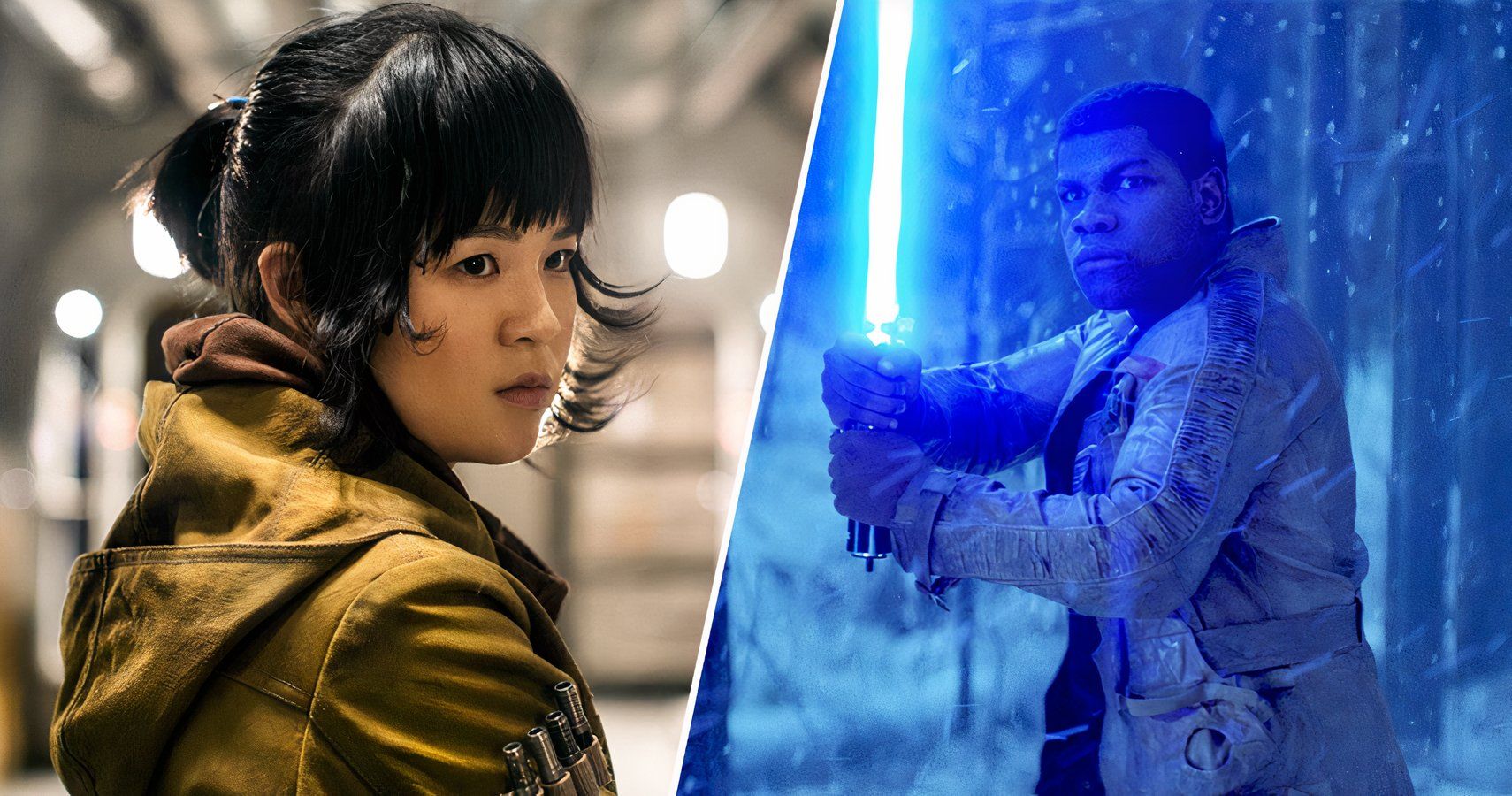
Kathleen Kennedy’s time leading Star Wars saw both successes and challenges. In a recent interview with Deadline, she expressed pride in the stories brought to life under Disney, updating the franchise for a new generation. Despite some projects facing controversy, she generally celebrates the work done during her leadership and is optimistic about what’s next for both herself and Star Wars.
The most significant issue with recent Star Wars films hasn’t been the stories or the actors themselves, but the harassment directed at those involved by a vocal minority of fans, often called the “Fandom Menace.” The intense negativity aimed at actors like John Boyega and Kelly Marie Tran, and creators like Rian Johnson, remains a troubling part of the franchise. As new leaders like Dave Filoni and Lynwen Brennan take over, simply telling those targeted to ignore the hate isn’t enough.
The Fandom Menace Is Not a New Star Wars Problem
R. A. Salvatore Received Intense Hate Over the Death of Chewbacca
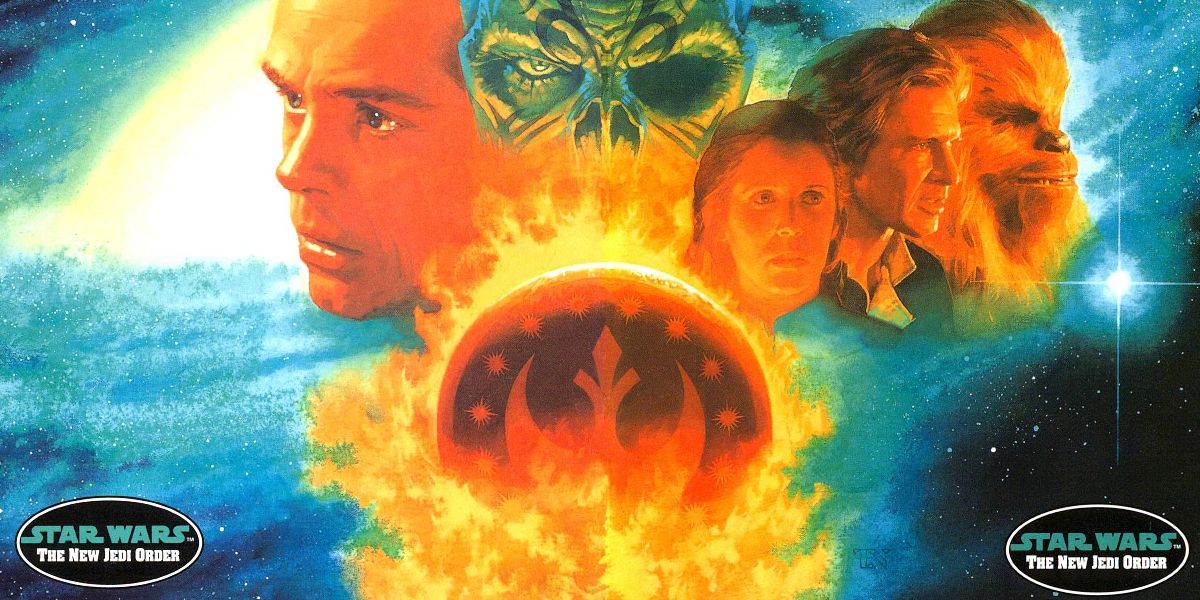 Image via Del Rey.
The world of Star Wars has always inspired dedicated fans, but a small, vocal group sometimes takes their passion too far, especially when it comes to characters they love. A notable example happened with the Star Wars: New Jedi Order series (now considered Star Wars: Legends). After the first book, Vector Prime, was released, author R.A. Salvatore received a lot of online hate because of a major plot point: the death of Chewbacca. This decision, intended to set a dark tone and highlight the danger of the Yuuzahn Vong invaders, angered a small segment of the fanbase.
It’s important to know that R.A. Salvatore didn’t decide to kill Chewbacca. He explained in an interview that Lucasfilm and Del Rey made that decision and asked him to write it into the novel. While he didn’t receive direct threats himself, others handled those, and he did get a lot of angry emails, becoming a controversial figure among Star Wars fans. Salvatore noted that it’s incredibly difficult to satisfy everyone, as many fans have strong, fixed ideas about how the story should unfold.
R.A. Salvatore was already a well-known fantasy author with a dedicated fanbase before he wrote for Star Wars. He’d built a following with his Forgotten Realms series, particularly through the character Drizzt Do’Urden, and his DemonWars Saga. He also had experience working on video games like Kingdoms of Amalur: Reckoning. Because of this existing success, the negative reaction to his later work wasn’t as devastating to his career as it could have been for others, though it was still upsetting to be unfairly blamed for things he couldn’t control.
Ahmed Best Became the Focal Point for Star Wars Prequel Trilogy Hate
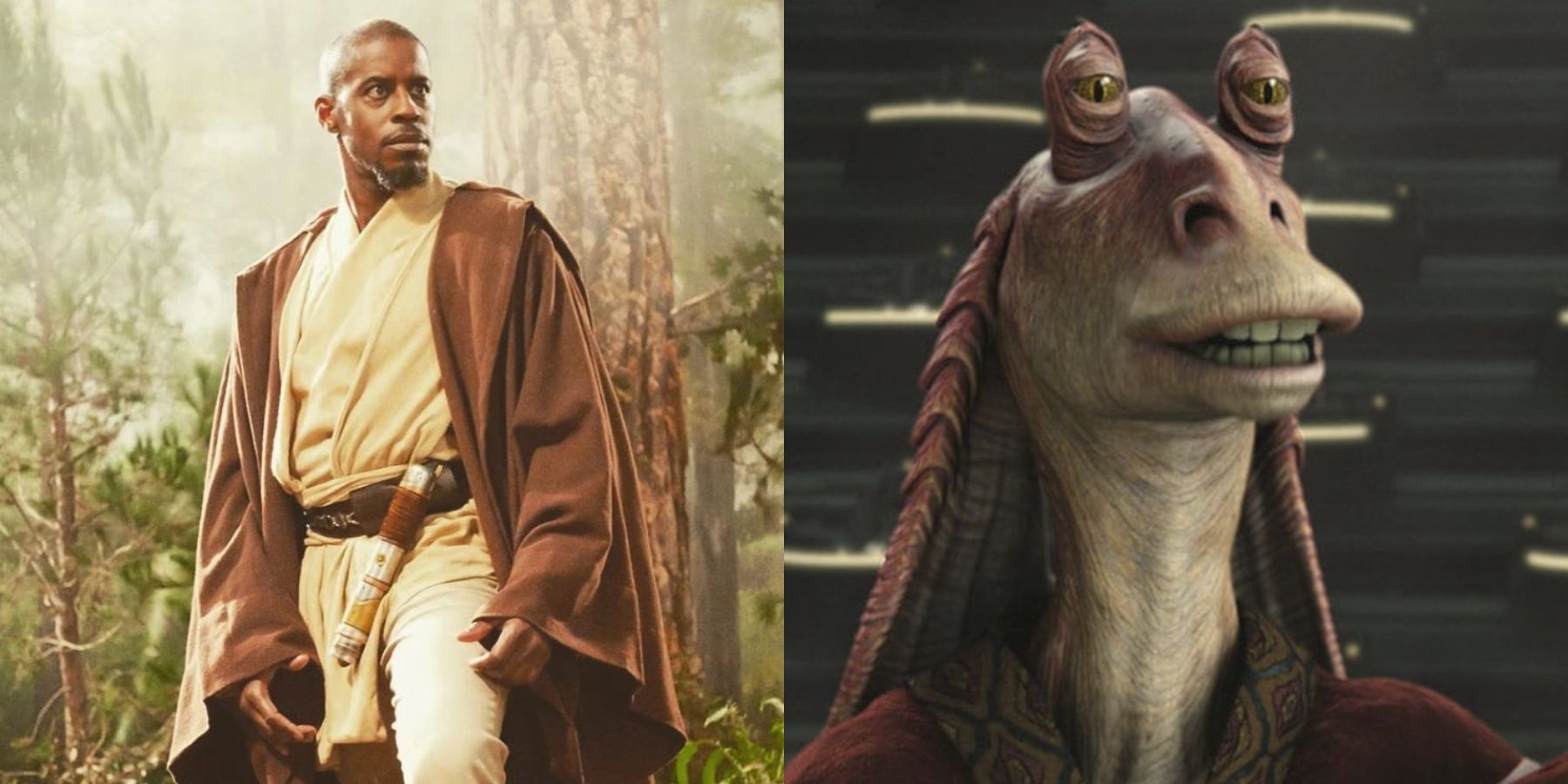 Image via Lucasfilm.
 During her recent exit interview, Kathleen Kennedy failed to address a particularly harmful instance of online harassment within the Star Wars community: the mistreatment of Ahmed Best following the release of Star Wars: Episode I – The Phantom Menace (1999). Best’s performance as Jar Jar Binks was groundbreaking, representing the first time a character was entirely created using motion capture. However, instead of praise, he faced intense criticism and hatred, and little was done to shield him from threats and emotional distress.
Ahmed Best recently shared with People Magazine that he looks back fondly on his time working on The Phantom Menace and enjoyed being with the cast. He was surprised by the negative reaction the film received, and even more surprised that so much of the criticism was directed at him personally. He explained, “I really just did my best, but George [Lucas] and others were seen as untouchable – I was the one everyone attacked.” The harsh and relentless criticism he faced was so severe that Best even contemplated suicide.
Star Wars Tried To Rehabiliate Best’s Image By Making Him a Jedi
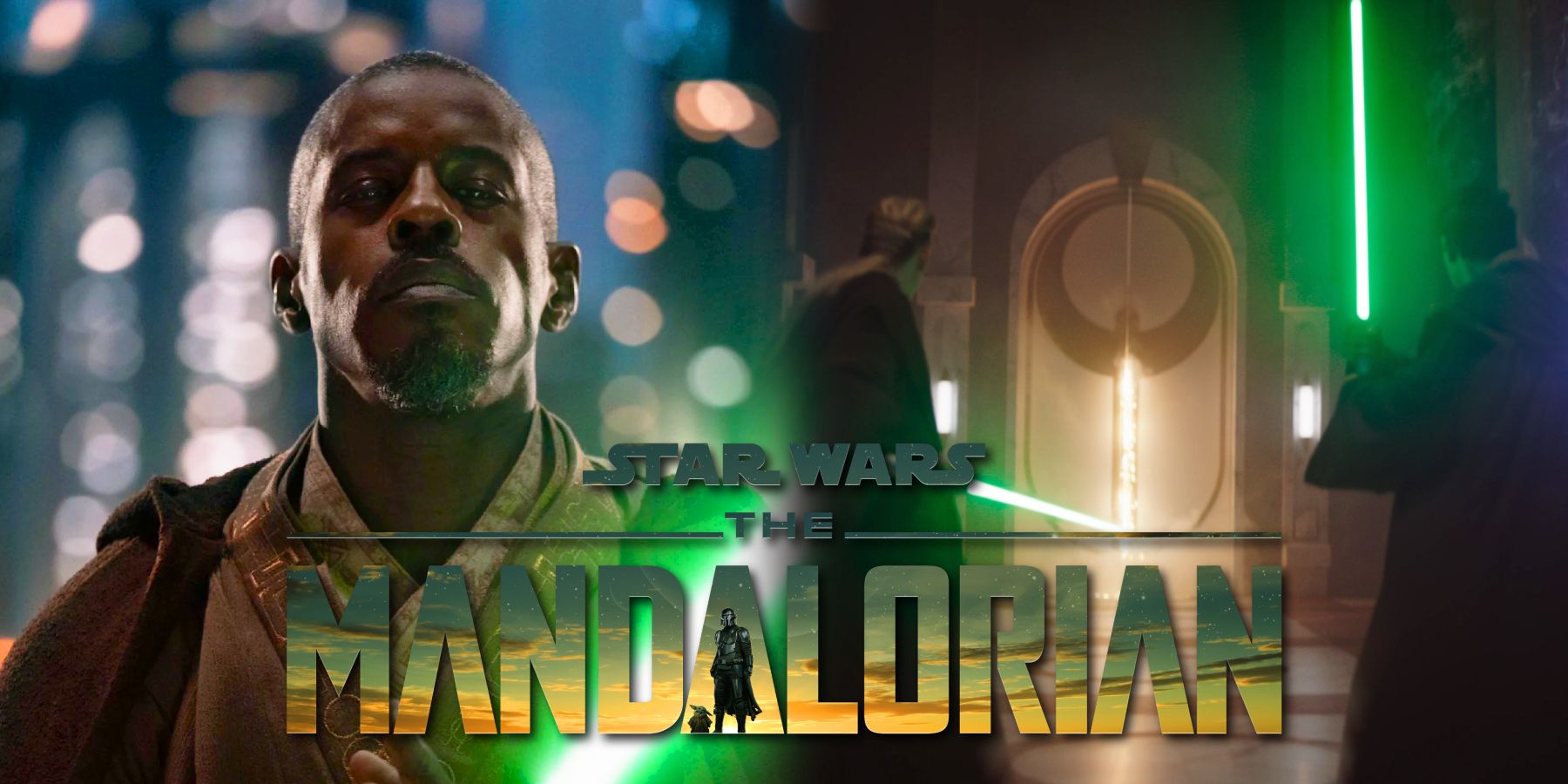 Image via Lucasfilm.
 Since acquiring Lucasfilm, Disney has worked to address past criticisms. In 2020, Ahmed Best debuted as Jedi Master Kelleran Beq on Star Wars: Jedi Temple Challenge, a game show where young contestants faced Jedi-inspired challenges. Best’s portrayal was warm and encouraging, making Kelleran Beq a perfect mentor for young Jedi trainees from the prequel trilogy period. This casting also happened as opinions began to change regarding the prequel trilogy itself.
Fans who grew up watching the prequel Star Wars films were now adults, and their fondness for those movies matched their love for the original trilogy. Ahmed Best, the actor behind Jar Jar Binks, finally received widespread recognition for his work, earning a standing ovation at Star Wars Celebration in 2019. He later returned to the Star Wars universe in Season 3 of The Mandalorian, appearing in the episode “The Foundling” as Kelleran Beq. Flashbacks showed Beq was the Jedi who rescued Grogu during the tragic Order 66, saving him from the massacre on Coruscant. This casting choice beautifully links the prequel era to the new Star Wars stories and gives Best the appreciation he deserves.
Ahmed Best’s experience with harassment serves as a stark reminder that this has been an ongoing issue within the Star Wars fandom for years. While Best acknowledges the situation at the time, he explains to People magazine that he felt lost and unsupported, stating, “My career started and ended. I didn’t know what to do, and unfortunately there was really no one that could help me, because it was such a unique position; it had never happened before.” He notes that the psychological understanding to address such situations didn’t really exist then. Best deserved better support, and his story highlights Lucasfilm and Star Wars‘ long-standing need to improve how they protect those targeted by harassment.
In Star Wars’ Disney Era, the Fandom Menace Has Gotten Worse
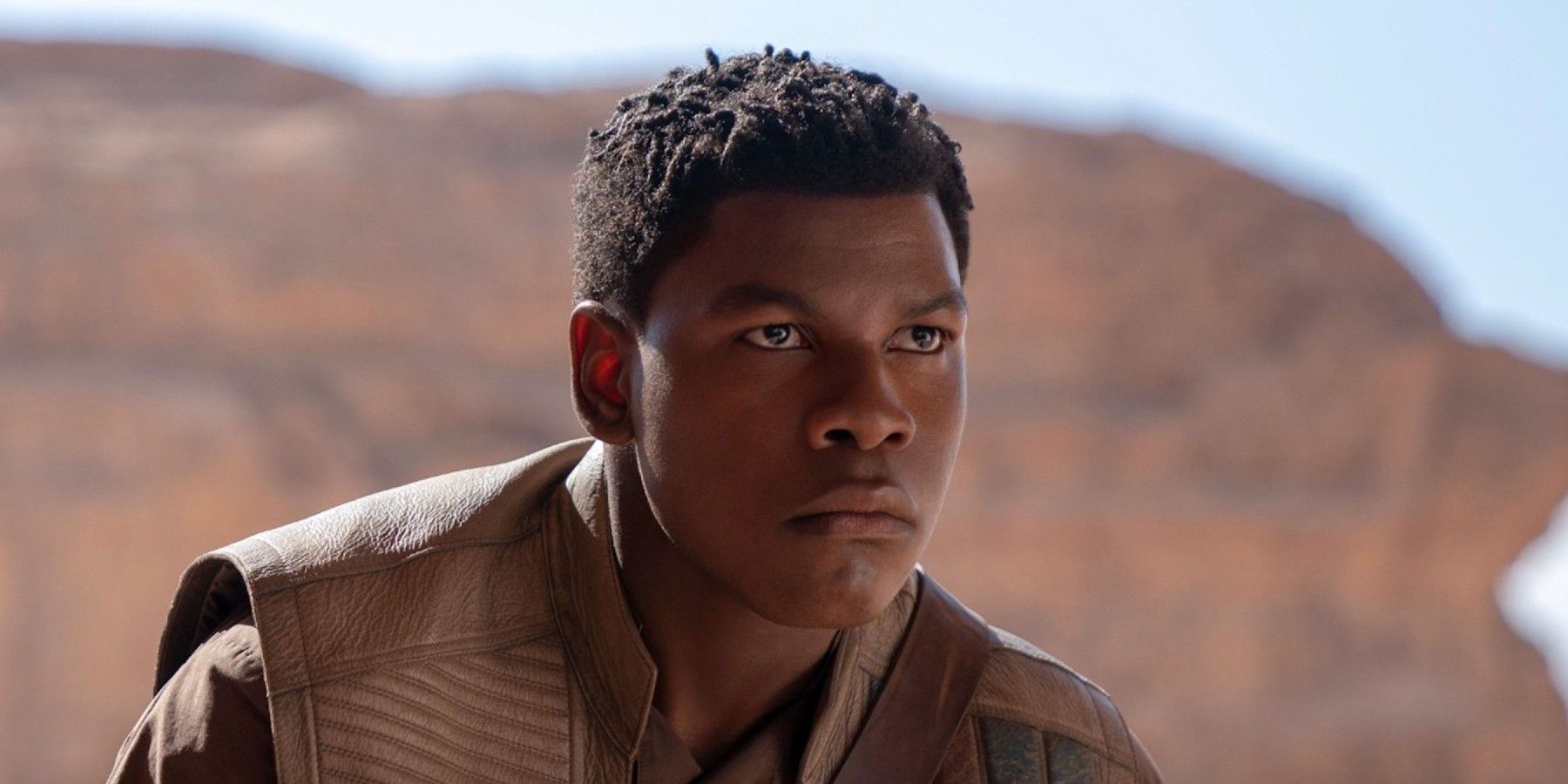 Image via Lucasfilm
 Lucasfilm and the Star Wars franchise haven’t adequately protected the actors and creators involved from online harassment. In a recent interview with Deadline, Kathleen Kennedy addressed this, explaining that a small but vocal group of fans have extremely high expectations and react negatively to any deviation from what they’re used to. While she frames this negativity as coming from a minority of fans, Kennedy acknowledges that this group has discouraged some people from wanting to work on Star Wars projects.
It’s clear that a significant amount of the negativity directed at many actors is rooted in racism, and this problem existed long before the release of Star Wars: The Force Awakens. As John Boyega explained in an interview with Jimi Famurewa for GQ:
Being the only cast member who faced unique challenges due to my race was incredibly frustrating. It sparked a lot of anger and changed my perspective, making me more outspoken. I was given an opportunity, but it became clear the industry wasn’t prepared for someone like me. Unlike my colleagues, I dealt with threats and boycott attempts specifically because of my race – people protested my involvement and sent hateful messages. It’s baffling to me that anyone is surprised by how I feel, considering everything I went through.
John Boyega has spoken out about how Star Wars didn’t fully support actors of color, including himself, Kelly-Marie Tran, Naomi Ackie, and Oscar Isaac, and instead seemed to give in to negative reactions from racist fans. He later told NPR that having these conversations about race is important, especially since his initial comments to GQ led to a meeting with Lucasfilm. While he’s glad these discussions are happening, he believes there’s still progress to be made.
Kelly-Marie Tran experienced intense online harassment, which ultimately led her to quit social media. Similar to John Boyega, her role in Star Wars: The Rise of Skywalker was significantly diminished, reportedly to appease a vocal and negative segment of Star Wars fans. In an interview with Business Insider’s Ayomikun Adekaiyero, Tran shared that she can now reflect positively on her time with Star Wars. She explained that therapy helped her reach a point where she could create art that embraces the aspects of herself she was previously made to feel ashamed of and was even punished for.
In a recent interview with Variety, Kelly Marie Tran acknowledged the negativity she faced was part of a bigger problem. She observed that actors of color often experience similar treatment and sees these incidents as a reflection of the current social climate. Despite this, Tran remains optimistic that showcasing diverse stories and identities can create positive change. She believes that art can help people who may not often interact with LGBTQ+ or people of color recognize their shared humanity, hopes, and dreams.
Kathleen Kennedy’s Comments Show Lucasfilm Is Not Doing Enough to Protect Actors and Creatives
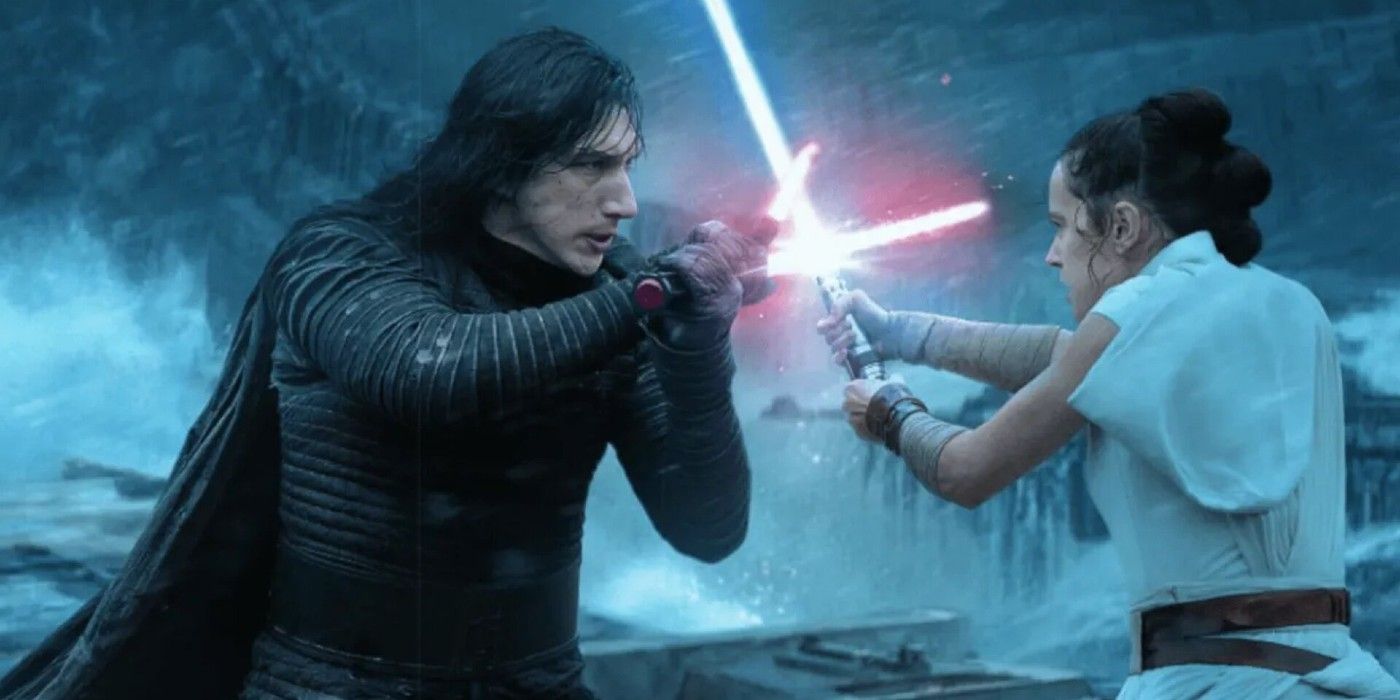 Image via Lucasfilm.
 Considering the negative experiences shared by actors like John Boyega and Kelly Marie Tran during their time with Disney’s Star Wars, Kathleen Kennedy’s recent statements about online harassment feel insufficient. While Kennedy herself has been a frequent target of criticism, often blamed for any perceived failures in the franchise, she primarily focused on the backlash directed at Rian Johnson in her exit interview, noting he was discouraged from continuing with Star Wars. She minimized the extent of the hate while still admitting that it has made some people hesitant to work on the films. In an interview with Deadline, she explained…
I’m always direct, particularly with women who often face unfair criticism. I don’t try to soften the truth. I make it clear that the negativity comes from a small, vocal minority – it definitely doesn’t represent the majority of our fans. It’s important to build resilience and develop a thick skin, because you can’t eliminate negativity altogether.
This advice feels like blaming the people who were attacked, not offering support. It’s not about whether Ahmed Best, John Boyega, Kelly-Marie Tran, and others were strong enough to handle it. It’s that they were subjected to an overwhelming amount of personal attacks, racism, and hate – something no one should experience. Instead of telling them to just get tougher, Lucasfilm needs to actively work to stop the personal attacks from a segment of the fanbase that has been using these tactics for years.
Dave Filoni and Lynwen Brennan Need to Do More to Protect Star Wars’ Actors and Creators
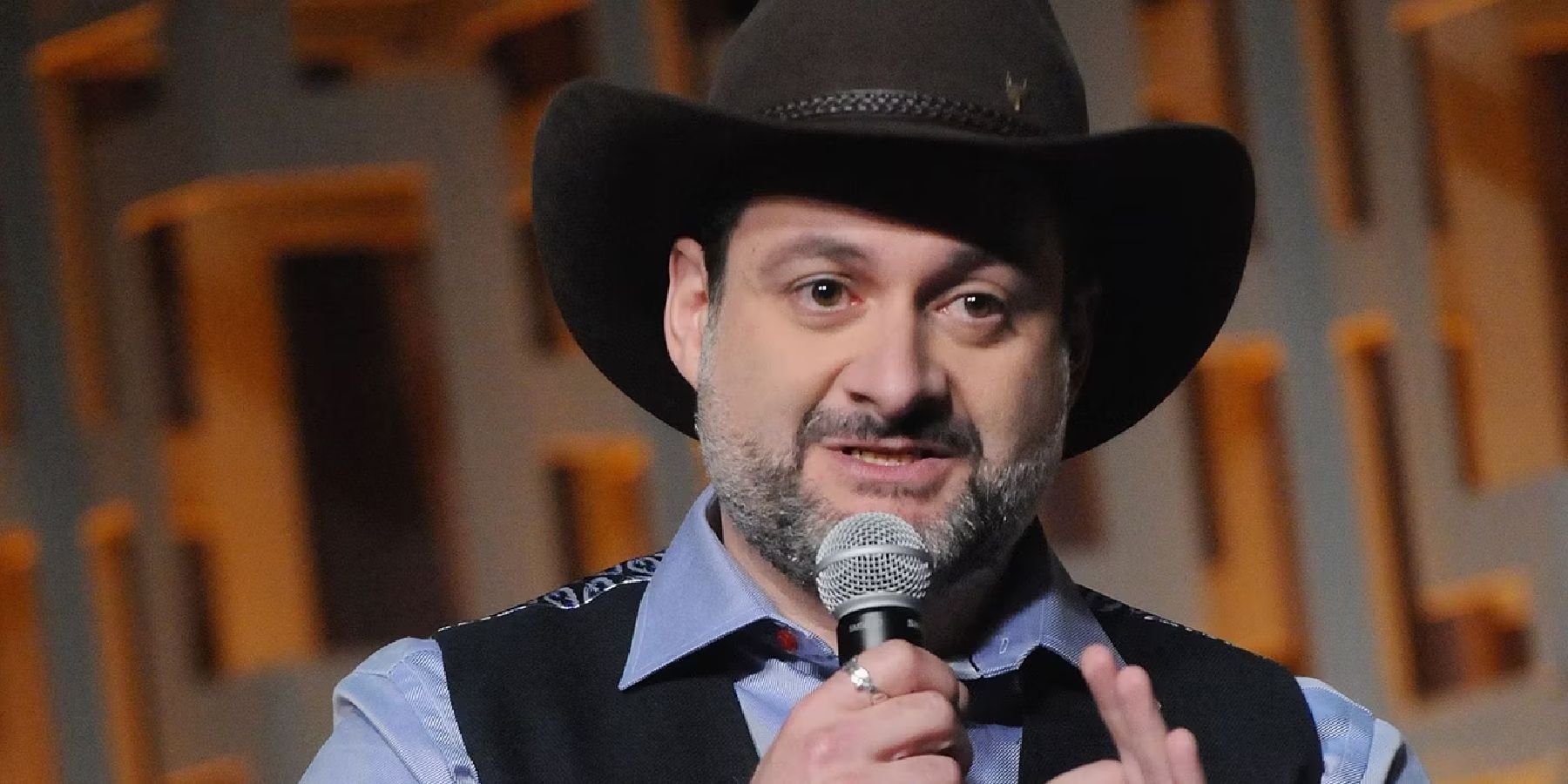
So, Kathleen Kennedy is stepping down at Lucasfilm, and honestly, it feels like a natural transition. She’s handing things over to a pair who are already deeply embedded in the galaxy far, far away: Lynwen Brennan and Dave Filoni. Brennan’s been quietly running things alongside Kennedy for a while now, and Filoni… well, he is Star Wars for a lot of us. He’s been instrumental since The Clone Wars and has really shaped everything we’ve seen from Disney onward. As they take the lead, though, my biggest hope is that they prioritize protecting the actors and creative people who join this universe. The amount of negativity and personal attacks they face is frankly unacceptable, and a stronger shield against that toxicity is desperately needed.
Lucasfilm and Disney should actively protect their actors and writers from negative fan reactions, rather than letting individuals become the focus of criticism for decisions made during production. It’s also crucial to offer mental health support to these individuals from the start of a project, equipping them with resources and a strong support network to cope with potential online harassment and negativity.
Read More
- All Shadow Armor Locations in Crimson Desert
- Jujutsu Kaisen Season 3 Episode 12 Release Date
- How to Get the Sunset Reed Armor Set and Hollow Visage Sword in Crimson Desert
- Dark Marksman Armor Locations in Crimson Desert
- Best Bows in Crimson Desert
- Wings of Iron Walkthrough in Crimson Desert
- All Golden Greed Armor Locations in Crimson Desert
- How To Beat Ator Archon of Antumbra In Crimson Desert
- Top 5 Militaristic Civs in Civilization 7
- Sakuga: The Hidden Art Driving Anime’s Stunning Visual Revolution!
2026-01-25 23:36