
As a huge fan of Dungeons & Dragons, I’ve always loved how spells work in the game. They’re categorized by both level and school, which means there’s usually something useful for any situation. But what really makes spellcasting special is that you’re often encouraged to get creative! If you don’t find a spell that exactly does what you need, you can combine different spells to try and create the effect you’re going for. That freedom is a big part of what makes it so fun, though it can also be a little tricky to fully equip your spellcaster sometimes.
With so many spells available, it can be tough for a spellcaster to decide which ones are most useful. Beyond the standard damage, movement, and helpful spells, they should consider adding some unexpected options that could provide lasting benefits to the whole group. Here are some of the best situational spells in Dungeons & Dragons.
The images are a mix of D&D and Magic the Gathering, as we went with backdrops that embody the Spell.
Continual Flame
Get A Permanent, Mobile Torch
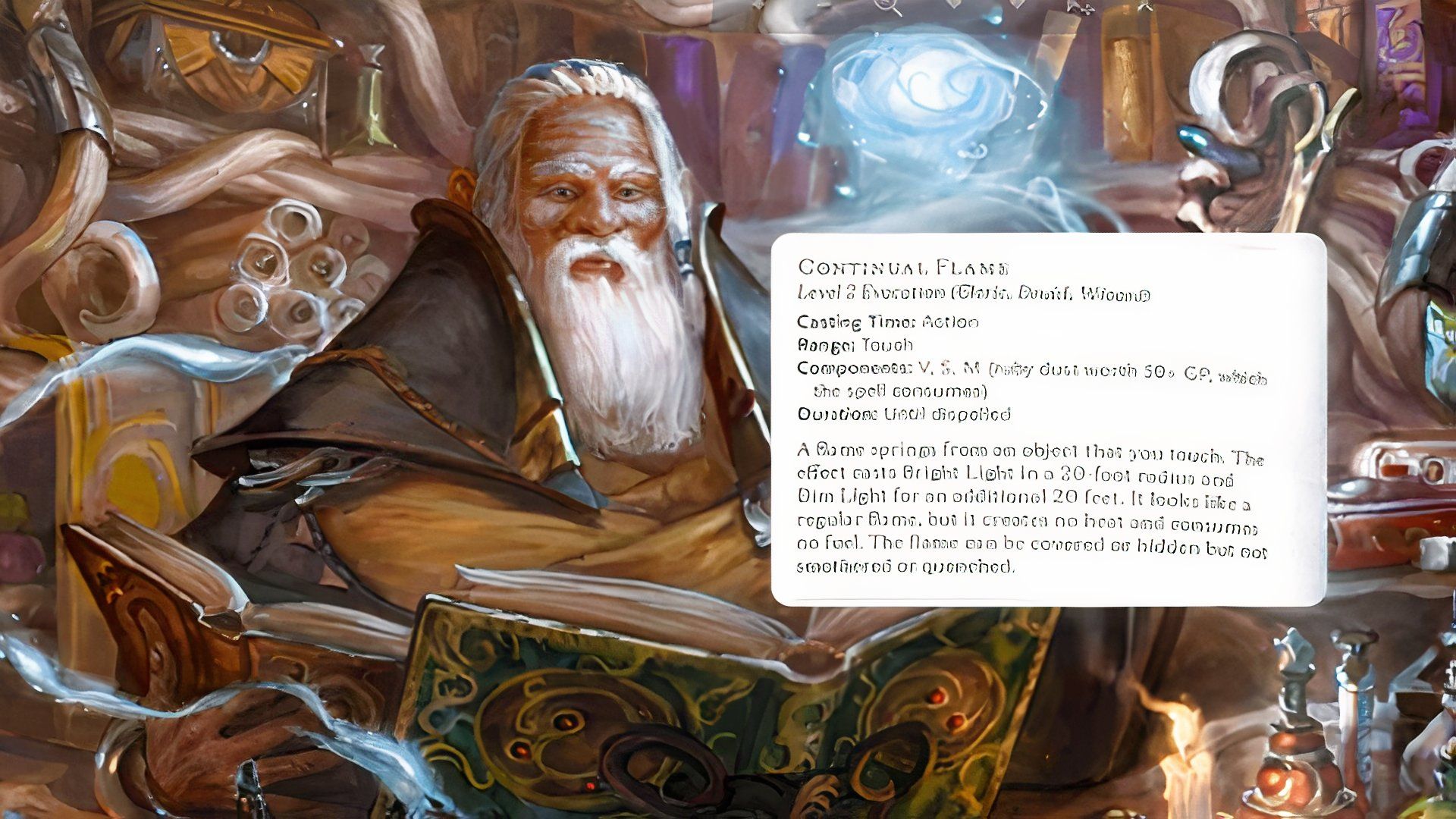 Image from Revised Player’s Handbook 2024
 It might seem like a lot to make Continual Flame a 2nd-level spell, considering it doesn’t deal damage – it just creates a lasting flame that provides light. While the flame burns indefinitely unless magically extinguished, some players question if that’s enough to justify the spell’s level. Many spellcasters would likely choose other 2nd-level options, like Misty Step, before selecting Continual Flame.
Continual Flame is incredibly helpful for exploration, especially in the dark or for those without Darkvision, because it provides a lasting, harmless light source. Unlike other light spells, it doesn’t fade after a Long Rest, allowing spellcasters to repeatedly cast it onto everyday items like trinkets or weapons, creating permanent illumination. This opens up creative possibilities – you could attach it to the back of arrows or bolts to light up distant areas, or use glowing stones to mark important locations.
Phantasmal Force
The Illusion Can Fight Enchantments
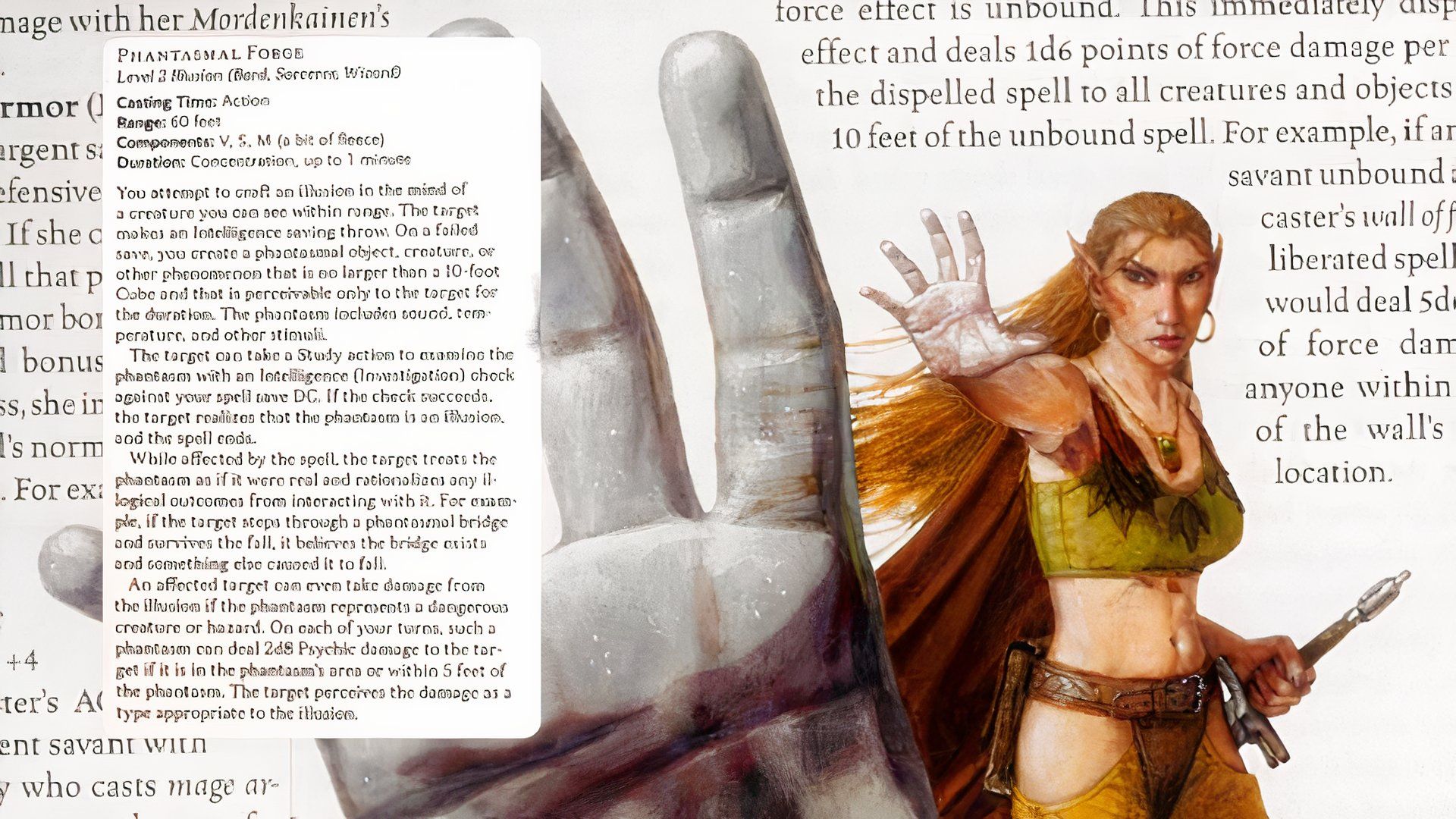 Image from Complete Arcane 3.5e
 While Minor Illusion creates harmless illusions, Phantasmal Force is its more powerful, damaging counterpart. If a creature fails an Intelligence saving throw, they’ll see an illusion created by the caster – and they’ll believe it’s real. They’ll even try to make sense of anything strange happening within the illusion, potentially taking 2d6 psychic damage as they perceive the damage type within their mind. Because many enemies aren’t strong against illusions, Phantasmal Force can be surprisingly effective against tough opponents, even bosses, with a bit of luck.
Even though Phantasmal Force is already a strong spell for its level, it can be especially useful in specific situations – particularly when illusions need to have a real impact, even if not directly on enemies. For example, if an enemy has Charmed one of your allies, you can use Phantasmal Force to make your ally believe the enemy was always hostile. This might break the Charm, or at least lessen its effect, preventing your ally from becoming a problem in combat.
Light
Temporary Variant Of Continual Flame
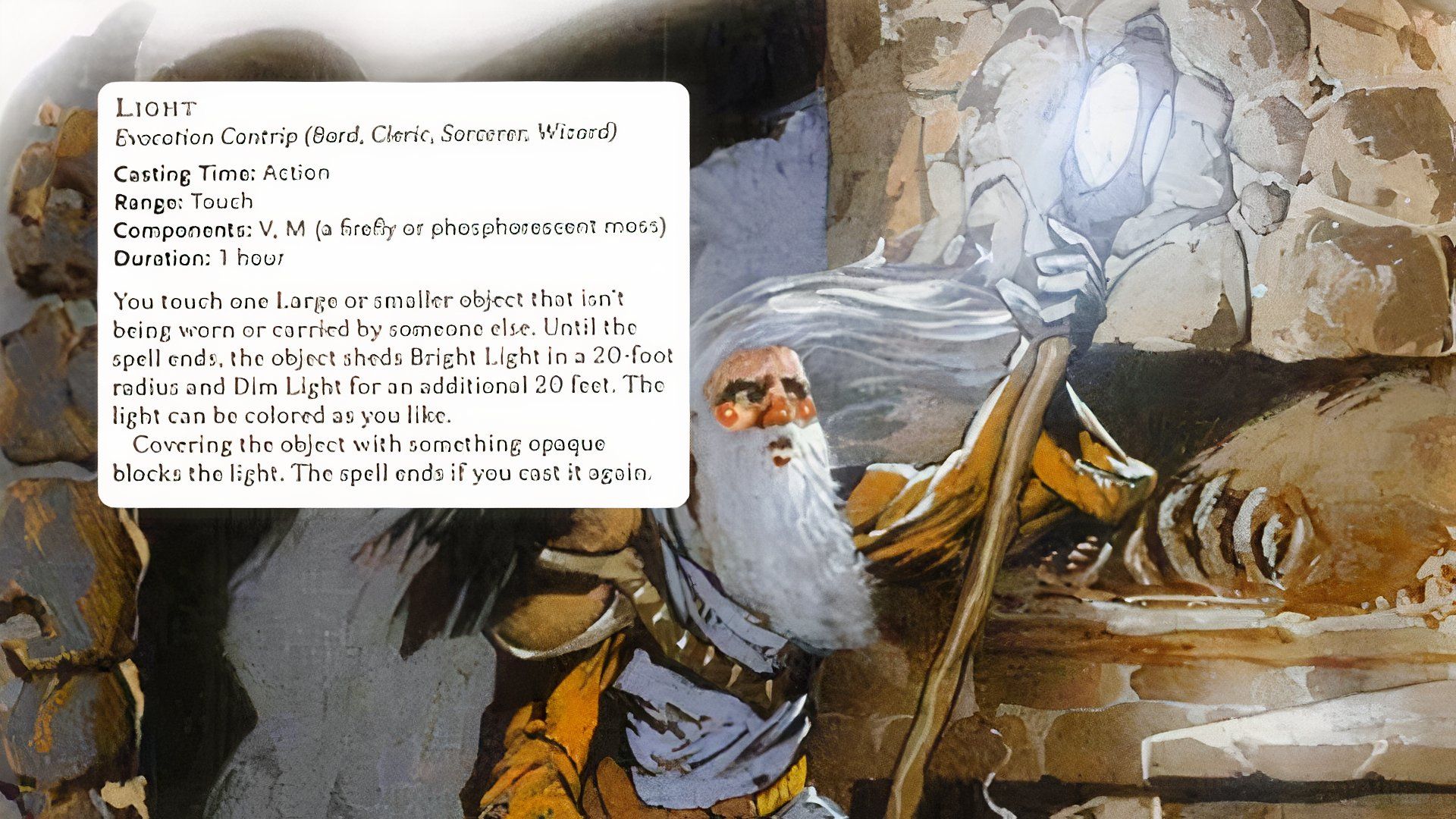 Image from Complete Arcane 3.5e
 If spellcasters want a similar effect to Continual Flame but don’t want to use up a leveled spell slot, they can use the Light spell instead. It creates bright light in a 20-foot radius that dims to 20 feet, and lasts for one hour unless dispelled or suppressed by antimagic.
The one-hour duration of this spell can be frustrating if you want a lasting light source in dungeons. Plus, you can only illuminate one object at a time. Still, when you urgently need light and don’t want to use more powerful spells, this can be a useful option for your group.
Mending
Think Outside The Box, And Inside Tools And Kits
 Image from Arms and Equipment
 The Mending spell is often seen as potentially helpful, but players struggle with exactly what it can fix. The spell description says it can repair a tear or break up to a foot in size – like a ripped cloak, a broken key, or a chain link. However, it frequently leads to arguments about whether a specific item qualifies. Everyone generally agrees that Mending can’t restore magical properties to enchanted items.
Mending isn’t just for objects; players can also use it to repair their Tools, like lockpicks. Because of how Mending works, it can fix broken Tools, which is helpful for characters who rely on their skills and proficiencies.
Calm Emotions
Defuse An Encounter Easily
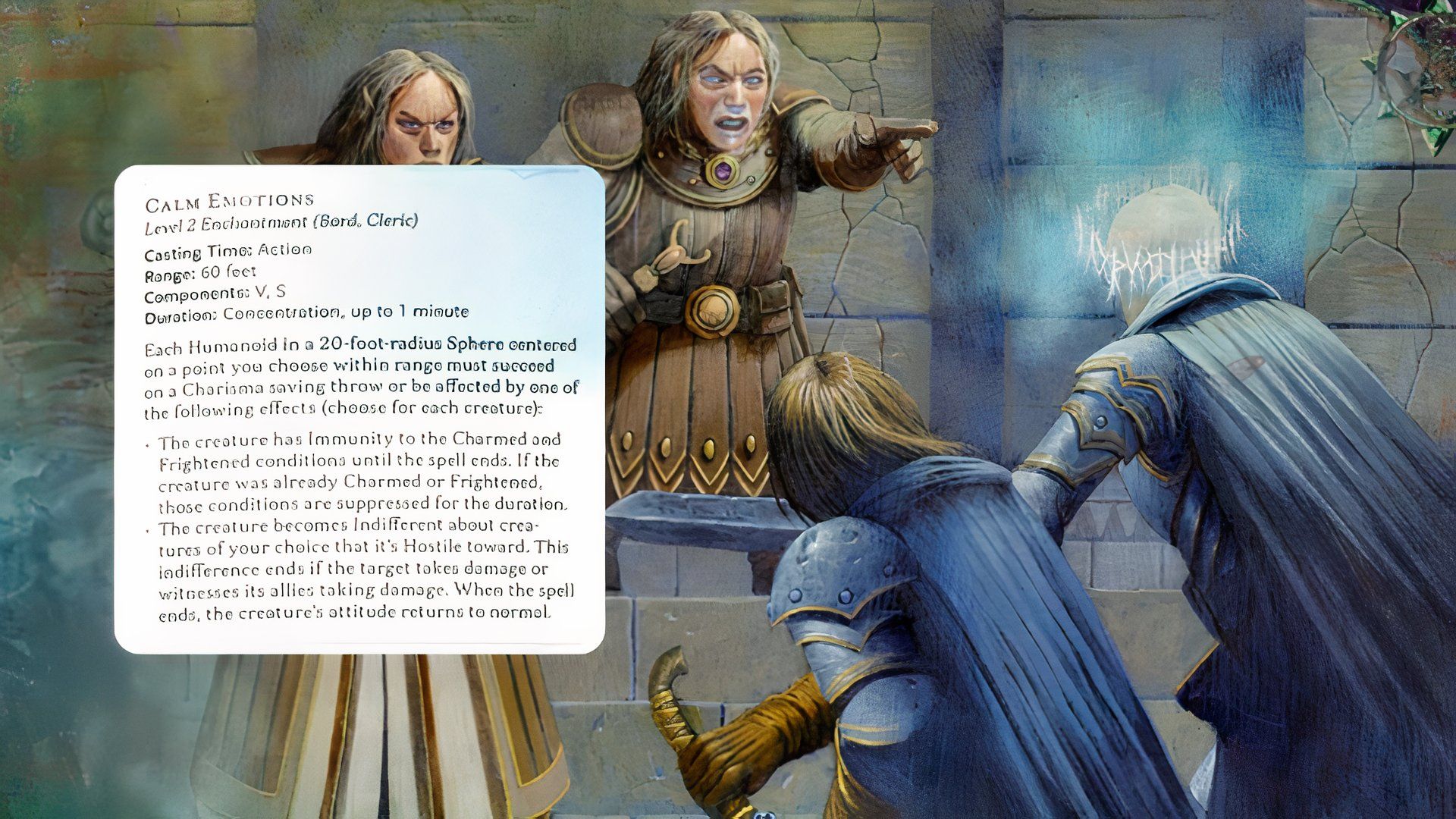 Image from Tome of Battle 3.5e
 Many tabletop role-playing games, like Dungeons & Dragons, often lead to combat when negotiations fail. However, D&D offers a unique option: the Calm Emotions spell. Though it’s a 2nd-level enchantment and might seem like a wasted spell slot, its effects – especially its 20-foot range – can actually be incredibly useful in turning the tide of a fight.
If creatures fail a Charisma saving throw, they’ll either become immune to being charmed or frightened for a minute, or temporarily suppress those feelings. This is helpful for allies vulnerable to enchantment, like a barbarian forced into a rage. More importantly, creatures can become indifferent towards enemies they previously disliked, effectively ending the hostility as long as they aren’t harmed. Although this effect only lasts a minute, it can be enough to de-escalate a conflict and calm everyone down.
Rope Trick
A Nifty Escape Solution
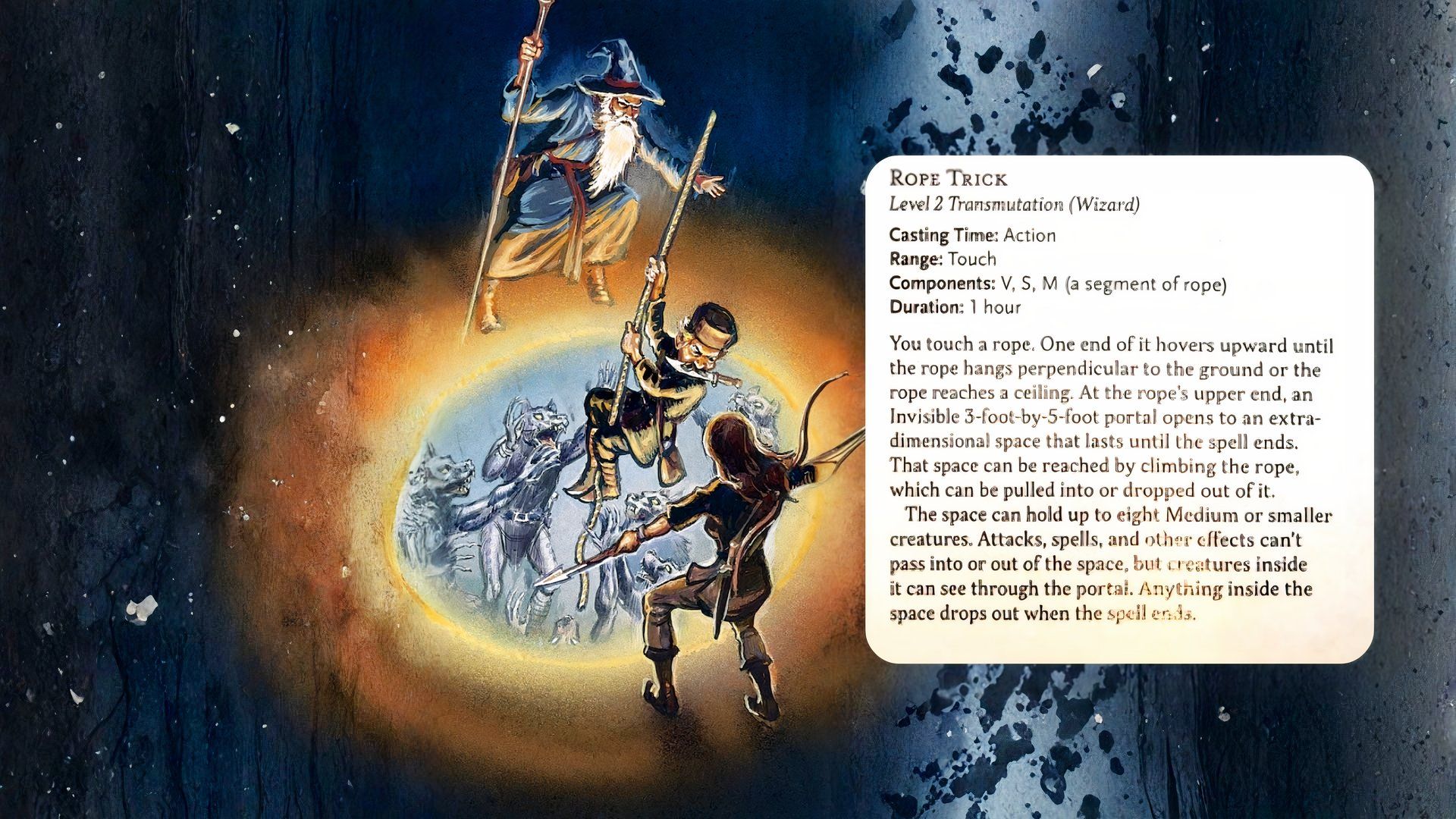 Image from Rope Trick_Magic the Gathering
 If you’ve played a role-playing game like Dungeons & Dragons or Divinity: Original Sin 2, you know it’s smart to always have a way to get out of a tough spot. This could involve items that let you move quickly, teleport, or safely break away from enemies to regroup or plan a counterattack. In D&D, there are many ways to escape, and players who like to be prepared can always use the Rope Trick spell to create a safe haven.
Okay, let me tell you about Rope Trick. As a second-level spell, it’s surprisingly effective if you use it right. Basically, you conjure a rope that leads to a hidden pocket dimension – think a 3×5 foot space that lasts an hour. It can comfortably fit up to eight medium-sized creatures, and here’s the kicker: nothing can get in or out while you’re inside. That means if a fight starts going south, your party can use this spell to make a quick escape. If you grab the rope before the bad guys can reach you, they’ll have absolutely no idea where you’ve gone mid-battle. It’s a really clever tactical option, honestly.
Animal Friendship
Never Get Lost In A Dungeon Again
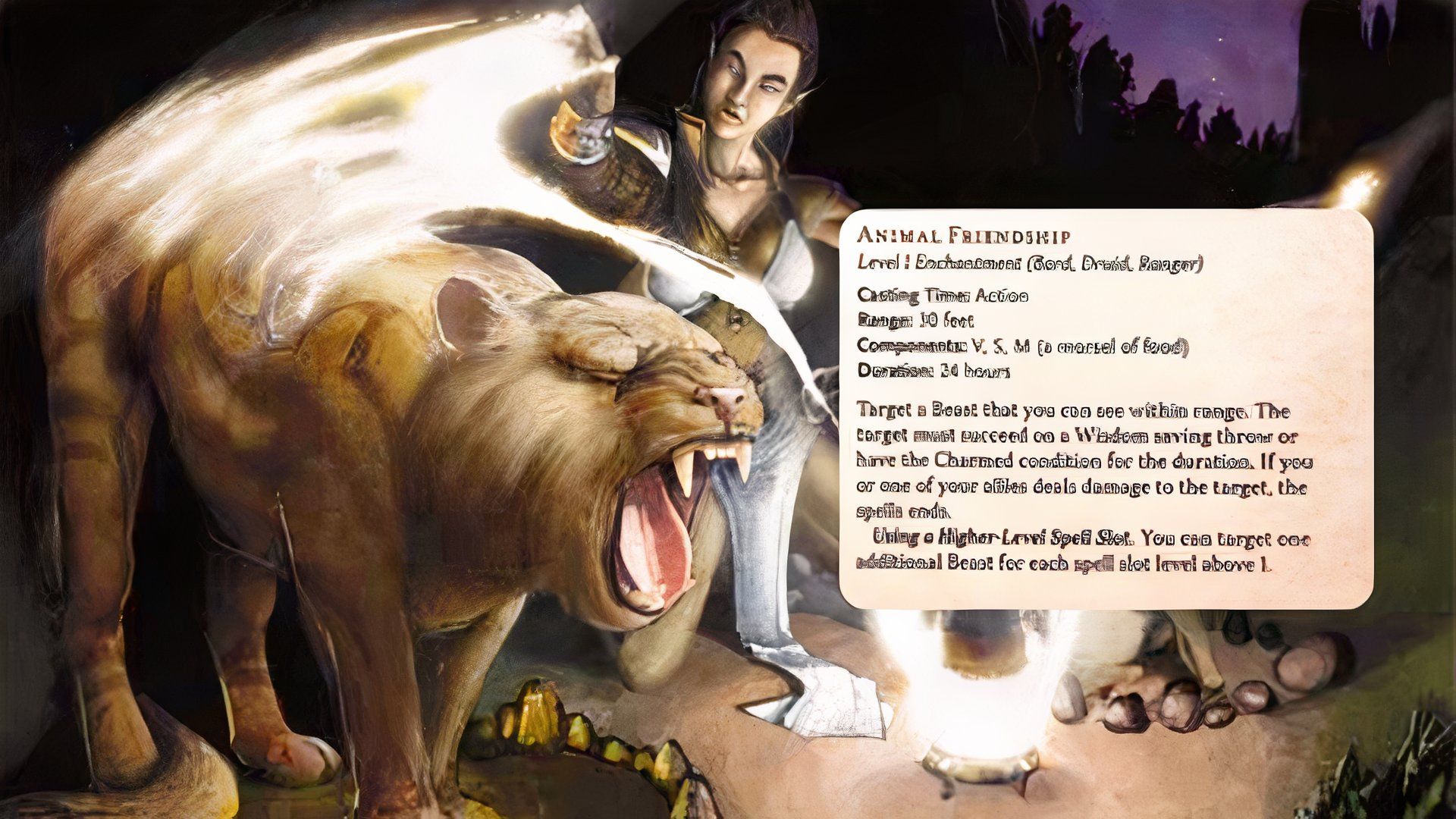 Image from Complete Warrior
 The Animal Friendship spell might seem unnecessary, considering Rangers already have animal companions and Druids often communicate with animals. Using a 1st-level spell to simply charm a beast when you could be casting an attack spell doesn’t always make sense. However, Animal Friendship can be incredibly helpful if players need a guide in an unknown area, particularly if there are animals around who could offer assistance.
The Animal Friendship skill lets you befriend creatures who can then assist you in dangerous dungeons, helping you reach safety. These befriended animals can also act as your voice, speaking to leaders on your behalf and potentially avoiding conflict.
Hail Of Thorns
Turn Size To A Disadvantage
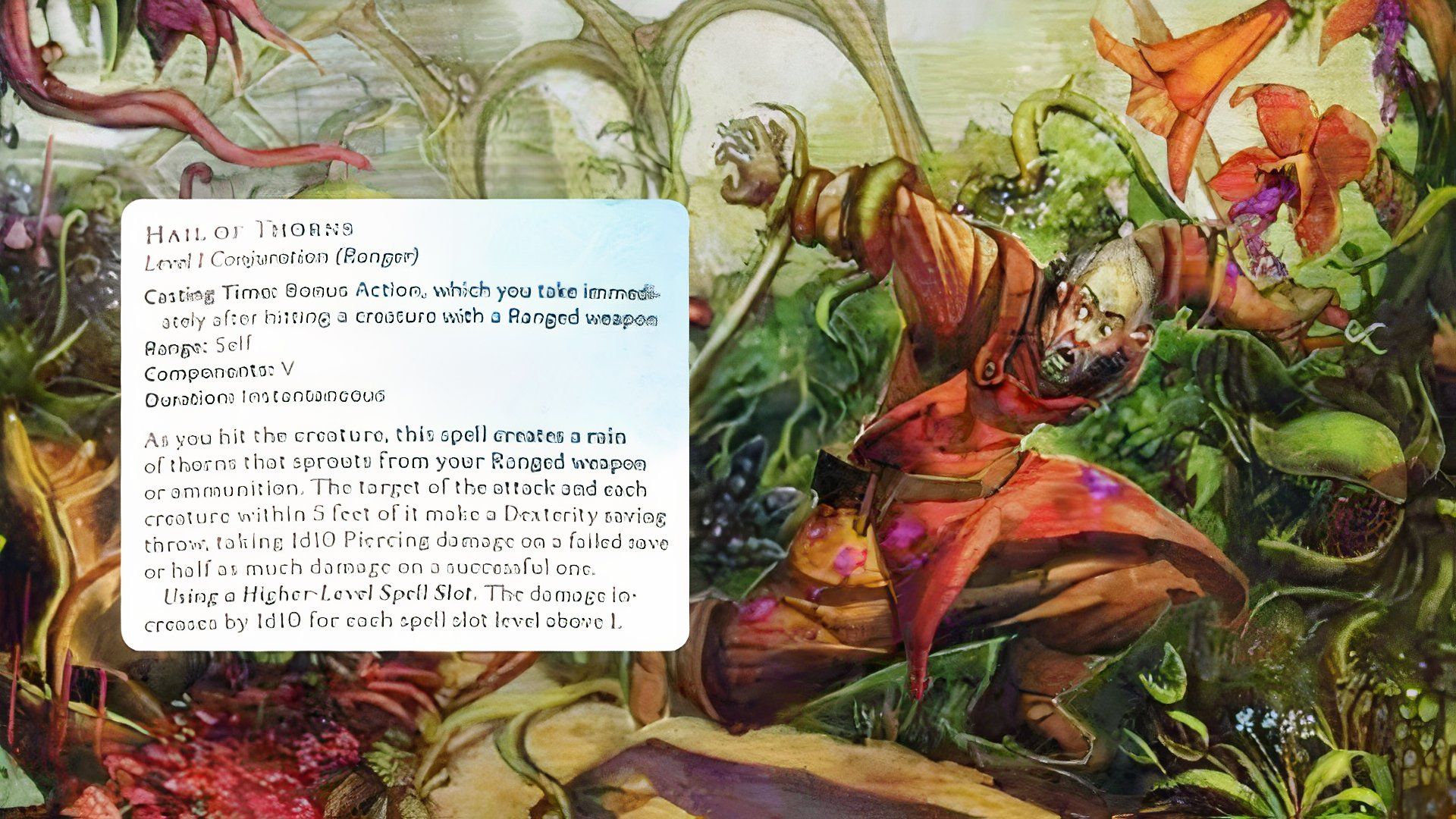 Image from Arms and Equipment
 With so many first-level spells available in Dungeons & Dragons, Hail of Thorns often gets overlooked because its effect doesn’t seem very strong. It only creates a small patch of thorns near the target, and enemies can attempt a Dexterity saving throw to reduce the damage from 1d10 piercing damage. What’s more, increasing the damage requires using a higher-level spell slot, making it less reliable than many basic cantrips.
I’ve been experimenting with Hail of Thorns, and I think a lot of people are missing how powerful it can be if you really understand how it works. Sure, cantrips are free and do consistent damage, but they only hit one thing. Hail of Thorns, though, does damage to everything it hits, and that damage spreads out! It affects all the squares around the main target, which is huge. When you’re facing a big enemy, that means you can actually damage enemies standing near it too, turning it into a way to damage the battlefield itself. It’s way more effective than people give it credit for!
Locate Object
Stop Wasting Time Looting For Items
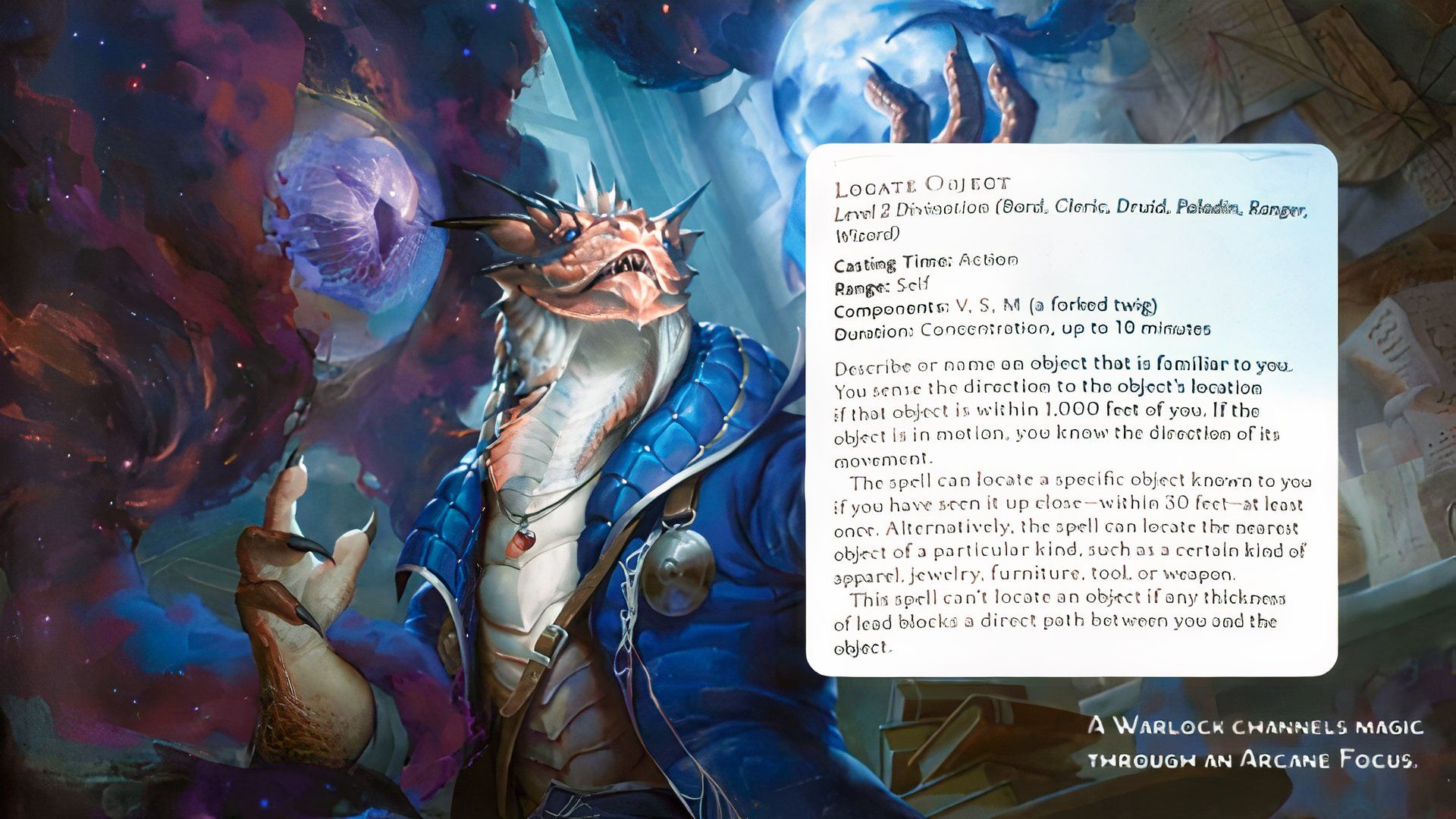 Image from Revised Player’s Handbook
 In Dungeons & Dragons, the divination spell Locate Object doesn’t get as much attention as it deserves. This is because it’s only really helpful in specific situations. To use it, players need to already know exactly what they’re trying to find – either a particular item or a category of items. Once they do, the spell can point them in the right direction (within 1,000 feet) or pinpoint its location (within 30 feet). However, if players aren’t sure what they’re looking for, or if they have time to search normally, it’s often more efficient to simply look for the object themselves.
While generally useful, the Locate Object spell really shines when you need to find something very specific. It’s perfect for quickly checking for things like metal, gold, hidden doors, or even traps. With the DM’s approval, it can potentially even find magical items – after all, a magical item is certainly specific enough to identify!
Enlarge/Reduce
Get Cartoony With Any Encounter
 Image from Enlarge Magic the Gathering Card
 The 2nd-level spell Enlarge/Reduce in Dungeons & Dragons isn’t immediately obvious in its usefulness, despite having many potential applications. It either makes a target bigger or smaller, impacting their Strength checks and saving throws with either advantage or disadvantage. Because of this indirect effect, it might not seem worth using, especially considering it takes up a valuable 2nd-level spell slot.
Players who are as inventive as Wile E. Coyote can use this Spell to cleverly overcome obstacles. Instead of picking a lock, for example, they could simply shrink the door. They might make a throwing knife enormous, guaranteeing a hit or a spectacular miss. It’s even possible to enlarge objects like chandeliers, causing them to fall on enemies, or collapse ceilings to bring down opponents from above.
Read More
- All Skyblazer Armor Locations in Crimson Desert
- All Shadow Armor Locations in Crimson Desert
- How to Get the Sunset Reed Armor Set and Hollow Visage Sword in Crimson Desert
- Marni Laser Helm Location & Upgrade in Crimson Desert
- Best Bows in Crimson Desert
- All Helfryn Armor Locations in Crimson Desert
- All Golden Greed Armor Locations in Crimson Desert
- How to Craft the Elegant Carmine Armor in Crimson Desert
- Keeping Large AI Models Connected Through Network Chaos
- One Piece Chapter 1179 Preview: The Real Imu Arrives in Elbaf
2026-02-03 01:10