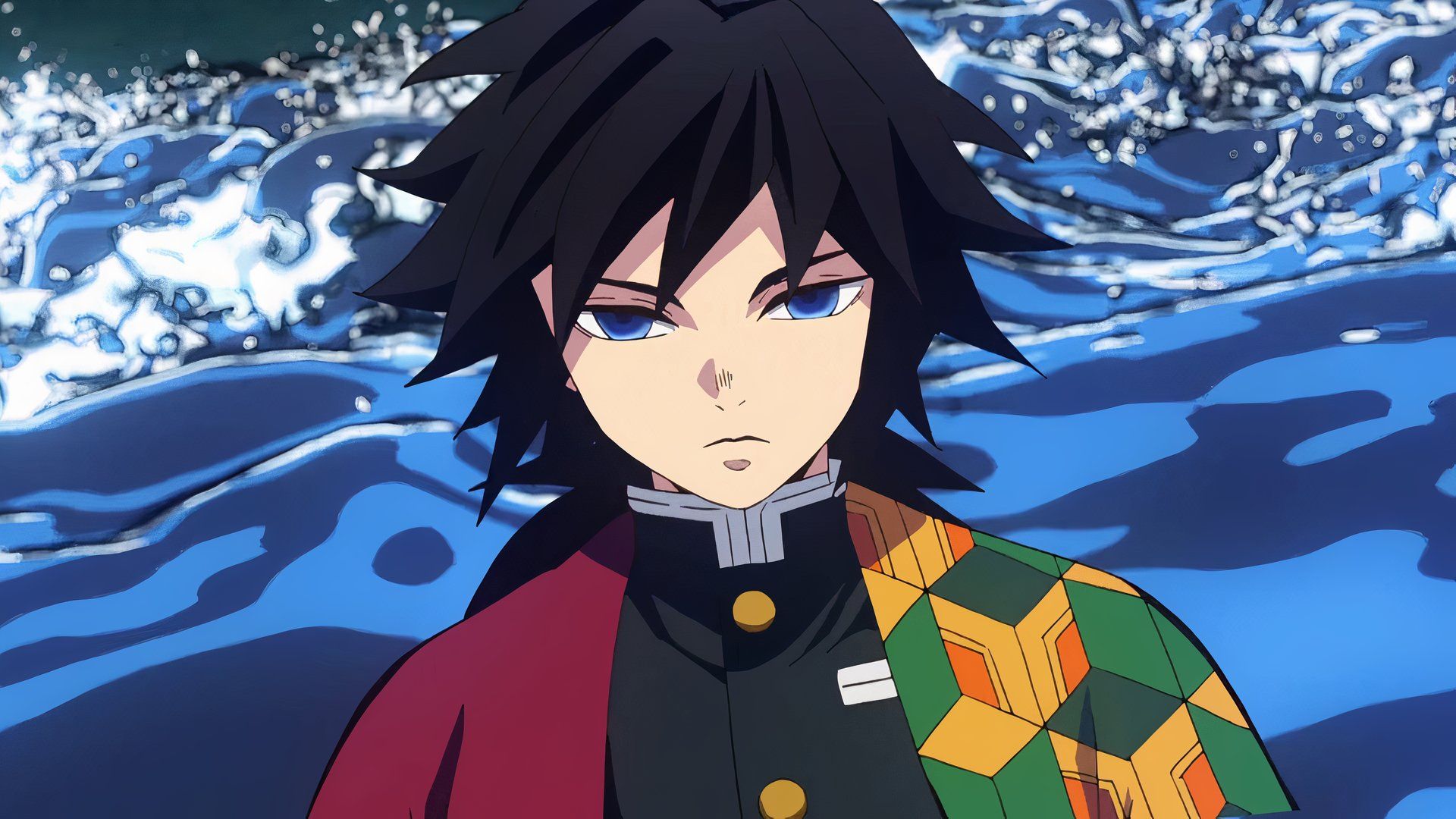
In the anime Demon Slayer, Breathing Techniques – sometimes called Breathing Forms – are key to combat. These special attacks and movements let swordsmen overcome enemies who are physically more powerful. Each style of breathing has its own unique Forms. For example, Thunder Breathing is all about incredibly fast attacks, and Mist Breathing focuses on disorienting opponents.
Water Breathing is a unique style known for its flexibility and ability to adapt to different situations. It’s a well-rounded technique, effective for both attacking and defending, and has been frequently used by characters like Tanjiro and Giyu in Demon Slayer. Here are 10 of its most powerful forms.
Second Form: Water Wheel
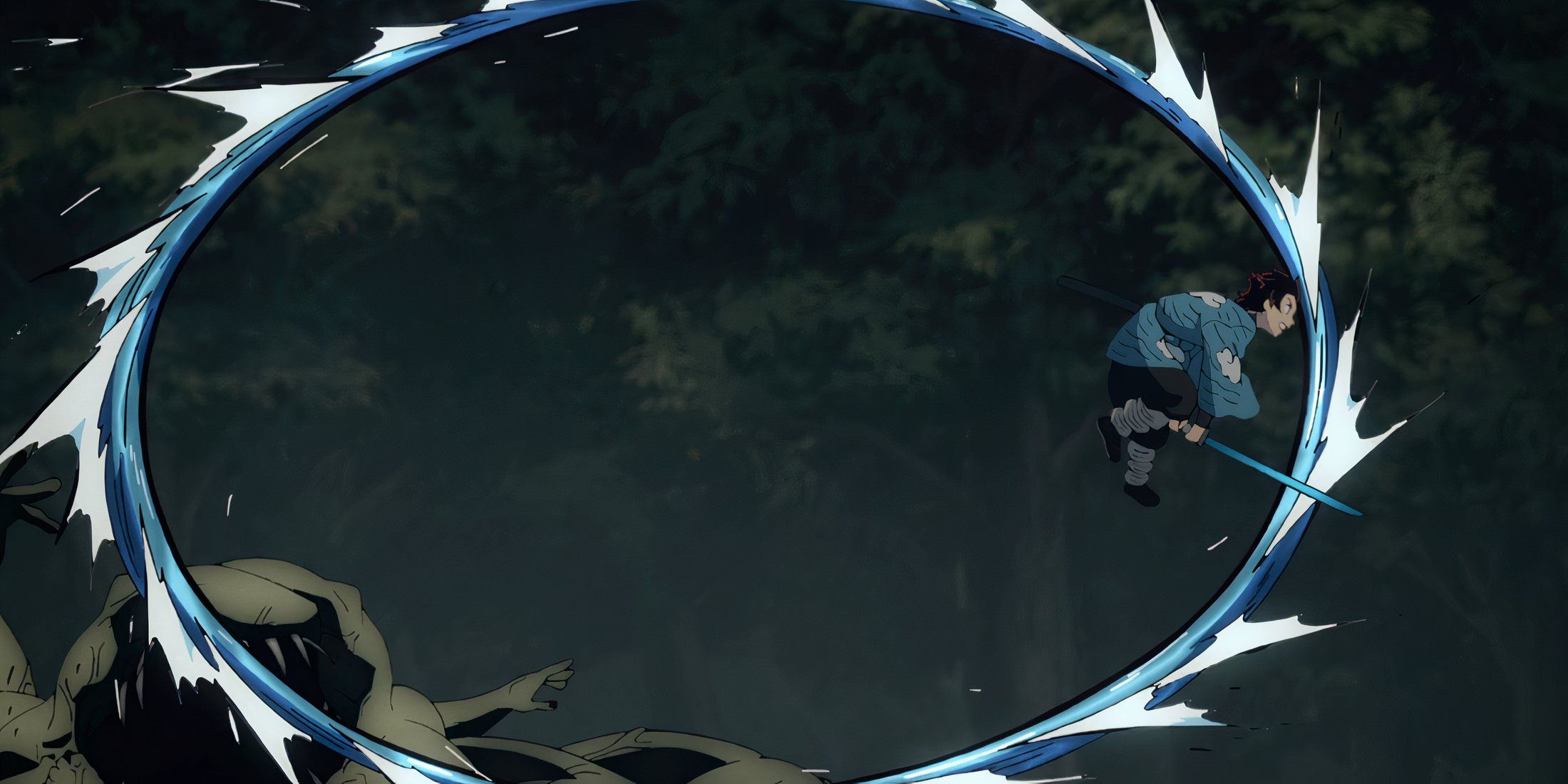
This was one of the first Water Breathing techniques Tanjiro demonstrated in the anime. He first used it during the Final Selection battle against the Hand Demon. The technique involves jumping forward and spinning vertically to deliver a powerful slash. However, it’s a risky move because it requires a lot of full-body motion, leaving the user vulnerable when they land. Later, during the Mount Natagumo arc, Tanjiro used this form more as a way to recover from a fall than as an actual attack.
Fifth Form: Blessed Rain After the Drought
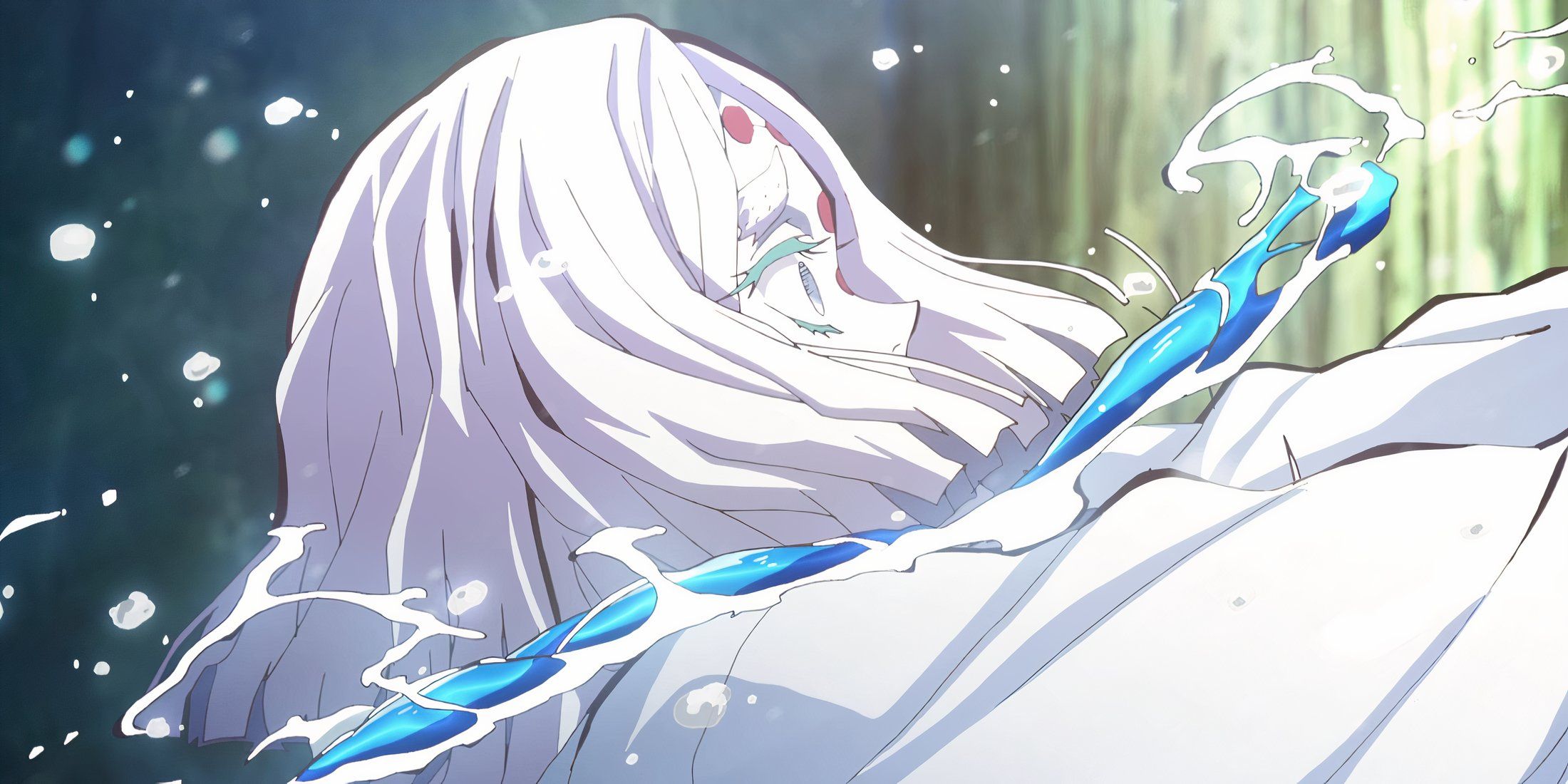
During the battle with the Mother Spider Demon in Episode 16, Tanjiro employed a particularly graceful technique. Noticing the demon had resigned itself to death, he used his fifth form to deliver a painless, merciful strike. Because it’s designed to be gentle and doesn’t inflict significant damage, this form isn’t effective against stronger opponents who are still fighting to survive. However, it’s widely considered to be the most visually stunning of all his techniques.
Sixth Form: Whirlpool
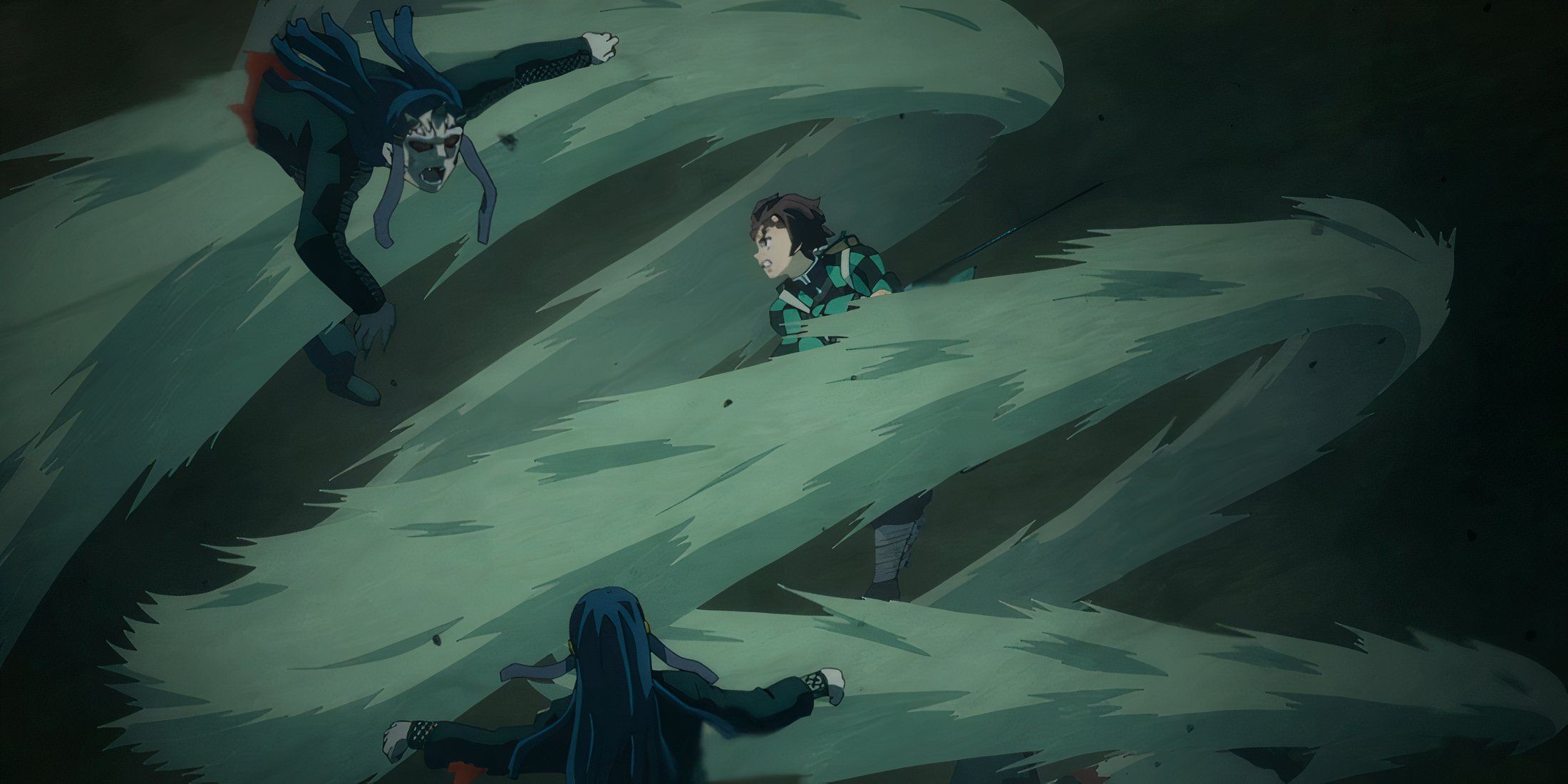
I watched Tanjiro battle the Swamp Demon in Episode 7, and it was a tough fight because they were deep underground in a swamp. The swamp messed with his senses, so he had to use his Sixth Form to take down the demon’s clones. This form, Whirlpool, involves a powerful twisting motion of the body, which creates spinning air currents. It’s incredibly effective underwater, as it manipulates the water itself, making his attacks much stronger.
Eighth Form: Waterfall Basin
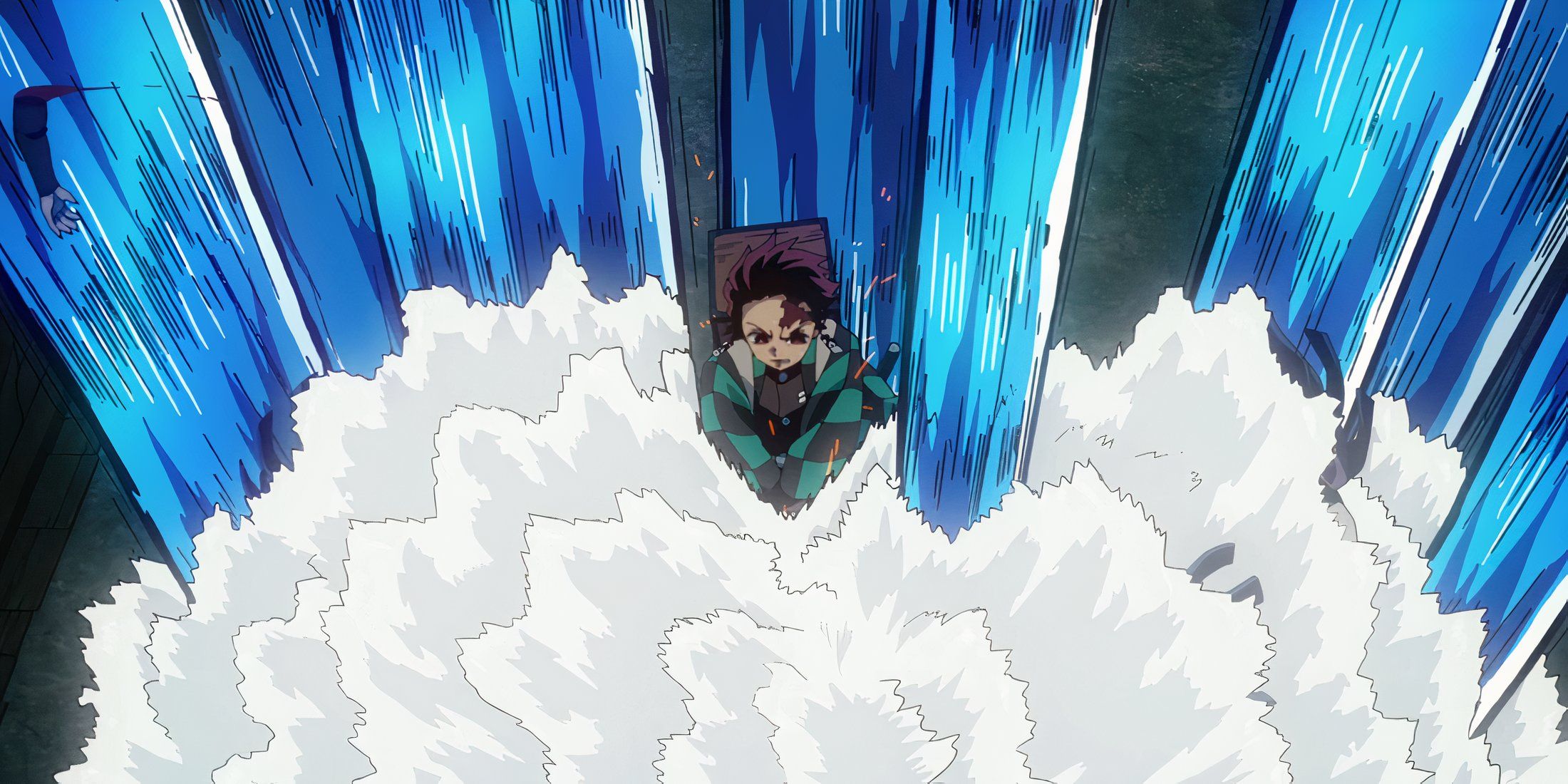
In Episode 6, when Tanjiro first fought the Swamp Demon, three clones appeared from below and attacked him. He quickly responded by using Waterfall Basin, a powerful downward strike that works best when you’re above your opponent. While perfect for situations where you’re jumping down, those opportunities don’t come up often, making this technique somewhat limited in its use.
Ninth Form: Splashing Water Flow, Turbulent
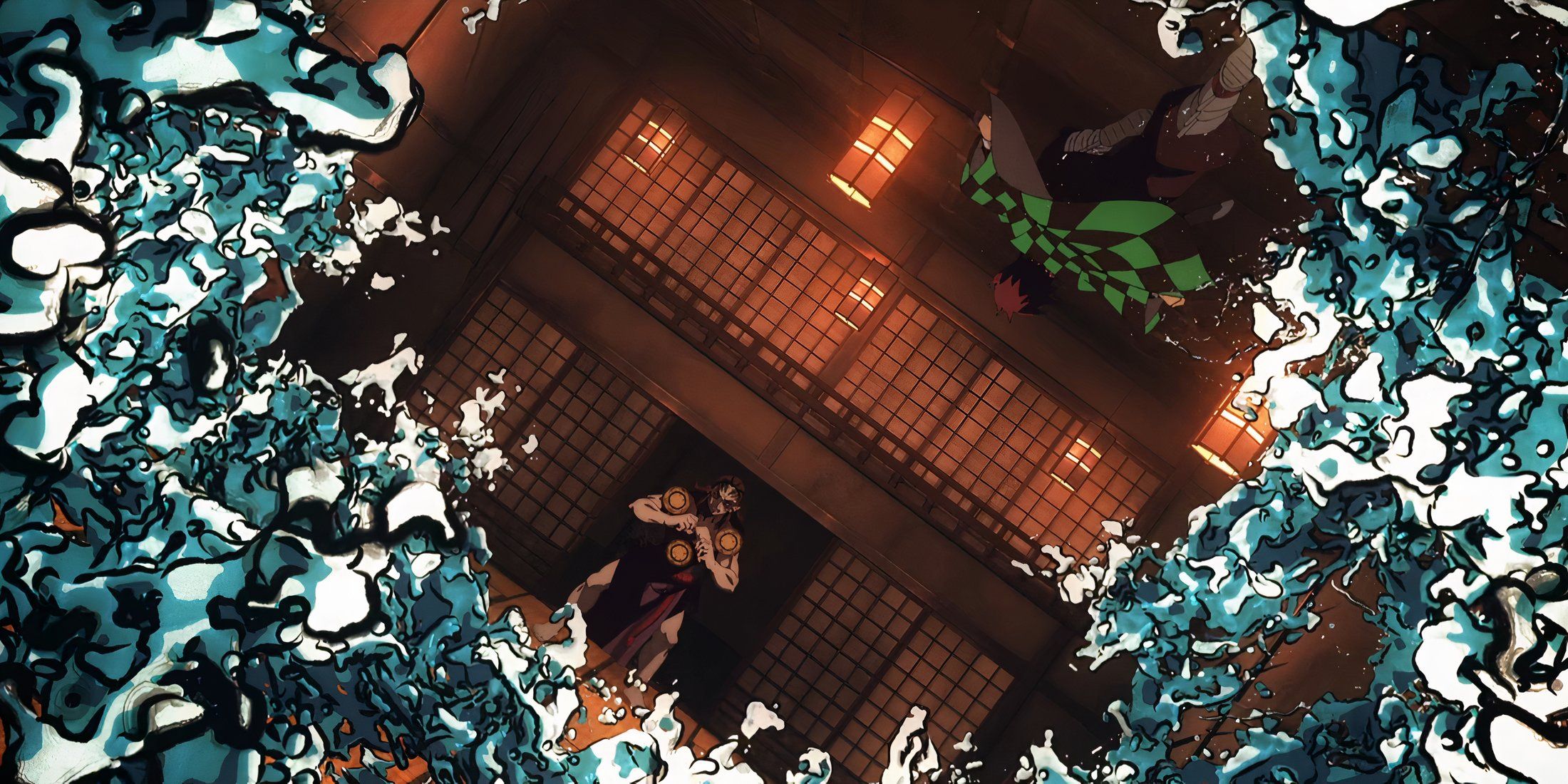
The ninth form prioritizes quick and efficient movement. It involves precise footwork that minimizes wasted time and space, allowing the user to move with greater speed and agility. This is particularly useful in battles on unstable ground. Tanjiro successfully used this form against Kyogai to counter his Blood Demon Art. While not particularly powerful on its own, this form significantly enhances the effectiveness of other techniques when used in combination.
 Guess the anime from the emojis.
animeji
Guess the anime from the emojis.
Title
Clues
Results
Title
— Clues
—
Third Form: Flowing Dance
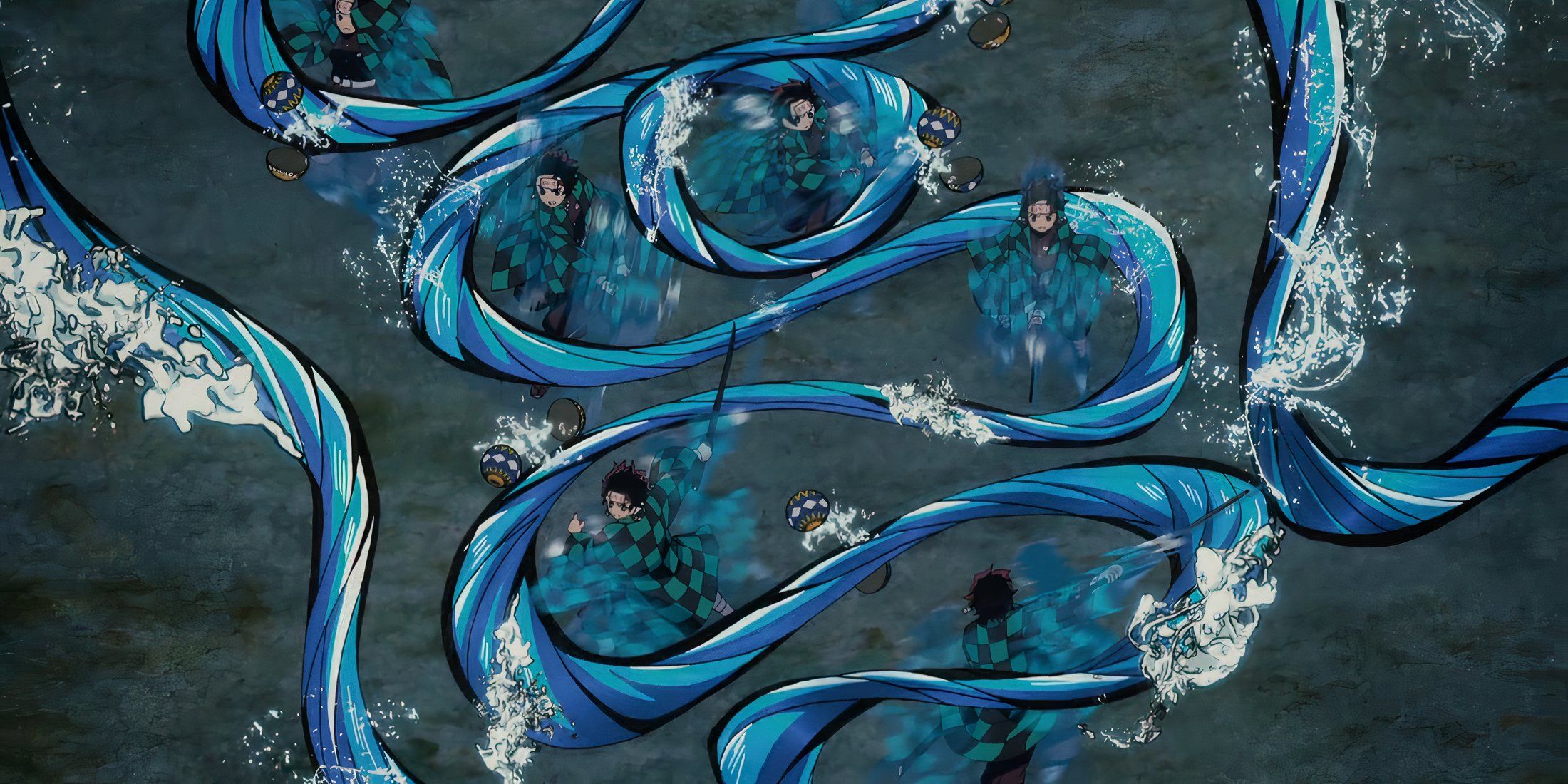
Tanjiro employed a technique called Flowing Dance against opponents like Susamaru, who launched many explosive balls at him. This move is characterized by swift, fluid movements and precise sword angles, ensuring he strikes everything in its path. He later used Flowing Dance defensively against Daki, protecting himself from her incredibly fast attacks.
Fourth Form: Striking Tide
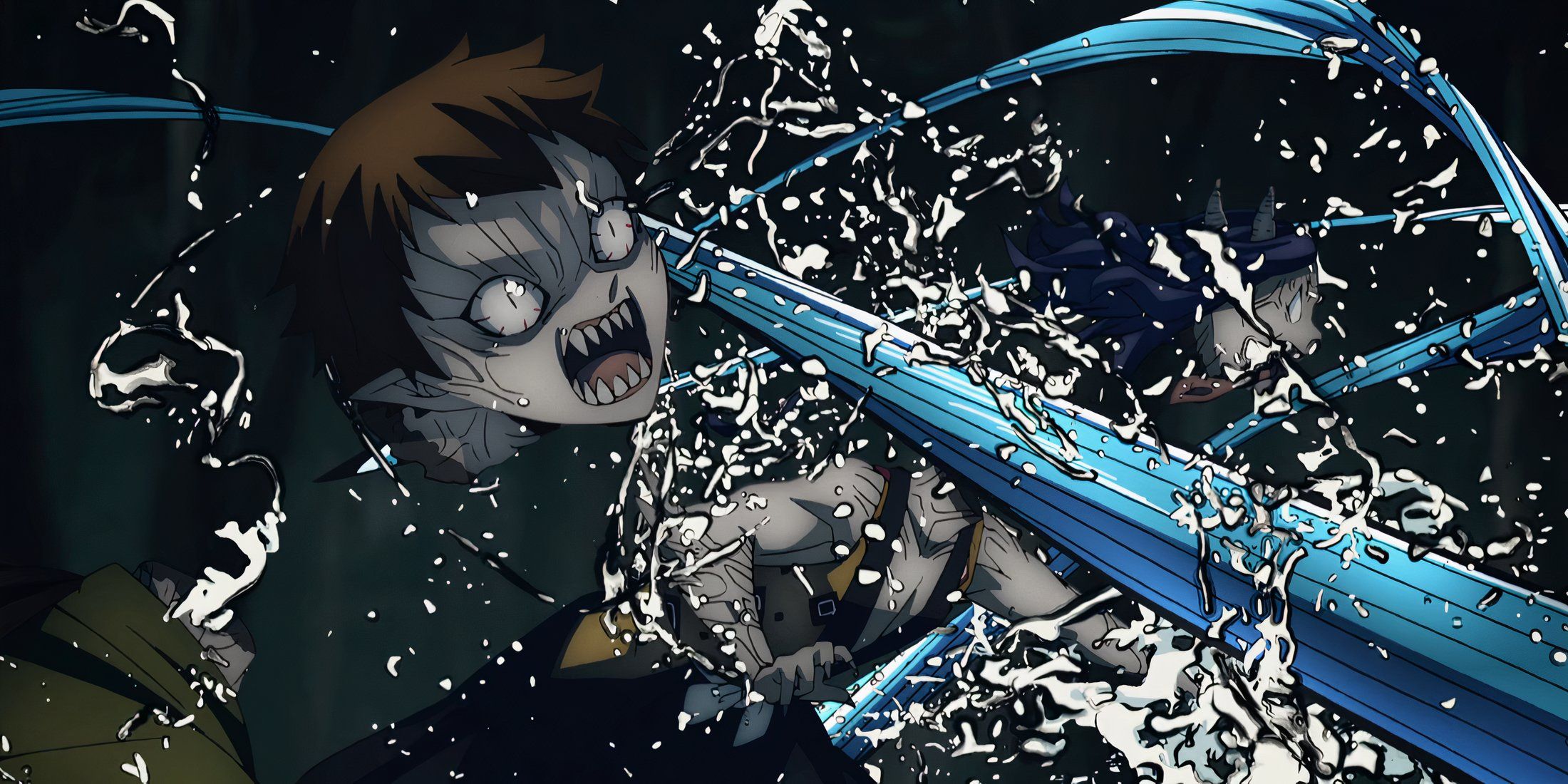
I’ve noticed the Fourth Form is a really effective and adaptable technique throughout the anime. It first appeared in Episode 4, where Tanjiro used it to quickly defeat a group of demons. Later, during the Mount Natagumo arc, Giyu effortlessly sliced the Father Spider Demon to pieces with it. What makes it so useful is its fluid, continuous slashing motion – perfect for taking on multiple opponents or even a single, large one. I remember Tanjiro later refining the technique against Daki, making the slashes more numerous and powerful.
Seventh Form: Drop Ripple Thrust
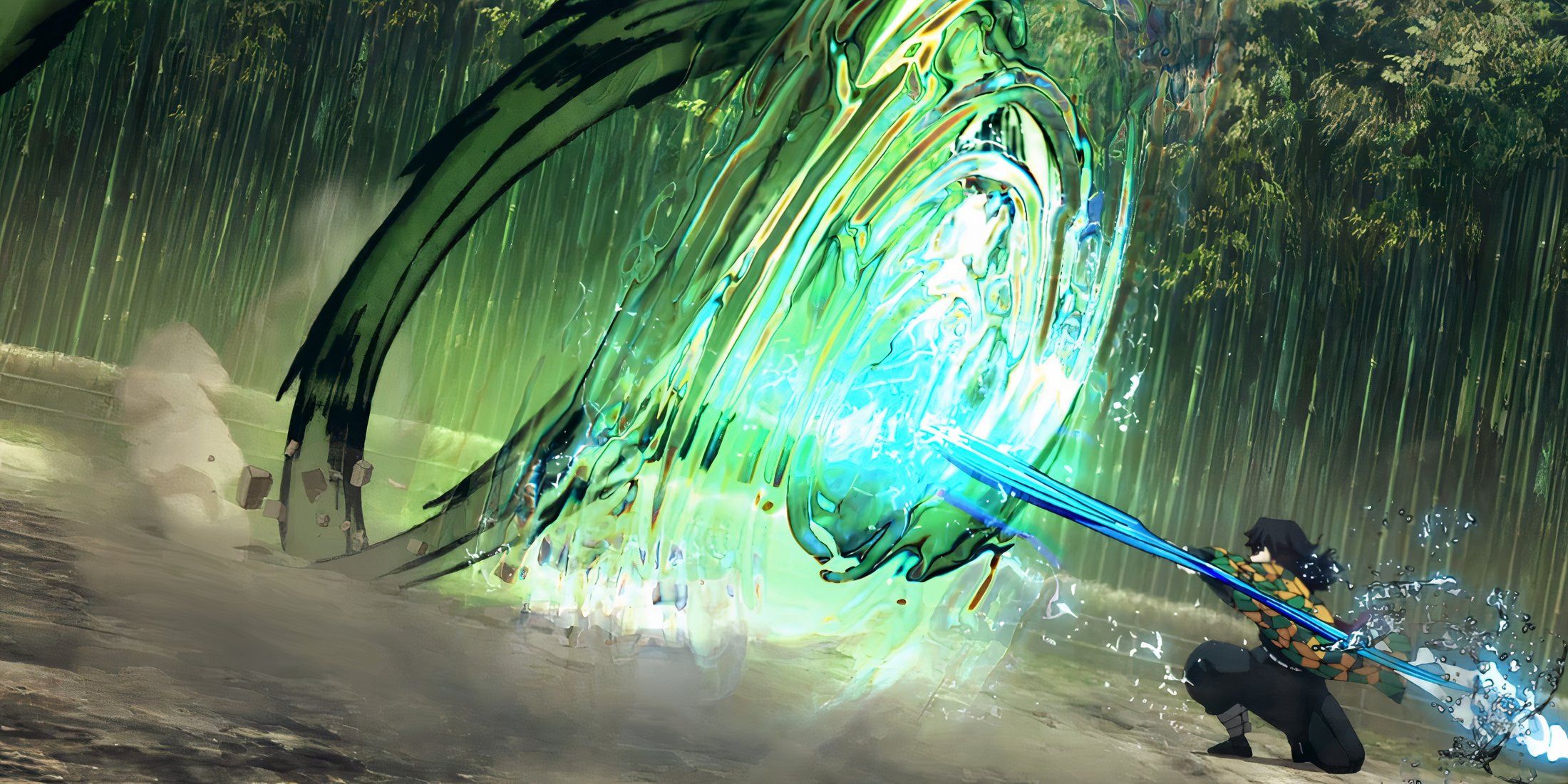
Drop Ripple Thrust is different from other sword techniques because it’s designed solely for defense. It works by creating a series of forward blade movements, like spreading ripples. This seventh form can block any attack. Giyu famously used it during his fight with Sanemi, and Tanjiro adapted it to defend against Susamaru in Episode 9.
Tenth Form: Constant Flux
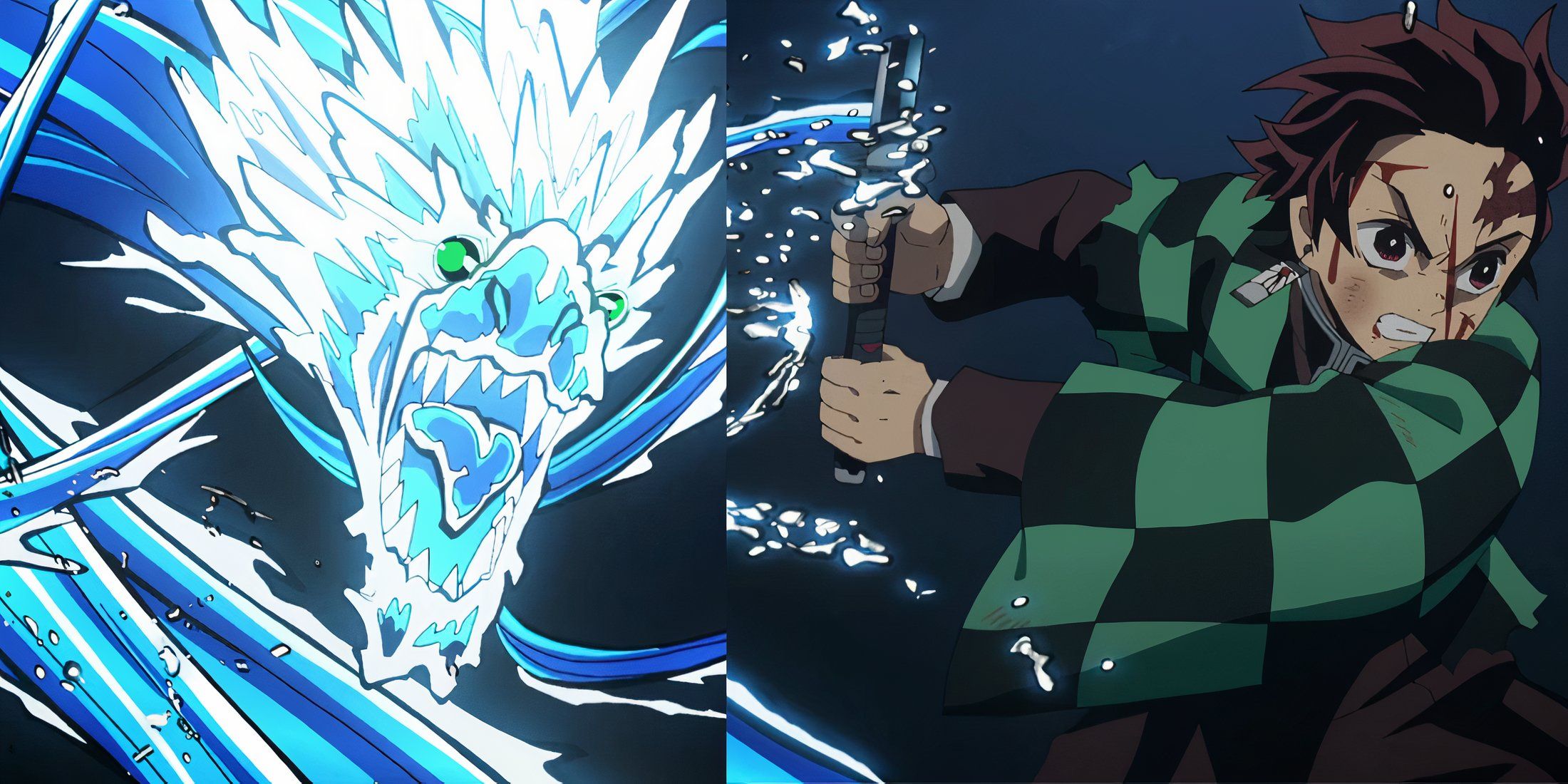
Constant Flux is one of the most memorable breathing techniques from Demon Slayer. It’s known for its attacks that look like a dragon and steadily grow more powerful and faster as the user moves in on their opponent. Tanjiro famously used this technique during his fight with Rui.

Eleventh Form: Dead Calm
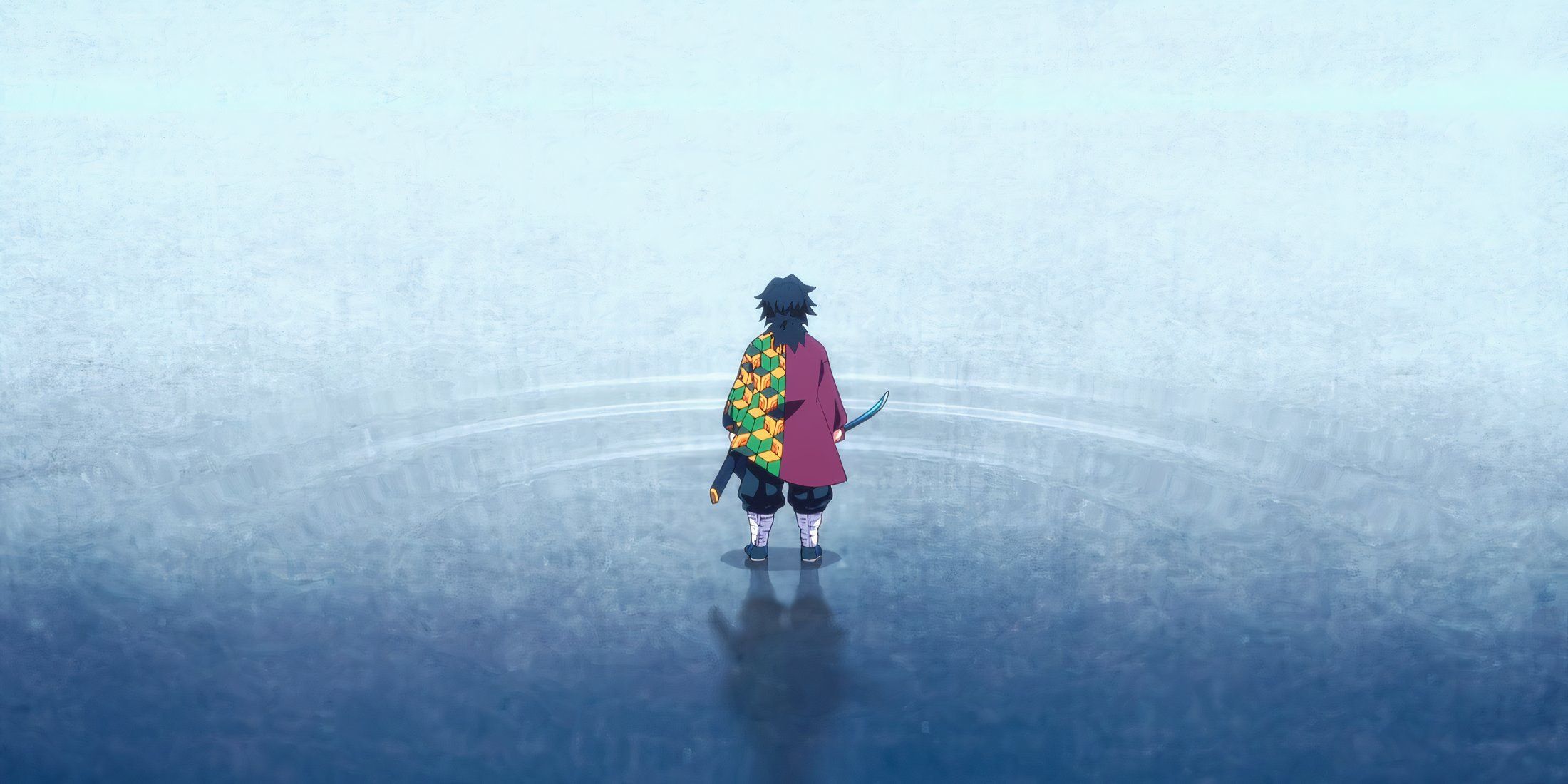
The Eleventh Form is a unique technique created by Giyu Tomioka, the Water Hashira. It lets him block any attack aimed at him. The form appears as perfectly still water, mirroring Giyu’s calm and collected demeanor. He used it to save Tanjiro from Rui, completely deflecting Rui’s Blood Demon Art. Tanjiro was surprised by this eleventh form, as he didn’t know it existed.
Throughout the anime, characters using Water Breathing have relied on these techniques to overcome powerful demons. Tanjiro has continually improved and combined these forms, developing his own unique variations that have proven very effective. Do you think this is a good order for these techniques, or would you prioritize them differently?
Read More
- All Skyblazer Armor Locations in Crimson Desert
- One Piece Chapter 1180 Release Date And Where To Read
- How to Get the Sunset Reed Armor Set and Hollow Visage Sword in Crimson Desert
- All Shadow Armor Locations in Crimson Desert
- All Golden Greed Armor Locations in Crimson Desert
- How to Beat Stonewalker Antiquum at the Gate of Truth in Crimson Desert
- All Helfryn Armor Locations in Crimson Desert
- Marni Laser Helm Location & Upgrade in Crimson Desert
- Black Sun Shield Location In Crimson Desert (Buried Treasure Quest)
- Re:Zero Season 4 Episode 1 Release Date, Where to Watch
2026-04-11 00:36