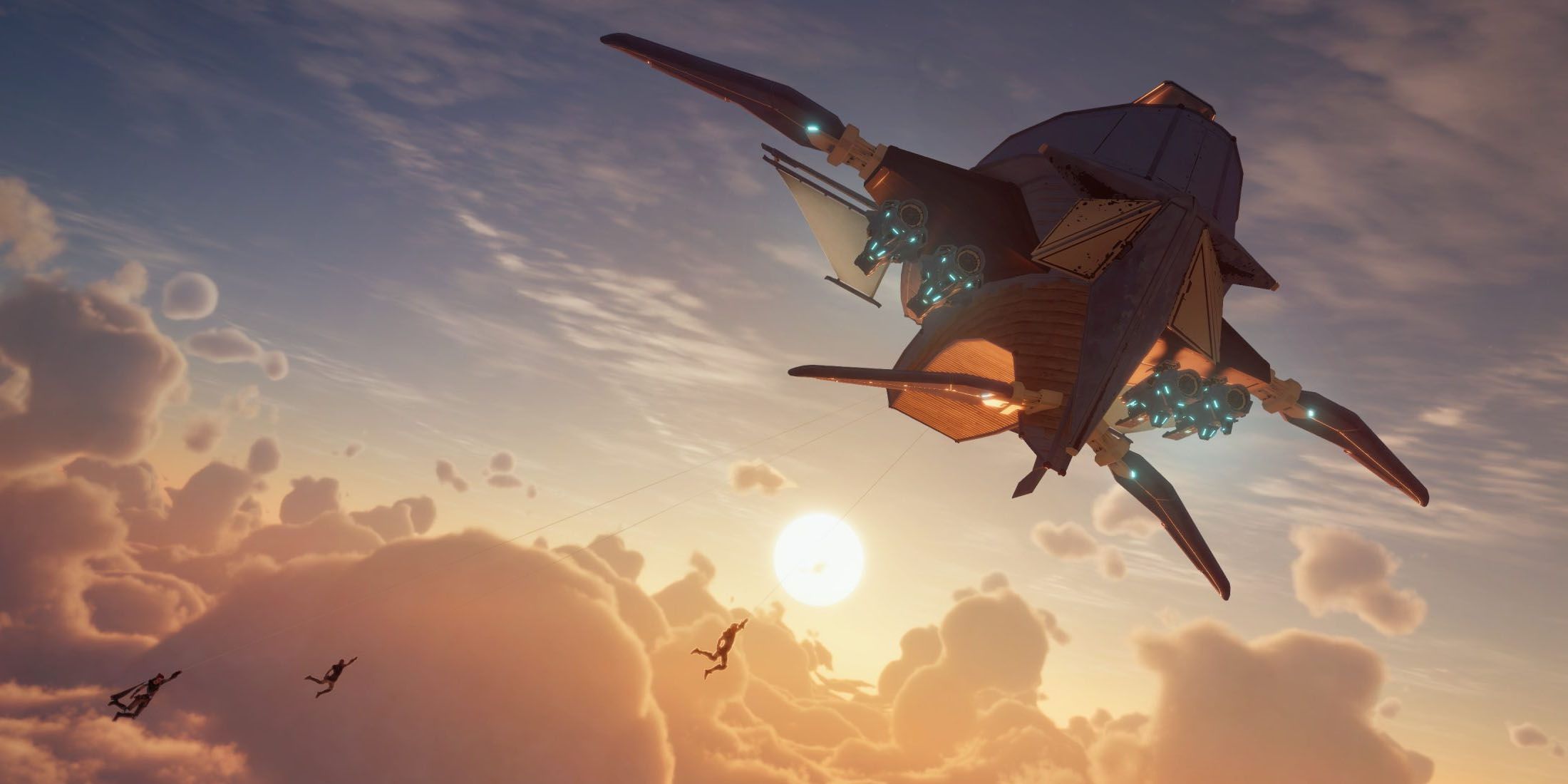
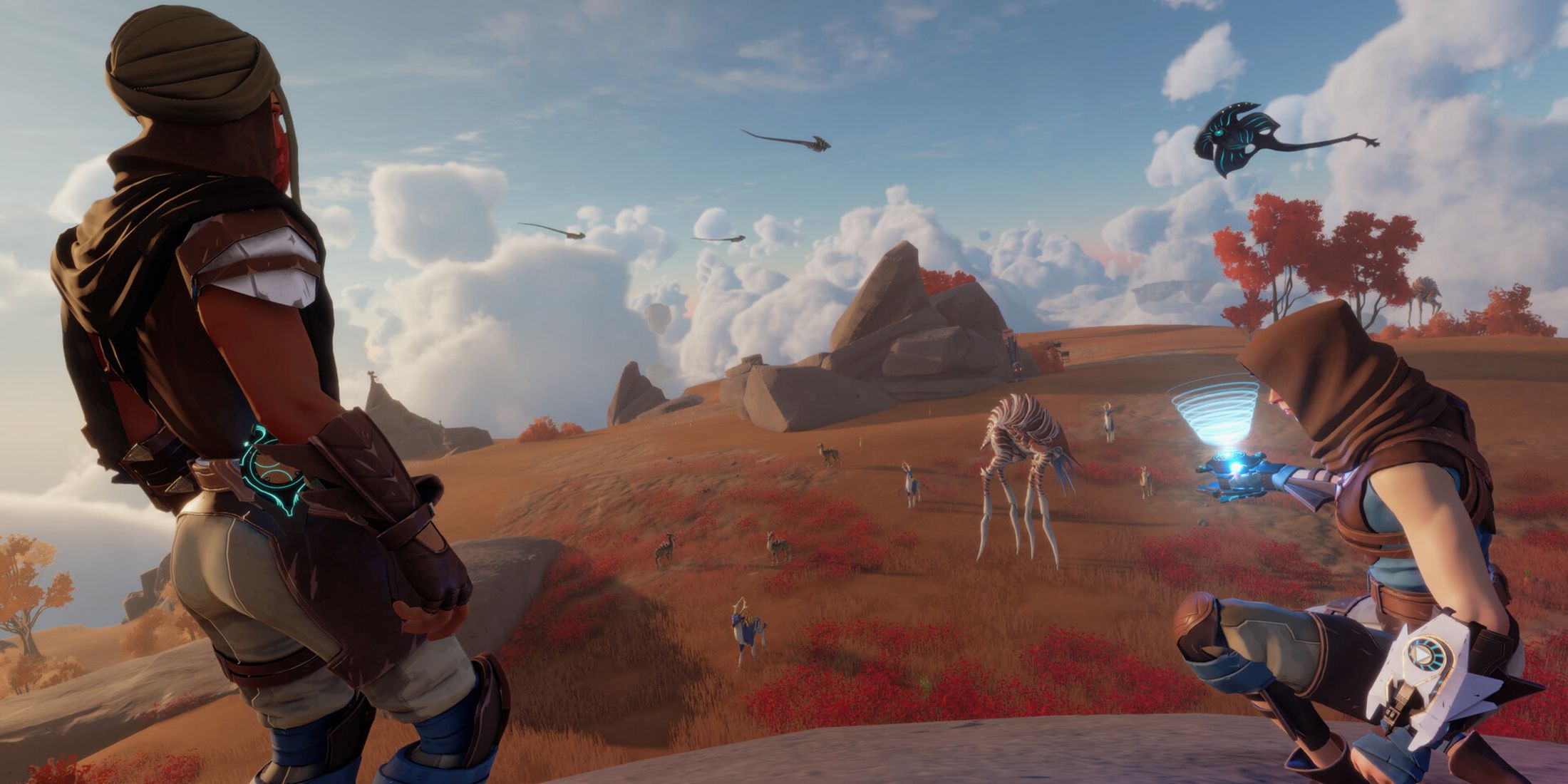
In the year 2017, independent game publisher and developer Bossa Games introduced “Worlds Adrift,” an MMO sandbox game where players could traverse multiple floating islands in a post-apocalyptic future world. Despite its eventual shutdown in 2019, Bossa Games opted to revamp the fundamental aspects of “Worlds Adrift” and create “Lost Skies,” a single-player survival game now accessible via Steam Early Access. Previously, during Steam Next Fest a few months back, players could test out a demo of “Lost Skies.” Additionally, an Island Creator for free play has been available since December.
In a recent conversation with Luke Williams, the lead designer at Bossa Studios, we delved into the transformation of ‘Lost Skies’ from ‘Worlds Apart’, focusing on the change from the MMO structure of the former to a single-player survival/exploration format. Additionally, he shared insights about the development of the Island Creator tool as a separate entity and Bossa Games’ strategies for the Early Access release of ‘Lost Skies’ on Steam, along with future plans. For your convenience, this interview has been condensed for conciseness and clarity.
Lost Skies Rises From Worlds Adrift
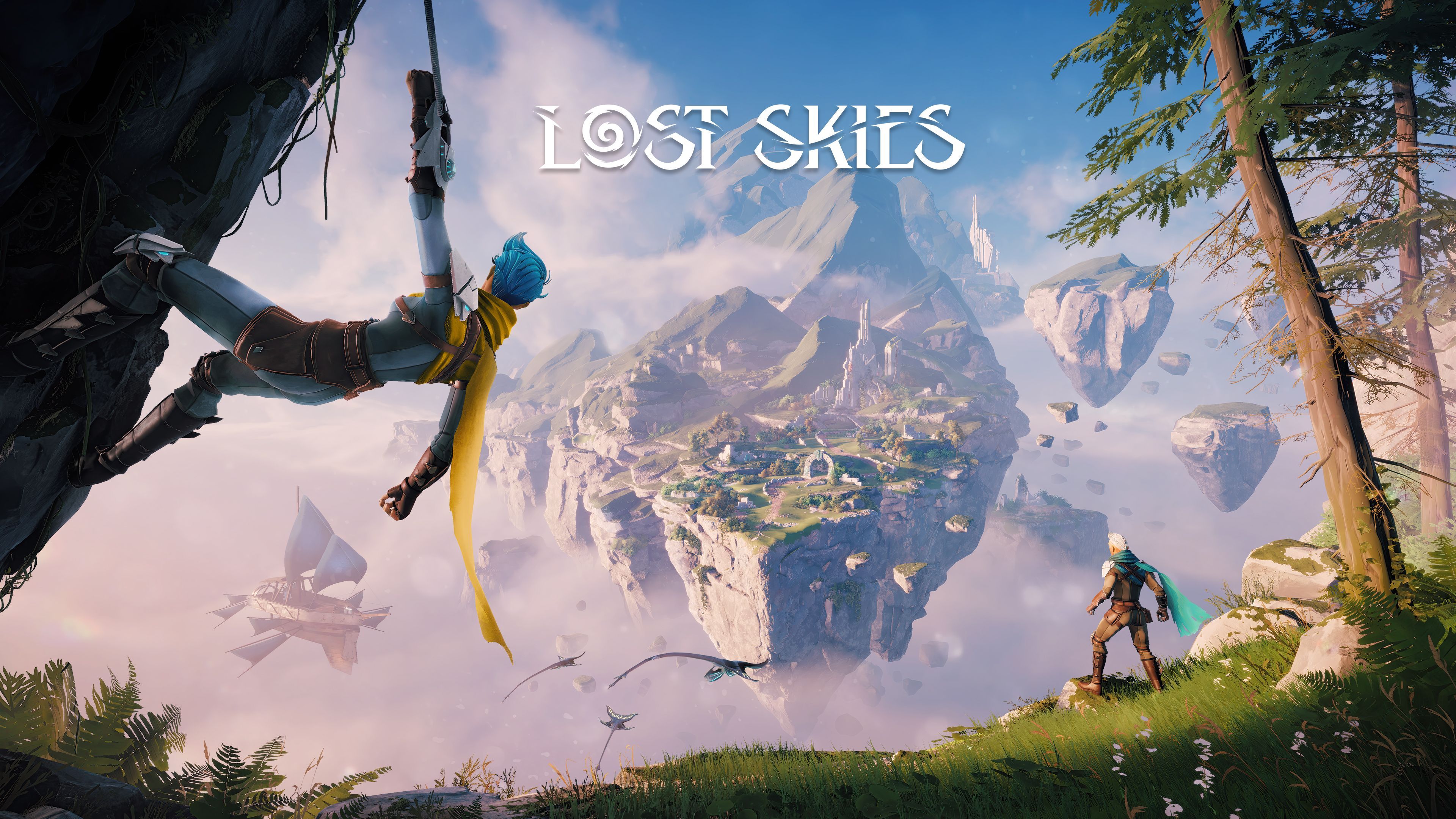
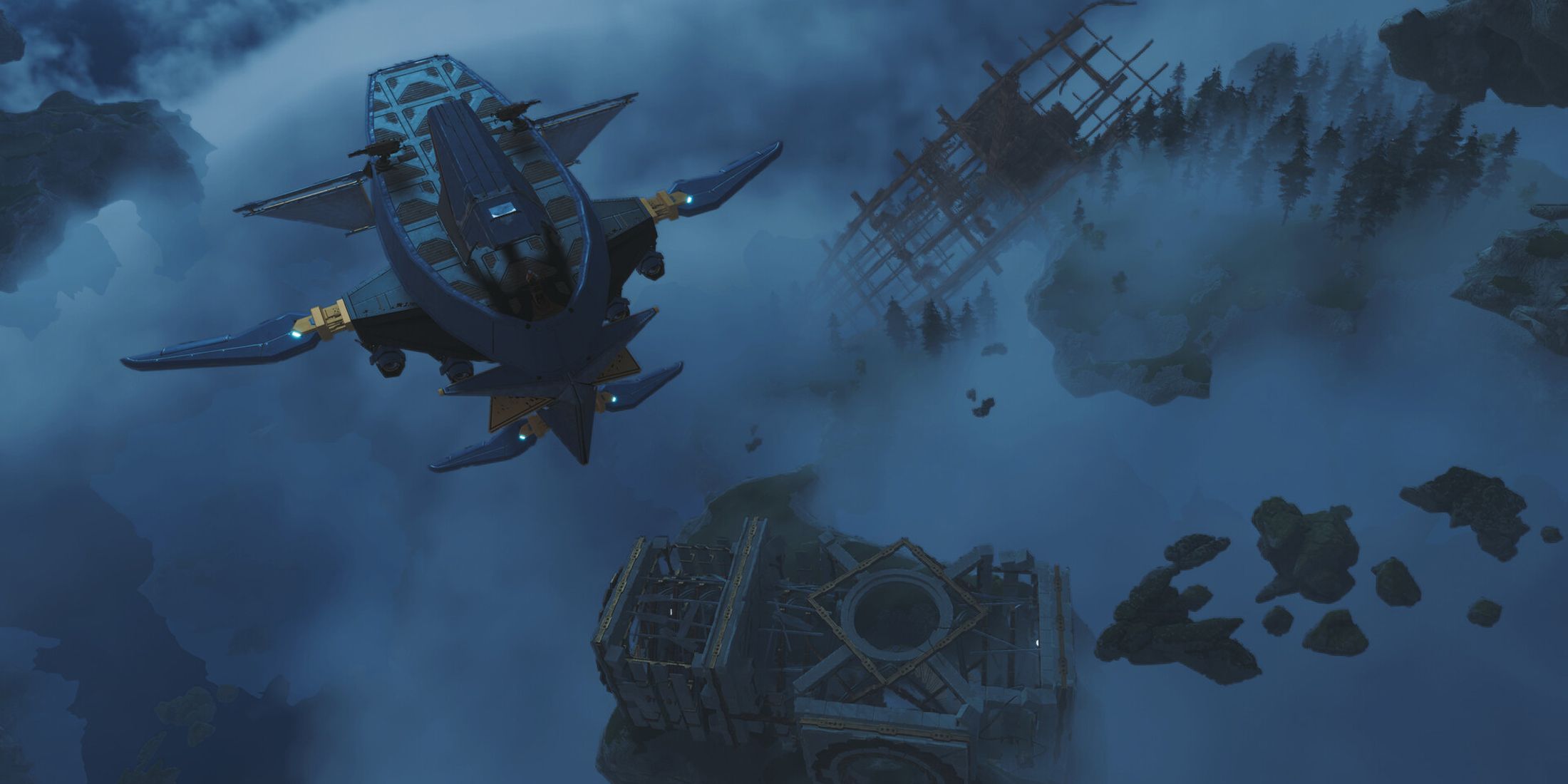
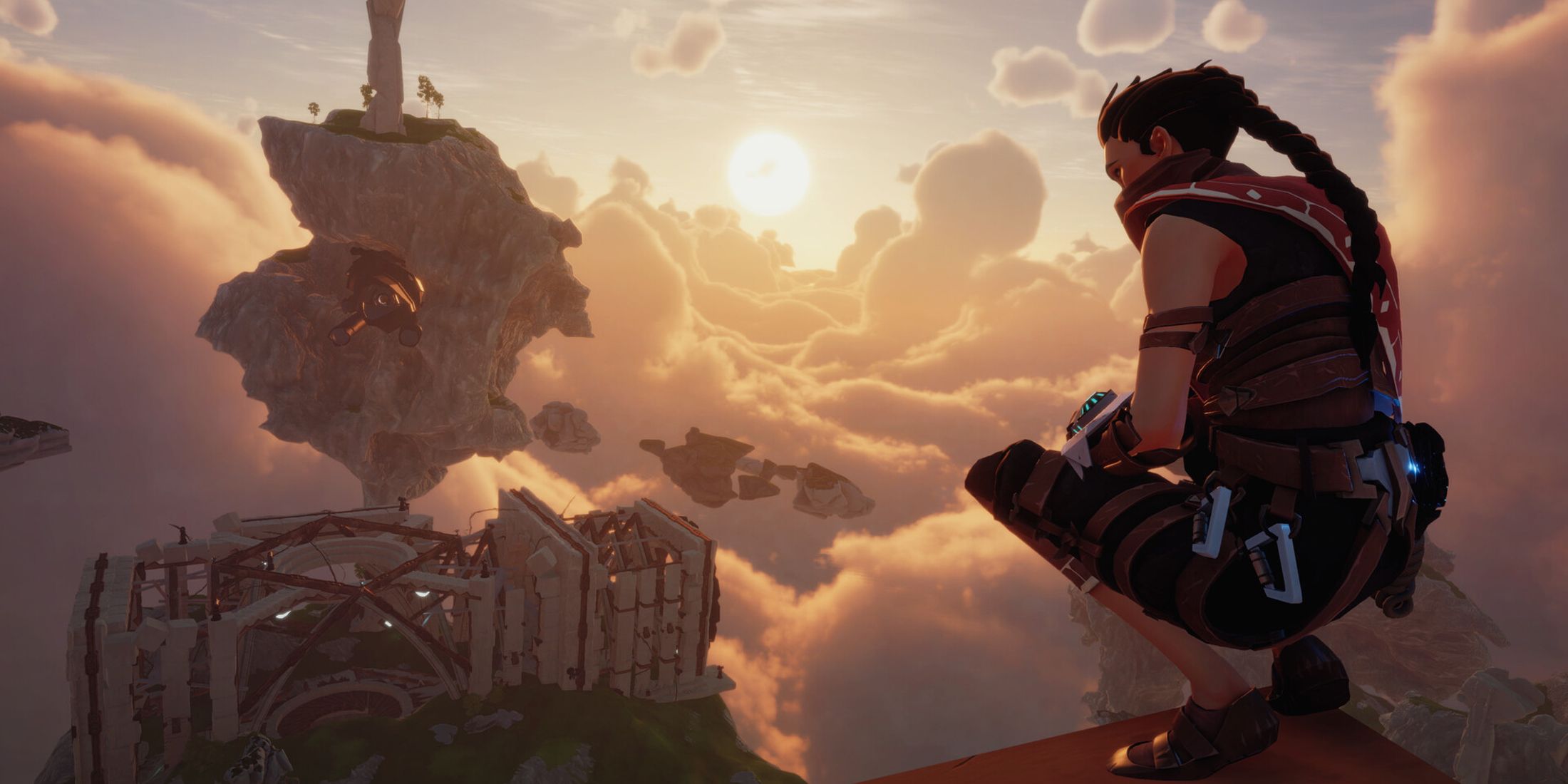
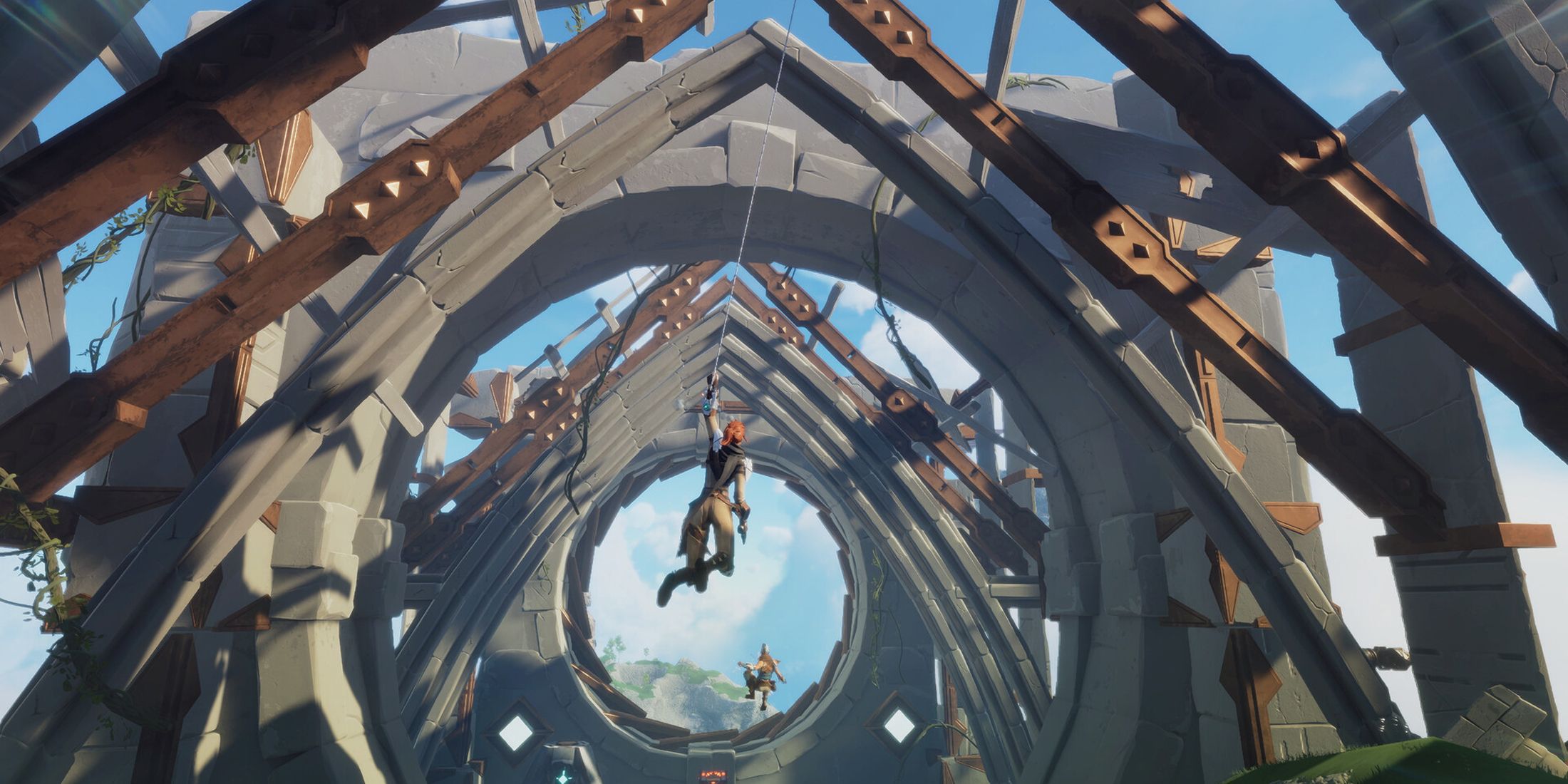
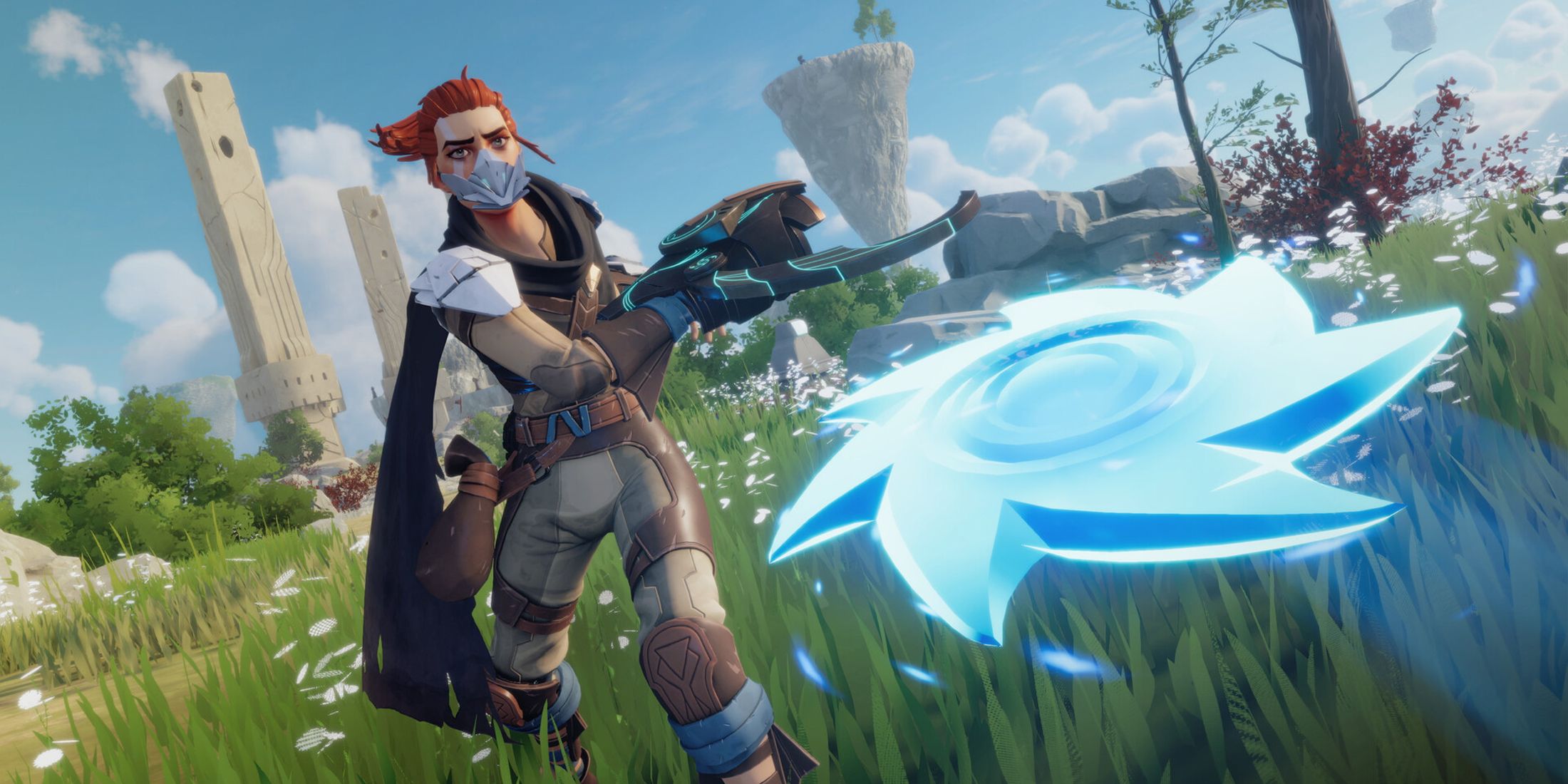
A: Could you tell us more about how Lost Skies connects to Worlds Adrift, as they seem to share a similar spirit in their development?
The essence of both ventures was constantly fueled by the spirit of curiosity and discovery, as you embarked upon any journey aboard a homemade skyship with your comrades.
In our understanding, the fundamental gameplay aspect of Lost Skies, which we found captivating, served as a significant foundation. A key element in the game’s structure was further developing and enhancing this core exploration mechanic.
In a connected narrative, these games transpire within the same cosmos, but we divide the chronology approximately where the disaster signals the end of the world. Given that Lost Skies offers a more targeted cooperative PvE encounter, it grants us greater freedom to deepen the tale and enable players to explore the enigma surrounding the world’s fate. On the other hand, the tale in Worlds Adrift is fragmented and can be pieced together through scattered notes.
Lost Skies maintains its heavy emphasis on physics and includes a grappling hook, as well as polished versions of mechanics seen in Worlds Adrift.
Q: What would you say is the biggest lesson taken from Worlds Adrift for Lost Skies?
A: MMOs can be quite challenging [smiles]. When creating Lost Skies, one of our key objectives was to ensure that the game didn’t require constant online connectivity. Even in the most adverse situations, we wanted players to be able to immerse themselves and explore the world we’ve crafted.
Q: Lost Skies focuses on survival and exploration. What made you decide on this new direction?
A: The new game, Lost Skies, won’t be too far removed from the feel of Worlds Adrift. However, since we don’t have hostile players in this one, we’ve had to emphasize PvE and create a perilous environment using AI opponents and bosses instead.
Additionally, we aimed to incorporate a compelling narrative and storyline within the gameplay to enhance the user’s journey. Our design emphasis was on intricate advancement mechanisms that encourage players to delve deeper and try out new approaches, featuring technology trees and cycles of improvement and enhancement.
Lost Skies’ Future Plans
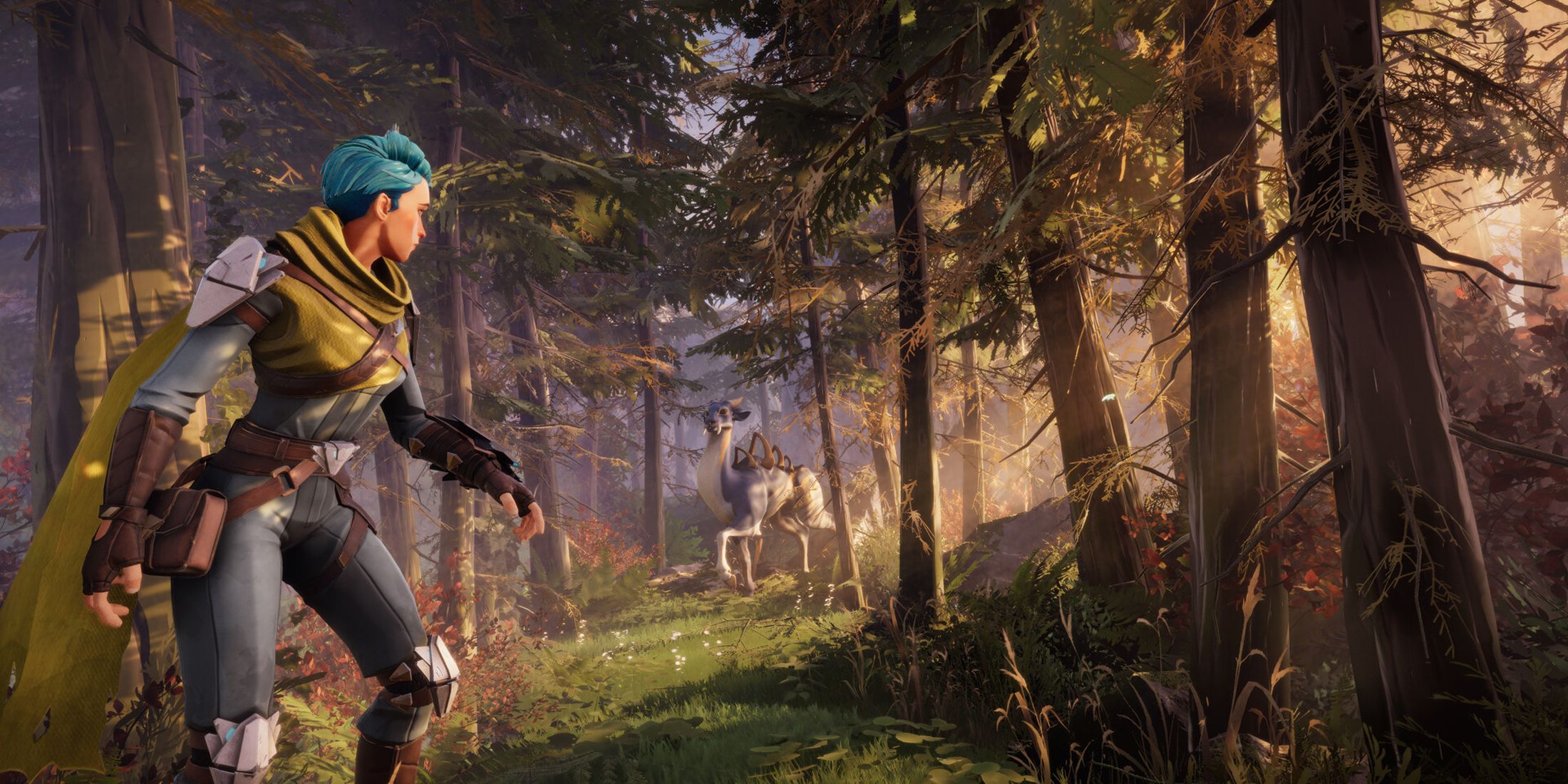
A: I’d be happy to share some insights into how we designed the survival and exploration aspects.
To make our sky-scattered island experiences more engaging and immersive, it was clear that we needed to take action.
Our self-contained island designs, crafted collaboratively by Bossa Studios and our community, are created using the independent tool called “Lost Skies: Island Creator.” This versatile platform offers a range of puzzles and gameplay elements, enabling creators to build vast dungeons. To advance, you must solve riddles, open doors, or overcome challenging combat scenarios to access hidden treasures or crucial progression items.
Q: What are your short-term plans for Early Access?
Prioritizing performance enhancements and bug fixes is essential, and dealing with multiple hardware configurations for the game reveals those problems more clearly.
Initially, we’ll focus on enhancing the reactive polish, but there are numerous features and content lined up for future releases. These include fresh ship components, tech tree advancements, new islands, boss encounters, and innovative gameplay mechanics. We’re eager to discover which aspects of our game Lost Skies will captivate the community the most. We’ll continue monitoring player feedback, much like we’ve done with our OpenDev community over the past two years, and prioritize updates that significantly improve the gaming experience for our players.
Q: What are you hoping to see as you move through Early Access? Any long-term plans?
Our rollout plan includes outlining key objectives across the entire Enterprise Architecture, while allowing flexibility to modify or adjust our focus points as circumstances demand.
Fundamentally, our goal is to broaden the universe and material within the game, while maintaining a good equilibrium and resolving any technical issues.
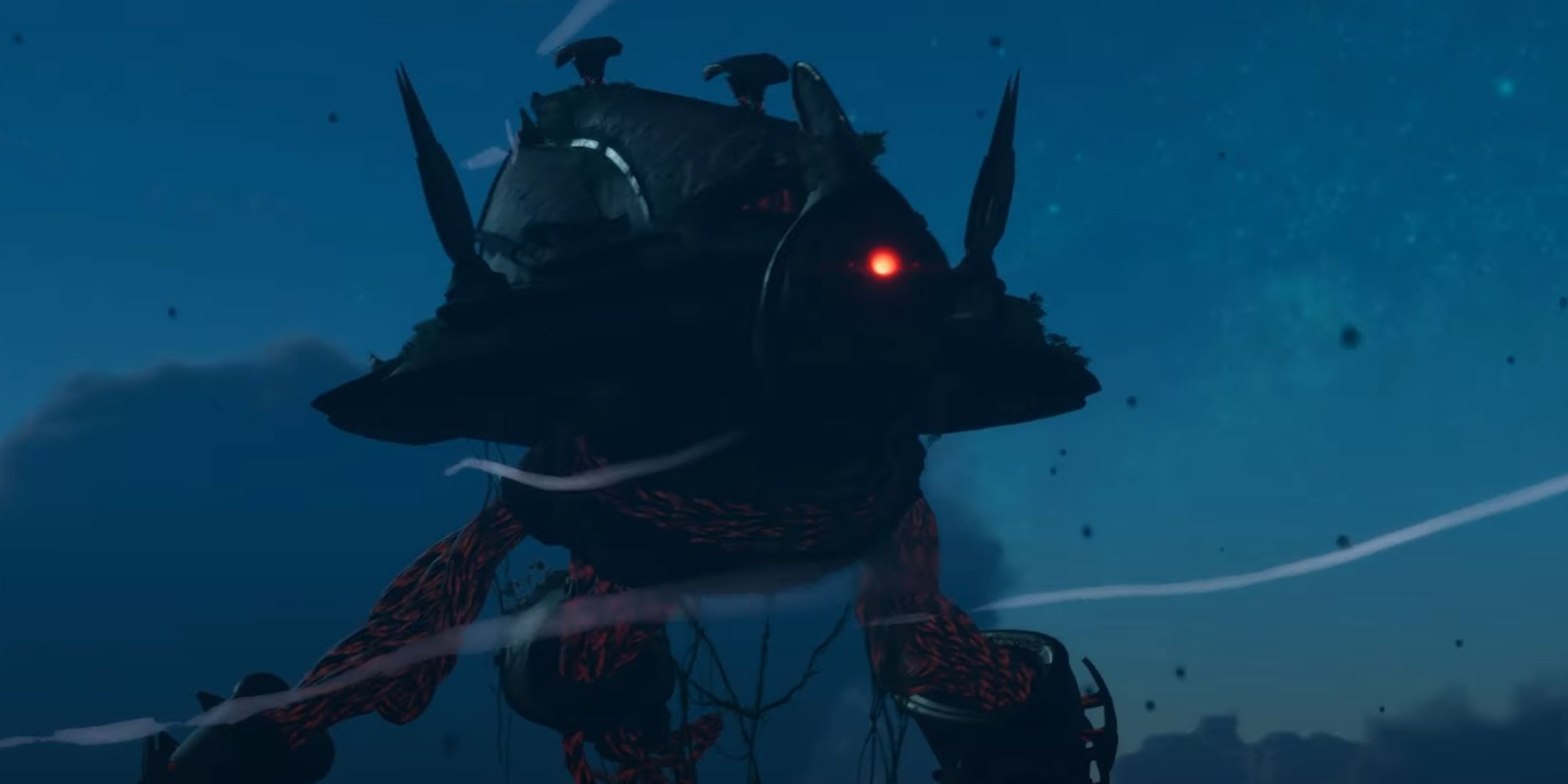
Q: What would you say is the overall theme of Lost Skies’ story?
A: Uncovering the mystery that led to the end of the world, and the players’ role in that.
In simpler terms, during gameplay, you’re assisted by a digital companion named ASA. This AI guide assists you in locating and understanding the advanced tech remnants found within the dilapidated remains of an ancient civilization, and gradually helps unravel the mystery behind its downfall.
A: I’d be happy to share some insights on how we developed the island and shipbuilding features within our game. Can you tell me about your experience with this process?
On the islands, there’s a system for importing resources from the Island Creator. With this setup, creators can establish navigation meshes and different types of sub-biomes, like caves and woods. This configuration decides what artificial intelligence, materials, and loot will appear in these locations.
The ship construction process draws inspiration from advanced 3D design software, yet it incorporates distinct limitations that enable complete physics integration while maximizing creative liberty for users. The main hurdle in creating such systems is apparent. A key aspect of the game Lost Skies lies in the concept, “Your ship serves as your home.” Thus, we aimed to ensure that your vessel truly feels personalized as you customize and expand it throughout your journey.
Q: Lost Skies has a separate Island Creator. How did the idea for this come about?
Originally, it stemmed from the game “Worlds Adrift.” Our intention was to construct the world using procedural islands, while intermittently incorporating some islands that were crafted by hand.
Following the development of tools for creating islands, we found it amusing to freely distribute them on Steam. Unforeseen was the deluge of extraordinary islands that followed, crafted by our community. This influx eventually rendered procedurally generated islands unnecessary, as there were more than enough handmade ones to fill the entire world.
With “Lost Skies,” our aim was to delve deeper and that’s why we incorporated numerous gameplay and puzzle elements in the revamped version of “Island Creator.” There’s a steady stream of incredible islands being uploaded to Steam Workshop, which we seamlessly integrate into our game world. Intriguingly, it often takes our development team some time to decipher how creators managed to pull off certain feats with the asset packs we’ve supplied – it’s both thrilling and gratifying to witness.
What is the most significant feedback received from the demo of Lost Skies, which was showcased during Steam Next Fest?
A: After three years of development, we’re still unsure about how players will respond to our game once it’s released. However, making it into the top 20 games during Steam Next Fest has given us a boost of confidence that our creation might strike a chord with people.
The feedback that proved most beneficial came from players who spent 20-30 hours exploring the demo, which included four islands (the EA version will offer a much larger world). These players particularly enjoyed the shipbuilding and experimentation aspects, so we decided to prioritize developing deeper systems in this area before Early Access launch, providing them with even more engaging content.
Q: Is there anything else you would like to add?
As a dedicated gamer, I’m eager to extend my gratitude to our remarkable Open Development community. These individuals have been part of the gaming journey for almost three years now, witnessing the game evolve hand-in-hand with the developers and significantly contributing to shaping the unique experience we enjoy today. And let’s not forget the ardent Worlds Adrift players who kept their passion burning bright for this captivating world and setting. We wouldn’t have reached where we are without their unwavering support.
[END]
Read More
- All Skyblazer Armor Locations in Crimson Desert
- All Shadow Armor Locations in Crimson Desert
- How to Get the Sunset Reed Armor Set and Hollow Visage Sword in Crimson Desert
- Marni Laser Helm Location & Upgrade in Crimson Desert
- All Helfryn Armor Locations in Crimson Desert
- All Golden Greed Armor Locations in Crimson Desert
- One Piece Chapter 1180 Release Date And Where To Read
- Best Bows in Crimson Desert
- All Icewing Armor Locations in Crimson Desert
- How to Beat Stonewalker Antiquum at the Gate of Truth in Crimson Desert
2025-04-25 13:30